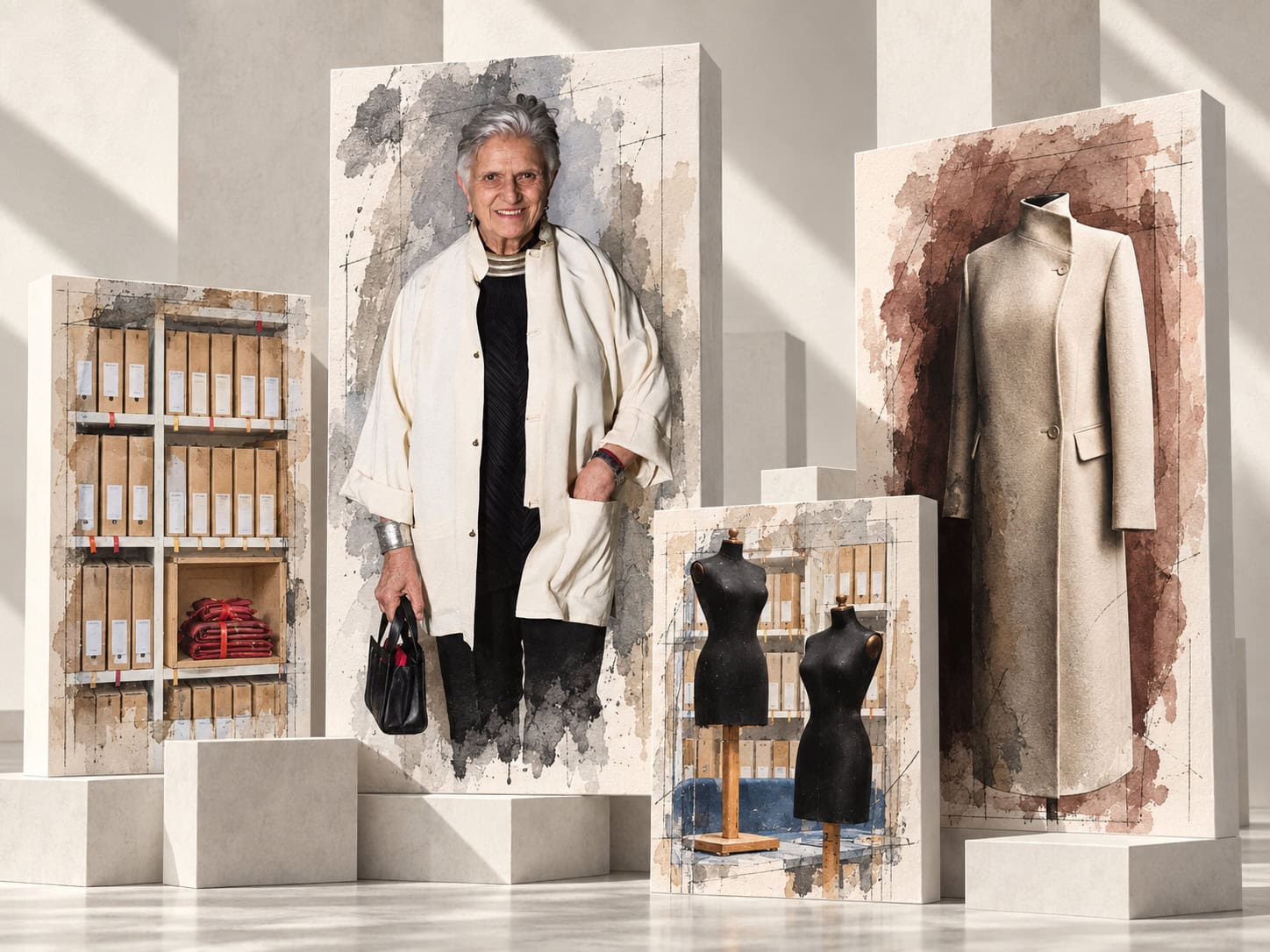
Across more than six decades, Max Mara’s legendary Fashion Coordinator transformed a family
tradition of preservation into one of fashion’s most extraordinary living archives
By Kenneth Richard
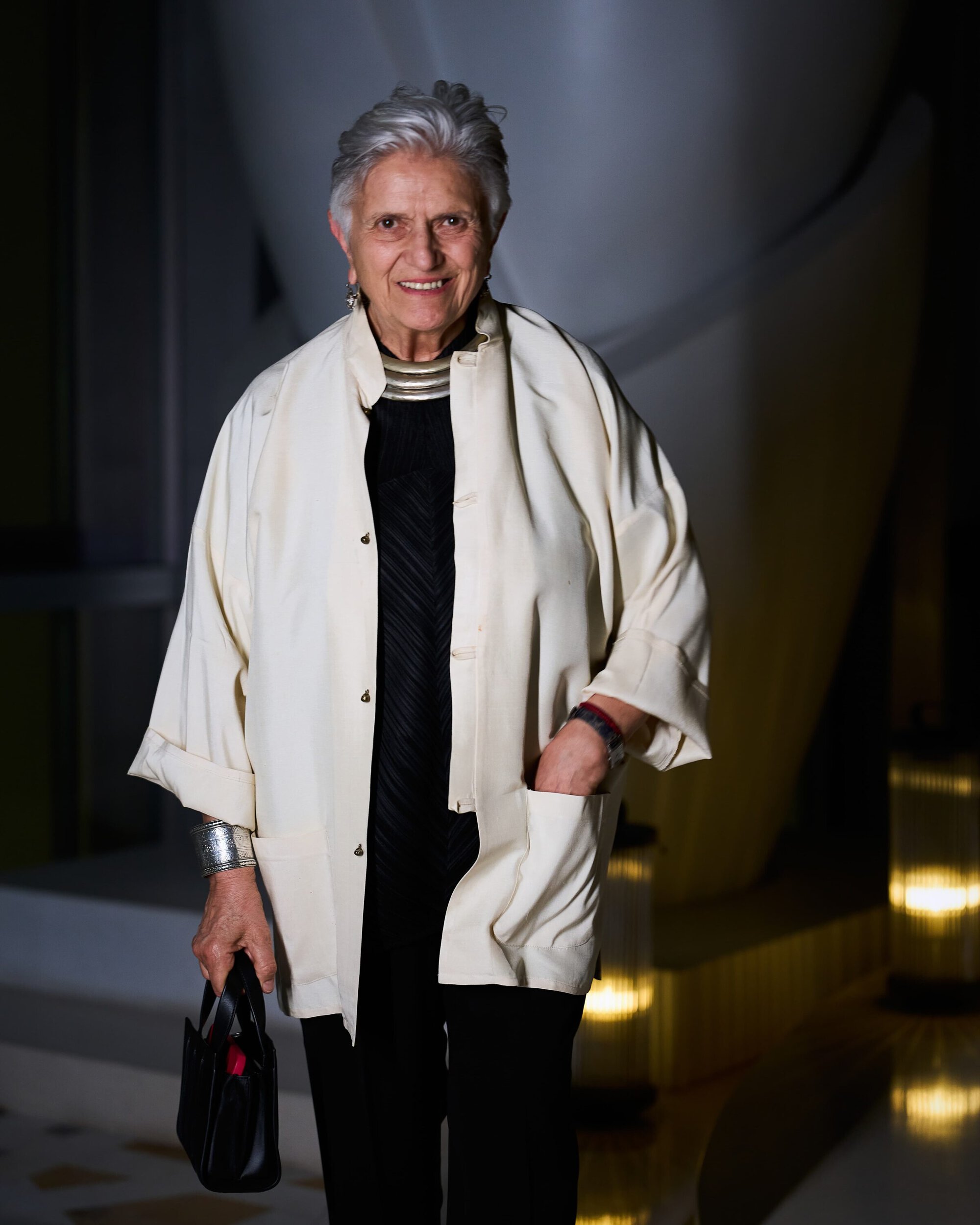
There are people who work inside a fashion house, and there are people who gradually become part of its architecture. Laura Lusuardi belongs to the latter.
Laura Lusuardi entered Max Mara at 18 and grew alongside a company that was still defining what modern Italian ready-to-wear could become. More than six decades later, she remains its Fashion Coordinator, a title that only begins to describe a role spanning product, design, research, history, mentorship, and memory. She has worked alongside generations of designers, helped guide collections across the Max Mara Fashion Group, and developed an instinctive understanding of how creative ideas must ultimately meet the changing lives of women. Yet perhaps her most consequential achievement began without a title, a budget, or even a formal plan. She simply started keeping things.
Fabrics. Drawings. Original sketches. Garments. Patterns. Photographs. Magazines. The material evidence that usually disappears as a company moves from one collection to the next. While others saw the inevitable remnants of production, Lusuardi saw knowledge. Over time, what began as a personal act of preservation became the foundation of BAI Max Mara, the company’s Biblioteca e Archivio d’Impresa, established in 2003 to collect, organize, and transmit the historical patrimony Max Mara had been preserving since the 1950s.
“I had the idea because it was a sort of archive in progress,” she explains. “Over the years, I kept all these things.”
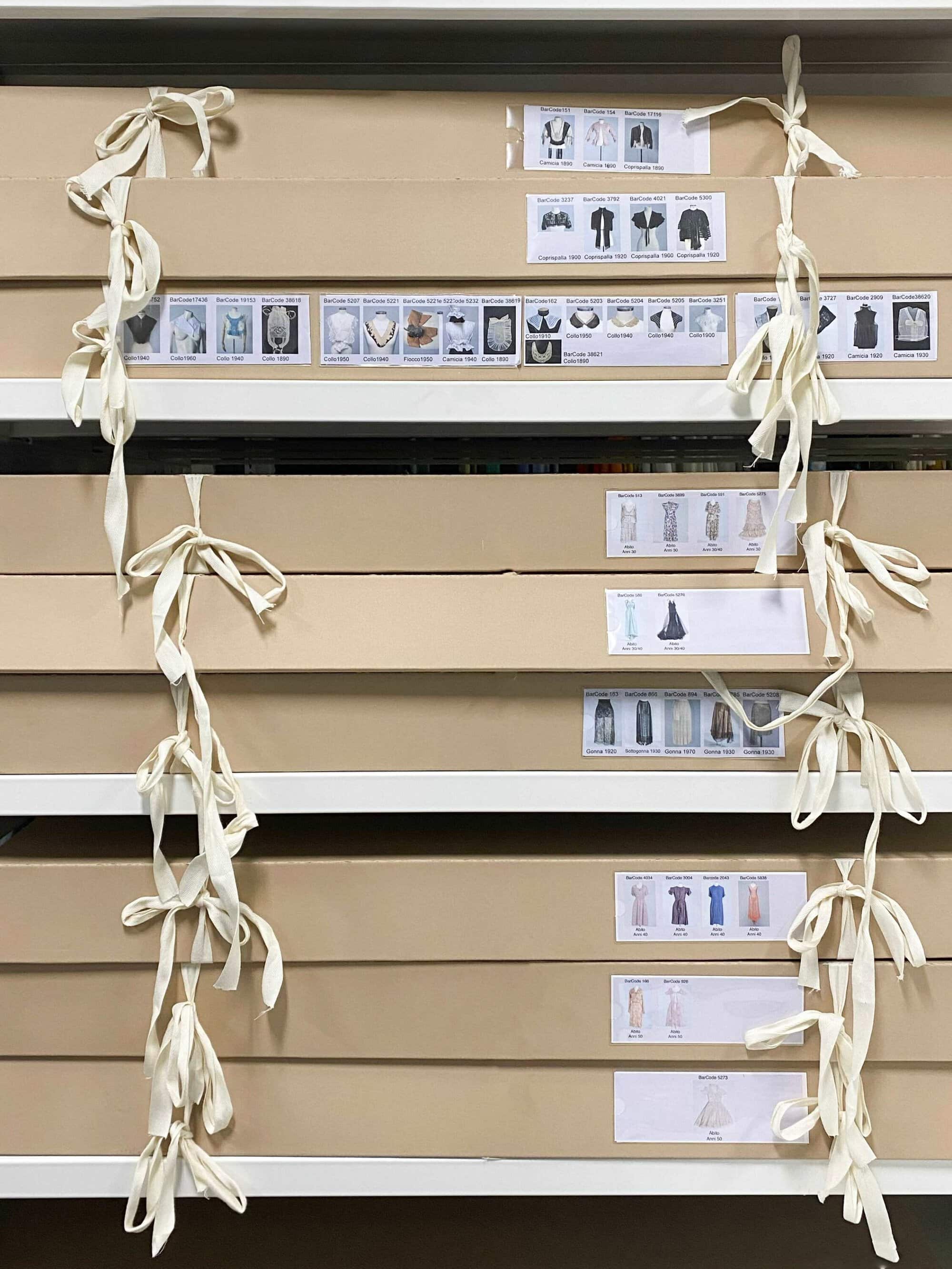
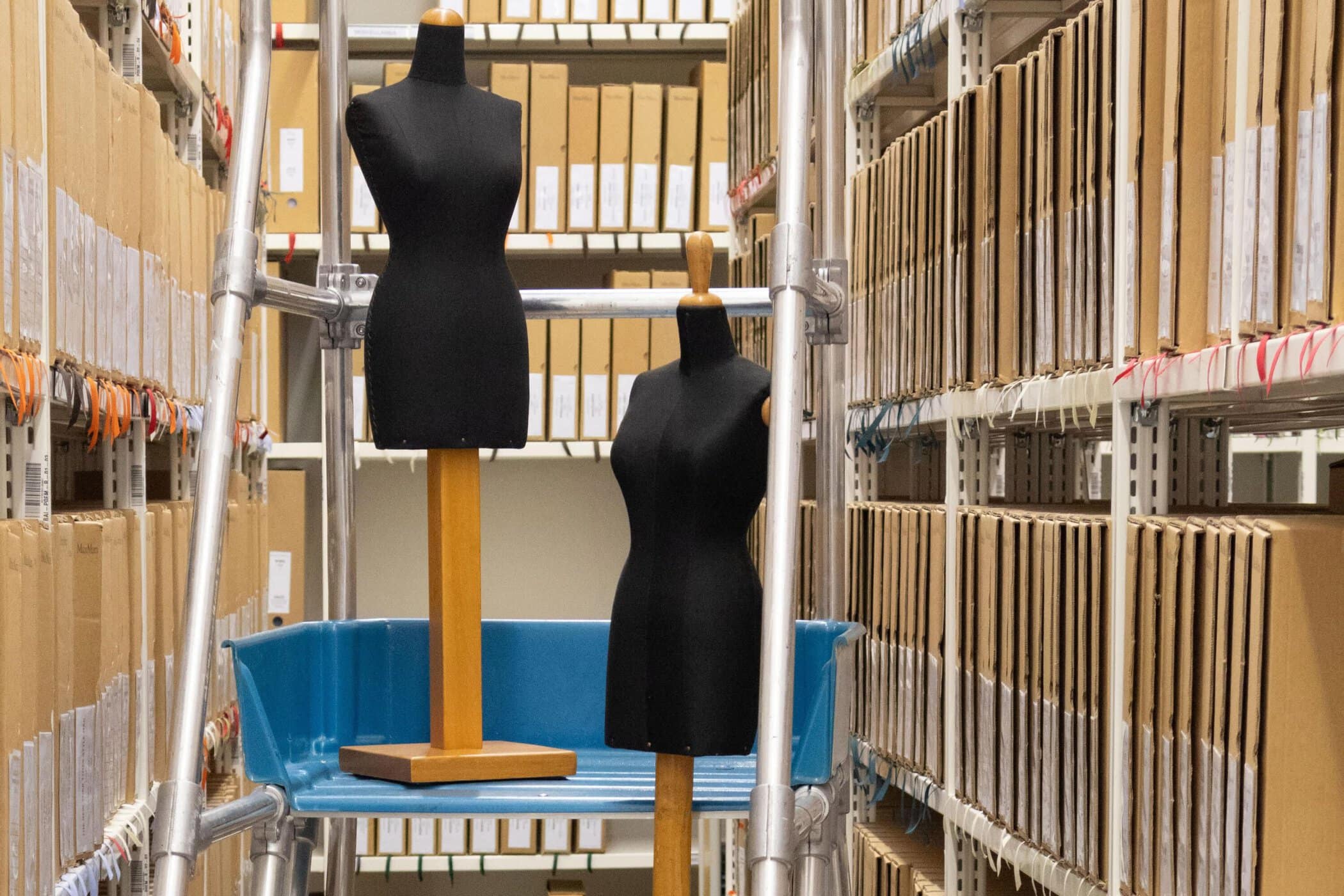
That phrase, “archive in progress,” captures the distinction of what she created. This is no mausoleum of celebrated coats arranged to flatter the official history of a brand. It is a working system, built to make the past useful. Today, the archive contains more than 30,000 garments from Max Mara’s history, along with original collection sketches, textiles, communication materials, photographs, patterns, and documentation from across the group. Alongside it sits a separate
vintage archive of approximately 10,000 garments, spanning the late 19th century through the 1980s, as well as a textile and print collection, thousands of research books, and some 80,000 historical magazines.
The official description of the archive calls it both the company’s historical memory and an operational, living space where garments, magazines, and textiles remain physically available to the creative teams. That practicality matters. At Max Mara, preservation is not presented as an act of nostalgia. It is treated as a creative tool.
Lusuardi’s archive has two souls. The first records Max Mara itself in extraordinary depth. The second records the larger culture through which Max Mara has moved.
This is what makes it singular.
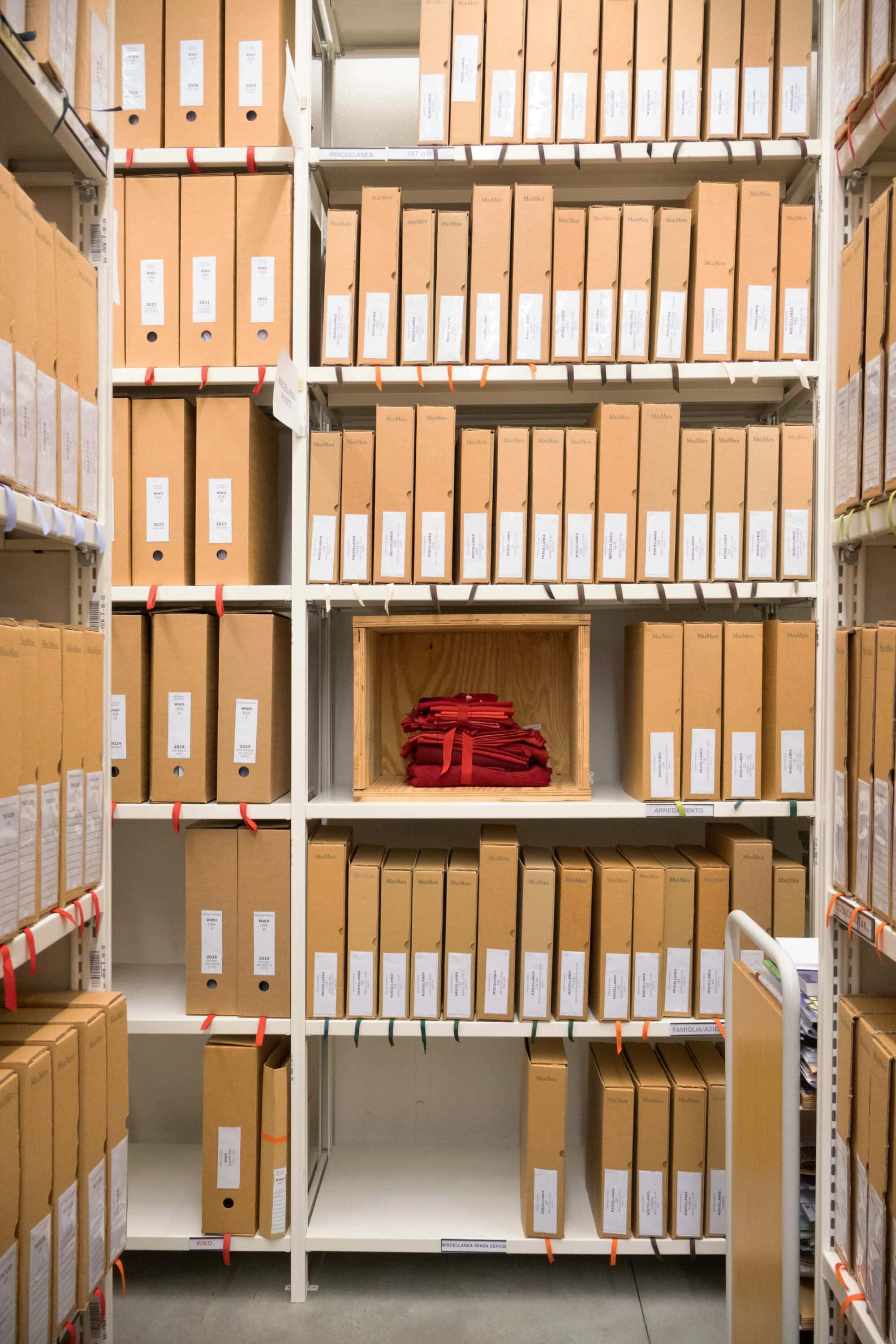
Lusuardi did not limit her collecting to the company’s own output or even to fashion’s established canon. She gathered magazines of every kind because fashion does not emerge from fashion publications alone. It comes from changing cities, working habits, political climates, advertising, interiors, art, street life, and the small behavioral shifts that reveal how women are beginning to live. At the end of each year, she bundled the publications together so that a period could eventually be revisited as a whole rather than reconstructed through a handful of glamorous images.
Simultaneously, she bought garments wherever curiosity led her. Military uniforms, police clothing, traditional costumes, anonymous utilitarian pieces, American sportswear, French couture, and historical examples by houses including Balenciaga, Chanel, Schiaparelli, and Lanvin entered the collection. This researching attitude she helped to transfer to other members of the creative teams, who have been active contributors to the archive, along the decades.
She simply looked for objects she sensed might one day have something to teach.
“In a certain sense, I wanted to rescue fashion,” she says. “I saw it, and it was so gorgeous, I had to buy it.”
The collection grew through travel. In the 1970s, Lusuardi went to London and New York at a moment when, as she remembers it, Italy had no meaningful vintage culture. She explored markets, shops, and city streets, observing not only what women wore but how they used clothing. New York was particularly revelatory. American women appeared to be living several years ahead of their European counterparts, navigating the office, the street, and the restaurant without entirely changing identities between them.
She recalls the working woman who arrived at the office in a suit and practical shoes, then removed her jacket in the evening to reveal a draped Donna Karan jersey top. To Lusuardi, this was more than styling. It represented a new relationship between clothing and time. The garments were being asked to move through an entire day, adapting to a woman whose life no longer paused while she went home to change.
This observational intelligence has always been central to Max Mara. The house’s history is often told through the camel coat, but Lusuardi understands the coat less as an icon than as an answer: a garment developed for a particular kind of woman and refined as her life evolved. Achille Maramotti founded Max Mara in 1951 around the radical premise that well-designed, industrially produced clothing could bring the intelligence of couture to a broader female public. Lusuardi joined that project while it was still taking shape and helped translate its ambitions across generations.
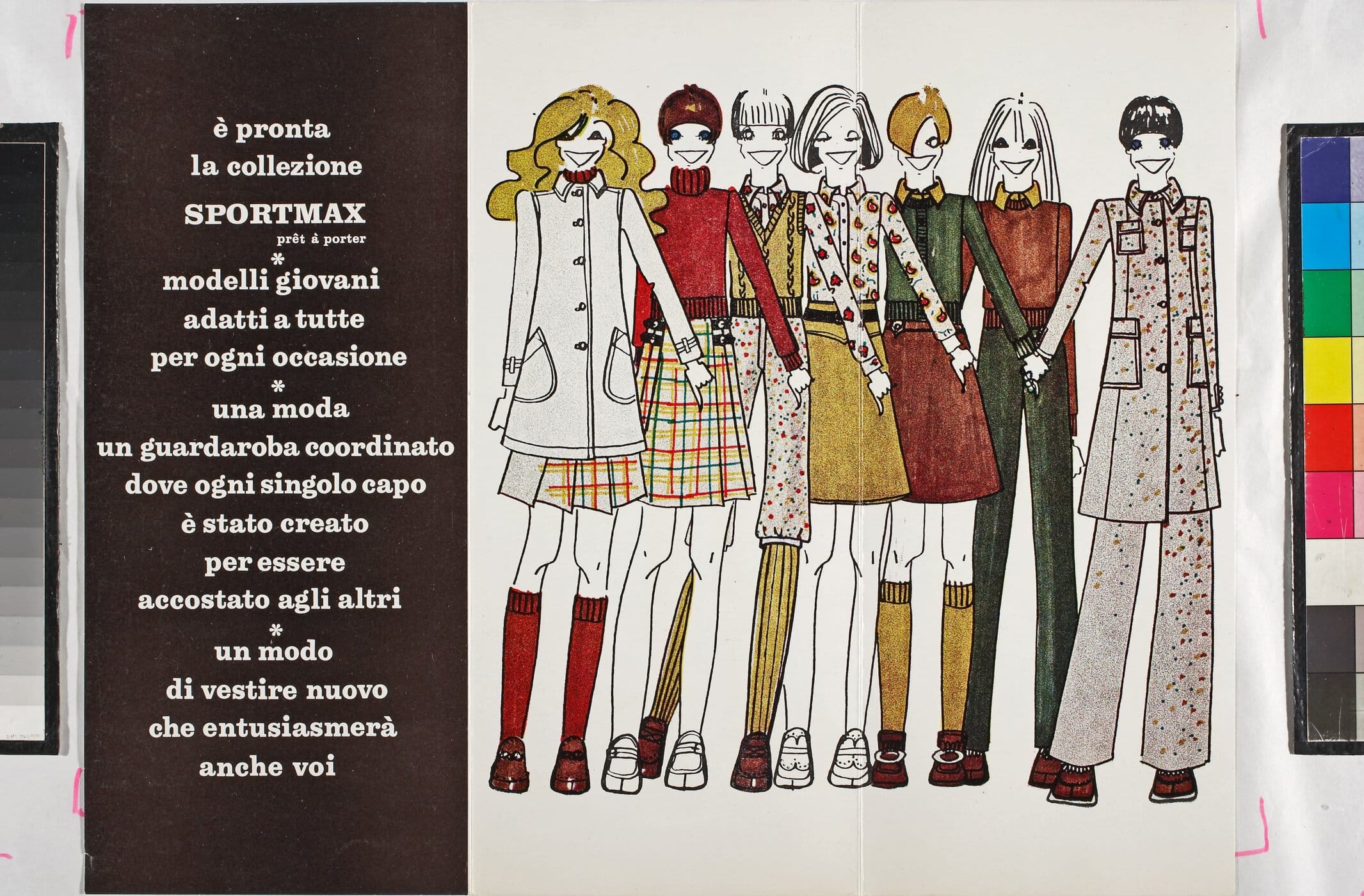
Her first major project was Sportmax, conceived as a younger and more experimental expression of the changing culture of the late 1960s and early 1970s. She and other colleagues would go on to work with designers including Jean-Charles de Castelbajac, Karl Lagerfeld, Anne-Marie Beretta, Eric Brenner, and Ian Griffiths. Her role, however, was neither that of a conventional designer nor a corporate supervisor standing outside the creative process. She acted as an interpreter between imagination, product, company, and customer.
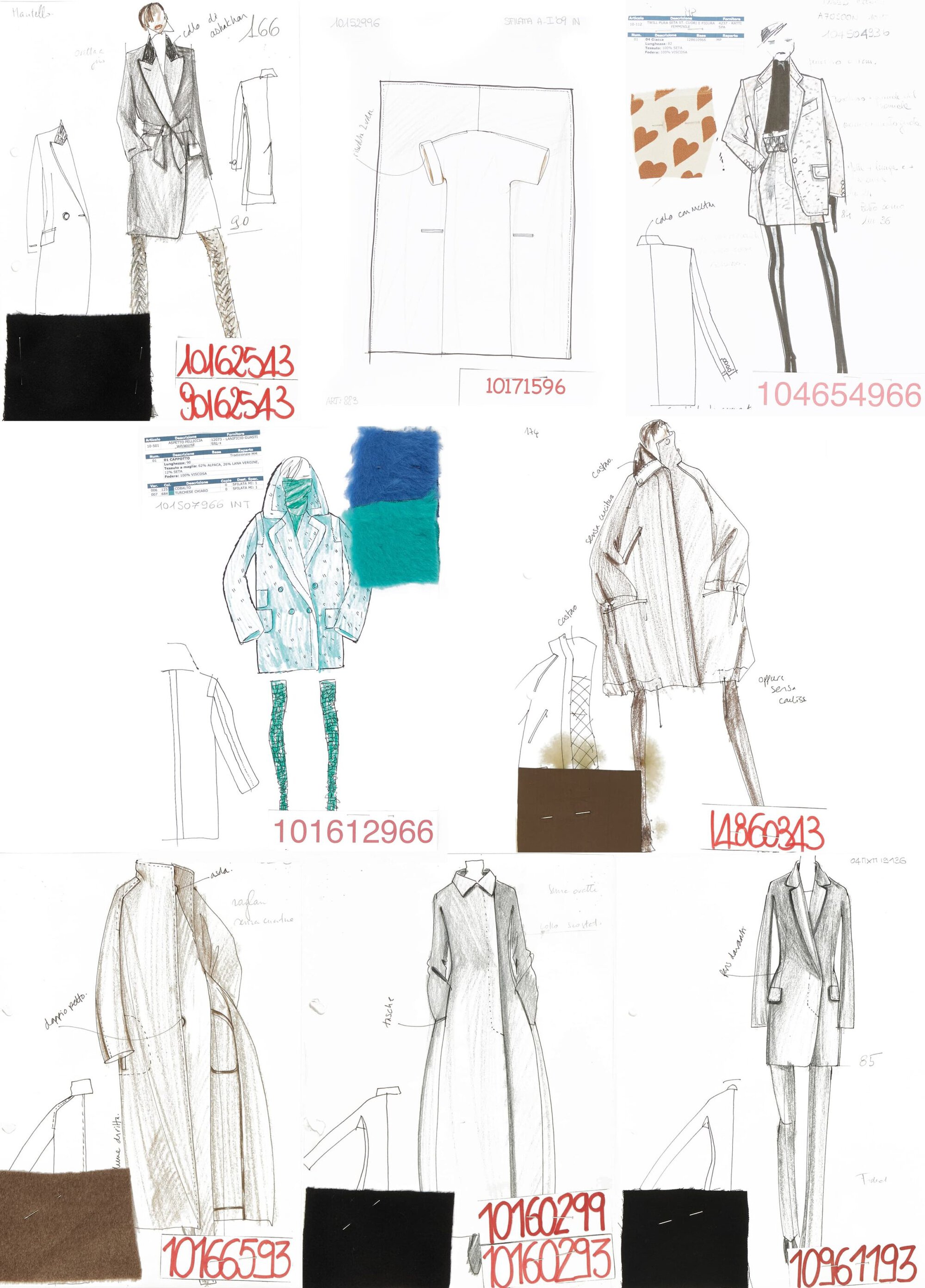
“I made, in a certain sense, the designers’ ideas more commercial,” she says, although commercial is too reductive a word for what she describes. Her real task was to protect the force of an idea while ensuring it could enter a woman’s wardrobe. She researched fabrics, understood construction, followed the development of collections, and helped designers recognize whom they were designing for. She could move between creative abstraction and the hard intelligence of a sleeve, a fastening, a shoulder, or a coat that had to work beyond the runway.
Lusuardi also helped establish the long-term culture through which Max Mara develops creative talent. When established designers became increasingly bound by exclusive contracts in the late 1980s, she and Luigi Maramotti turned toward London’s fashion schools. Eric Brenner joined Max Mara after being discovered through the Royal College of Art, while Ian Griffiths entered Max Mara after winning a company project at the school. Griffiths has now spent more than three decades with the house.
Such continuity is unusual in fashion, but at Max Mara it is part of a deeper system. Designers are not imported to announce a dramatic rupture and then replaced when another rupture becomes desirable. They are given time to absorb the culture of the company, understand its women, and develop within it. Lusuardi has served as one of the principal carriers of that culture.
Her own curiosity remains undiminished. “When you travel, you learn a lot if you are curious,” she says. It sounds almost modest until one looks around and realizes what six decades of sustained curiosity can produce.
At BAI Max Mara, a request for polka dots does not lead to an online image search. It leads to boxes containing hundreds of physical print references, organized by type. A study of Balenciaga can begin with original garments held in the archive, followed by a conference prepared for the group’s designers, an exhibition, a booklet, and a filmed record that can be revisited later. Three such conferences are organized each year to transmit cultural and technical knowledge across the company’s creative teams.
The archive is therefore less a storehouse than an internal university, one whose curriculum is continually revised. Its scale is impressive, but its logic is more important. Lusuardi understood early that information only becomes knowledge when it is selected, organized, contextualized, and shared.
If you don’t know the past, you cannot have a vision of the future. Everything has already been proposed.
– Laura Lusuardi
She does not mean that invention is impossible. She means that originality without knowledge is often merely repetition performed unknowingly. The archive allows a designer to recognize the lineage of an idea, then decide where to take it next. It protects against the vanity of believing that every rediscovery is a first discovery.
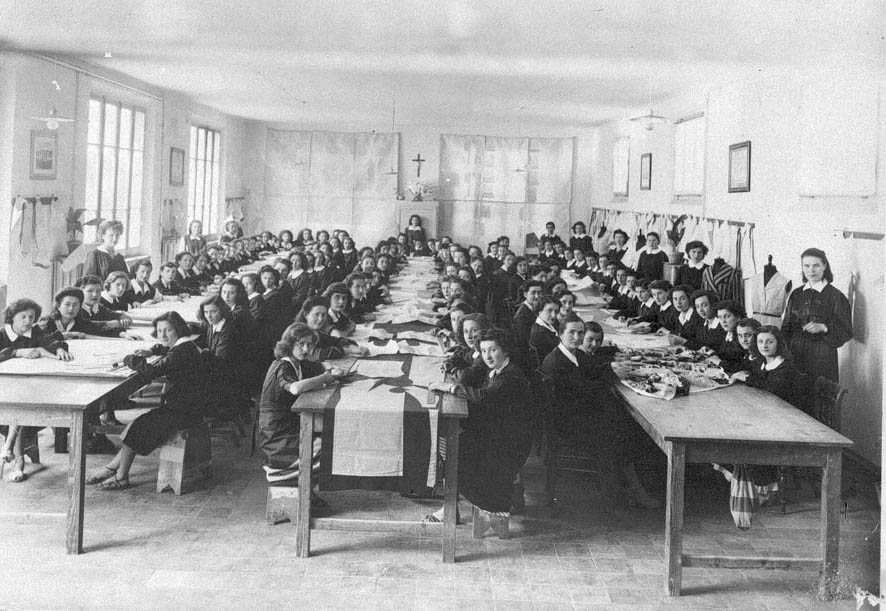
There was already an archival instinct within the Maramotti family before Lusuardi began her collecting. Achille Maramotti preserved and bound magazines, while his family produced instructional manuals containing patterns, cutting methods, sewing guidance, and the practical knowledge required to make clothing. The company was built by people who understood that expertise must be documented before it can be passed on.
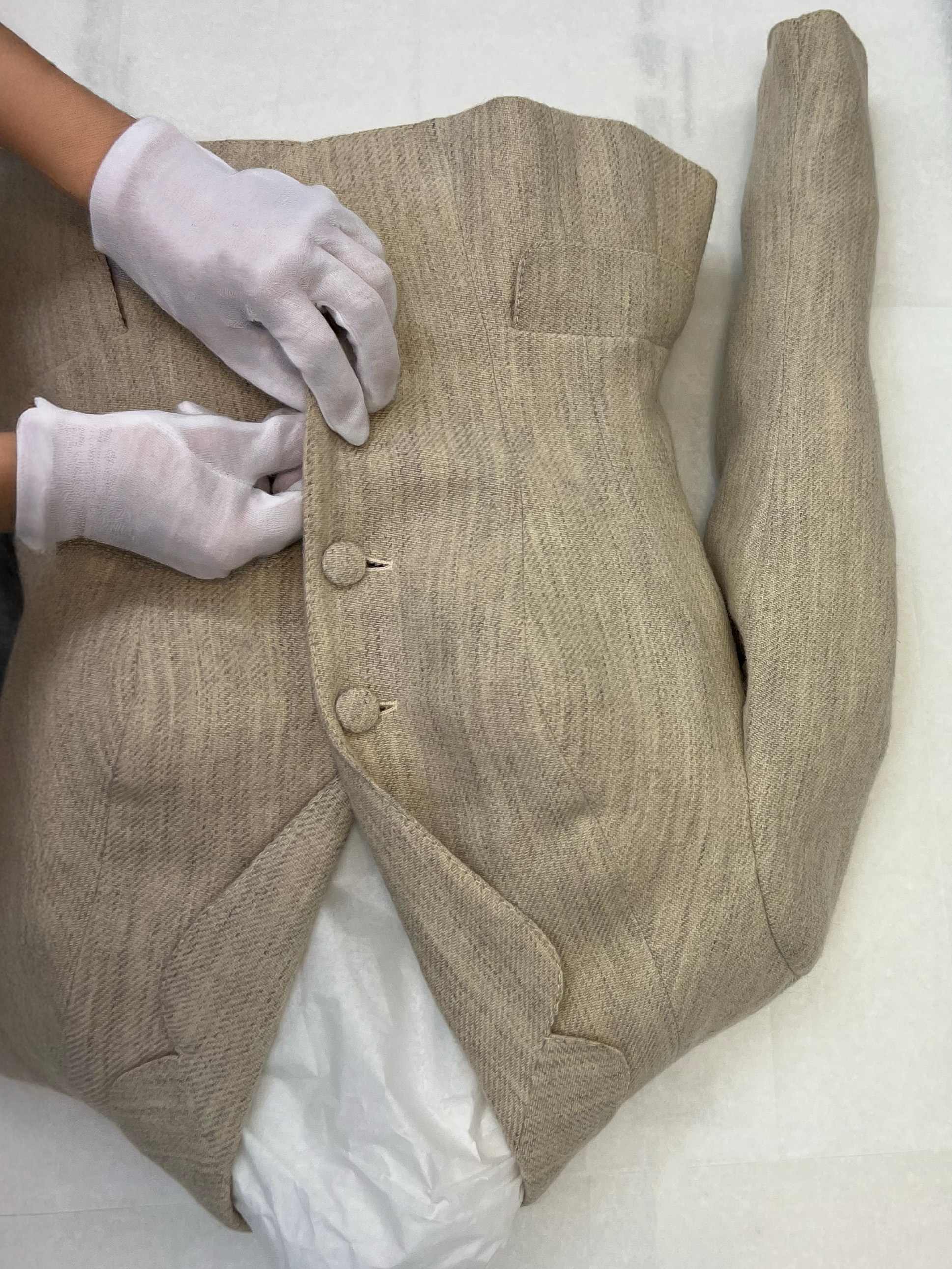
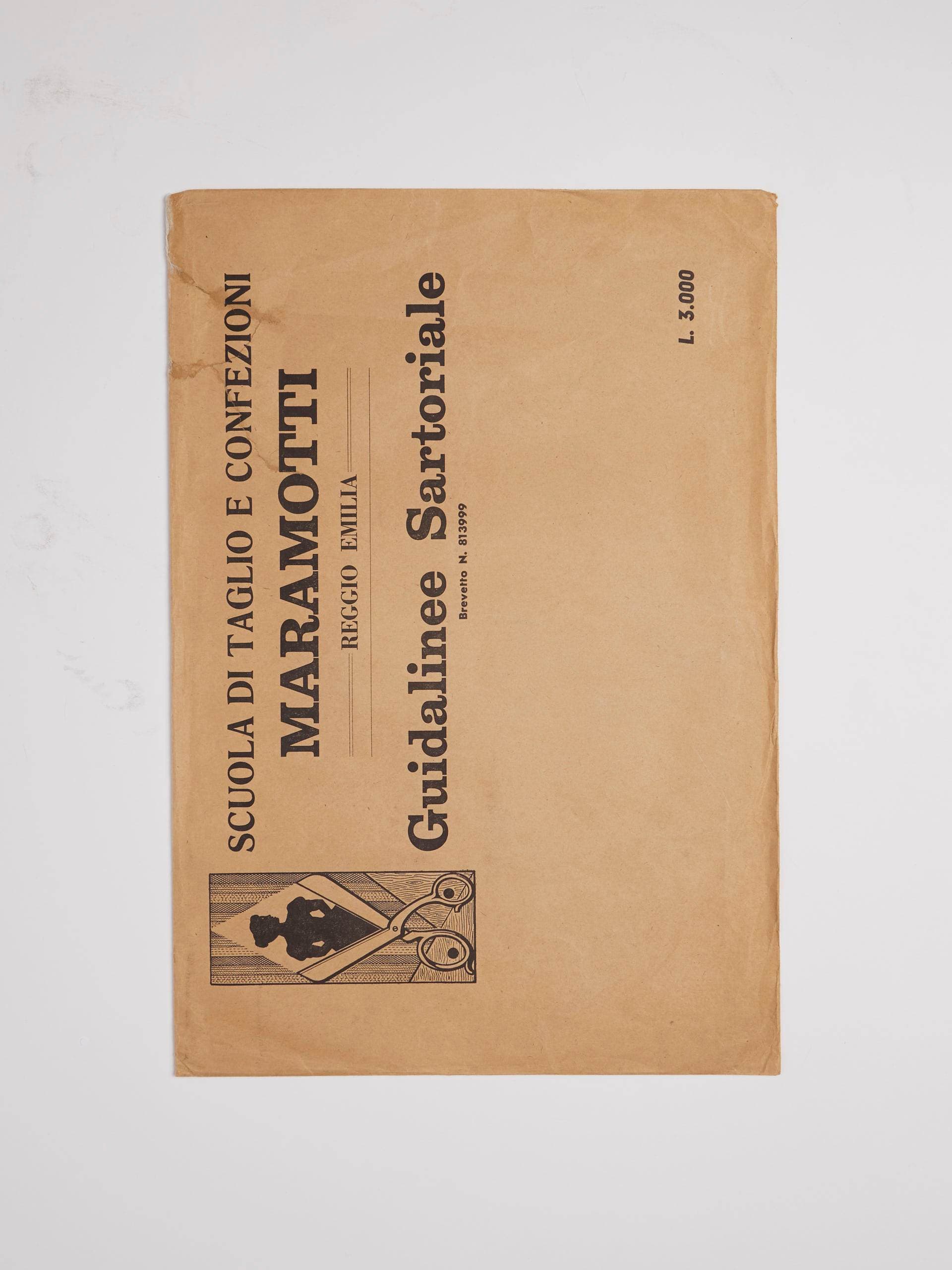
Lusuardi recognized that instinct and expanded it into something extraordinary. Just as importantly, the Maramotti family gave her the freedom to do so and practically helped her to structure the archive project.
She speaks repeatedly of the trust and appreciation she received from Max Mara’s owners, who remained deeply involved with the product rather than acting solely as financial custodians. As the archive grew, the company invested in the people, the space, and the resources necessary to preserve it, transforming it into an enduring institutional asset.
“The owners are inside the company and are dealing with the product,” Lusuardi says. “They are not only financial partners. They are involved in the whole process.”
That relationship between family ownership, product knowledge, and long-term thinking may be one of the archive’s most valuable lessons. The collection was not built quickly because it could not have been. It required patience that exceeds the tenure of most executives, the lifespan of most strategies, and certainly the rhythm of a fashion calendar increasingly obsessed with immediate visibility.
Lusuardi’s work instead proposes another measure of value: what a company knows after 75 years, what it has chosen to retain, and whether that knowledge can still reach the people making decisions today.
There is an irony in the fact that a woman who spent her career placing the brand ahead of the individual has become such a compelling figure within its history. Achille Maramotti deliberately kept designers’ names behind the Max Mara identity, believing people could change while the brand should endure. Lusuardi respected that philosophy. She worked quietly, moving across collections and generations without turning her influence into theater.
Yet discretion should not be confused with absence.
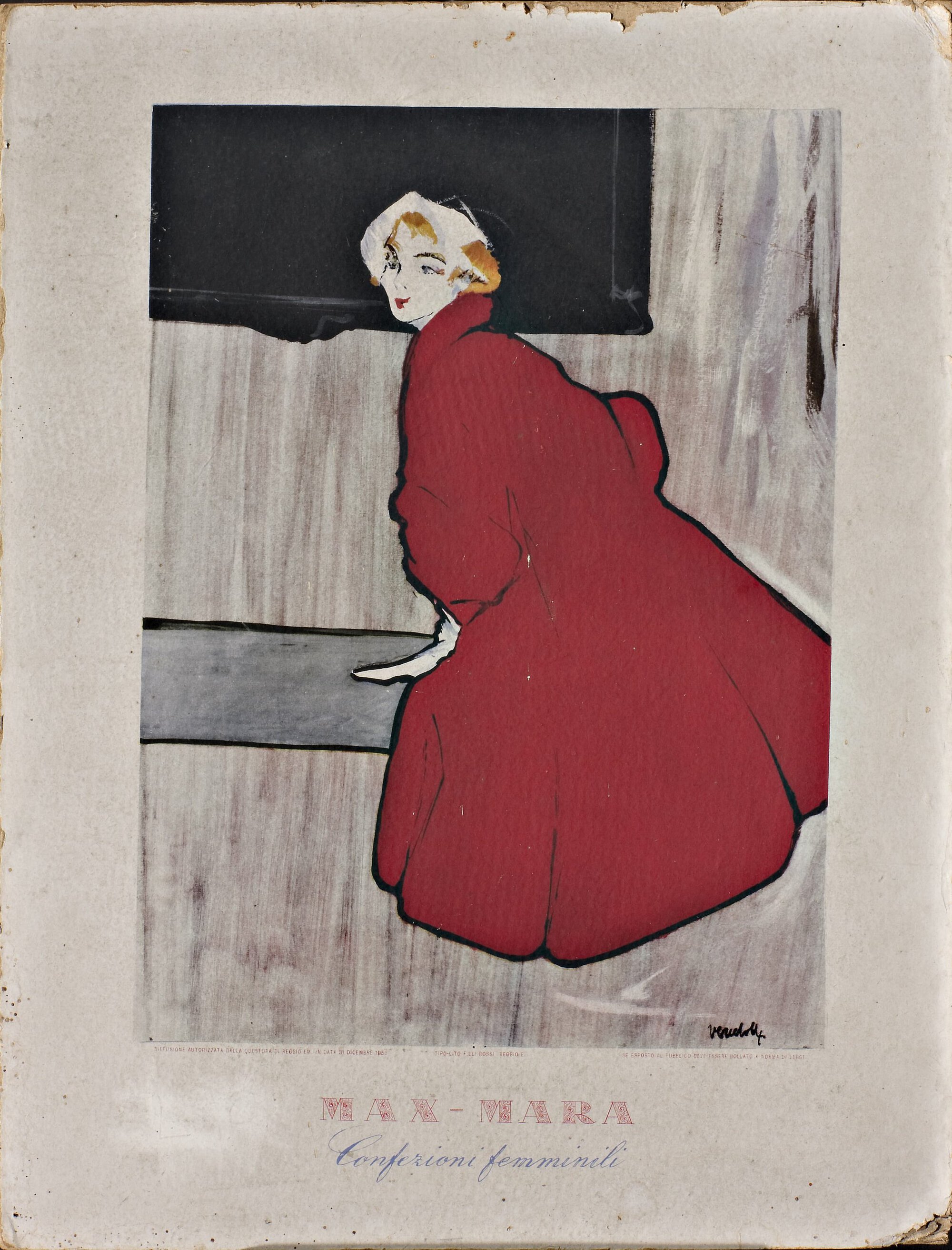
She is present in the company’s ability to remember why a garment was made, how it was constructed, which fabric was chosen, what images communicated it, and how real women eventually wore it. She is present in the designers who can reach backward without becoming trapped there. She is present in an archive large enough to contain Coco Chanel’s own clothing and humble enough to preserve the carpet from an old Max Mara office because both reveal something about how a culture was built.
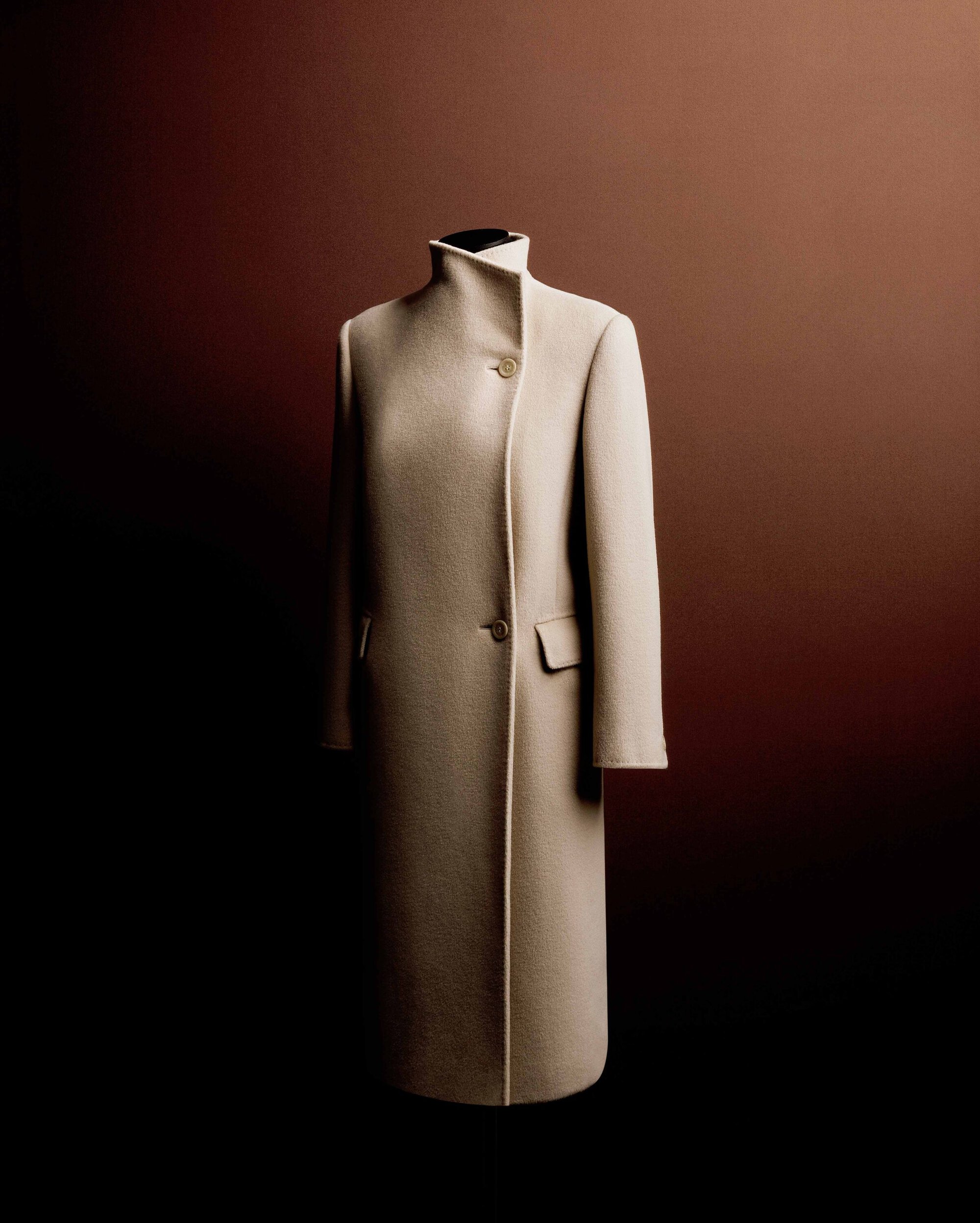
Perhaps the most moving part of Lusuardi’s archive is not a rare couture garment at all, but the books she has assembled around individual Max Mara coats. Each brings together the fabric, pattern, construction, campaign imagery, hours of labor, and photographs of women wearing the garment in their own lives. Famous women appear beside women whose names the wider world may never know. The coat is the same, but it becomes personal through use.
“Every woman customizes it by wearing it,” Lusuardi explains.
It is a fitting conclusion to her philosophy. The archive may document the creative process with extraordinary precision, but she understands that fashion is only completed once it leaves the company. A garment becomes successful when a woman chooses it, inhabits it, and folds it into the story of her own life.
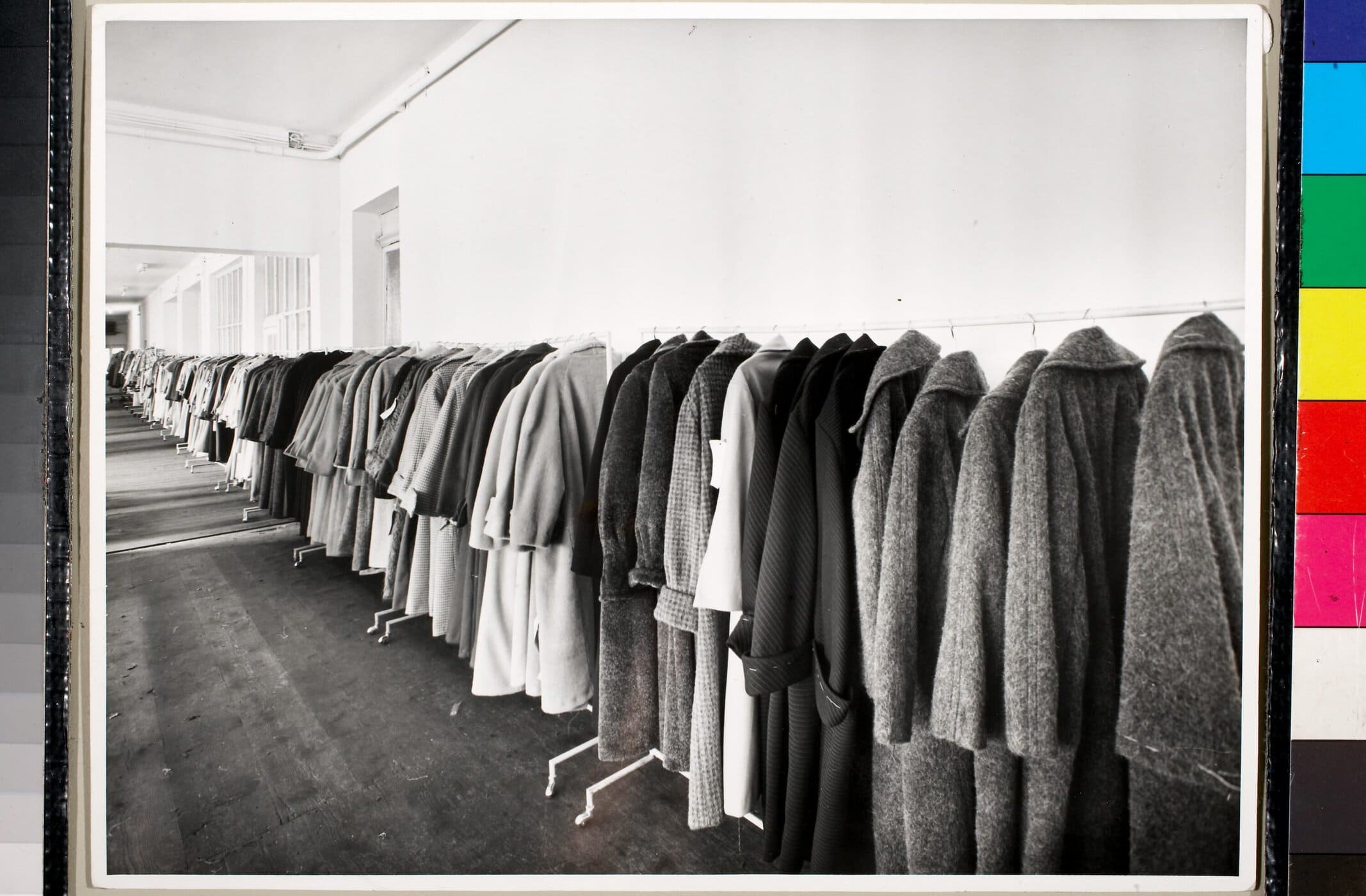
At 80, after more than 60 years at Max Mara, Laura Lusuardi continues to work with product, advise the owners, speak with designers, organize knowledge, and remain curious. Around her stand tens of thousands of garments, magazines, sketches, fabrics, prints, books, and photographs. Together they form one of fashion’s great repositories of memory.
Yet the true archive may be Lusuardi herself: a living connection between the young woman who entered Max Mara at 18, the designers she discovered and guided, the women she observed in cities around the world, and the company she helped teach to see its past as material for the future.
She did not merely save what Max Mara had made. She preserved the thinking that allowed it to keep making.