From Simone Rocha’s concentrated romance to Erdem’s high-flying tale of transformation, London reminded us that imagination remains its greatest export.
London has never been terribly interested in behaving itself, and Spring 2027 was better for it.
The week brought together designers at very different stages of their careers, yet the strongest collections shared something unmistakably London: a willingness to follow an idea wherever it might lead. Romance could become strange, heritage could acquire a sense of humor, and clothes could be beautiful without behaving too beautifully.
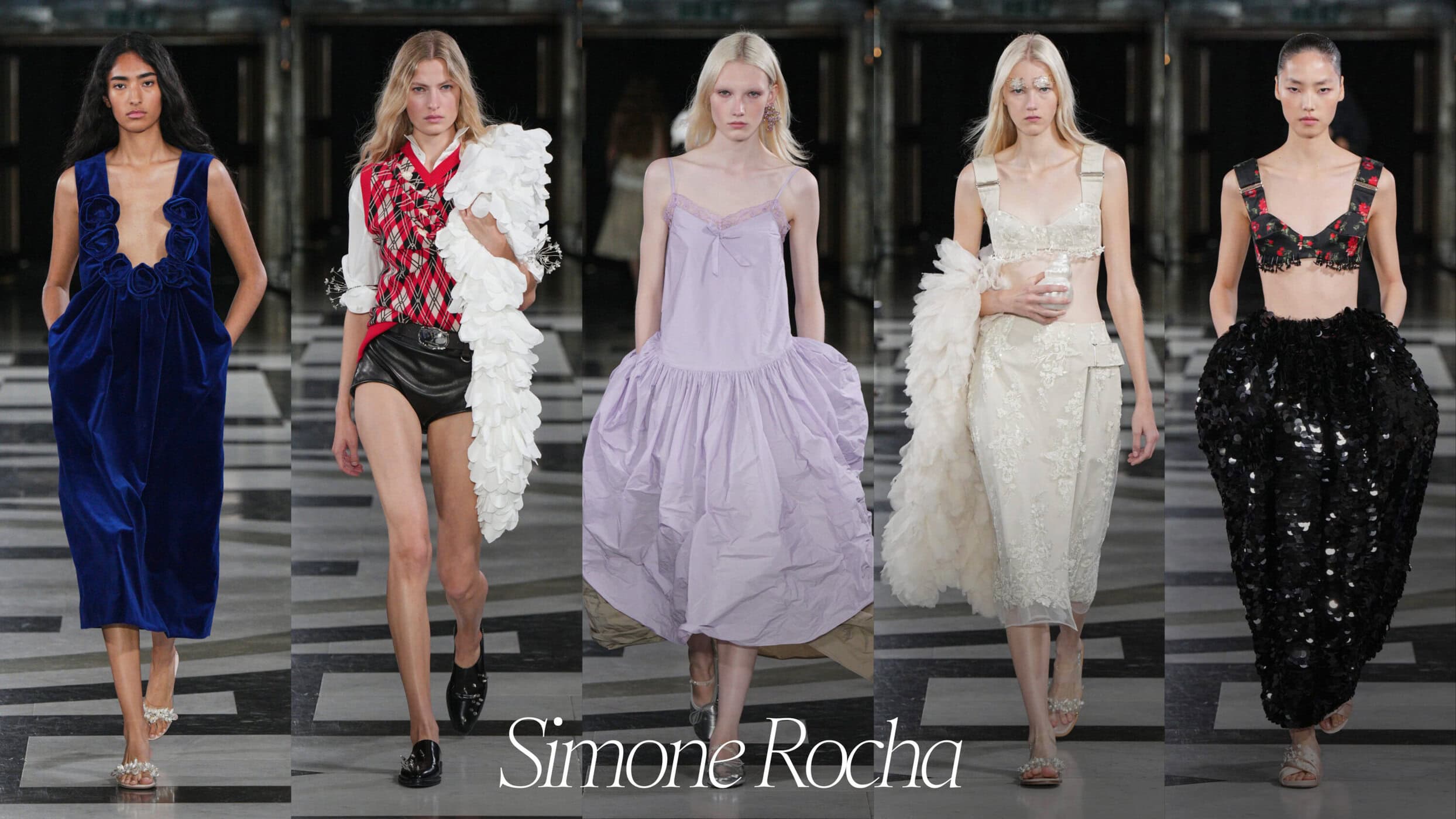
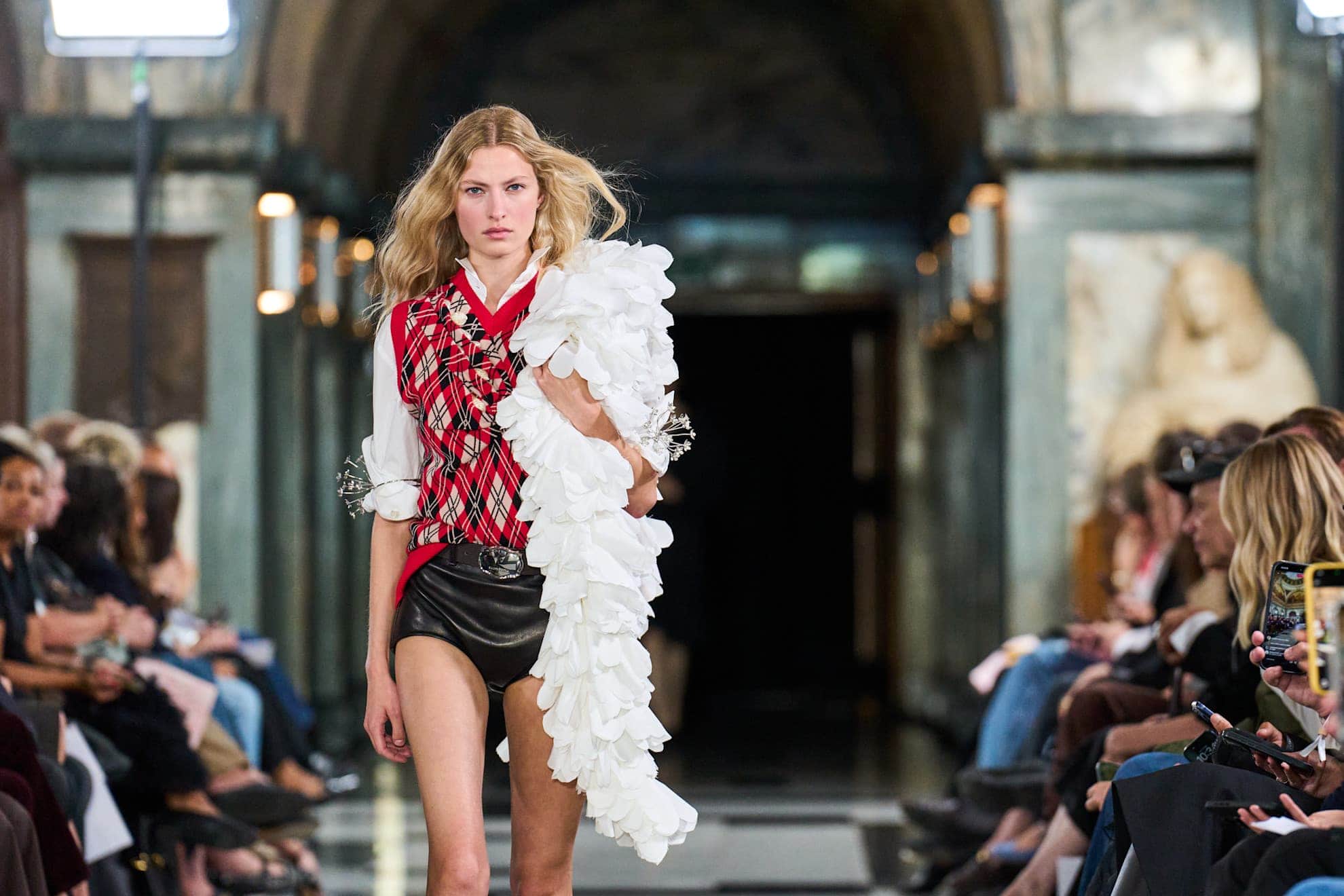
At Simone Rocha, less story somehow produced even more Simone. Inspired by the extraordinary rediscovery of a long-lost Caravaggio painting in an otherwise ordinary Dublin setting, Rocha pared back some of the elaborate narratives that often surround her collections and concentrated instead on the clothes. Roses climbed across leather, velvet and organza; familiar wardrobe pieces met the ceremonial and the slightly surreal. It was romantic, strange, beautifully controlled, and a reminder of just how recognizable Rocha’s world has become without ever feeling stuck inside it.
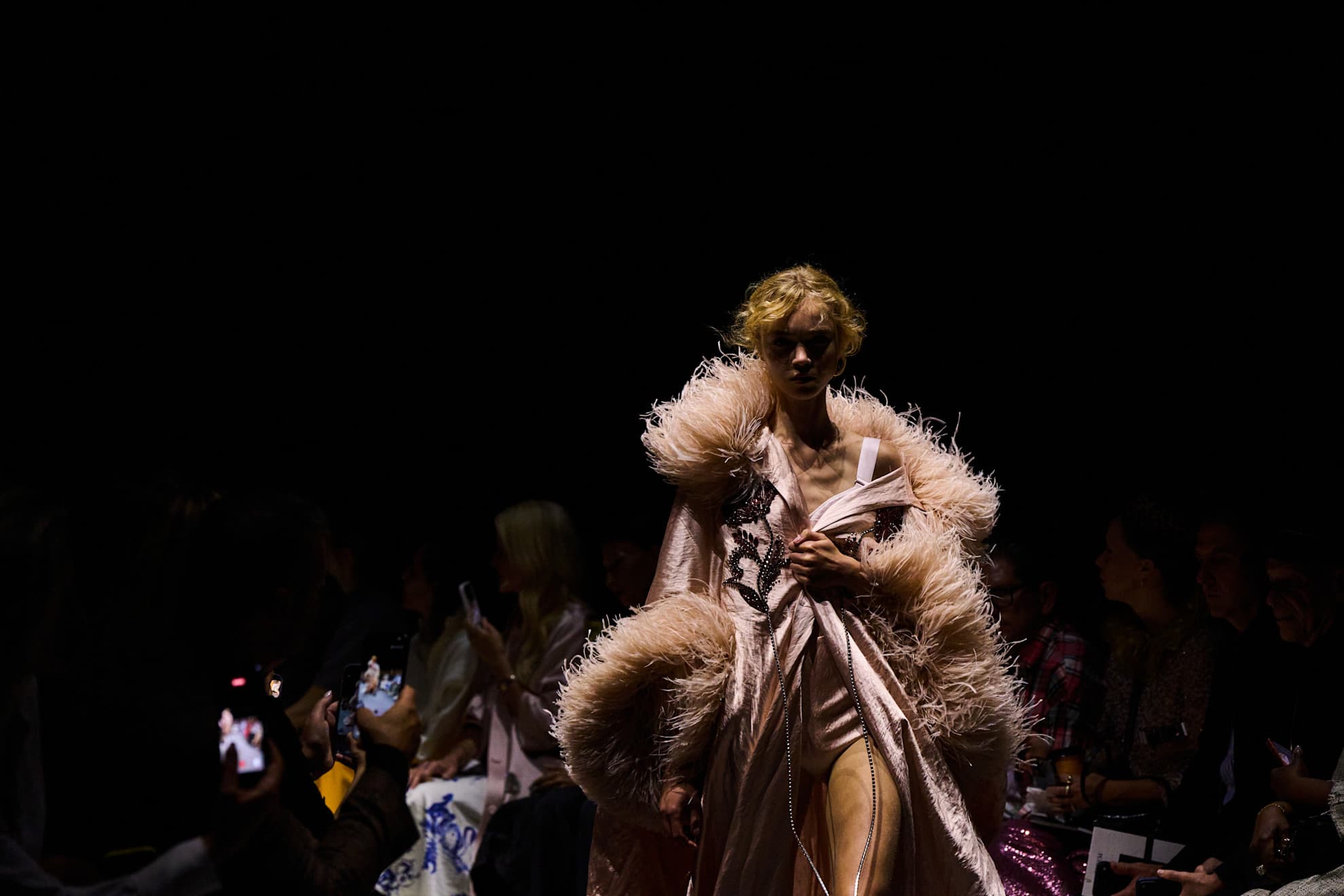
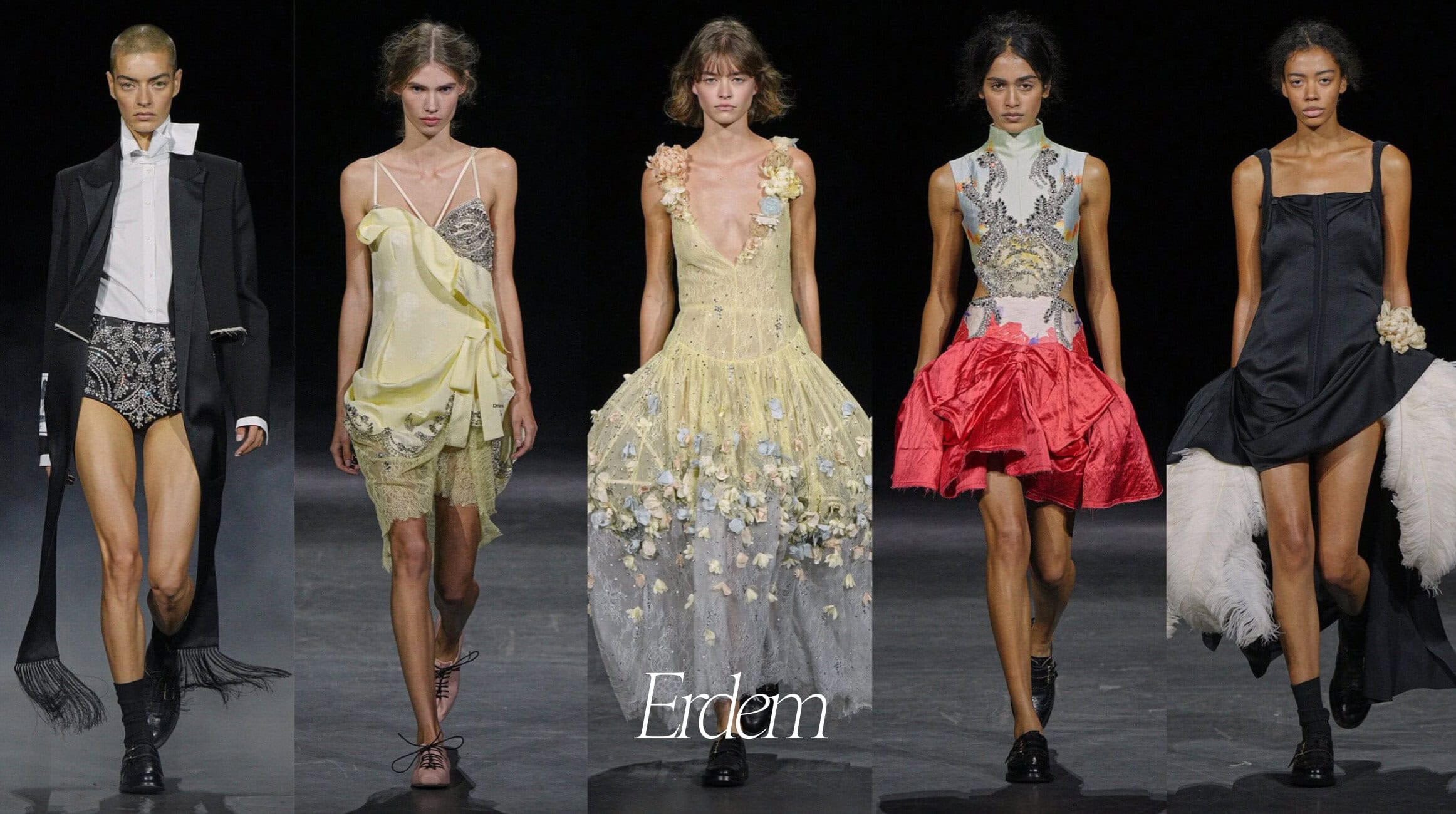
Erdem Moralıoğlu went airborne. His fascination with the 1920s trapeze artist Barbette gave Spring a story of transformation, illusion, gender, and performance, but the real pleasure was watching that research come alive in clothes. Embellished bodysuits met precise tailoring, sumptuous fabrics rubbed against utilitarian pieces, and the designer’s familiar historical romanticism gained a younger, more mischievous energy. Erdem has always known how to tell a story; increasingly, he also knows exactly when to let the clothes have the last word.
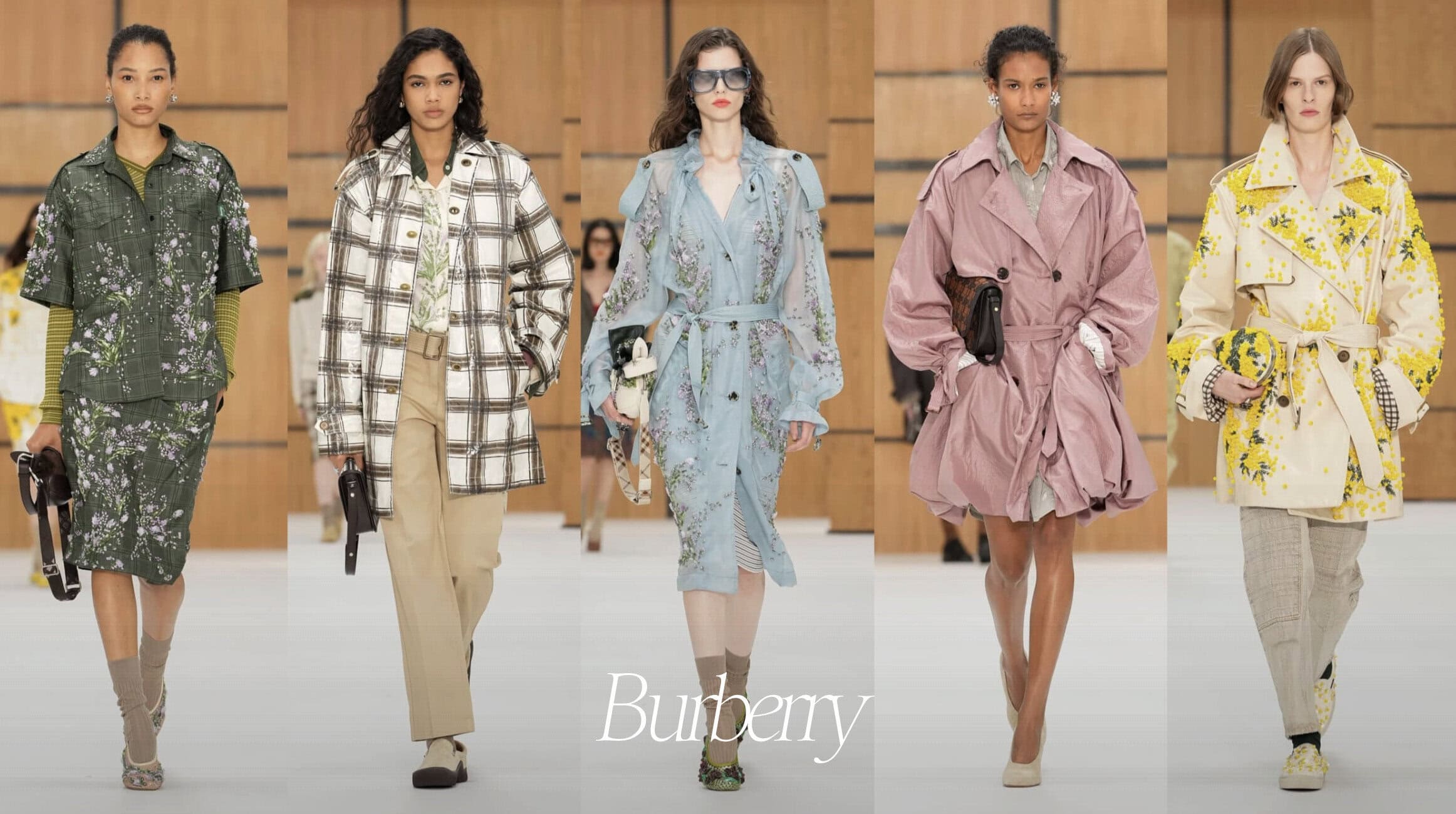
[BURBERRY PARAGRAPH TO COME AFTER THE SHOW]
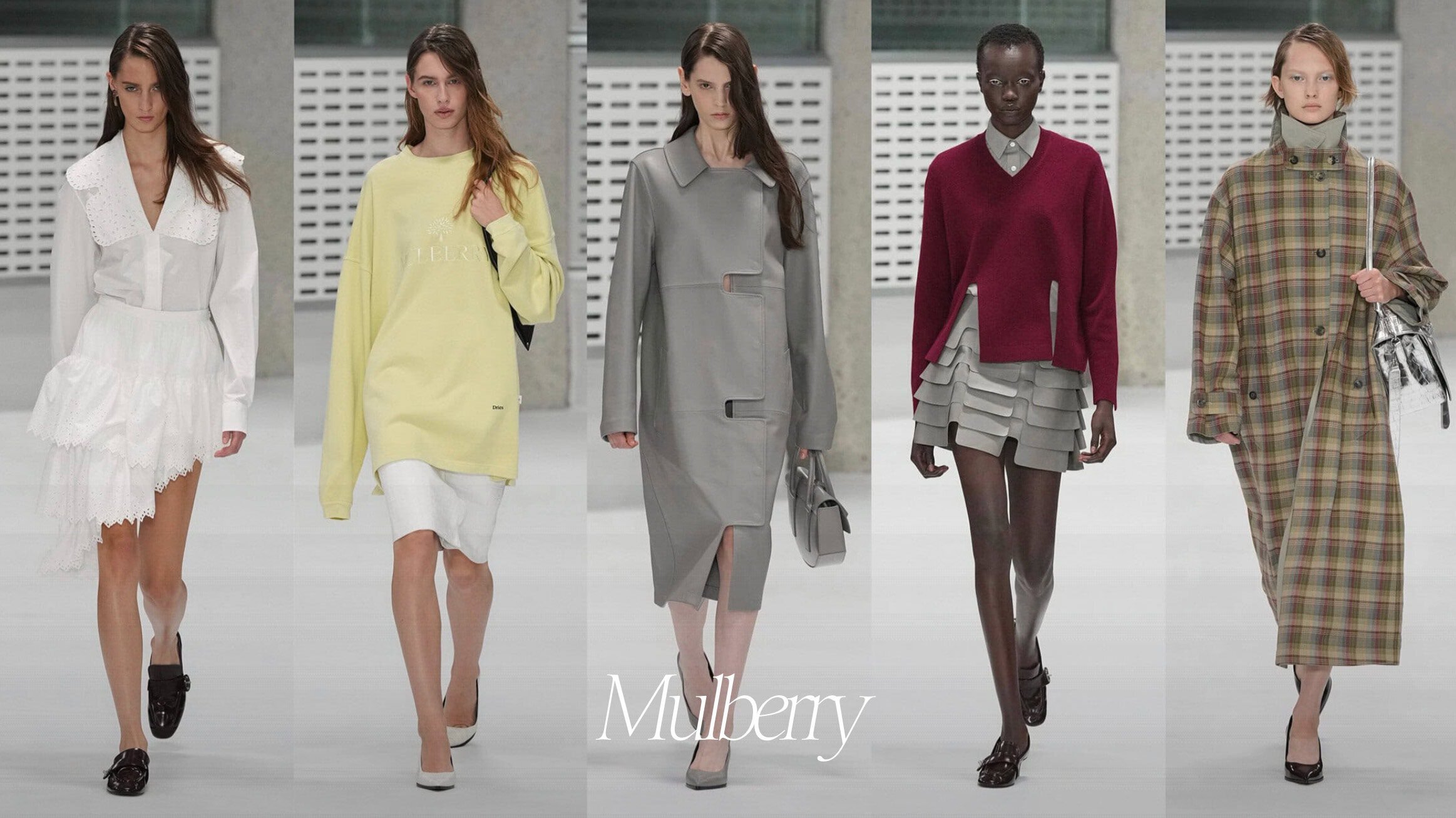
One of London’s happiest surprises came from Mulberry, where Christopher Kane made his return to fashion with a debut that immediately gave the house a new pulse. Rather than treating its leather-goods heritage too reverently, Kane played with it, pulling British town-and-country codes, subculture, practicality, and his own famously off-kilter instincts into the mix. It felt like a homecoming for Kane and a fresh beginning for Mulberry — which, for a first outing, is quite a lot to accomplish.
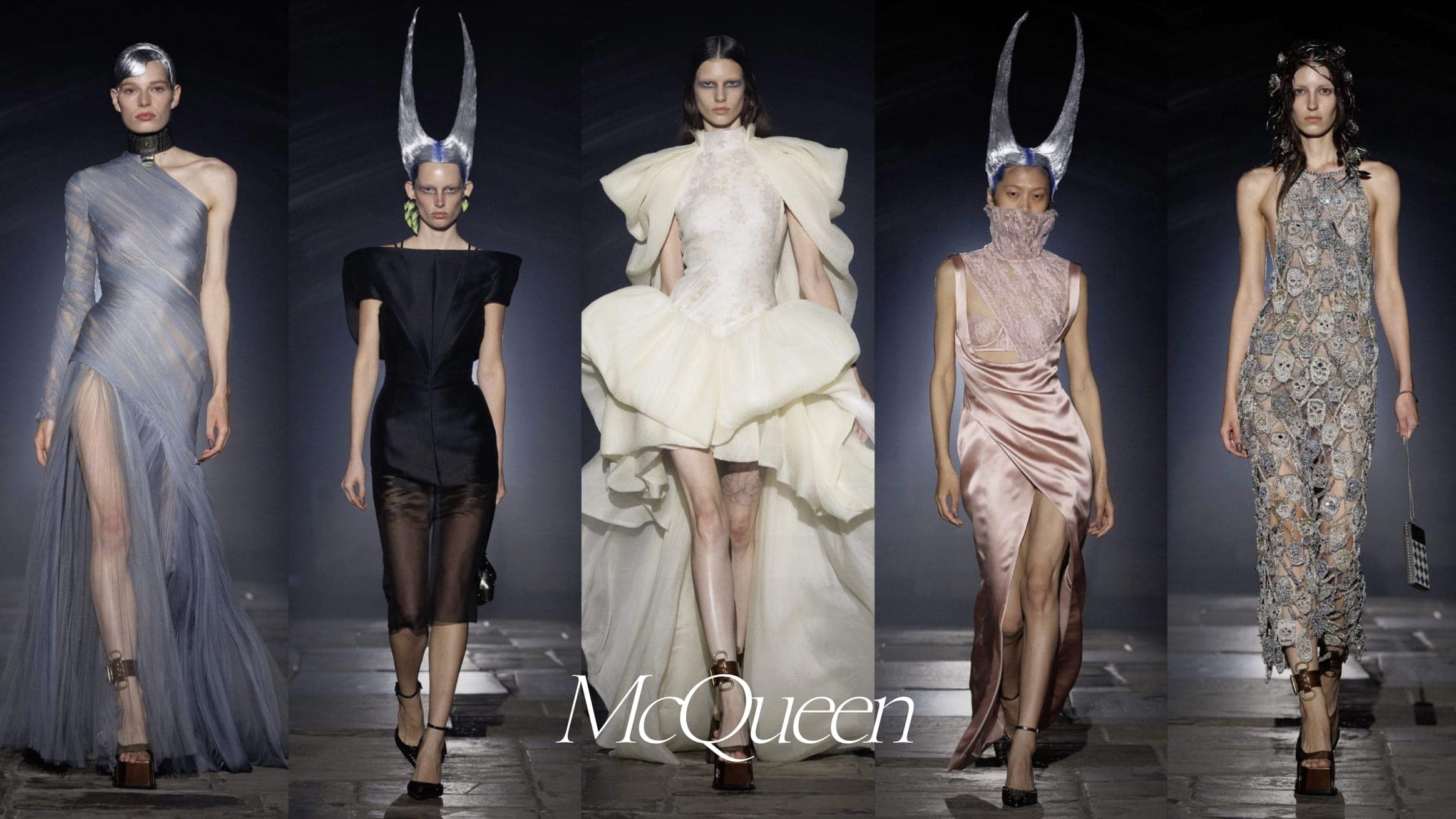
McQueen staged a homecoming of its own, returning to London with Seán McGirr looking to the tension between the sacred and the subcultural. Savile Row tailoring met rave culture, angelic shapes met harder surfaces, and the house’s fascination with beauty and danger remained close at hand. McGirr is still finding exactly where his McQueen sits within the enormous shadow of the house’s history, but Spring showed a designer growing more confident about where he wants to take it.
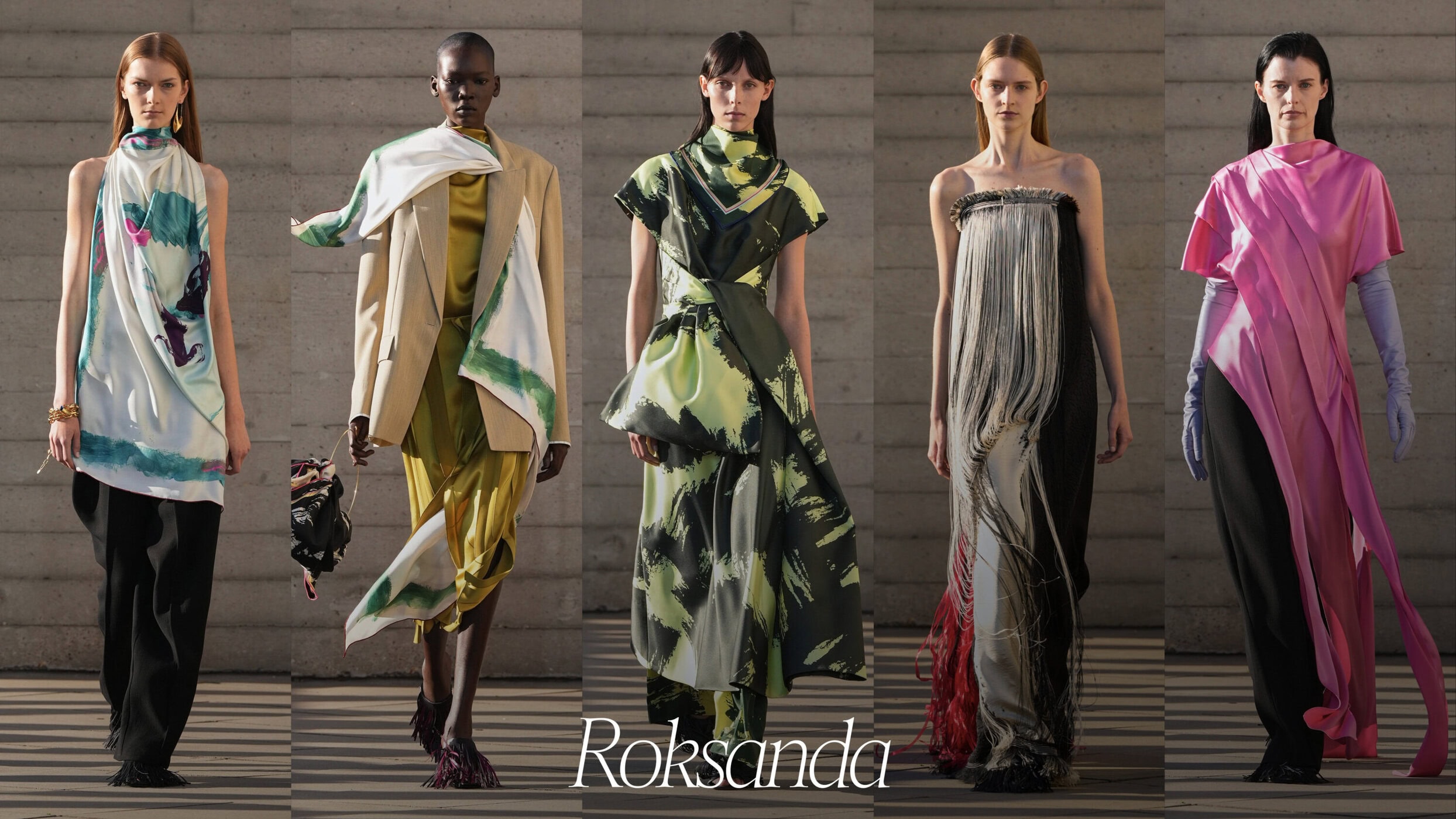
Roksanda Ilinčić once again proved that color and volume need not wait for a red carpet. Showing against the concrete of the National Theatre, she brought the sculptural qualities of textile artist Françoise Grossen into dialogue with her own painting, transforming rope, drape, brushstroke, and expressive proportion into clothes that carried drama without requiring an occasion. Few designers make a sleeve entering a room feel quite so eventful.
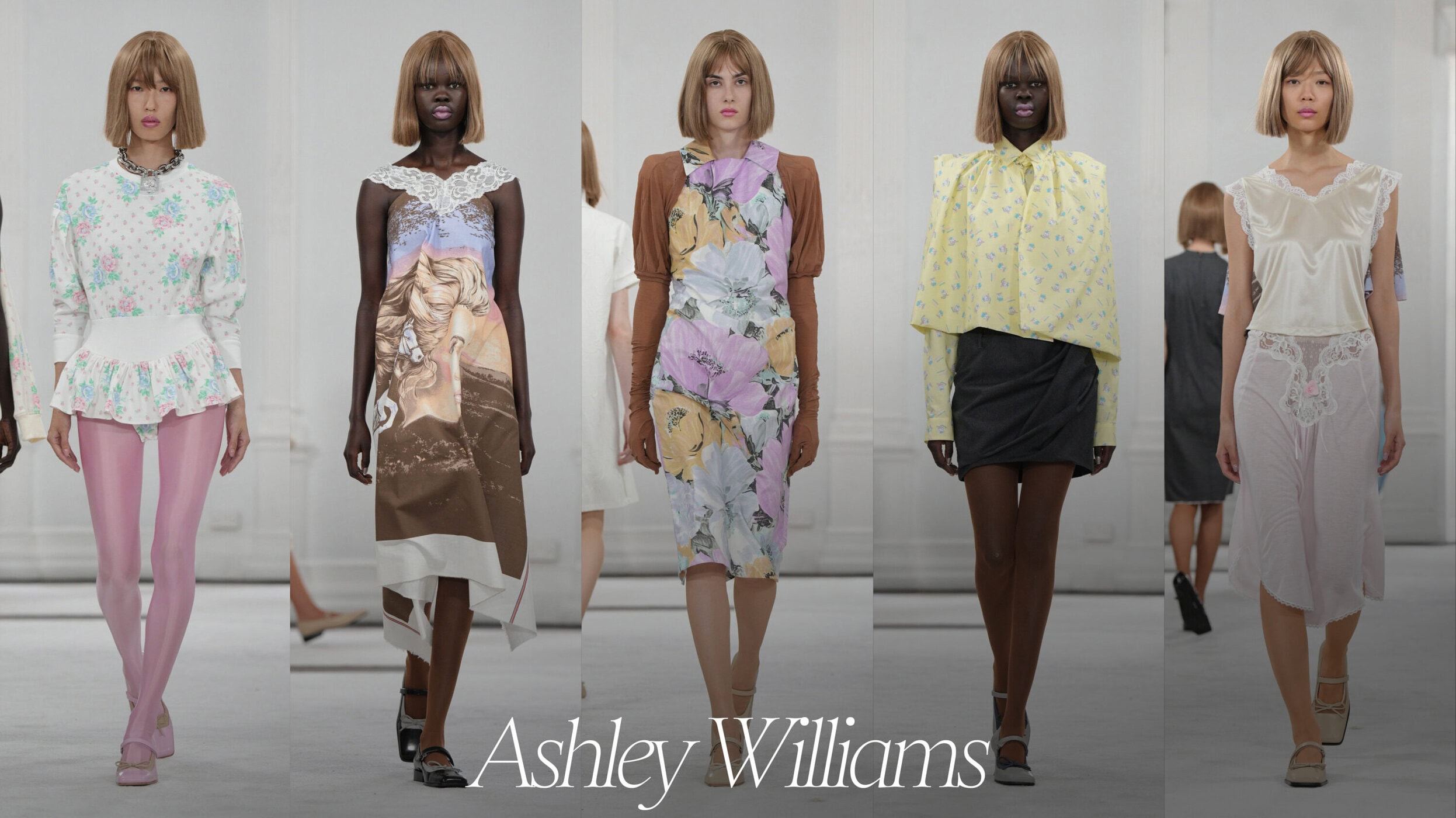
Ashley Williams, meanwhile, took the wonderfully British route of making domestic life slightly unhinged. Childhood prints, soft toys, crumpled fabrics, house dresses, cheerleader shapes, and ladylike references were put through her surreal filter until sweetness became something much stranger — and much more interesting. Williams understands that nostalgia becomes considerably more fun once you stop treating it politely.
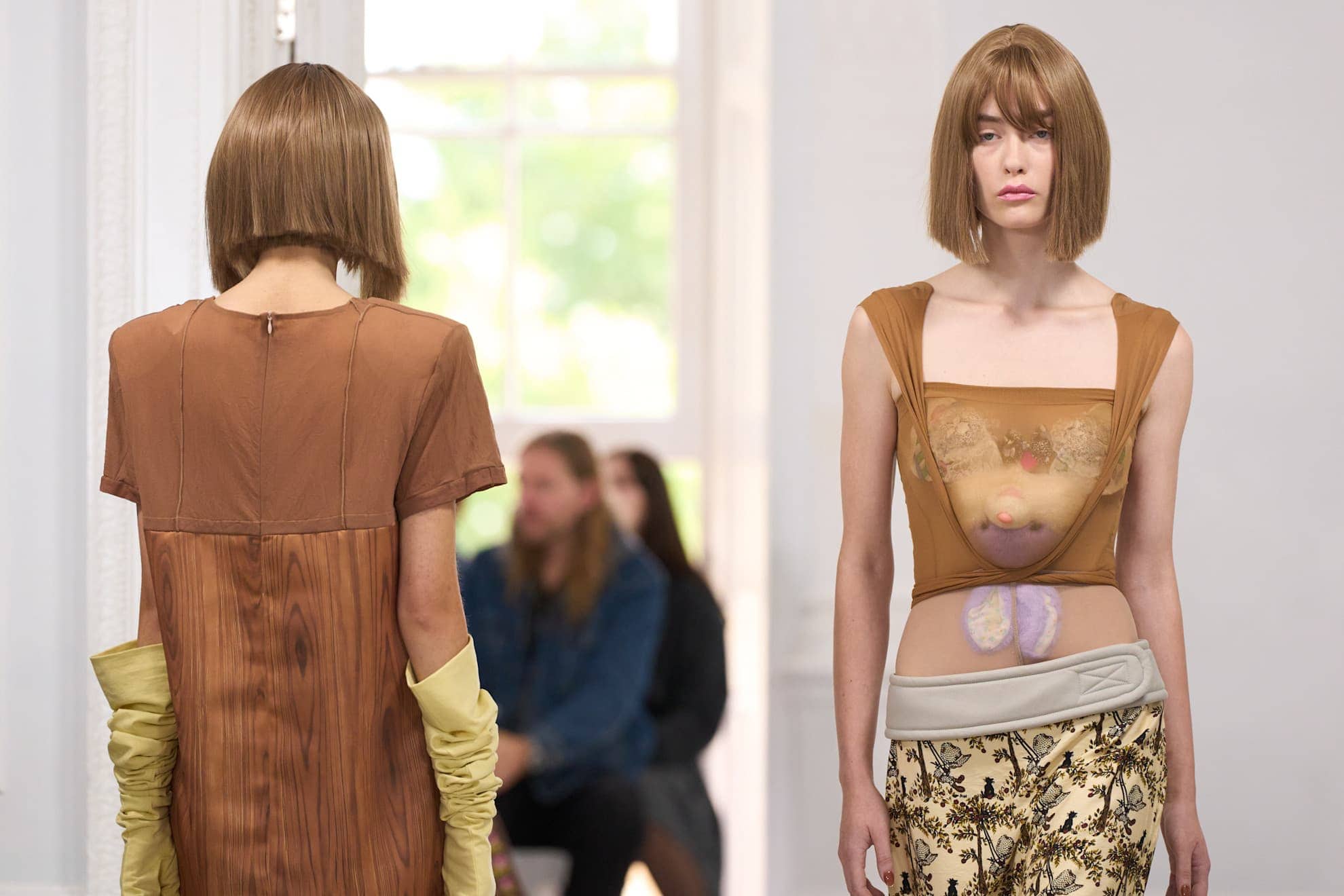
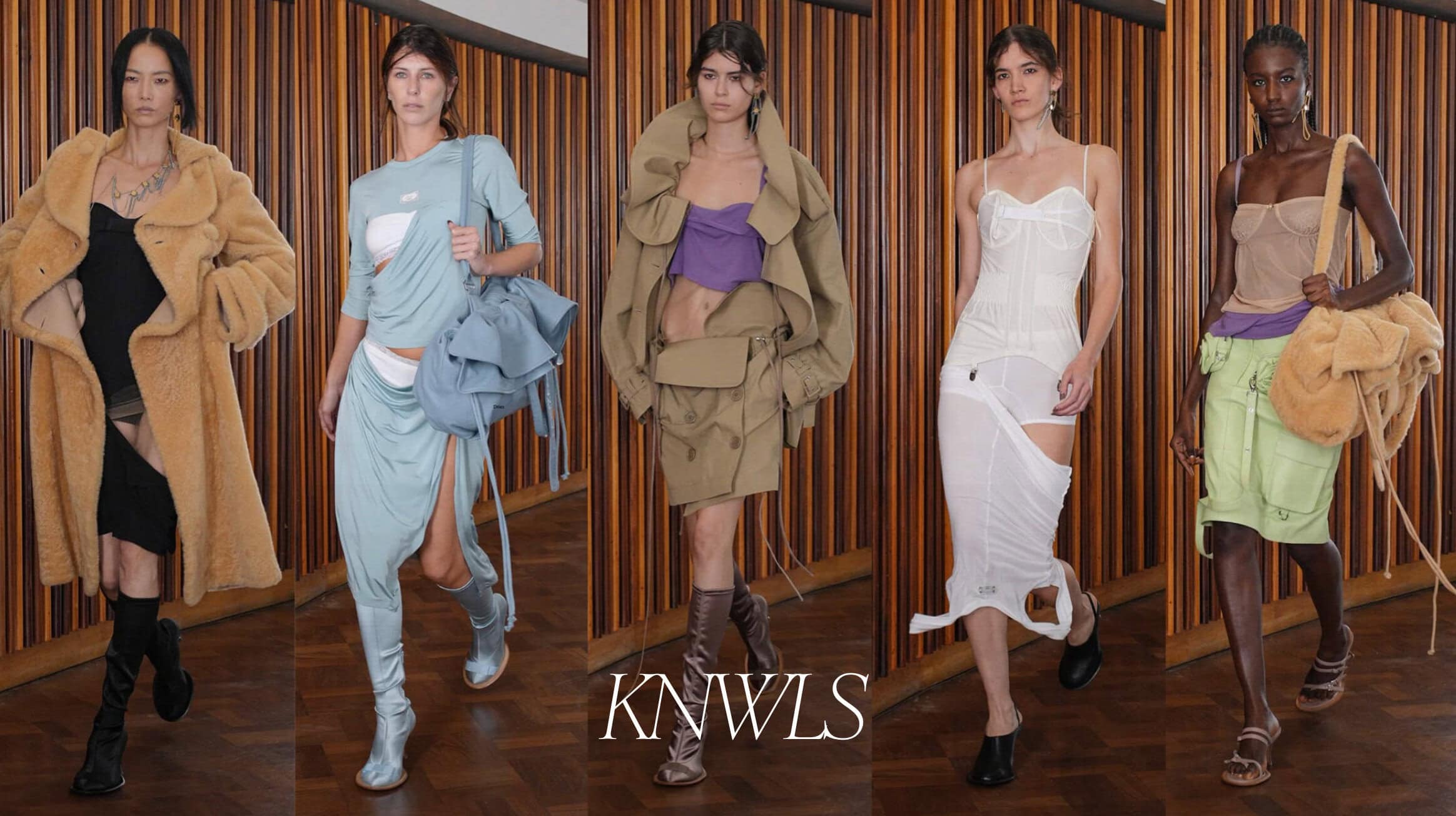
KNWLS returned to the London schedule with its heroine coming slightly undone. Charlotte Knowles and Alexandre Arsenault loosened the engineered sensuality associated with the brand, allowing lingerie, layers, and fabrics to appear as though they were slipping, falling, or caught halfway through being dressed. The effect was softer, but hardly sweeter; this was vulnerability with its defenses very much intact.
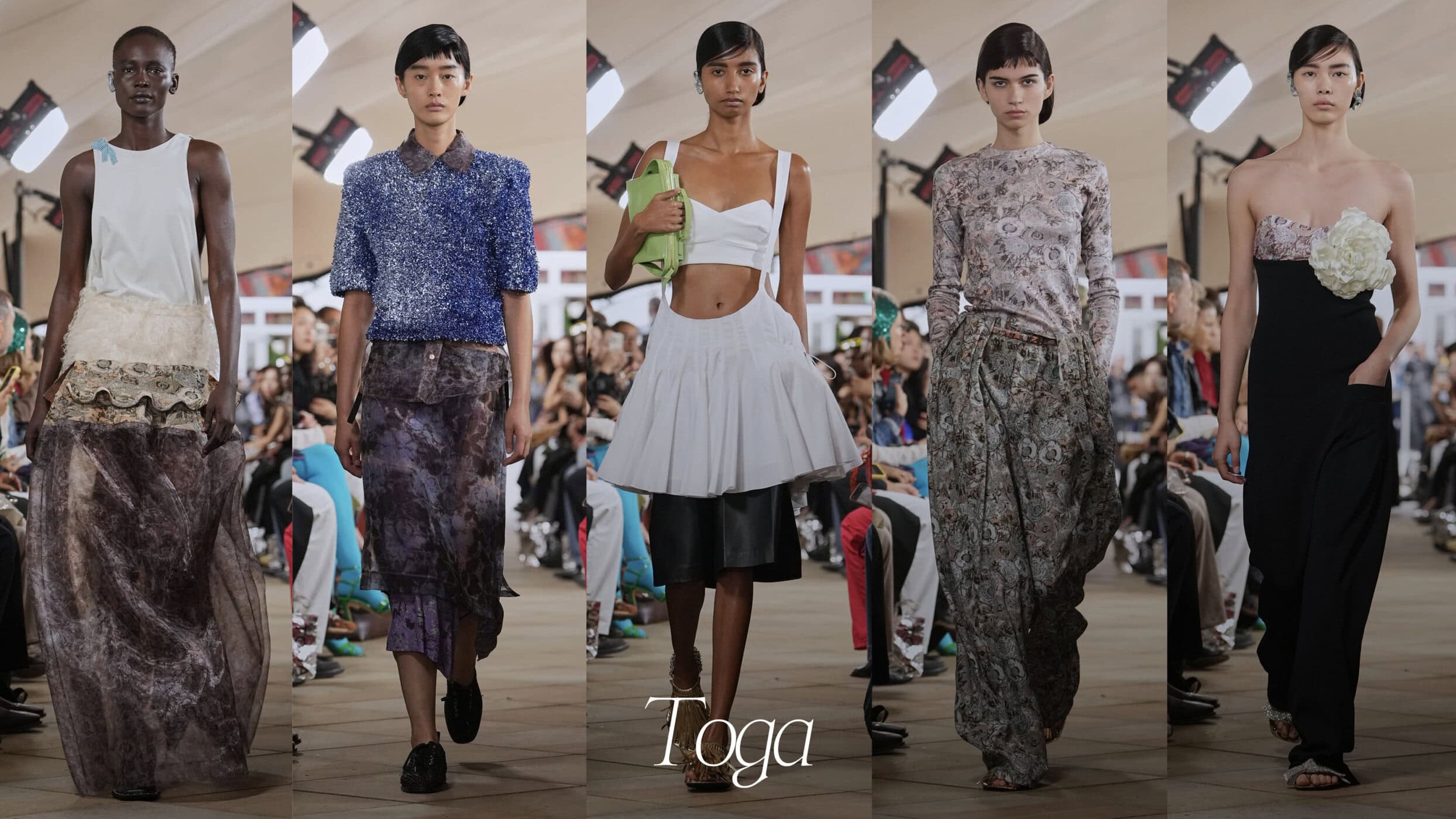
At Toga, Yasuko Furuta found inspiration in the very practical question of how people dress when it is simply too hot. Observing the contrast between the relative exposure of Paris in summer and the more protective layering of Tokyo led her toward a lighter meeting of the two. The result retained Toga’s instinct for unexpected combinations while giving the clothes a welcome sense of air, freedom, and ease.
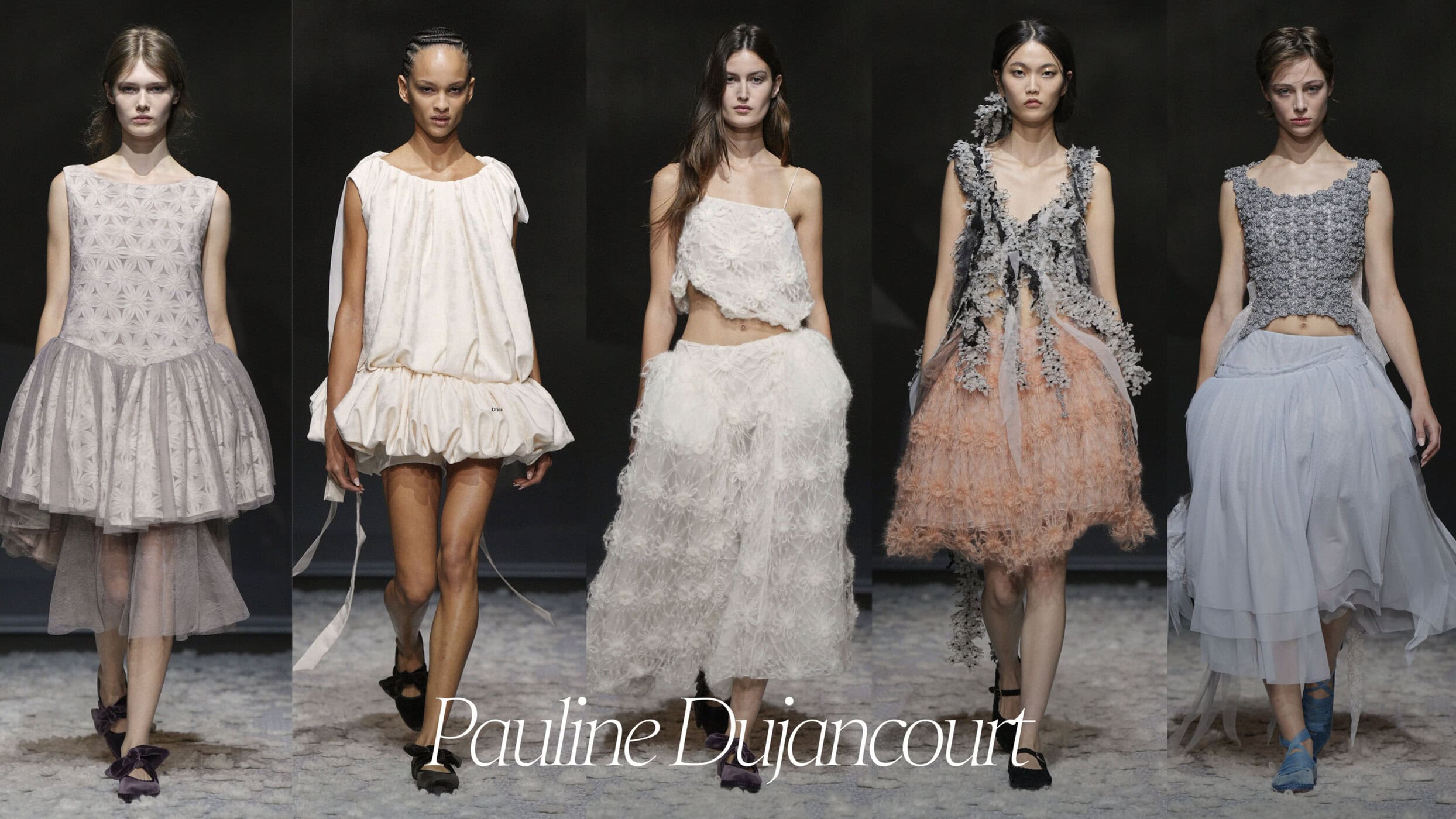
And Pauline Dujancourt closed our ten with the kind of handwork that makes you lean closer. Her dreamy world of knit, chiffon, tiny flowers, trailing threads, and softly manipulated shapes may look almost weightless, but the labor behind it is anything but. Hundreds of individually woven flowers went into the collection, turning delicacy into its own display of strength. In a week that celebrated London’s big personalities, Dujancourt offered something quieter and no less memorable.
What made London compelling this season was not one dominant trend or grand declaration. It was the range: Simone Rocha finding power through concentration, Erdem looking upward, Mulberry beginning again, McQueen coming home, and a younger generation continuing to demonstrate why London remains one of fashion’s most fertile places for an idea to become something wonderfully unexpected.
Here are The Impression’s Top 10 Fashion Shows of London Fashion Week Spring 2027, selected by Editor-in-Chief Kenneth Richard.
10 – Pauline Dujancourt
9 – Toga
8 – KNWLS
7 – Ashley Williams
6 – Roksanda
5 – McQueen
4 – Mulberry
3 – Burberry
2 – Erdem
1 – Simone Rocha