The Art of Emotion
Review of Akris Spring 2027 Fashion Show
By Angela Baidoo
THE IMPRESSION TAKE
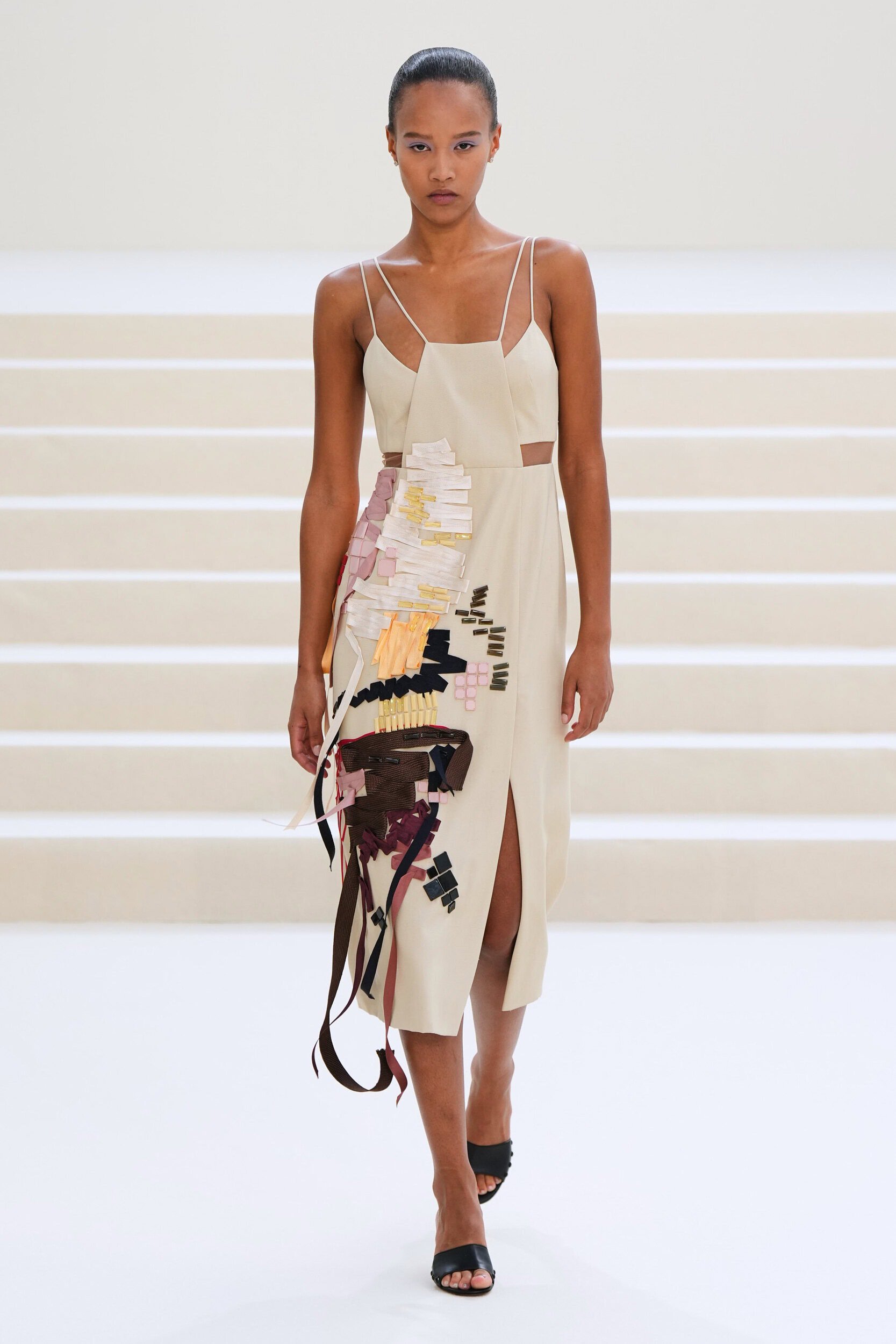
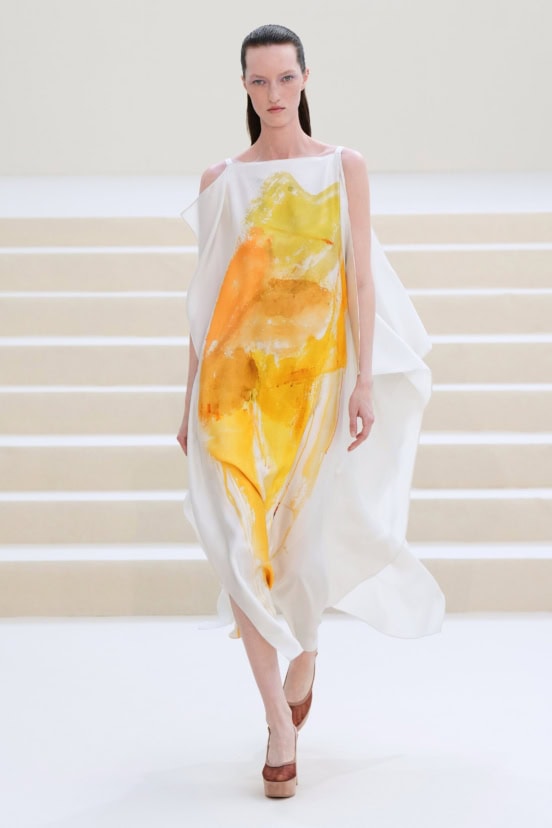
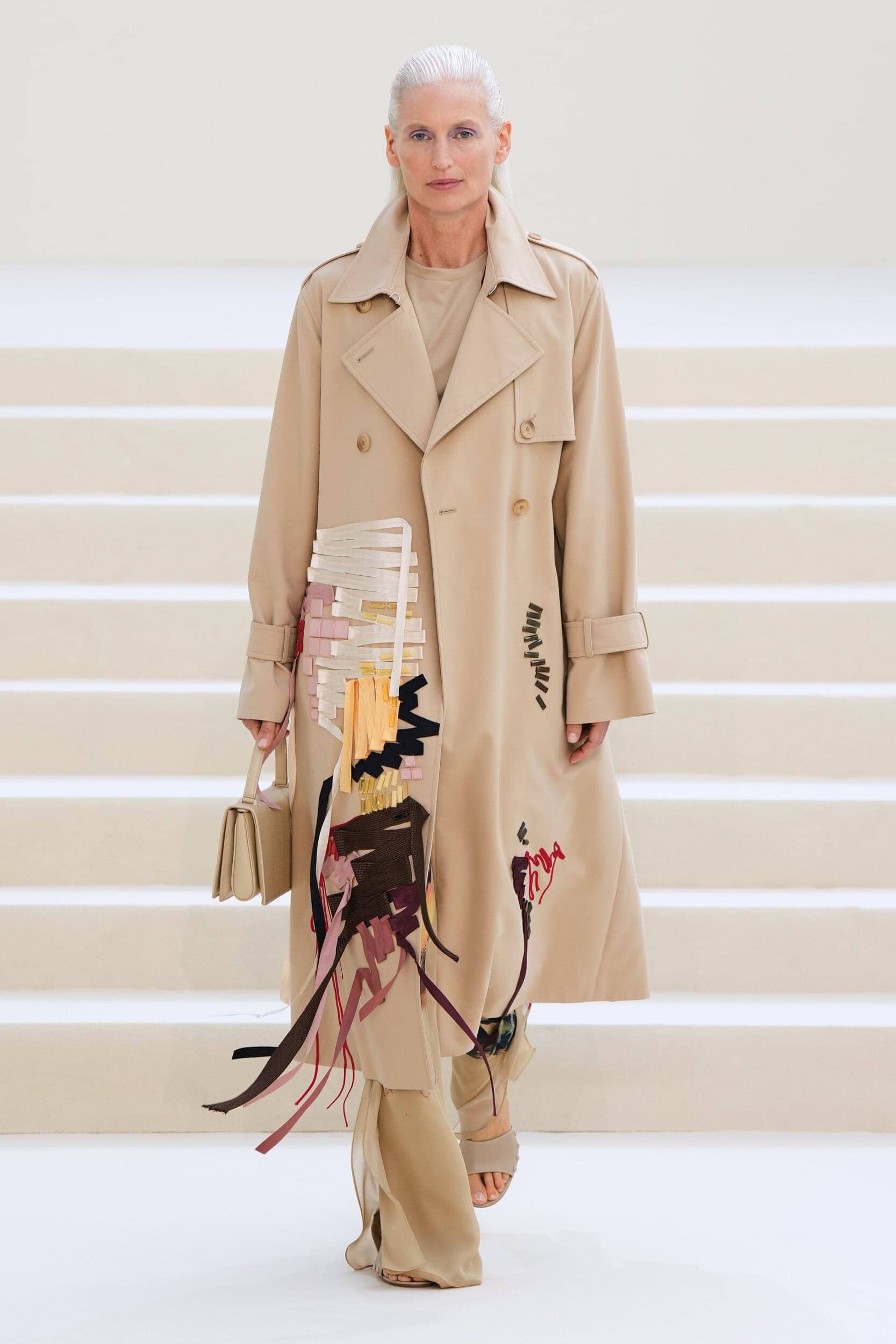
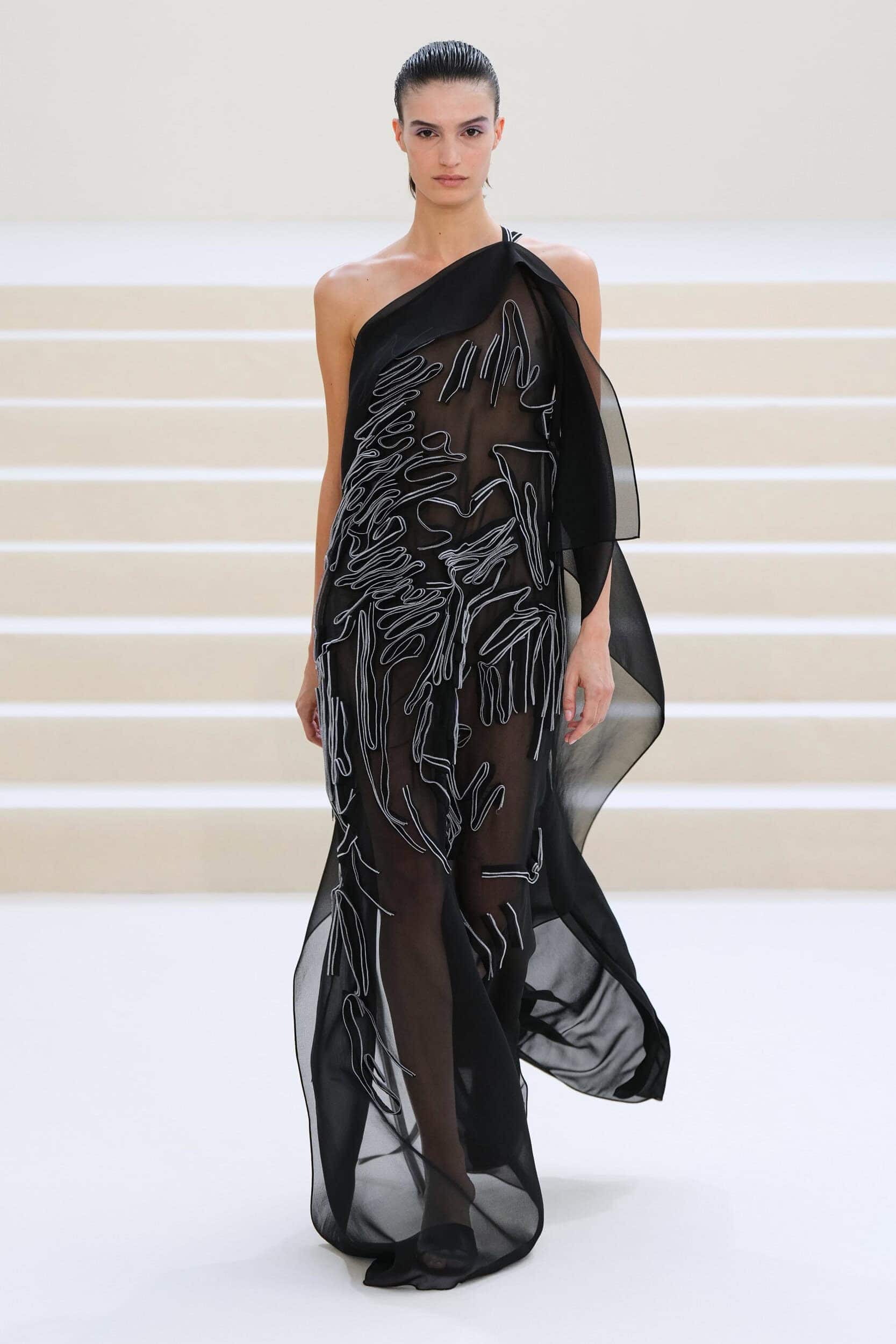
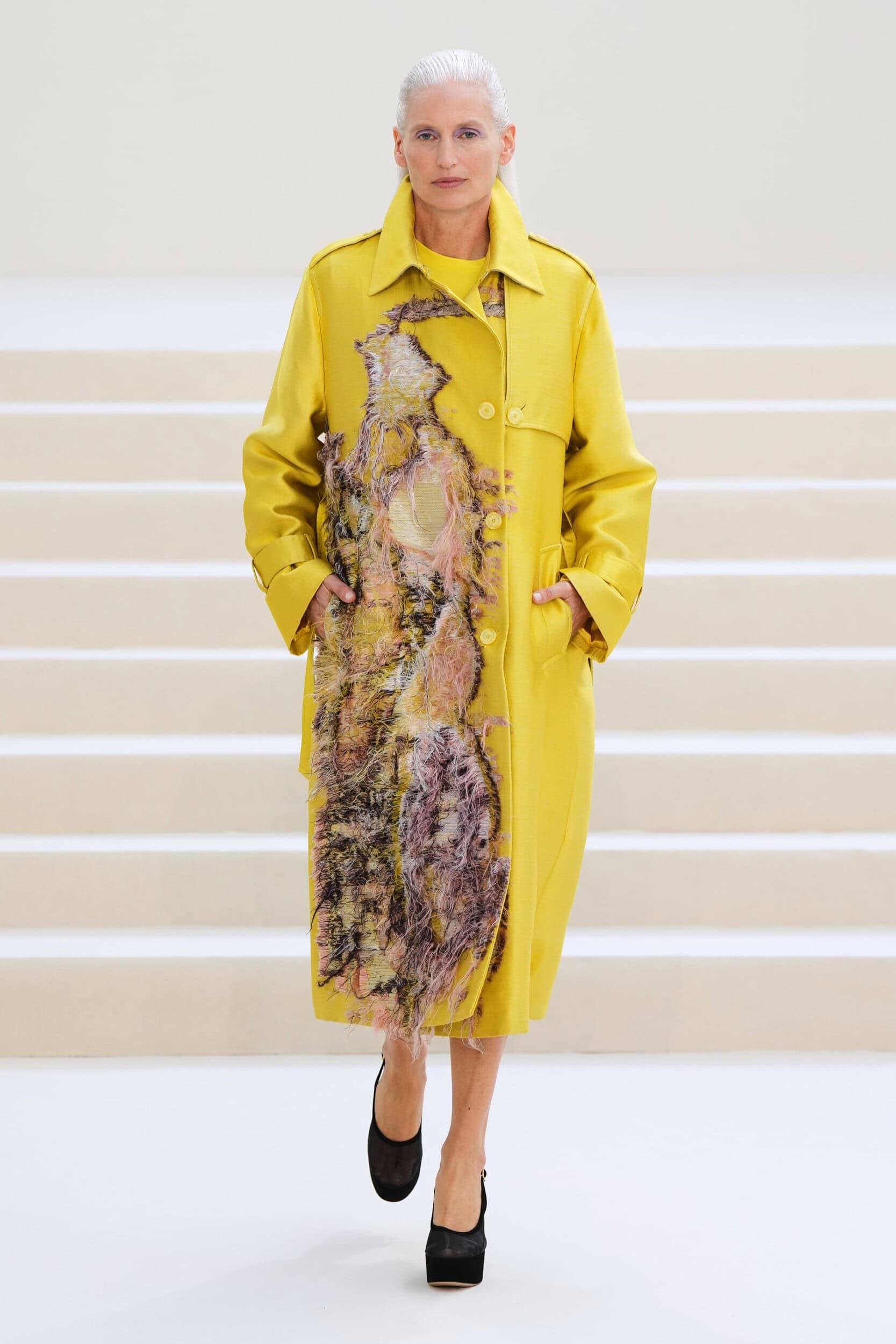
Albert Kriemler’s Spring 2027 collection for Akris translated Austrian painter Martha Jungwirth’s instinctive approach to colour and gesture into clothes grounded in the equally intuitive act of getting dressed. Hand-crafted ribbons, textured jacquards and loose threads channelled the artist’s frenetic energy against Kriemler’s precise tailoring and minimal silhouettes, resulting in a collaboration where neither creative handwriting overwhelmed the other.
Creative Director: Albert Kriemler
House: Akris
Collection: Spring/Summer 2027
Presented: Paris Fashion Week
Reviewed by: Angela Baidoo
The Impression Review Score by Kenneth Richard:
View the Full Collection
Art has long provided a starting point forAlbert Kriemler at Akris, but for Spring 2027 his collaboration with Austrian painter Martha Jungwirth was not simply about super-imposing her artwork onto his clothes it became an act of finding a common thread between two artists and their practices.
Struck by the “sheer audacity” of her colour compositions, Kriemler looked beyond the surface of her paintings to extract the emotion that lay beneath her brush-strokes, and used them to explore the instinctual way women get dressed.
THE COLLECTION
THE VIBE
This season Albert Kriemler worked with painter Martha Junhwirth, saying he was struck the “sheer audacity” of her colour compositions upon seeing her work for the first time.
In today’s folder of show materials (Kriemler is renowned for his seasonal press packs that contain hand-drawn sketches, swatches, and the research that has given life to his collections) a candid photo of the two artists featured prominently below the creative directors personal notes on spring 2027. An important point to highlight as designers are often inspired by artists or cultural figures and base their collections around them without having met or immersed themselves in their creative process. In some cases it is because their chosen muse has long passed away, but in meeting with Jungwirth in her studio you get the sense that this heavily influenced how Kriemler merged her work with his own.
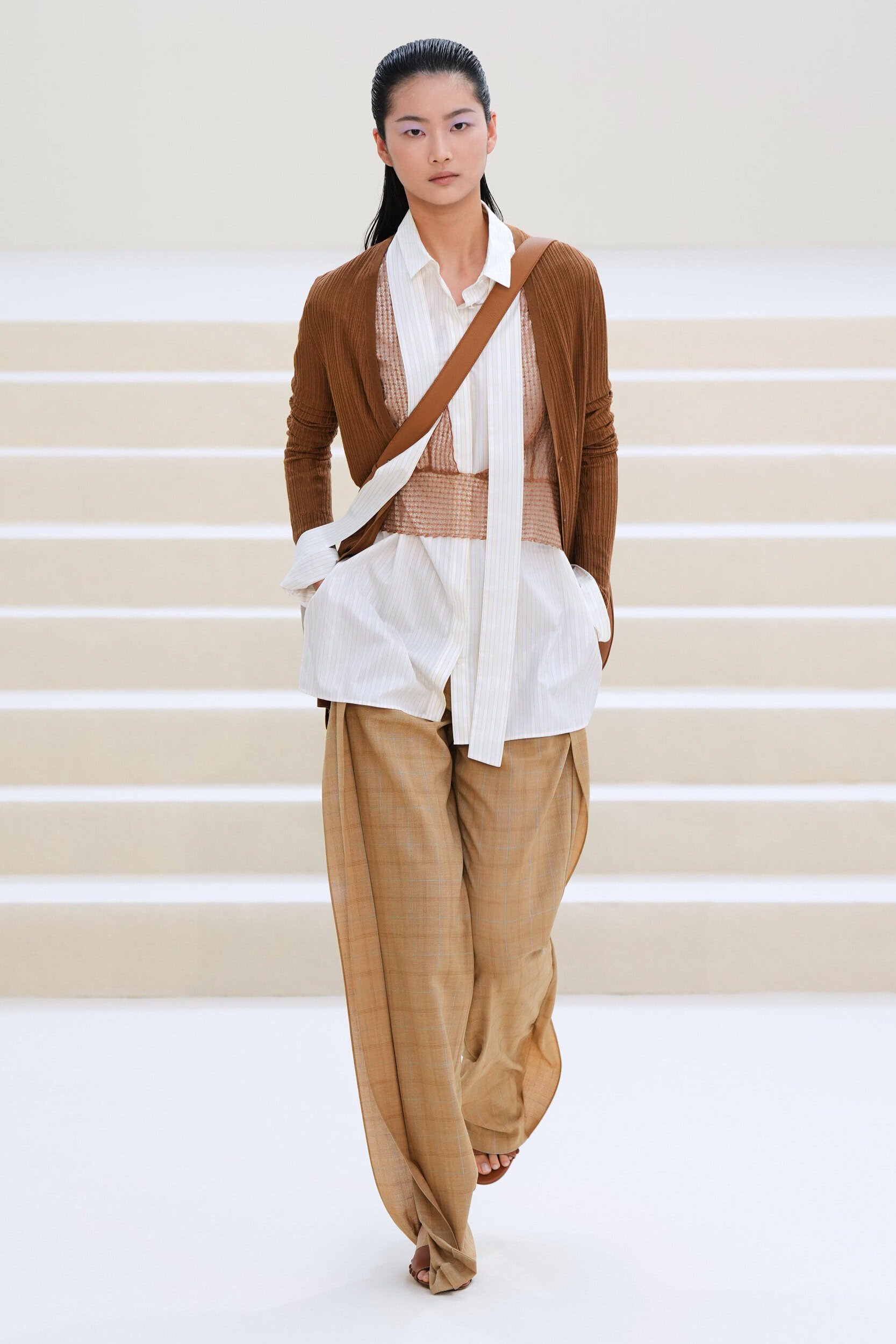
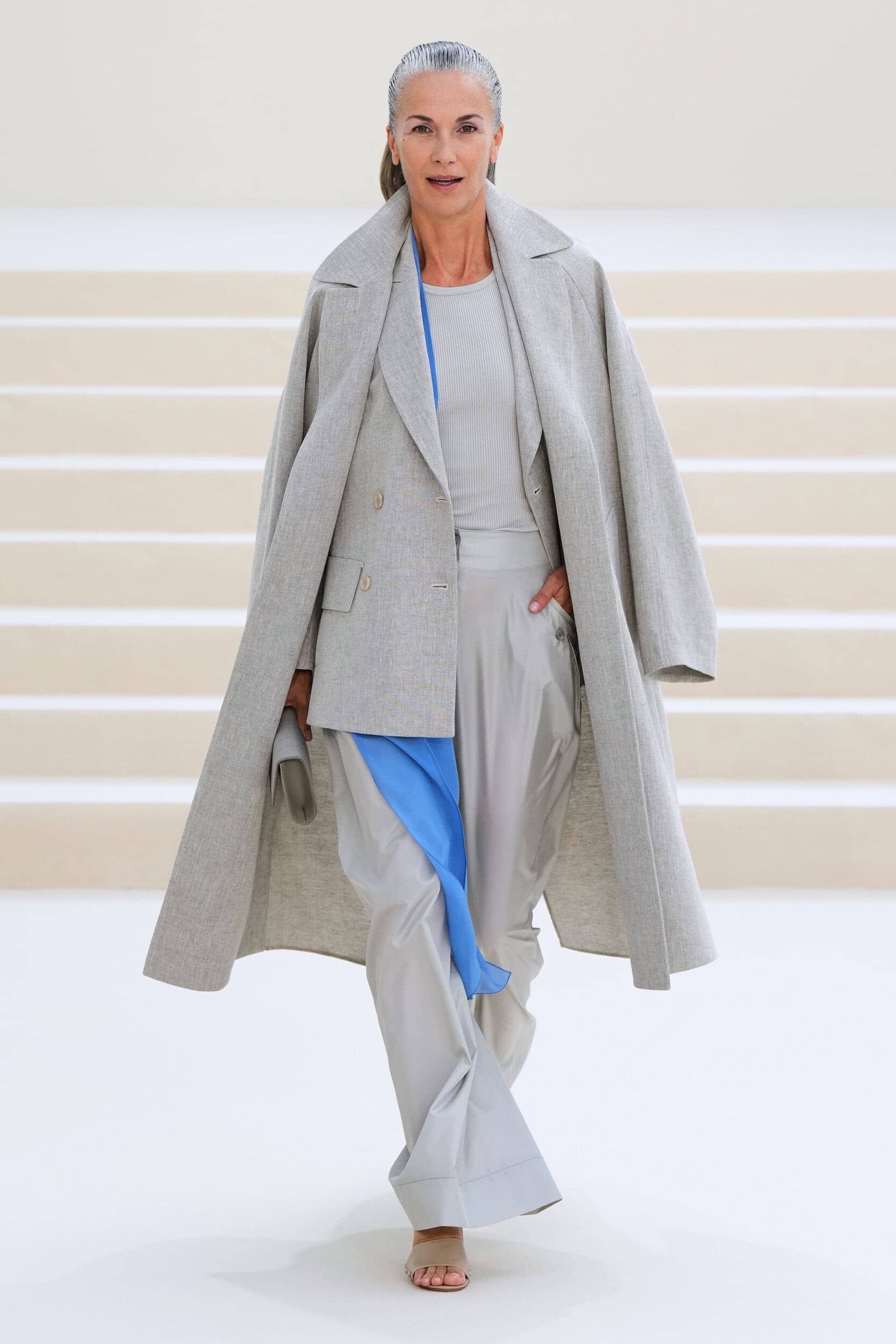
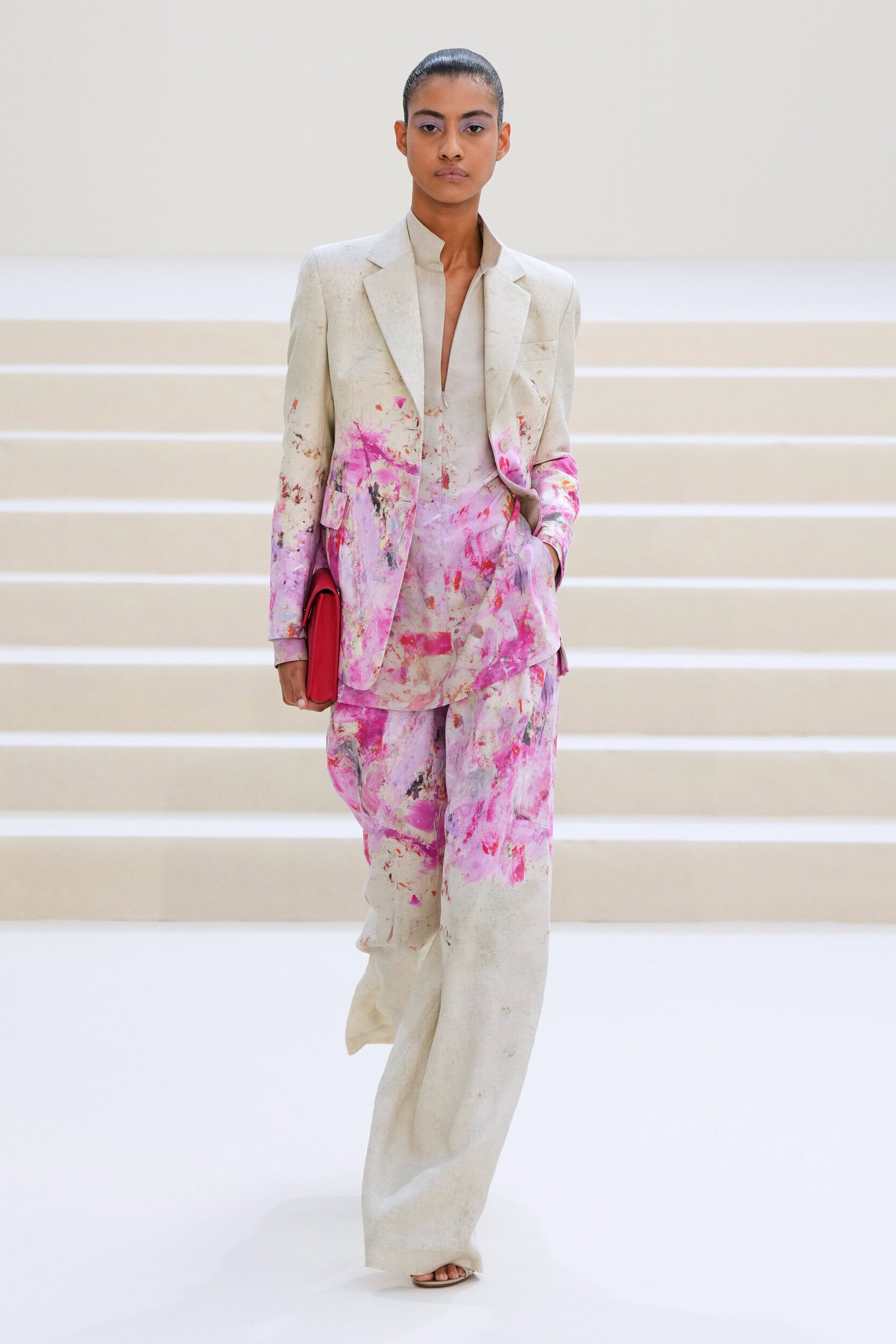
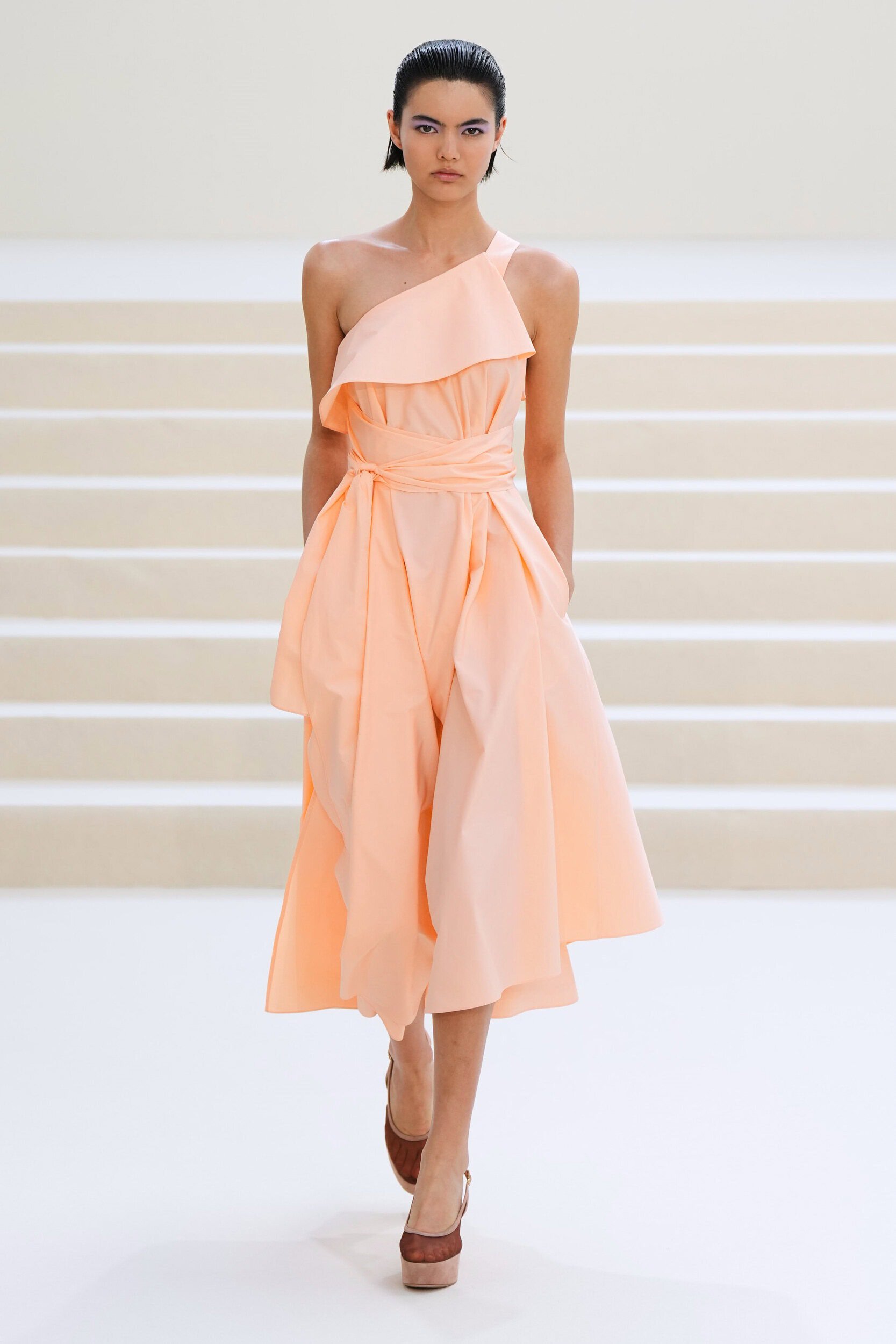
Noting that “Jungwirth’s paintings are grounded in the body,” reflected Kriemlers tailoring techniques that never fully fell for the oversized trend. So, the designer built this collection on the instinctual way women wear their clothes. Explaining that getting dressed every morning is more than the image we want to project to the world. It is also based on our gut feeling. We reach for tonal colours that we know will co-ordinate effortlessly out of instinct. We place an unstructured lace bralet over a shirt as a wink to sensuality, without the obvious display of lingerie on the body. An asymmetric sundress conjures the memory of a long-forgotten vacation. Put simply, clothes that respond to the daily needs of our lives.
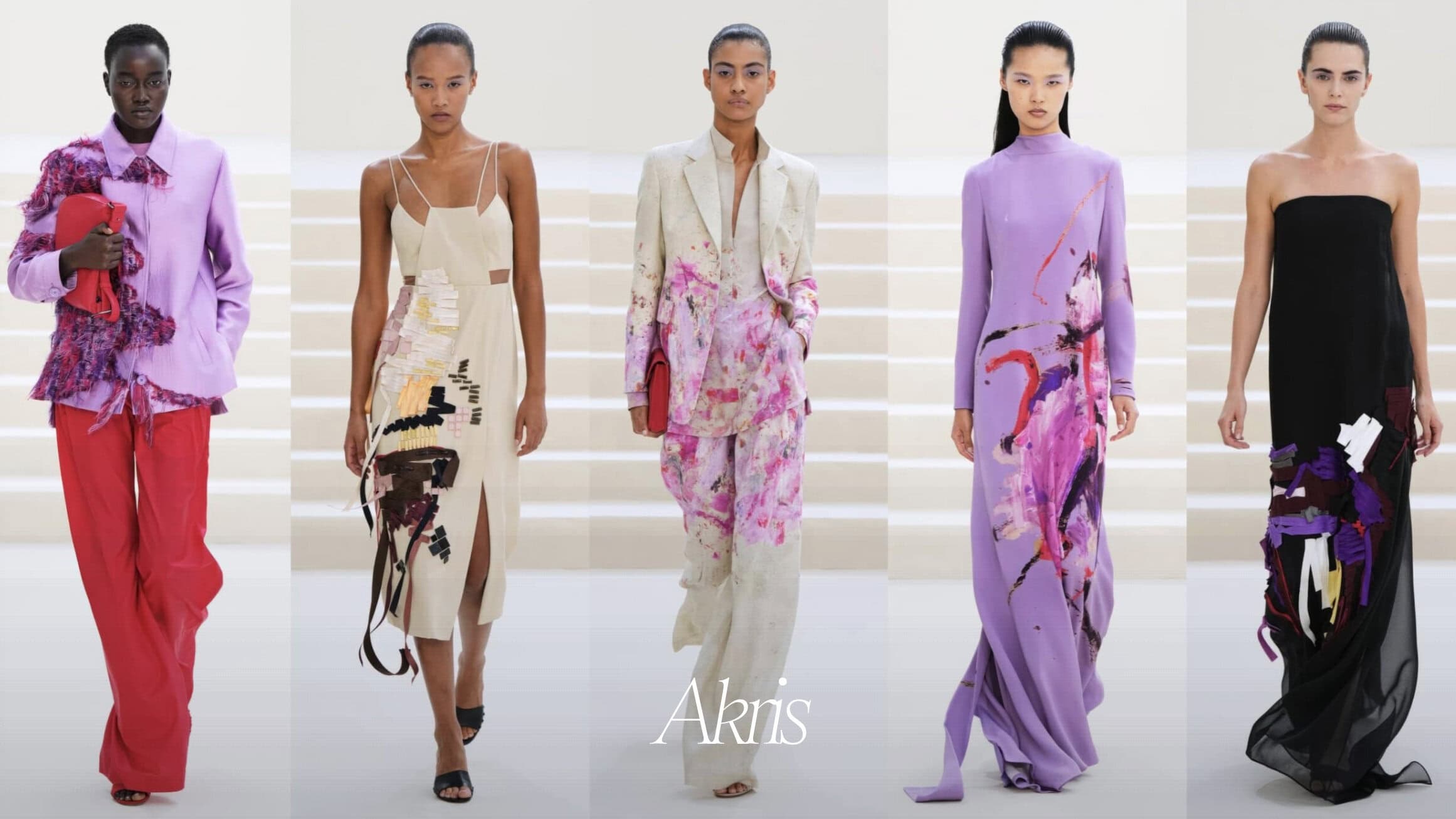
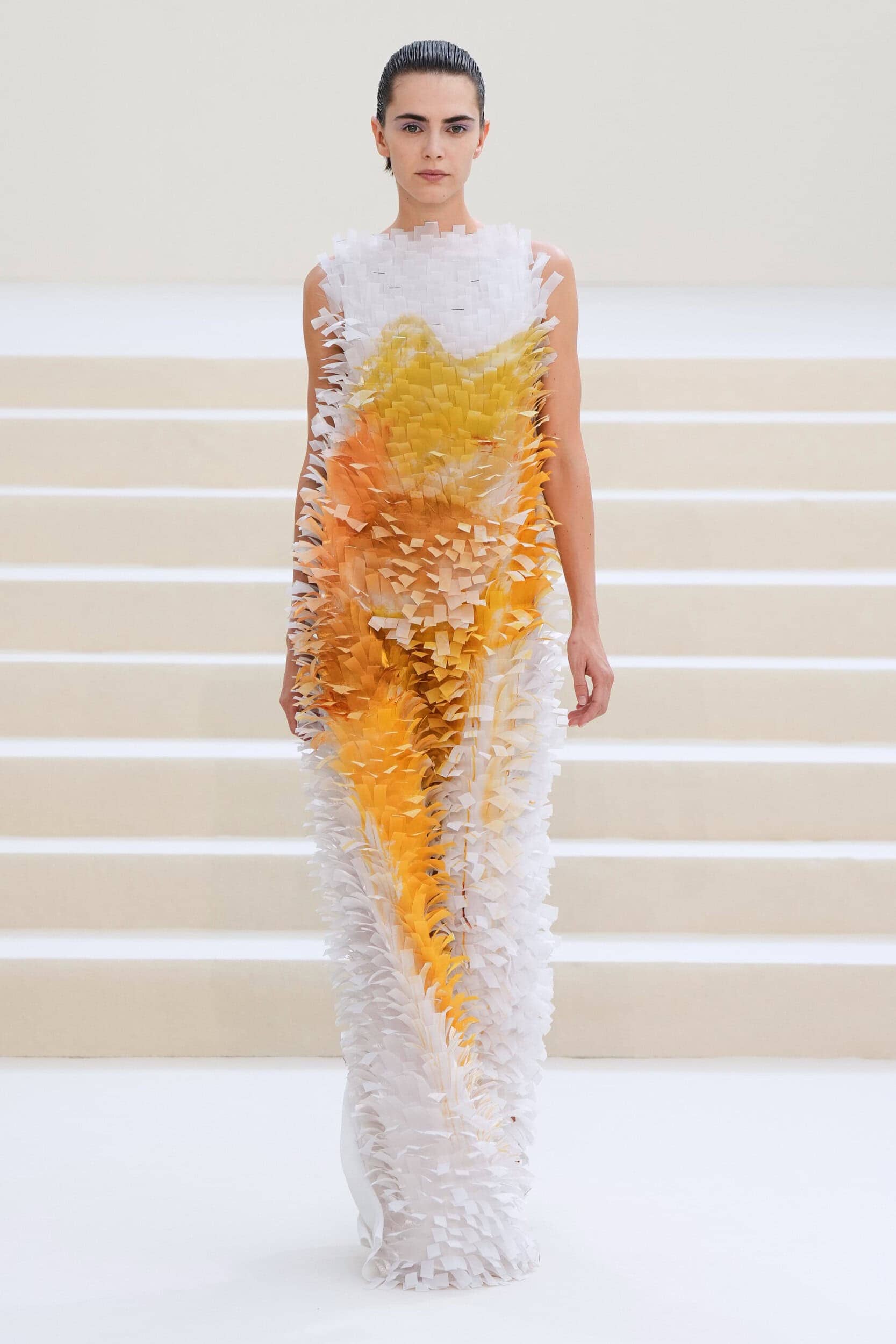
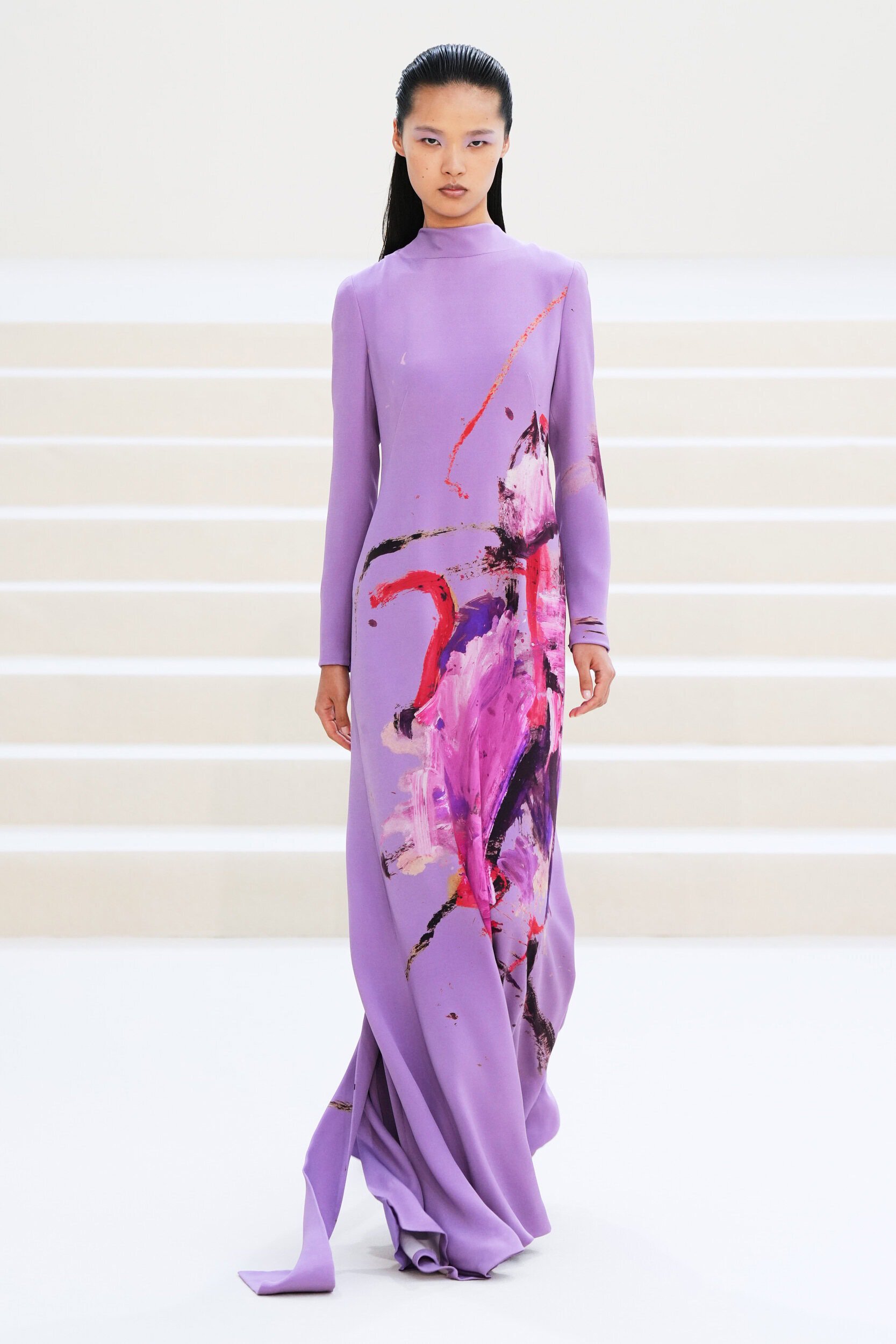
The painters own technique that leaves “broad areas untouched” inspired a sparse placement of her work, reimagined as hand-crafted ribbons, imitation feathers and a textured jacquard effect with loose threads that could have been a representation of the “record of emotion and memory” in all its messiness that the designer spoke too. As emotions are never simple, the art used throughout the collection gave it form, while Kriemlers instinctive minimal designs managed to contain the frenetic energy of Junhwirth’s work.
THE WRAP UP
The meeting of Jungwirth and Kriemler worked because neither artist’s handwriting overwhelmed the other. Her frenetic colour and broad gestures appeared loosely interpreted through ribbons, jacquards and loose threads, while his precise tailoring and minimal silhouettes provided the canvas necessary for them to come to life via the body. Proving that the most successful collaborations between art and fashion happen when neither tries too hard to imitate the other.