By Dao Tran
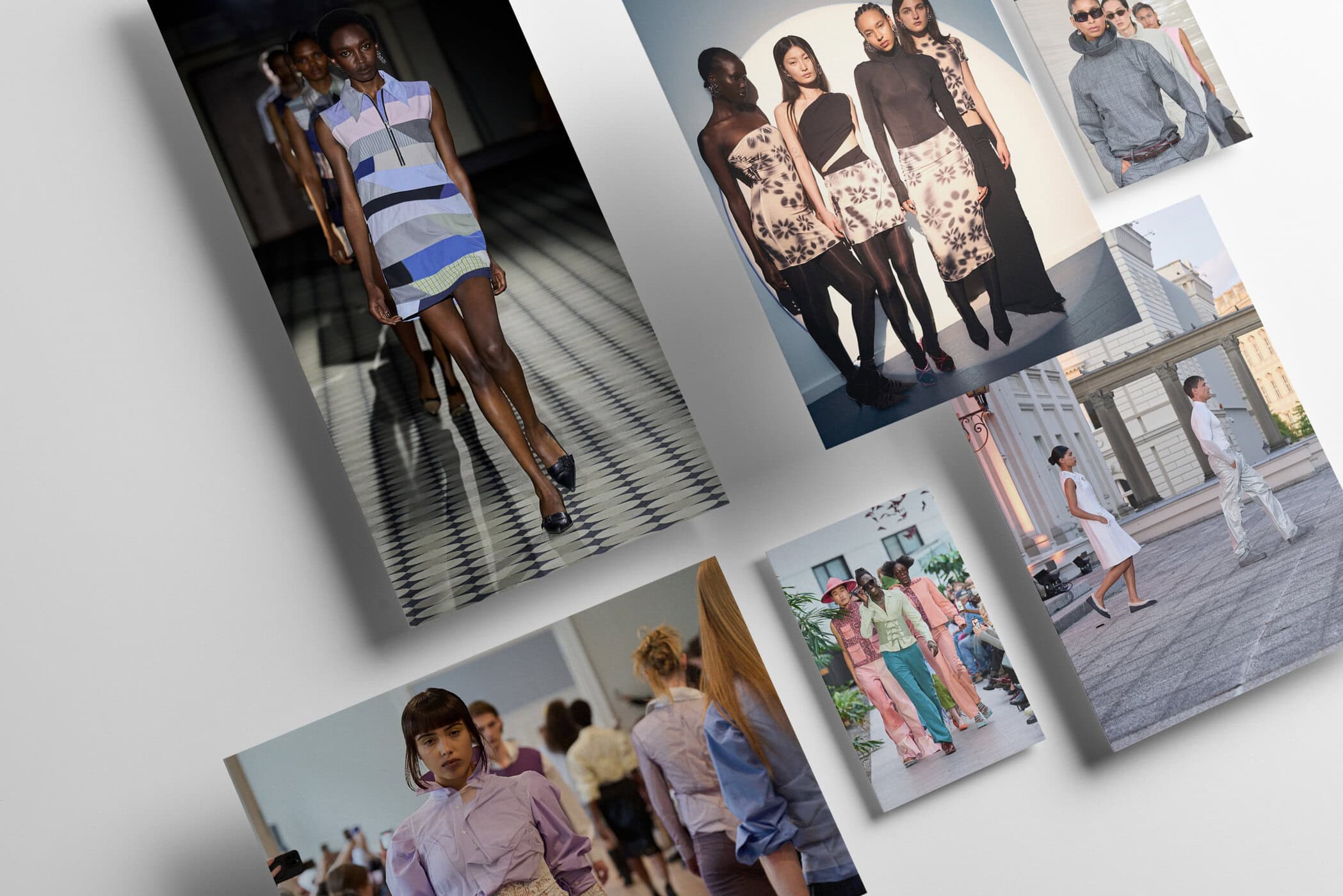
Berlin Fashion Week continues to grow in international relevance with every season. Increasing numbers of international editors, buyers, retailers, and industry decision-makers are making the trip to the German capital—not because Berlin is trying to become the next Paris, Milan, or London, but because it offers something those fashion capitals do not. Rather than trying to replicate the big four, Berlin has embraced its own strengths: freedom of experimentation, embrace of plurality, and long-term creative development.
Under the stewardship of Fashion Council Germany, guided by the cultural instinct and curatorial vision of President Christiane Arp and CEO Scott Lipinski’s strategic leadership, Berlin Fashion Week has steadily developed a distinct identity: a place to discover emerging talent, nurture independent voices, and support alternative ways of making and sustaining fashion. Crucially, this has been made possible through the continued backing of the Berlin Senate Department for Economic Affairs, Energy and Public Enterprises, which recognizes fashion as both a cultural and economic force.
Emerging talents such as Kasia Kucharska, Laura Gerte, UNVAIN, and Dagger demonstrate why Berlin remains one of the most exciting places to discover new voices in fashion. Meanwhile, brands such as Milk of Lime and Lou de Bètoly are given the time to build their practices according to their own timelines and values, prioritizing craft, creativity, and experimentation over scale.
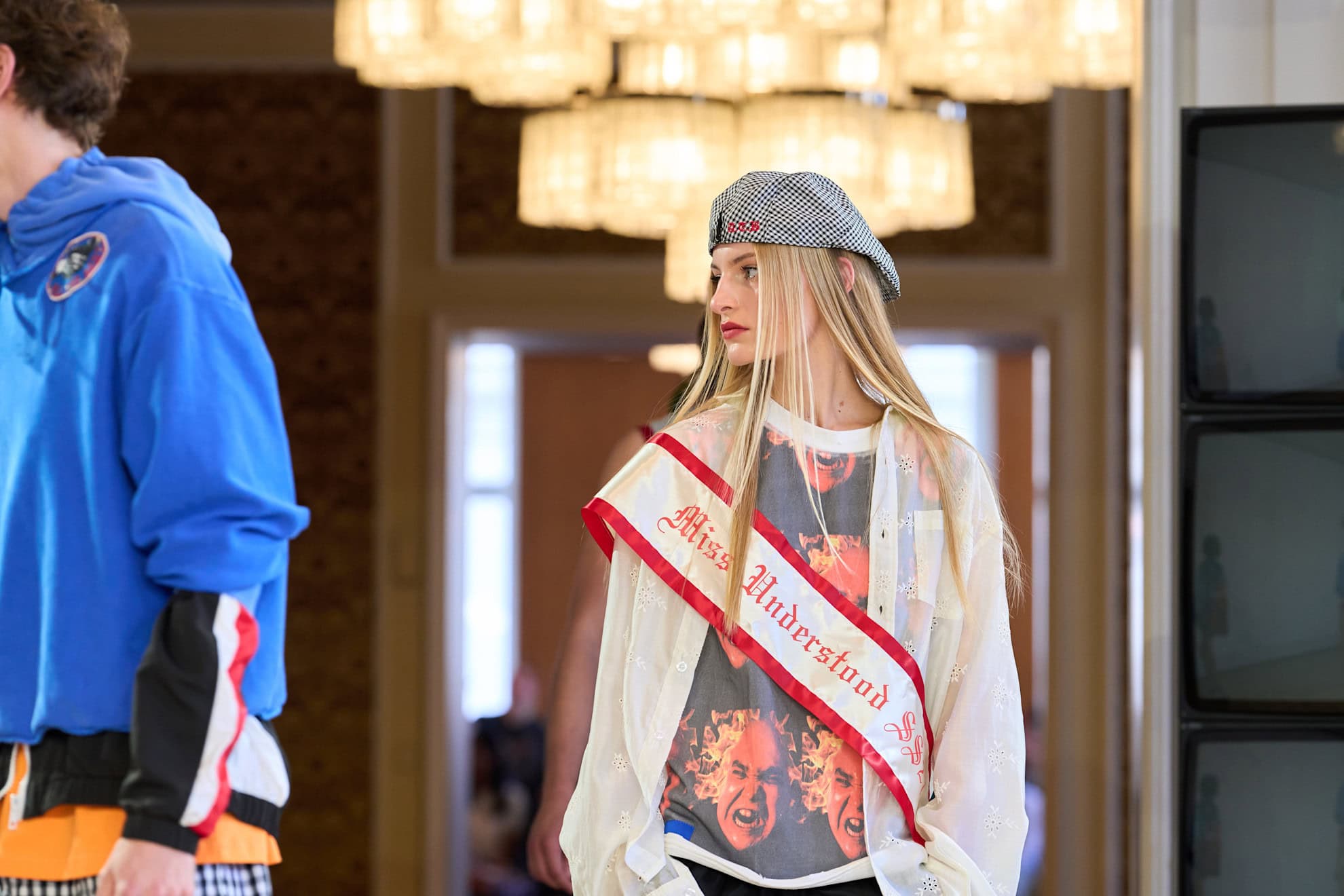
This season also underscored the maturation of a generation of Berlin designers who are shaping the image of Berlin fashion. Haderlump, SF1OG, and Marke have each established highly recognizable visual languages and are deeply embedded in Berlin’s broader cultural landscape with their loyal communities. Their success suggests that Berlin’s model of patient growth and creative autonomy can produce not only compelling fashion, but enduring brands.
At the same time, Berlin continues to insist that fashion is a cultural practice. For their tenth anniversary collection, GmbH revisited both their own history and Berlin’s forgotten fashion heritage, reaffirming fashion’s capacity to function as memory, cultural preservation, and resistance. William Fan is another Berlin fashion institution and warmly embraaced expression of multicultural identity.
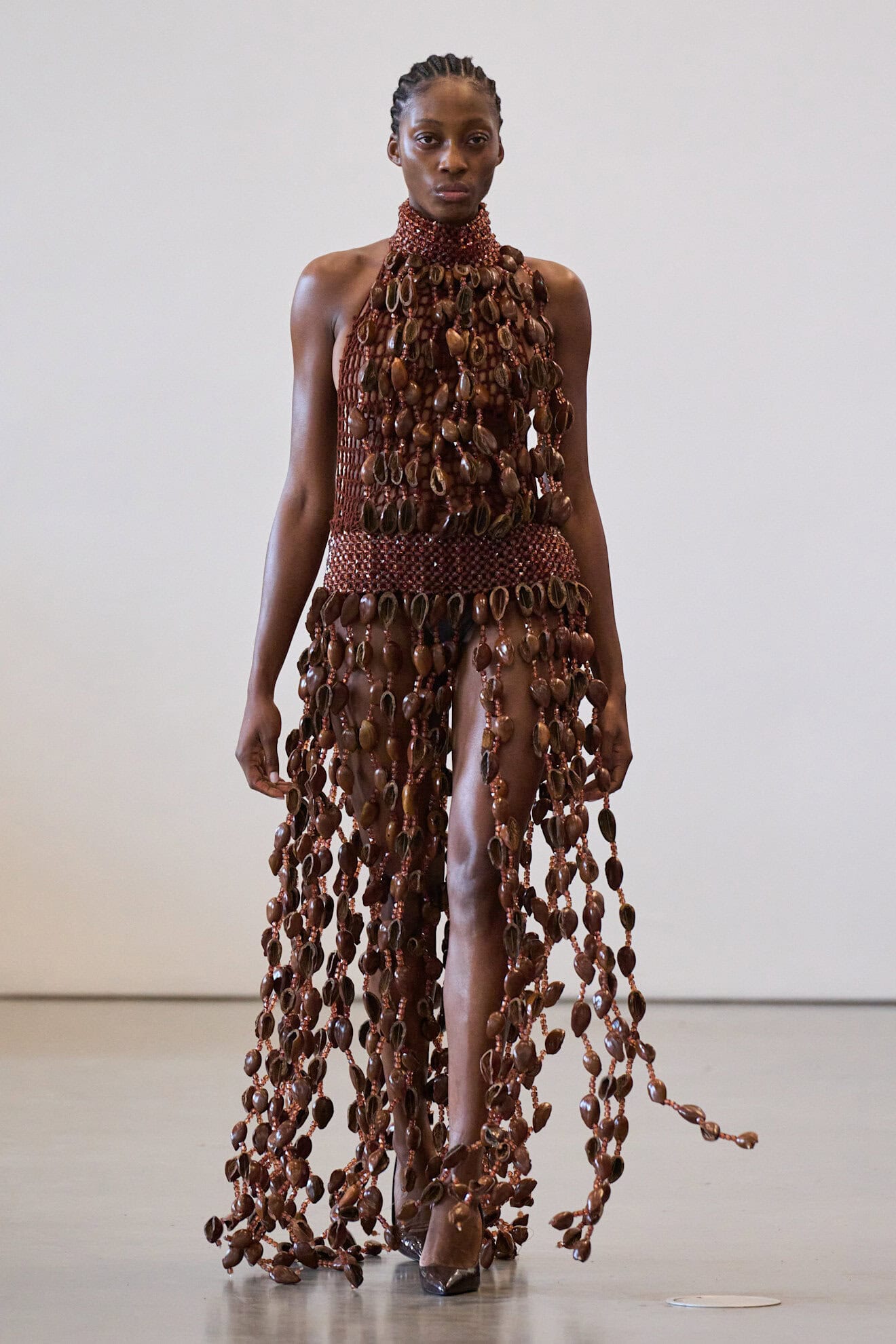
Berlin’s growing international relevance is not only evident in its guests, but more importantly in its talent, with brands from four different continents showing this season. Mumi Haiati’s Reference Studios Intervention program has played an important role in that. African designers are well represented, with Fruché’s splashy debut collection full of bespoke tailoring and heritage design elements, Orange Culture’s magnificent use of color and storytelling, Buzigahill’s activist upcycling sending a strong fashion message to the industry, and PALMWINE IceCREAM’s sexy cultural identity. John Lawrence Sullivan brings Japanese precision and subversion to tailoring, while Barragán delivered a provocative collection exploring Mexican identity at the Mexican Embassy in Berlin.
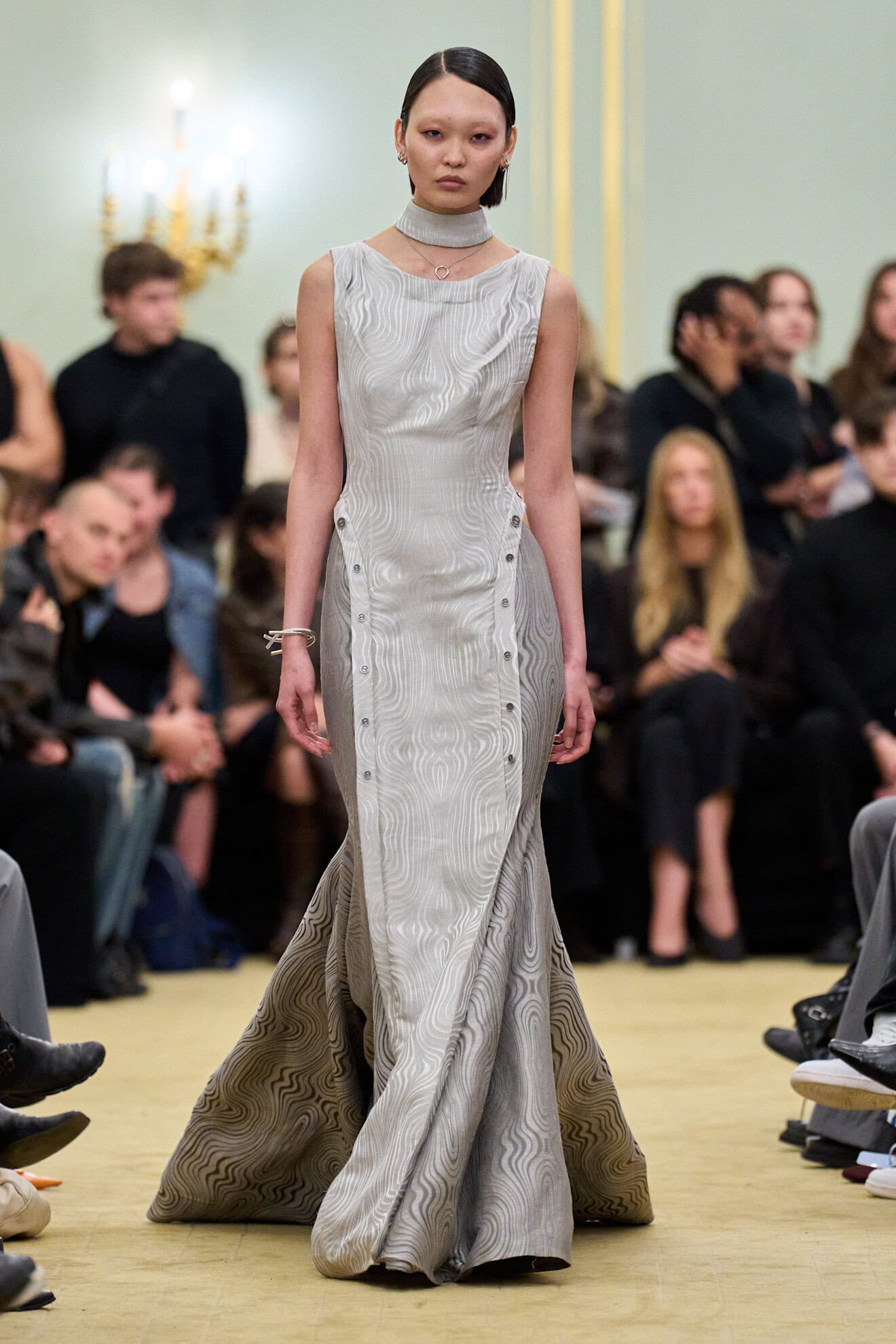
The future-facing spirit of Berlin was perhaps best illustrated by designers such as Taskin Goec and Selva, whose work point toward new relationships between technology, craft, and visual language. Berlin remains a city willing to experiment—and willing to imagine different futures.
Initiatives such as STUDIO2RETAIL acknowledge that not every brand needs a runway show to succeed. Designers including Esther Perbandt and Richert Beil demonstrate that alternative formats can provide visibility while preserving creative independence. The Berliner Salon and RAUM also held space for artistic experimentation and interdisciplinary exchange, reinforcing the city’s longstanding dialogue between fashion, art, and performance.
What all the brands have in common are a strong rootedness in culture, identity, and community; mastery of the craft, from artisanal heritage methods to innovative new technologies; and dedication to sustainability. Beyond adopting the Copenhagen Fashion Week Sustainability Standards, Berlin Fashion Week has implemented its own Code of Conduct addressing Diversity, Equity, Inclusion, and Belonging—a significant commitment at a time when such values face growing political persecution.
Reflecting on the week, Chief Impressionist Kenneth Richard proposed what he calls the “2% Solution”: the idea that retailers, institutions, and industry leaders could profoundly change the trajectory of emerging fashion by dedicating just a little more of their resources, expertise, and attention to helping young designers build sustainable businesses. It is a philosophy that feels particularly relevant in Berlin, where support systems are designed not merely to discover talent, but to help it endure.