London Current
Review of Burberry Winter 2026 Ad Campaign by Burberry Creative Director Daniel Lee with Art Direction by Lane & Associates, plus Photographer Glen Luchford with models Bai , Cathy Simmons, Charlotte Boggia, Douta Sidibe, Jacqui Hooper, Joe Bottomer, Luiza Perote, Rey , Romeo Beckham, Xiao Wen Ju, & Fka Twigs
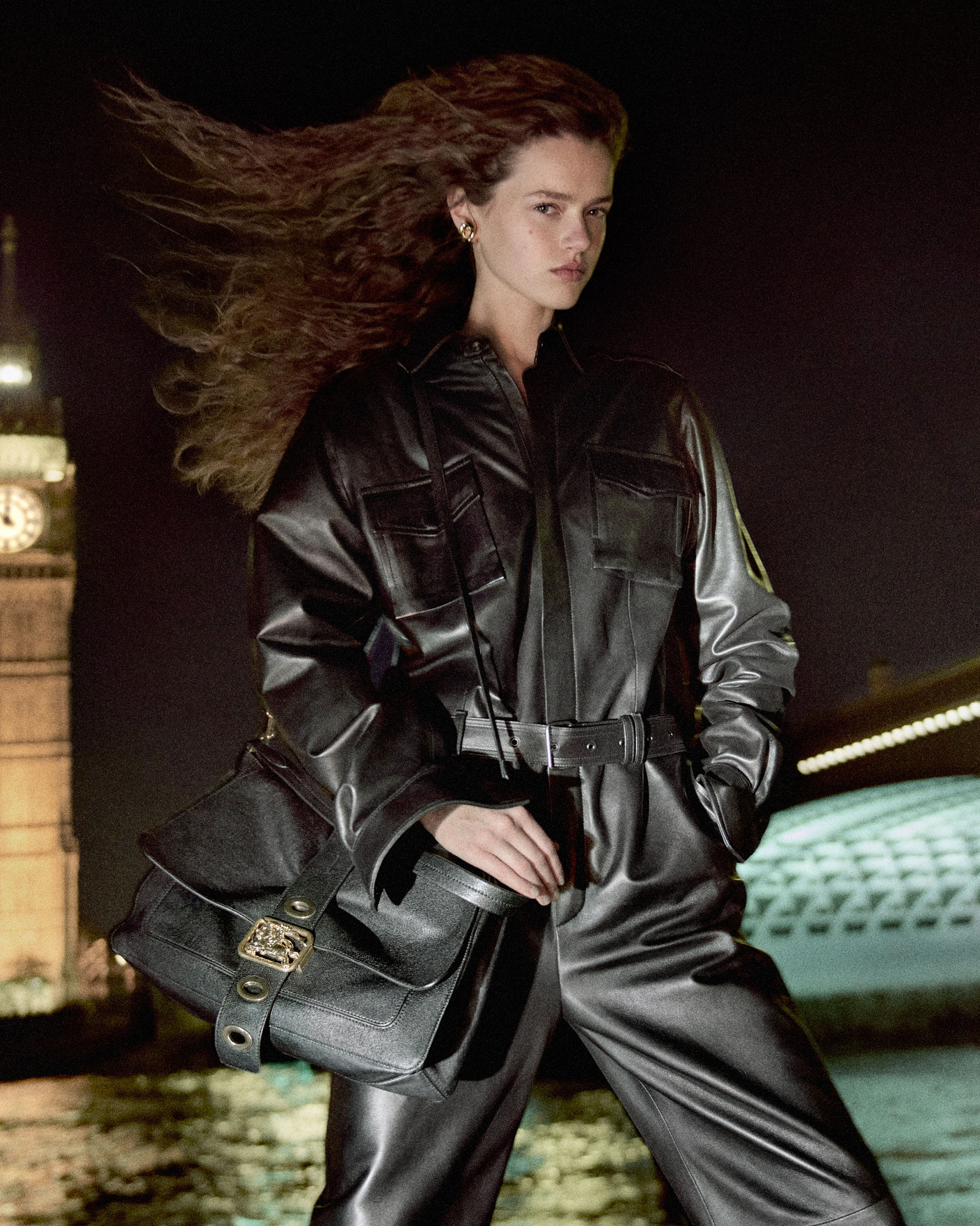
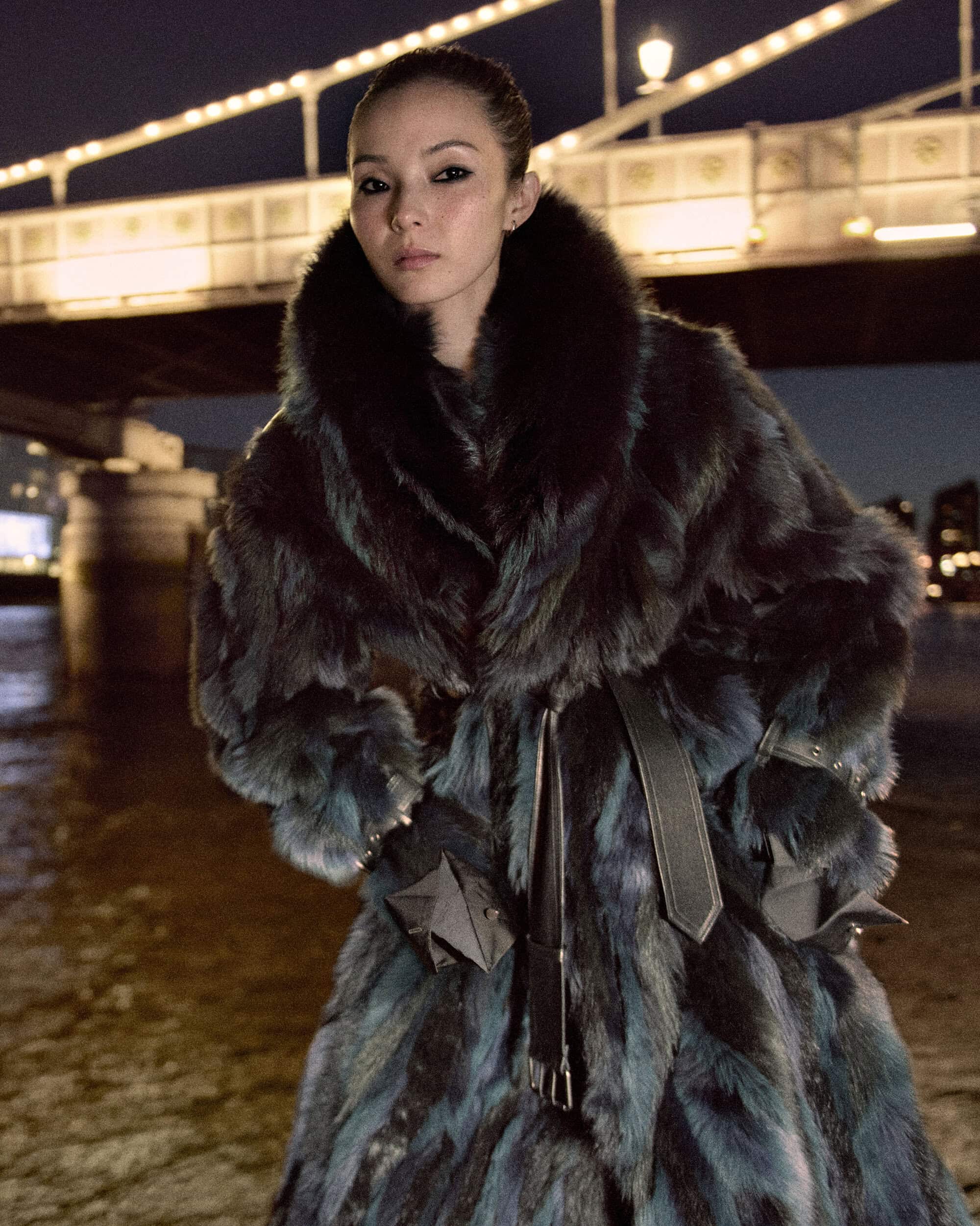
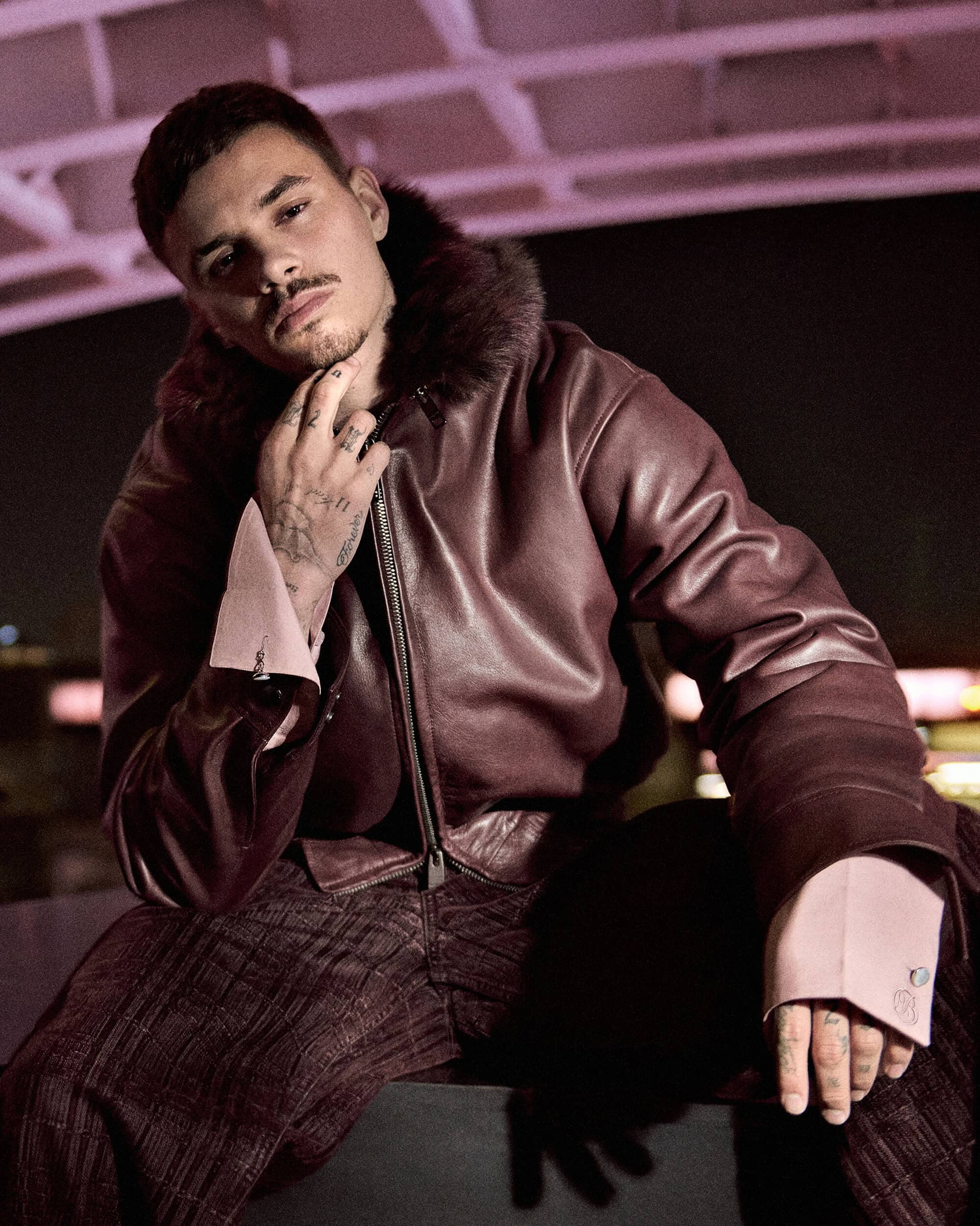
Burberry returns home for Winter 2026, but Daniel Lee is less interested in giving London a sentimental homecoming than in putting the House back into the bloodstream of the city. Art directed by Lane & Associates and photographed by Glen Luchford, the campaign moves along the River Thames with the Palace of Westminster, Tower Bridge, concrete flyovers, river traffic and London’s shifting skies serving as its supporting cast. FKA twigs and Romeo Beckham join a broader ensemble of models, but the real star may be London itself. Burberry has photographed its hometown countless times; the trick is making the relationship feel current again. Here, quite literally, it does.
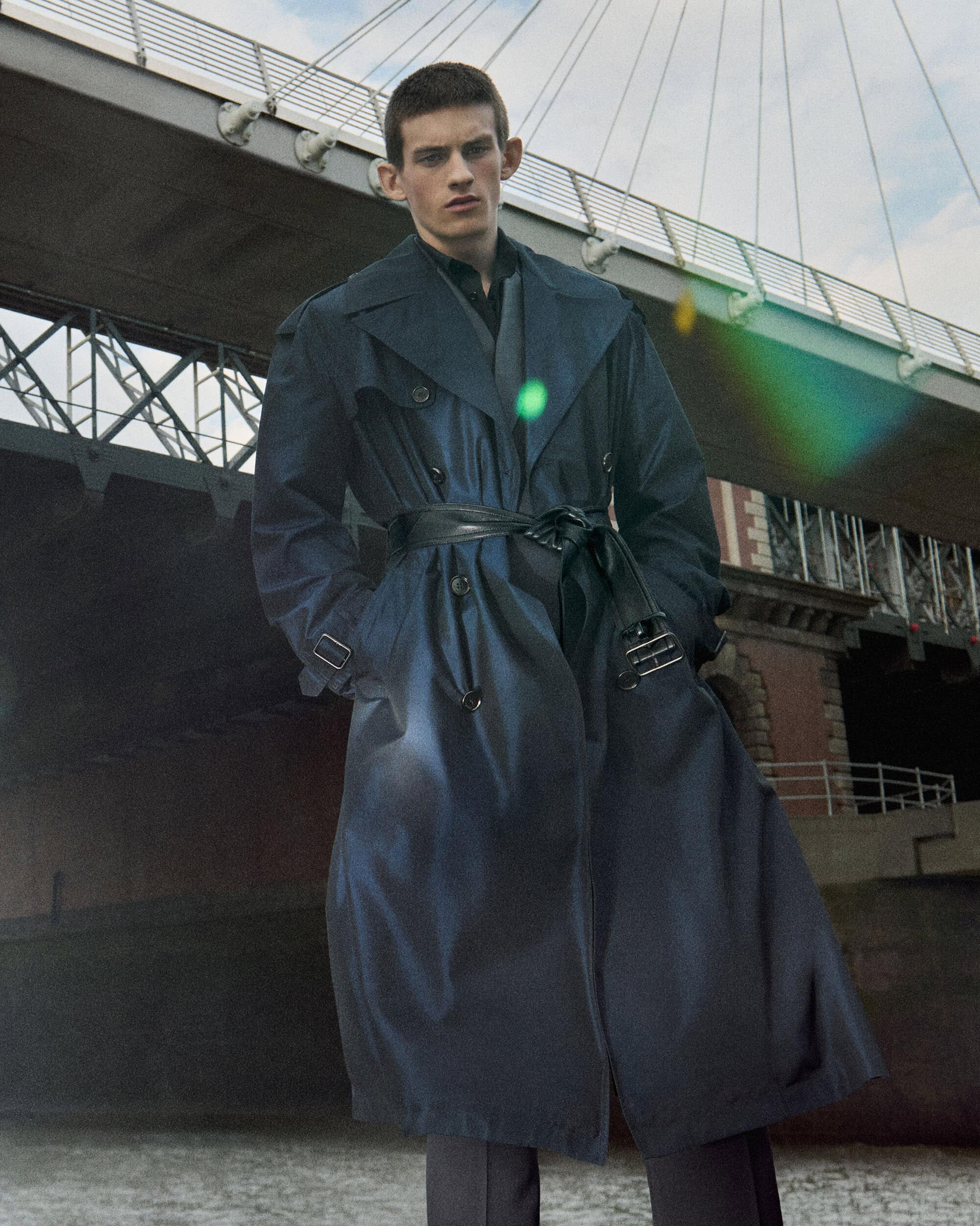
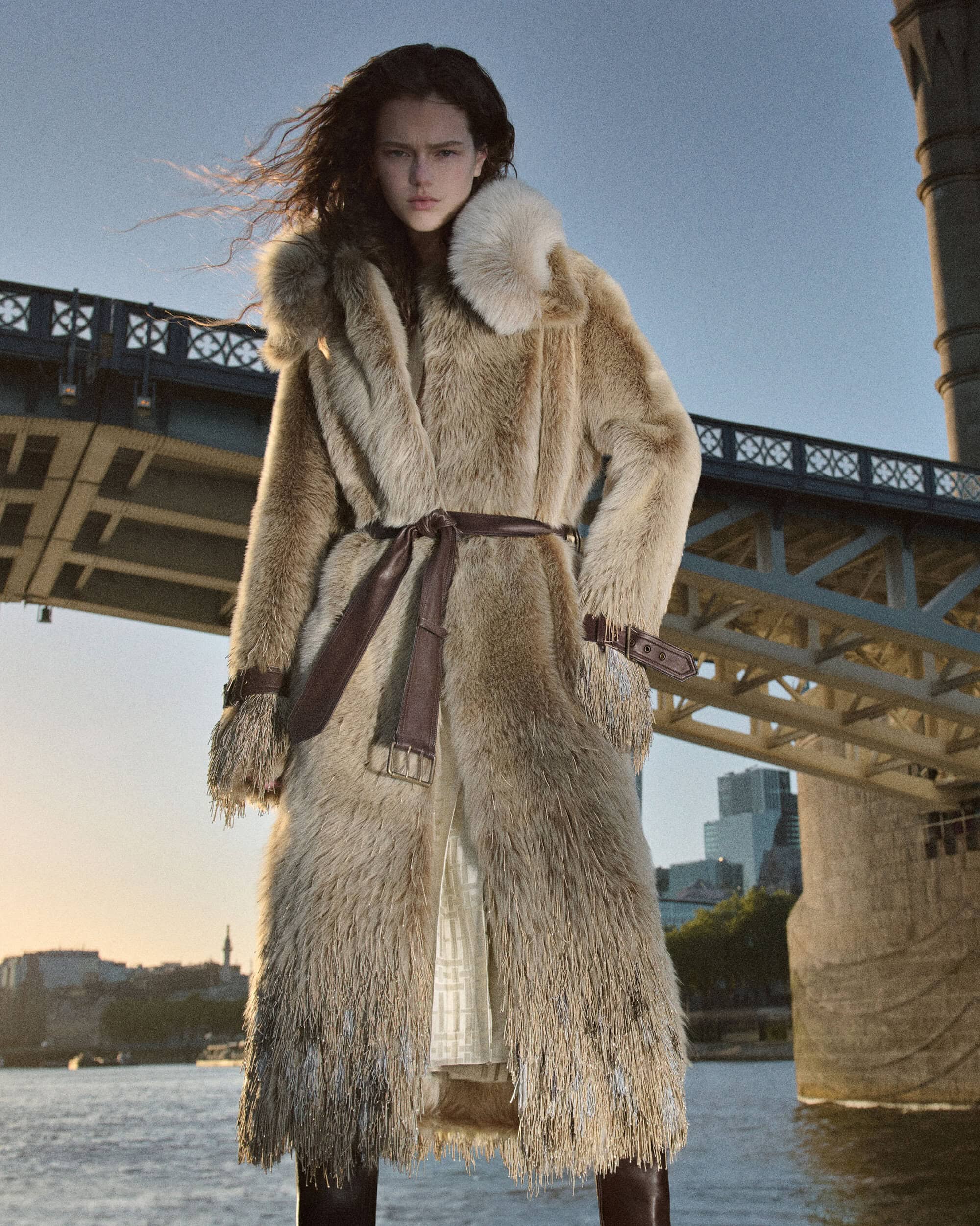
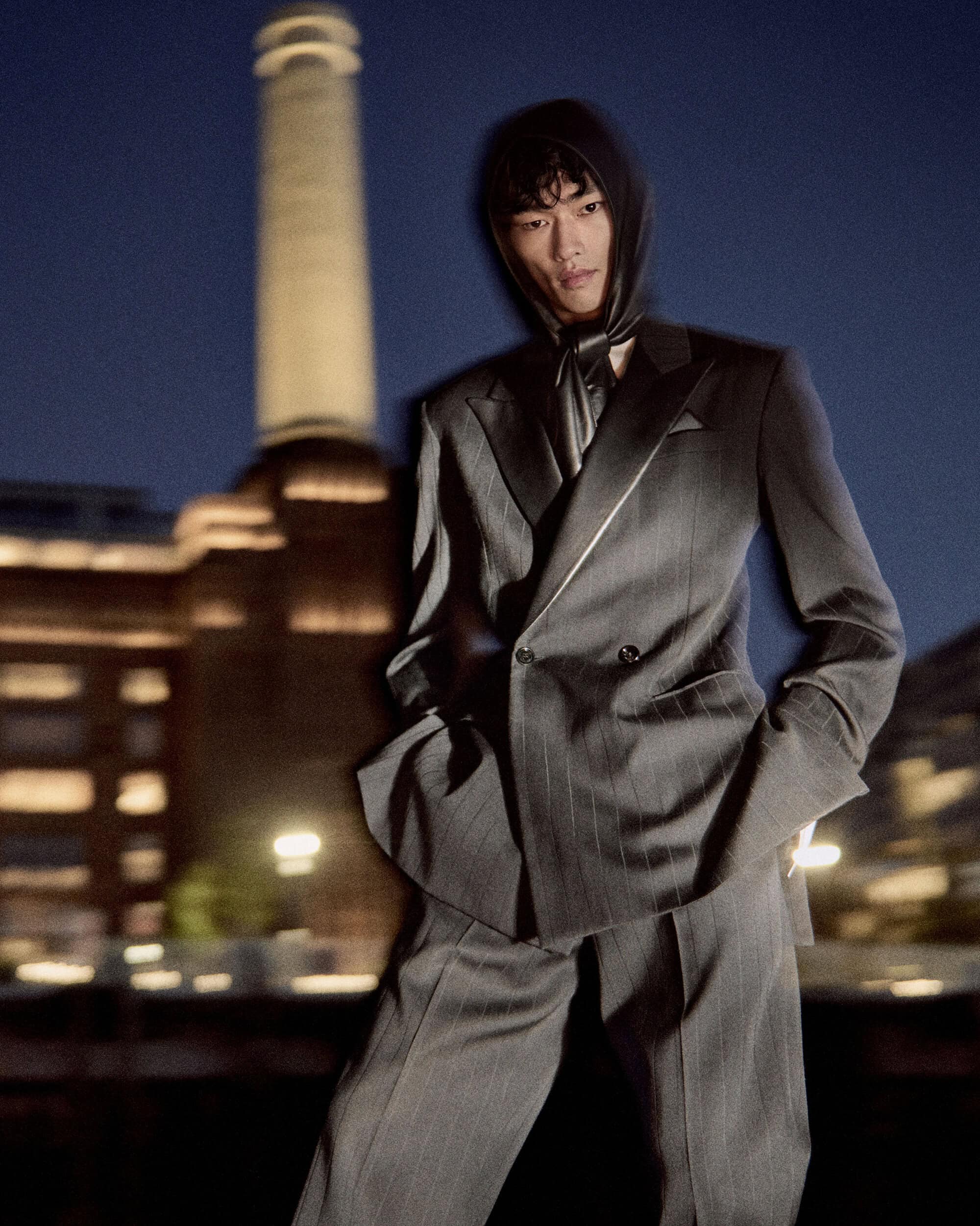
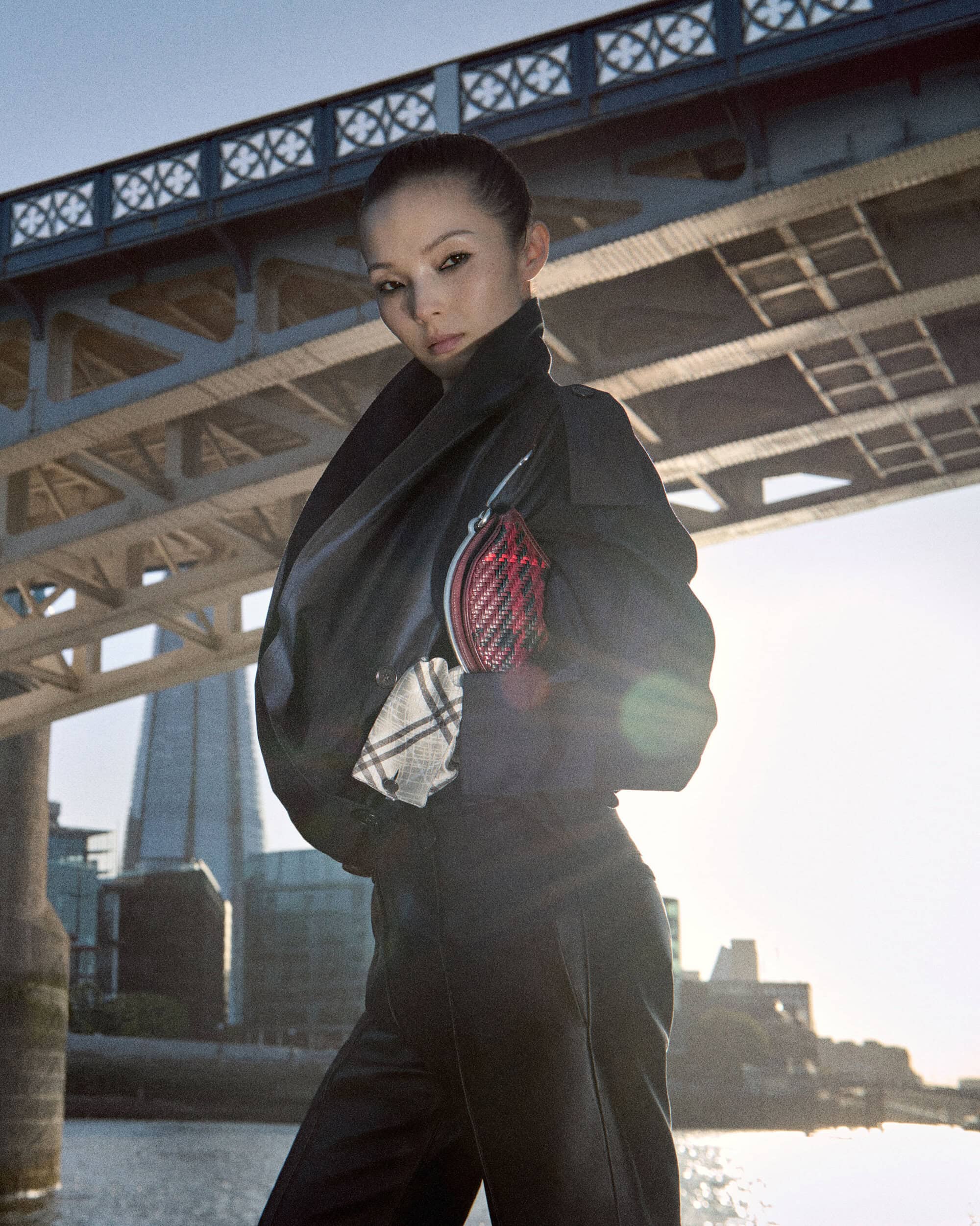
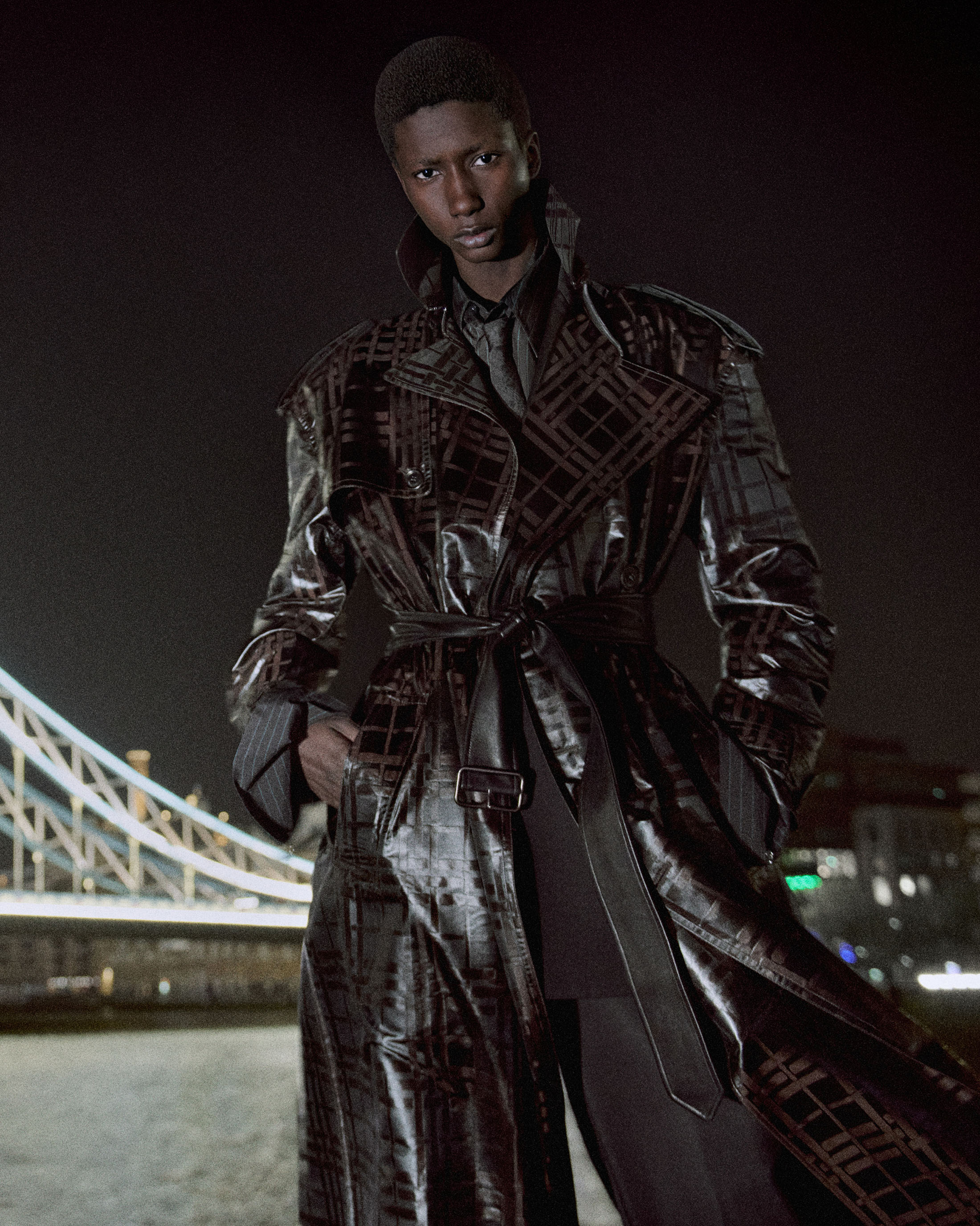
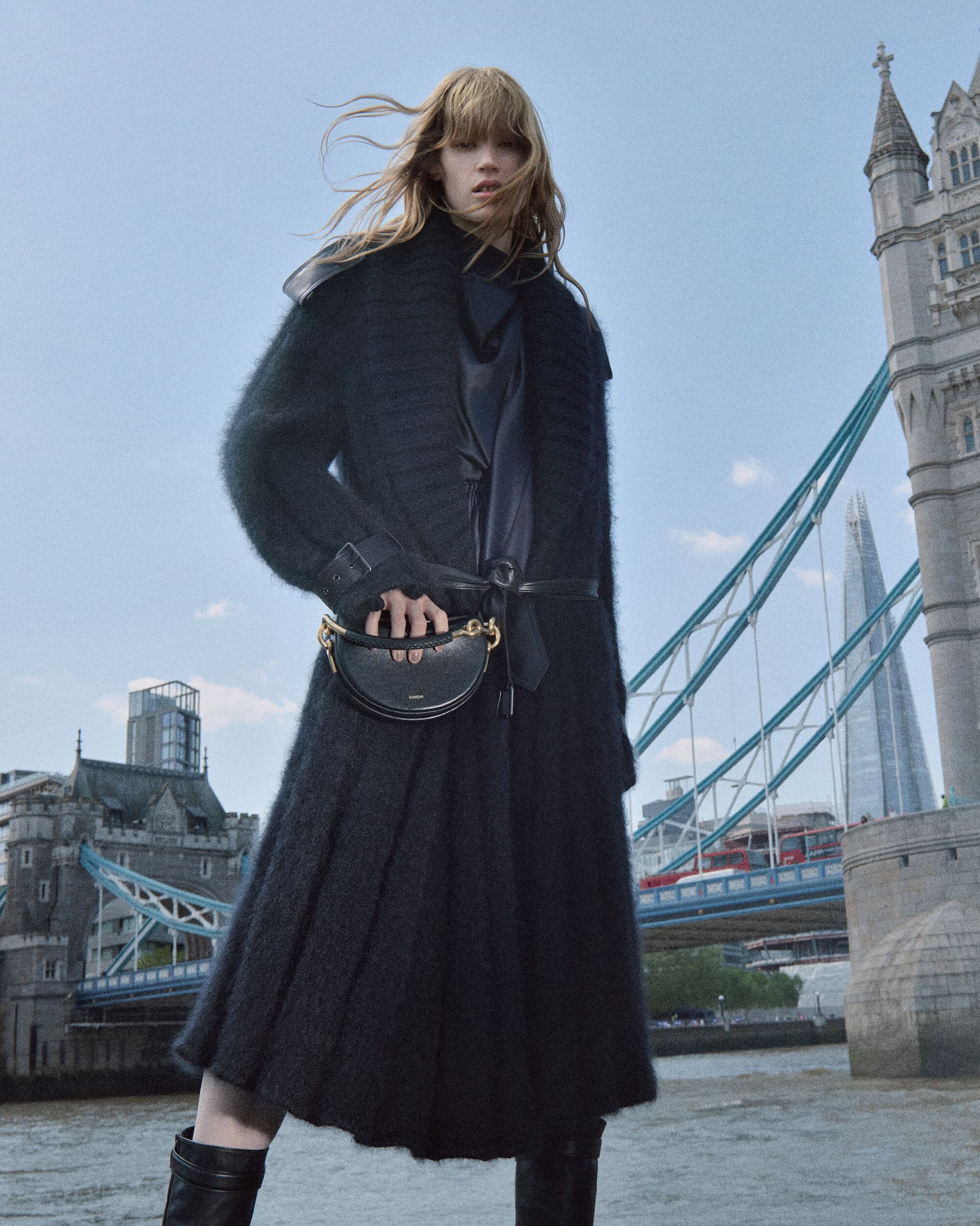
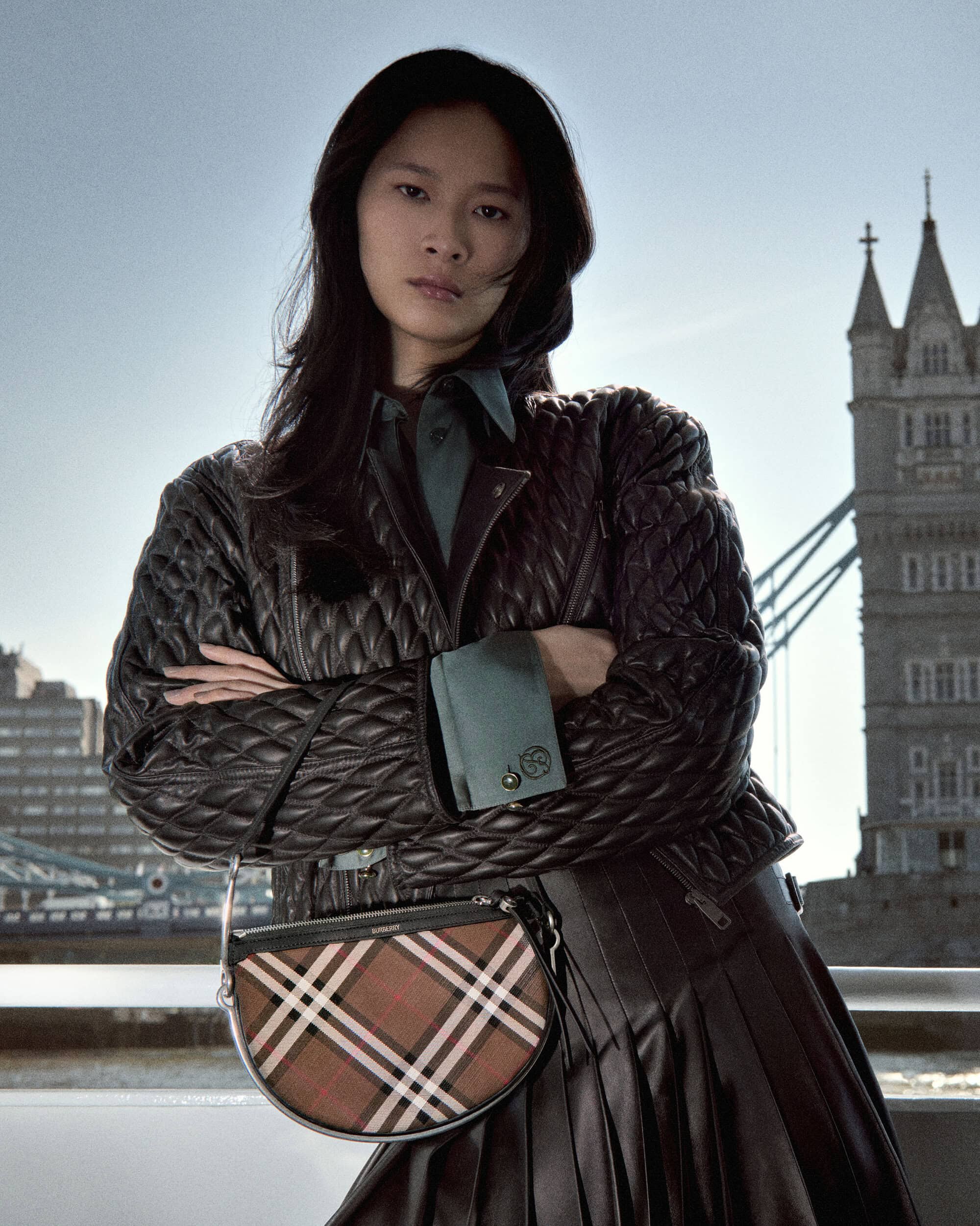
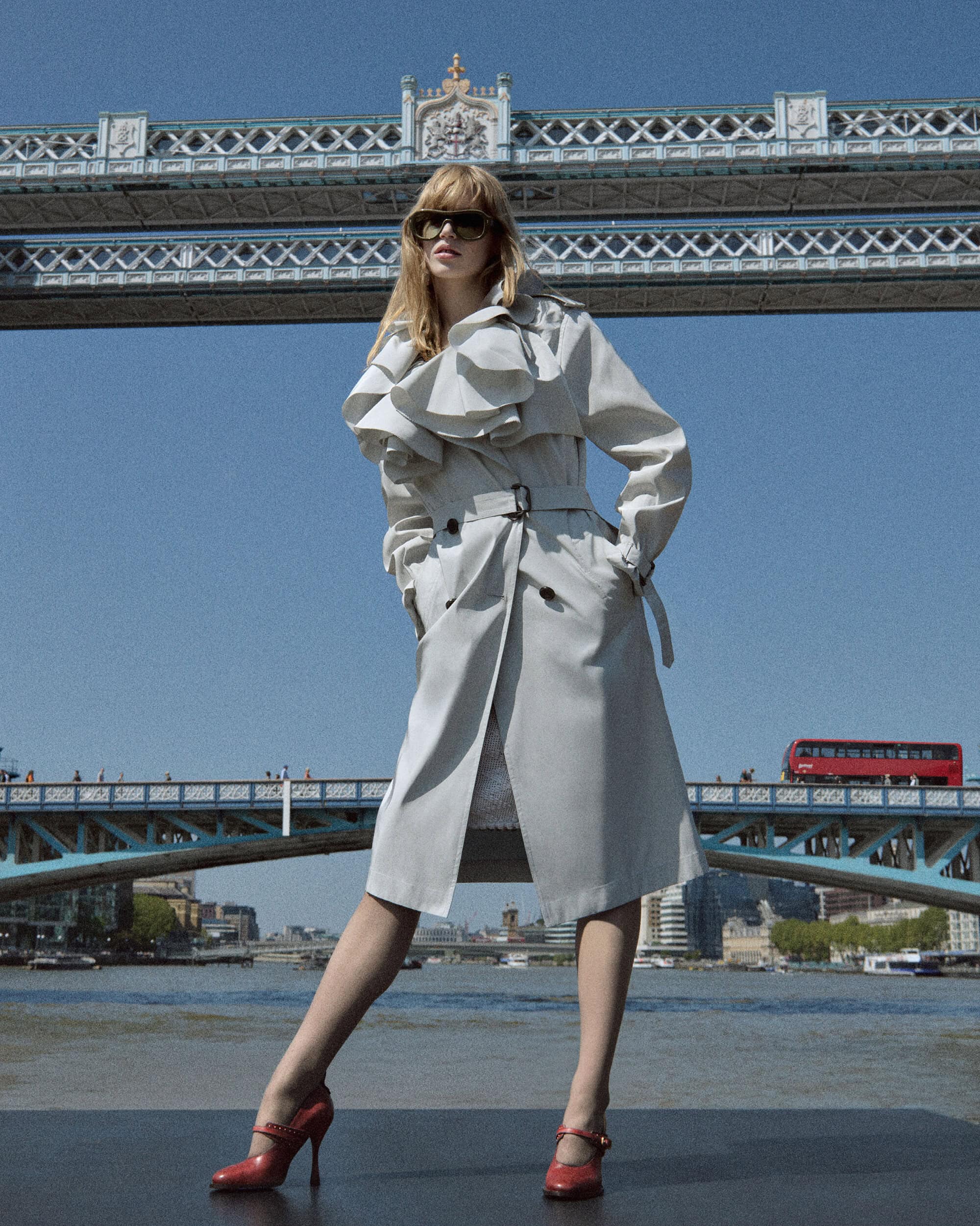
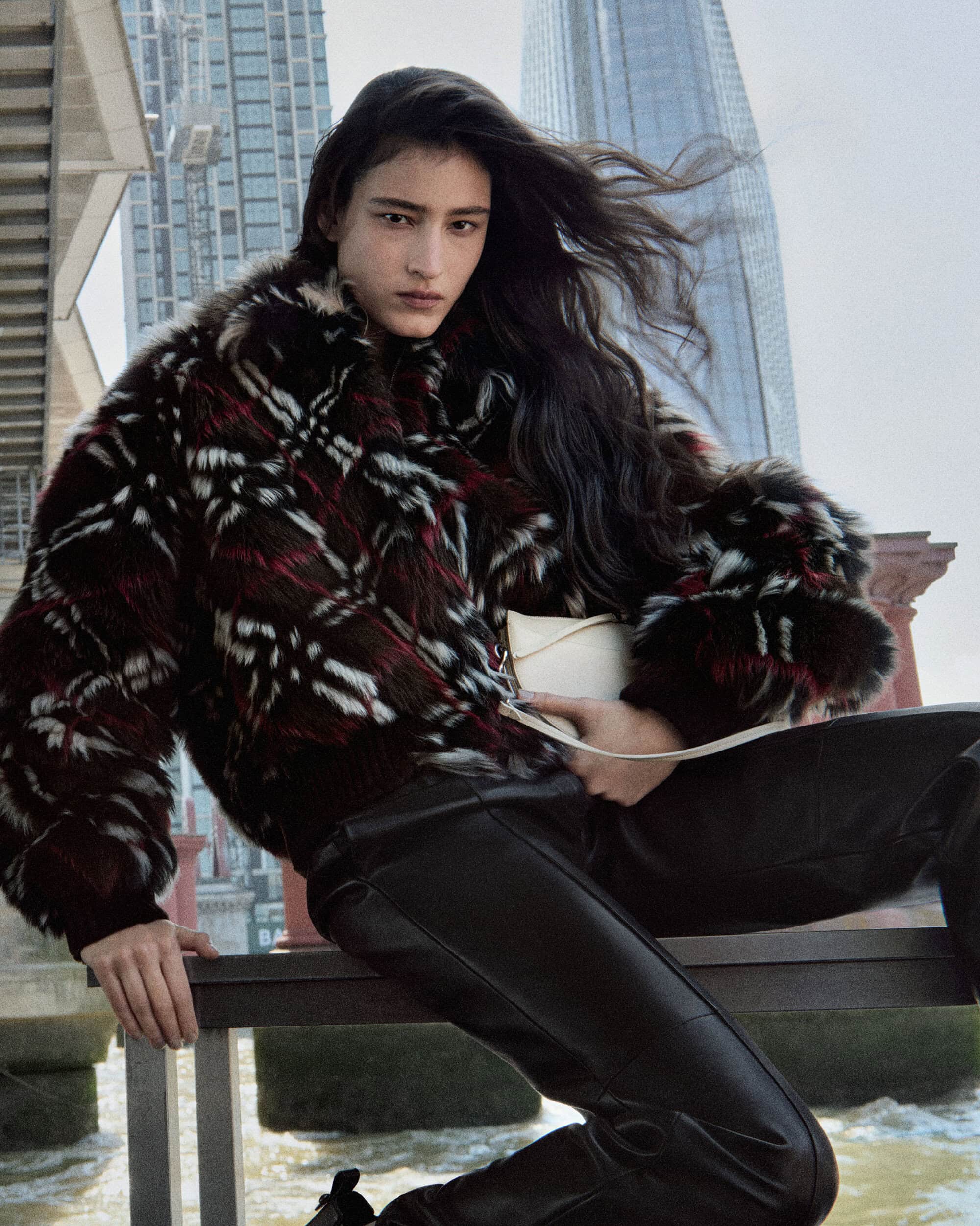
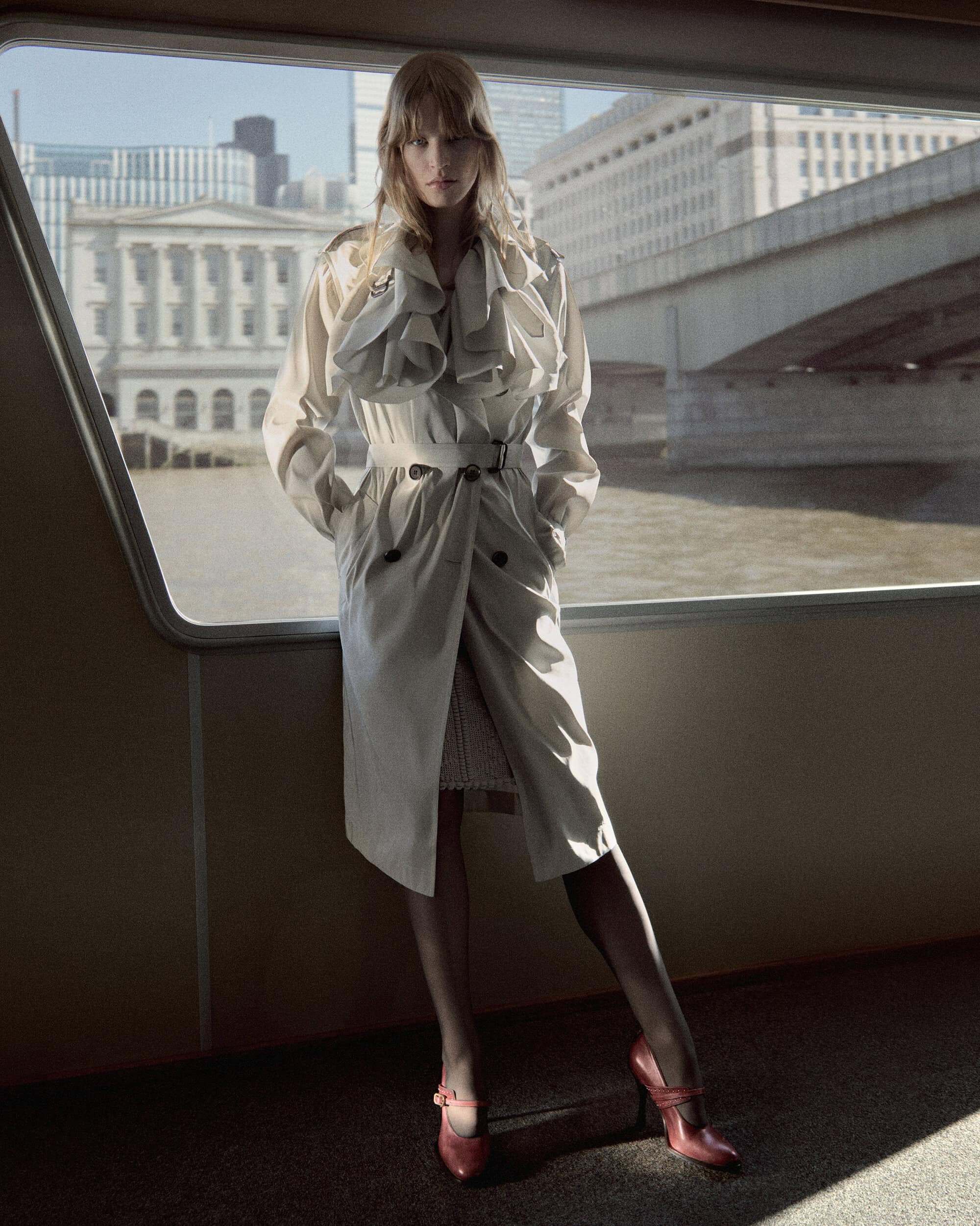
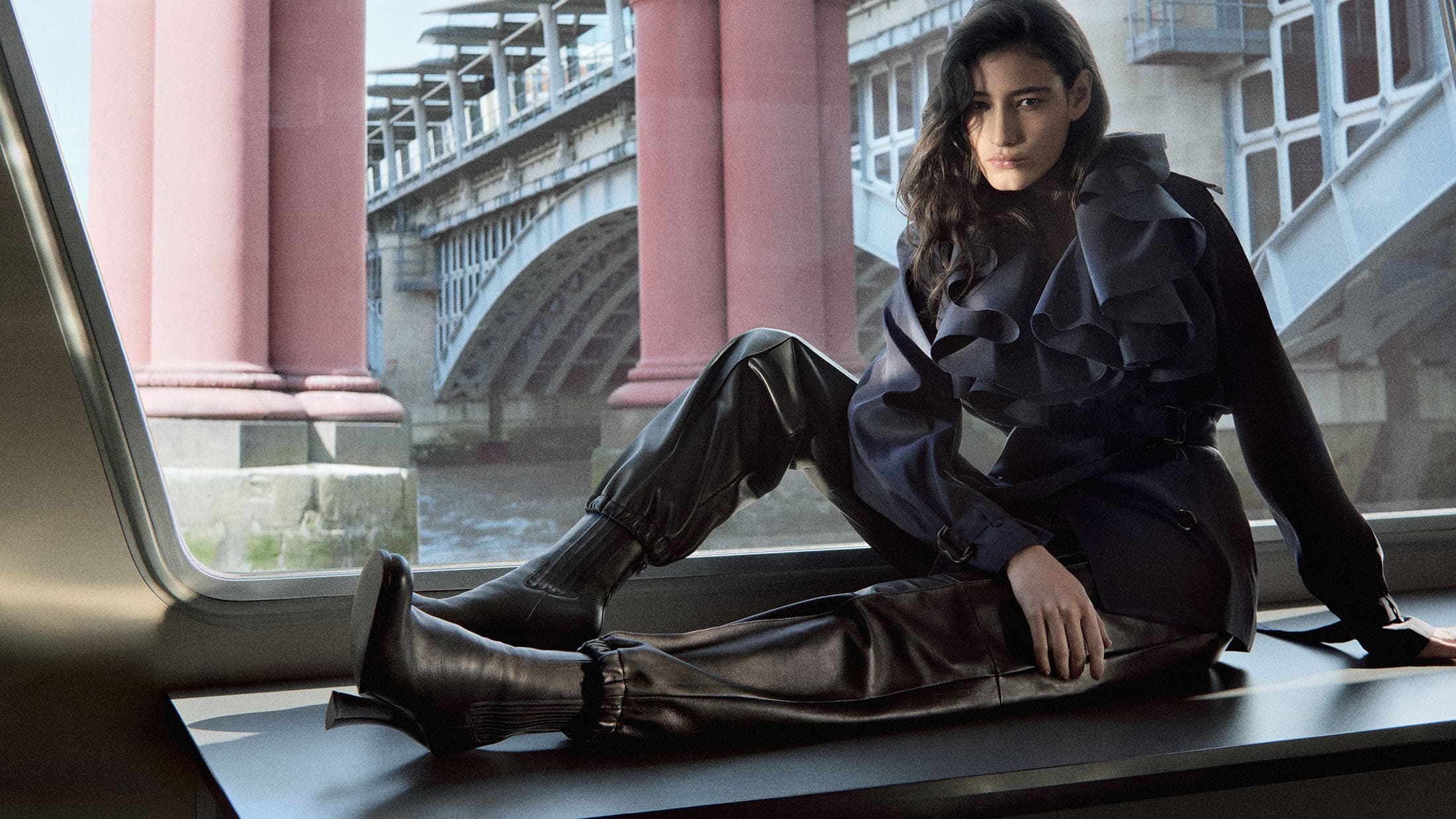
The river provides the campaign with both its geography and its metaphor. Luchford photographs the cast from boats, embankments and beneath bridges, allowing London’s monuments to drift in and out of view rather than treating them as pristine tourist backdrops. Tower Bridge looms, Parliament stretches across the horizon, the Shard punctures the distance, and a red double-decker makes an almost suspiciously perfect appearance. Yet the slightly grainy photography, cool daylight, low camera angles and occasional lens flare keep the images from becoming postcards. London looks recognizable without looking manicured.
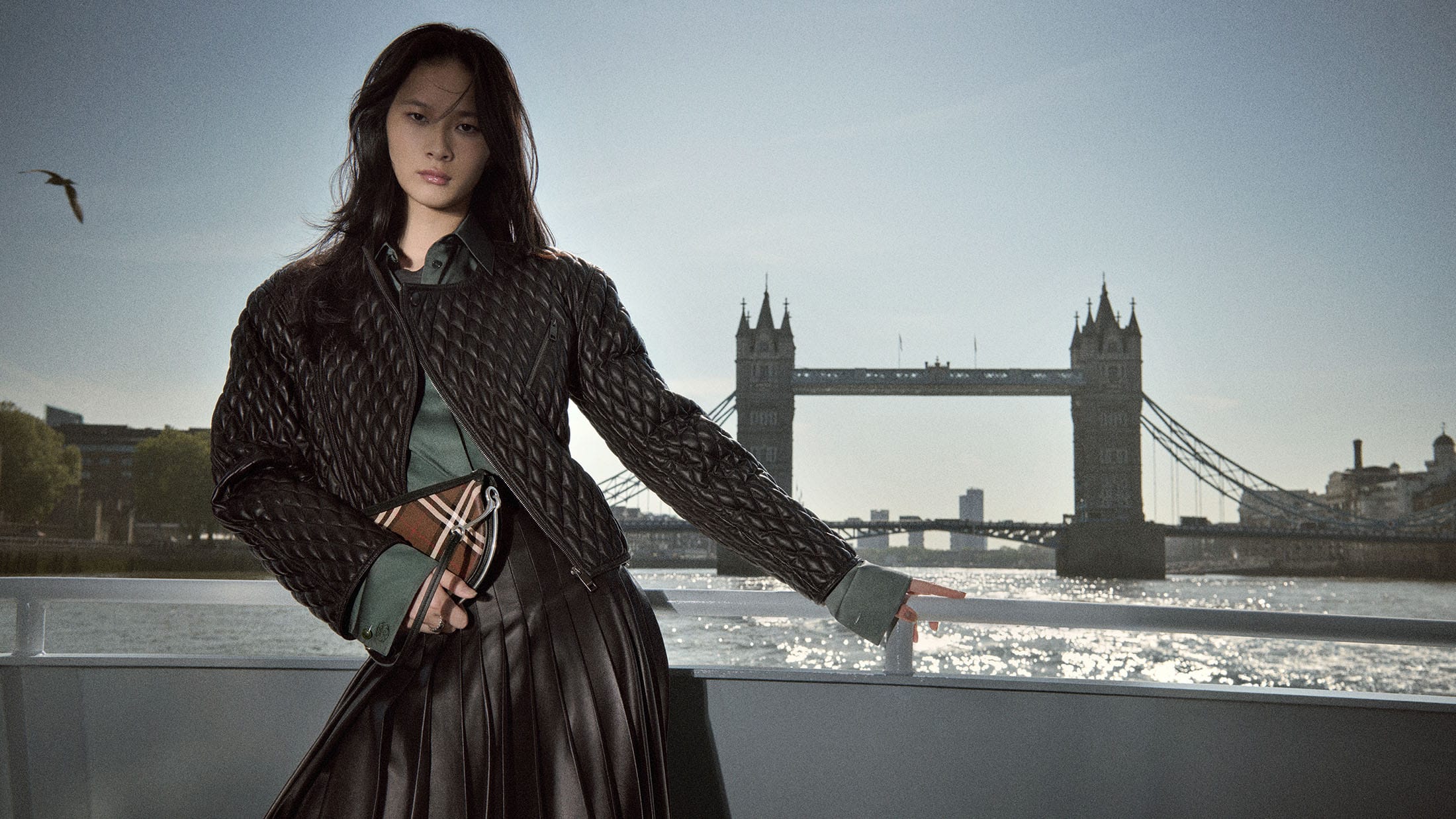
That distinction is important because Lee has been steadily reconnecting Burberry with Britishness without reducing Britishness to nostalgia. The campaign understands that the House’s most powerful codes already belong to the city: trench coats, rainwear, leather, checks and protective layers make intuitive sense against wind, water, stone and steel. A trench in front of Parliament requires very little explanation. But Lee complicates that familiarity with exaggerated ruffles, quilted leather, elongated coats, kilts and sensual flashes of skin. Heritage is present, but it has been mussed up a bit before leaving the house.
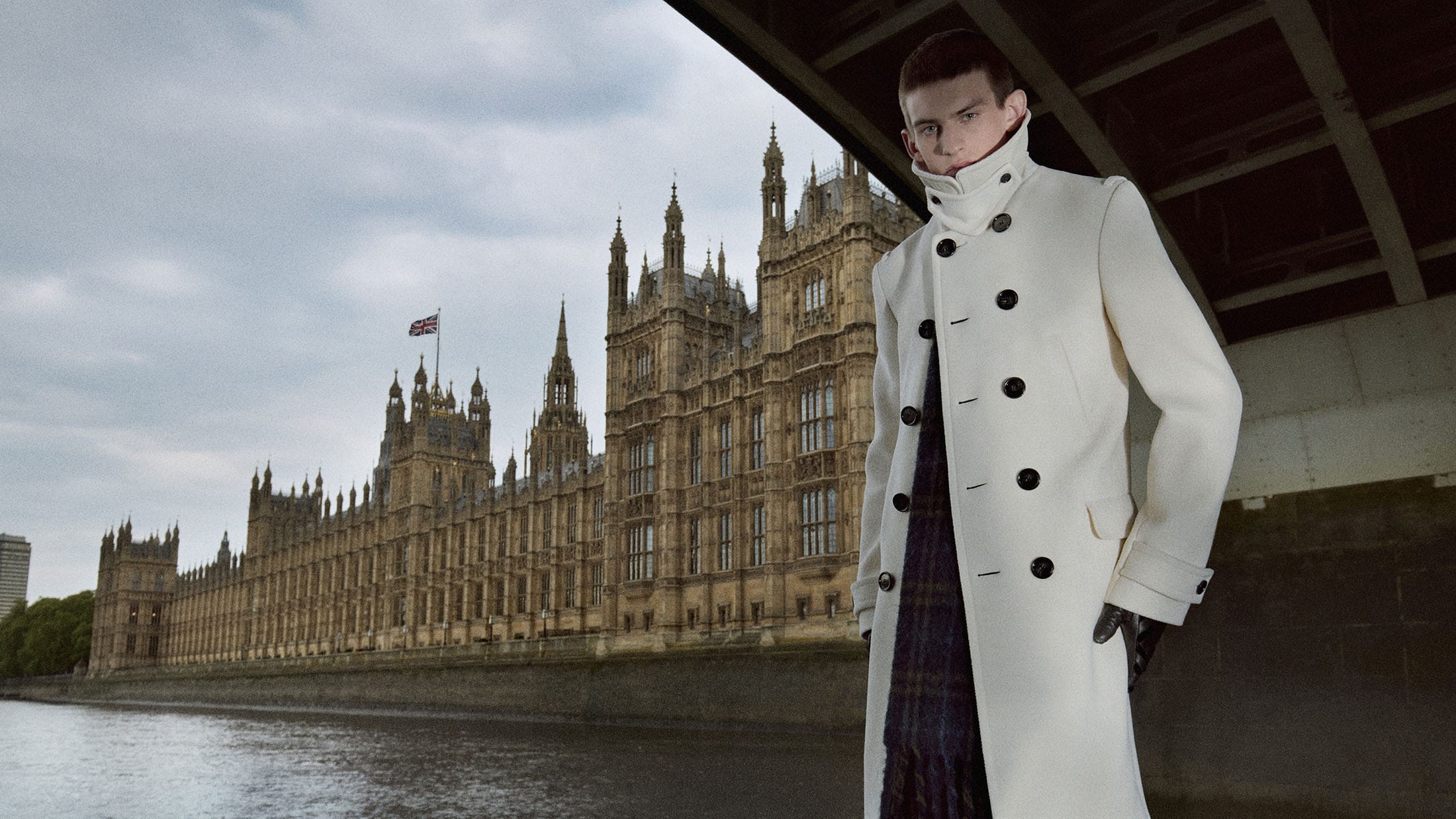
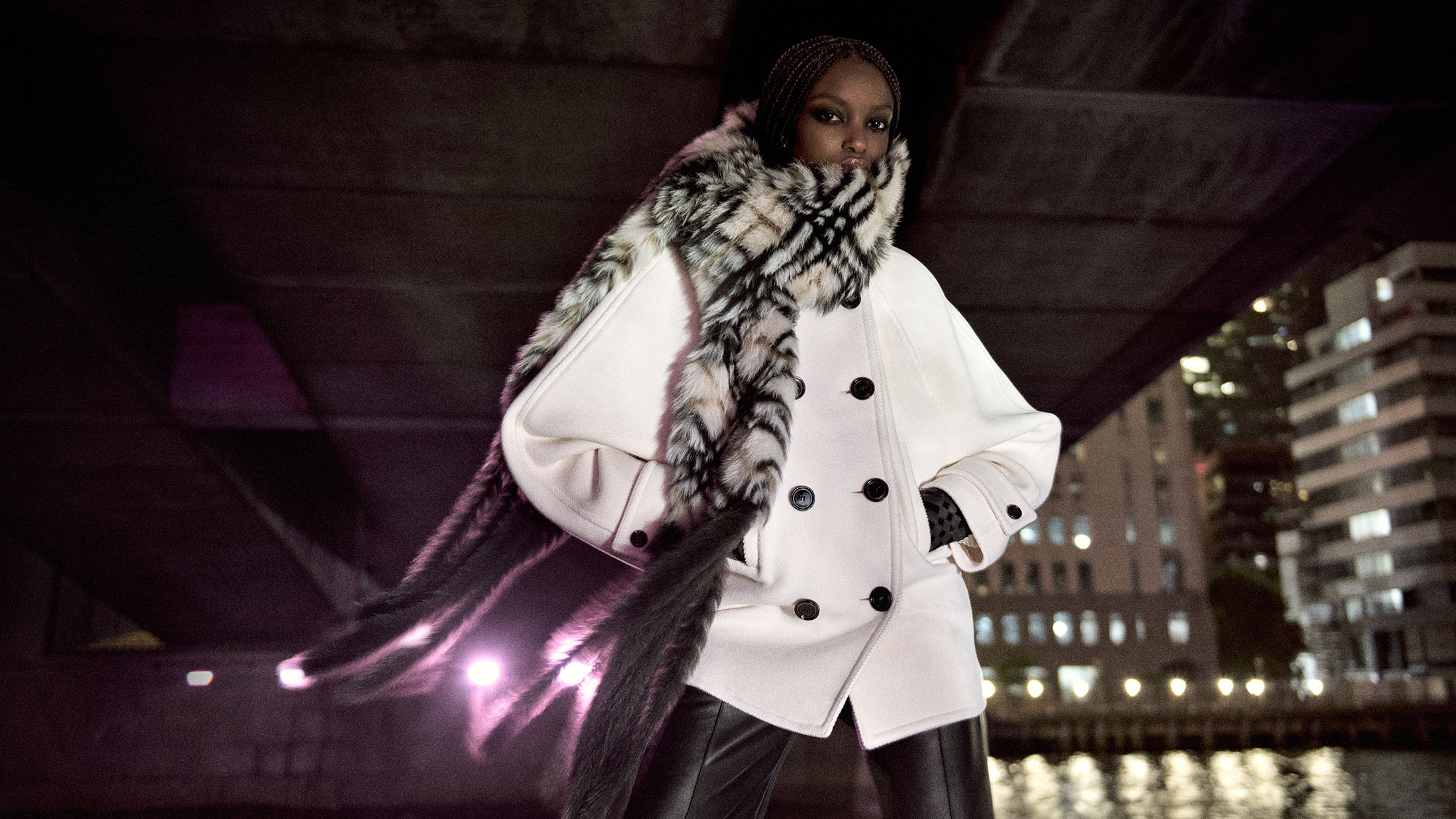
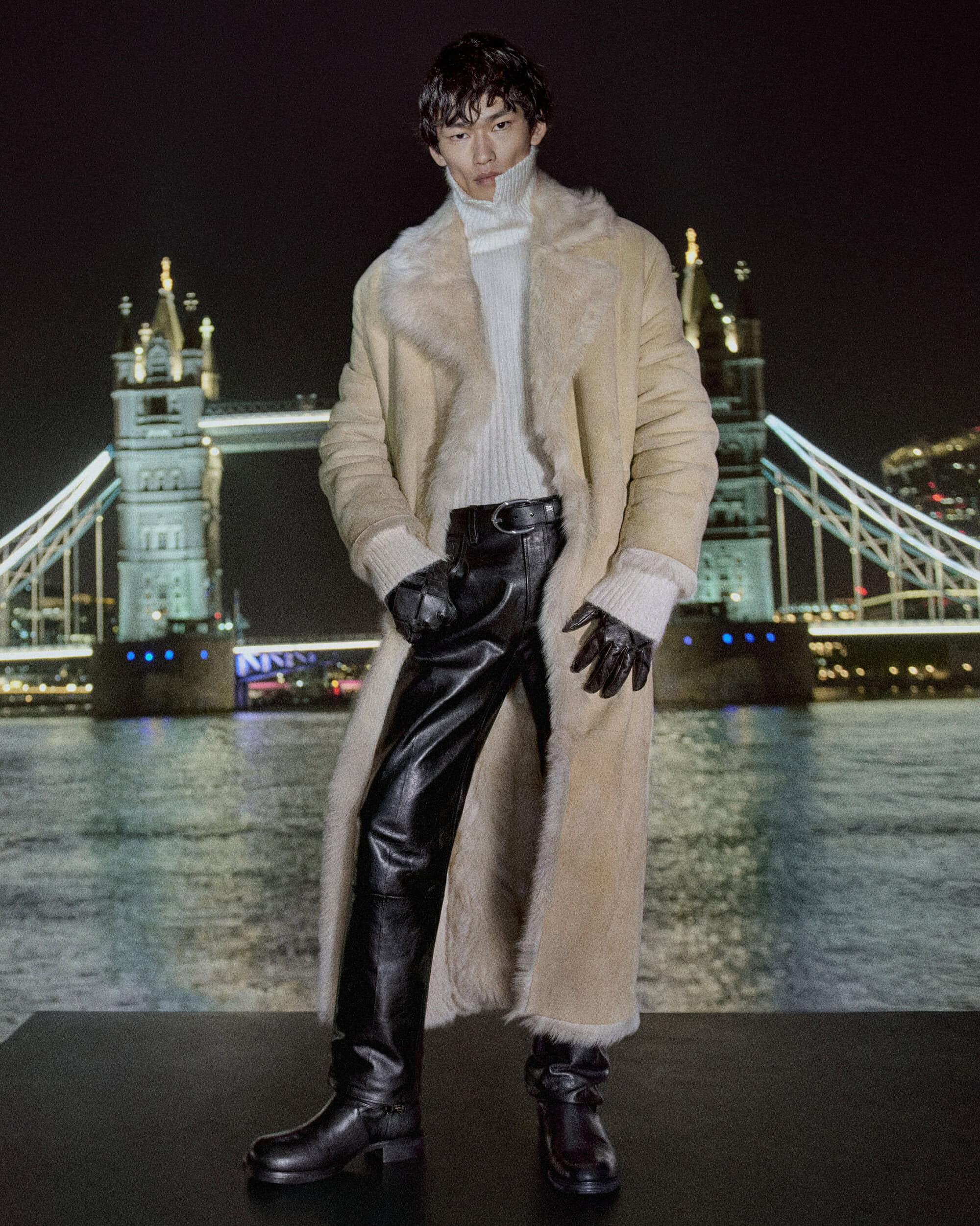
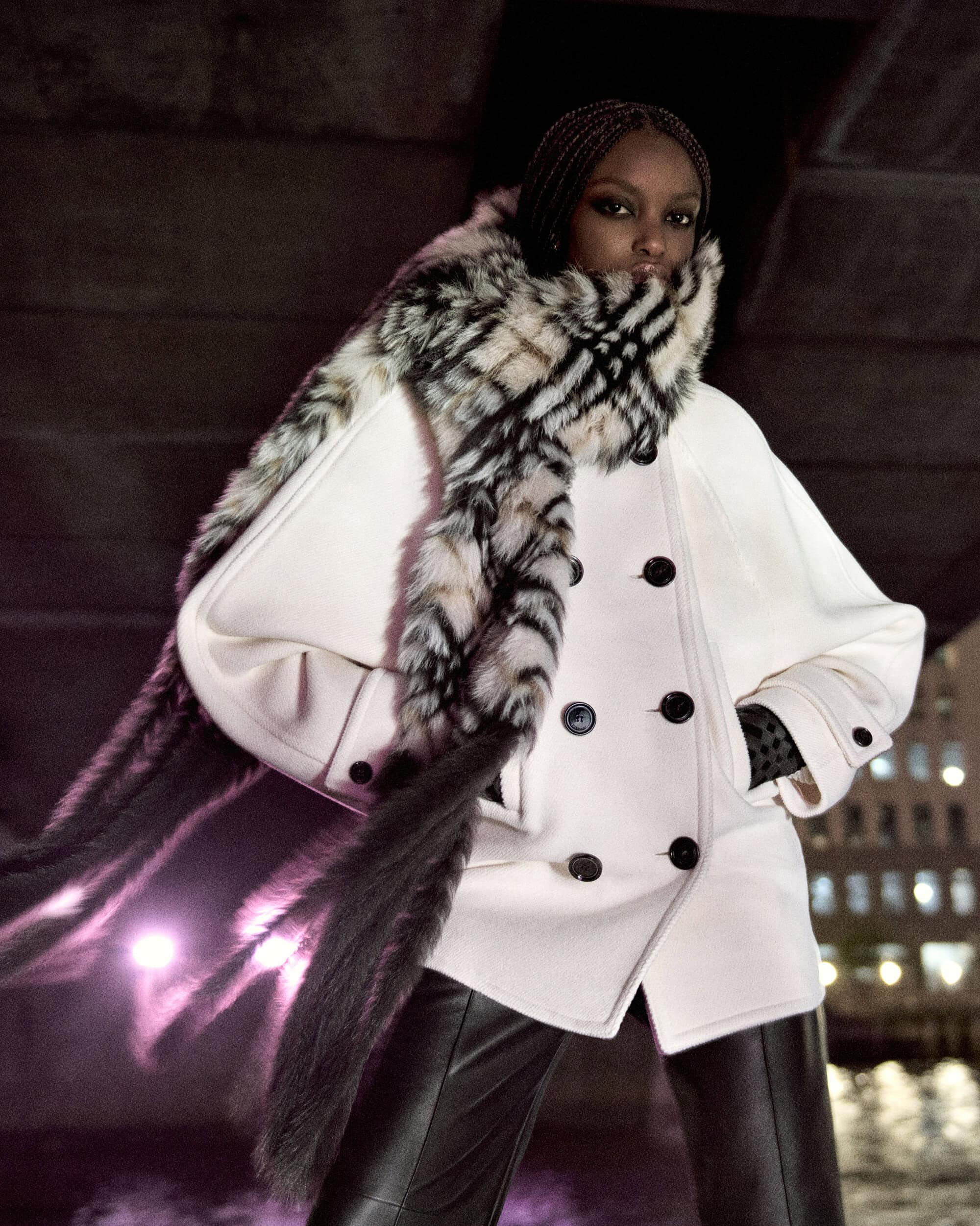
The strongest images exploit the friction between architecture and attitude. Models stand almost monumentally against landmarks that are themselves monuments, while Luchford’s low perspectives give both clothing and characters an assertive scale. There is something particularly effective about seeing these silhouettes against Tower Bridge: Victorian engineering meeting contemporary fashion engineering, each relying on structure while pretending effortlessness. Elsewhere, a model sprawls inside a boat rather than obediently standing before the view, shifting the Thames from background scenery into lived environment. The city is not being visited; it is being inhabited.
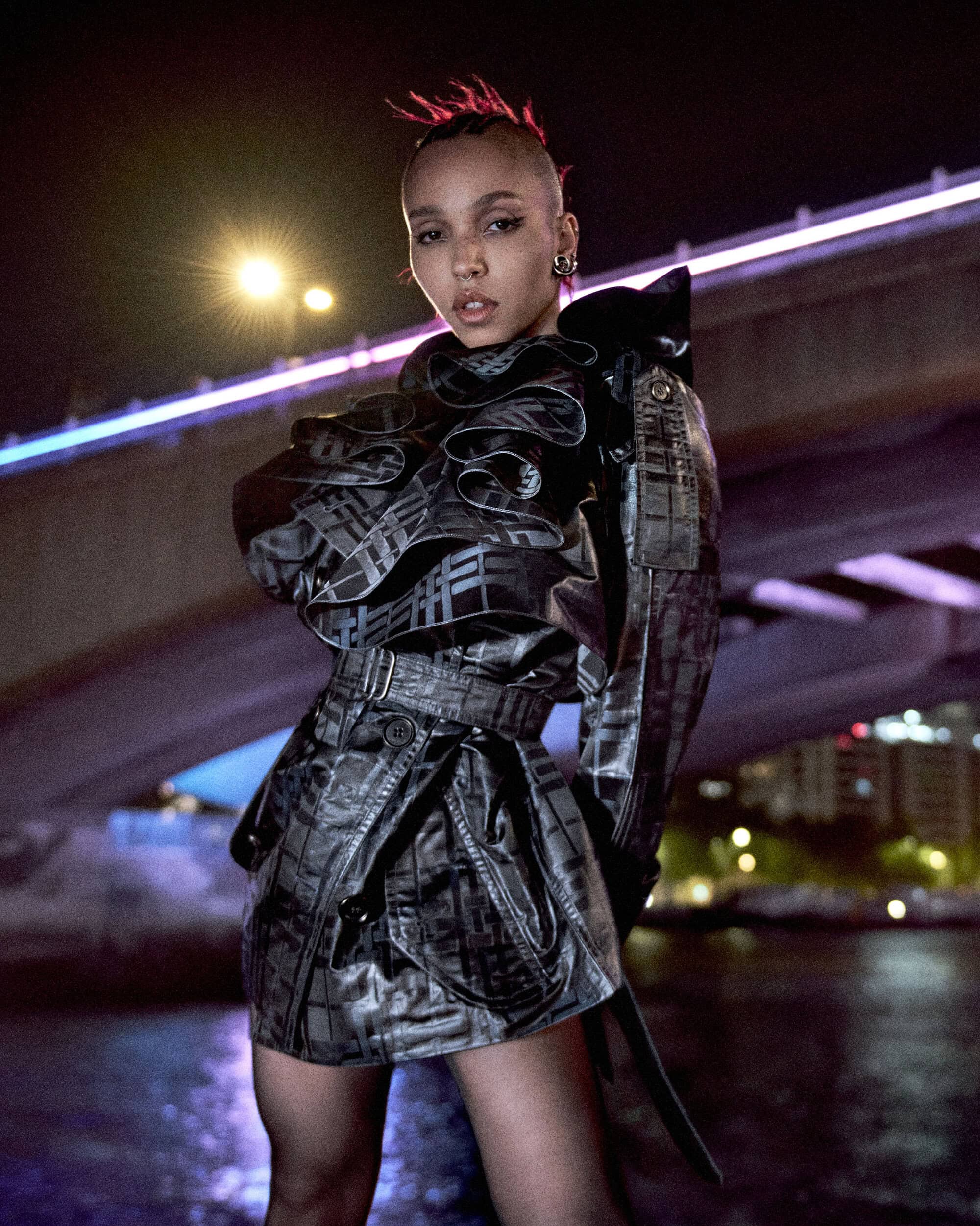
Then night arrives, and the campaign becomes more interesting still. FKA twigs appears beneath an illuminated bridge in black, her sculptural silhouette and flashes of pink hair colliding with the artificial purple-blue light. Another figure stands before Tower Bridge after dark in cream shearling and leather. These images break the campaign’s otherwise restrained London palette and remind us that Lee’s Burberry is at its best when a little subculture interrupts the heritage narrative. His observation that FKA twigs and Romeo Beckham represent “the energy that makes London unique” speaks to that ambition: this is not meant to be London preserved under glass, but London as a place where establishment and experimentation continually irritate each other into something new.
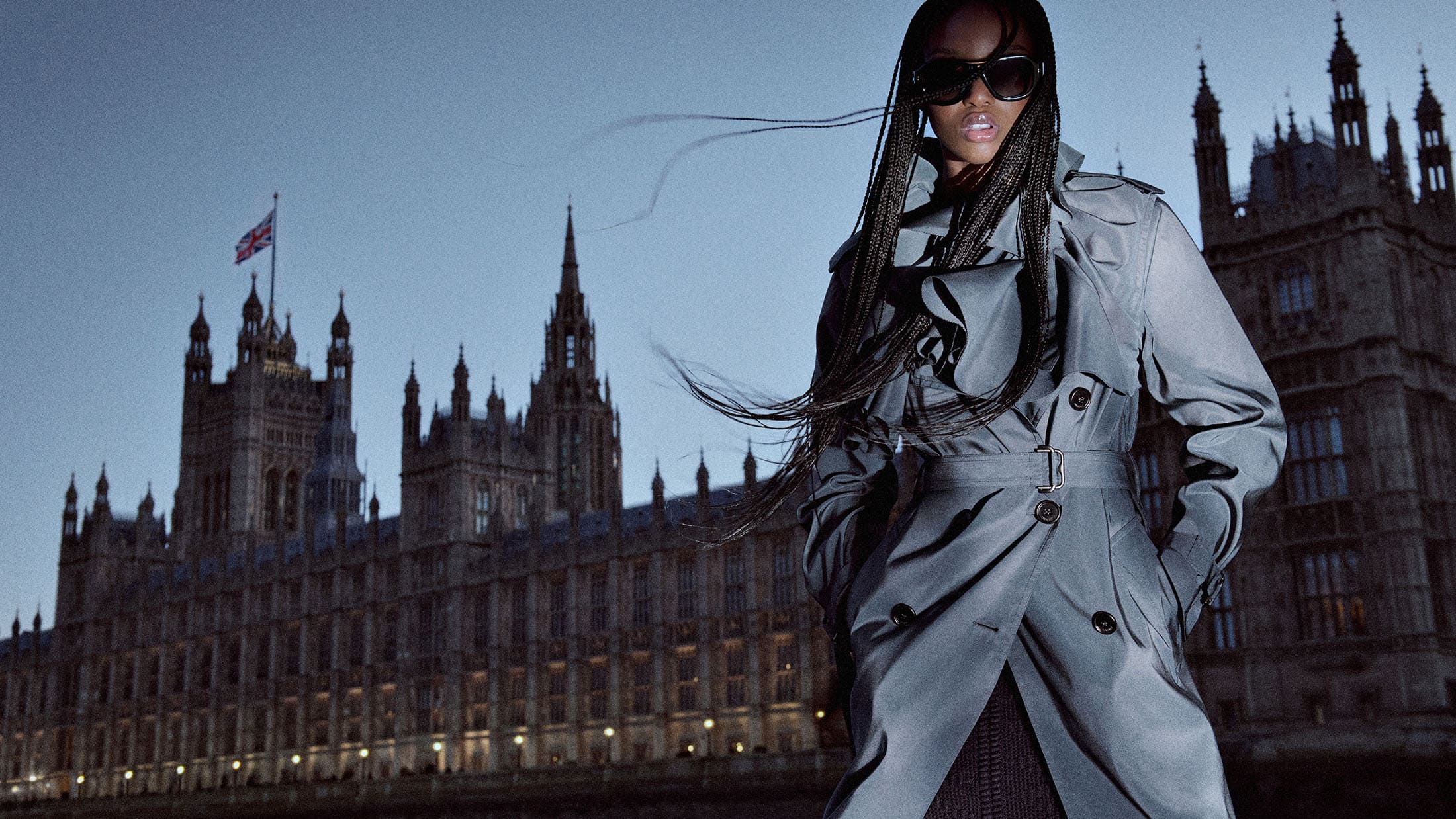
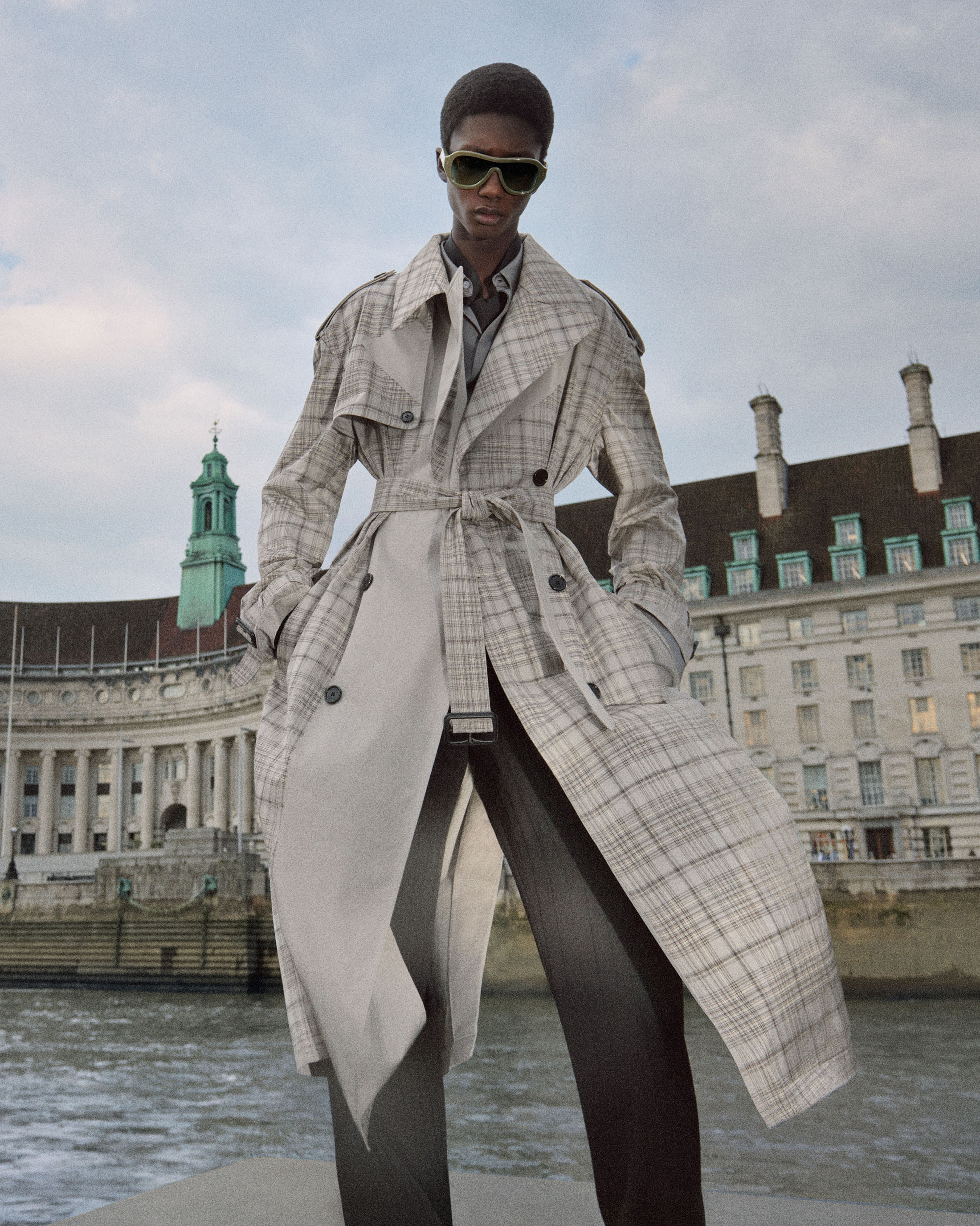
There is, admittedly, a familiar danger in deploying Parliament, Tower Bridge and the Thames for a Burberry campaign. Few Houses are so closely associated with their national identity, and familiarity can quickly become shorthand. Some frames flirt with that territory. The landmarks occasionally do so much communicative work that the photography has less mystery than Luchford is capable of delivering. A little more of London’s oddness, intimacy or unpredictability could have pushed the campaign beyond an exceptionally polished declaration of origin into something stranger and more emotionally specific.
But perhaps clarity is precisely the point this season. The Fall 2026 runway transformed Old Billingsgate Market with a set inspired by Tower Bridge; the campaign now leaves the constructed bridge behind and encounters the real thing. That progression gives the imagery a satisfying sense of completion. Runway fantasy meets geographic reality, while Lee continues positioning Burberry not simply as a British luxury House, but as a participant in the culture from which its identity emerged.
Burberry has spent much of its recent history asking what Britishness should look like to the rest of the world. This campaign offers a simpler proposition: stop explaining and show us where you live. With London behind it, the Thames beneath it and Daniel Lee steering the wardrobe somewhere between establishment and rebellion, Burberry finds itself back in familiar waters. The important thing is that the current still feels capable of carrying it forward.
Burberry Creative Director | Daniel Lee
Art Direction | Lane & Associates
Photographer | Glen Luchford
Talent | FKA twigs
Models | Bai, Cathy Simmons, Charlotte Boggia, Douta Sidibe, Jacqui Hooper, Joe Bottomer, Luiza Perote, Rey, Romeo Beckham, Xiao Wen Ju