Roman Whisper
Review of Dolce & Gabbana DNA Spring 2026 Ad Campaign by Photographer/Director Karim Sadli with models Mariacarla Boscono, & Claudio Stecchi
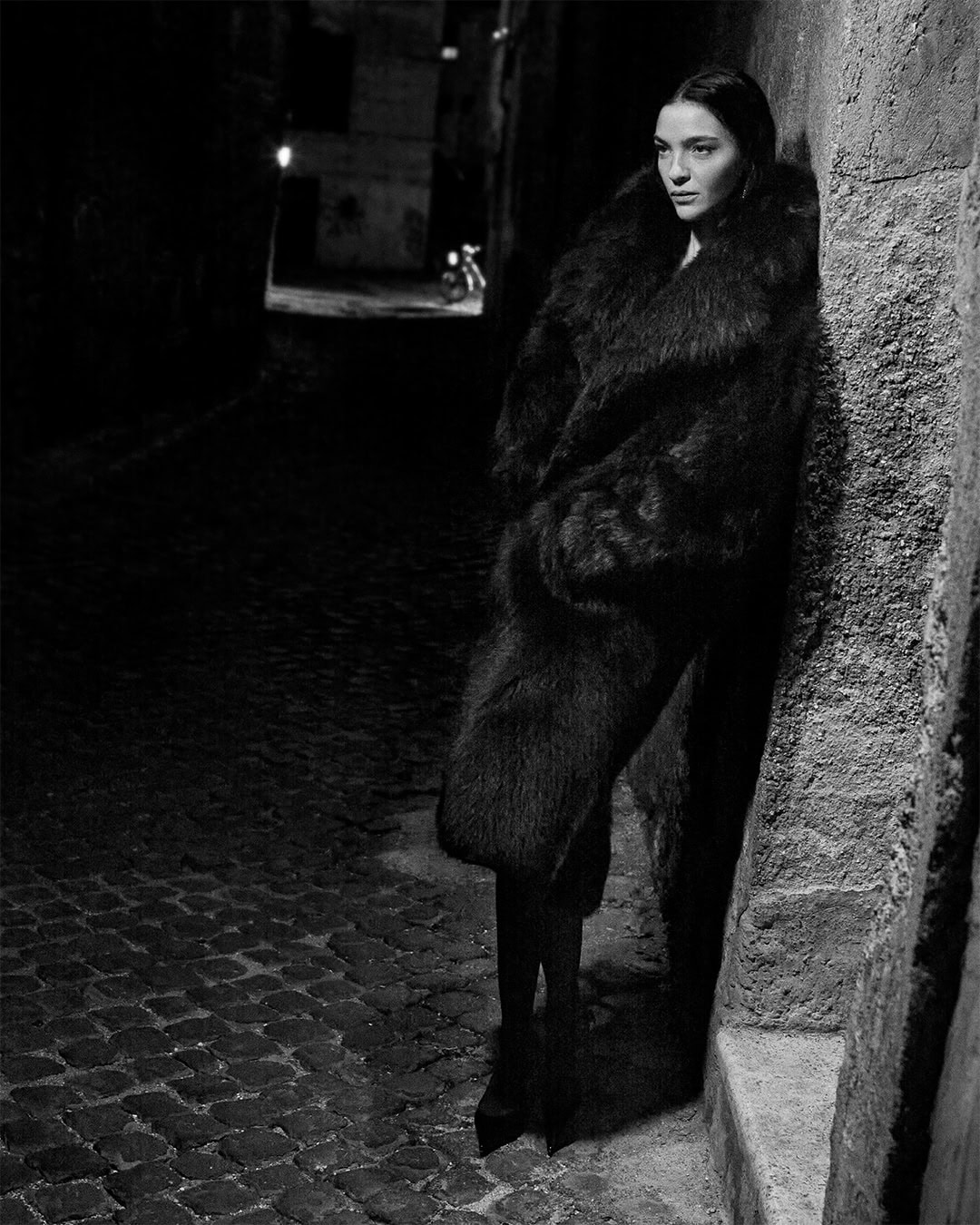
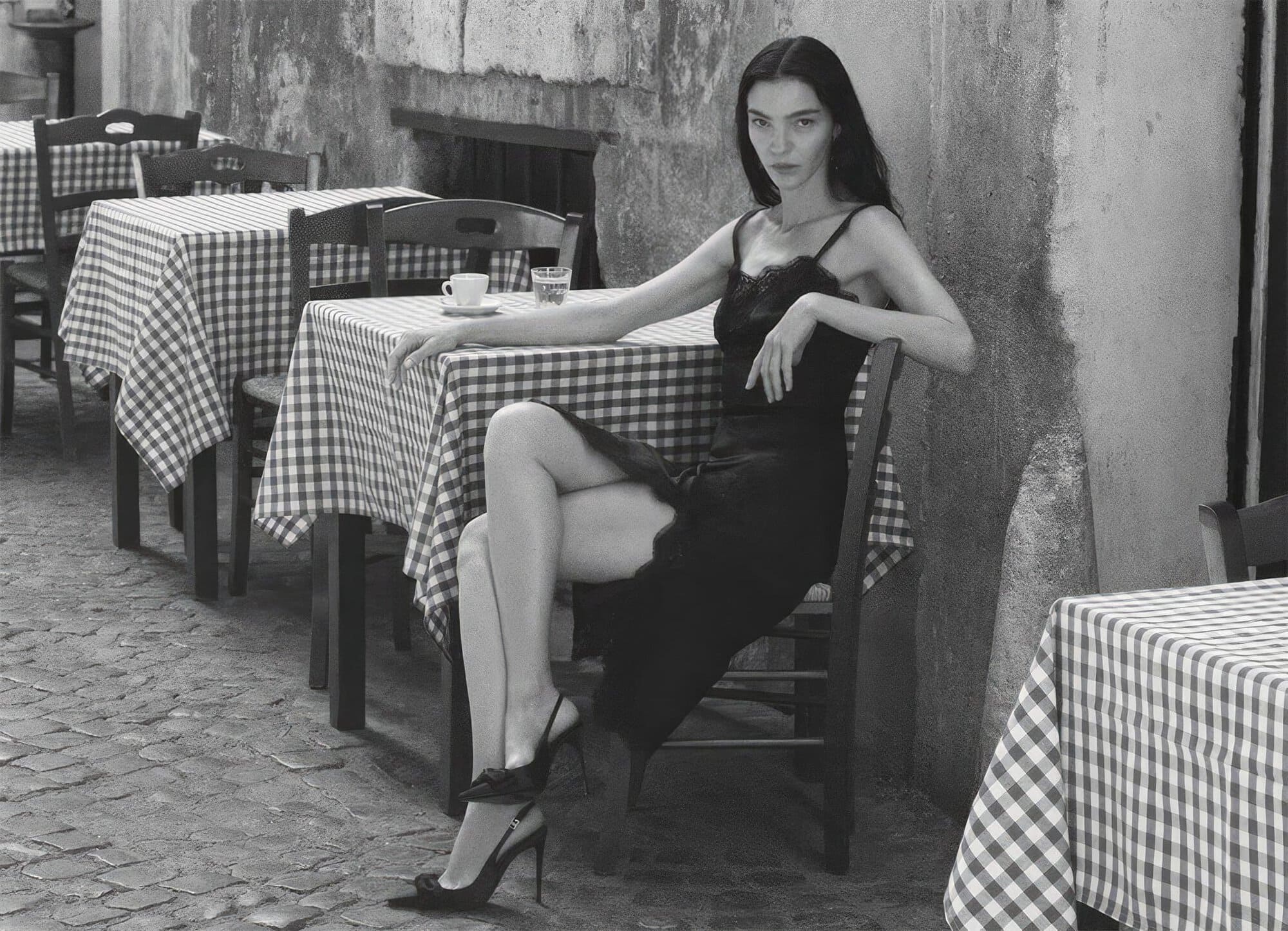
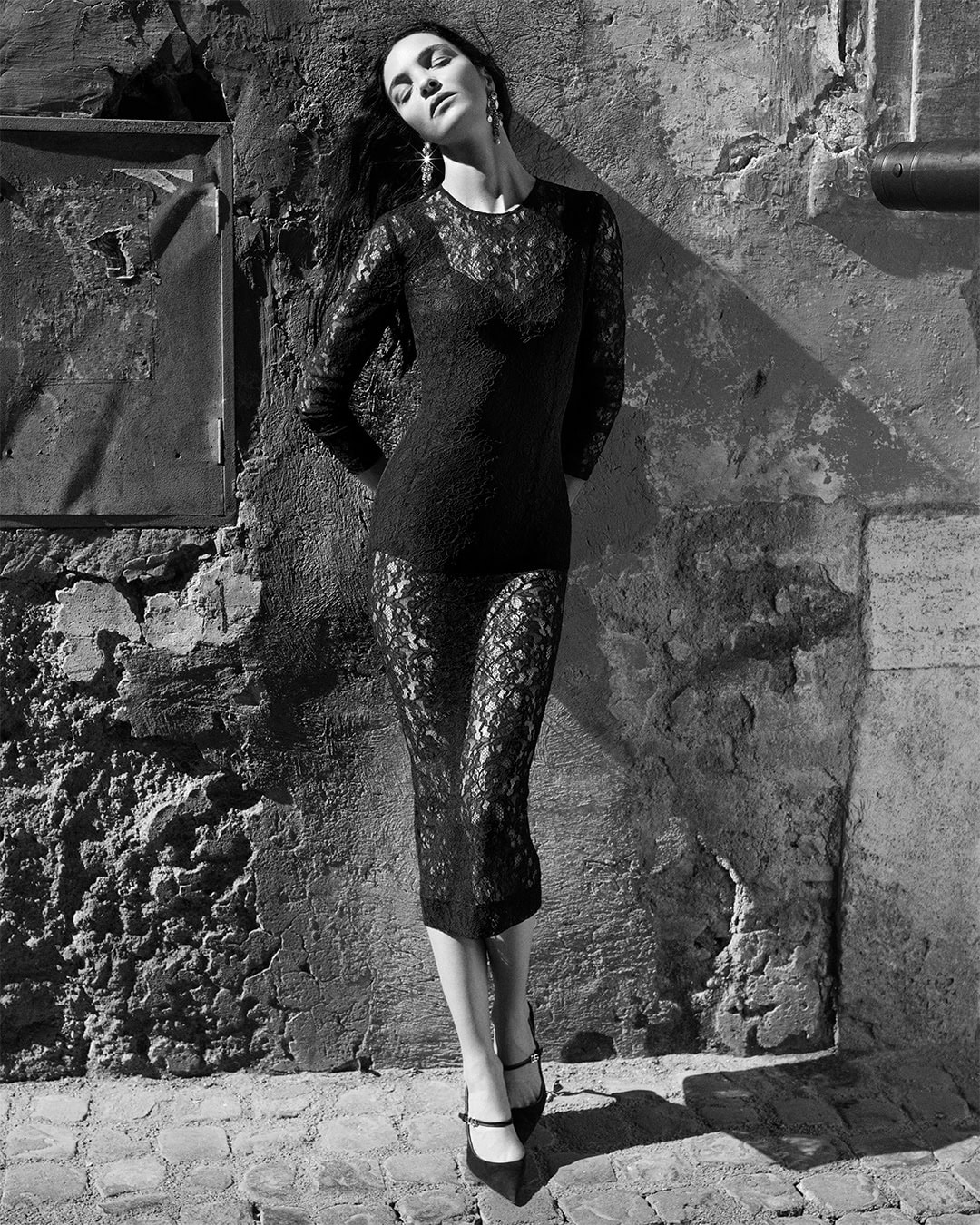
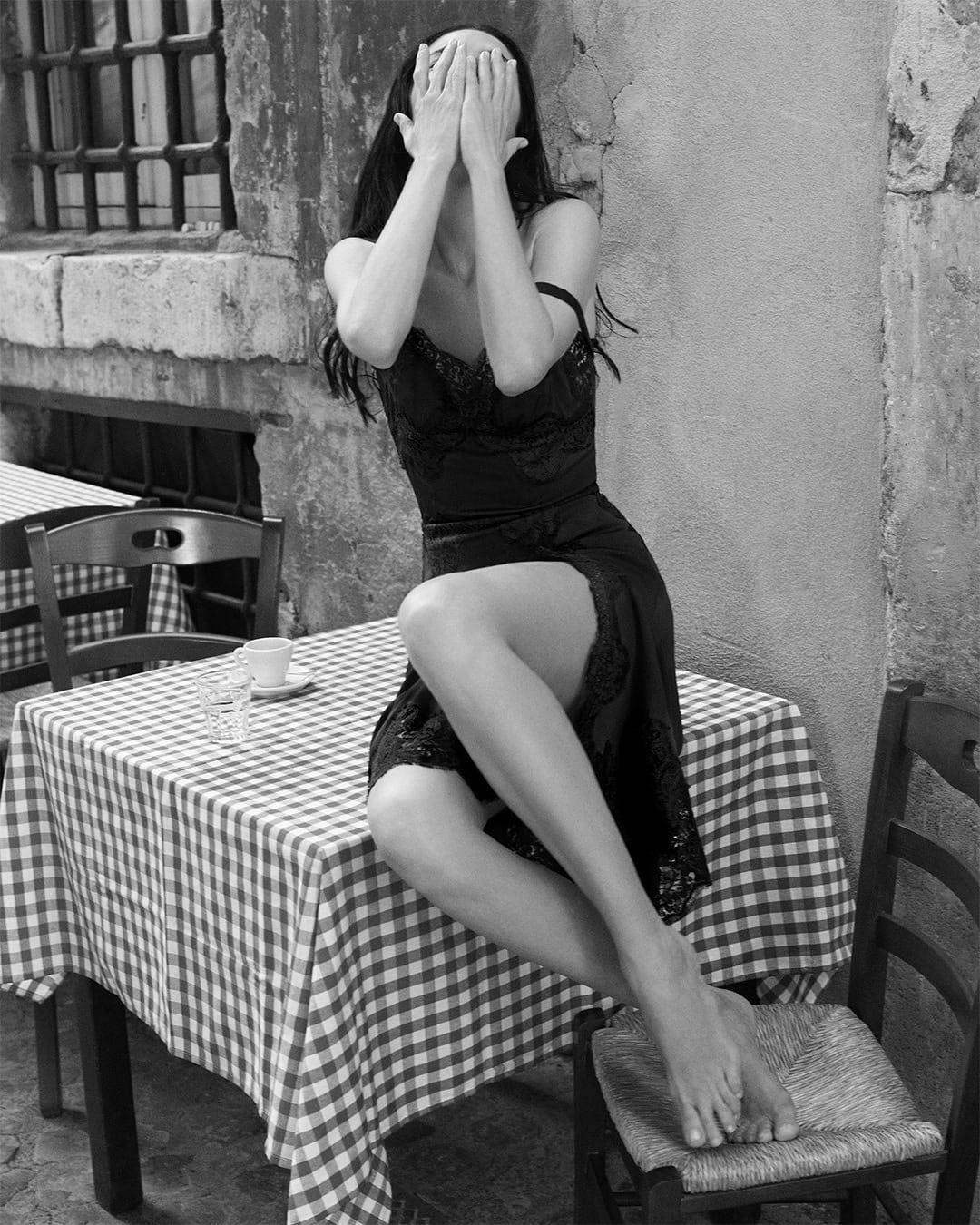
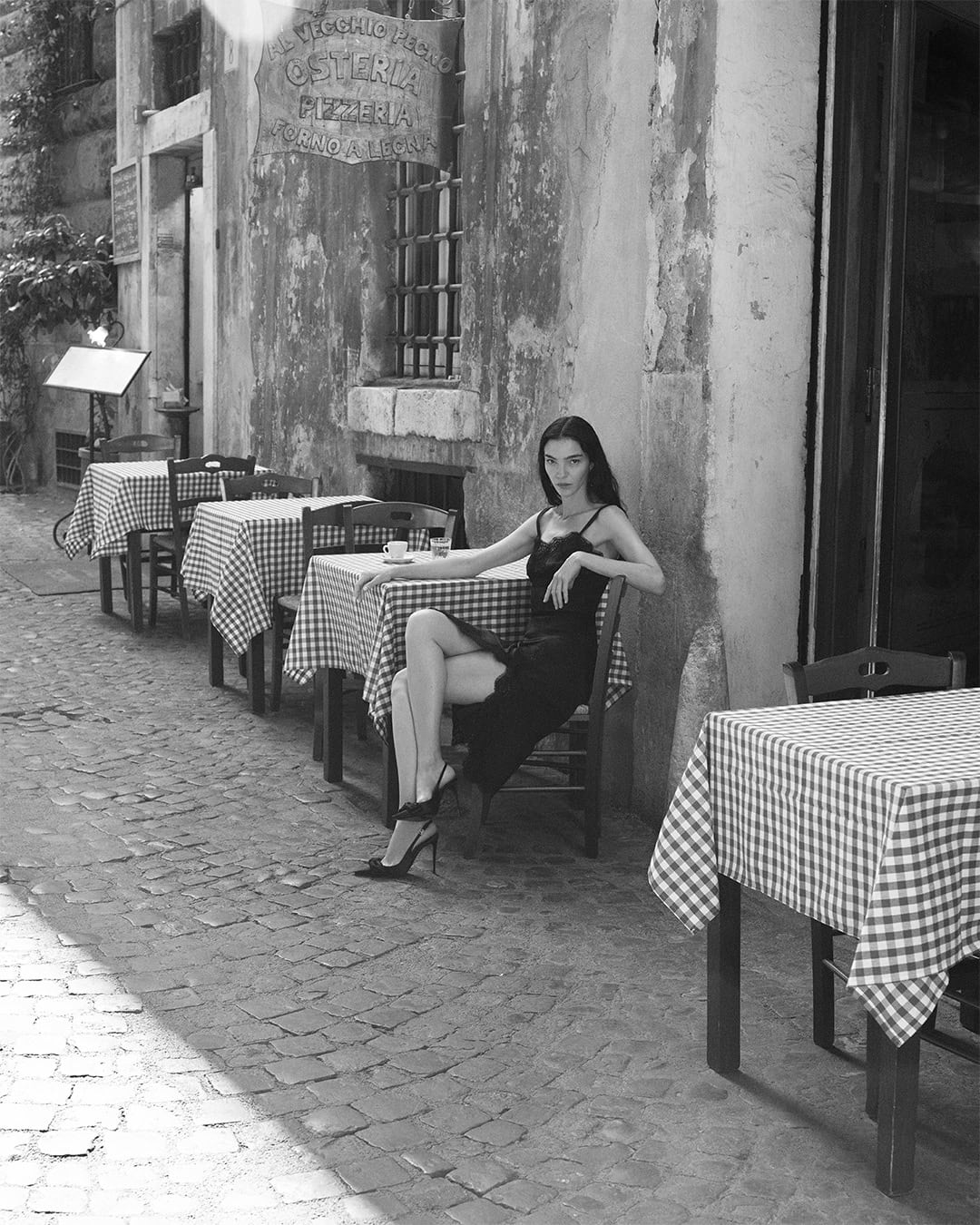
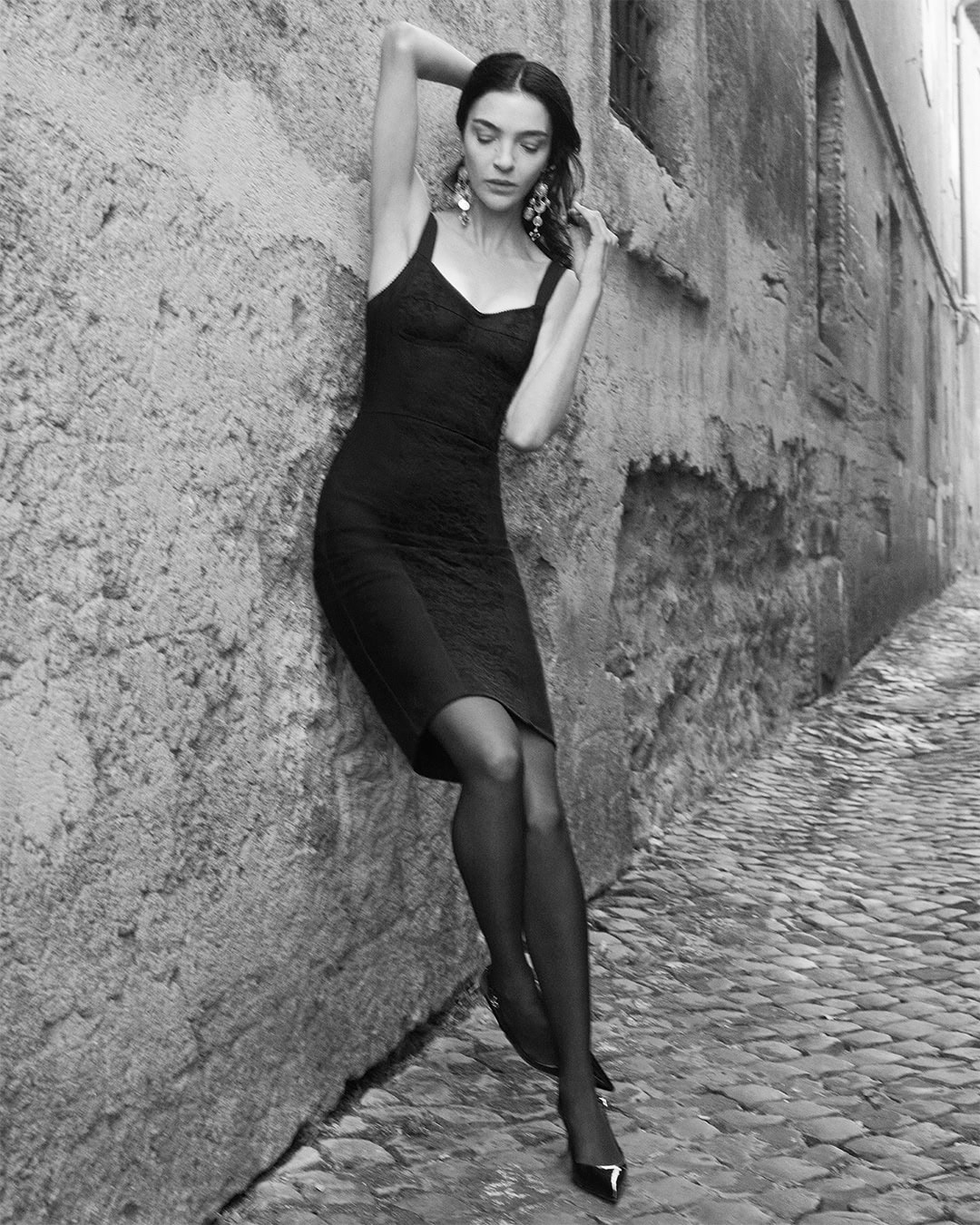
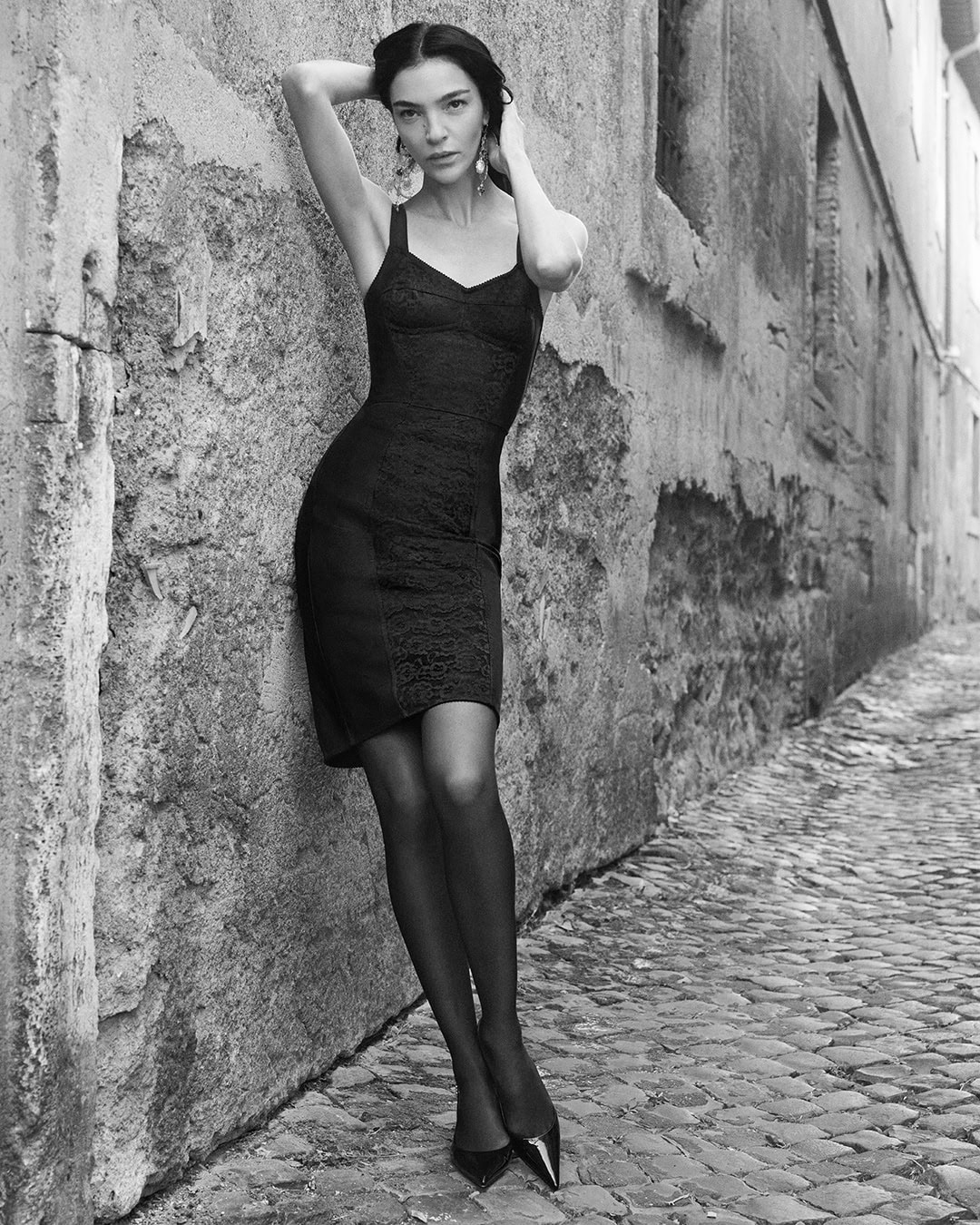
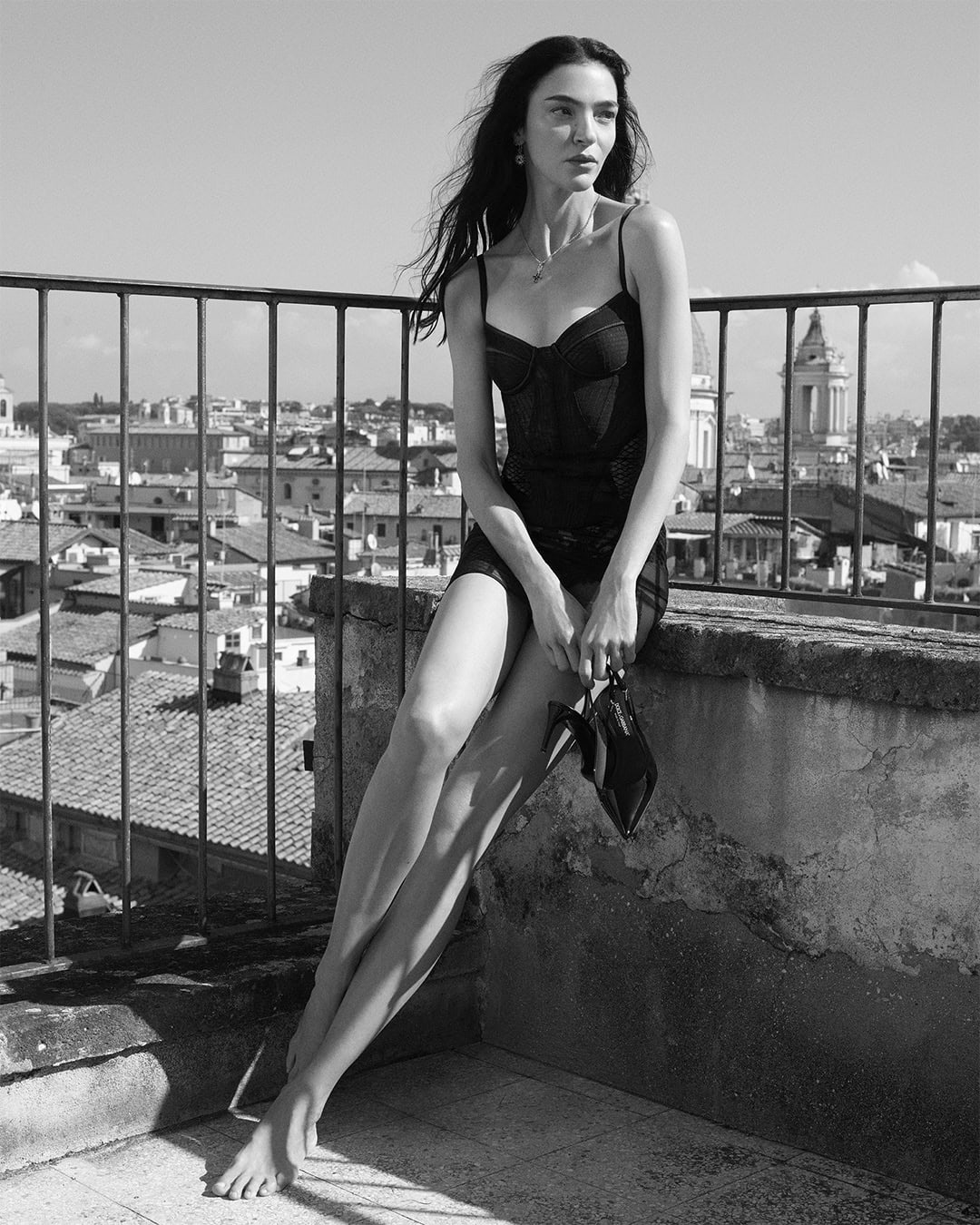
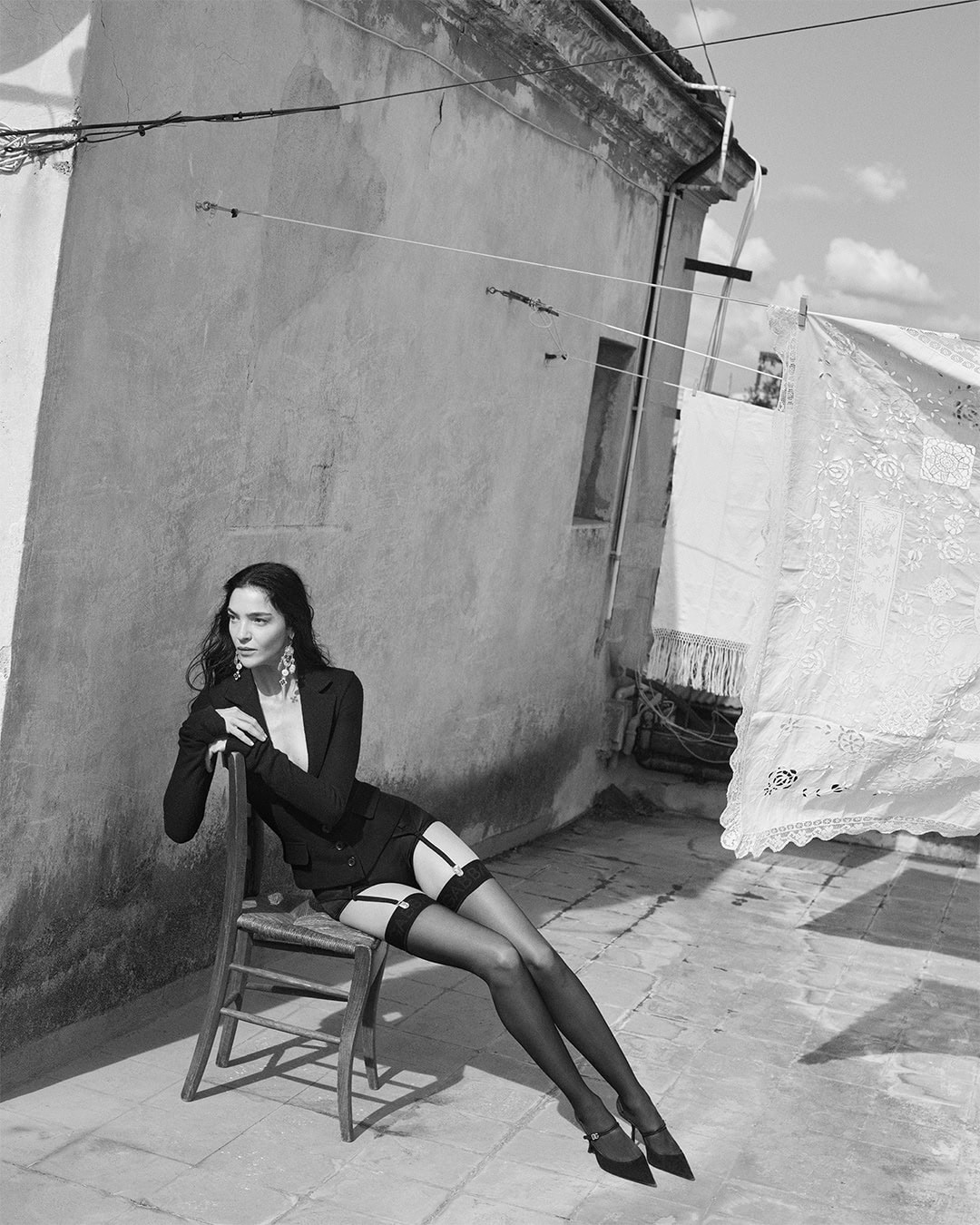
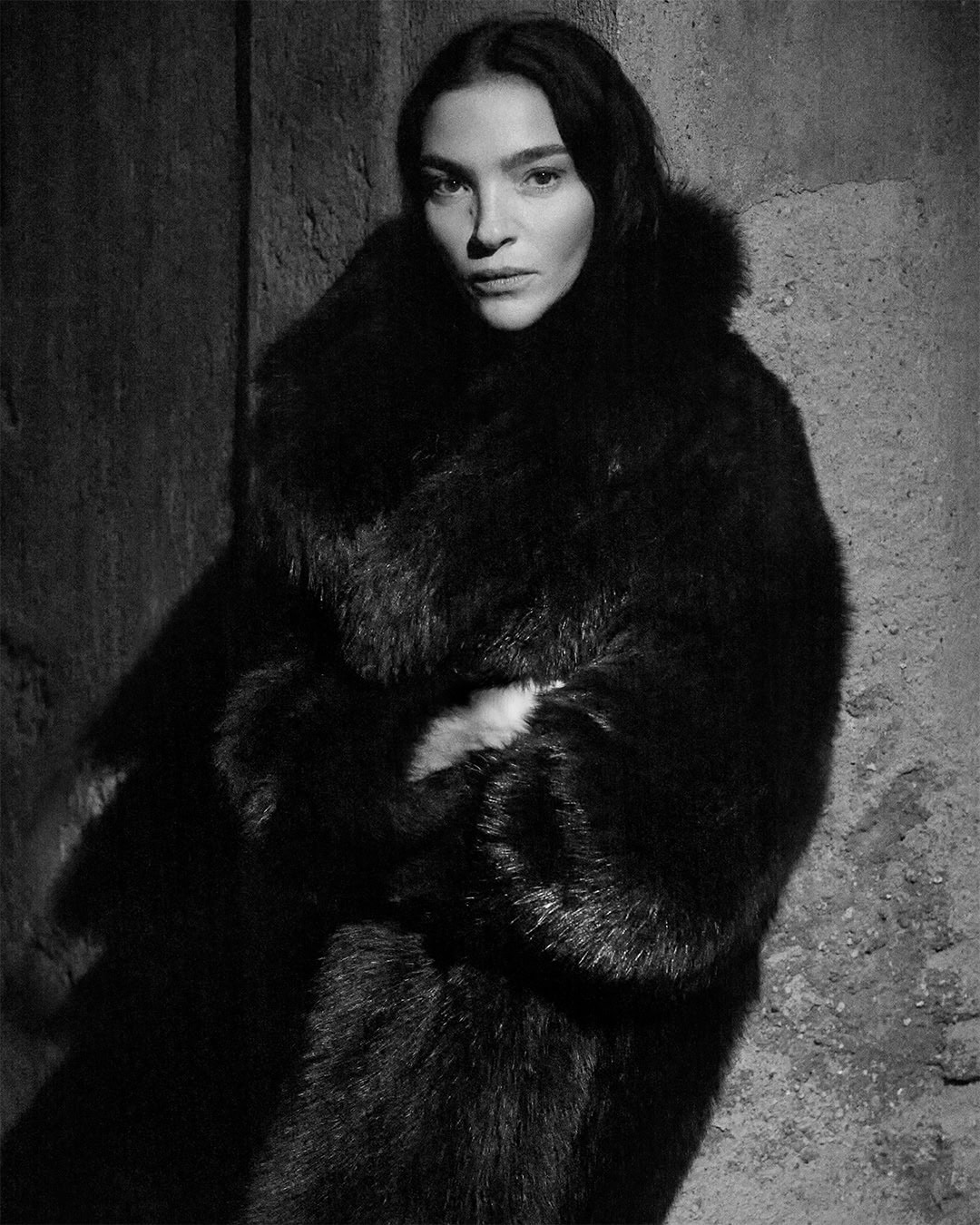
Dolce & Gabbana returns to its roots for the DNA 2026 campaign, once again mining the enduring codes that have made the House instantly recognizable: black lace, cinematic sensuality, Catholic opulence, and the magnetic tension between devotion and desire. Shot by Karim Sadli and starring the incomparable Mariacarla Boscono, the campaign unfolds through the weathered romance of Rome’s historic streets, offering a monochromatic love letter to Italian identity. If fashion has a comfort food, Dolce & Gabbana’s Sicily-by-way-of-Rome fantasy might just be it – familiar, indulgent, and unapologetically rich.
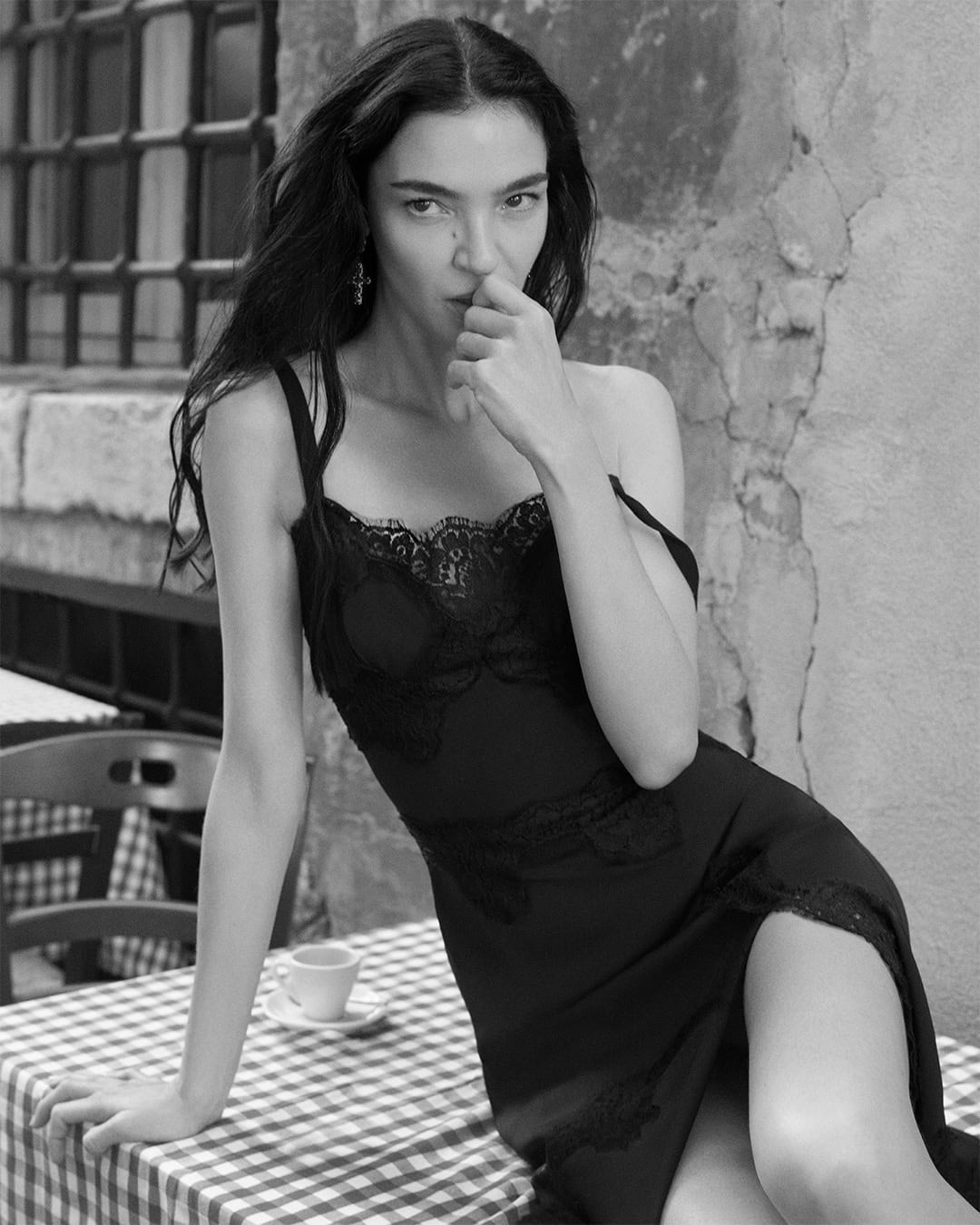
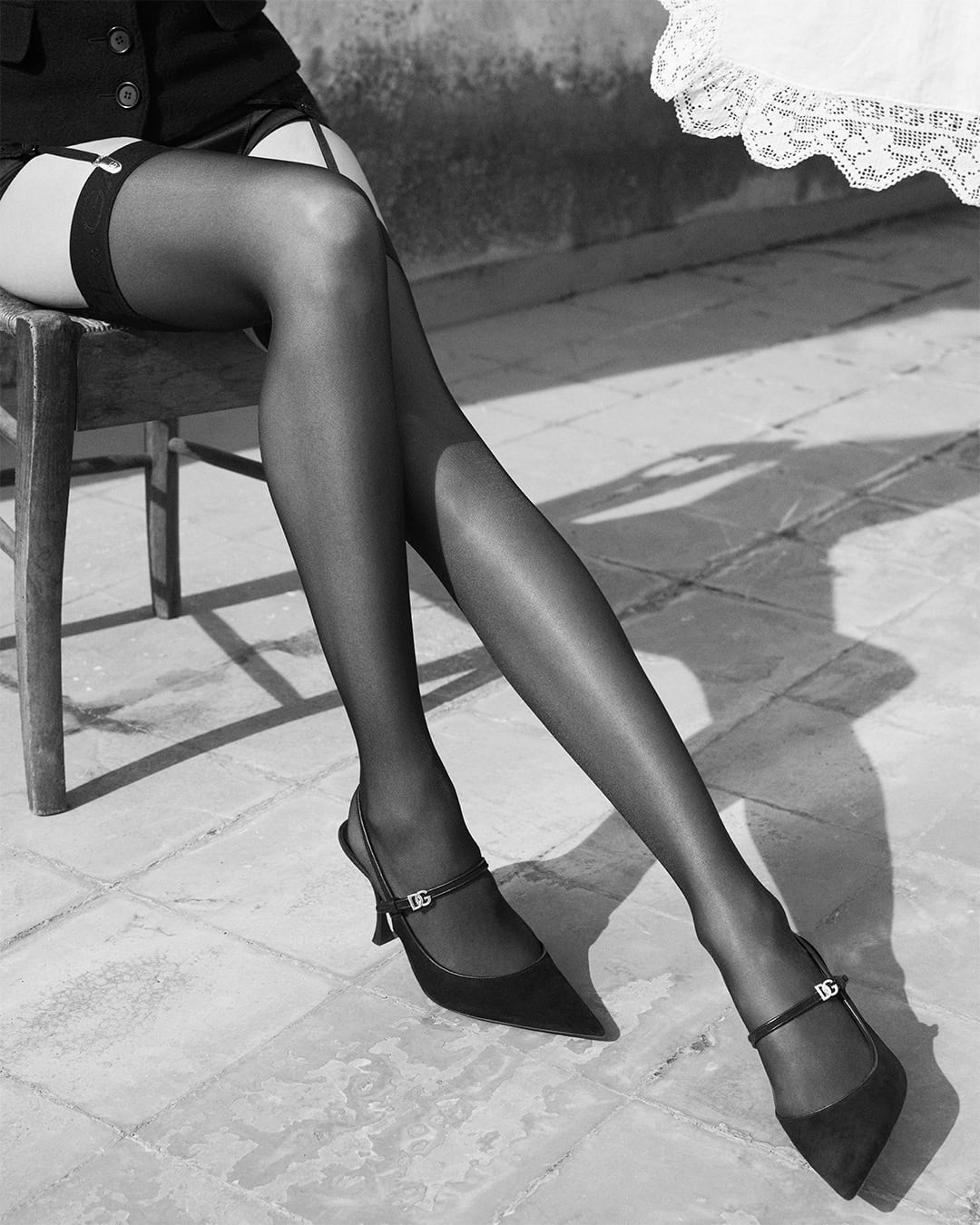
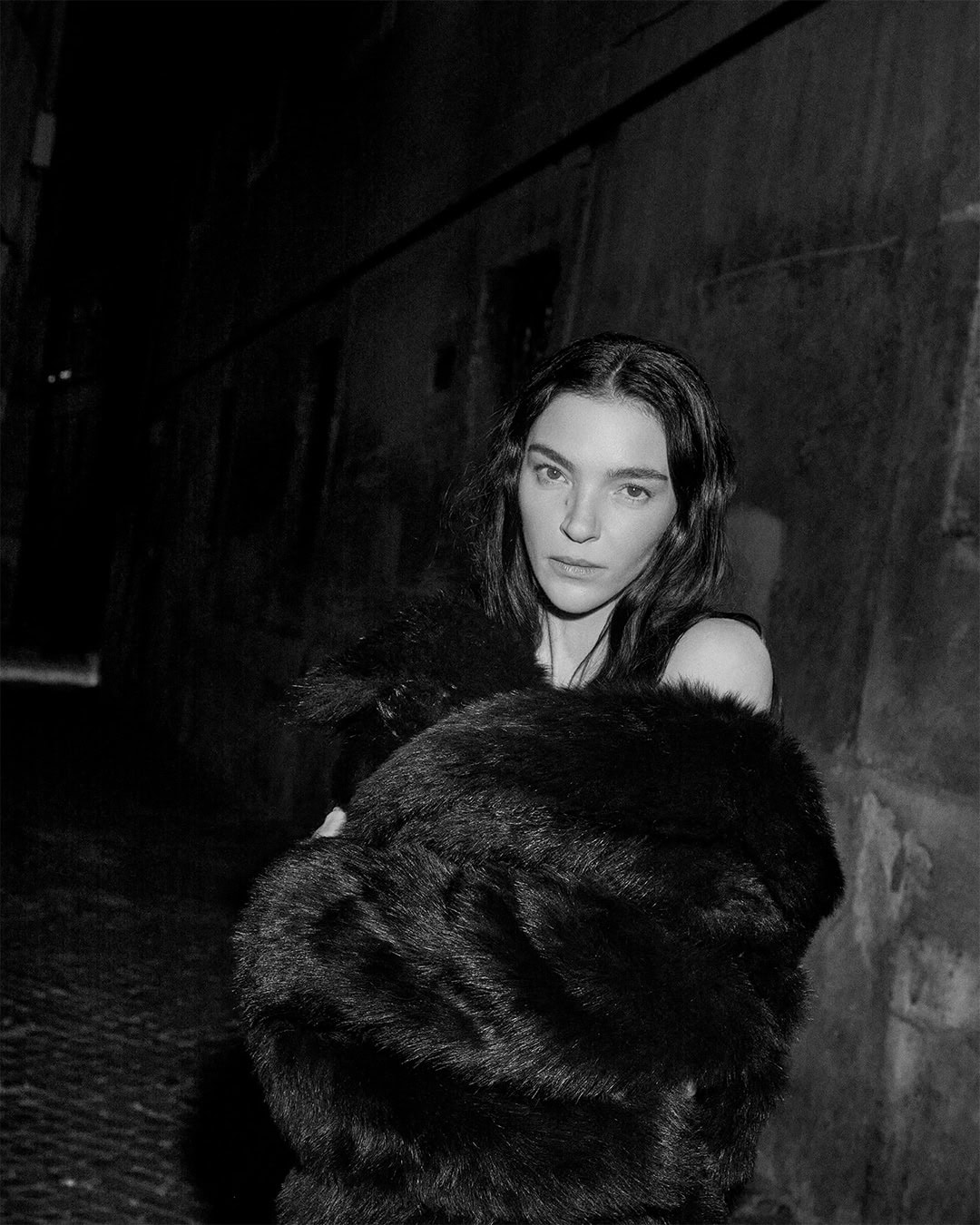
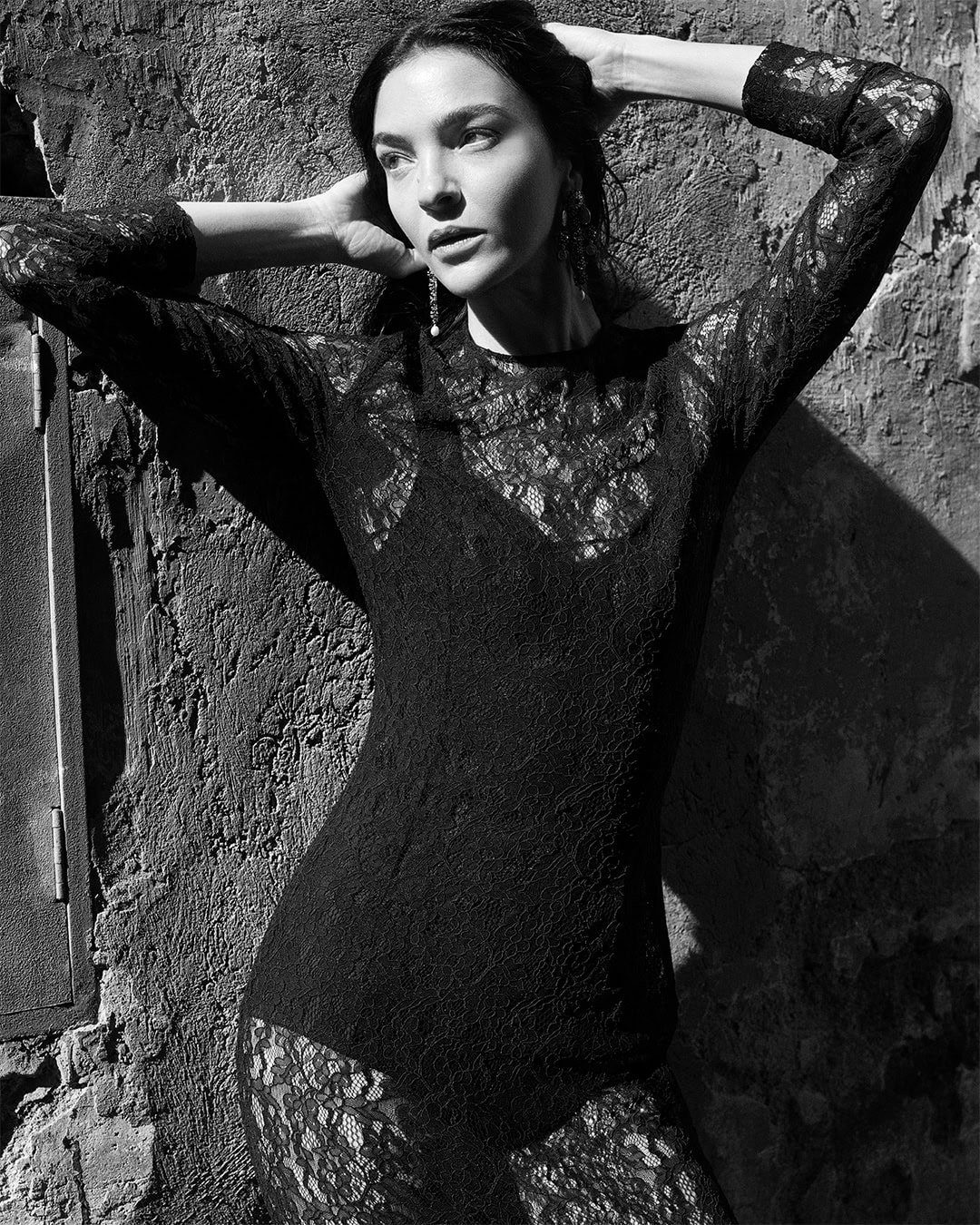
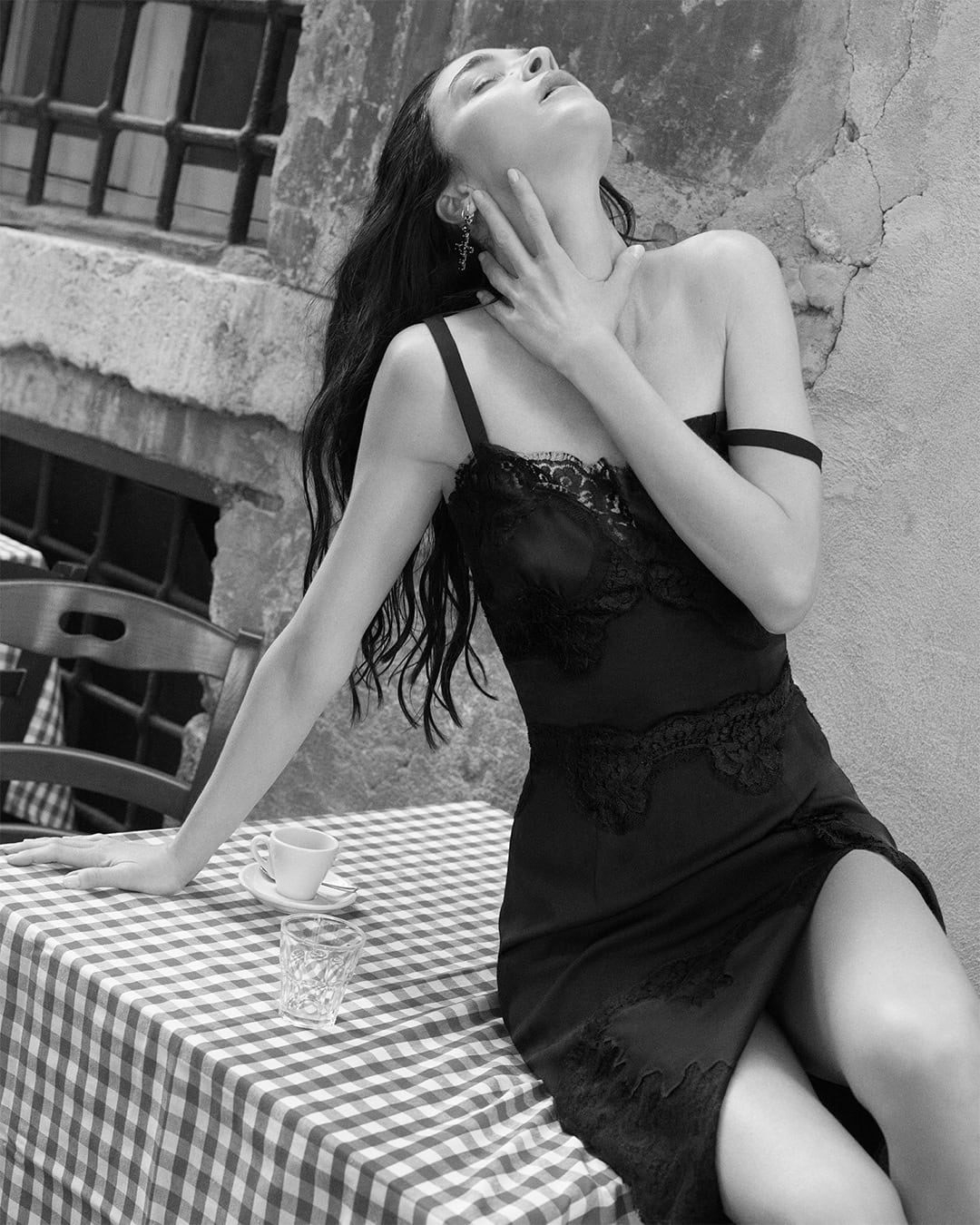
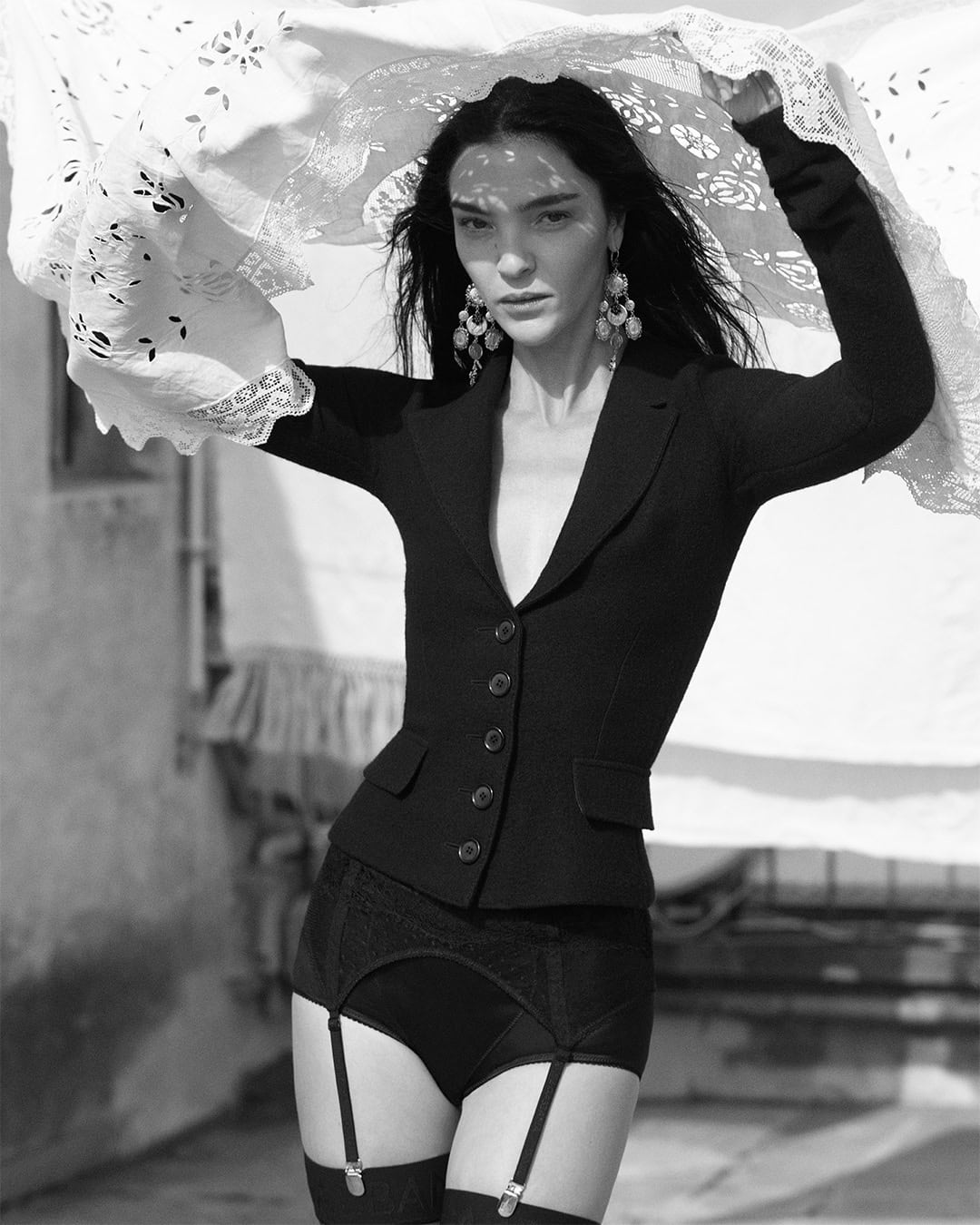
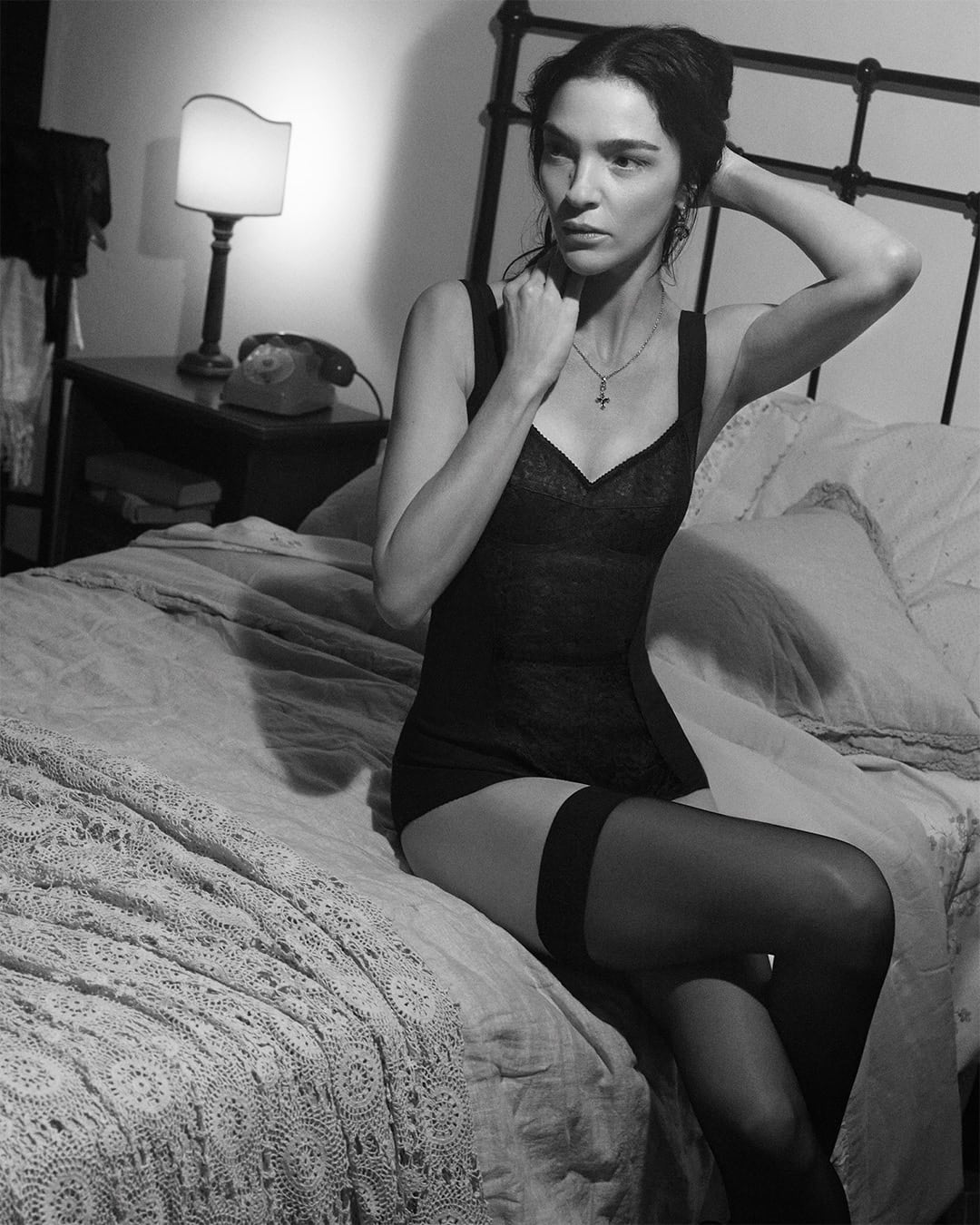
Boscono, perhaps no model more intrinsically aligned with the House’s visual language, moves through the story like a memory rather than a protagonist. Draped in lace slips, razor-sharp tailoring, sheer stockings, and body-skimming silhouettes, she embodies the Dolce woman not as performance, but as instinct. There is no need here for overt dramatics; Boscono understands the assignment with the ease of someone fluent in the House’s emotional shorthand. A glance down a narrow alley, a cigarette-adjacent mood without the cigarette, a languid pose across lace-covered bedding – it all feels lived-in rather than staged.
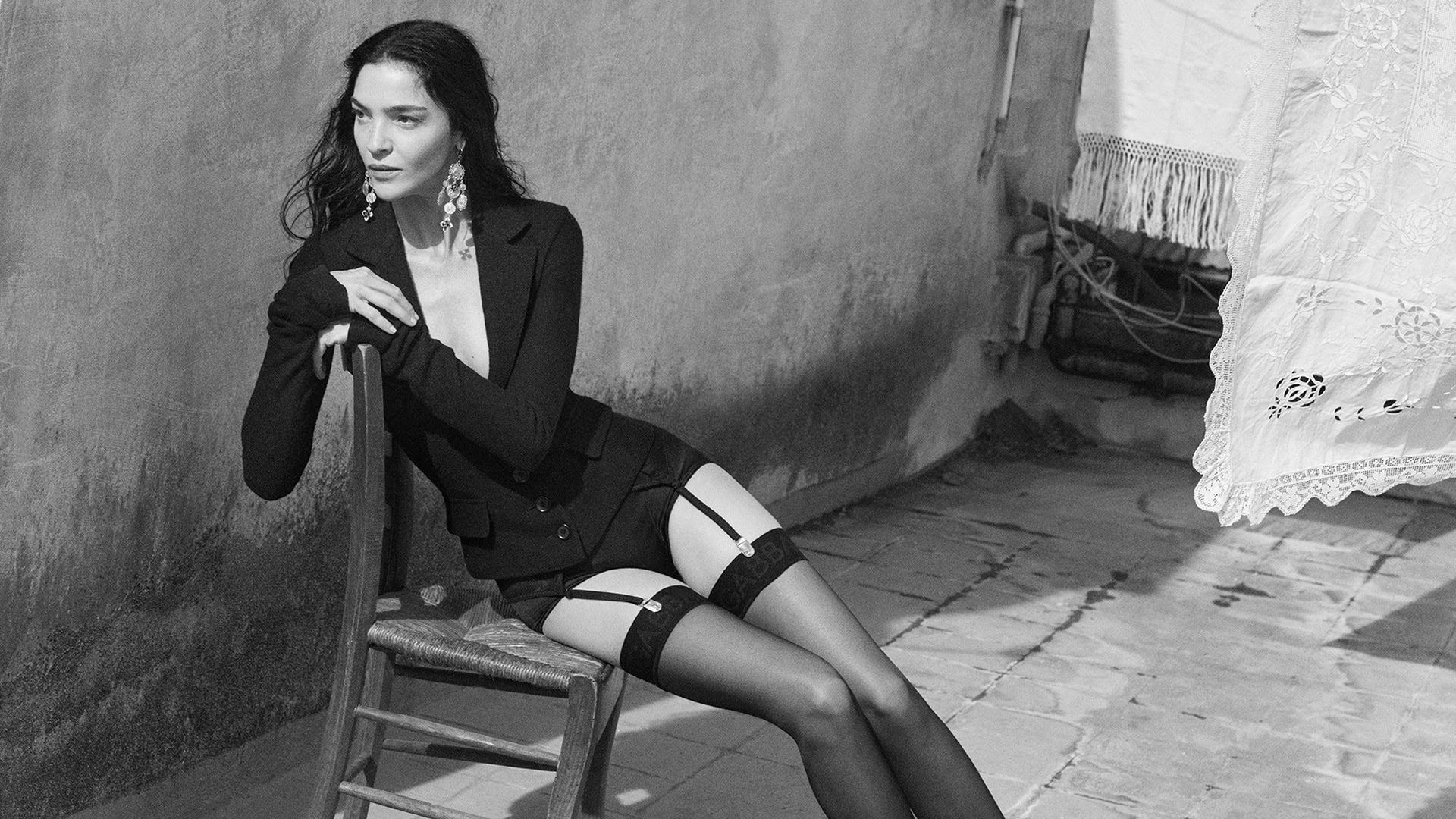
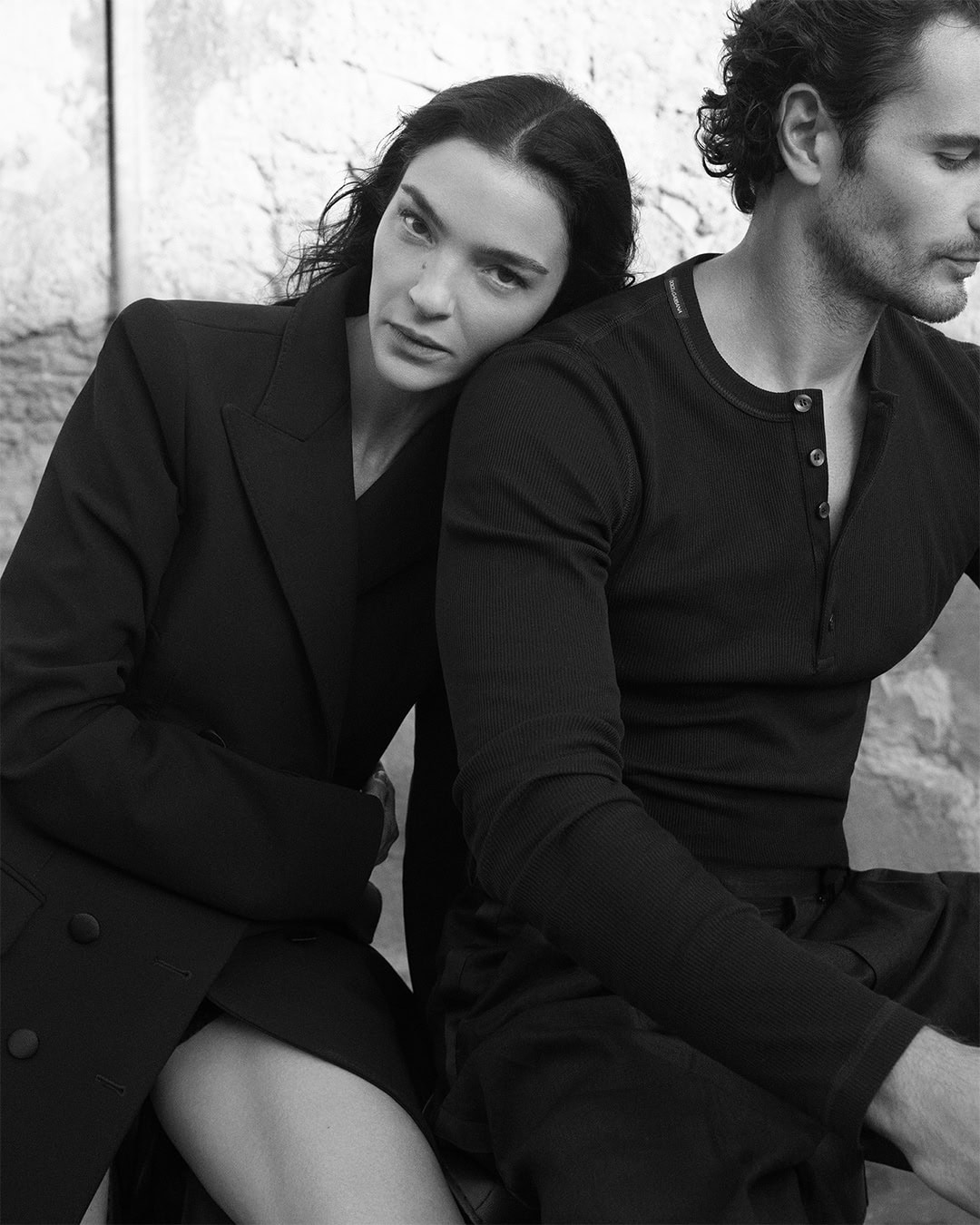
Sadli’s black-and-white photography smartly strips away distraction, allowing texture to become the true protagonist. Lace reads almost architectural against crumbling Roman walls, while shadow turns familiar garments into gestures of mystery. The absence of color proves particularly effective for a House so frequently associated with maximalism. Instead of leaning into excess, the campaign leans into restraint, reminding us that Dolce & Gabbana’s most powerful tool has never been ornament alone, but atmosphere. Rome itself becomes a co-star, its cobblestones, weathered facades, and checkered trattoria tables speaking to an Italy that feels timeless rather than touristic.
Yet what makes the campaign resonate most is its refusal to chase novelty for novelty’s sake. In an era where many Houses seem anxious to reinvent themselves every six months, Dolce & Gabbana instead doubles down on continuity. “DNA” is not a metaphor here; it is the thesis. Lace remains lace. Sicily remains Sicily, even transplanted to Rome. Sensuality remains whispered rather than screamed. There is confidence in that consistency, though some may argue the campaign occasionally risks feeling too comfortable within its own mythology. A touch more tension between heritage and surprise might have elevated the narrative further.
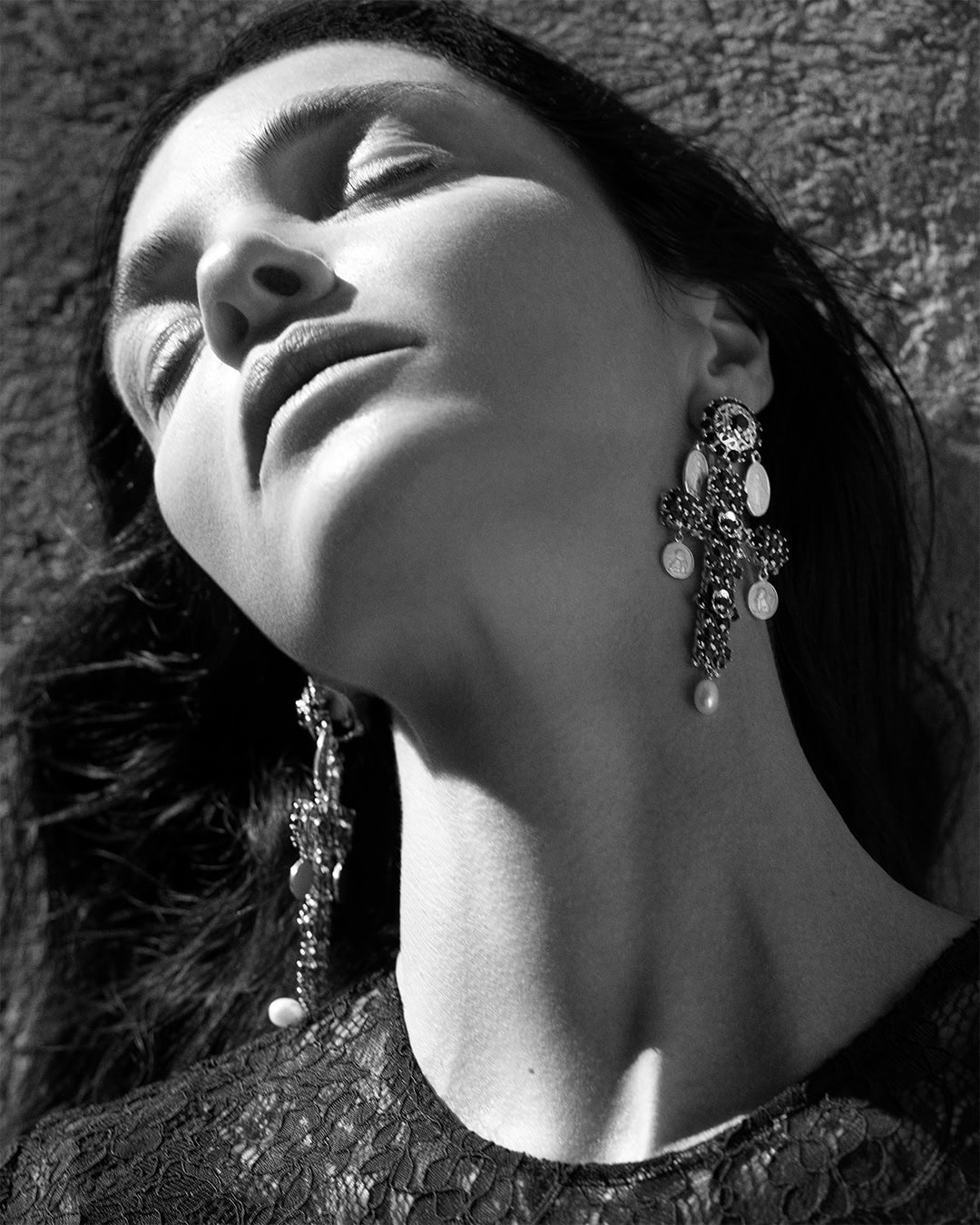
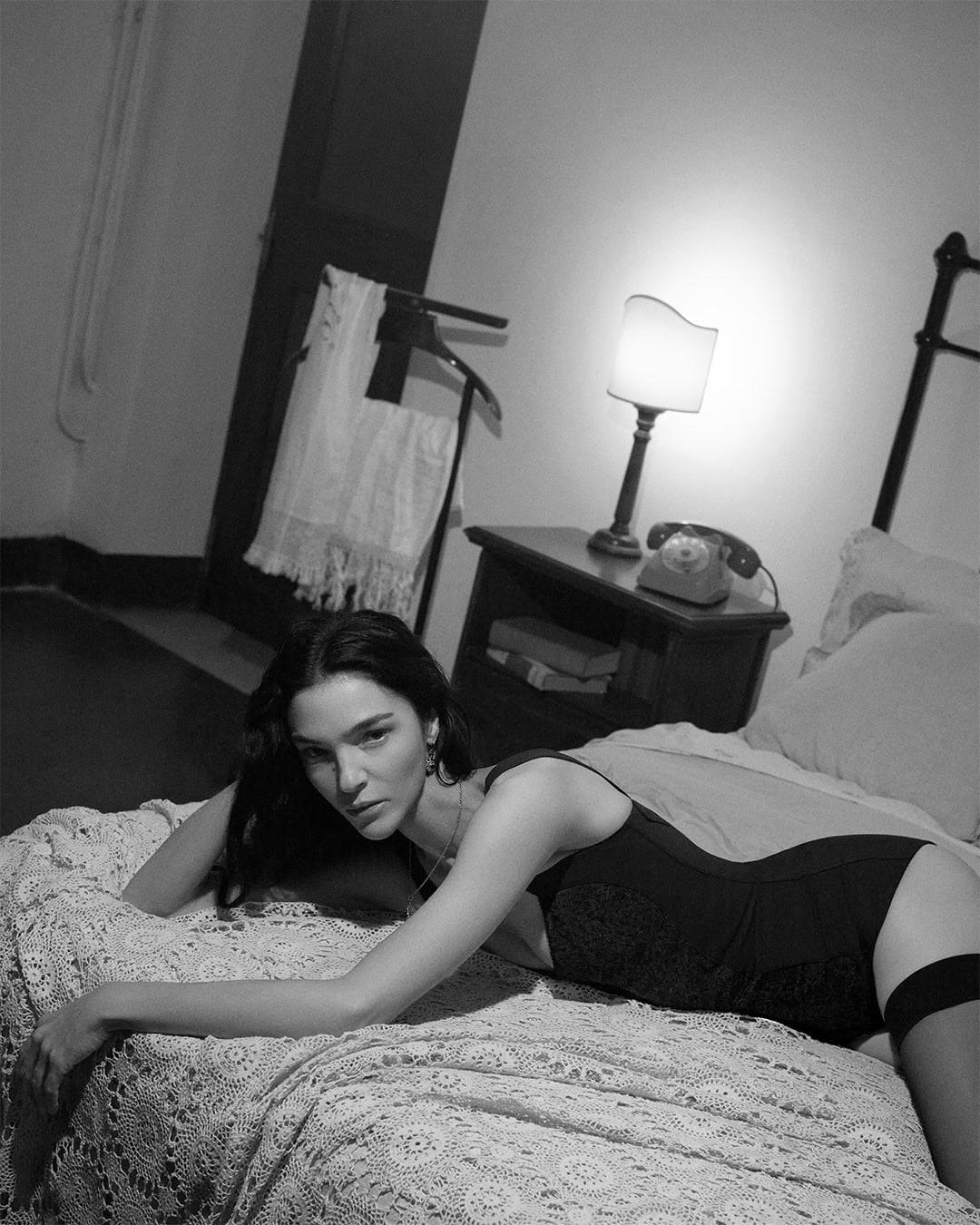
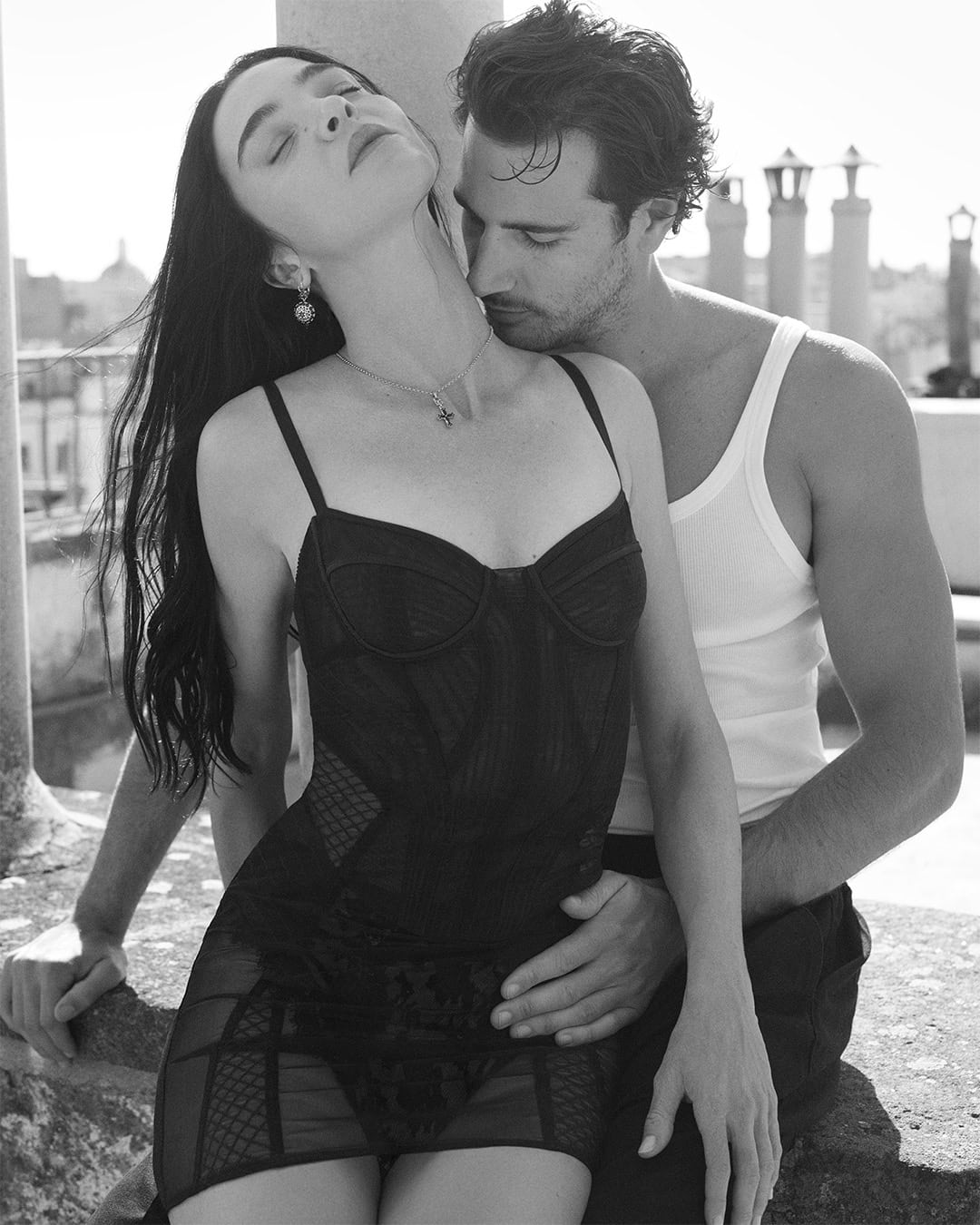
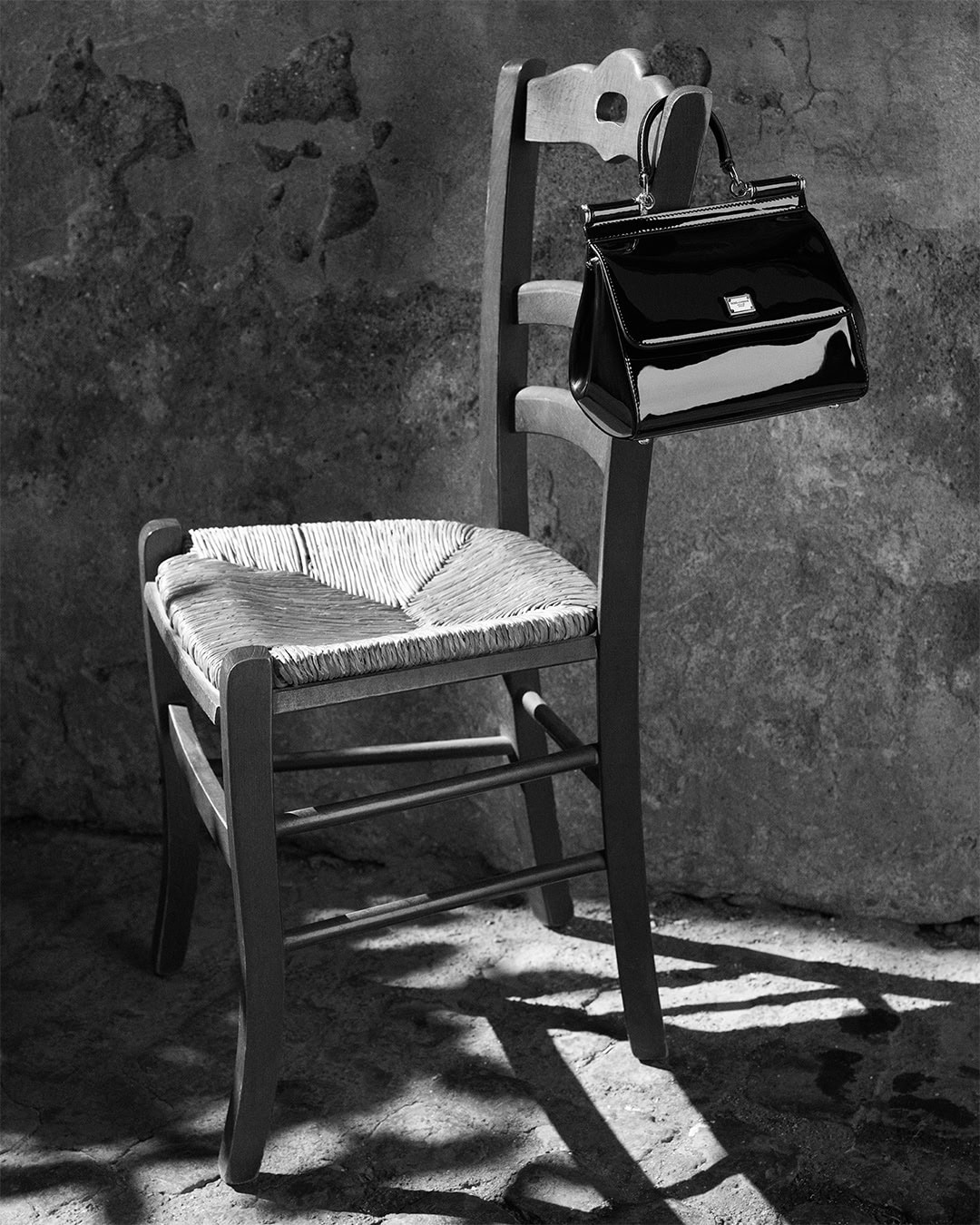
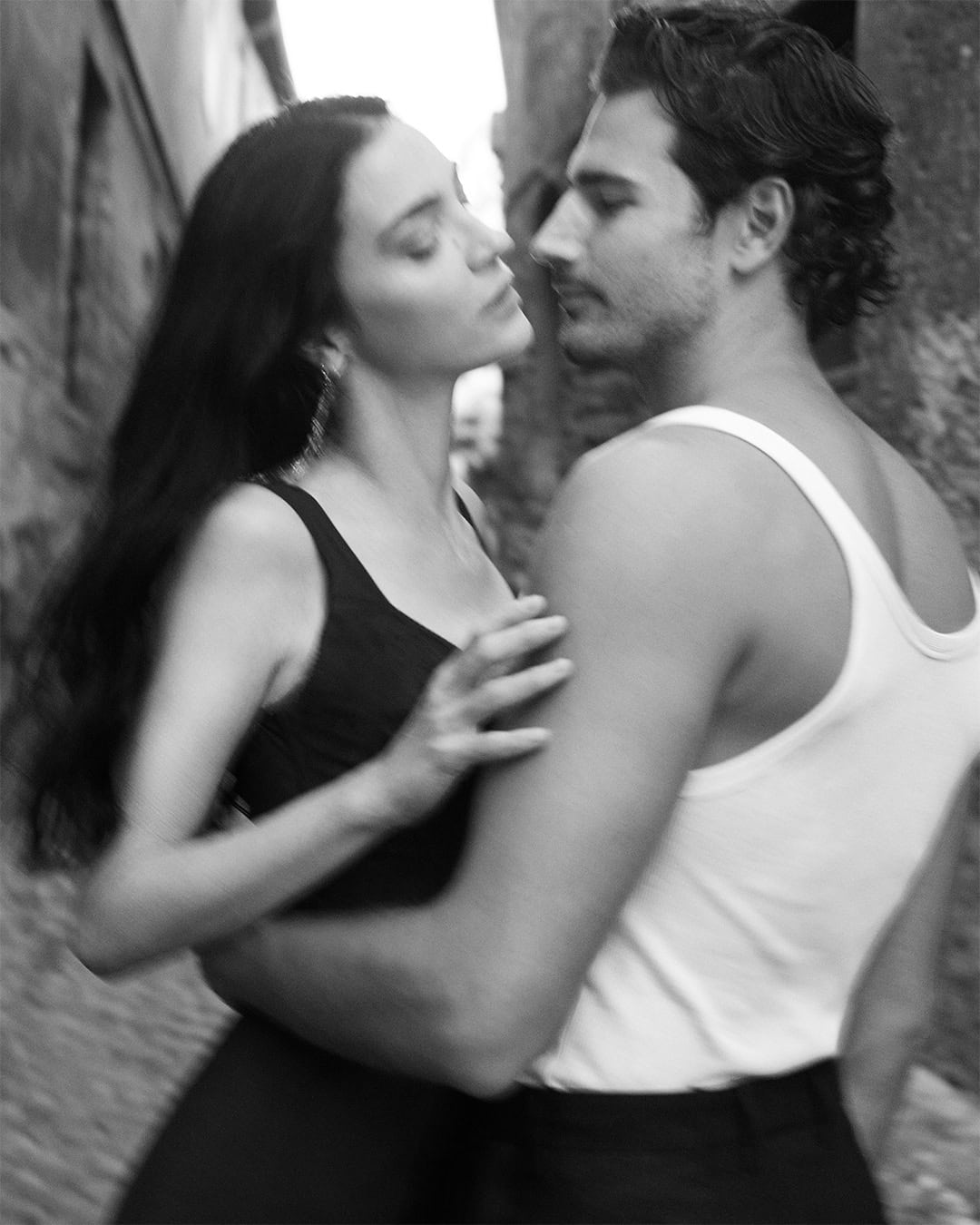
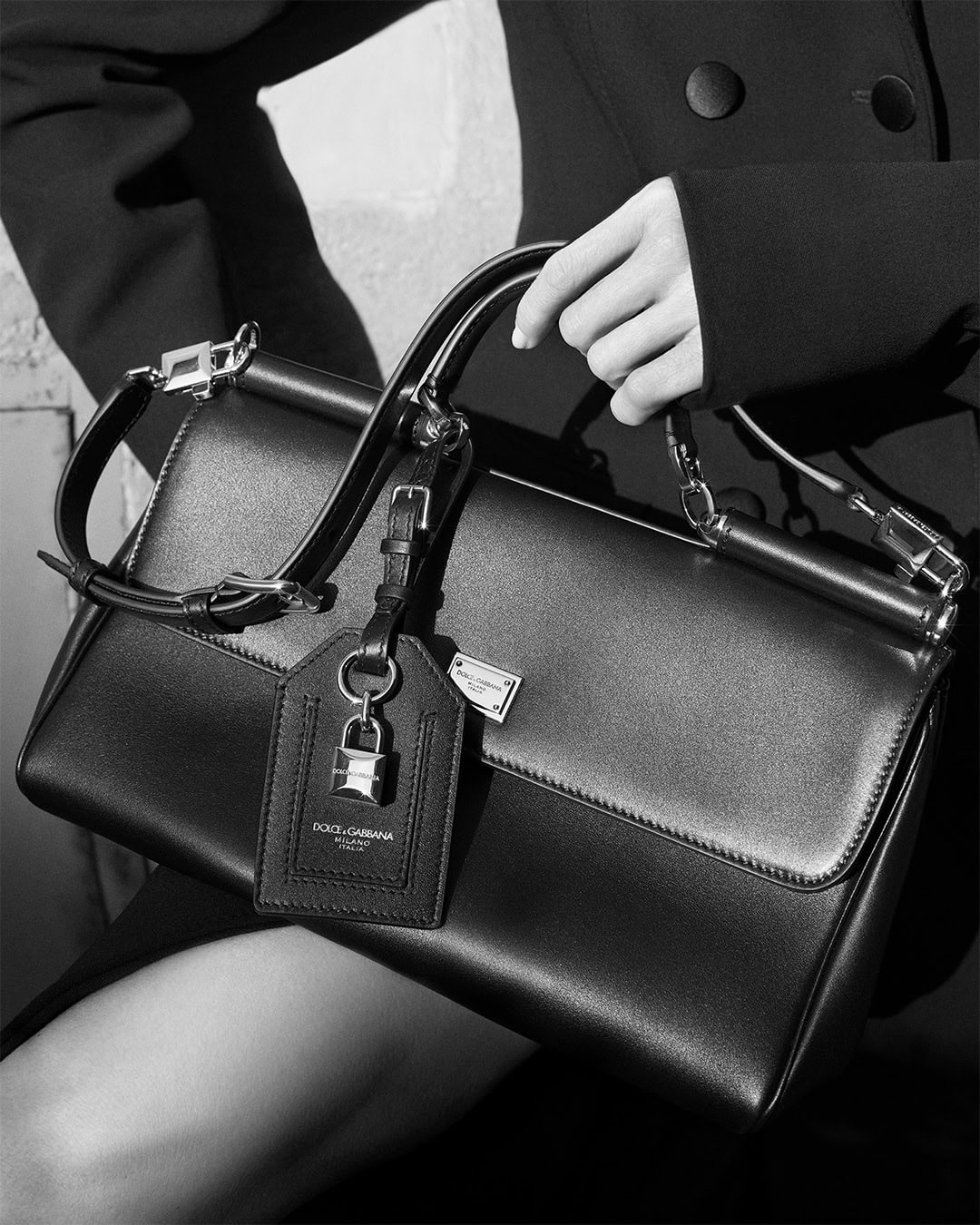
Still, there are moments where the campaign quietly subverts itself. The intimacy between Boscono and Claudio Stecchi introduces a cinematic blur of movement and memory, less romance than recollection. Elsewhere, tailoring paired with garter stockings creates a subtle friction between masculine severity and feminine seduction – a reminder that Dolce & Gabbana at its best understands contradiction. Even the accessories, particularly the polished Sicily bag and chandelier earrings, feel less merchandised than absorbed into character.
The result is a campaign that feels less like advertising and more like revisiting an old Italian film whose ending you already know, yet happily watch again anyway. Dolce & Gabbana may not be reinventing its language here, but then again, when one speaks fluently in desire, perhaps reinvention isn’t always the point.
Dolce & Gabbana Creative Directors | Domenico Dolce & Stefano Gabbana
Photographer/Director | Karim Sadli
Models | Mariacarla Boscono, Claudio Stecchi
Stylist | Emmanuelle Alt
Hair | Stephane Lancien
Makeup | Christelle Cocquet
Set Designer | Flavia Manacorda
Location | Rome