Review of Chanel ‘Bleu De Chanel L’Exclusif’ 2026 Ad Campaign by Creative Director Alfonso Cuarón with talent Jacob Elordi
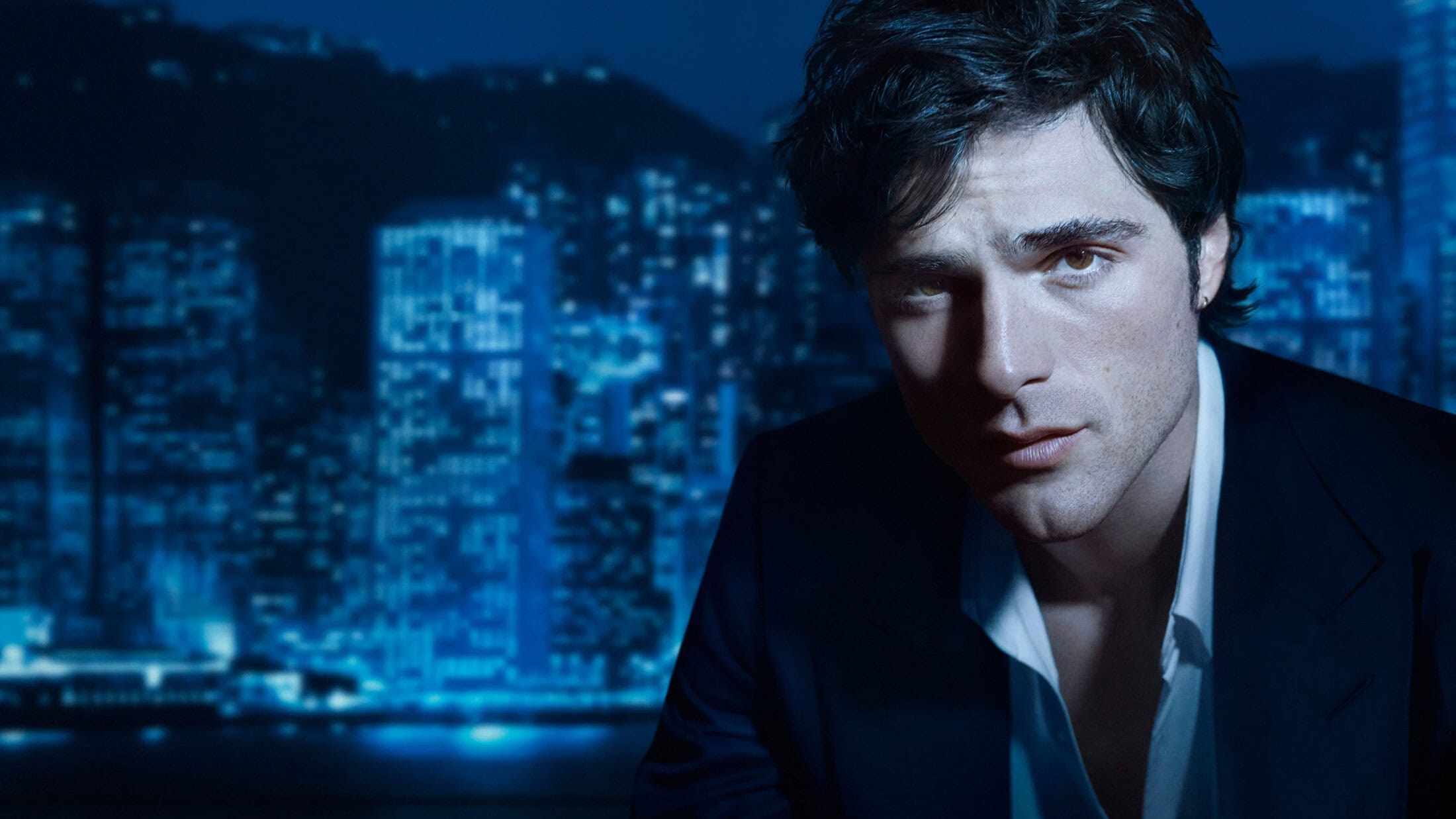
Chanel has never lacked for cinematic ambition, but Bleu De Chanel L’Exclusif marks a notable shift in tone: less brooding heartthrob, more elegantly reckless antihero. Directed by Alfonso Cuarón under the creative vision of Thomas du Pré de Saint Maur, the film transforms fragrance advertising into a sleek action fantasy where seduction arrives not through stillness, but through motion. Starring Jacob Elordi as a thief seemingly more enchanted by pursuit than possession, the campaign unfolds with the polished absurdity of a luxury fever dream — somewhere between a Hong Kong thriller, a flirtation, and a philosophical joke about desire itself. If previous fragrance campaigns asked men to look mysterious against a wall, Chanel now asks them to leap through one.
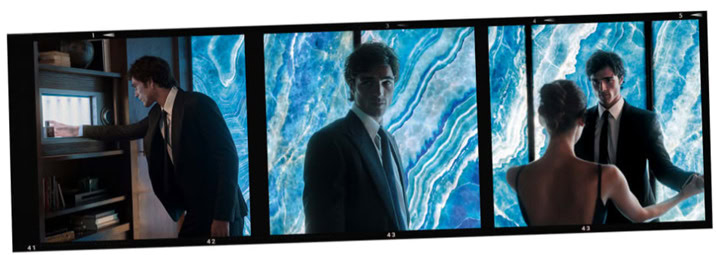
The narrative begins inside a vault bathed in cool metallic shadows and punctuated by an enormous blue agate wall that feels less like set design and more like subconscious architecture. Elordi moves through the space with deliberate elasticity, his physicality somewhere between dancer and cat burglar, while the camera glides with the confidence of a filmmaker who understands that tension is often more seductive than speed. Cuarón, unsurprisingly, resists overcutting the action. Instead, the film breathes. Every sidelong glance, every pivot, every near-collision is allowed to linger just long enough to register as flirtation rather than choreography.
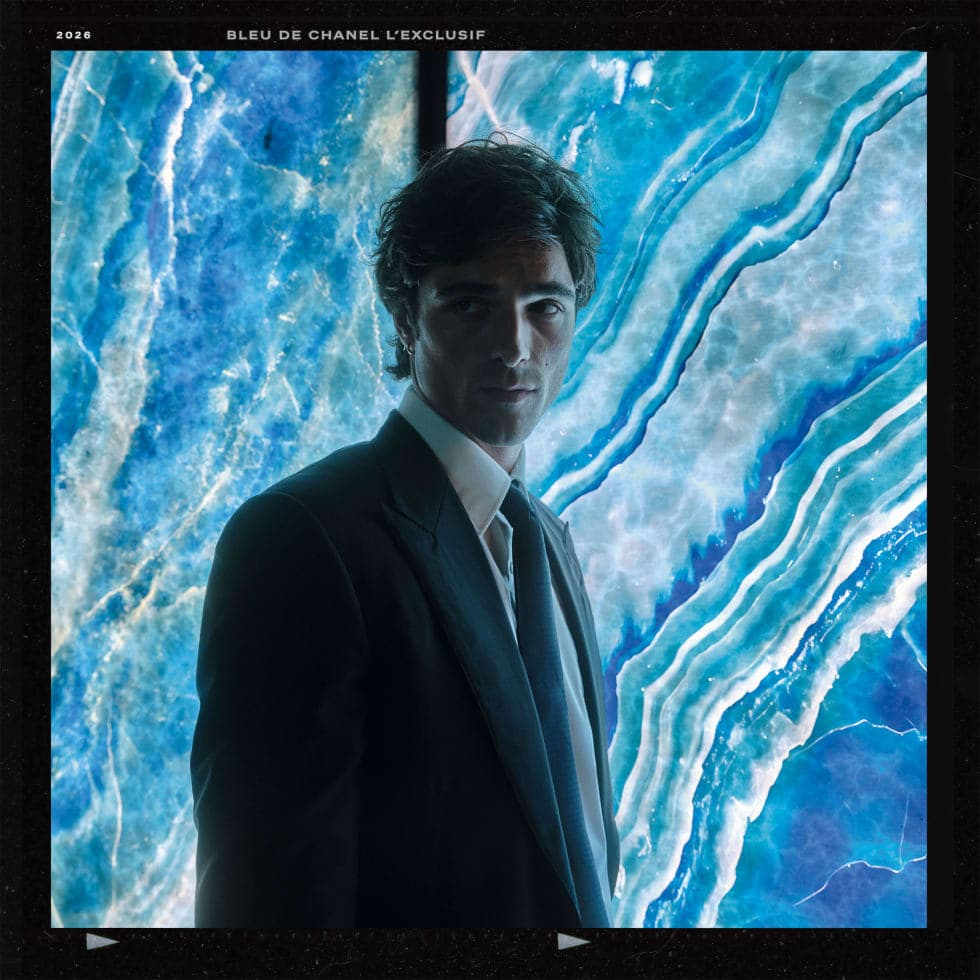
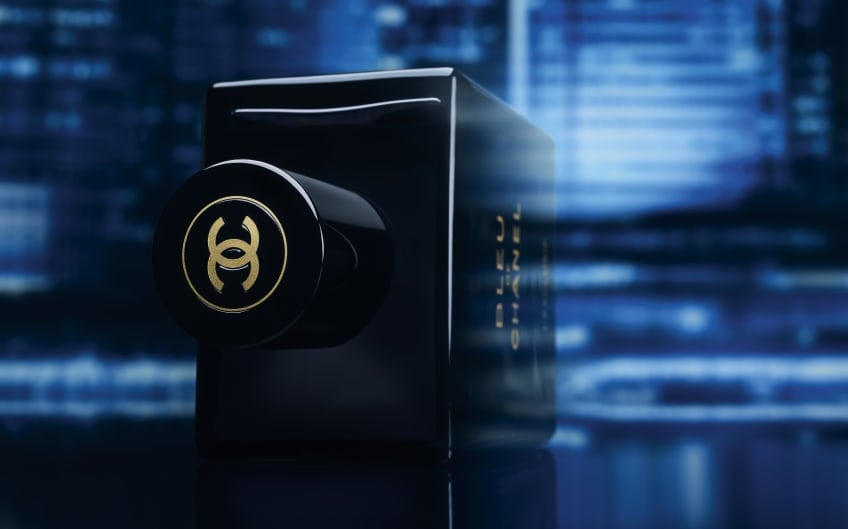
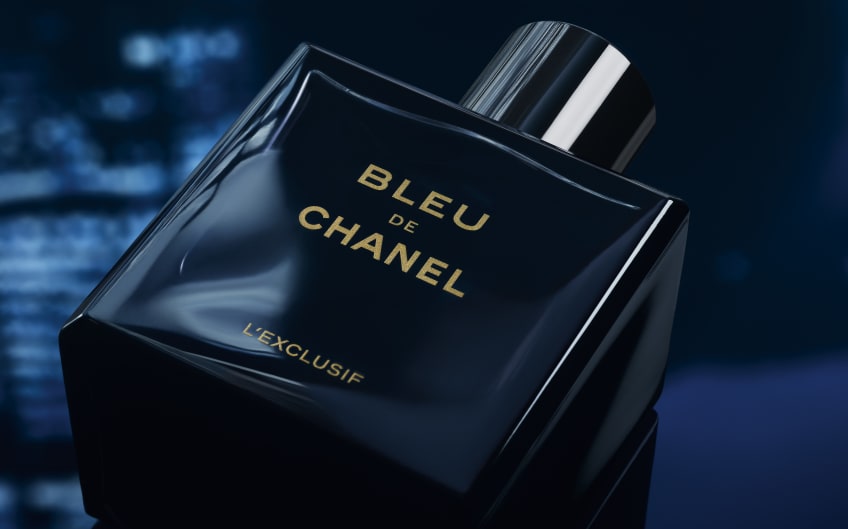
What elevates the campaign beyond pure spectacle is its understanding that luxury and desire function similarly: both depend on anticipation. The fragrance bottle itself becomes a kind of emotional MacGuffin, passed between characters not simply as an object to possess, but as a projection of identity. Elordi’s hero does not seem motivated by conquest so much as curiosity. The woman opposing him — agile, sharp, and perpetually one step ahead — destabilizes the traditional fragrance-film dynamic in refreshing ways. Rather than serving as passive muse, she becomes co-conspirator, rival, and mirror. Their chemistry is less romantic than kinetic, built through momentum, proximity, and mutual recognition.
Visually, the campaign thrives on contradiction. There is humor tucked inside the precision, elegance inside the chaos. Martial arts sequences unfold with near-balletic rhythm, while moments of physical comedy prevent the film from collapsing into self-seriousness — a trap many luxury action narratives stumble directly into while wearing expensive leather gloves. Cuarón understands that wit sharpens glamour. The campaign’s most effective moments arrive not during its larger stunts, but in fleeting expressions: Elordi’s amused grin after impact, the knowing glance toward the camera, the almost absurd theatricality of bodies pinned horizontally against vault walls. Chanel wisely allows the fantasy to remain playful.
At the same time, the film occasionally risks becoming so enamored with its own movement that emotional stakes remain slightly out of reach. The campaign is intellectually intriguing and visually accomplished, but one occasionally longs for a deeper rupture beneath the immaculate surfaces — a moment where desire feels dangerous rather than elegantly choreographed. Yet perhaps Bleu De Chanel L’Exclusif is not interested in emotional confession. It is interested in circulation: of power, attraction, fantasy, and identity. The final gesture — the anonymous third hand stealing the fragrance away — cleverly reinforces that idea. Desire, after all, only remains powerful once it escapes ownership.
And that is ultimately where Chanel succeeds most cleverly. Rather than treating masculinity as something fixed or stoic, the campaign frames it as fluid performance: agile, self-aware, occasionally ridiculous, and all the more alluring for it. Bleu De Chanel L’Exclusif does not ask whether the hero gets the prize. It quietly suggests the chase was always the point. In true Chanel fashion, possession is temporary. Style, however, knows how to keep moving.
Chanel Creative Director | Alfonso Cuarón
Talent | Jacob Elordi