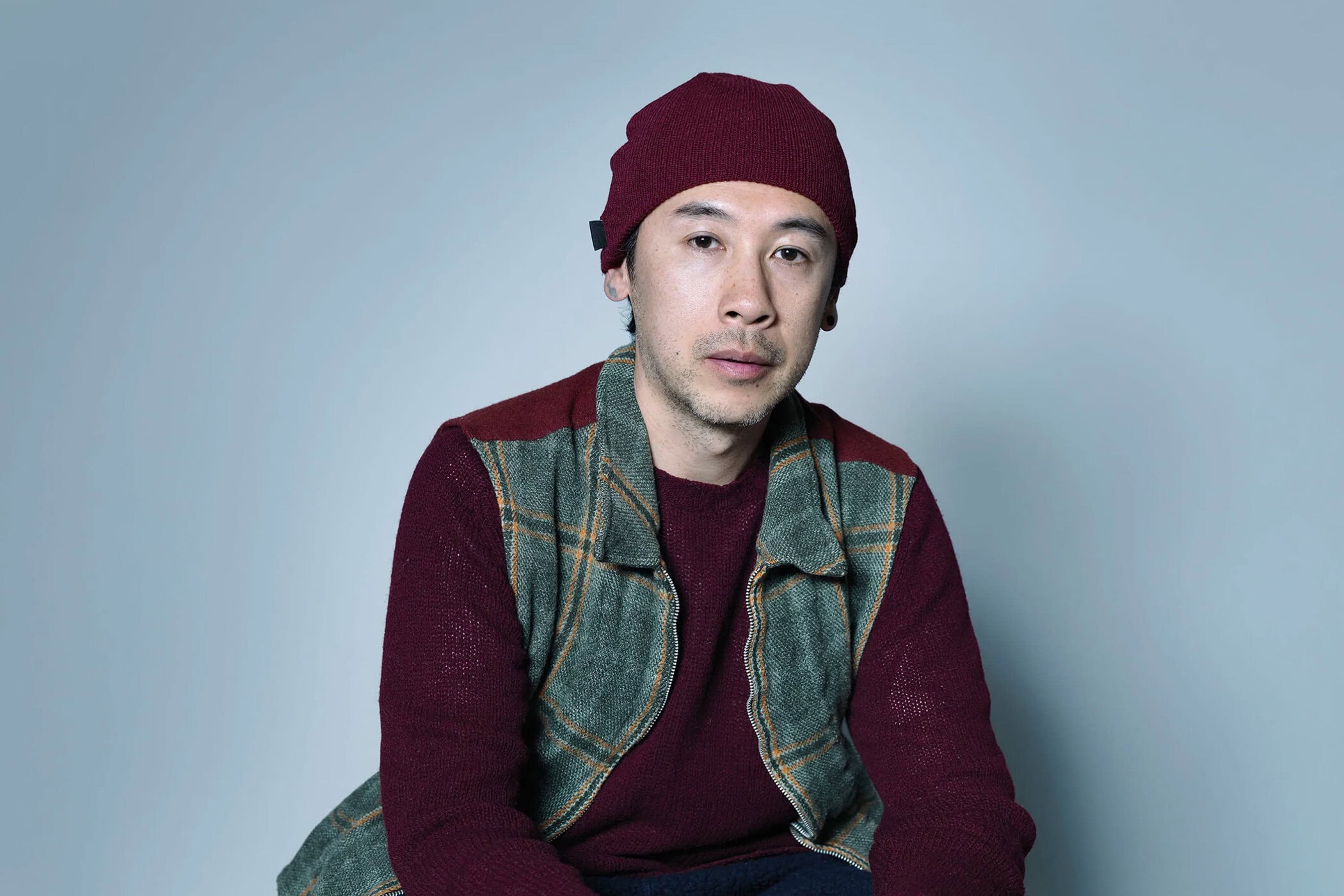
Human Made’s planned acquisition of Undercover reunites two of the most influential figures in modern Japanese fashion while signaling a broader ambition for the future of the industry.
Announced this week, the non-binding agreement would see Nigo’s Human Made acquire Jun Takahashi’s Undercover, bringing together two brands whose histories have been intertwined since the early days of Tokyo’s Ura-Harajuku movement. The transaction is expected to be finalized in 2027.
On the surface, the acquisition appears to be a natural extension of a decades-long relationship. Nigo and Takahashi first worked together in the early 1990s, co-founding the influential Nowhere boutique in Harajuku and helping establish a generation-defining approach to streetwear that blended fashion, music, art, and youth culture. Through A Bathing Ape and Undercover, the pair went on to become two of the most important architects of contemporary street fashion, shaping a creative language that continues to influence the industry today.
Yet the significance of the deal extends beyond personal history. Human Made’s announcement positions the acquisition as part of a larger effort to build a creative group capable of expanding beyond fashion and into broader cultural industries. The company has explicitly referenced ambitions to help create Japan’s next globally influential creative sector, drawing comparisons to the international success of manga, anime, and gaming. Viewed through that lens, Undercover becomes more than an acquired label; it becomes part of a larger cultural ecosystem.
The timing is also notable. The acquisition follows Human Made’s successful public listing and a period of strong financial growth, reflecting increasing confidence in the global potential of Japanese fashion businesses. While European luxury groups have spent decades building portfolios of brands, Japan’s fashion industry has historically remained more fragmented and founder-led. Human Made’s expansion suggests a different model may be emerging—one in which independent Japanese brands retain their cultural identity while benefiting from shared infrastructure and long-term strategic support.
Undercover occupies a particularly important position within that conversation. Since its founding in 1990, Jun Takahashi’s label has maintained a unique balance between commercial viability and artistic experimentation, building a devoted international following while remaining deeply connected to music, subculture, and independent creative expression. Unlike many acquisitions that seek scale through similarity, Human Made appears to be investing in a brand whose value lies precisely in its distinct perspective.
What makes the acquisition compelling is that it reflects a broader shift in how fashion companies define growth. Rather than focusing solely on retail expansion or product categories, Human Made is investing in cultural capital. The company is assembling a network of brands, collaborators, and creative communities built around shared values and histories. In that context, Undercover is not simply a business acquisition; it is a strategic investment in credibility, creativity, and cultural influence.
Ultimately, the acquisition raises a larger possibility for the Japanese fashion industry. For decades, many of fashion’s most powerful conglomerates have emerged from Europe. Human Made’s move suggests that a new model may be taking shape—one rooted not in traditional luxury, but in the cultural ecosystems that Japanese fashion helped pioneer. If the acquisition proceeds as planned, the most important outcome may not be the combination of two brands, but the emergence of a platform capable of amplifying Japanese creative influence on a global scale.