Simon Porte Jacquemus Brings the House’s Mediterranean Sensibility to a Two-Story Miami Space Combining Architecture, Art and Collectible Design
Jacquemus is expanding its retail presence in the United States with a new boutique in Miami’s Design District, continuing Simon Porte Jacquemus’ increasingly personal approach to creating physical worlds around the brand.
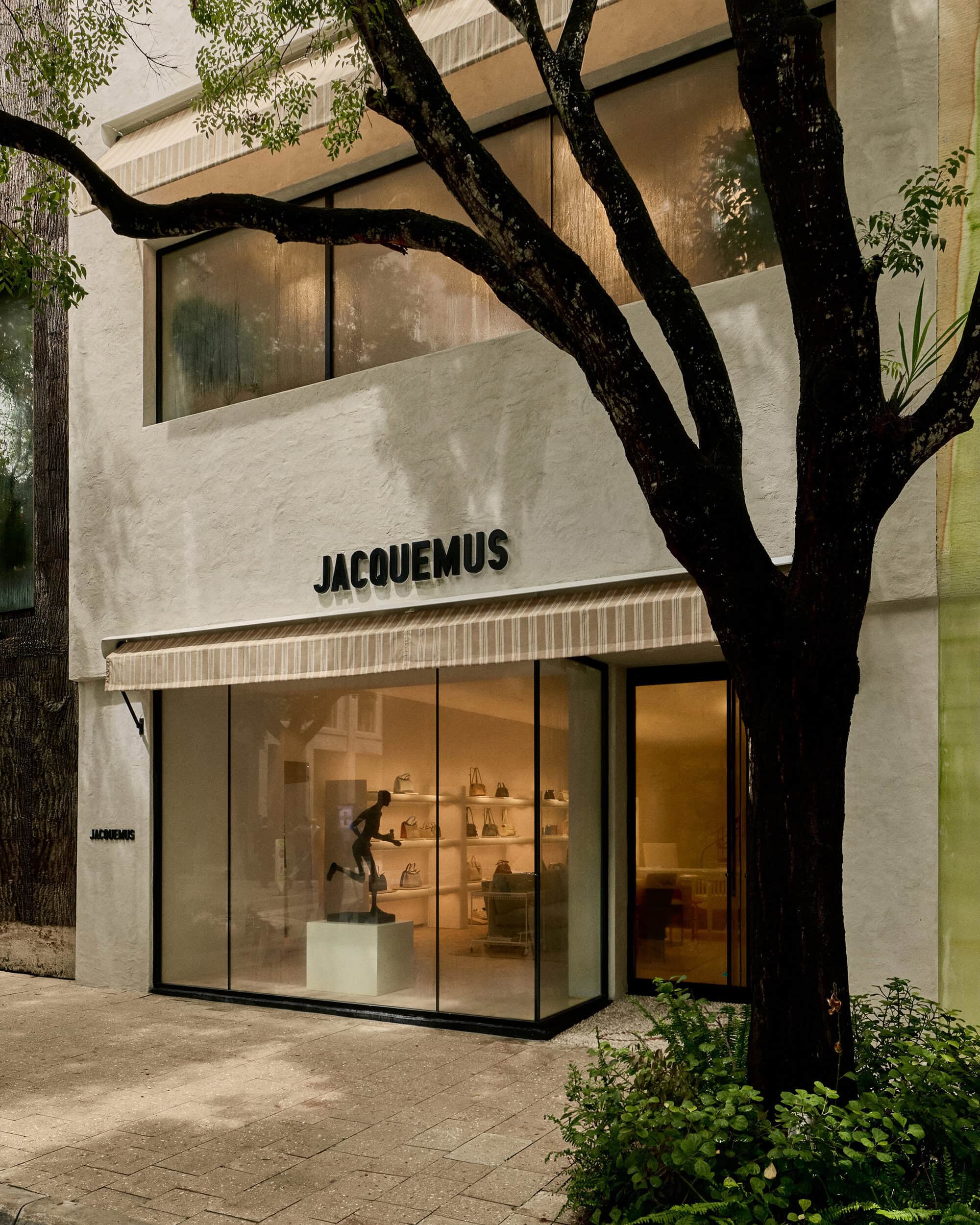
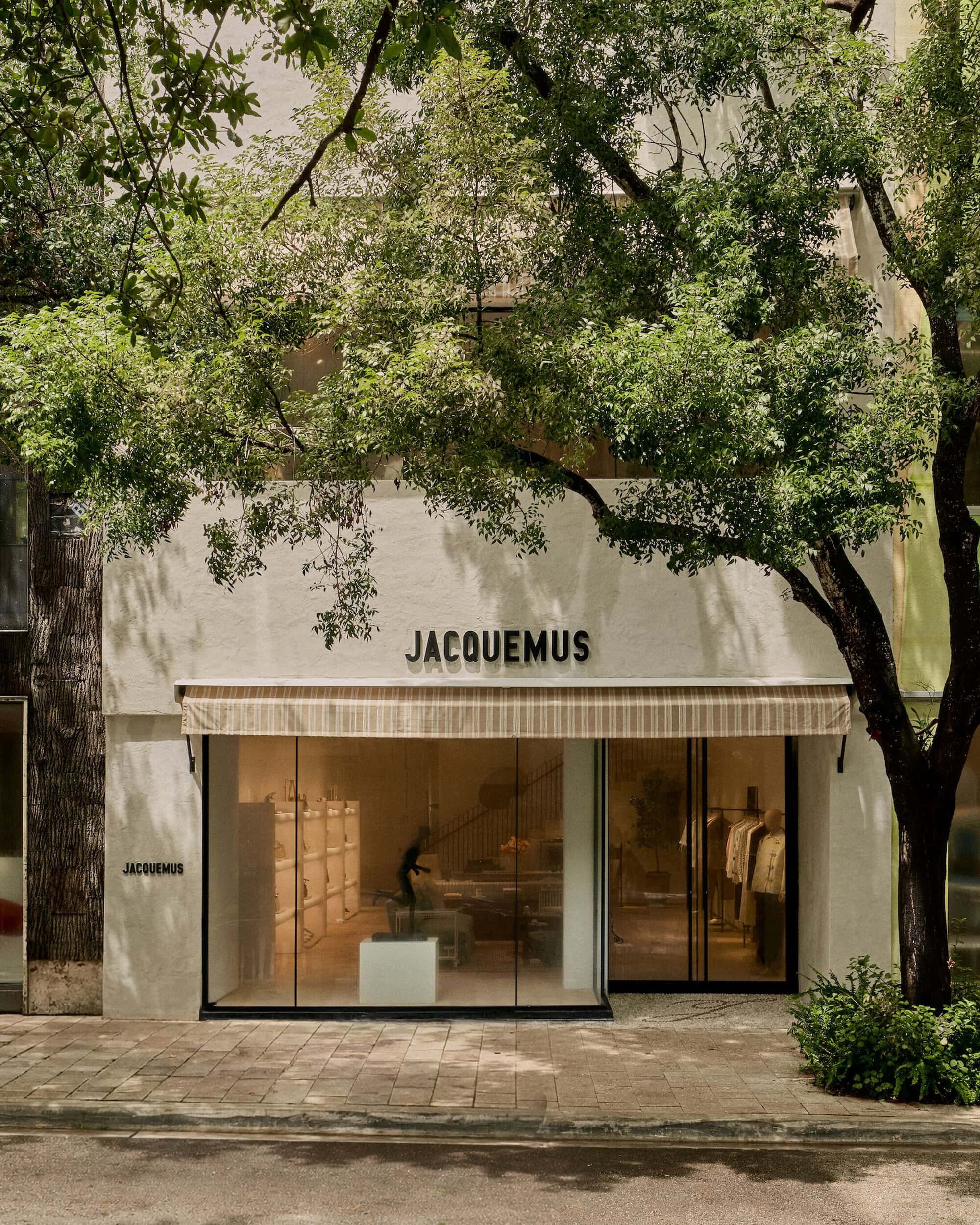
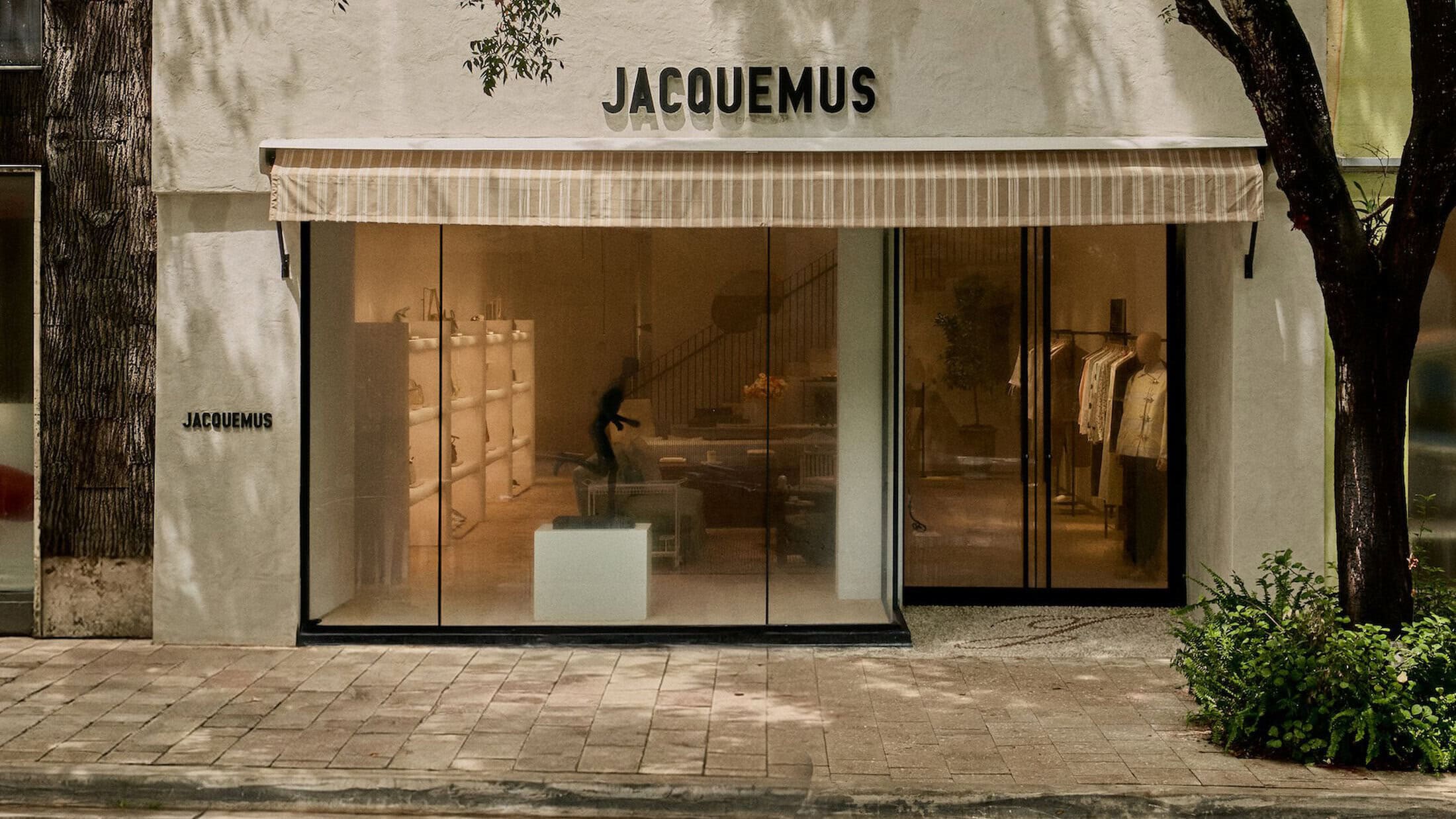
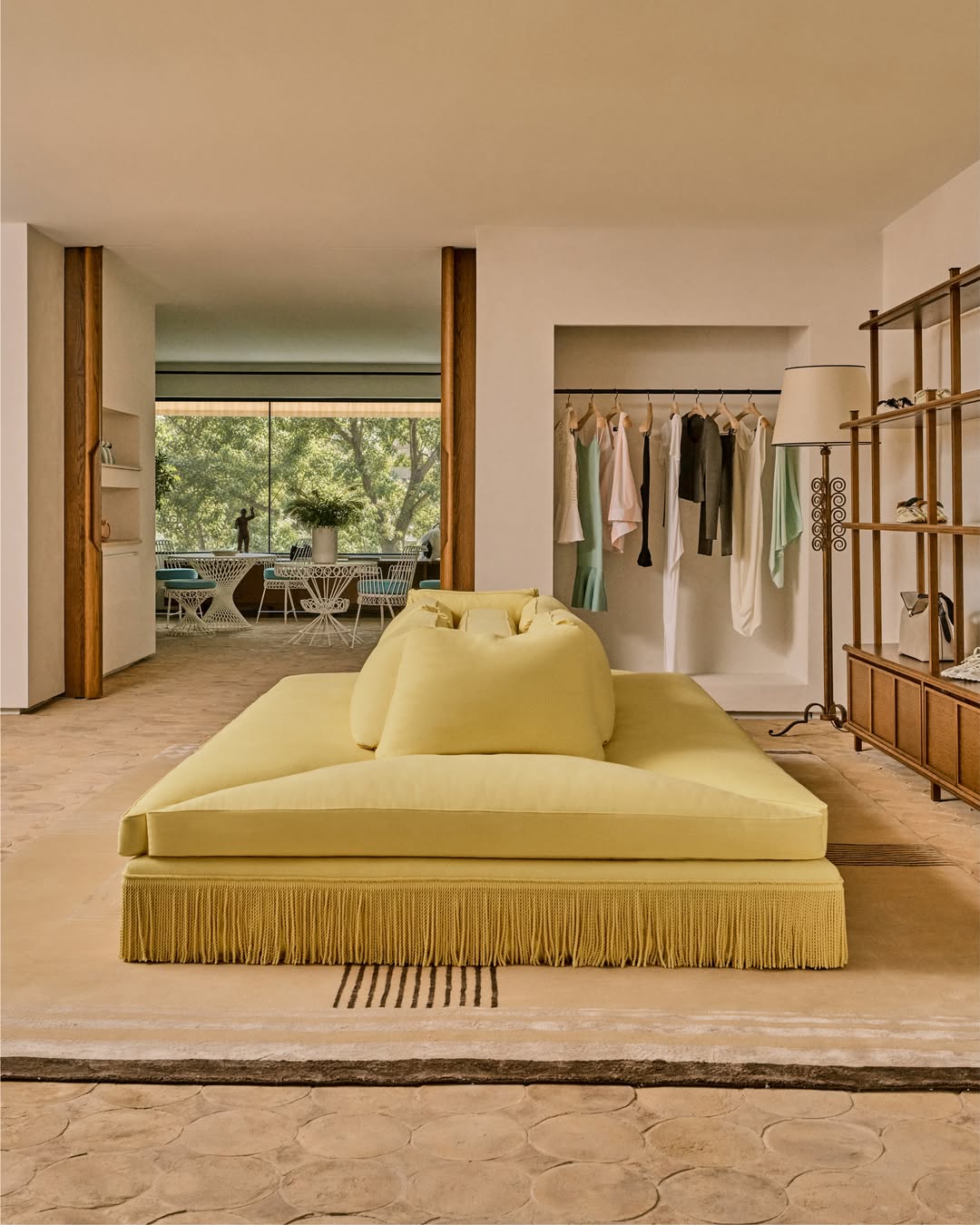
Conceived by Jacquemus in collaboration with architecture studio OMA, the two-story boutique spans 270 square meters, or approximately 2,906 square feet, and carries the complete Jacquemus offering. The Miami location builds on architectural ideas established at the brand’s Avenue Montaigne boutique in Paris and its Courchevel store, while adapting their warm, Mediterranean vocabulary to the light and character of South Florida.
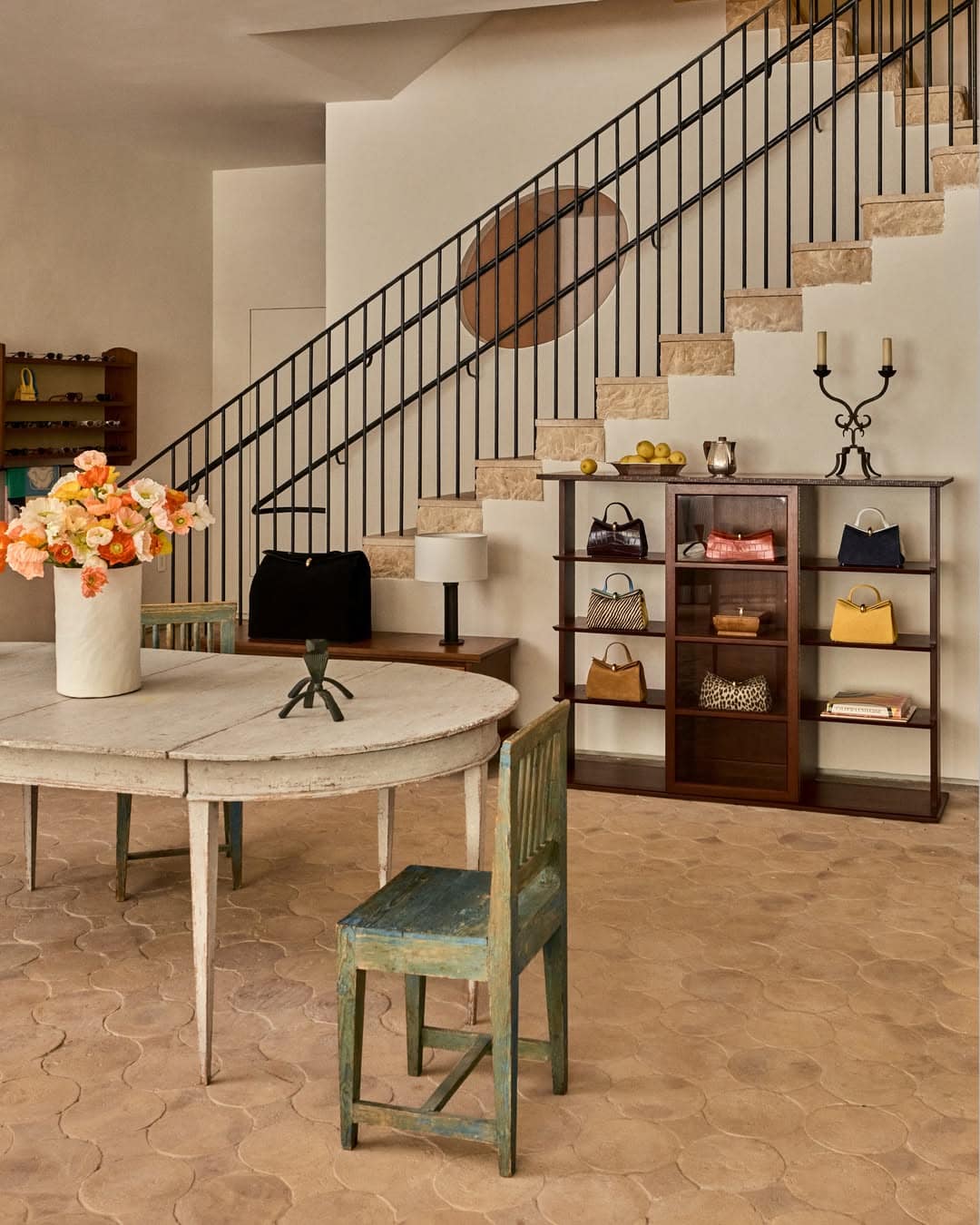
Natural light plays a central role. New openings across the façade bring daylight deep into the boutique, while a dedicated display window has been designed to accommodate changing installations. Inside, a sculptural staircase anchors the space and connects its two floors, around which are a dedicated shoe salon and private VIP area.
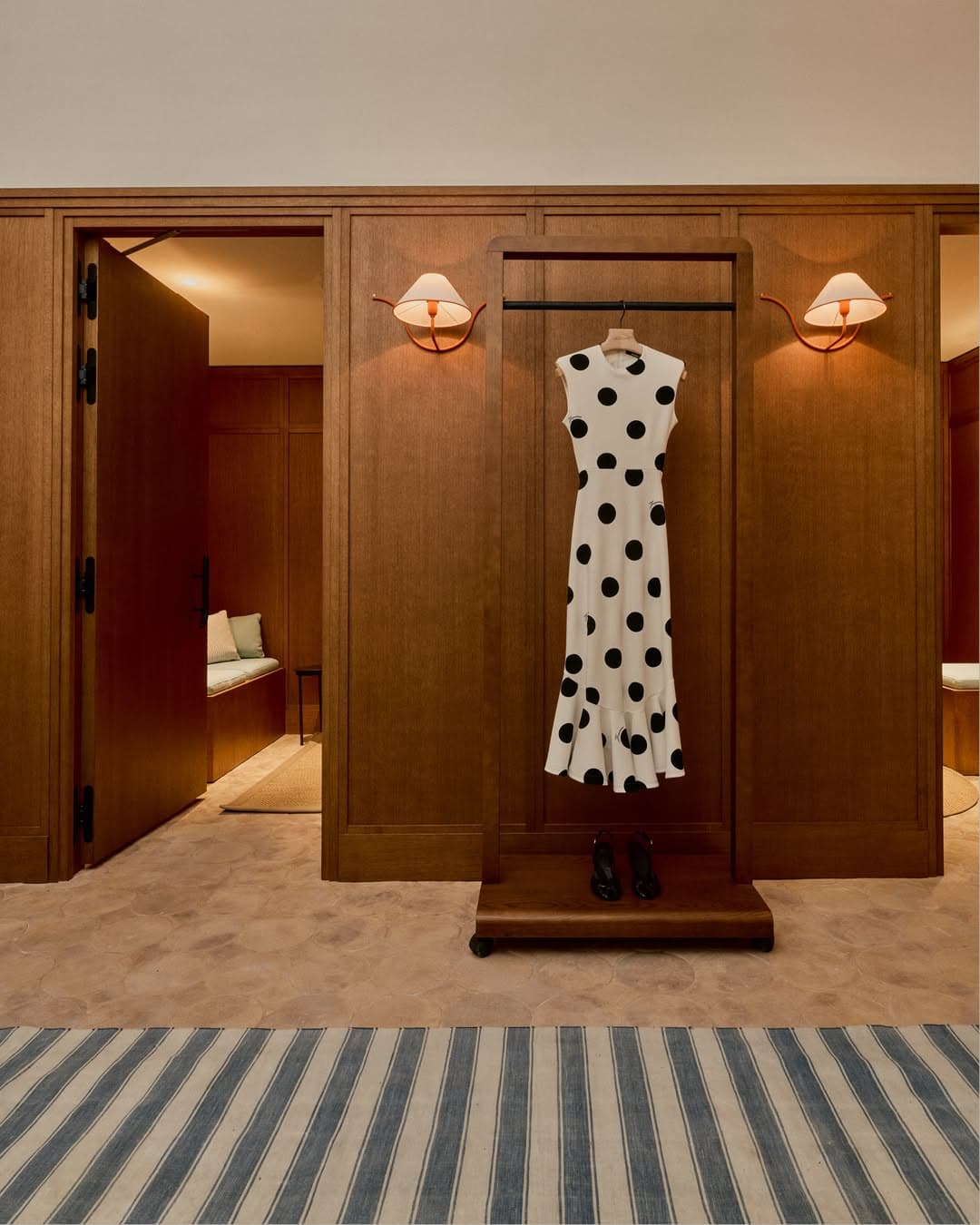
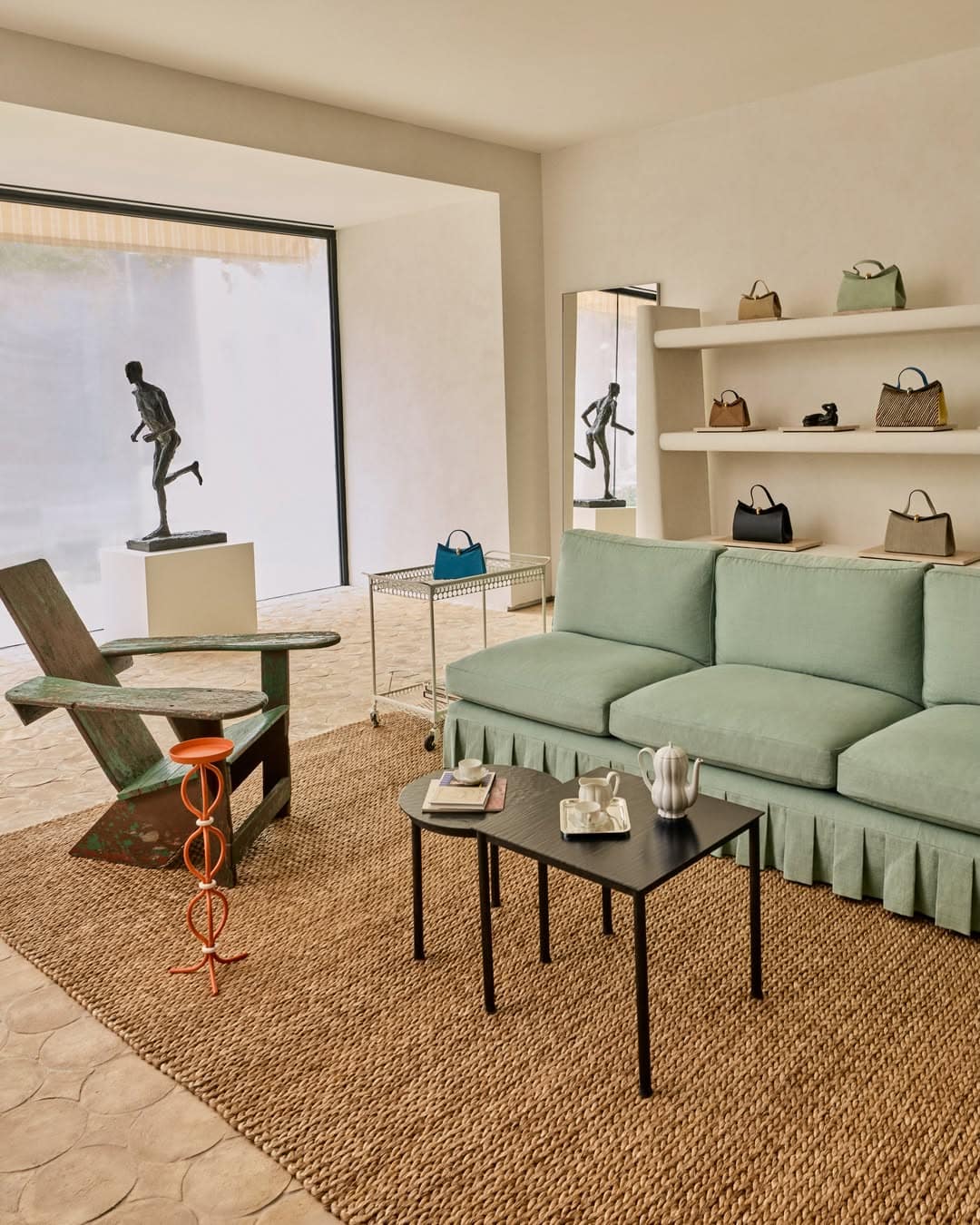
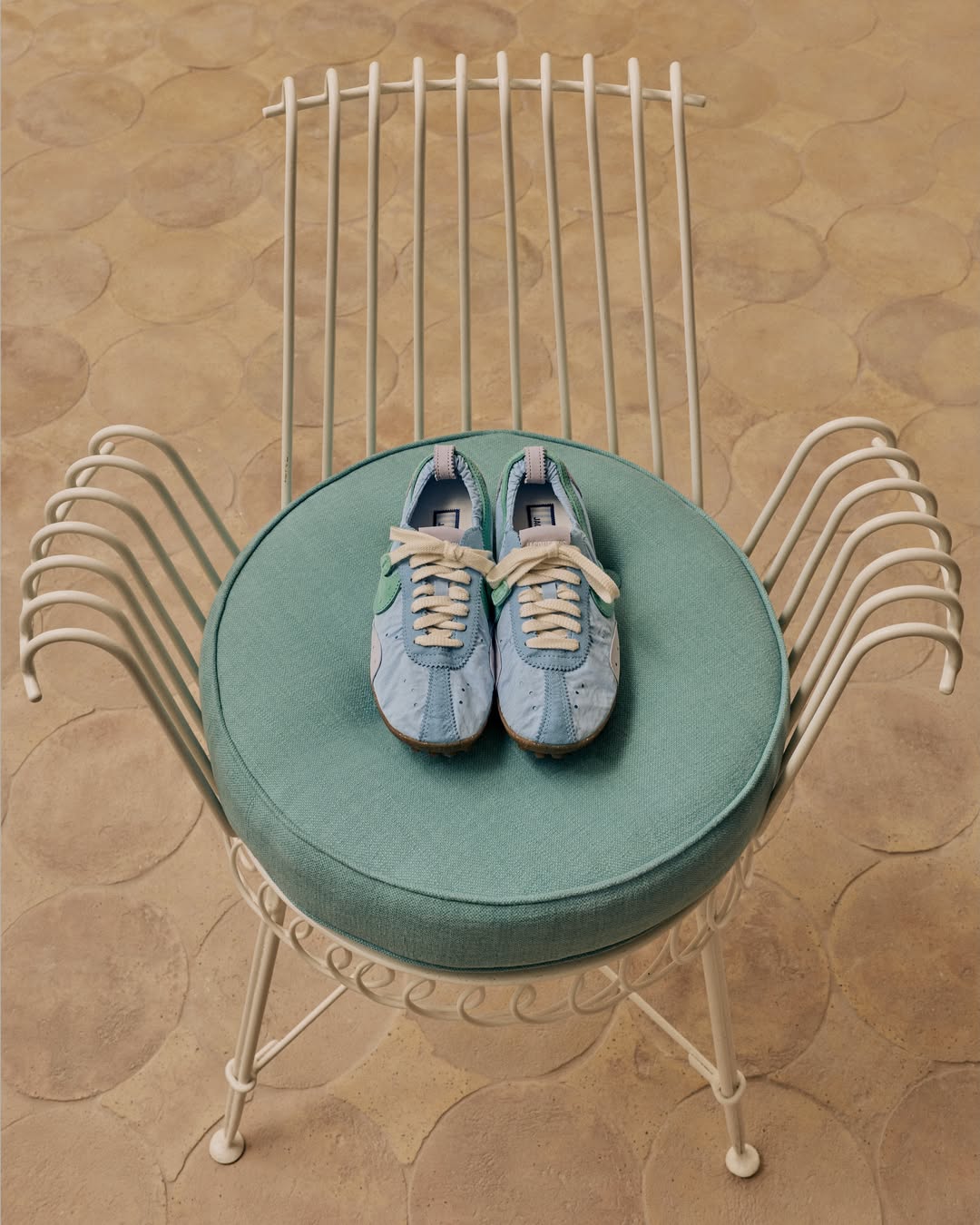
The material choices reinforce the sense that the store is intended to feel crafted rather than conventionally polished. Handmade stucco walls are paired with forged-iron furniture and details, while custom terracotta flooring made in Italy by Cotto Etrusco introduces a warm yellow hue beneath the space. The central staircase is constructed from Saint-Marc Jaune stone by Marbrek and edged with a bespoke forged-metal balustrade by Battaglia.
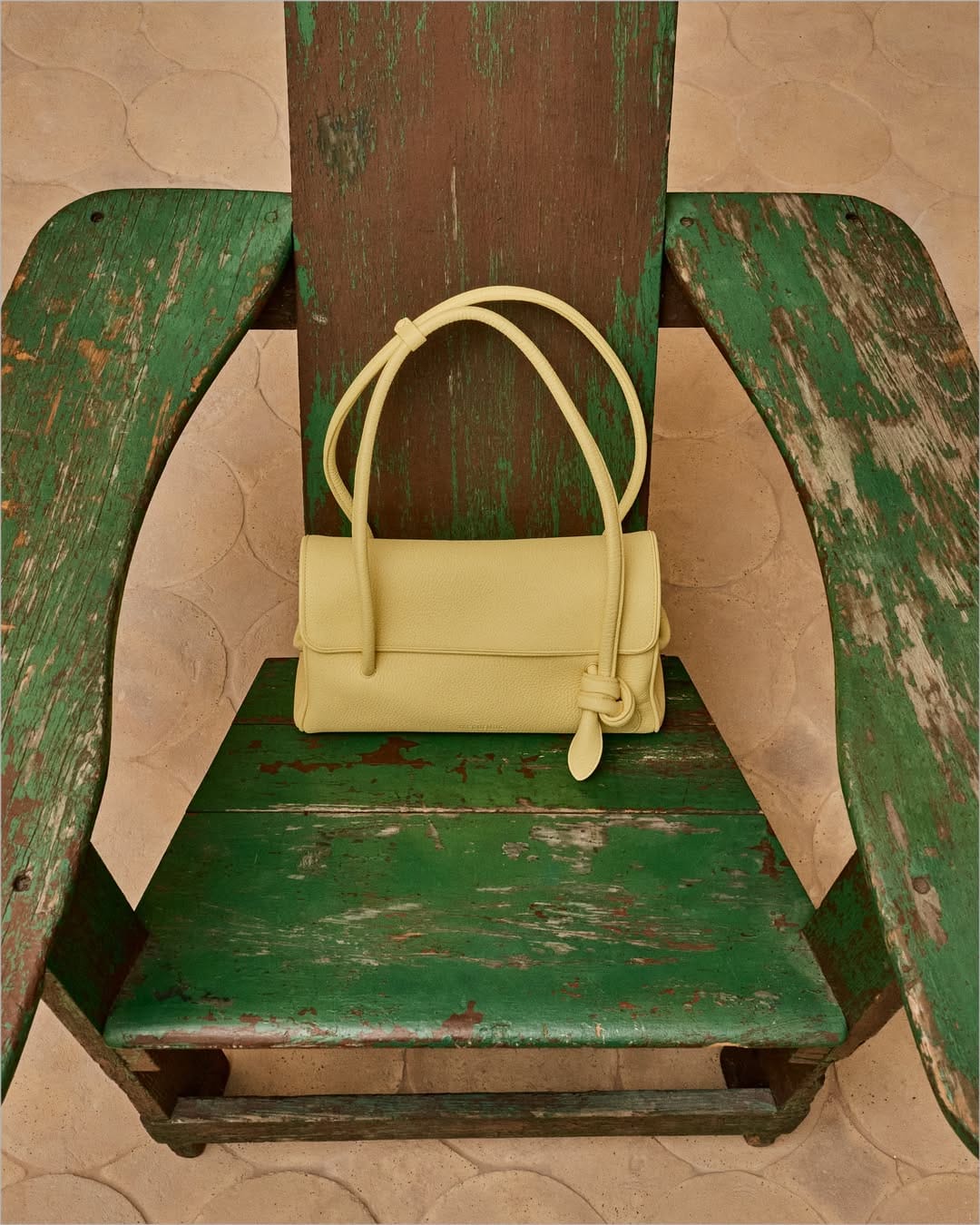
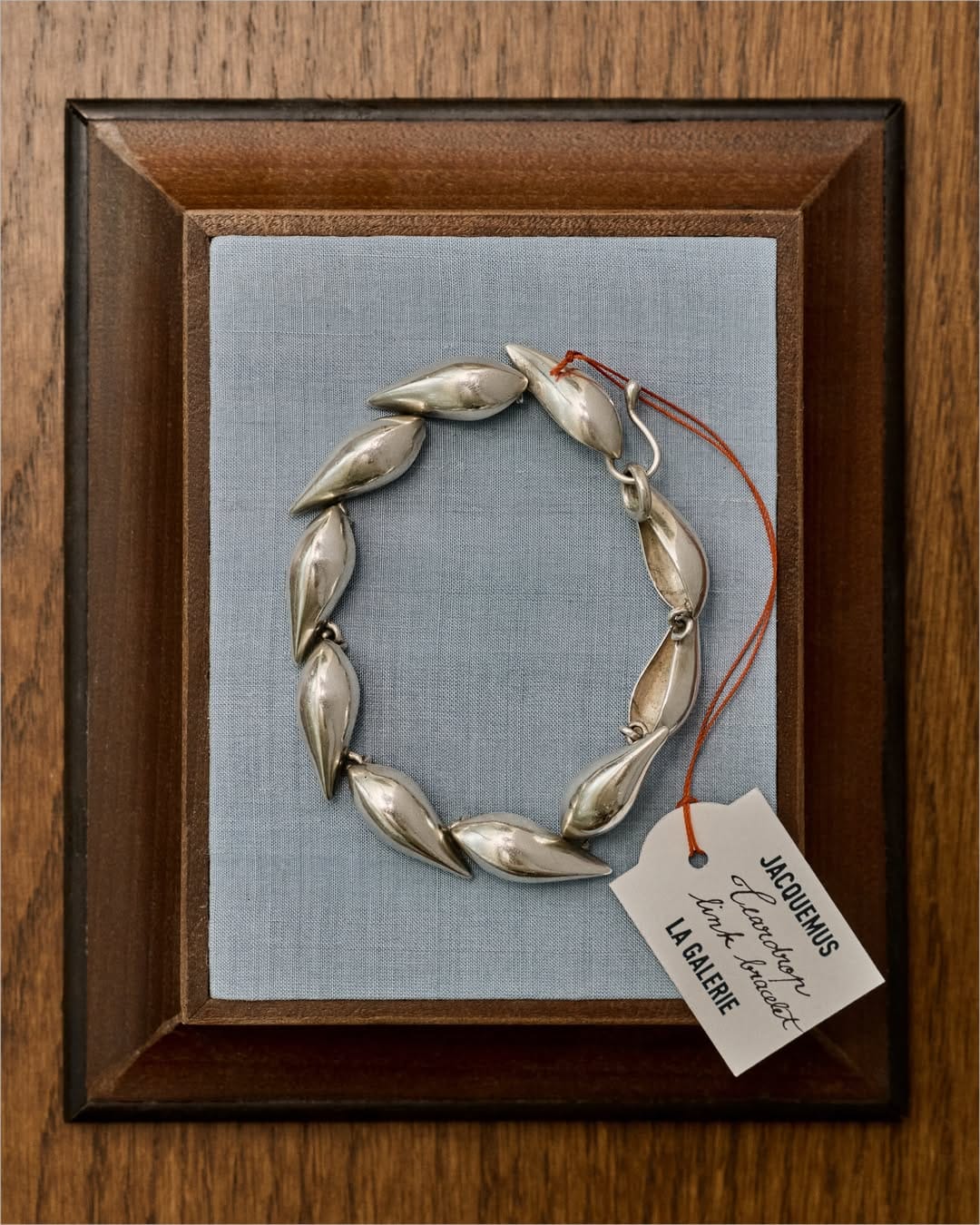
But, as with Jacquemus’ stores in New York and London, architecture is only part of the proposition. Porte Jacquemus has treated the Miami boutique as a place to bring together fashion, art, furniture and objects — creating something closer to a collected interior than a standardized luxury retail environment.
The art selection ranges across periods and disciplines. Germaine Richier’s 1954 bronze Le Coureur captures a male figure in motion, while Aristide Maillol’s Femme Couchée from 1900 offers a contrasting study of the human form. André Bauchant’s Nature morte aux fruits dans un paysage adds another figurative note.
Works by Joan Miró, Jean Cocteau, Raoul Dufy, Josef Hoffmann, Martin Parr, Louis Cane, Killion Huang, Wolfgang Tillmans and Pablo Picasso extend the collection across modern and contemporary art, photography, ceramics and the decorative arts.
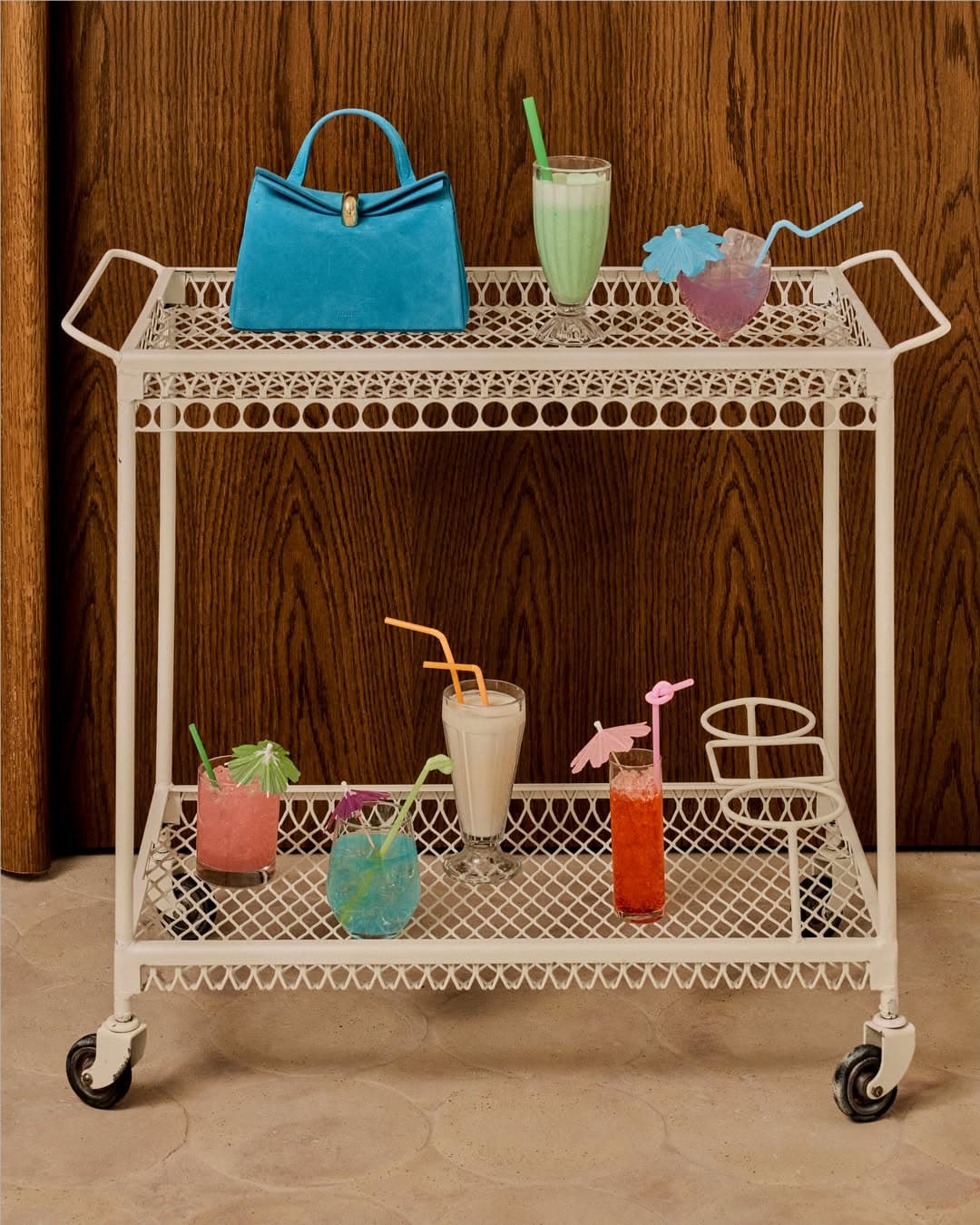
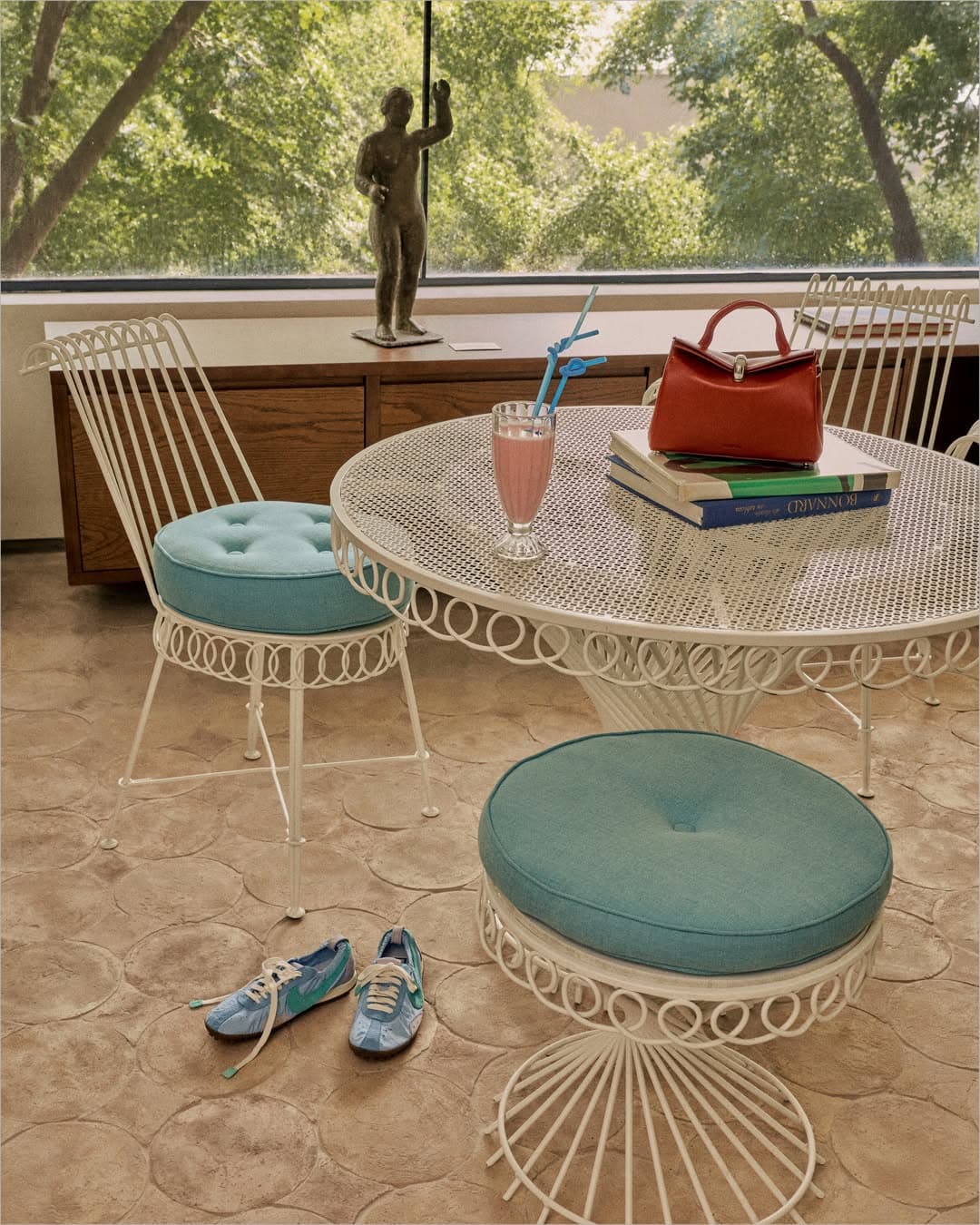
The furniture is similarly considered. Frank Lloyd Wright is represented by a mahogany Taliesin coffee table and bookshelf, designs connected to his Wisconsin home and studio. Pieces by Jean Royère include a pair of Undulation wall lights and an Anneaux pedestal ashtray, while Mathieu Matégot is represented through a perforated-metal service trolley and white garden furniture dating from 1950.
Two French oak orange-tree planters introduce an especially Jacquemus-like collision of references. Based on André Le Nôtre’s design for the Orangerie at the Château de Versailles, the planters have been personalized with Jacquemus badges, placing a piece of French garden history within the decidedly different landscape of Miami.
The mix is intentional. Rather than developing a retail concept that can simply be reproduced from city to city, Jacquemus has increasingly used its boutiques to extend the visual universe surrounding the clothes, combining recognizable house codes with objects and artworks selected by Porte Jacquemus himself. Miami continues that approach while giving the architecture its own regional character.
It is also a particularly natural setting for the strategy. The Miami Design District has built its identity around the overlap of luxury fashion, contemporary art, architecture and collectible design — precisely the boundaries Jacquemus is blurring inside the new store.
The Jacquemus Miami boutique is located at 157 NE 40th Street in Miami’s Design District.