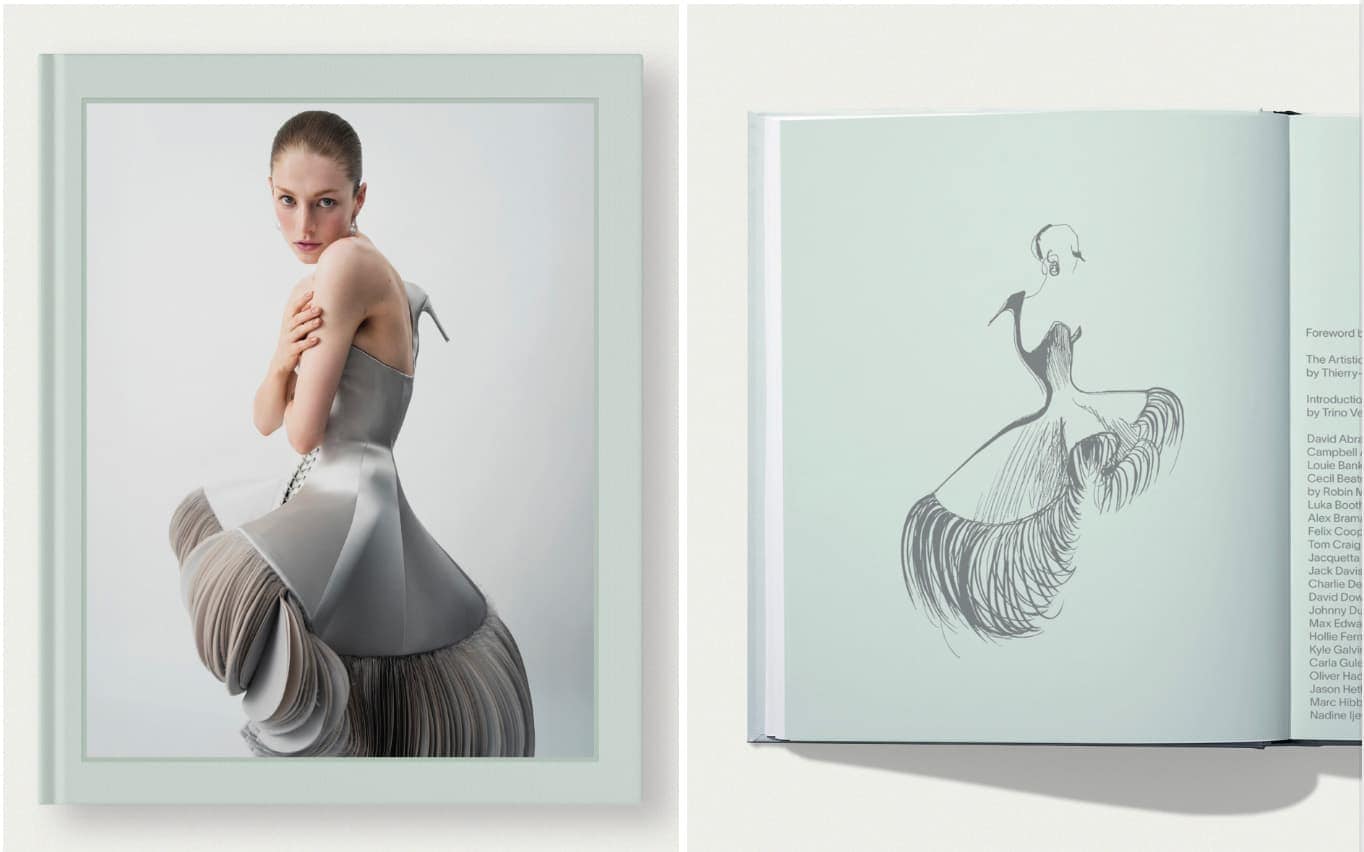
Schiaparelli Anglomaniac brings together more than 50 contributors to explore the Maison’s longstanding relationship with British art, fashion, and image-making.
Schiaparelli has announced the publication of Schiaparelli Anglomaniac, a new book edited by Thierry-Maxime Loriot that explores the Maison’s relationship with the British creative scene. Published by SKIRA, the book follows the opening of the exhibition Schiaparelli: Fashion Becomes Art at the V&A Museum in London on March 28 and brings together more than 50 contributors from across generations and creative disciplines.
The publication examines how Elsa Schiaparelli’s legacy continues to influence artists, photographers, stylists, and image-makers. Since the Maison’s founding in the 1920s, Schiaparelli has maintained a close relationship with the art world, beginning with the founder’s collaborations with figures including Cecil Beaton and continuing through the contemporary vision of Creative Director Daniel Roseberry.
Under Roseberry, the House’s iconic codes have become a foundation for an ongoing exchange between fashion and the wider creative community. Schiaparelli Anglomaniac places this contemporary dialogue within the broader history of the Maison, connecting its artistic heritage with the evolving visual language of today.
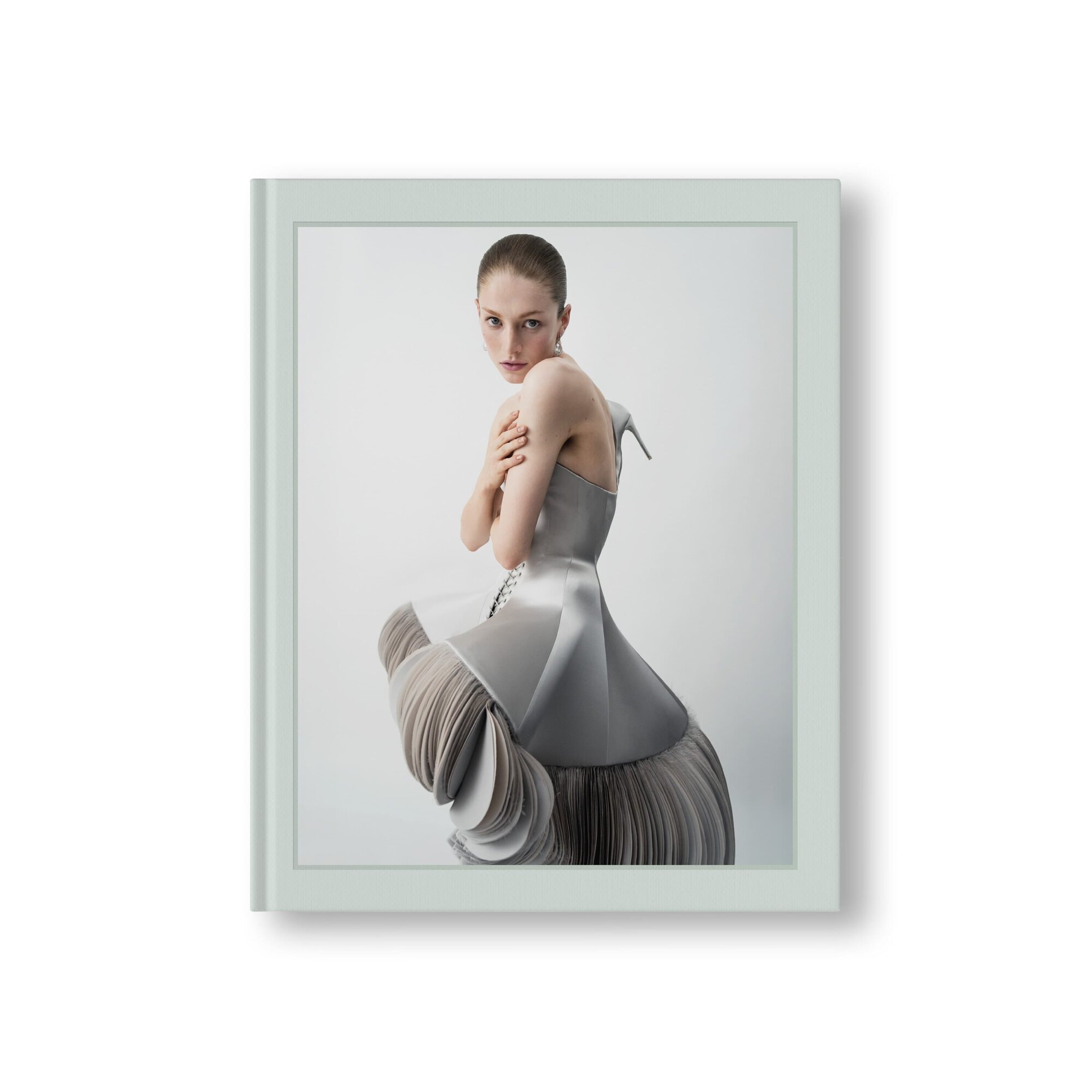
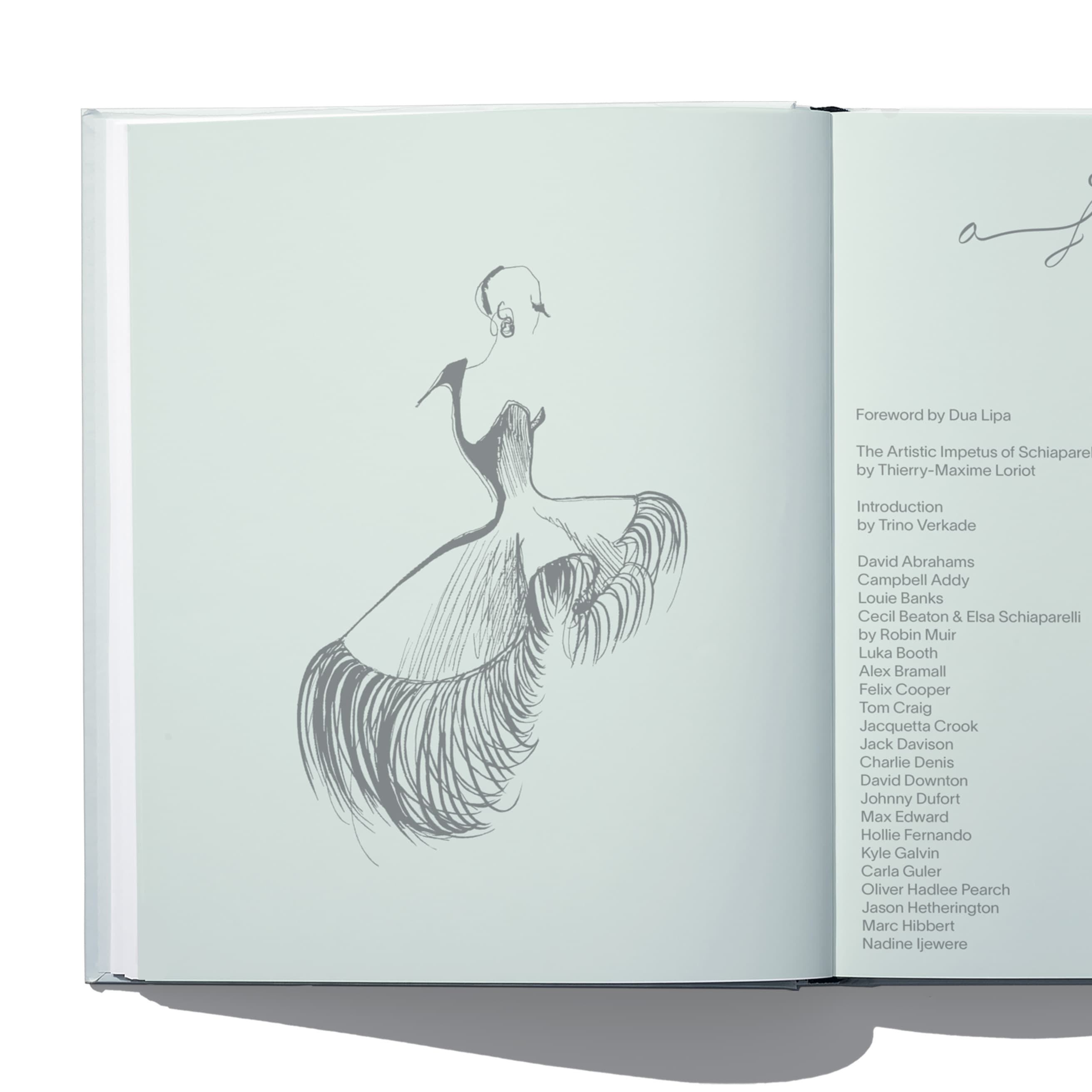
The book features contributions spanning photography, fashion design, and image-making, bringing together established and emerging creative voices. Among those featured are photographers Cecil Beaton and Norman Parkinson, alongside artists and image-makers including Nick Knight, Stephen Jones, Tim Walker, and Pat McGrath, as well as Nadine Ijewere, Campbell Addy, Felix Cooper, Nadia Lee Cohen, Jack Davison, Tom Craig, and Harley Weir.
Through previously unseen images, newly commissioned works, and interviews, the publication documents the creative ecosystem that has formed around Schiaparelli. In doing so, Schiaparelli Anglomaniac positions the Maison’s legacy not as a fixed historical reference, but as an ongoing conversation between fashion, art, and contemporary culture.