Joy as Resistance
Willy Chavarria Exchanged Protest For Tenderness, Delivering His Most Emotionally Assured Collection To Date
Review of Willy Chavarria Spring 2027 Men’s Fashion Show
By Kenneth Richard
Willy Chavarria has long understood that fashion can carry political weight without sacrificing beauty. For Spring 2027, however, he attempted something even more difficult. Rather than asking clothing to protest, he asked it to comfort. After seasons that confronted injustice with righteous anger, Chavarria turned toward tenderness, presenting a collection built around the radical notion that dignity itself can be an act of resistance.
If previous collections captured the urgency of survival, this one explored what comes afterward. It imagined how people dress once they have reclaimed joy—not as fantasy, but as everyday life.
That shift matters because few designers have built a body of work as emotionally charged as Chavarria’s. His collections have consistently argued for visibility, community, and humanity in an industry that often celebrates exclusivity. Spring 2027 suggests those arguments no longer need to be made through confrontation alone. Confidence has replaced urgency. The message has become quieter because the designer has become more certain.
It is also his most refined collection in recent memory.
THE COLLECTION
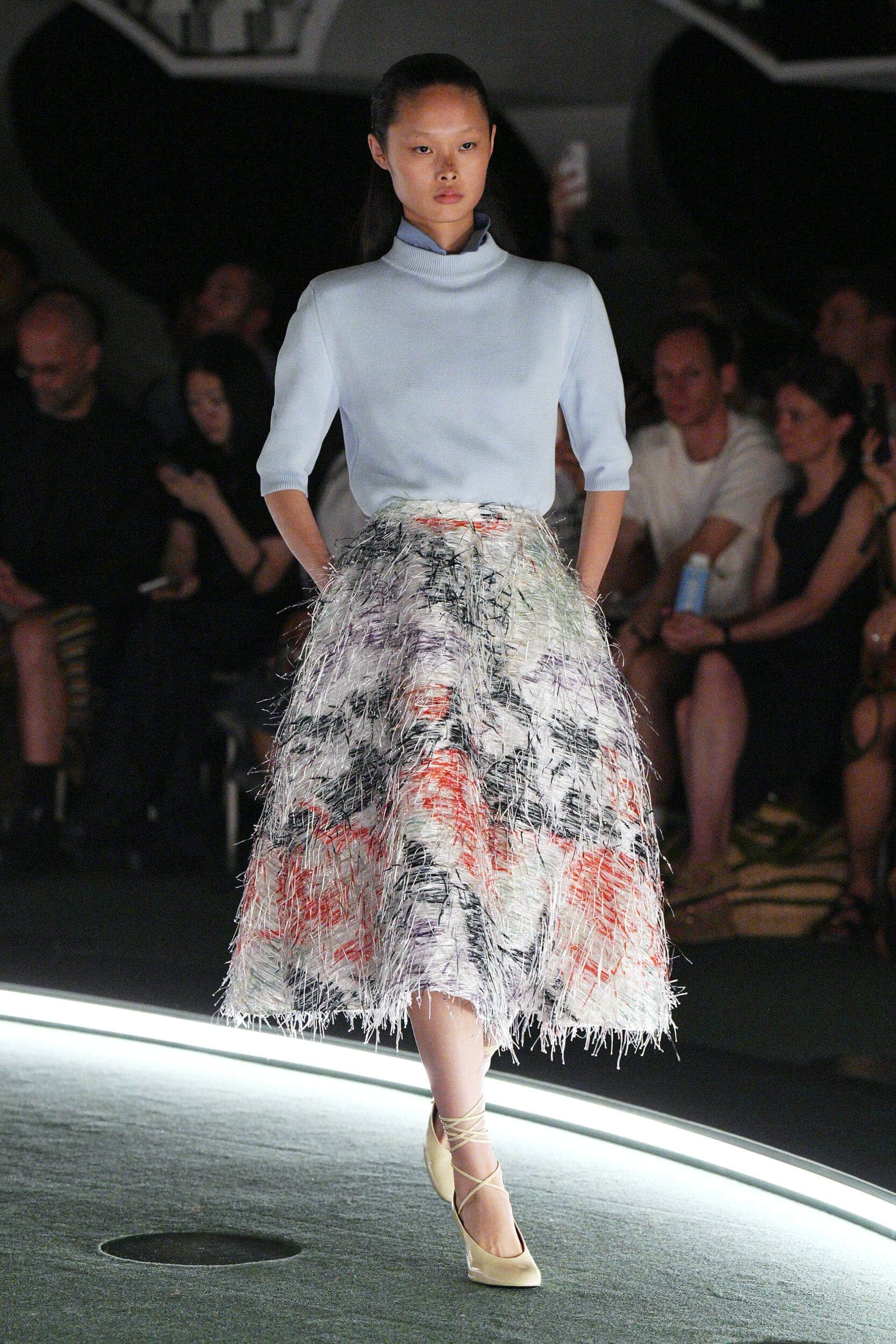
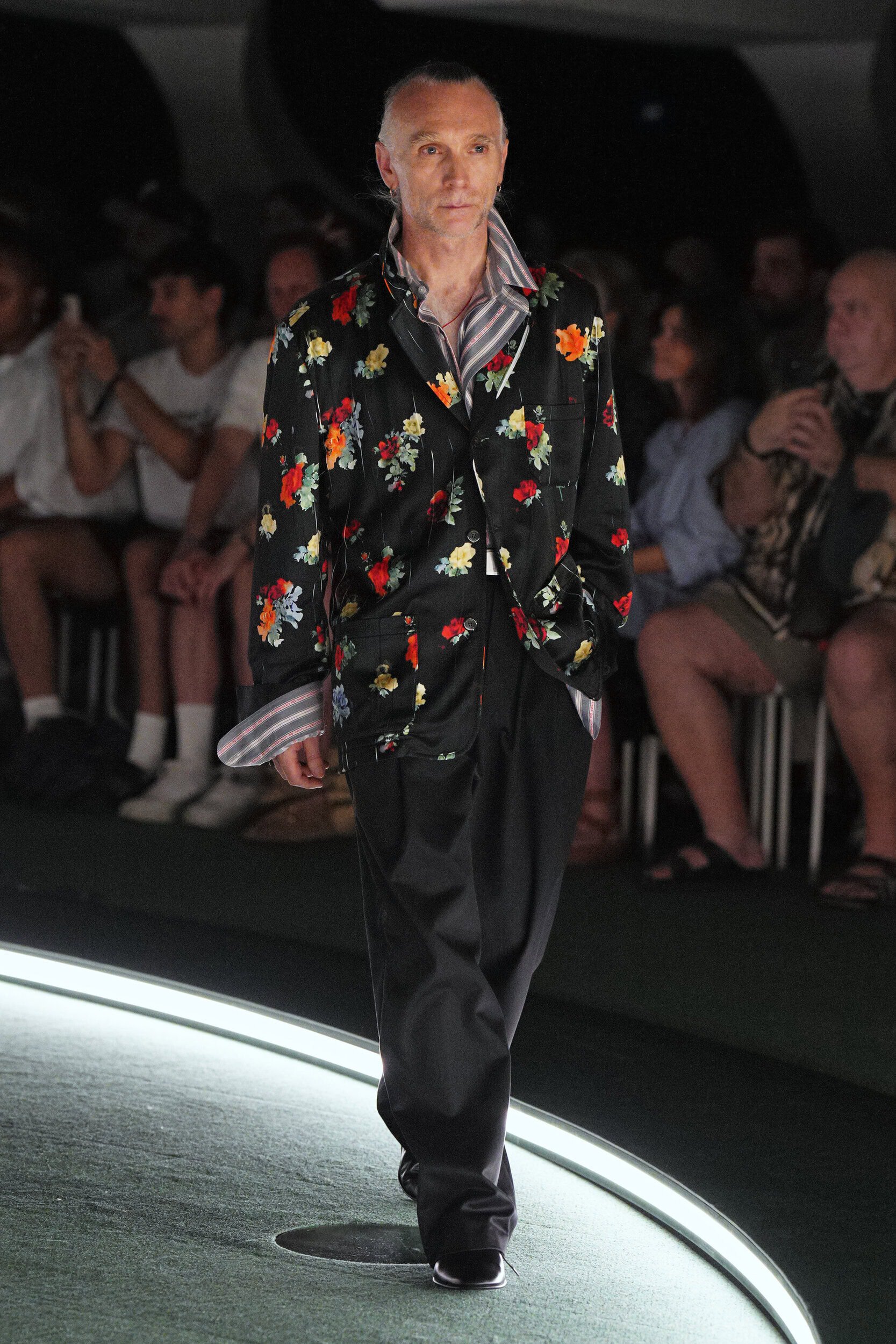
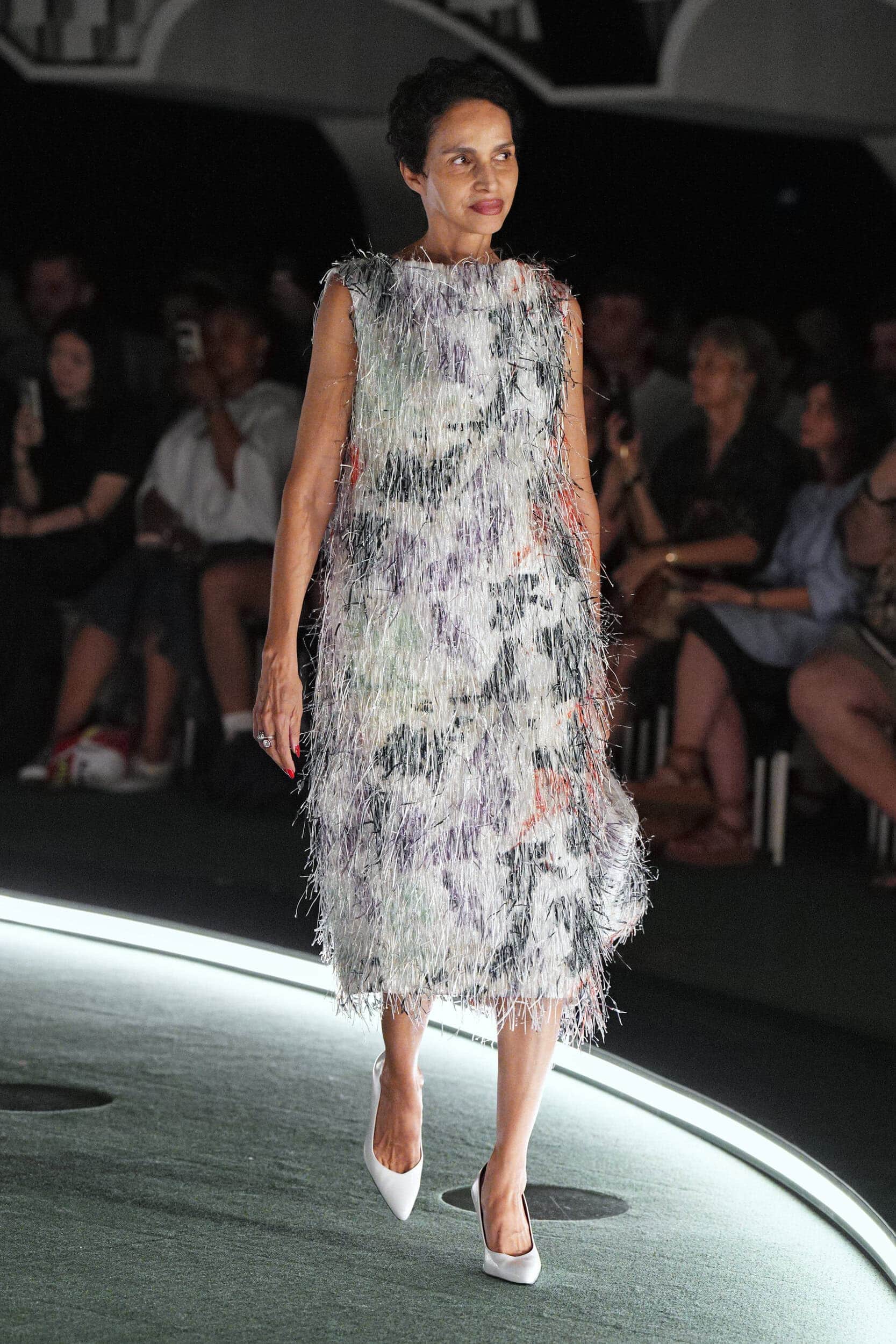
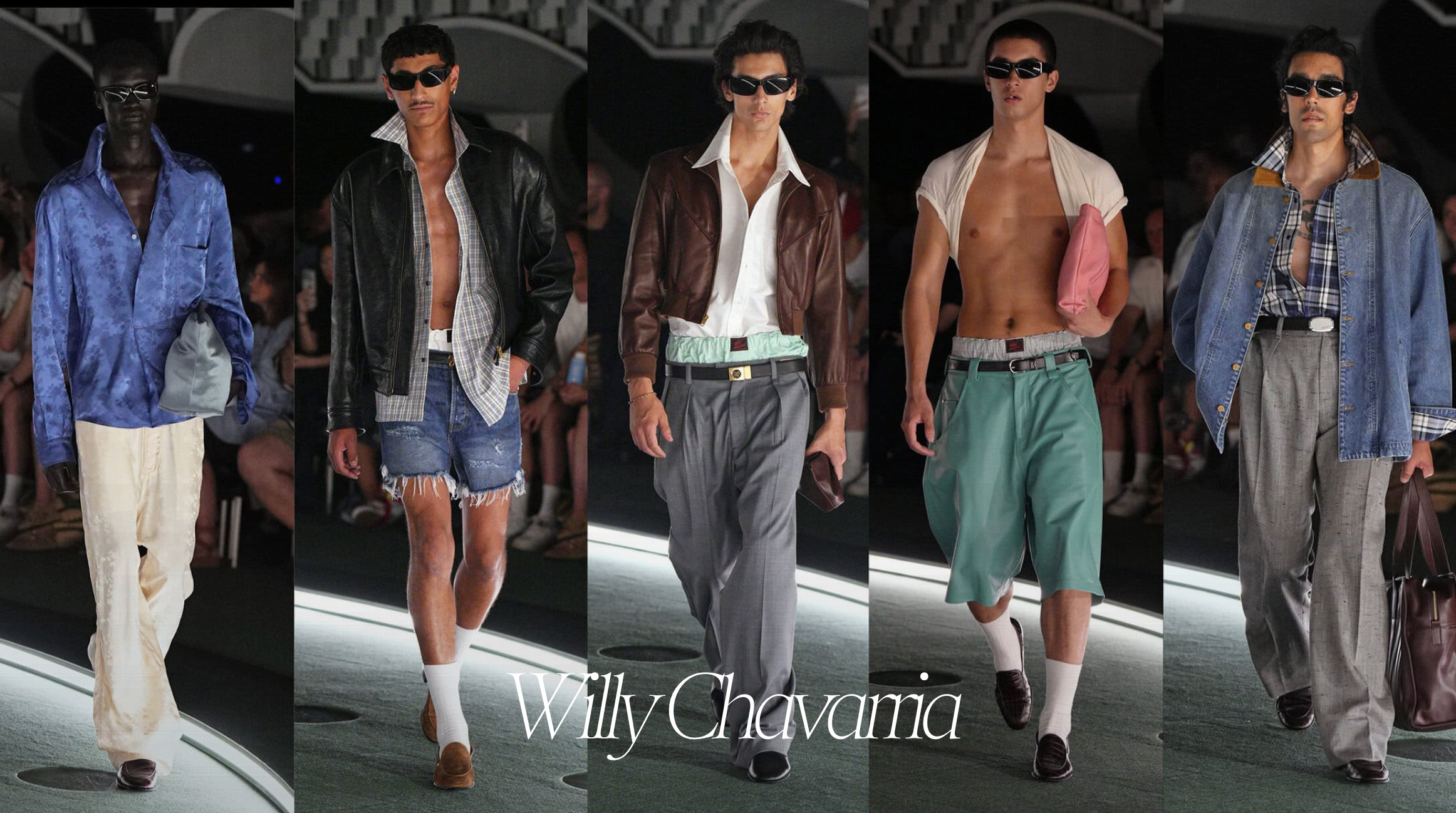
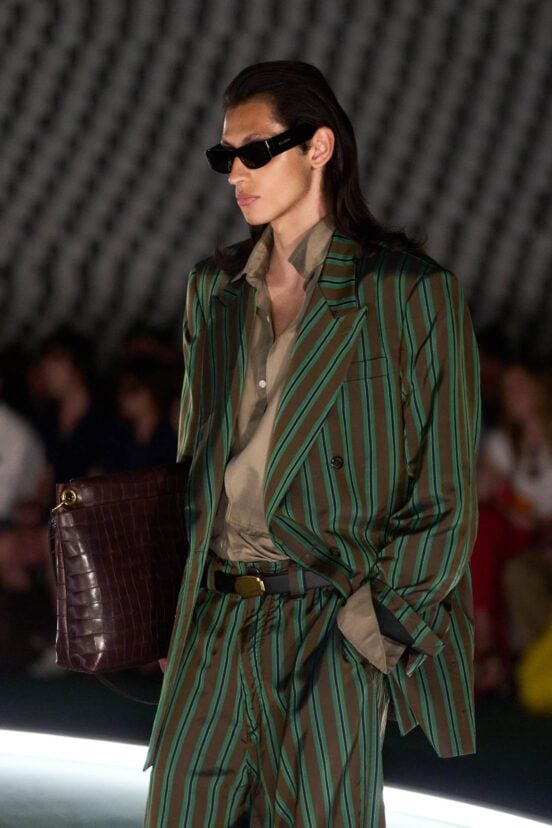
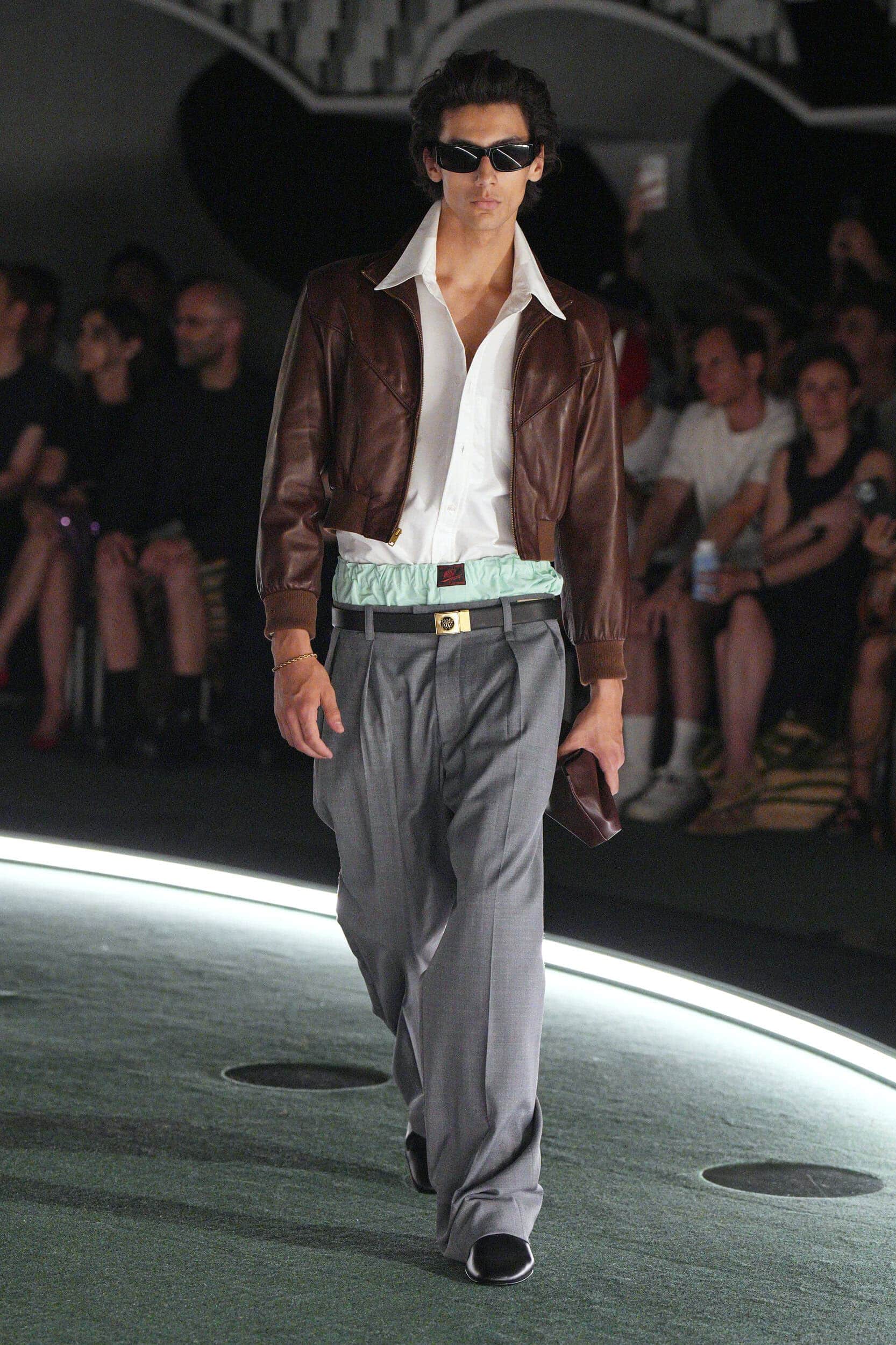
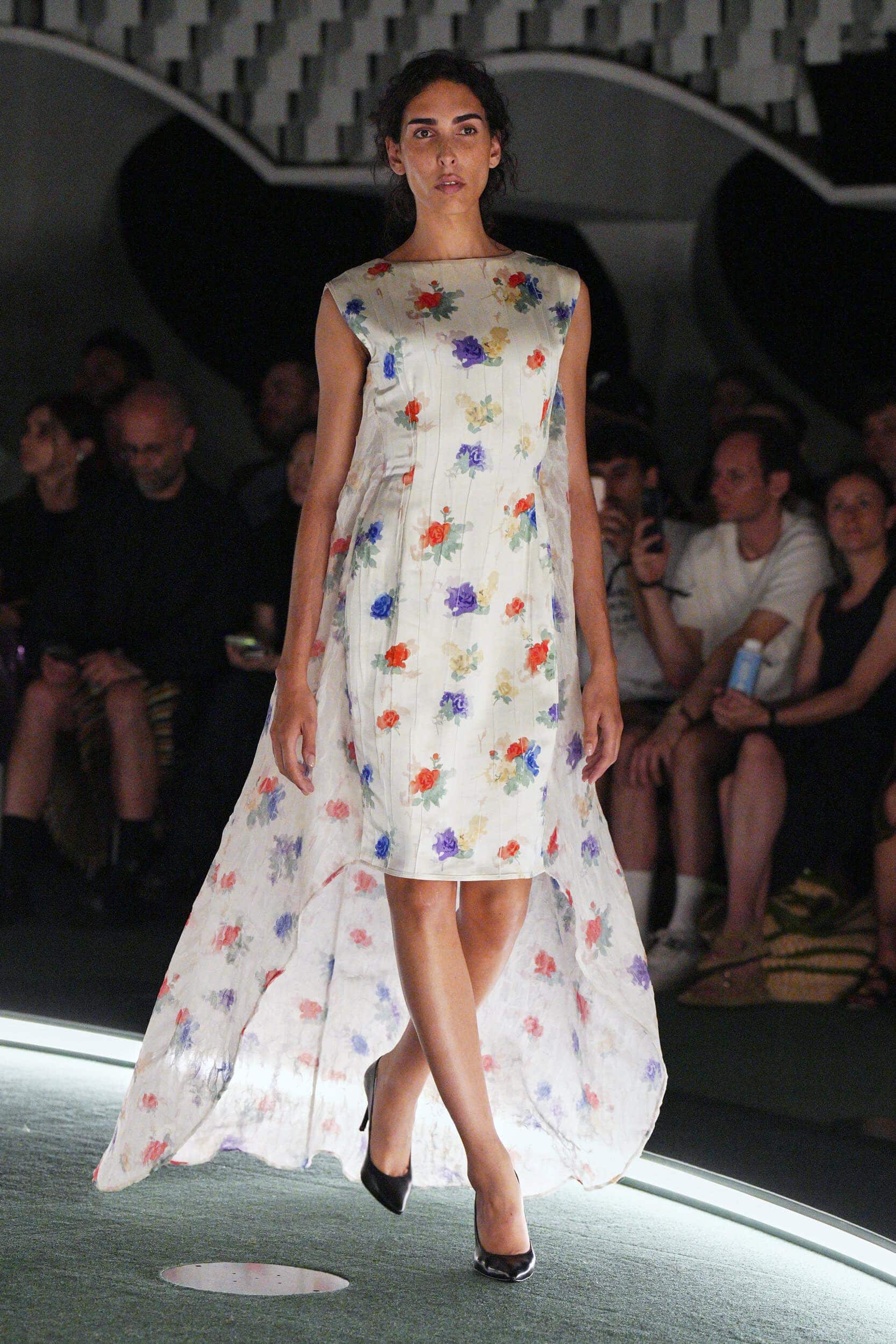
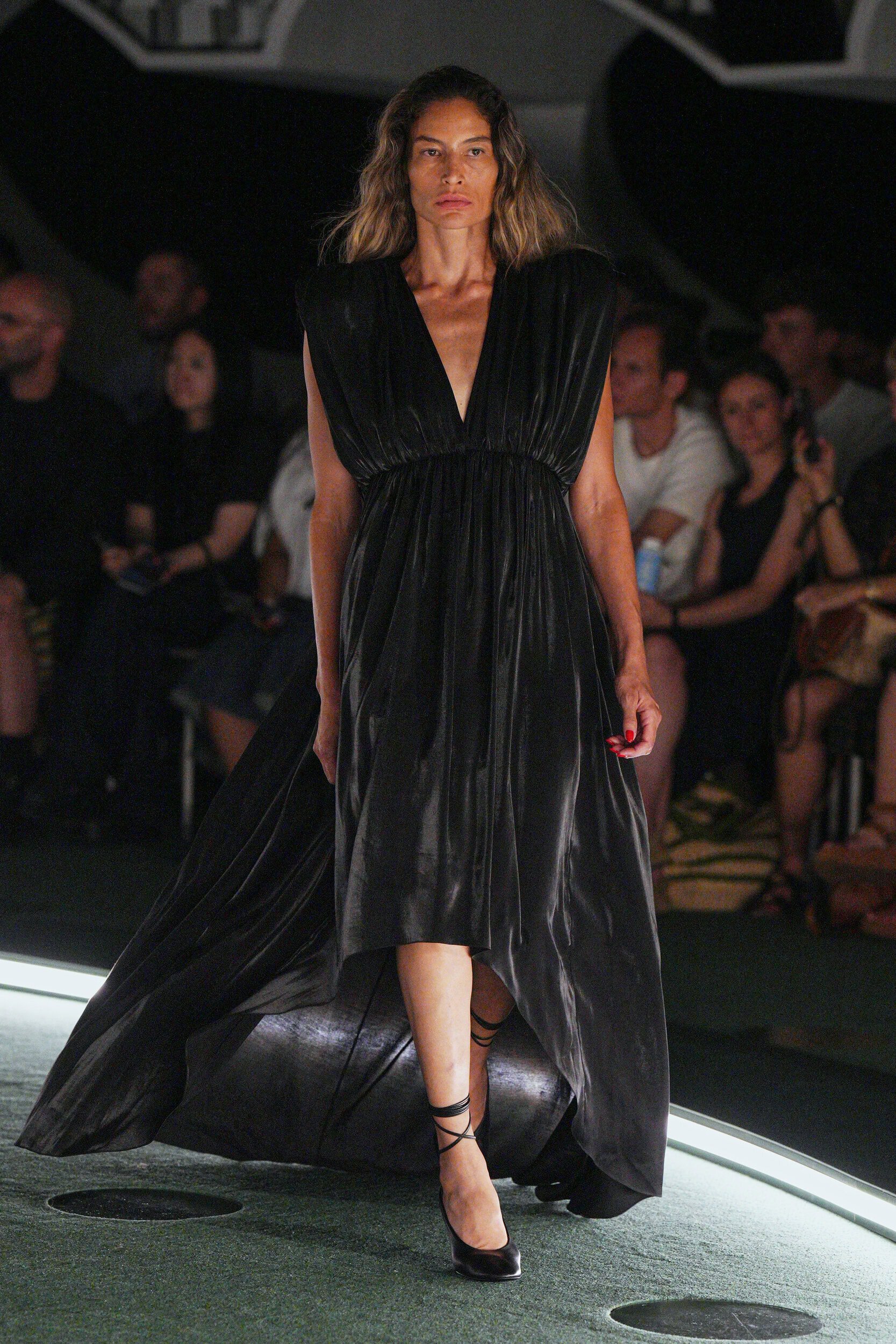
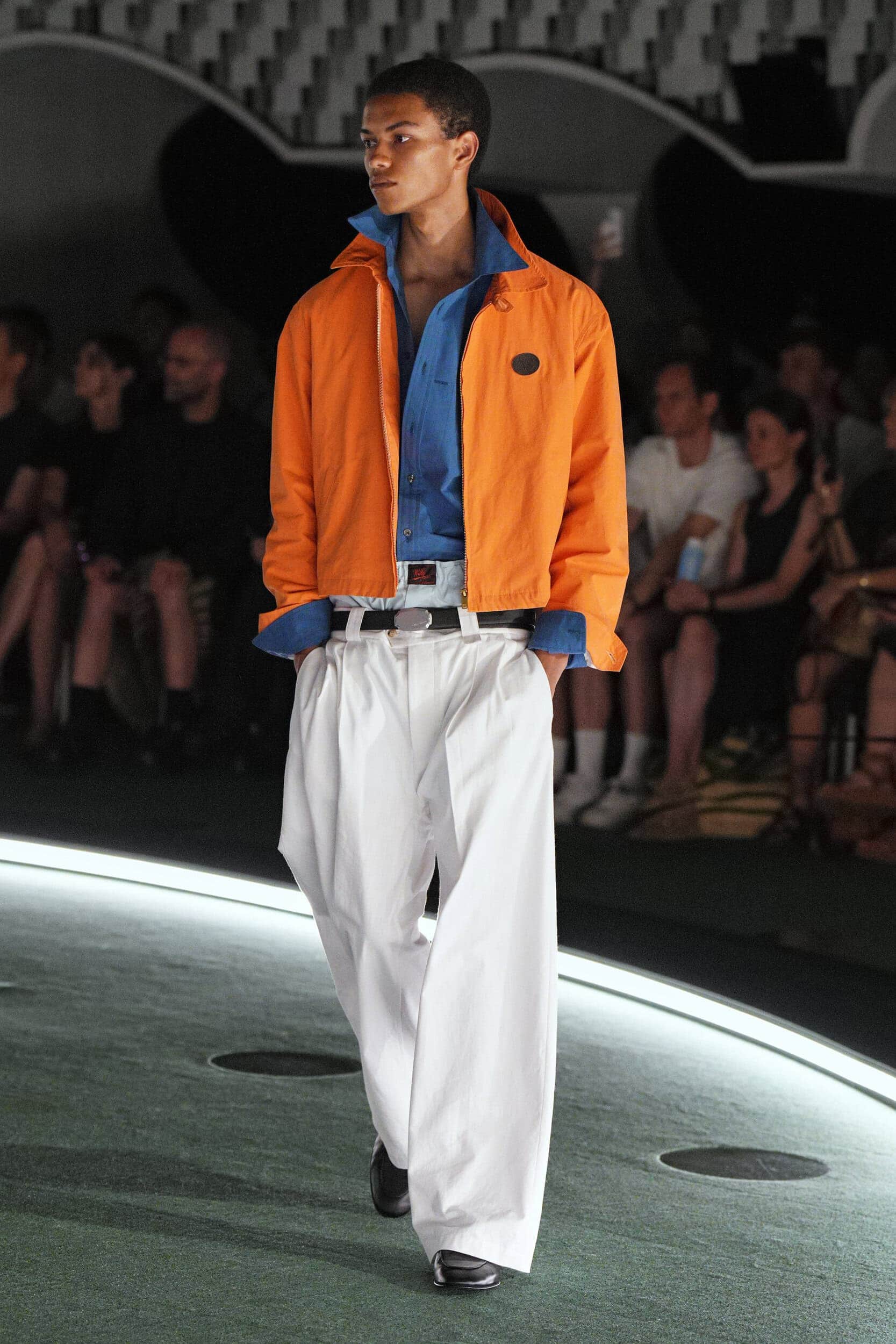
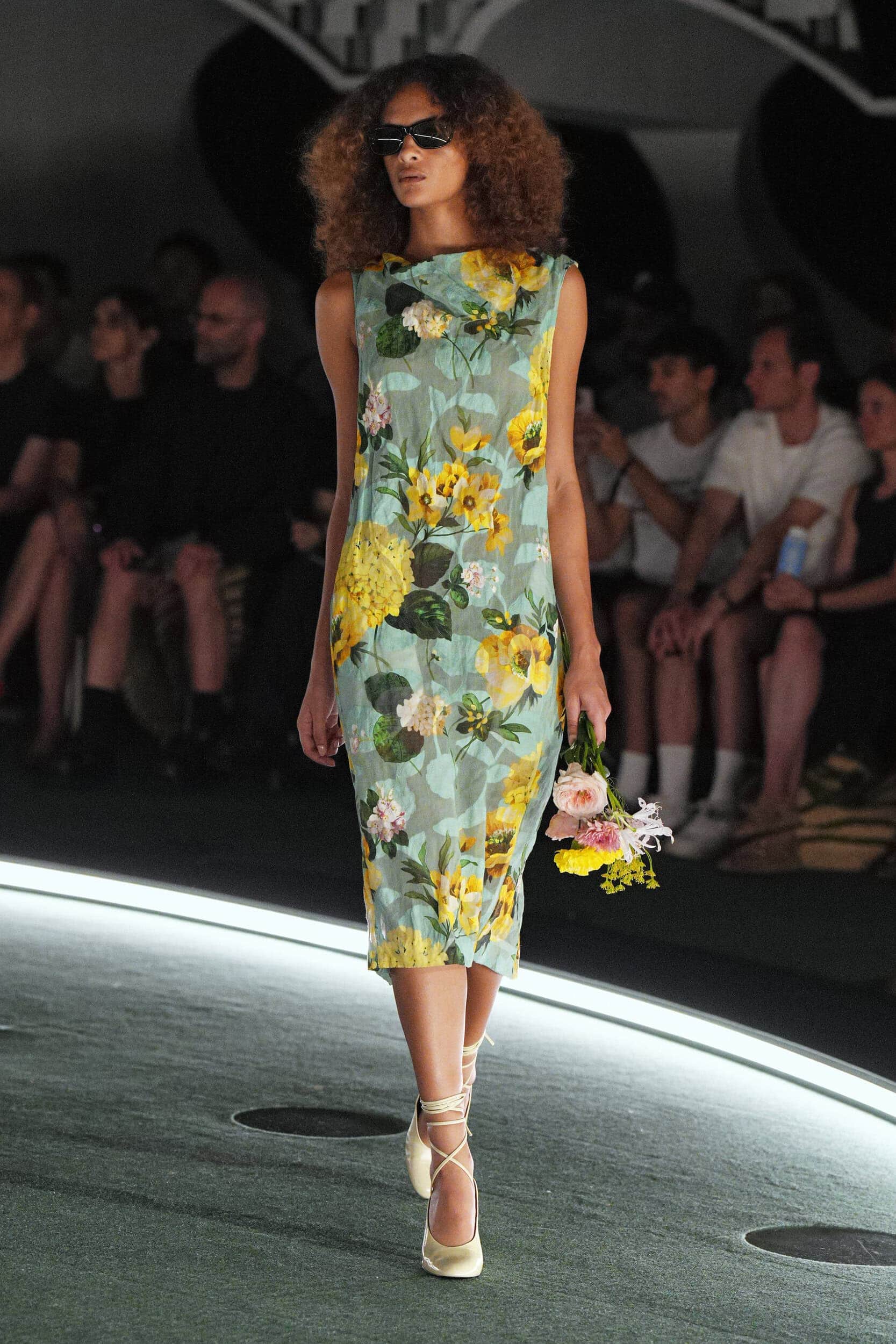
The silhouettes remain unmistakably Chavarria. Oversized double-breasted jackets hung loosely over narrow floral slips. Crisp shirting dissolved into liquid satin. Leather bombers and abbreviated boxing shorts stood beside sweeping skirts, transparent scarves, languid trousers, and elongated tailoring. The collection never asked whether garments belonged to menswear or womenswear. That conversation feels increasingly irrelevant inside Chavarria’s world. Instead, every look was evaluated by something far more human: whether it allowed its wearer to exist fully.
What distinguishes this collection from earlier seasons is not the vocabulary but the editing. Chavarria resisted the temptation to escalate his signatures. The oversized tailoring felt lighter, the proportions more relaxed, and the styling less dependent on dramatic contrast. Satin, washed cotton, supple leather, and sheer fabrics softened silhouettes that once relied on monumentality. Rather than introducing a new language, he refined the one he has been building for years.
The floral motifs, inspired by the domestic photography of Luis Bernal, became emotional anchors throughout the collection. Printed across dresses, suiting, shirts, and scarves—and even carried as bouquets by several models—they spoke less about decoration than memory. Home. Family. Joy. In a season shaped by political uncertainty, Chavarria proposed tenderness as an act of resilience.
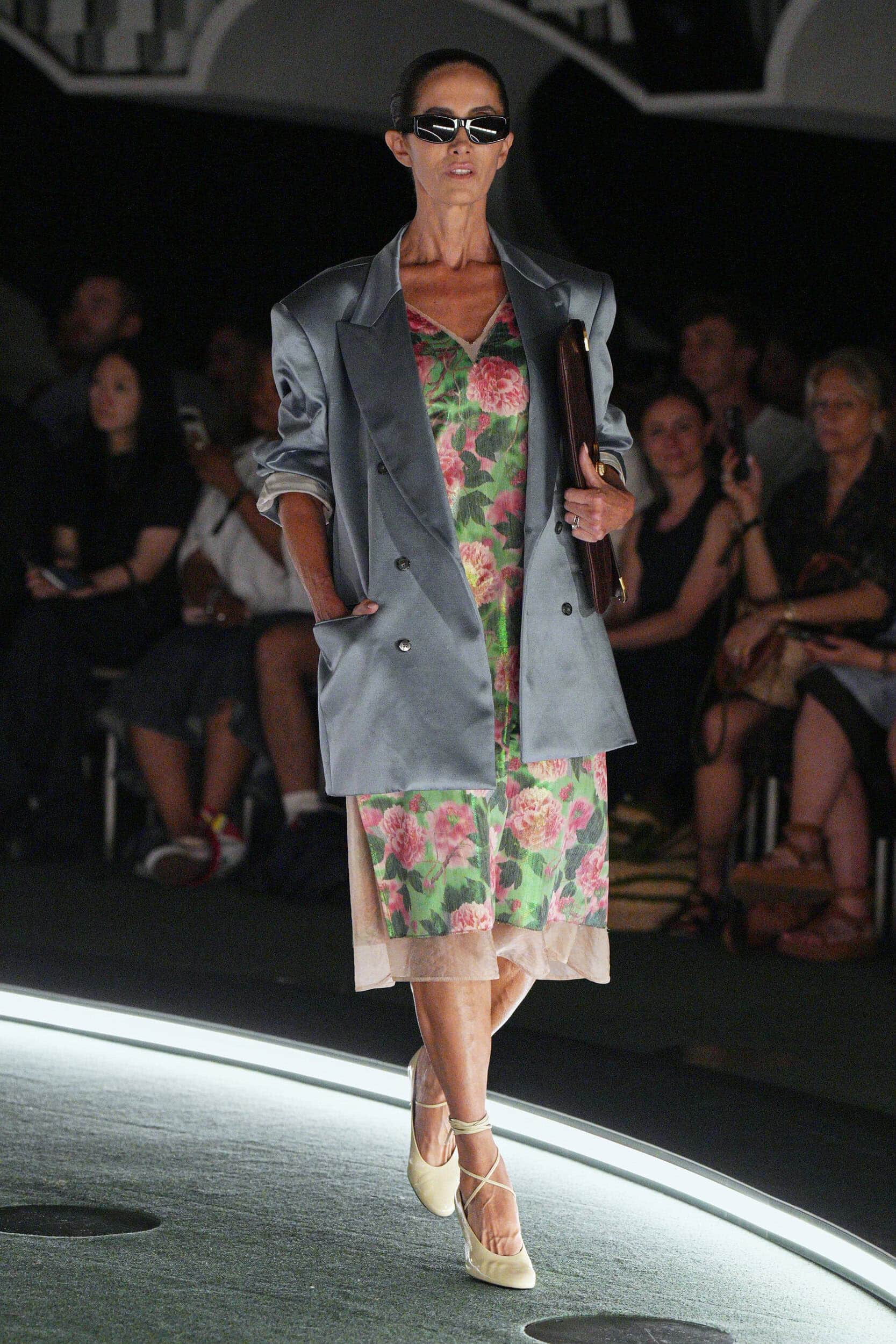
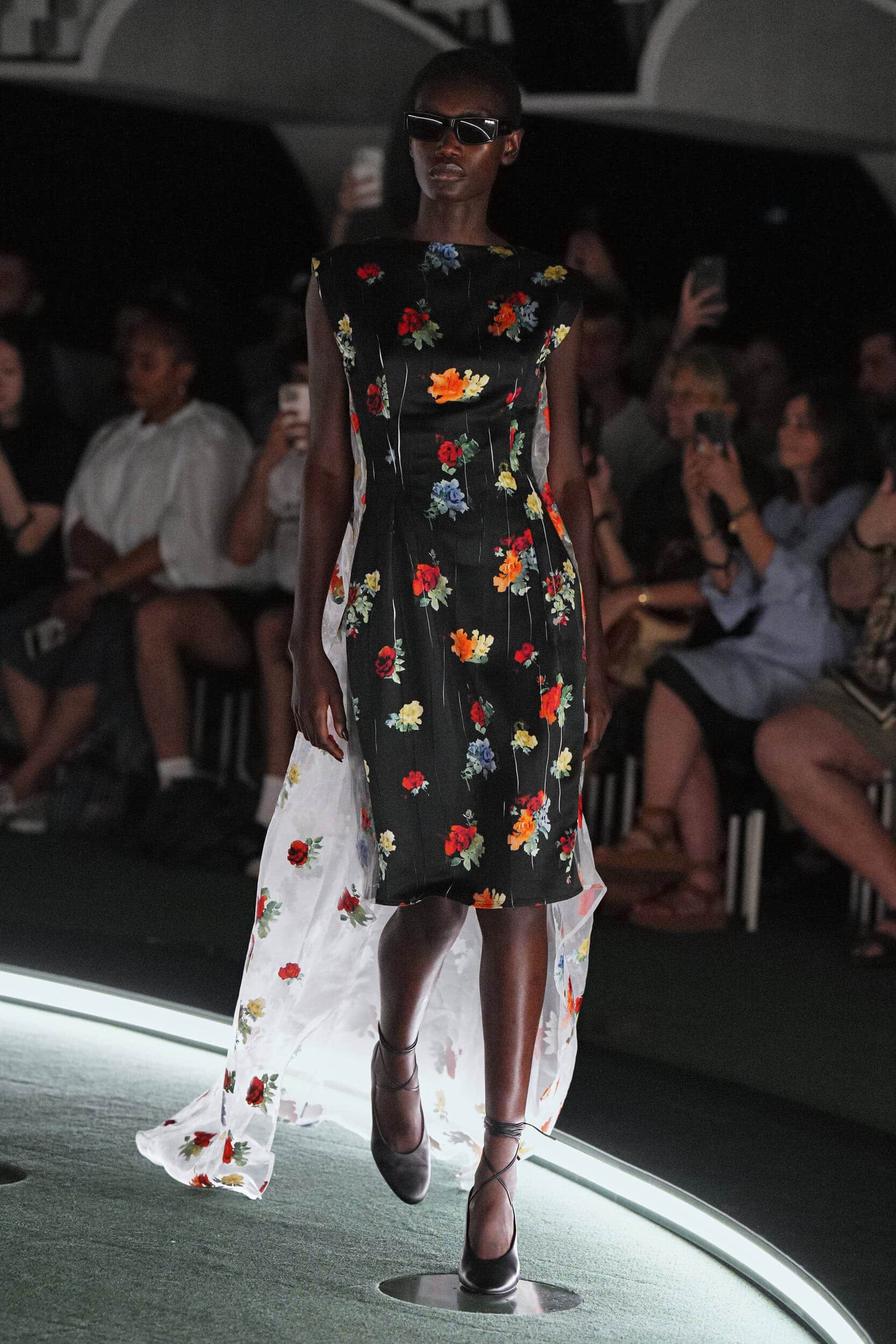
The casting remained among the strongest in fashion. Models of different generations, body types, and backgrounds shared the runway without hierarchy, giving the collection a lived authenticity rarely achieved on today’s catwalks. Diversity here never feels performative because it is not presented as an idea. It is presented as reality.
That authenticity extends to Chavarria’s understanding of sensuality. Exposed boxer waistbands, open shirting, transparent layers, leather shorts, fluid tailoring, and soft eveningwear created a collection that celebrated the body without objectifying it. The styling was among the strongest of Paris Men’s Week because it always served the people wearing the clothes rather than competing for attention itself.
If the collection occasionally faltered, it was because refinement sometimes bordered on familiarity. Several oversized tailoring propositions revisited silhouettes Chavarria has already mastered, and while their execution was stronger than before, they rarely challenged the audience’s expectations. The emotional evolution proved more significant than the formal one. A handful of genuinely unexpected silhouettes would have elevated an already exceptional collection into something transformative.
THE VIBE
One of the things that I’ve been conversing a lot with my friends about is the necessity to experience joy in our lives… It’s imperative that we hold on to that.
– Willy Chavarria
Few designers could summarize an entire collection with a single thought. Chavarria’s did exactly that. Joy was never presented as optimism for optimism’s sake. It became an act of resilience—a refusal to allow fear to become the defining aesthetic of the moment.
THE WRAP UP
Many designers become quieter as they become safer. Willy Chavarria has become quieter because he has become more assured.
Spring 2027 demonstrates that his politics no longer depend on provocation. They are embedded in the cut of a jacket, the softness of a shoulder, the generosity of the casting, and the ease with which masculinity and femininity now coexist inside his world. What once felt like resistance increasingly feels like permanence.
That evolution matters not only for Willy Chavarria, but for American fashion. His work has moved beyond making important statements toward building an enduring design language—one capable of carrying emotion, community, and craft with equal conviction.
Fashion has no shortage of designers with something to say. Increasingly, Willy Chavarria is proving he also knows how to say it with restraint.