Minimalism at Work
Review of Theory Spring 2026 Ad Campaign by Photographers Tanya + Zhenya Posternak with models Ken Leung, Molly Gordon

There is a particular kind of confidence in restraint, and Theory has long made a virtue of it. For Spring 2026, under Creative Director Martin Andersson, the House returns to its core language of modern workwear, captured through the quietly observant lens of Tanya + Zhenya Posternak. Featuring actors Ken Leung and Molly Gordon, the campaign positions itself within the evolving “wear to work” conversation—but rather than redefining it, it seems content to refine it. The hook, perhaps unintentionally, is this: when minimalism becomes second nature, how do you keep it from becoming second thought?
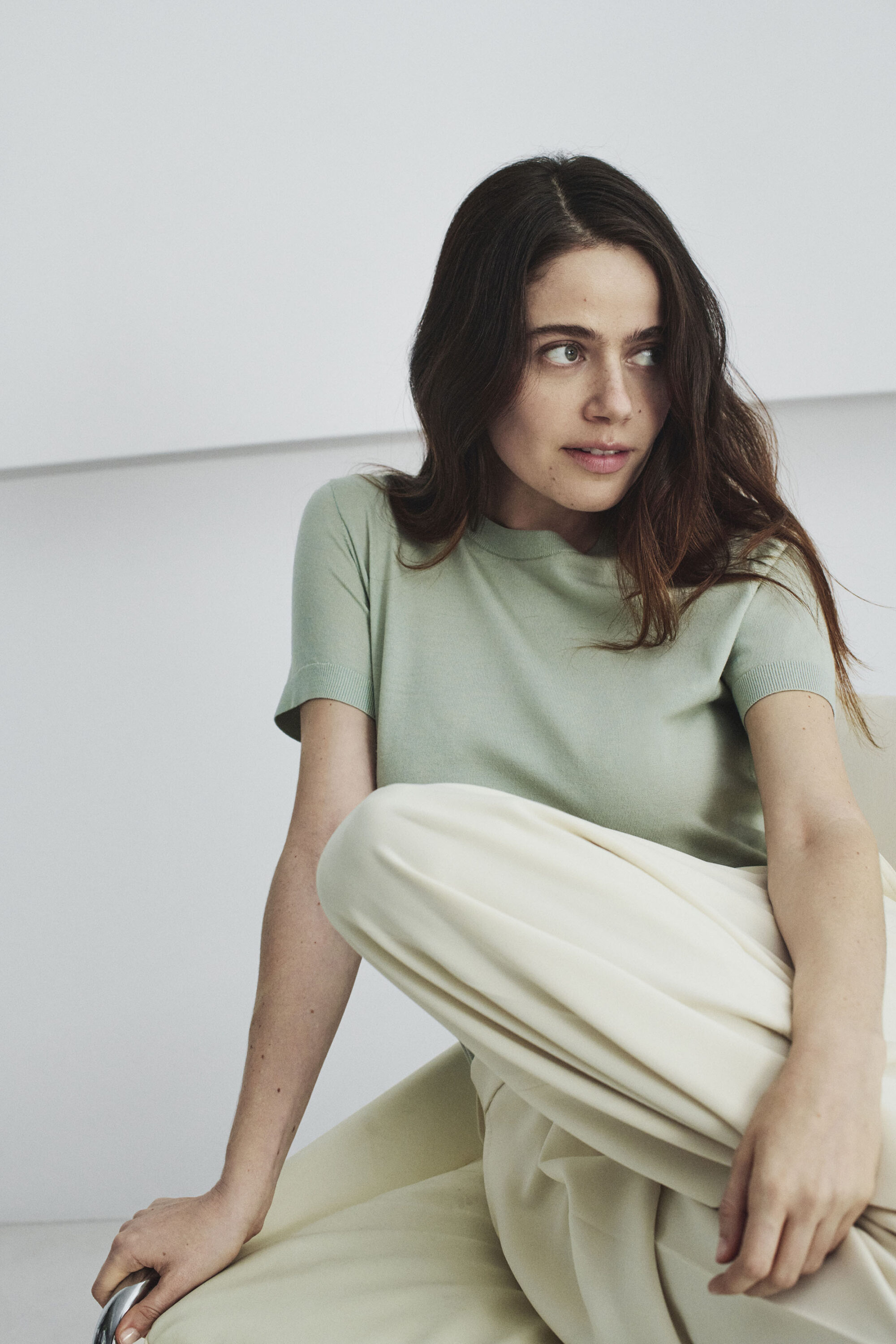
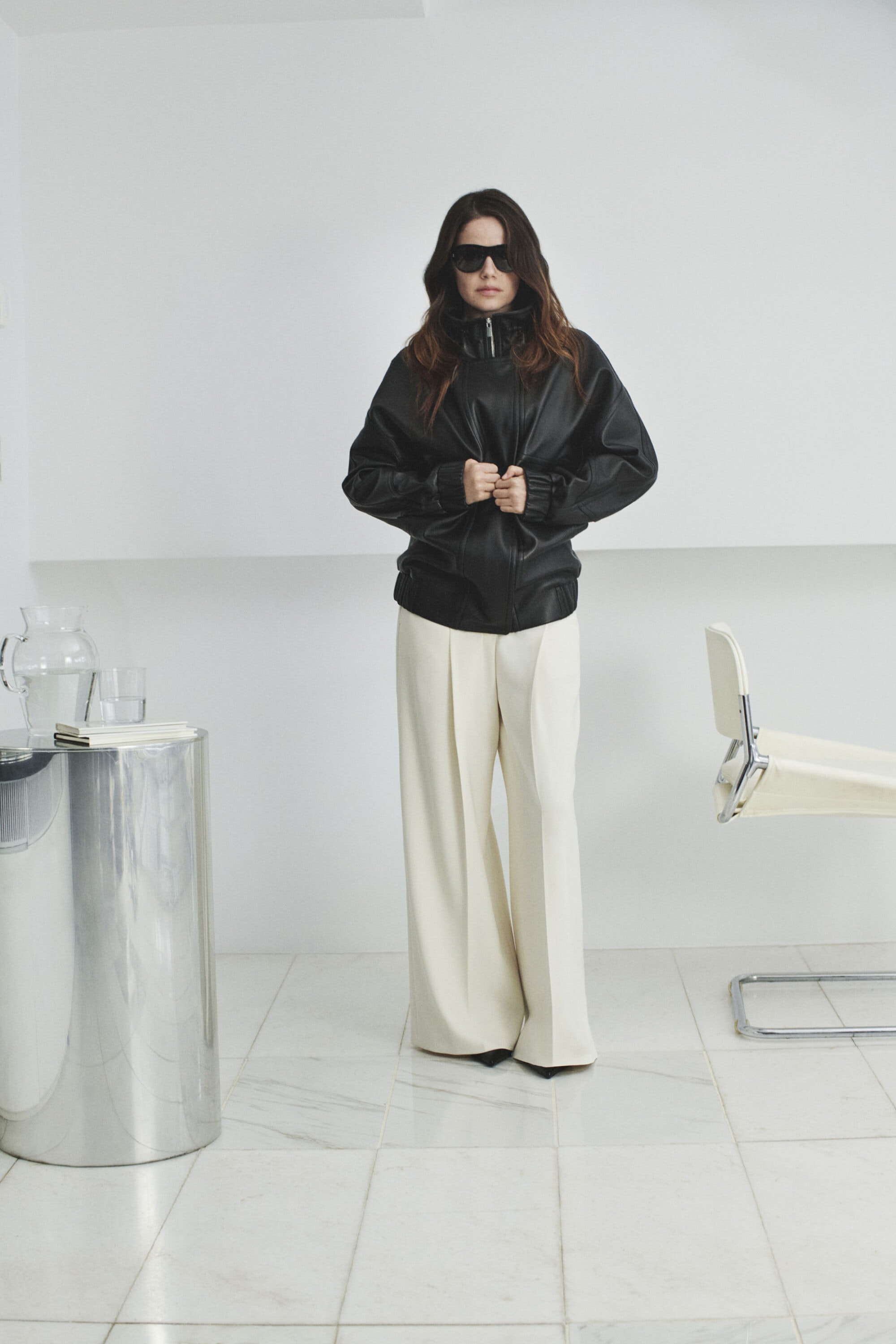
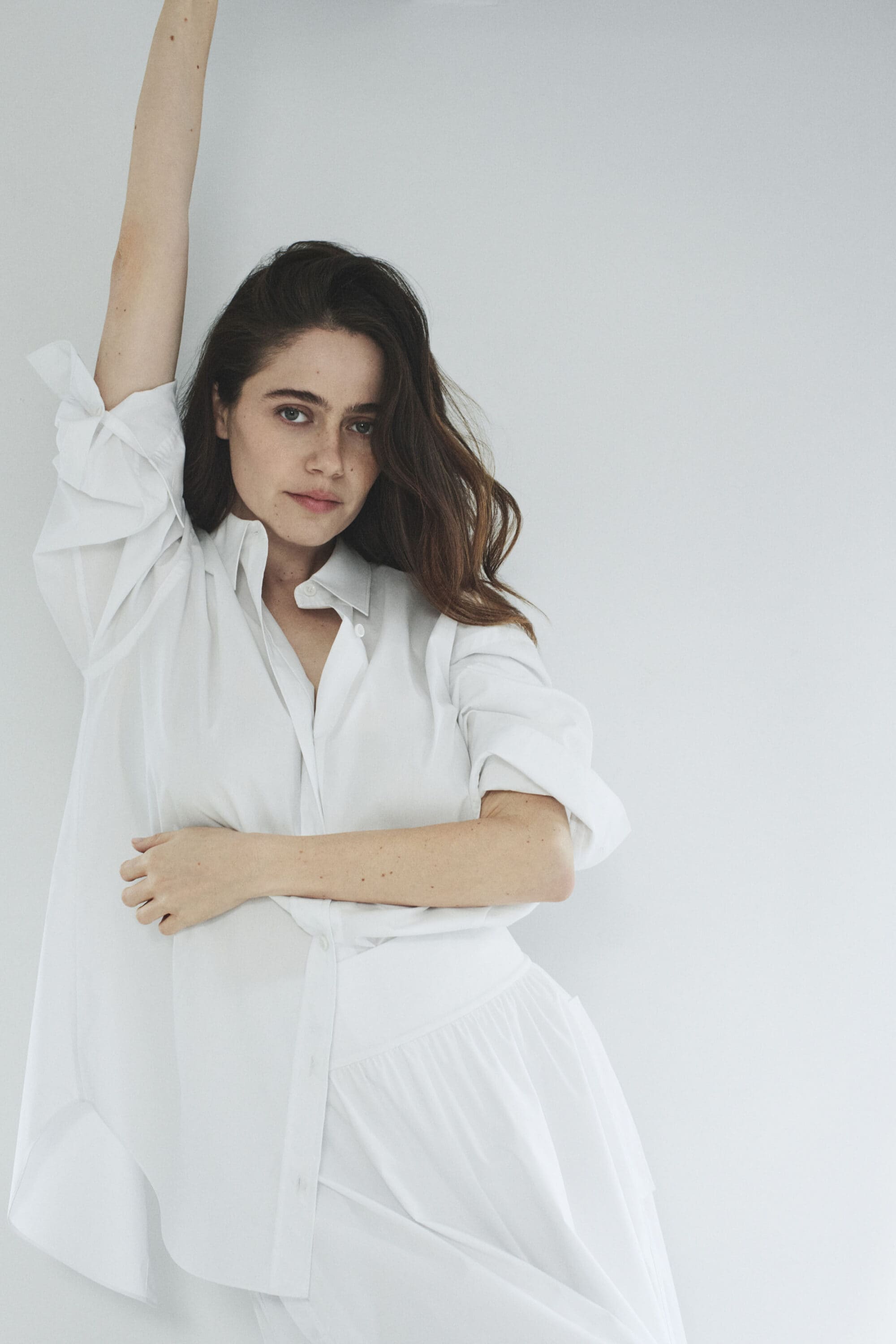
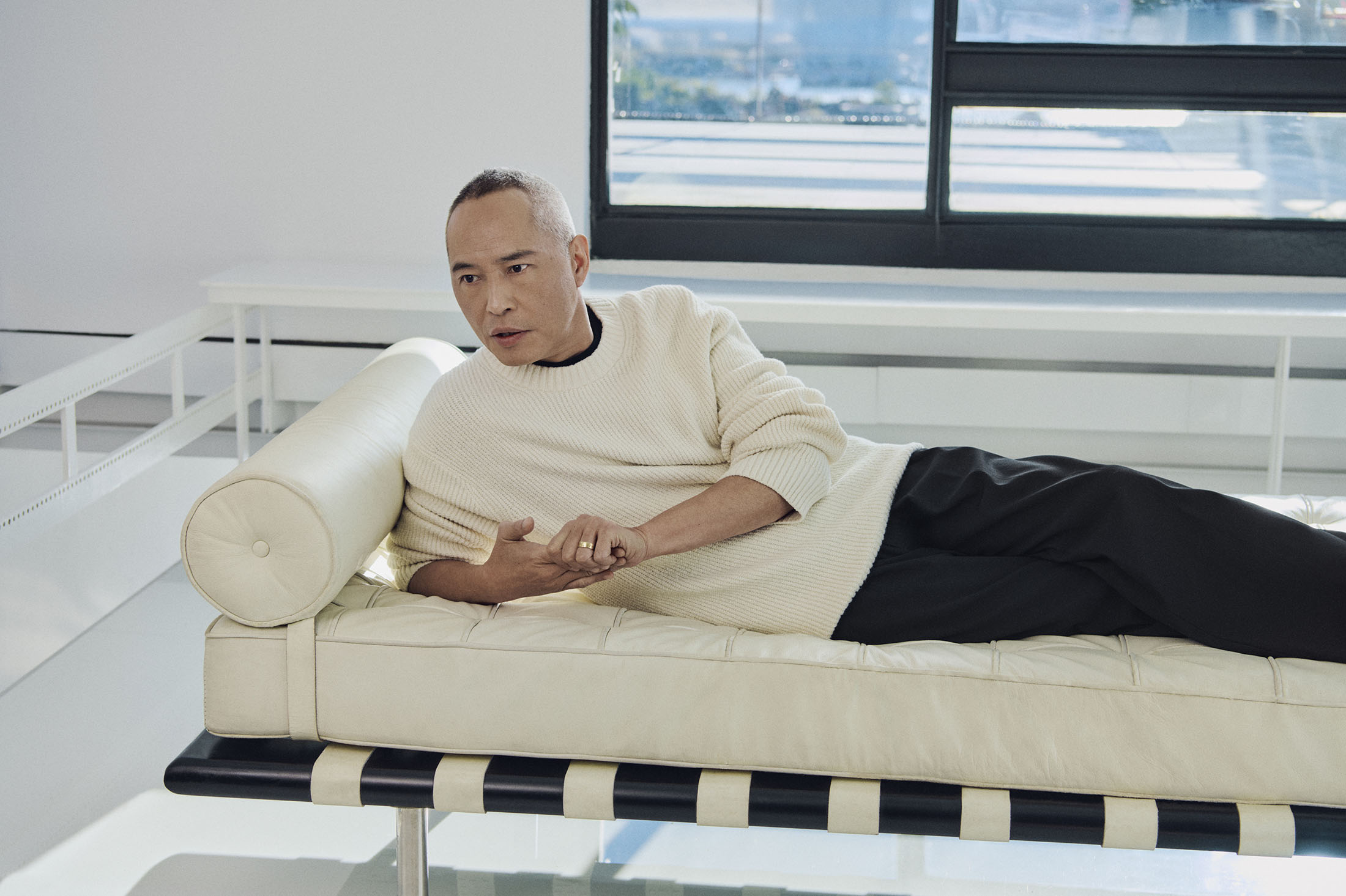
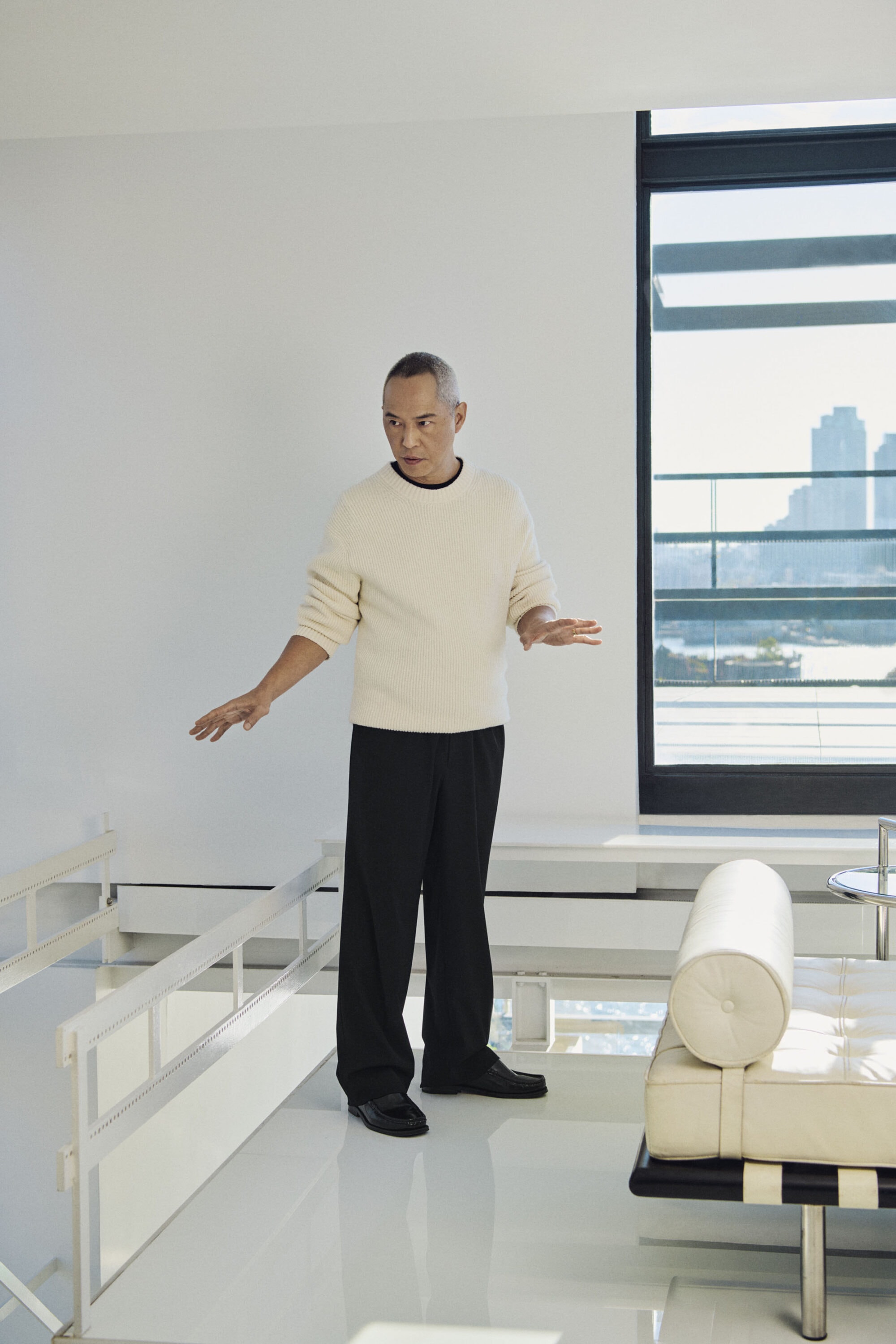
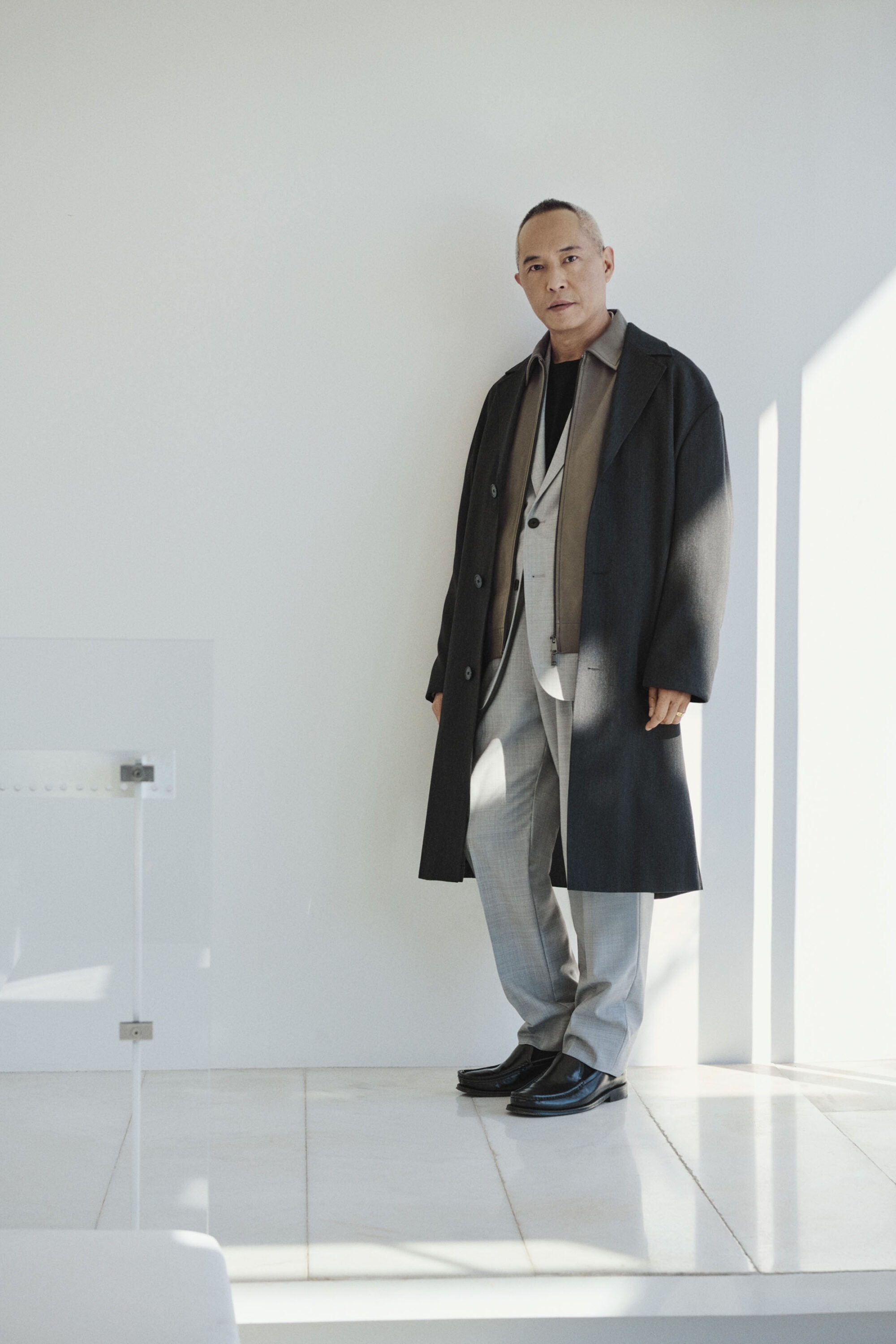
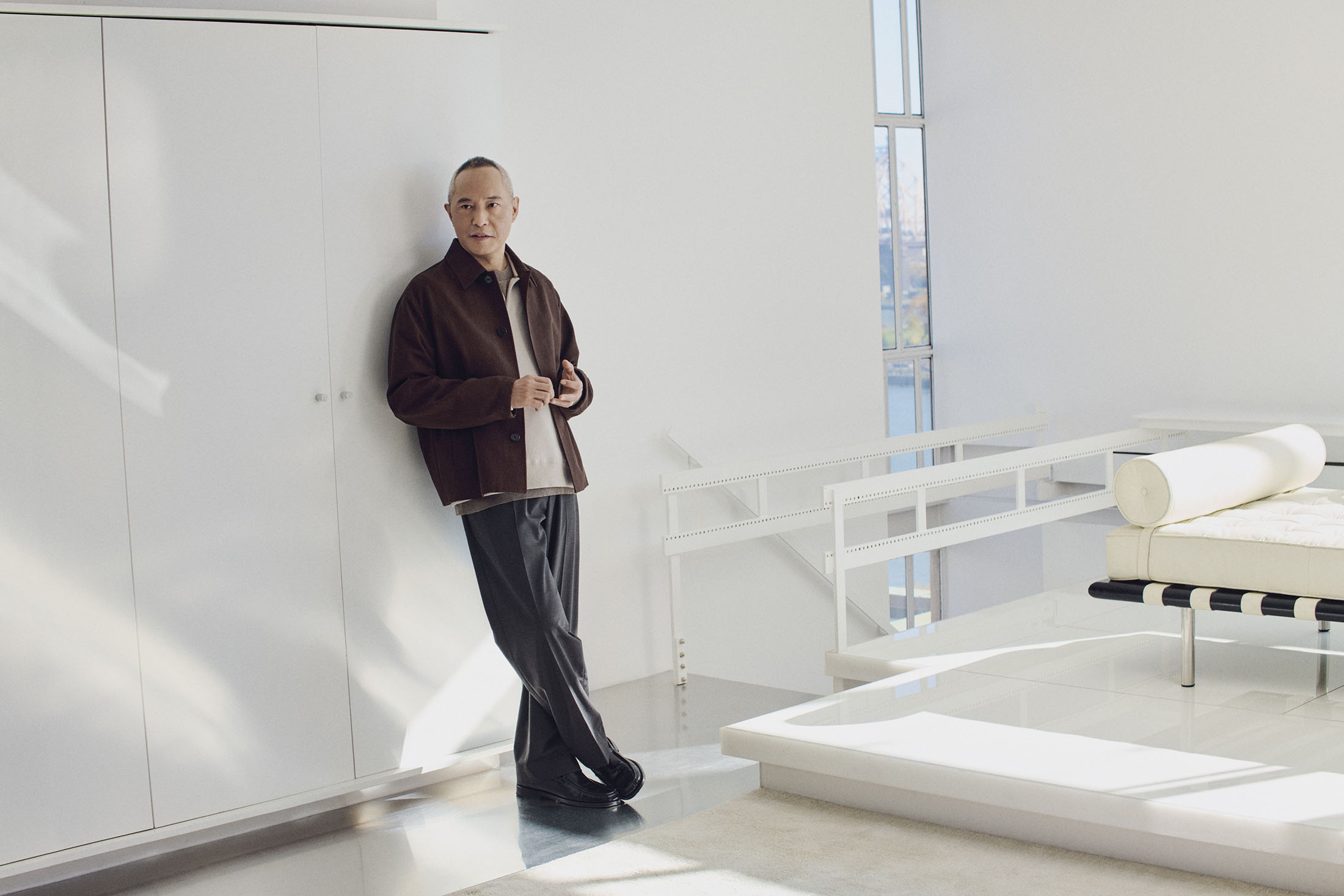
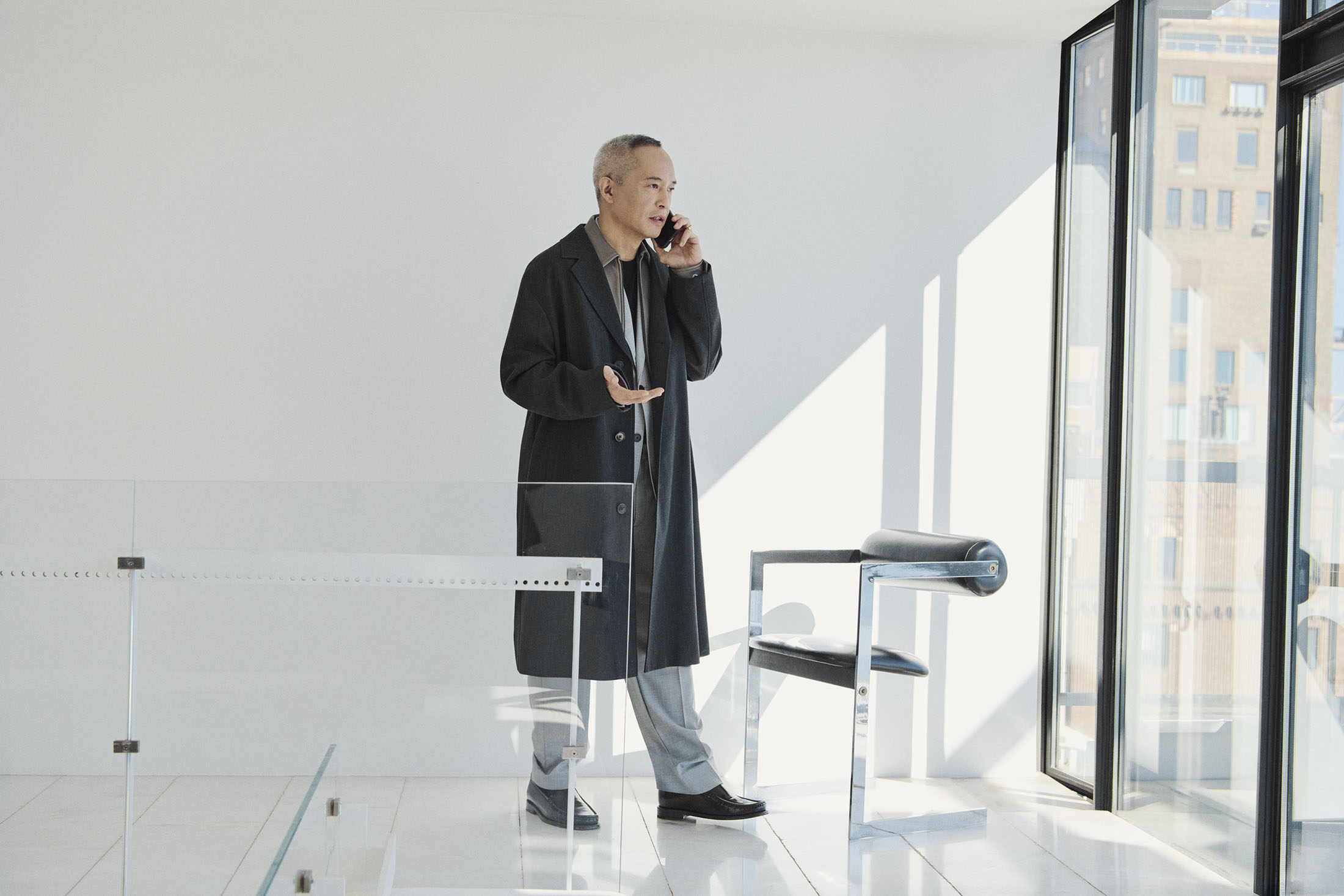
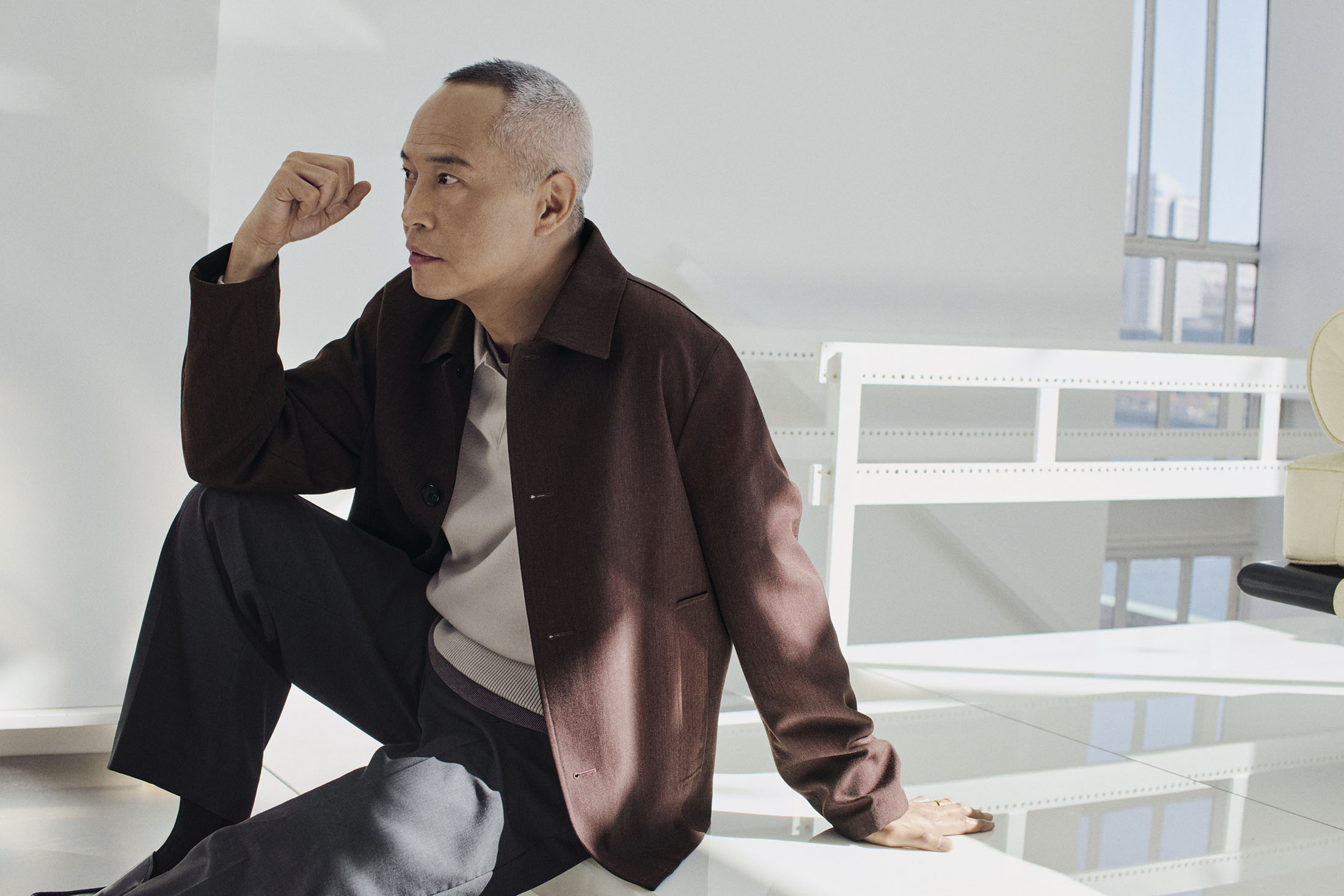
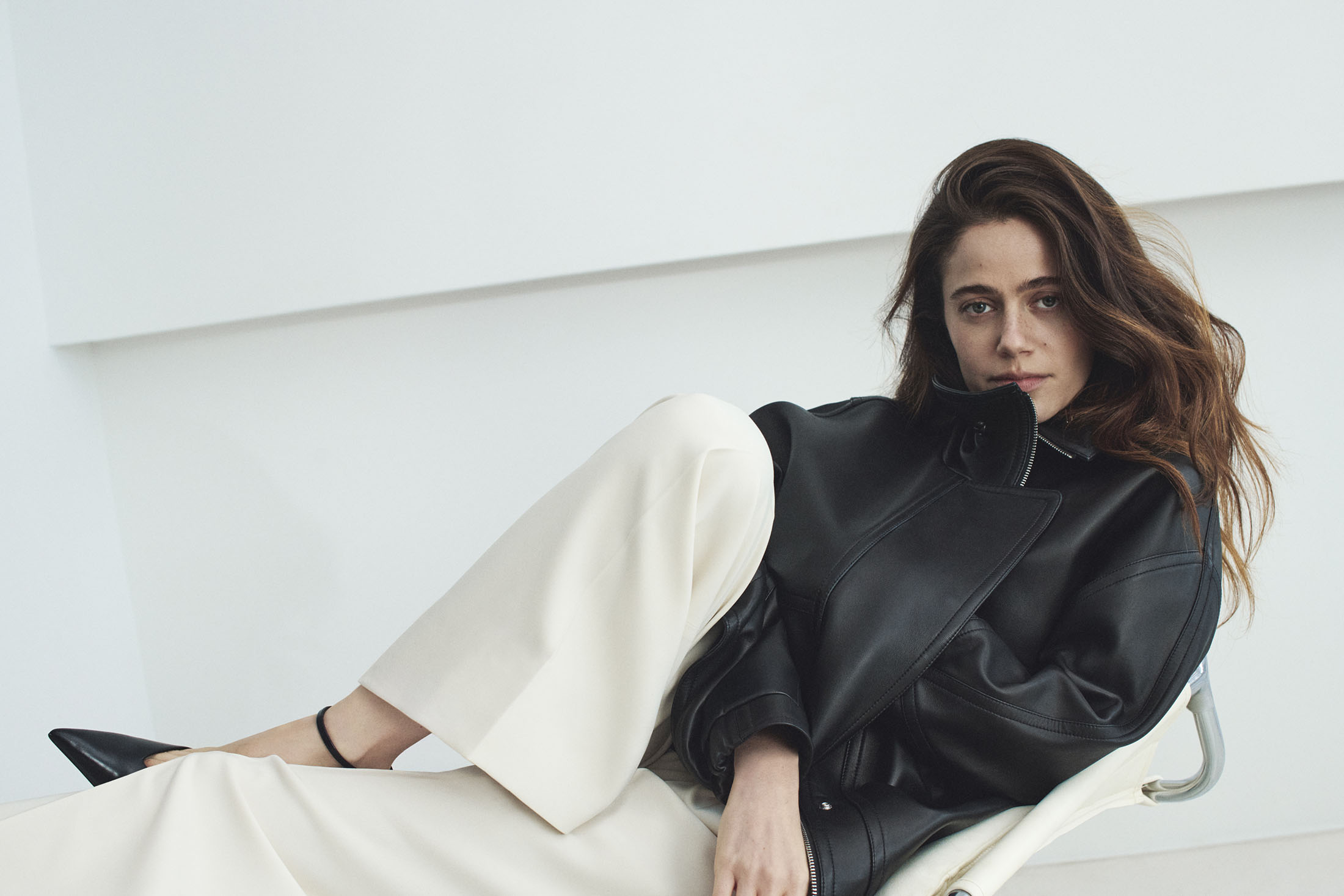
The imagery unfolds within a pristine, almost architectural interior—white planes, glass railings, and disciplined lines that echo the brand’s tailoring philosophy. Ken Leung lounges, sits, and stands with an ease that feels lived-in rather than styled, while Molly Gordon moves through the space with a quiet introspection. There is a suggestion of narrative—moments between meetings, pauses in thought, fragments of a day—but it remains deliberately understated, almost to the point of abstraction.
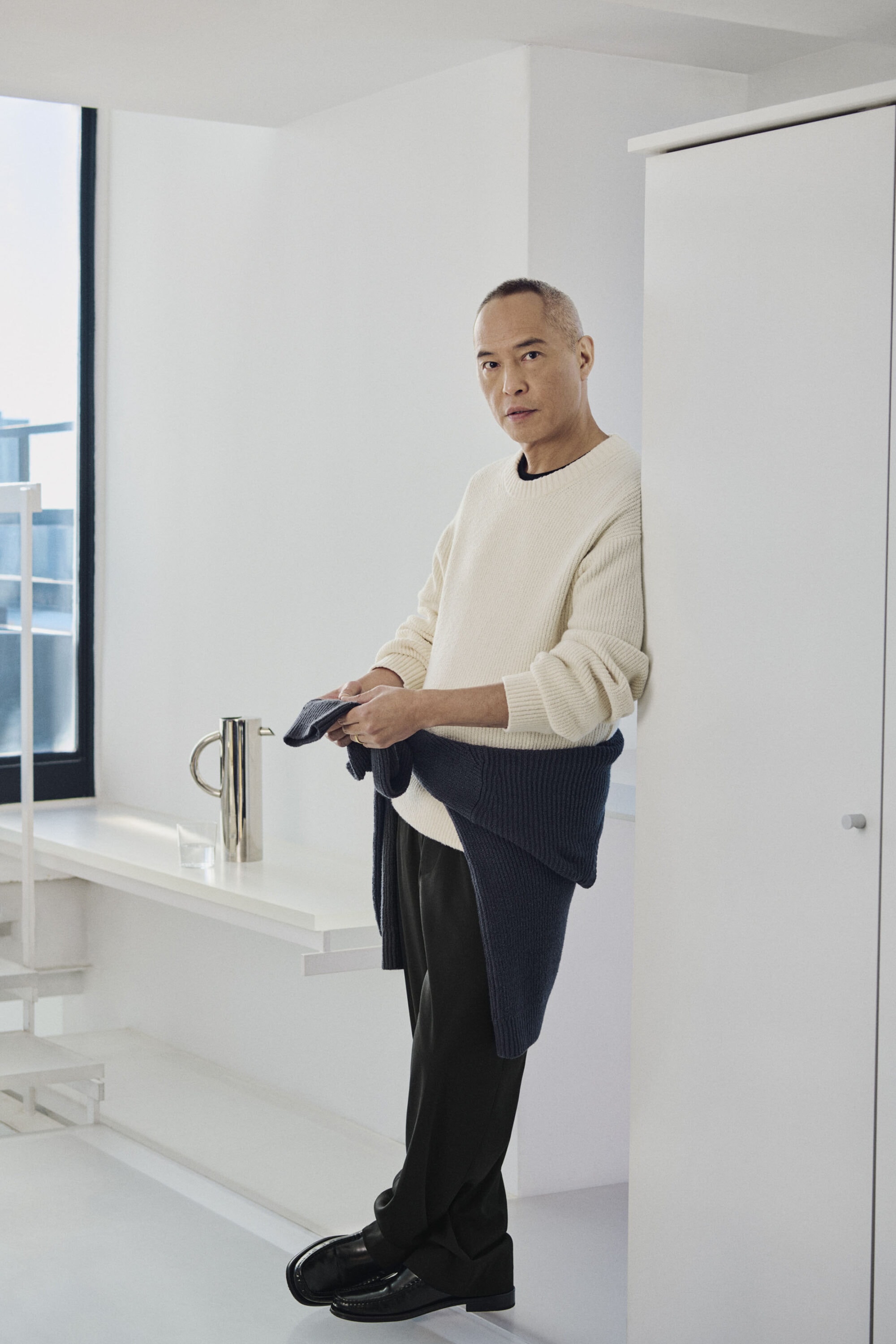
What elevates the casting is that neither Leung nor Gordon are traditional fashion models. Both are actors—Leung known for his cerebral, quietly intense roles in projects like Industry and Lost, and Gordon a rising multi-hyphenate creative with performances in The Bear and Booksmart, alongside her work as a writer and director. Their presence brings a subtle authenticity to the campaign. They don’t perform fashion; they inhabit it. And in doing so, they align naturally with Theory’s intellectualized vision of modern dressing—clothes for people who think, not just pose.
The Posternaks’ photography is, as expected, elegant and precise. Light slices through the interiors, creating soft geometries that mirror the construction of the garments themselves. The tailoring is sharp but unforced: a perfectly cut trouser, a fluid jacket, a knit that sits just so. Styling by Dogi Nesanir reinforces this sense of quiet control, avoiding any unnecessary embellishment. It is a visual language that speaks fluently in Theory’s dialect—clean, intelligent, and composed.
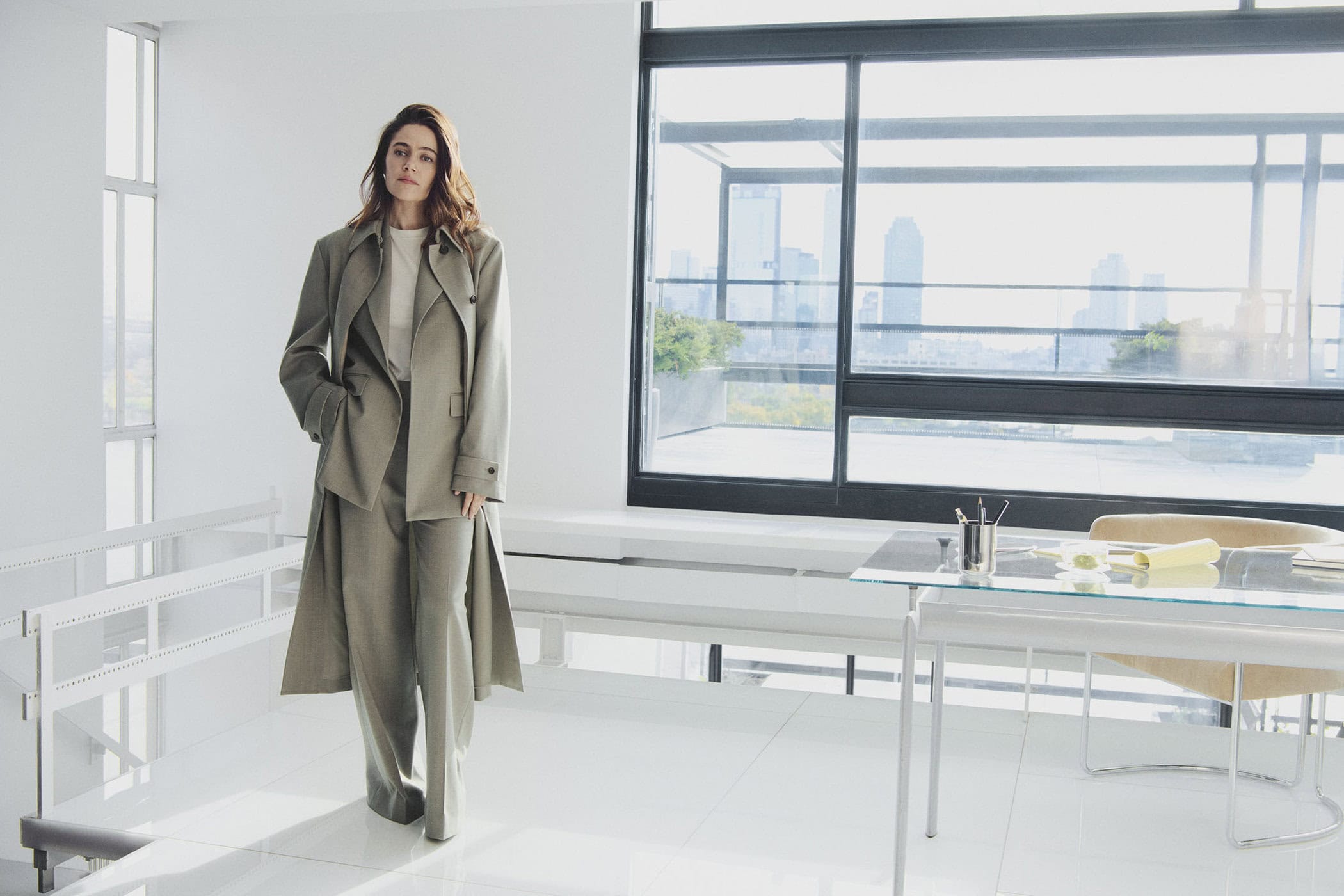
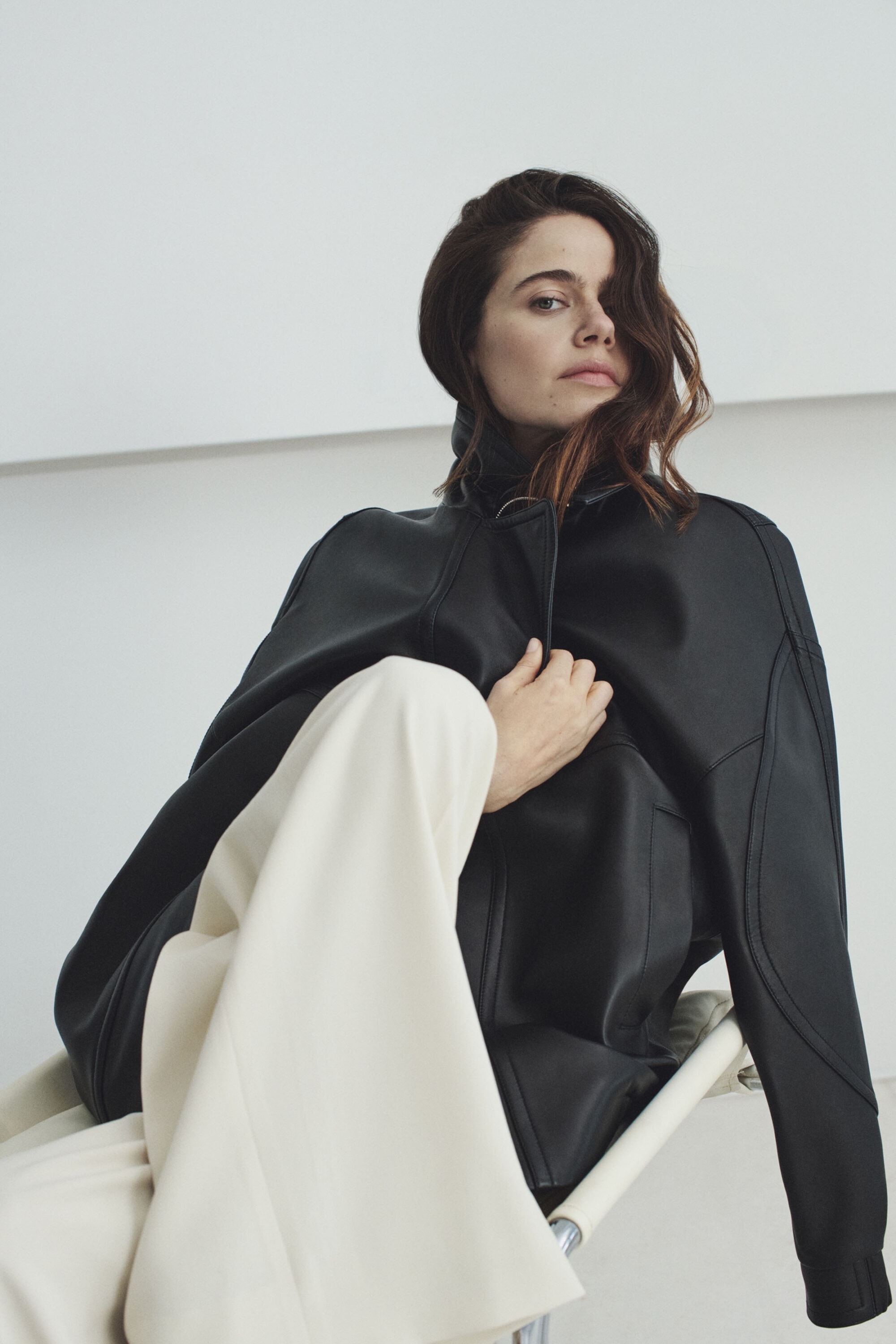
And yet, this is where the campaign reveals both its strength and its limitation. The clarity of vision is undeniable; every element is in harmony, every frame considered. But in a market where “office” has become an increasingly fluid and emotionally charged concept, the campaign stops just short of saying something new about it. The environments, while beautiful, feel more like ideals than realities. The narrative hints at life, but never quite immerses us in it.
There is an opportunity here—particularly as the boundaries between work, home, and identity continue to blur—for Theory to push its minimalism into something more expressive, more specific. What does modern work actually look like now? Who is it for, beyond the archetype? The campaign gestures toward these questions but ultimately retreats into the safety of its own aesthetic purity.
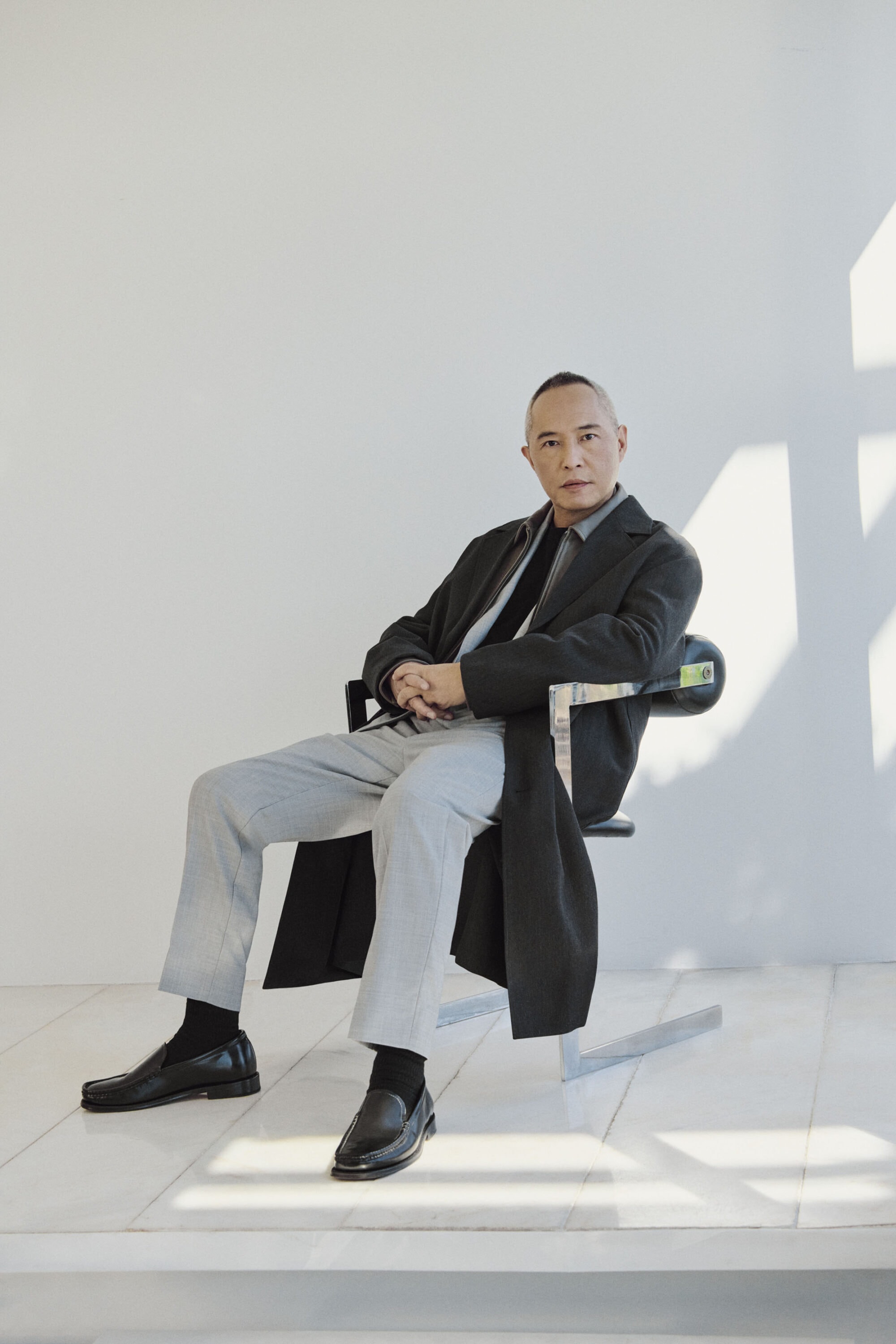
Still, there is something admirable in Theory’s refusal to chase noise. In a landscape increasingly defined by excess, its discipline remains its signature. But as with all disciplines, evolution is key. Minimalism, after all, is not about doing less—it is about saying more with less. And here, one can’t help but feel that there was just a bit more left unsaid.
Theory Creative Director | Martin Andersson
Photographer | Tanya + Zhenya Posternak
Models | Ken Leung, Molly Gordon
Stylist | Dogi Nesanir
Manicurist | Natalie Pavloski
Set Designer | Mila Taylor-Young