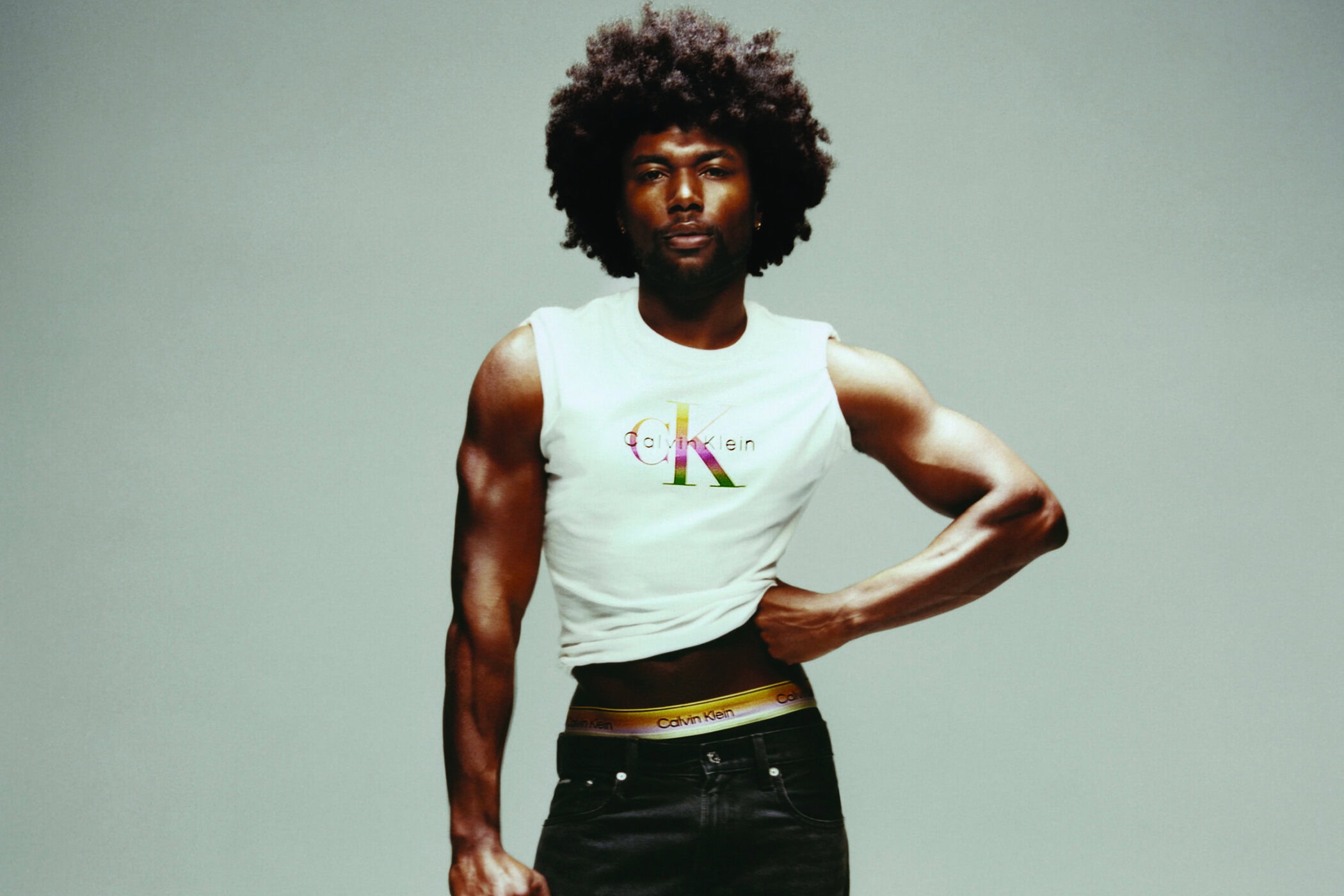
Review of Calvin Klein ‘Pride’ 2026 Ad Campaign by Creative Directors Deon Hinton, Bruno Stau, Rebekah Campbell
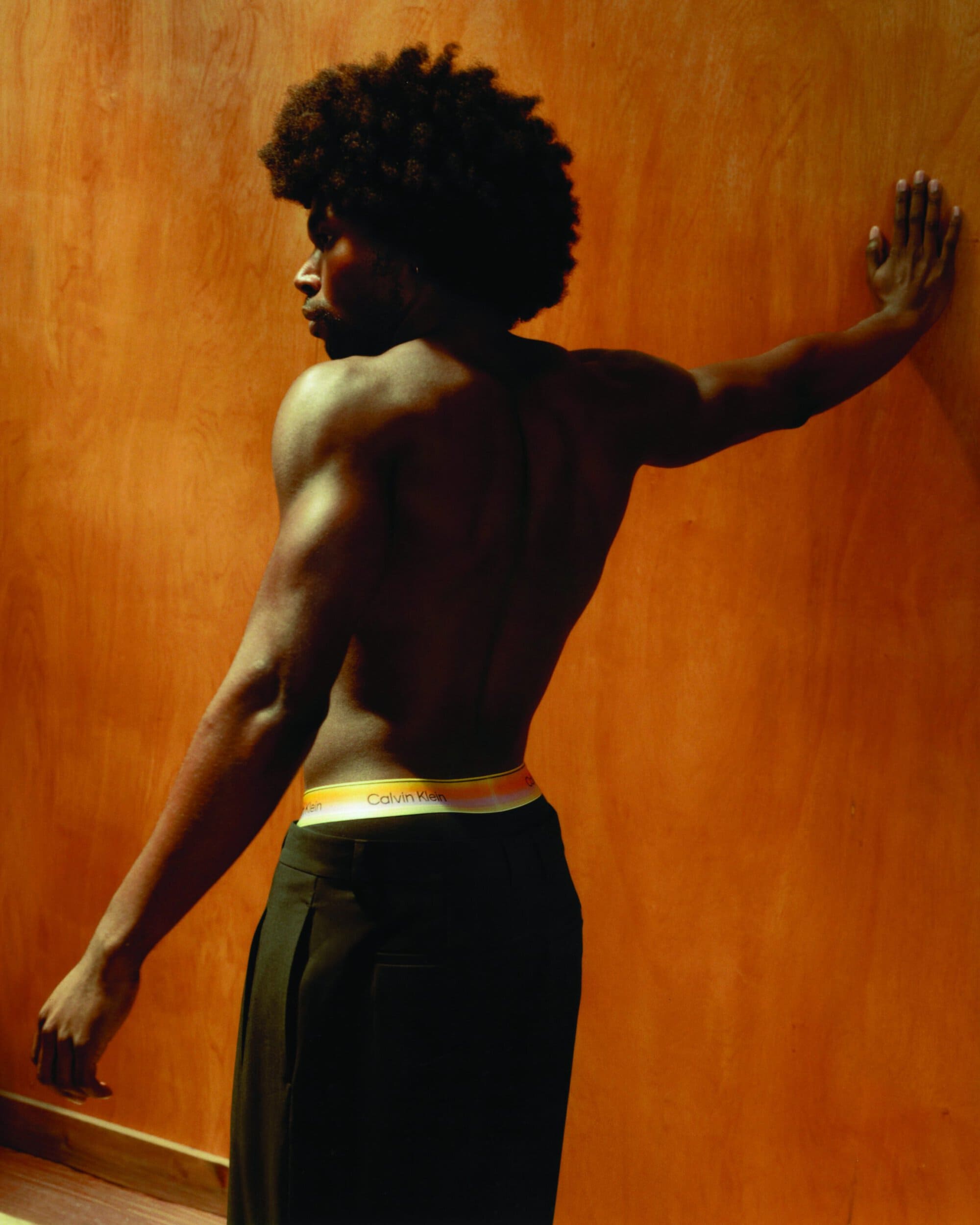
Calvin Klein’s Pride 2026 campaign arrives with a refreshing understanding that visibility is most powerful when it feels personal. Rather than constructing a singular narrative around Pride, the brand hands the camera over to three distinct voices — artist Deon Hinton, choreographer Sam Salter, and model-athlete Jordan Rand — allowing individuality to become the campaign’s central creative device. In a marketing landscape where authenticity is frequently claimed and less frequently demonstrated, Calvin Klein opts for something deceptively simple: letting people tell their own stories. The result feels less like a campaign about Pride and more like a collection of lived perspectives connected by a shared confidence in self-expression. If Pride is often described as a spectrum, Calvin Klein wisely chooses not to flatten it into a single color.
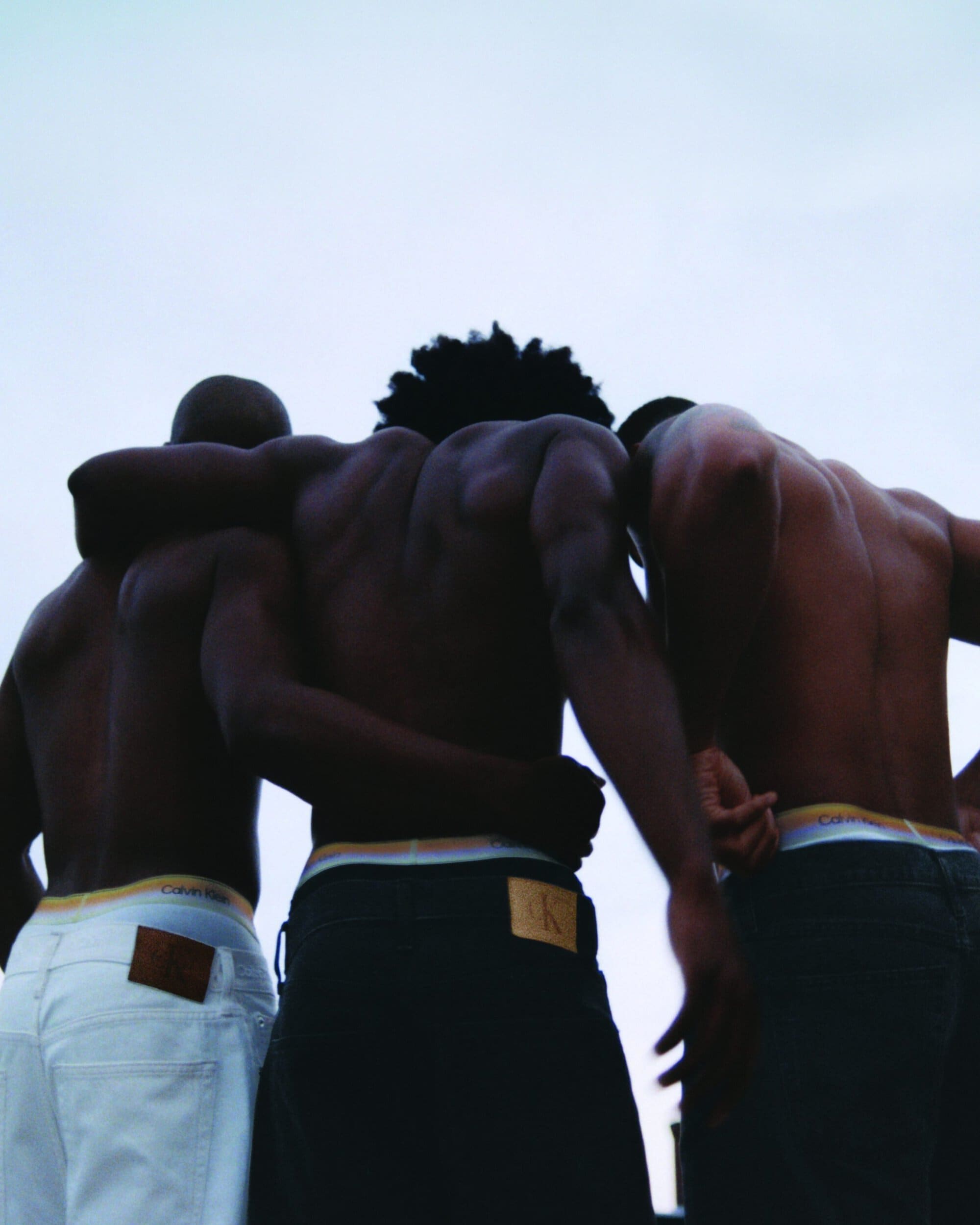
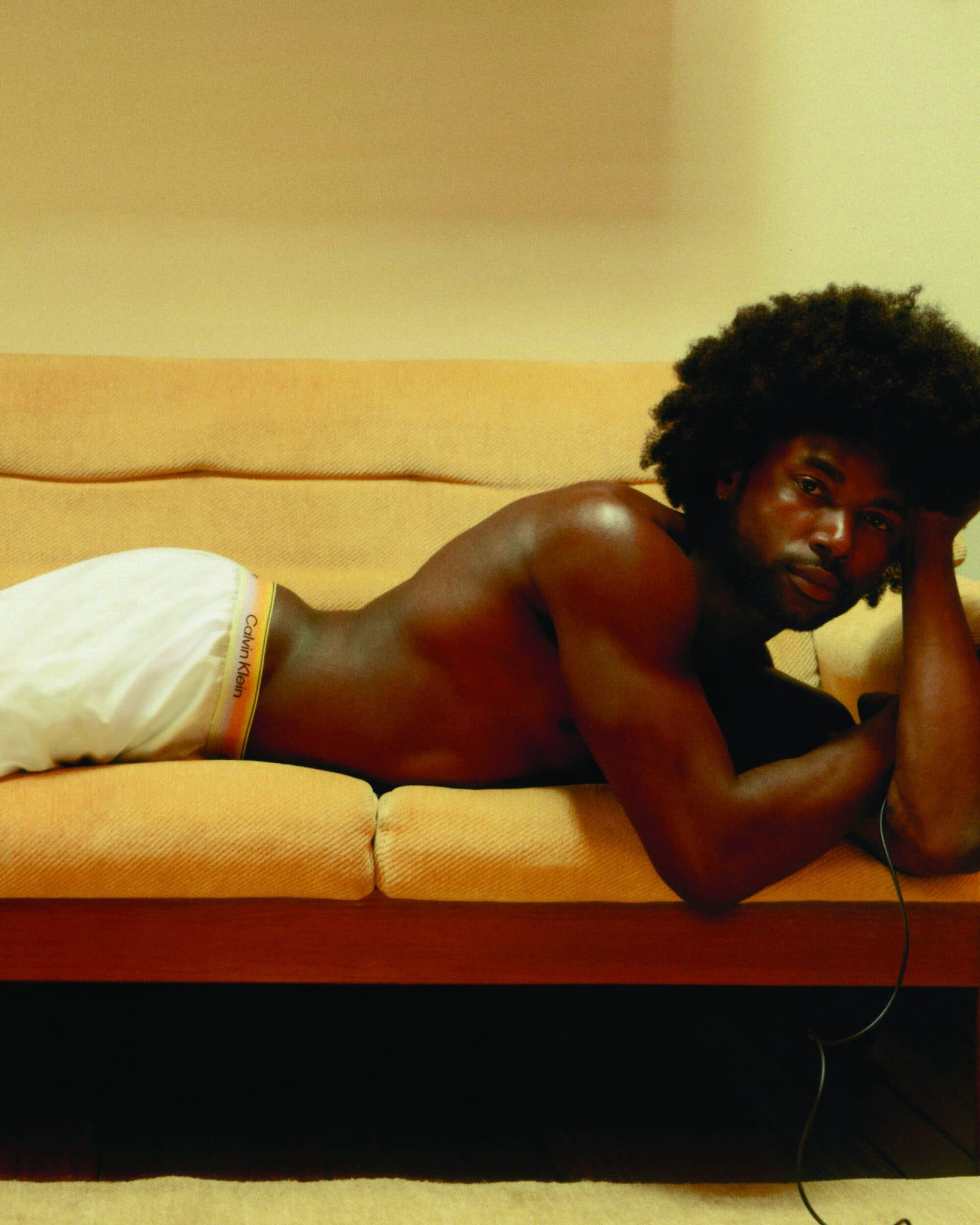
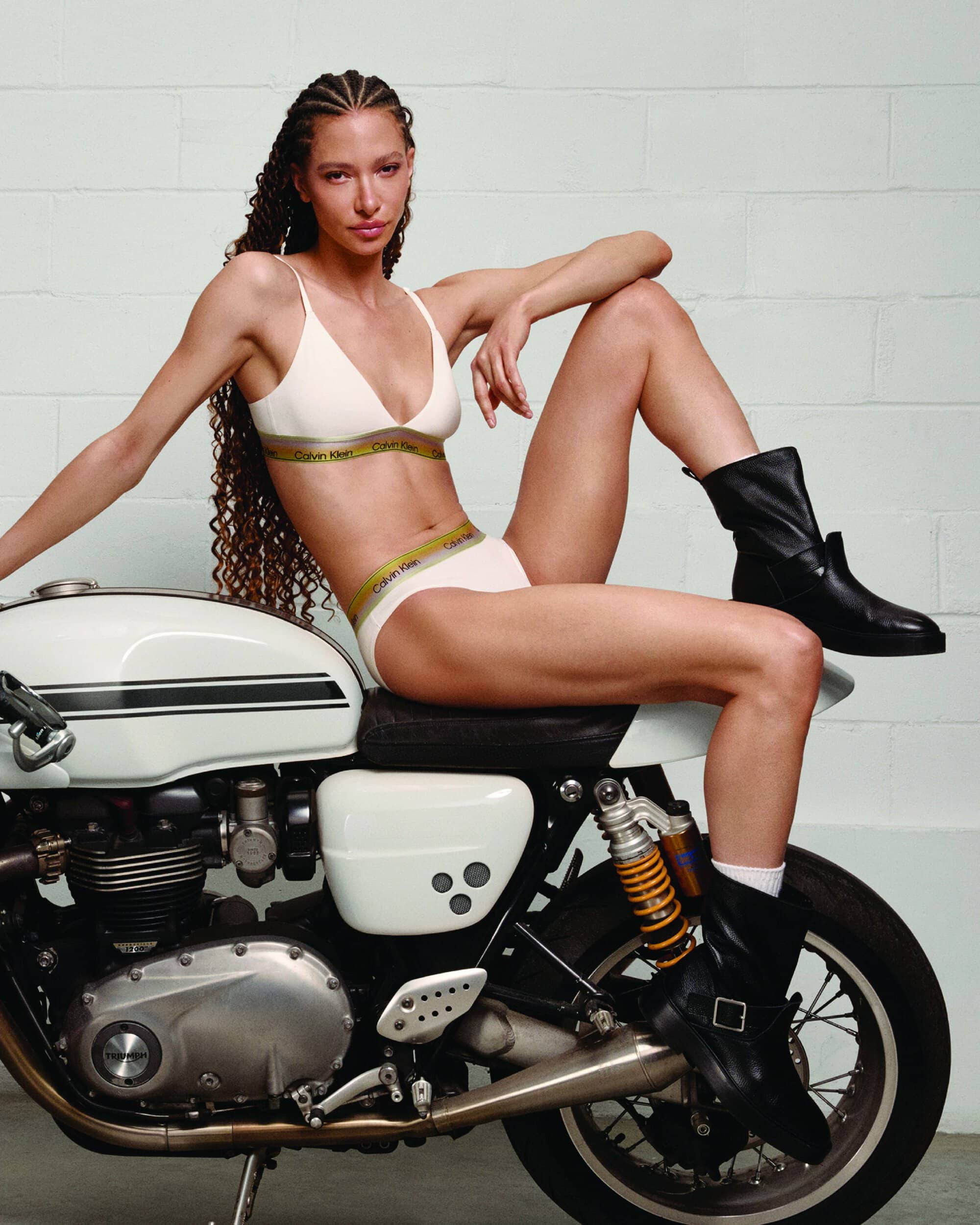
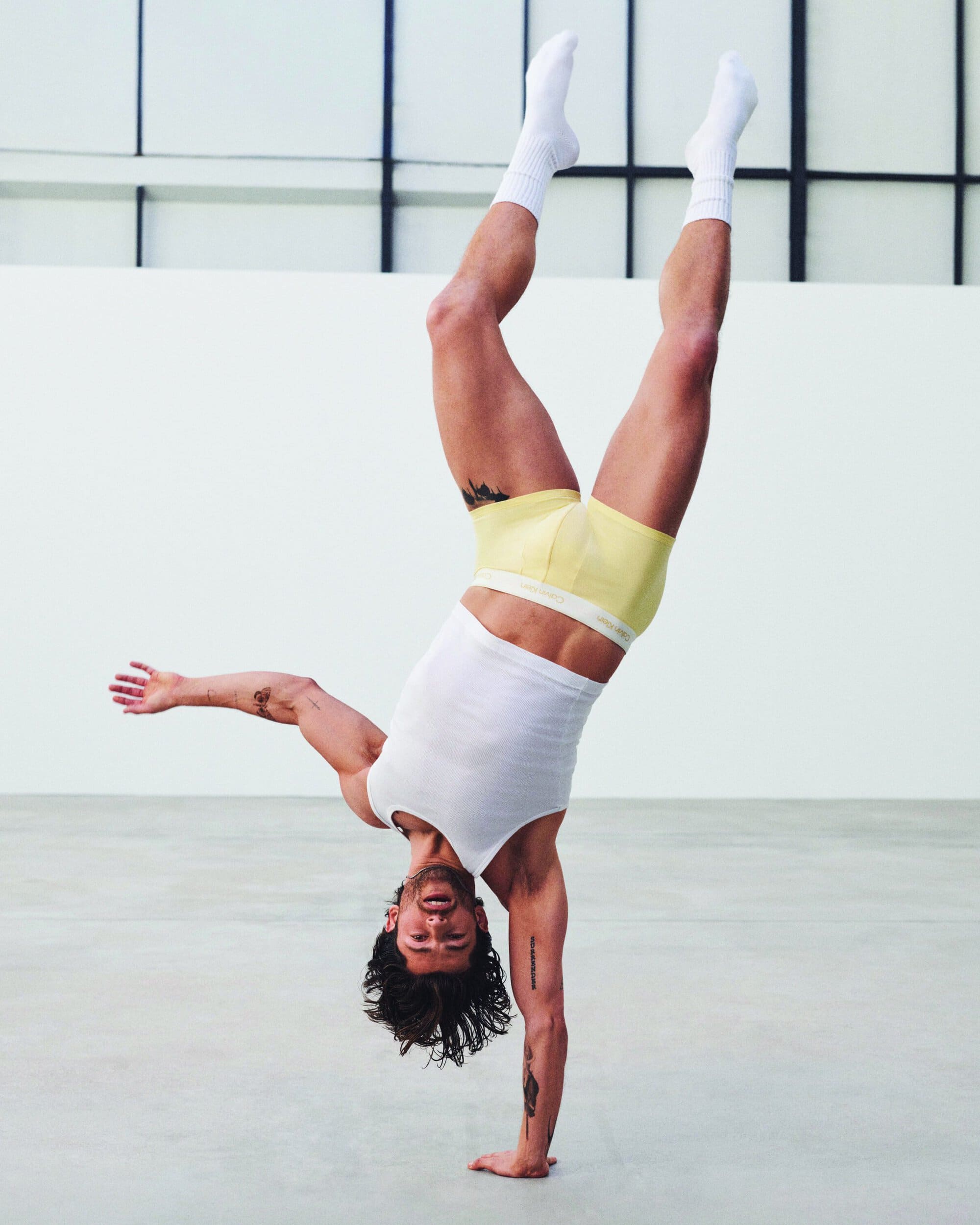
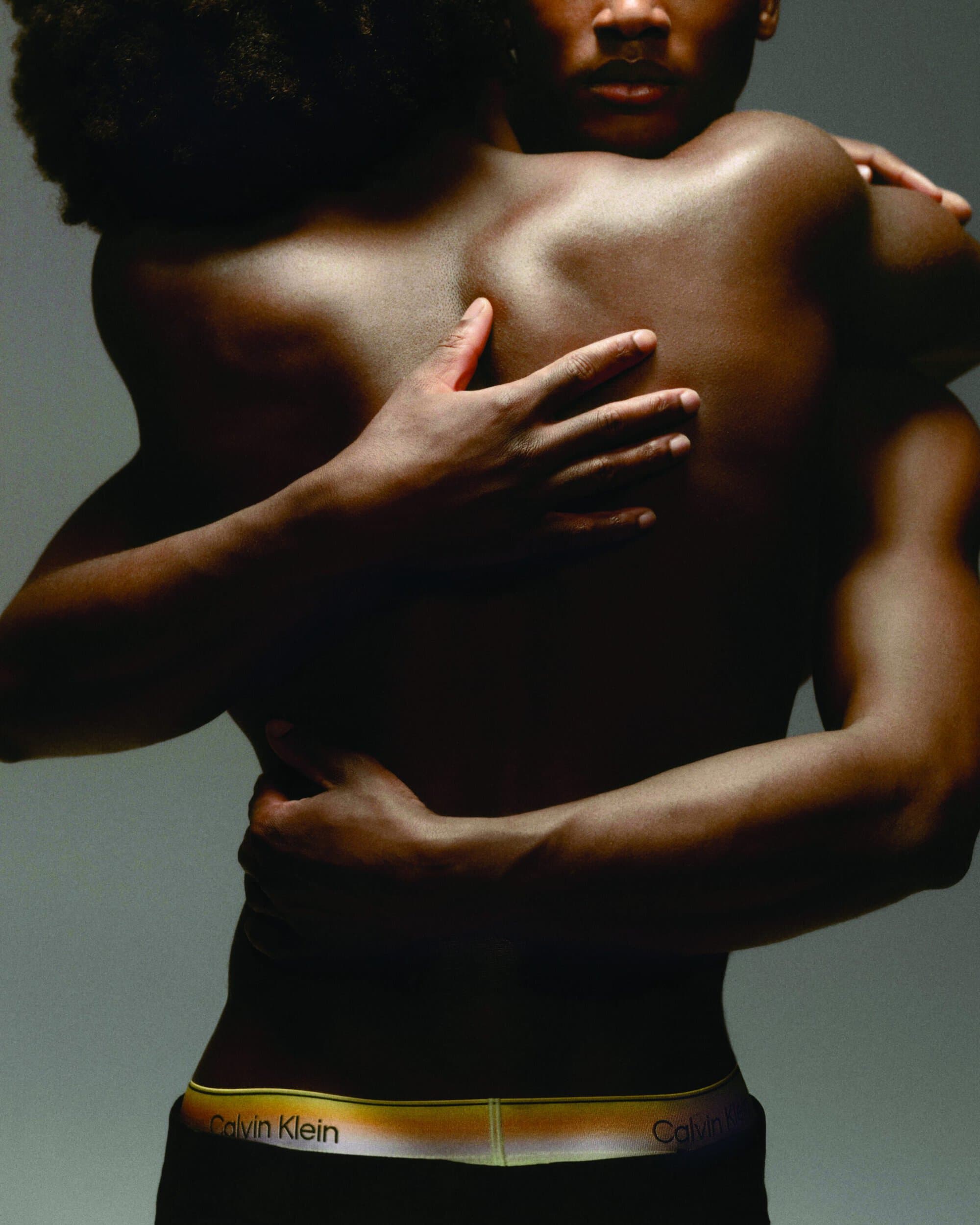
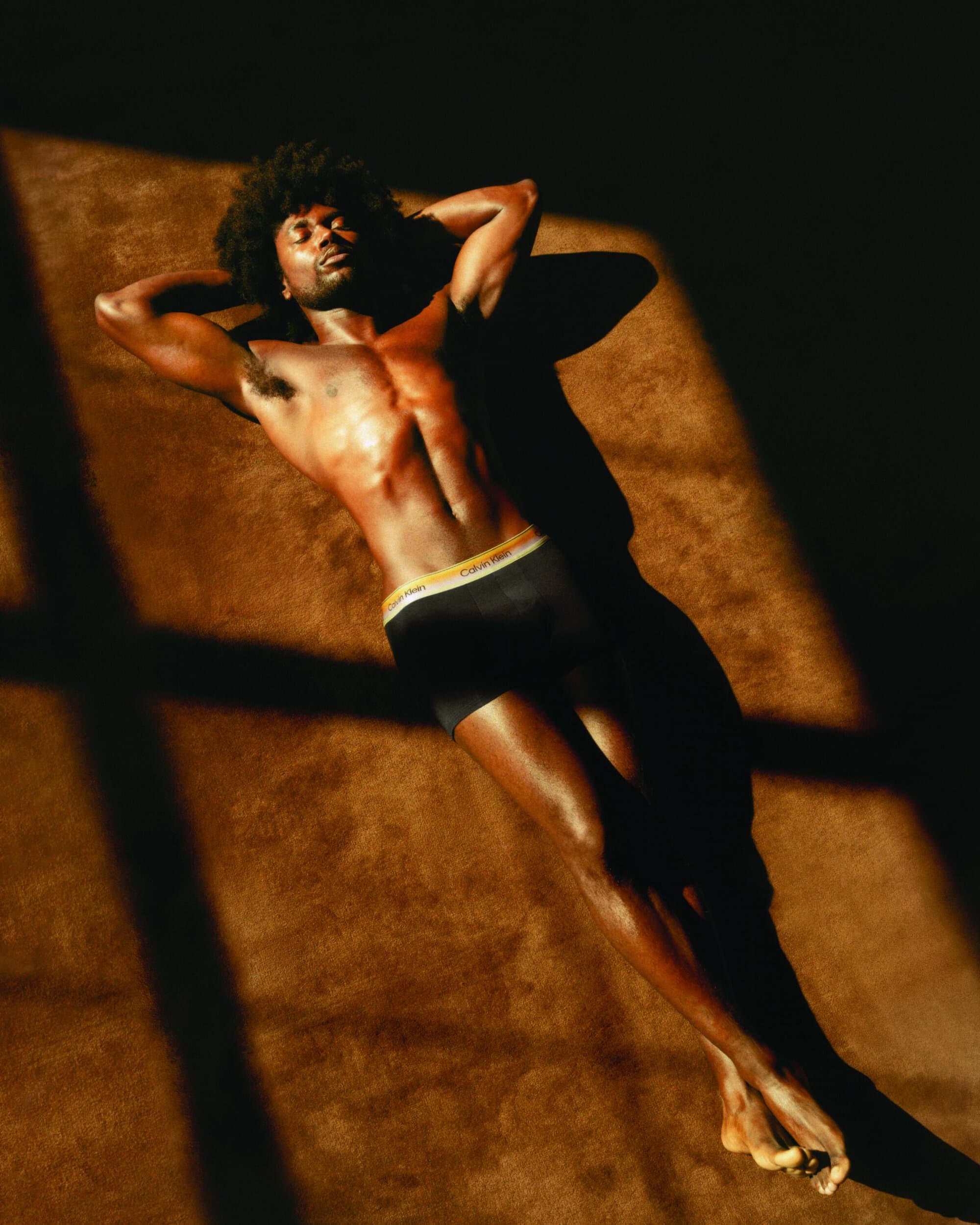
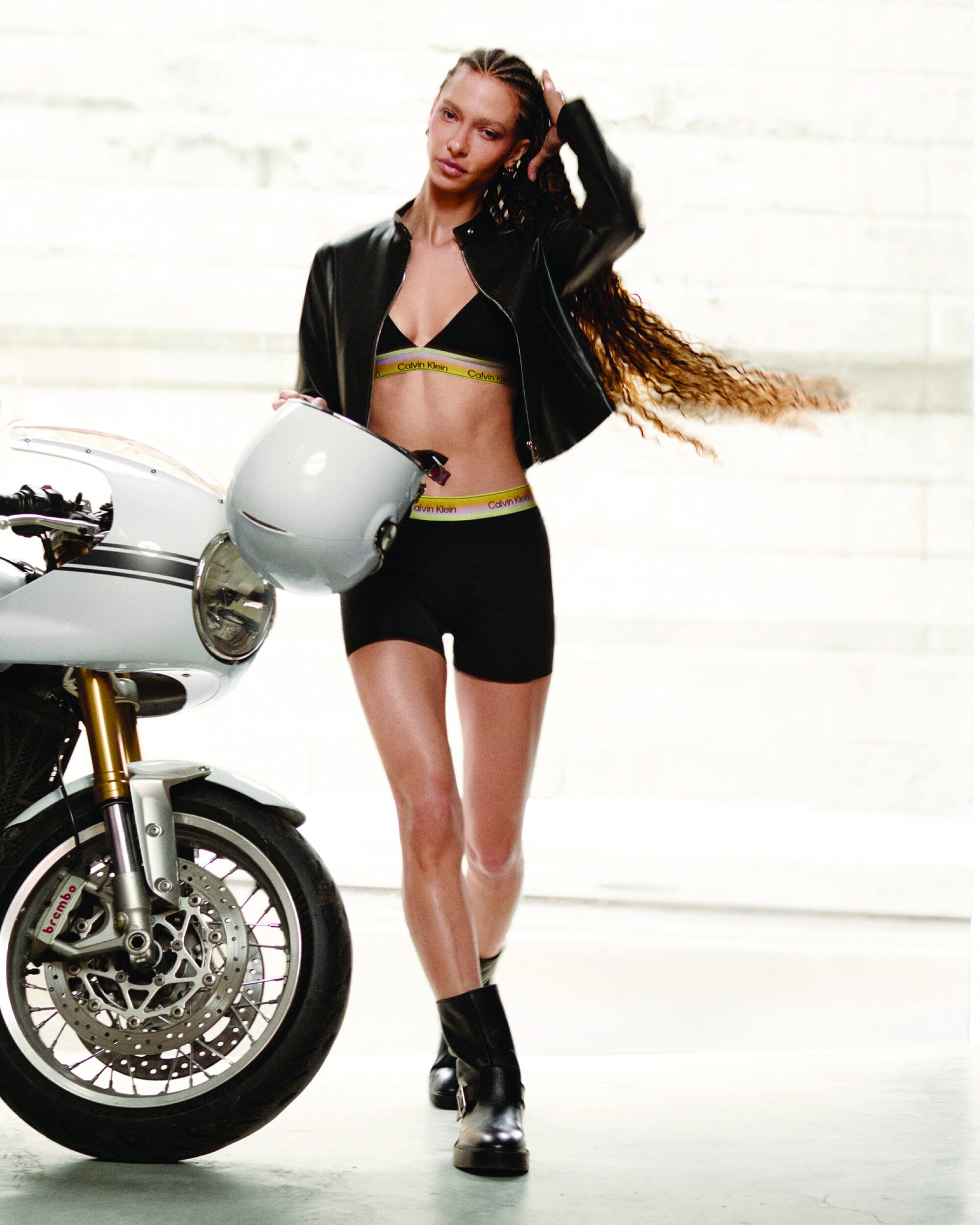
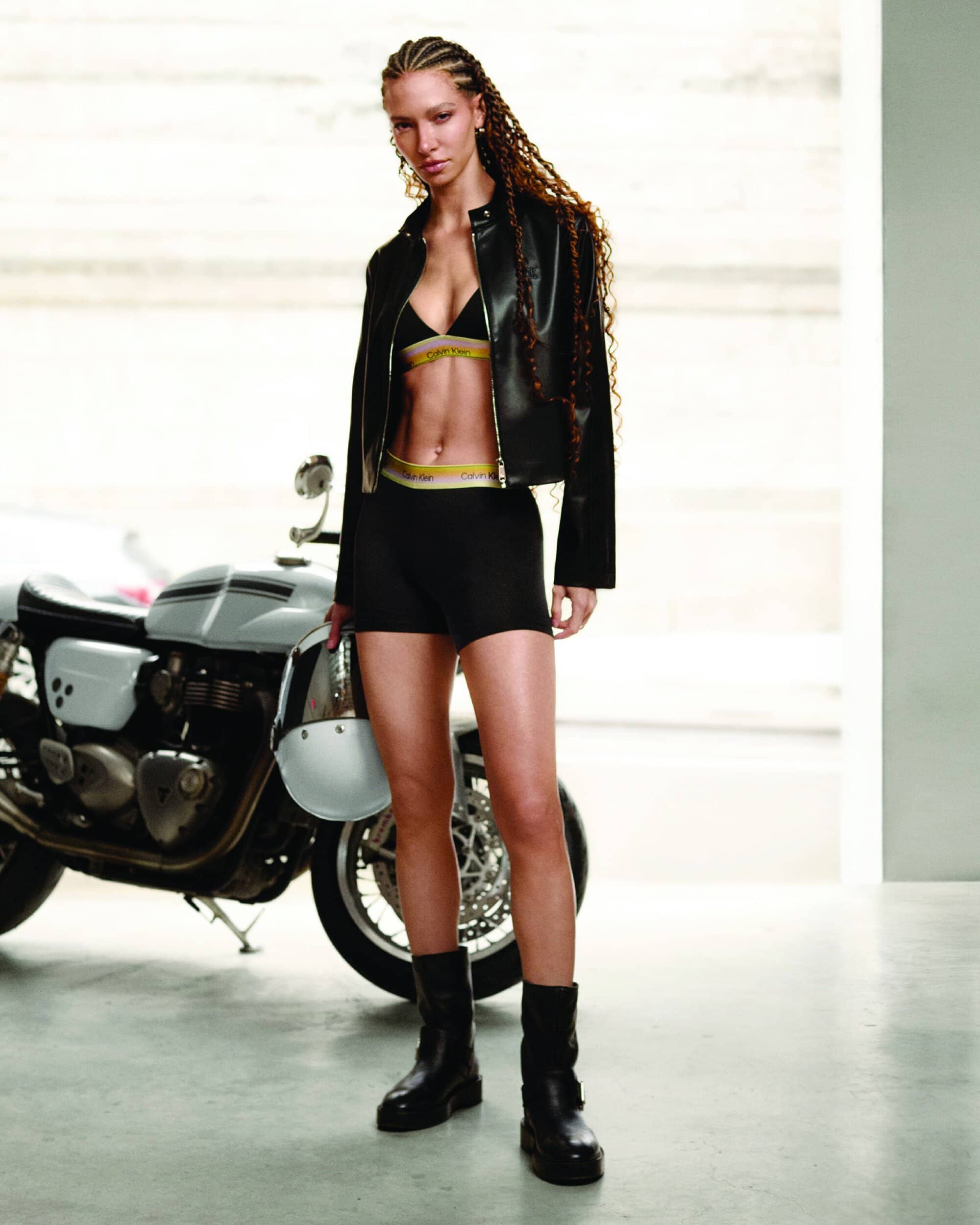
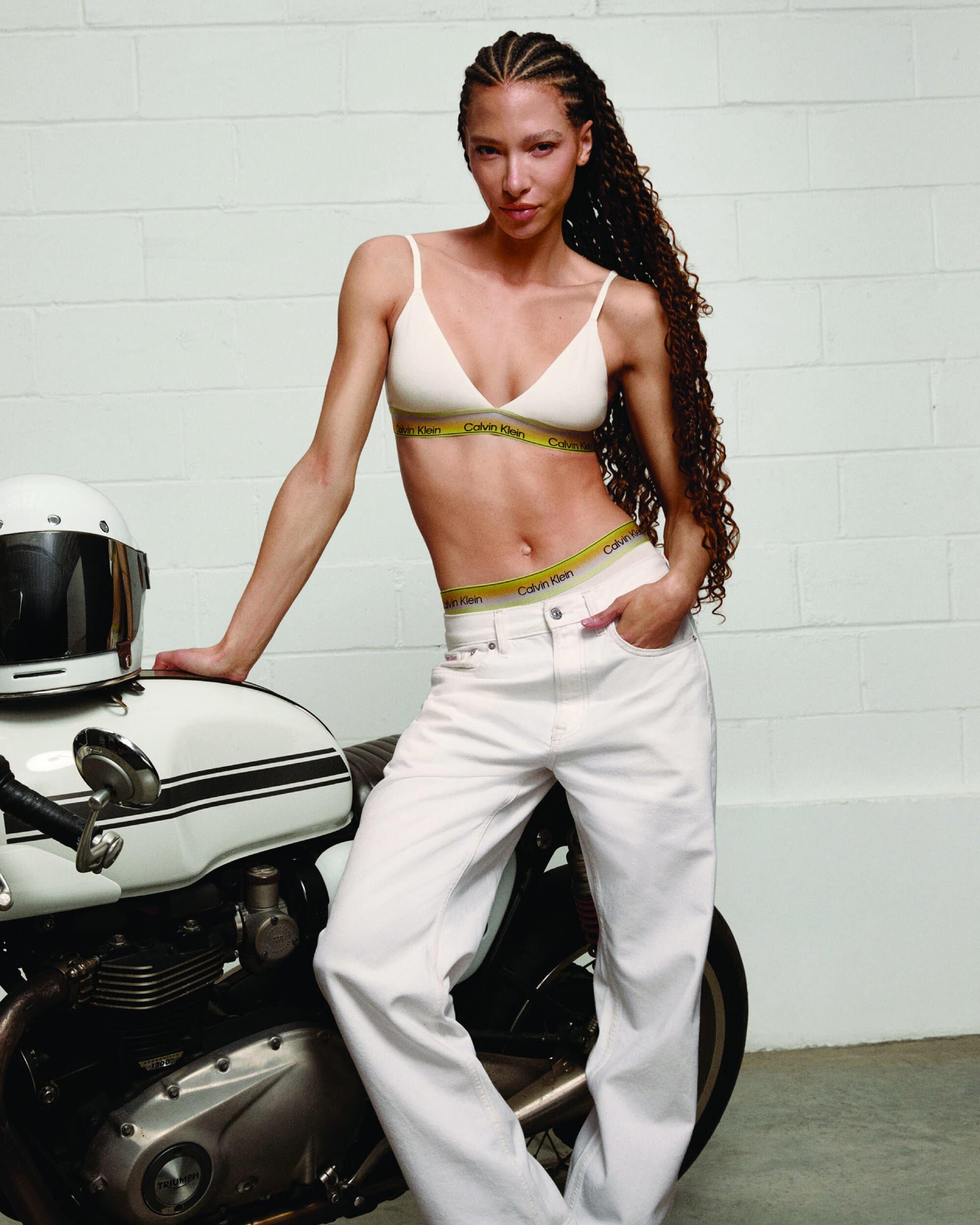
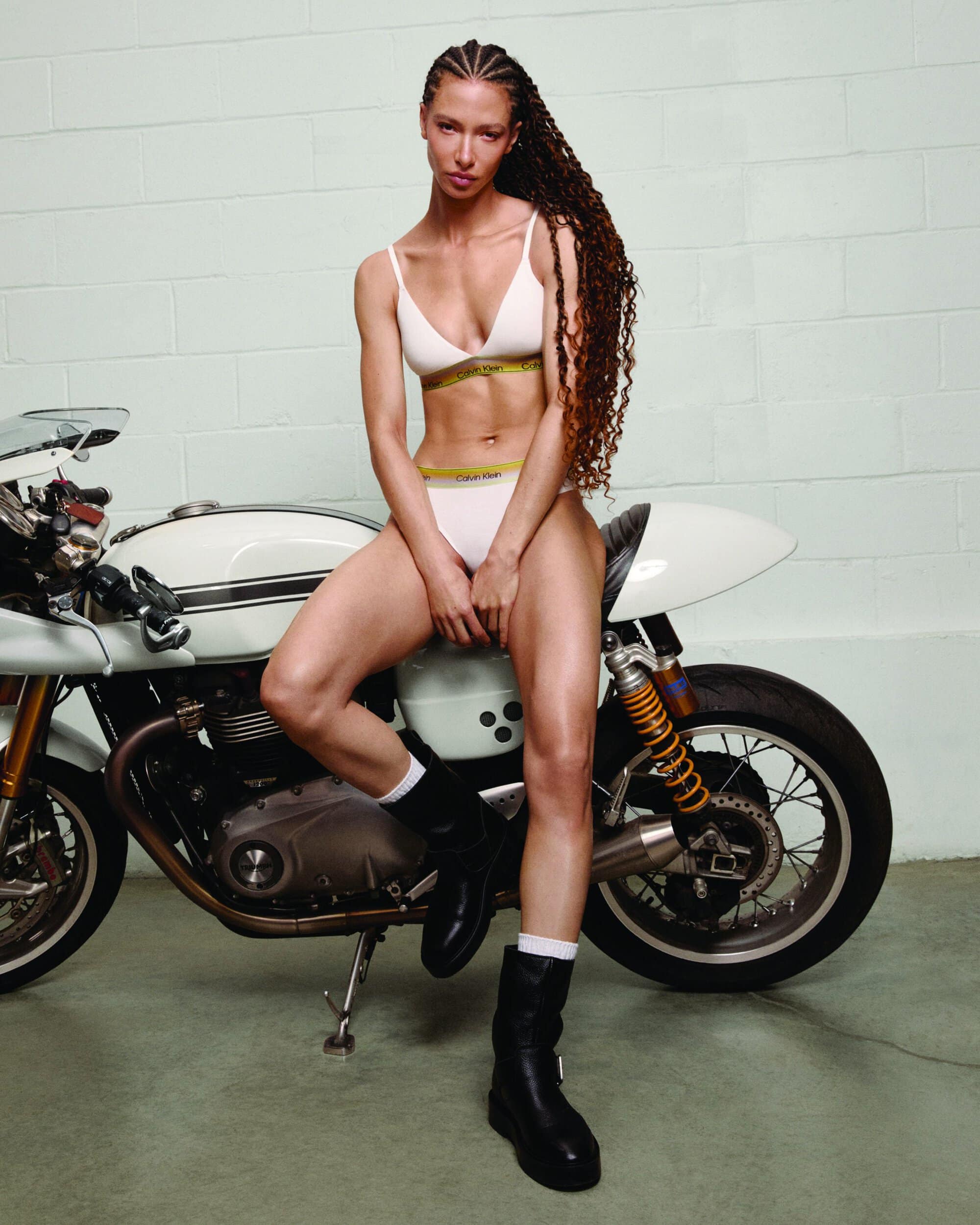
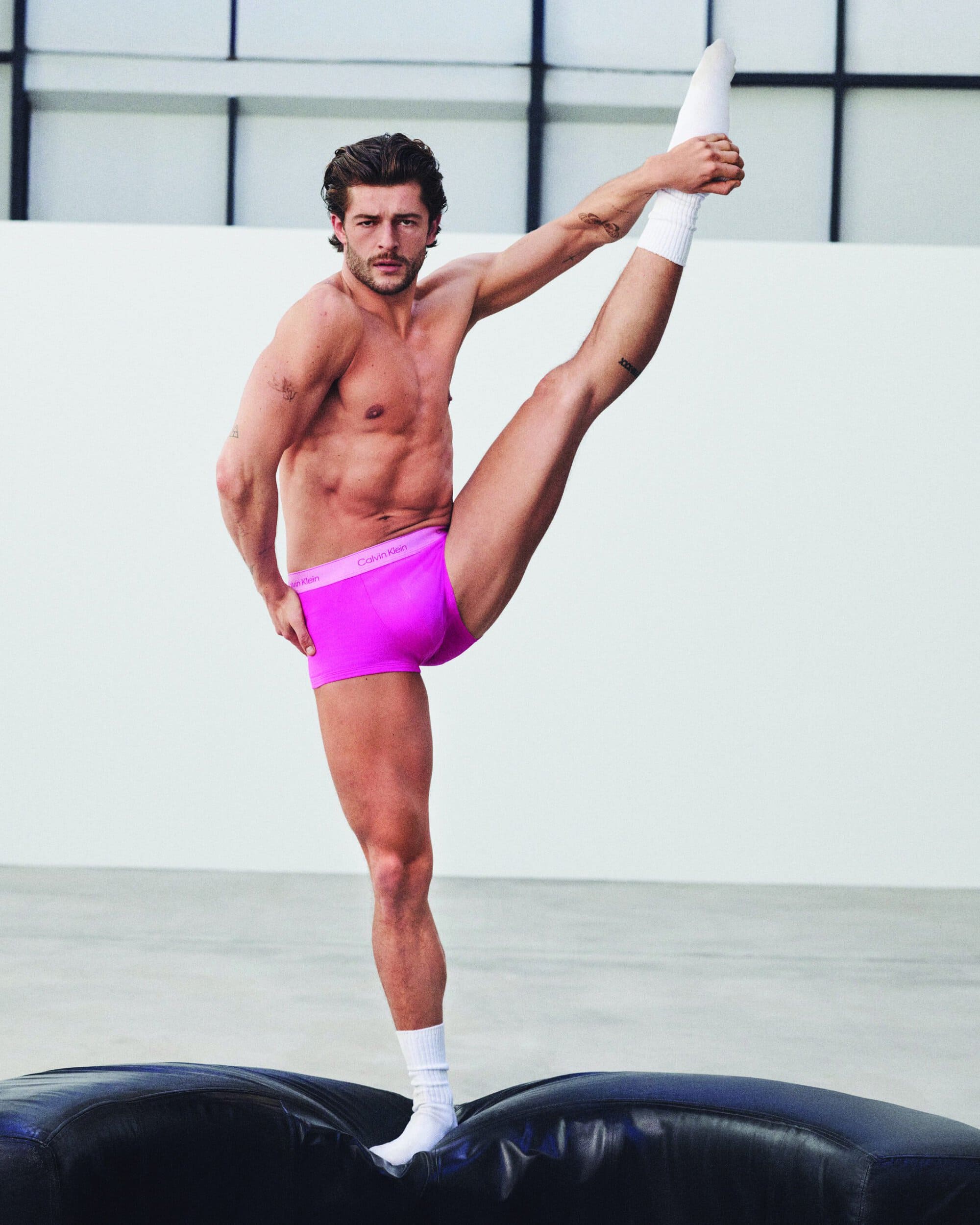
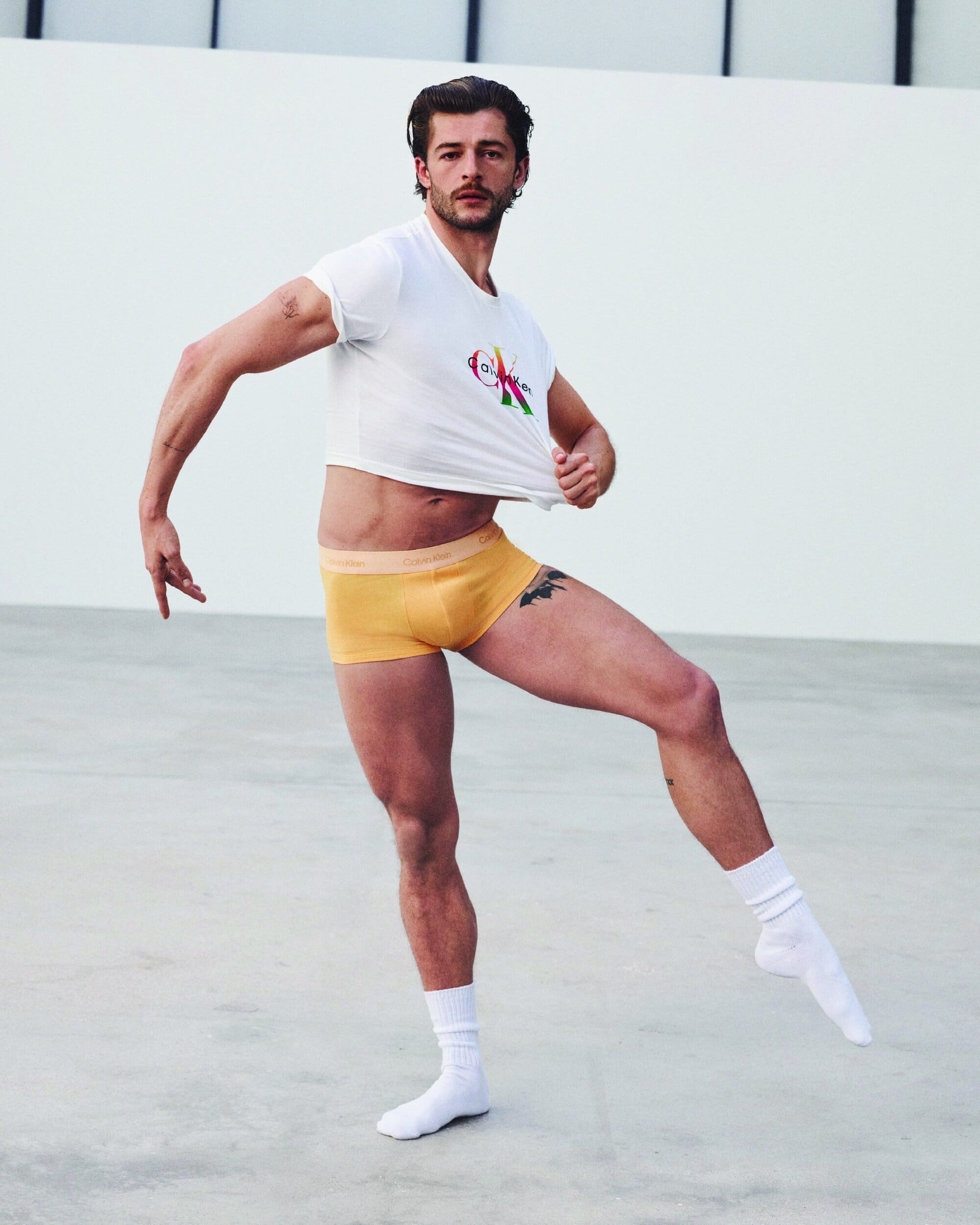
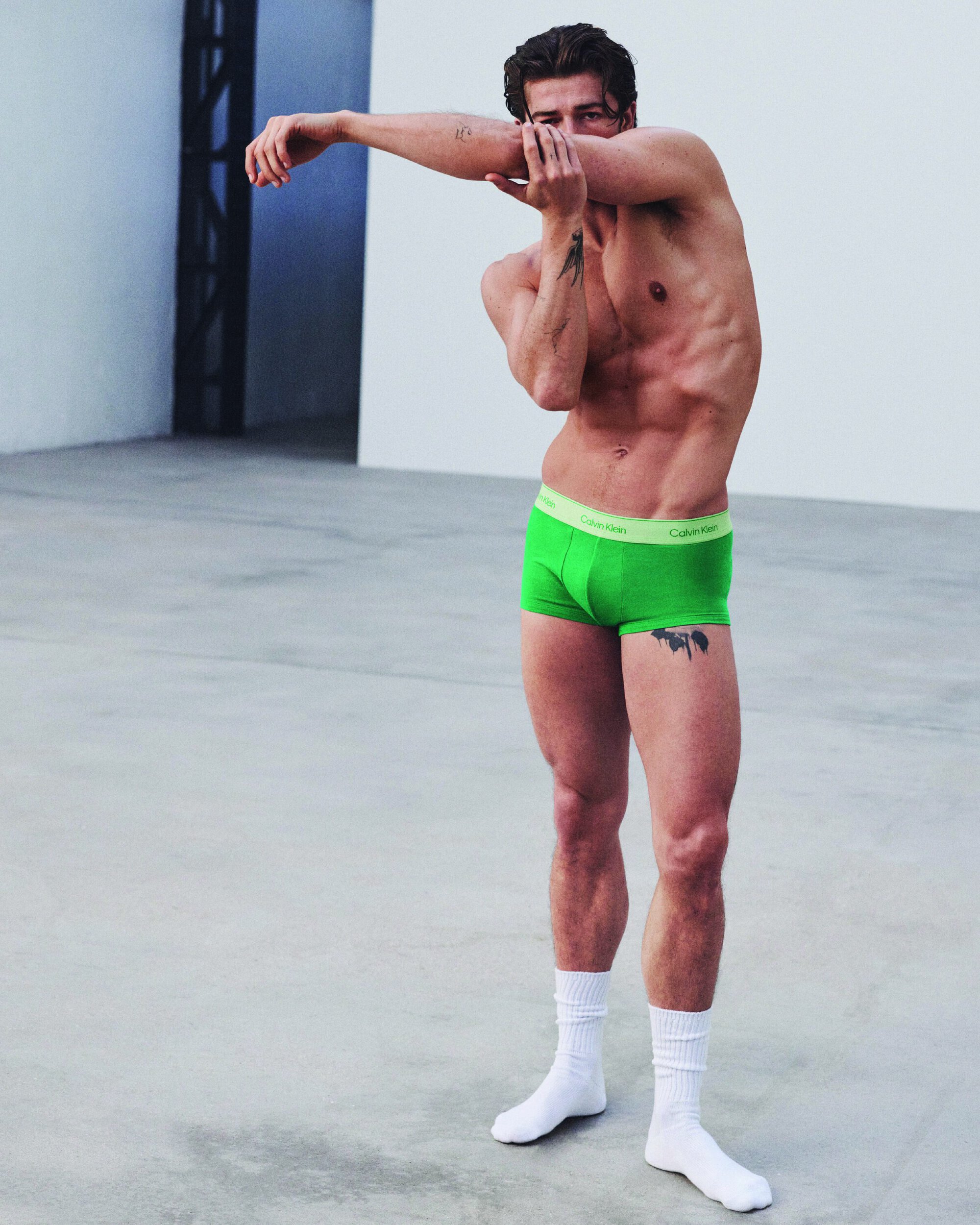
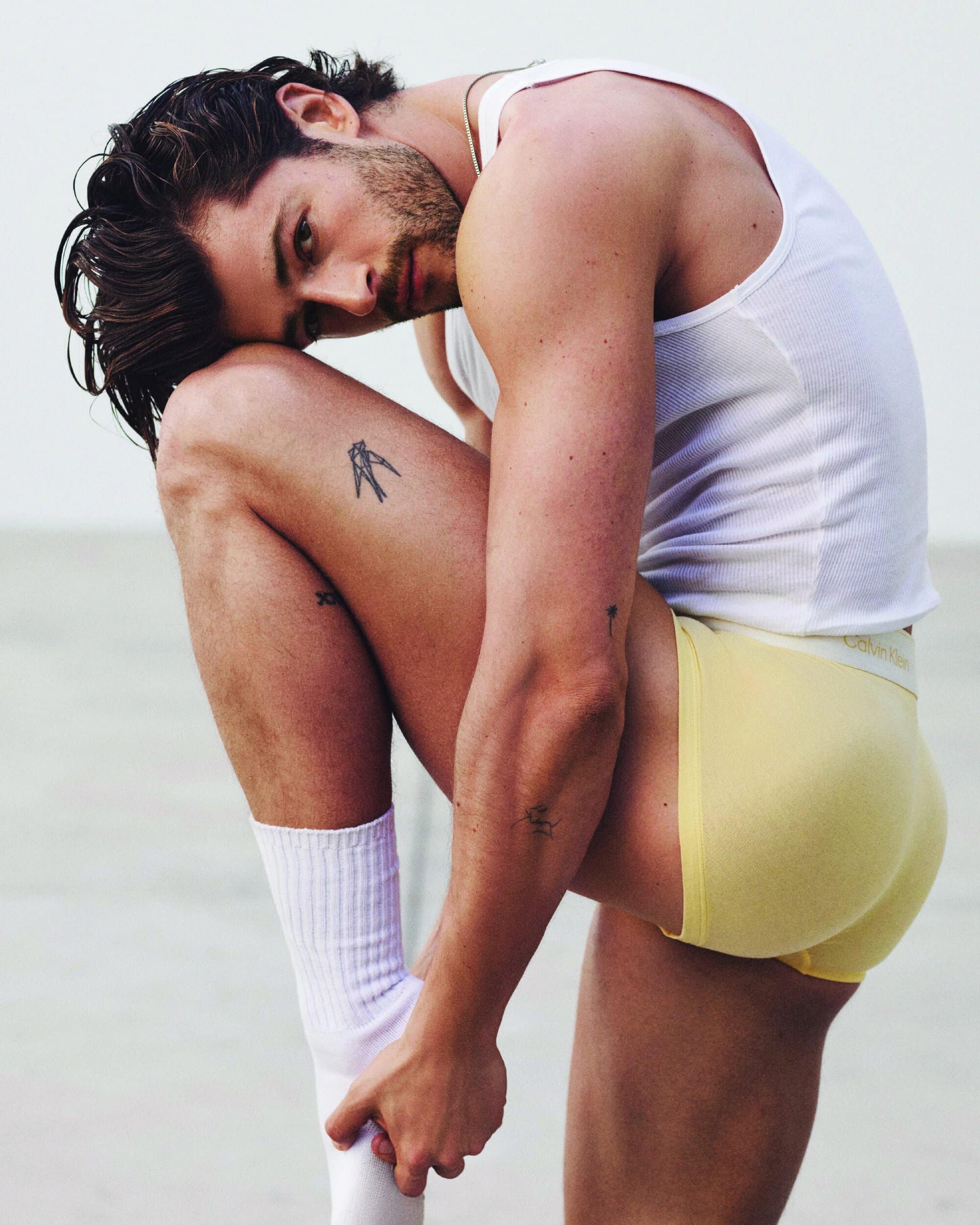
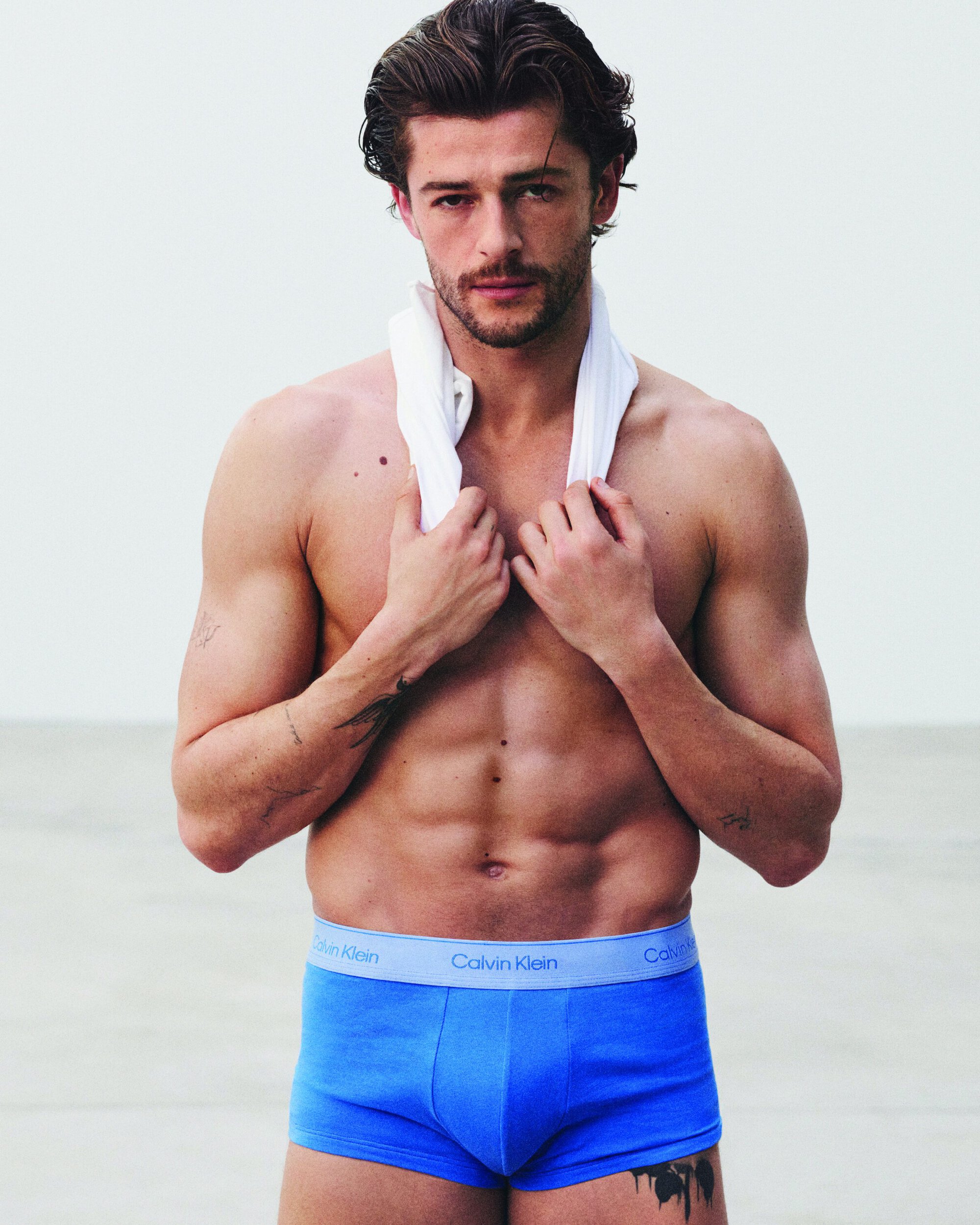
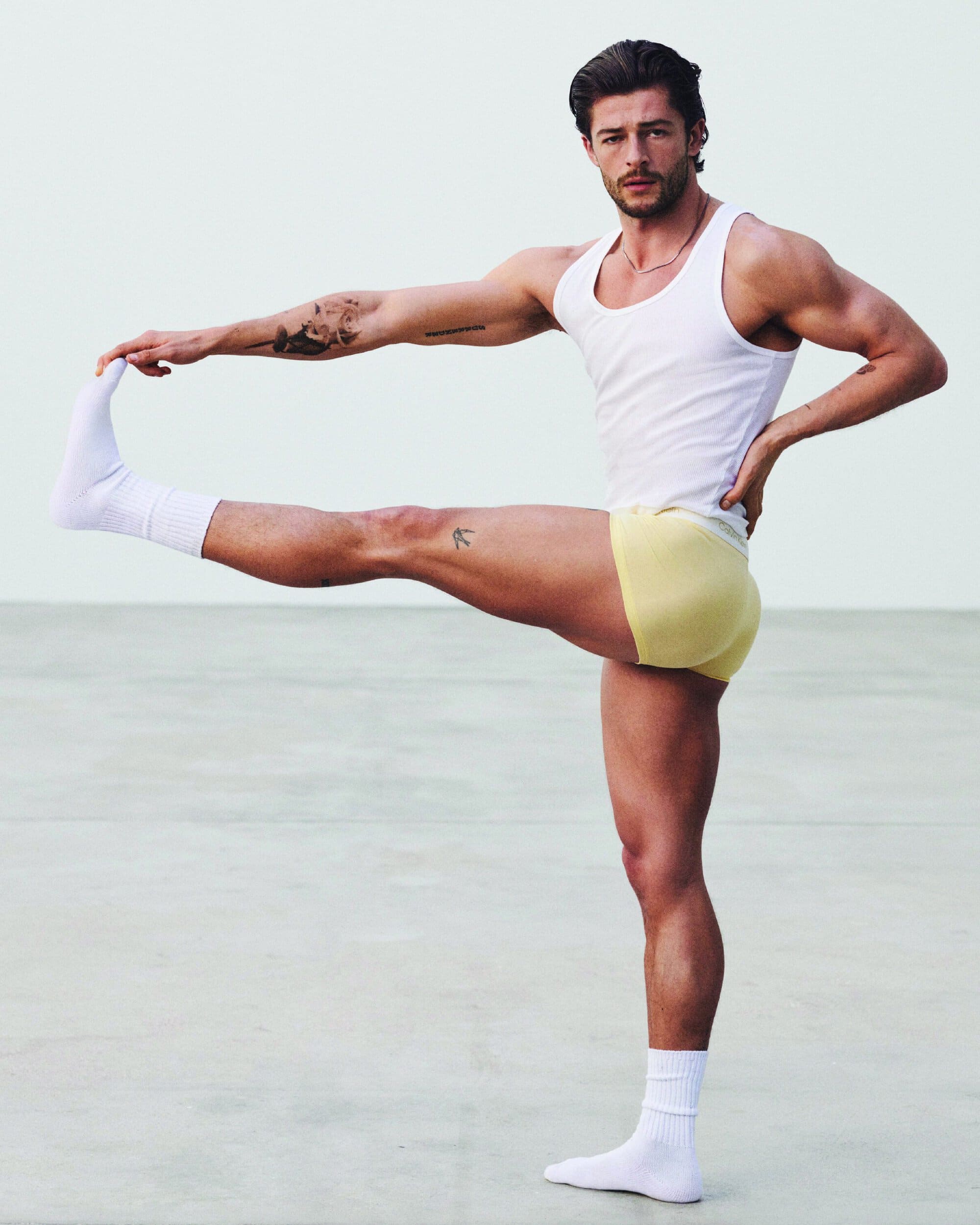
Visually, the campaign operates through three complementary moods. Hinton’s self-shot imagery feels intimate and diaristic, embracing the imperfections and immediacy that define contemporary personal storytelling. Salter introduces movement as language, transforming the body into a vehicle for expression, joy, and identity. Meanwhile, Rand’s motorcycle journey through New York City injects a sense of freedom and momentum, turning the city itself into an open road for self-definition. Together, these narratives avoid feeling compartmentalized; instead, they create a broader portrait of Pride as something fluid, multifaceted, and deeply individual.
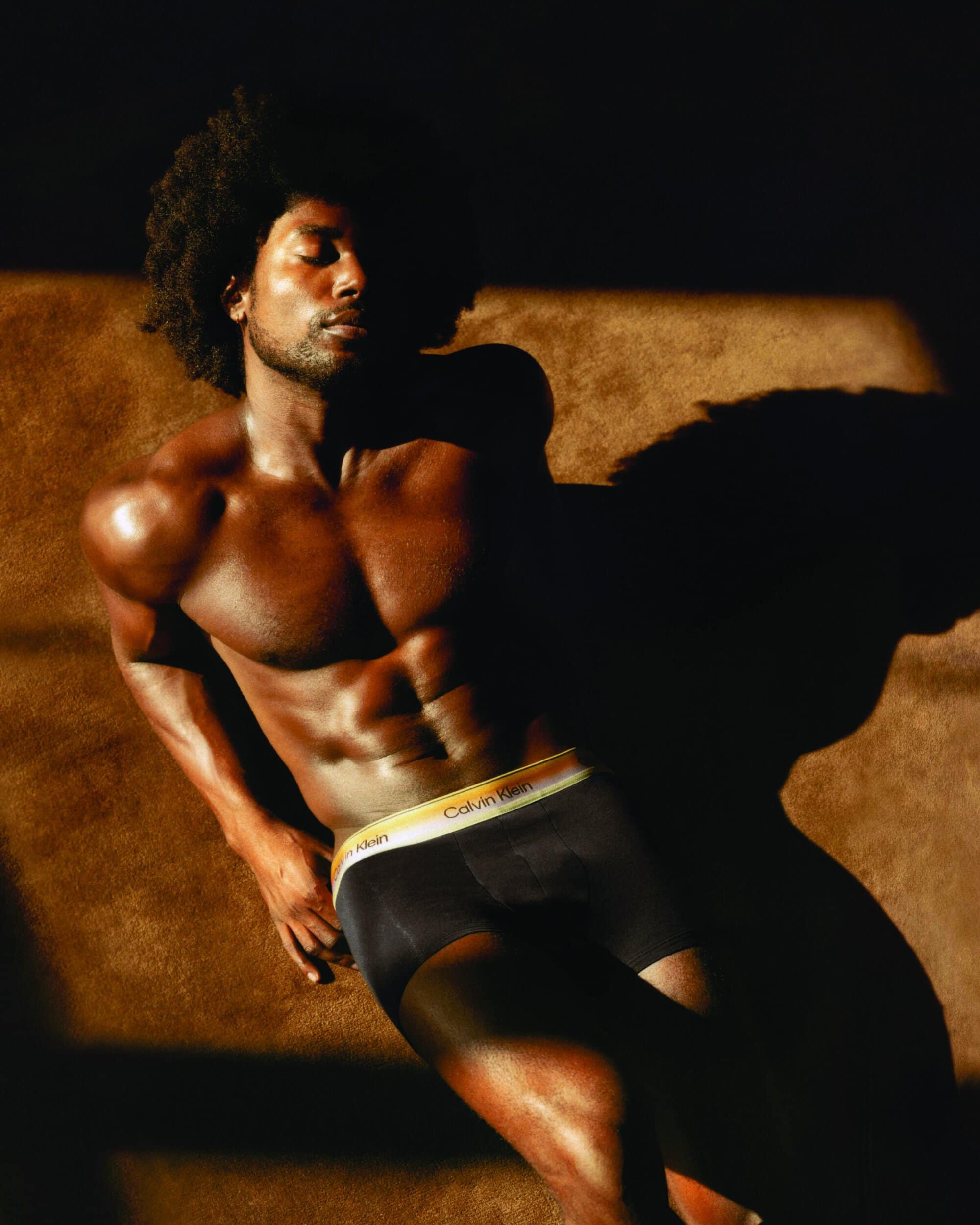
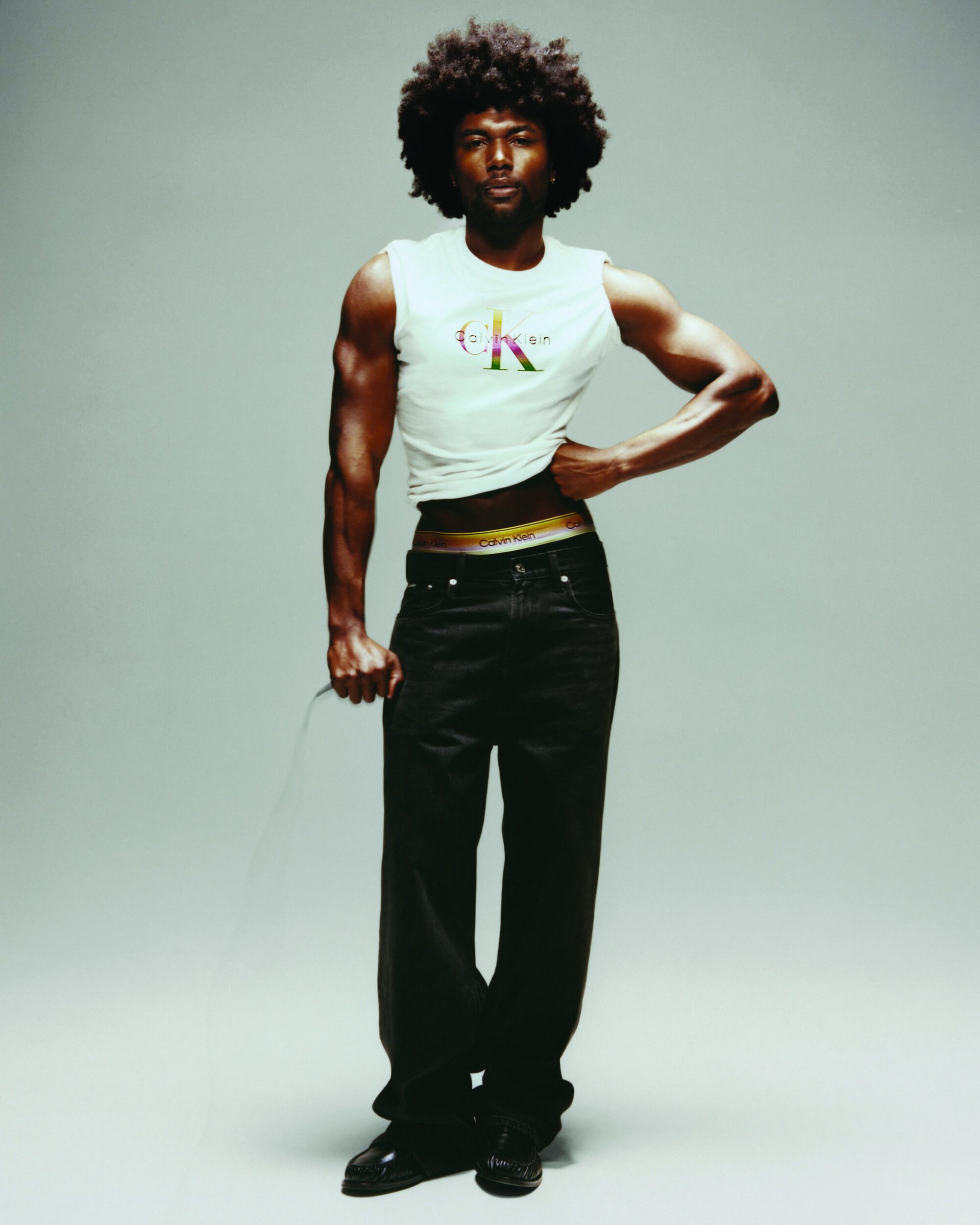
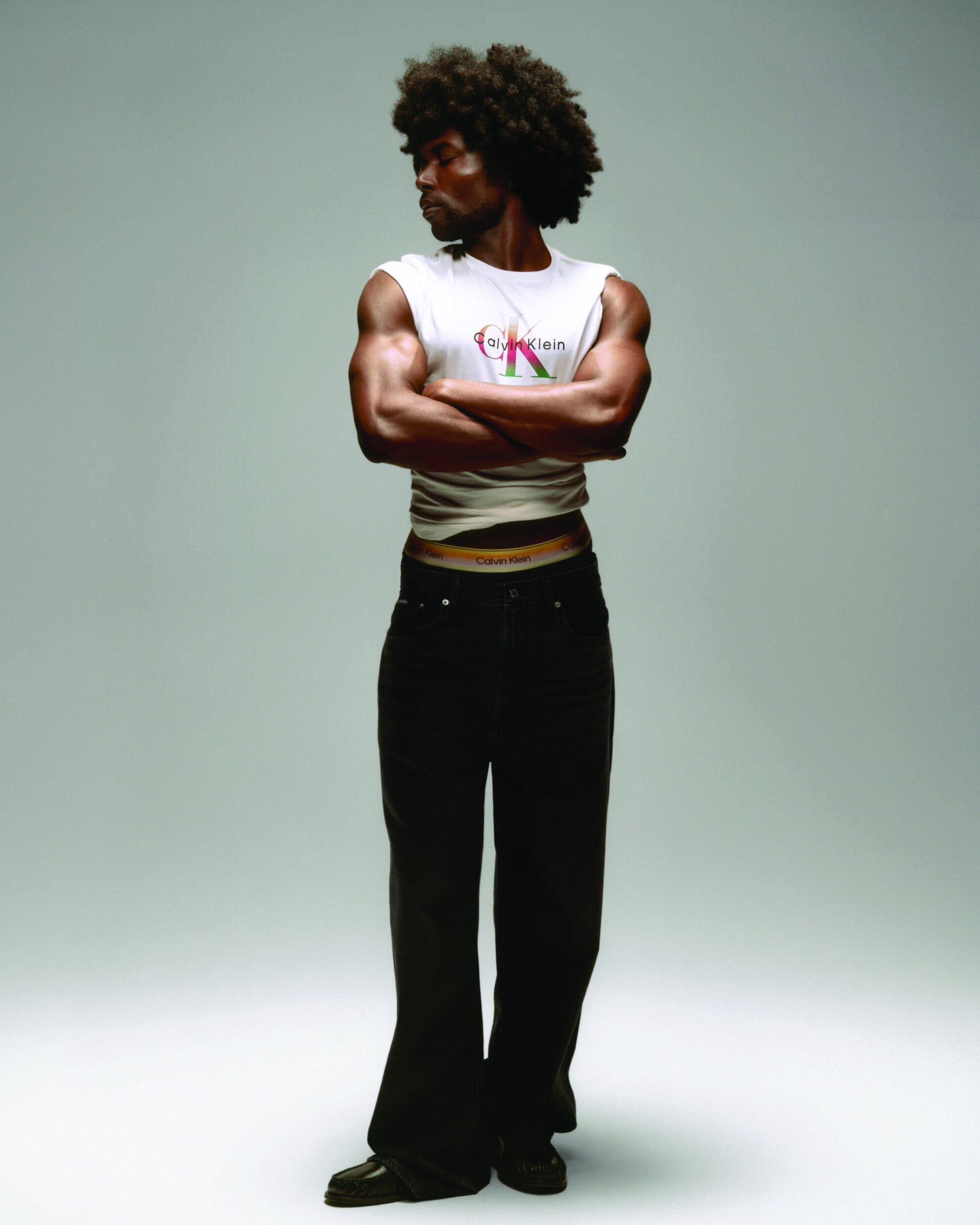
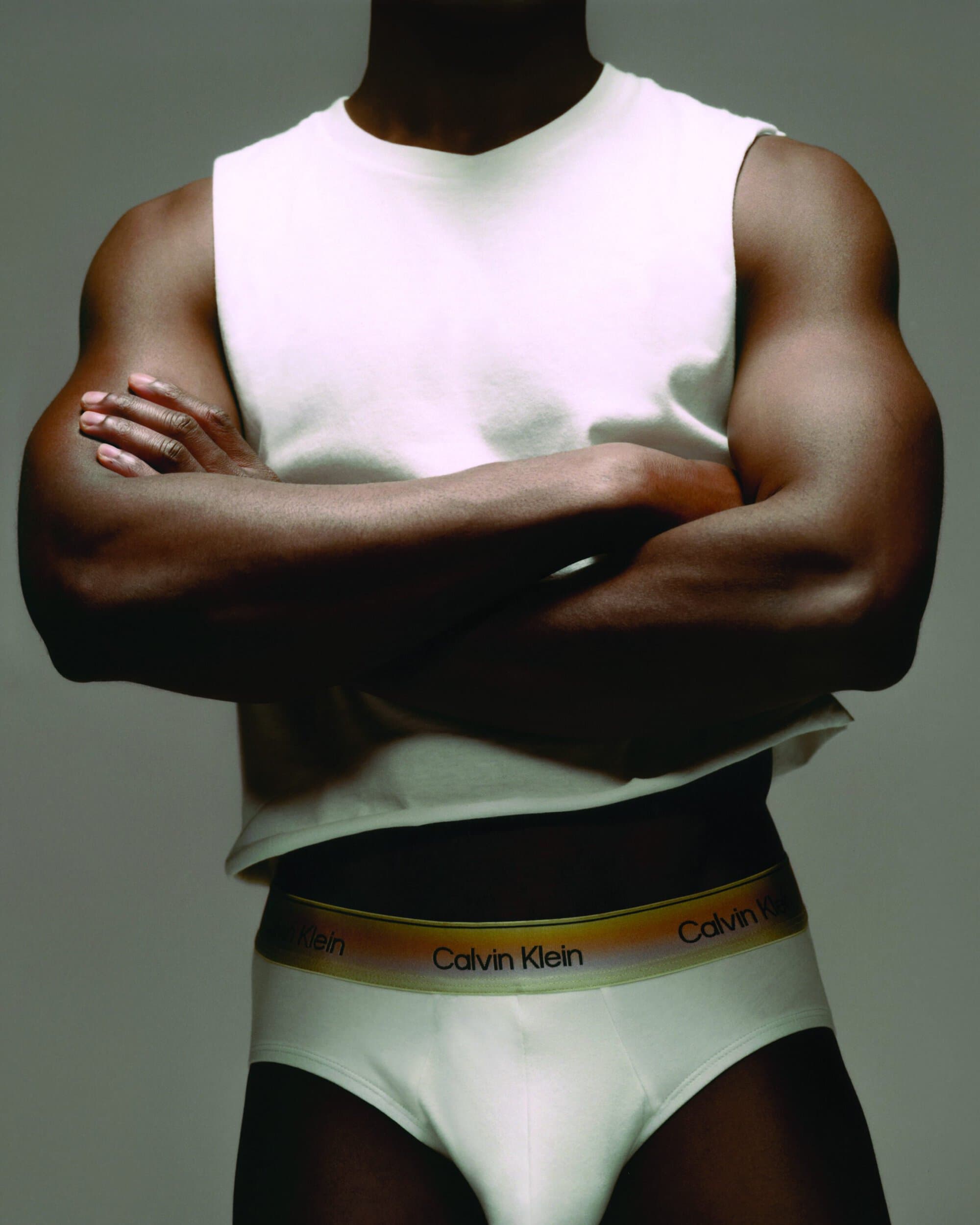
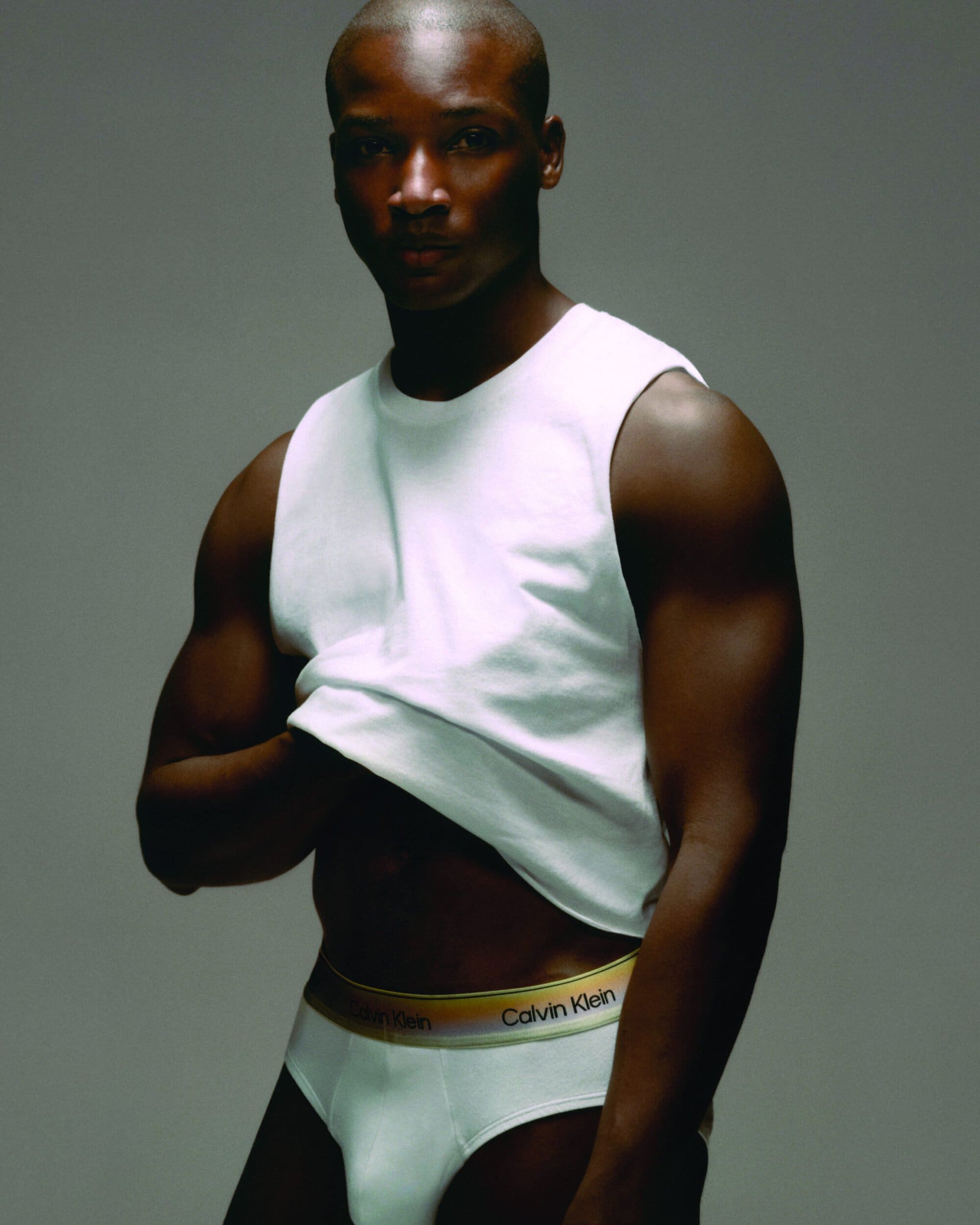
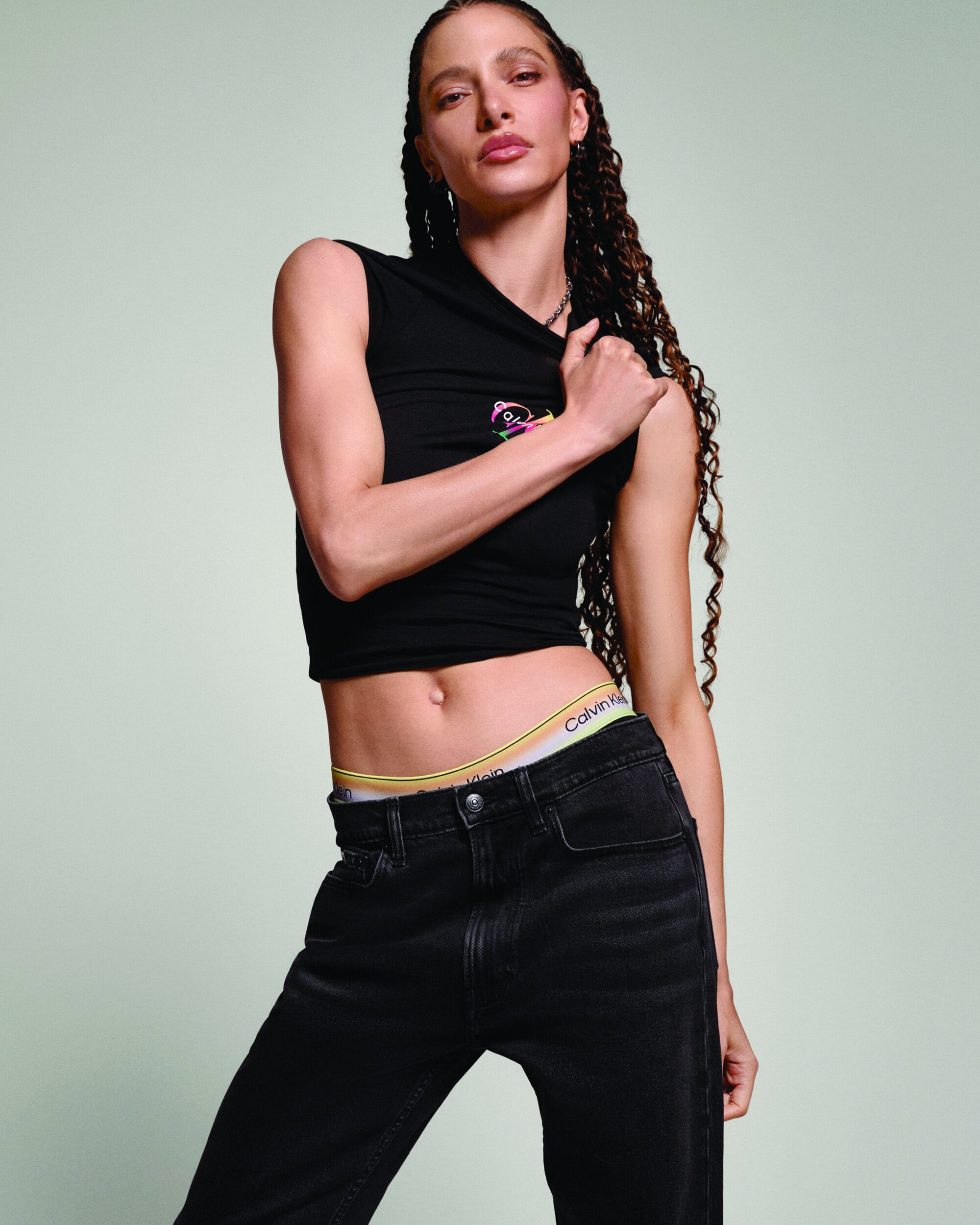
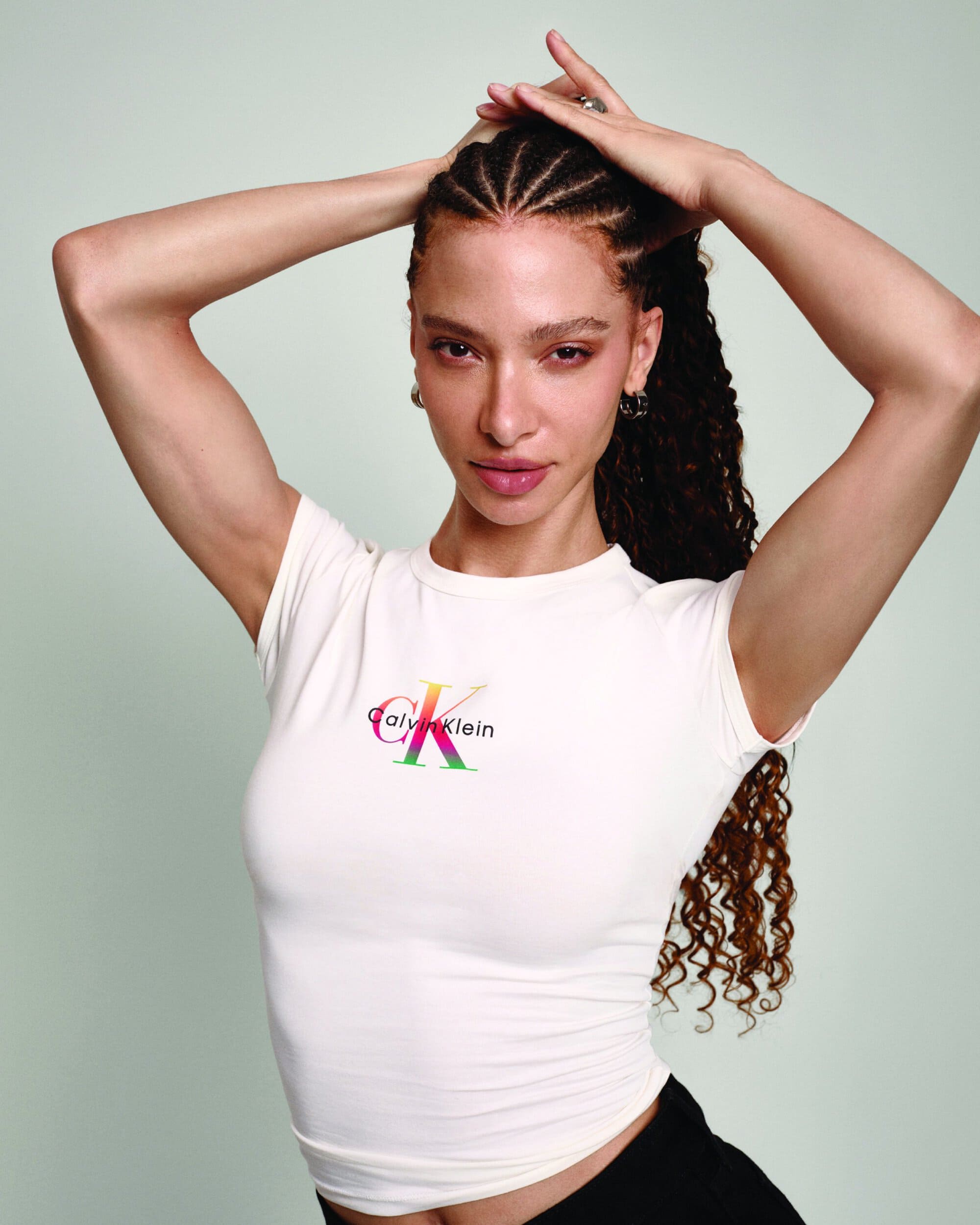
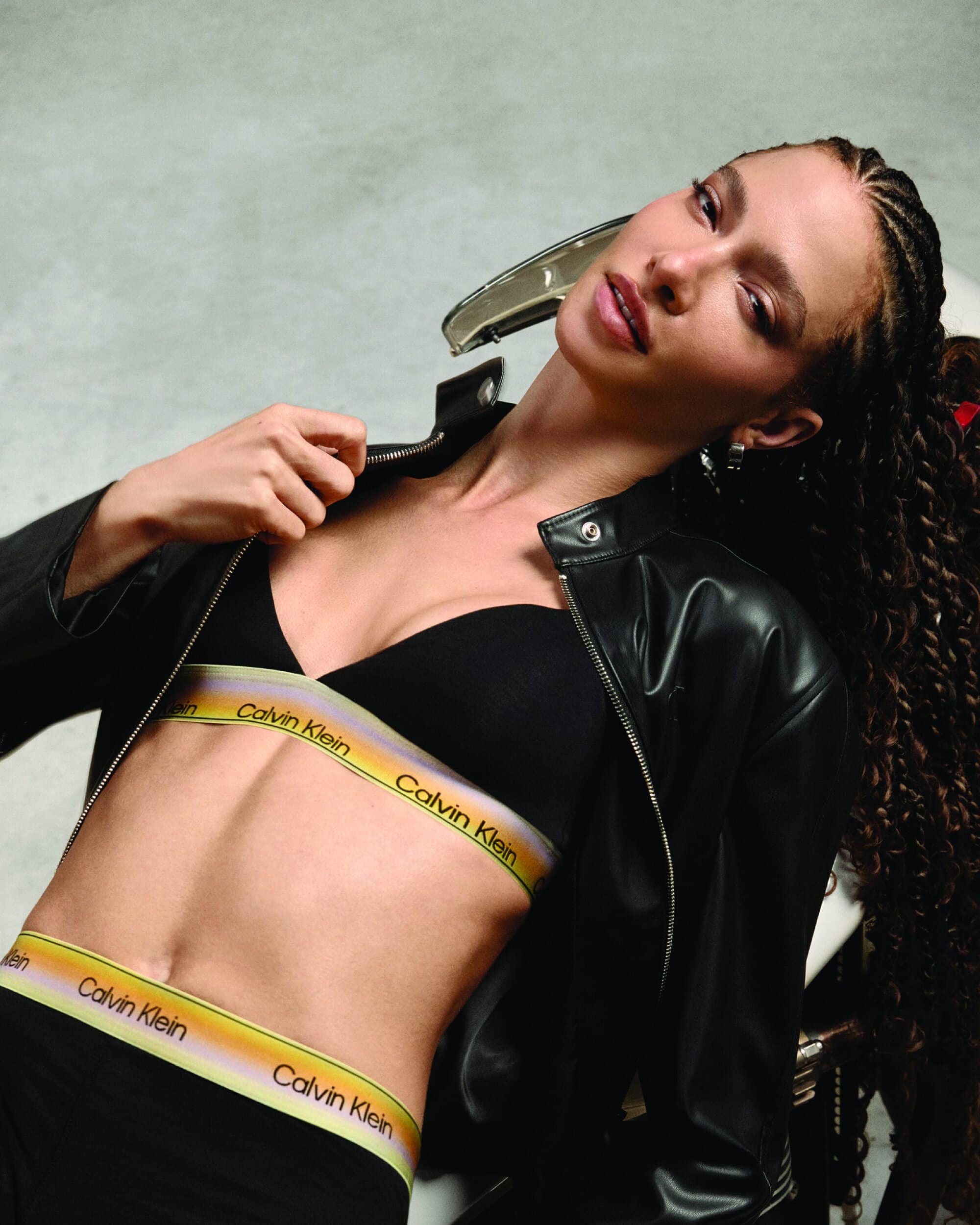
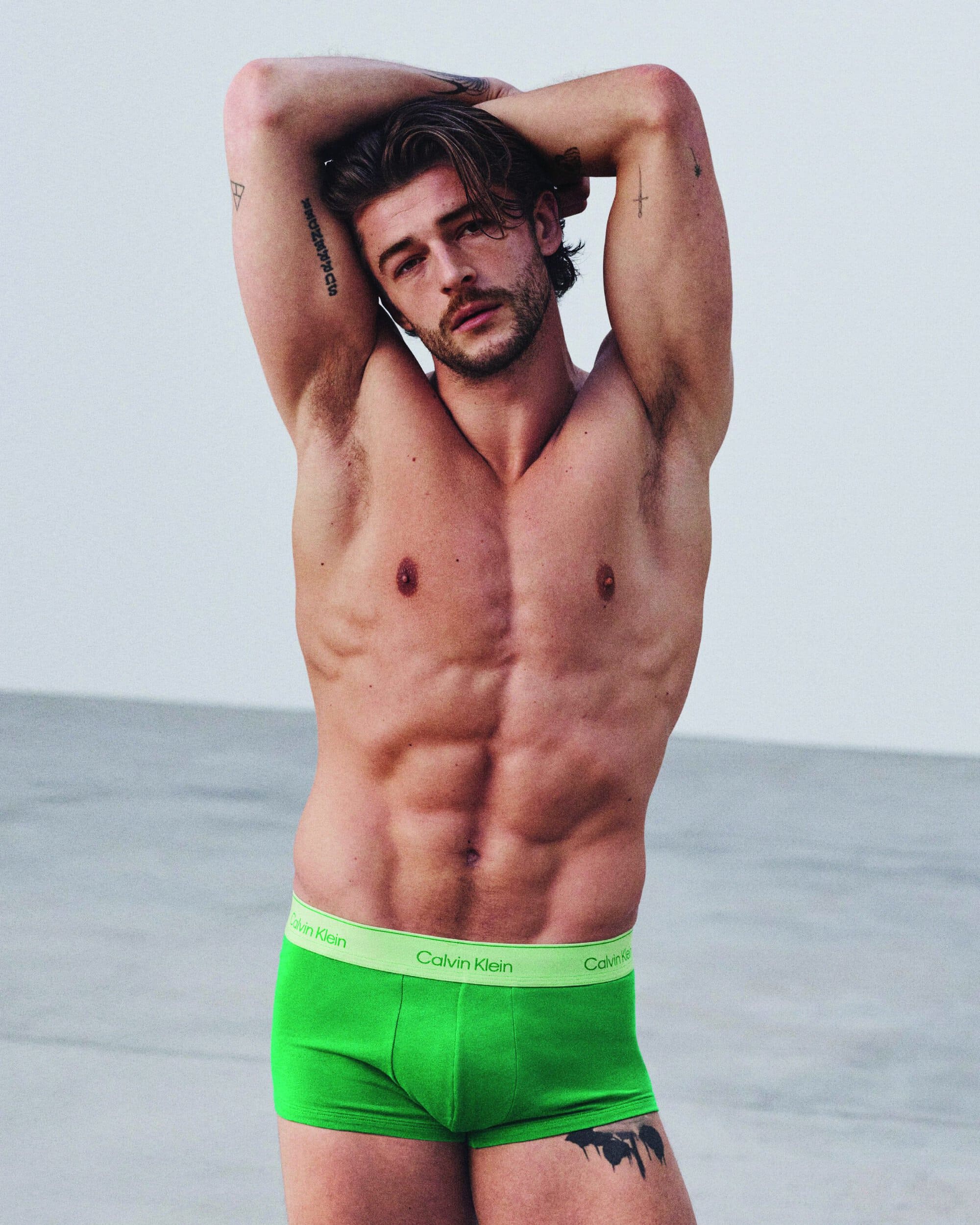
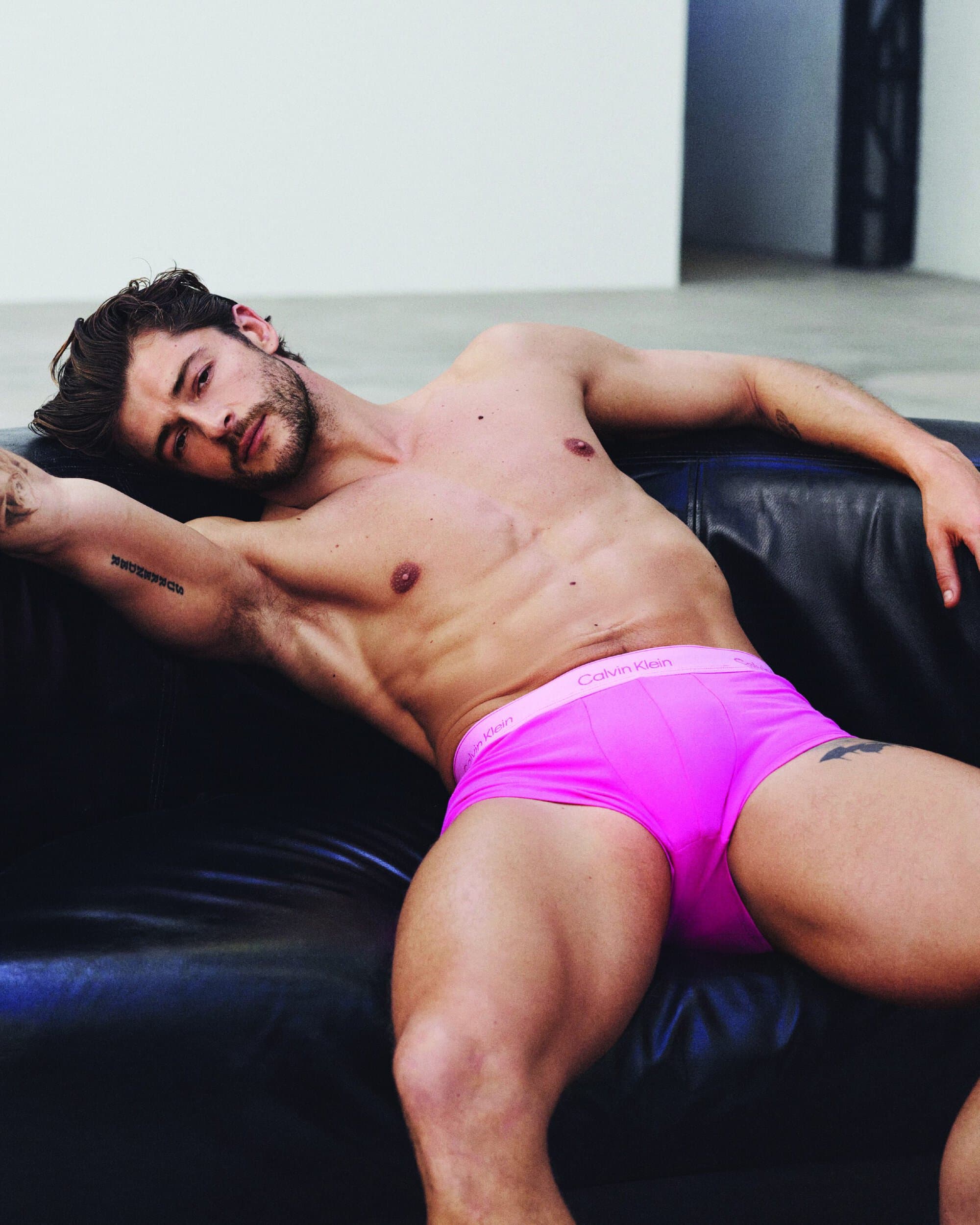
The collection itself supports this approach without overwhelming it. Calvin Klein’s familiar visual codes remain intact — logo waistbands, cotton essentials, denim silhouettes — but are energized through vibrant gradients and bold color treatments inspired by Pride symbolism. Importantly, the garments function as extensions of the personalities featured rather than becoming the sole focus. The styling feels lived-in rather than overly prescribed, allowing the clothing to participate in the storytelling rather than dominate it. For a brand whose greatest strength has long been its ability to make basics feel culturally relevant, this restraint works in its favor.
What resonates most is the campaign’s confidence in specificity. Too often, Pride campaigns attempt to speak universally and end up sounding generic. Calvin Klein instead embraces particularity. Each creator’s contribution feels rooted in their own creative language, whether through photography, movement, or personal exploration. This decentralized approach mirrors broader shifts within contemporary culture, where audiences increasingly value individual perspectives over polished corporate messaging. The campaign understands that representation is not merely about who appears in the frame, but about who controls it.
If there is an area where the campaign could have pushed further, it might be in the visual interplay between its three narratives. While each story succeeds independently, the broader campaign occasionally feels more like a triptych than a fully interconnected conversation. A stronger thread linking the creators’ experiences could have added another layer of emotional resonance. Yet there is also merit in resisting excessive cohesion. Pride itself is not a singular experience, and the campaign’s refusal to force one may ultimately be its most honest gesture.
In the end, Calvin Klein’s Pride 2026 campaign succeeds because it understands that self-expression rarely arrives in uniform. By placing creators at the center of both the lens and the narrative, the brand creates space for individuality to do what it does best: speak for itself. Sometimes the strongest statement is not making everyone march to the same beat. Sometimes it is simply letting each person choose their own rhythm.

Creative Director | Deon Hinton, Bruno Stau, Rebekah Campbell