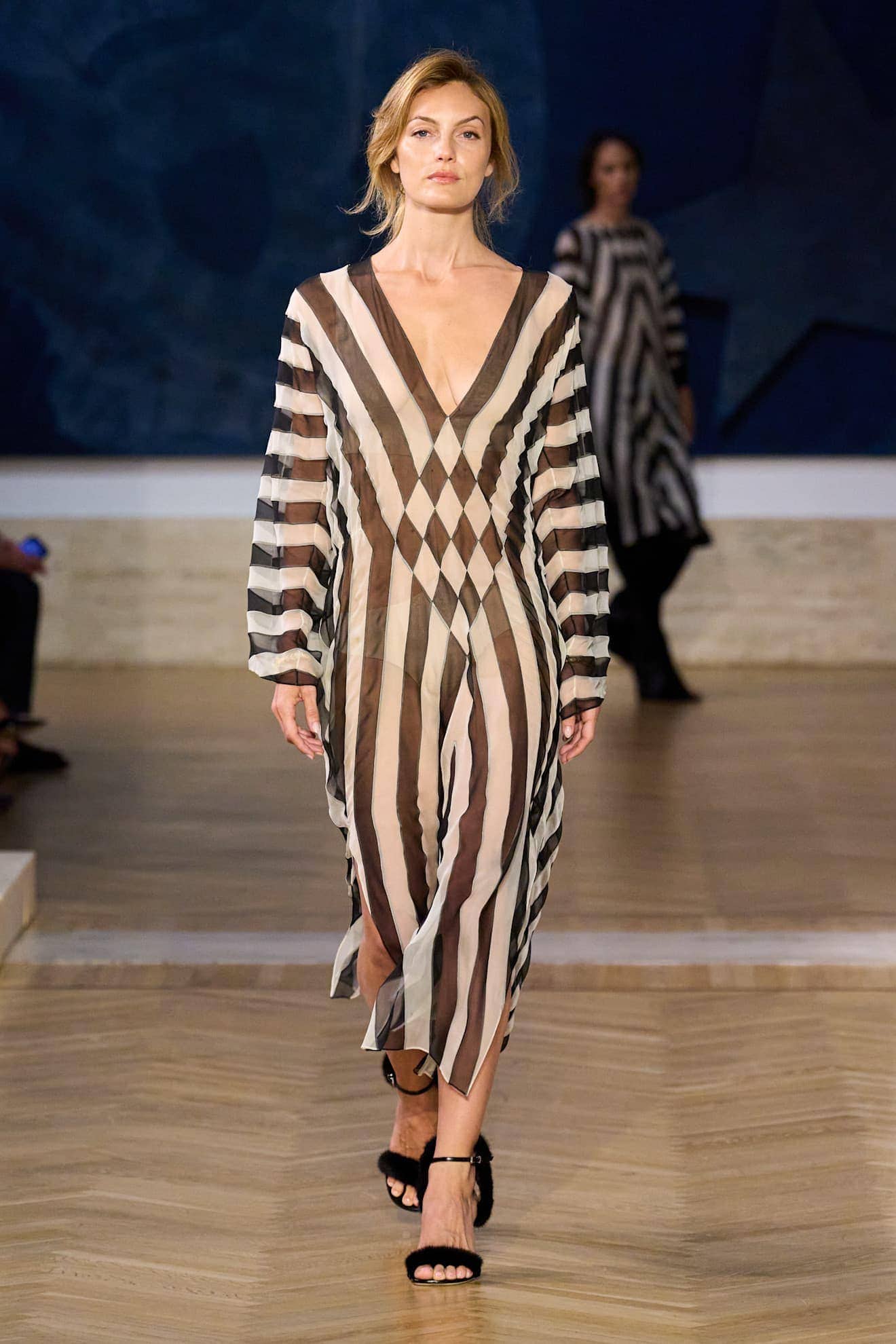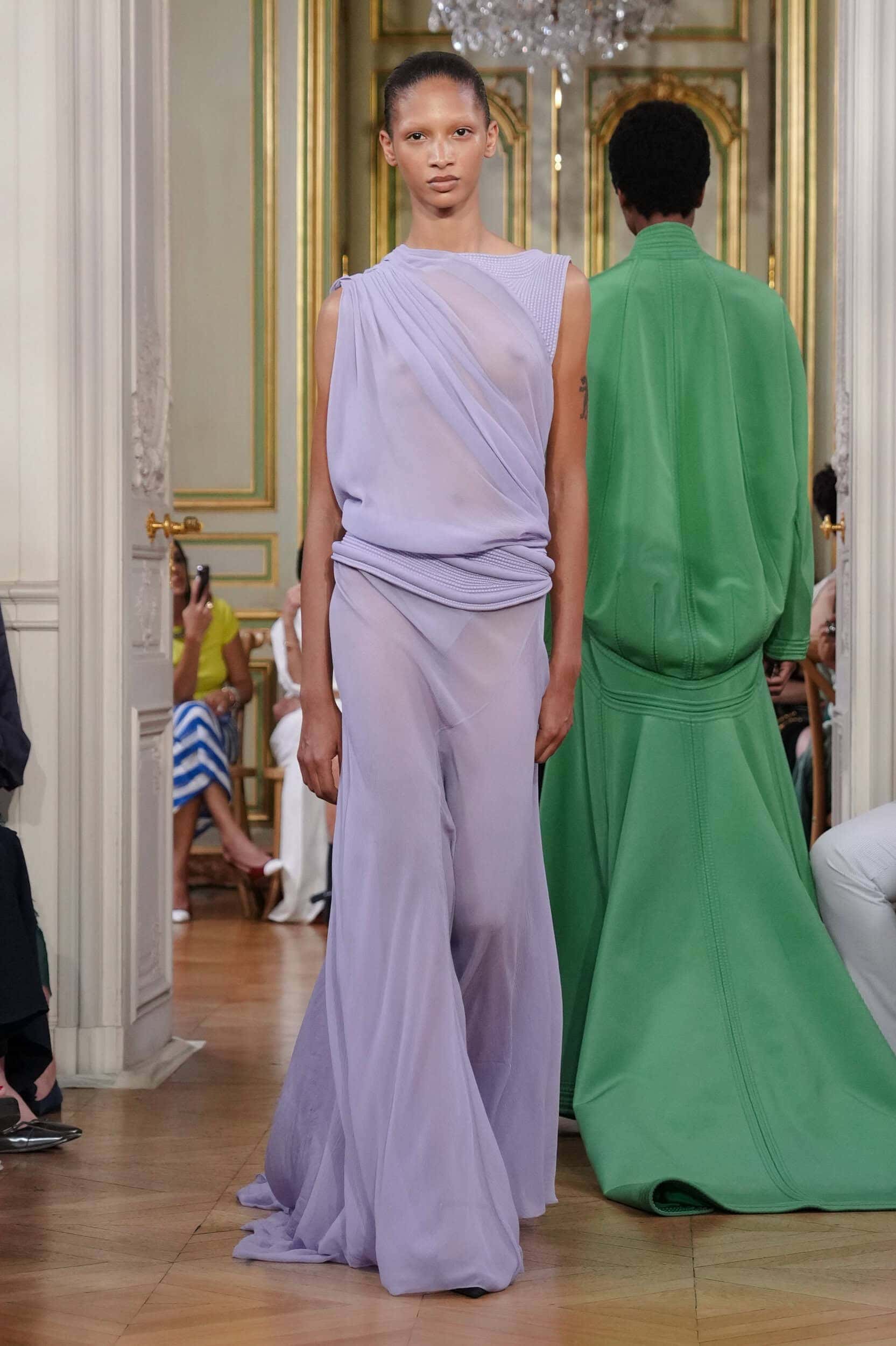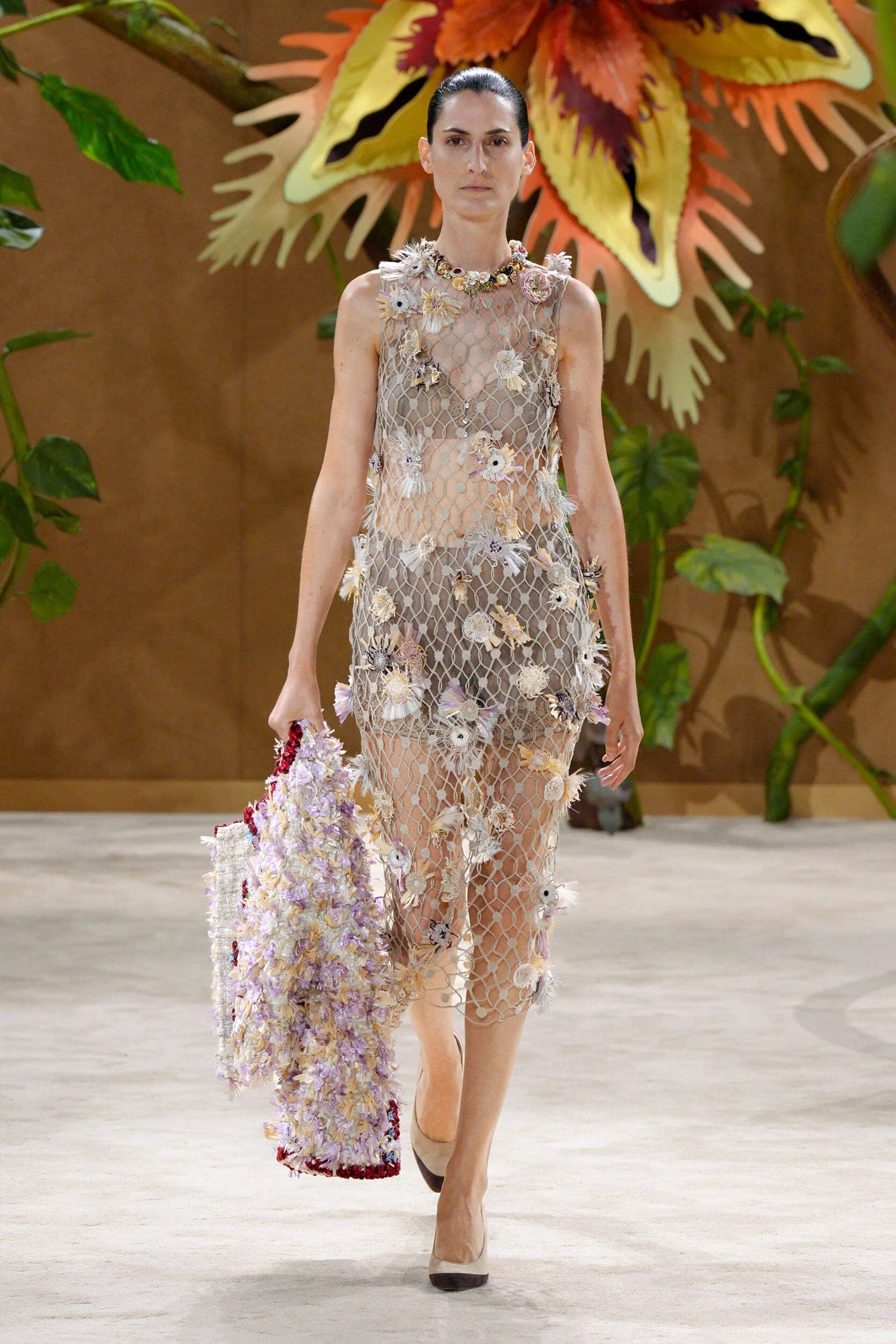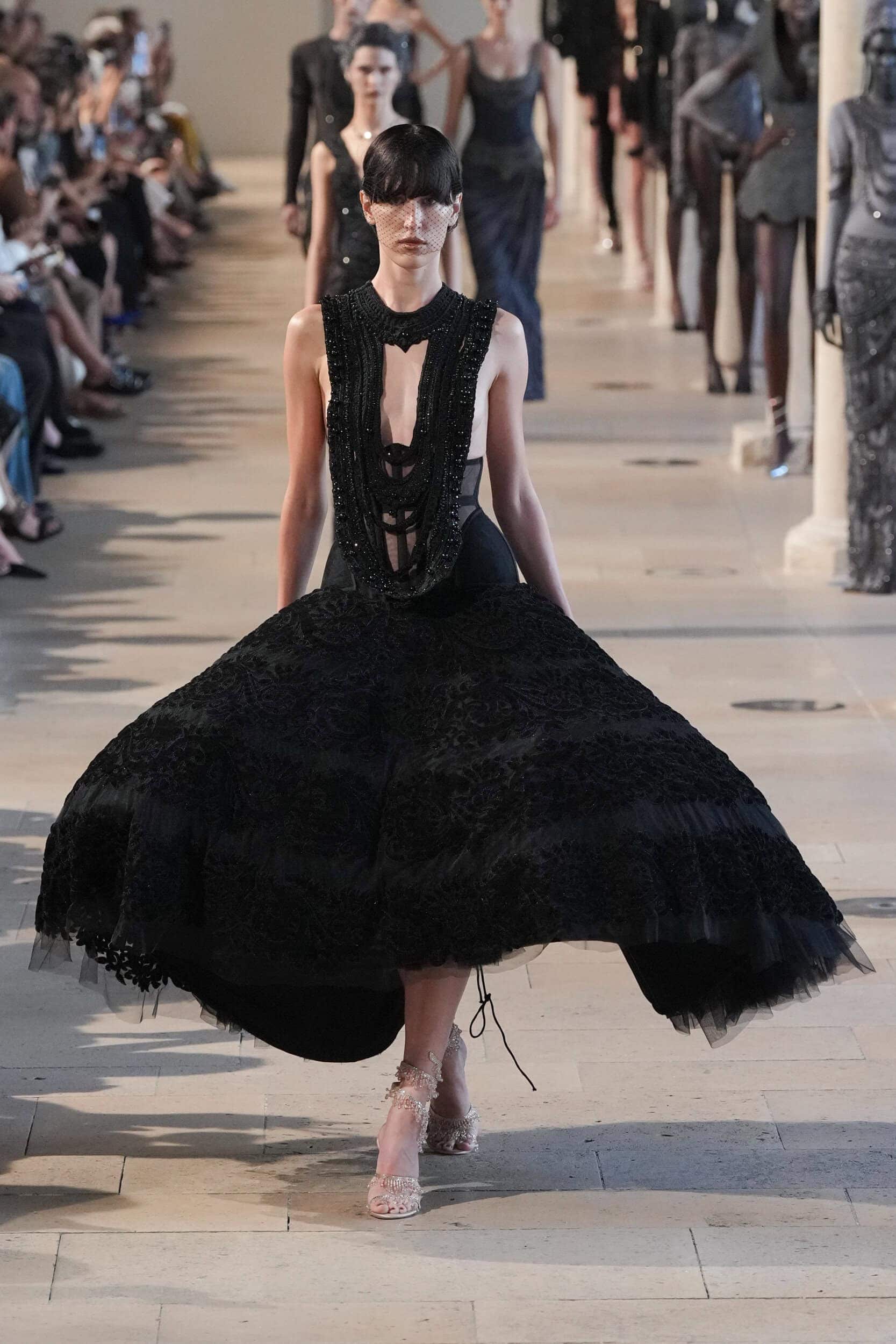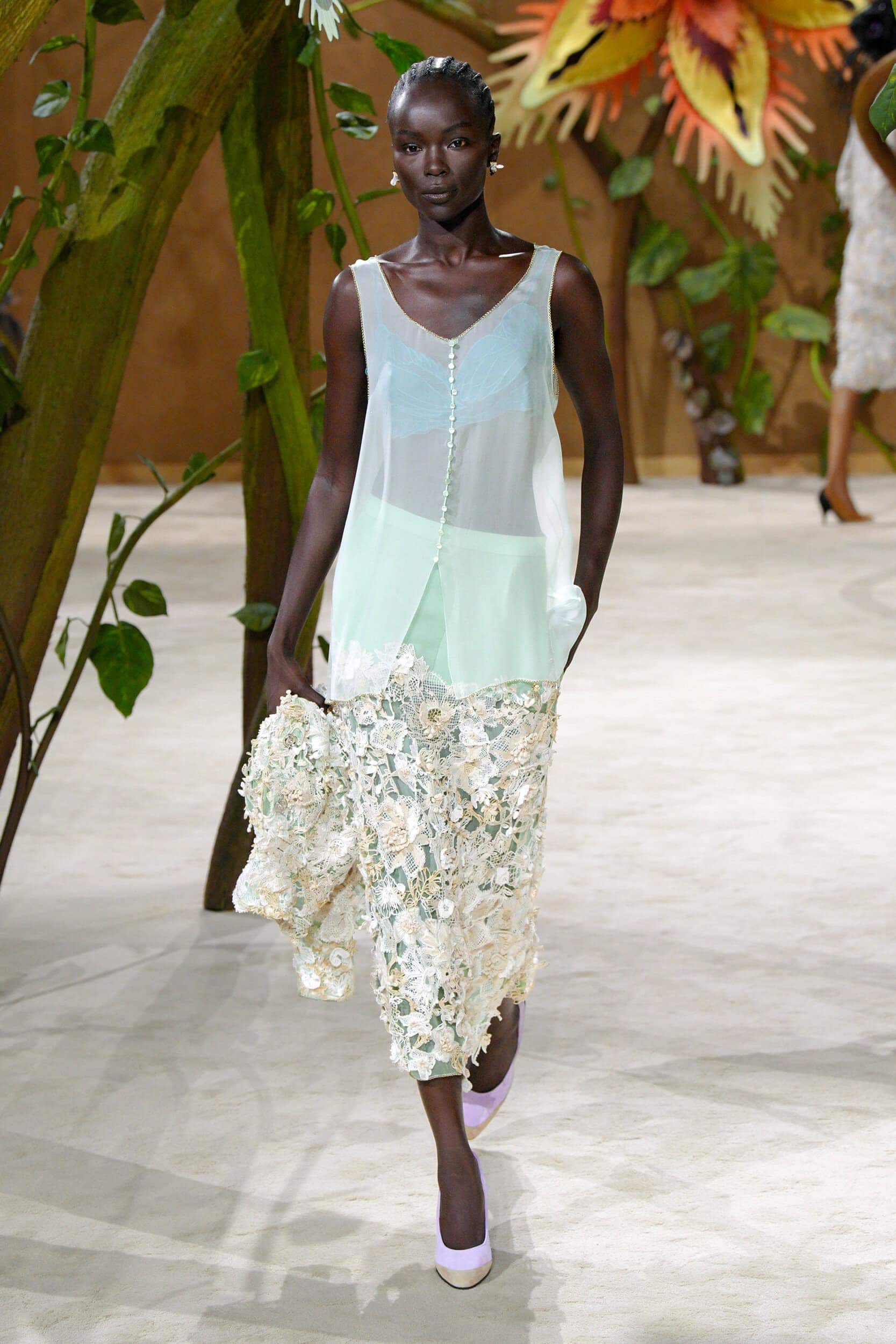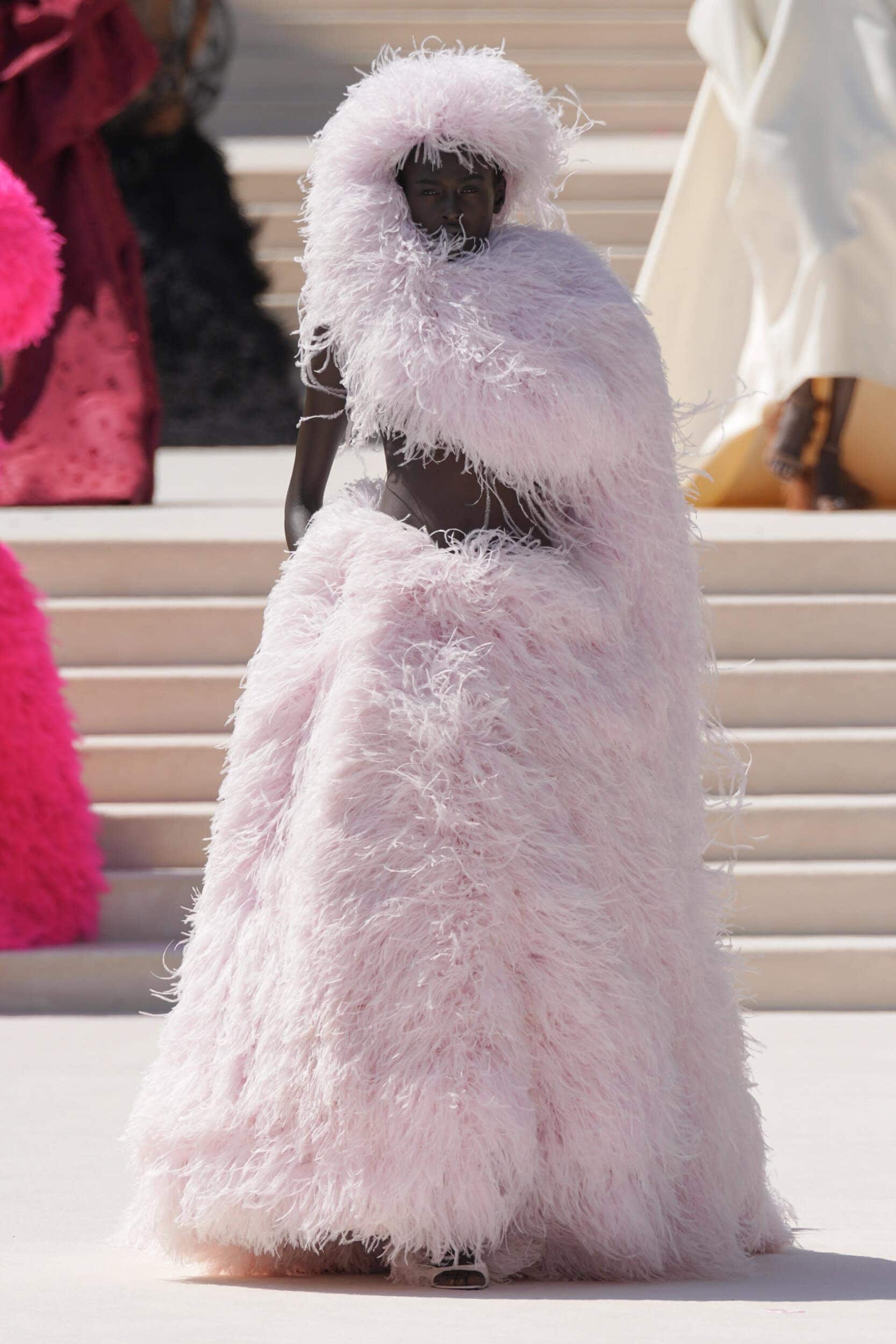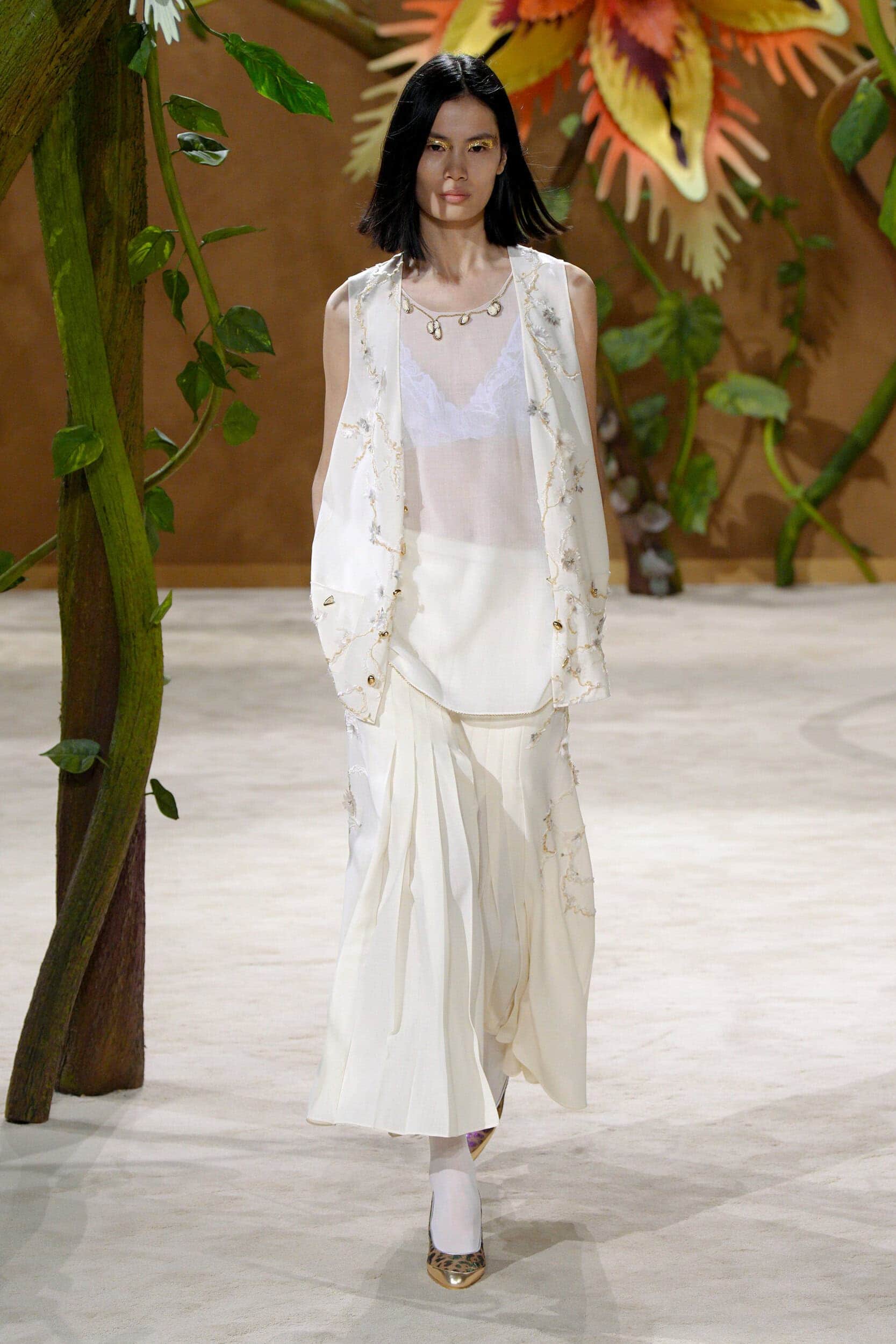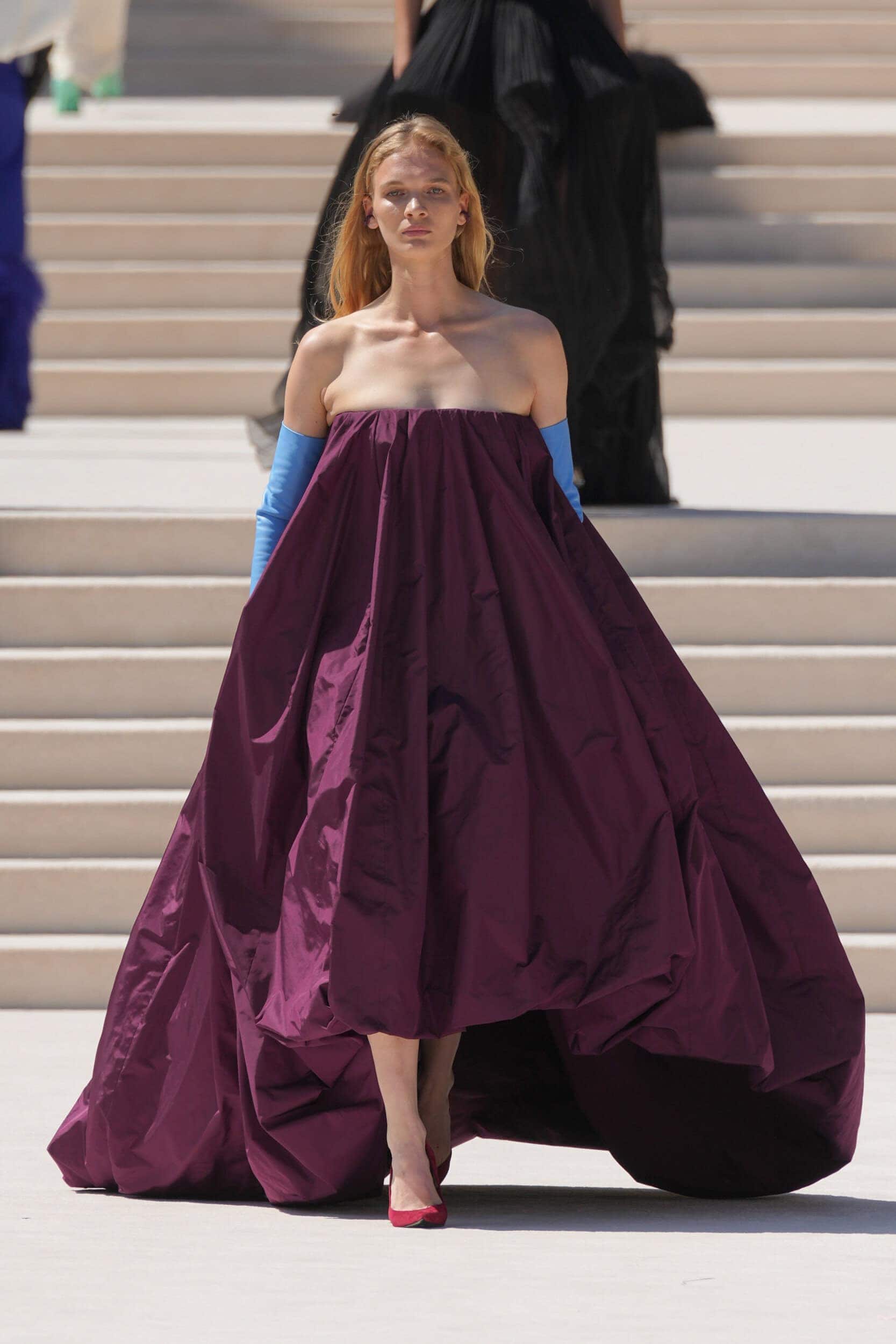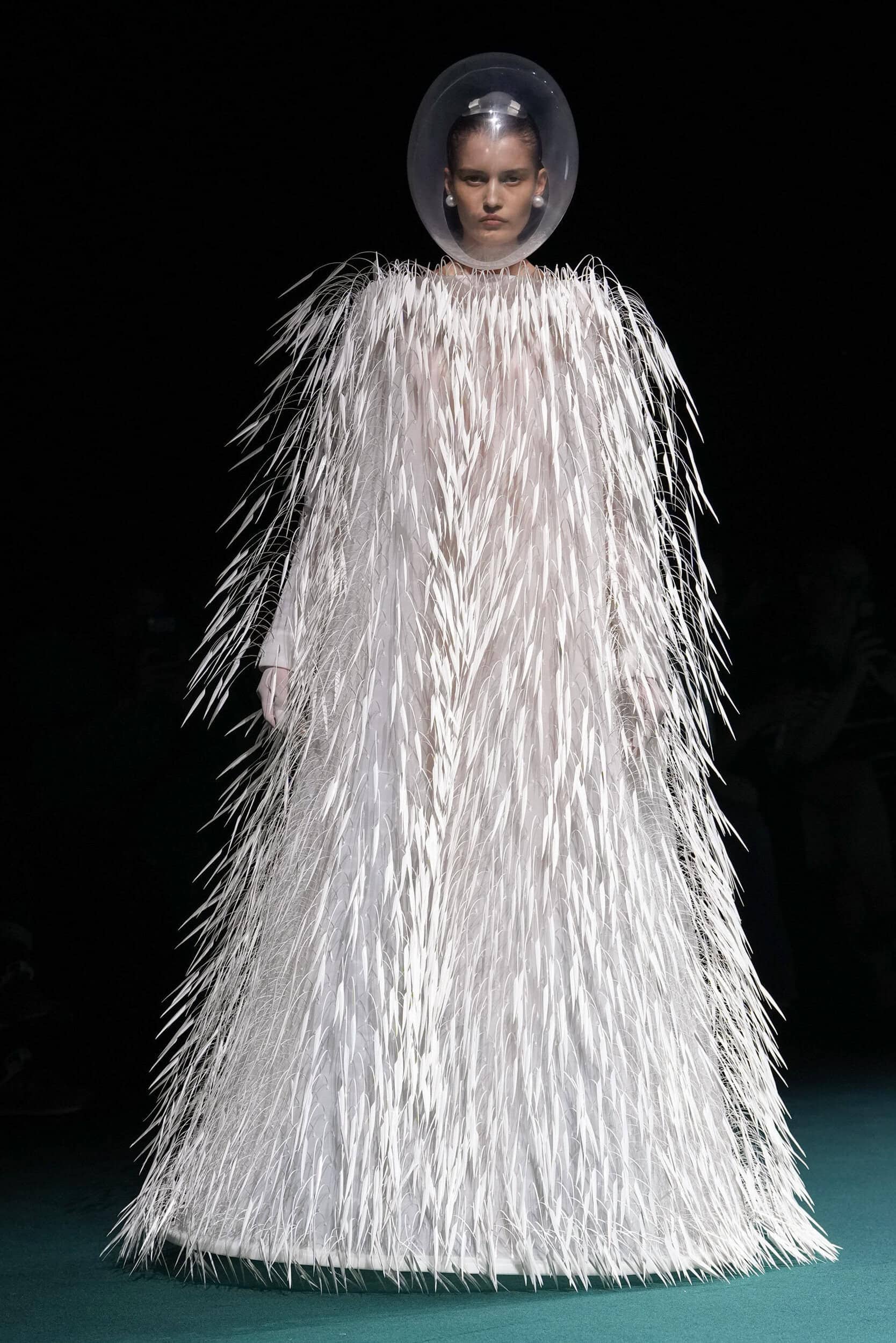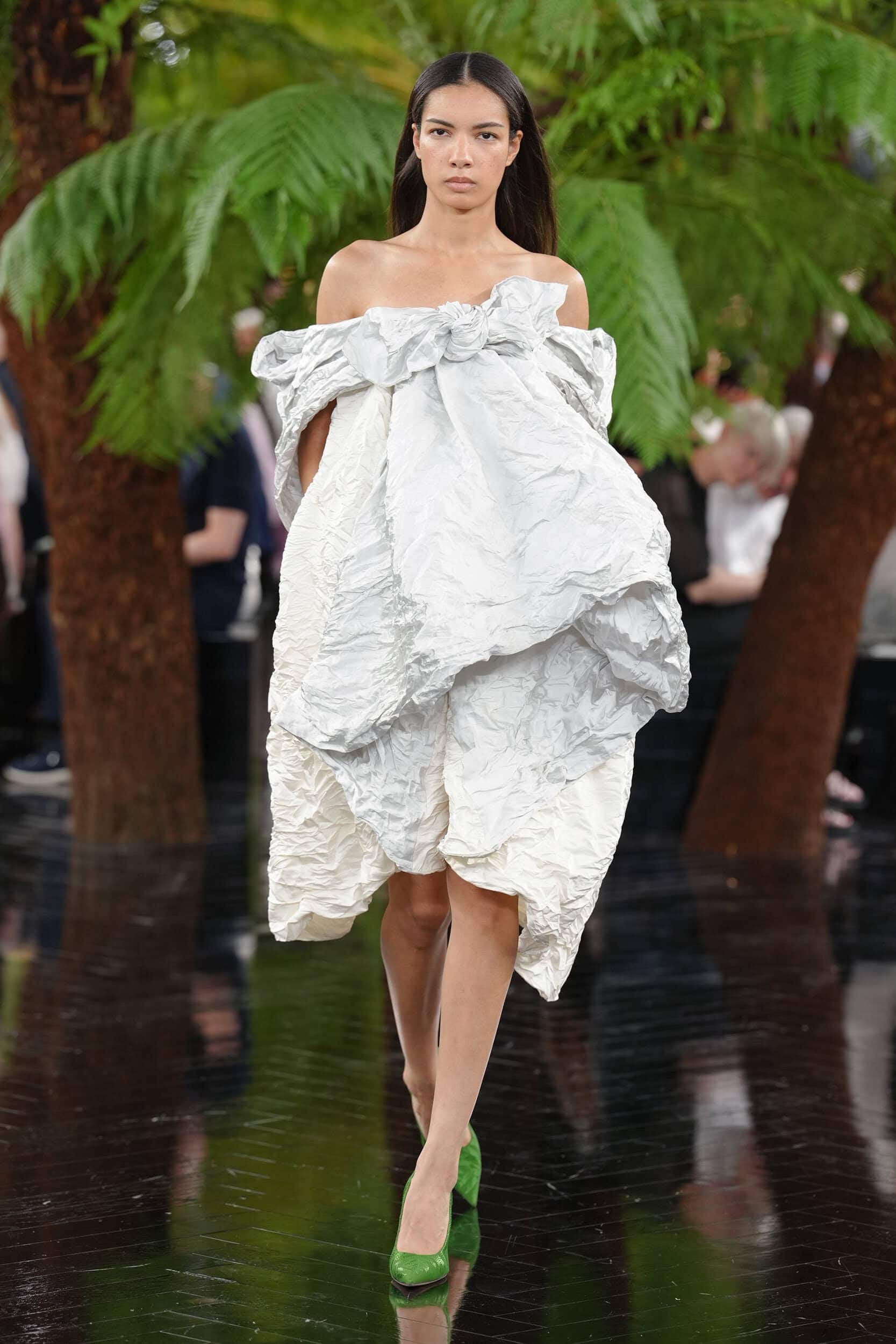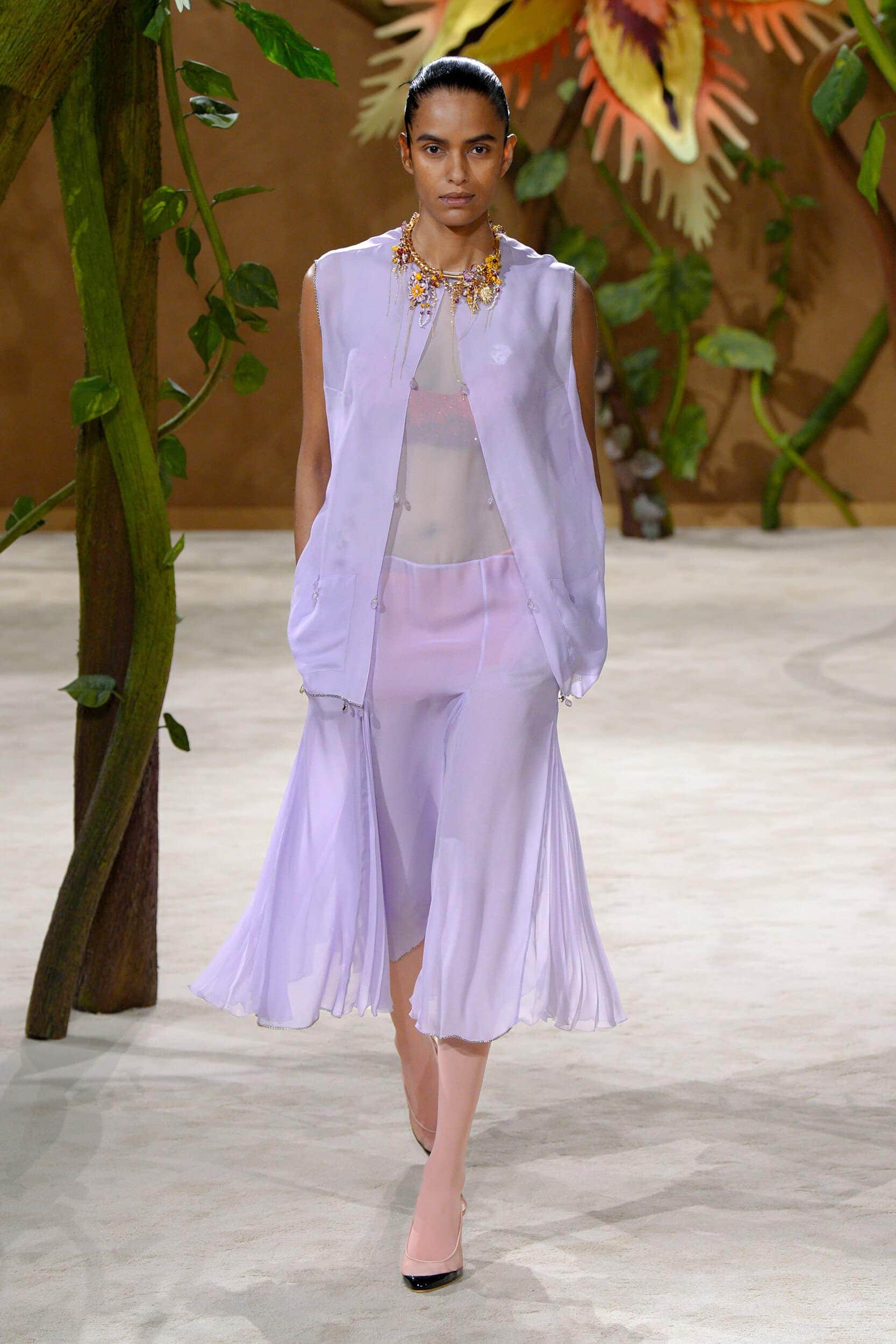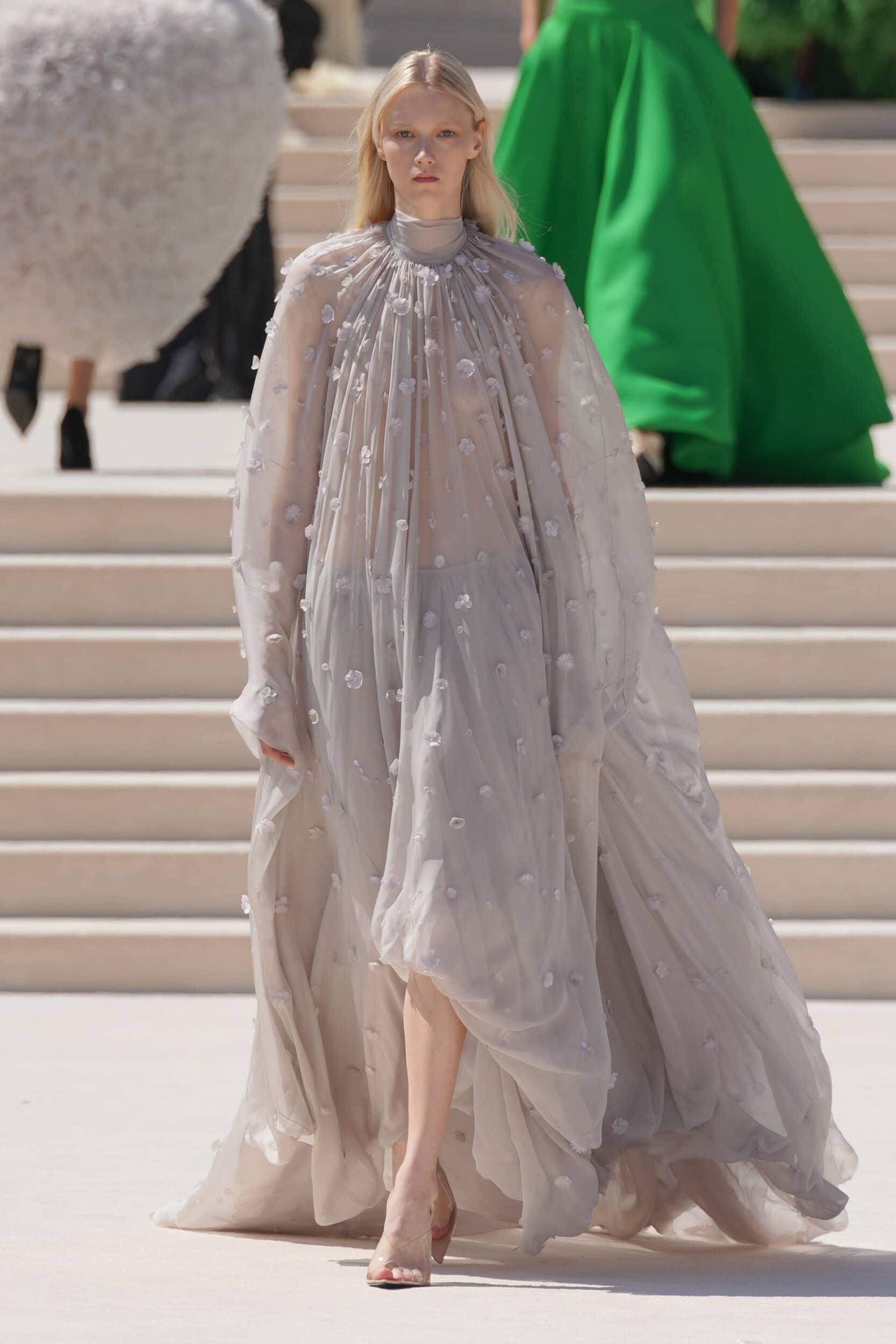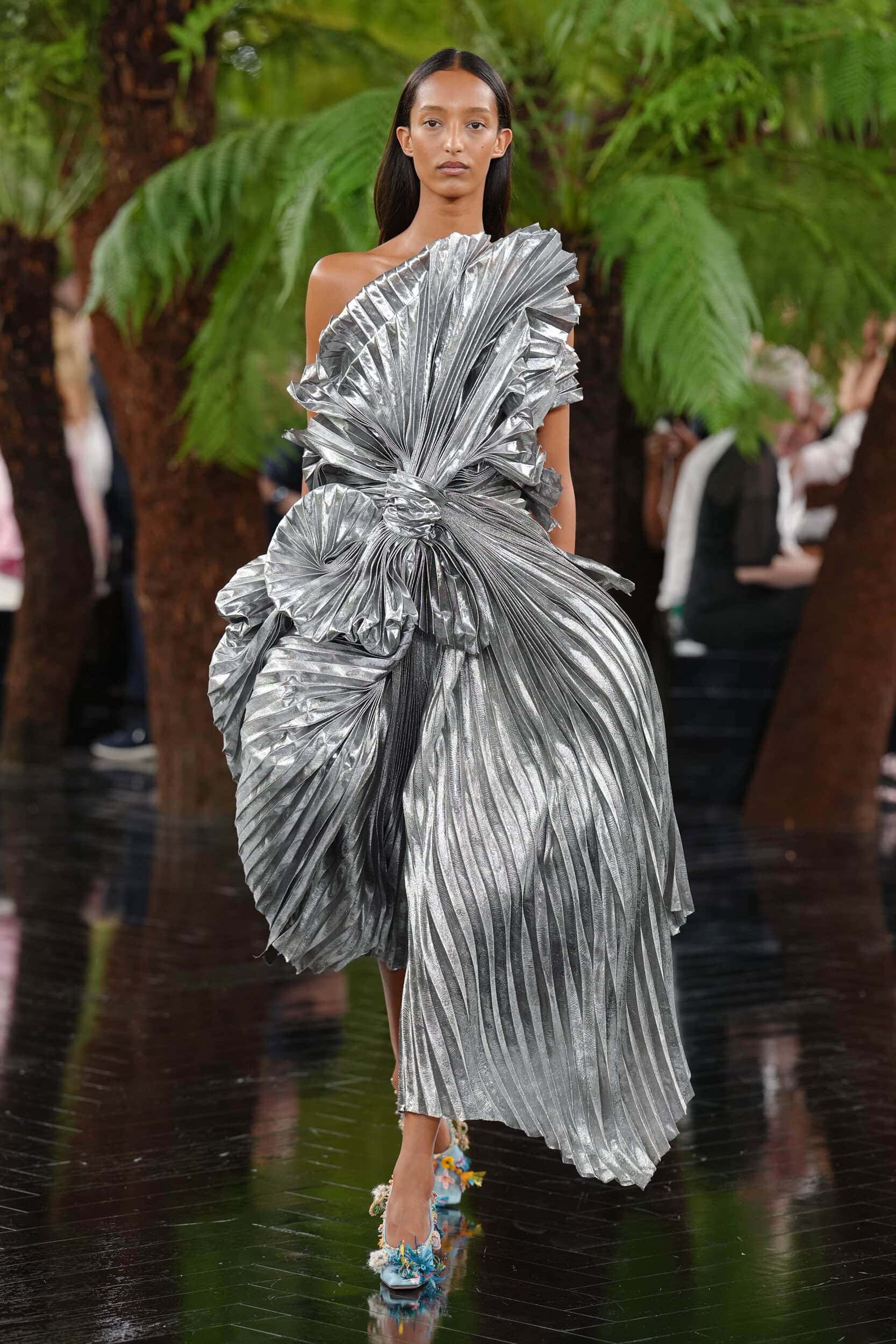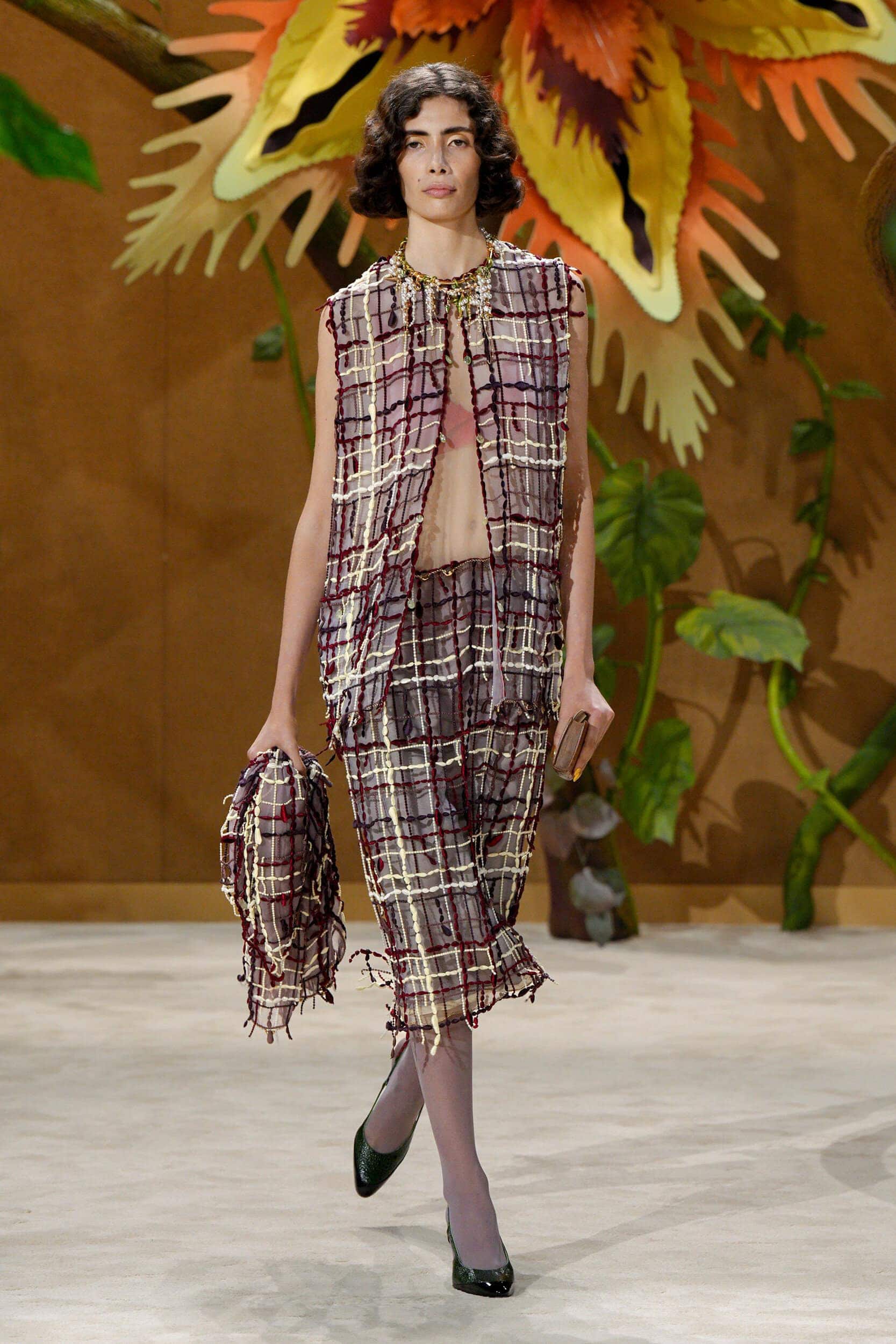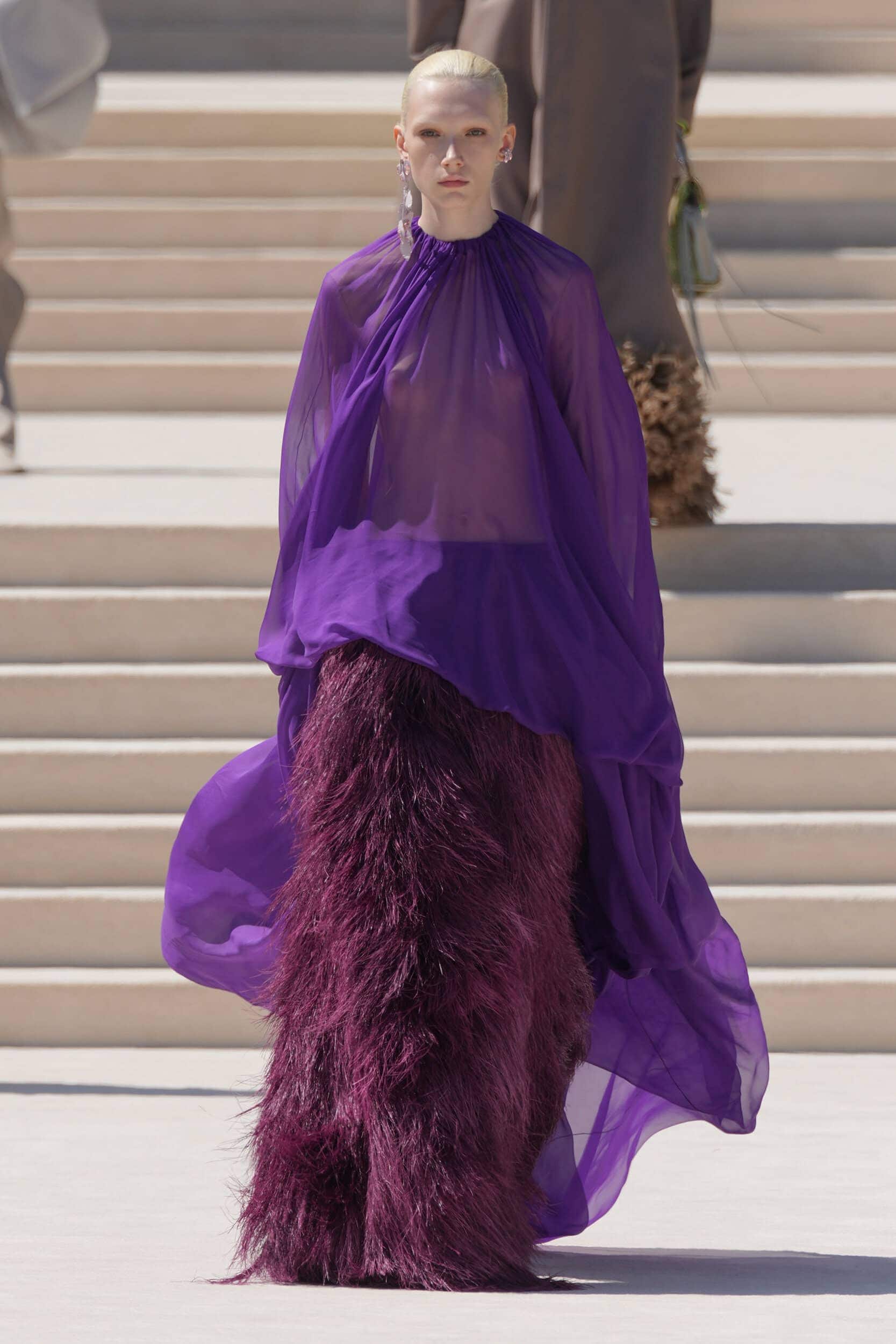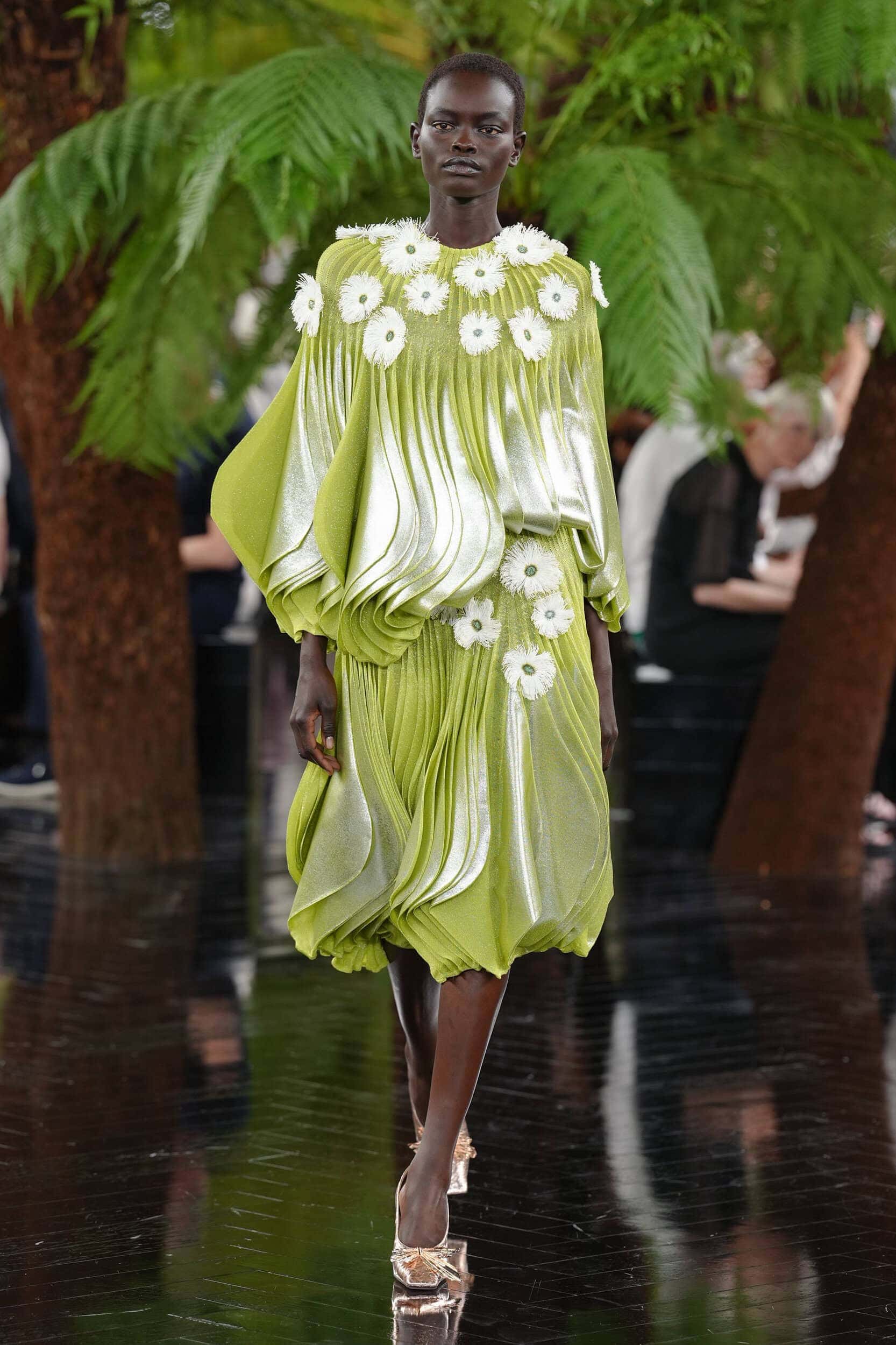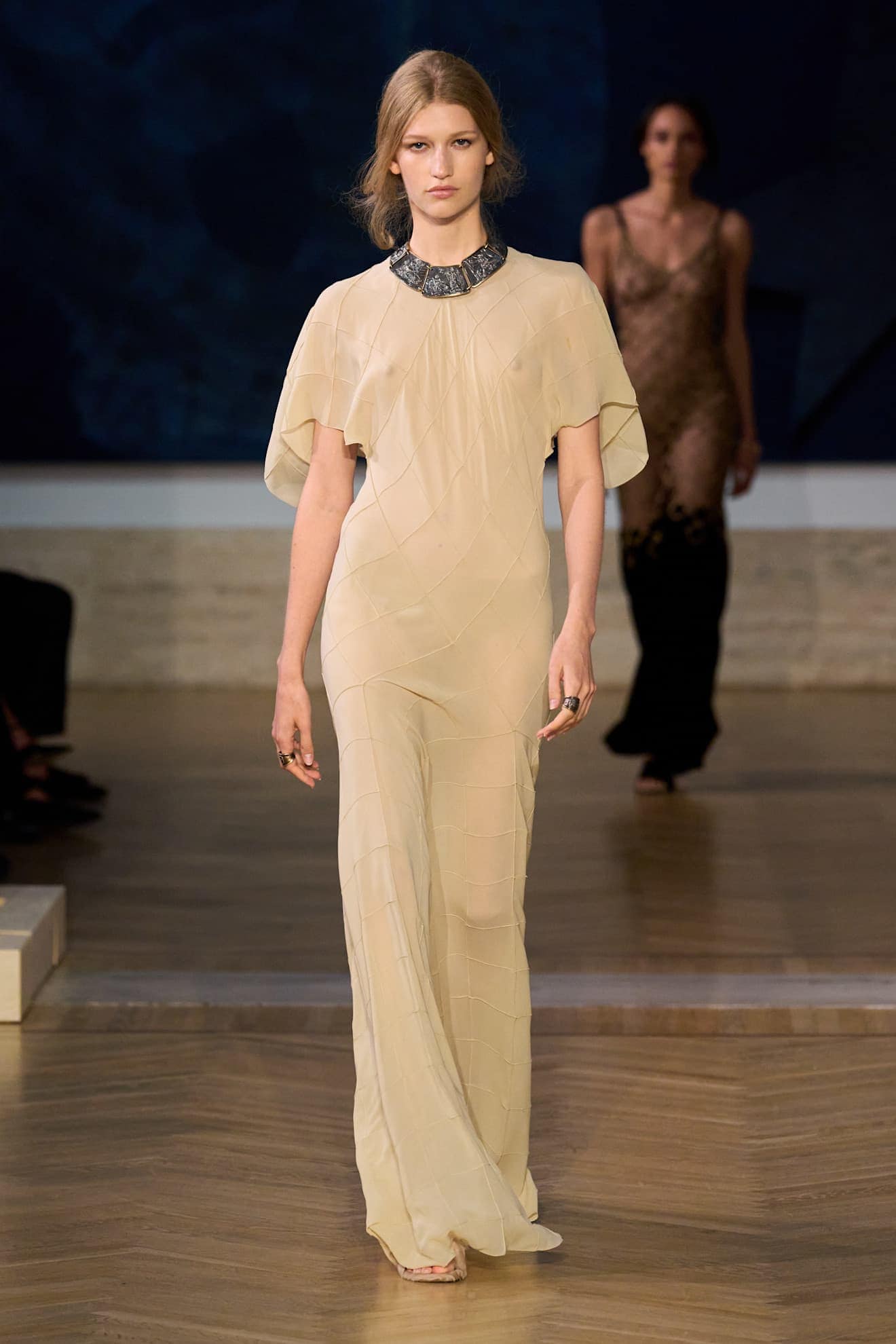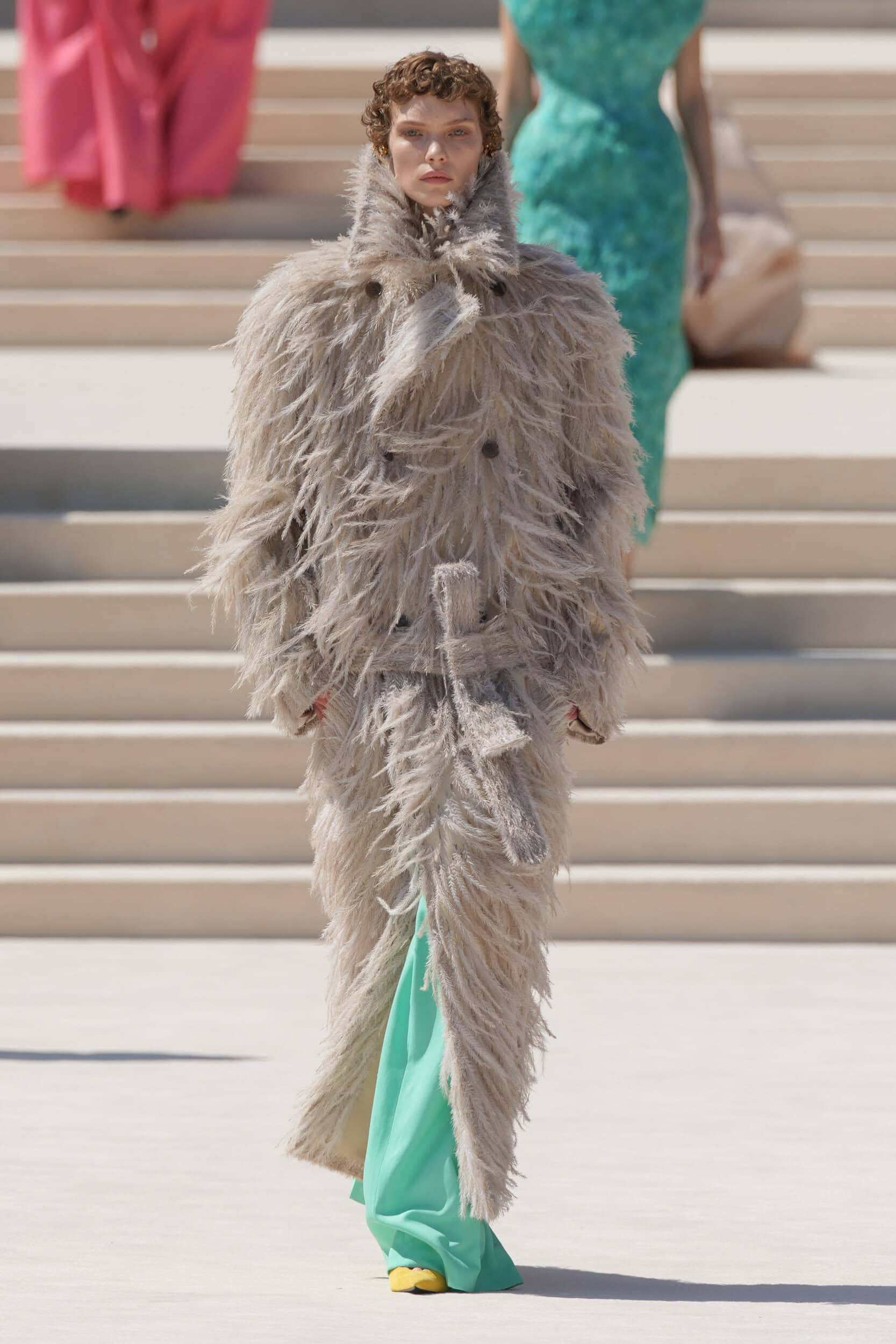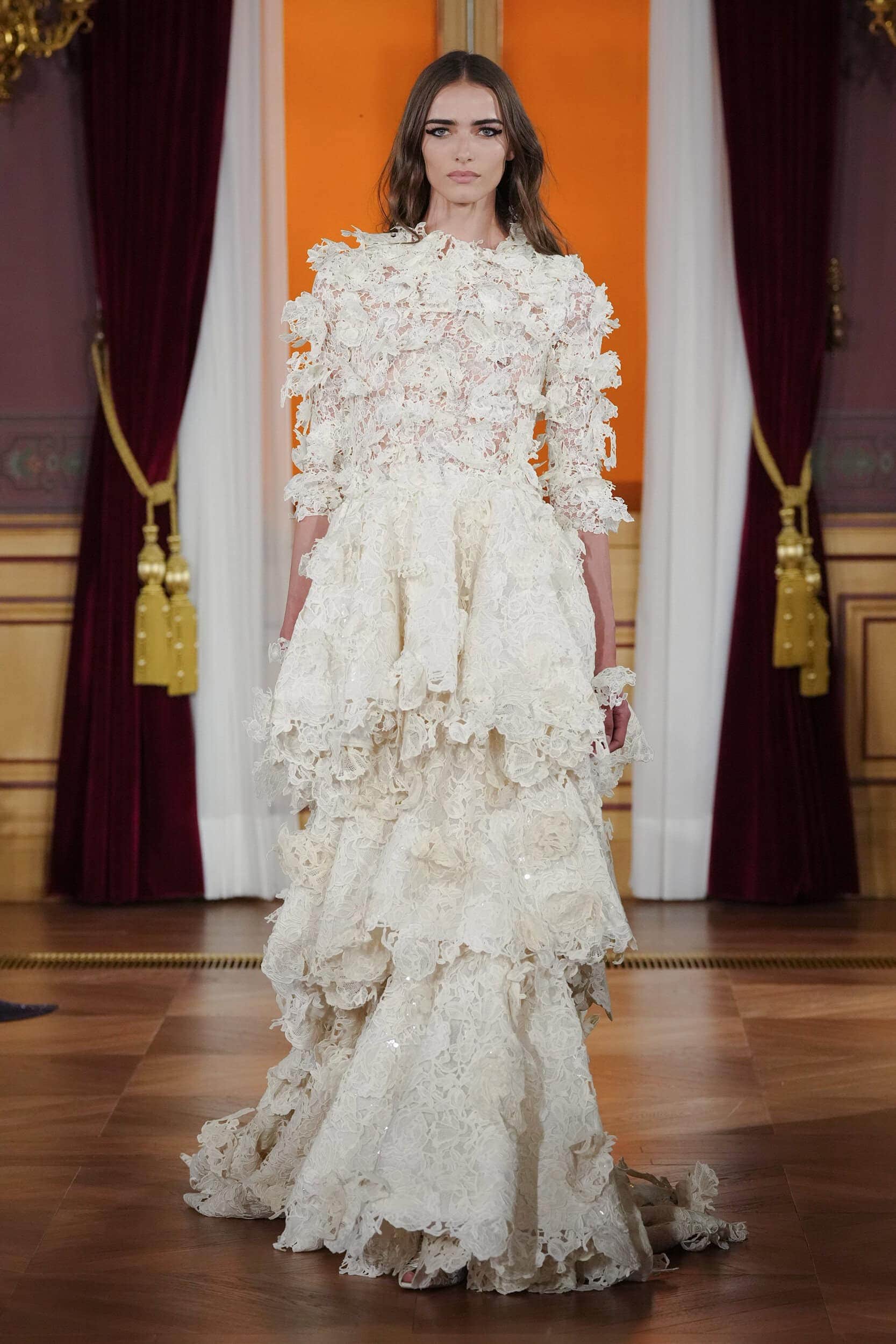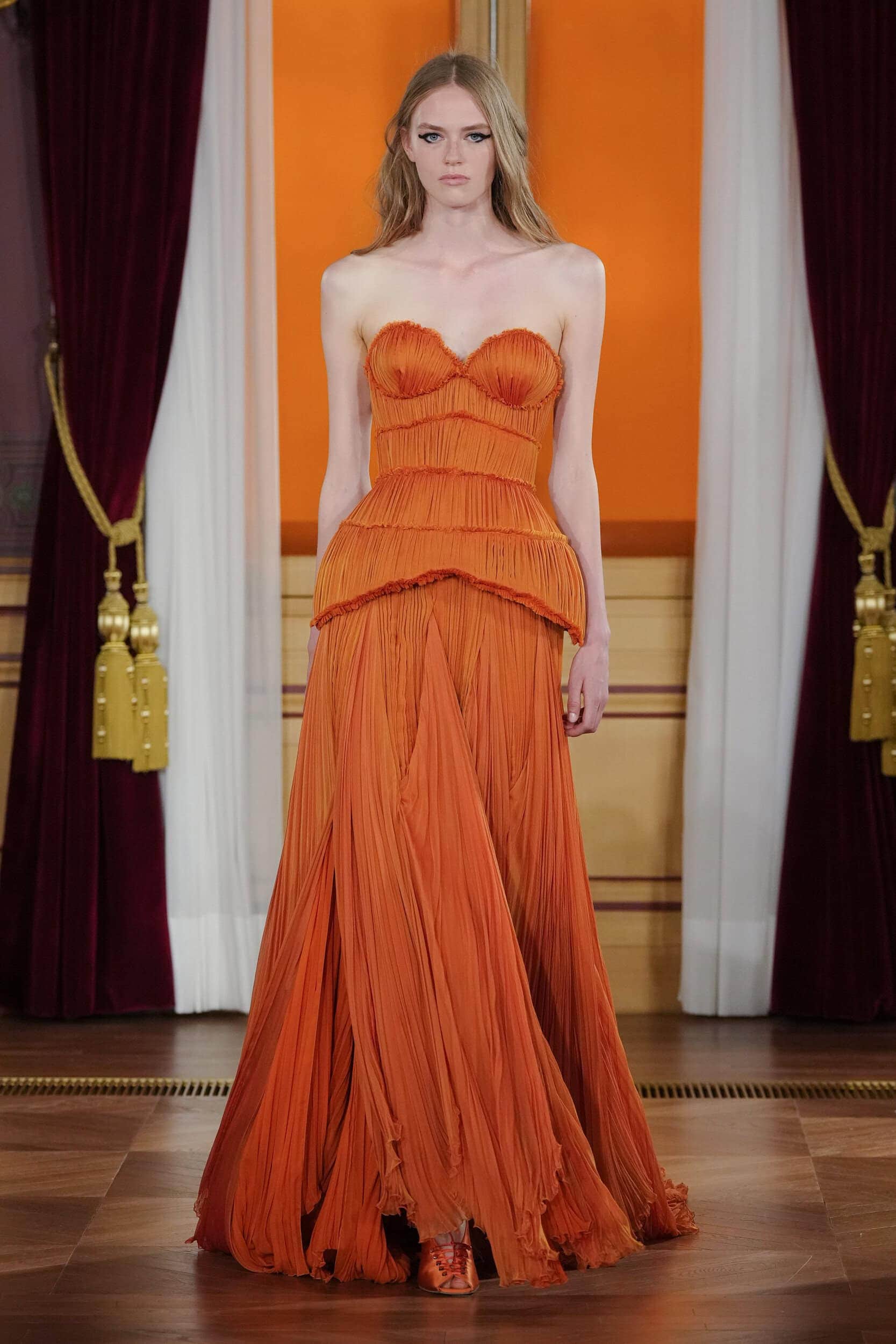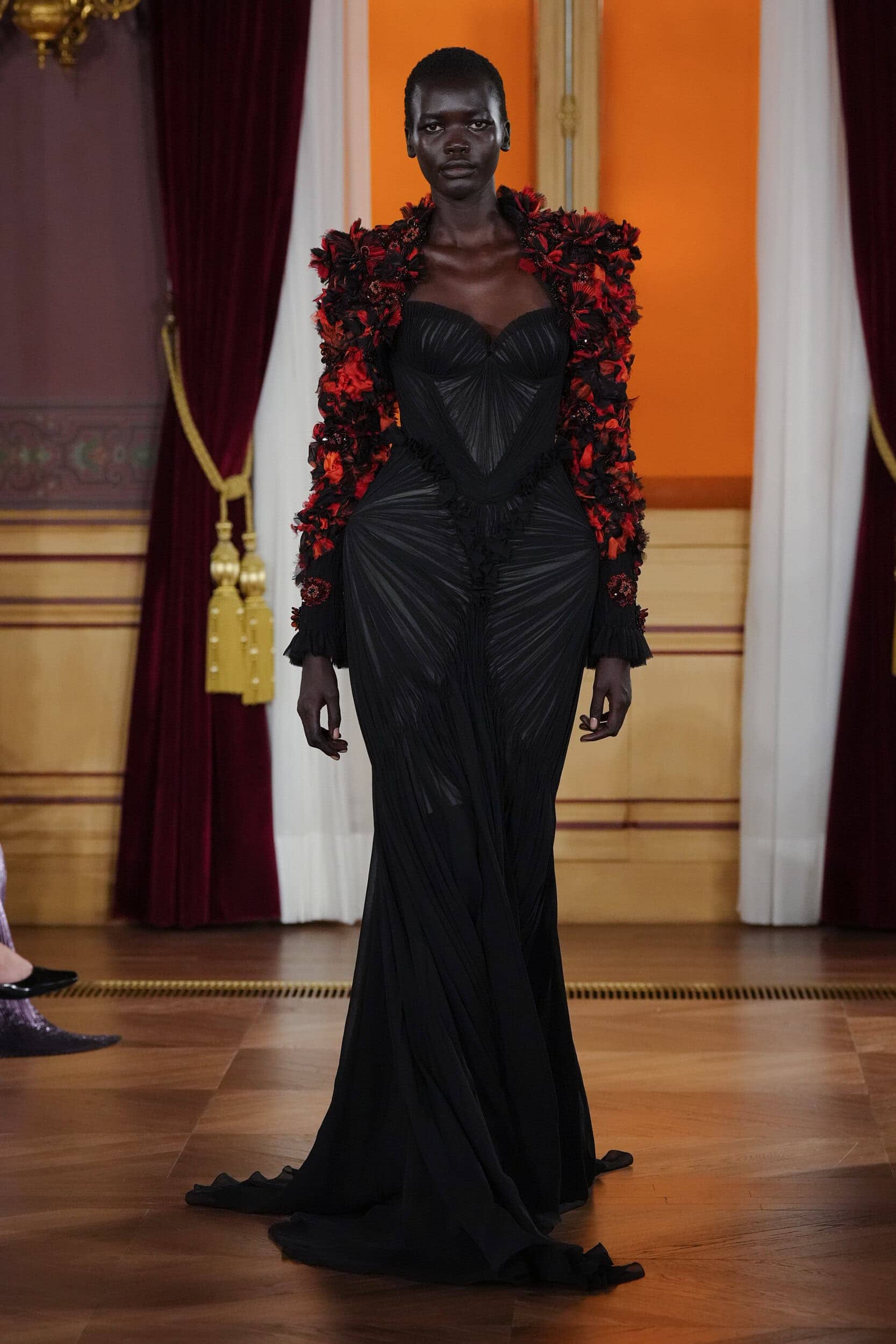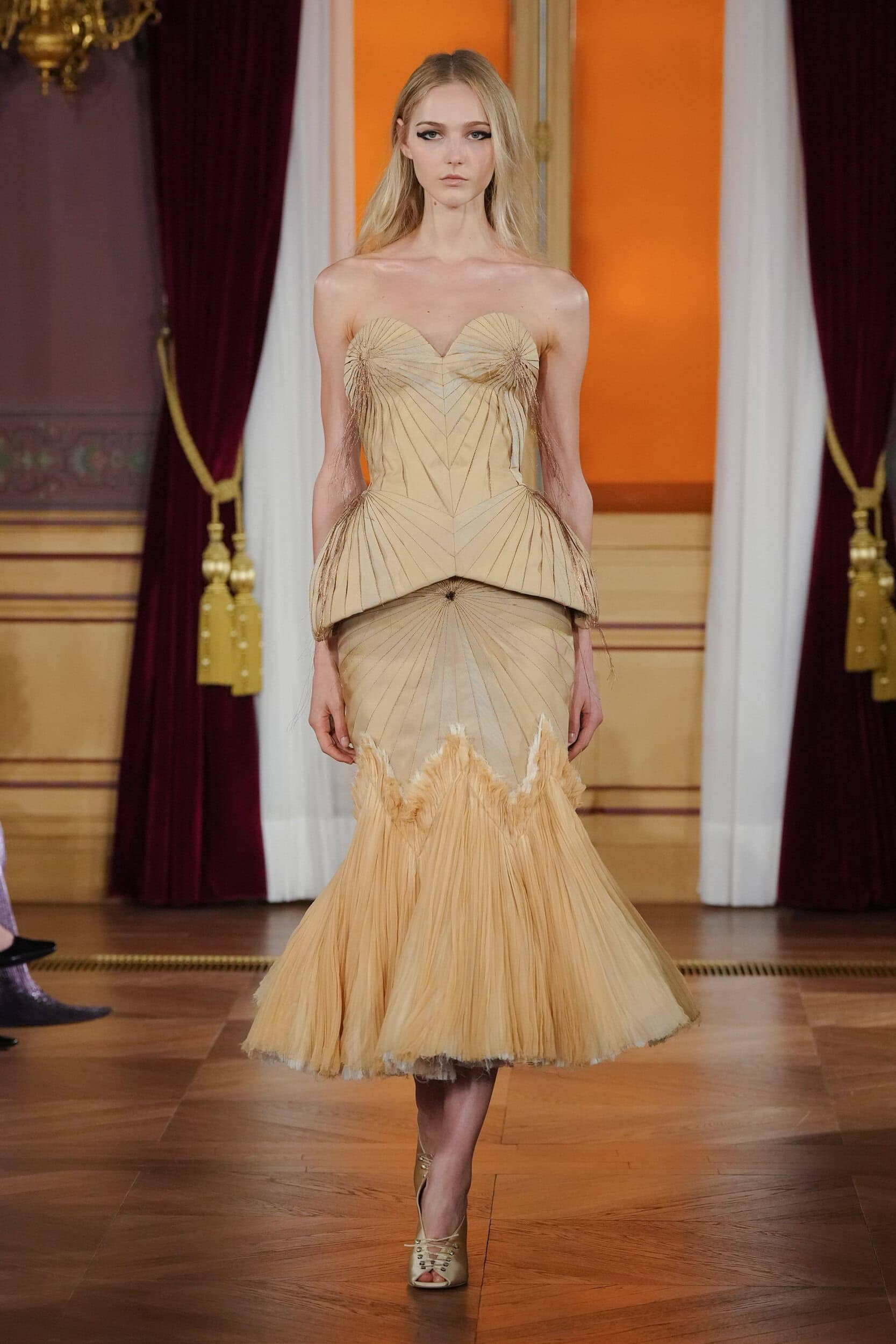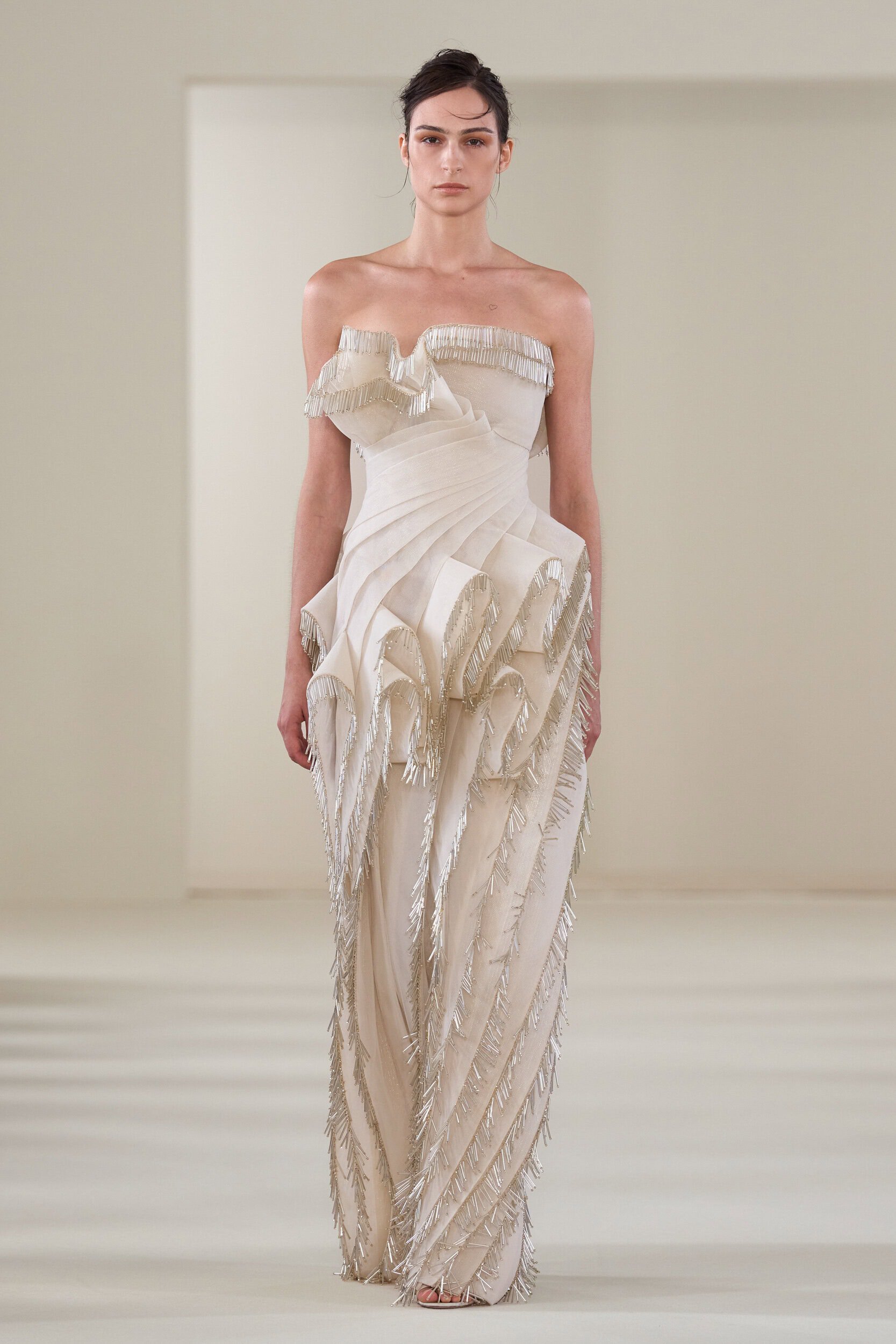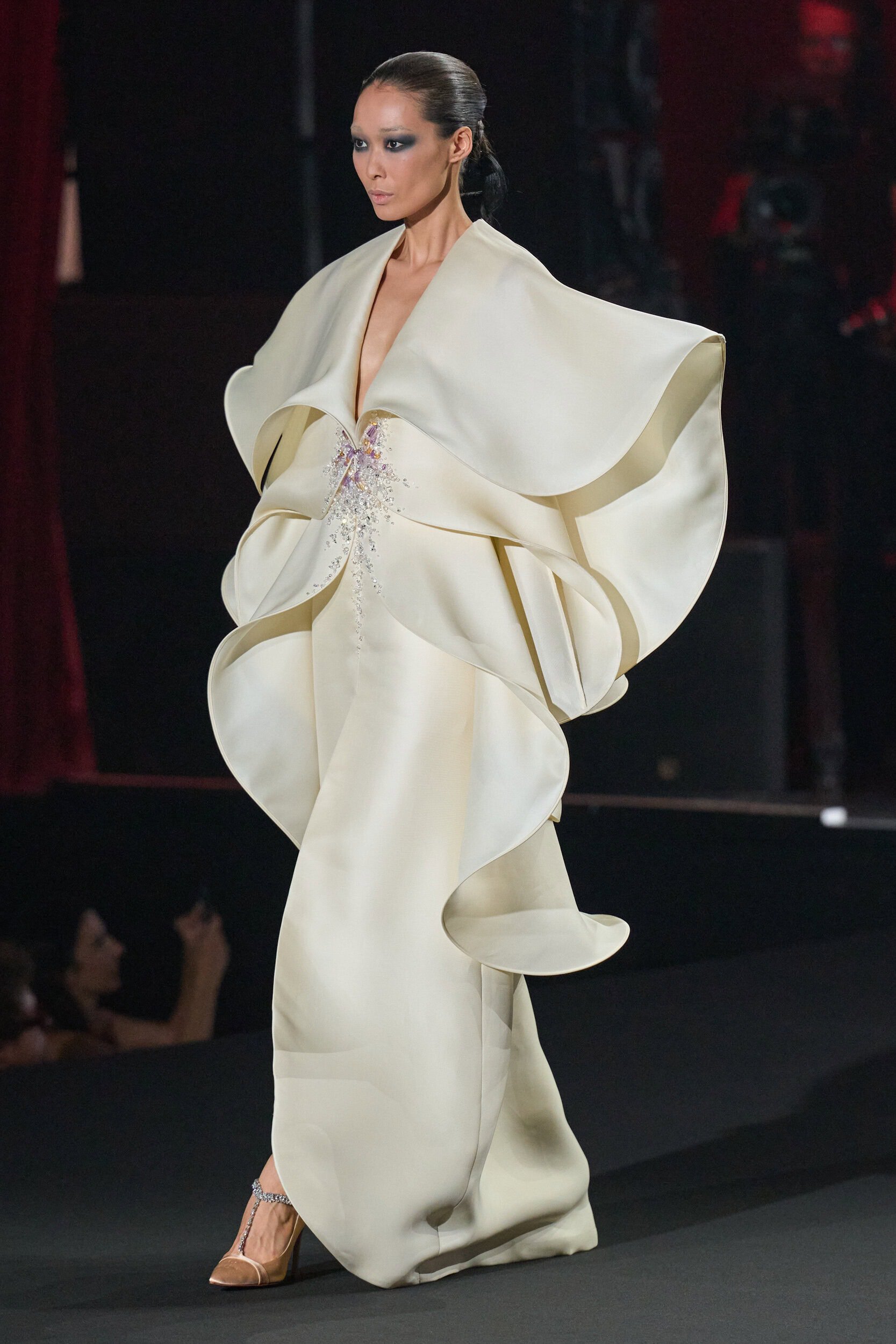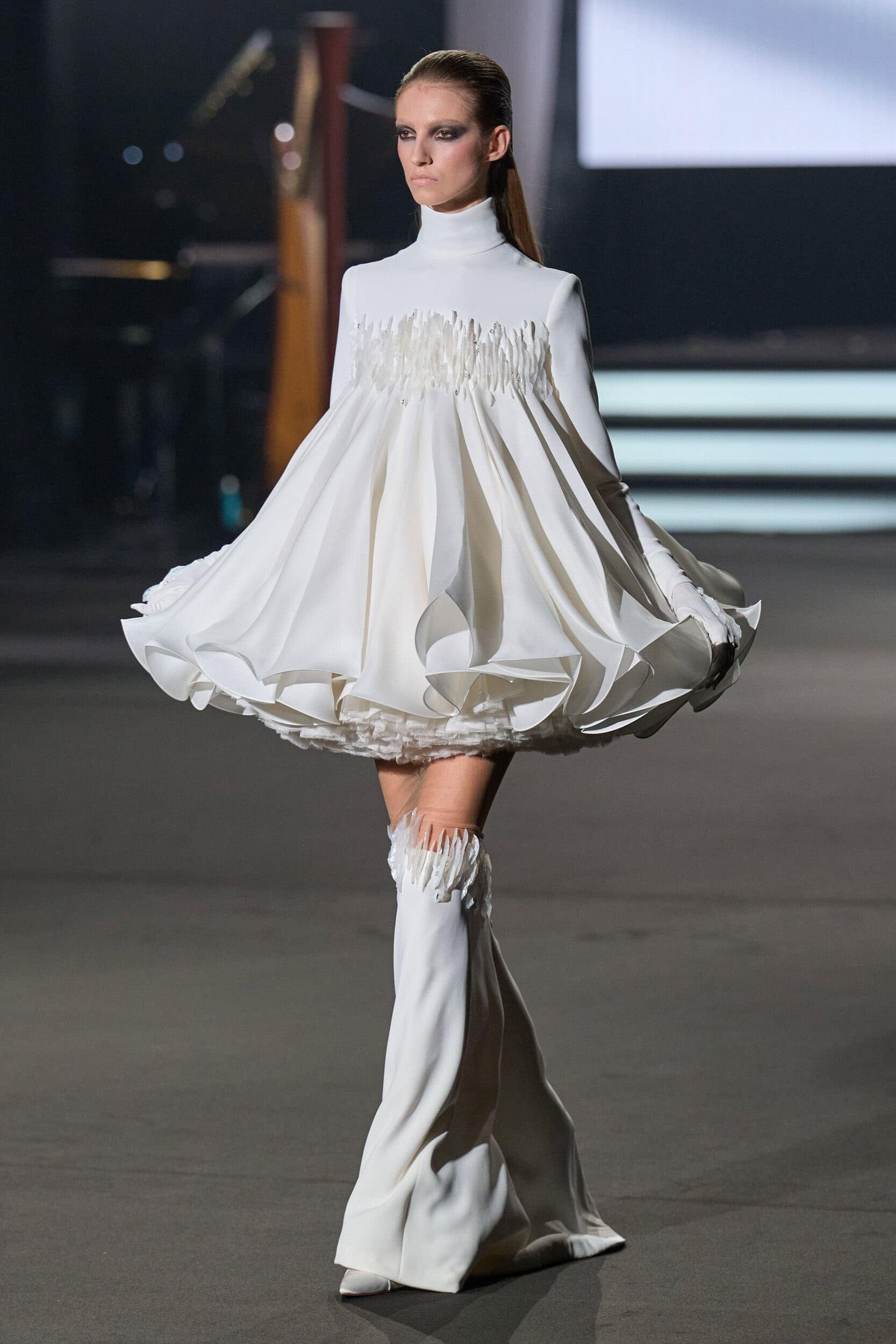
From storybook fantasy and speculative anatomy to everyday wardrobes and handmade futurism, the season reconsidered where couture’s power resides.
By Mackenzie Richard Zuckerman
Couture, happily, has never suffered from modest ambitions. The Fall 2026 season arrived with a particularly expansive proposition: clothing as fable, laboratory, second skin, cultural archive, and occasionally a very elegant philosophical problem. Across Paris, designers returned to couture’s oldest privilege—the freedom to imagine beyond utility—while considering what such freedom means in an age of synthetic images, accelerated production, and an increasingly permeable boundary between wardrobe and spectacle.
The season’s prevailing mood was metamorphic. Chanel entered the realm of storybook enchantment, where childhood symbols acquired an undertow of danger. Dior approached wonder through sculpture, botany, and the unstable intelligence of form. At Balenciaga and Fendi, the familiar wardrobe became a site of extraordinary labor: a T-shirt, trouser, caftan, or coat could carry the conceptual and technical weight once reserved for the ball gown. Schiaparelli and Jean Paul Gaultier moved toward speculative anatomy, reshaping the figure through silicone, corsetry, volume, and digital distortion. Ovid would have recognized the impulse, even if the 3D printer might have required some explanation.
Running through these distinct propositions was a renewed fascination with techne in its fullest sense: art, craft, and practiced intelligence held within a single word. Plasma, body scanning, lab-grown materials, and engineered structures entered the atelier; emotional authority remained with the hand, the eye, and the accumulated knowledge of makers. Indian, Irish, Persian, Roman, and Sicilian traditions also claimed greater visibility, allowing cultural memory to shape couture’s language from within.
At times, concept moved faster than emotional clarity, and a few gestures appeared calibrated for immediate image impact. Even these moments revealed the season’s restless appetite for transformation. Fall 2026 couture asked how clothing might preserve wonder, engage technology while retaining authorship, and restore consequence to fantasy. Its most compelling answers emerged through transformation—of materials, bodies, memories, and the very idea of what couture is allowed to become.
1. Enchanted Unease
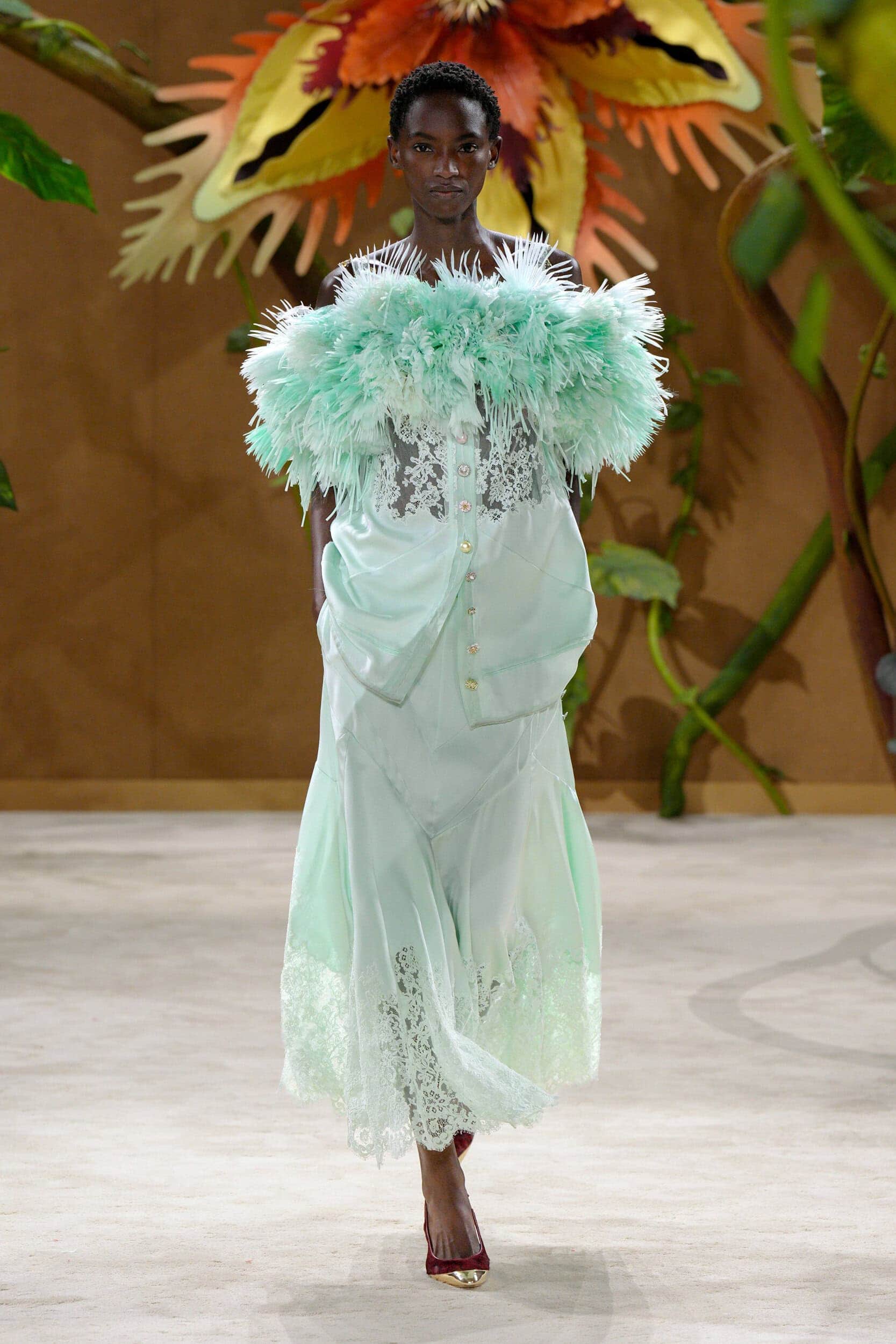
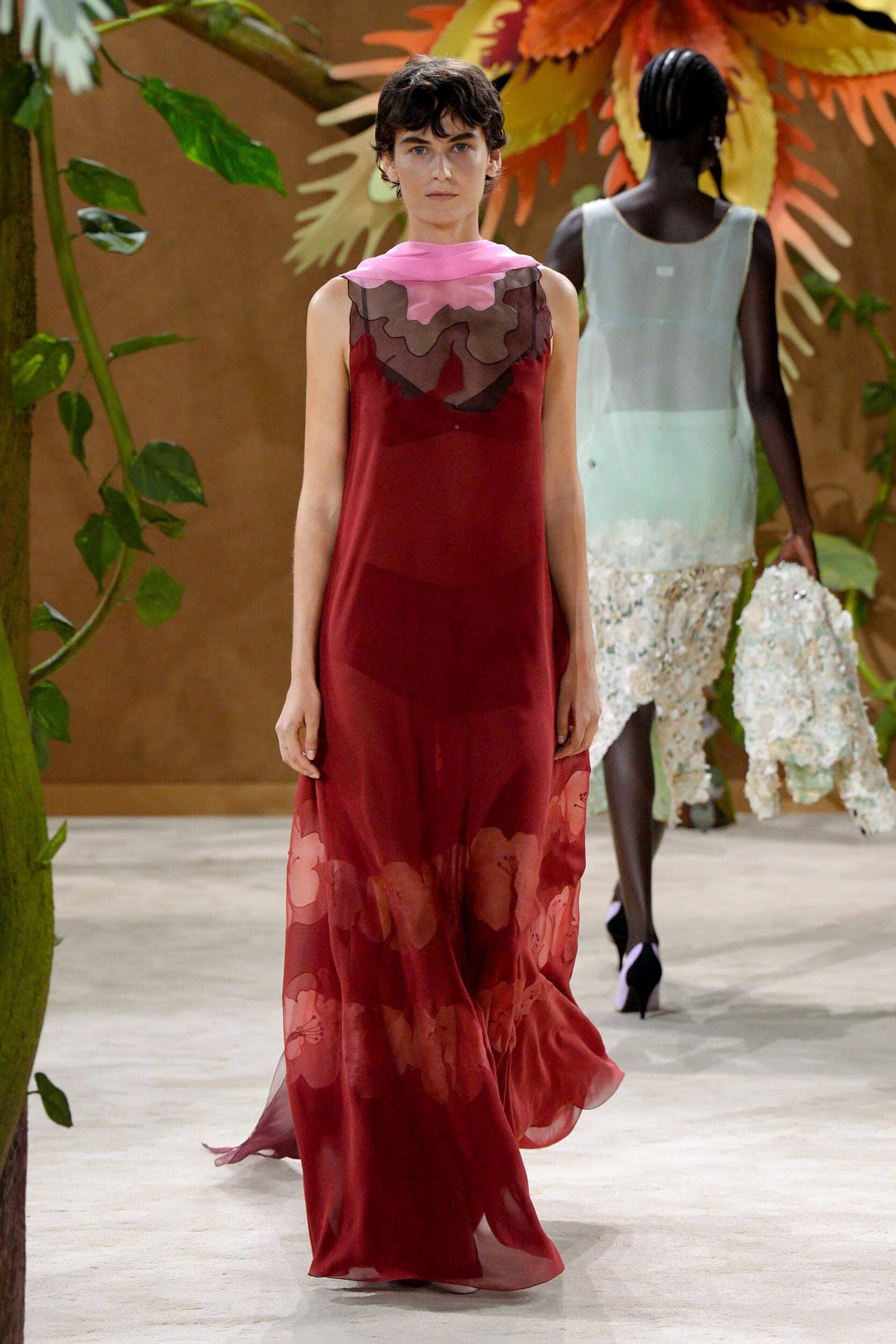
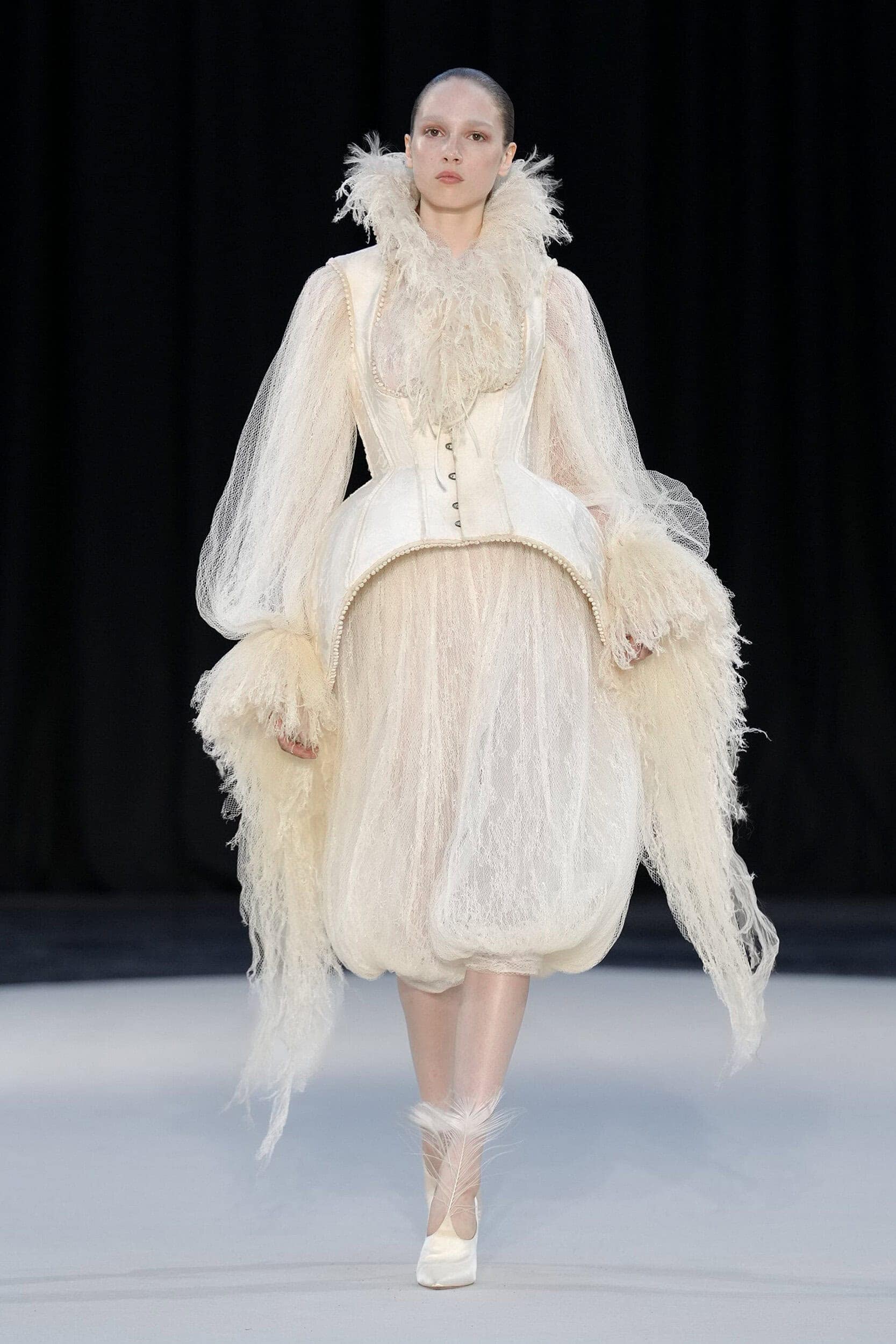
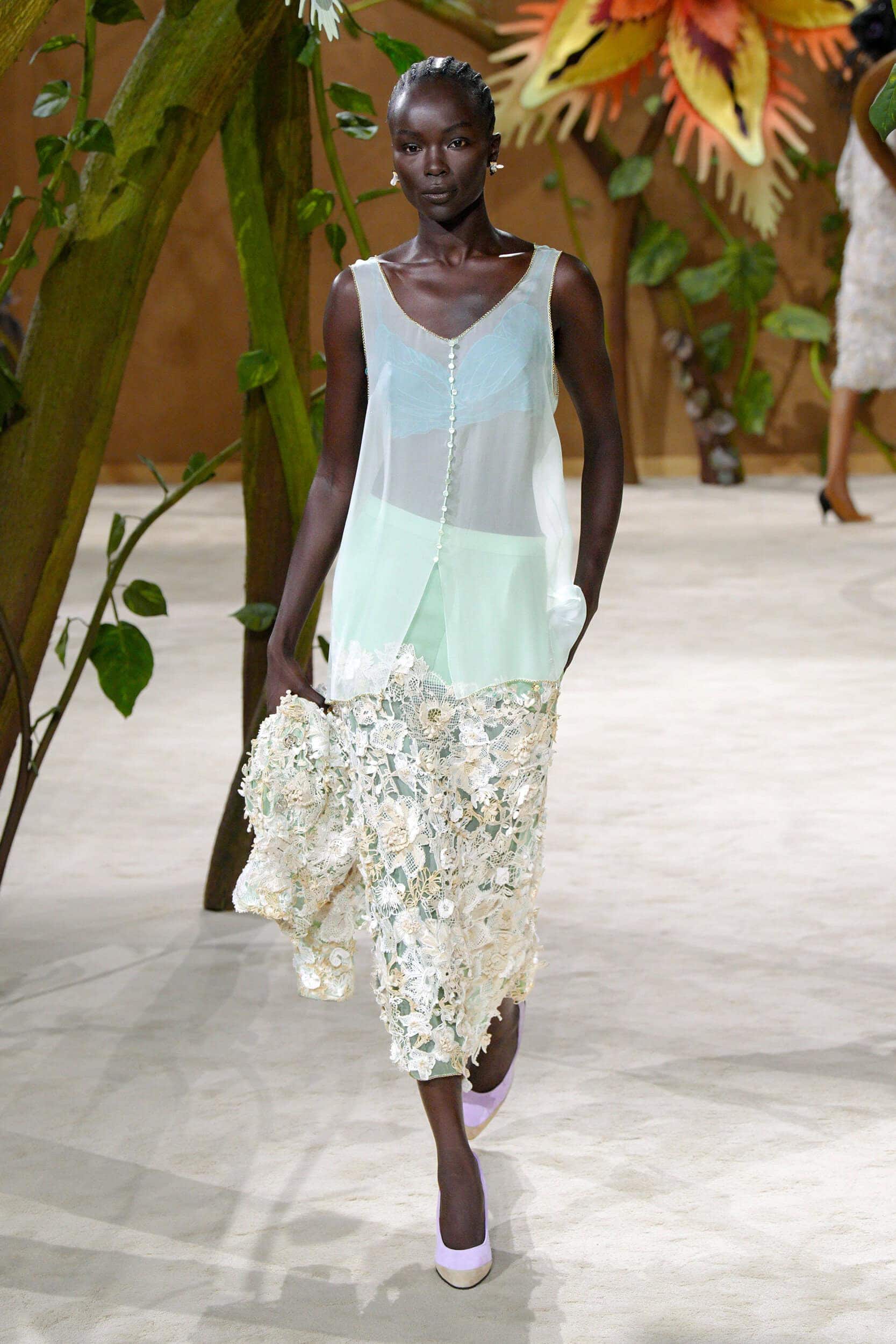
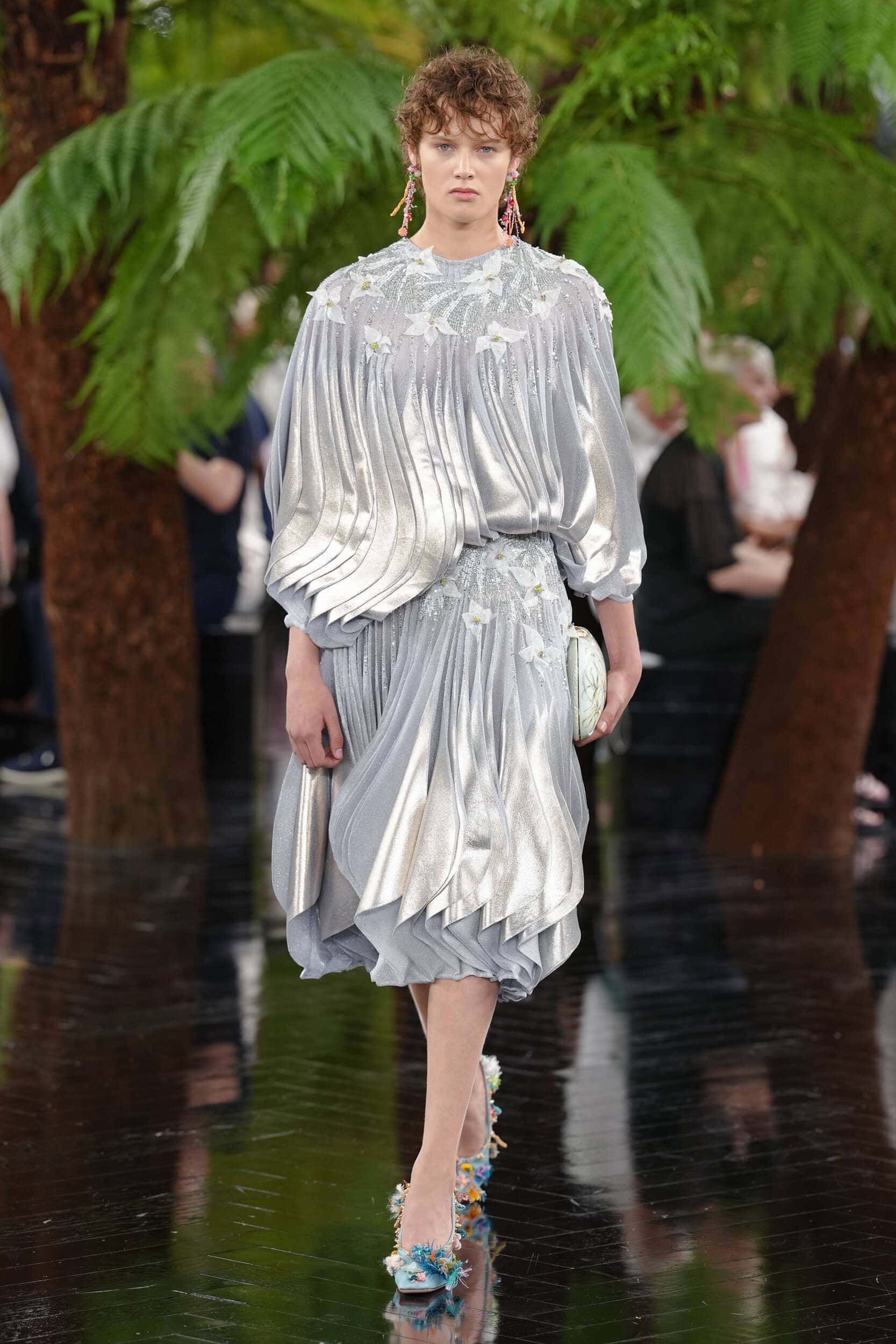
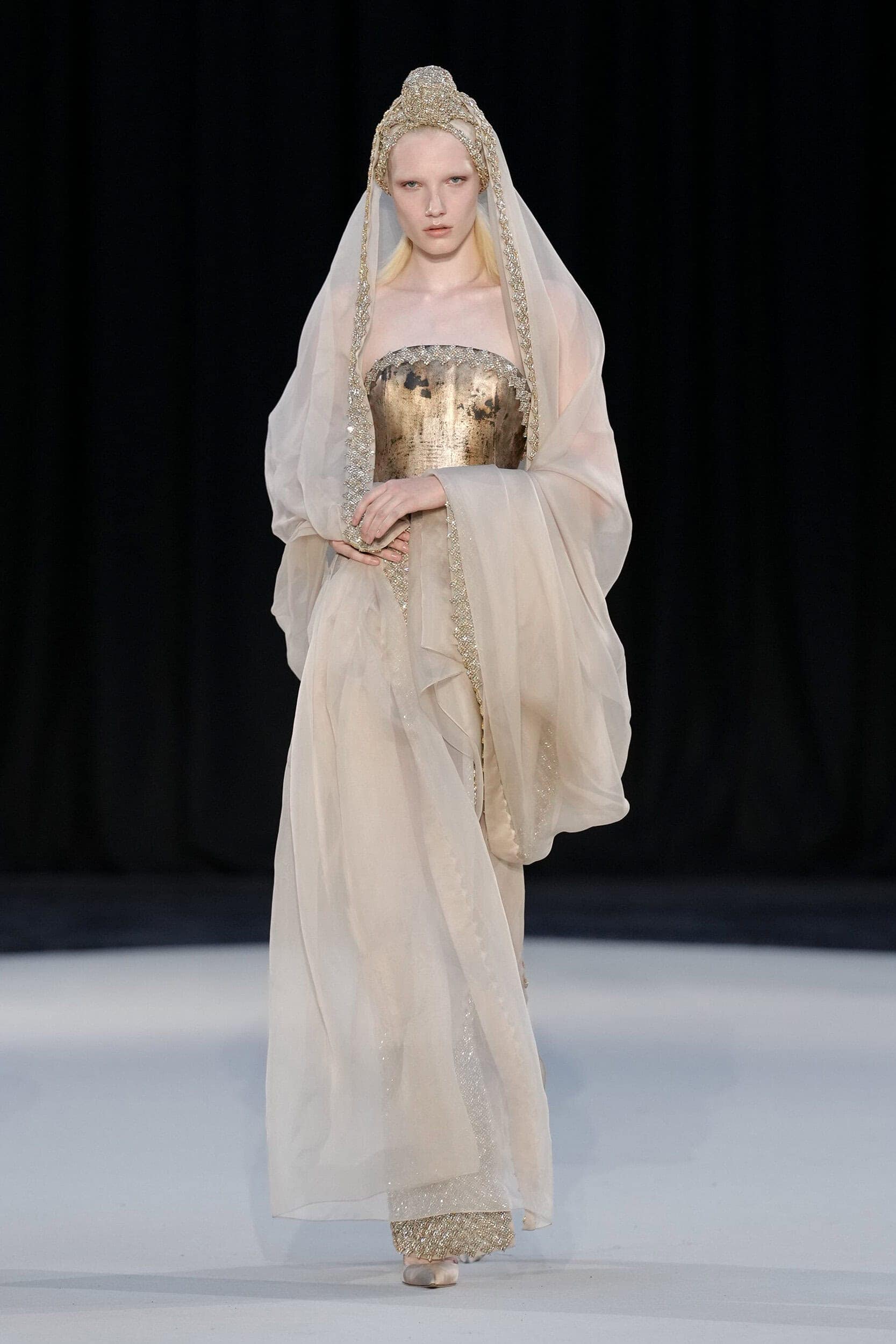
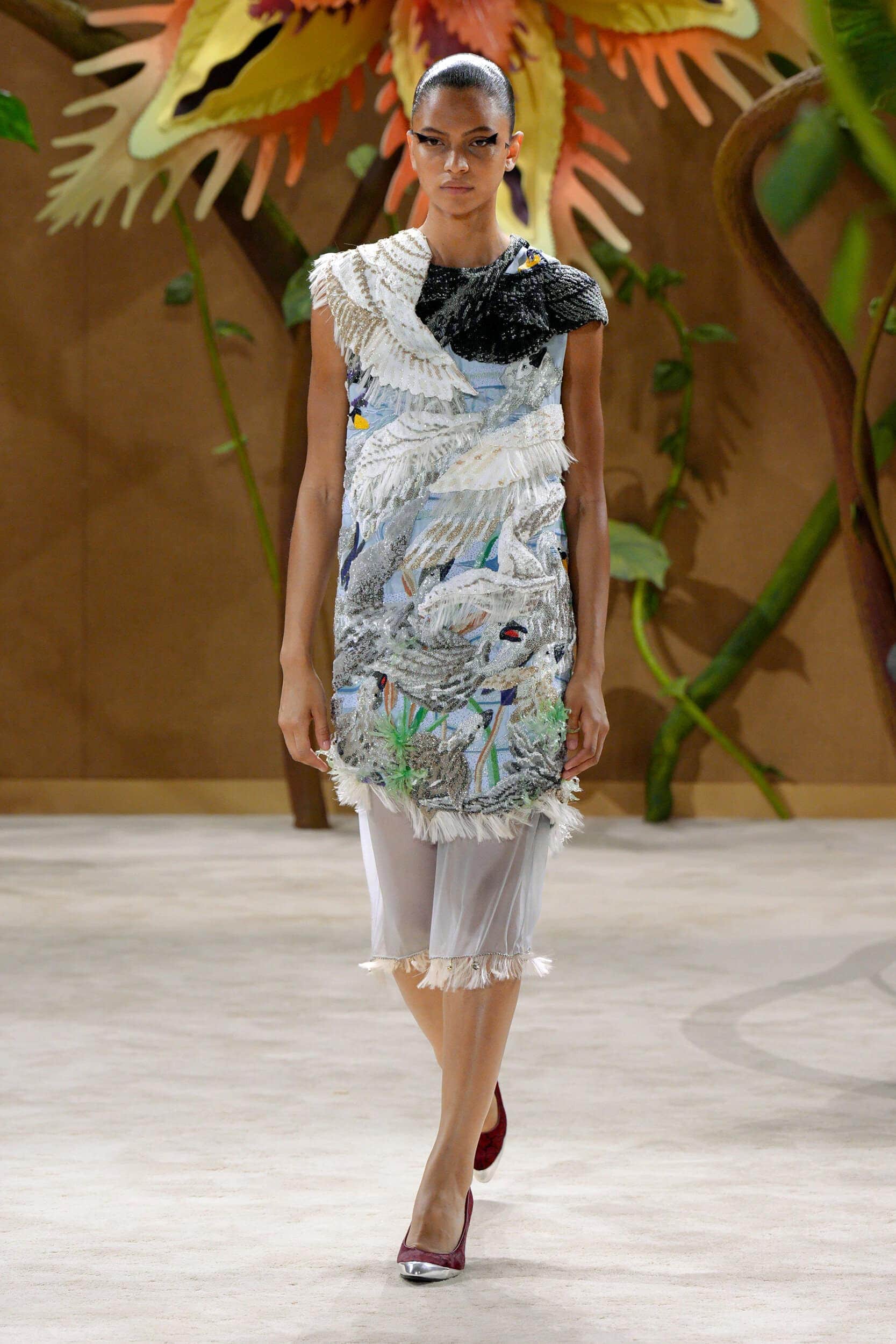
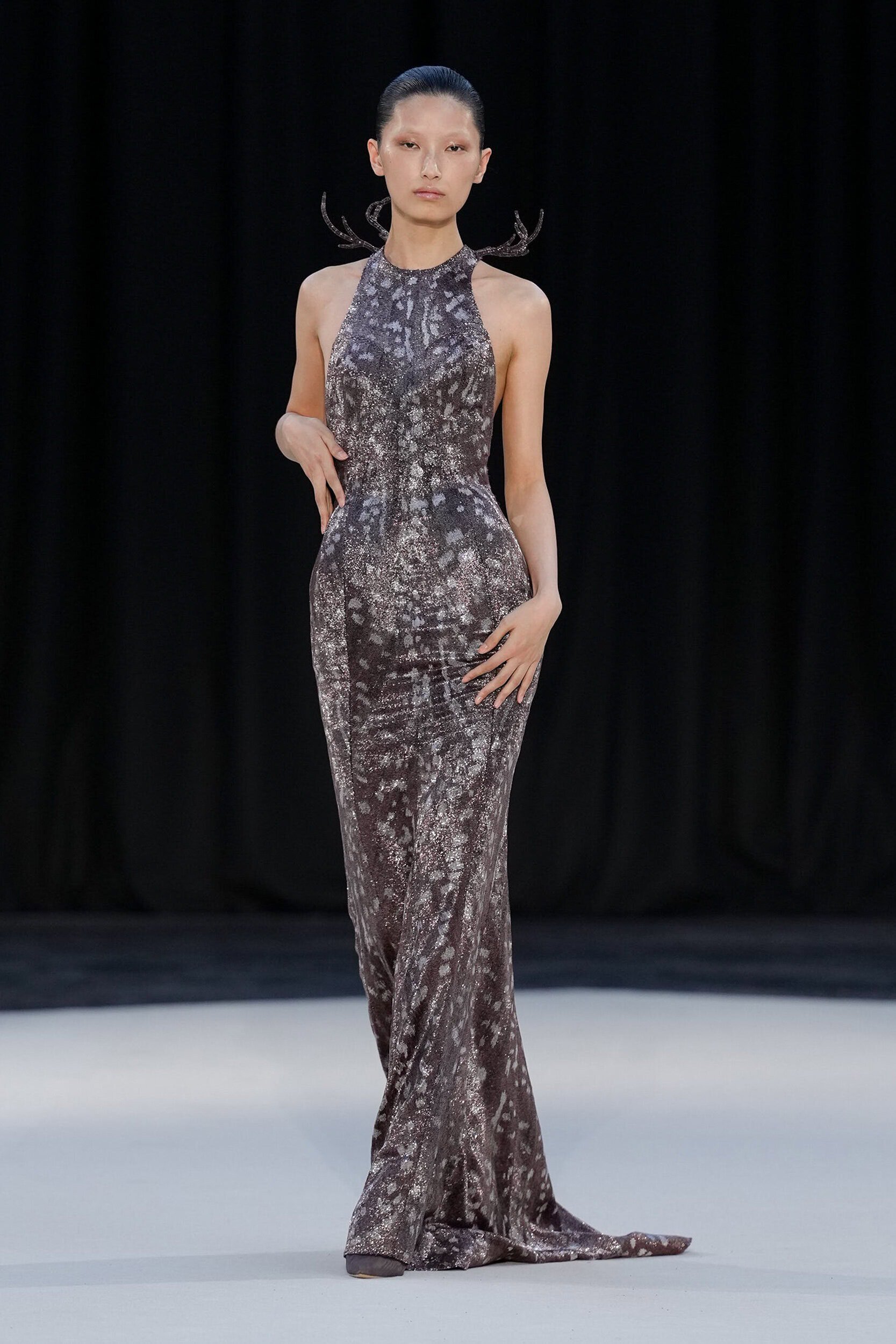
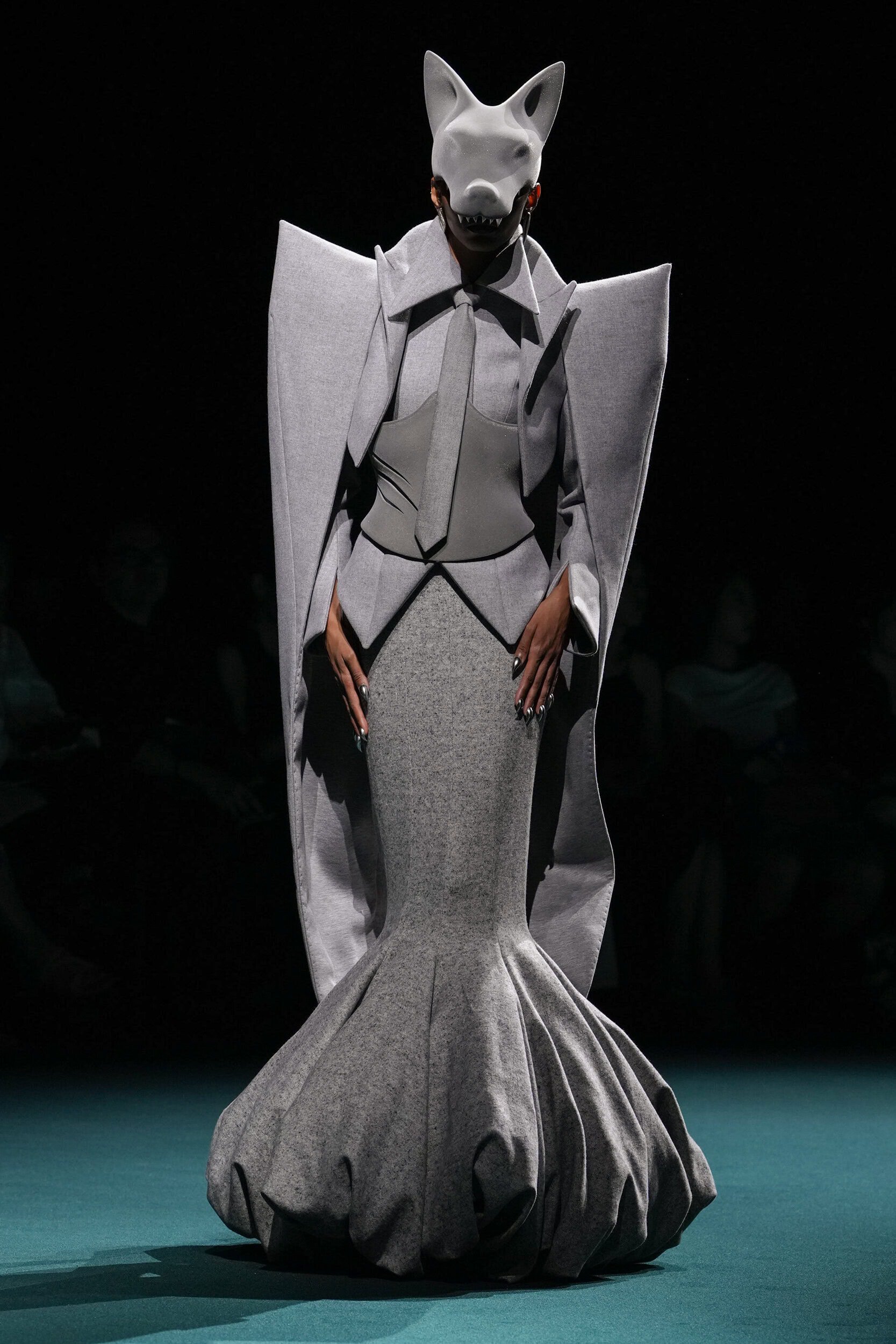
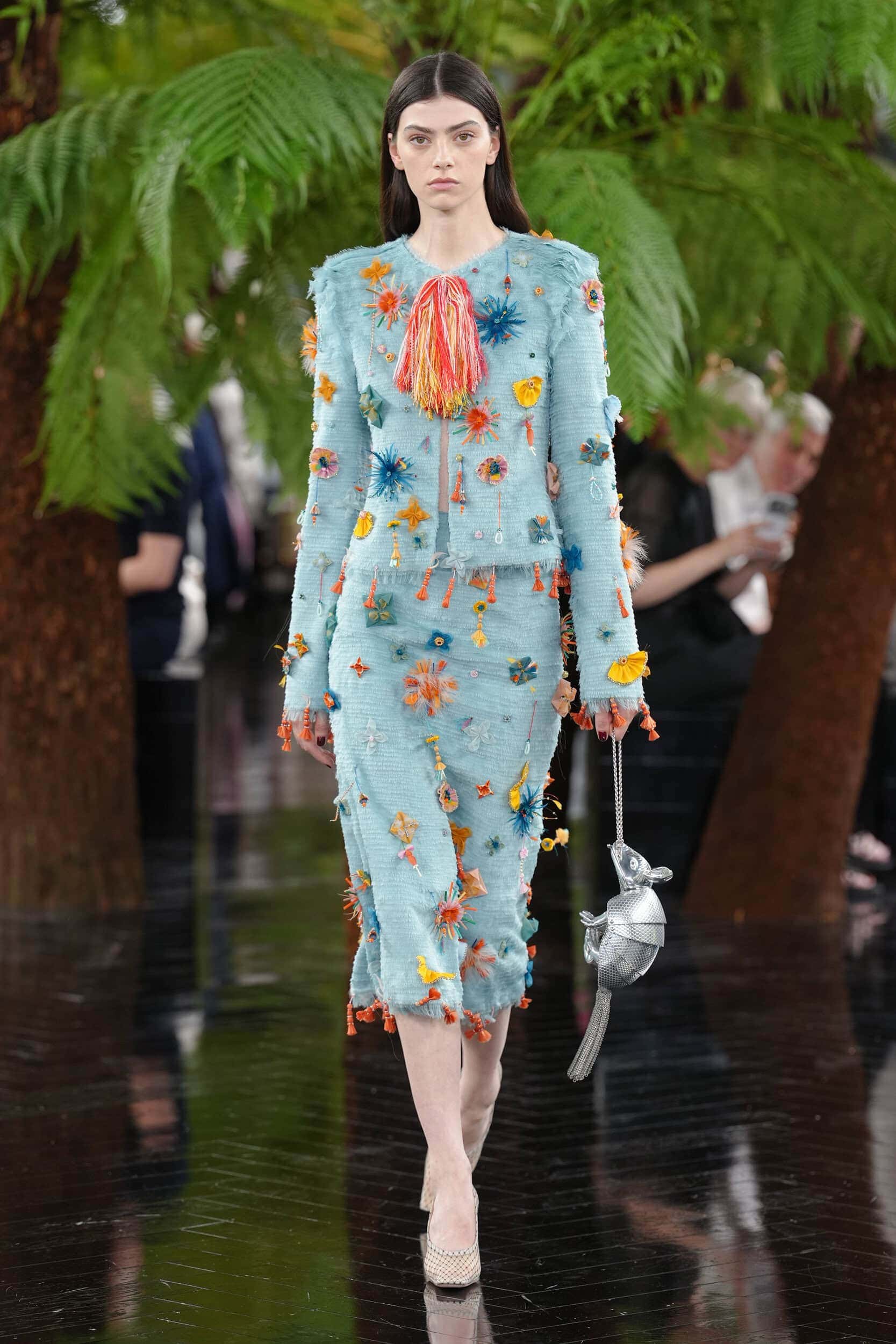
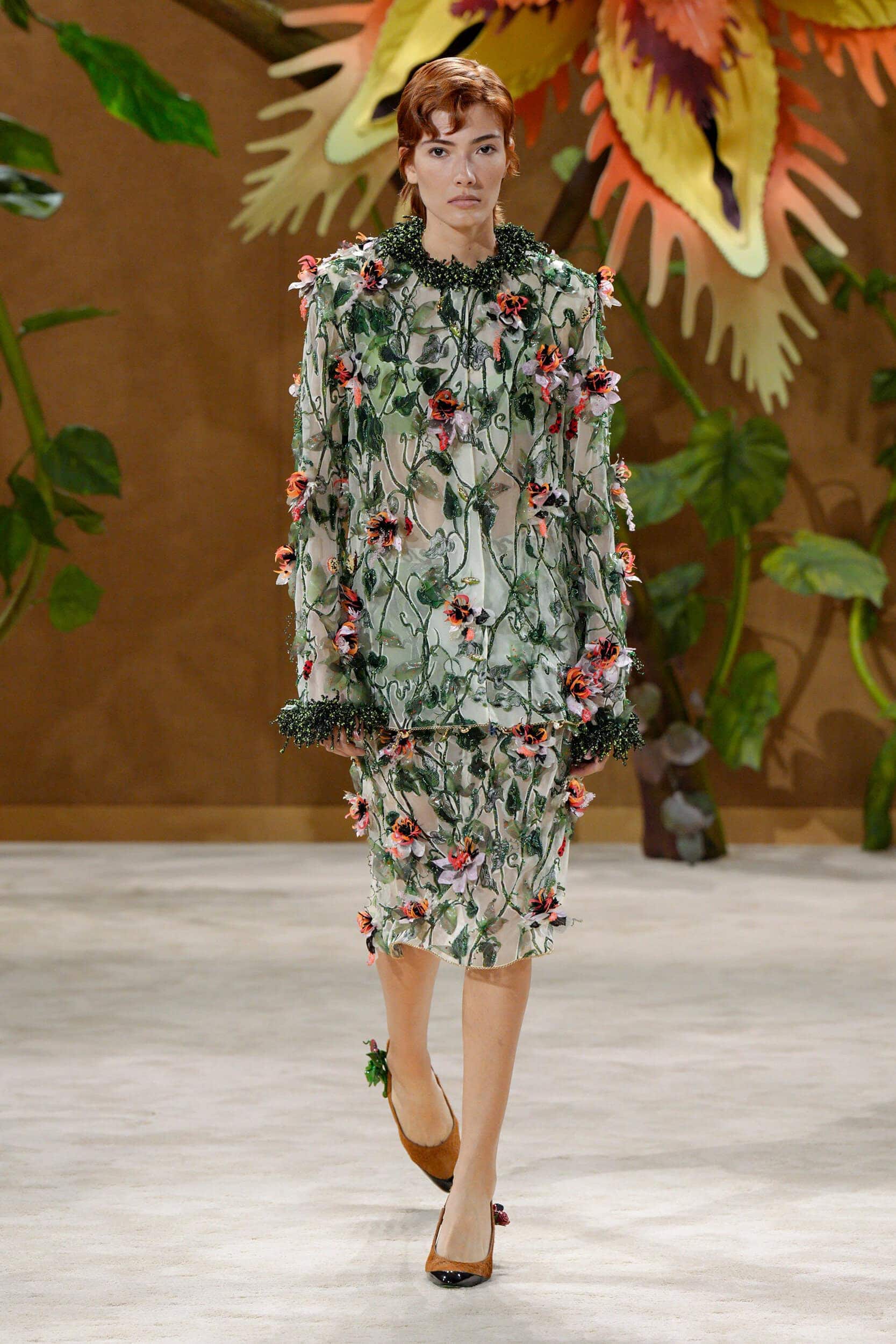
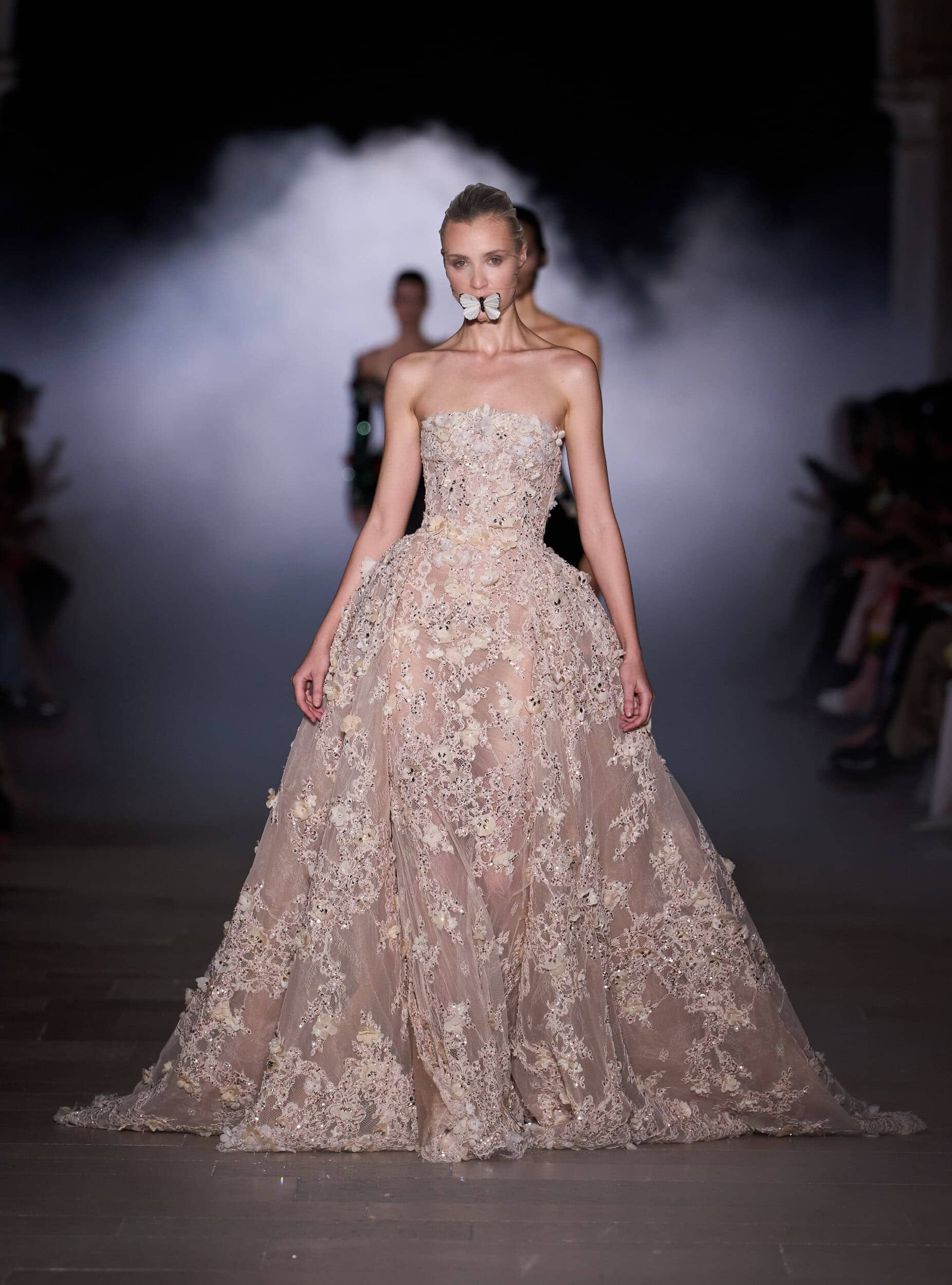
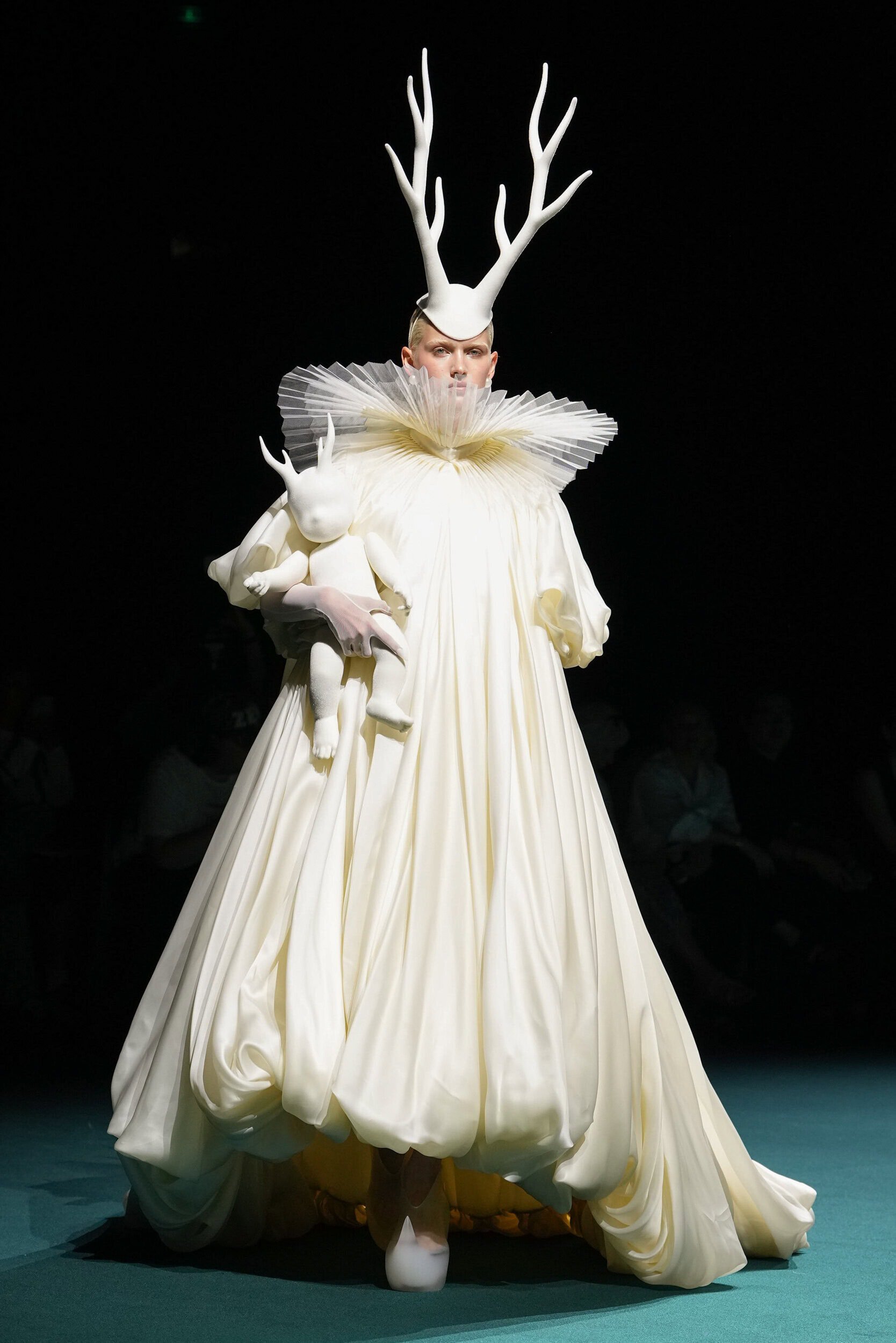
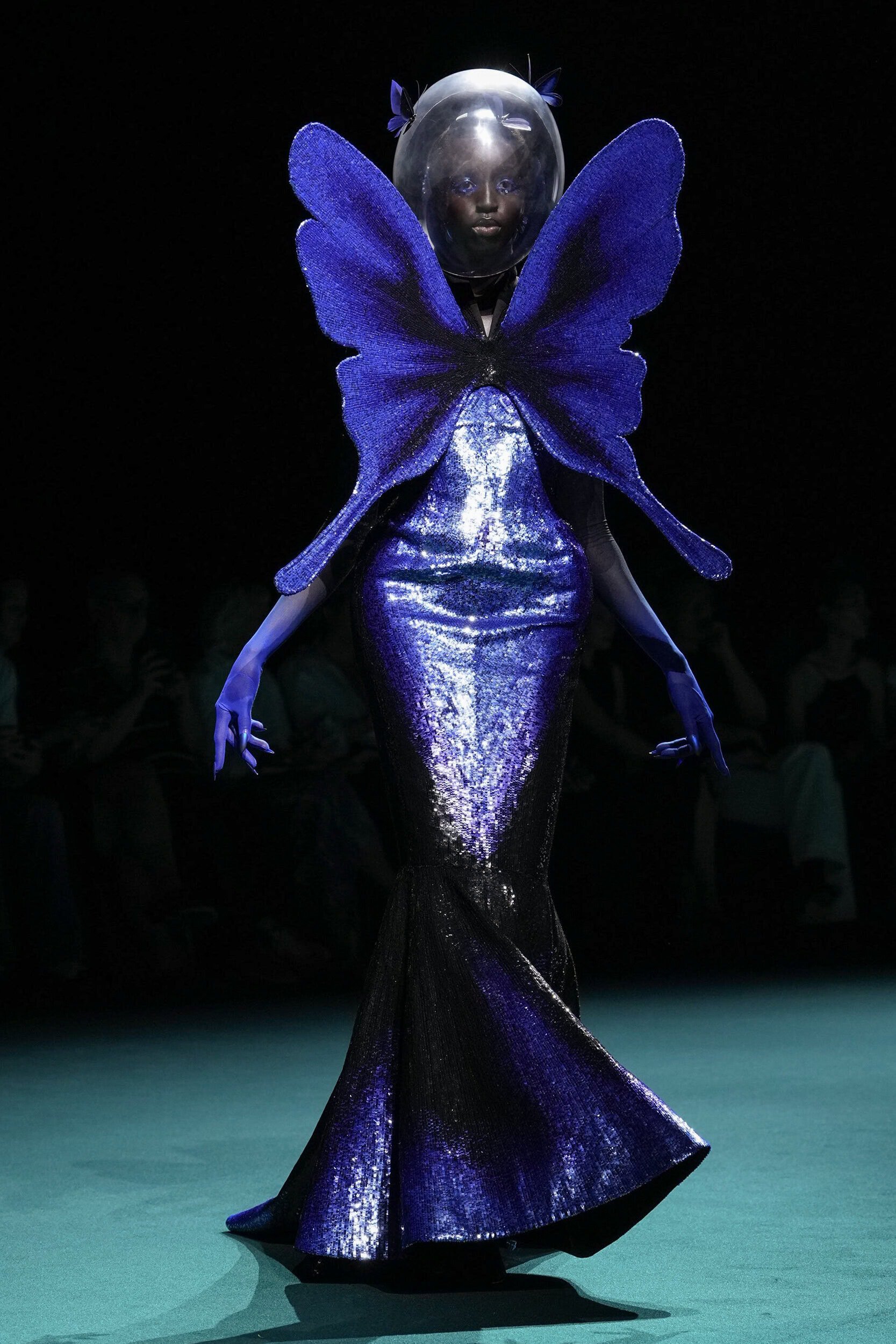
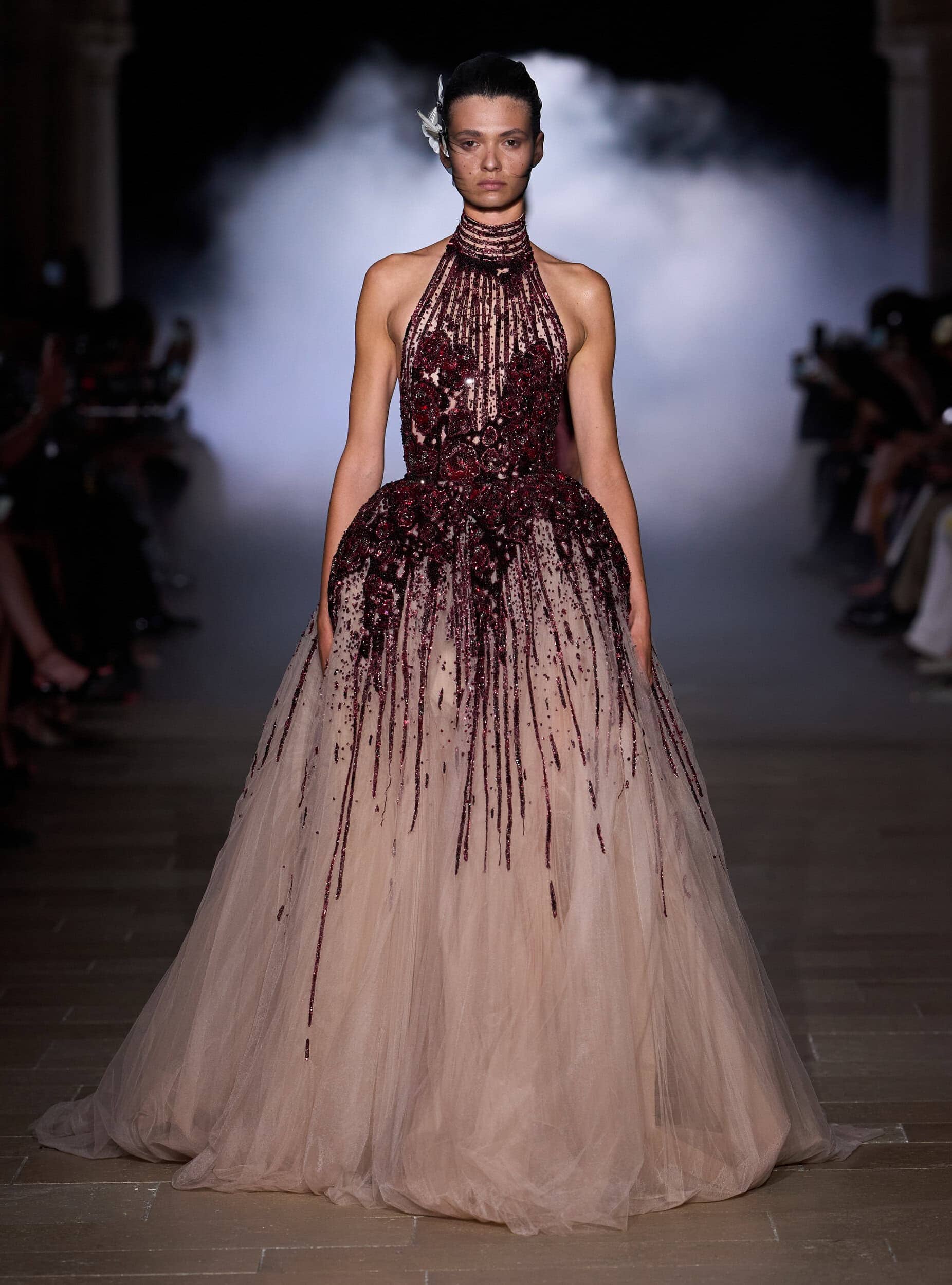
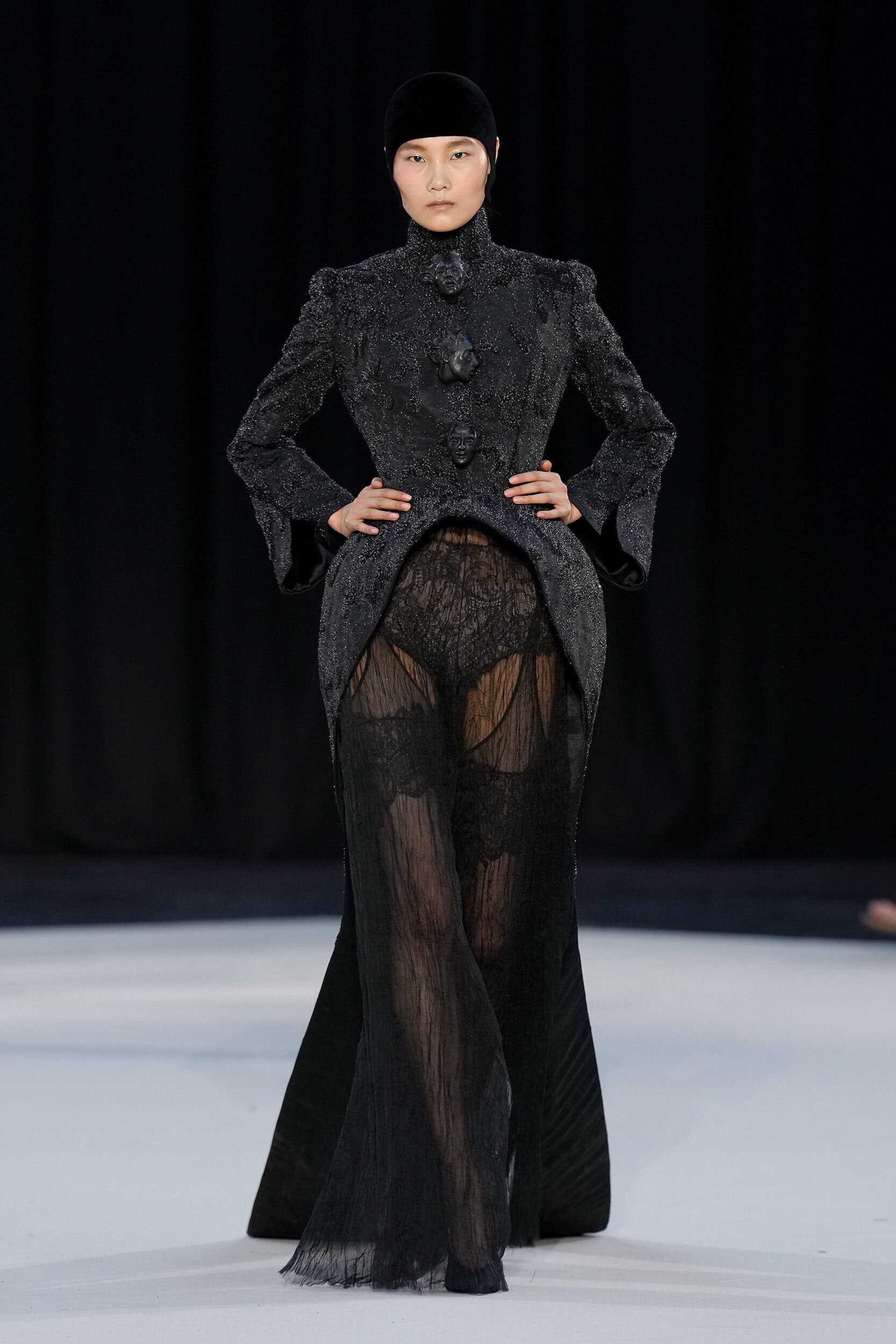
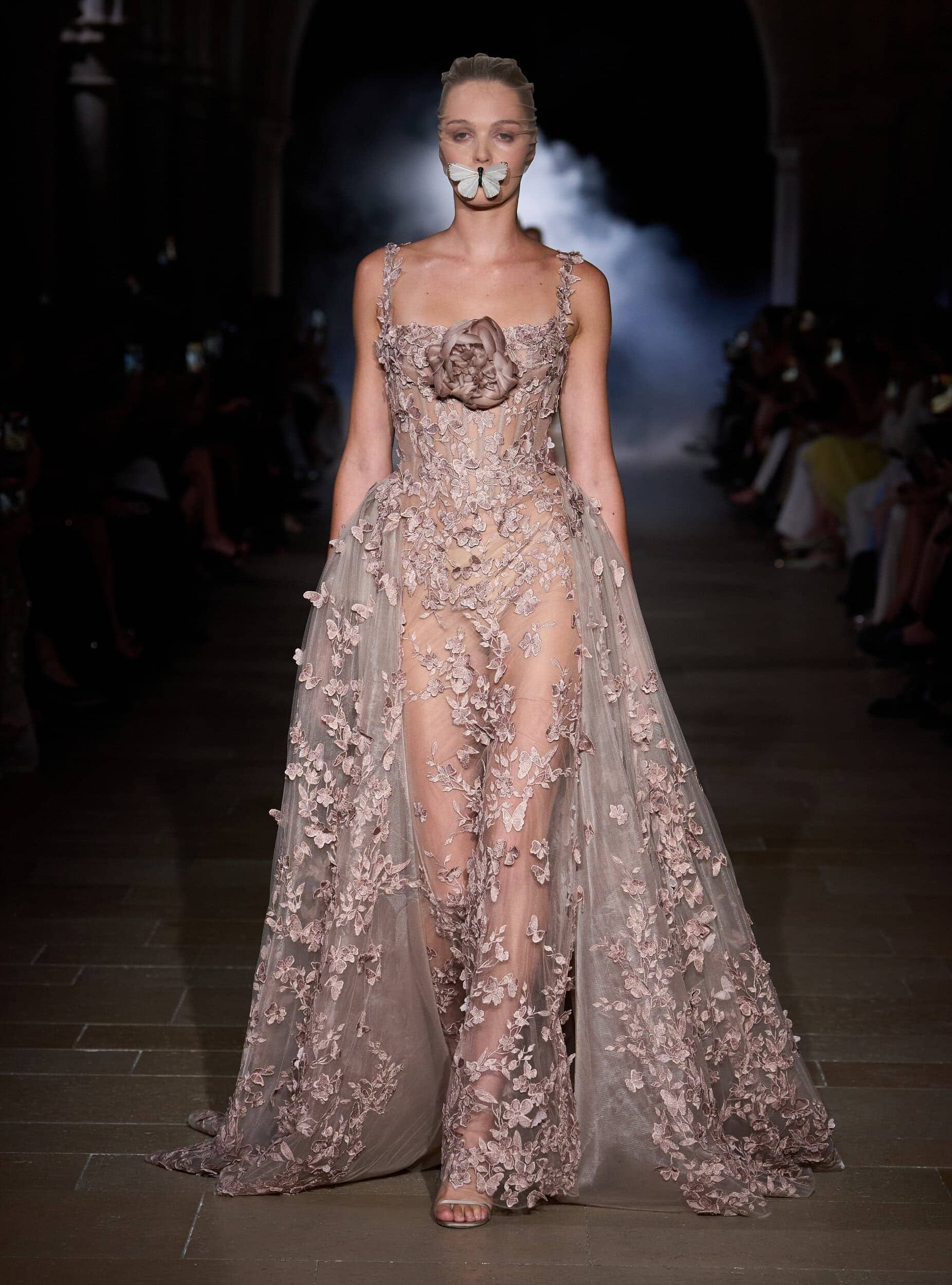
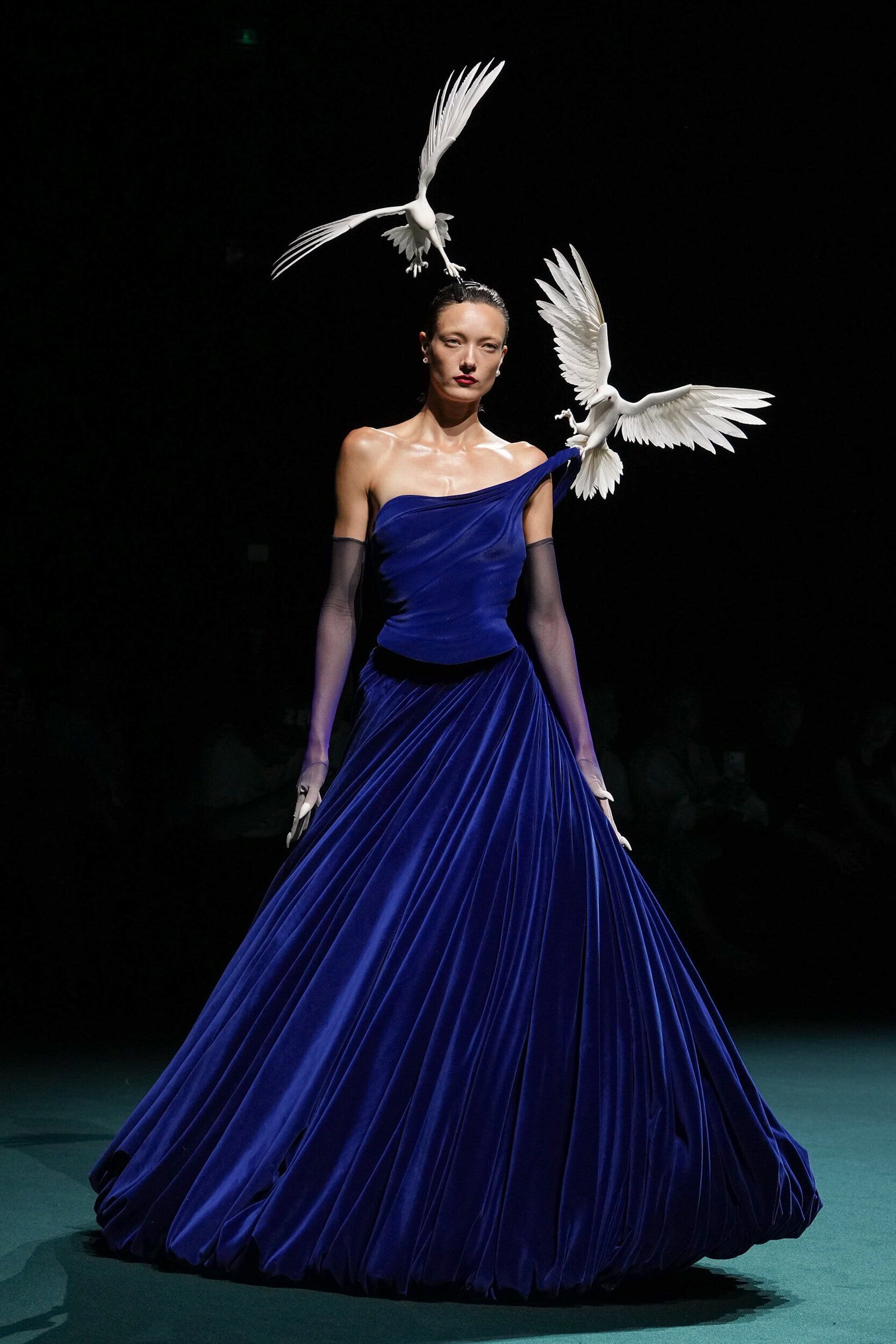
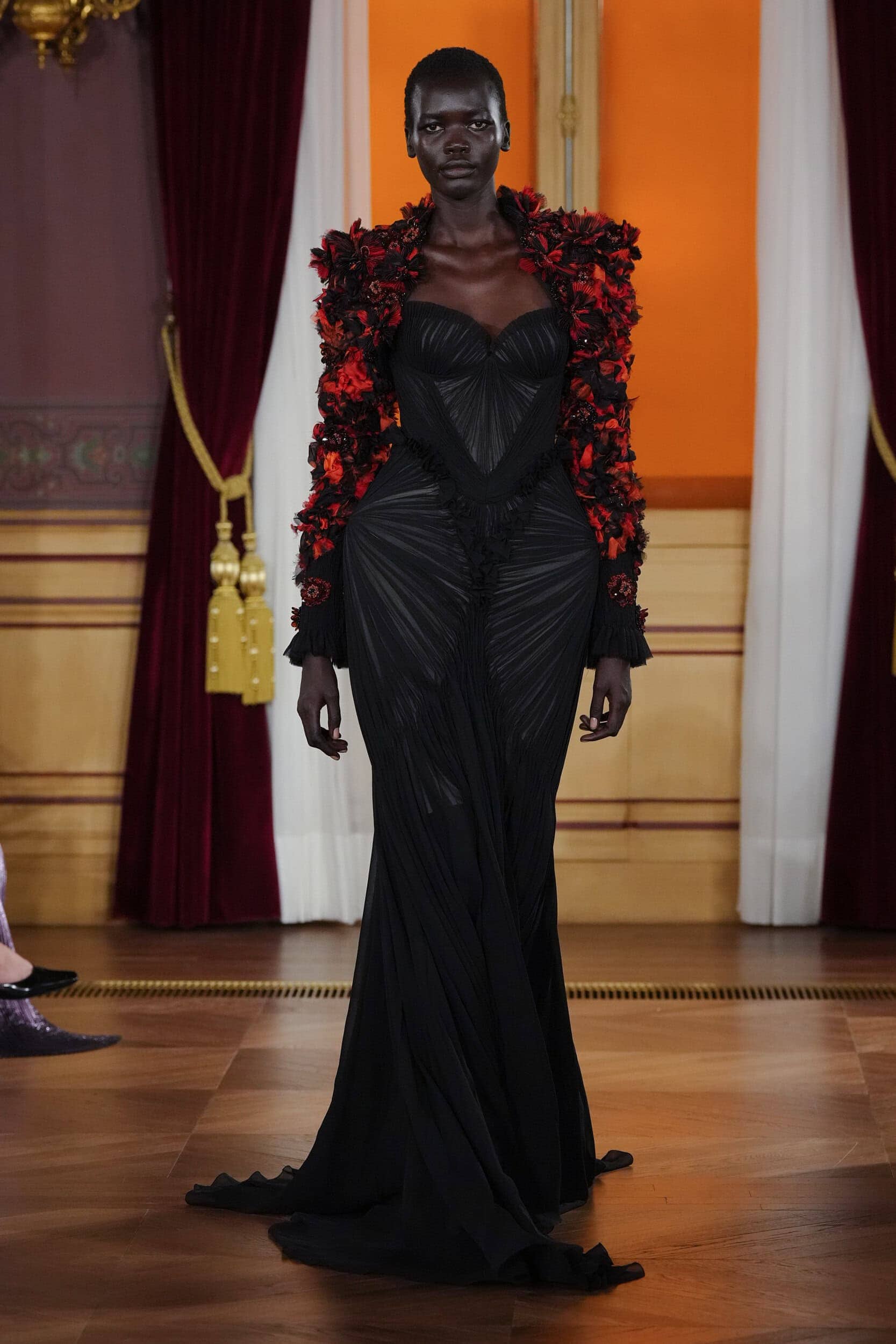
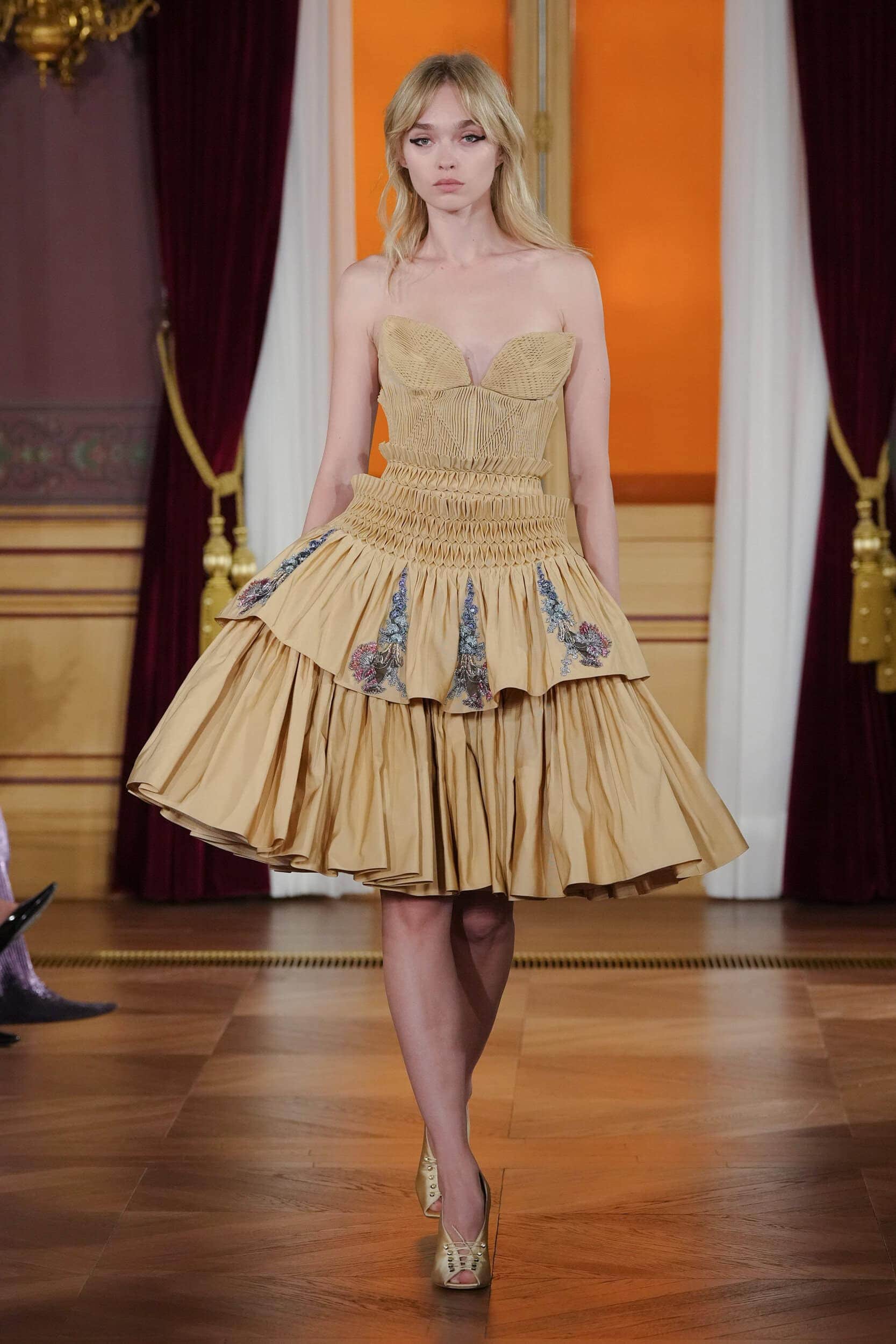
Fantasy returned to couture with its shadows intact. Chanel offered the clearest expression of the theme, translating childhood fables into golden eggs, pea pods, strange flowers, animal charms, and a heroine whose happy ending remained intriguingly unresolved. Dior approached enchantment through botany and sculpture, allowing natural forms to become increasingly abstract and uncanny. Robert Wun and Ashi Studio ventured deeper into the woods, where princesses, porcelain dolls, wolves, and spectral creatures carried the emotional complexity of the original tales. Across these collections, whimsy gained substance from its proximity to danger. The storybook became a way of exploring transformation, uncertainty, and the peculiar adult experience of returning to childhood with full knowledge of how the story ends.
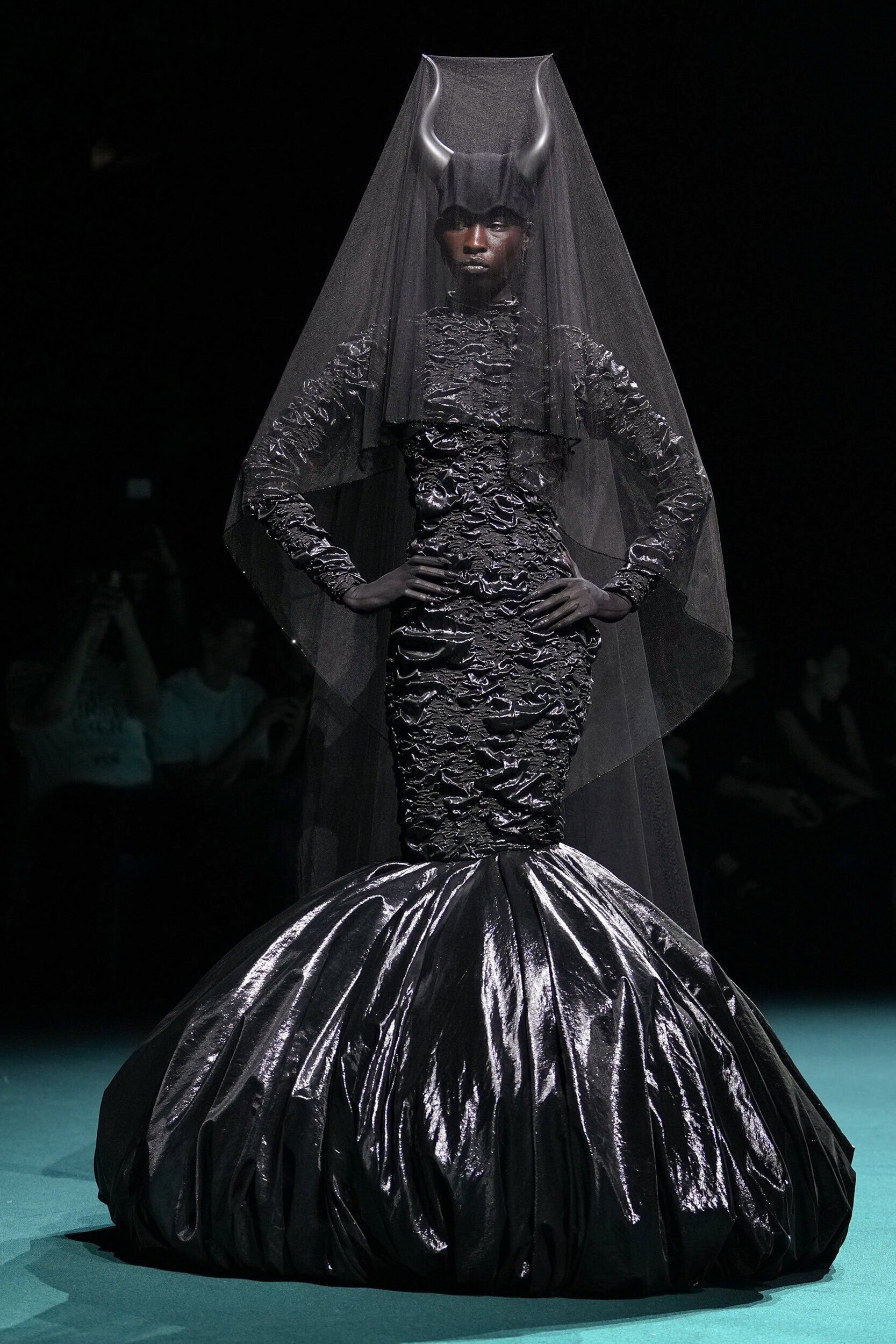
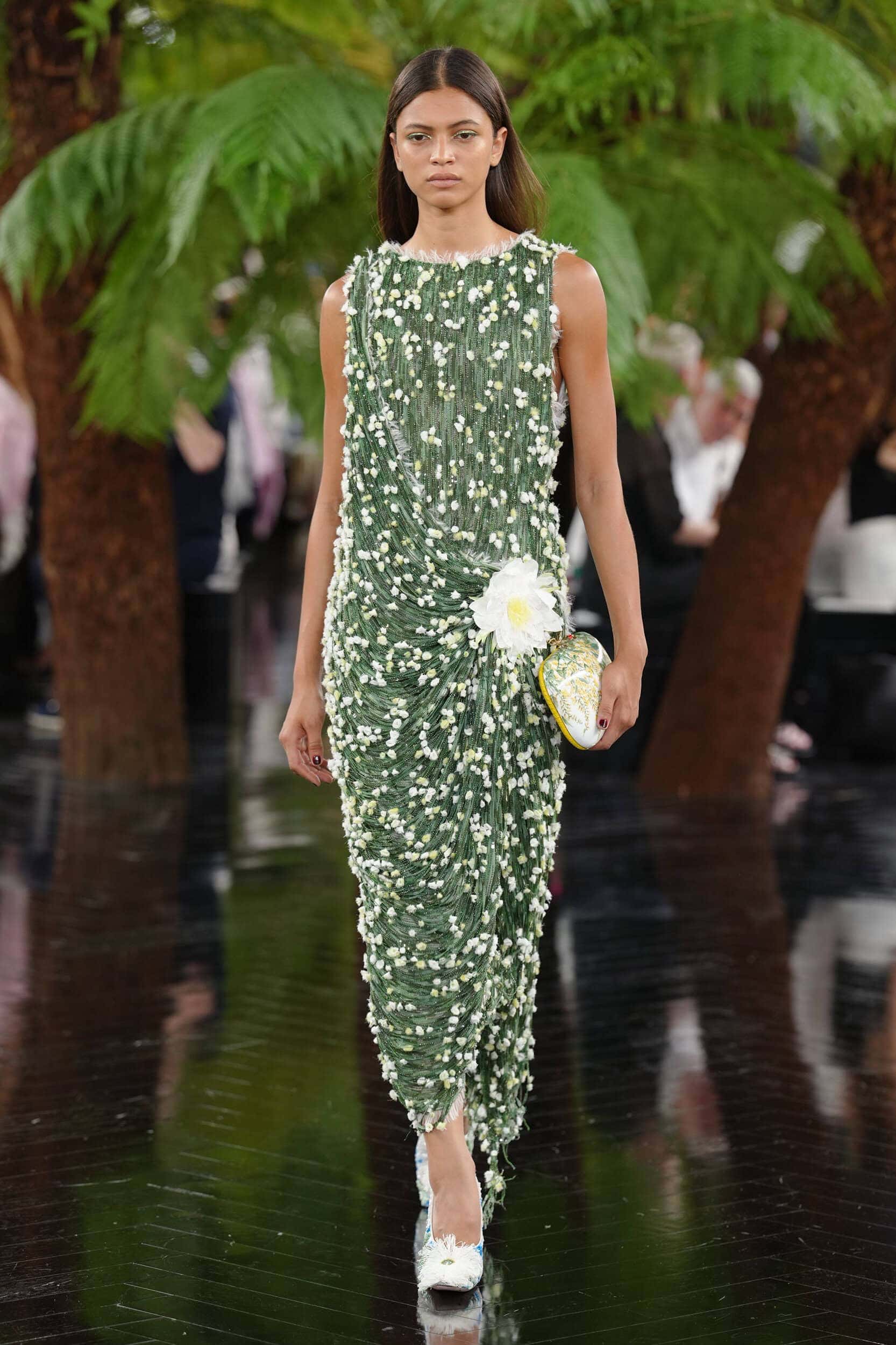
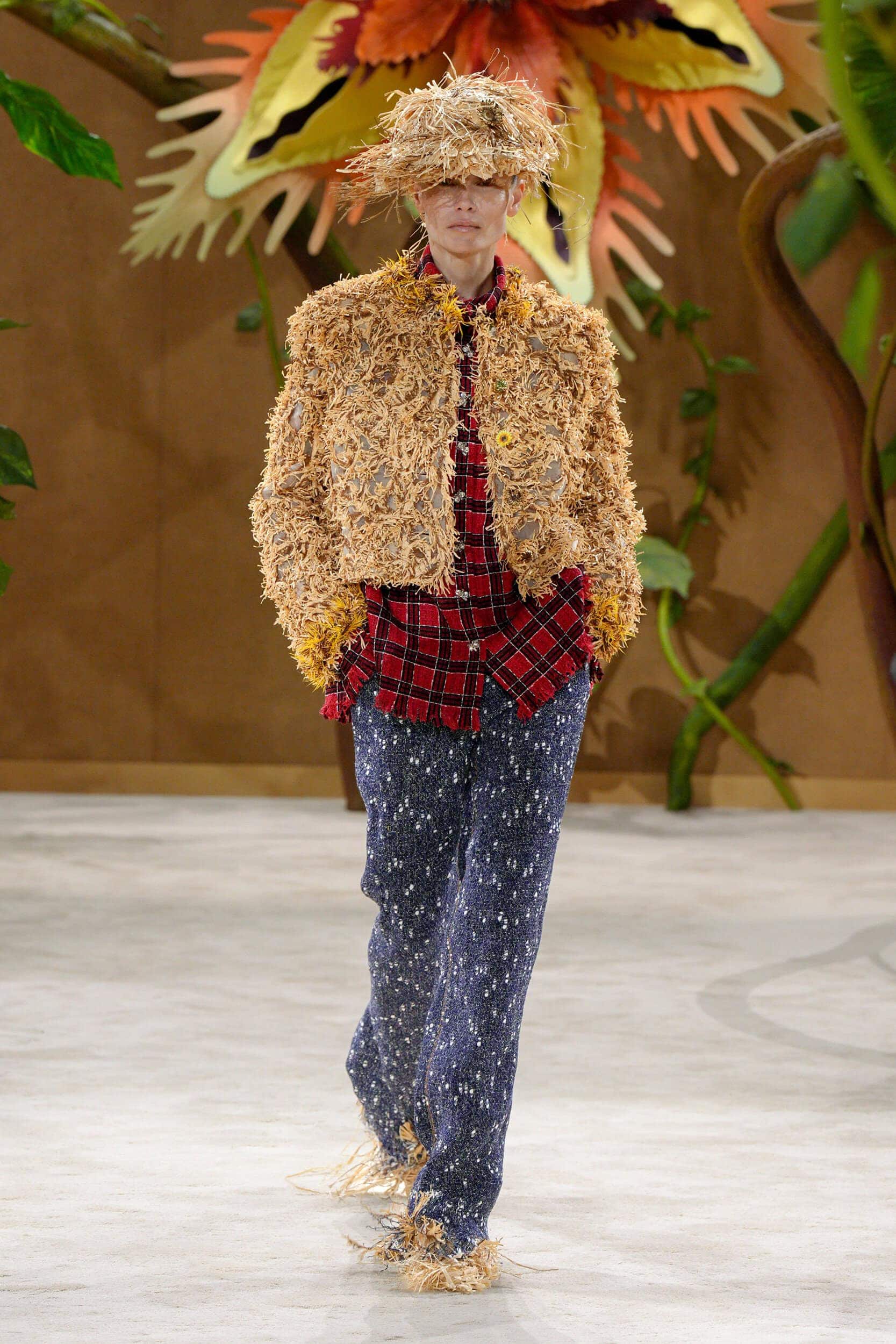
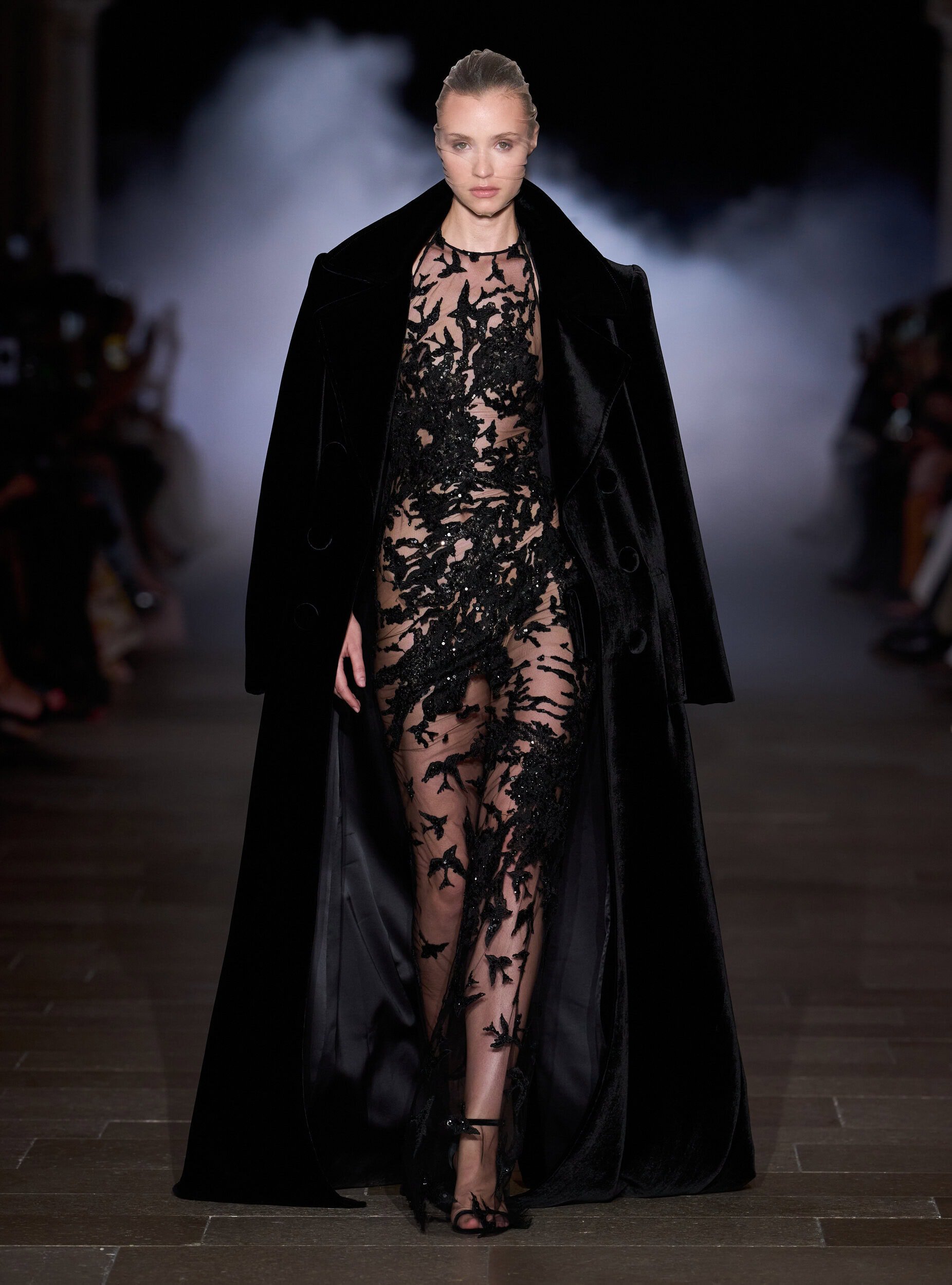
2. The Couture Wardrobe
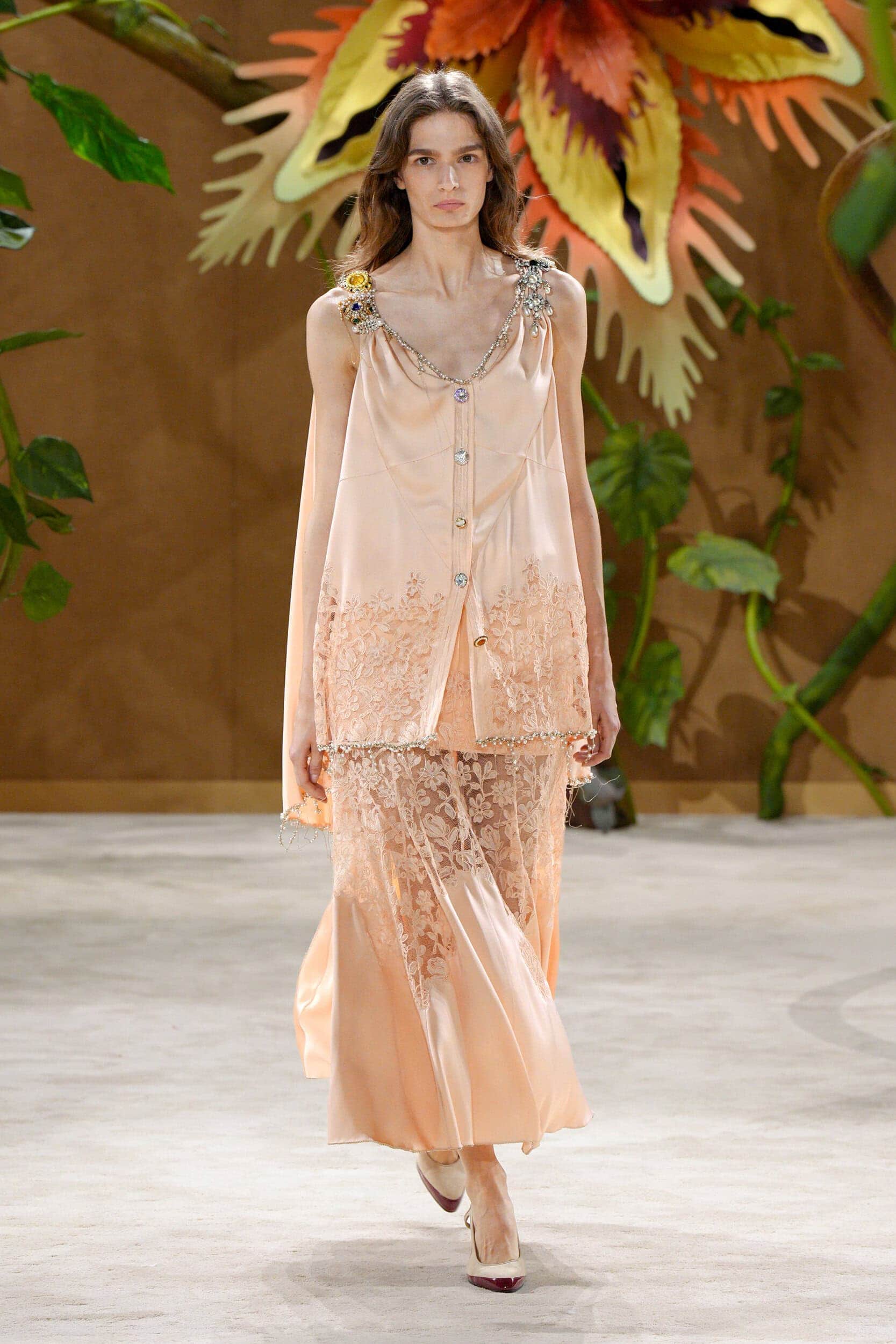
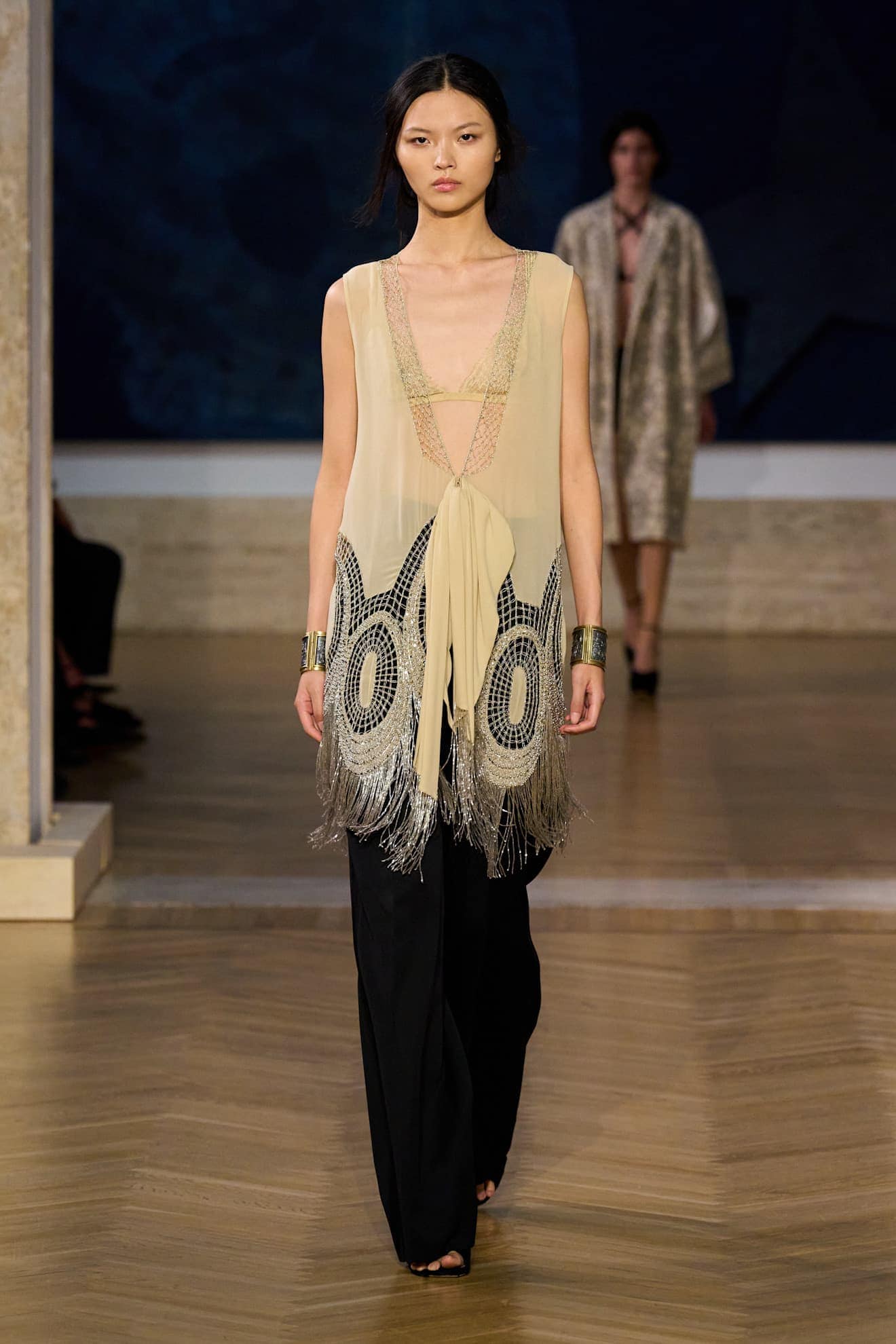
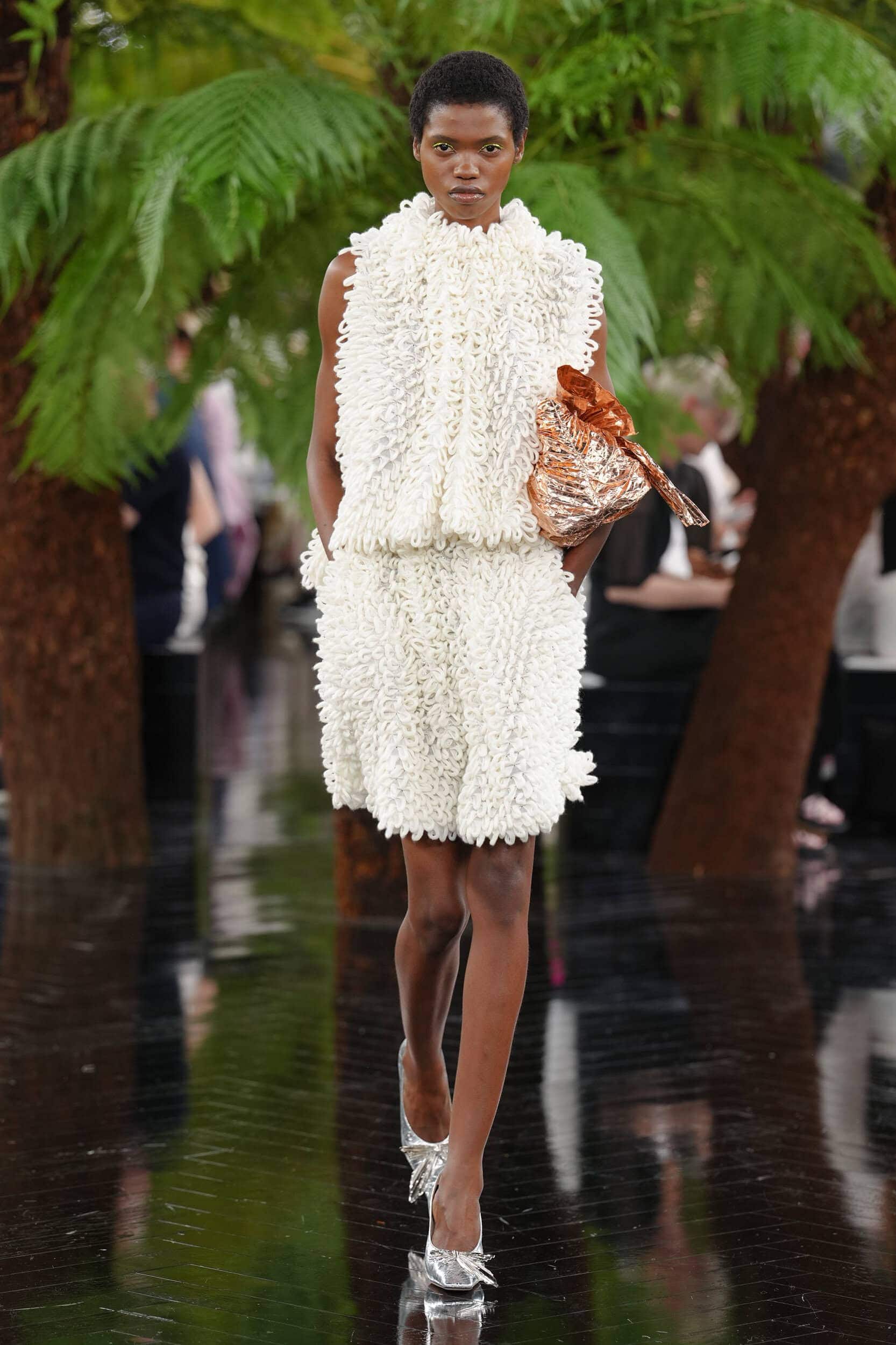
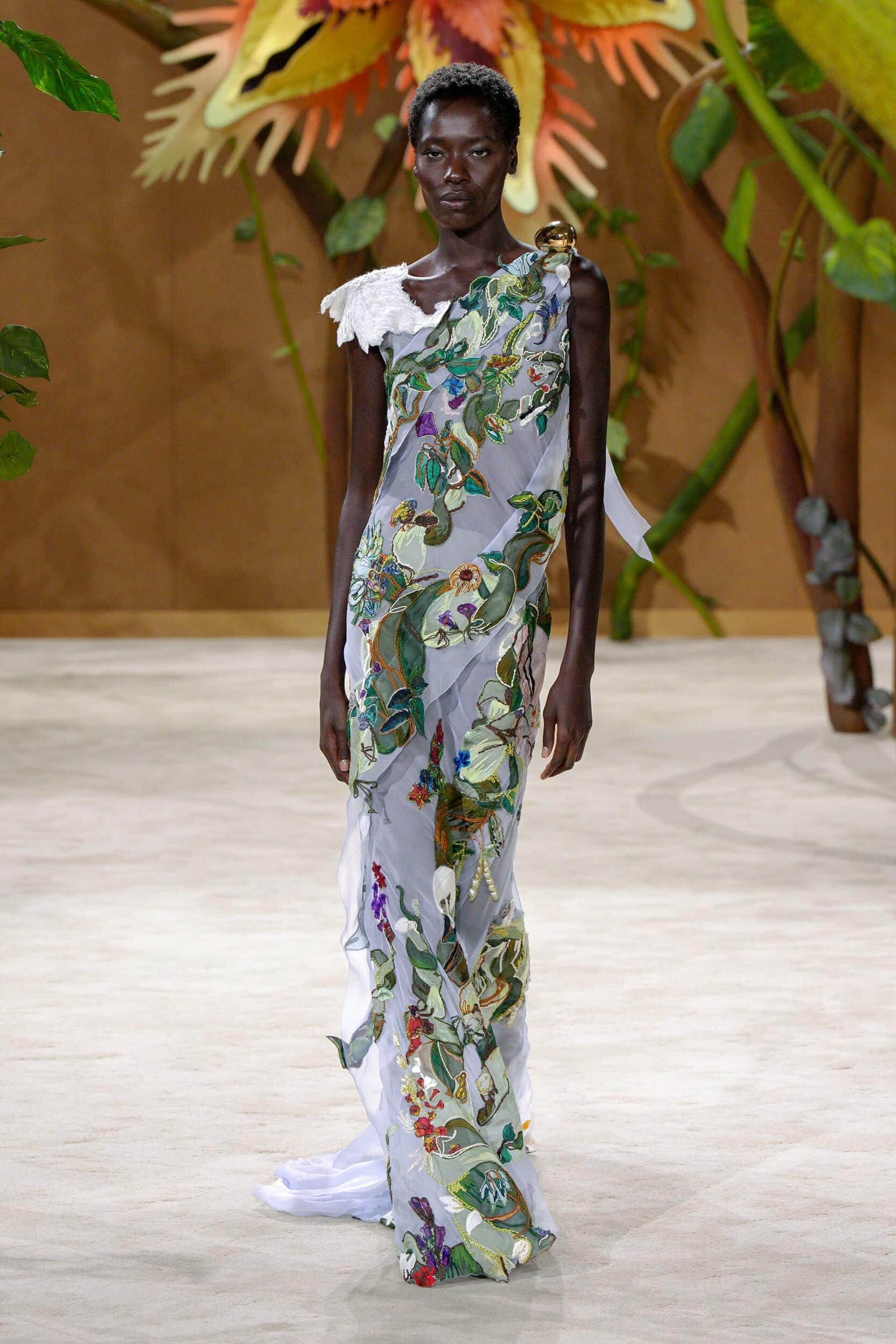
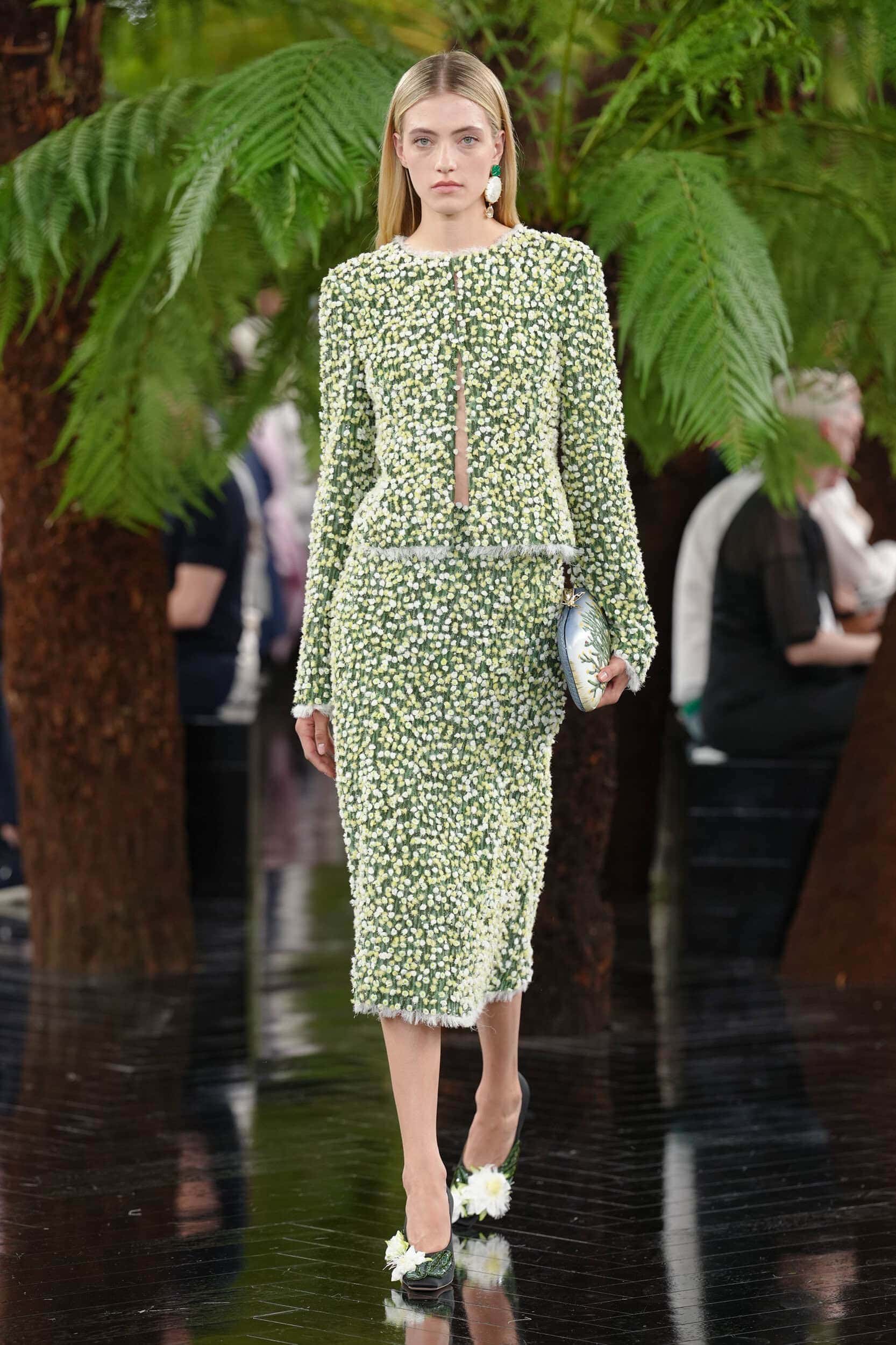
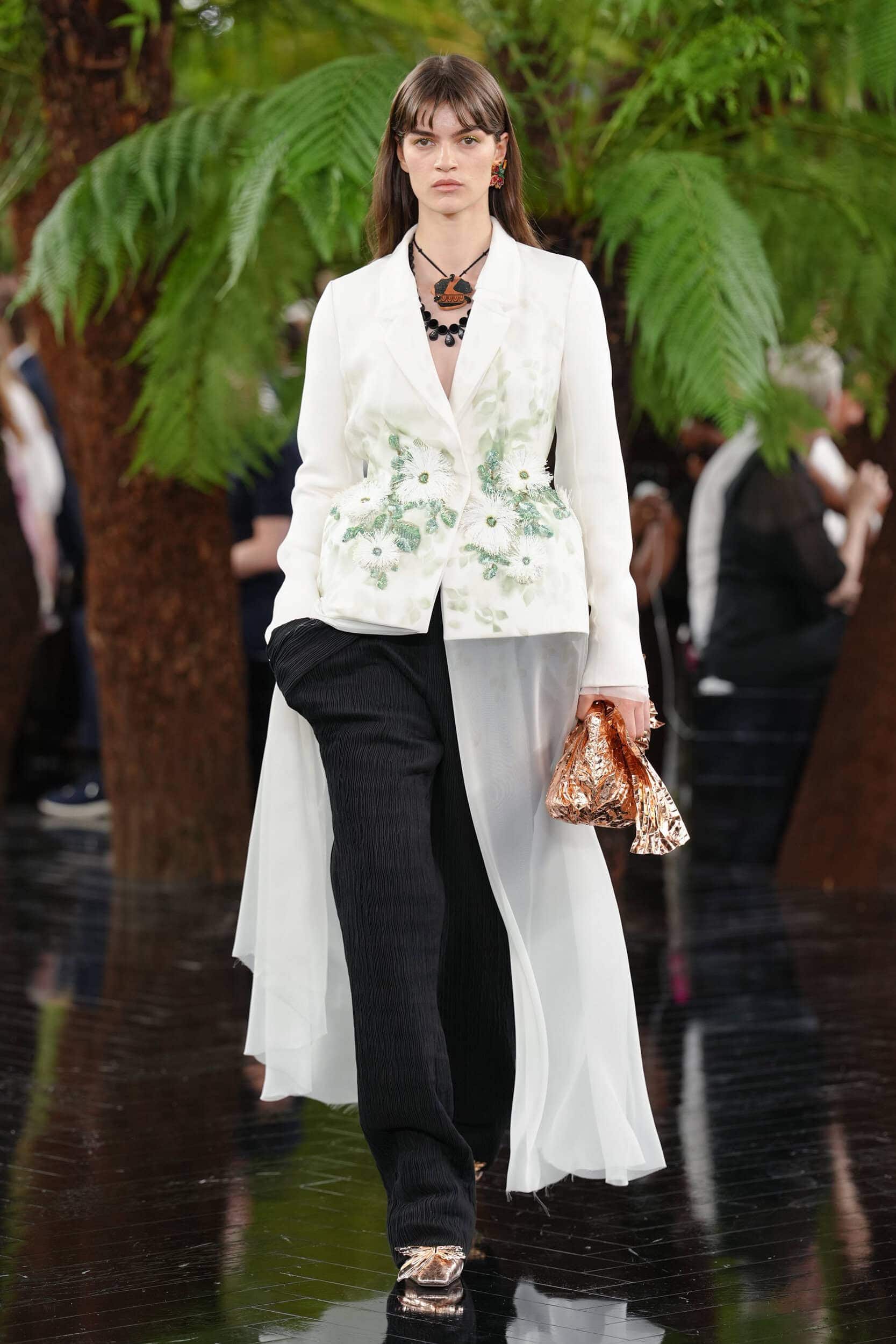
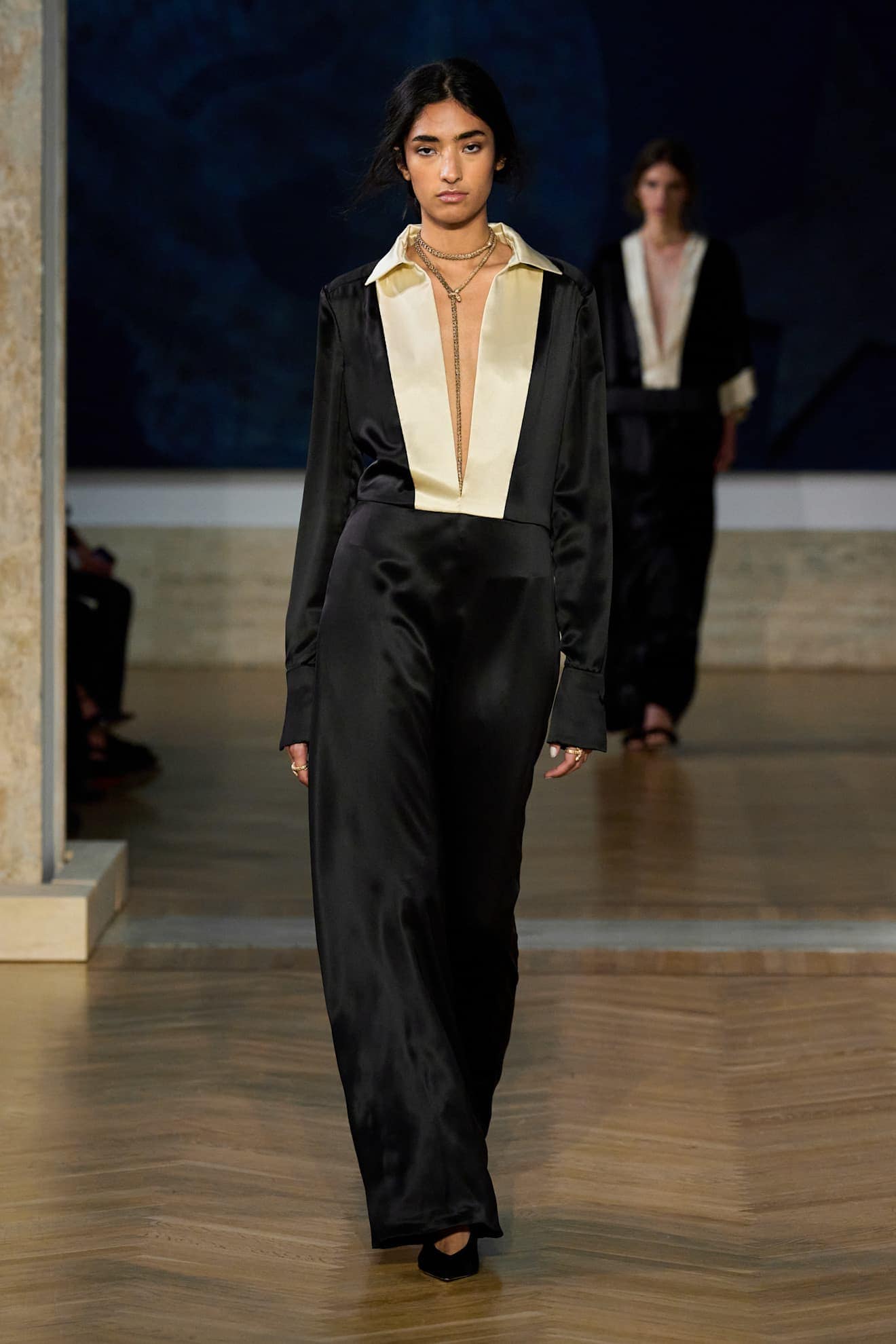
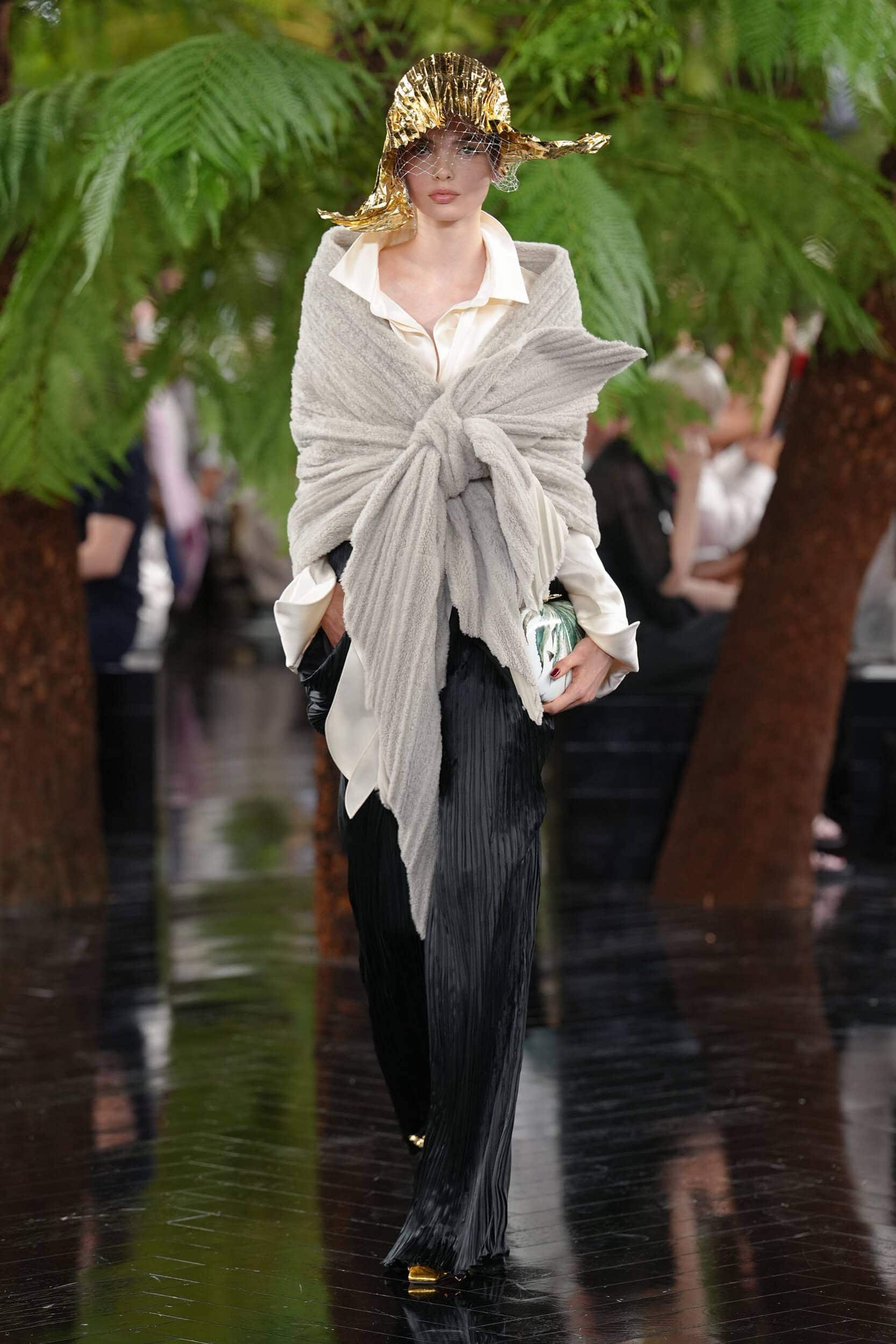
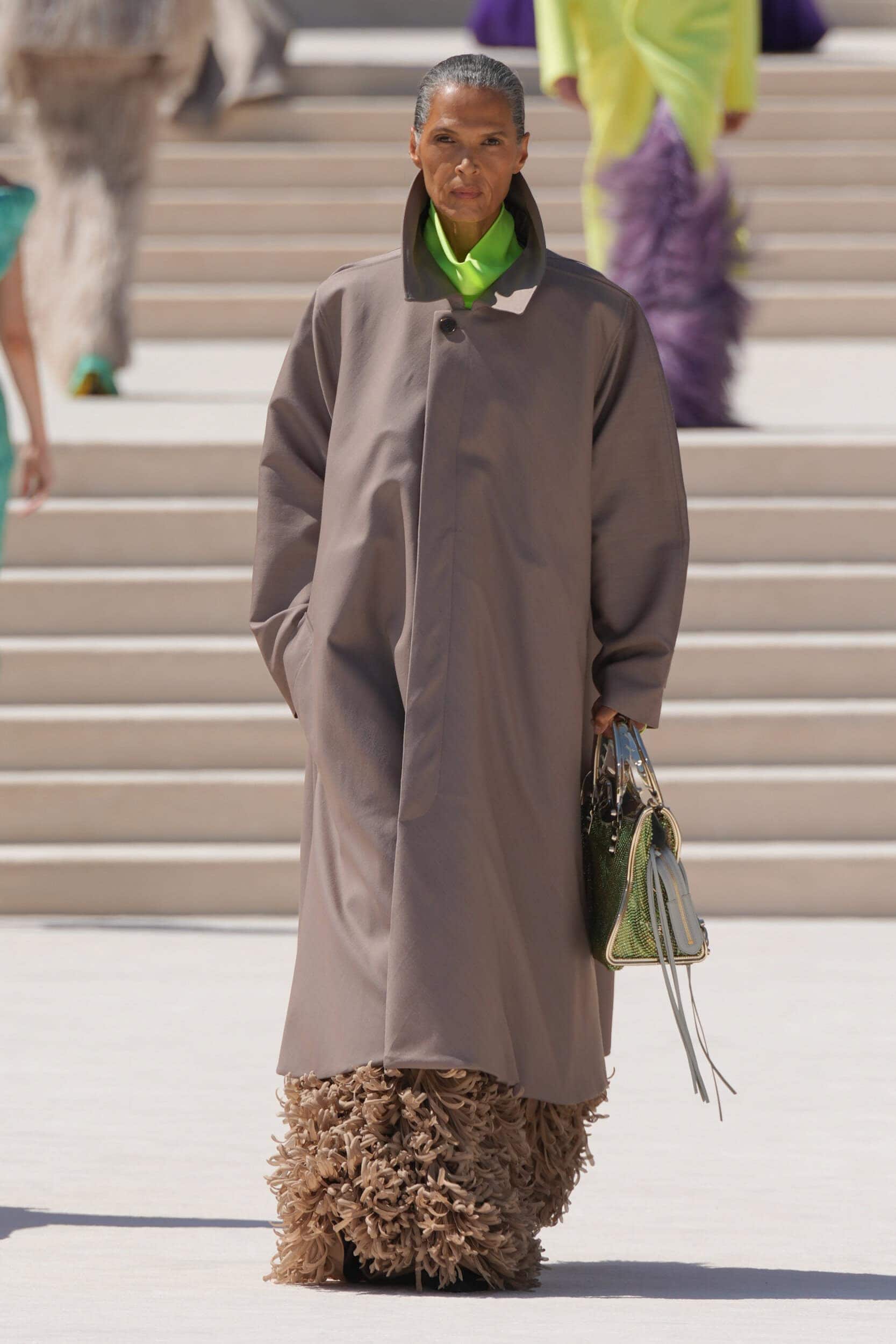
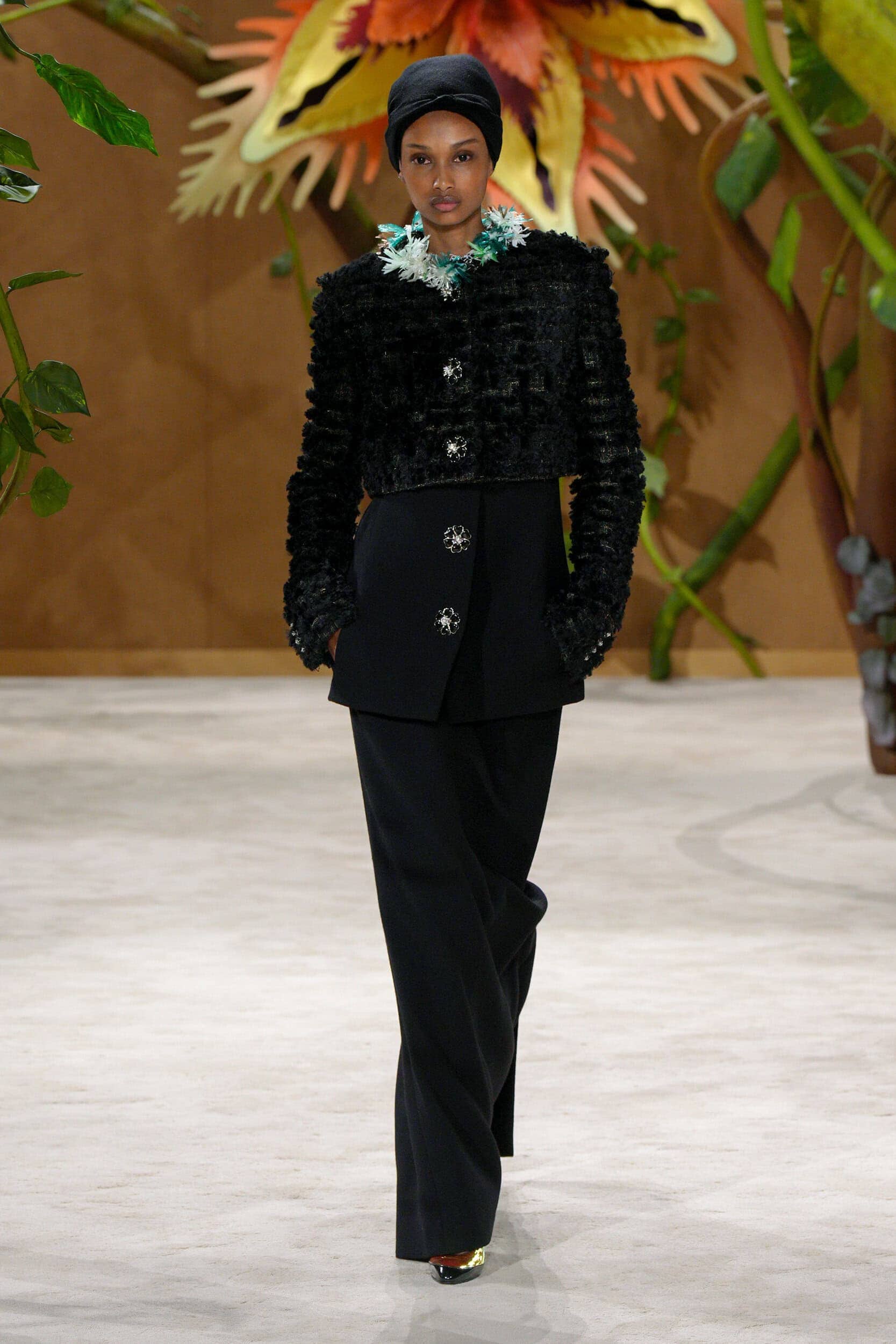
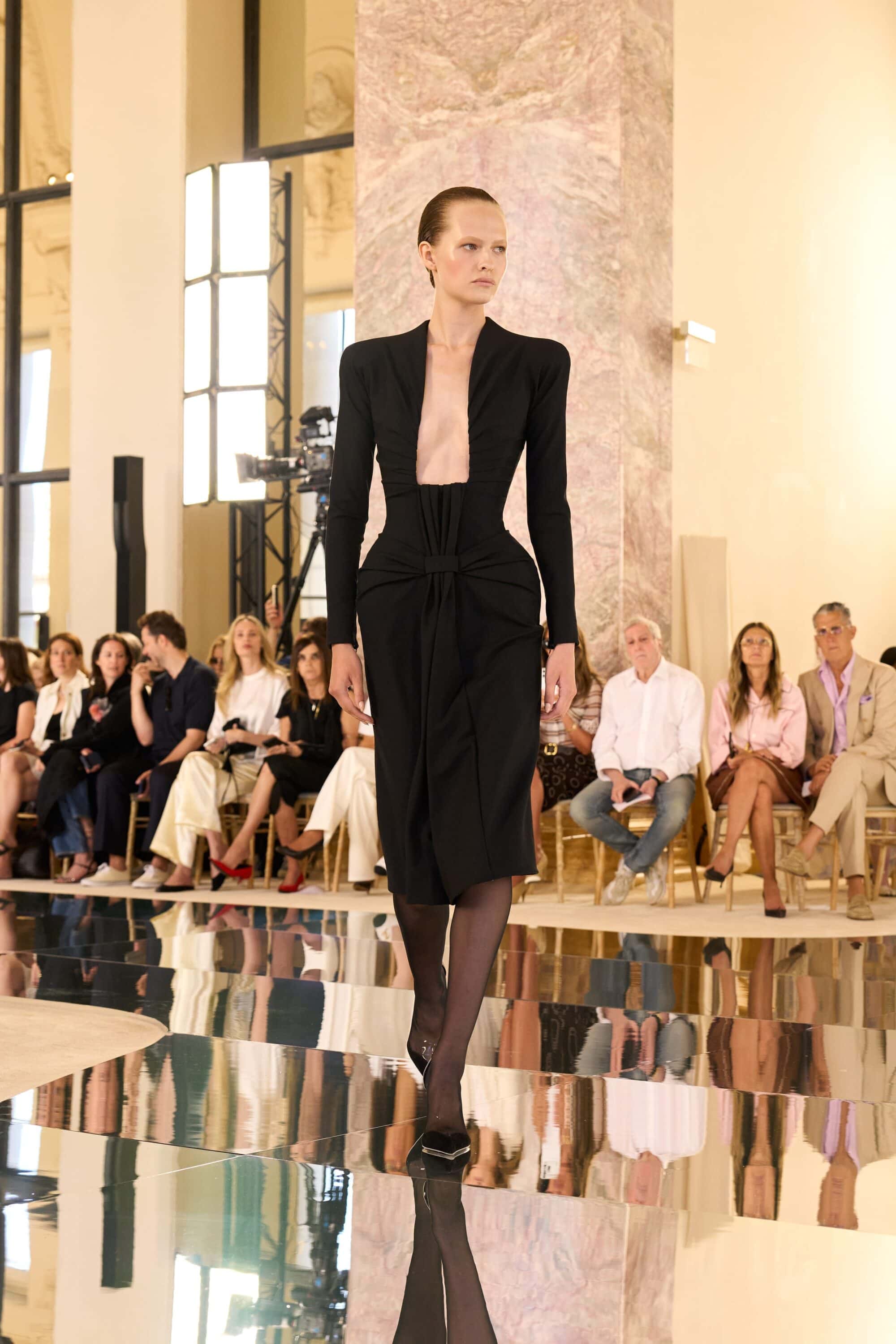
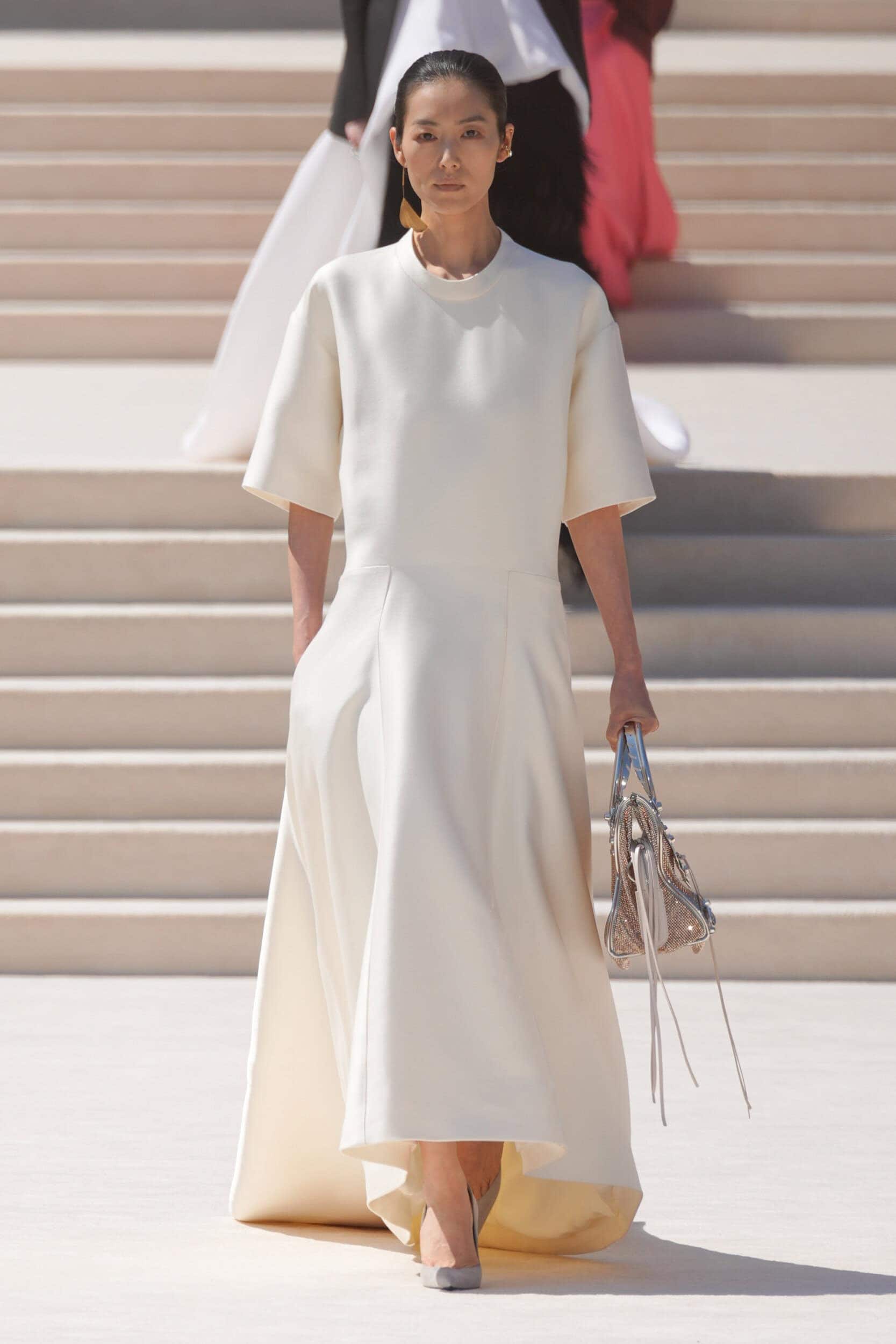
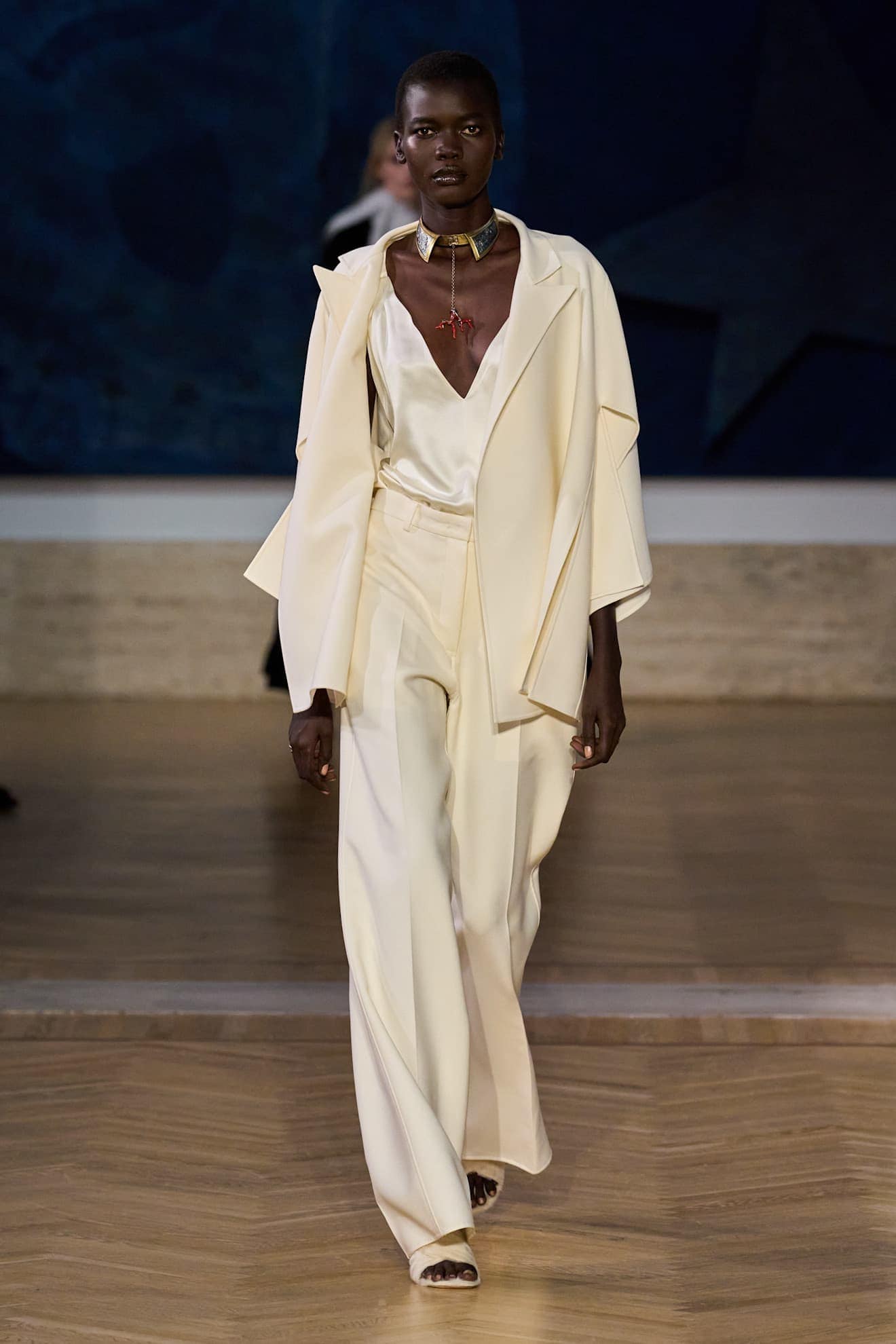
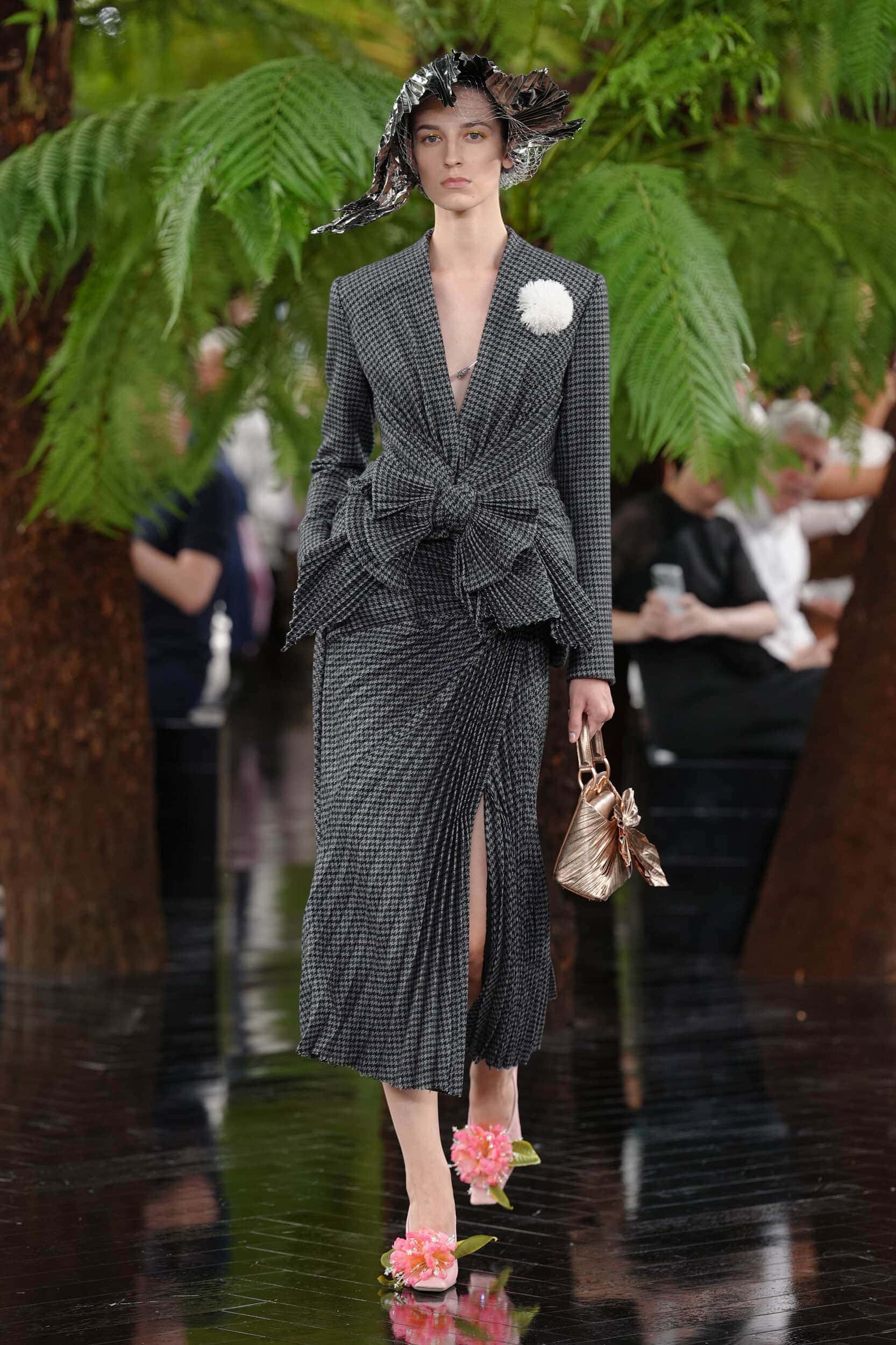
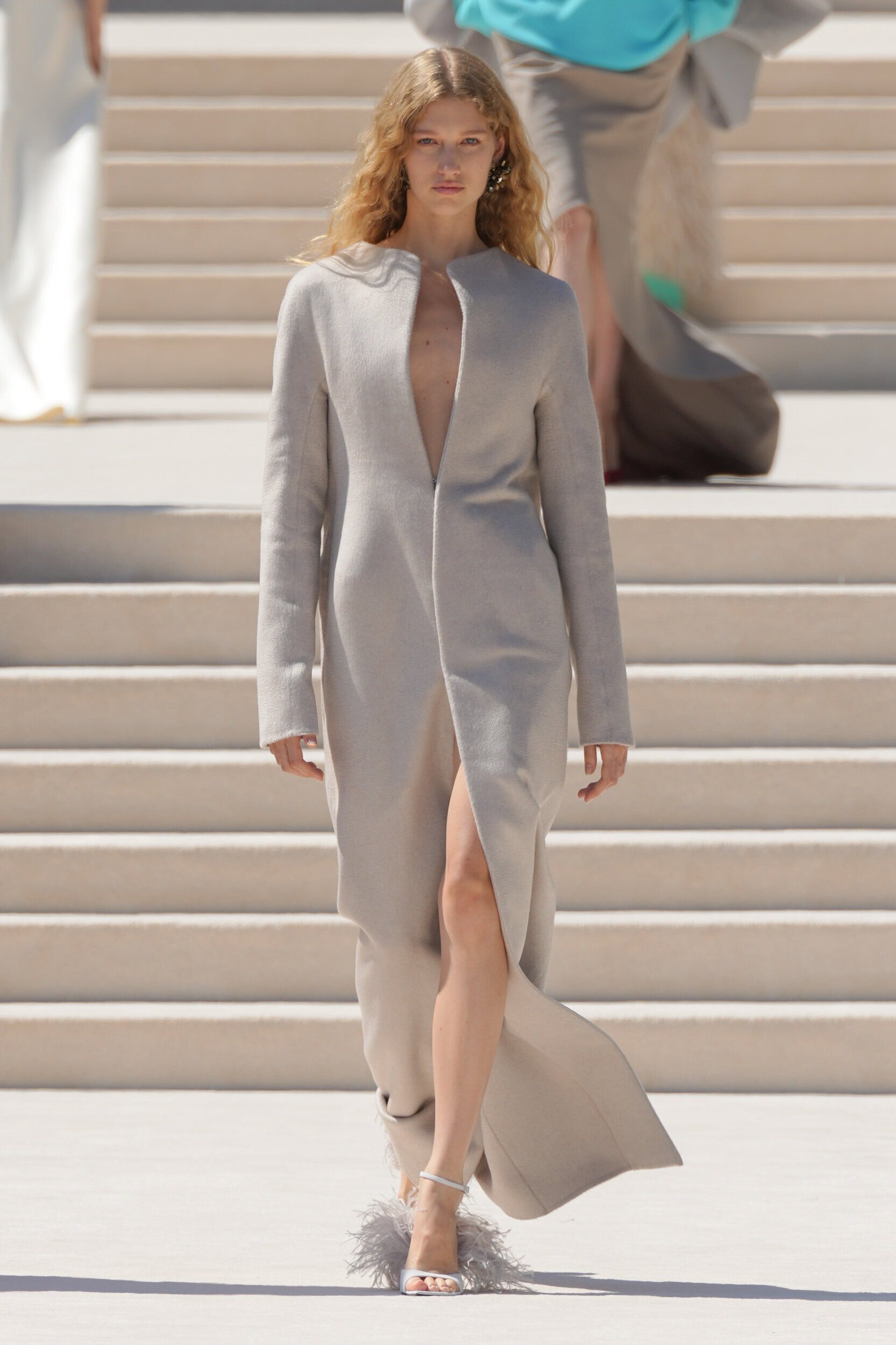
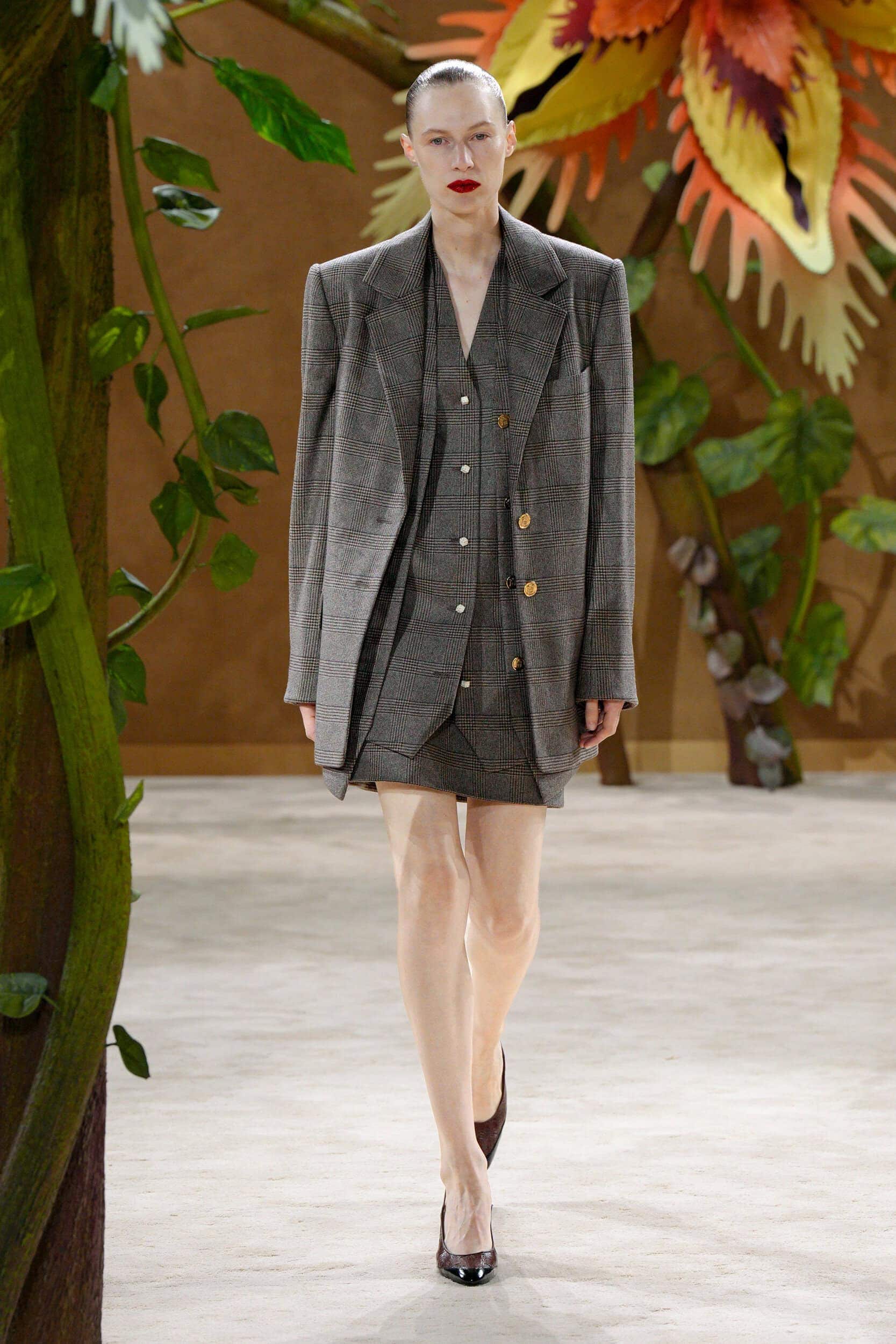
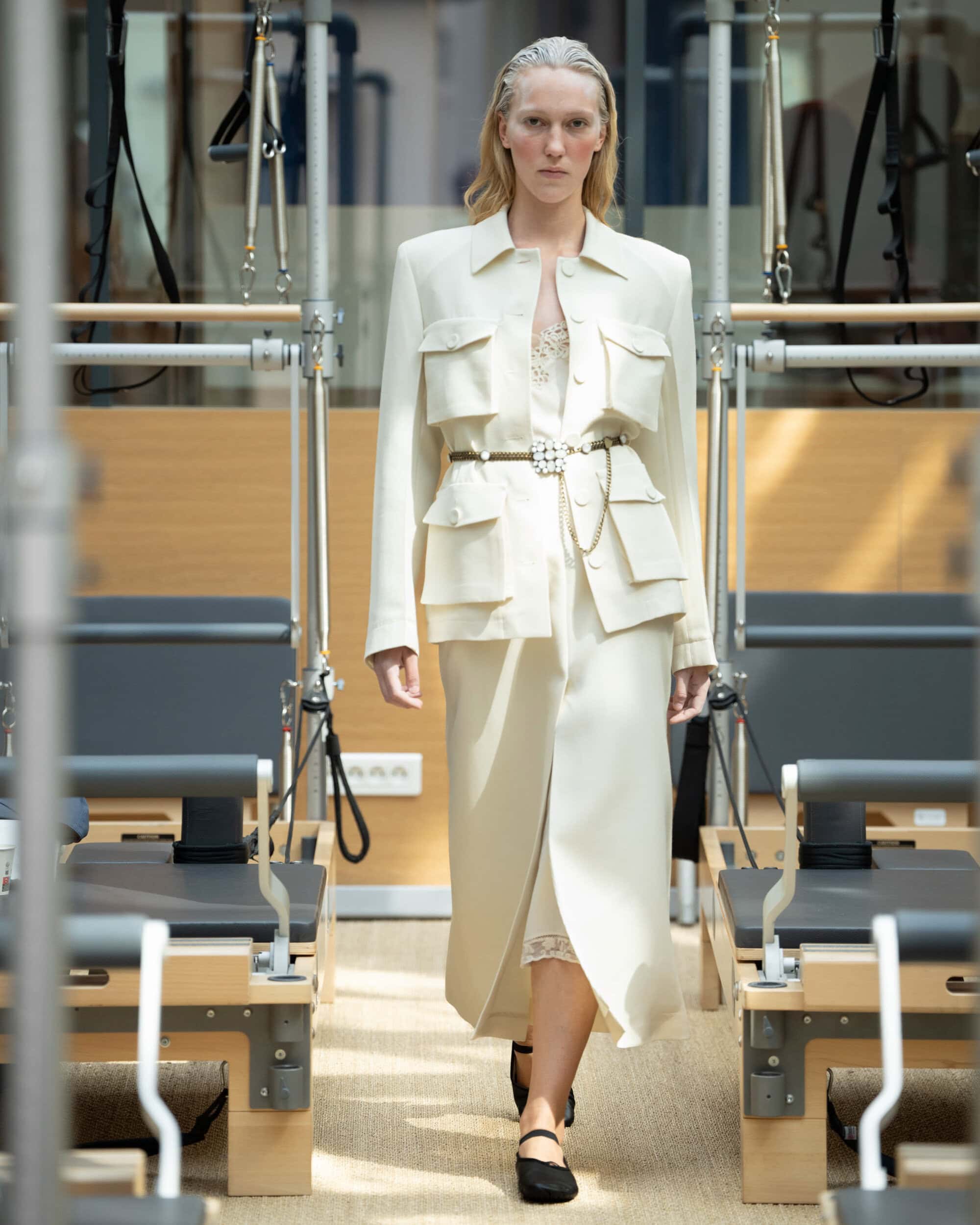
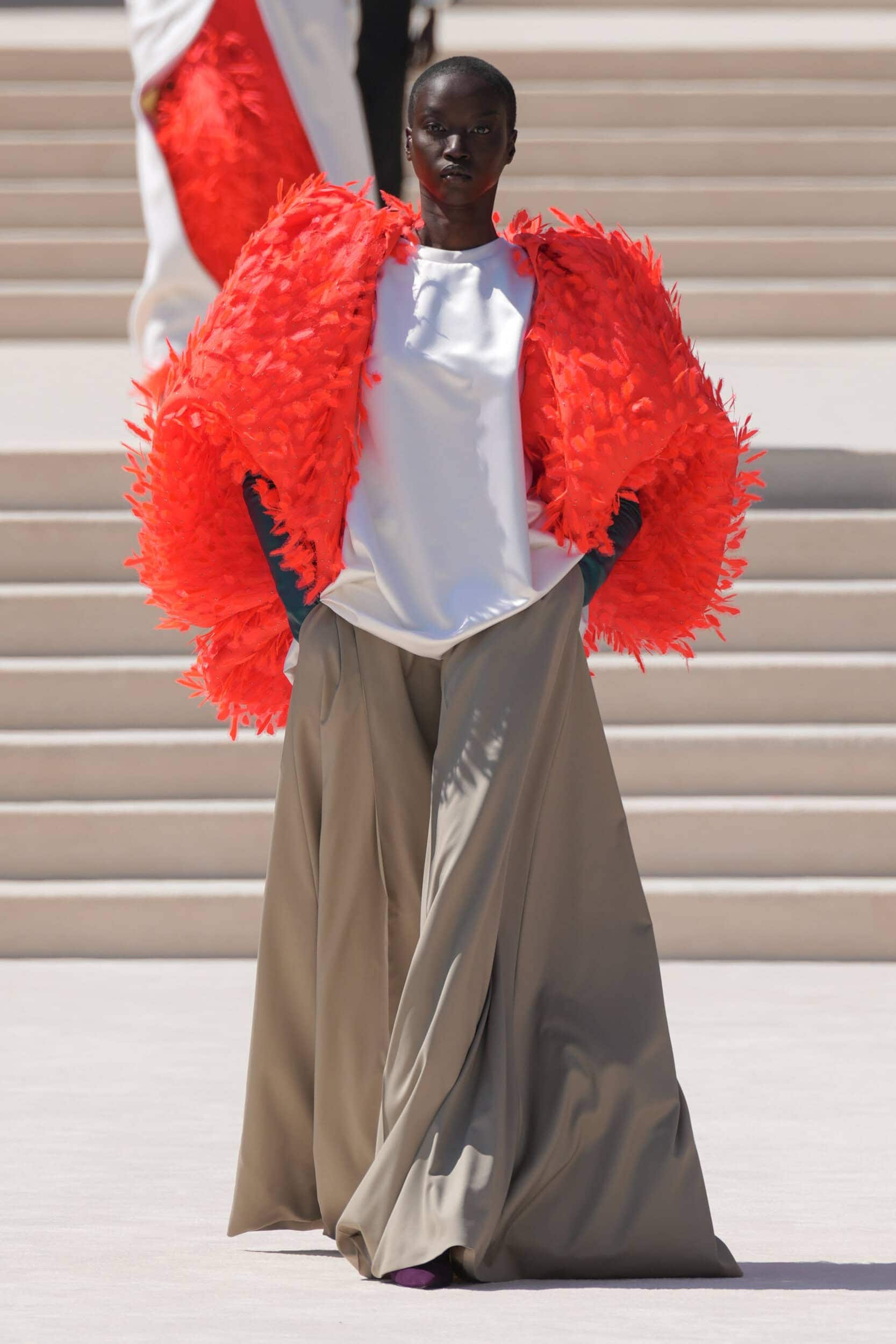
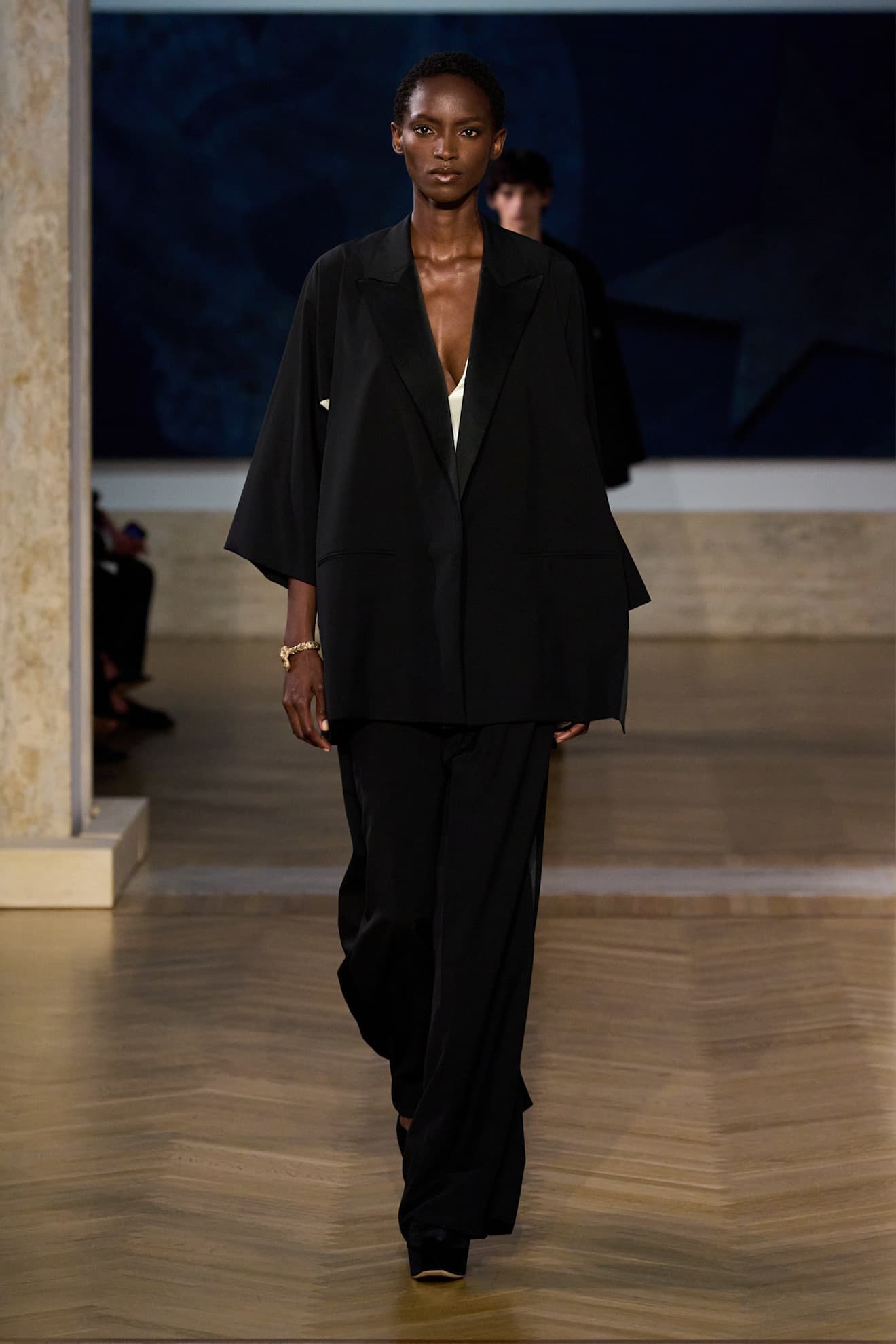
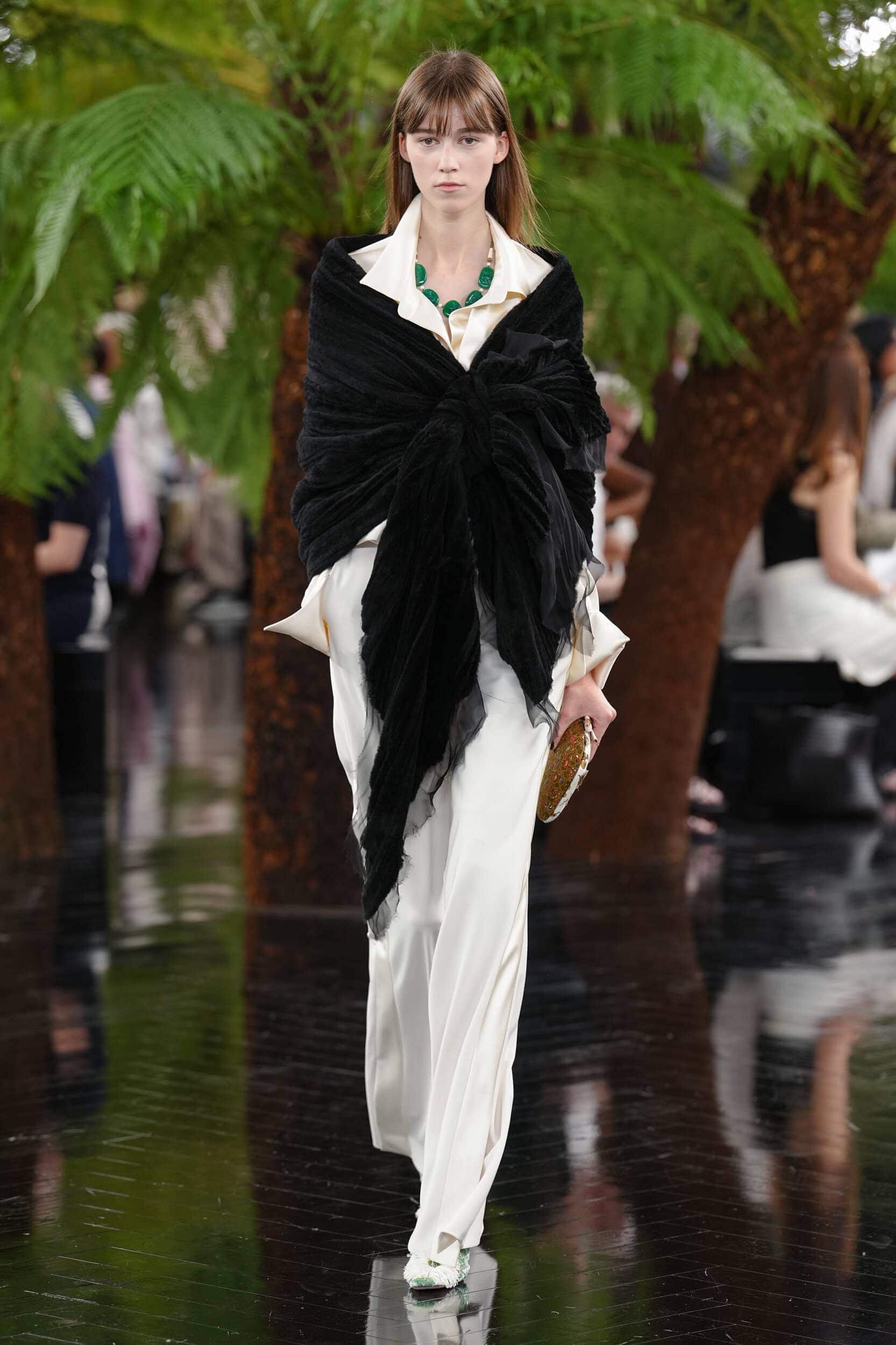
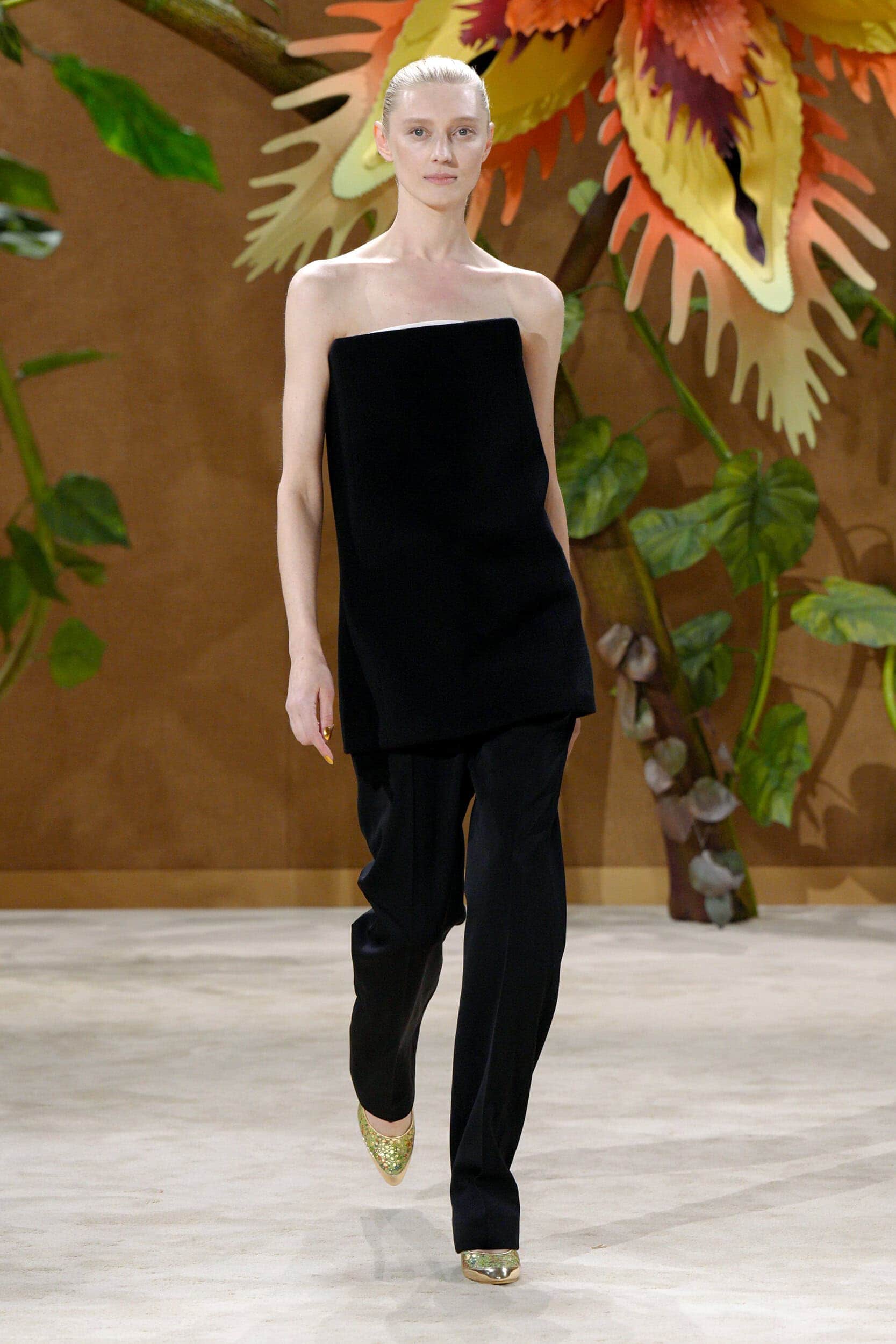
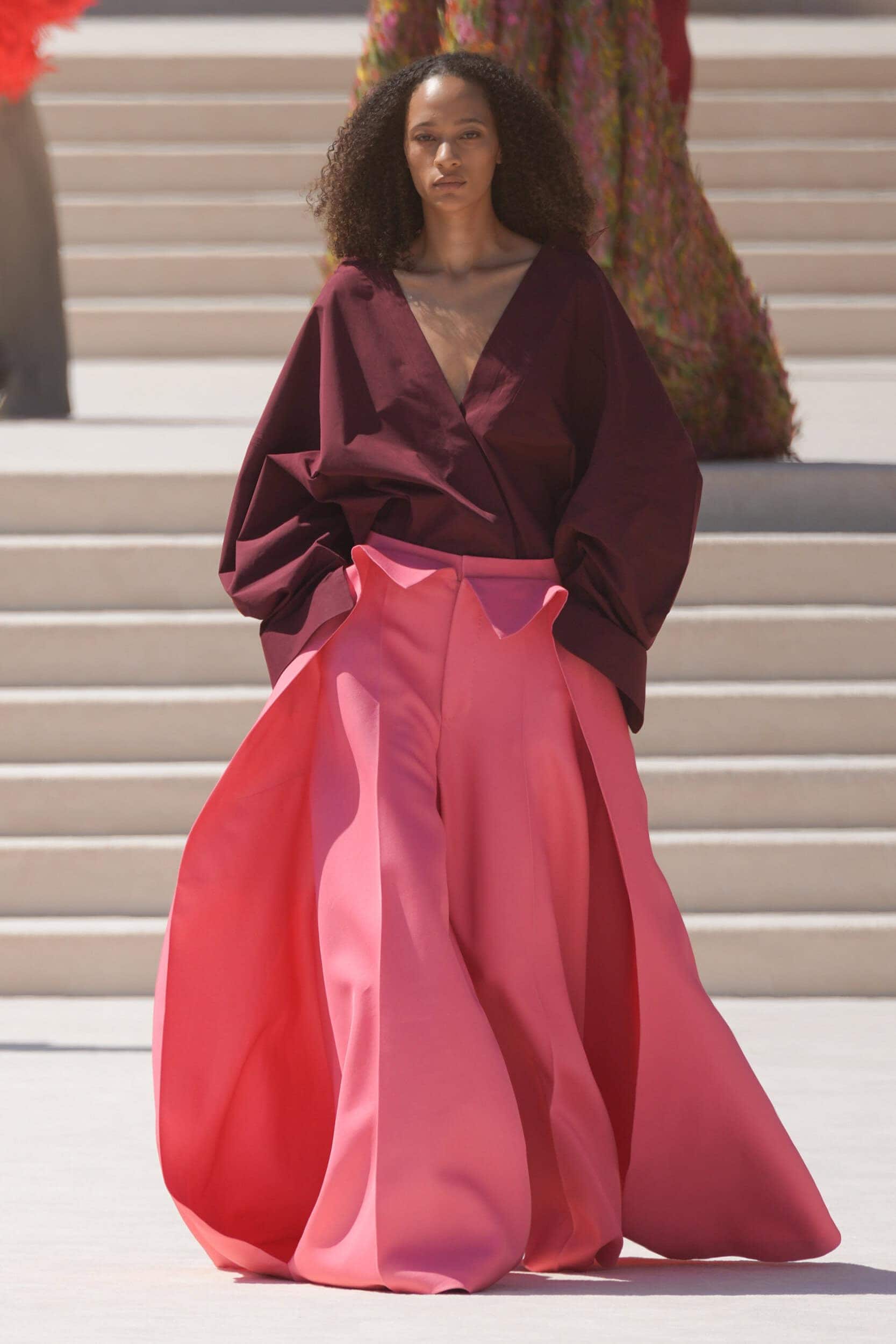
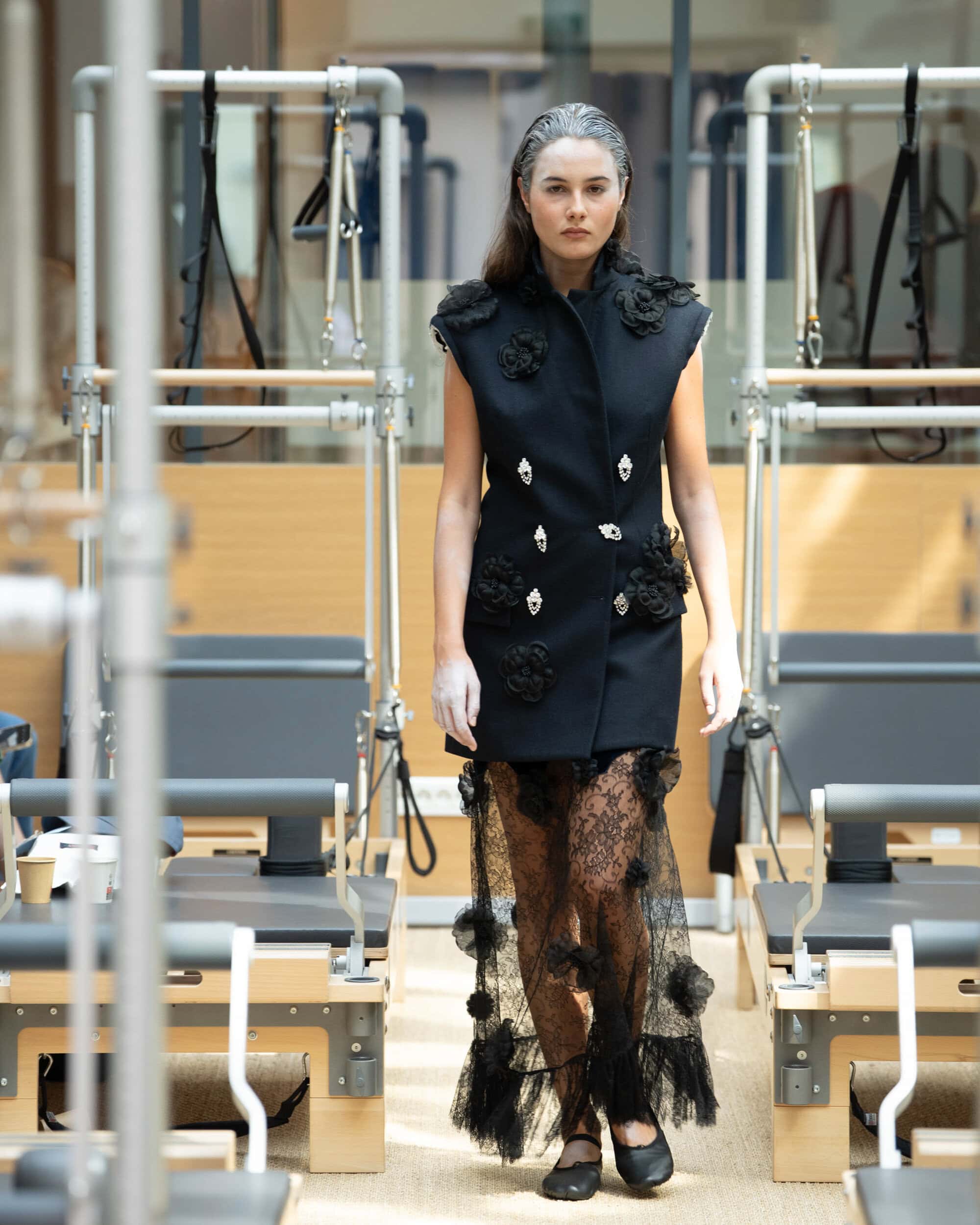
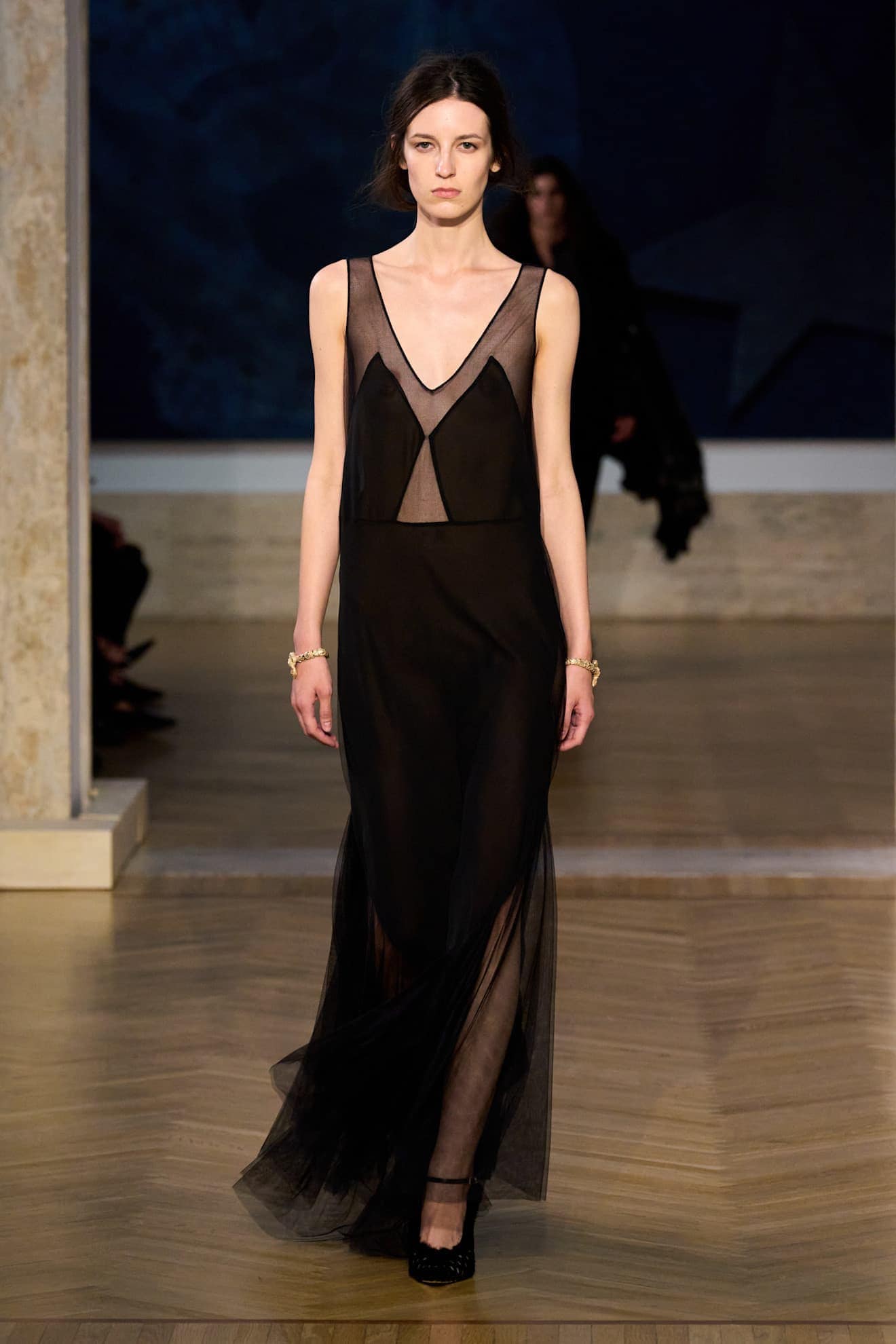
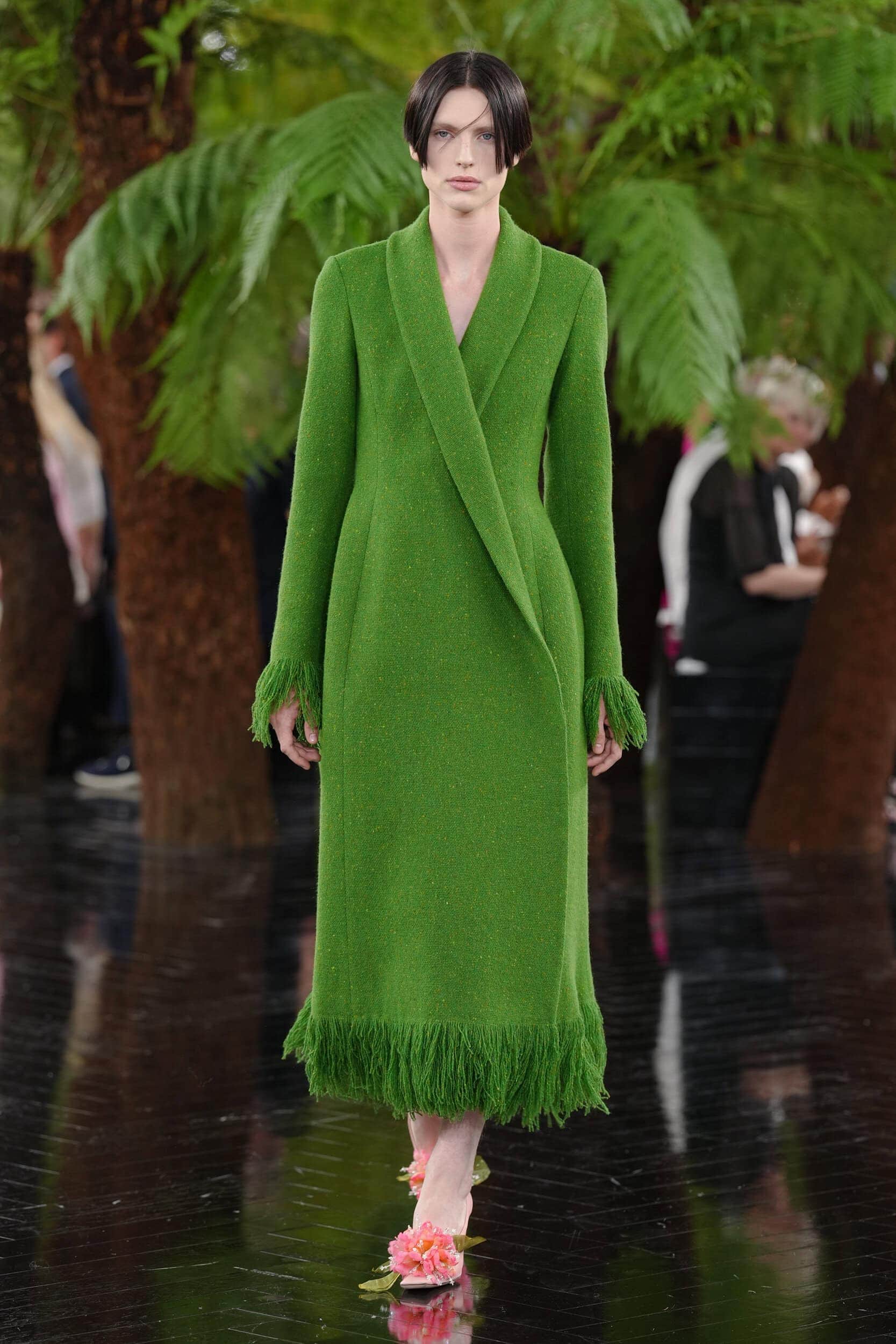
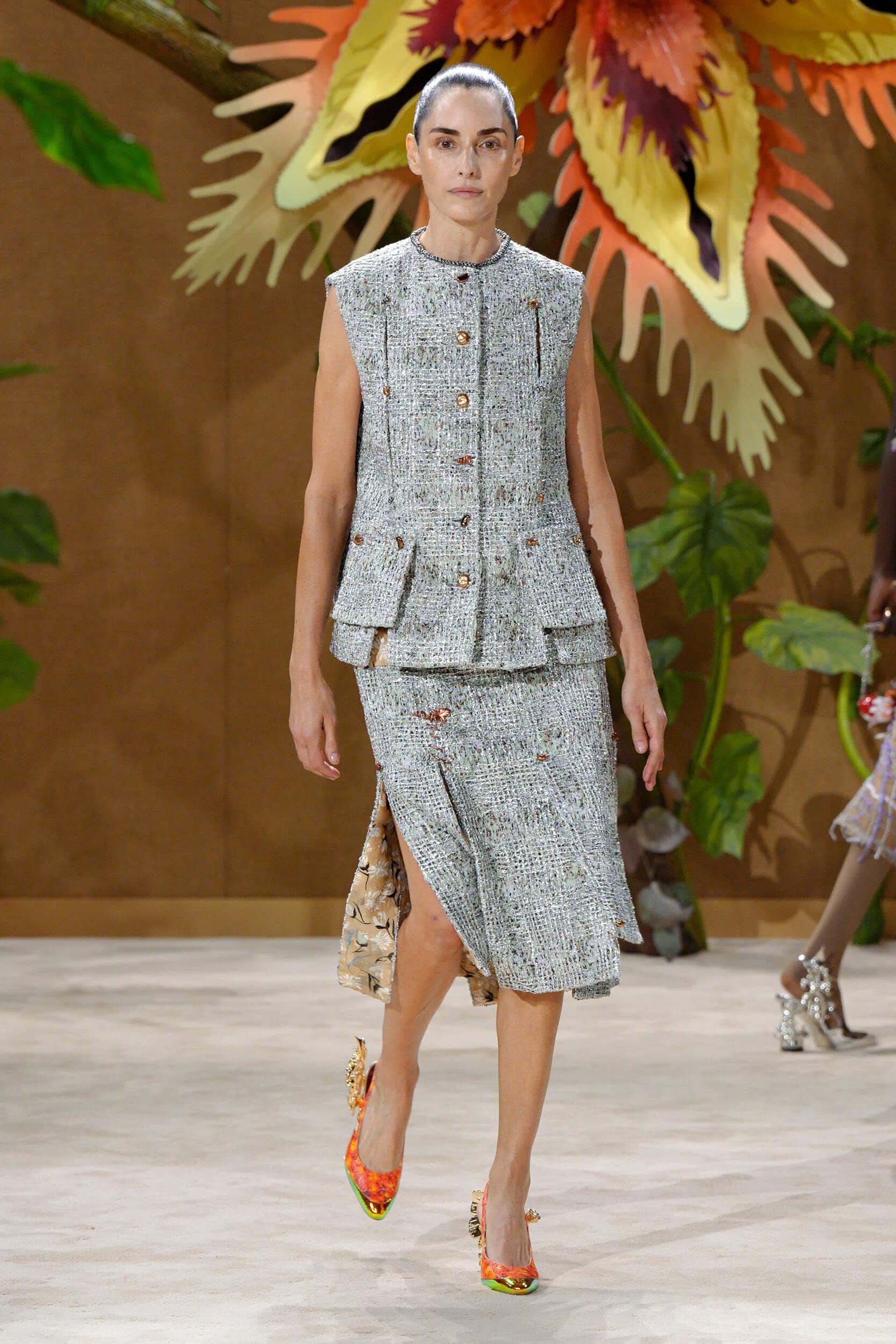
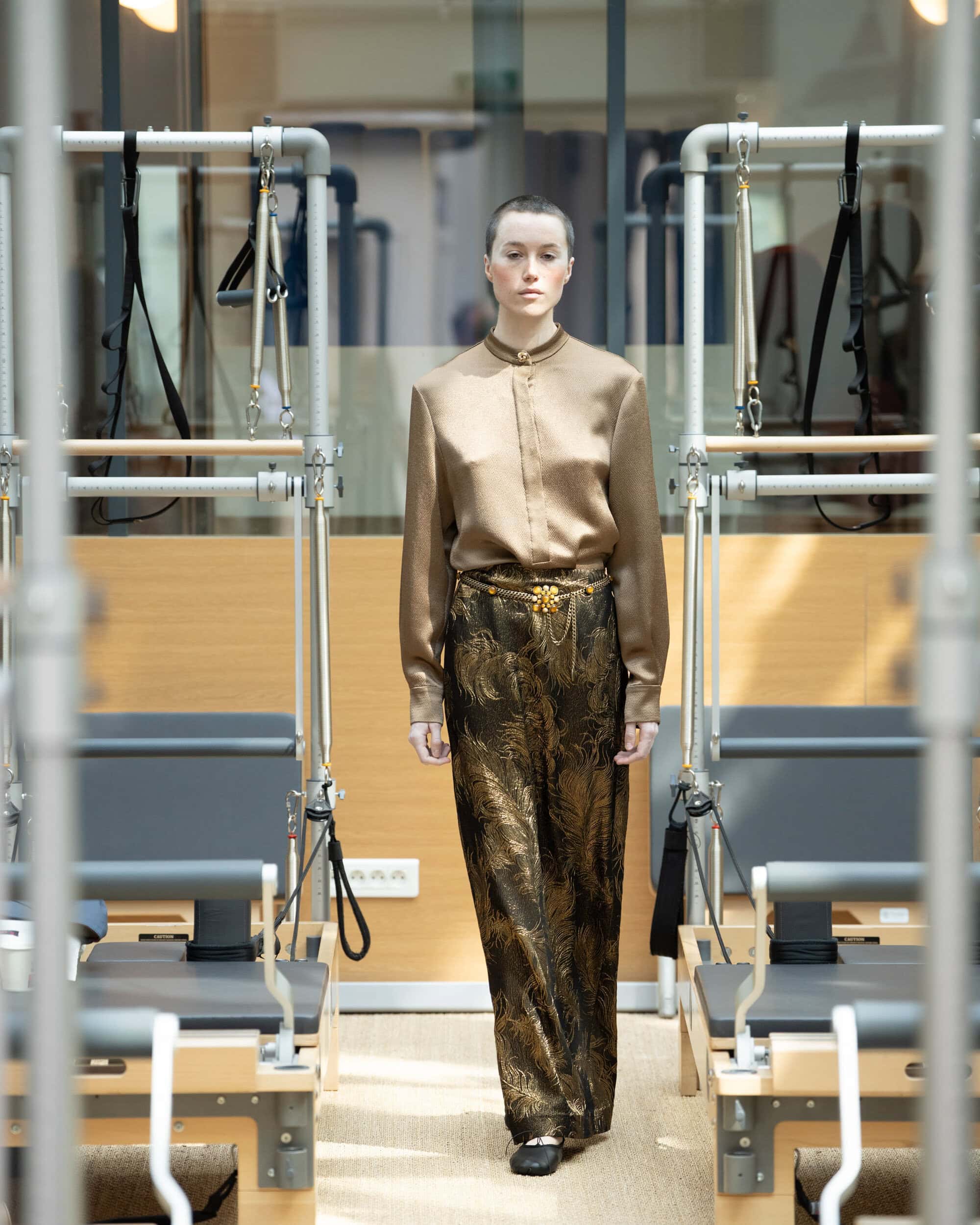
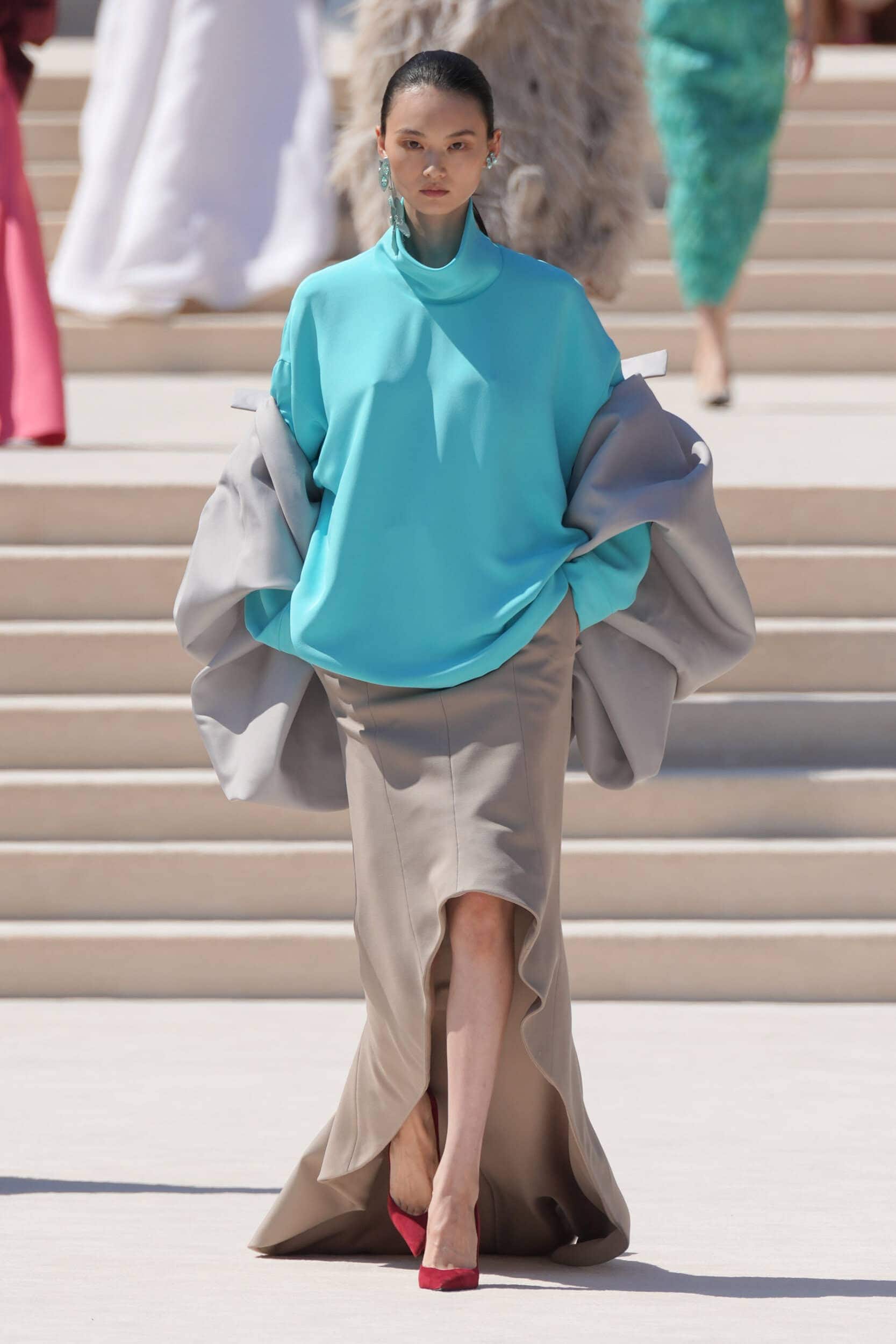
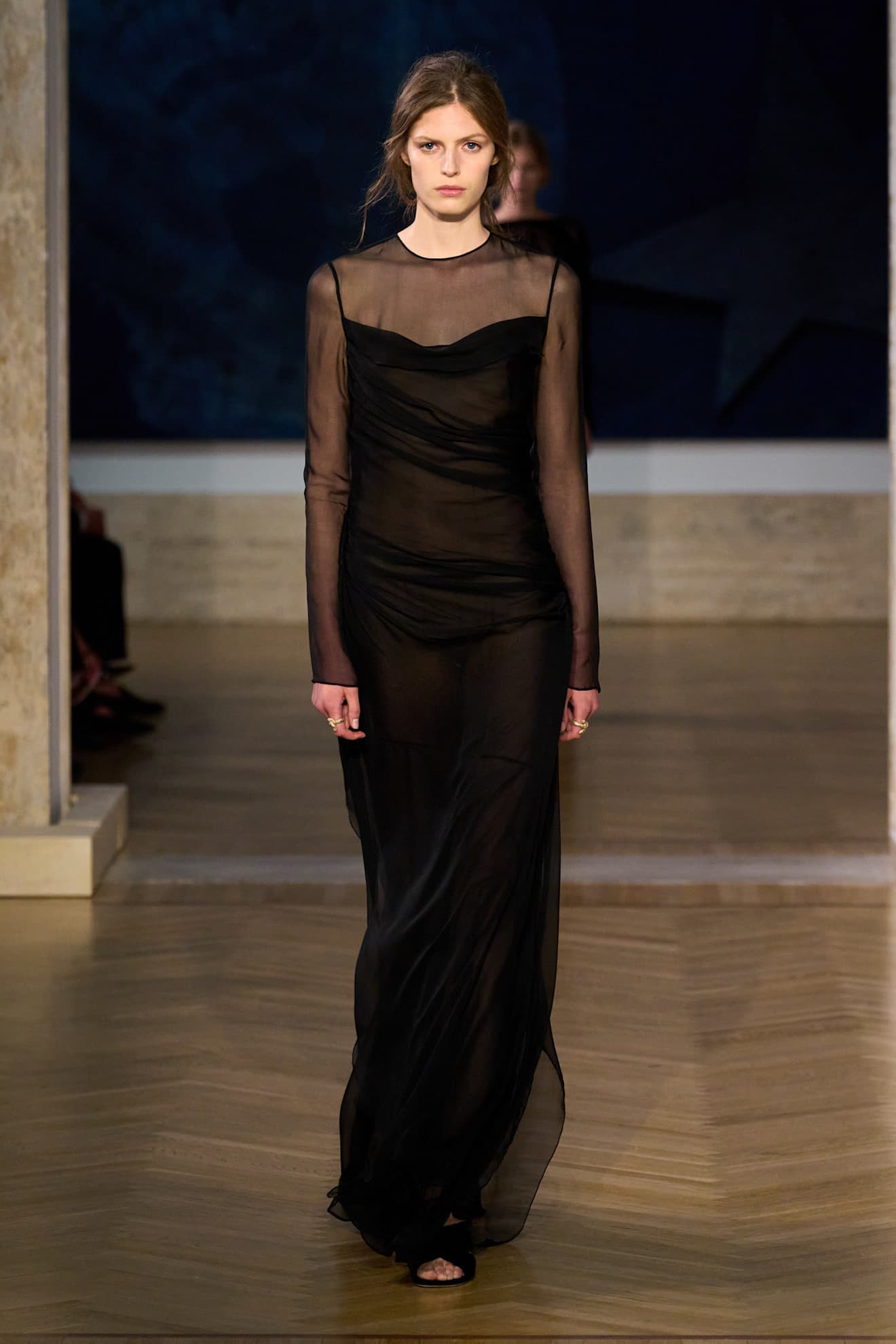
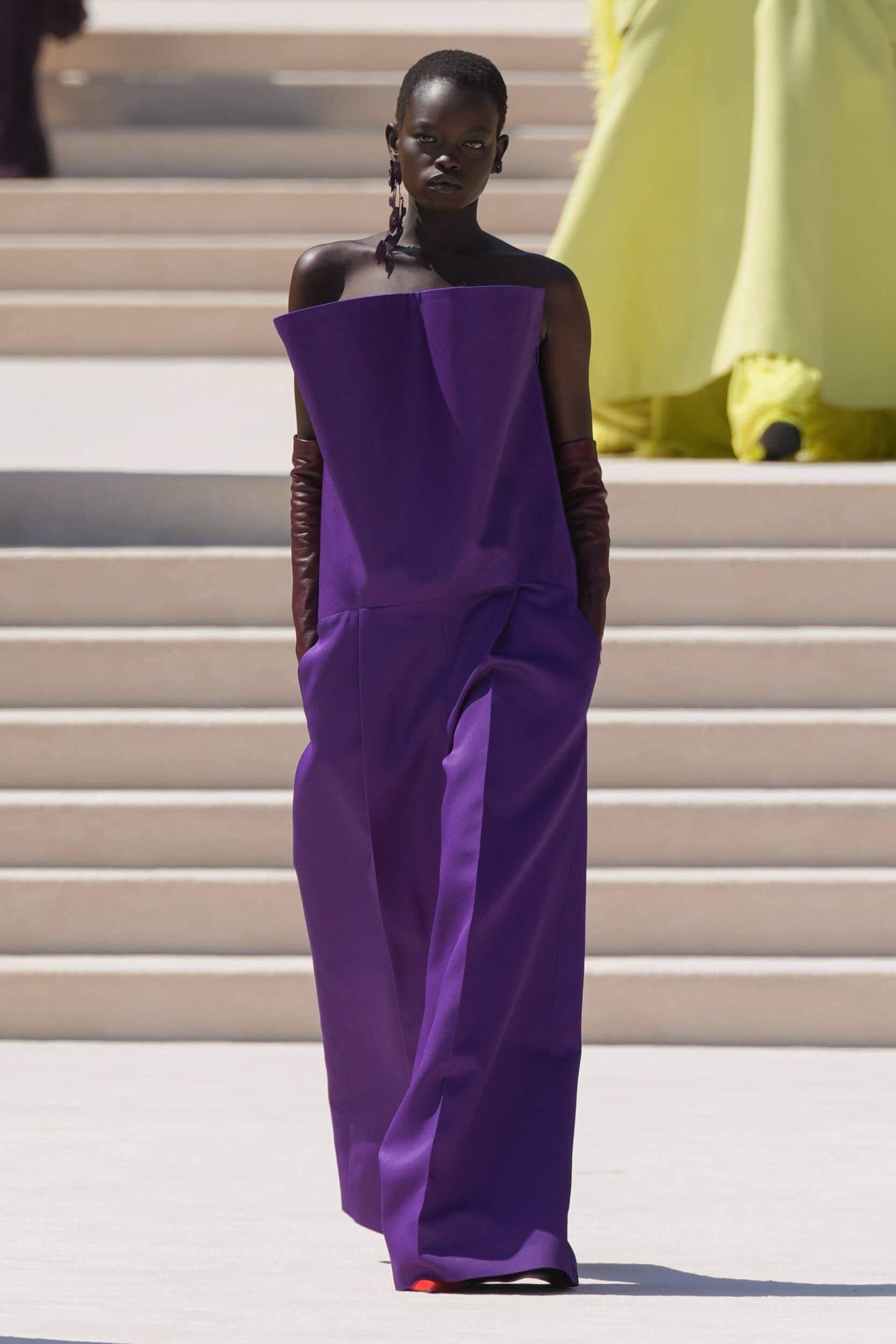
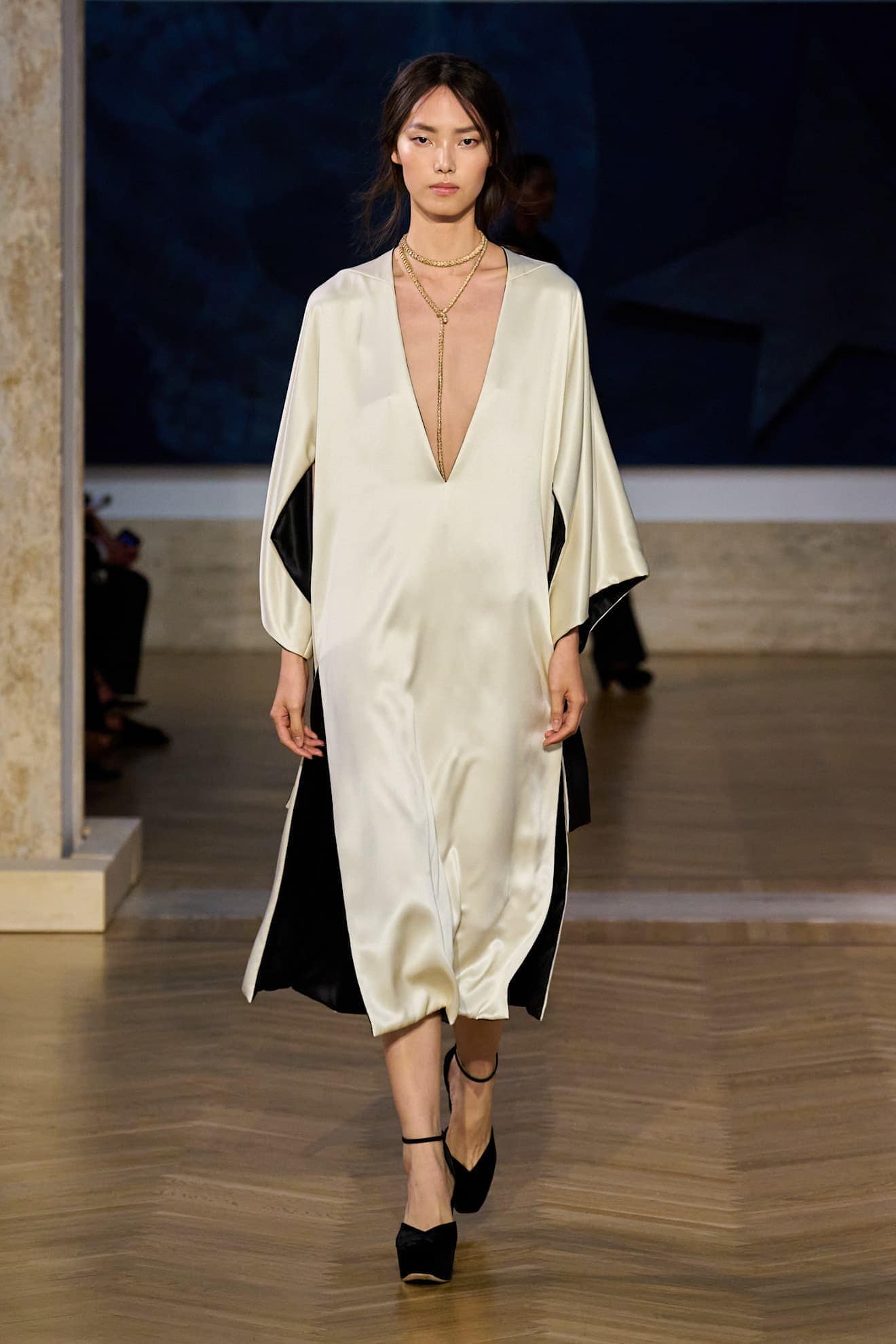
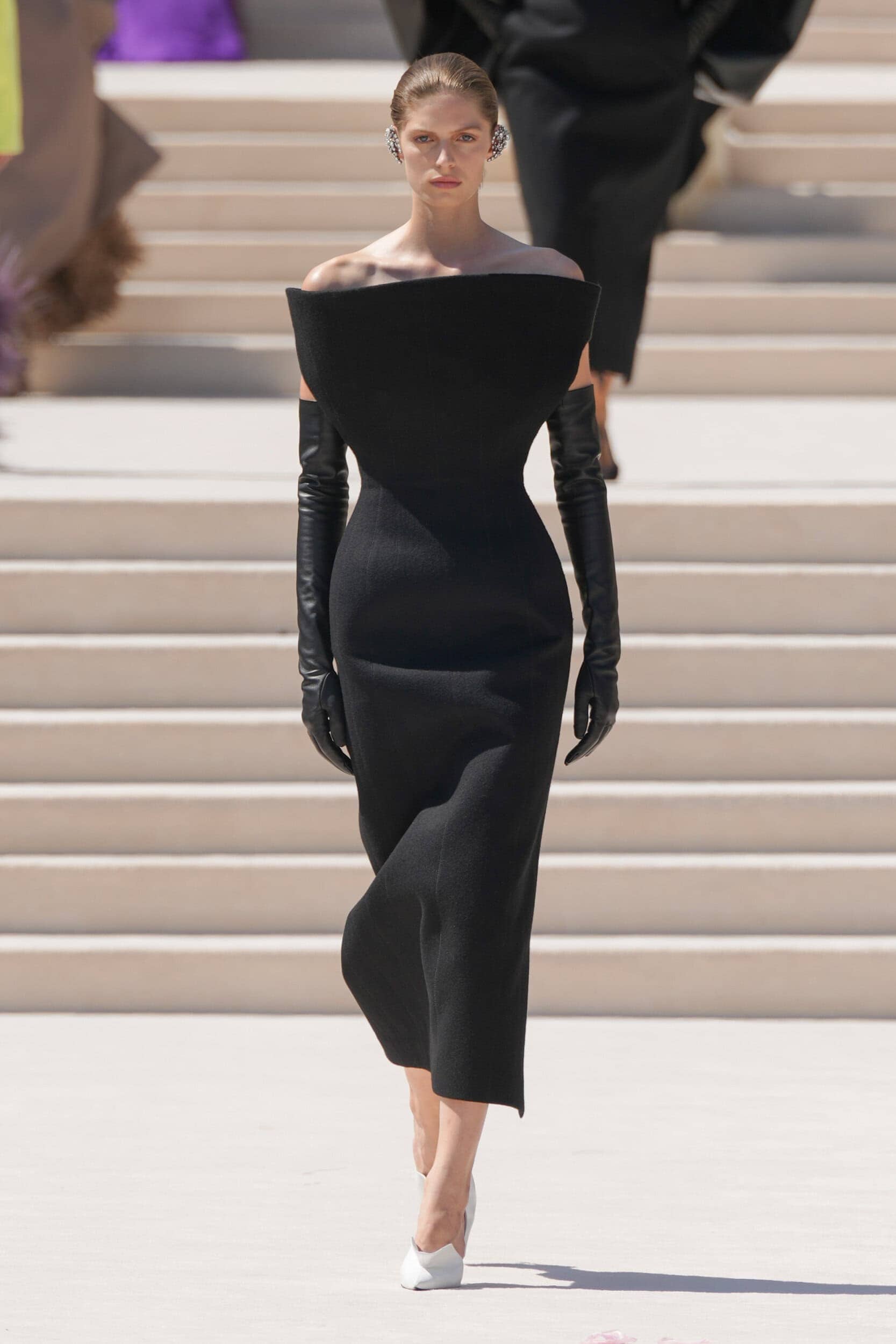
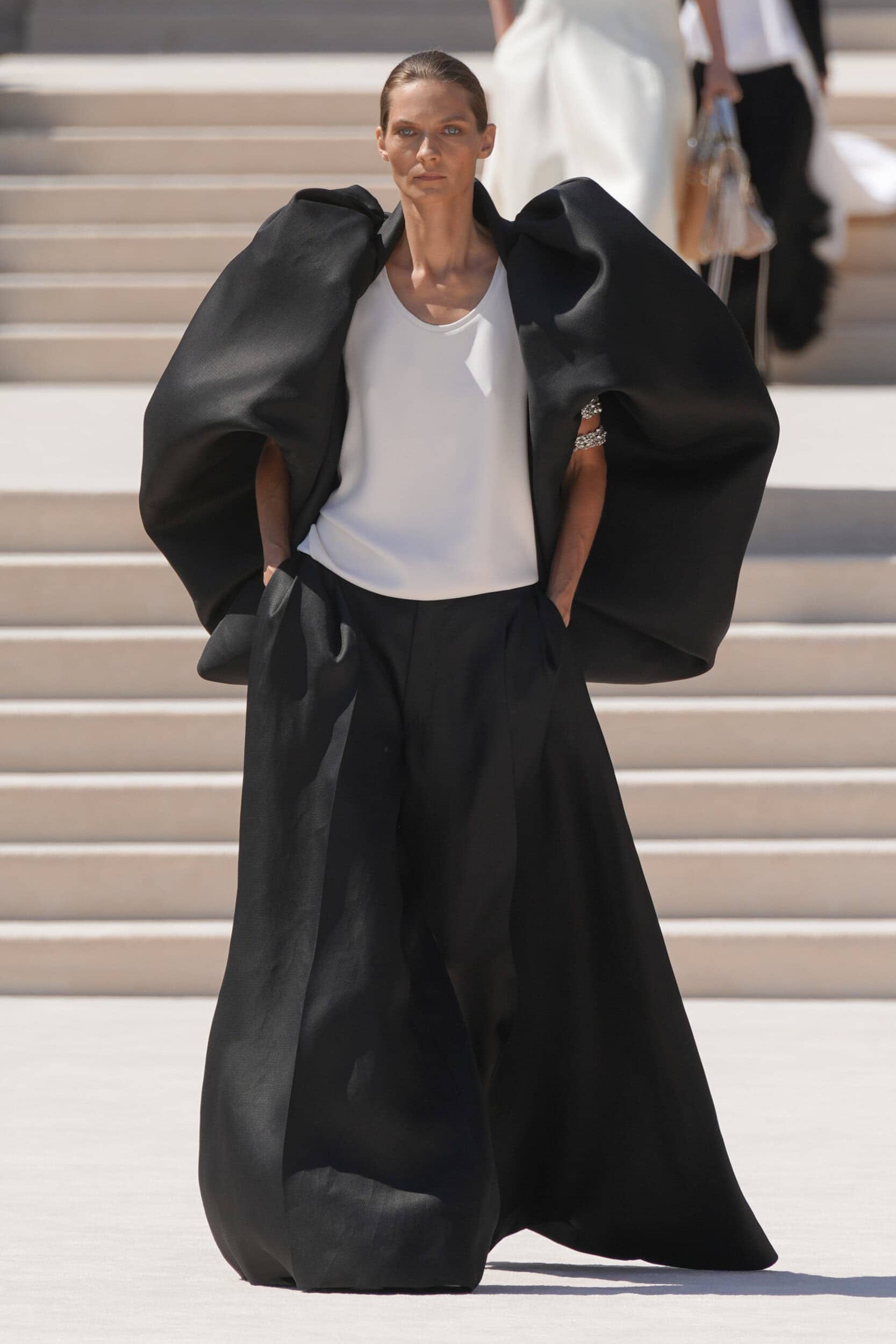
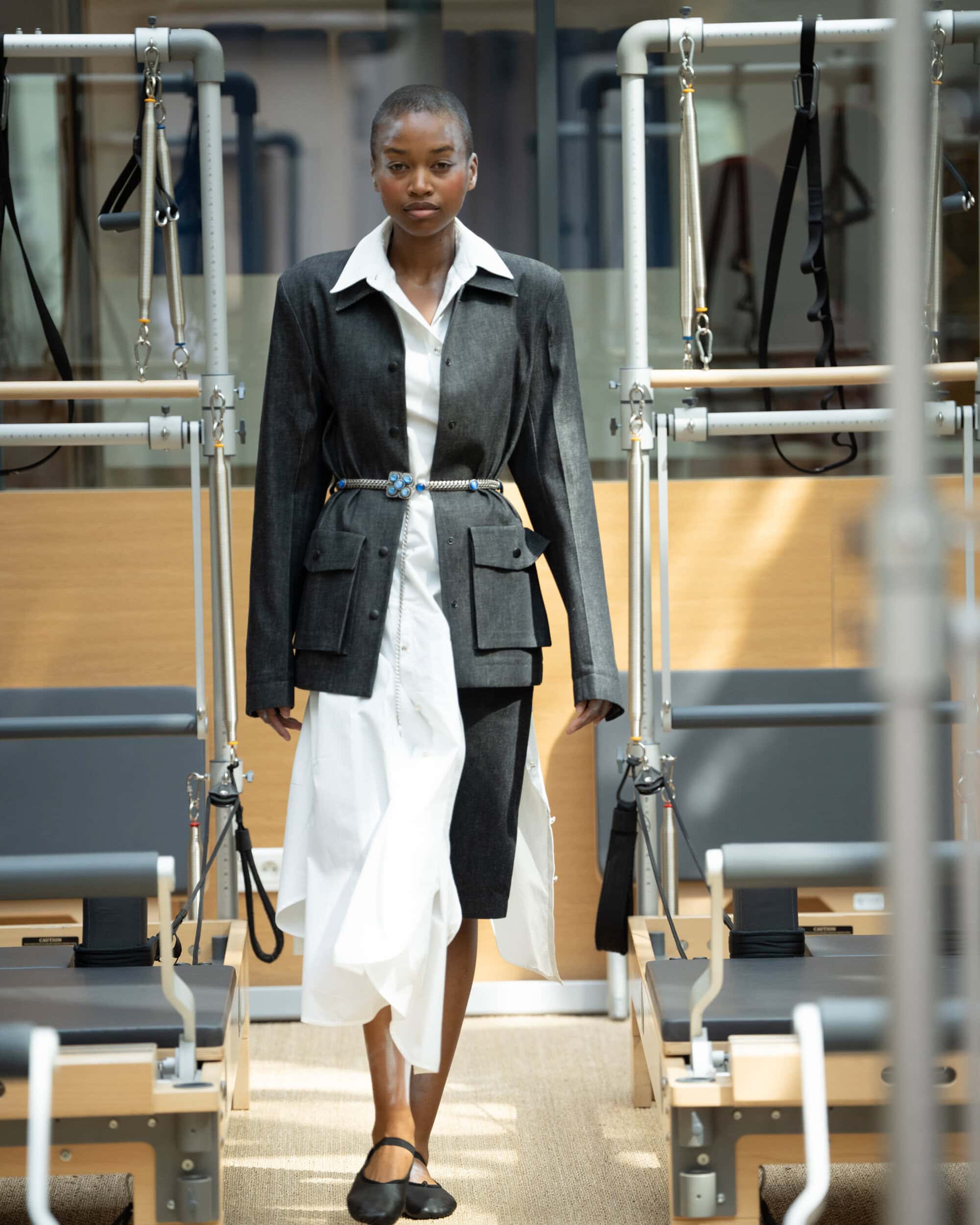
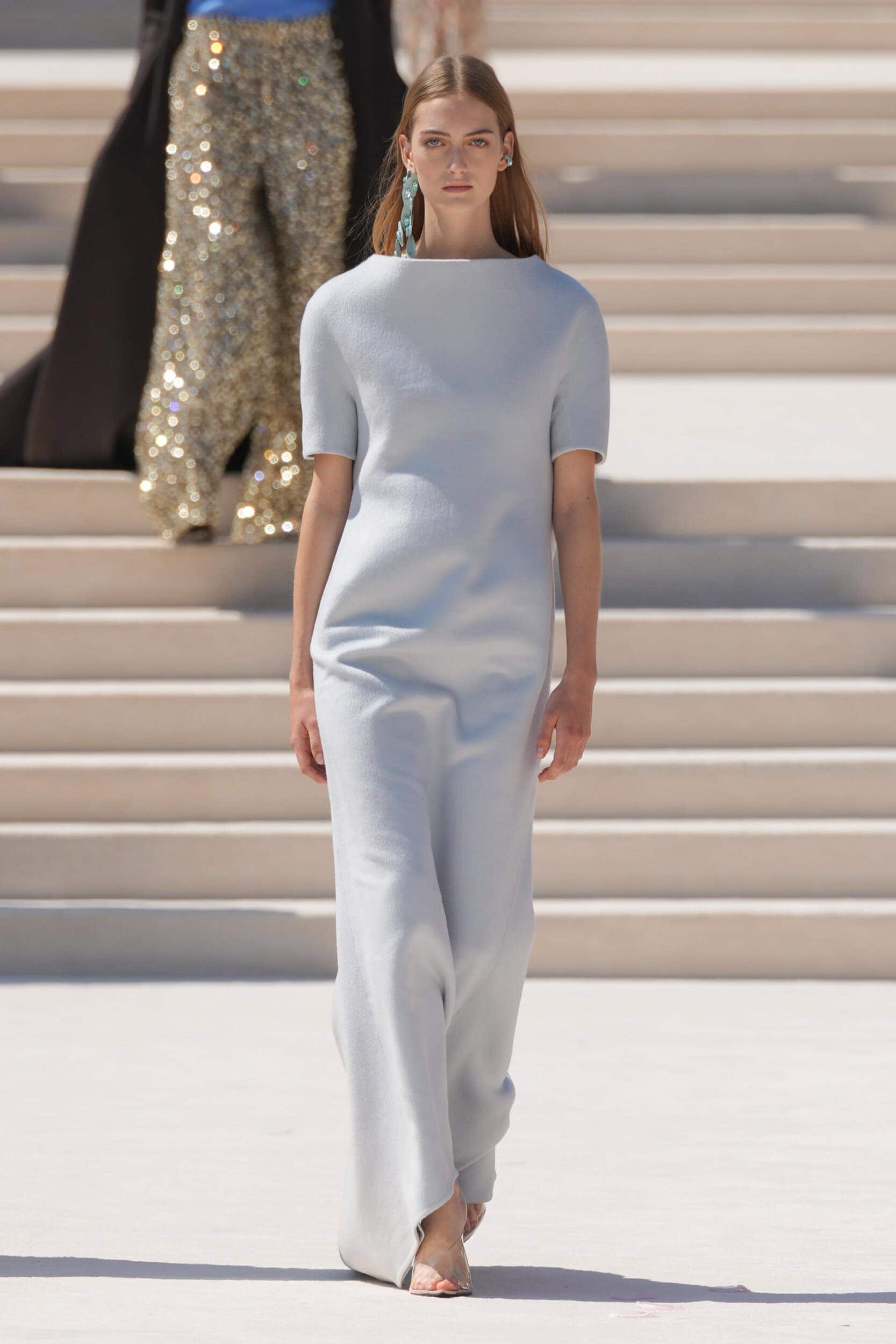
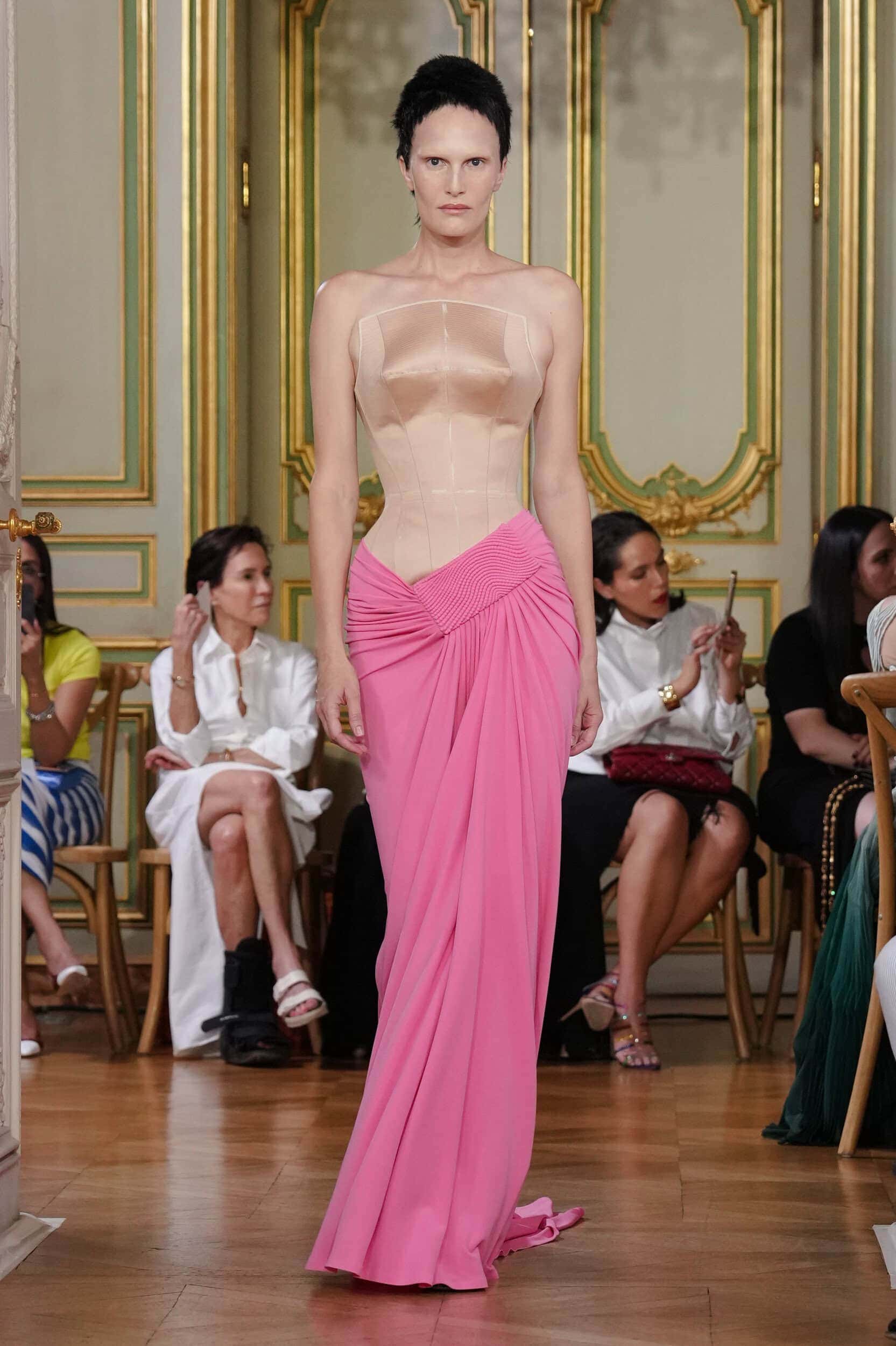
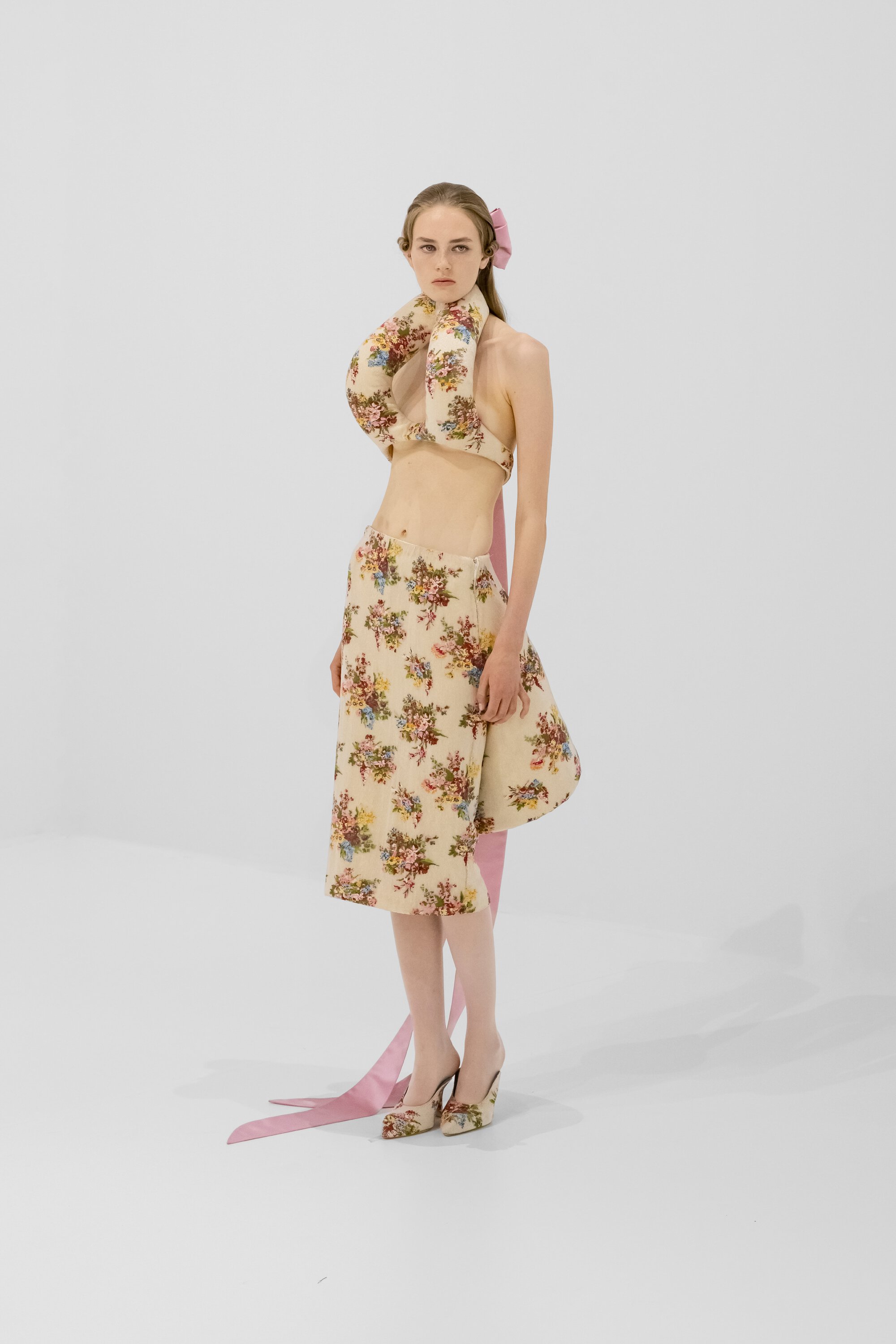
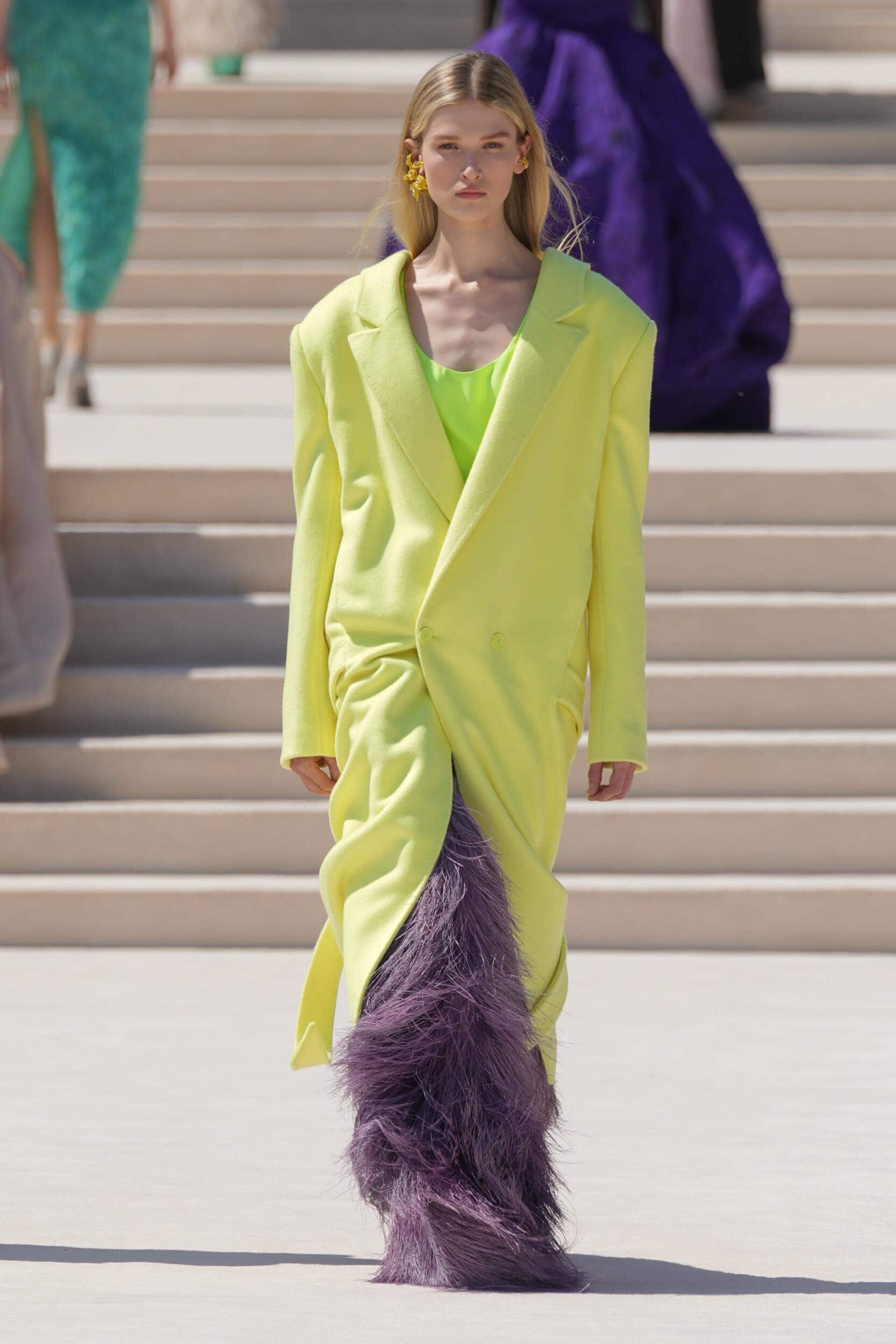
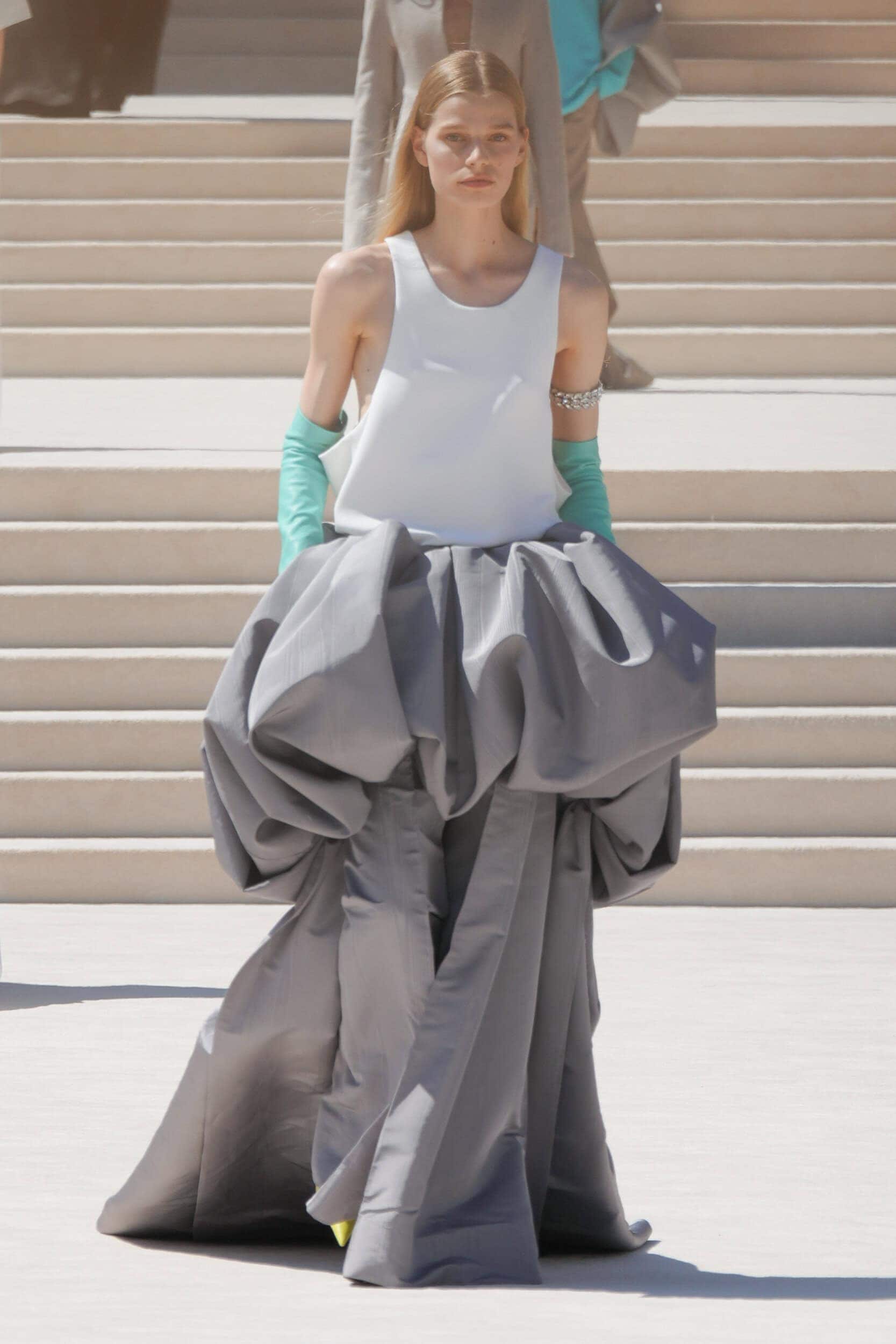
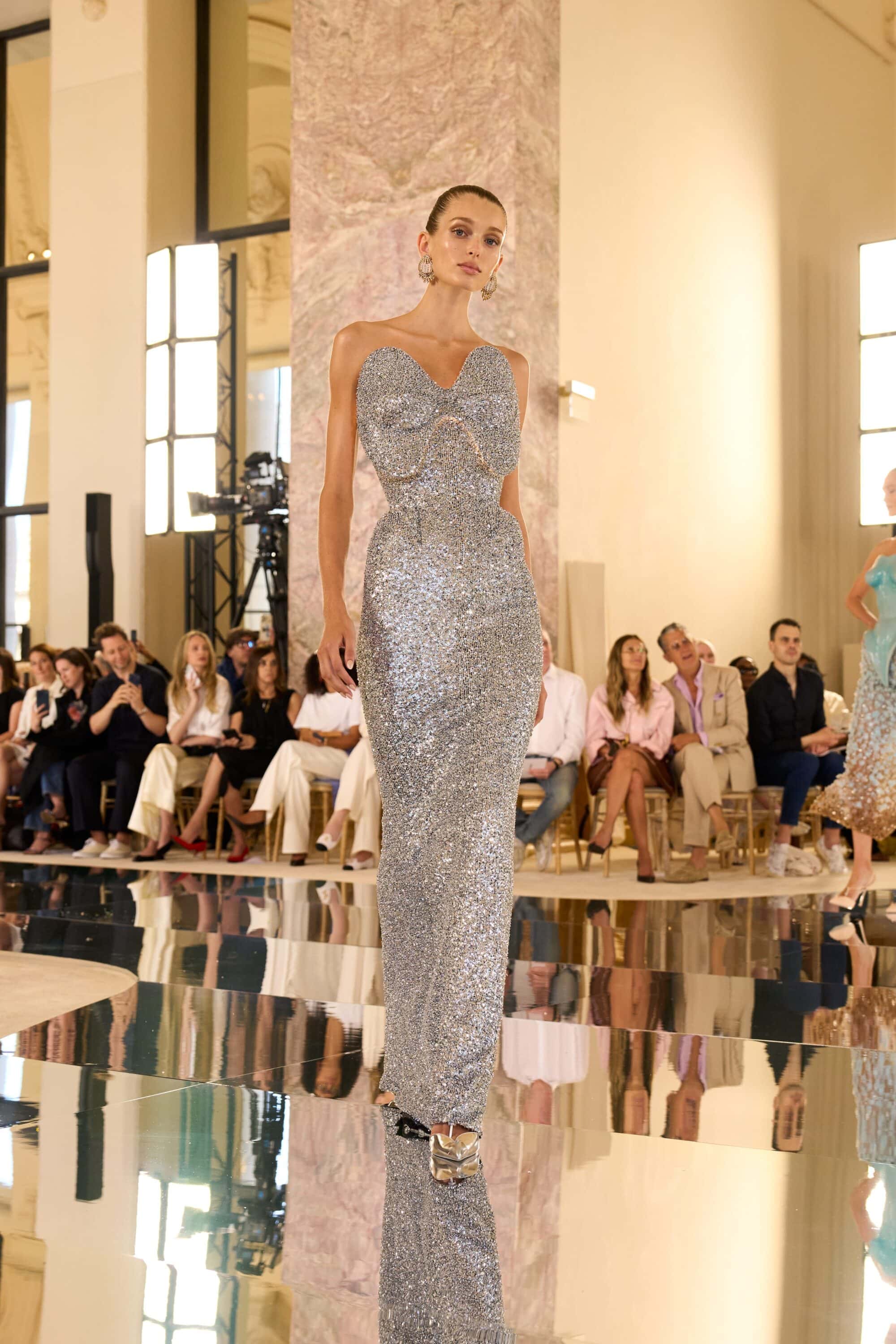
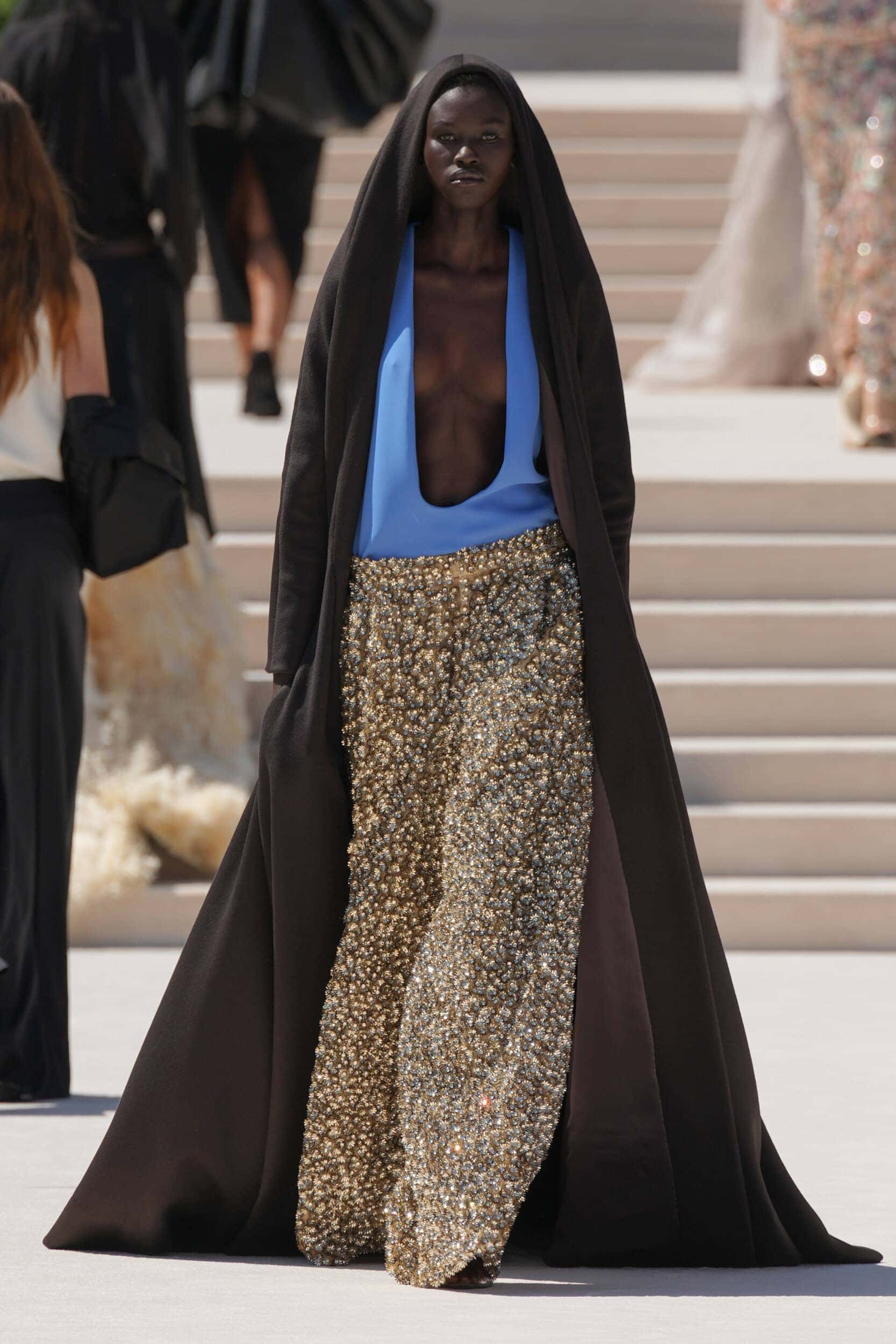
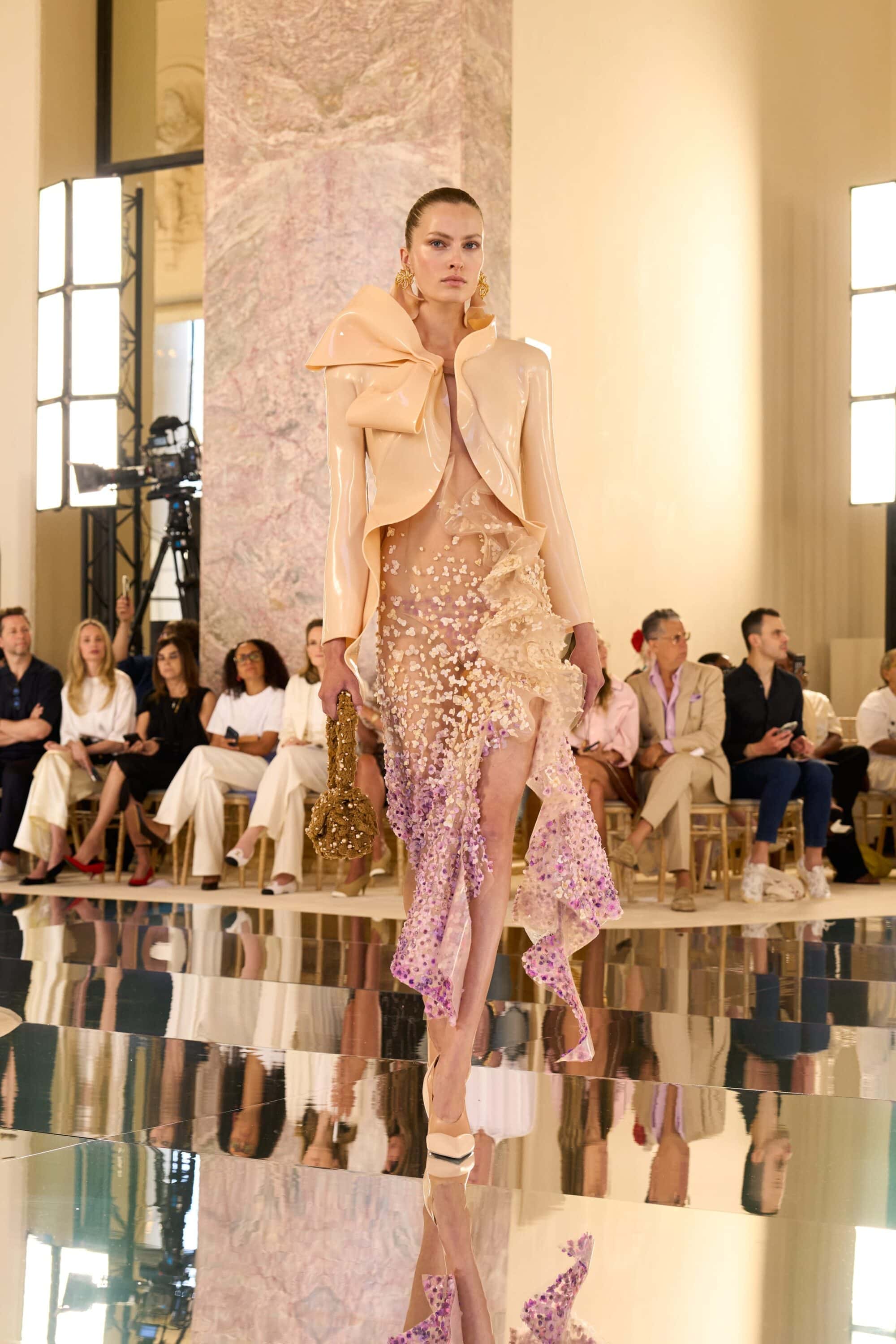
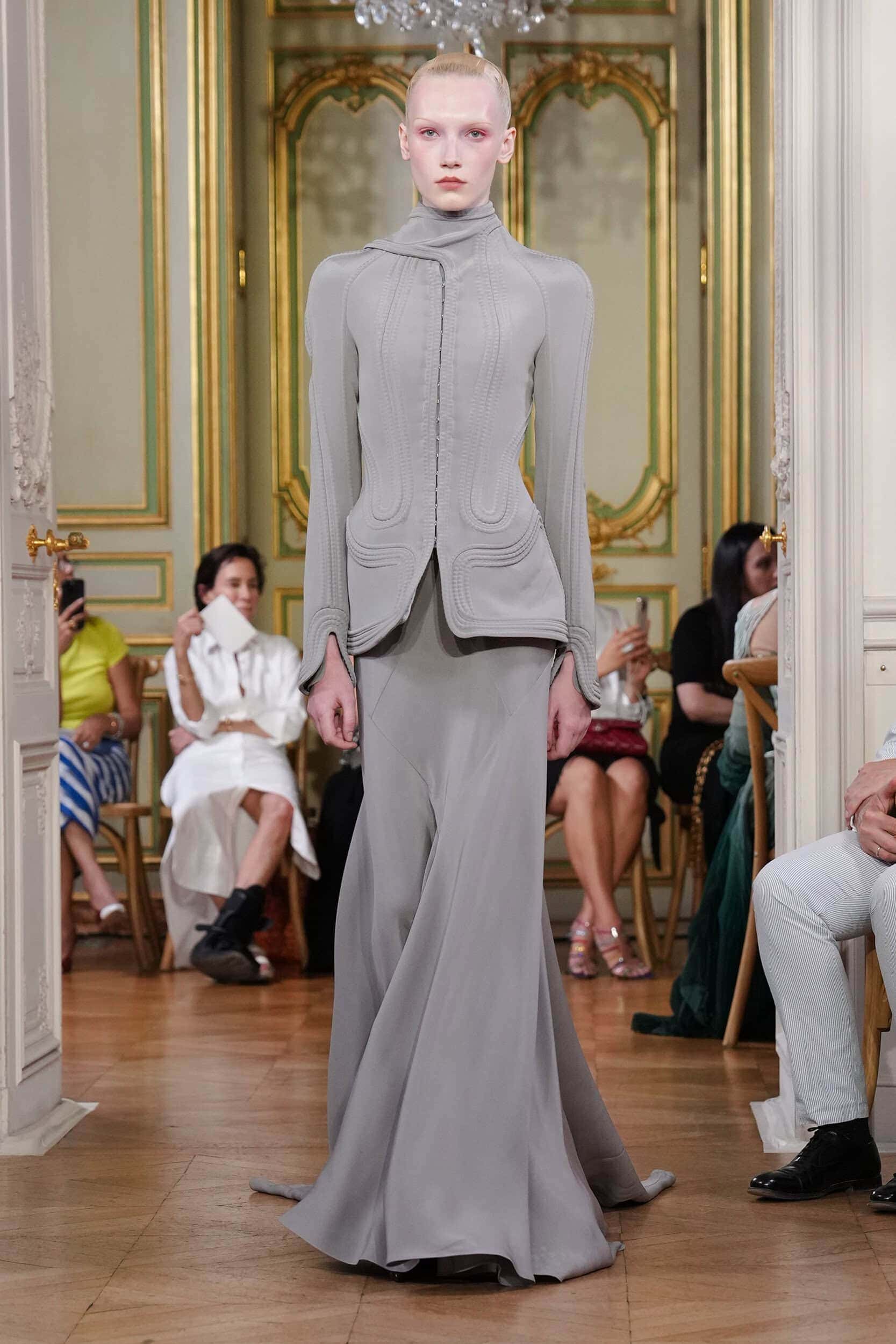
At Balenciaga and Fendi, couture moved into close conversation with the everyday wardrobe. T-shirts, trousers, caftans, slips, coats, and white shirts became vehicles for exceptional construction and material intelligence. The familiar garment served as a kind of decoy: apparent simplicity invited closer inspection, where invisible corsetry, intricate intarsia, rare textiles, and painstaking handwork gradually revealed themselves. Armani Privé and Julie de Libran extended the idea through fluid tailoring, separates, and clothes designed around movement. This proximity to ready-to-wear sharpened the definition of couture. Extravagance resided in precision, sensation, and the intimate experience of wearing the garment. Couture lowered its voice, and the room leaned in.
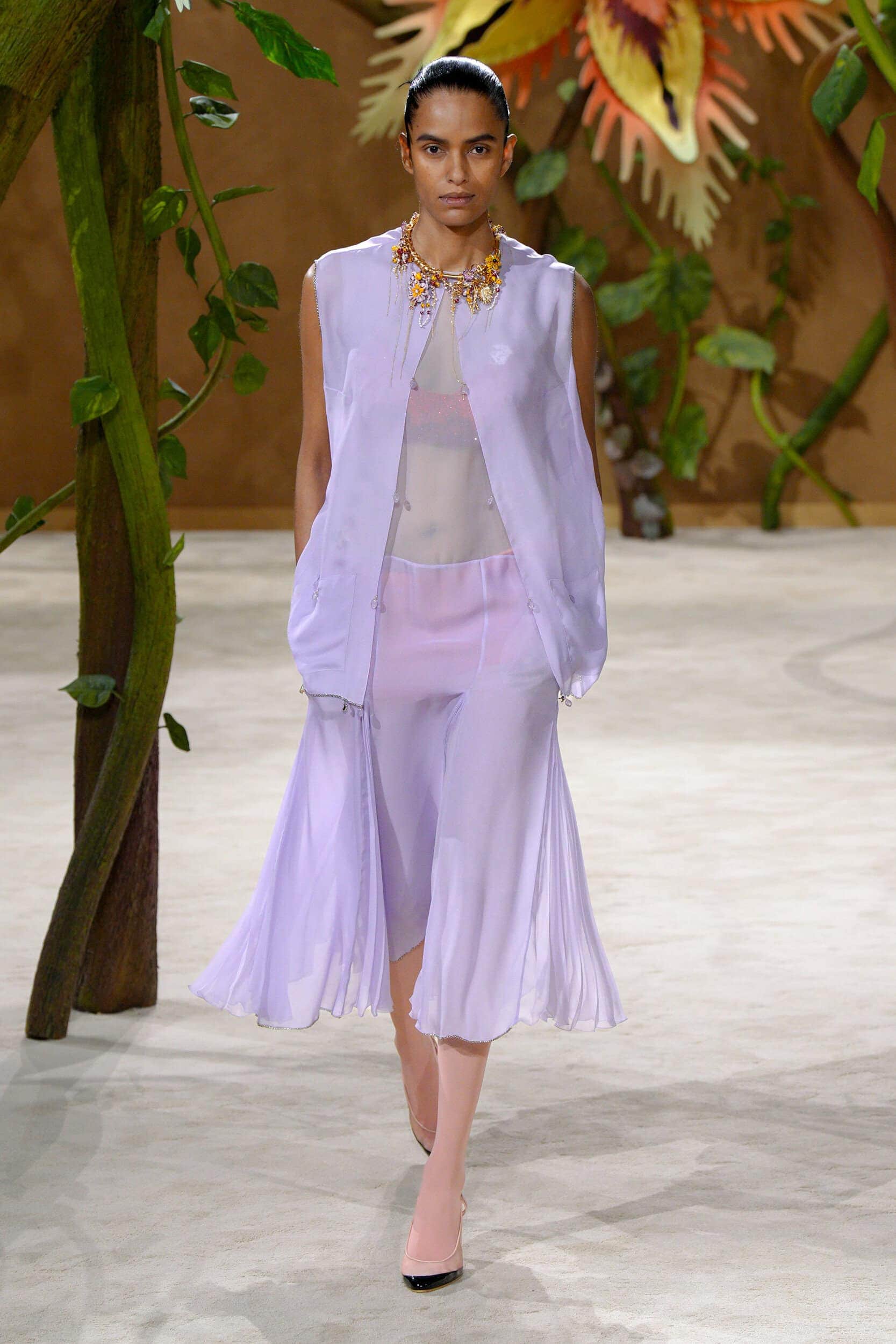
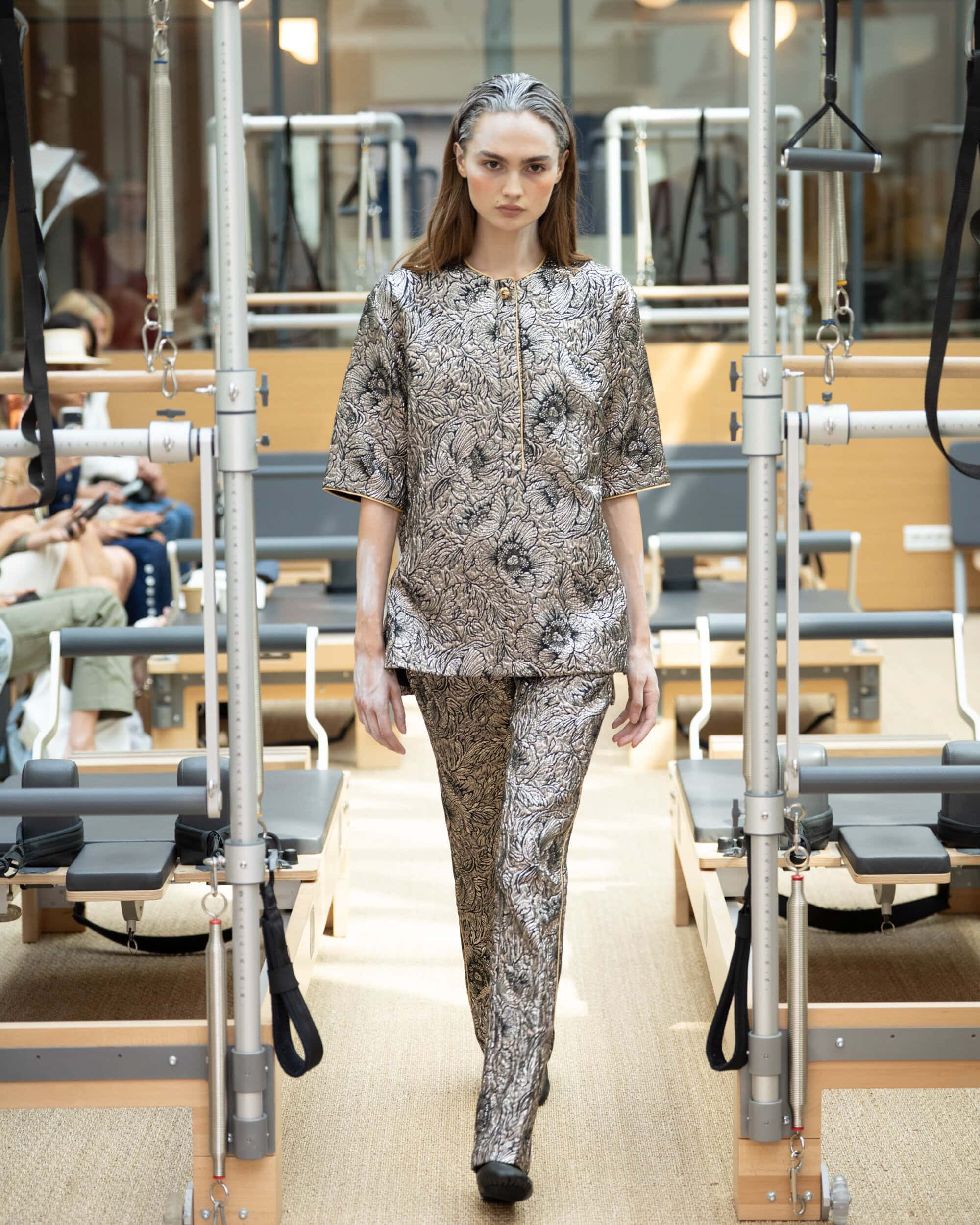
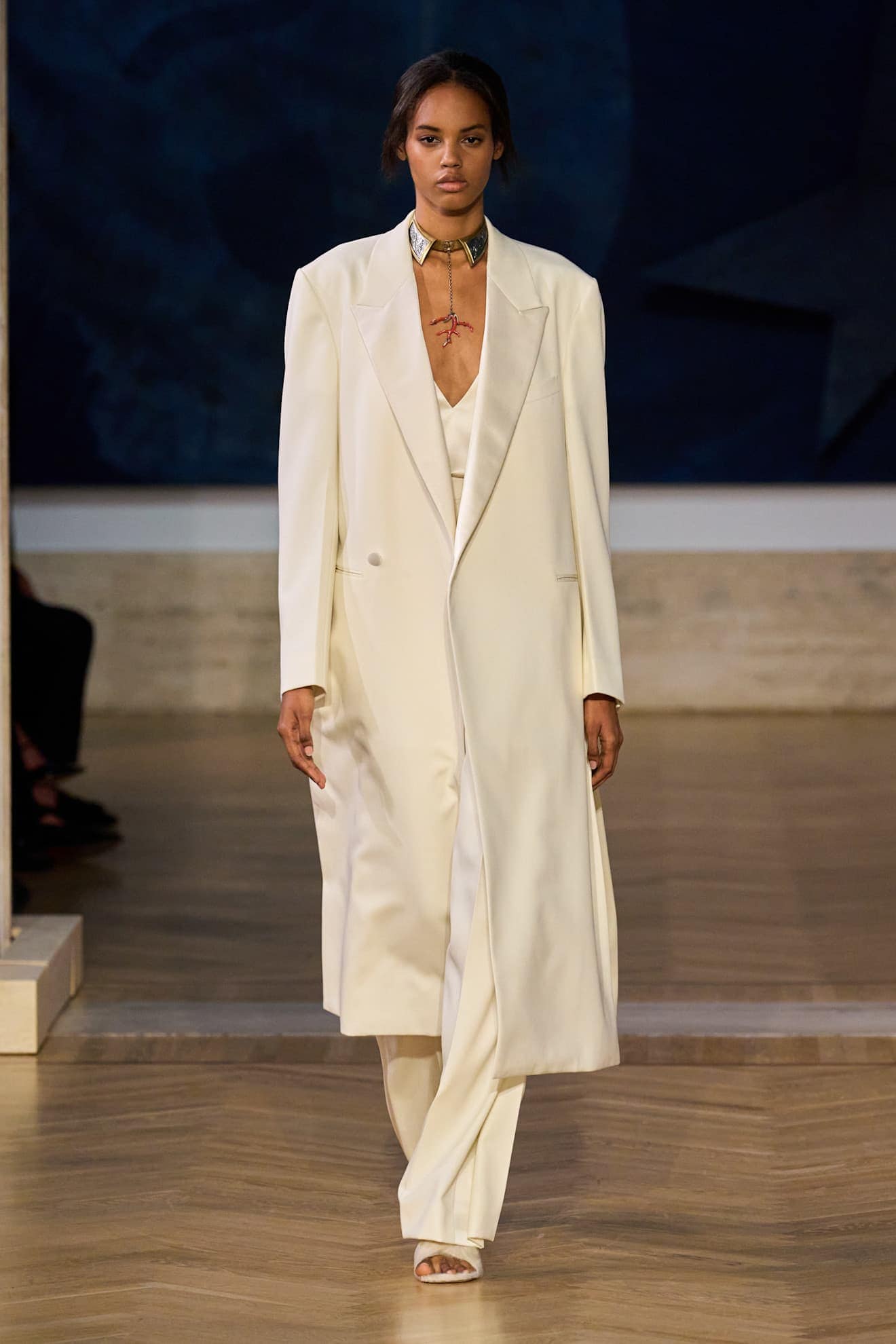
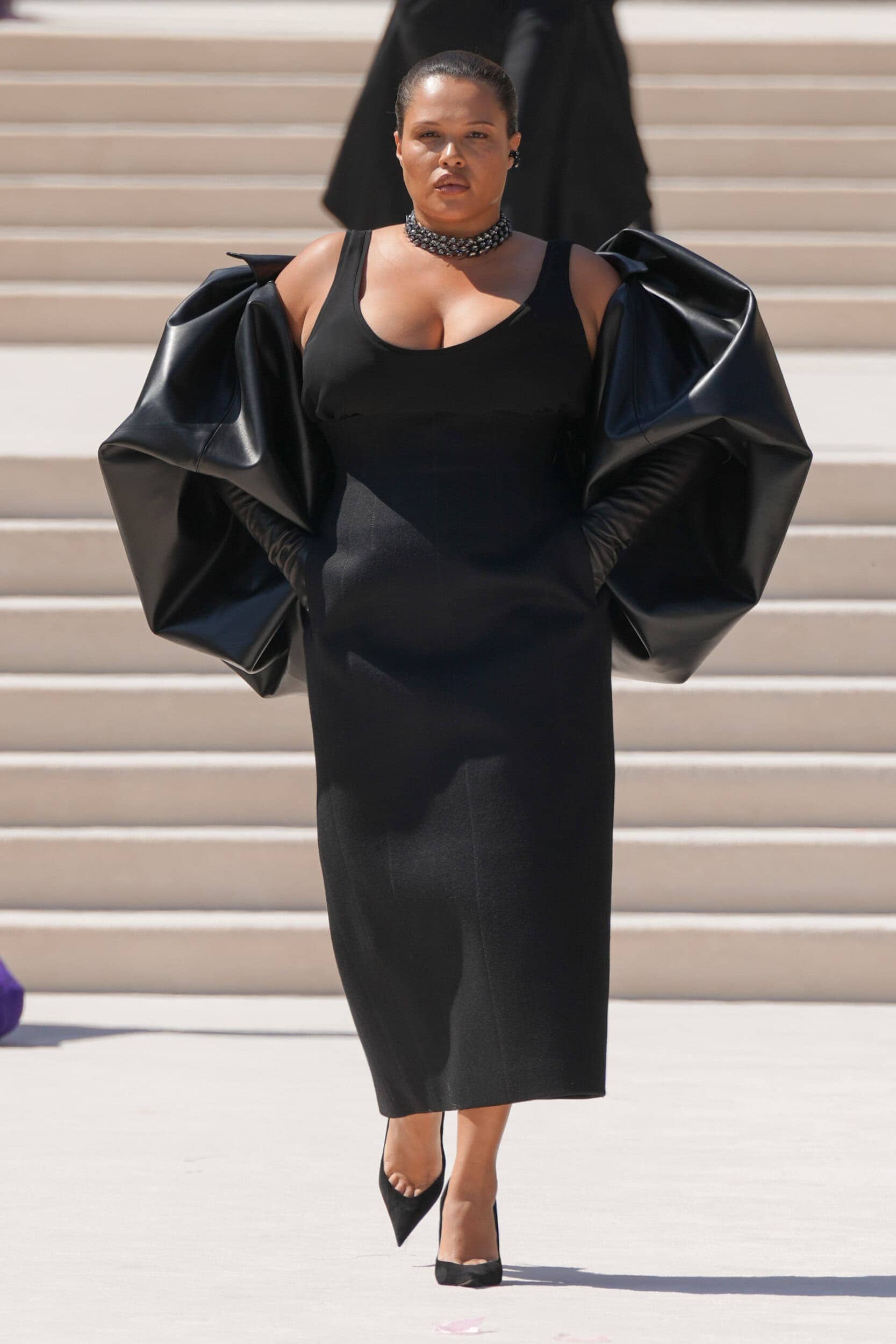
3. Speculative Anatomy
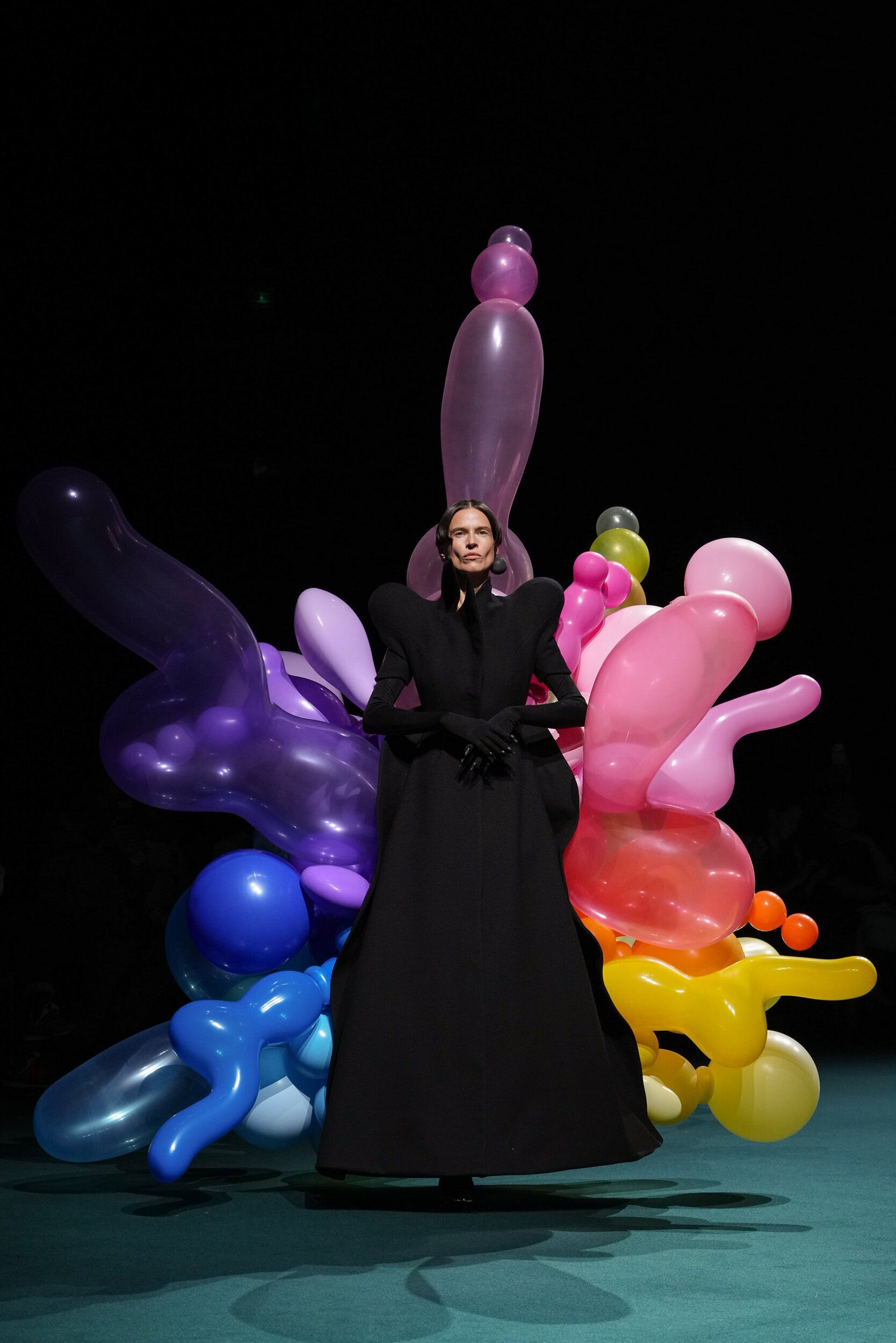
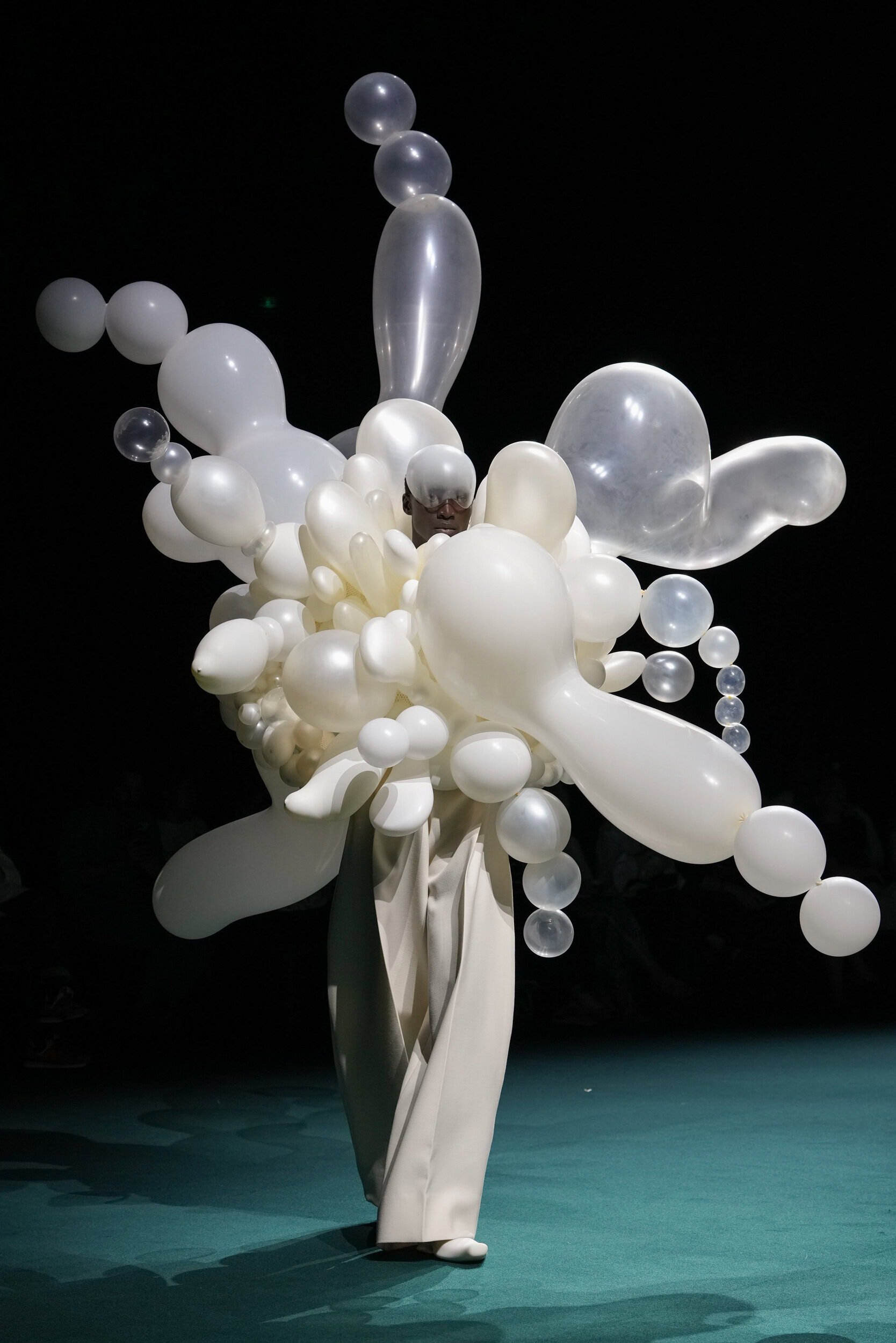
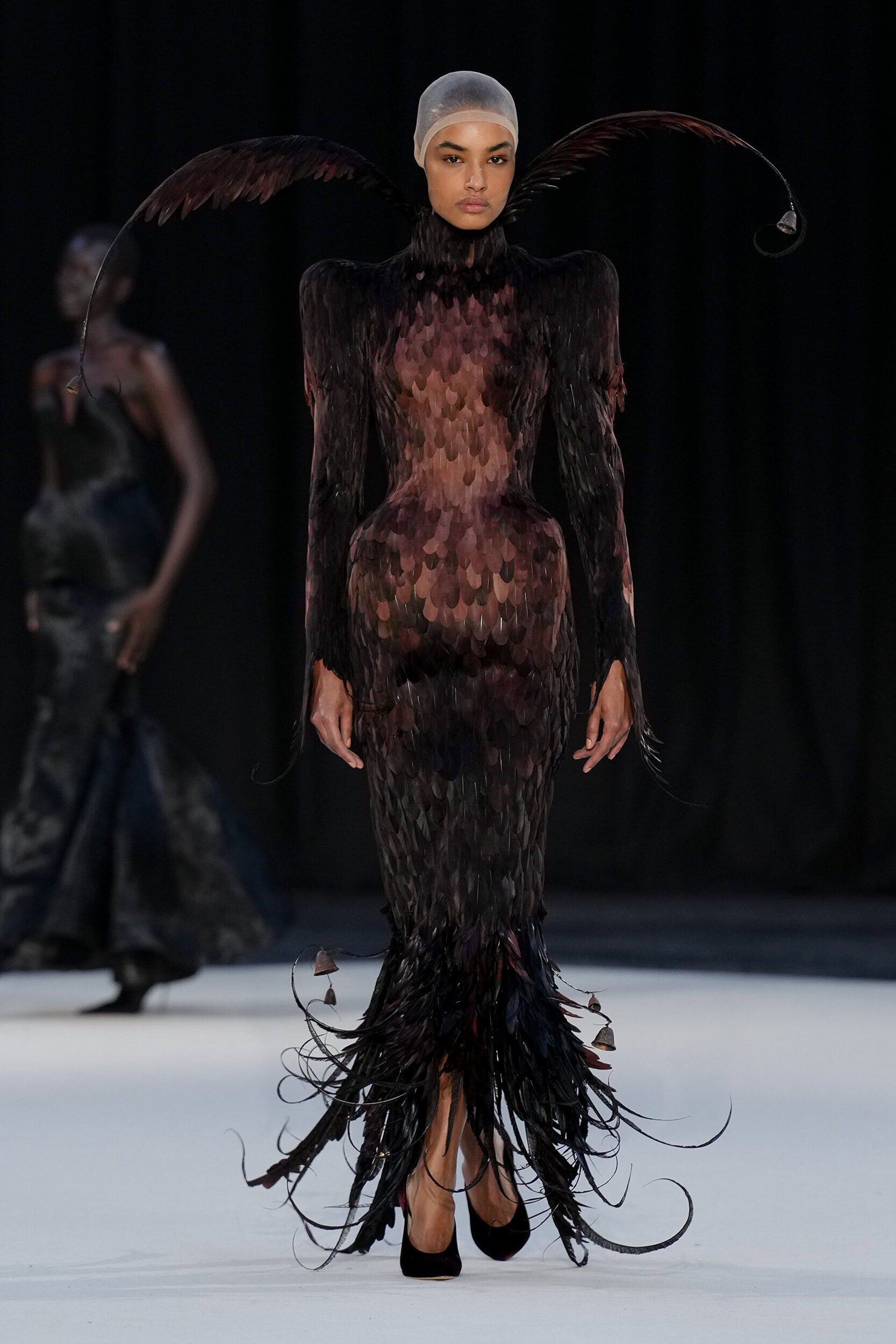
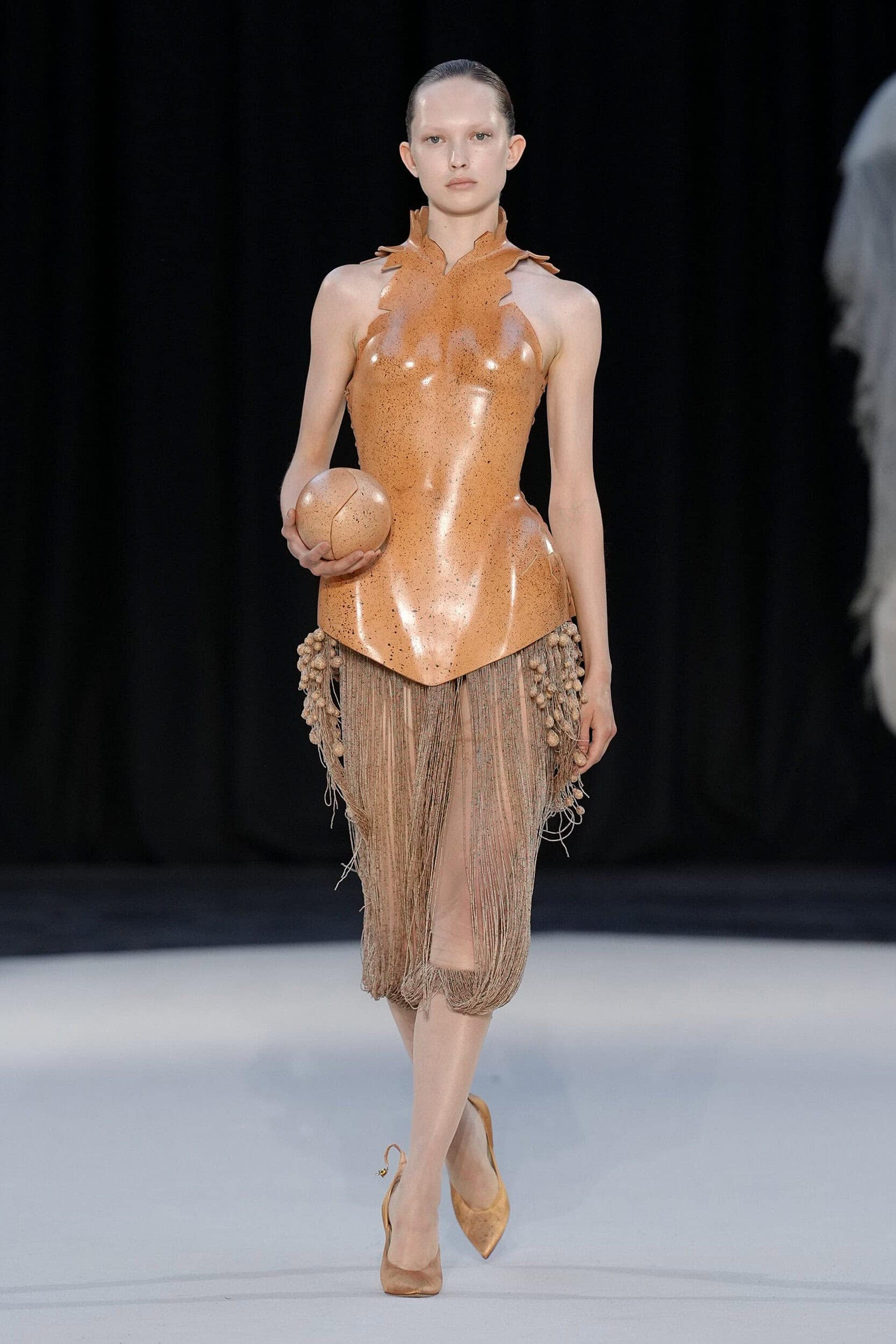
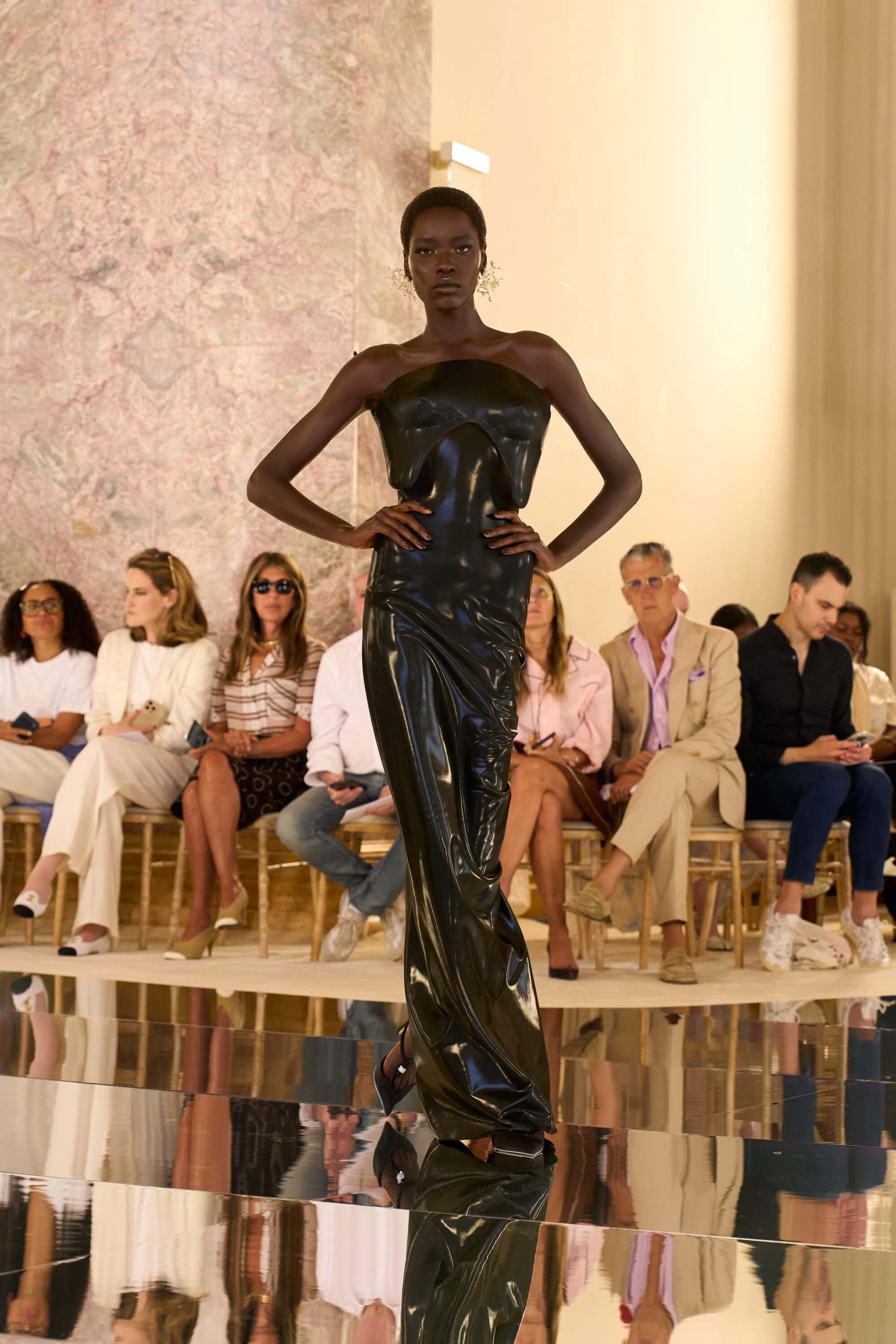
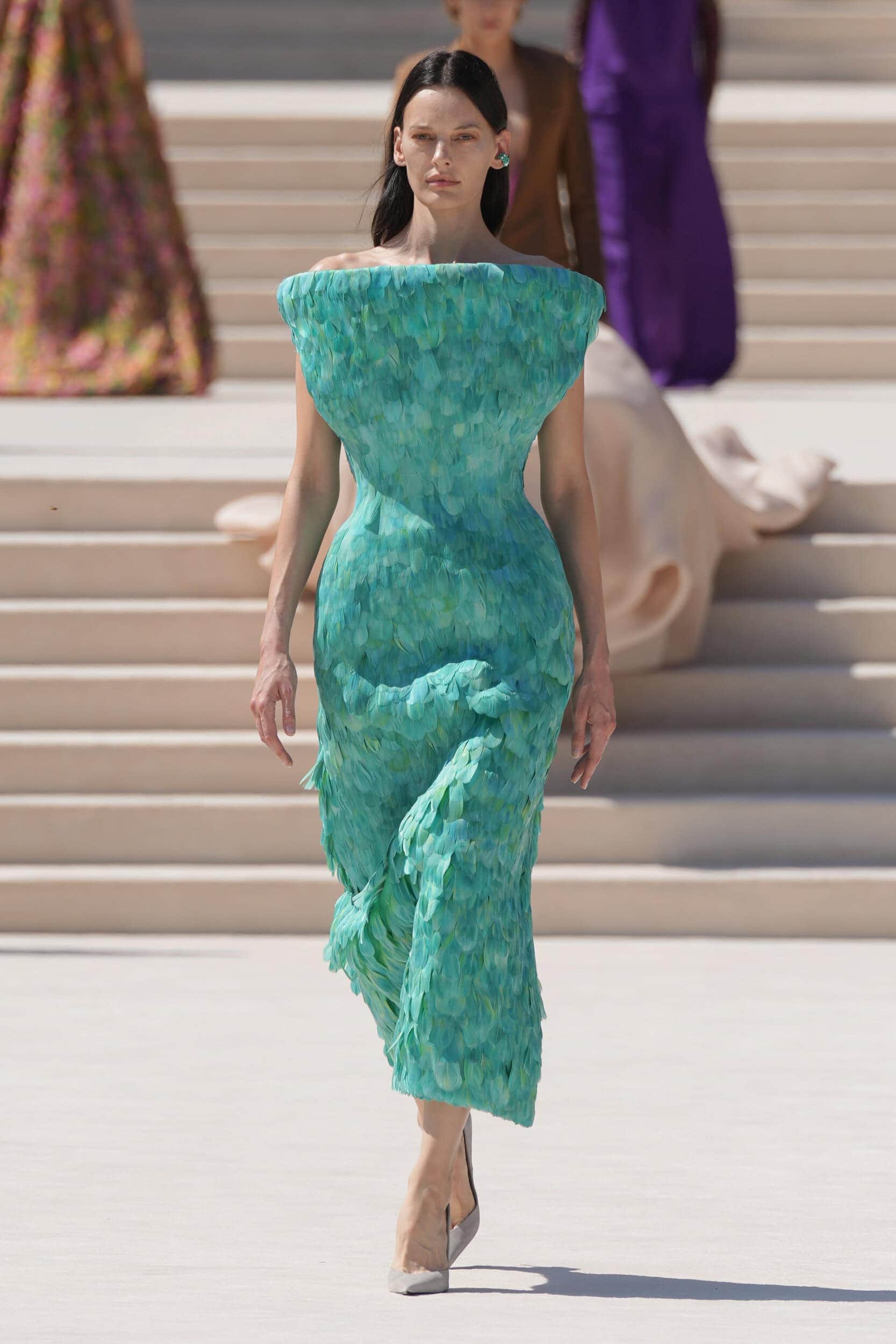
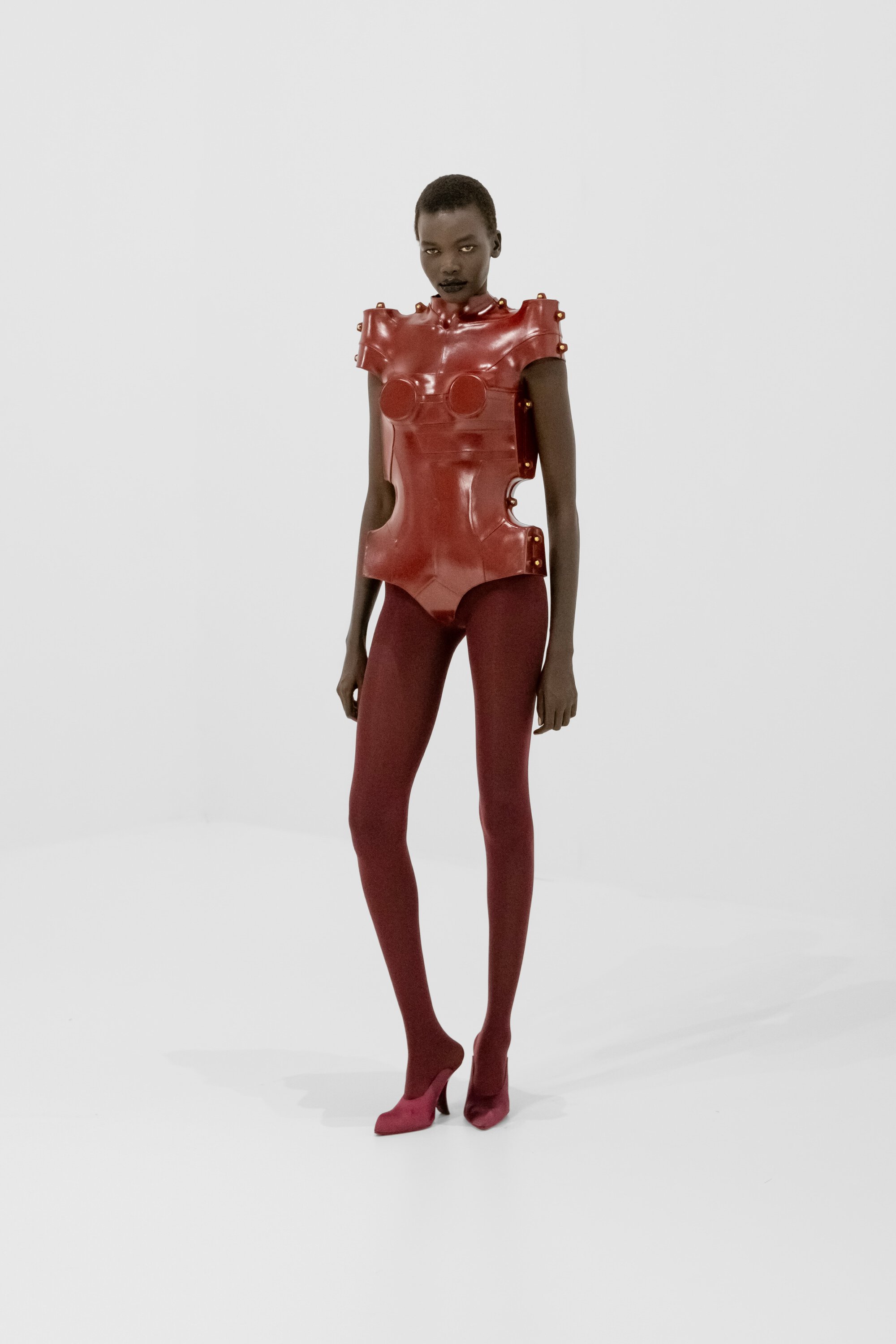
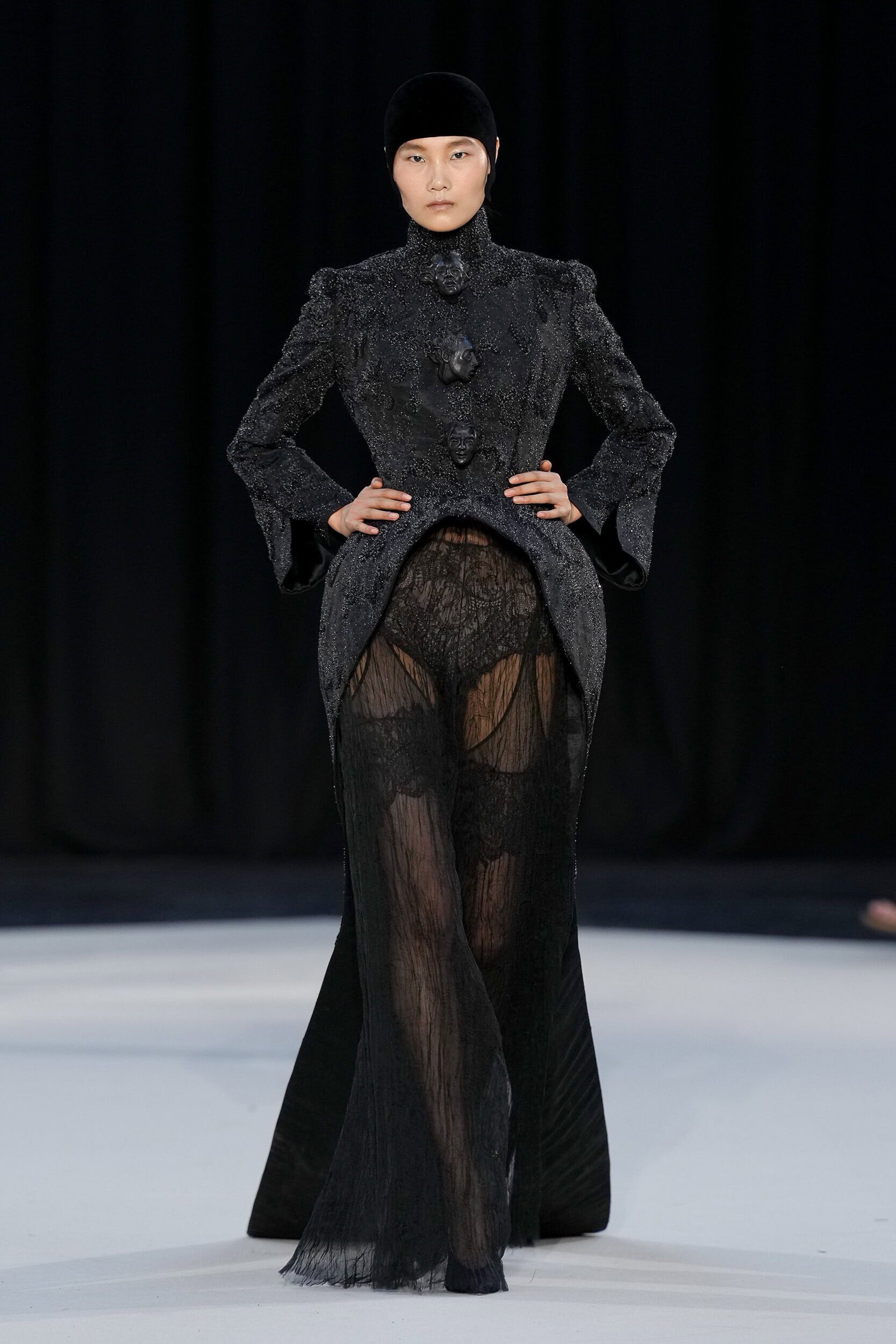
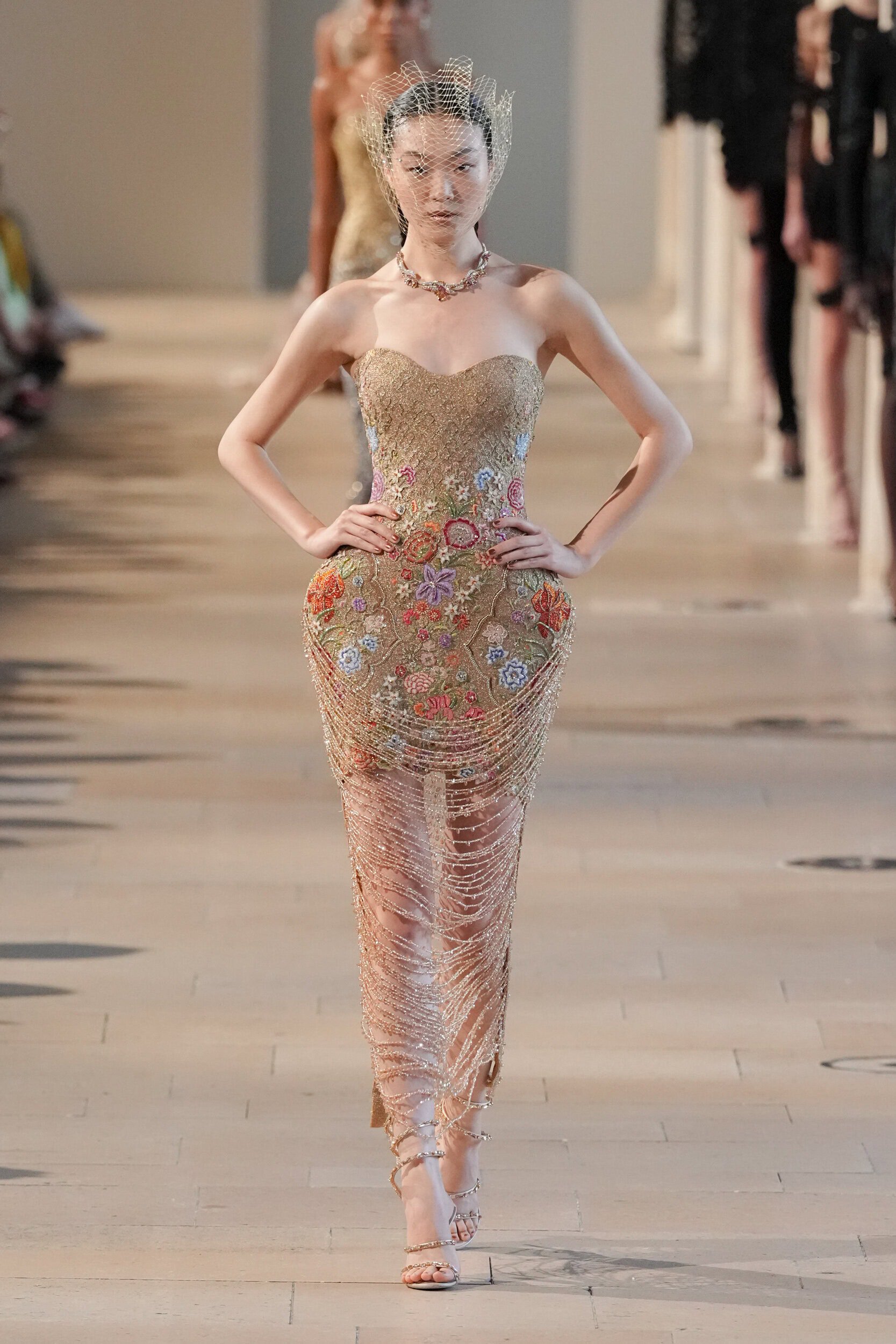
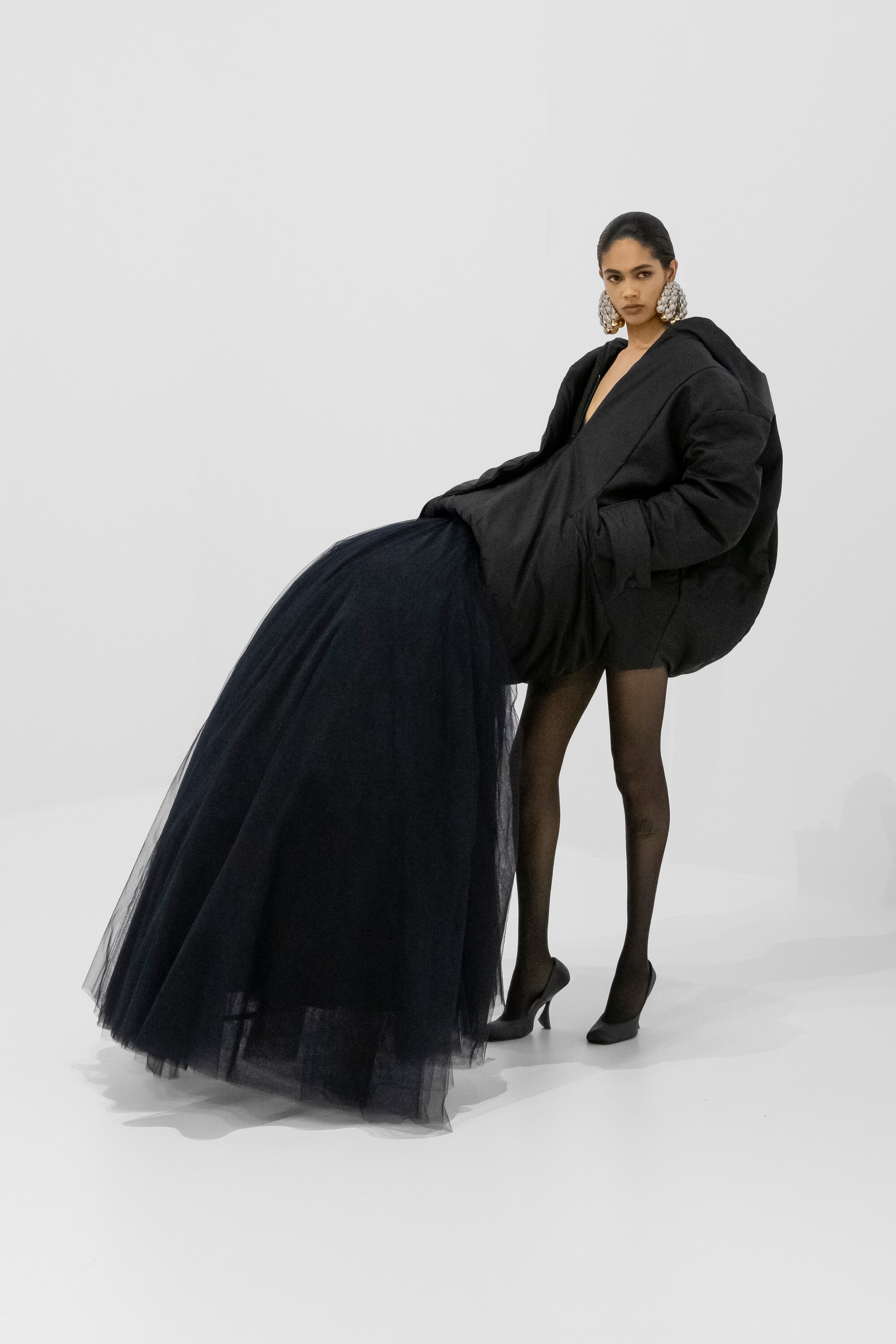
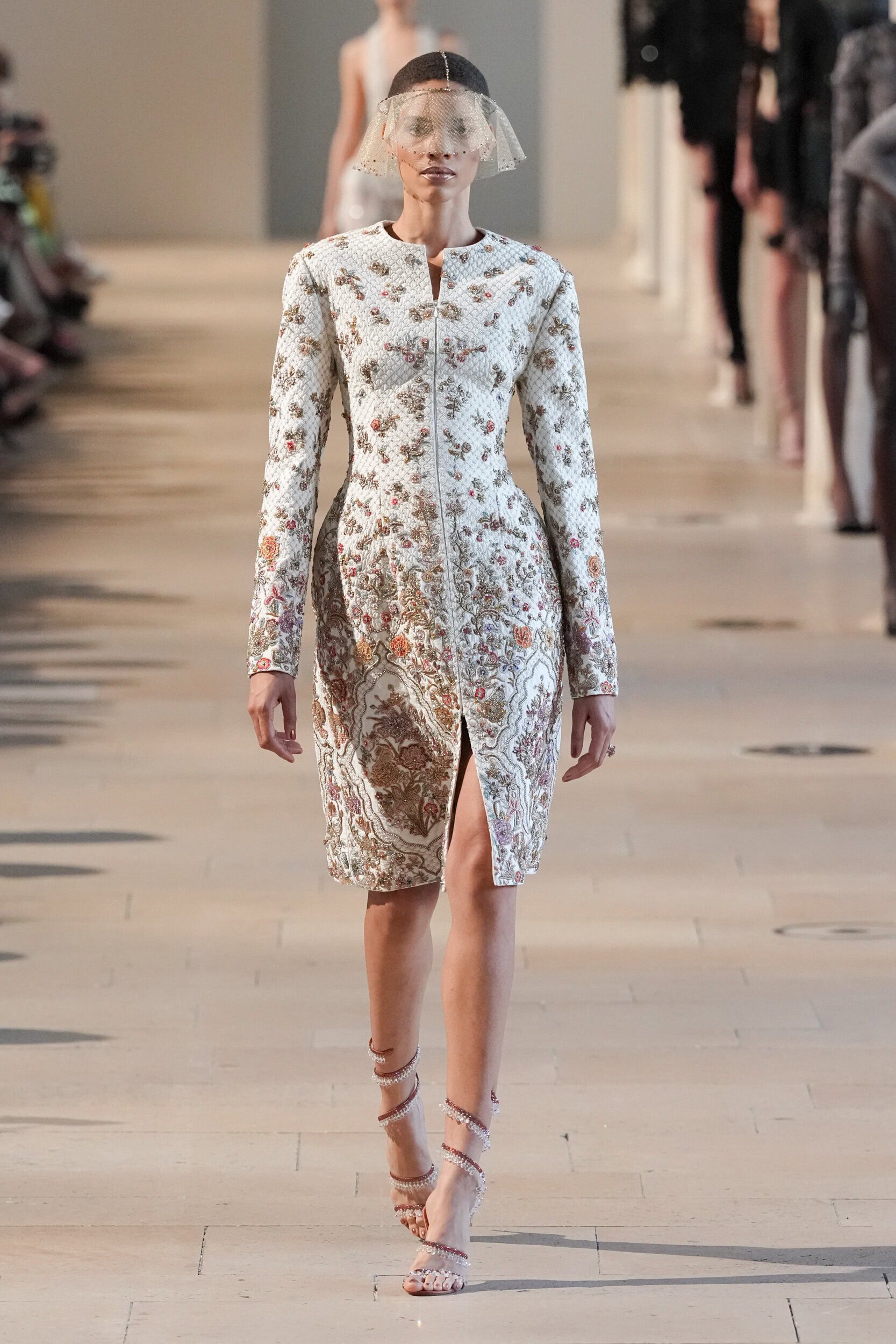
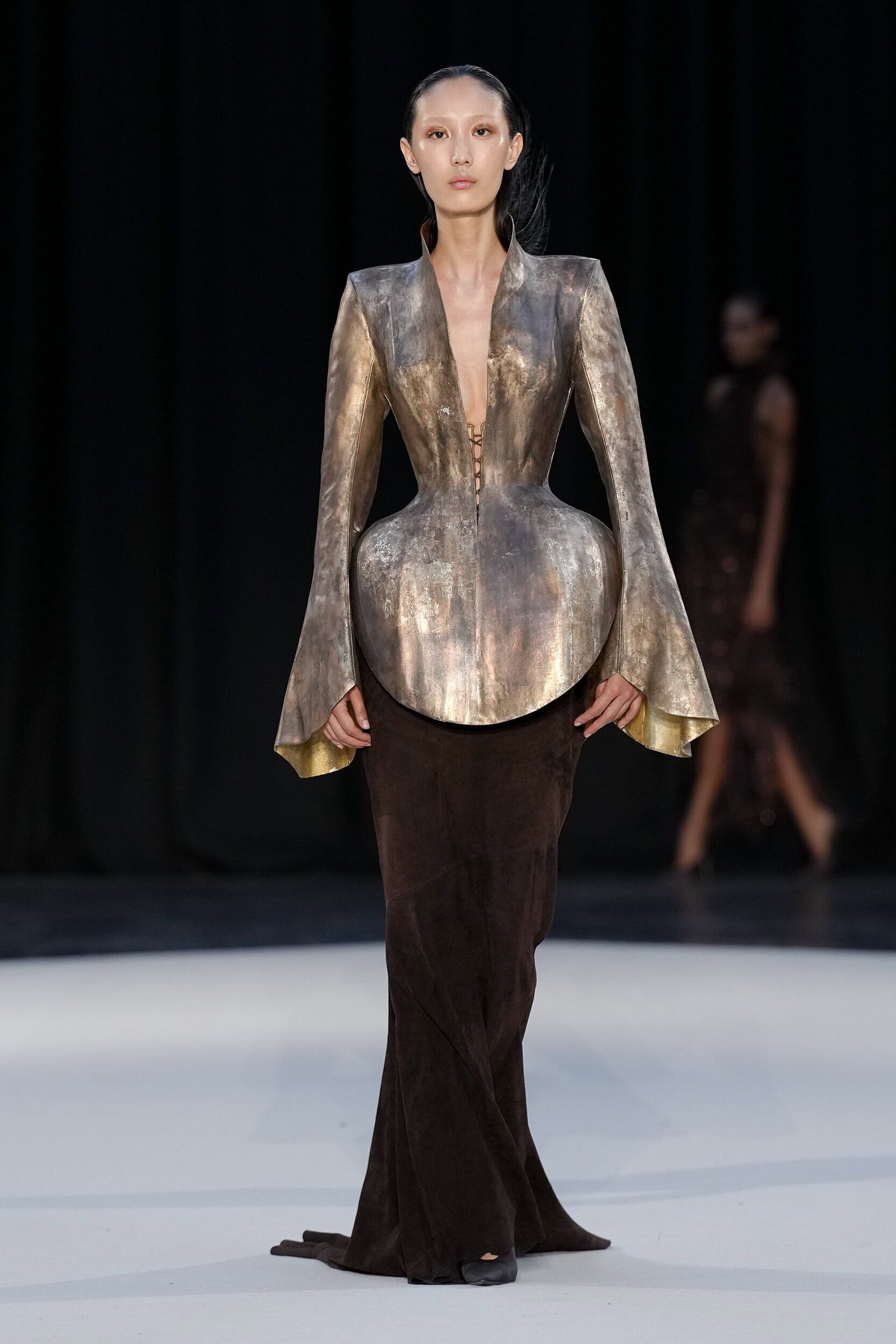
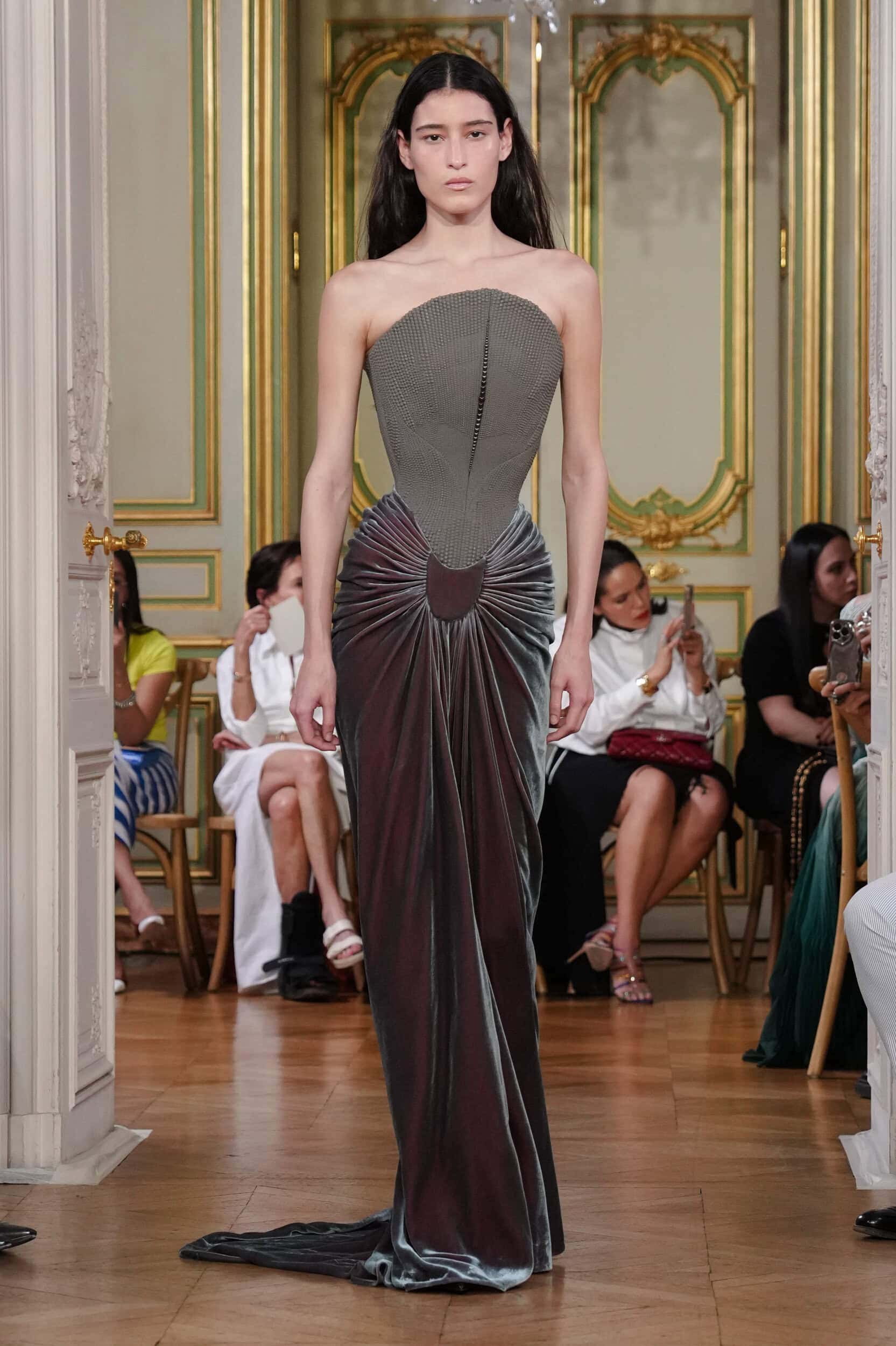
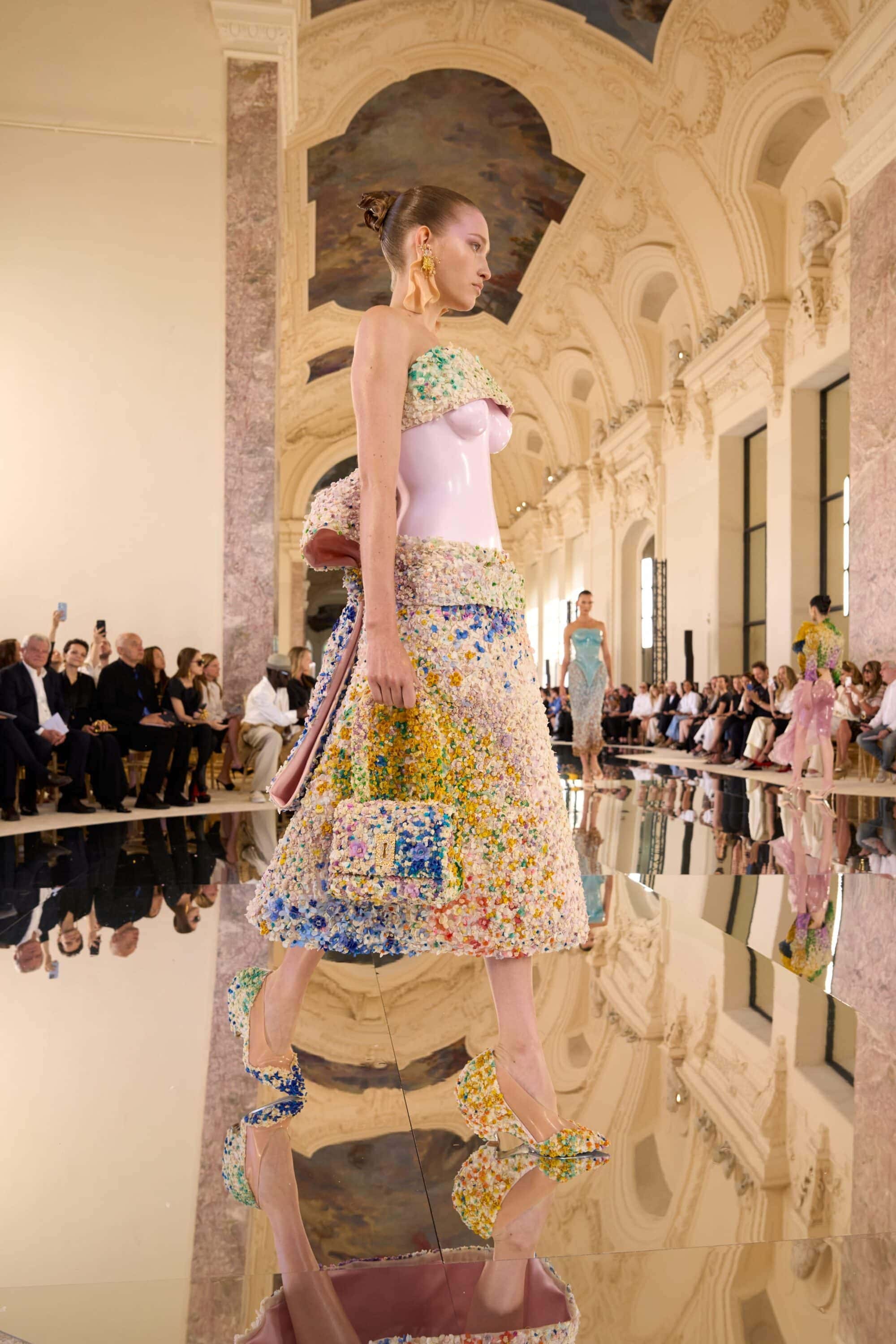
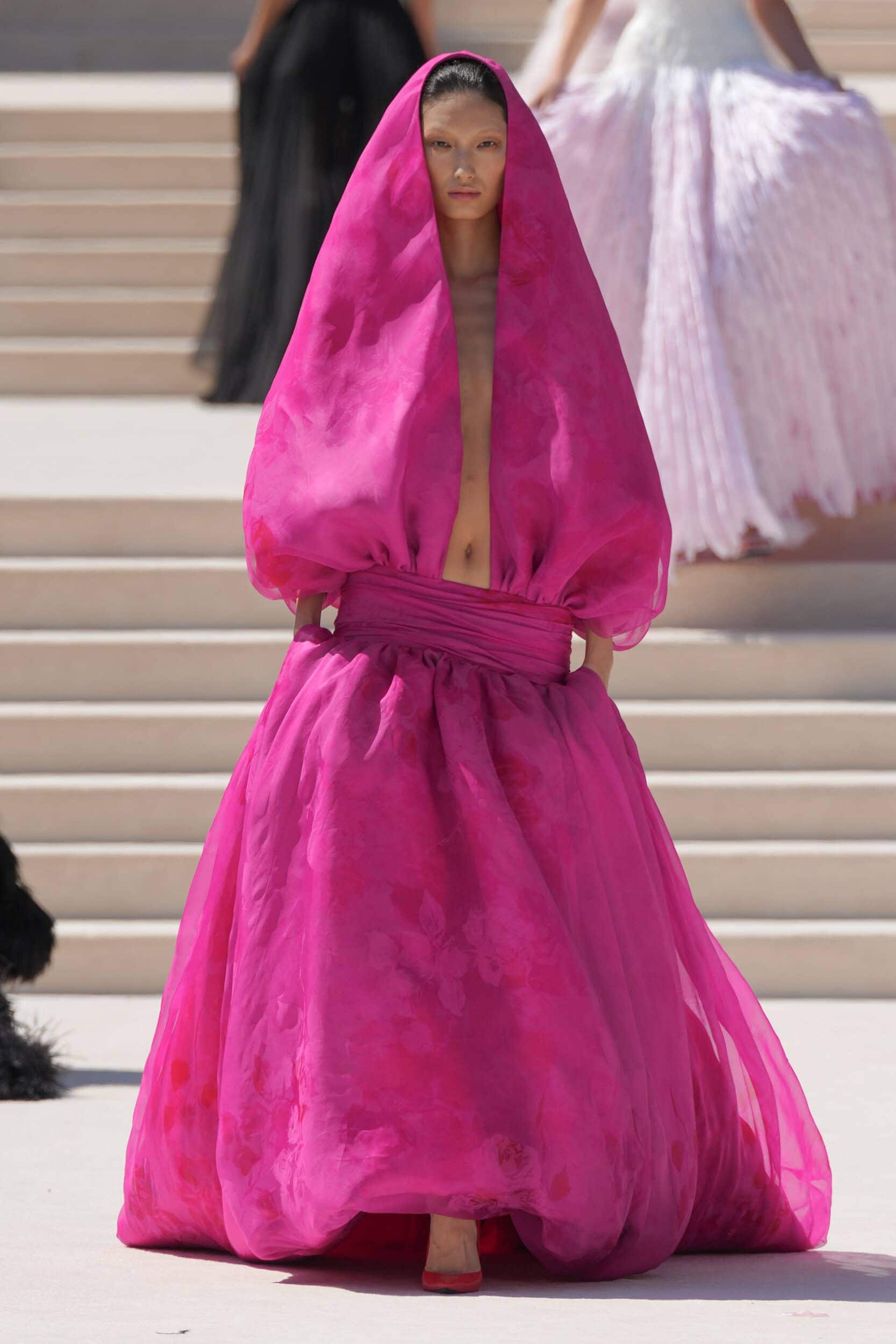
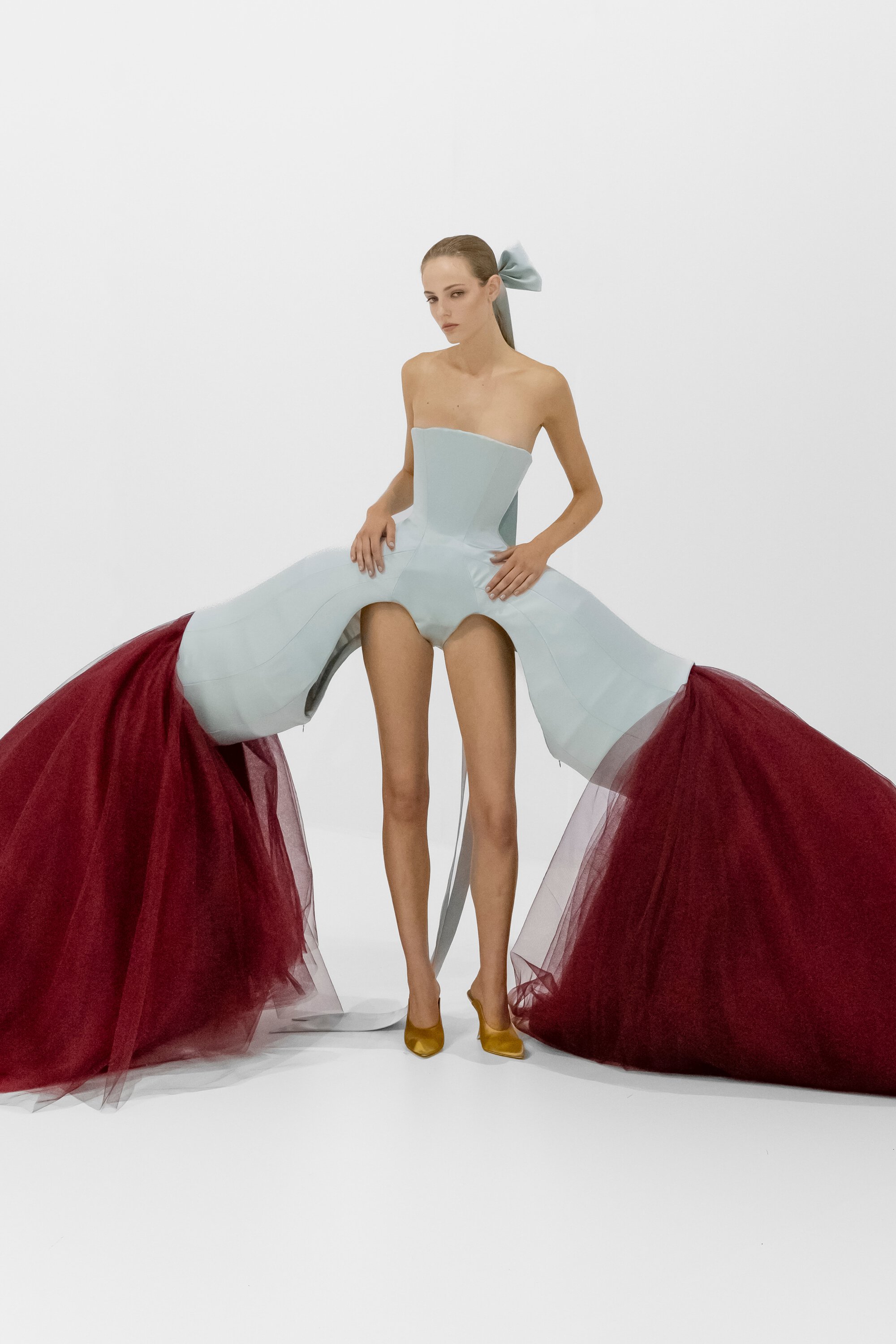
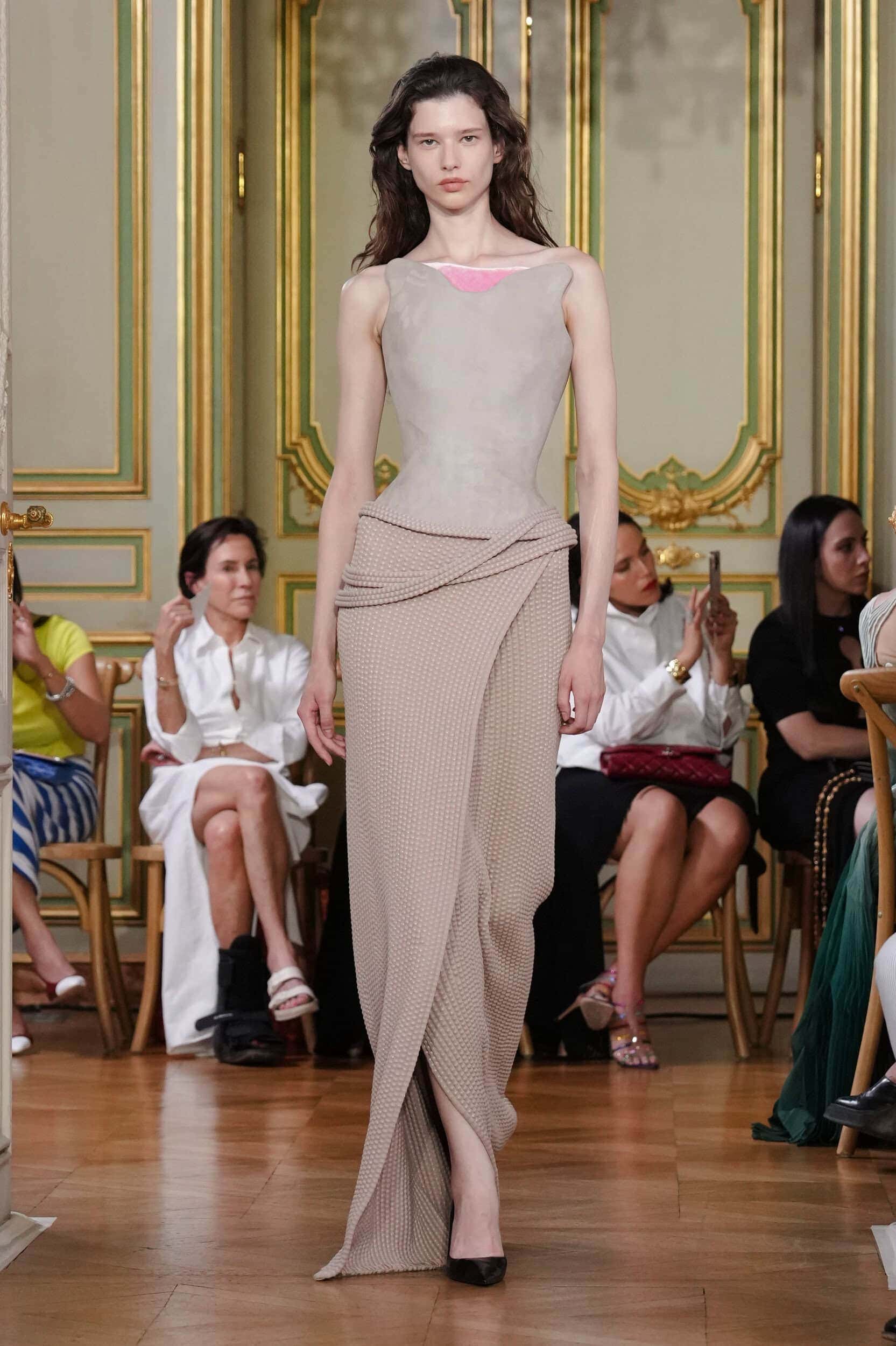
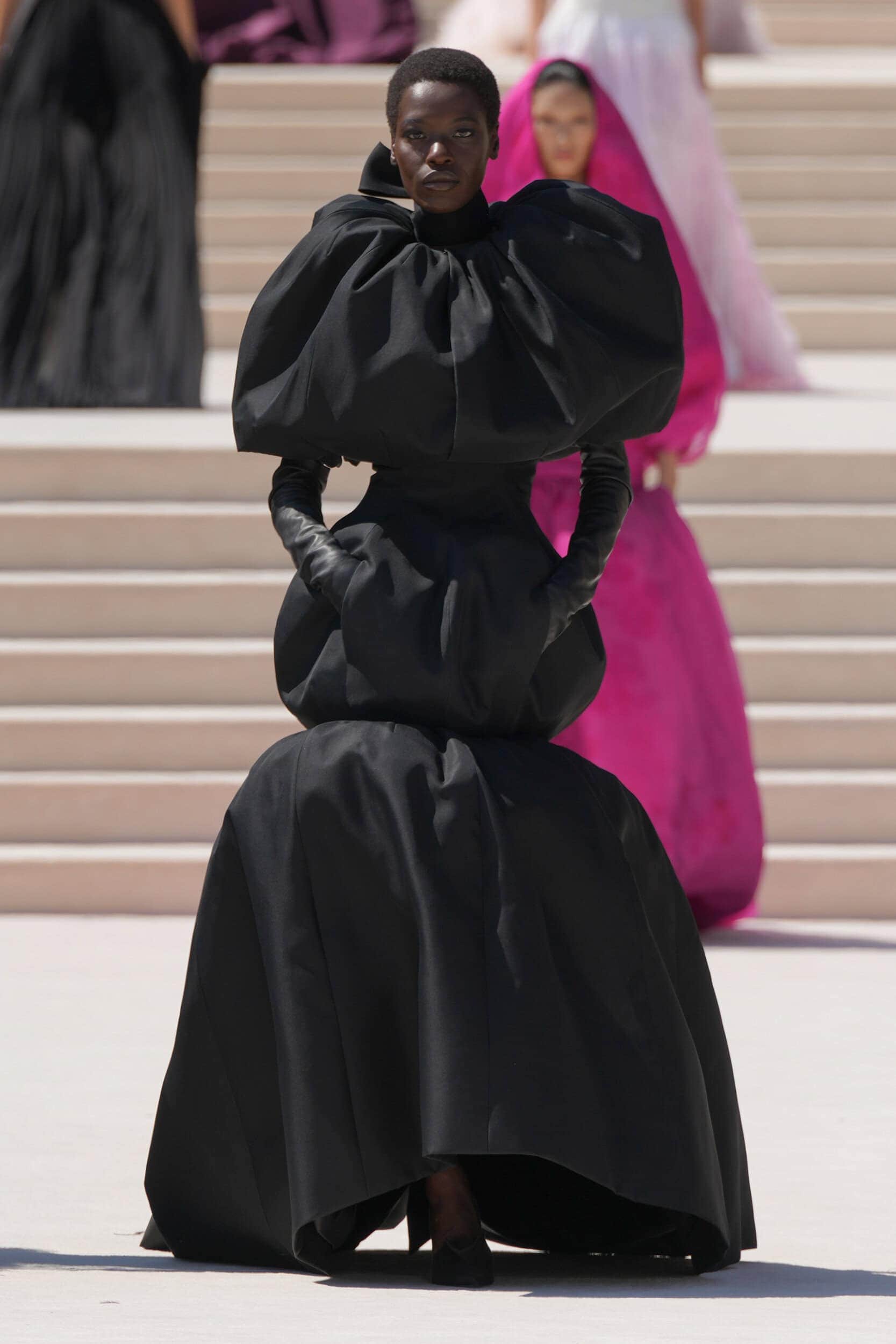
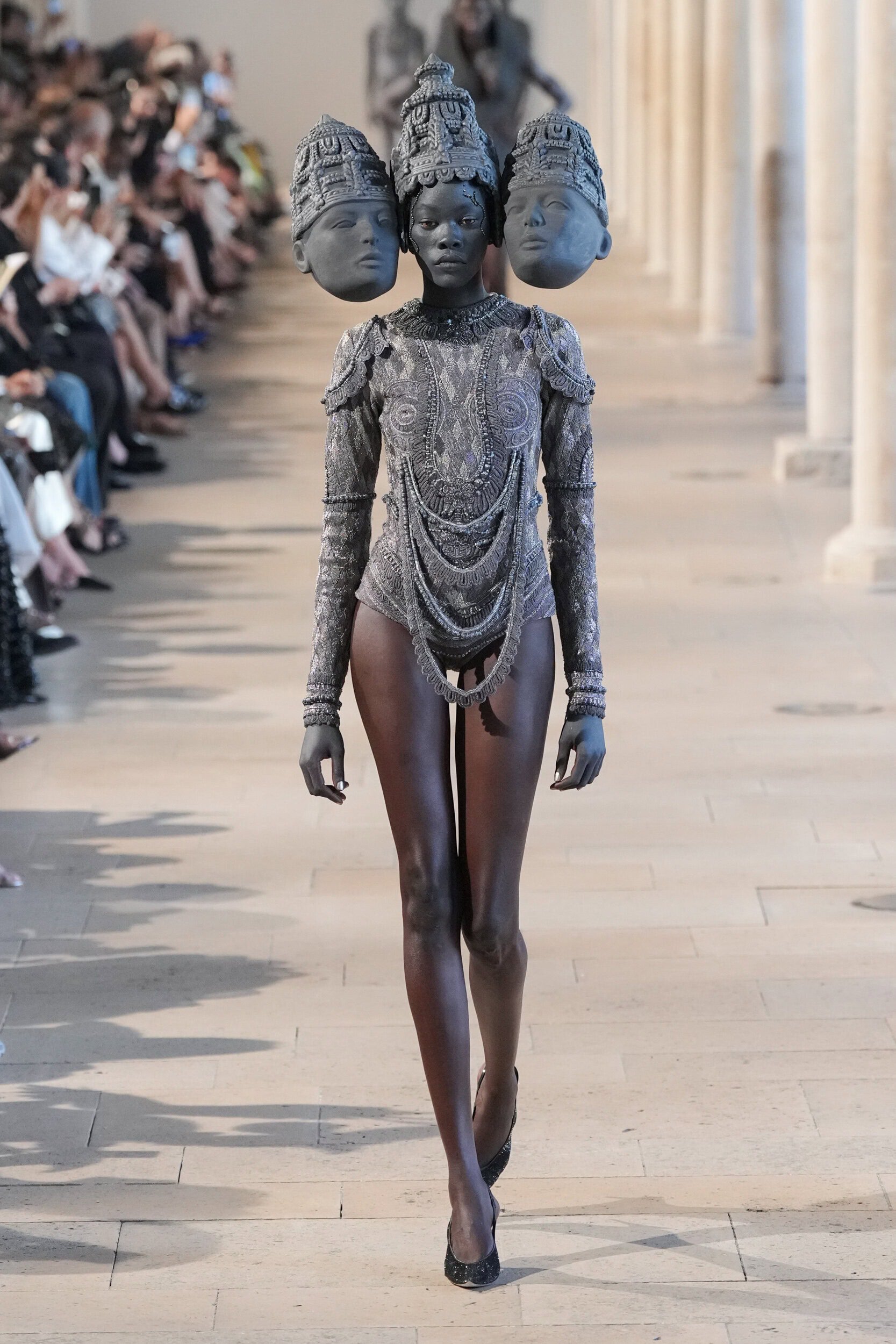
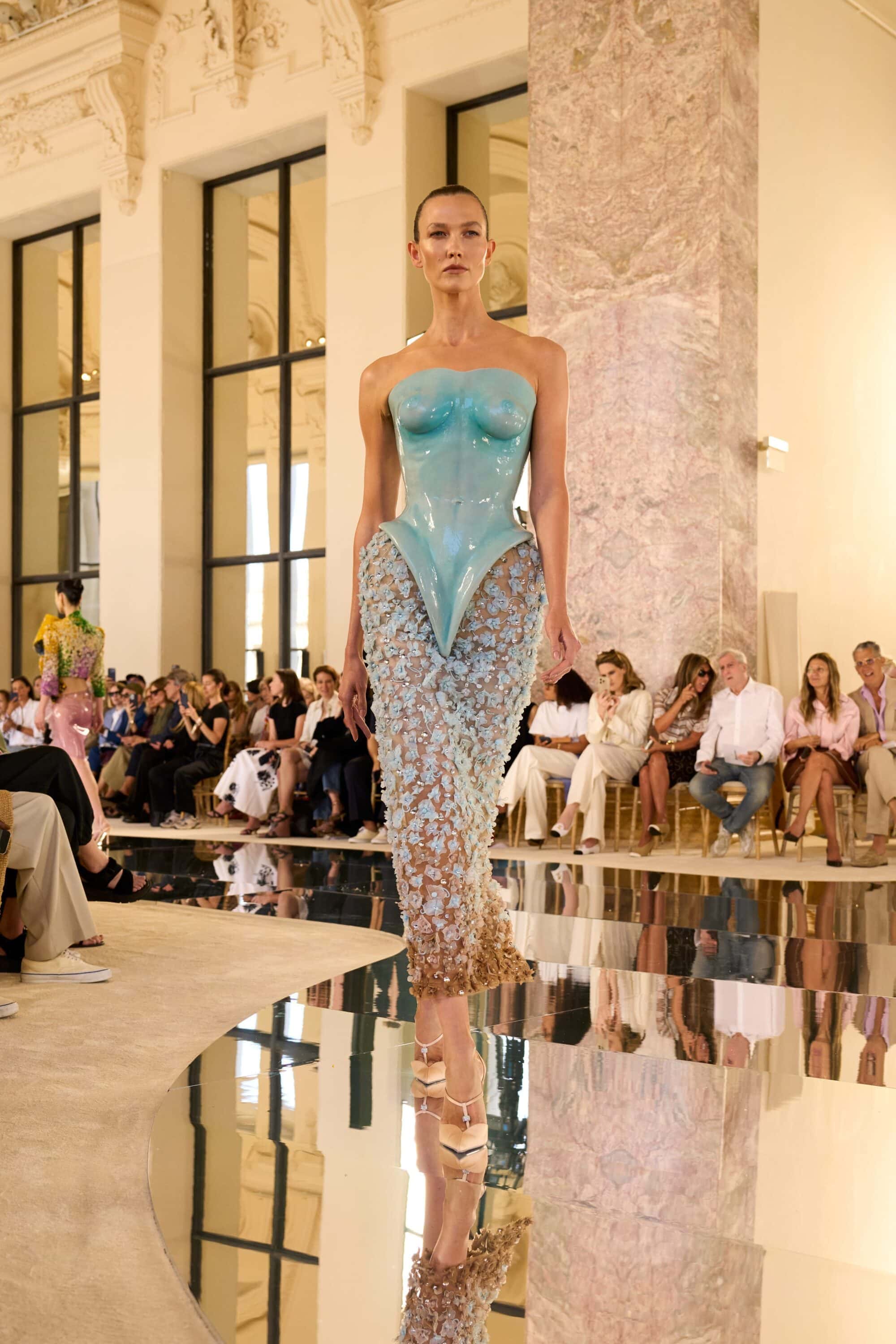
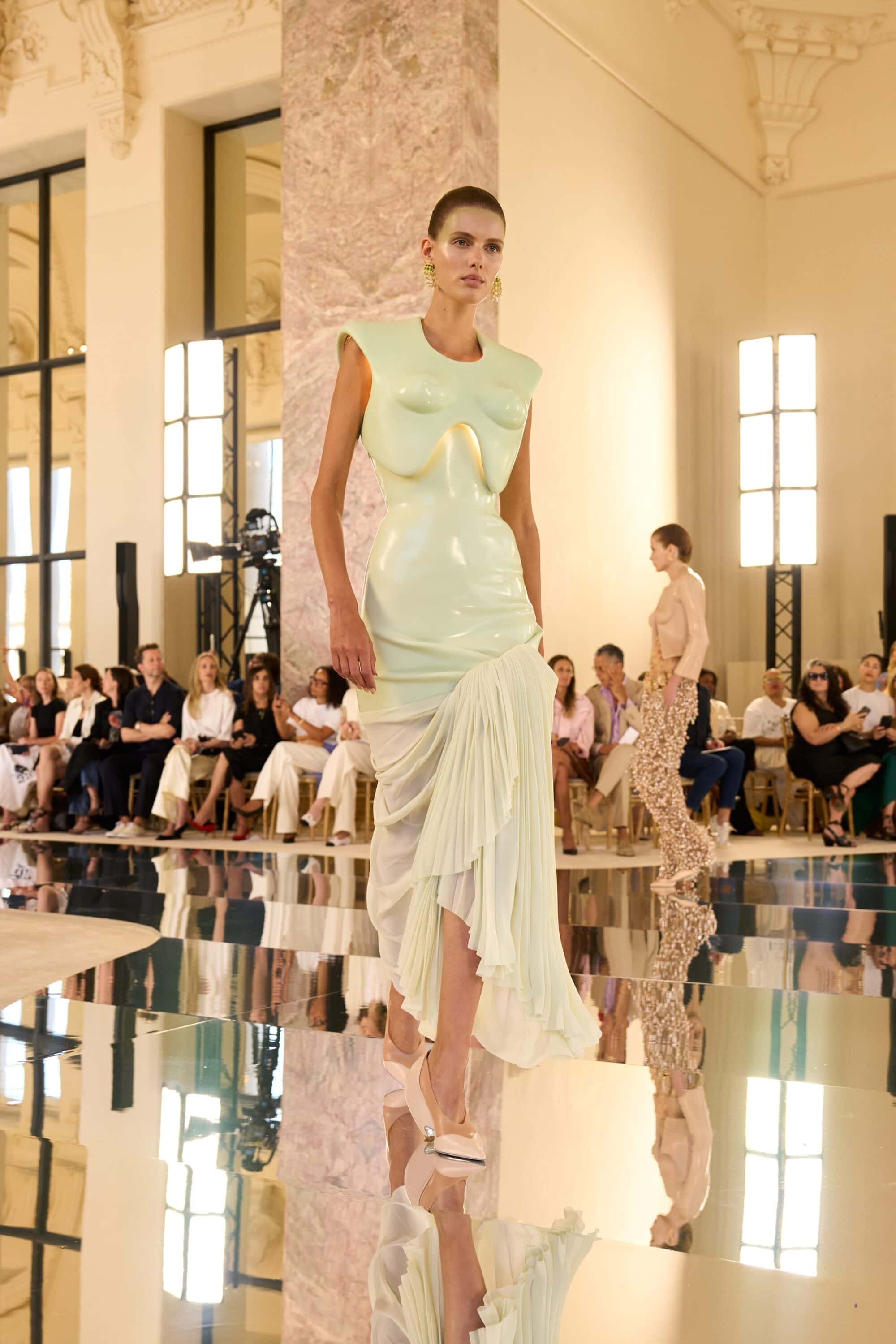
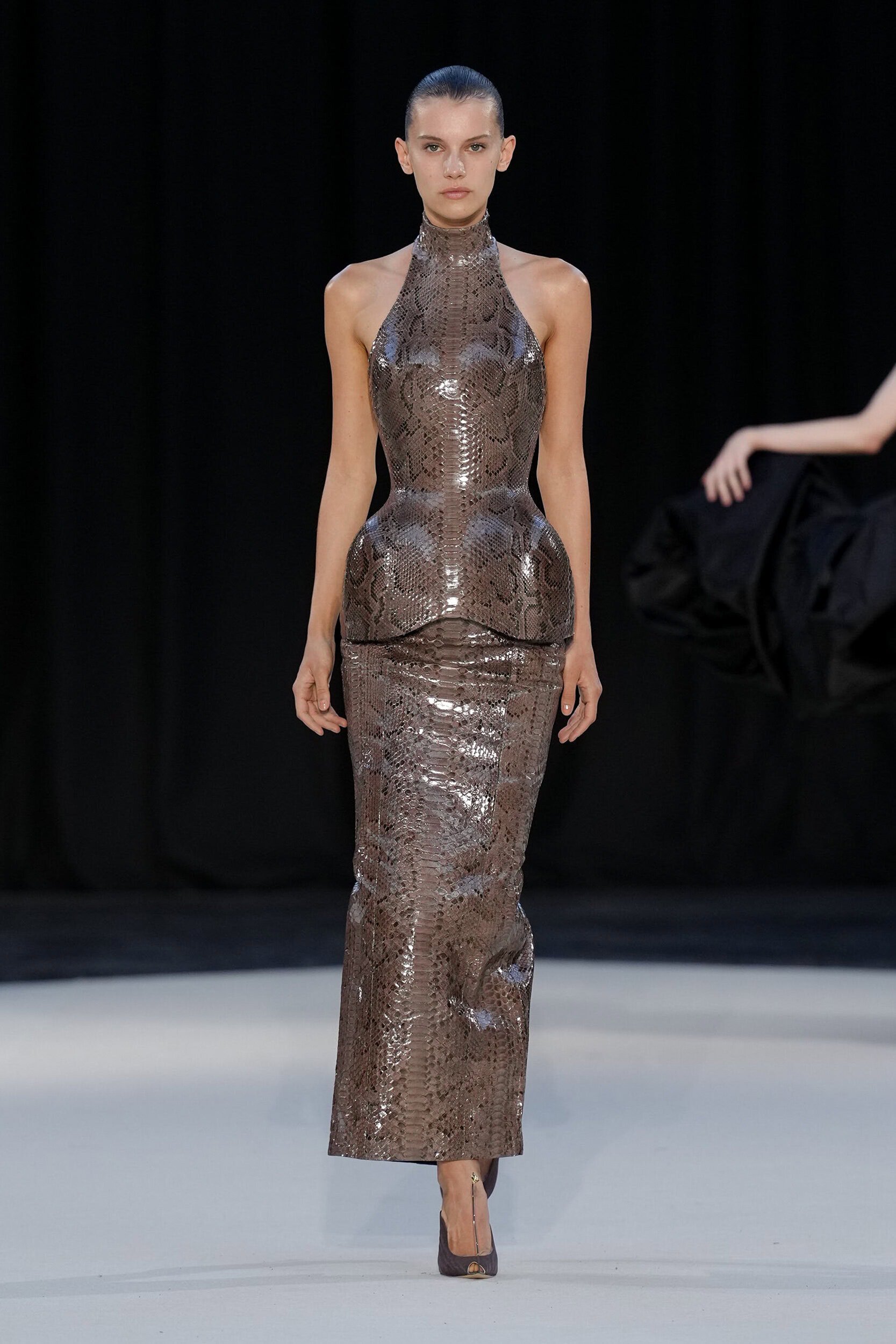
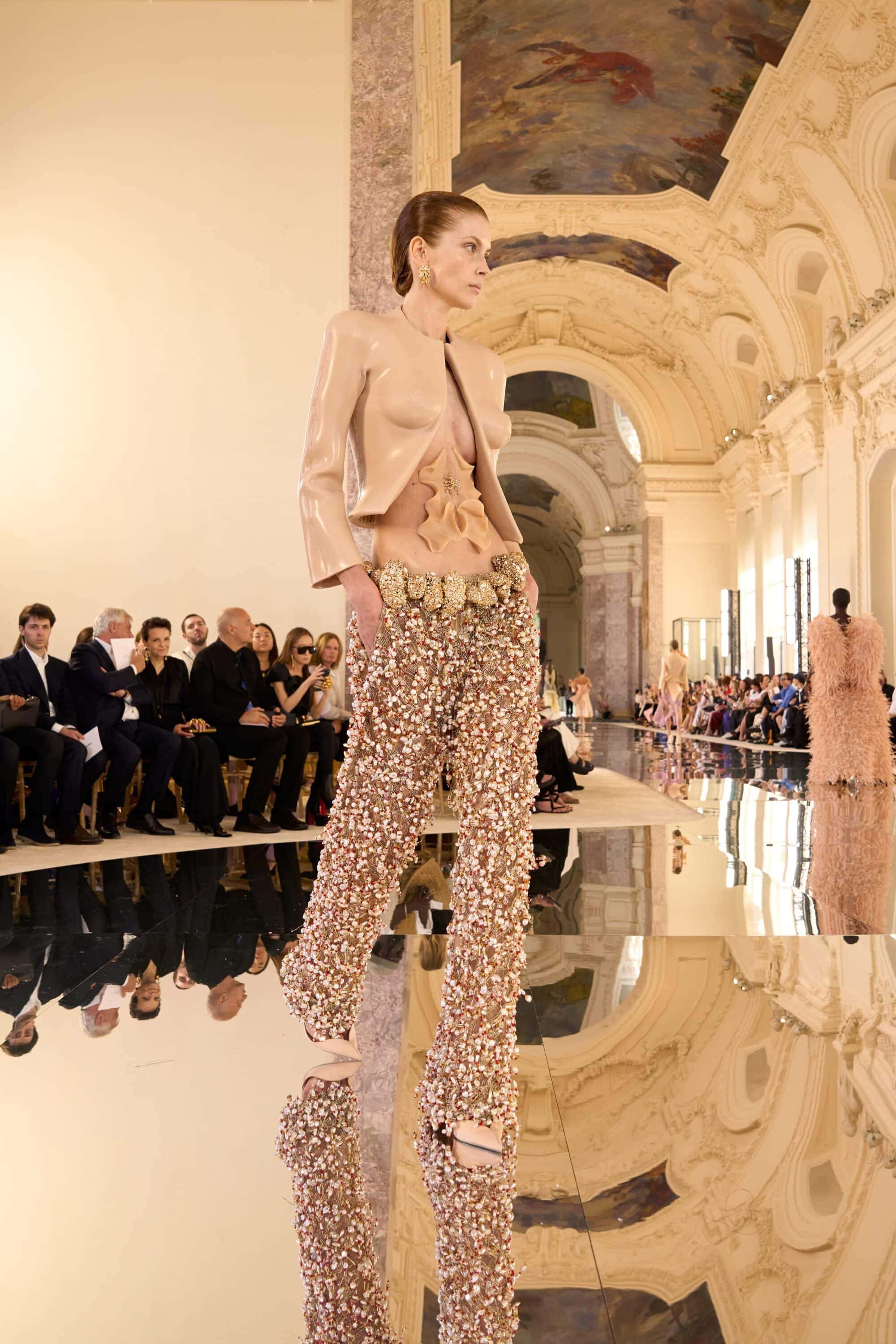
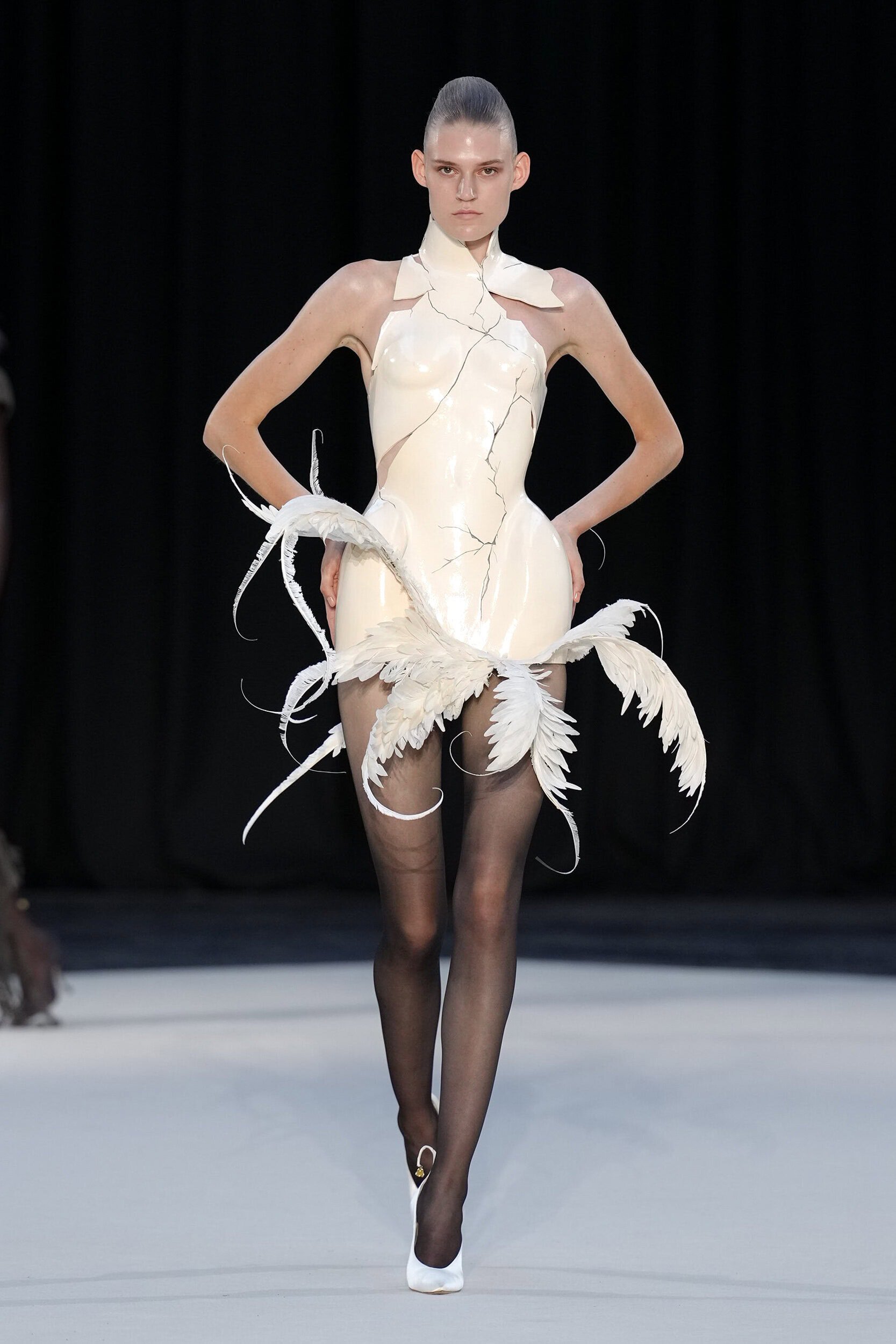
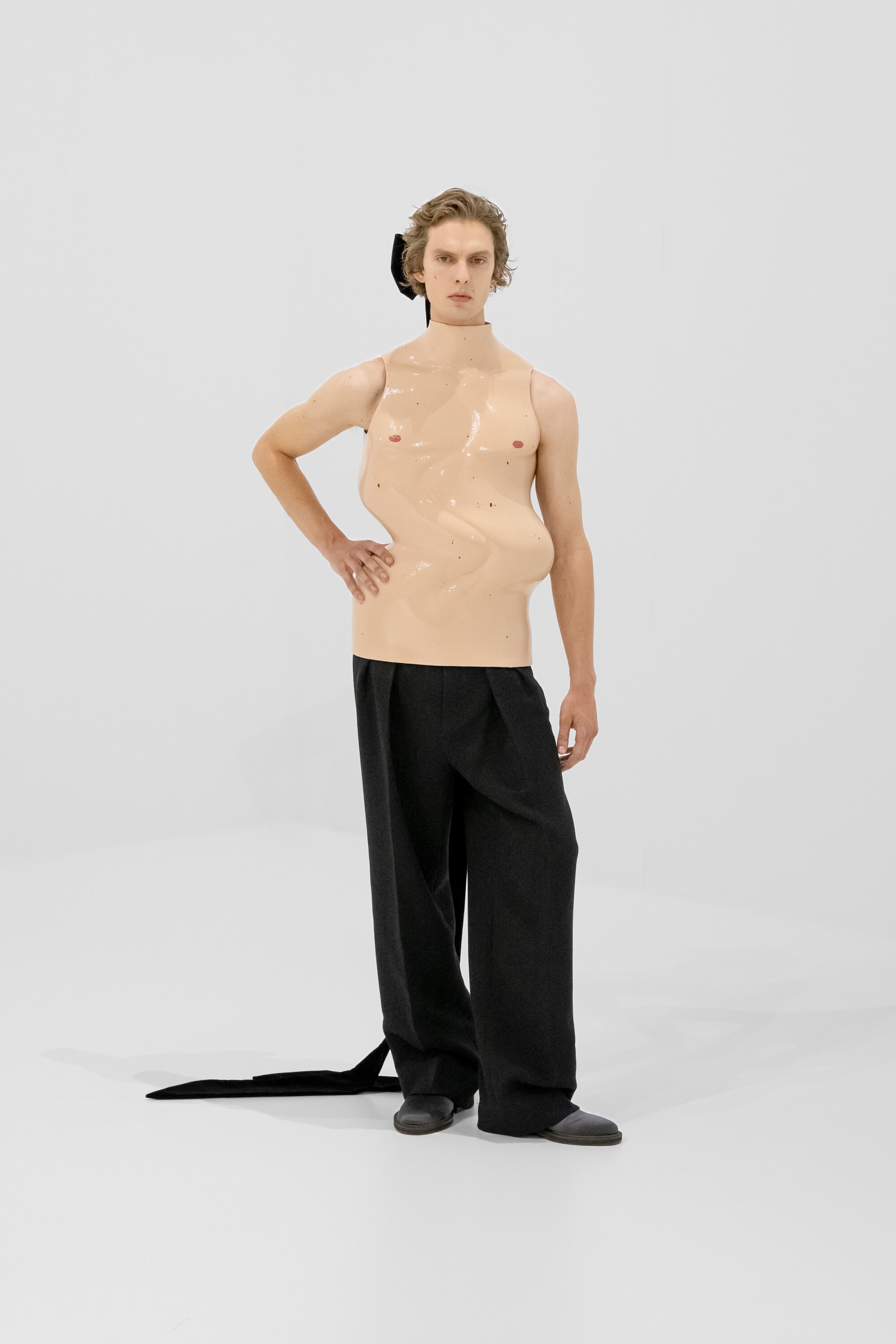
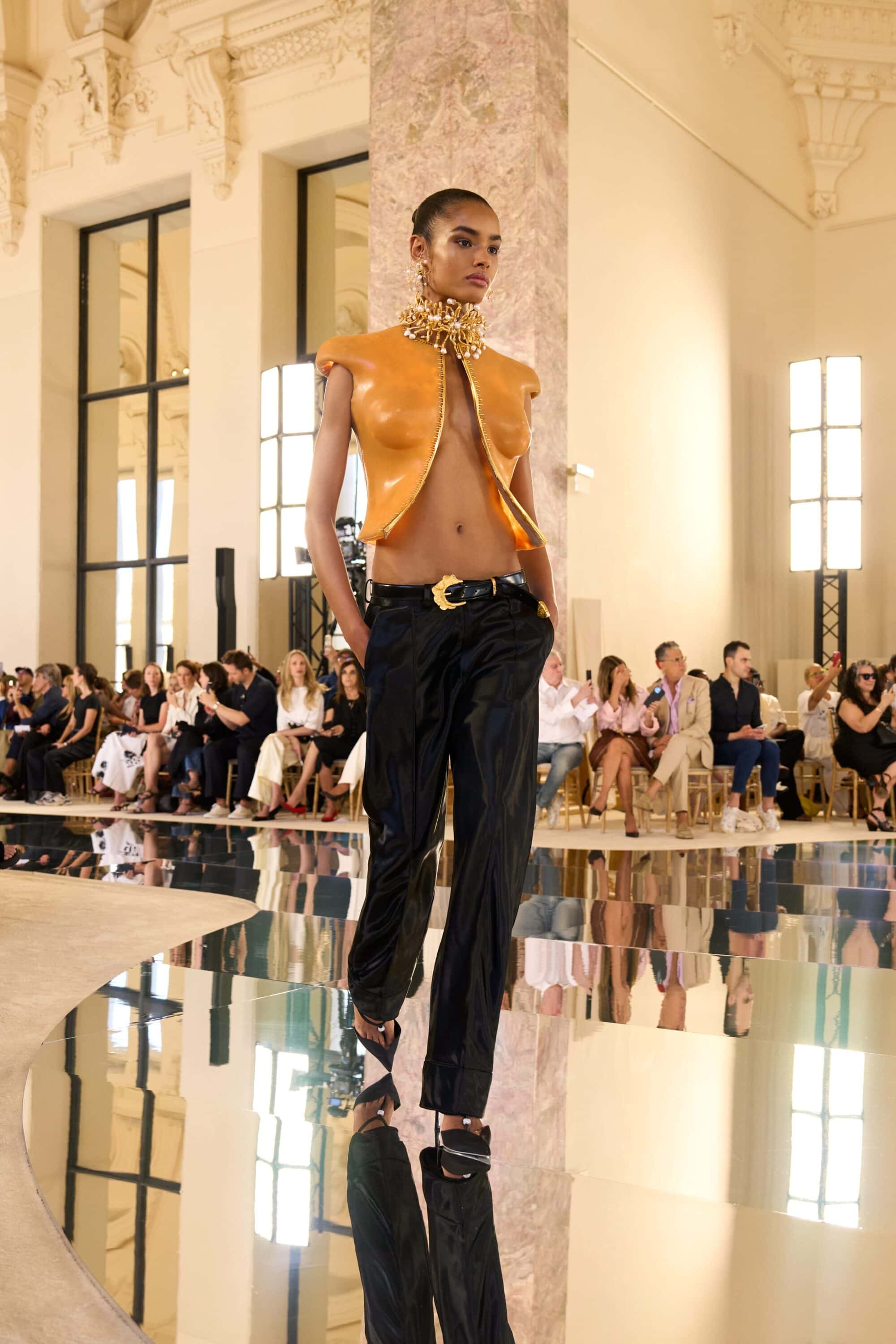
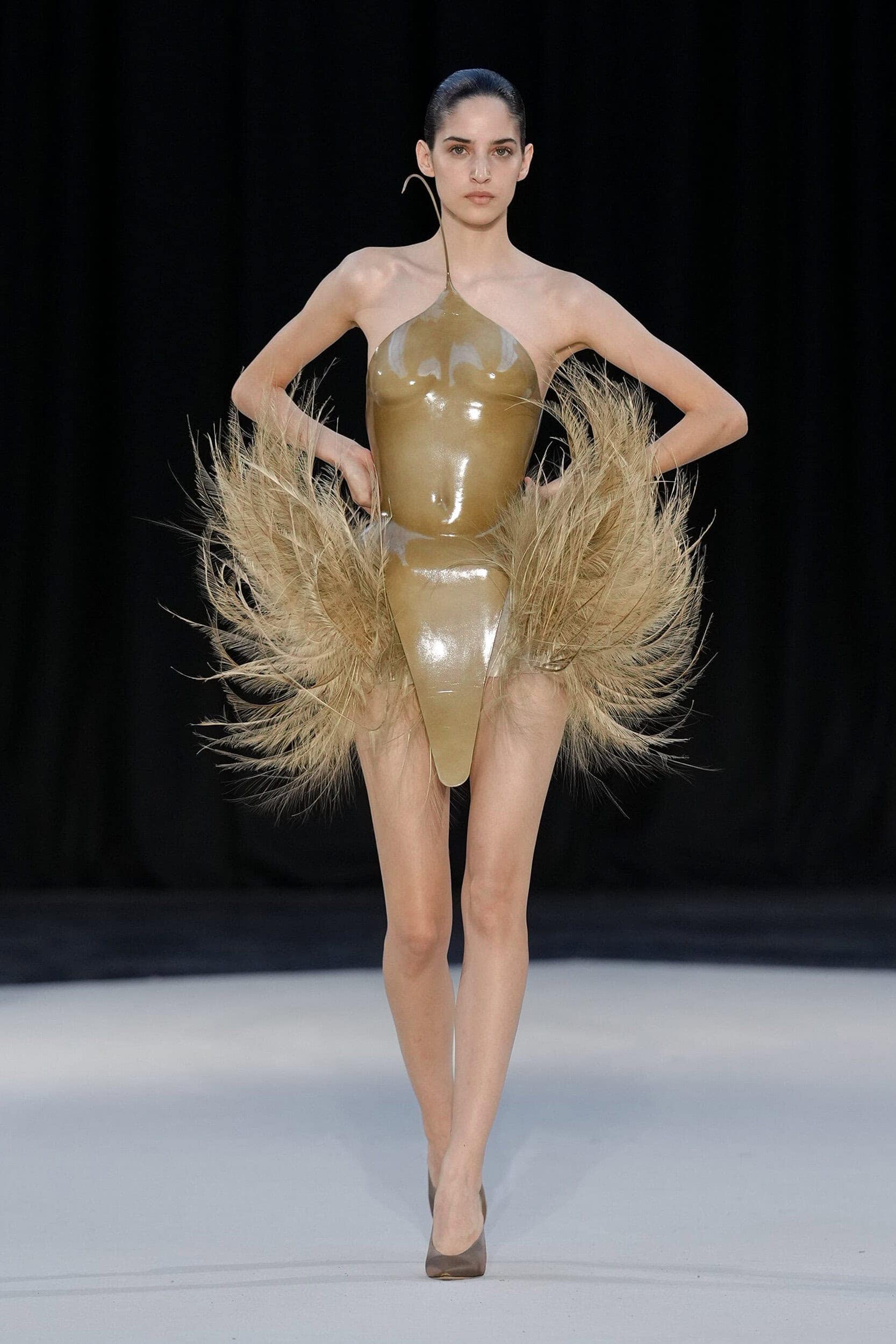
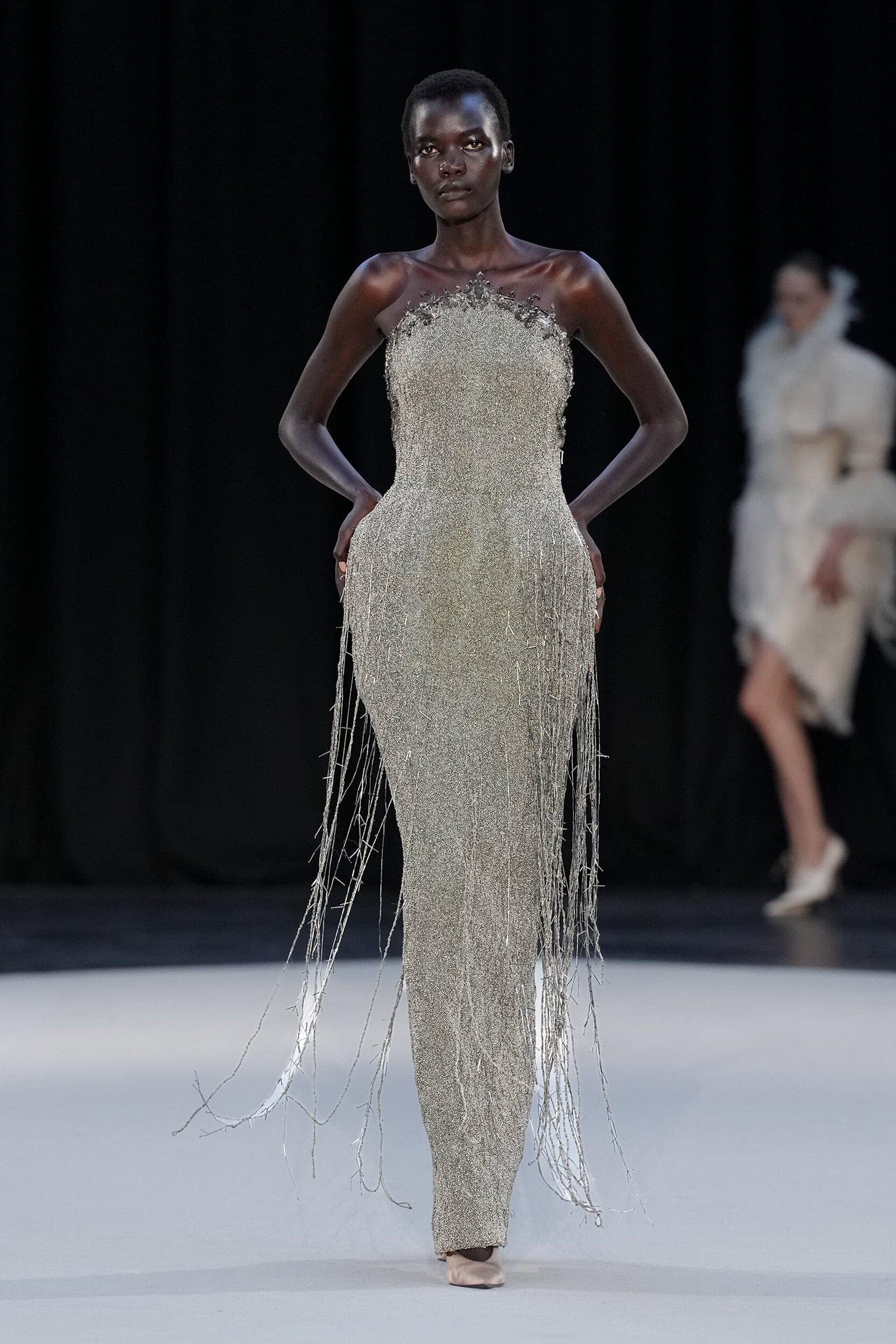
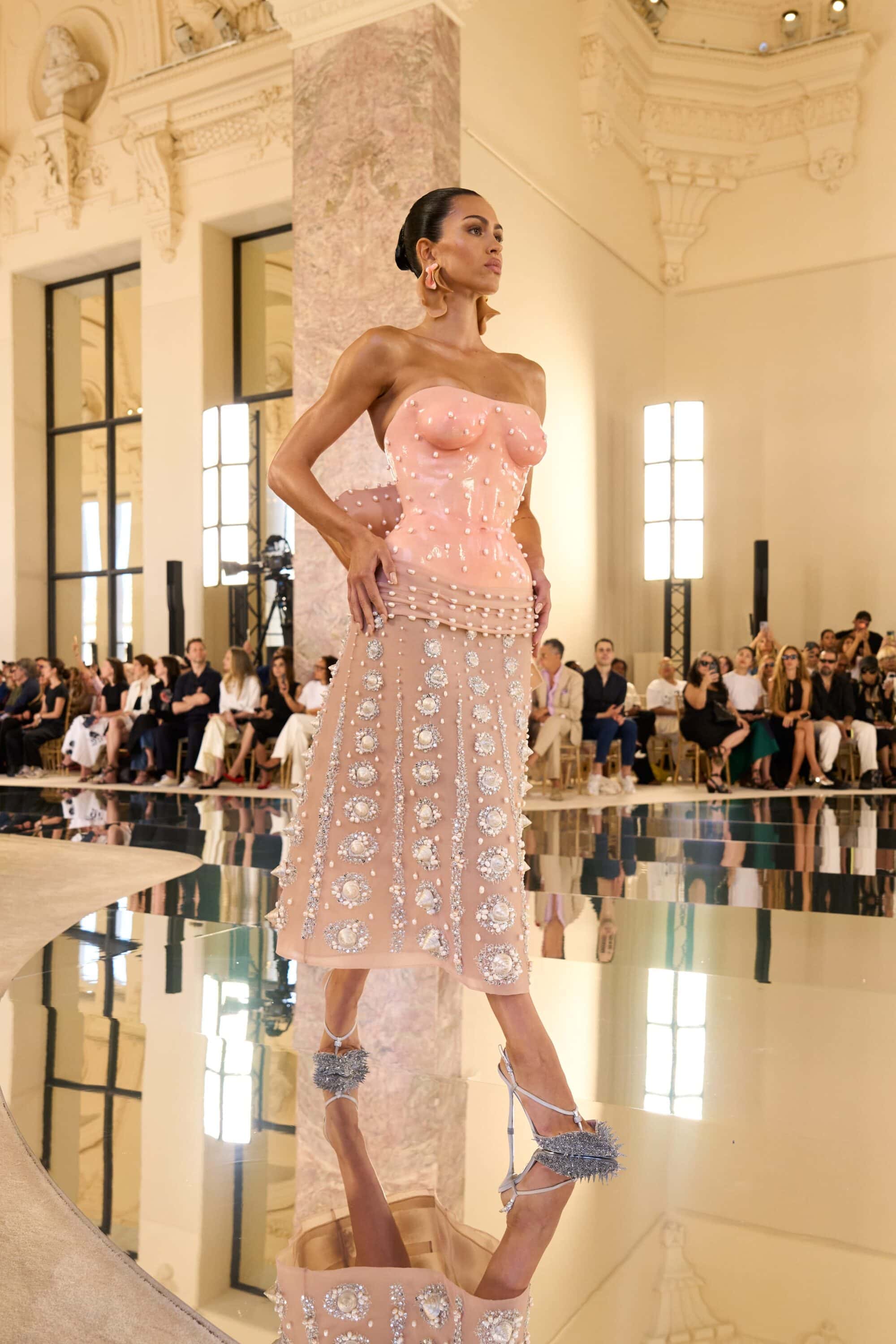
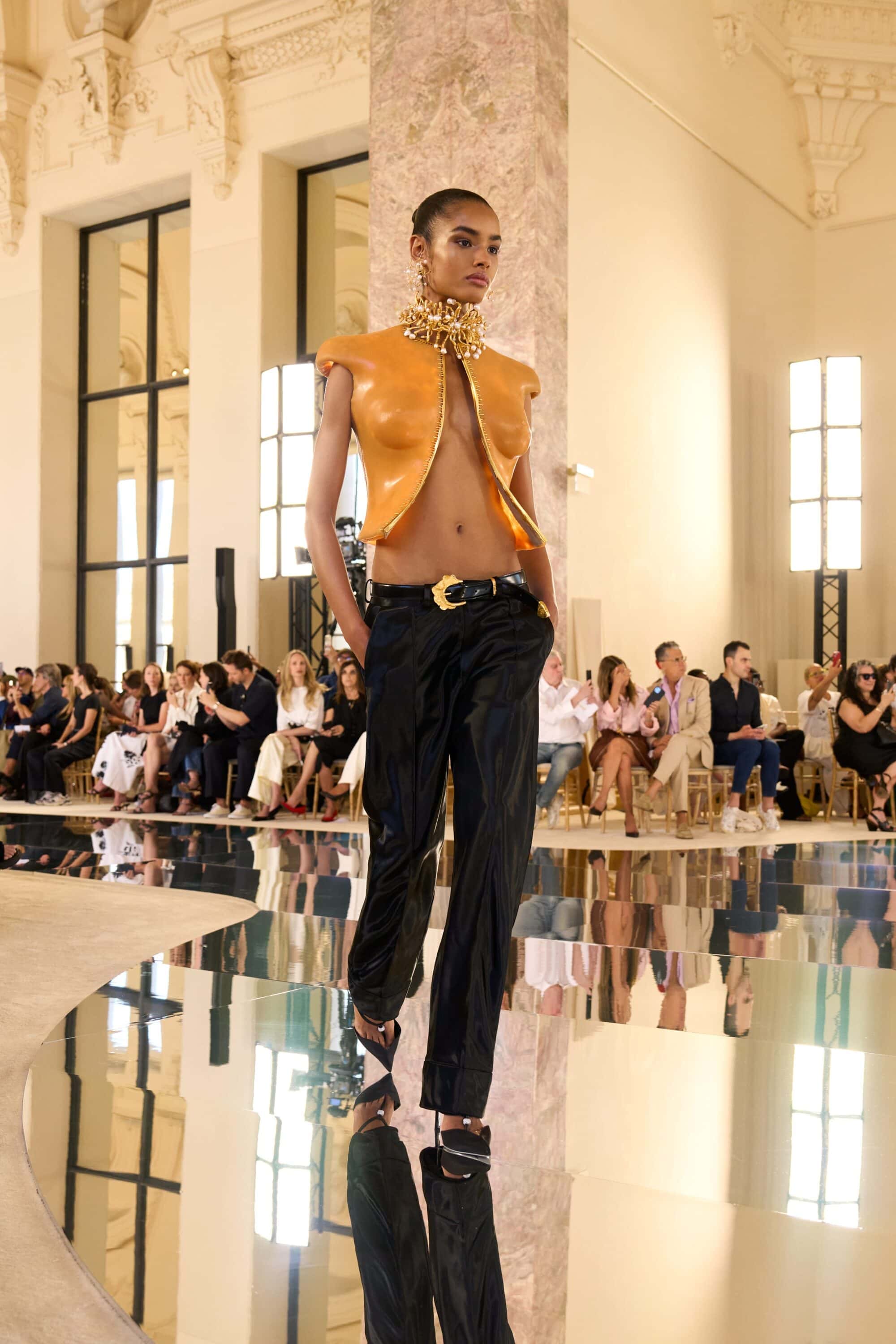
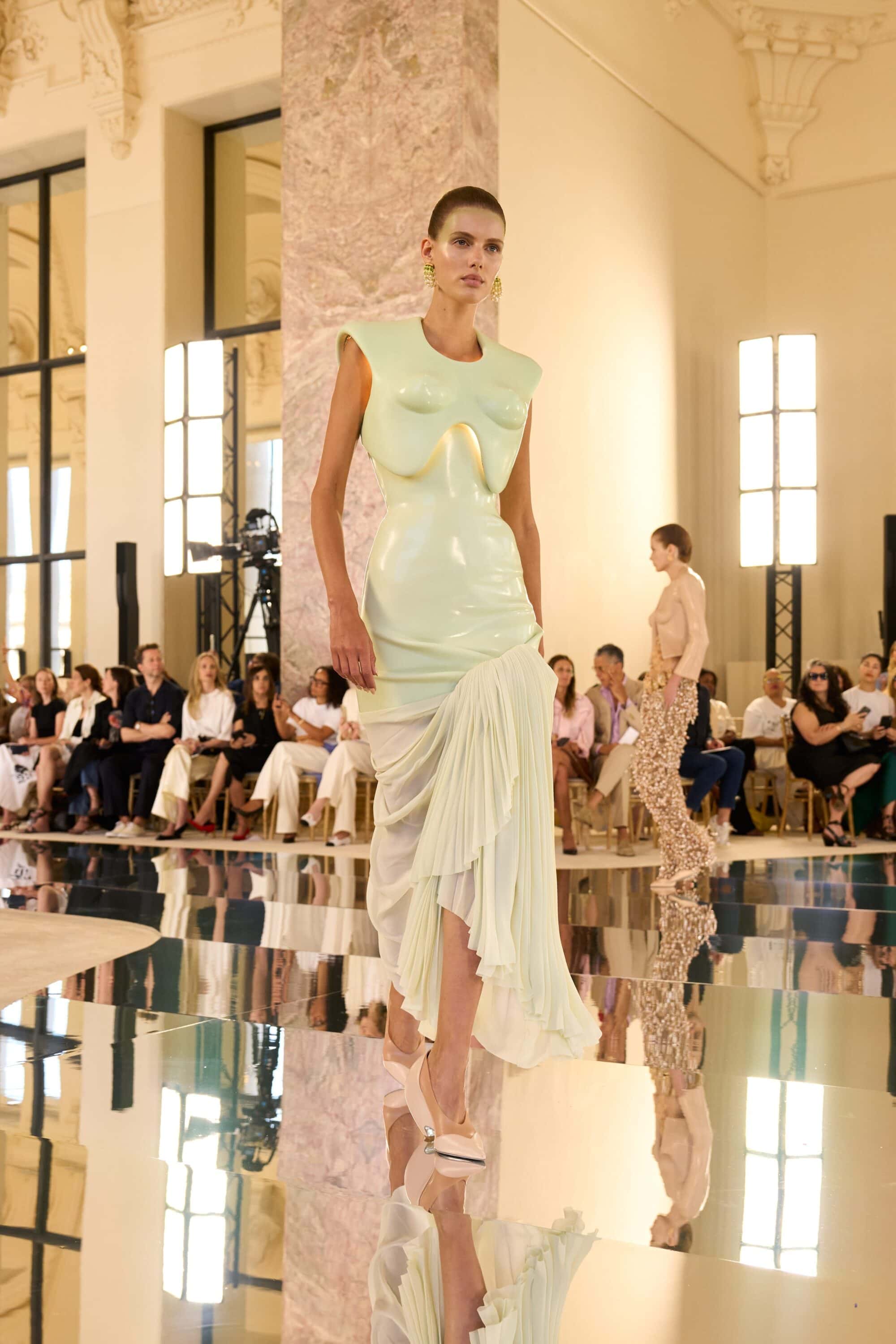
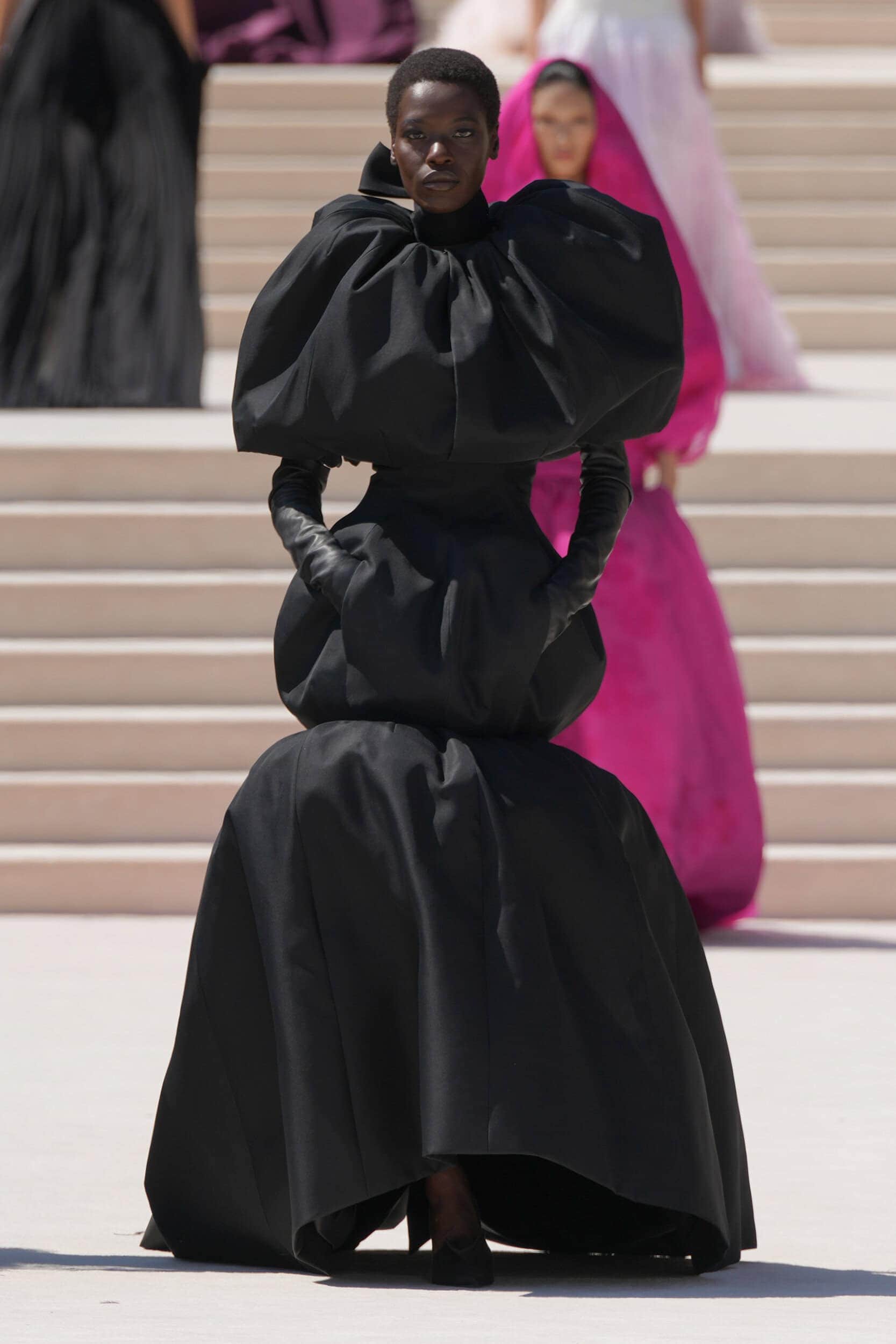
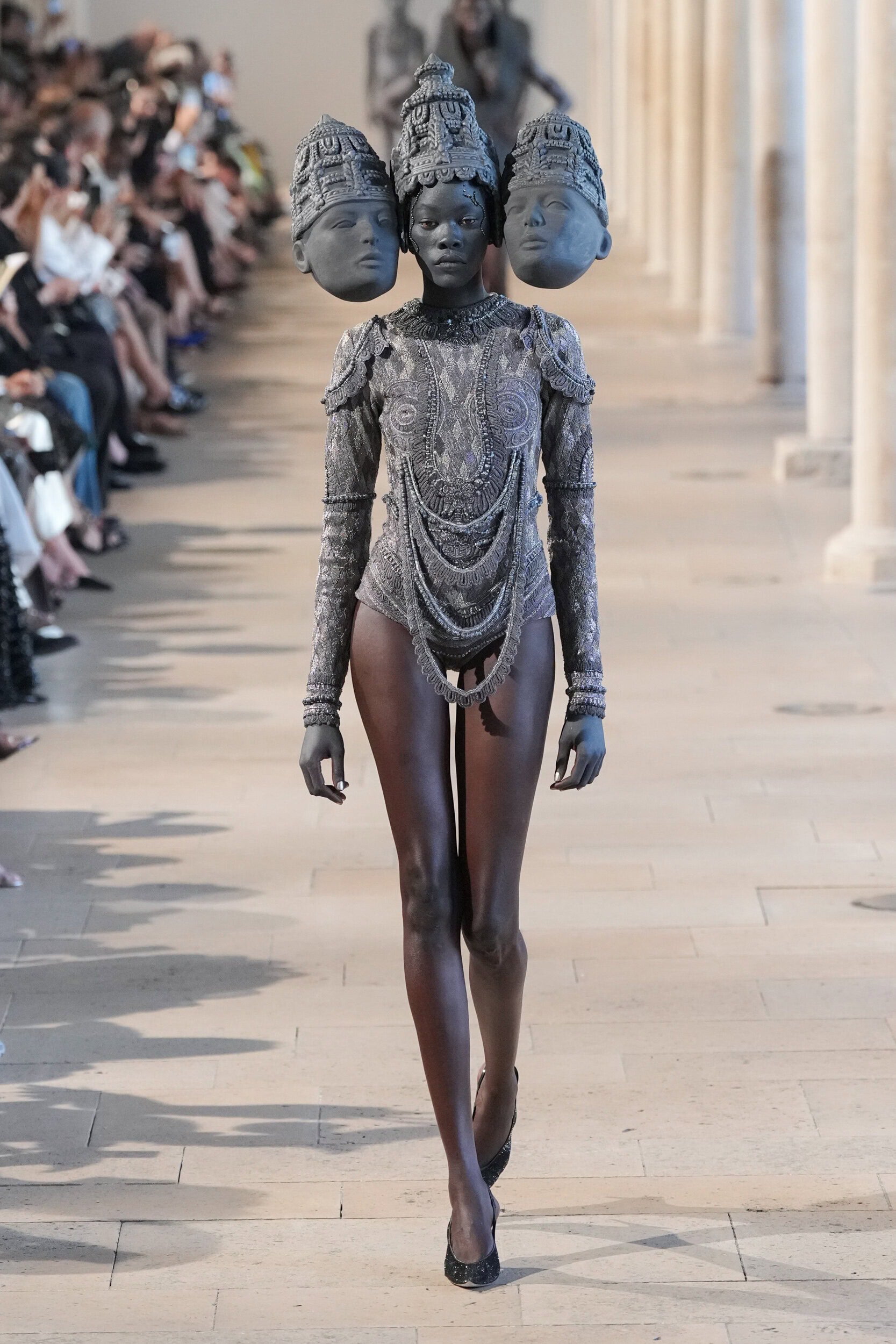
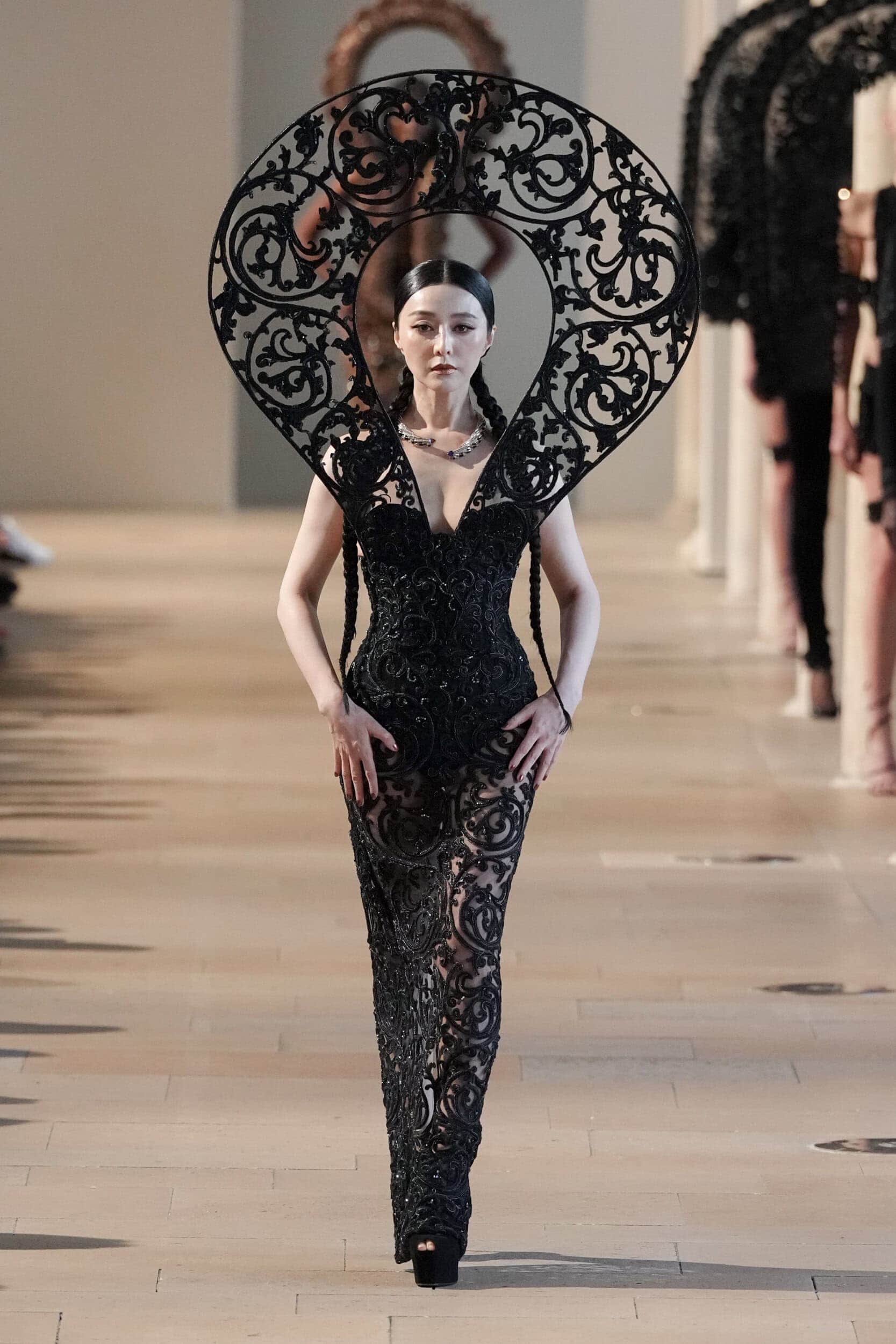
Surrealism acquired a distinctly corporeal charge this season. Schiaparelli imagined the body as an aquatic organism, covering it in silicone skins, shells, gills, scales, and illuminated structures. At Jean Paul Gaultier, Duran Lantink used corsetry, scanning, and digital distortion to twist the figure sideways, displace its proportions, and create the appearance of bodies caught mid-mutation. Standing Ground, Ashi Studio, Rahul Mishra, and Balenciaga offered further variations through sculpted rib cages, exoskeletons, sacred figures, and vast forms that concealed the wearer entirely. Clothing became an extension of anatomy and, at times, a proposition for its future. The body emerged as couture’s most compelling raw material: elastic, symbolic, vulnerable, and open to revision.
4. Handmade Futurism
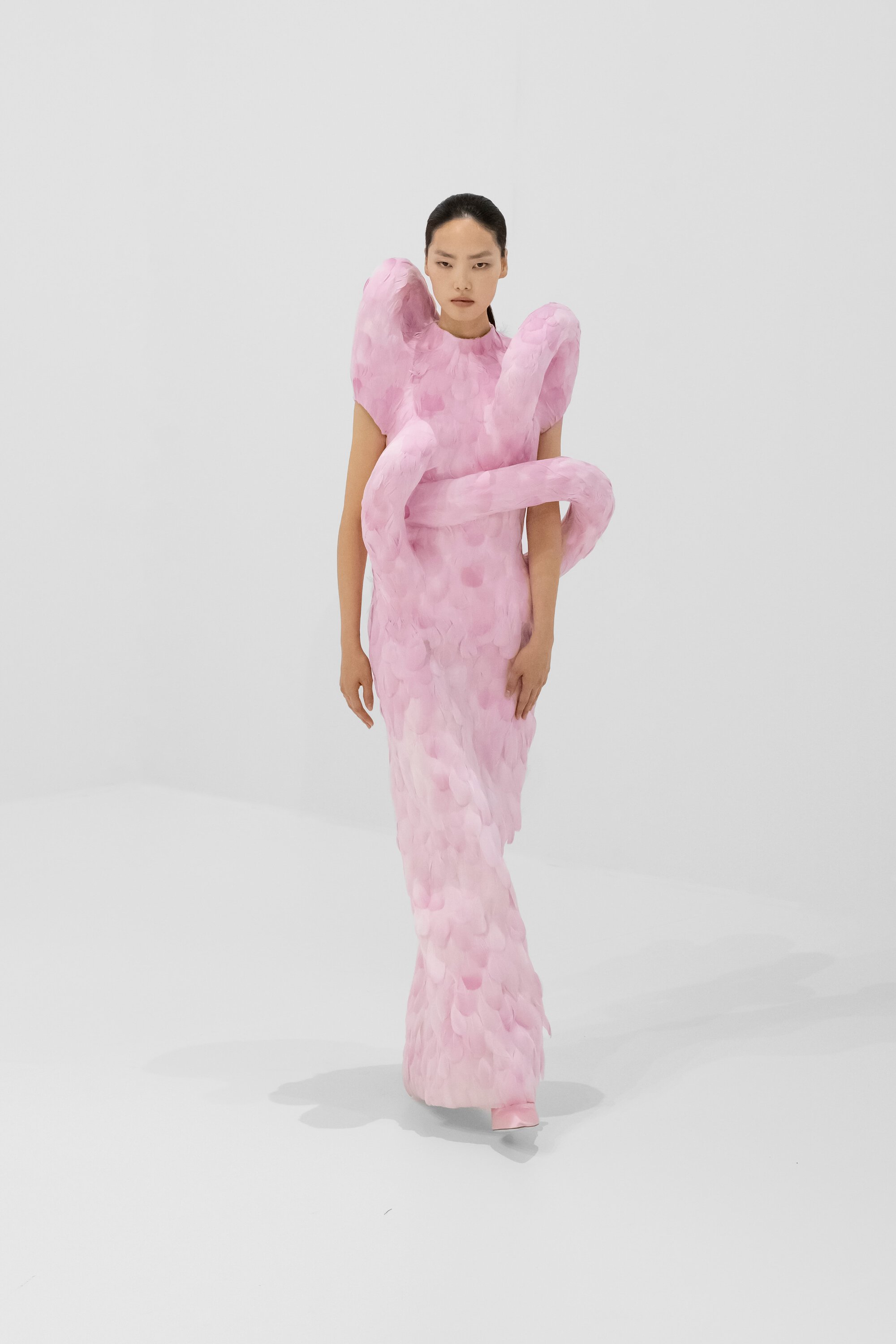
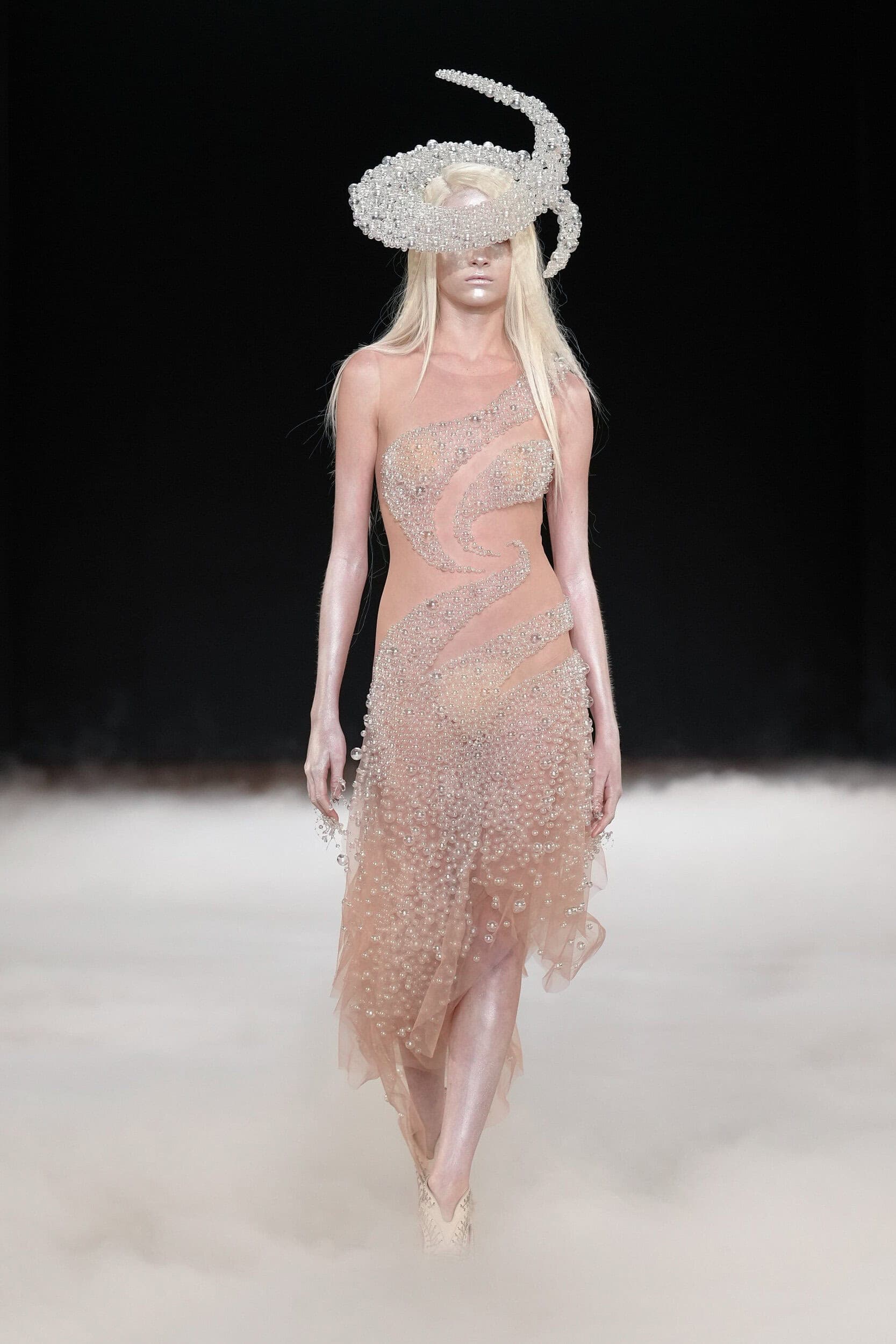
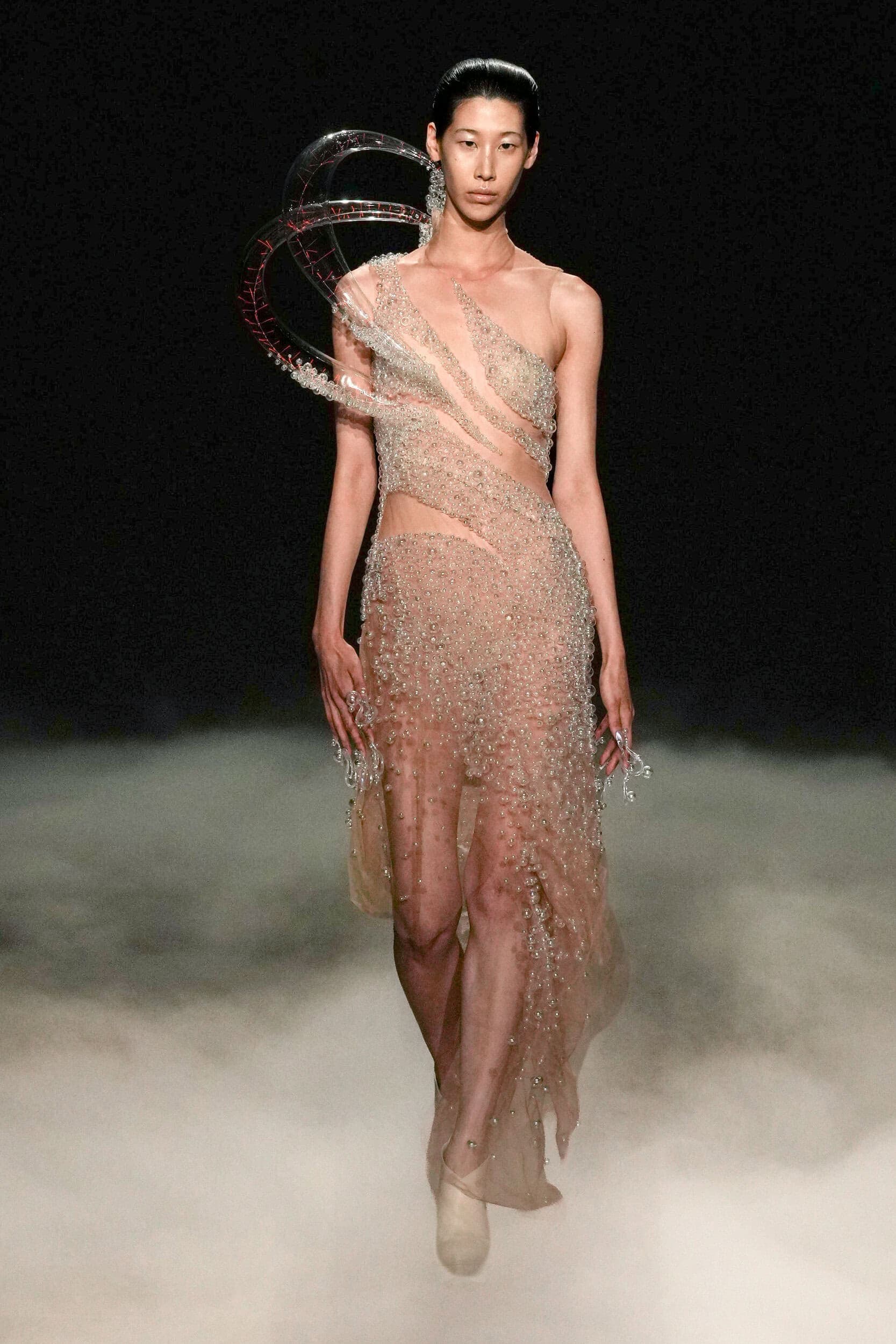
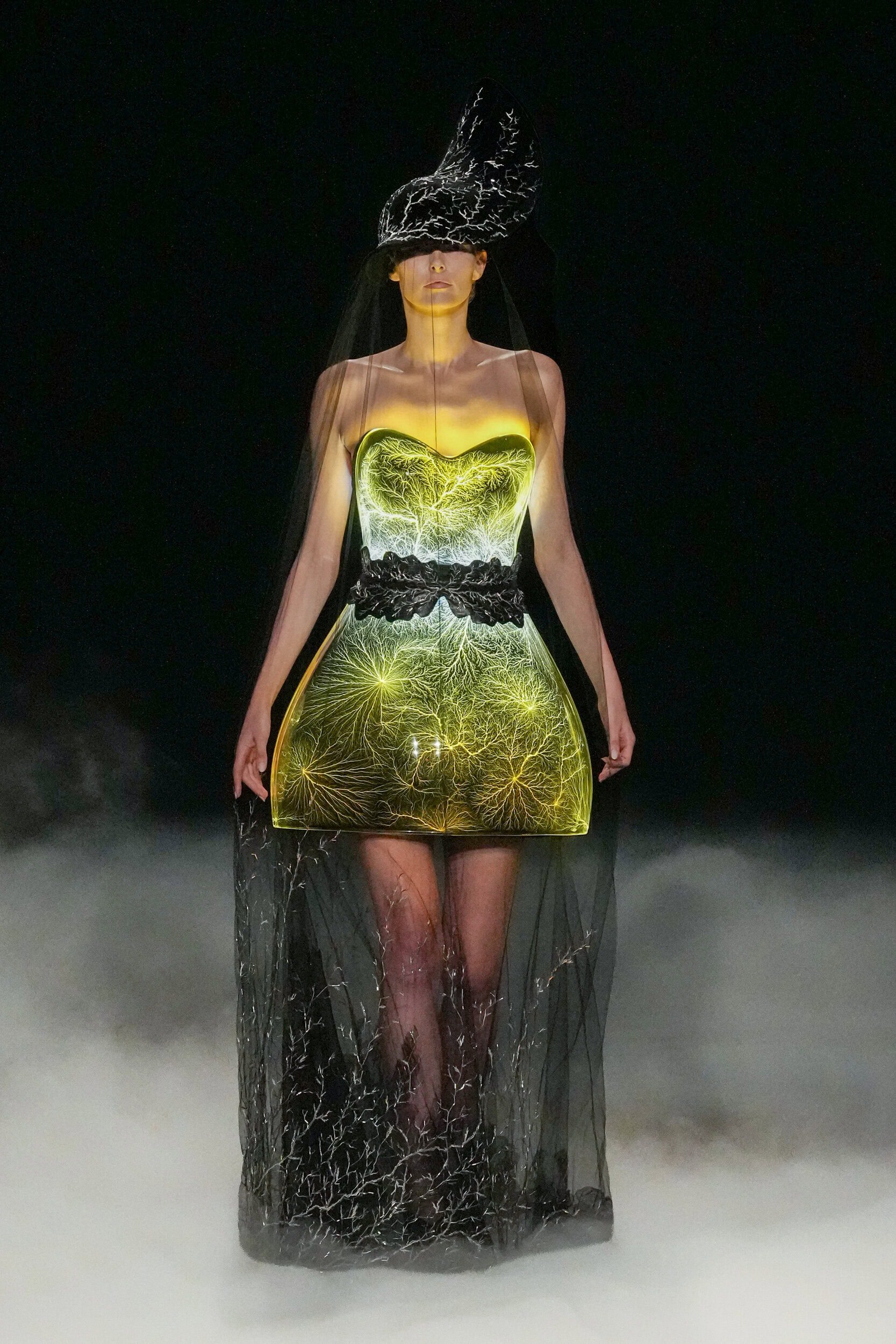
Fall 2026 placed advanced technology inside the logic of the atelier. Iris van Herpen worked with plasma, glass, particle physics, and scientific collaboration; Schiaparelli developed silicone techniques and illuminated surfaces; Jean Paul Gaultier used three-dimensional scanning; Balenciaga explored body mapping, engineered internal structures, and lab-grown materials. These innovations carried their greatest authority through their relationship with human expertise. Technology expanded the vocabulary of couture while the hand supplied judgment, sensitivity, and emotional resonance. The season treated experimentation as a continuation of couture history, linking contemporary science to earlier breakthroughs in lace, pleating, dyeing, and textile construction. The machine gained relevance once it learned the table manners of the atelier.
5. Rooted Mythologies
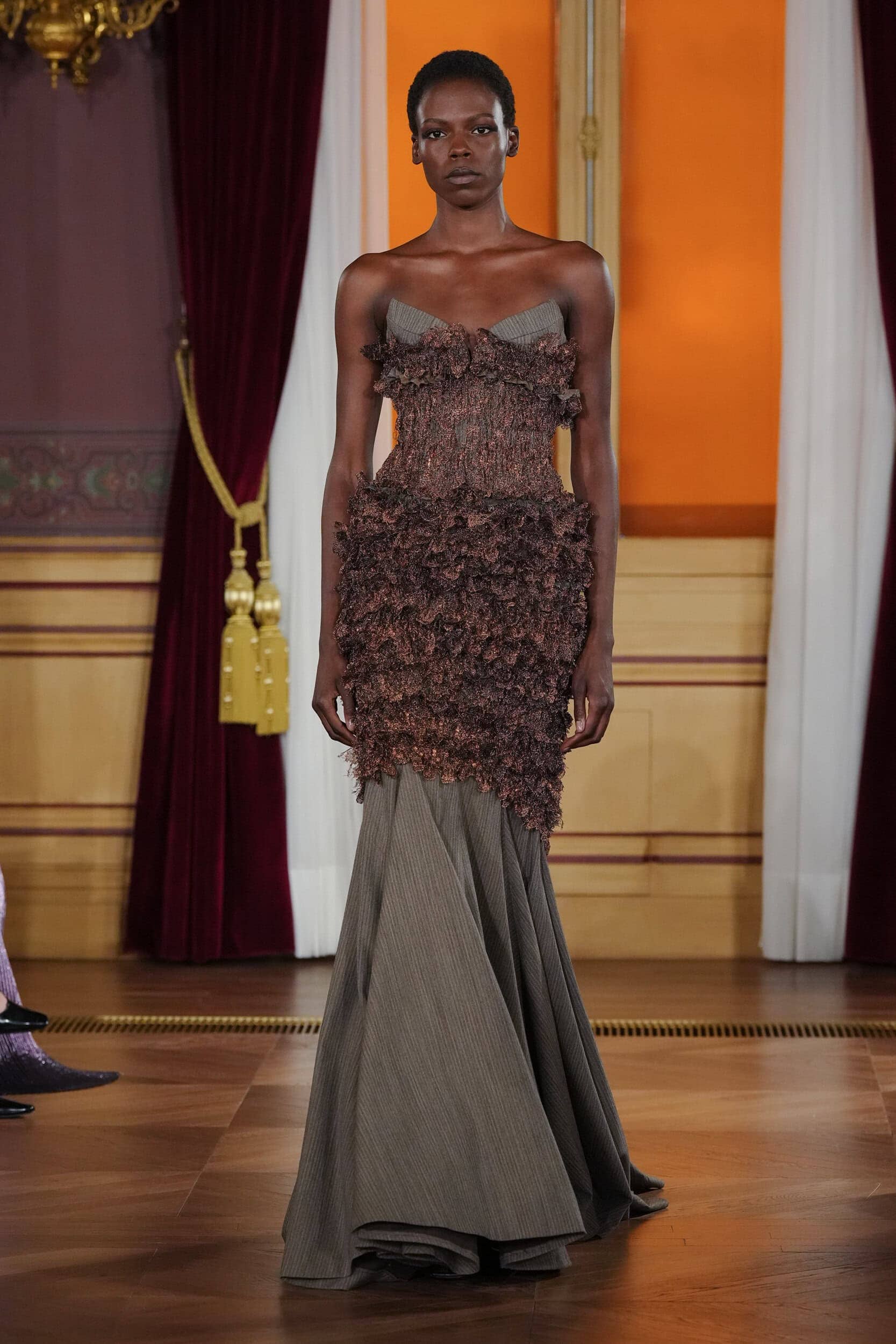
The season’s geographic imagination widened as designers drew upon cultural histories with increasing specificity. Rahul Mishra translated Indian temple sculpture, cave reliefs, and images of the divine feminine into dimensional embroidery. Standing Ground elevated Irish standing stones and Carrickmacross lace, while ArdAzAei combined Persian poetry, garden symbolism, manuscript color, and zardozi with clarity. Textile histories also shaped the work at Fendi and Dior. The decisive question was authorship: who carries a tradition forward, whose hands execute it, and how clearly that labor is acknowledged. Cultural reference achieved its greatest force when it shaped the collection’s construction and worldview from within, allowing couture to become a meeting place for memory, technique, and contemporary identity.
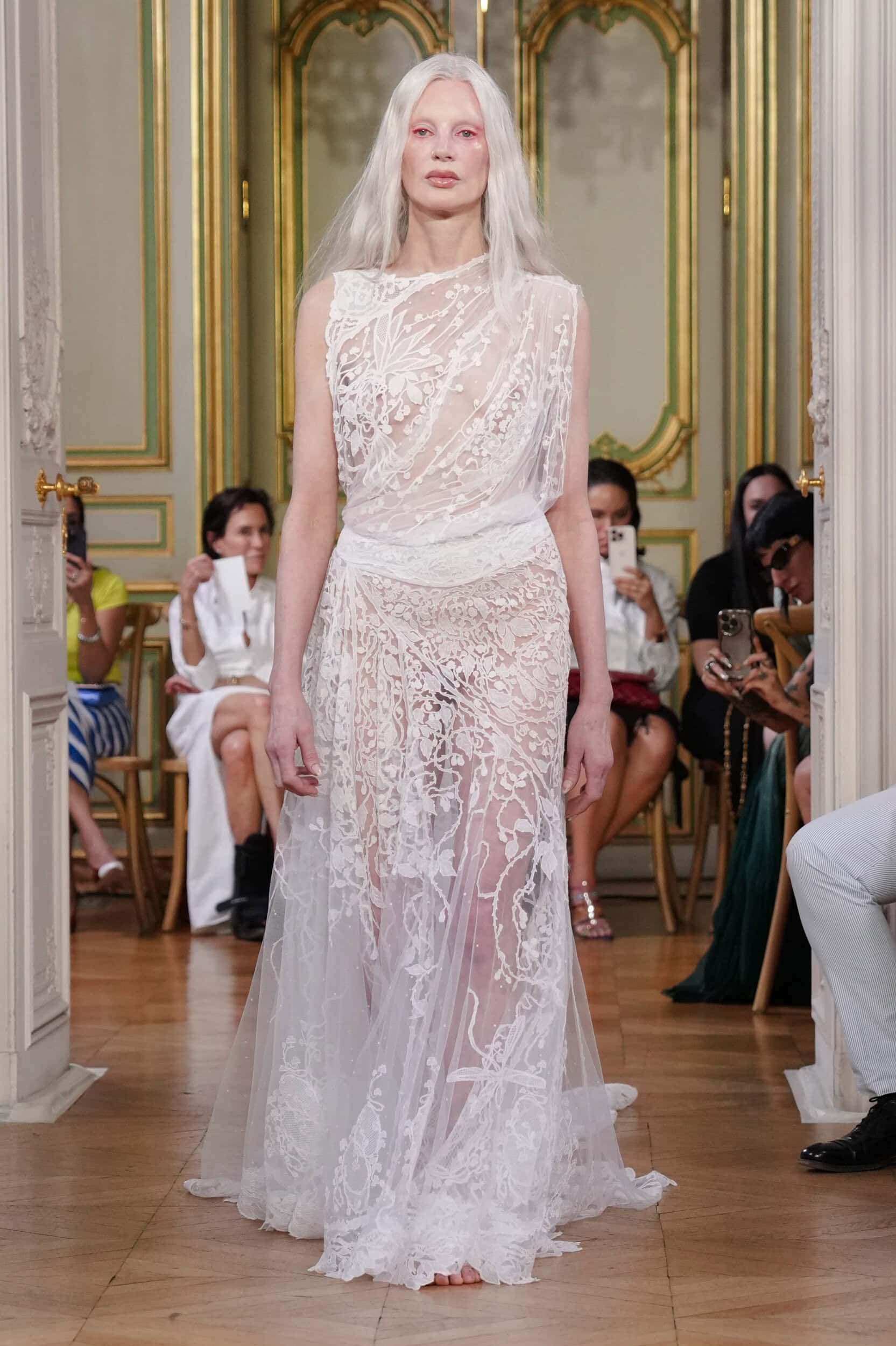
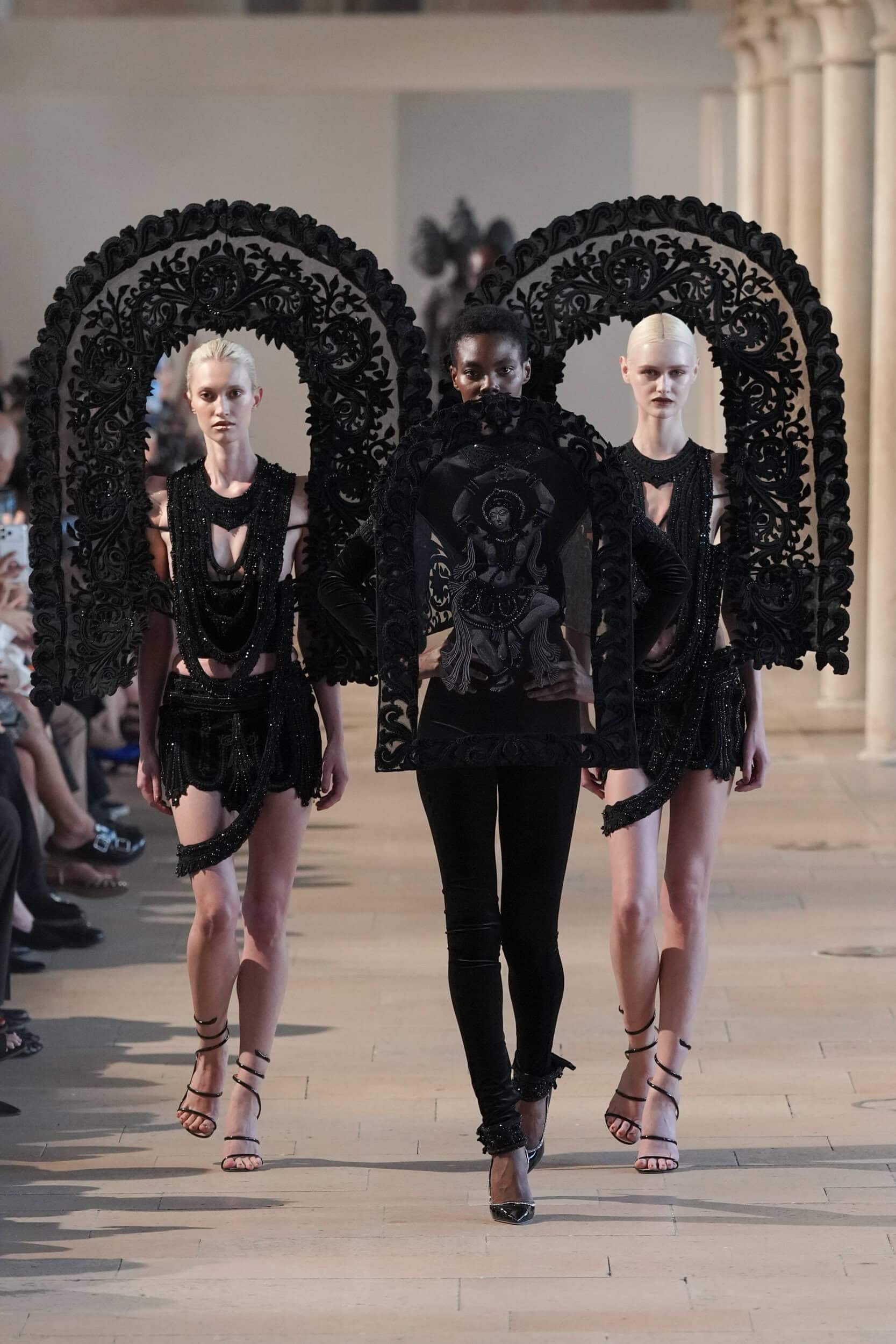
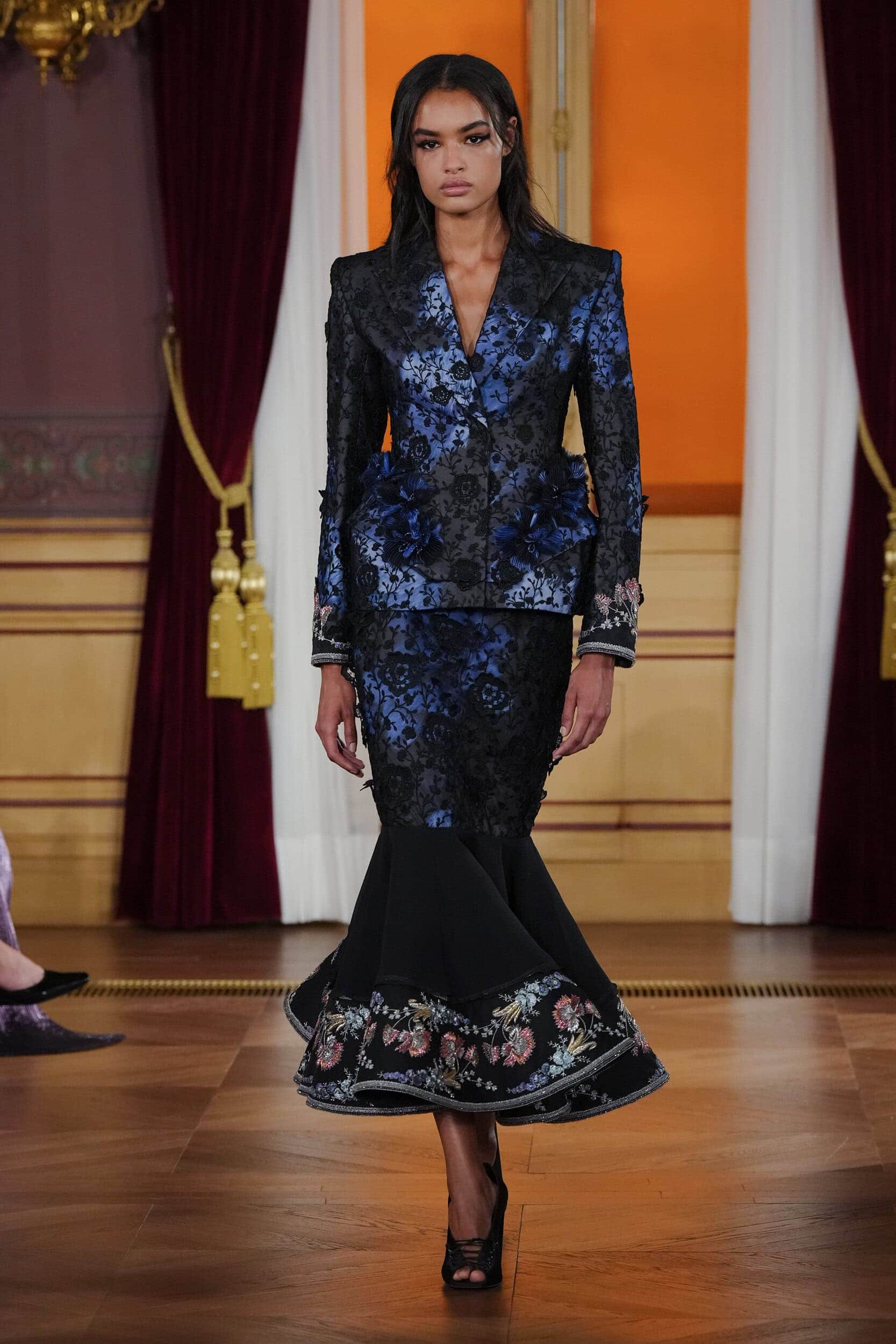
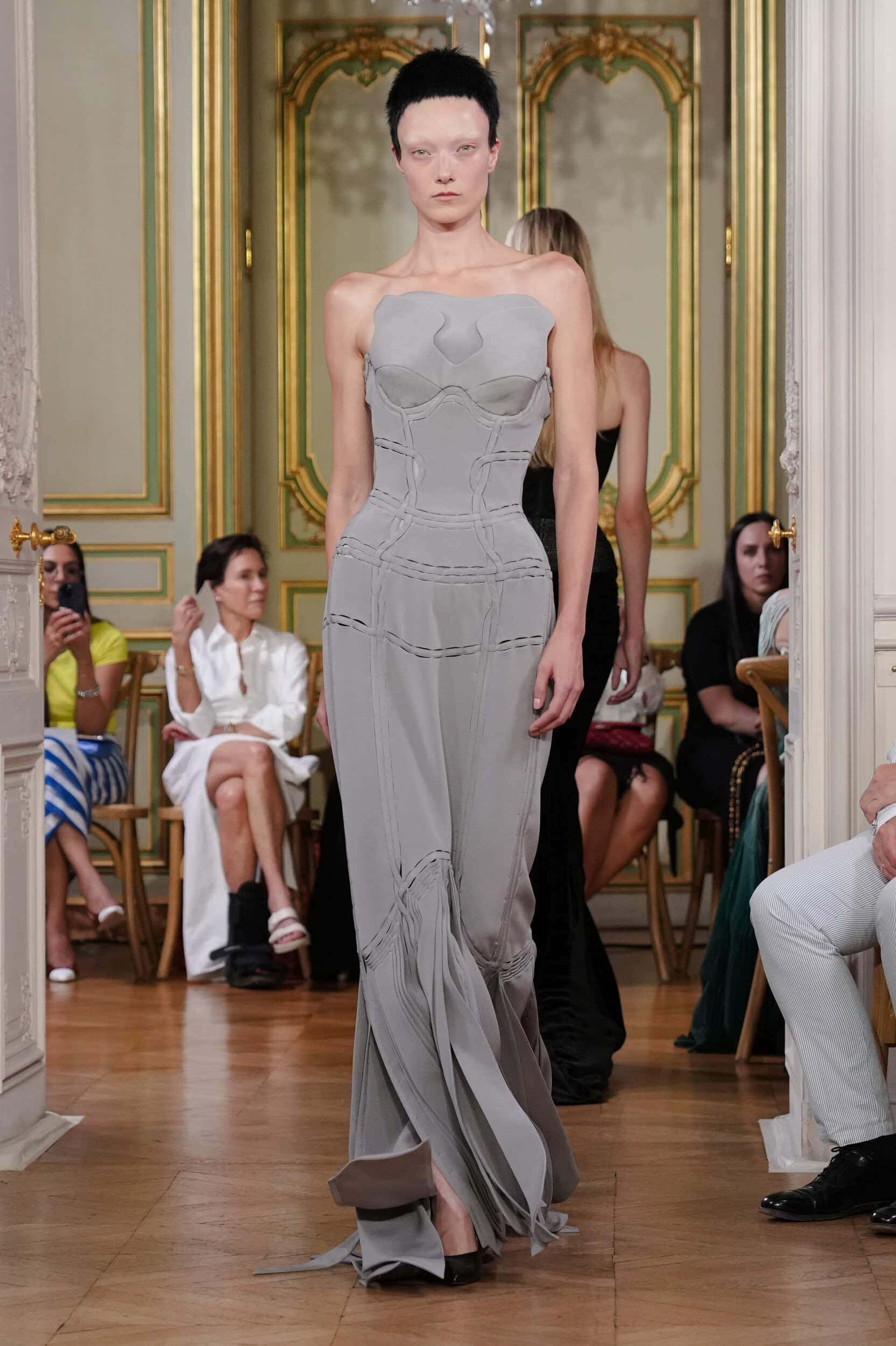
6. Weightless Monumentality
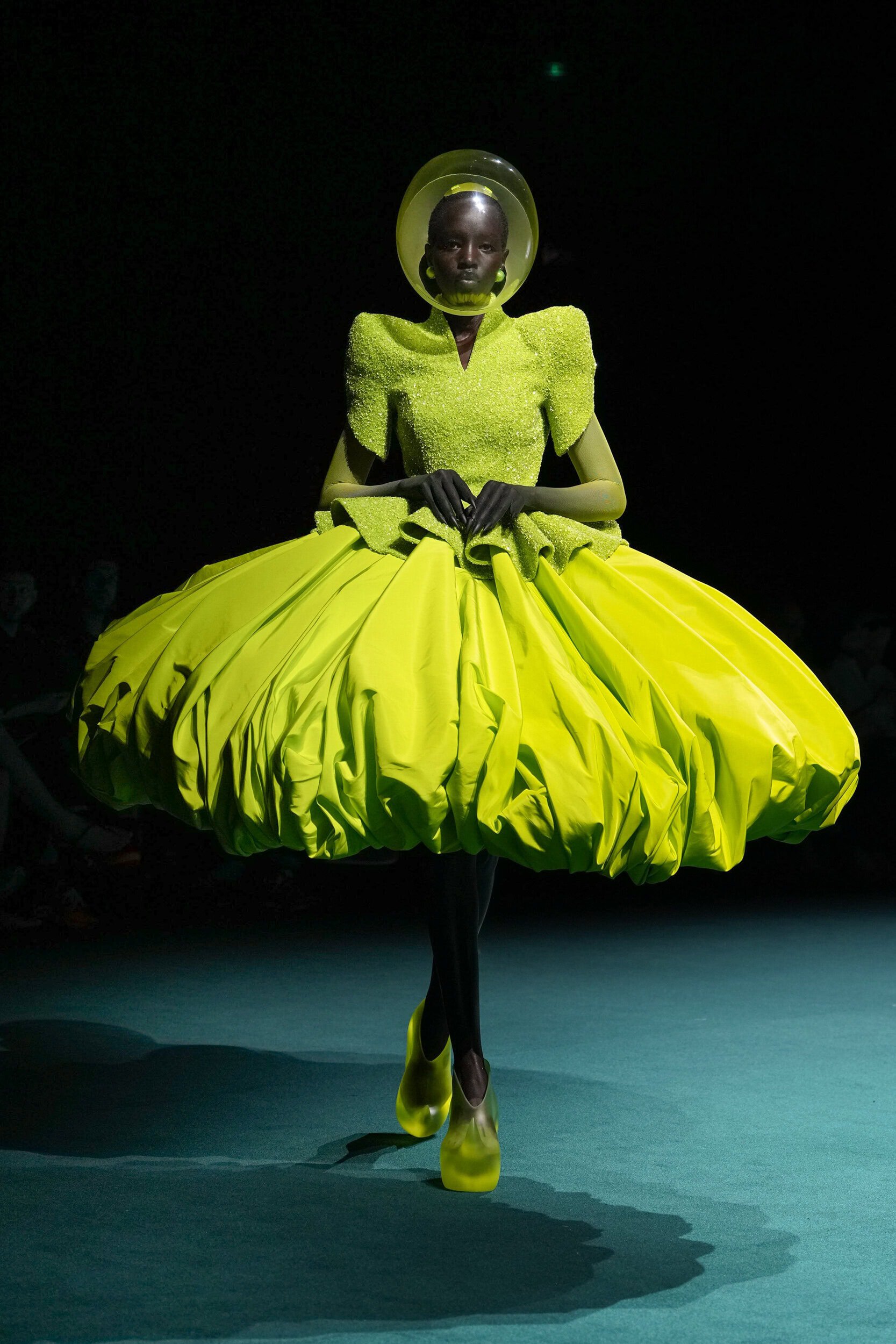
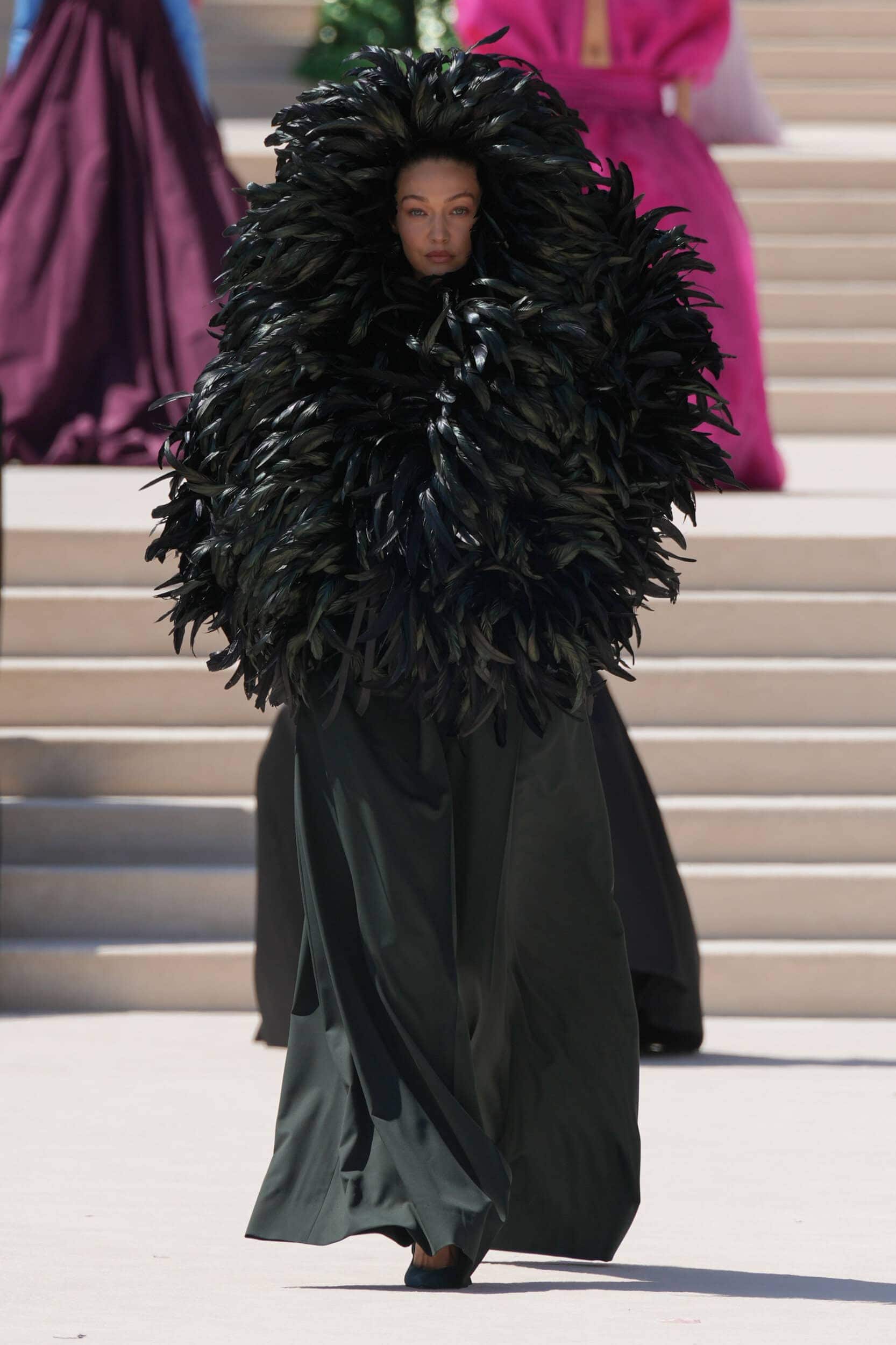
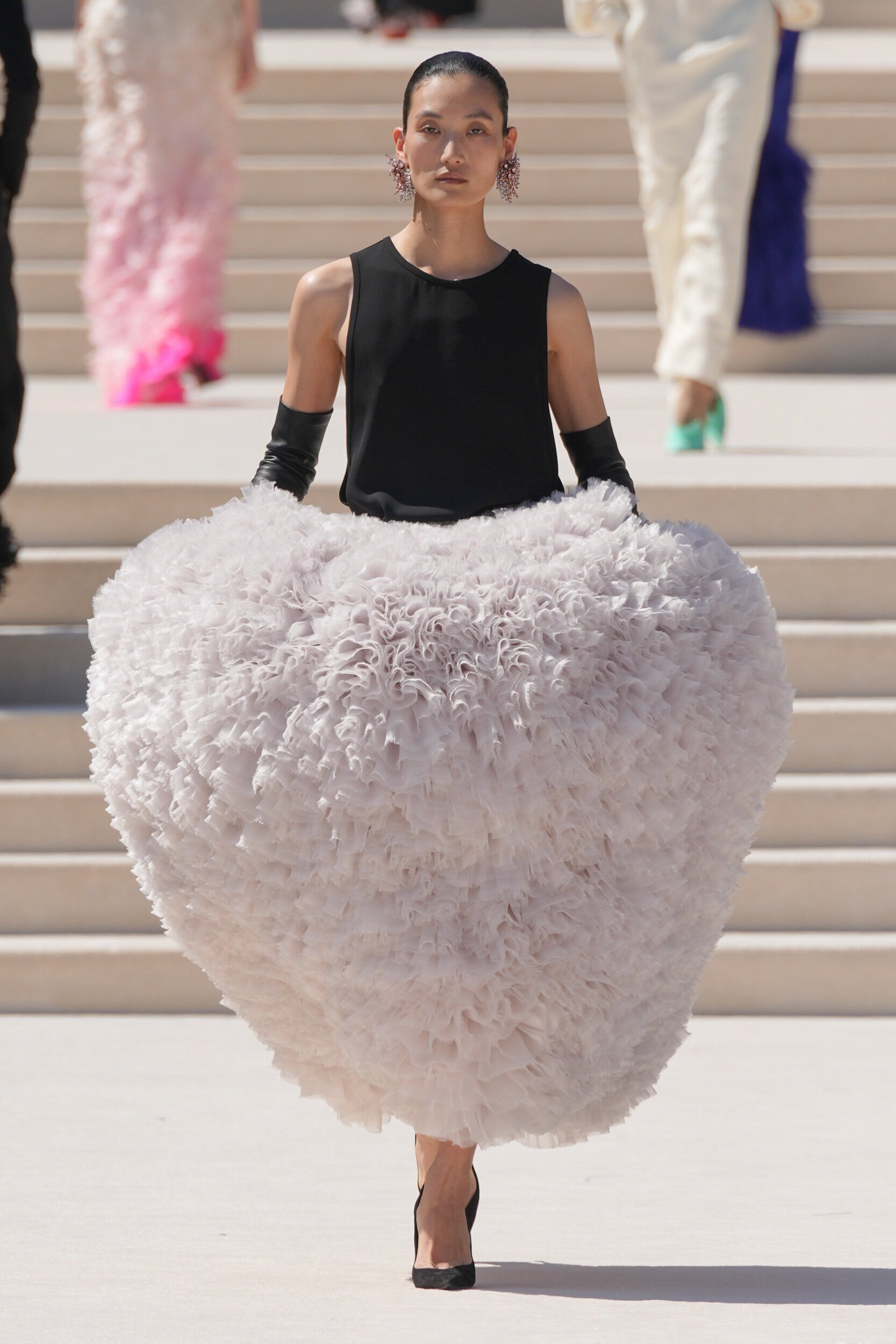
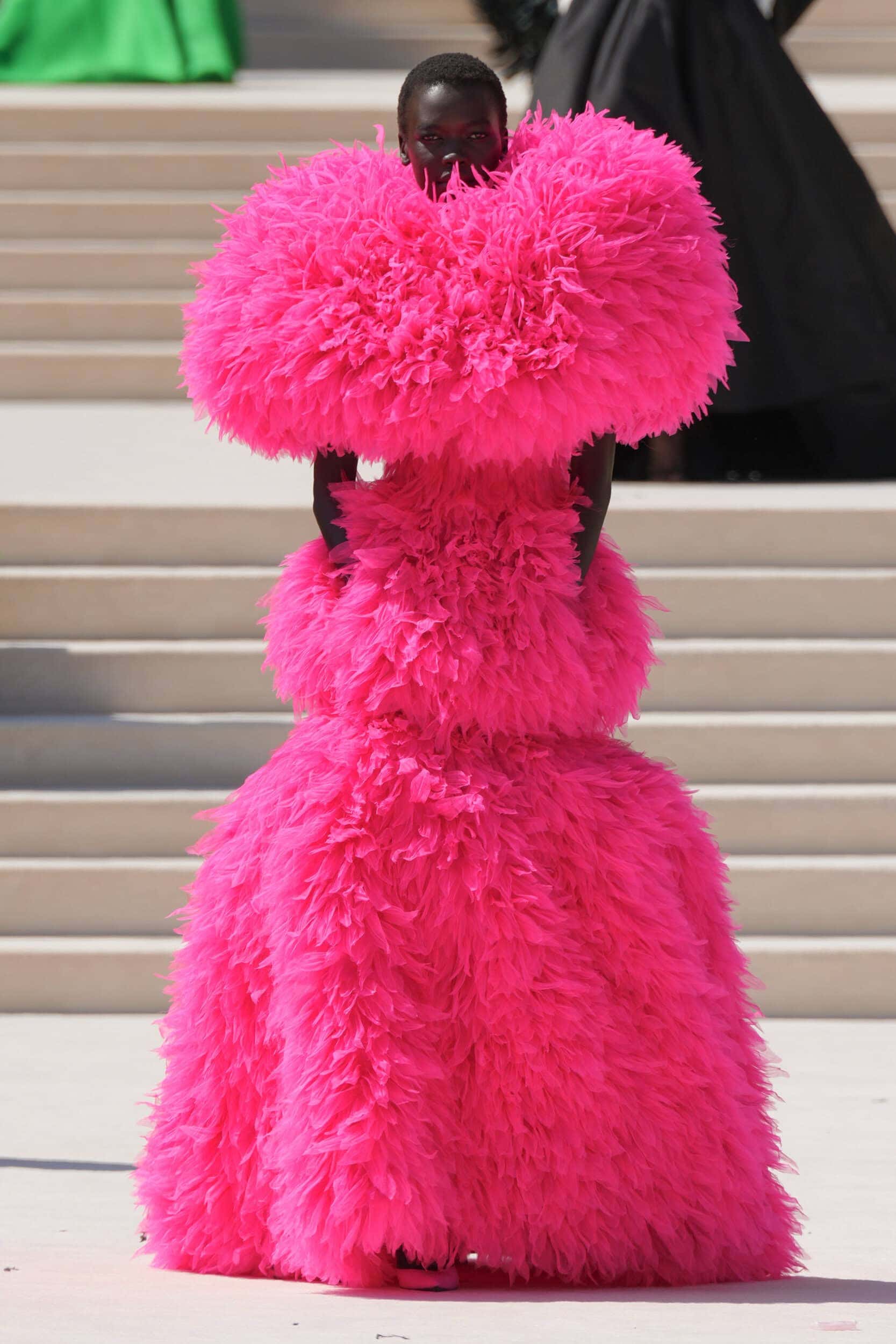
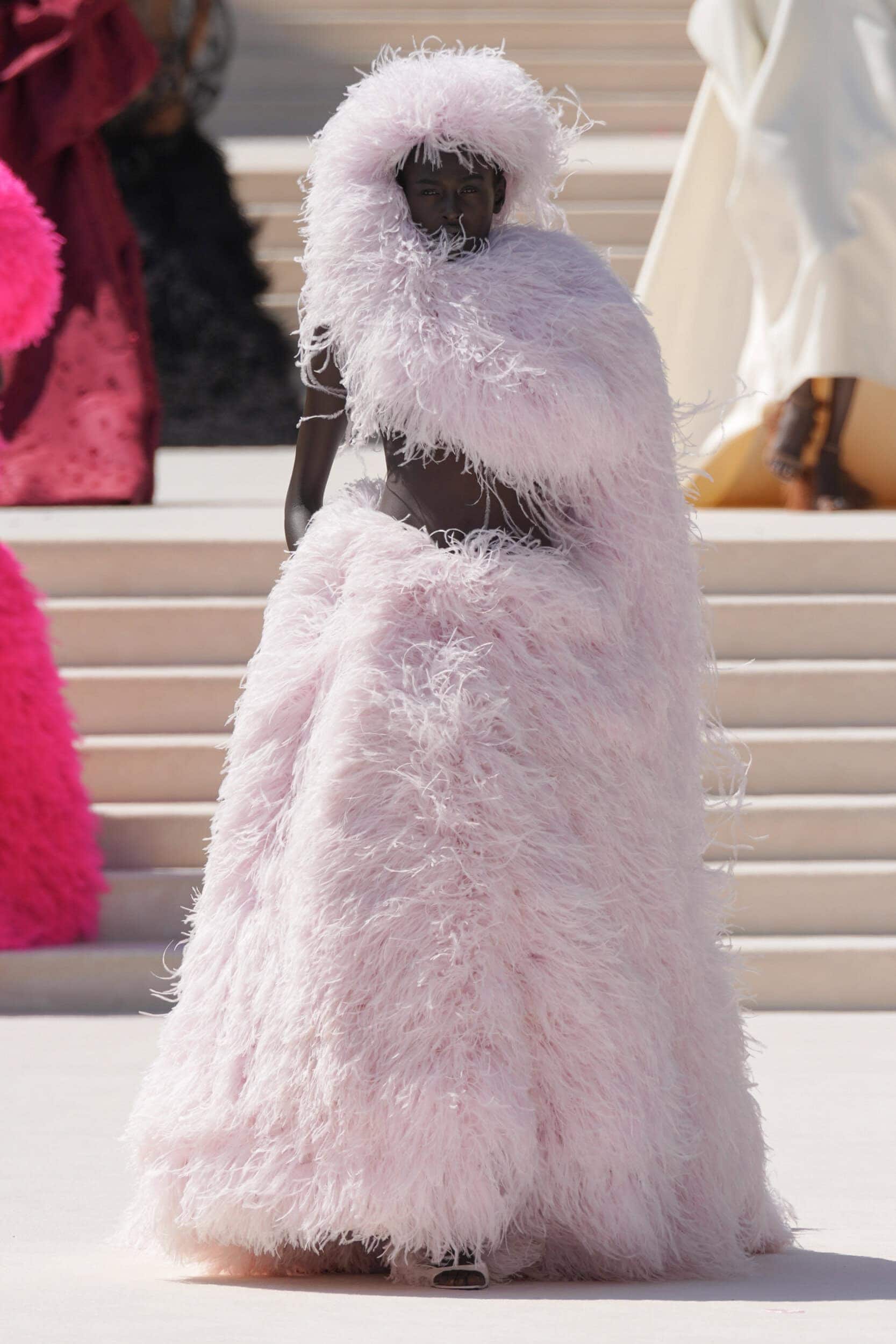
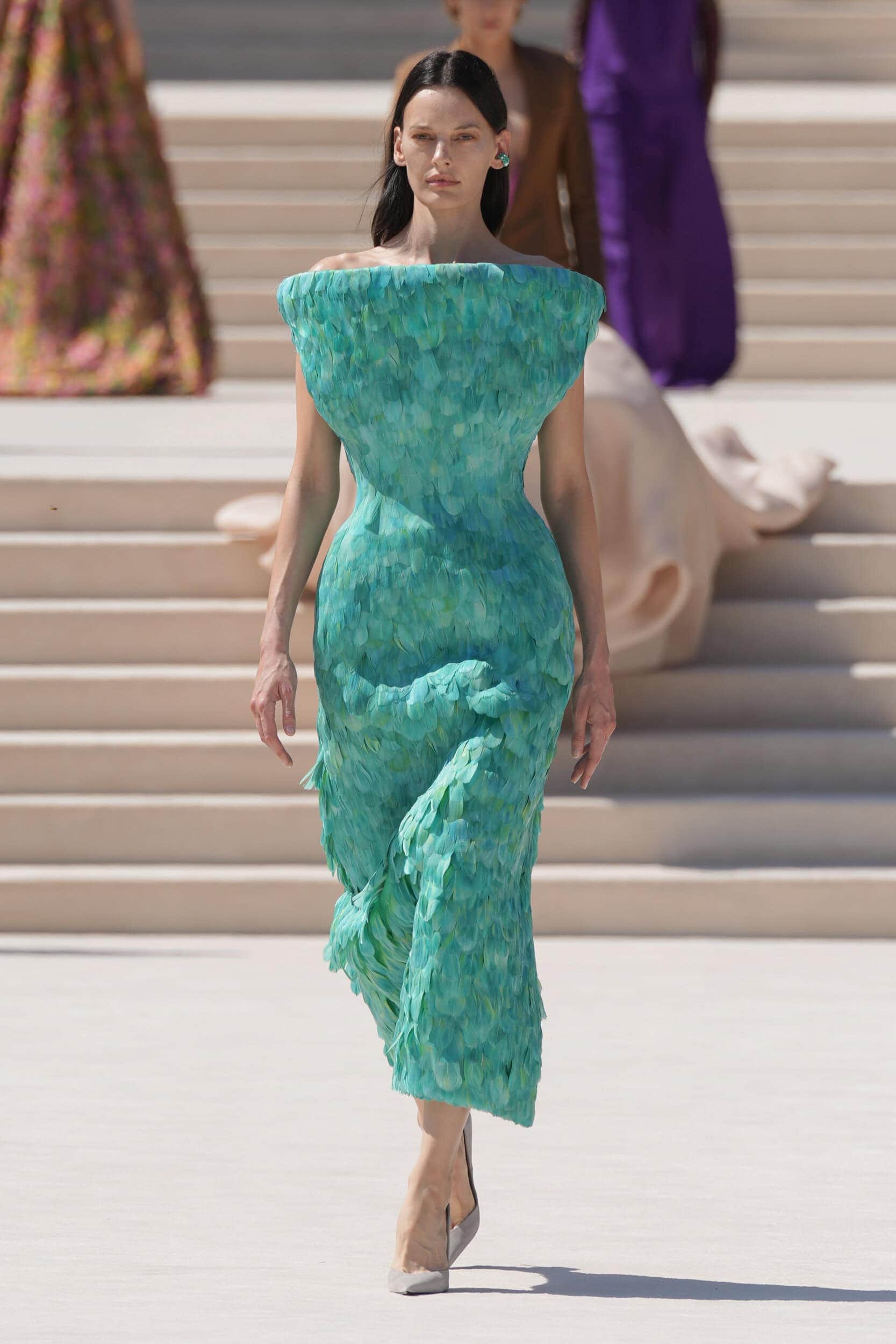
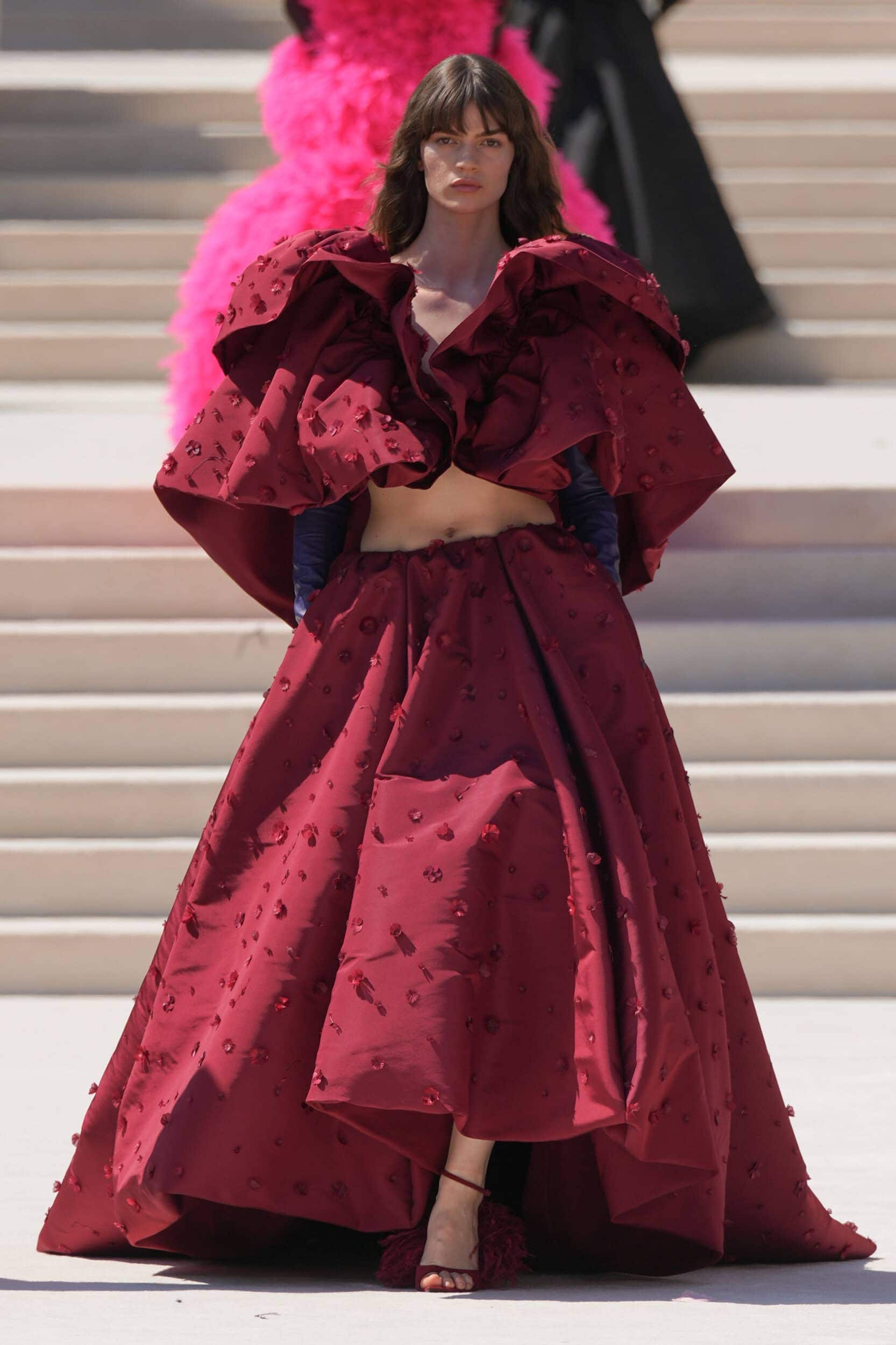
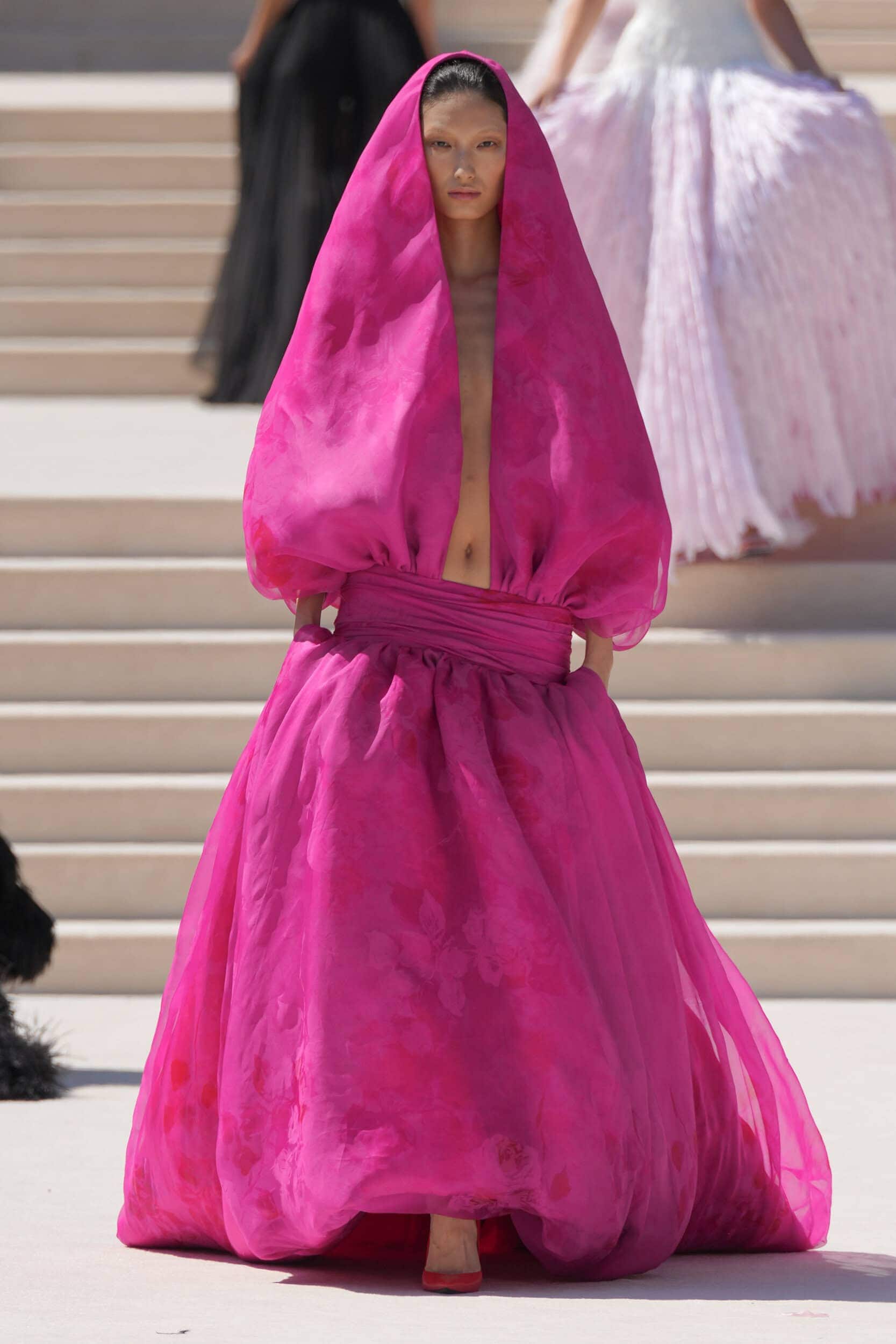
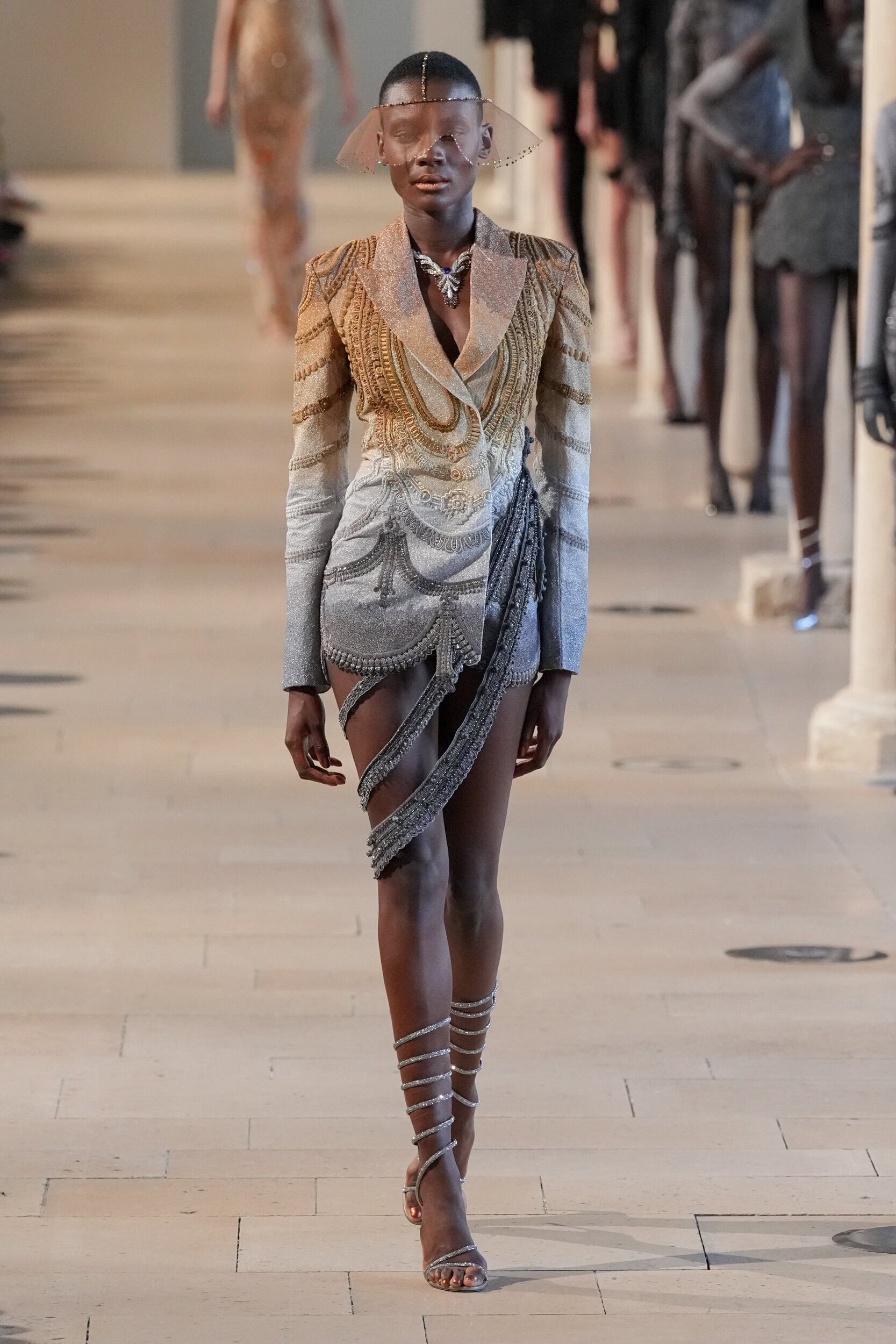
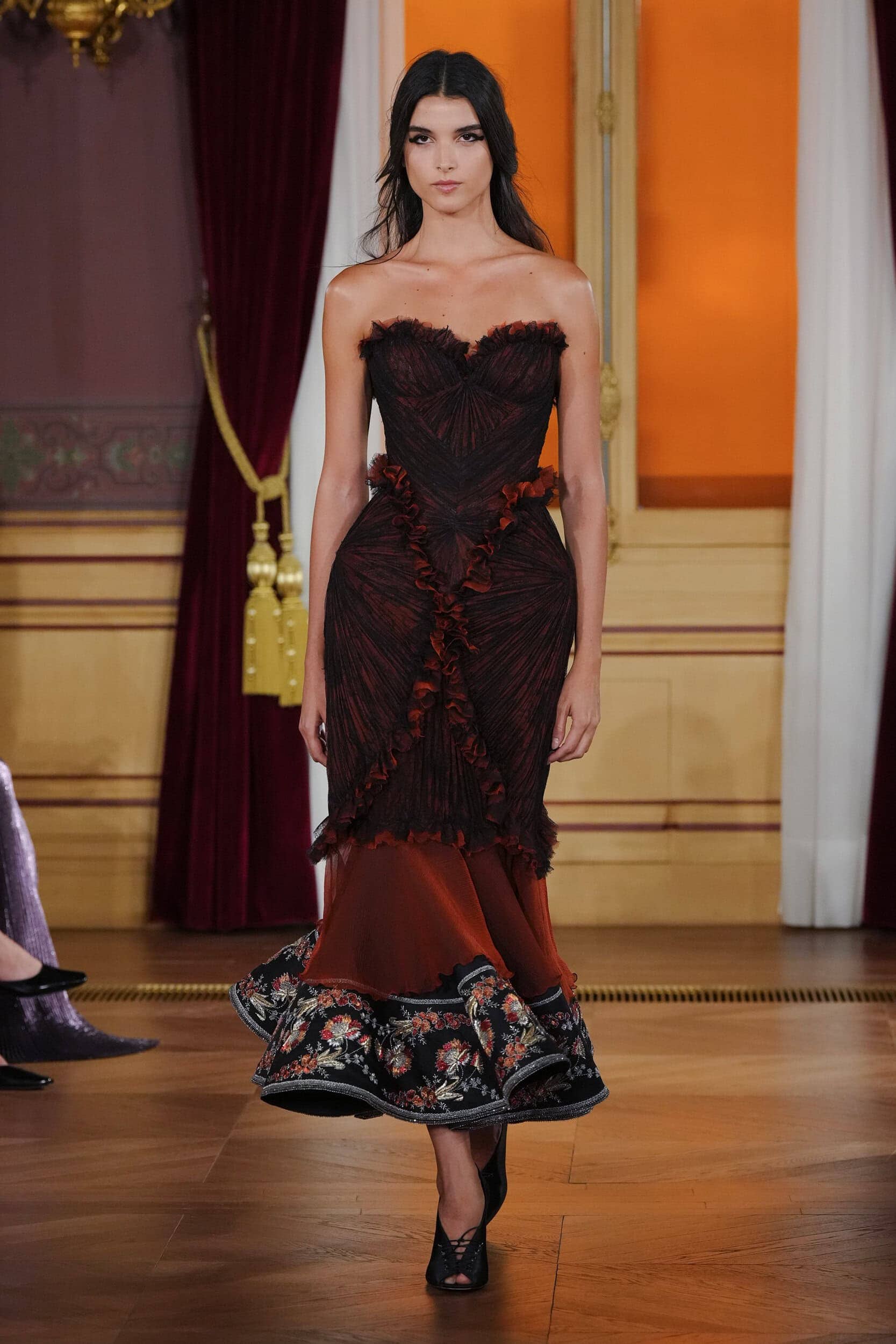
Couture has long enjoyed occupying a room before its wearer has fully entered it. This season’s grandest silhouettes felt animated by air. Balenciaga created enormous bubbles and feathered forms; Dior suspended sculptural volumes around the body; ArdAzAei used mathematical pleating to produce movement and expansion; Fendi and Chanel softened scale through transparency, fluidity, and exceptionally light materials. Volume became an exercise in engineering, with structure concealed beneath surfaces that appeared buoyant and spontaneous. The effect carried a useful tension: visual authority paired with physical ease. These garments offered grandeur without immobility, allowing the body to move inside the spectacle. Monumentality shed its heaviness and discovered levity—both material and, occasionally, emotional.