
Johann Rupert Calls His Son’s Promotion An Important Step In Richemont’s Long-Term Leadership Planning
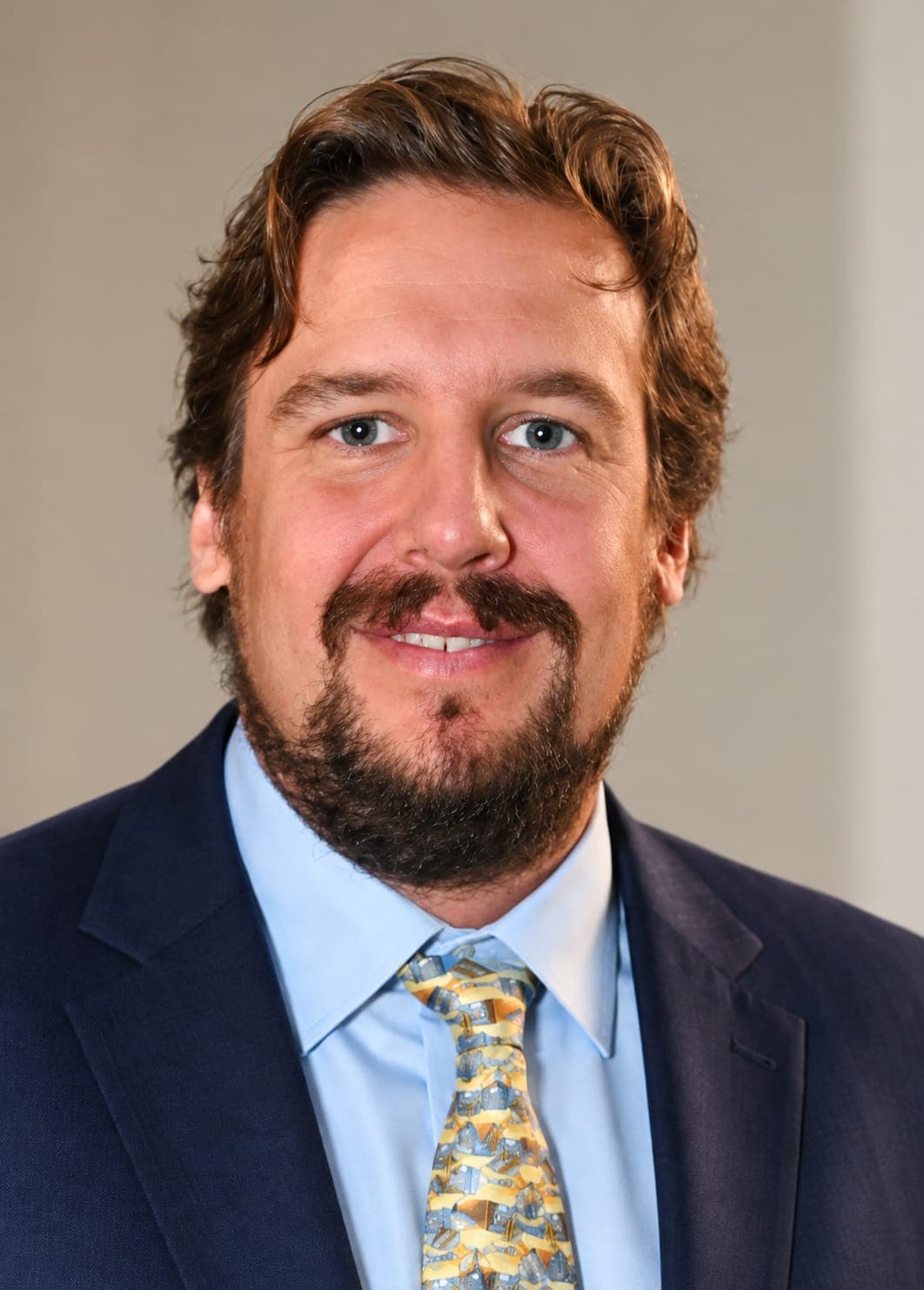
Richemont has appointed Anton Rupert as Non-Executive Co-Deputy Chairman, giving the son of Chairman Johann Rupert increased responsibility for the luxury group’s creative and commercial direction in one of the clearest signals yet that succession planning is underway at the Cartier owner.
Anton Rupert, 39, will serve alongside Bram Schot, 65, who has held the Deputy Chairman role since 2024. The appointment took effect following a meeting of Richemont’s Board of Directors on September 8. Anton Rupert has served as a Non-Executive Director of Richemont since 2017.
The two Co-Deputy Chairmen will have separate responsibilities. Anton Rupert will oversee matters relating to the Maisons’ Strategic Product and Communications Committee, or SPCC, covering an area central to the group’s product, creative and commercial direction. Schot will oversee Board and Committee governance, including coordination of the Board’s committees and Richemont’s corporate governance framework.
“The two roles are deliberately complimentary,” Johann Rupert said at the company’s Annual General Meeting in Geneva, without elaborating further.
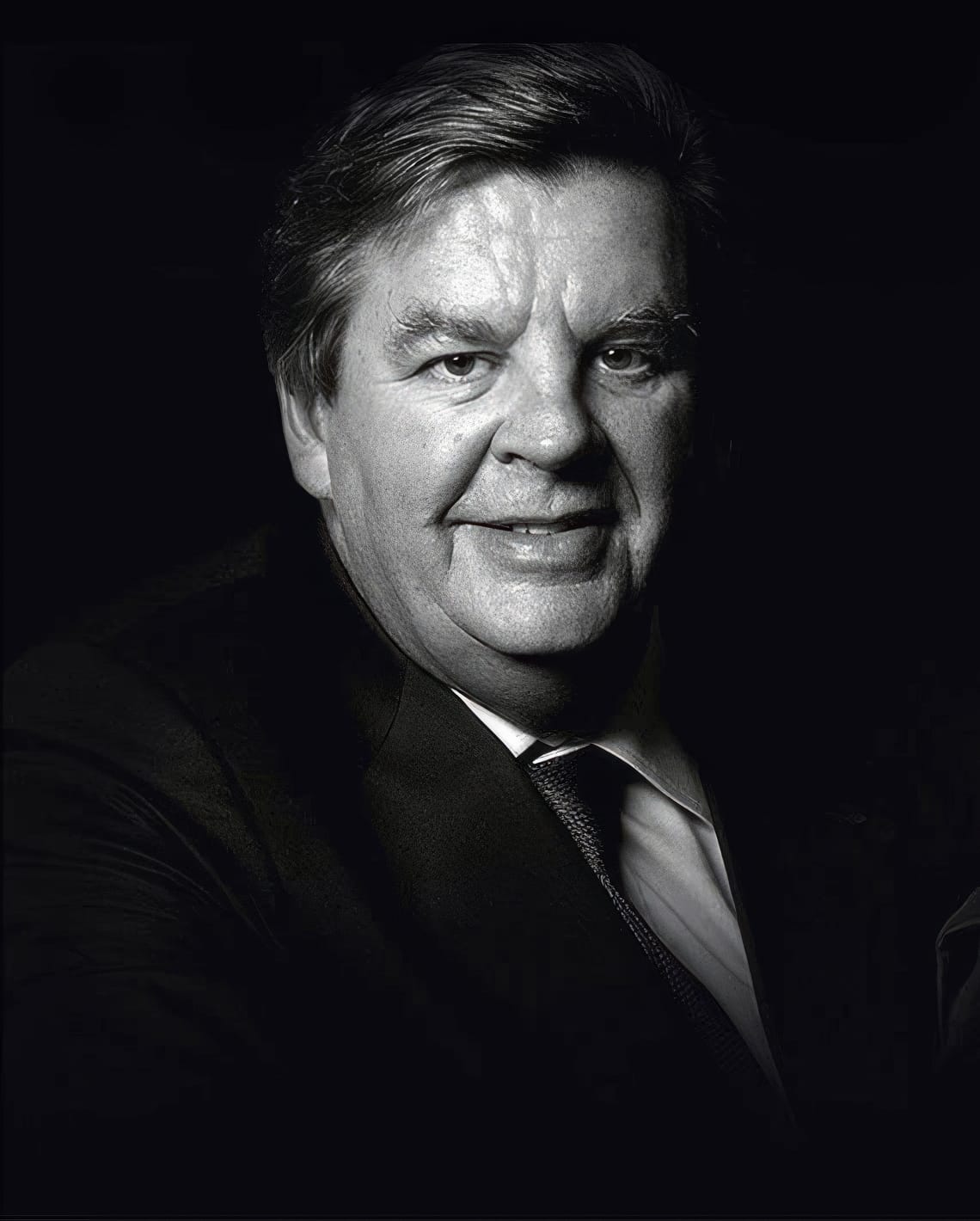
The appointment puts succession more firmly on the agenda at one of Europe’s largest luxury groups. Johann Rupert, 76, controls Richemont despite owning approximately 10 percent of its equity, holding more than 50 percent of its voting rights through a family trust. Questions over the group’s longer-term leadership have intensified since Richemont last reshuffled its senior management structure in 2024.
“This appointment is an important step in the Board’s long-term succession planning. Richemont’s strength has always rested on the continuity that comes from close family involvement, on rigorous governance, and on an unwavering commitment to creativity and craftsmanship,” Johann Rupert said.
“Having Anton and Bram serve together as Non-executive Co-Deputy Chairmen ensures that each of these foundations is given the attention it deserves: Anton will continue to safeguard the creative and product priorities that define our Maisons, while Bram will ensure that our governance remains of the highest standard. Together they reflect what has always guided this Group – a long-term view, a respect for the people and savoir-faire behind our Maisons, and the discipline to steward them responsibly for the generations to come.”
Investors have been watching succession across Europe’s family-controlled luxury sector as a generation of founders and controlling shareholders approaches leadership transitions. At LVMH, Bernard Arnault has placed all five of his children in operational positions across the group while giving no indication that he plans to relinquish his roles as Chairman and Chief Executive Officer. At Kering, François-Henri Pinault stepped away from the Chief Executive Officer position while remaining Chairman, handing operational leadership to Luca de Meo.
Generational change is also underway at L’Oréal, where Françoise Bettencourt Meyers stepped down from the Board and passed her Vice Chairman role to her son Jean-Victor Meyers, increasing the next generation’s involvement in the cosmetics group’s governance.
Analysts offered differing assessments of Richemont’s move. “While succession is a key topic across the luxury industry, this move is only a partial surprise — albeit it comes somewhat earlier than anticipated,” Vontobel analyst Jean-Philippe Bertschy said.
Pierre-Olivier Essig, Head of Research at AIR Capital, took a more cautious view and downgraded Richemont shares following the announcement. He described Rupert’s promotion as “far from ideal,” pointing to the risks that can accompany succession at family-controlled companies.
Richemont shares fell as much as 2.5 percent in Zurich on Wednesday. Before the announcement, the stock had risen approximately 24 percent over the previous 12 months.
The leadership change comes with Richemont in a relatively strong position within a luxury sector facing weaker demand, particularly in China. The group’s concentration in fine jewelry has helped it outperform companies more exposed to fashion and leather goods during the broader slowdown.
Richemont’s Jewellery Maisons include Cartier, Van Cleef & Arpels, Buccellati and Vhernier. Its Specialist Watchmakers include Vacheron Constantin, IWC Schaffhausen, Jaeger-LeCoultre, Piaget, Panerai, A. Lange & Söhne and Roger Dubuis, while its fashion and accessories portfolio includes Alaïa, Chloé, Delvaux, Gianvito Rossi, Montblanc and dunhill.
Johann Rupert rejected the industry’s frequent characterization of jewelry and watches as “hard luxury” in contrast to “soft luxury” categories such as fashion and leather goods.
“I’d say the pitfall is rather if you followed fashion. It’s not hard versus soft,” he said at the Annual General Meeting, noting that Richemont’s other businesses had also grown despite weakness in the broader fashion market.
The distinction is increasingly relevant as luxury groups contend with weaker spending in China and more selective purchasing among consumers. Jewelry has proved comparatively resilient, helping Richemont navigate the downturn while many fashion-focused competitors have faced sharper declines.
Johann Rupert founded Richemont in 1988 to hold the international assets of his father’s Rembrandt Group, including interests in Rothmans and Cartier. He served as Chief Executive Officer from Richemont’s formation before becoming Chairman in 2002.
Anton Rupert’s promotion does not establish a timetable for an eventual change at the top of Richemont, nor does it make him Chief Executive Officer. It does, however, formalize the next generation’s involvement in an area central to the identity and commercial development of the group’s Maisons.
By pairing Anton Rupert’s oversight of creative and product priorities with Schot’s responsibility for governance, Richemont is beginning to define how leadership could evolve while preserving both family control and independent Board oversight. For investors who have increasingly questioned what comes after Johann Rupert, the appointment provides the clearest indication so far of the direction the group is taking.