Gucci’s New York State of Mind
Review of Gucci Fall 2026 Ad Campaign by Photographer Peter Funch with models Timo Pan and Alla Kostromichova
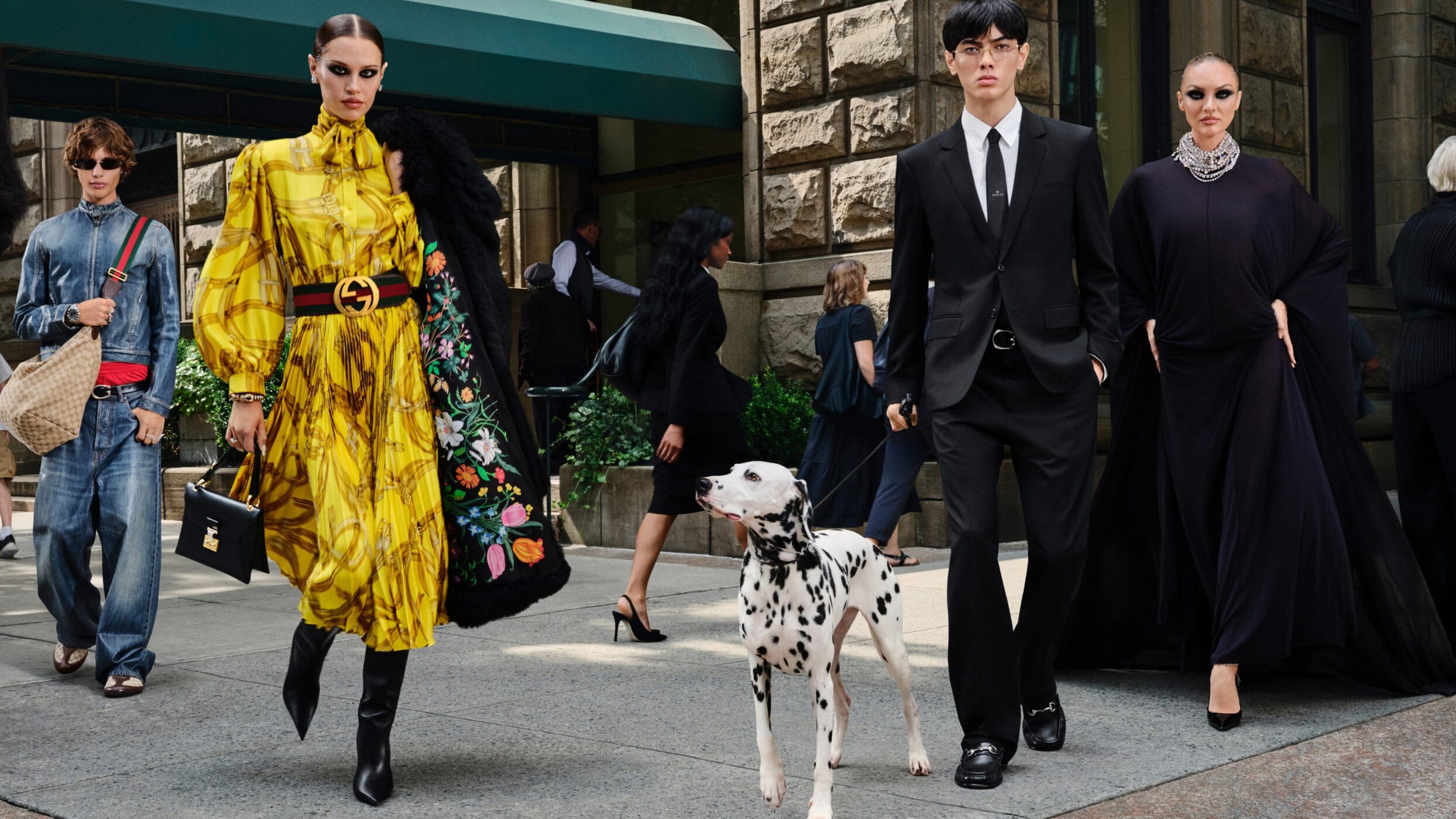
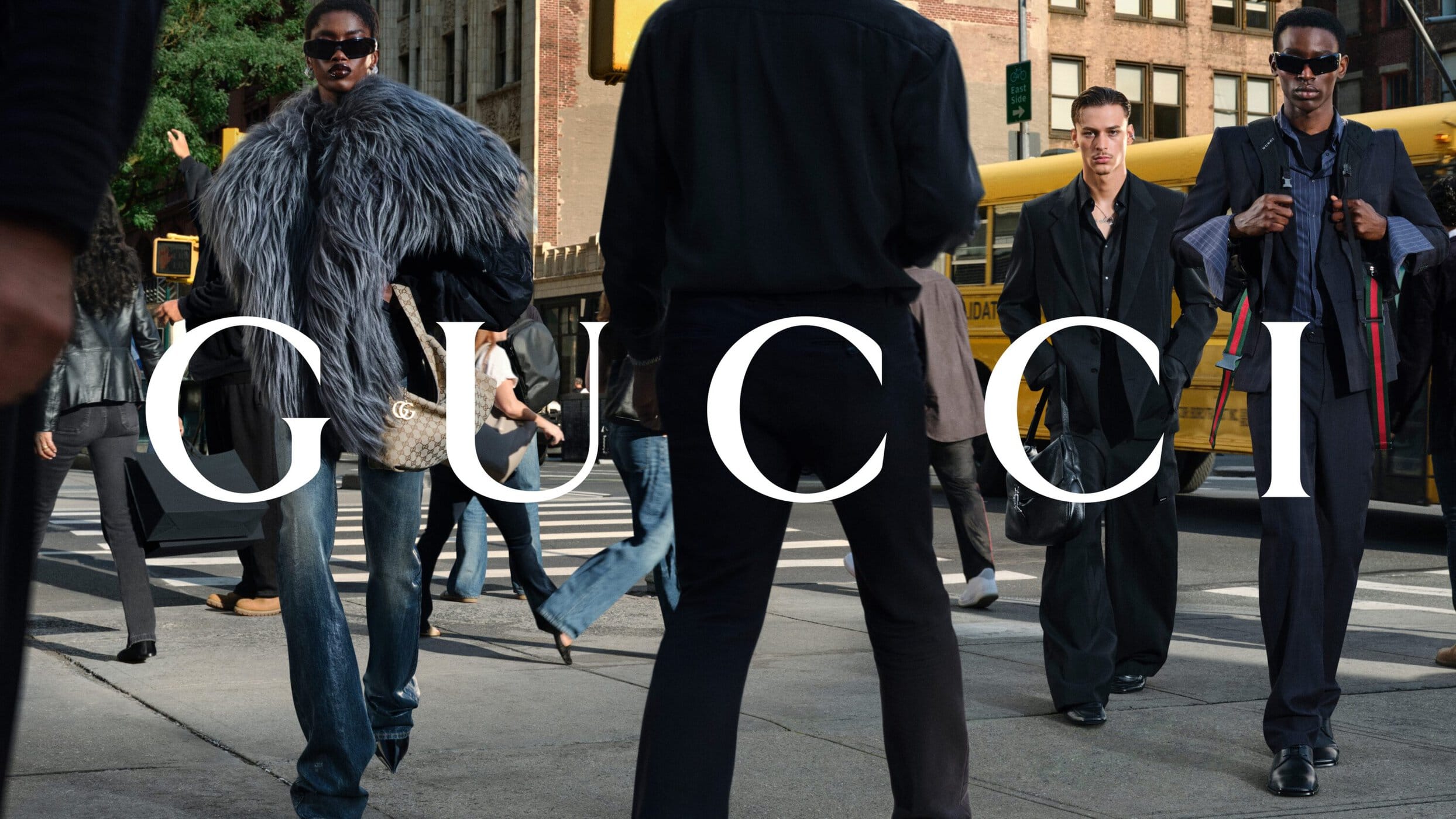
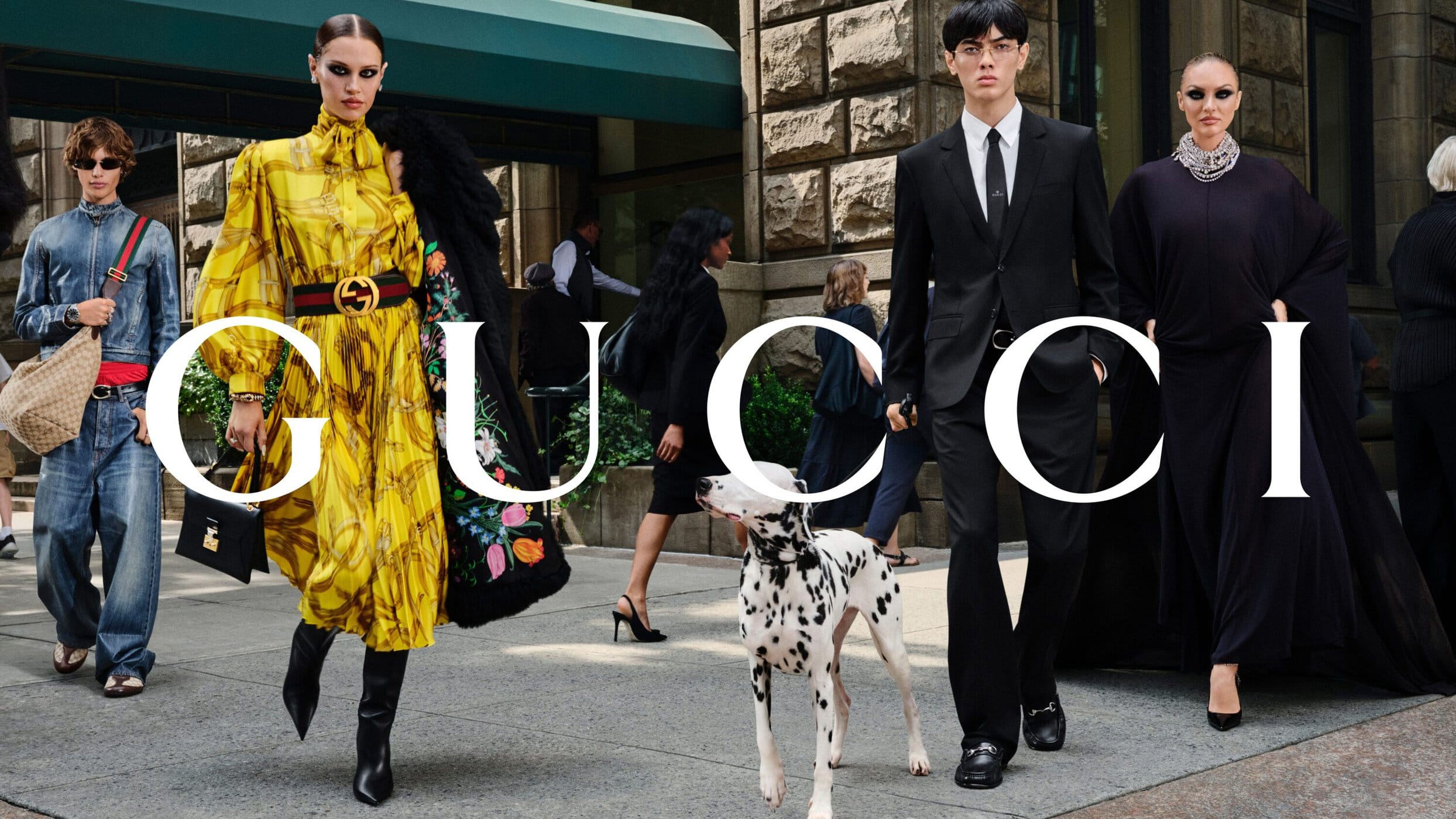
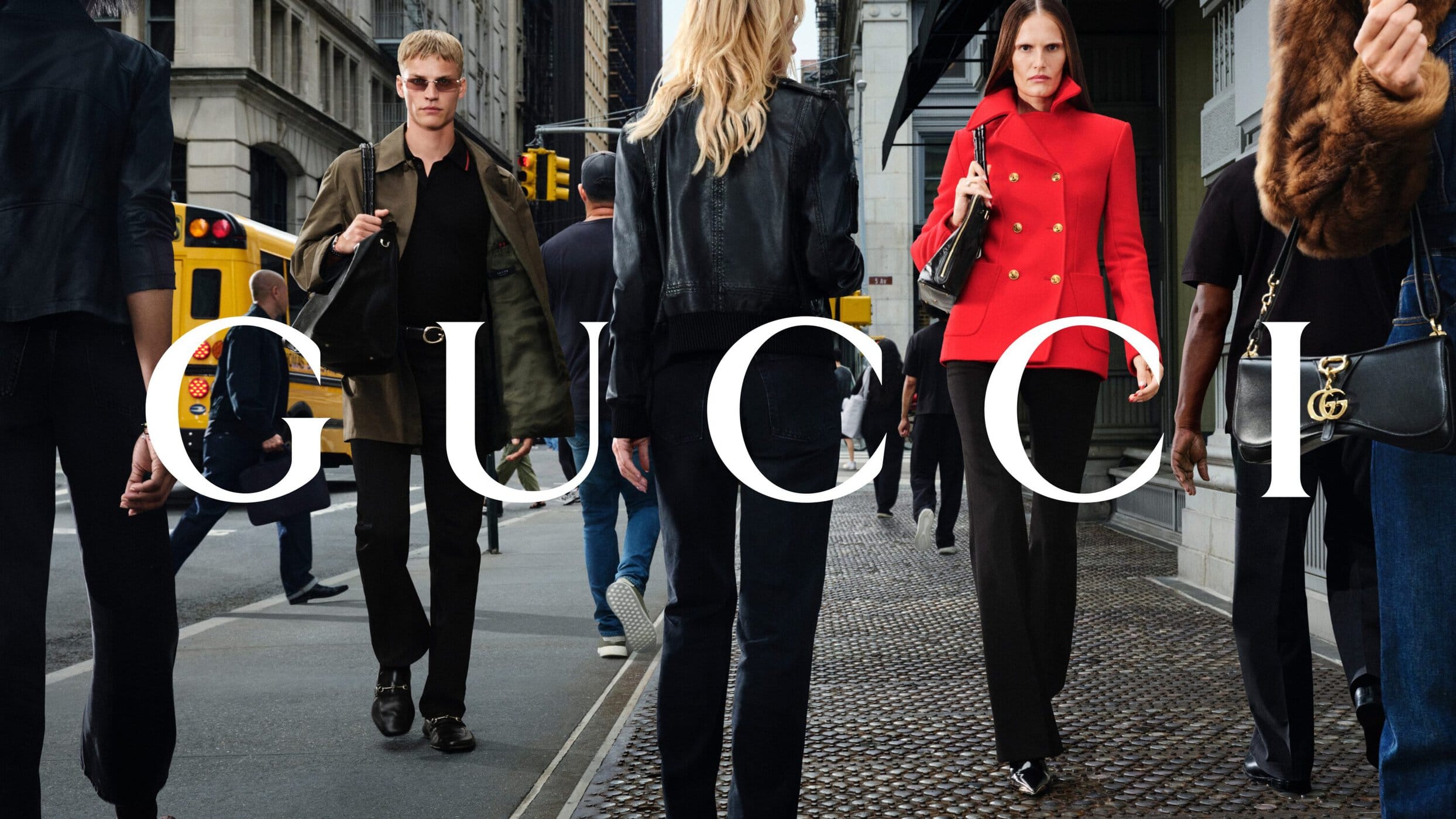
Gucci finds strength in numbers with its GucciCore campaign, a vibrant portrait of urban individuality photographed by Peter Funch on the streets of New York. Building on the collection first unveiled in Times Square in May, the campaign explores the intersection of personal style and collective identity, bringing together an eclectic cast of characters whose wardrobes are as varied as the city they inhabit. With a visual approach that blurs the boundaries between street photography and fashion editorial, Funch captures the restless energy of metropolitan life while positioning Gucci’s evolving aesthetic within its everyday rhythms. The result is a celebration of sartorial plurality that makes a compelling case for the House’s ability to speak many stylistic languages at once.
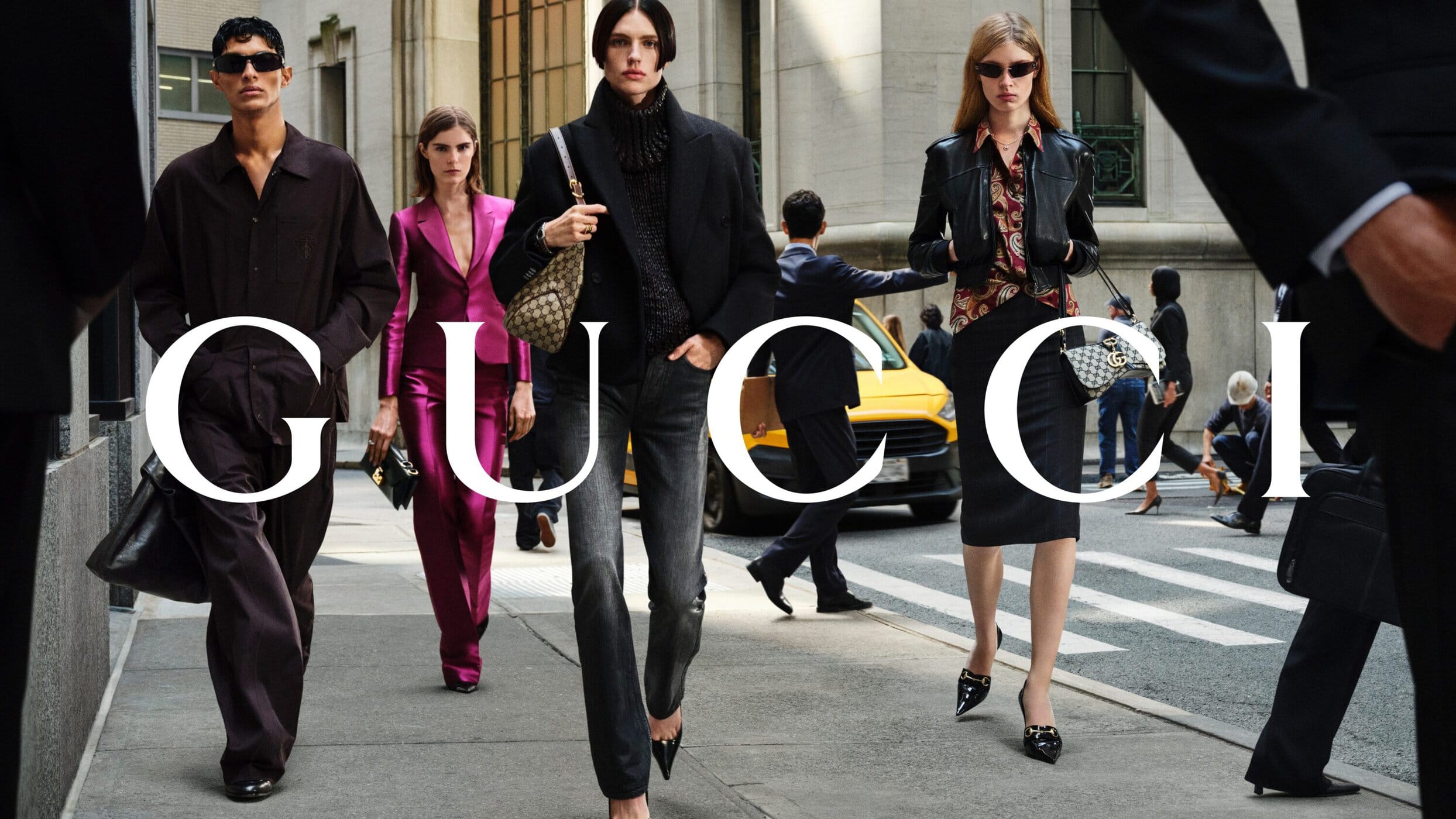
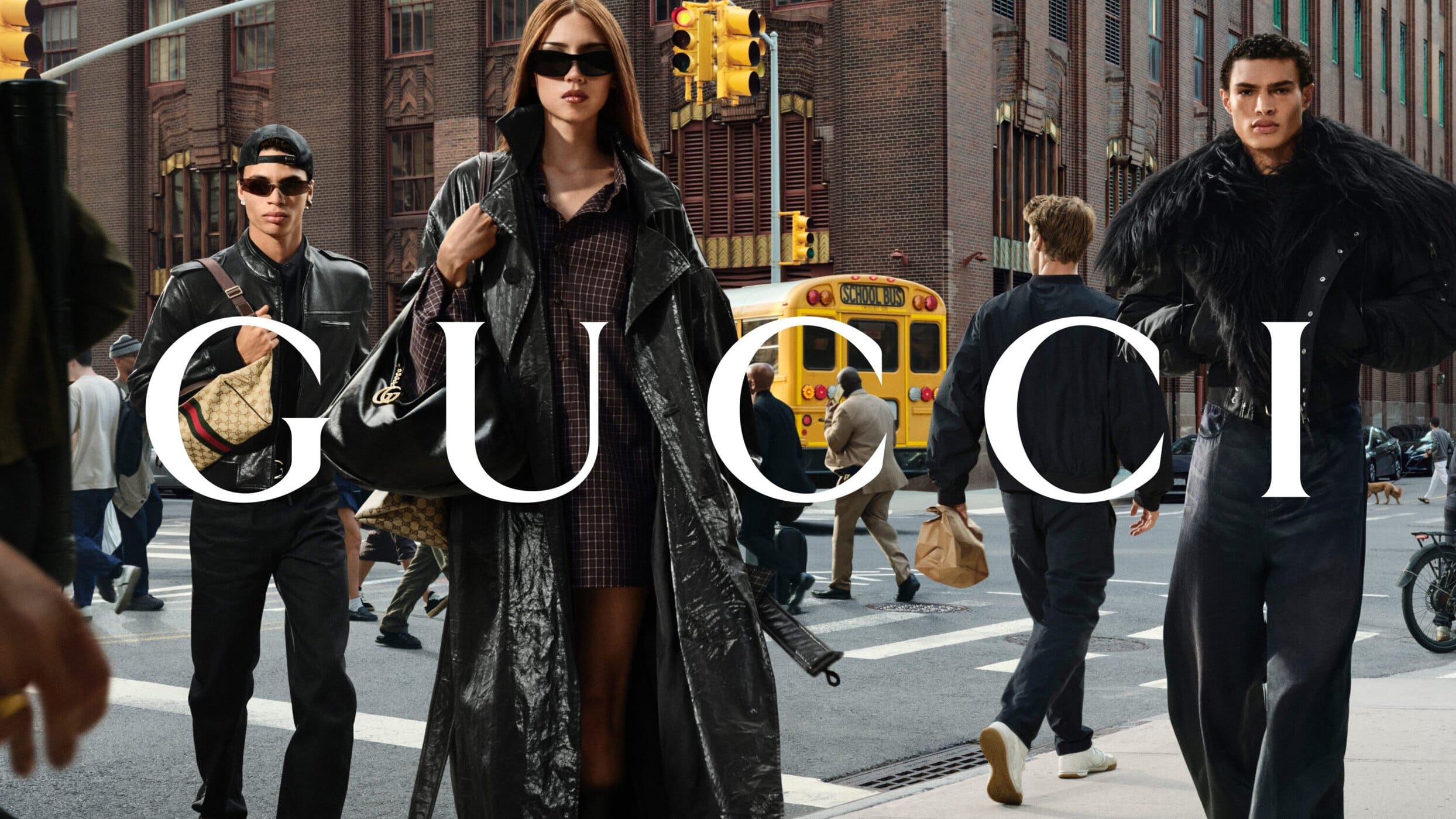
The imagery unfolds across bustling sidewalks and crowded intersections, where models emerge from the pedestrian traffic with the confidence of seasoned New Yorkers. Funch, whose photographic practice frequently examines the relationship between individuals and their urban environments, brings an observational quality to the compositions. Figures overlap, strangers cross paths, and the occasional passerby threatens to steal the spotlight, creating a carefully orchestrated impression of spontaneity. The city’s familiar visual vocabulary of yellow taxis, school buses, imposing architecture, and hurried commuters provides a recognizable backdrop without overwhelming the fashion. Rather than isolating its subjects in immaculate editorial environments, the campaign allows them to inhabit the same crowded visual field as everyone else, suggesting that Gucci’s particular brand of glamour belongs as much to the sidewalk as it does to the runway.
The styling reinforces this democratic vision of luxury through a wardrobe that moves fluidly between pragmatic essentials and extravagant expressions of personality. Sharp business suits and tailored coats coexist with oversized leather outerwear, relaxed denim, and logo-laden accessories, while flashes of fuchsia, scarlet, and saturated yellow punctuate an otherwise restrained metropolitan palette. The collection’s foundational pieces, including trench coats, pencil skirts, and classic shirting, become vehicles for individual expression rather than components of a prescribed uniform. Particularly effective is the interplay between the familiar and the flamboyant: a dramatically proportioned fur coat feels surprisingly at home among office-bound pedestrians, while a vivid yellow dress transforms an ordinary sidewalk into an impromptu runway. Throughout, Gucci’s recognizable accessories provide a consistent visual signature, grounding the stylistic diversity in the House’s established codes.
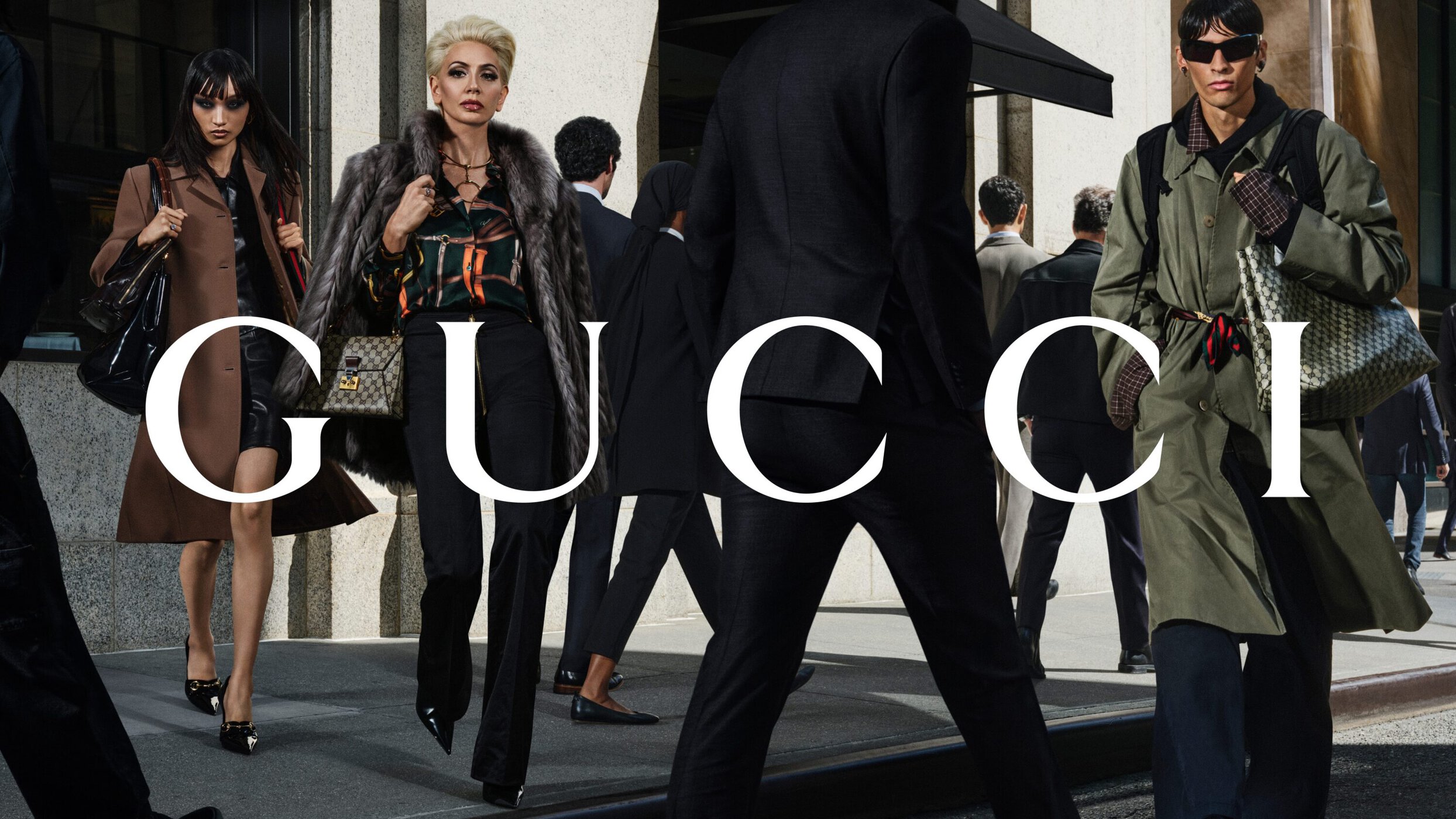
There is, however, an interesting tension between the campaign’s celebration of individuality and its highly polished execution. Despite the apparent spontaneity of the street scenes, the models’ immaculate styling and deliberate positioning make their distinction from the surrounding crowds immediately apparent. The imagery is less a documentary observation of New York style than an idealized fantasy of how Gucci might exist within it. Yet this distinction is arguably central to the campaign’s appeal. Funch’s layered compositions lend the images a sense of movement and discovery, encouraging the eye to wander between subjects and uncover new details. The approach also offers a refreshing alternative to the singular, tightly controlled aesthetic that often dominates luxury advertising, allowing contrasting silhouettes and personalities to coexist without requiring them to resolve into one uniform vision.
As Gucci continues to articulate its evolving identity, GucciCore makes a persuasive argument for versatility as a defining characteristic rather than a compromise. The campaign’s greatest strength lies in its refusal to privilege one particular interpretation of the House, instead presenting a wardrobe expansive enough to accommodate the polished professional, the eccentric maximalist, and everyone in between. By placing these disparate identities within the shared choreography of New York’s streets, Funch gives visual form to the idea that personal style is shaped as much by its surroundings as by individual taste. In a city where standing out and blending in are often two sides of the same coin, Gucci finds that the most compelling way to express its identity may be to make room for everyone else’s.
Gucci Creative Director | Demna
Photographer | Peter Funch
Models | Timo Pan and Alla Kostromichova
Casting Director | Piergiorgio Del Moro
Location | New York City