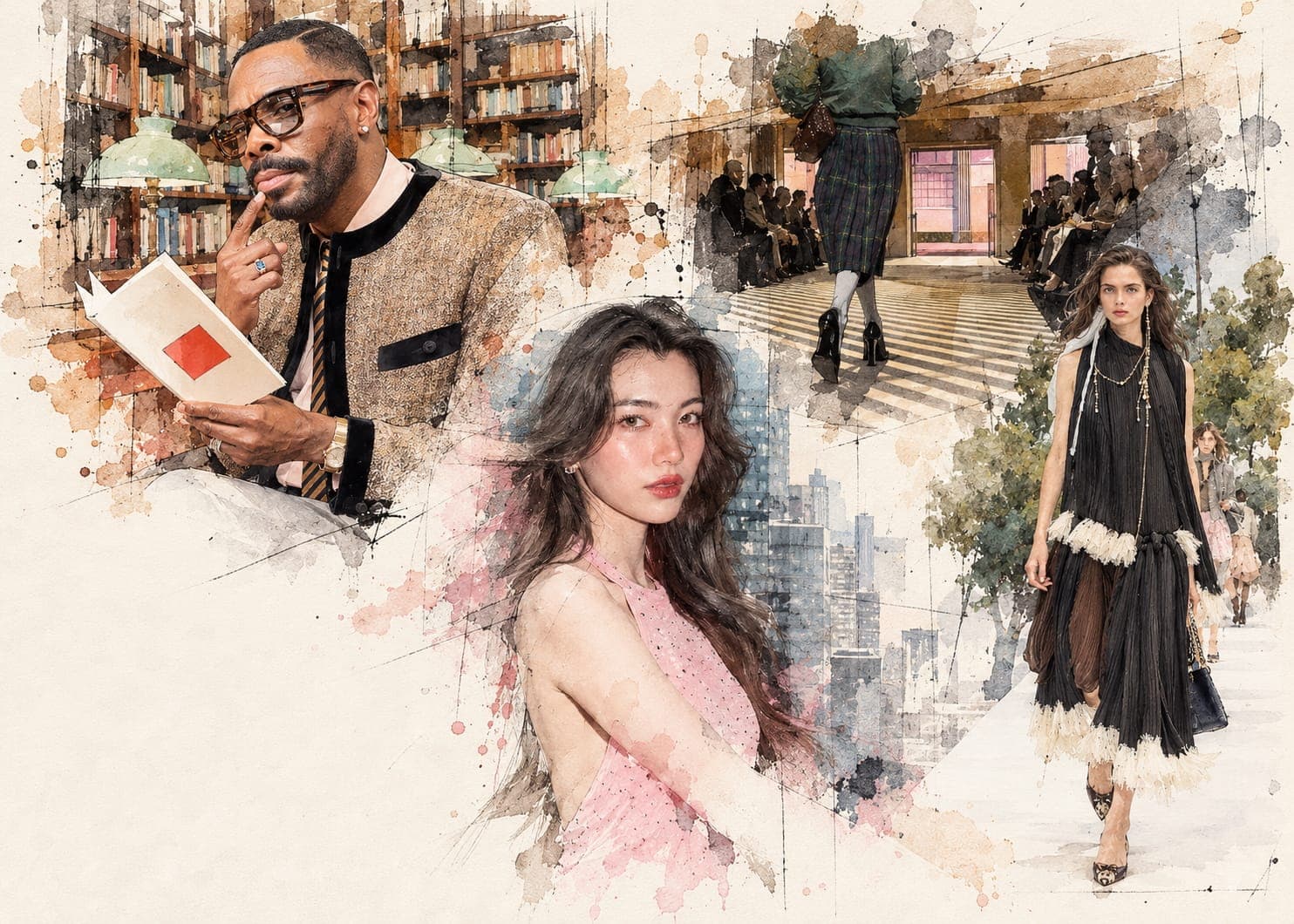
Karla Otto and Lefty’s womenswear report reveals how star power, fan communities, and specialist voices shaped a season that generated more than $1.2 billion in Instagram earned media value.
By Mackenzie Richard Zuckerman
Spring 2027 fashion month generated more than $1.2 billion in Instagram earned media value (EMV), according to Karla Otto and Lefty’s SS27 womenswear report. Dior led the season’s media rankings by a remarkable margin. The people surrounding its most visible guests offer another revealing way to read the season.
One of the report’s most telling figures belongs to a makeup artist. With $101.7 million in Instagram EMV, @homeless_makeupb placed second among the influencers tracked. His coverage of Dior, Chanel and other brands reached audiences through makeup tutorials, candid runway reactions and backstage content. Hairstylist @biobell.lpz placed fifth, with $26 million.
Their positions bring the relationships surrounding a famous face into focus: the people who prepare them, accompany them and give followers another way into their world. Fashion’s communications power travels through these connections, which can draw considerable attention to a collection. Understanding the communities behind that attention becomes part of understanding the season itself.
The strategic question is what a brand gives that audience once it’s arrived—and what makes it want to stay.
Key Takeaways
- Attention was substantial and highly concentrated. SS27 generated more than $1.2 billion in Instagram EMV. Dior’s $360 million exceeded the combined totals of Schiaparelli, Prada, Chanel and Ferragamo.
- The people around a star deserve attention, too. A makeup artist and hairstylist placed second and fifth in the Instagram influencer ranking. Their access gives an already invested audience another way into the experience.
- Geography helps explain the audience. Paris accounted for 64% of city share of voice, while APAC represented 59.6% of regional share of voice. Understanding the communities behind those figures is essential to reading the season.
- An appearance can give others something to discuss. According to the report, the leading Weibo Hot Topic around Cai Xukun at Paris Fashion Week generated 590 million impressions despite the artist not posting.
- Give guests a clear role in the story. Valentino’s invitation to bring a book made Jack Edwards’s association with literature particularly relevant. Writers, archivists and gaming talent each offer connections through interests their audiences already share.
- A collection benefits from further occasions for attention. Shows, exhibitions and resees give people material to interpret and circulate. Resee content generated a modest collective $231,000 in Instagram EMV, extending the opportunity to examine and discuss the clothes.
- Visibility is the beginning of the strategic question. EMV estimates the advertising value of social attention. It doesn’t establish sales, profitability, brand health or which relationships will produce lasting demand. The work is to understand what brought an audience—and what gives it a reason to return.
Dior’s Dominance
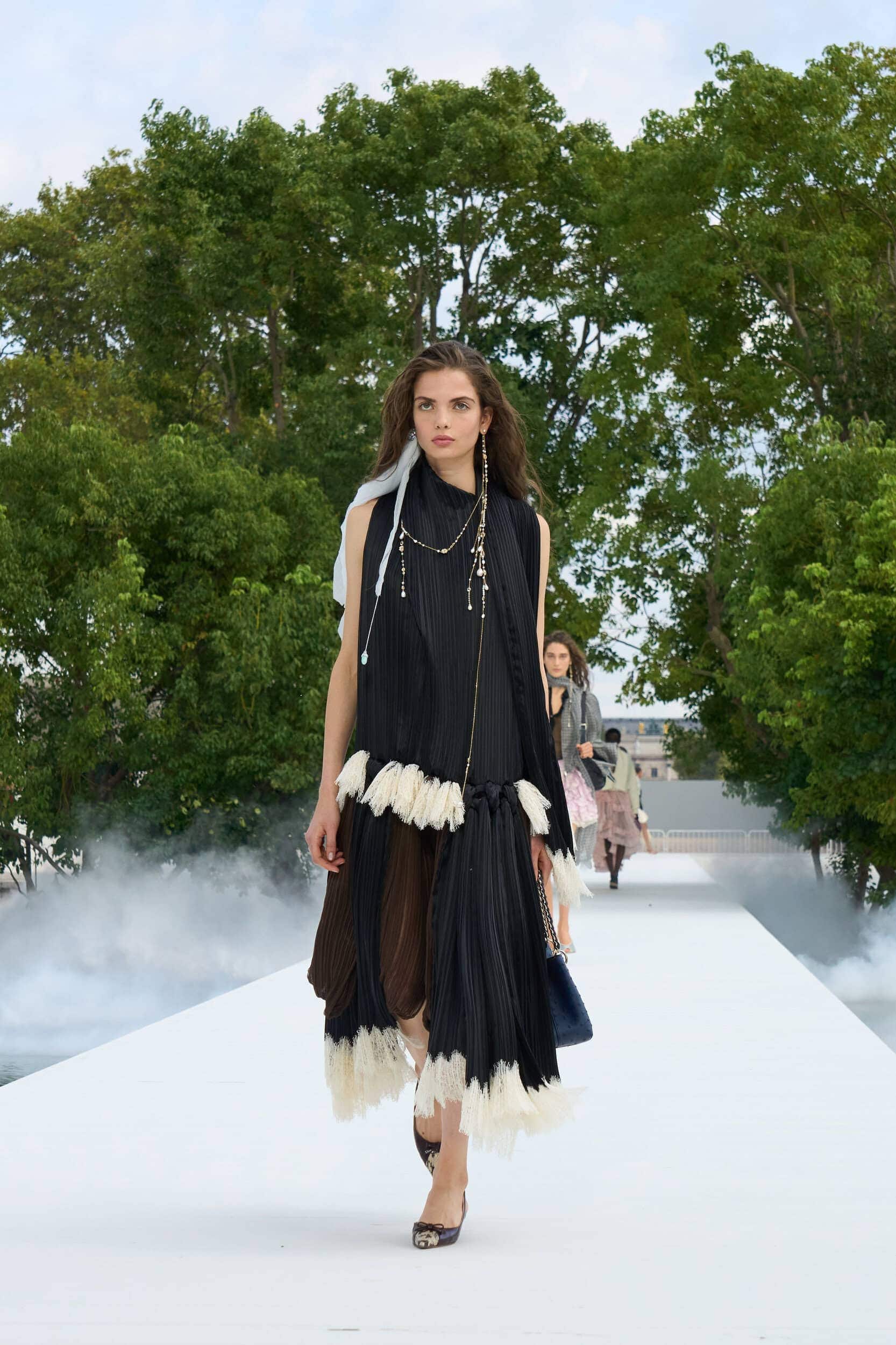
Earned media value, or EMV, assigns an estimated advertising value to social visibility. It helps us see where attention gathers; it doesn’t establish sales, profitability or brand health. Read with that distinction in mind, SS27 presents a striking concentration of influence, alongside smaller experiments in making fashion interesting to different communities.
Dior’s lead was extraordinary. The house generated $360 million in Instagram EMV, an increase of 297% year on year. Its total exceeded those of the next four brands combined: Schiaparelli at $63.5 million, Prada at $61.2 million, Chanel at $56.7 million and Ferragamo at $56.3 million.
All five recorded growth. Schiaparelli rose 343%, while Ferragamo increased 1,779%. The distance between Dior and the rest gives those gains a particular context. Strong growth can coexist with an attention economy in which one house commands a disproportionate share of visibility.
The geography tells a similarly concentrated story. Paris represented 64% of the report’s city share of voice and recorded the largest year-on-year EMV increase, at 59%. APAC accounted for 59.6% of regional share of voice. Together, those figures underline how much an understanding of the season depends on understanding the communities engaging with fashion.
The Power Around the Star
Thai drama offered the season’s clearest illustration of how those communities work.
Orm Kornnaphat led the Instagram influencer ranking with $112.3 million in EMV and an 11.49% engagement rate. Lingling Kwong placed third with $92.9 million and an 11.98% engagement rate. Faye, whose listed show was Ferragamo, placed fourth with $43.4 million. Together with the makeup artist and hairstylist, they formed a top five that the report associates with the Thai drama ecosystem.
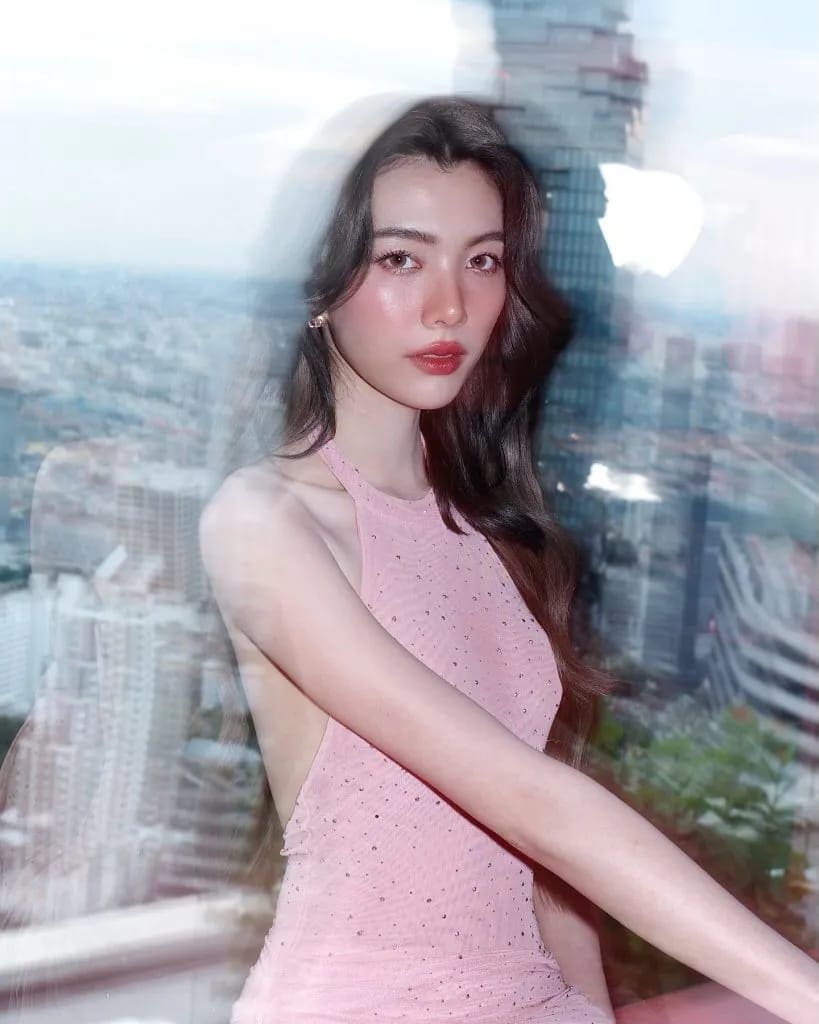
To explain that appeal, the report looks to the khujin model used by Thai studios. Actors who play a couple are promoted together beyond the series, appearing at events and fan meetings that sustain interest in their pairing. Fans help carry the story forward by producing and circulating their own content, extending a narrative between screen appearances.
A fashion show becomes another episode in that relationship. The arrival, the preparations, an interaction between two actors, a response to the collection: each provides material for an audience already invested in the people involved.
This helps explain the importance of the people around a star. The report credits Orm’s mother with $8.9 million in EMV from behind-the-scenes content at Dior. Access to the star’s experience becomes part of the appeal. For communications teams, this suggests a broader approach to talent planning, informed by who a community follows, what it enjoys seeing and how its members share an appearance.
Adding a successful name to a guest list is only the beginning. A brand enters an existing relationship, complete with its own language, expectations and emotional attachments. The opportunity lies in understanding that relationship well enough to give the audience something it wants to follow.
On Weibo, Attention Travels Beyond the Post
Weibo gives us another way to see how far attention can travel beyond a talent’s own output. The platform generated $503.6 million in EMV, up 82% year on year, with more than 5.6 billion impressions across fashion week Hot Topics. Dior again led the brand rankings, with $98.9 million.
The leading Hot Topic concerned Cai Xukun at Paris Fashion Week, generating 590 million impressions despite the artist not posting, according to the report. It surpassed the Dior fashion show topic’s 530 million impressions. His presence gave others a subject to gather around, allowing a conversation to develop independently of his own publishing activity.
For brands considering talent, the question extends from what someone will post to what their appearance gives others a reason to discuss.
The Value of Interpretation
Fashion also leaves considerable room for those who help us read it. Media accounted for 28.5% of the report’s category share of voice, behind actors at 38.8%. Editorial attention remains a substantial part of the picture.
The report’s discussion of Substack writers brings that interpretive role into closer focus. Writers including Brenda Hashtag, Violet Grace Atkinson and Chani Ra contributed to a group that generated $852,300 in Instagram EMV, with an average engagement rate of 5.03% per post.
Those figures measure their Instagram activity; Substack readership and the influence of an essay over time remain outside their scope. They show how people known for a considered point of view participate in fashion’s social circulation. Their potential lies in explaining a collection, placing it in context and giving readers reasons to become interested in its references.
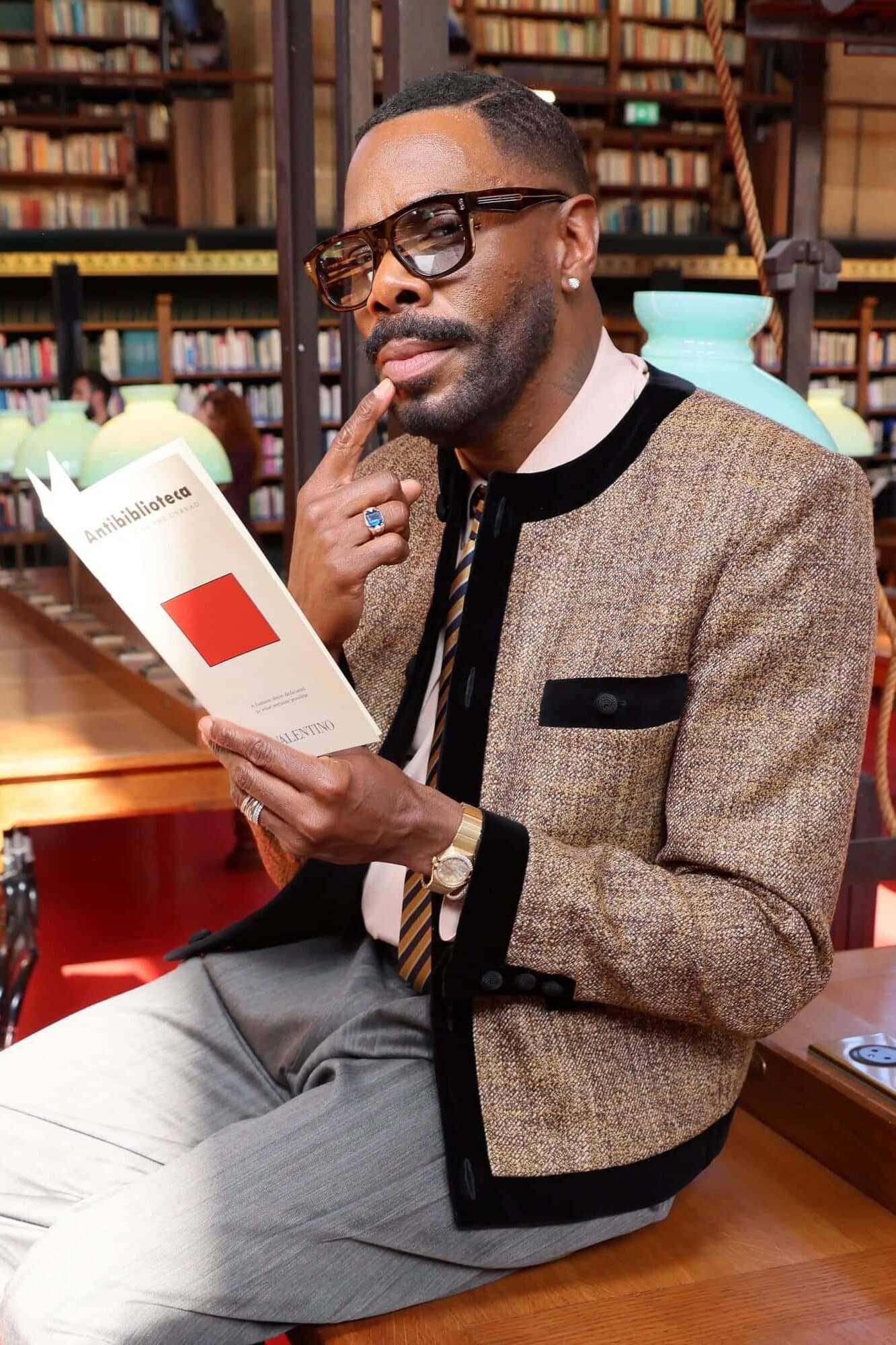
Valentino gave that relationship a particularly tangible form. For “Antibiblioteca,” staged at Paris’s Bibliothèque Sainte-Geneviève, guests were asked to bring a book. The invitation created a subject for participation, with reading recommendations becoming part of the show’s coverage. Jack Edwards’s commentary generated $298,500 in Instagram EMV and a 7.27% engagement rate. Valentino’s overall Instagram EMV reached $27 million.
The useful lesson is in the guest’s relationship to the concept. Edwards’s association with books gave him a clear role in the story the house was telling. Setting, invitation and commentary reinforced one another.
Archives offered another point of connection. Burberry invited show guests to its V&A exhibition, “The Burberry Trench: Crafting an Icon,” as part of its 170th anniversary. At Chanel, Matthieu Blazy opened and closed the runway with Gabrielle Chanel’s original 2.55 handbag.
The report also identifies collectors and archivists among the guests, including Tanya Ravichandran at Alexander McQueen and Anaa Saber at Prada. Their relevance lies in their ability to make a house’s history legible. An archival object gives a brand something specific to discuss; an informed guest can help an audience understand why it matters.
Gaming Takes Its Seat
Gaming talent brought its own established relationships to the season. Coach, KidSuper, Kim Shui, Burberry and H&M invited Twitch streamers, some of whom broadcast from the front row. Swedish streamer Marlon Lundgren Garcia became London’s leading influencer in the report, while Kai Cenat’s debut for his brand Vivet generated $2.3 million in Instagram EMV.
These examples suggest a guest list can begin with the interests that already connect people. Gaming, literature and fashion history offer different points of entry. Their usefulness depends on how naturally a brand’s invitation allows those interests to continue.
Extending the Life of the Show
The same principle carries through to the show itself. Diesel’s performers, concealed among guests before beginning to kiss and head-bang, gave people an event to react to and recount. The brand’s Instagram EMV increased 301% year on year. Gucci’s “The Store Show” used a replica of its new retail concept to introduce an environment audiences would later be able to visit.
Even the resee found a measurable place in the picture. Content around the format generated a collective $231,000 in Instagram EMV, with Celine’s exhibition-like presentation at Hôtel Particulier Colbert de Torcy highlighted in the report. The scale was modest alongside the leading talent figures. The format still gave the collection another occasion to be examined and discussed.
Across these examples, each participant gives fashion a different way to communicate. Actors bring intensely engaged fan communities. Their teams provide access. Writers and archivists offer interpretation. Streamers bring their own ways of interacting with an audience. A show, exhibition or resee gives each of them material to work with.
What Brands Can Learn
The figures leave open which of these relationships will produce lasting demand. They show why a single visibility ranking is only the beginning of a useful strategy: a brand needs to understand both the scale of the attention and the reason someone is paying it.
That understanding should inform the guest list, the access given to talent and their teams, and the material available for discussion. A writer needs a collection worth interpreting. An archivist needs history worth examining. A fan community needs an appearance that gives its members something to share.
SS27’s most instructive lesson is that much of fashion’s audience arrives with an attachment already in place. The work is to give the collection a place within that attachment, offering something people want to examine, discuss and return to after their favorite guest has left the room.
This article draws exclusively on Karla Otto and Lefty’s SS27 womenswear report. Its Instagram analysis covers more than 8,500 profiles with over 10,000 followers and qualifying brand mentions during the tracked fashion weeks. It excludes Stories and content whose engagement metrics could not be retrieved. Weibo is measured using a separate methodology.