The Art of Refinement
Review of Fendi Fall 2026 Couture Fashion Show
By Mackenzie Richard Zuckerman
FENDI FALL 2026 COUTURE
THE IMPRESSION TAKE
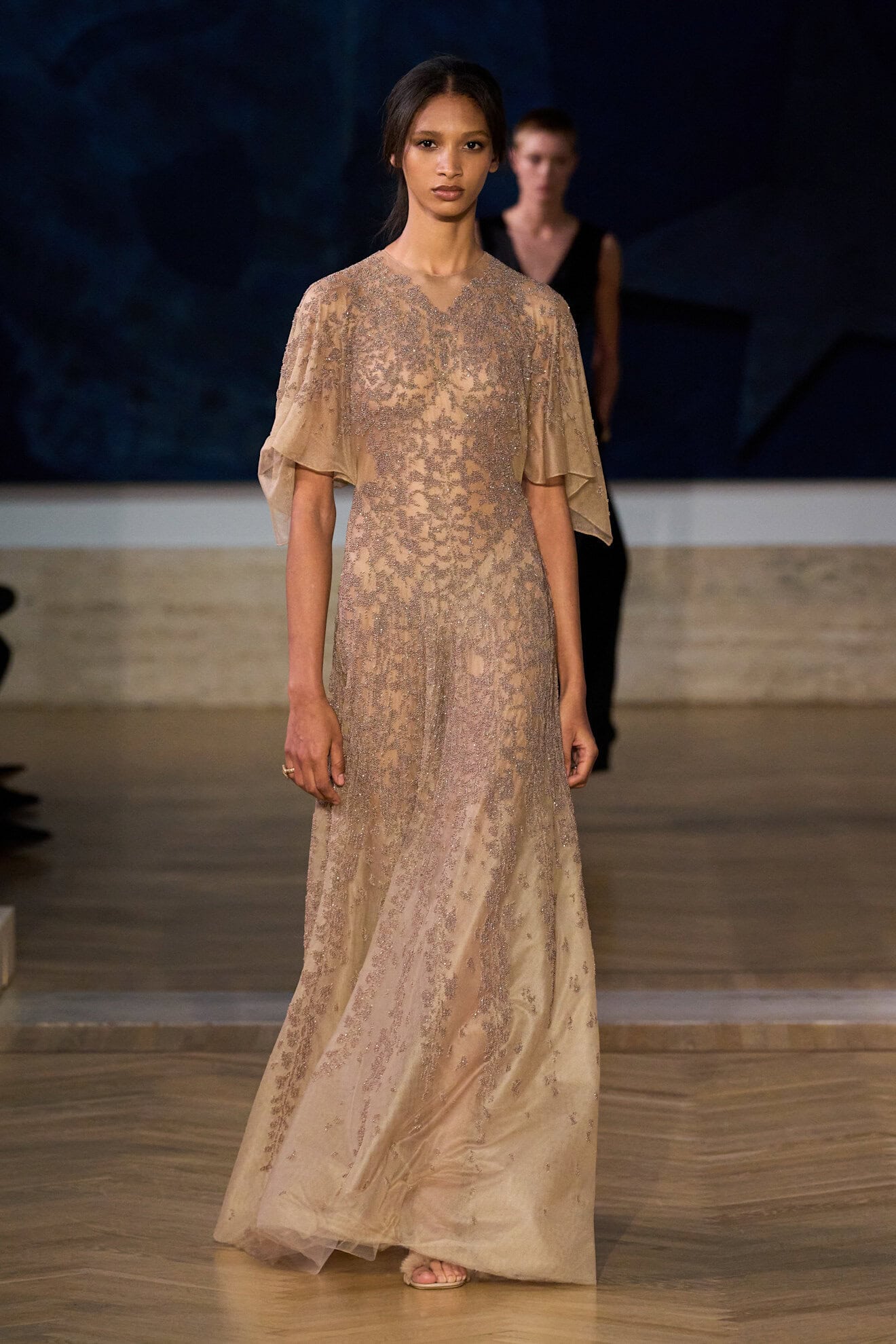
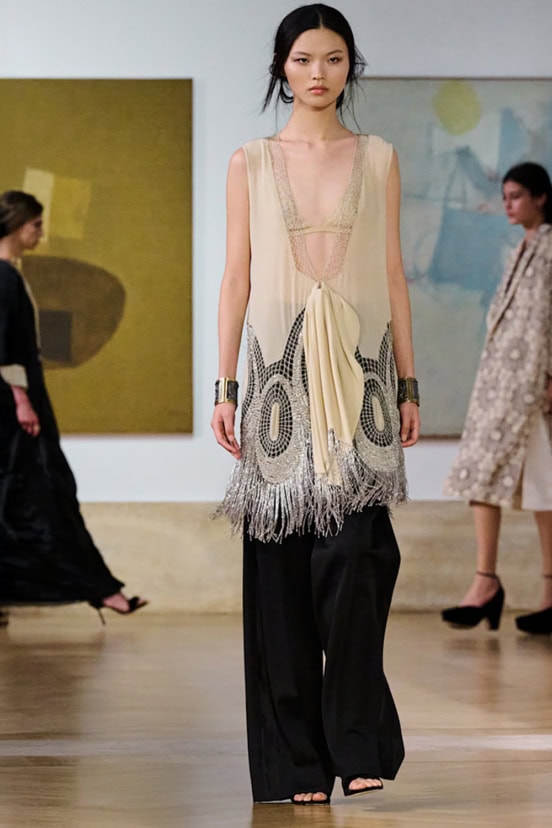
Maria Grazia Chiuri’s first Haute Couture collection for Fendi approached her debut through refinement rather than spectacle, using materiality, movement, and the relationship between clothing and the body as its foundation. The collection positioned couture’s value in the emotional and technical transformation of craft, while drawing naturally on Fendi’s longstanding intelligence around extraordinary materials.
Creative Director: Maria Grazia Chiuri
House: Fendi
Collection: Fall 2026 Haute Couture
Presented: Paris Haute Couture Week
Reviewed by: Mackenzie Richard Zuckerman
The Impression Review Score by Kenneth Richard: 9.1
View the Full Collection
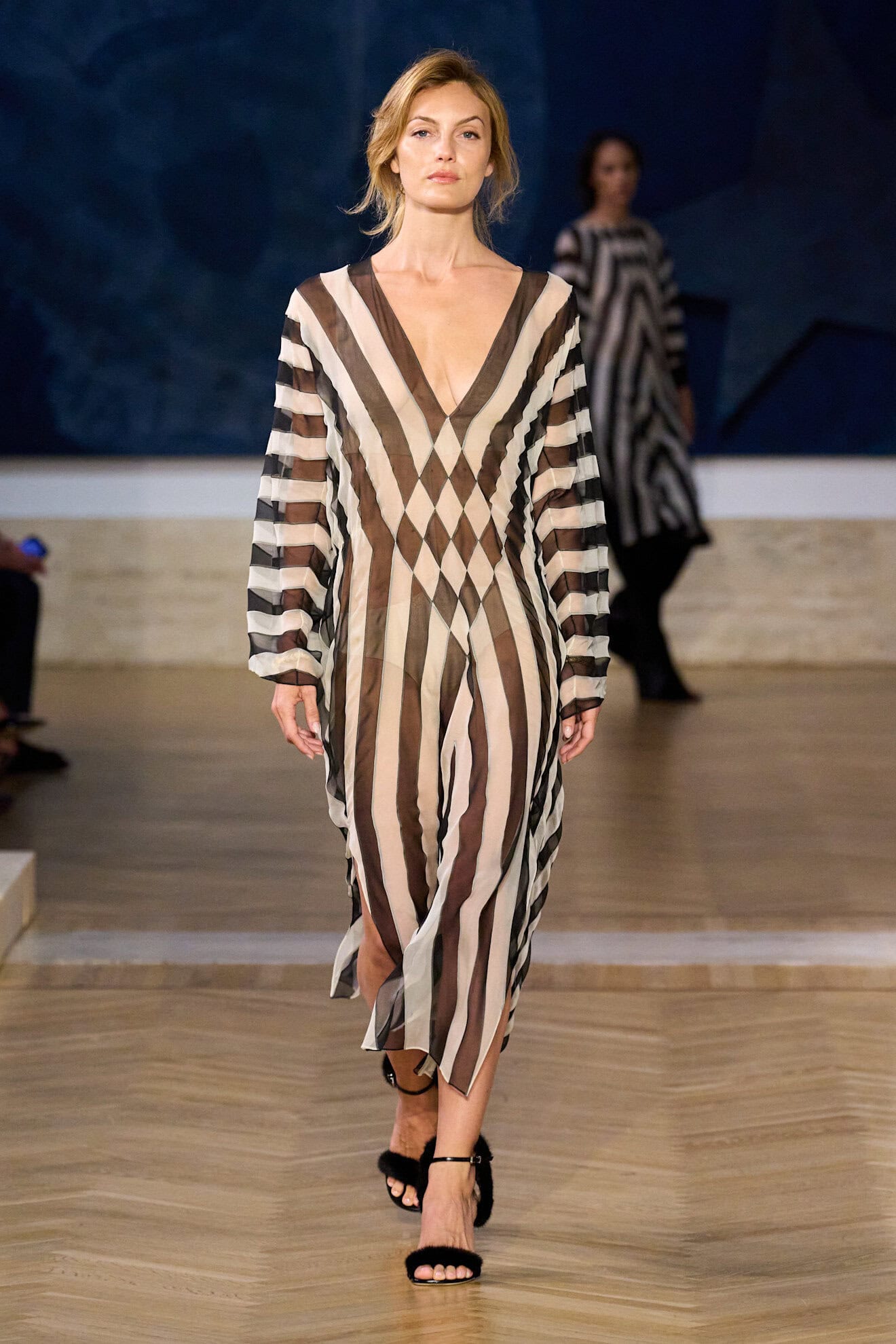
Maria Grazia Chiuri’s first Haute Couture collection for Fendi began in a quieter register, trusting refinement, materiality, and the intelligence of real dressing to carry the weight of the debut. The restraint felt pointed in a season when couture is being asked to justify its magic with more than extravagance. As ready-to-wear grows increasingly sophisticated, couture’s distinction lives in its ability to transform craft into something emotionally resonant, exacting, and unmistakably extraordinary.
Chiuri has long excelled at understanding how women dress, yet this debut reached beyond wardrobe into something more fundamental: the relationship between couture and the body itself. Her starting point was neither spectacle nor architectural silhouette, but garments that respond to movement, sensation, and desire. It is a philosophy that found a natural home at Fendi, where material has always defined the house’s identity. Satin, leather, fur, lace, and embroidery became the starting point for each silhouette, allowing familiar archetypes to become vessels for exceptional workmanship rather than reinvention.
The larger question, however, remains one many designers are facing this season: As the distance between ready-to-wear and couture continues to narrow, where does couture’s singularity truly reside?
THE COLLECTION
THE VIBE
Material Intelligence, The Art of Refinement, & Contemporary Craft
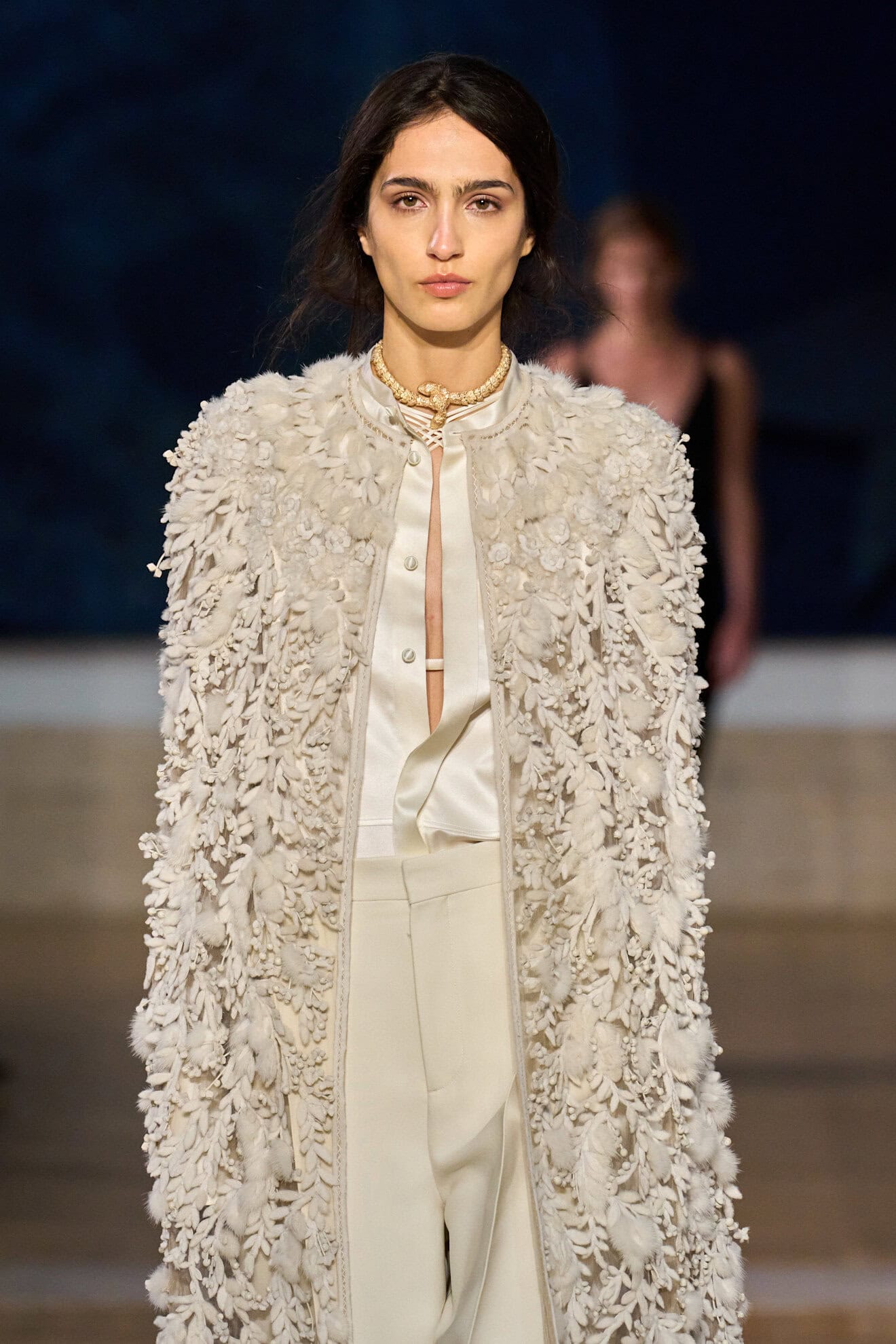
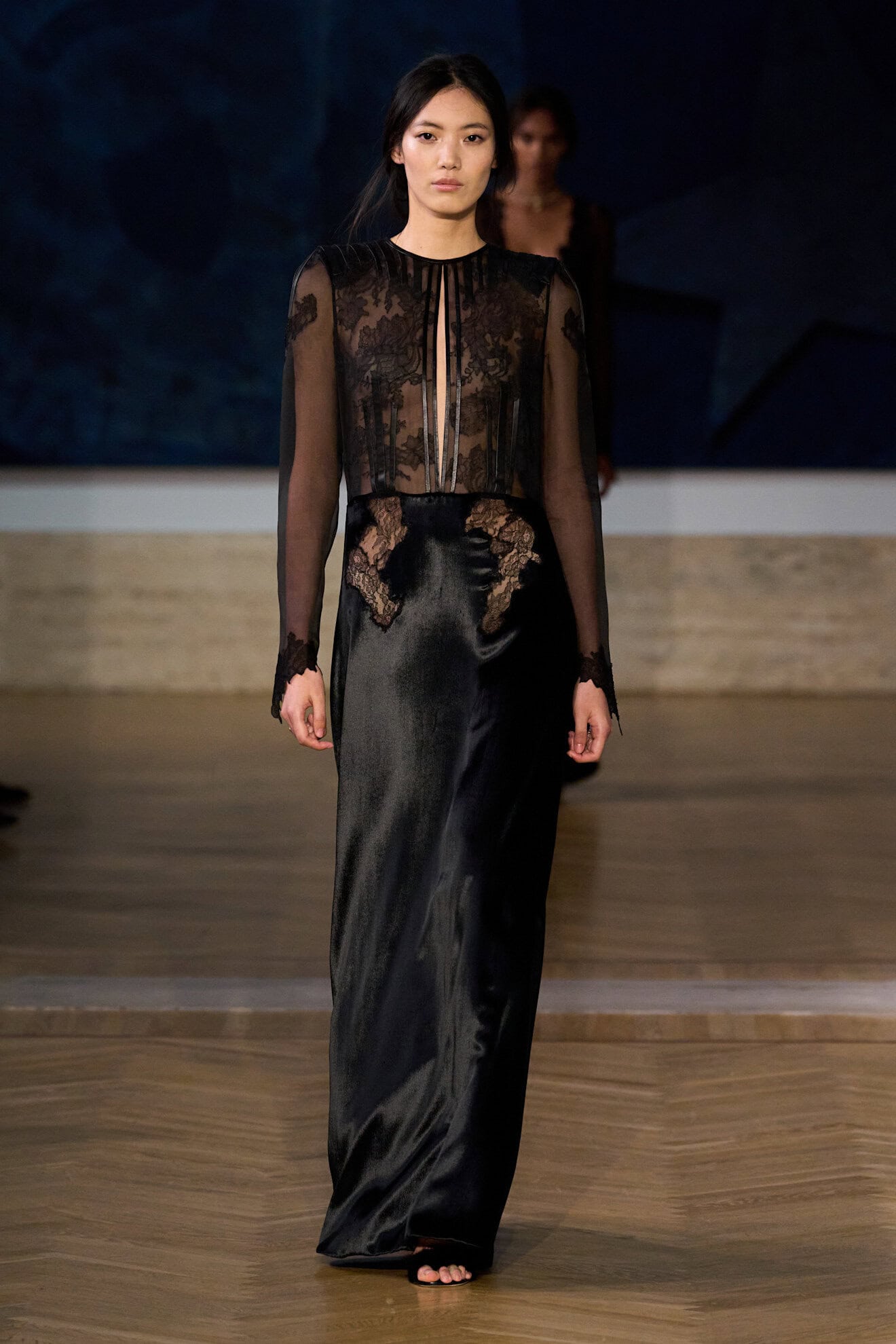
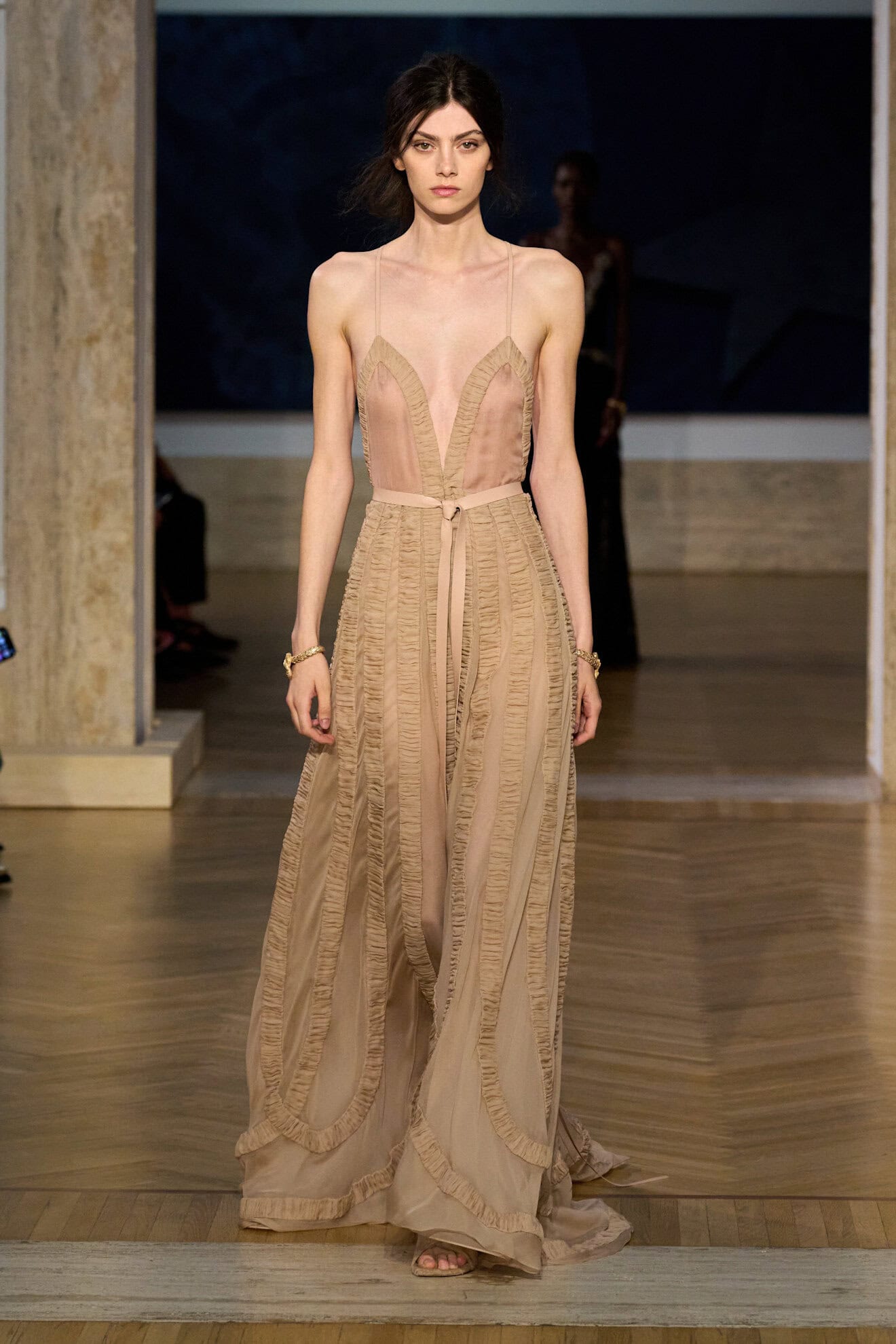
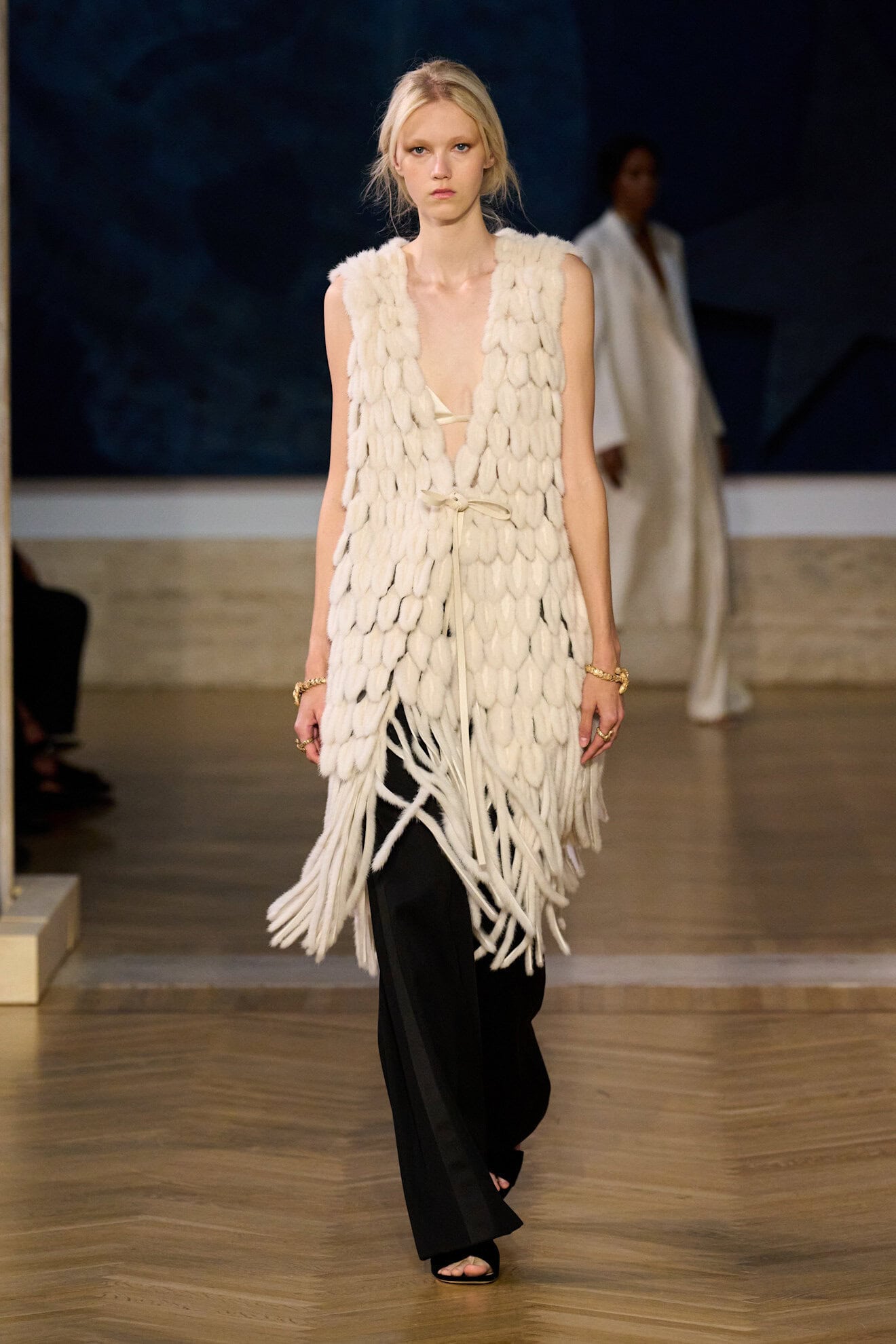
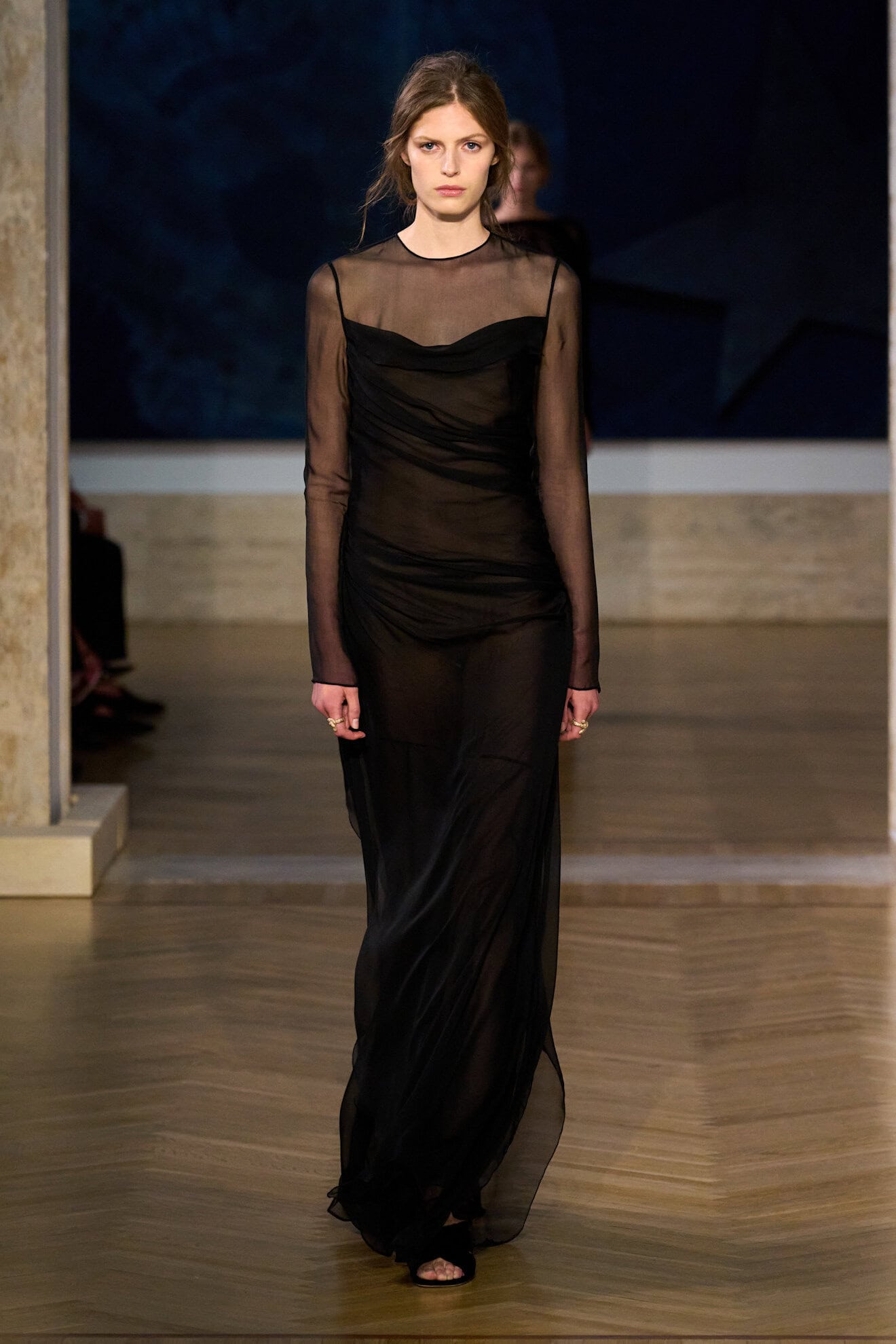
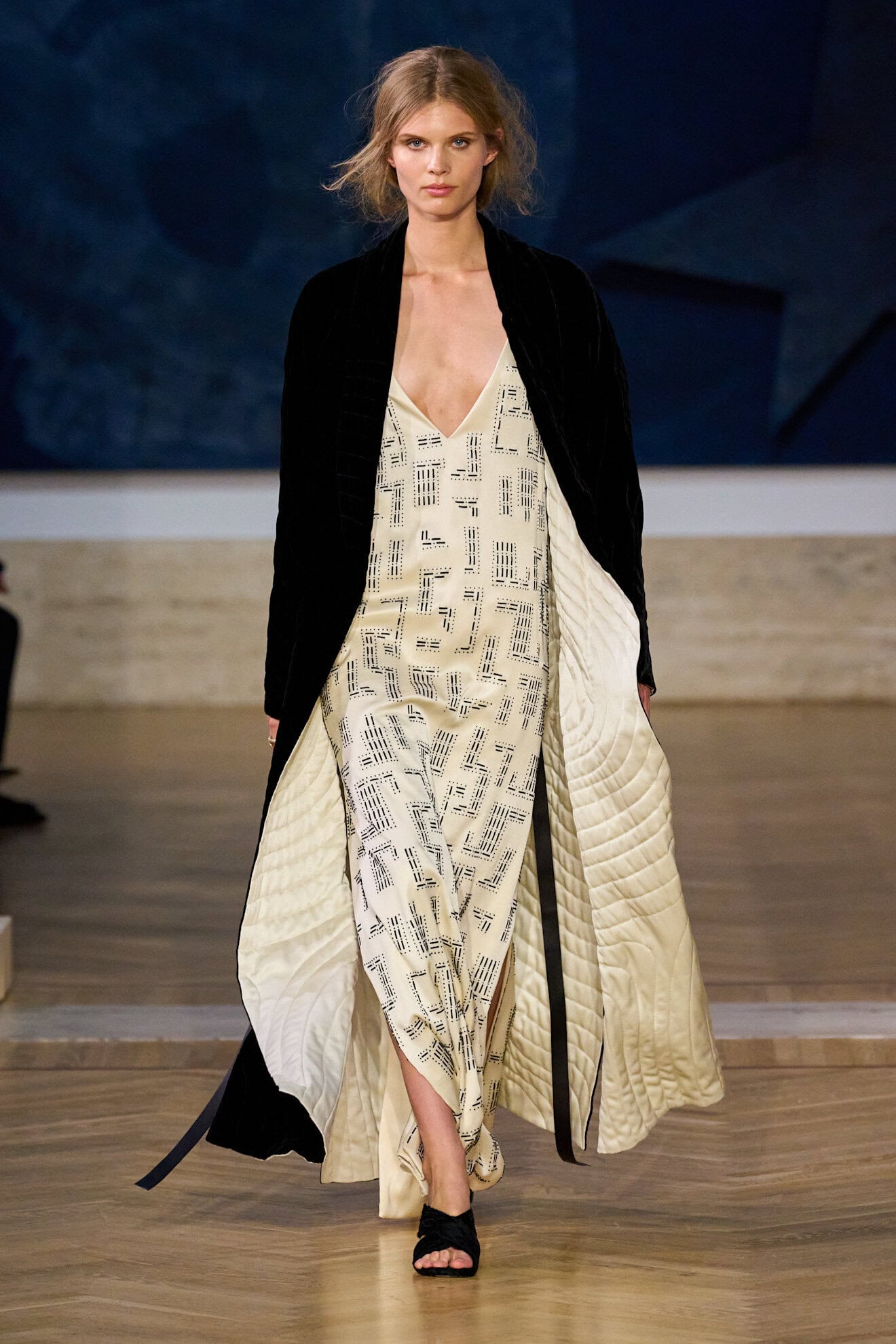
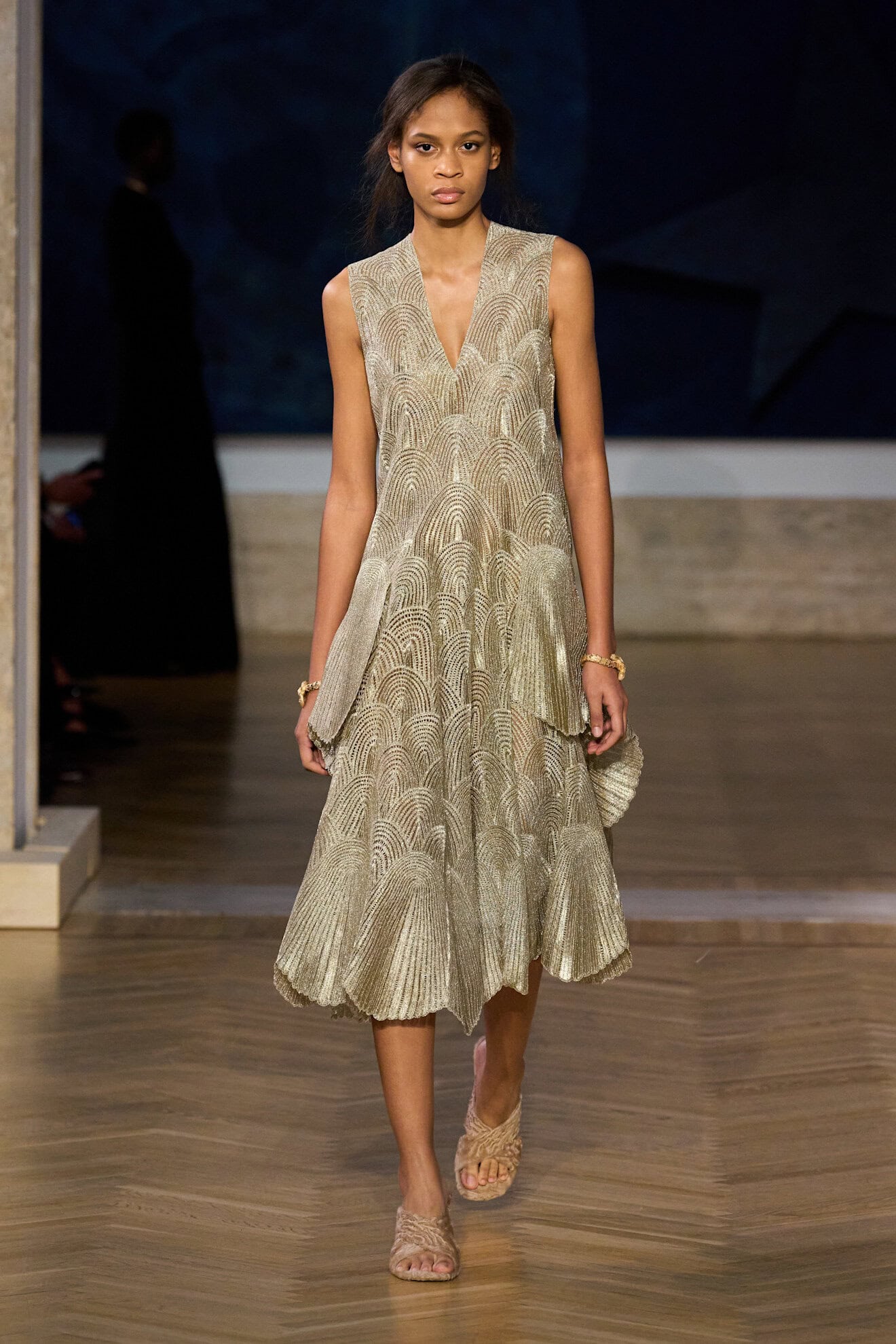
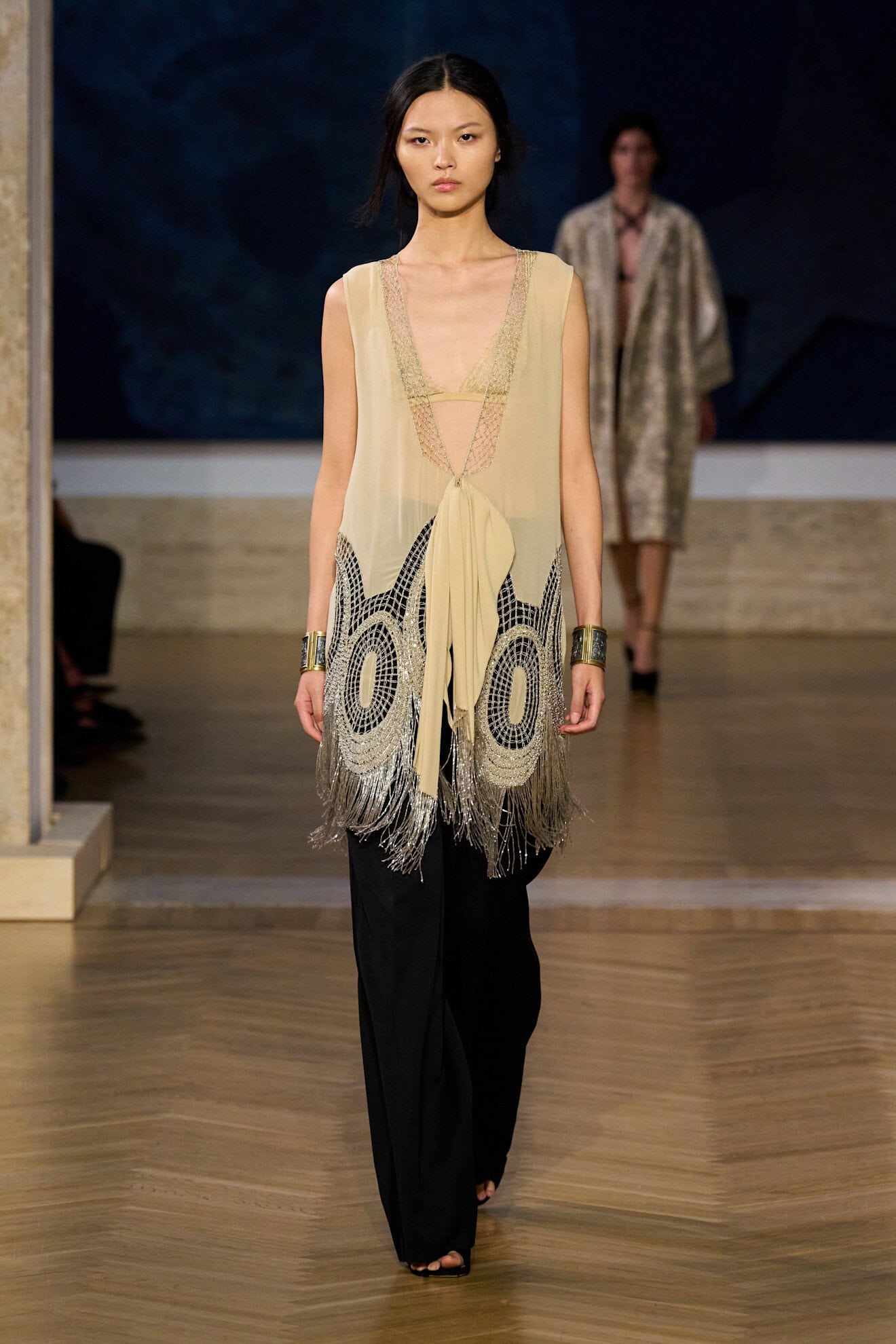
Rather than beginning with fantasy, Chiuri began with familiarity. Satin slips, sharply cut trousers, languid shirting, elongated coats, lingerie references, and softly tailored jackets formed the foundation of the collection. These are garments women already understand. Couture entered through refinement rather than reinvention, and through material rather than silhouette. Fabrics dictated movement, textures informed construction, and shapes adapted to the natural qualities of each textile. Bias-cut silk flowed with remarkable ease, embroidery appeared absorbed into the garments rather than resting on the surface, and monochromatic palettes sharpened every nuance of construction. The result revealed a designer more interested in perfecting the familiar than pursuing novelty for its own sake.
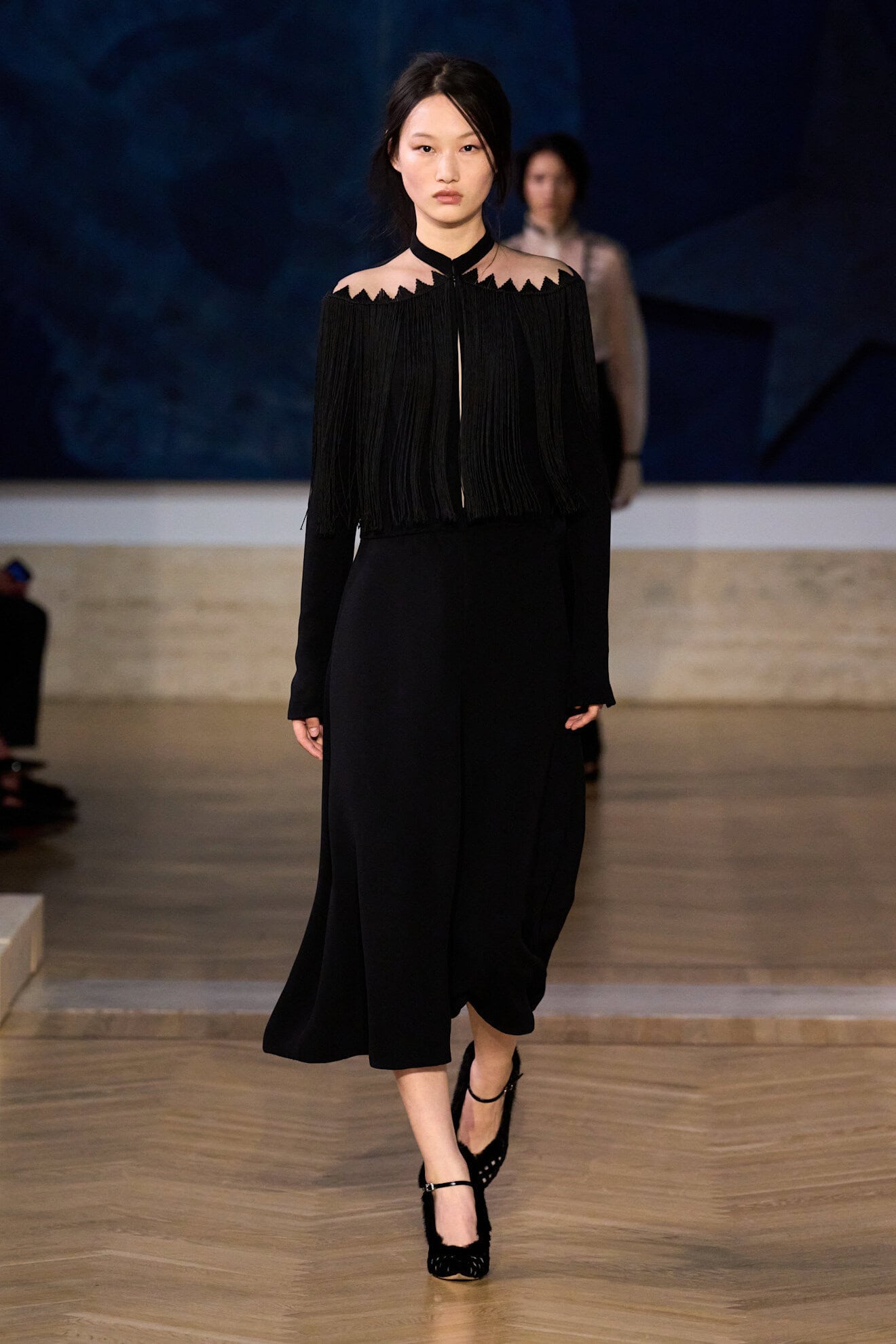
Perhaps the collection’s most compelling idea lay behind the seams themselves. Chiuri described the ateliers as places of dialogue, encouraging couture, fur, leather, and textile specialists to work across disciplines rather than within them. That collaborative spirit became visible throughout the collection: fur acquired the delicacy of feathers, leather traced graphic inlays across chiffon, tulle provided both structure and transparency, and intricate combinations of materials dissolved into garments that felt remarkably light. The craftsmanship never demanded attention for its own sake. It existed to support movement, touch, and the experience of the wearer.
Returning to Rome also carried symbolic weight. Presented alongside a recreation of Karl Lagerfeld’s landmark 1985 Fendi exhibition, the collection acknowledged the house’s history while refusing nostalgia. References to Emilie Flöge’s reform dress movement, the kimono, Bauhaus geometry, and Vienna Secession decoration quietly reinforced Chiuri’s central belief that couture can offer freedom through precision. Rather than asking the body to submit to the garment, she allowed the garment to respond to the body.
Perhaps Chiuri’s greatest strength continues to be her understanding of women themselves. Throughout her career she has balanced masculine precision with feminine ease, and here that instinct felt particularly assured. Tailored suiting gained sensuality through fluid satin. Evening dresses carried an understated confidence that invited movement instead of ceremony. Even the most intricate garments retained an ease that suggested they belonged to the wearer rather than the runway. It is an approach that feels especially relevant today, when women increasingly seek clothes that accompany their lives while preserving a sense of individuality.
That same discipline, however, occasionally softened the collection’s impact. Many of the garments reveal their greatest achievements through proximity, where the precision of construction and material manipulation becomes fully visible. From a distance, several looks approach the visual language of ready-to-wear despite the extraordinary labor invested in their making. Couture certainly does not require spectacle to justify itself, yet the runway remains a medium of communication. A handful of more emphatic moments could have broadened the collection’s emotional rhythm while allowing its remarkable craftsmanship to resonate more immediately.
THE WRAP UP
The debut succeeds because it establishes a philosophy with clarity and conviction. Chiuri demonstrated that Fendi Couture can be defined by extraordinary refinement, material intelligence, and a profound understanding of contemporary dressing. Her vision places the experience of the garment on the body alongside the artistry of its construction, reaffirming that craftsmanship remains the house’s defining language.
There is still room for the language to grow. Greater variation in silhouette and a few moments of heightened drama would allow the collection’s craftsmanship to project more forcefully across the runway. Those feel like opportunities for evolution rather than shortcomings, particularly when the underlying vision is so coherent.
For a first couture collection at Fendi, Chiuri resisted the temptation to say everything at once. She trusted the ateliers, allowed the materials to lead, and edited with remarkable confidence. In a season where many designers searched for spectacle, she invited the audience to look closer. That quiet confidence may prove to be the collection’s most enduring achievement.