The French house’s new London flagship underscores continued investment in physical retail as a core brand-building tool
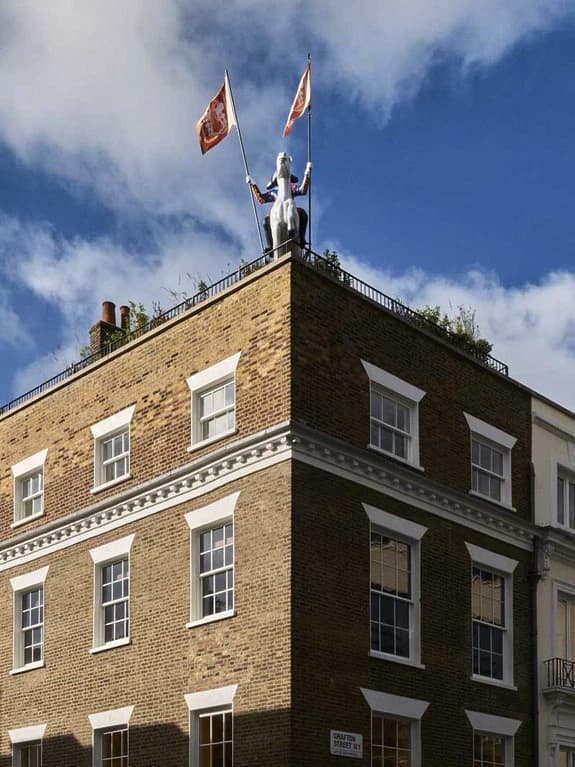
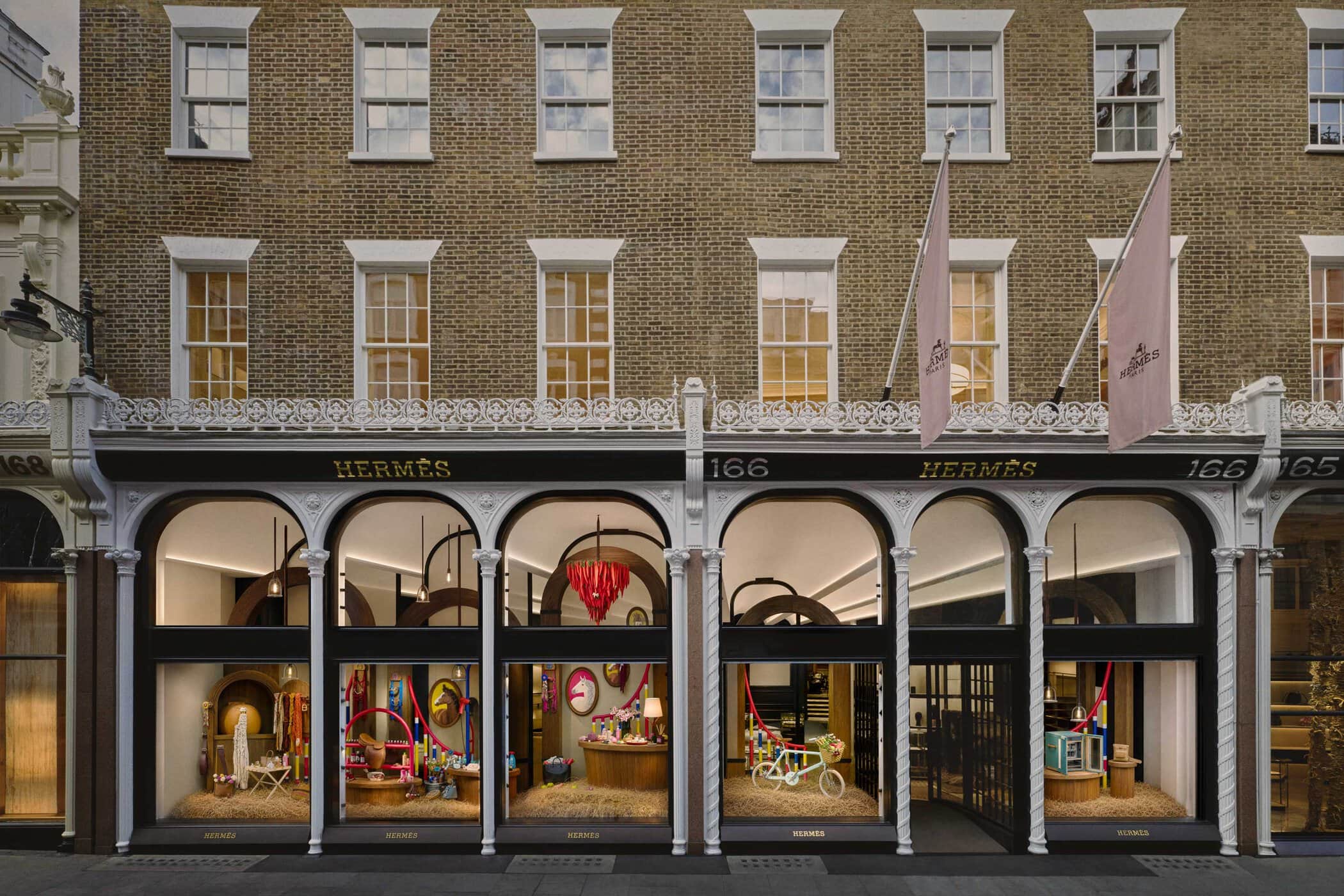
Hermès has opened a new maison at 166 New Bond Street in London, unveiling one of the largest and most ambitious stores in its global network. Spanning nearly 2,000 square meters across six interconnected historic buildings, the five-floor flagship marks the culmination of a multi-year restoration project and significantly expands the house’s presence in one of the world’s most important luxury shopping districts.
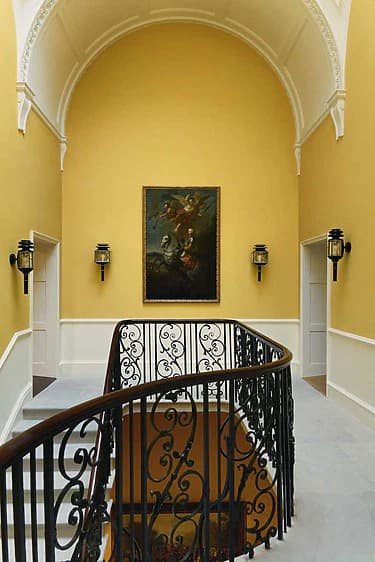
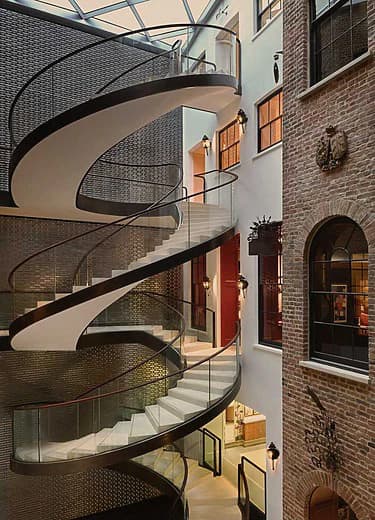
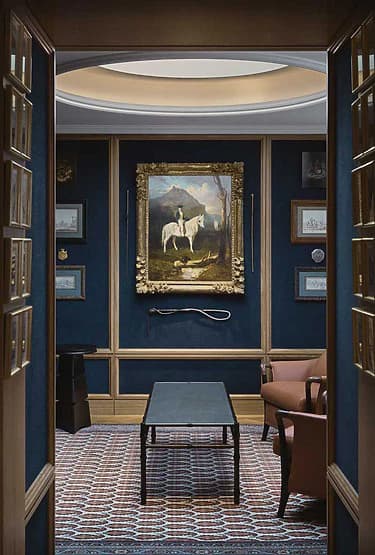
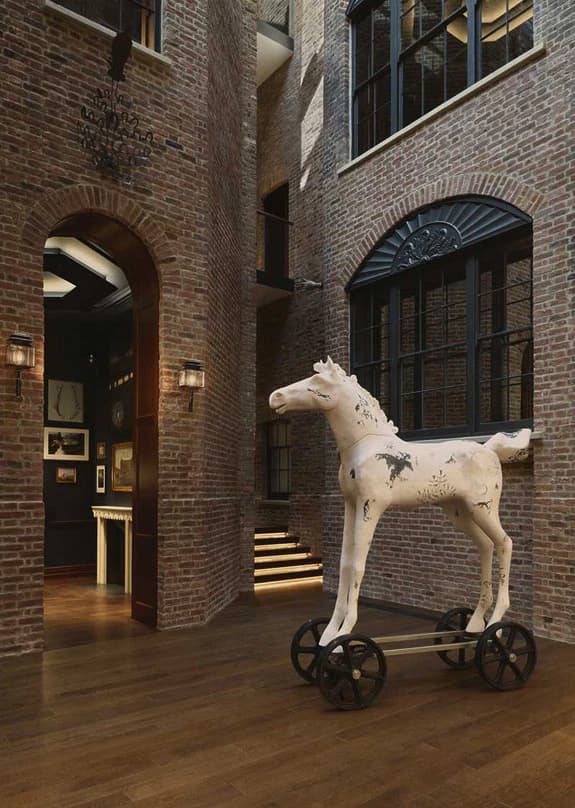
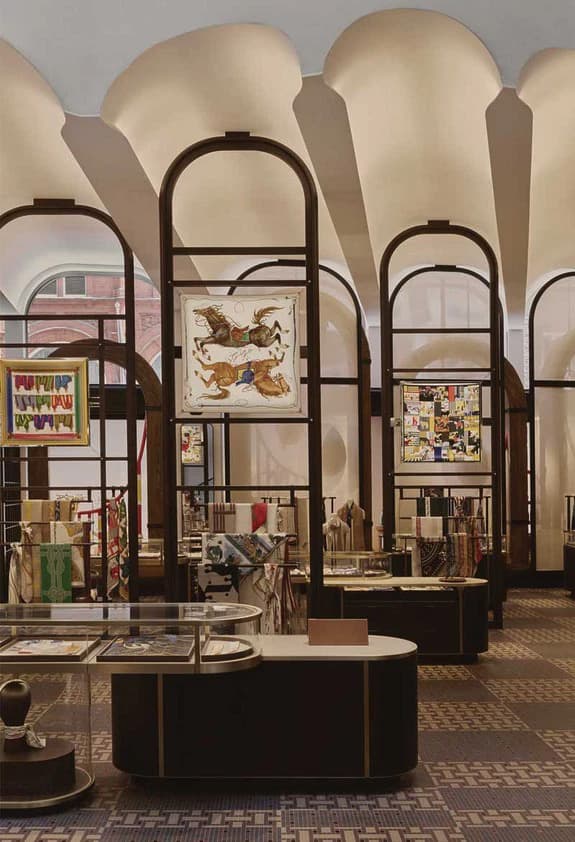
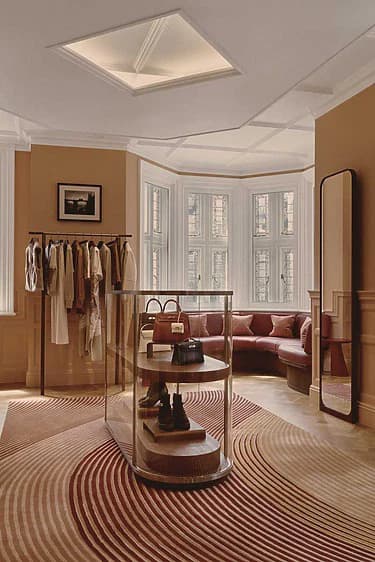
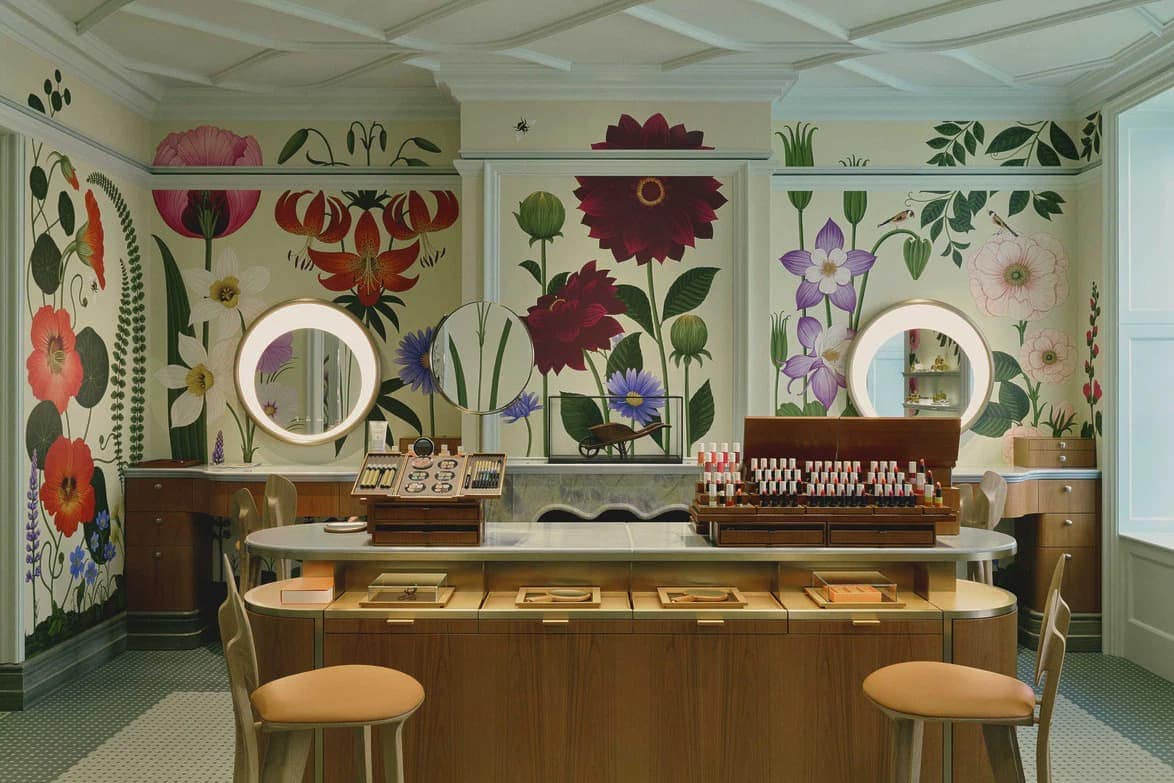
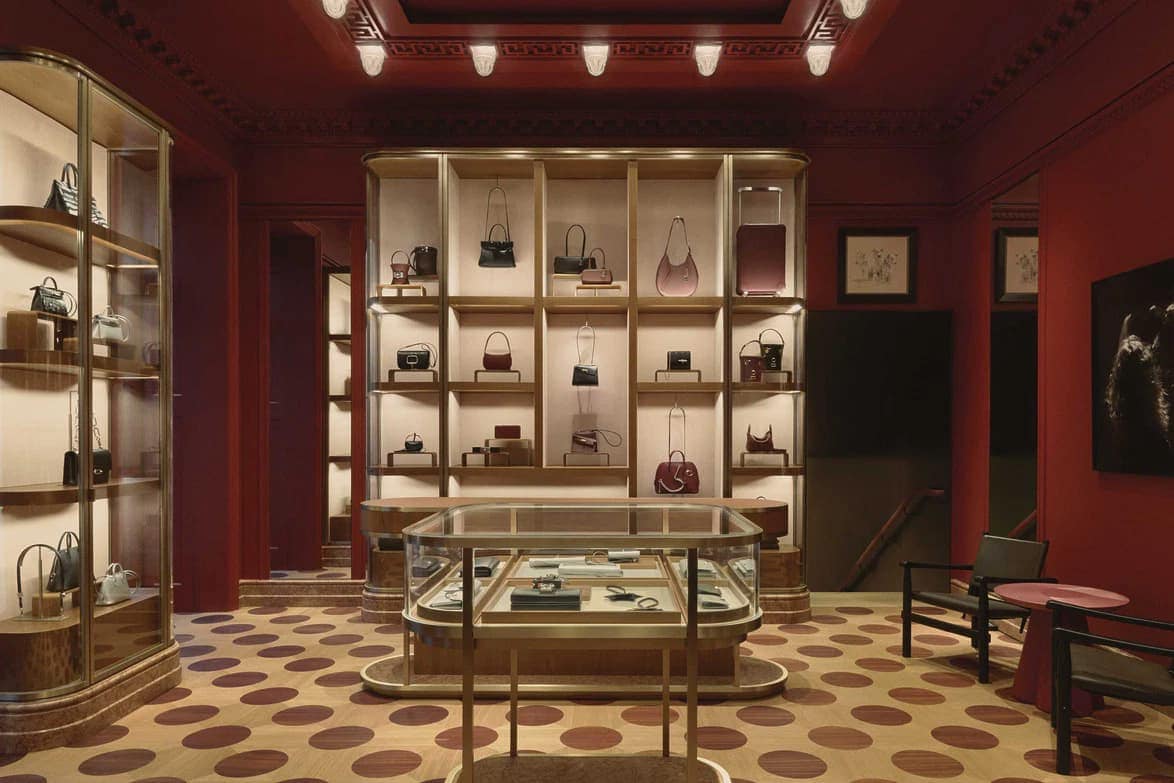
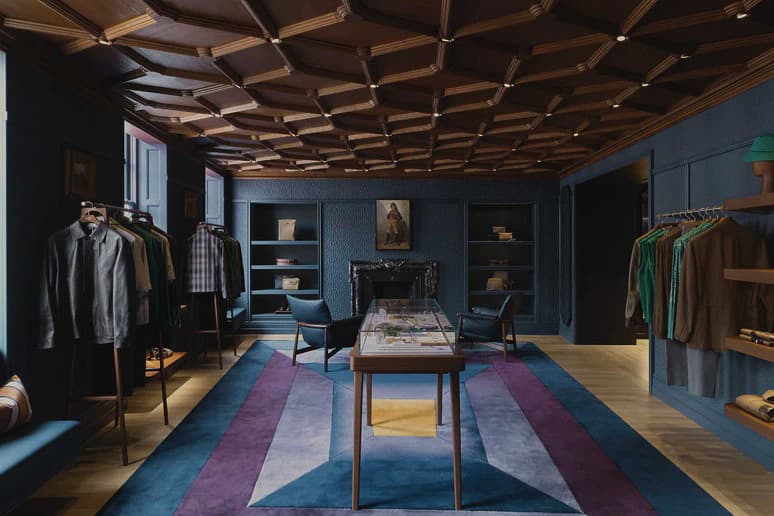
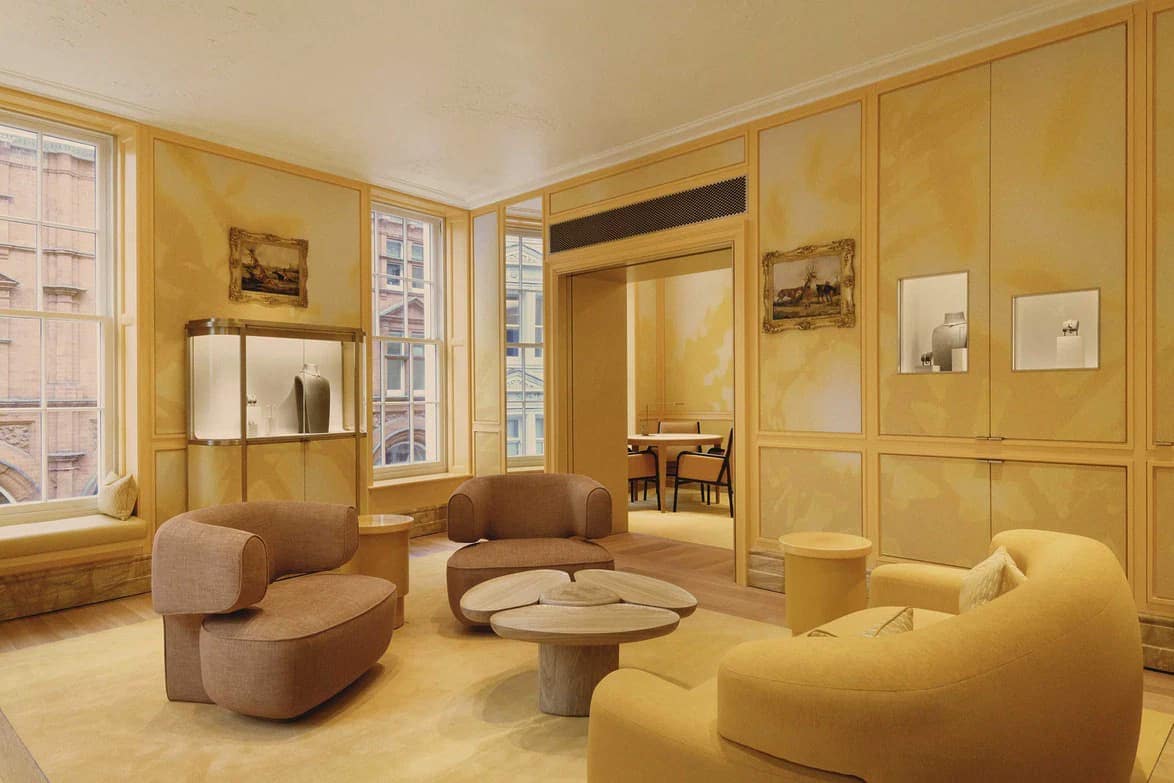
Designed by long-time architectural partner RDAI under the direction of Denis Montel, the project goes beyond a traditional retail expansion. The maison comprises 55 individually designed rooms, multiple staircases, terraces, and dedicated spaces for the house’s various métiers, including leather goods, ready-to-wear, jewelry, watches, silk, and home collections. Rather than imposing a uniform retail environment, Hermès embraced the irregularities of the historic Georgian buildings, creating a series of interconnected spaces that feel more residential than commercial.
The emphasis on craftsmanship is evident throughout the project. More than 50 artisans contributed to the interiors, incorporating materials and techniques sourced from across the United Kingdom, including horsehair marquetry, patinated copper, bespoke wallcoverings, traditional woodwork, and handcrafted flooring. The result is a store that functions as both a retail destination and a showcase for the values that have long defined Hermès: craftsmanship, patience, and attention to detail.
The opening arrives at a pivotal moment for the luxury market. Many brands have accelerated investments in digital commerce, clienteling technology, and experiential activations in recent years. Hermès, however, continues to place significant emphasis on physical retail. Its maisons function not only as points of sale but as environments where clients can engage with the full breadth of the brand universe. The London opening reinforces that philosophy at a time when luxury consumers are increasingly seeking meaningful experiences over transactional shopping.
The choice of London is equally strategic. Despite ongoing questions around tourism, economic uncertainty, and shifting luxury spending patterns, New Bond Street remains one of the world’s most important luxury corridors. By investing in a flagship of this scale, Hermès is signaling long-term confidence in both the resilience of London as a luxury destination and the continued relevance of physical retail for high-end consumers.
What distinguishes the project is not only its scale, but its intent. While many luxury houses have expanded into hospitality, entertainment, and cultural programming to deepen engagement, Hermès remains firmly committed to the store itself. The maison is positioned less as a transactional space and more as a cultural and emotional expression of the brand, where architecture, craft, and curation work in concert.
Ultimately, the Bond Street opening reflects Hermès’ view of physical retail not as a legacy channel, but as a strategic advantage. In an increasingly digital luxury landscape, the house continues to invest in spaces that cannot be replicated online, reinforcing the idea that for Hermès, luxury is still best experienced in person.