The London exhibition presents rare works tied to Bob Mizer’s Physique Pictorial and the history of queer visual culture
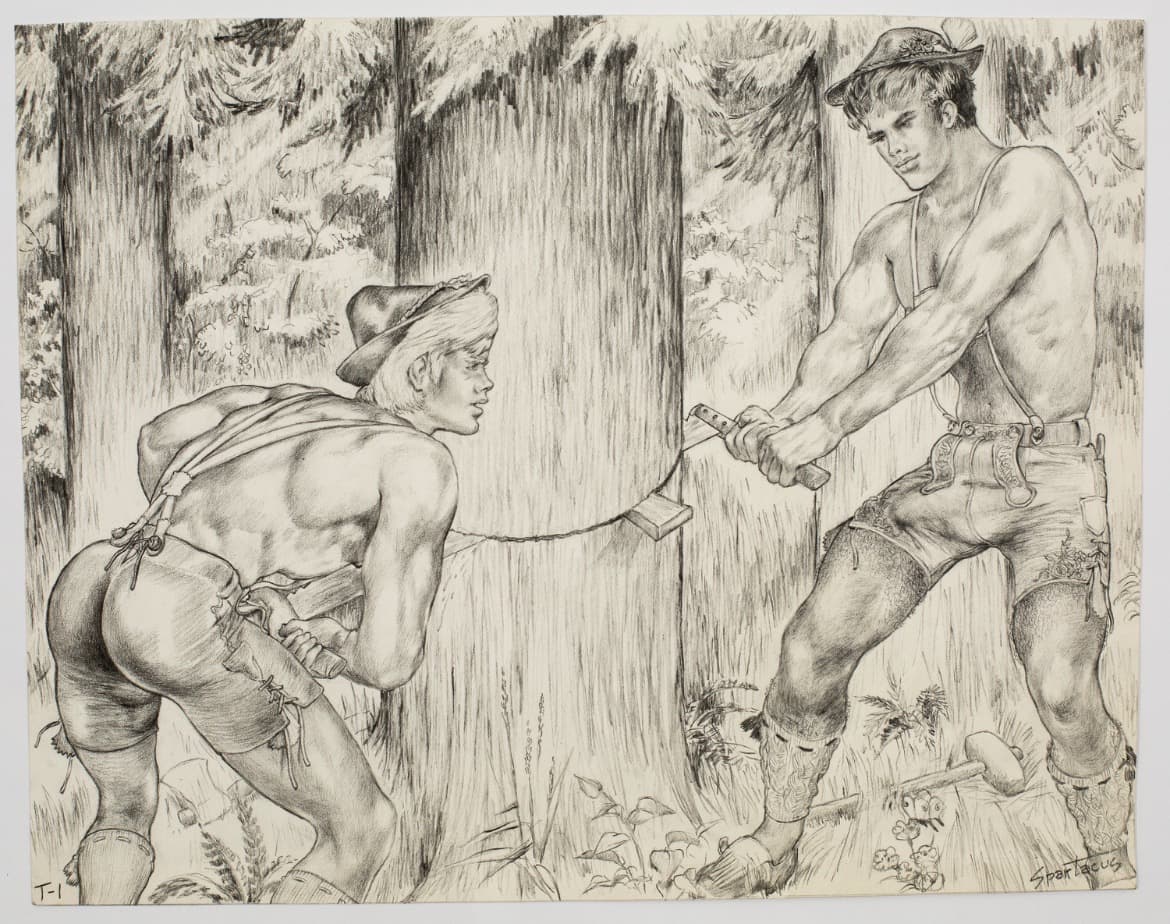
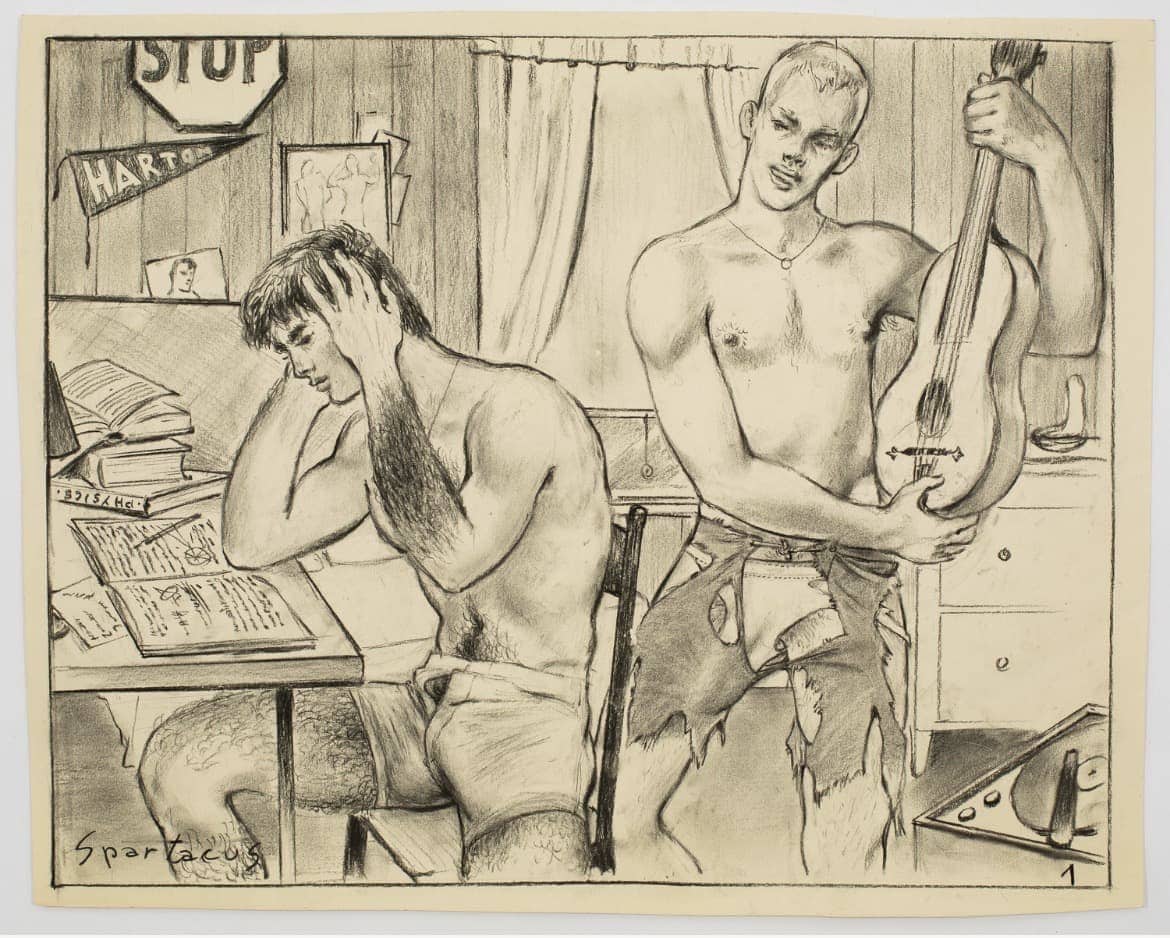
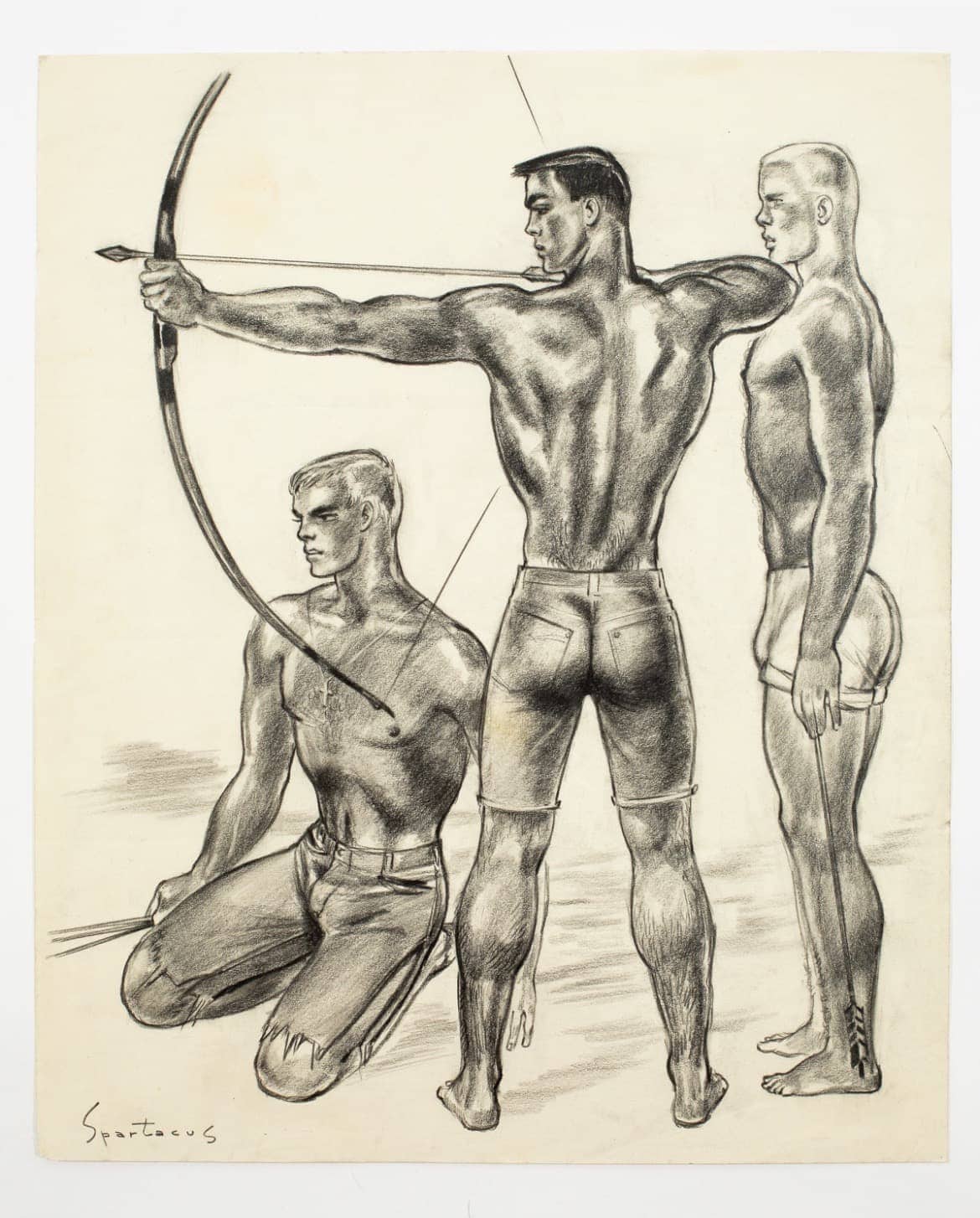
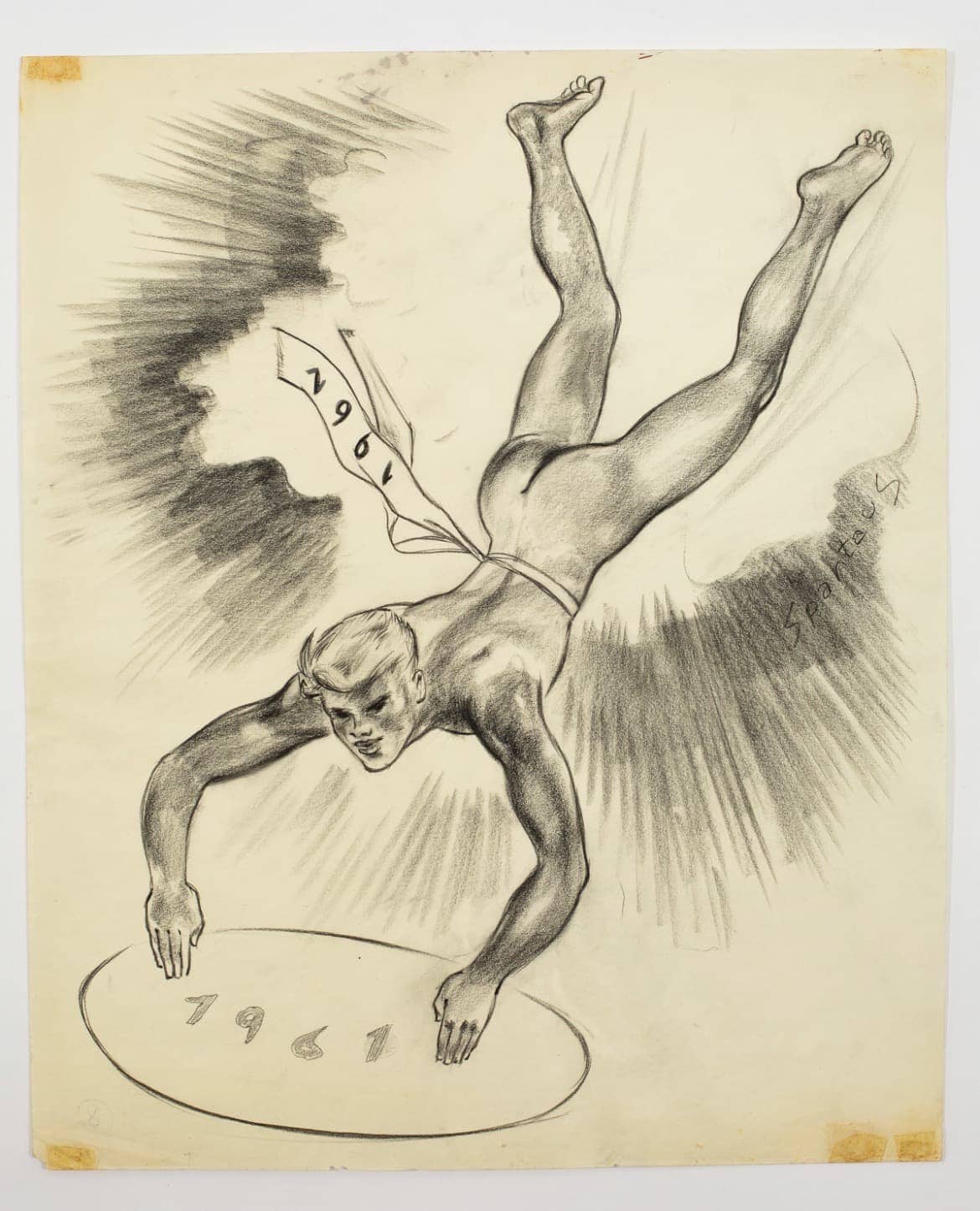
JW Anderson has opened “Spartacus,” an exhibition at its Soho store in London that explores the legacy of Physique Pictorial, the influential mid-century publication founded and edited by photographer Bob Mizer. Running from June 25 through July 6, the exhibition brings together 40 works that were once owned by Mizer and highlights a significant chapter in the history of queer visual culture.

Originally published during the 1950s and 1960s, Physique Pictorial was presented as a bodybuilding magazine in order to navigate obscenity laws of the period. Beneath that framework, the publication became one of the first American magazines directed toward a gay male audience, offering photography, illustrations, and editorial content that depicted same-sex desire at a time when such representations were largely absent from mainstream media.
The exhibition focuses on works attributed to “Spartacus,” a pseudonym used by an artist whose identity remains unknown. Like many contributors working within the genre, the artist adopted an alias to avoid legal repercussions and social stigma associated with the production and circulation of homoerotic imagery. As a result, many artists connected to the movement remained anonymous despite their cultural influence.
Physique Pictorial also provided an early platform for artists including Tom of Finland, George Quaintance, and Dom Orejudos. Their work would later influence figures such as Robert Mapplethorpe and David Hockney, helping establish a visual language that continues to shape contemporary discussions around masculinity, sexuality, and representation.
The exhibition reflects a broader interest among fashion brands in engaging with cultural histories that have informed contemporary image-making. By presenting material connected to Physique Pictorial within a retail setting, JW Anderson situates its Soho store as both a commercial and cultural space while drawing attention to the lasting impact of queer artistic communities on visual culture.