The house’s latest NASA collaboration highlights a growing shift from luxury as aspiration to luxury as innovation
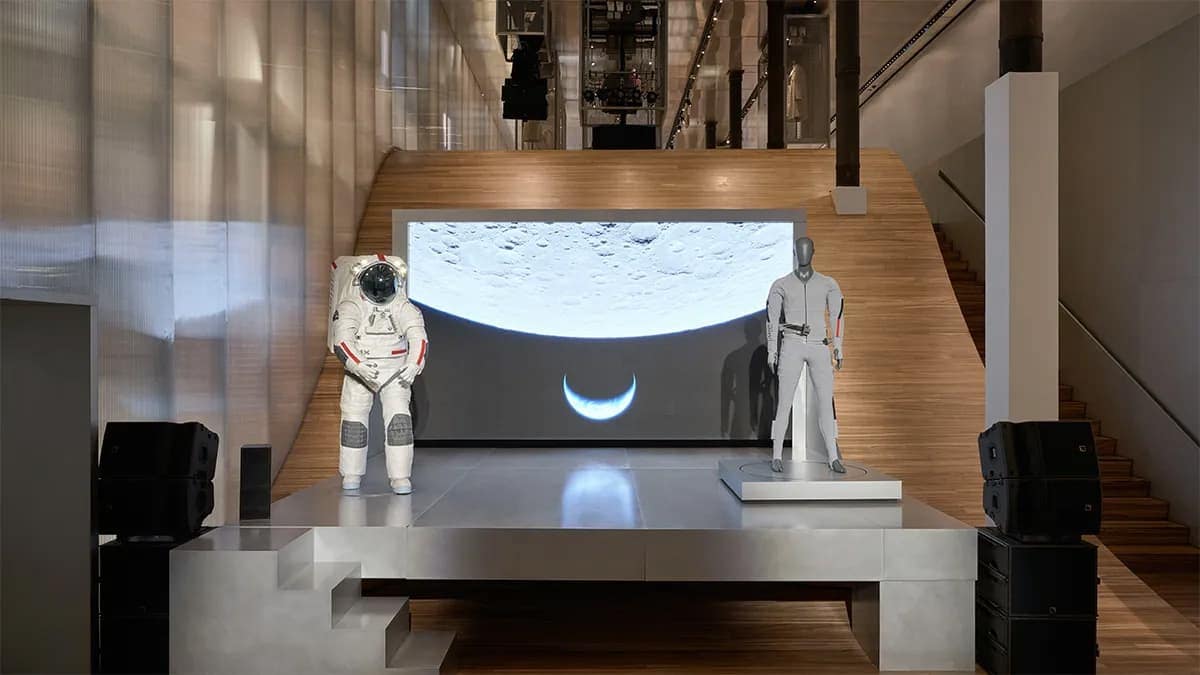
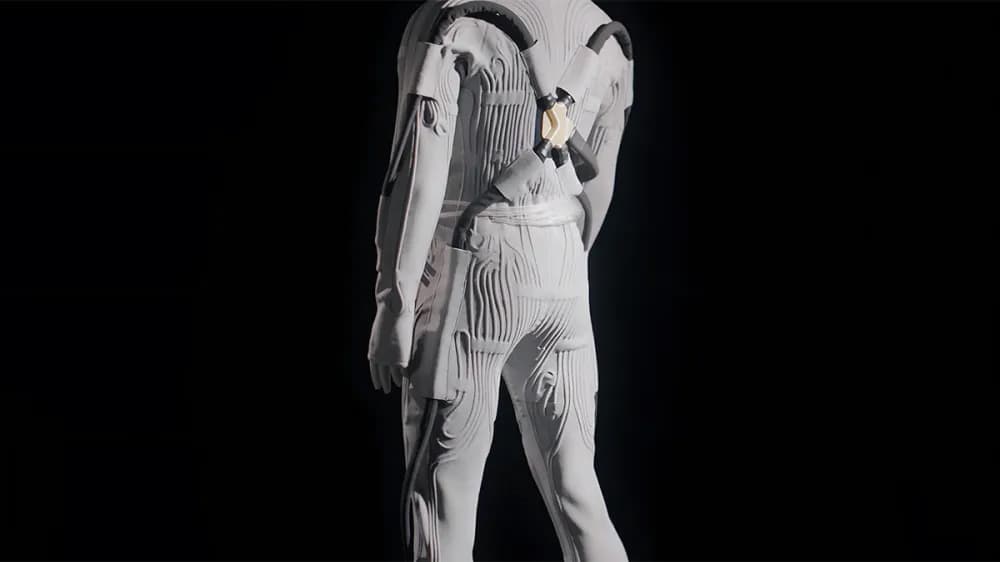
Prada and Axiom Space have unveiled a new Liquid Cooling and Ventilation Garment (LCVG) designed for future NASA Artemis lunar missions, expanding the luxury house’s role in one of the most ambitious aerospace projects of the decade. Worn beneath astronauts’ spacesuits, the garment helps regulate body temperature, distribute oxygen, and remove carbon dioxide during lunar exploration. While fashion brands have long drawn inspiration from space, Prada’s latest contribution moves beyond aesthetics and into the realm of engineering and performance.
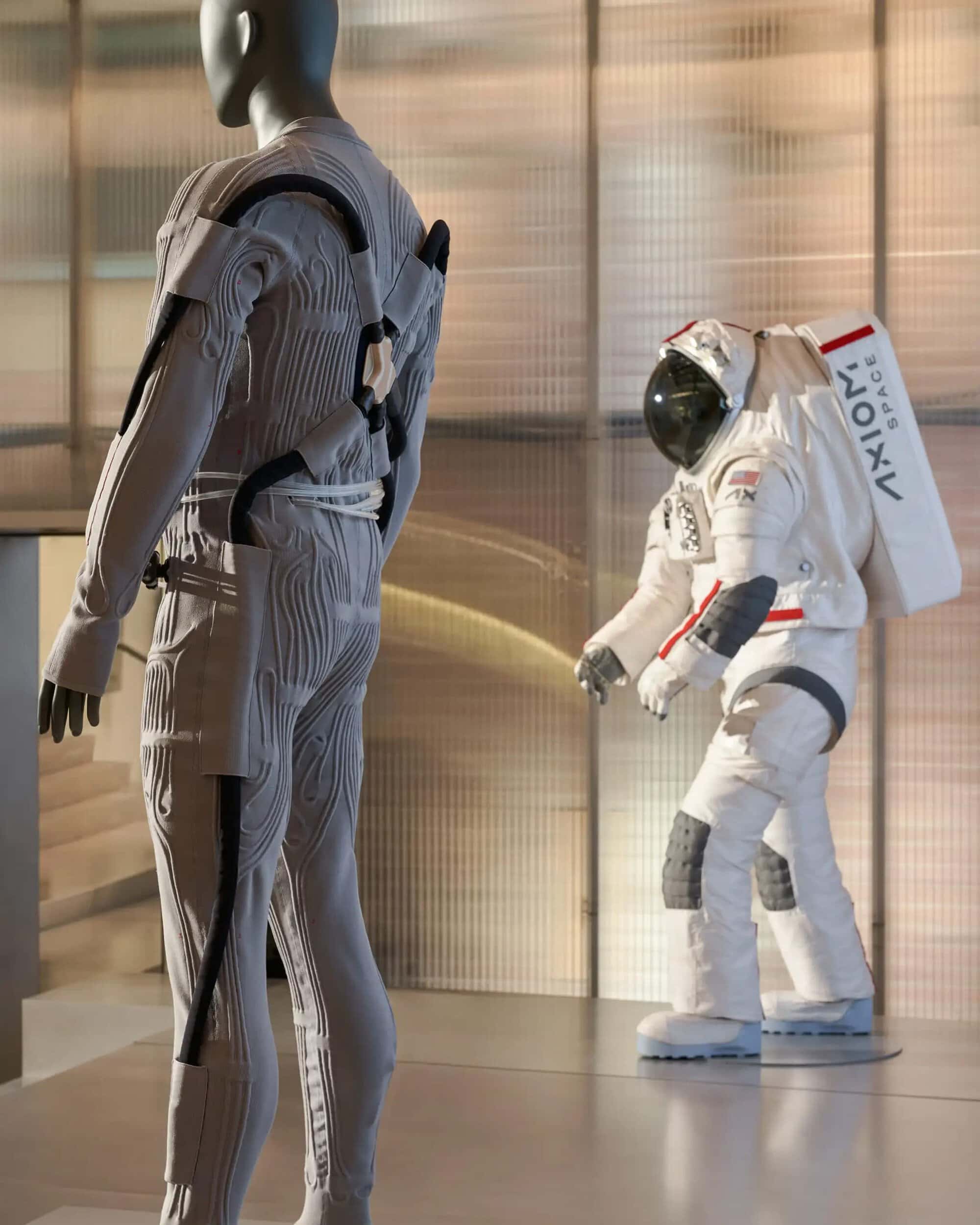
The announcement builds on the partnership first revealed in 2023, when Prada joined Axiom Space in the development of the AxEMU spacesuit for NASA’s Artemis program. That collaboration surprised many observers by positioning a luxury fashion house within a highly technical industry traditionally associated with aerospace engineering rather than apparel design. The new LCVG demonstrates that Prada’s involvement extends beyond the suit’s exterior appearance and into the functional systems that support astronaut survival in extreme environments.
At first glance, the garment appears far removed from the products typically associated with luxury fashion. Hidden beneath the spacesuit, it will never appear on a runway, feature in a campaign, or reach a retail floor. Yet its purpose aligns closely with principles that have long defined Prada’s approach to design. The garment combines technical innovation, material expertise, and human-centered problem solving—qualities that have shaped the house’s identity for decades, from its pioneering use of industrial nylon to its ongoing interest in technological experimentation.
The project also reflects a broader evolution in how luxury brands establish credibility. Historically, fashion houses have built cultural authority through craftsmanship, heritage, celebrity endorsement, and creative direction. Prada’s work with Axiom introduces a different form of validation. Here, the value of design is determined not by desirability or exclusivity, but by performance. Success is measured by whether the garment functions under extraordinary conditions, not whether it generates demand.
That distinction makes the collaboration particularly significant. Unlike most luxury products, the LCVG is not intended for ownership. Consumers will never purchase it, collect it, or display it as a status symbol. Its contribution is entirely practical. The garment exists to solve a problem, supporting astronauts as they operate in one of the most hostile environments humans have ever attempted to navigate. In that sense, it represents a rare example of fashion expertise being applied to a challenge where aesthetics are secondary to functionality.

The partnership also arrives as luxury brands increasingly seek relevance beyond traditional fashion categories. From hospitality and automotive collaborations to technology and scientific research, houses are expanding their influence into new industries. Prada’s involvement in the Artemis program may be one of the most ambitious examples of that trend, positioning the brand within conversations about innovation, exploration, and the future of human mobility.
What makes the project compelling is not simply that Prada helped create a garment for space. It is that the collaboration challenges conventional ideas about what luxury design can be. The LCVG has no commercial launch, no waiting list, and no resale value. Its worth lies entirely in what it does rather than what it represents. As luxury brands increasingly look beyond traditional markers of exclusivity, Prada’s work with Axiom suggests that the future of prestige may be measured not only by cultural influence, but by real-world performance.