Both Beauty Companies Say They Will Continue Pursuing Independent Growth Strategies Following Months of Discussions
Puig and The Estée Lauder Companies have officially ended discussions regarding a potential merger between the two beauty groups, bringing months of speculation around a blockbuster industry deal to a close.
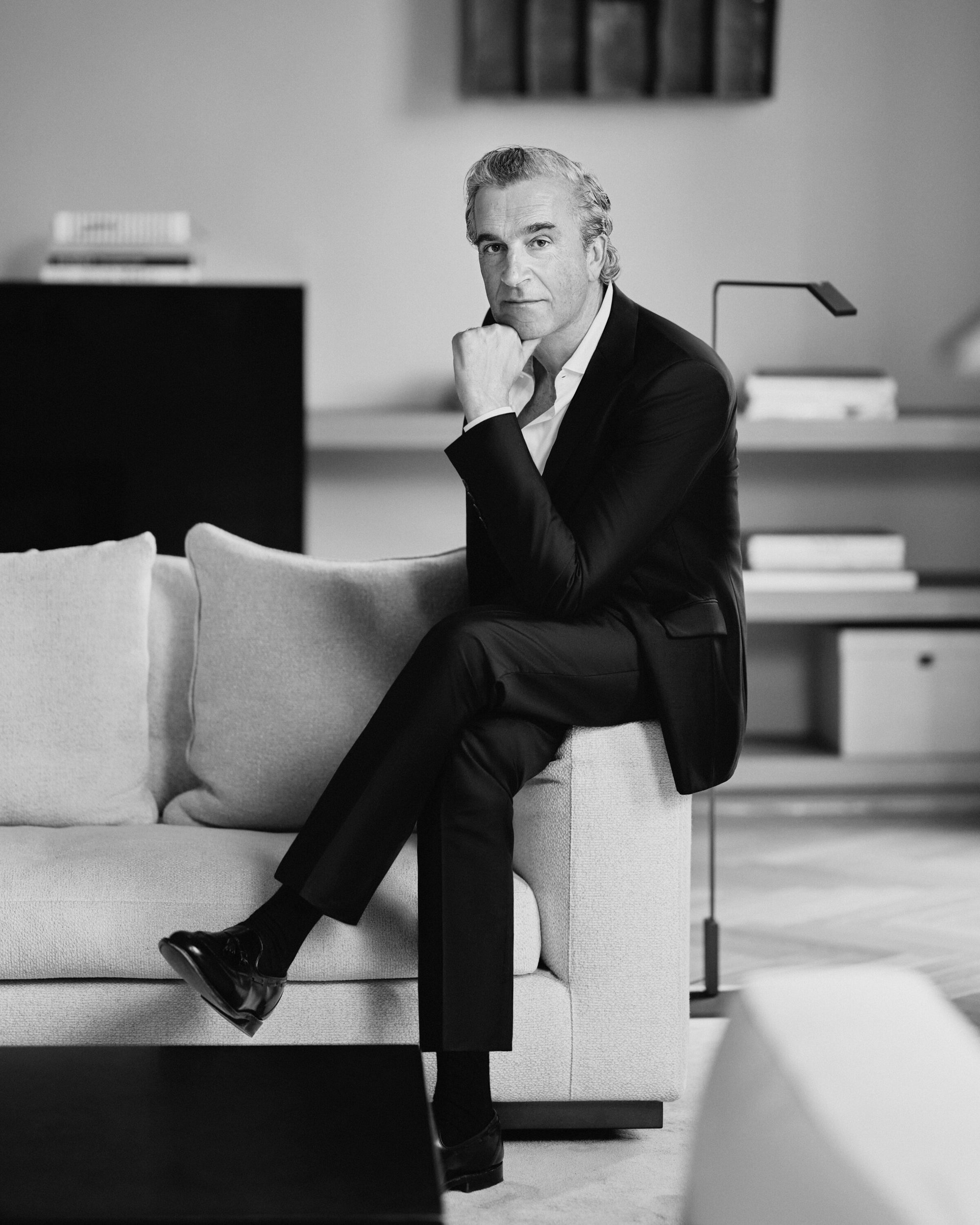
In a statement released Thursday, Puig confirmed that conversations between the companies had concluded without an agreement.
“We appreciate the meaningful conversations that have taken place with The Estée Lauder Companies,” said Puig Chief Executive Officer Jose Manuel Albesa. “Puig has a strong track record of growth and outperforming the premium beauty market. We remain focused on executing our strategy, delivering profitable growth and prioritizing the interests of all our stakeholders.”
Albesa added that the decision would not alter Puig’s long-term direction, emphasizing the company’s focus on premium beauty, disciplined growth and selective acquisitions.
The Estée Lauder Companies also reiterated confidence in its standalone future. “We are more optimistic than ever about our ability to unlock significant long-term value,” said President and Chief Executive Officer Stéphane de La Faverie, referencing the company’s ongoing “Beauty Reimagined” strategy.
The collapse of the talks follows reports that negotiations had become complicated by Charlotte Tilbury’s ownership structure within Puig. According to multiple reports, Tilbury — who retains a 21.5 percent stake in the makeup brand Puig acquired in 2020 — had been renegotiating elements of her agreement with the Spanish group.
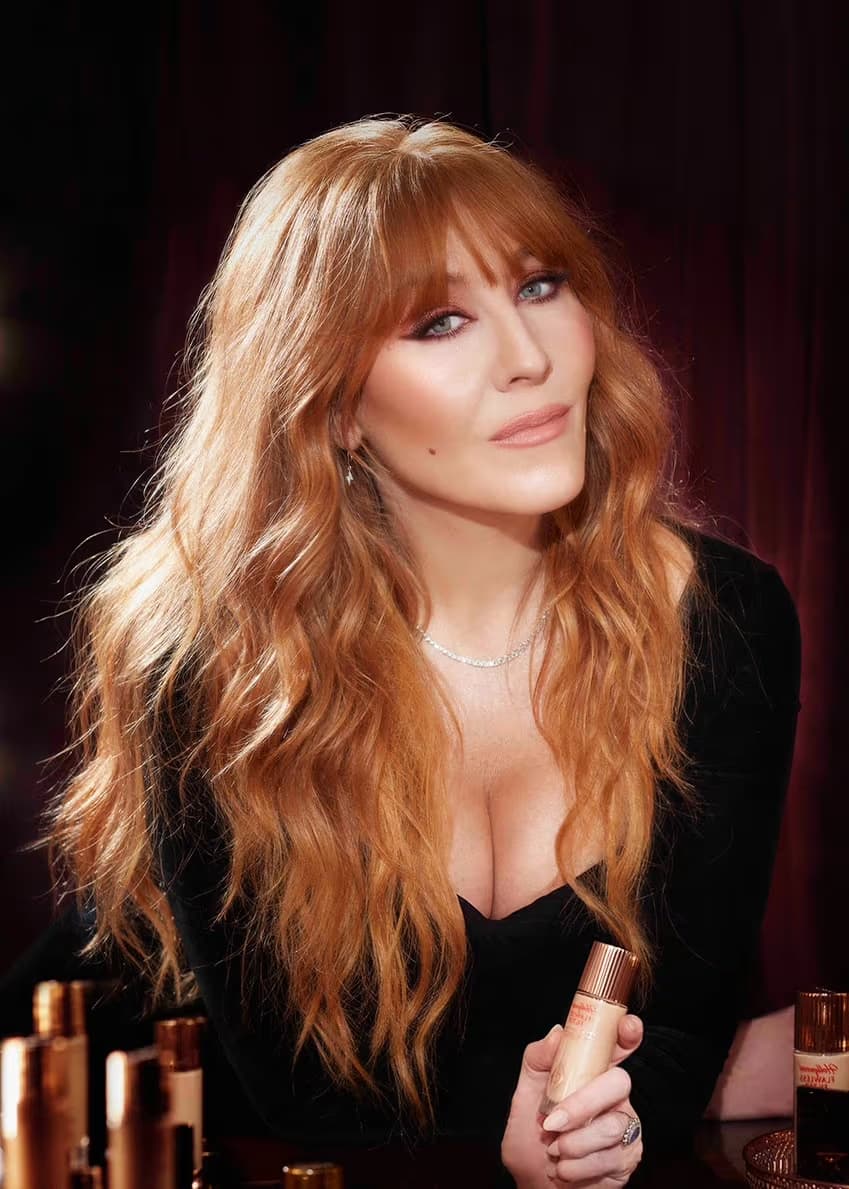
Puig purchased a majority stake in Charlotte Tilbury’s business in 2020 in a deal estimated at 1.2 billion pounds. Under the agreement, Puig holds options to acquire the remaining stake by 2031, while Tilbury reportedly also retains the right to trigger a sale of her shares earlier under certain conditions.
Industry sources suggested the potential financial implications surrounding that structure became a key sticking point during merger negotiations.
Despite the failed talks, both companies emphasized the strength of their existing portfolios.
Puig’s stable includes Rabanne, Carolina Herrera, Jean Paul Gaultier, Nina Ricci, Dries Van Noten and Byredo, alongside Charlotte Tilbury and niche fragrance labels including Penhaligon’s and L’Artisan Parfumeur. The Barcelona-based group reported net sales of 5.04 billion euros last year.
The Estée Lauder Companies owns brands including Estée Lauder, Clinique, Bobbi Brown, Deciem and Tom Ford Beauty, with annual sales of $14.7 billion.
The end of the discussions comes at a moment of renewed financial confidence for Lauder. The company recently reported third-quarter organic sales growth of 2 percent, supported by strong fragrance performance, while also projecting stronger momentum into fiscal 2027.
For Puig, the company reaffirmed that its “robust capital structure” leaves room for future acquisitions, though it stressed it would maintain a “highly selective, value-driven approach” to mergers and acquisitions moving forward.
The merger would have created one of the world’s largest premium beauty groups, combining fragrance, skincare and makeup portfolios with estimated annual sales exceeding $20 billion.