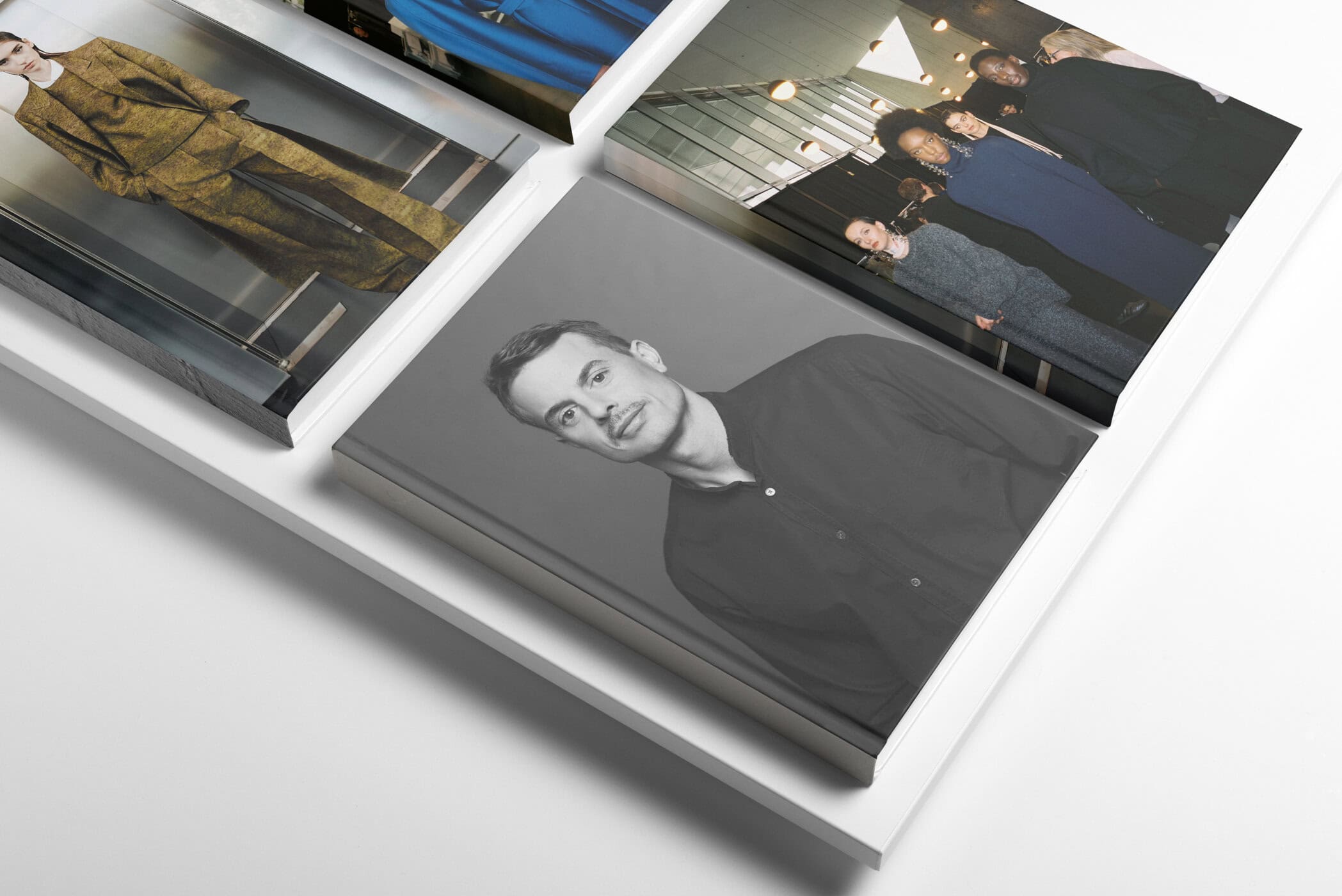
Ahead of his Antwerp.Fashion Festival show, the designer spoke with The Impression about Kyoto, the Antwerp Six, and the survival instincts behind 23 years in fashion
By Kenneth Richard
Before Christian Wijnants’s Antwerp.Fashion Festival show, there was a moment that felt very much like the designer himself: intimate, practical, poetic, and slightly at the mercy of the weather. Backstage, with the lineup already taking shape and the last drops of rain still being negotiated outside, Wijnants invited The Impression in for an early look at the collection. The runway show held at the modernist Provinciehuis building would come shortly after, but the first impression was quieter and more personal: clothes gathered in anticipation, the designer moving through them with the calm of someone who knows both the romance and the logistics of getting a collection into the world.
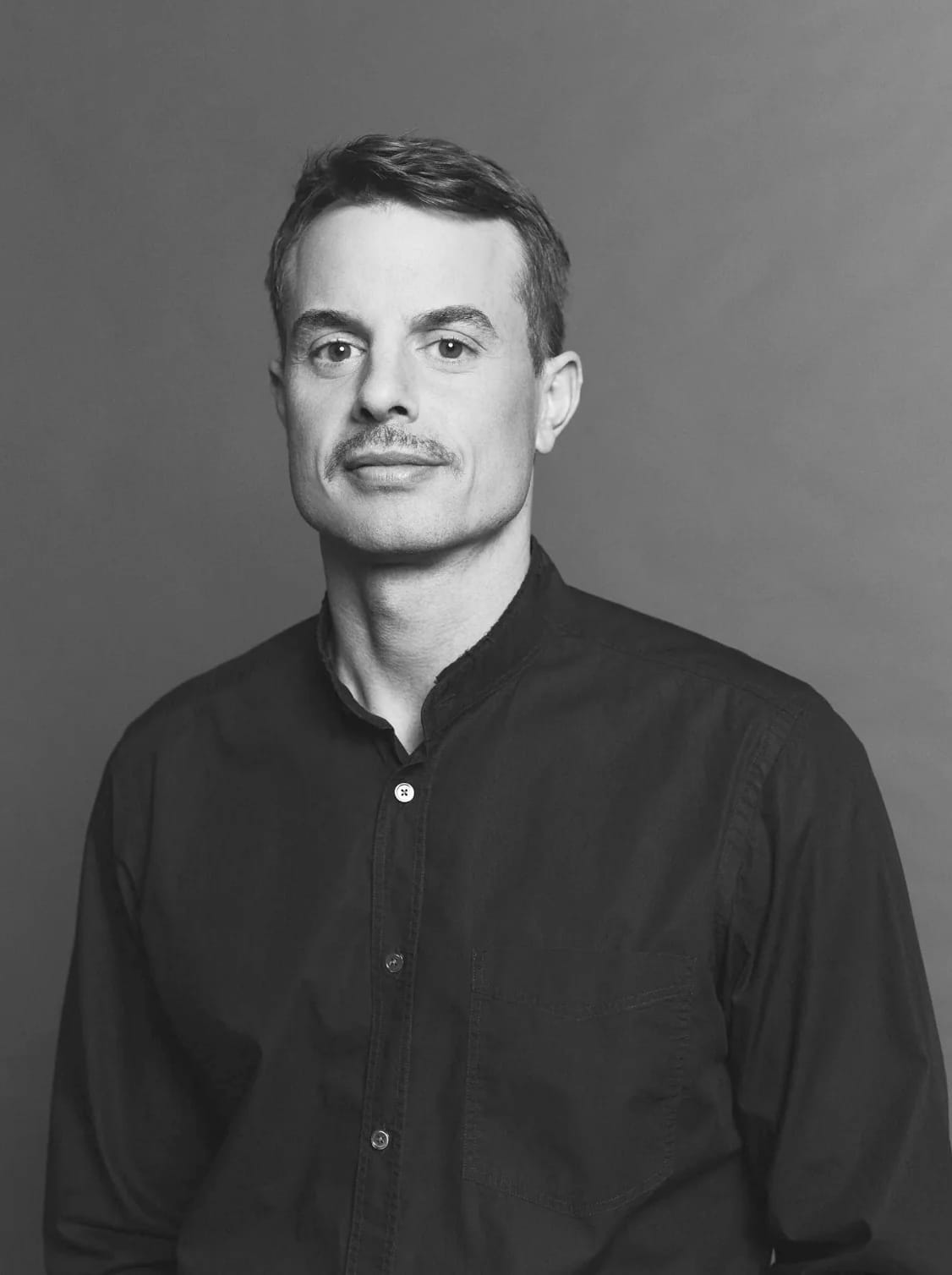
For Wijnants, the decision to show in Antwerp carried its own emotional charge. Though originally from Brussels, he has lived in Antwerp for nearly 30 years, after moving to the city to study at the Royal Academy of Fine Arts. His home is only a few hundred meters from the show venue, a building he had passed countless times and long admired for its setting, architecture, and surrounding park. The proximity was almost comically perfect. After years of showing in Paris, here was a show quite literally in his neighborhood.
I live, actually, 300 meters from here, so this is literally in my street. I passed by this building all the time, and it’s amazing, the building itself, the surroundings, the parks. This is my place as well.
-Christian Wijnants
Antwerp.Fashion Festival gave him the reason to do what had never quite happened before. Paris remains essential for press and buyers, but Antwerp allowed Wijnants to open the experience to a wider circle: the clients, friends, family, followers, and longtime supporters who have been close to the brand but are not always in the Paris rooms where fashion officially announces itself.
I love the idea that we have this fashion festival. It’s unique, and I thought I’m from here, so I wanted to give the chance to my followers, friends, family, people who buy my brand for many years to come to see the show.
-Christian Wijnants
That idea of bringing the work closer to the heart shaped the day as much as the setting. Wijnants has built his brand over 23 years with a language rooted in knitwear, color, fluidity, and an instinct for clothes that feel sensuous without becoming precious. The new collection began with Kyoto, a city whose temples and sand gardens gave him a sense of calm he wanted to translate into clothing.
“The collection was inspired by a trip that I did in Kyoto,” he said. “I love Kyoto, and I love the feeling I get when I’m there and visit the temple, see the sand gardens. So, I wanted to really to have something comforting.”
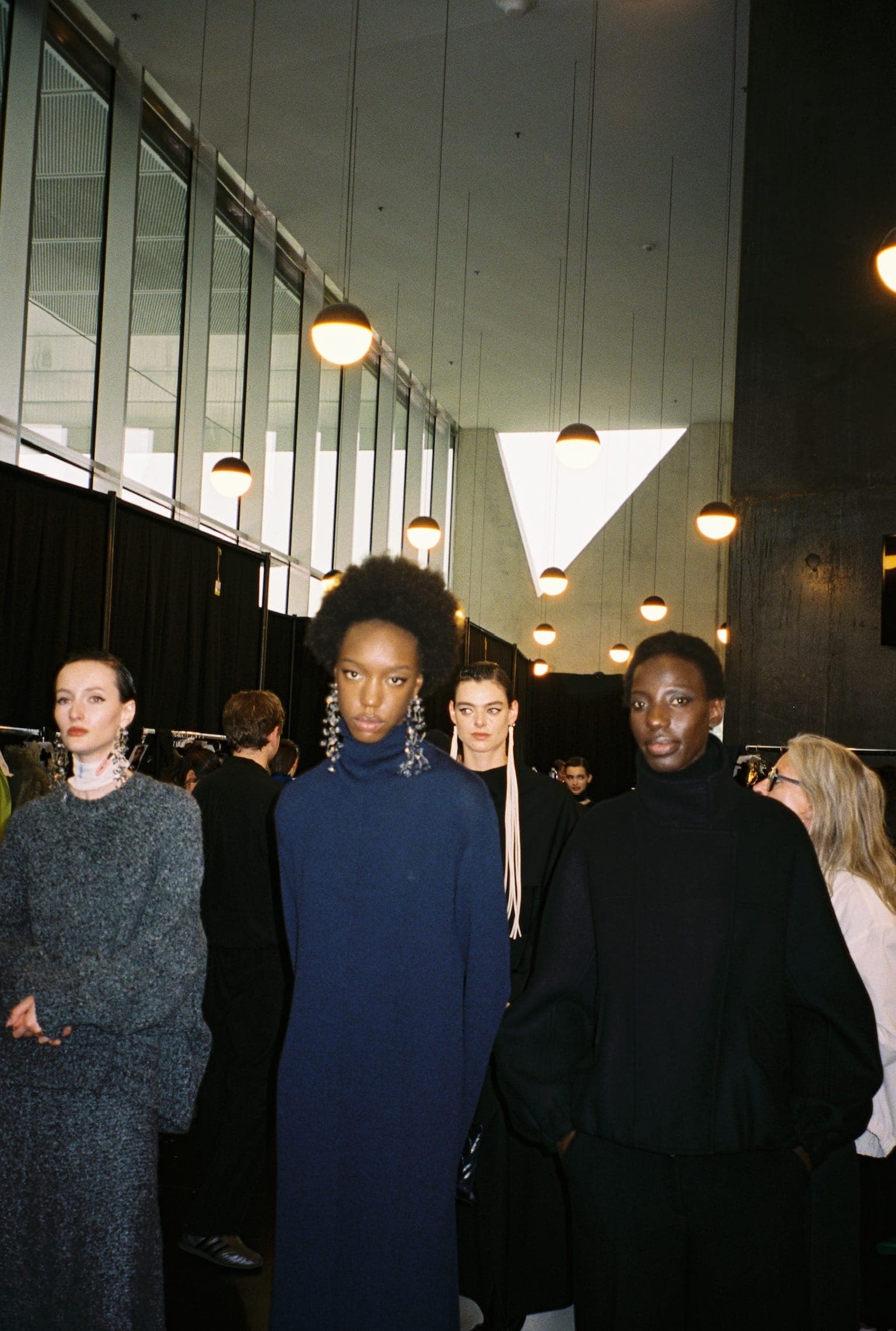
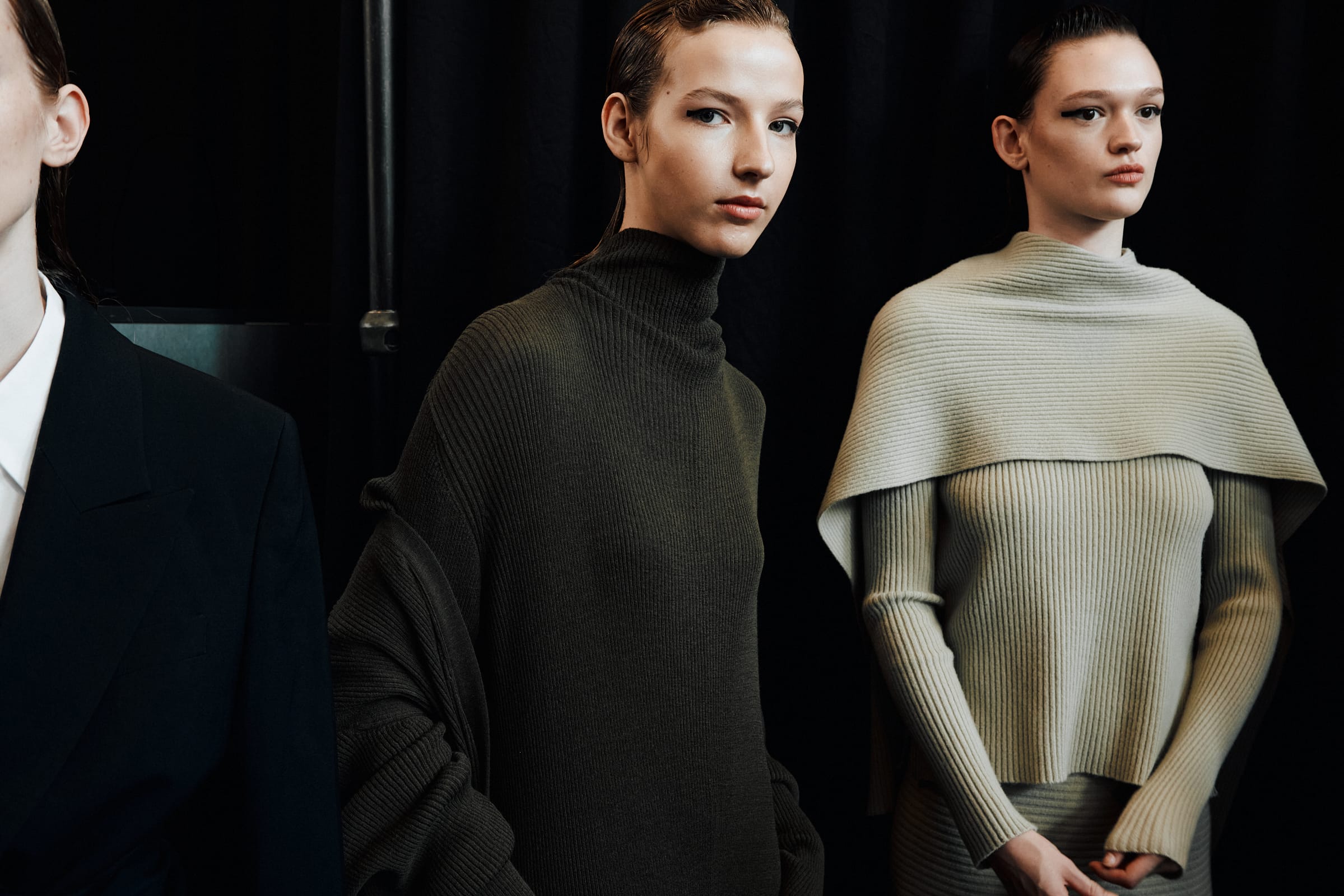
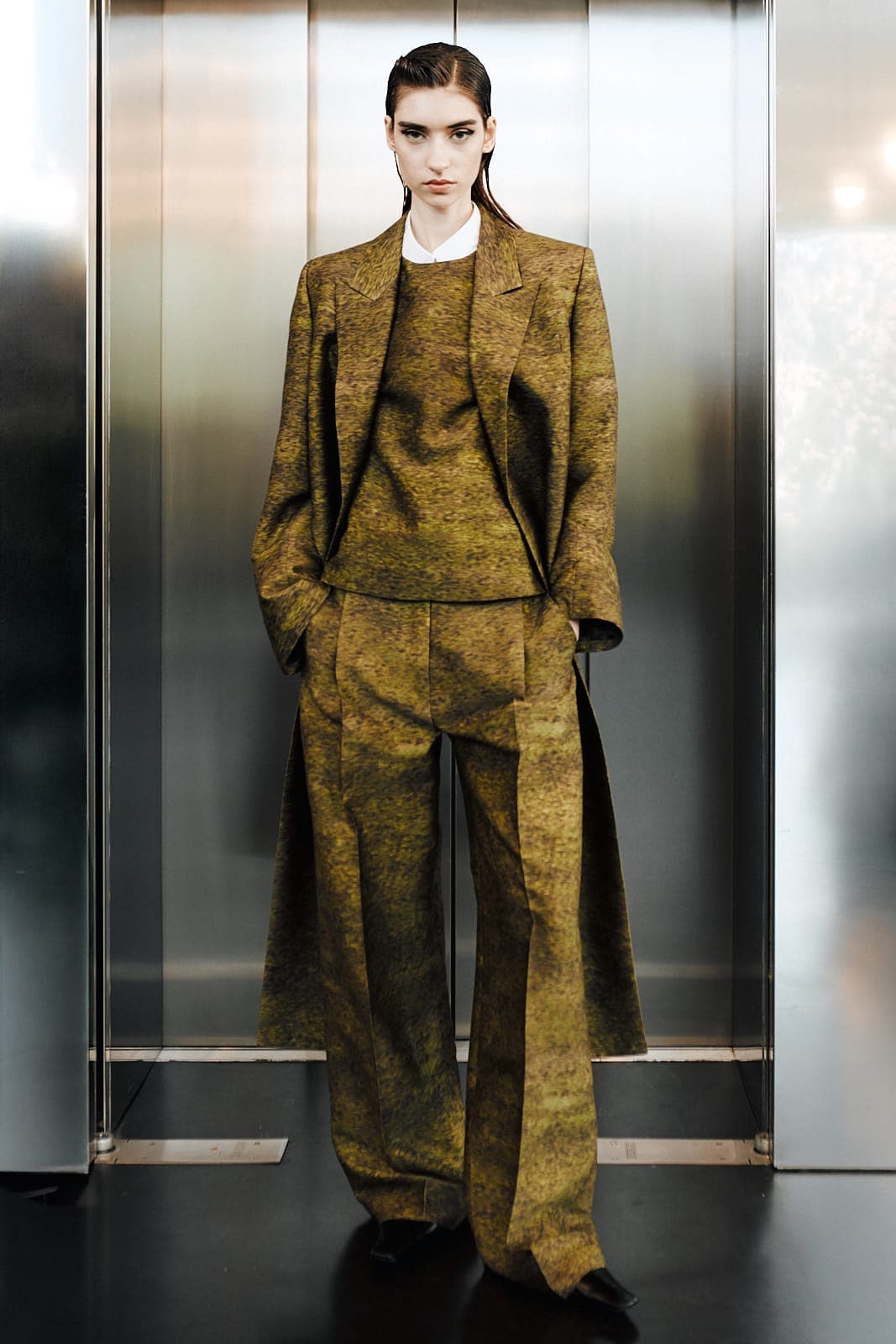
That feeling came through in curved knitwear, three-dimensional surfaces, autumnal tones, fluid forms, and silhouettes that balanced softness with strength. Wijnants pointed to the sculptural knits as part of a long-standing passion, the kind of technique that has been present in his work since the beginning. Elsewhere, balloon shapes and scarf-like gestures gave the collection movement, while touches of mohair, drawn from the world of teddy-bear fabric, brought a tactile warmth to the lineup. The references were specific, but the mood was not literal. Kyoto became less a theme than a temperature: contemplative, earthy, textural, and quietly powerful.
“Even the color palette was really inspired by autumnal trips that I did in Japan,” he said. There was, he added, “a lot of fluidity, but also something kind of powerful with the silhouettes.”
The Antwerp setting made another layer of the story visible. Wijnants’s relationship with the city began long before his own brand. As a teenager in Brussels, he discovered the Antwerp Six and Martin Margiela, and the encounter changed the direction of his life. “I’m a huge fan of the Antwerp Six and Margiela,” he said. “When I was a kid, when I was 14, I discovered them, and I was fascinated by the Antwerp fashion, and the Royal Academy was really a big inspiration. So I moved from Brussels here to study here in the Academy, and I got in love with the city, so I stayed here.”
What drew him to the Antwerp Academy was the directness of its fashion education. From early in the program, students were making collections and putting work on the runway, learning through the pressure and visibility of presentation. Wijnants recalls being attracted to the structure of the curriculum, from historical and ethnographic costume studies to the increasing number of silhouettes students were expected to develop year by year. There was romance in the school’s reputation, but also a rigor that appealed to him.
That combination of aspiration and reality has followed him into his career. When asked what advice he would give the next generation, Wijnants did not offer a glossy motivational line. He offered the kind of counsel that sounds light only because it has survived experience.
The advice I got is like, don’t think too much, just go for it. If you hesitate, if you think too much about all the things that can be difficult and challenging, you will not dare to start a business nowadays in fashion. So, one of the best advice people shared with me was to just be naive, just go for it.
-Christian Wijnants
The line lands because Wijnants is not naïve now. After more than two decades in business, he understands the fragility and resilience required to keep an independent fashion company moving. He has weathered the 2008 financial crisis, Covid, shifting retail expectations, production pressures, and the constant need to adapt without losing the sensibility that makes the brand recognizable. His word for it is survival instinct.
“We always adapt,” he said. “Actually, my company was for 23 years already, and we’re in many crises already in 2008 and then you have Covid, and we always adapt. We keep on reinventing ourselves, we adapt, we try to go with the flow, and to think like what can we do, so that to survive.”
For Wijnants, that flexibility is not a failure of consistency. It is the condition that allows consistency to last. At times, the company has cut collections down; at other moments, it has invested. Systems shift, calendars change, and the brand responds. The current business adjustment is particularly telling. Wijnants has been doing pre-collections for years, but he is now changing the Paris selling calendar so that pre and main collections can be presented together during menswear, allowing more time for production and better sell-through in stores.
The reason is not glamorous, but it is exactly the sort of operational reality that determines whether independent brands can thrive. “If you go to Paris in October, you get orders, you have to put it in production three months later, it has to be on the floor, it’s impossible,” he said. “So we have a lot of problems with production and that, so it’s not a glamorous side of fashion, but that’s the reality.”
The math is unforgiving. Orders placed in late October are expected to arrive in January, leaving brands with barely enough time to source materials, produce, ship, and deliver. “We don’t have time to buy the fabric,” Wijnants said. Presenting earlier, he explained, gives the company more efficiency, stronger deliveries, and more time on the selling floor. “We all know the earlier you deliver, the better you can sell, because the products are on the floor longer,” he said.
That business clarity gave the Antwerp show an added resonance. Here was a designer speaking about temples and sand gardens one moment, and fiber lead times the next, without treating the two as contradictions. In fashion, especially for independent houses, creative identity and production reality are not separate worlds. They meet in every garment, in every order, in every delivery window, in every decision about when to show and how to survive long enough to keep making the work.
Wijnants has always had a strong Belgian business base, with a significant portion of the brand’s activity in Belgium, including his own store and multiple local stockists. Showing in Antwerp was therefore not simply a symbolic return to a creative birthplace. It was also a gesture toward a community that has supported the brand commercially and emotionally. It allowed the people who live with the clothes to be present for the moment of their unveiling.
That closeness is part of what made the backstage preview feel so telling. Wijnants was not staging a grand mythology of return. He was showing where he lives, what has influenced him, what keeps him going, and what he has learned about building a fashion business over time. The weather cleared. The lineup moved from private inspection to public presentation. The festival setting gave Antwerp one of its own back for an evening, and Wijnants used the moment with characteristic understatement.
Fashion often celebrates longevity after the fact, as though endurance were simply the reward for good taste. Wijnants understands it more actively. Longevity requires changing the system when the system stops working, protecting the craft when the calendar becomes irrational, and knowing when the most strategic thing a designer can do is bring the show closer to home. At Antwerp.Fashion Festival, he did exactly that, turning a Kyoto dream, an Antwerp street, and 23 years of survival instinct into a collection that felt both grounded and quietly transported.