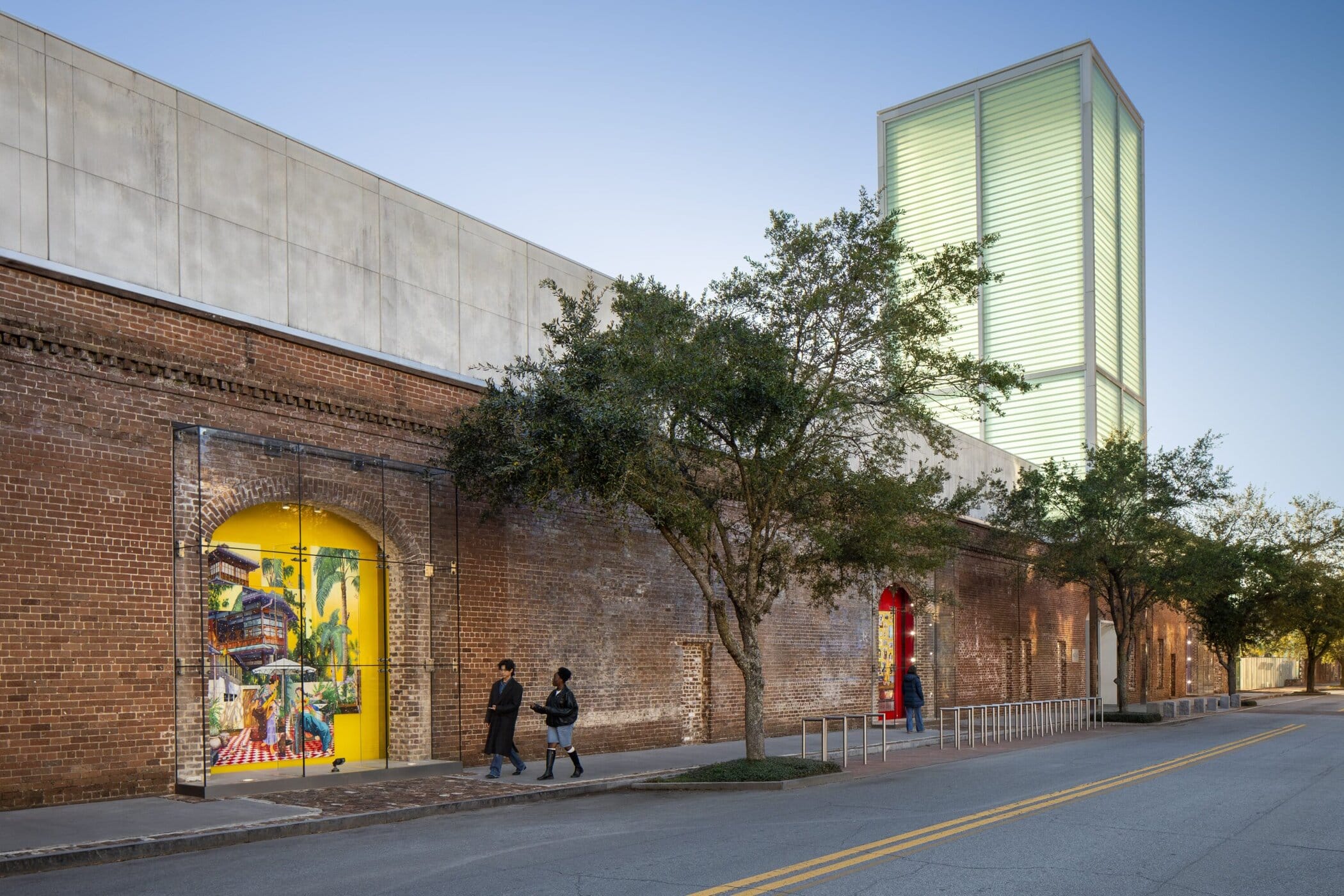
A dynamic program of exhibitions and conversations positions artistic expression at the center of cultural exchange
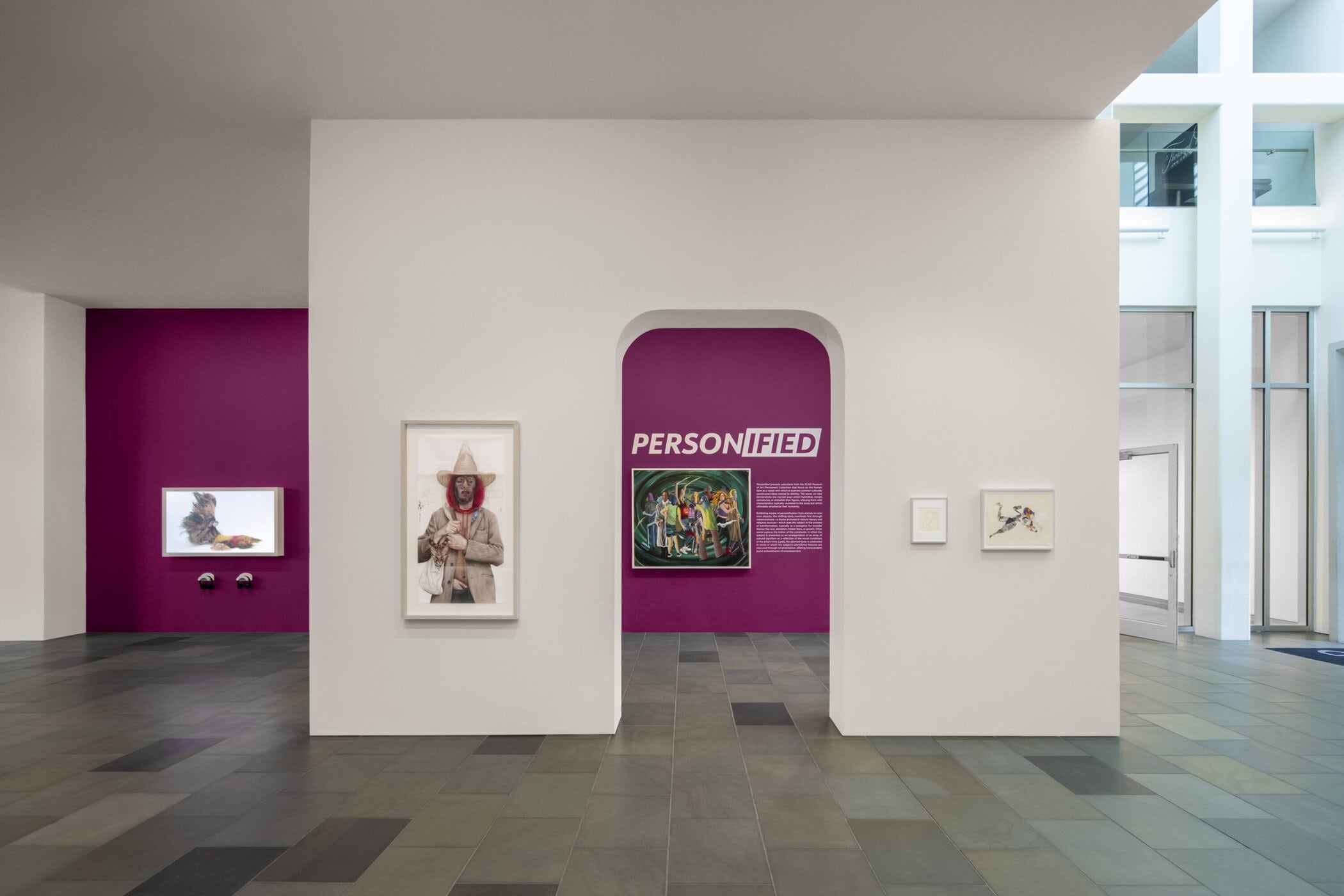
The Savannah College of Art and Design returns with the 17th edition of SCAD deFINE ART, reaffirming its role as both cultural convener and incubator of contemporary thought. Spanning Savannah and Atlanta, this year’s program unfolds as a carefully orchestrated dialogue between established visionaries and emerging voices, where artistic expression is not merely displayed but actively interrogated. If previous editions set the tone, 2026 refines it—less spectacle for spectacle’s sake, more a considered meditation on how art shapes, and is shaped by, the world around it.
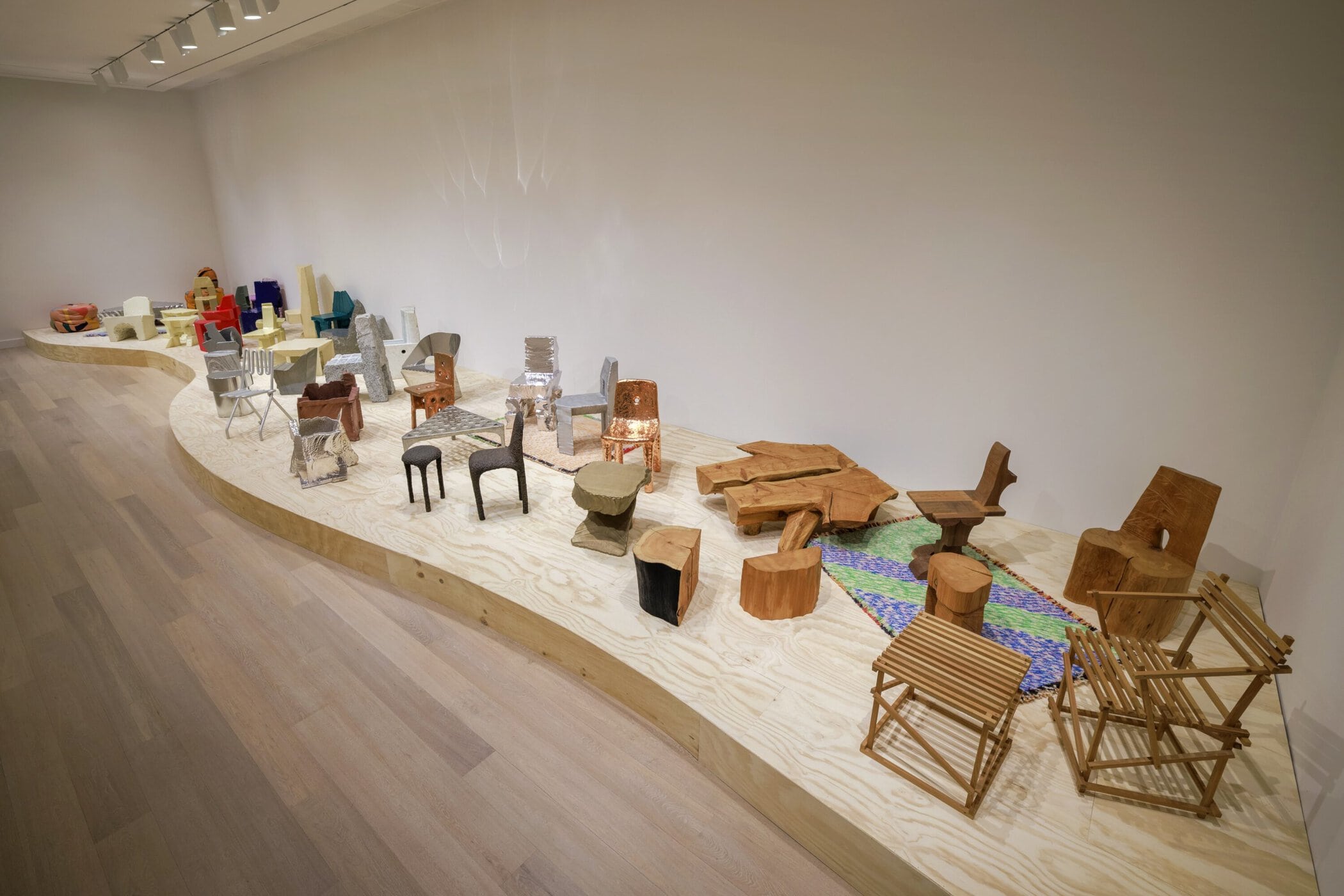
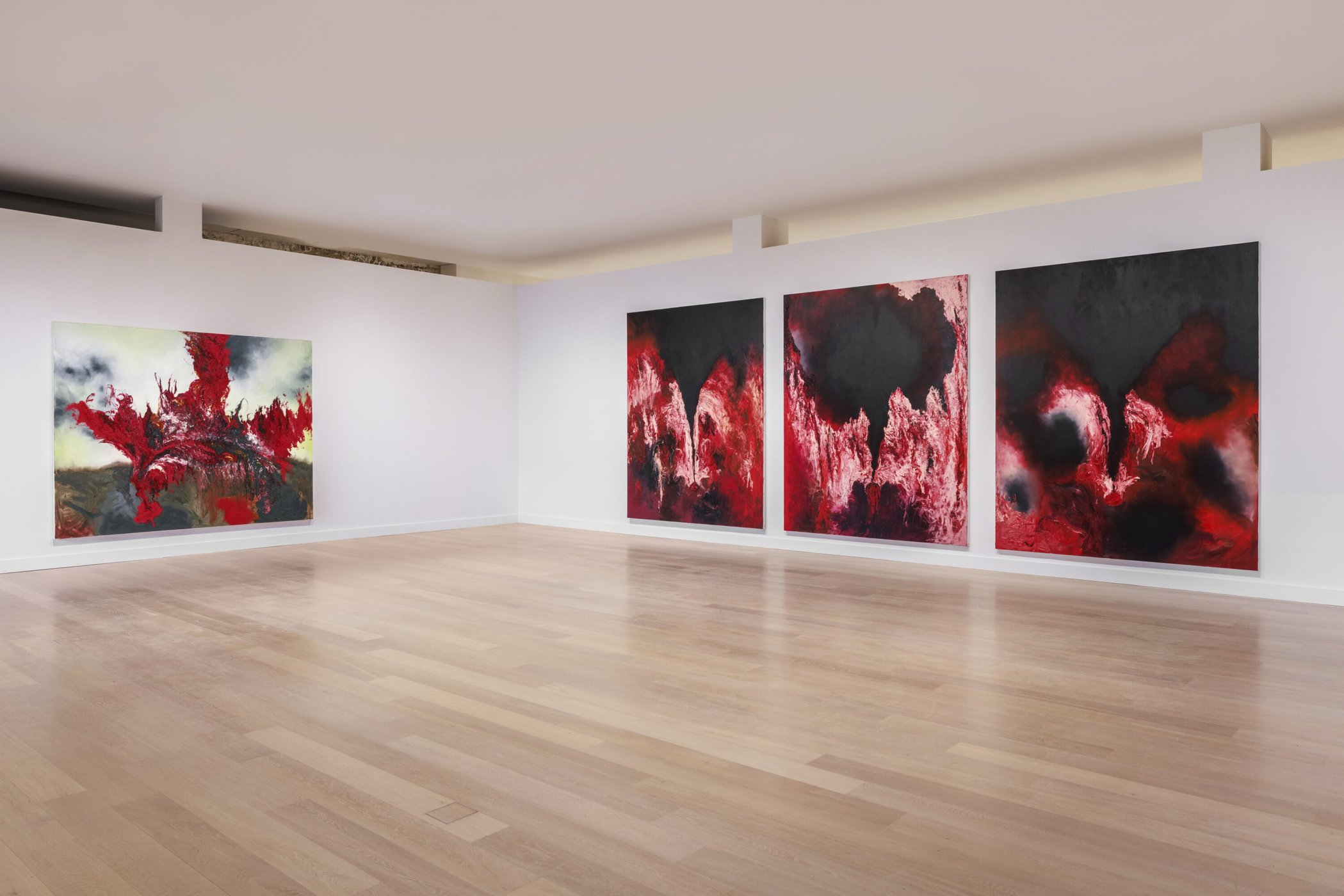
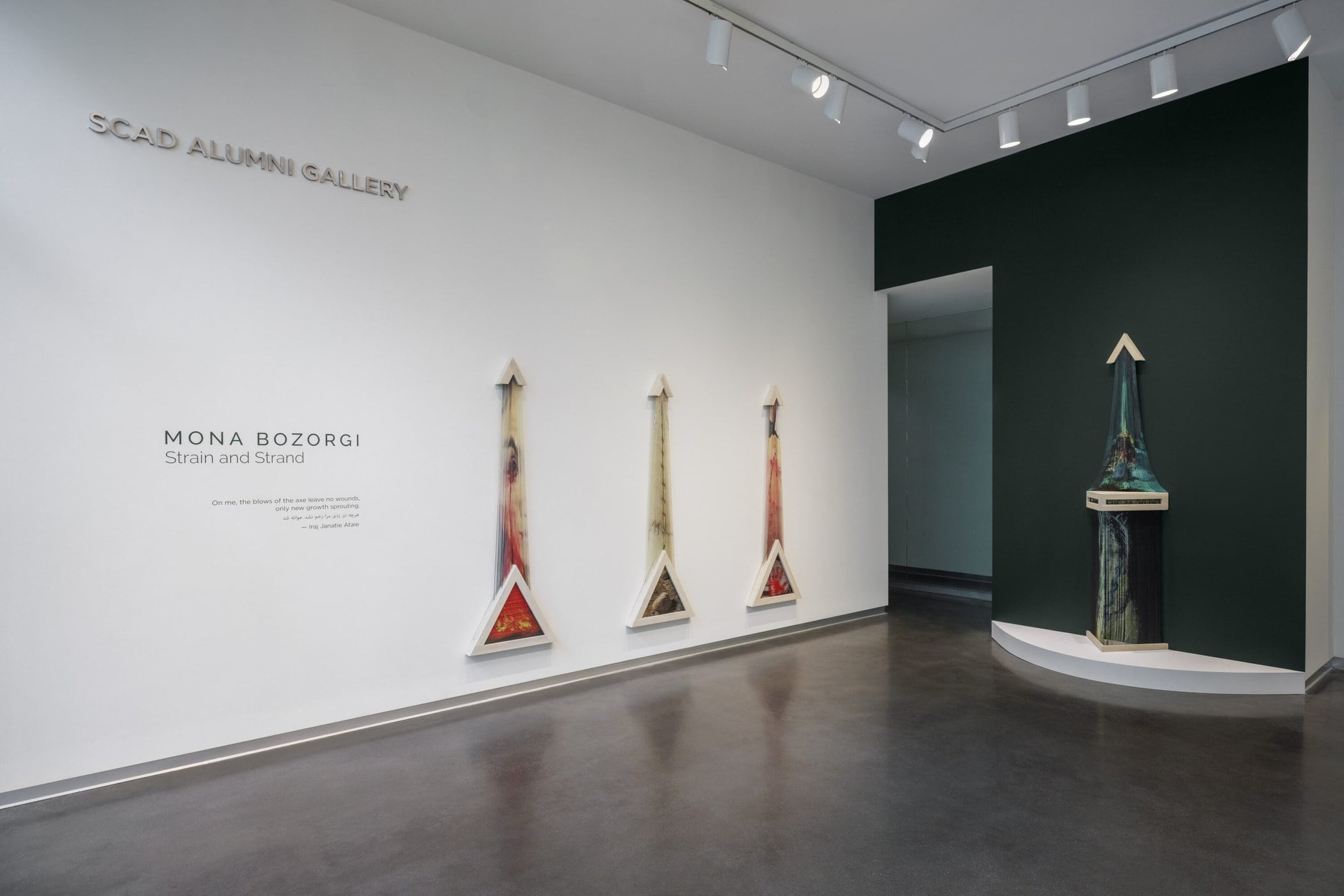
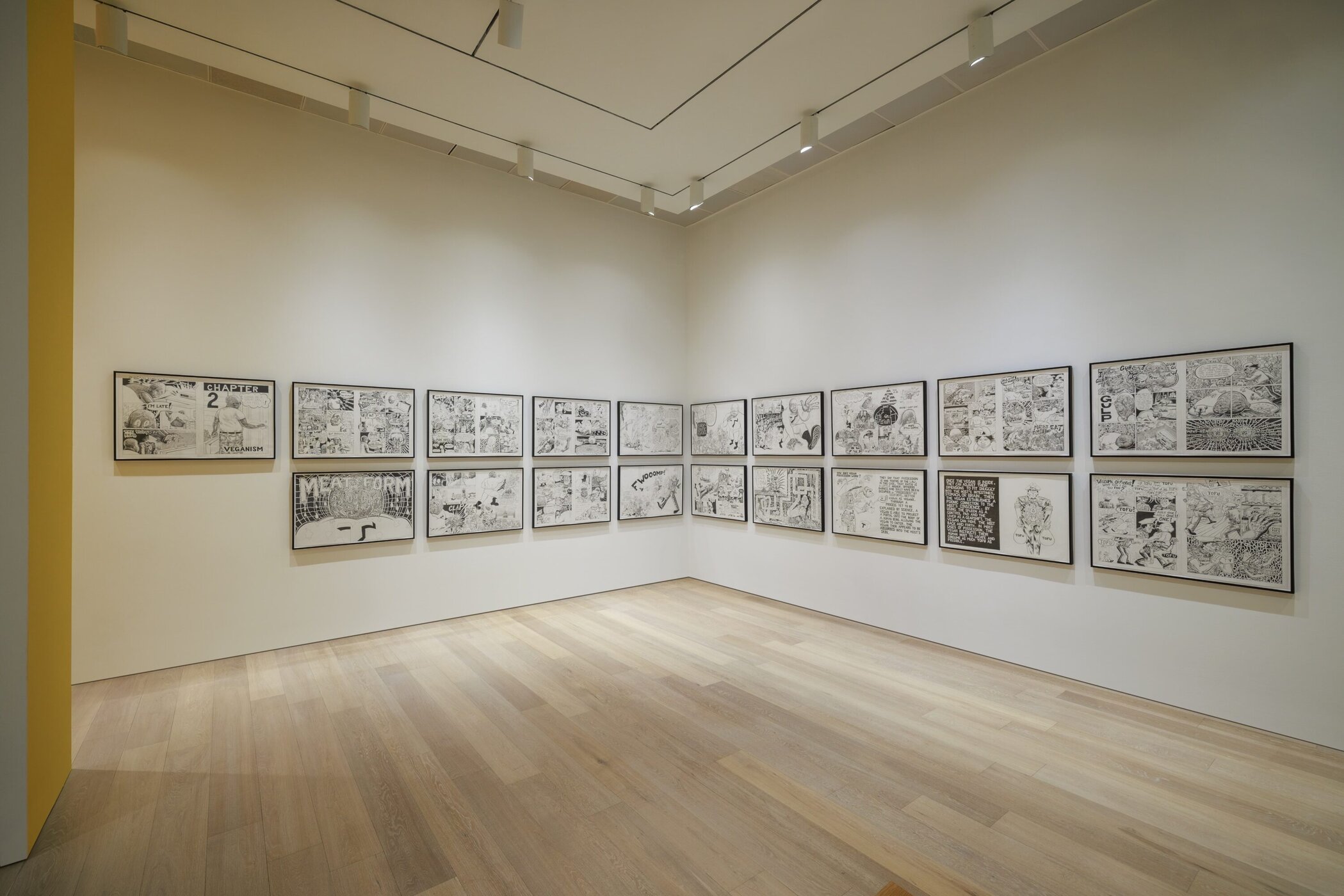
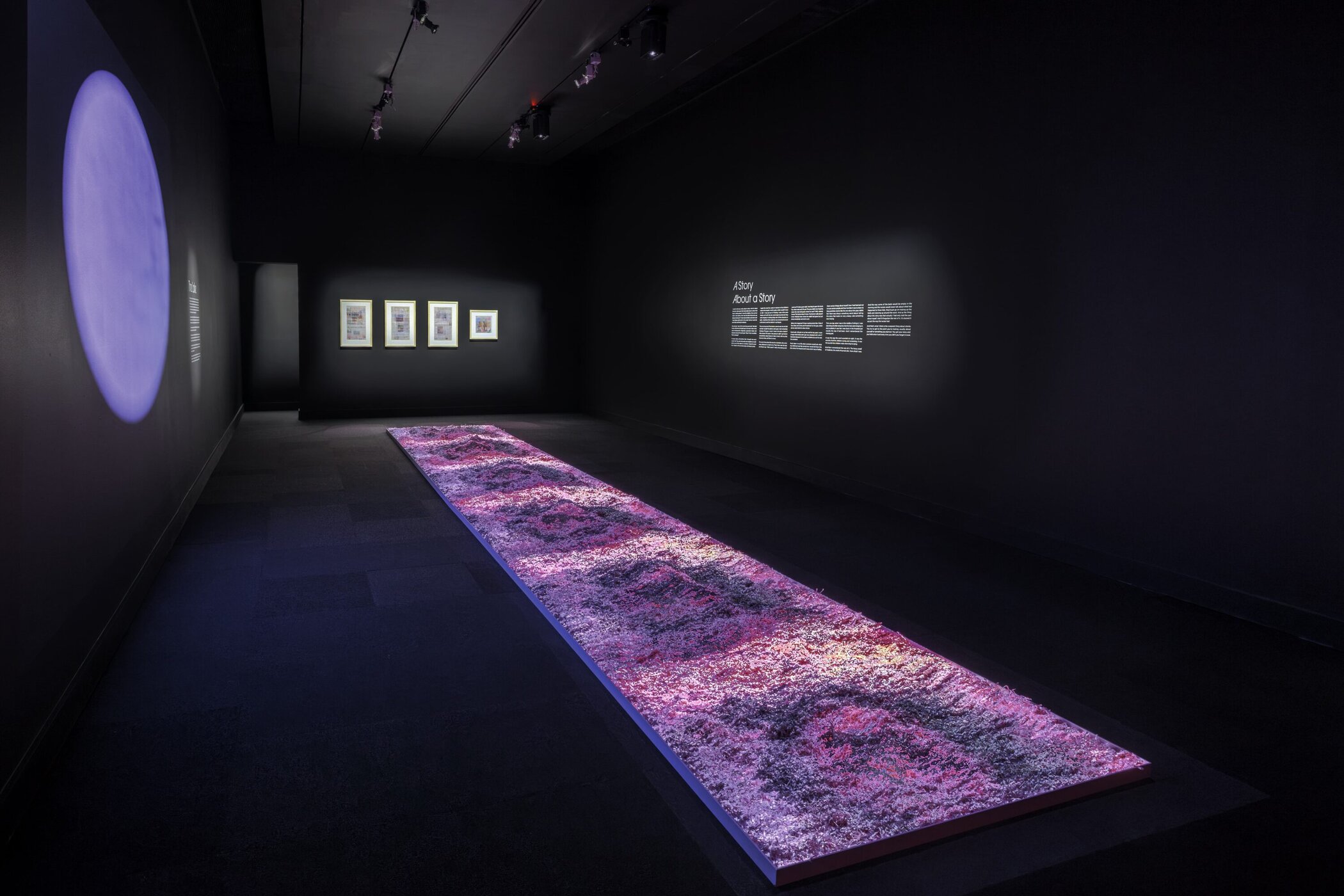
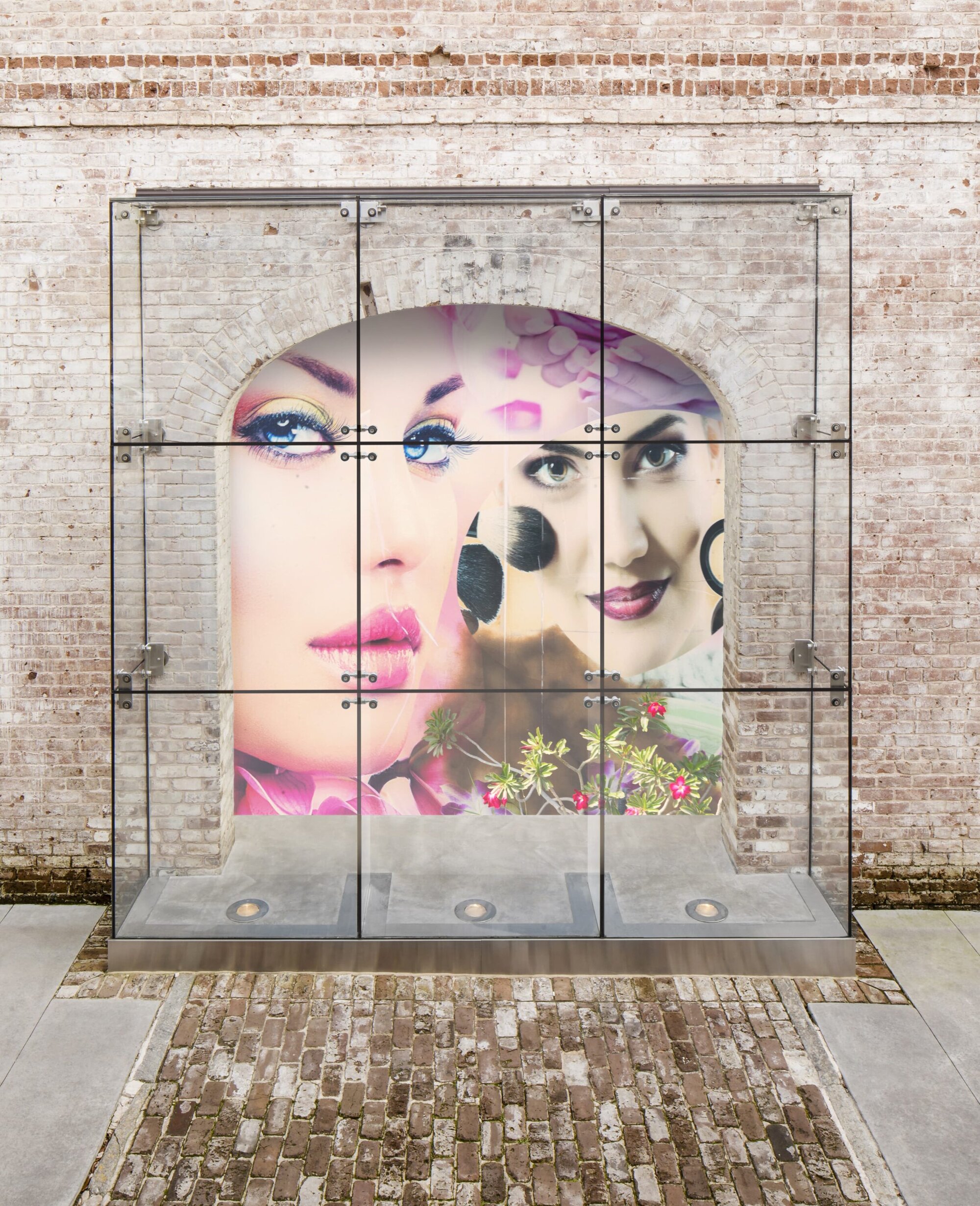
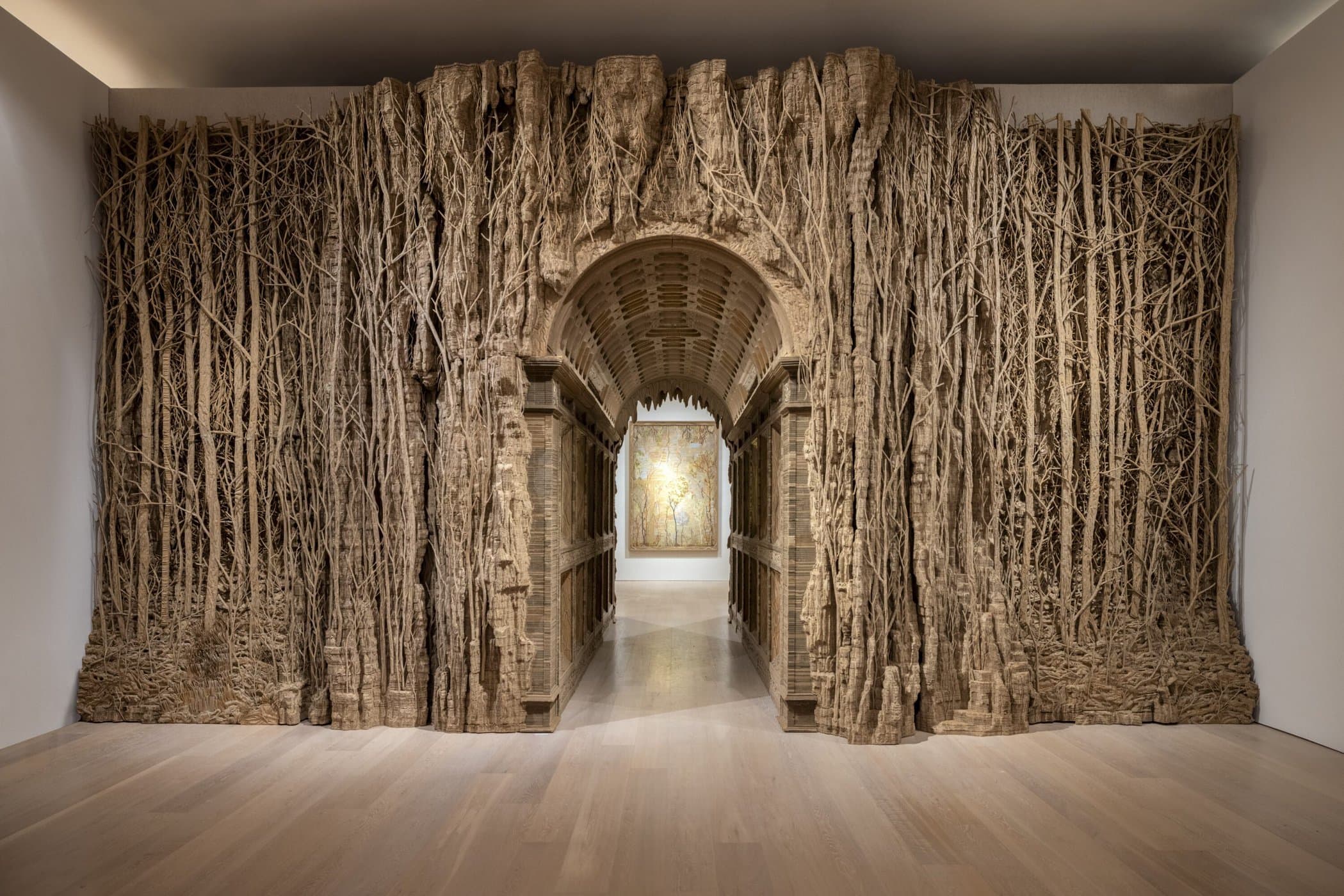
At the heart of the program, eight new exhibitions at the SCAD Museum of Art offer a richly layered perspective on global creativity. From the immersive, multidisciplinary worlds of Laurie Anderson to the materially driven investigations of Max Lamb, the curation balances intellectual rigor with sensory engagement. Eva Jospin’s intricate environments invite quiet contemplation, while Anish Kapoor’s commanding canvases pull viewers into a more visceral, almost metaphysical exchange. Elsewhere, Farah Al Qasimi and Mona Bozorgi challenge the boundaries of image-making, probing identity, memory, and the politics of representation through distinctly contemporary lenses.
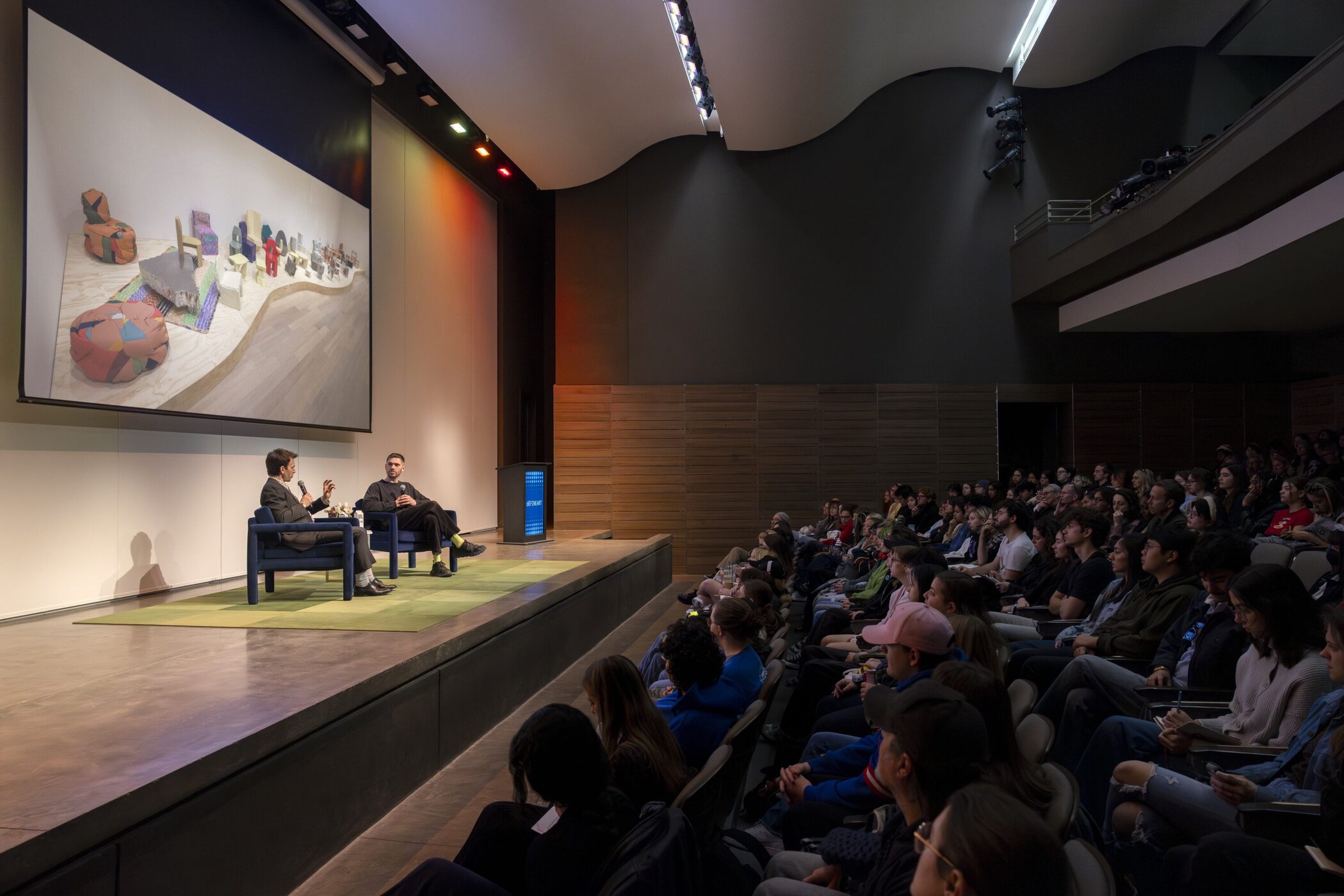
What distinguishes this edition is its nuanced understanding of audience as participant rather than observer. Through talks, masterclasses, and performances, the festival extends beyond the gallery walls, fostering an ecosystem where ideas circulate as freely as the visitors themselves. This emphasis on access and exchange underscores SCAD’s broader educational ethos—one that positions creativity as both a discipline and a shared language. It is here that the event feels most vital: not in its scale, but in its ability to connect disparate practices into a cohesive cultural conversation.
Still, in its ambition to encompass such a wide spectrum of voices, the program occasionally risks diffusion. The sheer breadth of mediums and perspectives can, at moments, feel less like a tightly edited narrative and more like an expansive archive. Yet perhaps this is precisely the point. In an era defined by multiplicity, SCAD deFINE ART resists singular interpretation, opting instead for a chorus of perspectives that reflect the complexity of contemporary art itself.
Ultimately, the 2026 edition succeeds not by offering definitive answers, but by posing better questions. It reminds us that art, at its most compelling, is not a conclusion but an ongoing inquiry—one that SCAD continues to stage with both conviction and curiosity.