The French House Increased Investments Across Retail, Manufacturing, And China As Early “Blazymania” Demand Began Fueling High-Single-Digit Growth
Chanel returned to growth in 2025, signaling renewed momentum for the French luxury house as early excitement around Matthieu Blazy’s creative reset began translating into stronger sales, increased brand heat, and rising confidence inside the company.
Revenue for the year ended Dec. 31 rose 2 percent to $19.3 billion, or roughly 1.8 percent on a comparable basis, marking a turnaround from the previous year’s decline amid the prolonged slowdown in luxury spending, particularly in China. Operating profit increased 5.2 percent to $4.7 billion, while net income declined 14.3 percent to $2.9 billion.
The company said sales accelerated into high-single-digit growth territory in the second half of 2025 across product categories and regions, momentum that has continued into the first months of 2026.
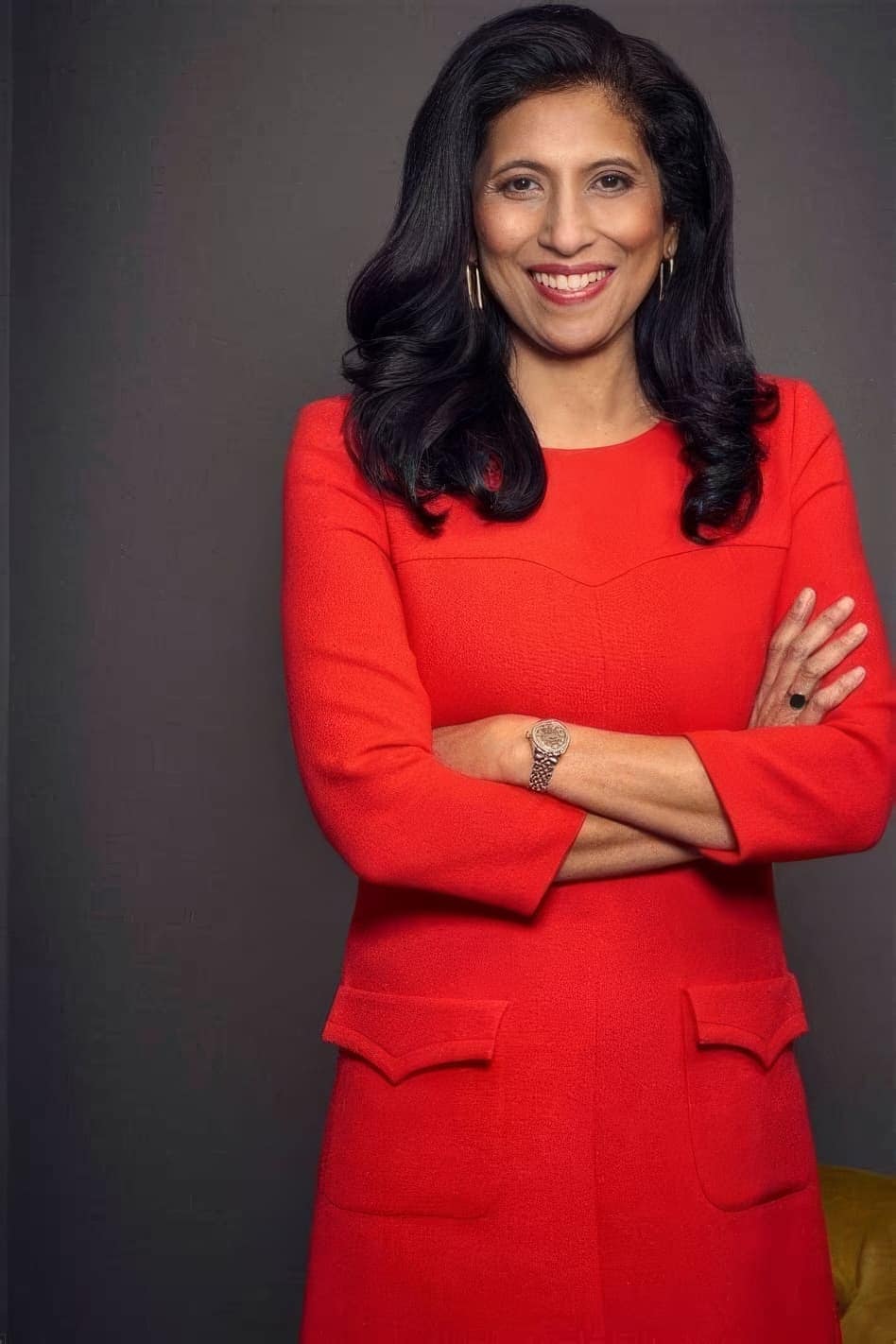
“Our long-term approach to investment fuelled a year of exceptional creative momentum across the house, which we see positively impacting the 2025 numbers and contributing to the continued strength of our brand,” said Chief Executive Officer Leena Nair.
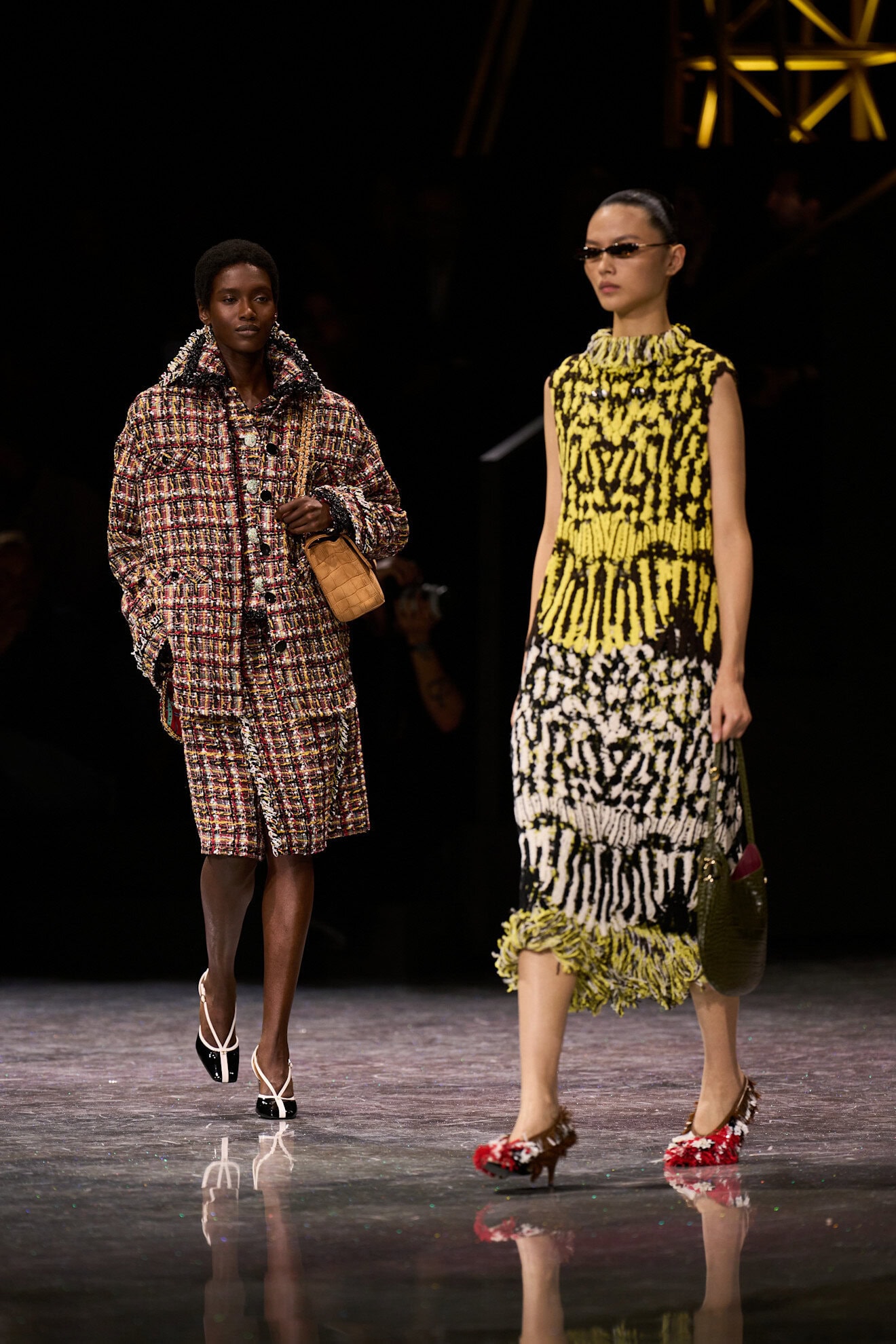
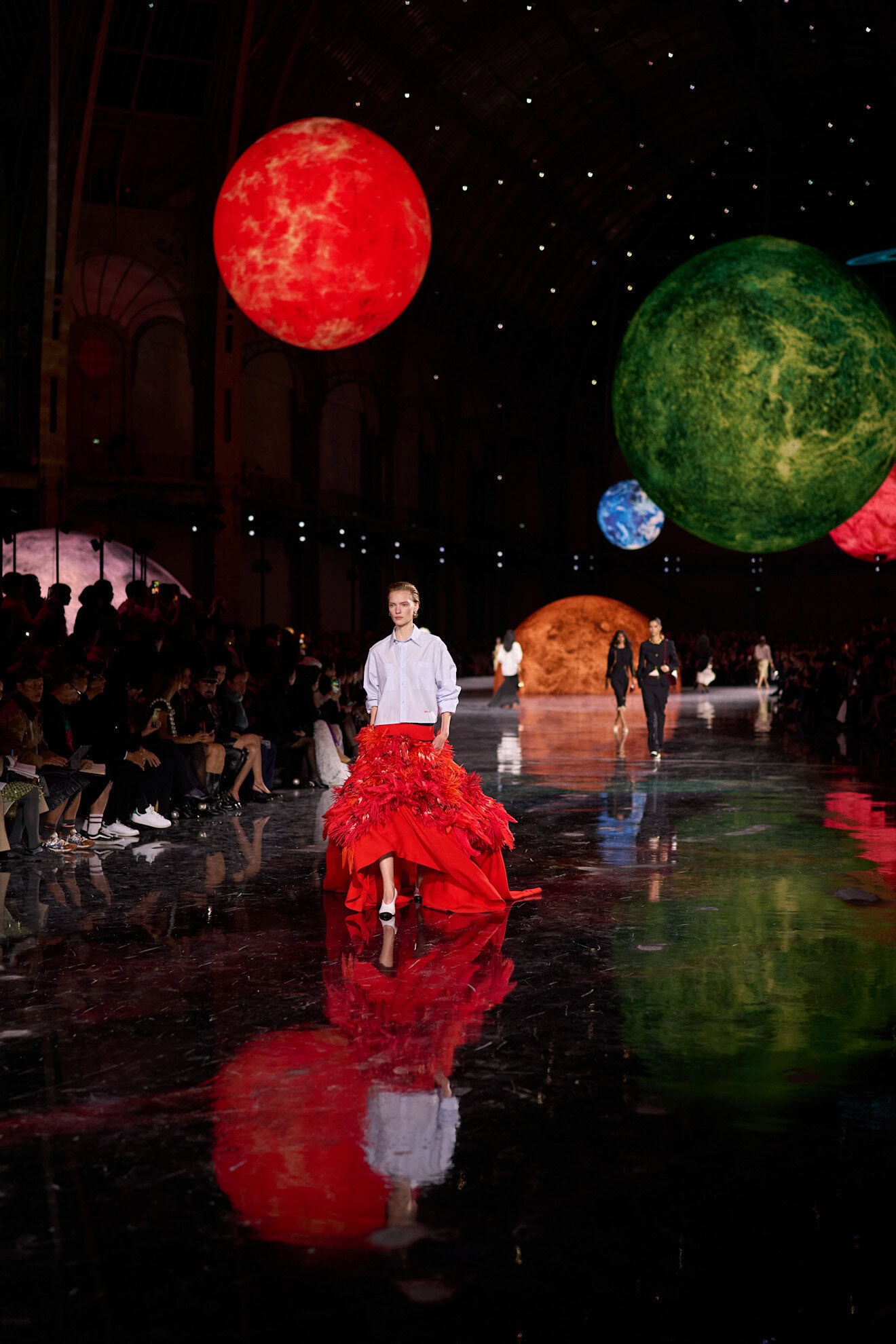
Much of that momentum has centered on Matthieu Blazy, whose first runway collection for Chanel debuted in October and quickly generated intense consumer response. While Blazy’s products only began arriving in stores in March 2026, the anticipation surrounding his arrival — amplified through runway presentations and high-profile events from New York to Biarritz — has already triggered what some inside the industry have dubbed “Blazymania.”
The renewed attention helped push Chanel to the top of Lyst’s brand heat rankings during the first quarter of the year and reinforced growing optimism around the house’s ability to capture market share while many luxury competitors remain under pressure.
Chief financial officer Philippe Blondiaux said Chanel’s growth momentum has continued into 2026, with the company seeing high-single-digit revenue increases year-to-date.
The Americas led Chanel’s performance in 2025, while Europe posted moderate growth and Asia-Pacific remained softer overall. In Asia, sales declined 0.8 percent during the year, though Mainland China, Hong Kong, and Taiwan returned to positive territory in the fourth quarter — a trend executives said has continued this year.
“The results of the momentum we see in China today is the result of all the investments we’ve been making in this very important country for us,” said Nair, who recently spent a week in China. She pointed to signs of economic stabilization, renewed energy in the market, and strong enthusiasm for Blazy’s collections.
Chanel plans to continue investing aggressively in China, where it recently reopened its expanded Plaza 66 flagship in Shanghai and added five fragrance and beauty boutiques last year. A second private salon for VIP clients is scheduled to open in Shanghai this year, while the company’s artisanal crafts center, 19M, will launch a cultural program at Shanghai’s Museum of Art Pudong in September.
Unlike many luxury rivals that have shifted into retrenchment mode, Chanel has maintained elevated investment levels across manufacturing, retail, and supply chain integration.
The company invested approximately $700 million into manufacturing capabilities in 2025, including leather goods production, as it continued to address quality concerns and secure long-term control over specialized suppliers. Chanel acquired majority control of leather goods manufacturer Renato Corti, took a minority stake in silk specialist Mantero Seta, and invested in Scottish cashmere spinner Todd & Duncan.
Additional investments included a new fragrance manufacturing facility in France, continued development of Nevold — Chanel’s circular materials platform — and a new global headquarters in London scheduled to open later this year.
While reported capital expenditure declined 17 percent to $1.45 billion, Chanel said spending actually increased once the impact of prior real estate acquisitions was excluded.
Distribution also remained a key focus. Chanel added a net 41 stores during the year, including 26 fragrance and beauty boutiques, seven fashion locations, and eight watches and jewelry stores. Major openings and renovations included locations in Shanghai, Hong Kong, Las Vegas, Toronto, and Fukuoka.
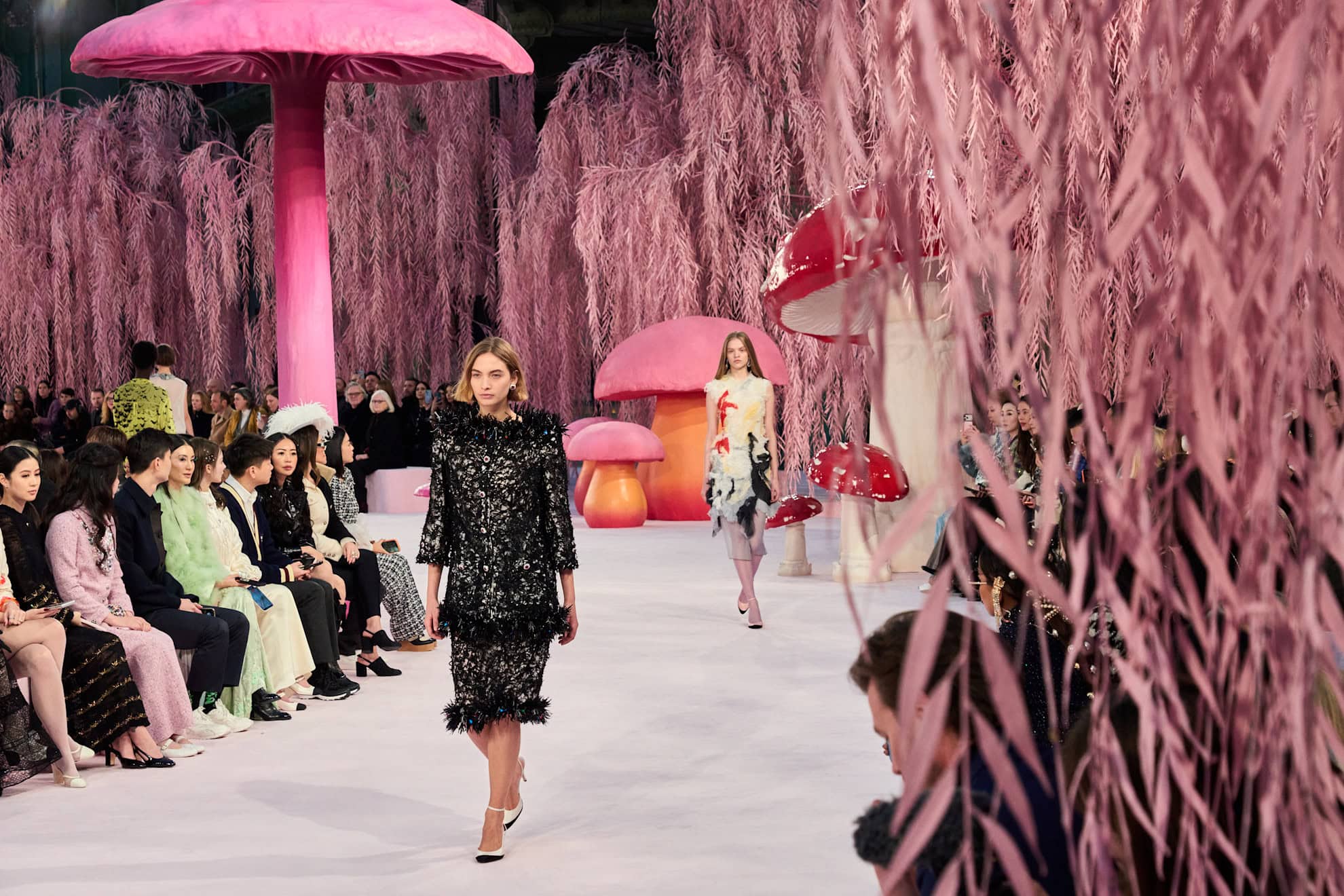
The company plans to open an additional 30 boutiques in 2026.
At the same time, Chanel has moderated its pricing strategy following broader industry pushback against steep post-pandemic price hikes. Executives said price increases this year would remain limited and largely aligned with inflation, similar to 2025 when overall prices rose approximately 3 percent and fashion prices increased about 2 percent.
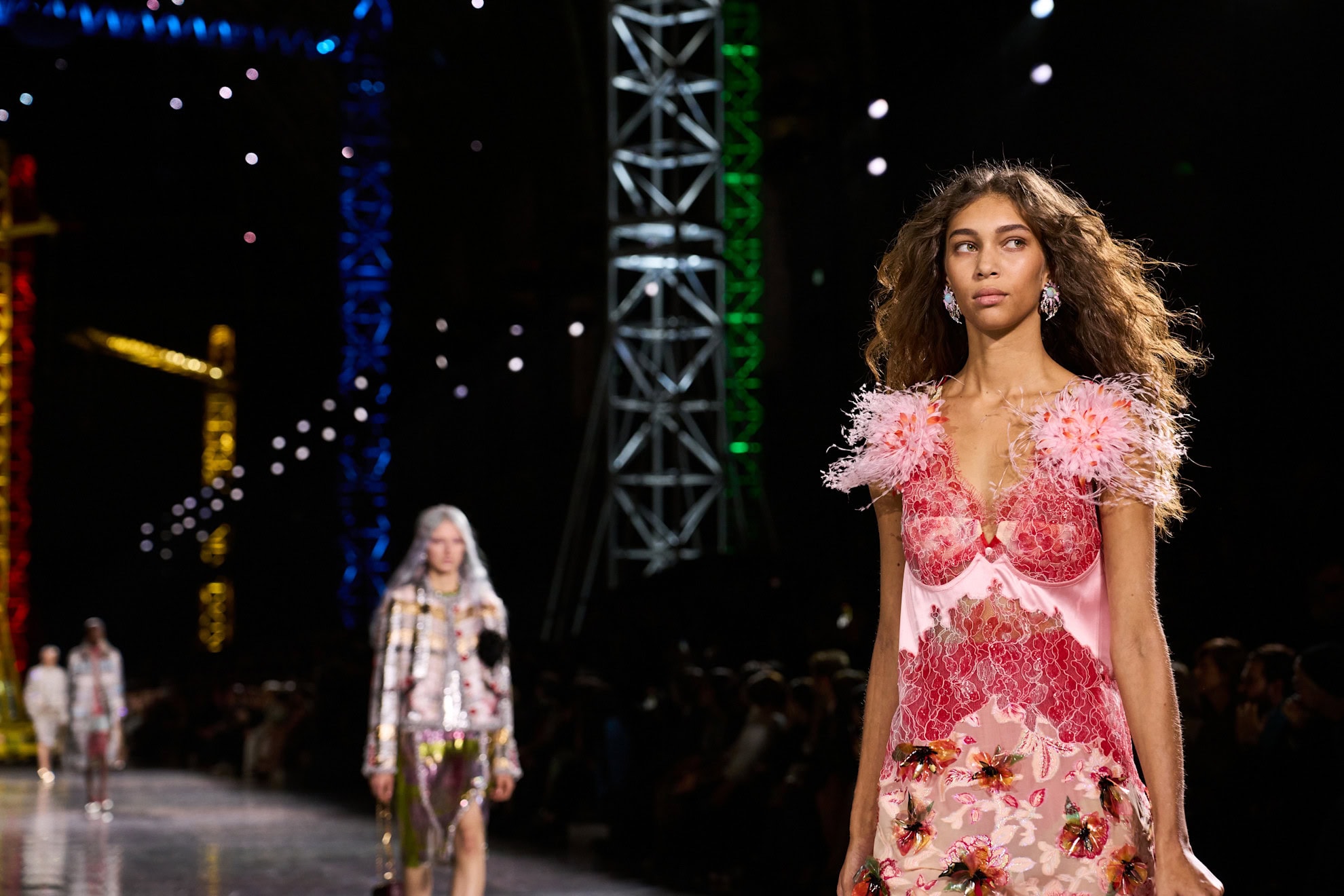
The more measured approach comes as luxury consumers increasingly demand stronger product innovation and craftsmanship alongside rising prices — an area where Chanel believes Blazy’s creative direction could provide a meaningful competitive advantage in the years ahead.