Spring 2027 Asked Why We Dress, Menswear Answered With Purpose (or Menswear Finds its Purpose Again)
By Angela Baidoo
The men’s spring 2027 season, far from playing in the peripherals and seeking out extreme ideas to gain column inches (and social media virality), united designers via several inter-connected themes that responded to multiple external pressures – climate, economic uncertainty, political instability and consumer fatigue – by asking a simple question: how do we design with purpose?
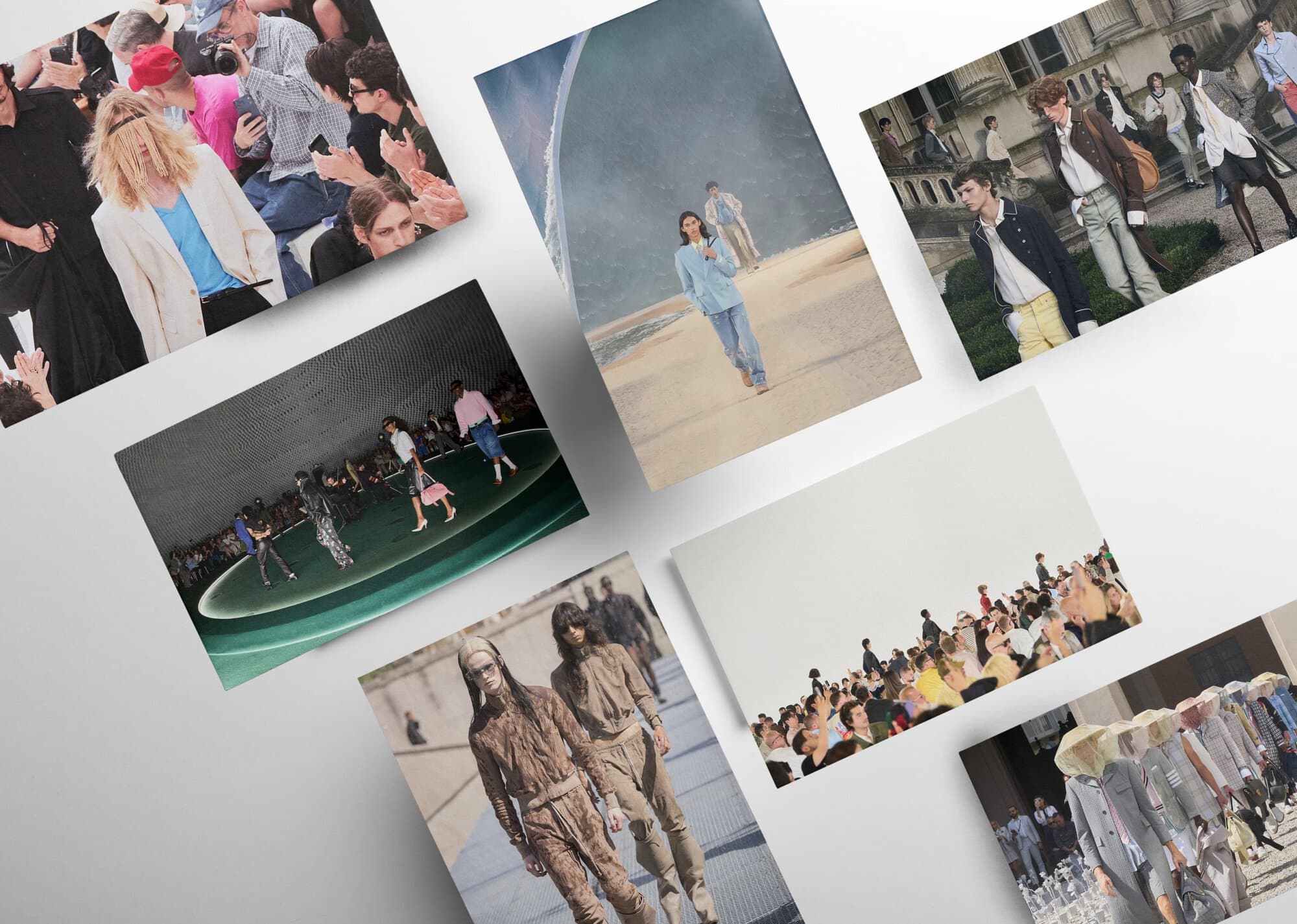
Menswear is entering a new era of intentionality, as across Florence, Milan and Paris four key themes around purpose, the climate, leaning into the light-hearted, and defining one’s personality via shopping our wardrobes overlapped and built on one another. For several seasons, even years, there have been conversations around the need for reduction, but next season will mark the point when it physically manifests. Across the cities, designers appeared less interested in proposing entirely new ways of dressing and instead responsibly refined the clothes already hanging in our wardrobes. The result was a season built on a rejection of reinvention for reinvention’s sake.
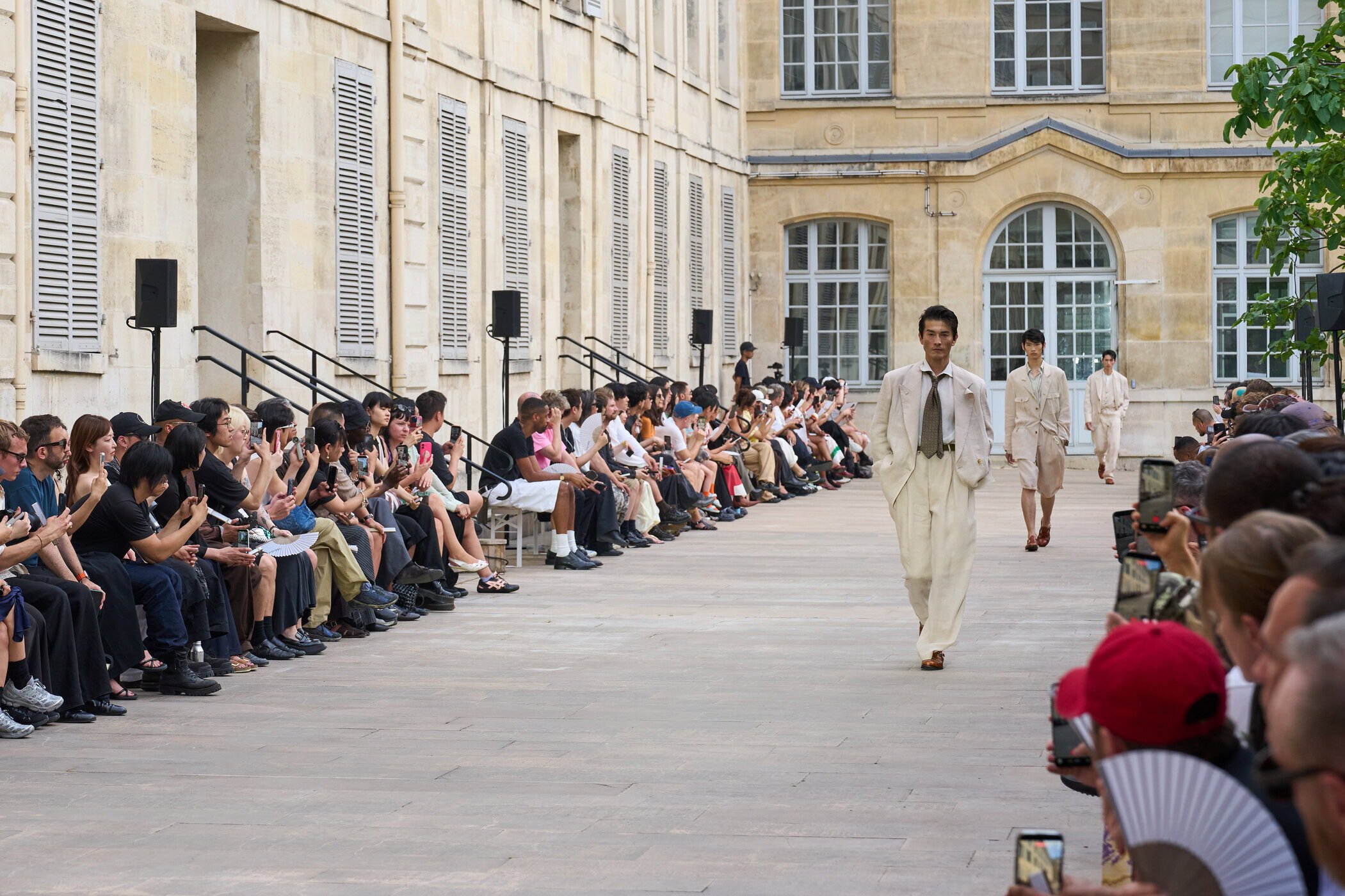
The shift has been a long time in the making, especially as questions remain around Milan’s truncated calendar, which will be a growing concern for media outlets, stylists, and creators considering where best to place their travel expenditure next year. Luxury is also continuing to grapple with economic uncertainty, consumers questioning the ‘Luxury Value Equation’ with greater scrutiny than ever before, and the realities of a warming planet that is no longer theoretical, calling for urgent infrastructure change to provide relief from record June and July temperatures. In response to the latter the Fédération de la Haute Couture et de la Mode (FHCM) had no option but to work with brands including Dior and Rick Owens to reschedule their afternoon shows to early morning slots, sparing guests from attending during times when the heat would be most intense. Although a temporary measure, if conversations The Impression had with fellow guests this season are anything to go by, next June will call for adaptability – and air conditioning – to be top of mind for the governing bodies.
Climate change was no longer simply a subject designers referenced on the runway; it dictated how the season unfolded. Against that backdrop, many creative directors arrived at a remarkably similar conclusion. What we wear has to have both purpose and meaning – i.e., the reason for its inclusion in a collection. Now did not feel like the time for novelty (unless in the form of much-needed whimsy), instead there was a concerted effort by designers to prove they were grounded in reality. Empathising with the volatility of a world in crisis. At Prada, Miuccia Prada and Raf Simons rejected “useless design” in favour of stripped-back uniformity. Setchu reduced its offering to just 17 carefully considered looks. Saint Laurent explored what Anthony Vaccarello described as “the luxury of absence,” while Jonathan Anderson continued drilling down into his Dior man with an offer that felt lighter, softer and more emotionally connected.
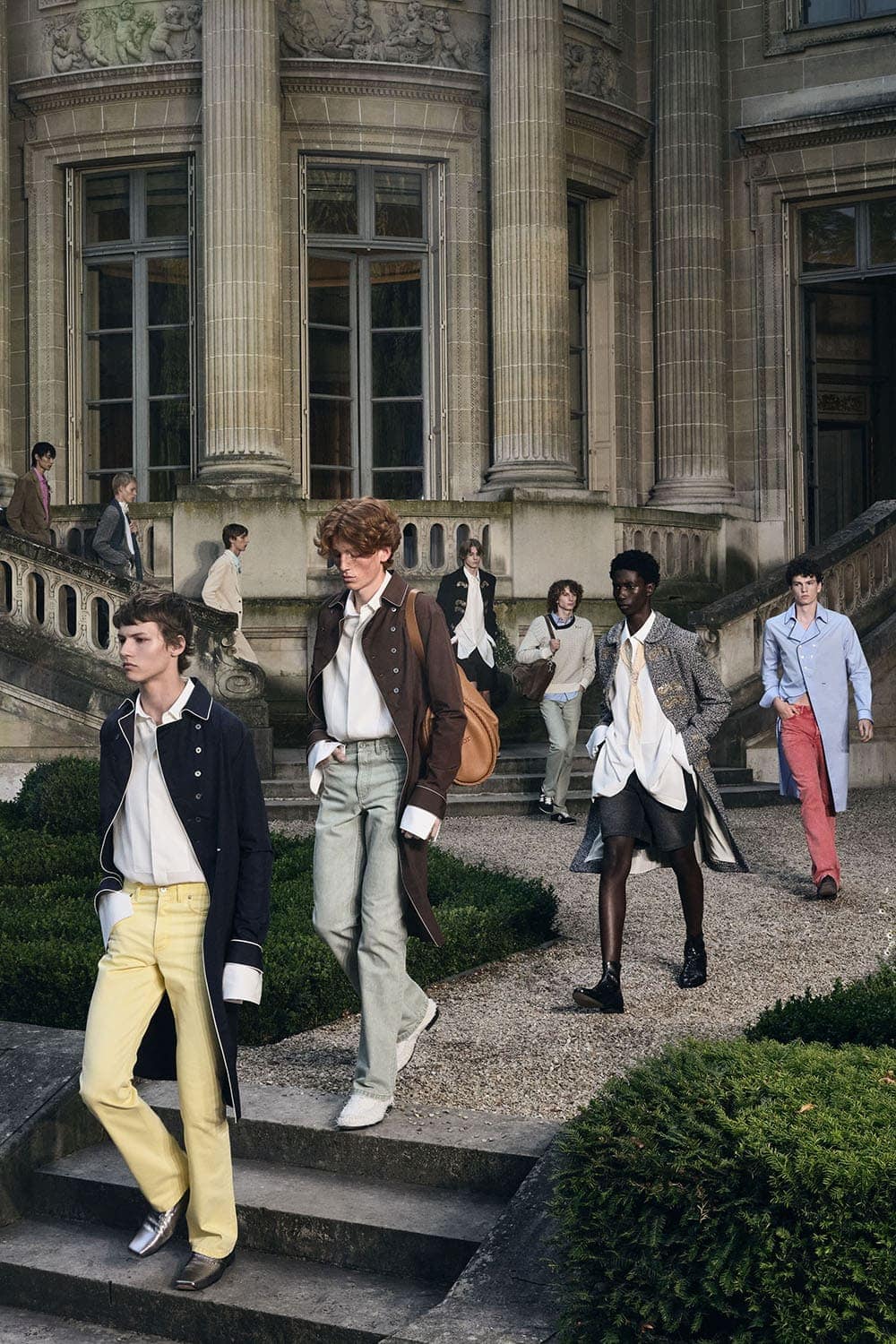
Elsewhere the restorative nature of travel was subtly hinted at by Giorgio Armani, Dries Van Noten, and Celine. Not as we have previously seen it—focused on the great outdoors and technical gear – here, there were influences from the Global South that amplified light layers, sunset shades, natural textures, and soft volume silhouettes. The nomadic undertone felt aligned with a collective need to reject formality and just relax.
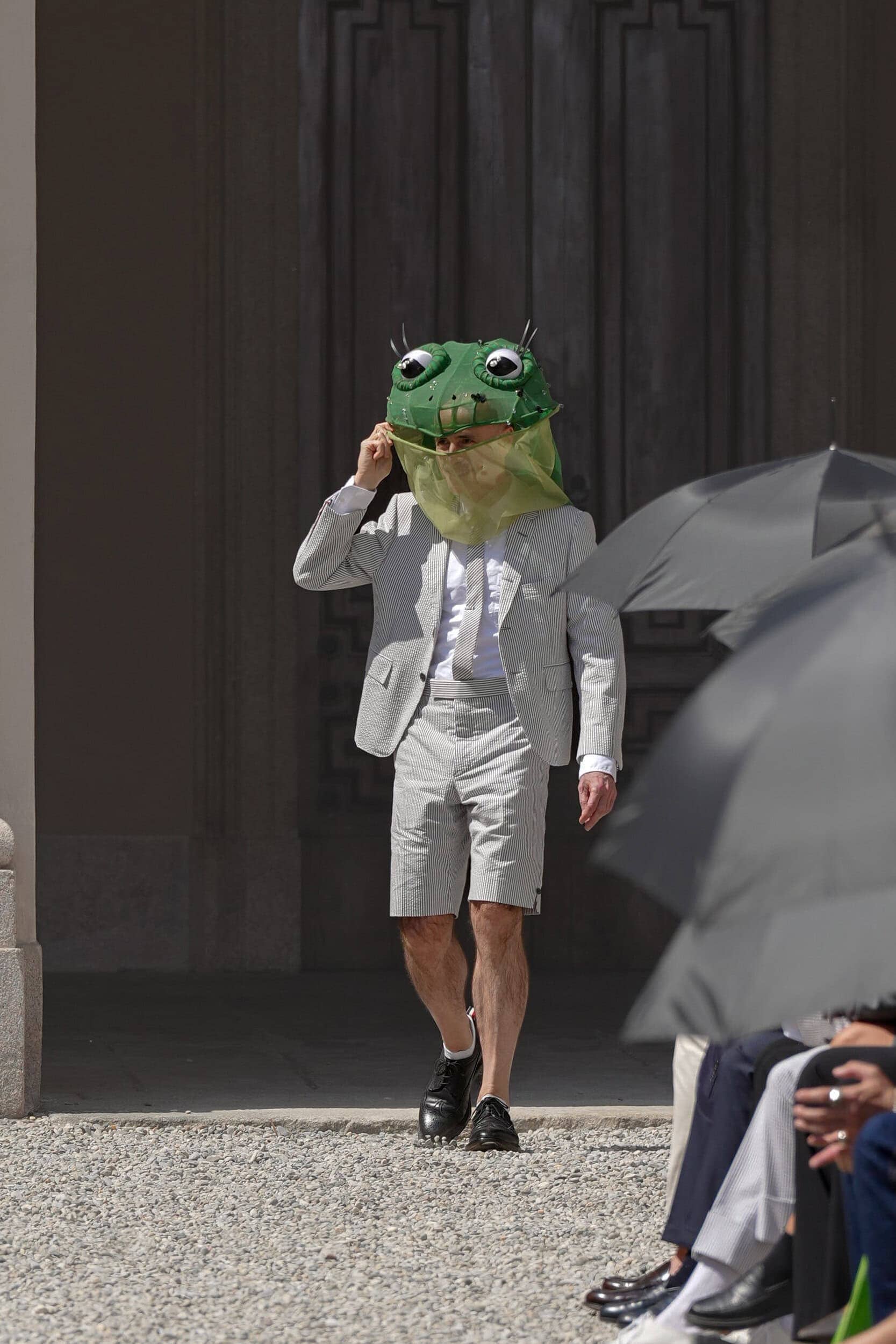
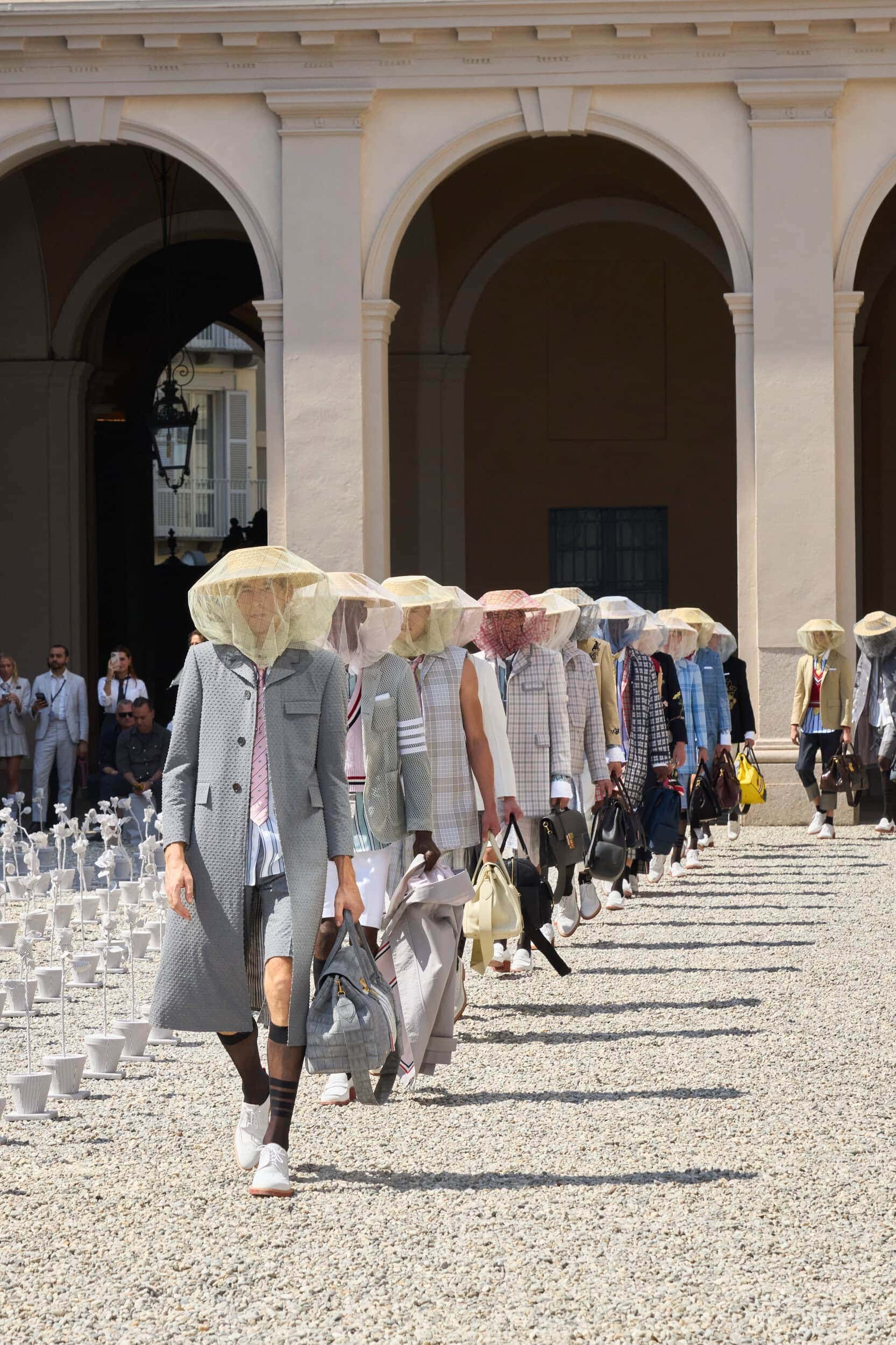
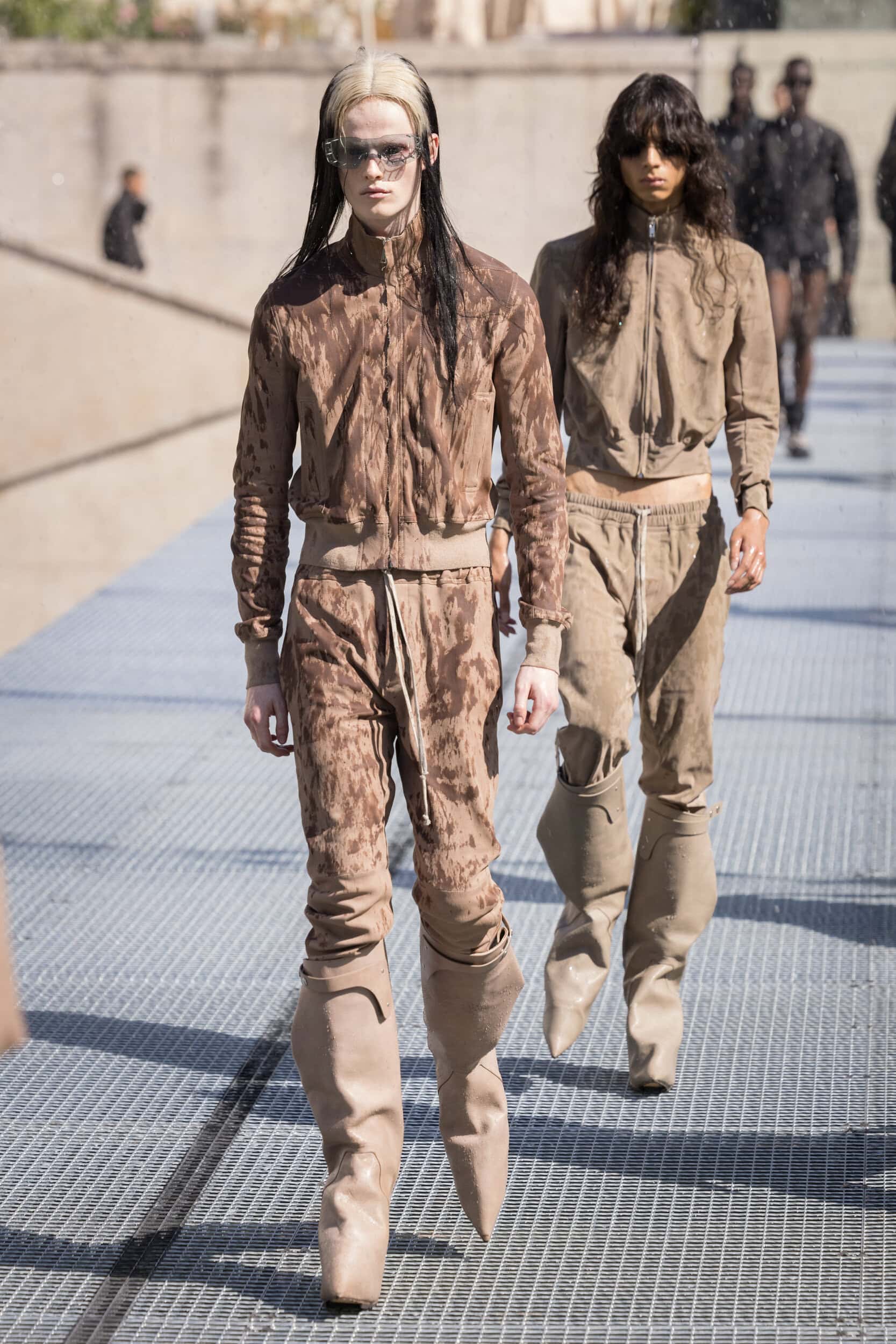
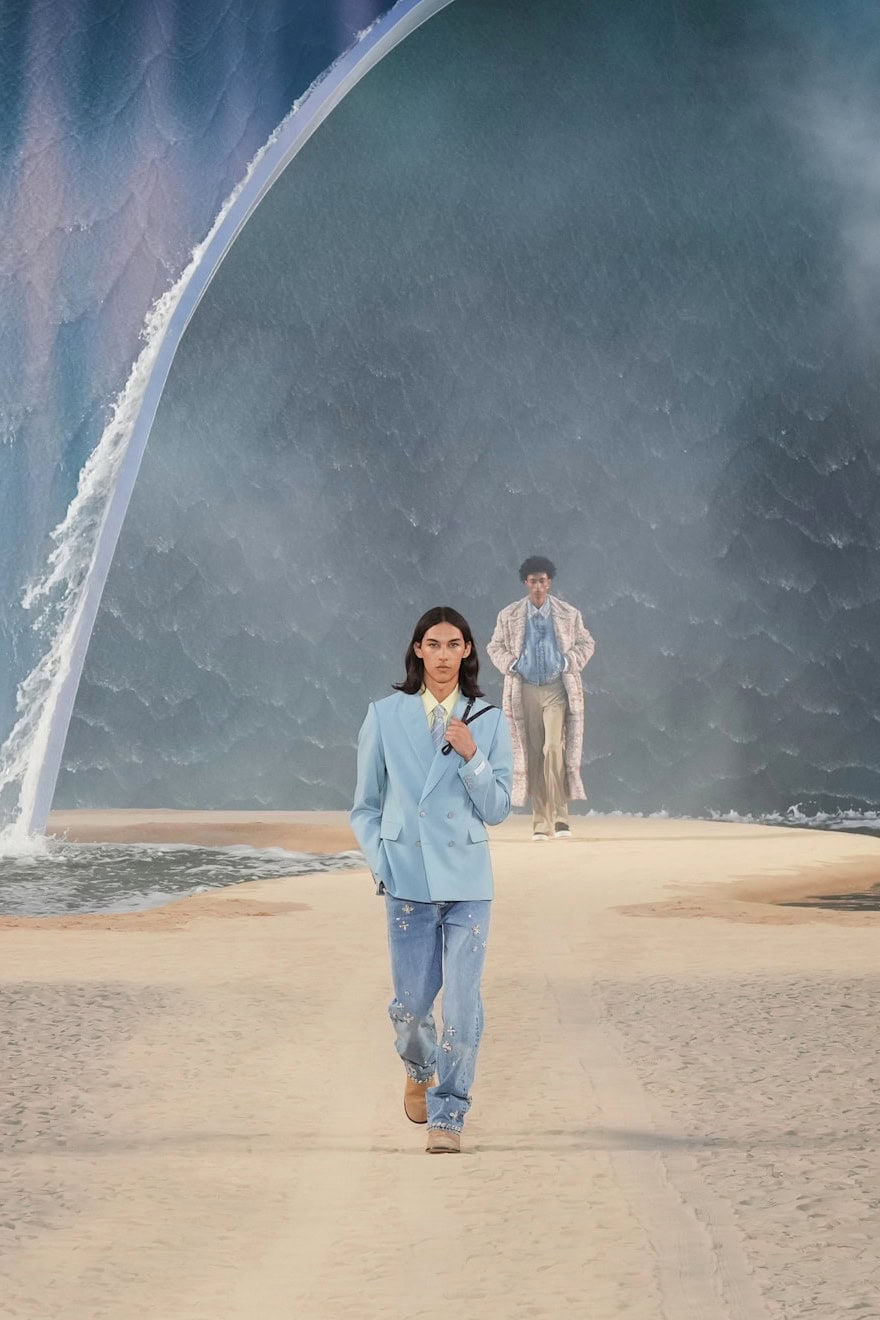
Perhaps the most significant development was that optimism made a triumphant return. After several seasons, designers rediscovered the wonderful world of whimsy without having to sacrifice practicality. Thom Browne filled his enchanting garden with seersucker flowers, dragonfly motifs and honeycomb embroidery. Louis Vuitton’s creative director Pharrell looked towards the restorative power of water, surf and skate culture that influenced the designer’s formative years. A giant wave that created the living runway drove home the point. Rick Owens proposed the discipline of training our body and mind to remain at our optimum and cope with the ongoing threat of “menace.” While at Comme des Garçons, Rei Kawakubo reminded us that fashion could still surrender to joy, even when asking hard questions such as “If the war were to end.” As seen during her finale that saw the models take to the runway in an exuberant display of childlike abandon. Together, these designers suggested that emotional dressing need not mean the rejection of functional design.
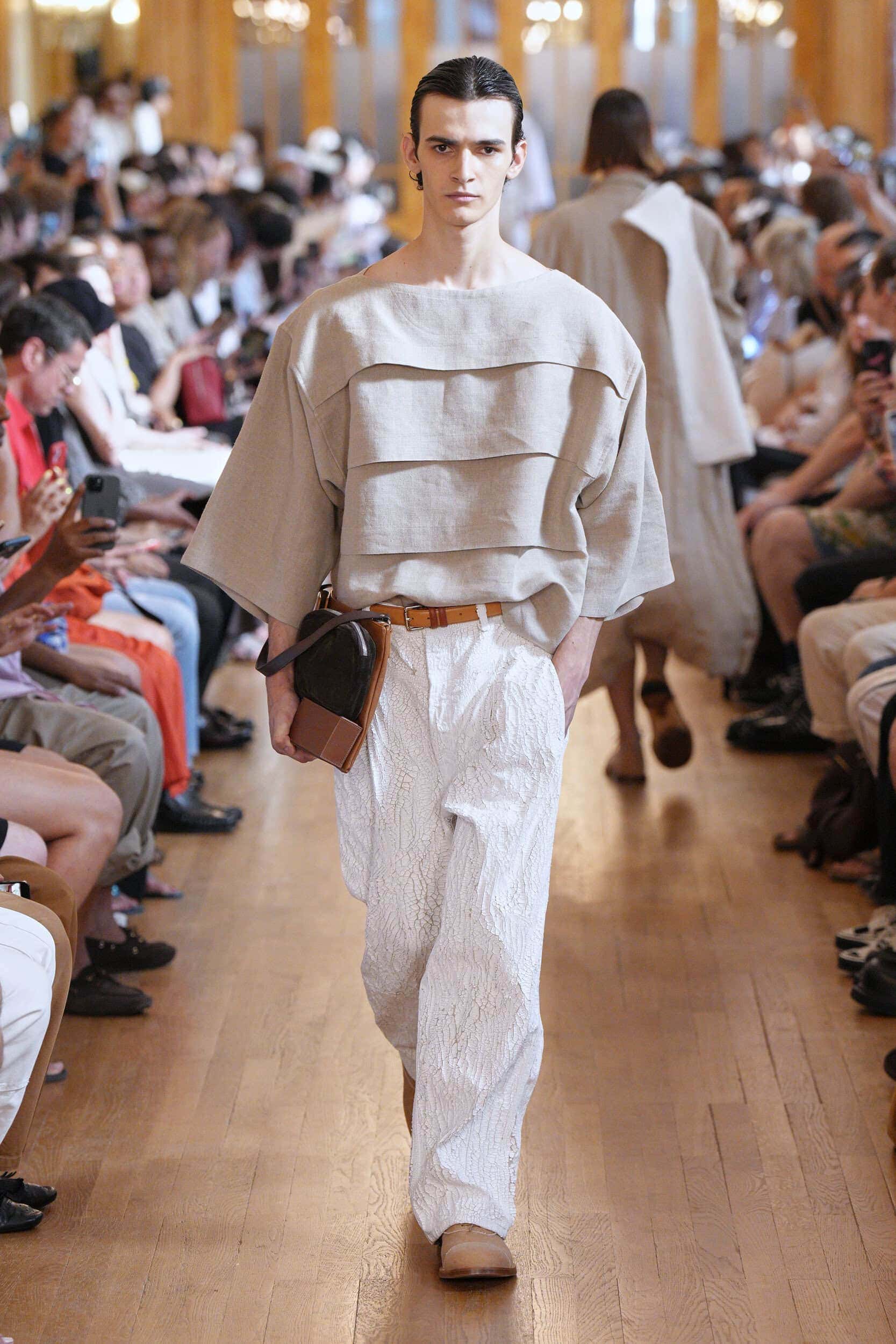
Across Florence, Milan and Paris designers felt reinvigorated by a mission to refine their DNA and protect their brand codes. Emerging designers (well, those with at least a decade on the scene) including Magliano, Hed Mayner and Soshiotsuki demonstrated that longevity increasingly comes from owning a particular point of view. Mayner and Otsuki worked to revamp tailoring archetypes via expansiveness and colliding Japanese and Italian cultures to signal a new path for modern suiting. And never one to disappoint Luca Magliano again broke with convention and presented his collection as a performative piece. Editors watched as his models indulged in an impromptu lunch at Maxim’s while wearing the designer’s latest offering. Voyeuristic, yet visually arresting.
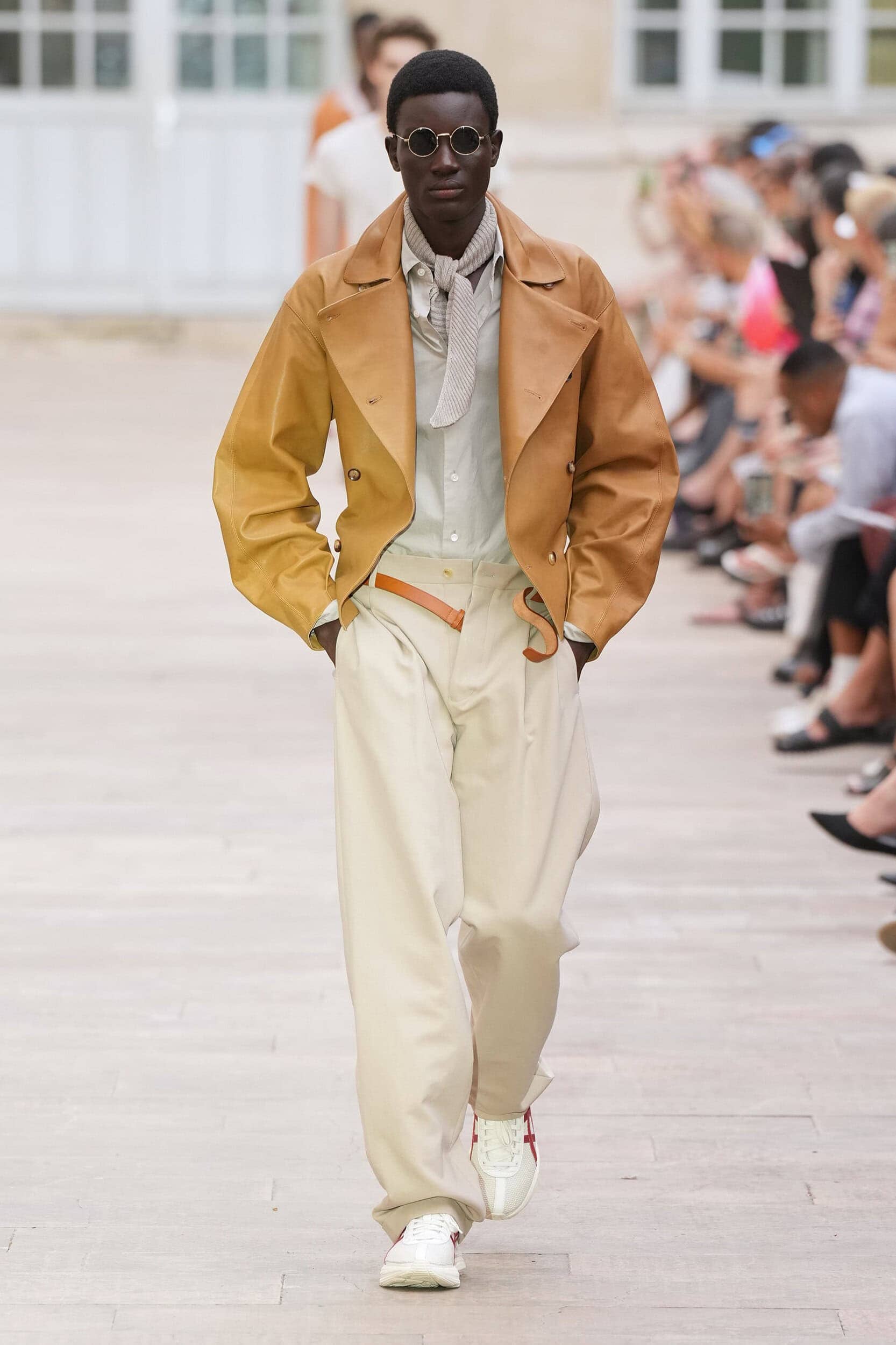
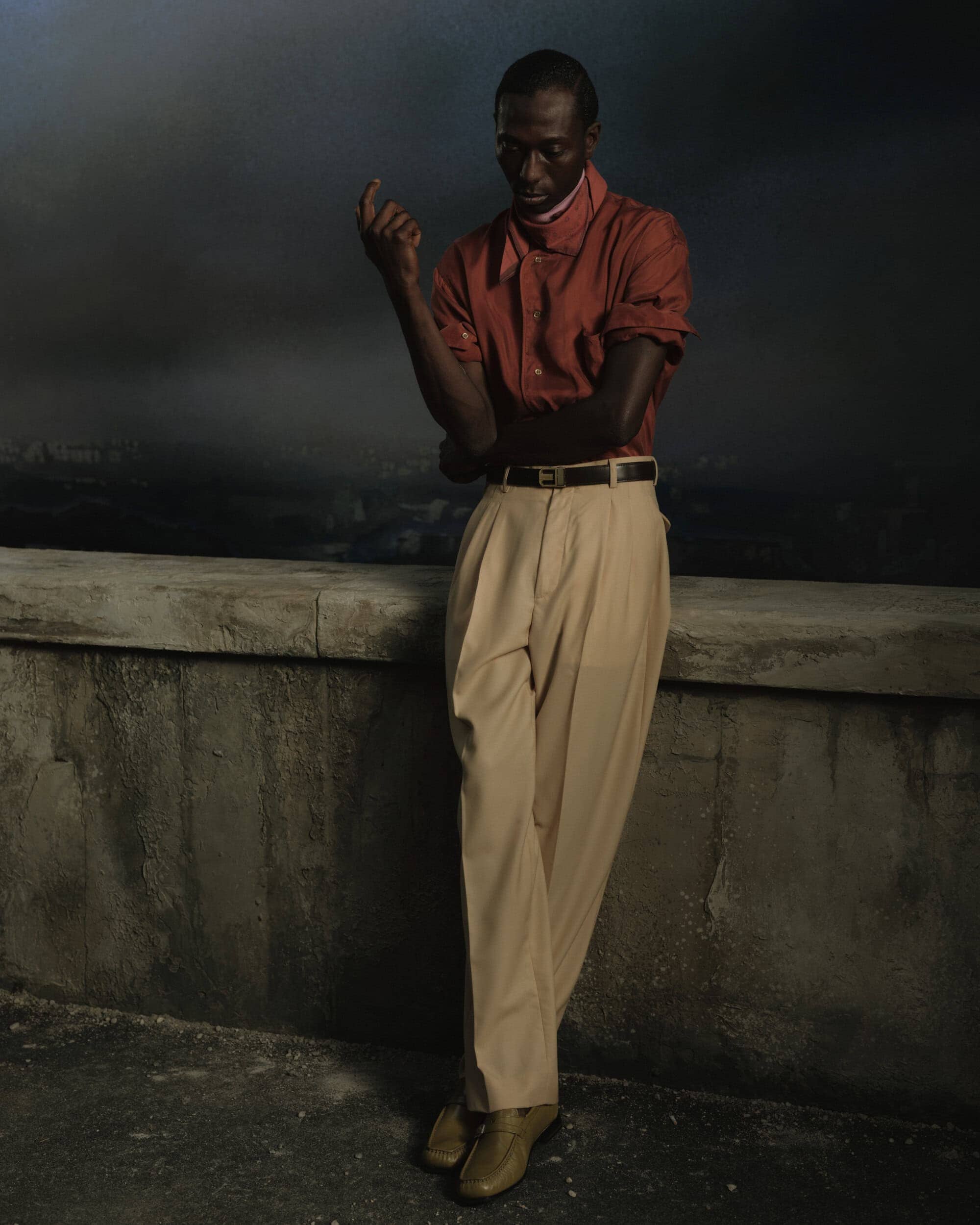
Together this resulted in spring 2027 going down as one of the most coherent menswear seasons in recent memory. Rather than presenting competing visions of masculinity, designers collectively proposed wardrobes designed to adapt to the wearer’s personality. The season suggested that the future of luxury lies not in owning more, but in making better sartorial decisions: designing with purpose, dressing for yourself and creating clothes capable of facing both an uncertain climate and an increasingly discerning consumer.
Key Takeaways
1. Why Dressing For the Climate is No Longer Just Political
There was a time when fashion began to find its political voice. Speaking out against the voices in power determined to divide. Everything from slogan T-shirts supporting trans rights at Conner Ives to manifestos speaking out for under-fire and displaced communities in Gaza from GMBH, and live performances to highlight the profiling of the under-represented by ICE agents in the US by Willy Chavarria.
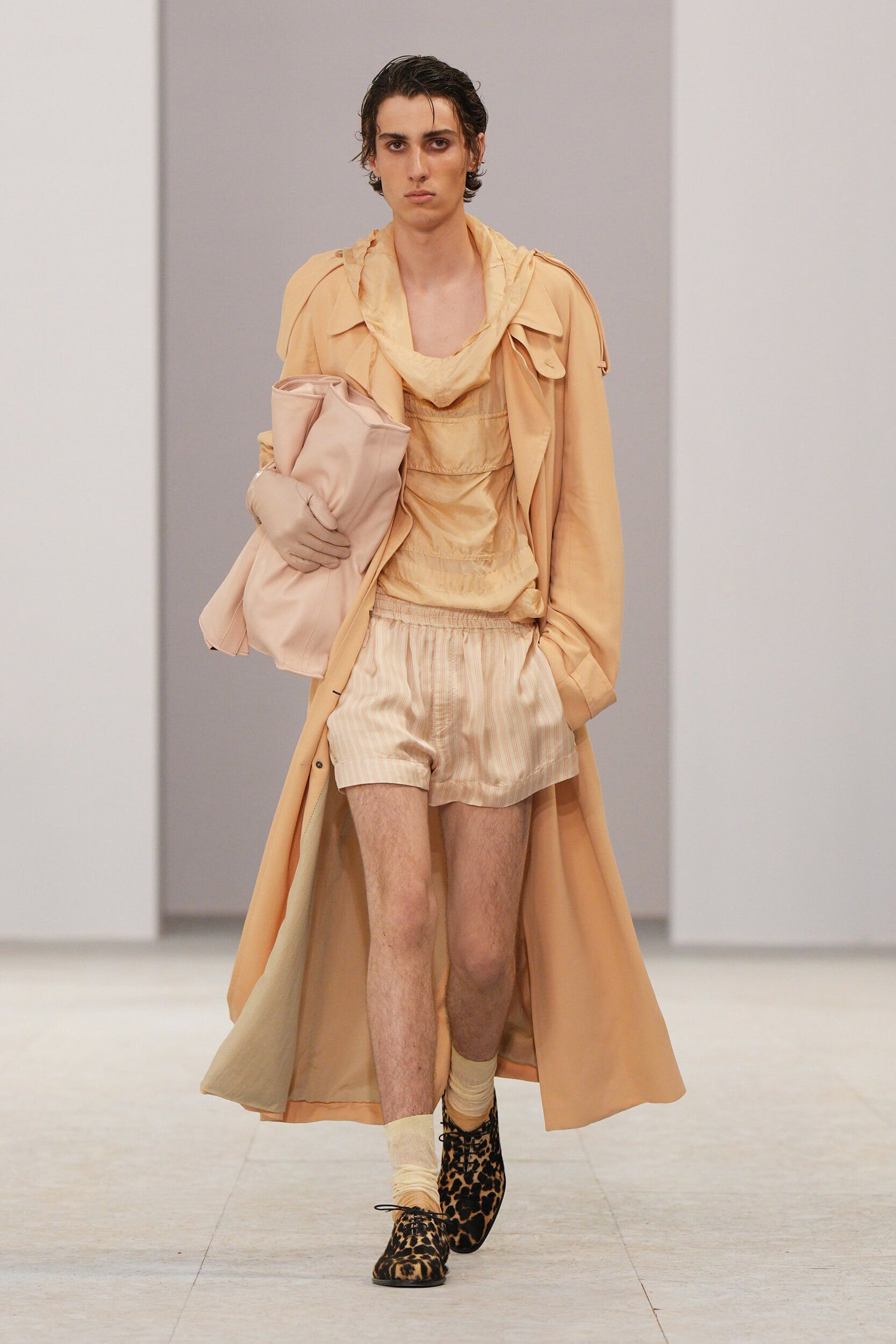
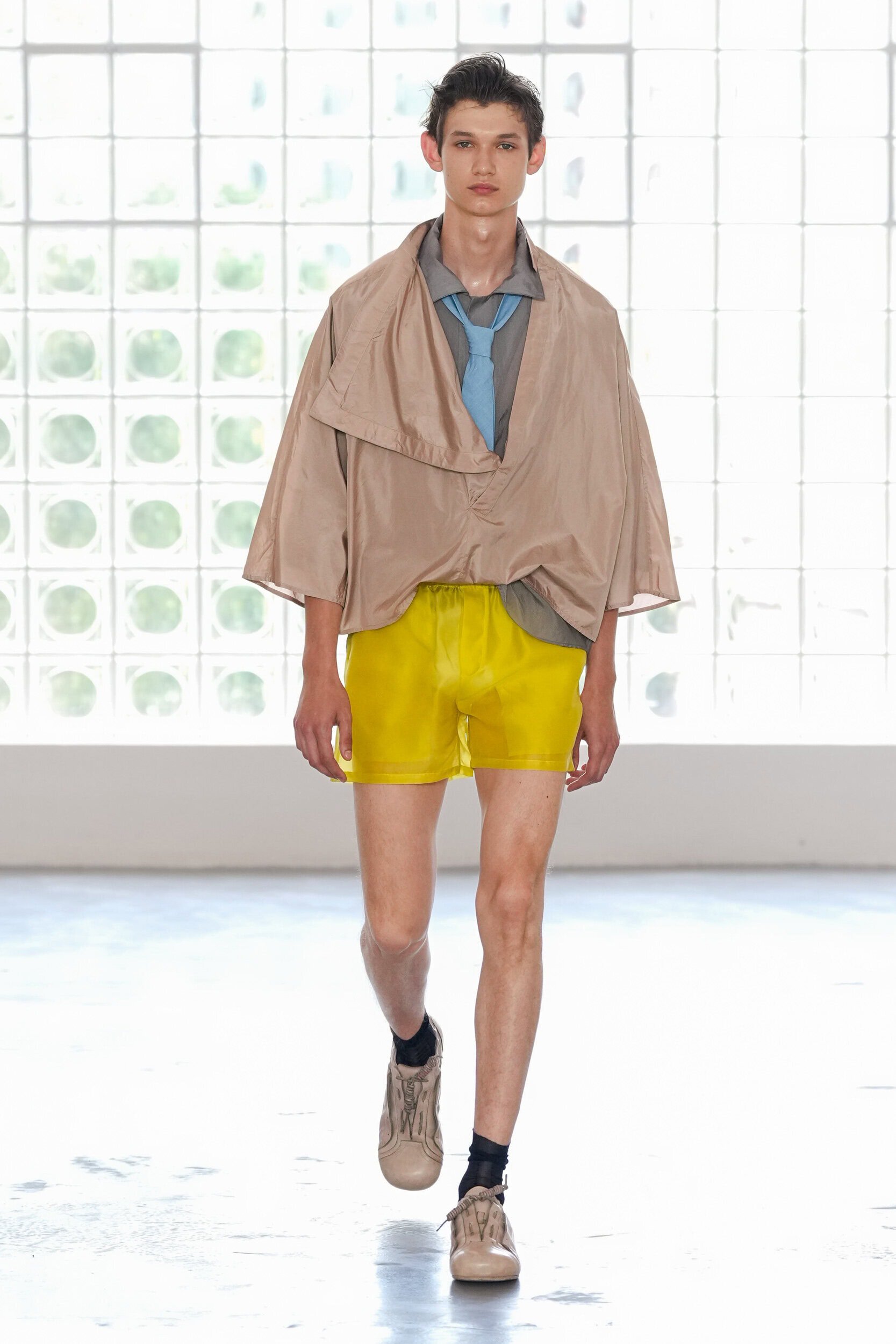
As Paris endured record temperatures that caused multiple houses to reschedule shows, fashion found itself forced to confront another hot button issue in the form of climate change. Designers were tasked with no longer dressing men for a politically-charged climate, but an over-heated one too. Like the temperatures, designers rose to the occasion and created a new category of ‘Aerated Clothing.’ Finding new ways to translate the traditional layering that accompanies menswear, brands presented lightweight versions of tailoring for the corporate client to whom short shorts and a T-shirt will never be accepted as appropriate office attire. Transparent organza’s and silk fabrics created gauzy levels of ombre colour in sunset and pastel hues, and technical innovation borrowed from the world of sportswear to create adaptable layering
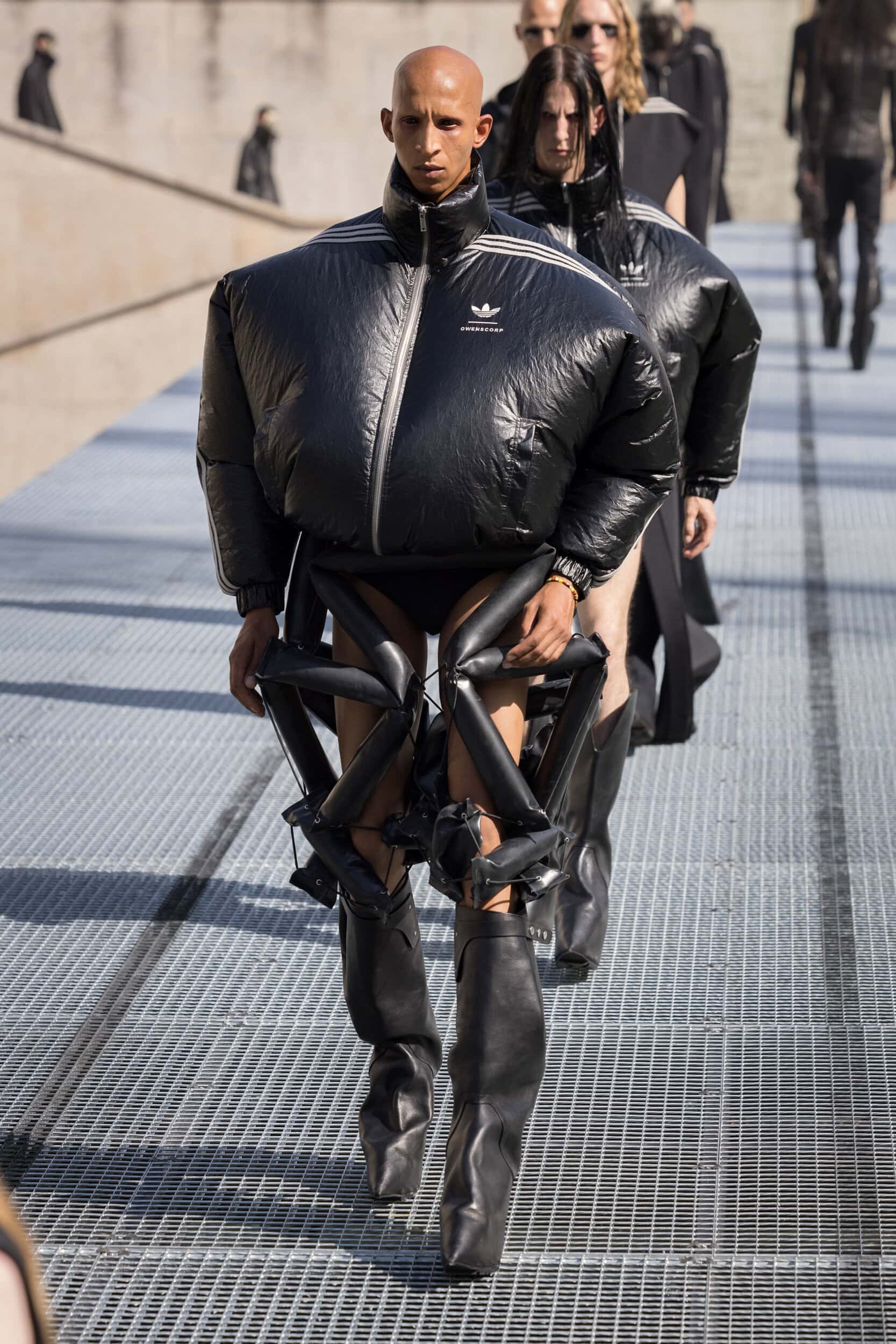
From Pronounce’s climate-adaptive wardrobes and Rick Owens’ inflatable suits with built-in AC to Thom Browne’s breathable seersucker tailoring that remained true to his uniform styling, Dries Van Noten’s weightless lingerie-style layering and Louis Vuitton’s celebration of water as the ultimate metaphor, there was an acknowledgement that the reality of a heating planet will increasingly shape how luxury is designed, presented and worn. Yet, taken together designers created practical responses to the renewed urgency of discussions around fabric, construction, and the future of formal dressing.
2. A Preference For Purposeful Design
If there was one phrase that united the season it was purpose before excess.
At a time when designers are fighting to remain profitable and sustain through a particularly tough economic outlook for luxury fashion, they repeatedly asked the question of whether their garments deserved to exist at all. At Prada, the co-creative directors openly rejected the industry’s appetite for “useless design” and instead stripped familiar wardrobe archetypes back to their essentials, presenting their clearest vision yet of clothes people will actually want to wear – even if that vision was a particularly narrow one in terms of body type. Setchu’s Satoshi Kuwata embraced reduction as a way to champion craftsmanship. Qasimi celebrated visible construction details rather than hiding process, to honour the hands that had gone into the make. And Ralph Lauren refined his Americana signatures, by combining his Purple and Polo labels he made us fall in love with his preppy aesthetic all over again.
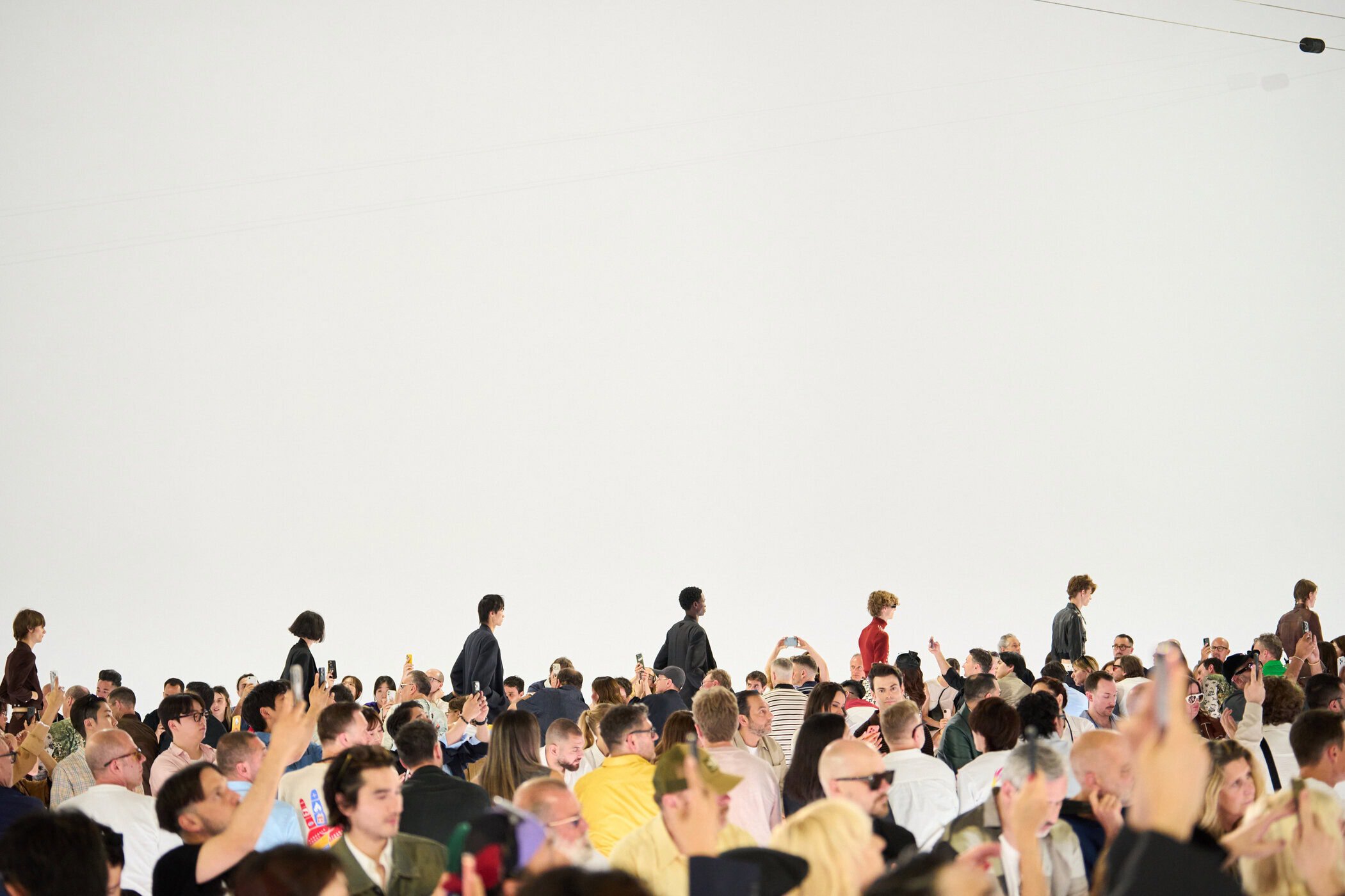
After years of fashion chasing spectacle, the season felt like a focus on renewal. Collections became less about seasonal novelty and more about creating wardrobes with a sharper edit to facilitate permanence and demonstrate an understanding of how men want to live now.
3. Pick Your Personality
Ending fashion month on a high-note with a rousing endorsement from Michael Rider at Celine, the cult of personality, as well as personal style, was back in favour. And it was the collections with an emotionally charged undercurrent that made the most impact this season.
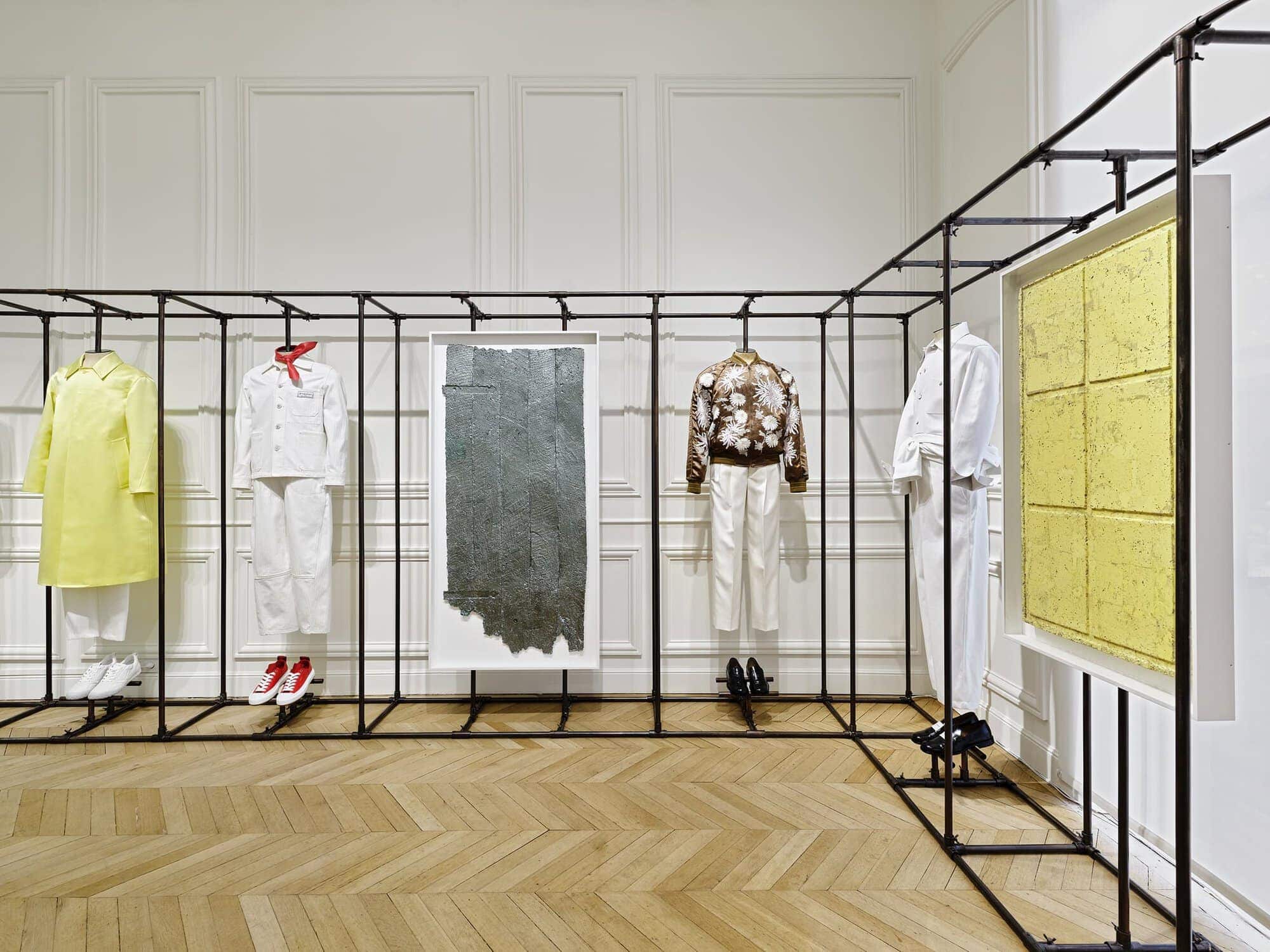
Rather than prescribing entirely new identities (for both customers and brand DNA), designers encouraged men to rediscover the personalities already contained within their wardrobes. At Celine these characters were formed within the creative director’s design studio, where his team styled and restyled the collection, customising until it was all they desired, and all they would want to wear every day. In a season of firsts, Sarah Burton introduced her menswear debut in a presentation format, settling on multiple masculine personalities at Givenchy rather than one ideal man. Junya Watanabe embraced the maximalist styling of the ‘Bling Bling’ era, while Willy Chavarria proposed clothing as an emotional comfort blanket. Titled Comunión, it acknowledged that we are stronger as a whole than apart, made up of unique individuals who carefully select what they use to create their ‘physical presence.’ Amiri, gave us one of the season’s most identifiable protagonists, towing the line between ‘seduction and sophistication.’ Taking references from American Gigolo for the Amiri man, the effect carried a decidedly after-dark attitude, and the Amiri woman further came into her own, never a side character, she held as much agency as Lauren Hutton in the hit movie.
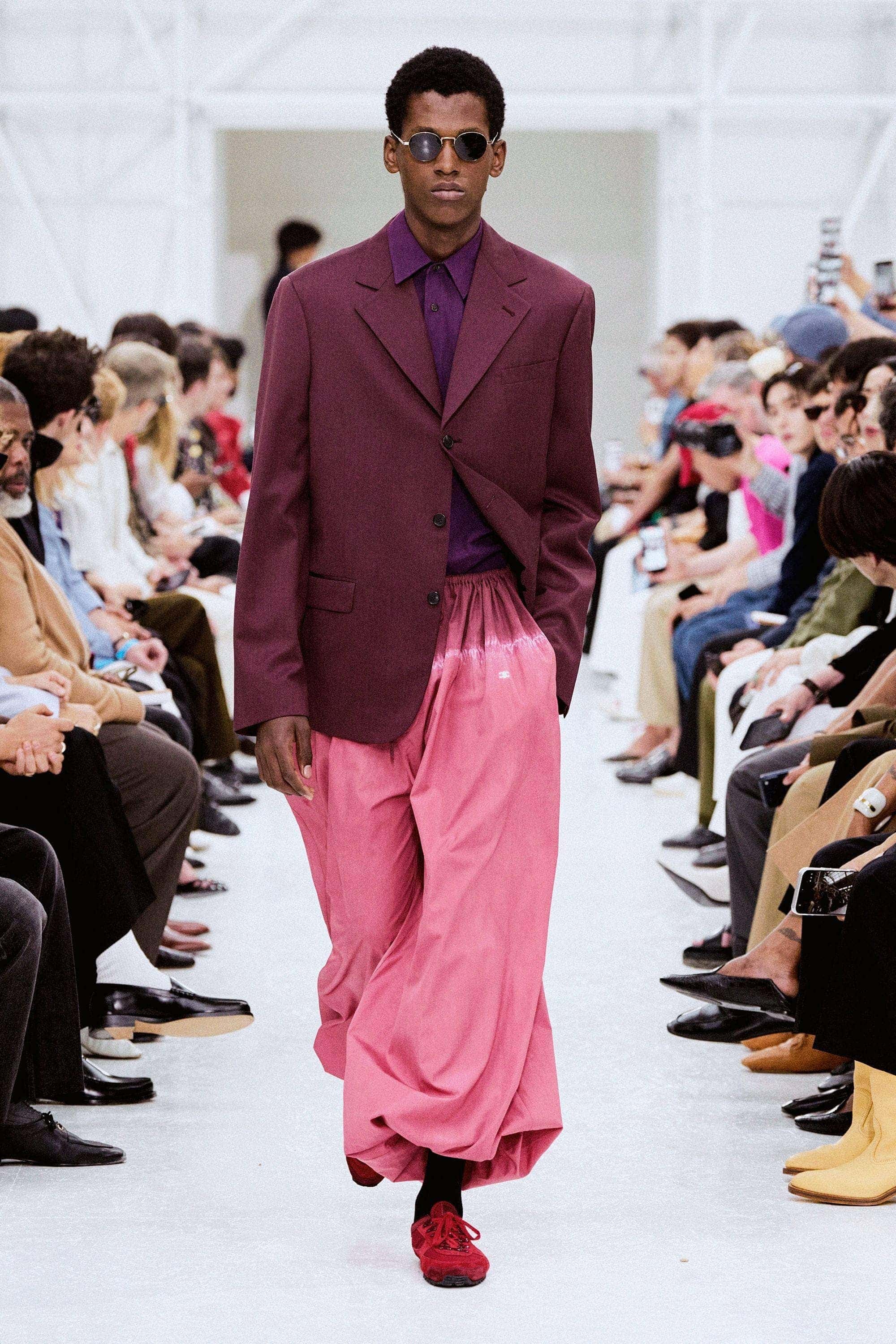
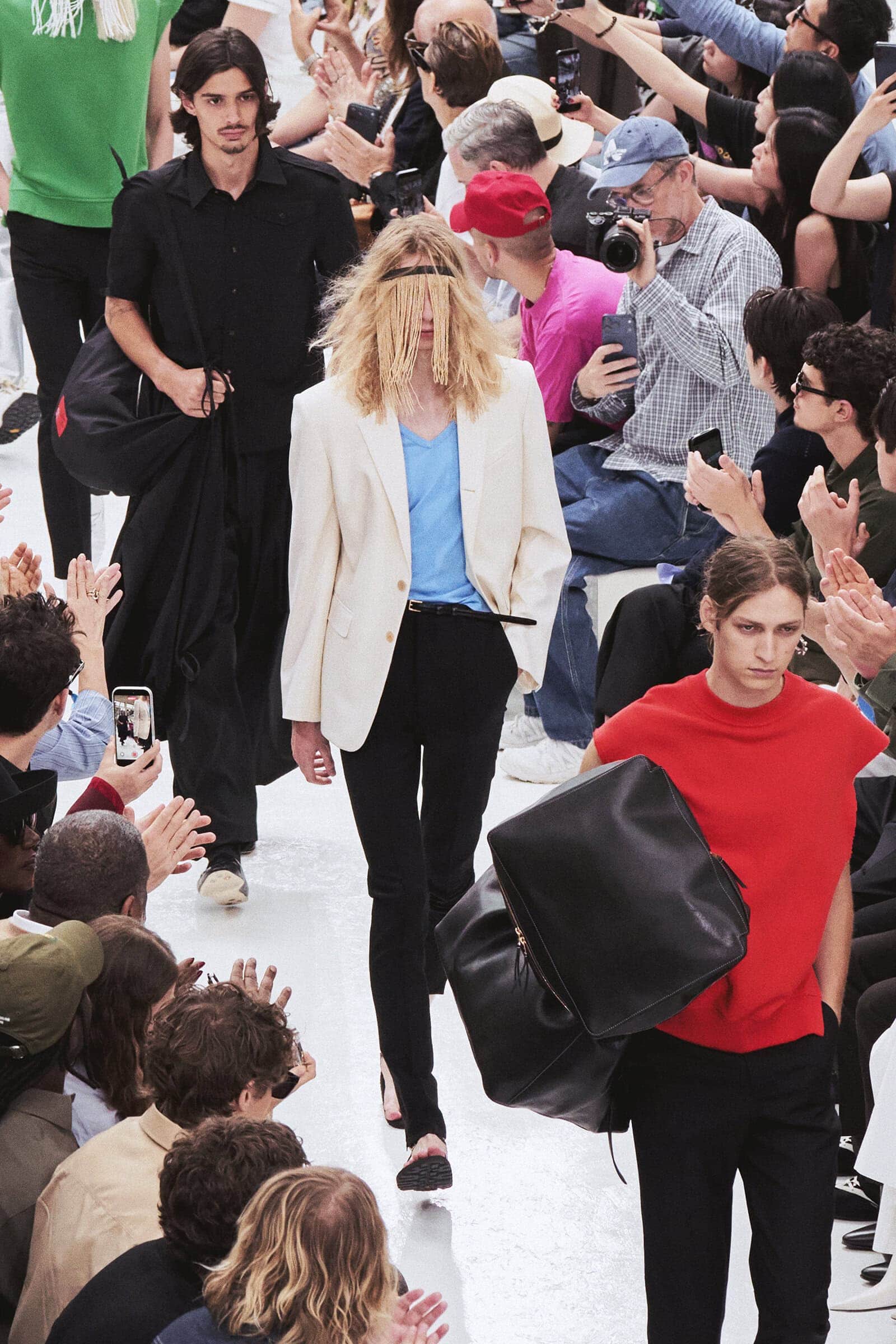
Luxury menswear is increasingly recognising that individuality can’t simply be purchased wholesale, it comes from a deeper place, from styling familiar pieces with greater confidence and imagination.
4. Seeing the Light
As I have spoken to in previous seasons, there are a select few who are rejecting the traditional ideals of masculinity that present as straight-laced, utilitarian, and with a muscular or slimmed-down frame. Whimsy, as a world unto itself, is being proposed as an alternative to the dangers (both physically and mentally) of the Manosphere. Fairytales and Fauns (Dries Van Noten), the softest lambskin slippers (Celine), silk-scarf sarongs (Magliano), watering can bags (Thom Browne), floral pants (Willy Chavarria) and the design team playfully spraying the front row with (admittedly, much needed) water guns at Egonlab.
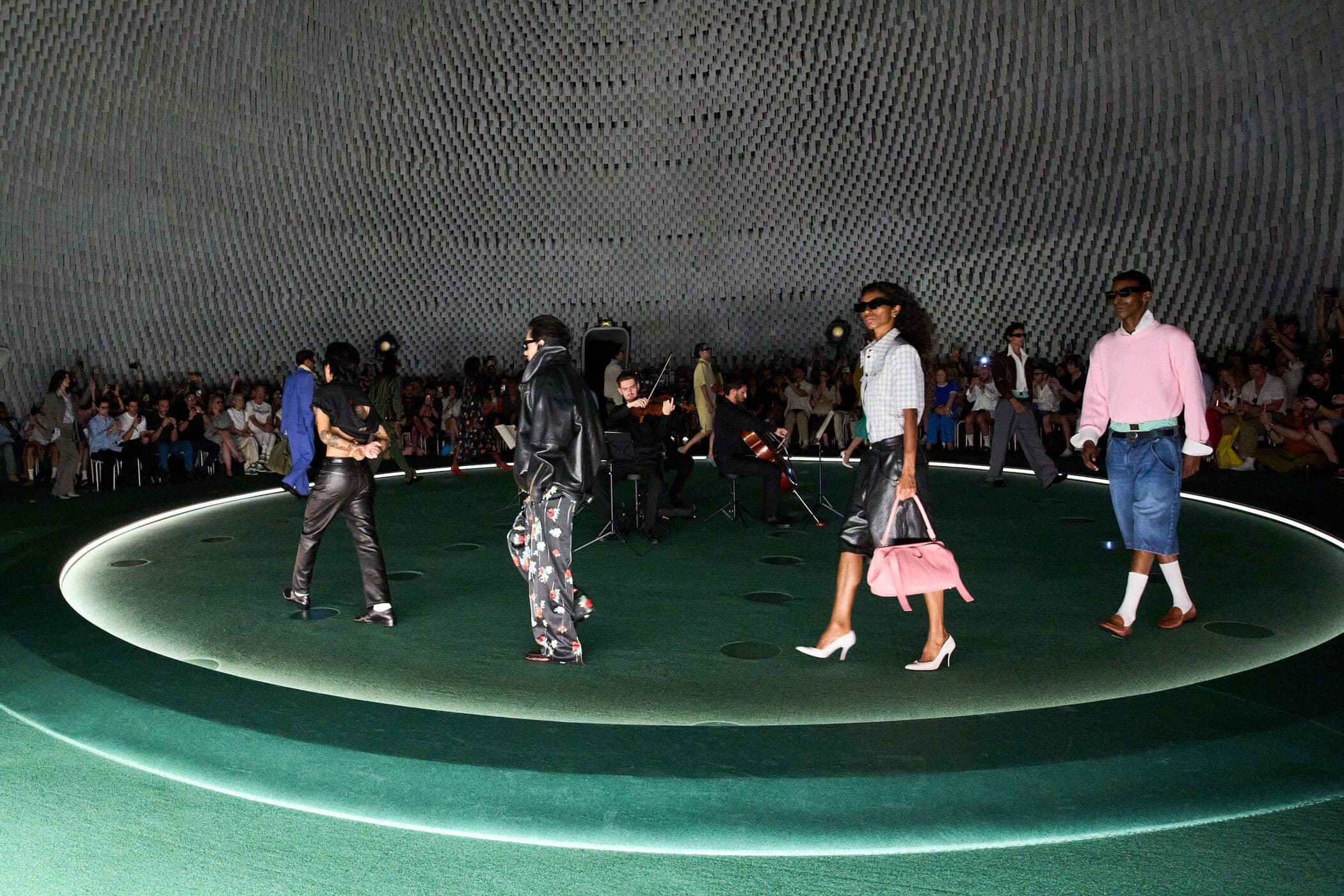
The catalyst for the shift began with Simone Rocha and her first all-menswear debut during Pitti Uomo. Inspired by the characters of Merchant ivory-era novel A Room With A View, Florence was once again the perfect setting. Presenting a collection that was flamboyant without veering into the world of costume design. Ruffled rugby tops, delicately embroidered transparent tanks and boxer shorts, embellished aprons and rosette-pocket bomber jackets put forth an intellectual thought-starter that happily over-indexed in the feminine, without appearing to have simply borrowed from her womenswear line. It created a consensus that luxury fashion should lighten up and leave room for men to express their softer side next season.
In light of what can often feel like dystopian times, designers embraced lightness both literally and emotionally. Sheer fabrics, transparent layers, technical nylons and softened tailoring reflected changing climates, while whimsical storytelling returned to the runway. Spring 2027 wasn’t naïve about the industry’s challenges, but instead, it chose to present optimism as the most radical luxury of all.
What Menswear Carries Forward
In a season that seemed to be questioning the very process of getting dressed, a greater question hung in the air – when we move beyond a silhouette or a lifestyle choice – how does menswear justify its reason for being, from a creative, commercial, emotional, and yes environmental perspective.
This conundrum was answered in the way designers reached, no strived, for purpose. Recognising that fashion matters most when it can meaningfully become a part of someone’s life. A favourite trucker jacket moulded to the body, a soft cashmere sweater with patched elbows repaired a dozen times, a soft suit that feels like home, or the perfect over-sized carry-all. The best collections for spring 2027 knew what to evolve and what part of the brand DNA to preserve. Reminding us that in this moment of uncertainty, the designers who offered the most reassurance were those who influenced via purposeful design, encouraging the luxury menswear consumer to personalise their existing wardrobes and forgo wholesale efforts to reinvent themselves.