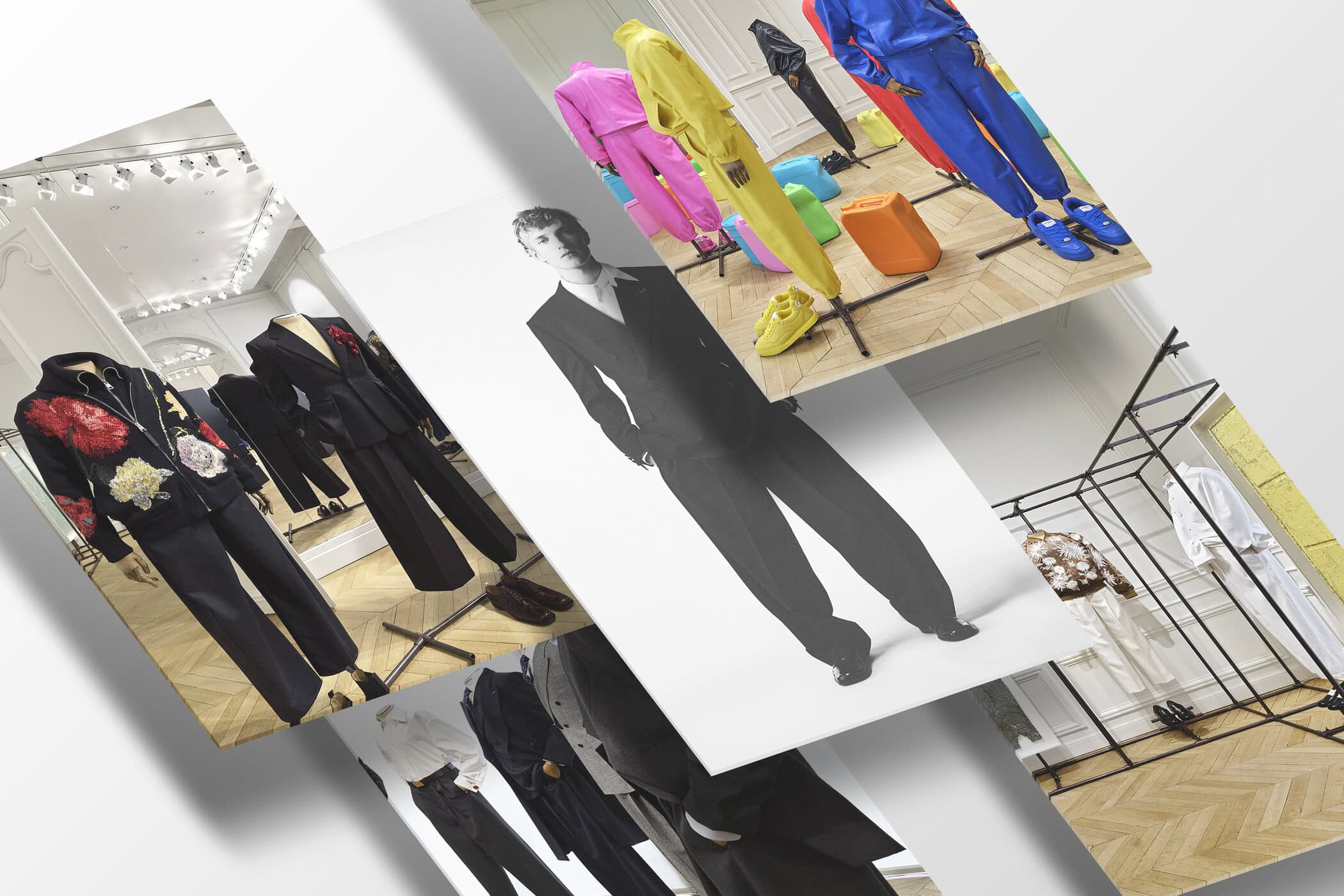
At Givenchy, Sarah Burton is redefining menswear through humanity, craftsmanship, and a modern understanding of how men actually dress
By Kenneth Richard

Sarah Burton begins talking about menswear by talking about a closet.
Not a collection. Not a trend. Not a market opportunity.
A closet.
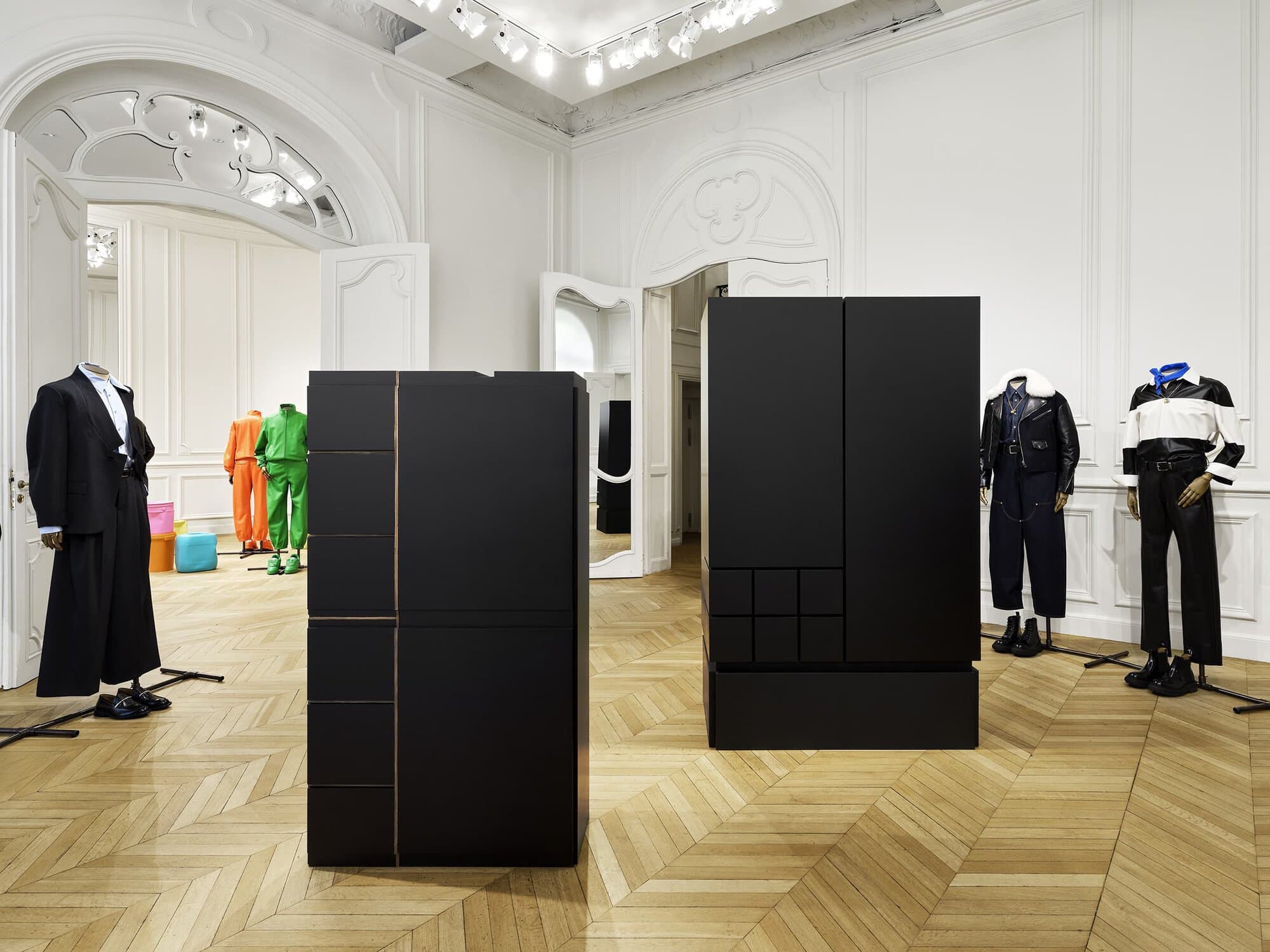
During a private presentation of her latest Givenchy menswear collection during Paris Men’s Fashion Week, Burton recalls a conversation with artist Rachel Whiteread, whose work helped inform the season. Whiteread’s first cast sculpture was a childhood closet, a place she would retreat to and hide inside as a young girl. Burton immediately connected to the idea.
For her, the wardrobe is more than a place where clothes live. It is one of the most personal spaces a person possesses.
When you’re dressing people, it’s a very personal, private, intimate experience – Sarah Burton
That thought becomes the key to understanding not only Burton’s menswear, but the broader vision she is building at Givenchy. While fashion often asks designers to define their man or their woman, Burton has little interest in reducing people to archetypes. Throughout the conversation, she repeatedly returns to the same idea: individuality matters more than categories.
I don’t really differentiate between men and women. If I’m really honest, it’s about people and human beings.
The statement feels particularly revealing now. Nearly a year into her tenure at Givenchy, Burton has spent much of her energy establishing the foundations of the house through womenswear. The silhouettes, tailoring, craftsmanship, and emotional vocabulary have begun to take shape. Rather than treating menswear as a separate exercise, she sees it as a natural continuation of that work.
That distinction matters for Givenchy.
Menswear has moved through many chapters at the house over the decades, reflecting changing ideas of masculinity and luxury.
Burton’s opportunity is not simply to design a collection, but to clarify what role Givenchy can play for men today. Her answer is not built around spectacle or a singular archetype. Instead, she is reconnecting the house to qualities that feel increasingly relevant: exceptional tailoring, thoughtful craftsmanship, emotional resonance, and clothes that feel personal rather than prescribed.
“What I wanted to do was establish the woman first,” Burton explains. “Then put the man next to her, so there was an equality between the two.”
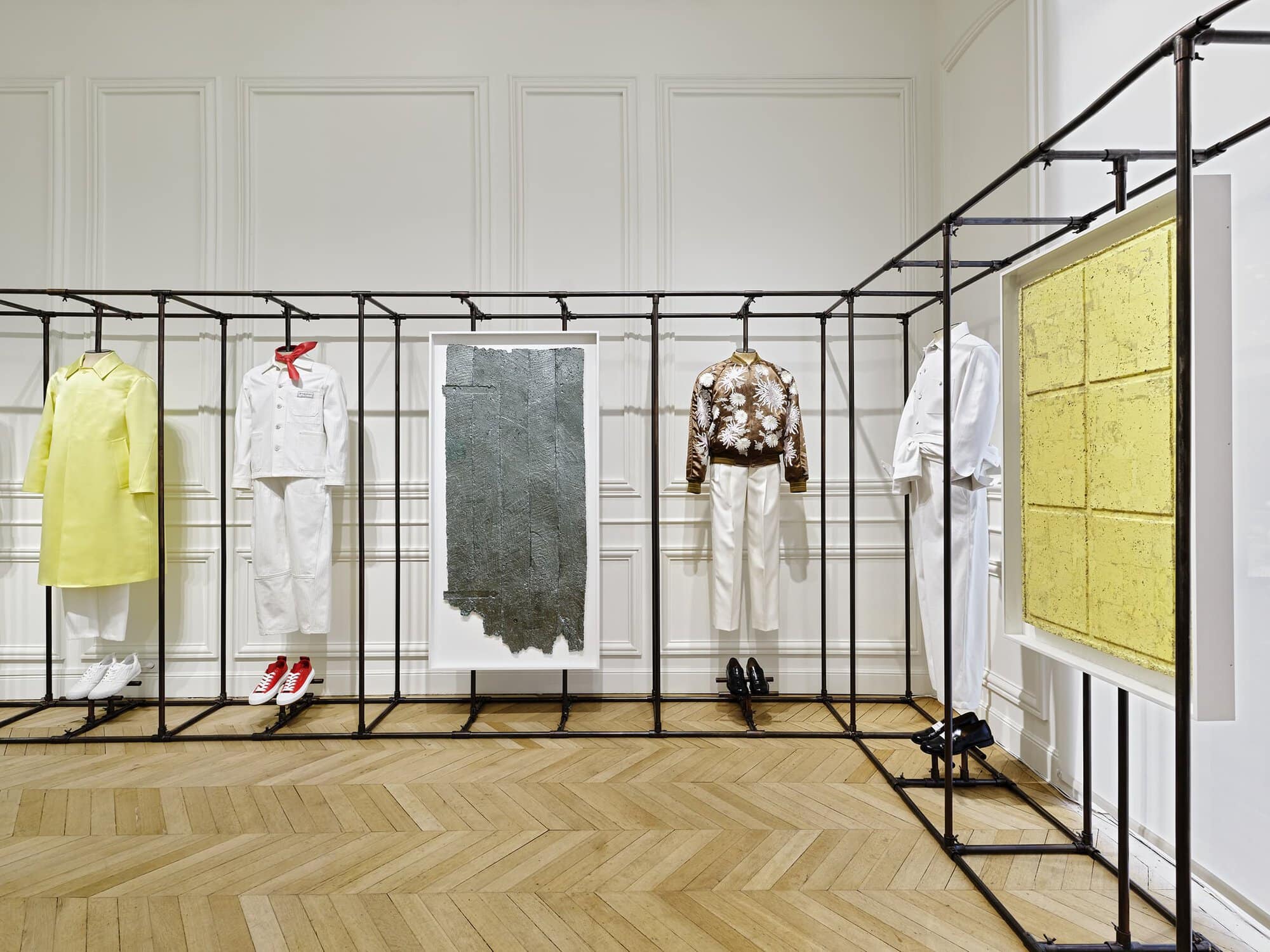
Walking through the presentation, that relationship becomes immediately apparent. Many of the ideas originated in the womenswear collections before being reinterpreted through the lens of a man’s wardrobe. Tailoring serves as the starting point, just as it always has throughout Burton’s career.
“At the core of every collection is tailoring,” she says. “There always has been, and there always will be.”
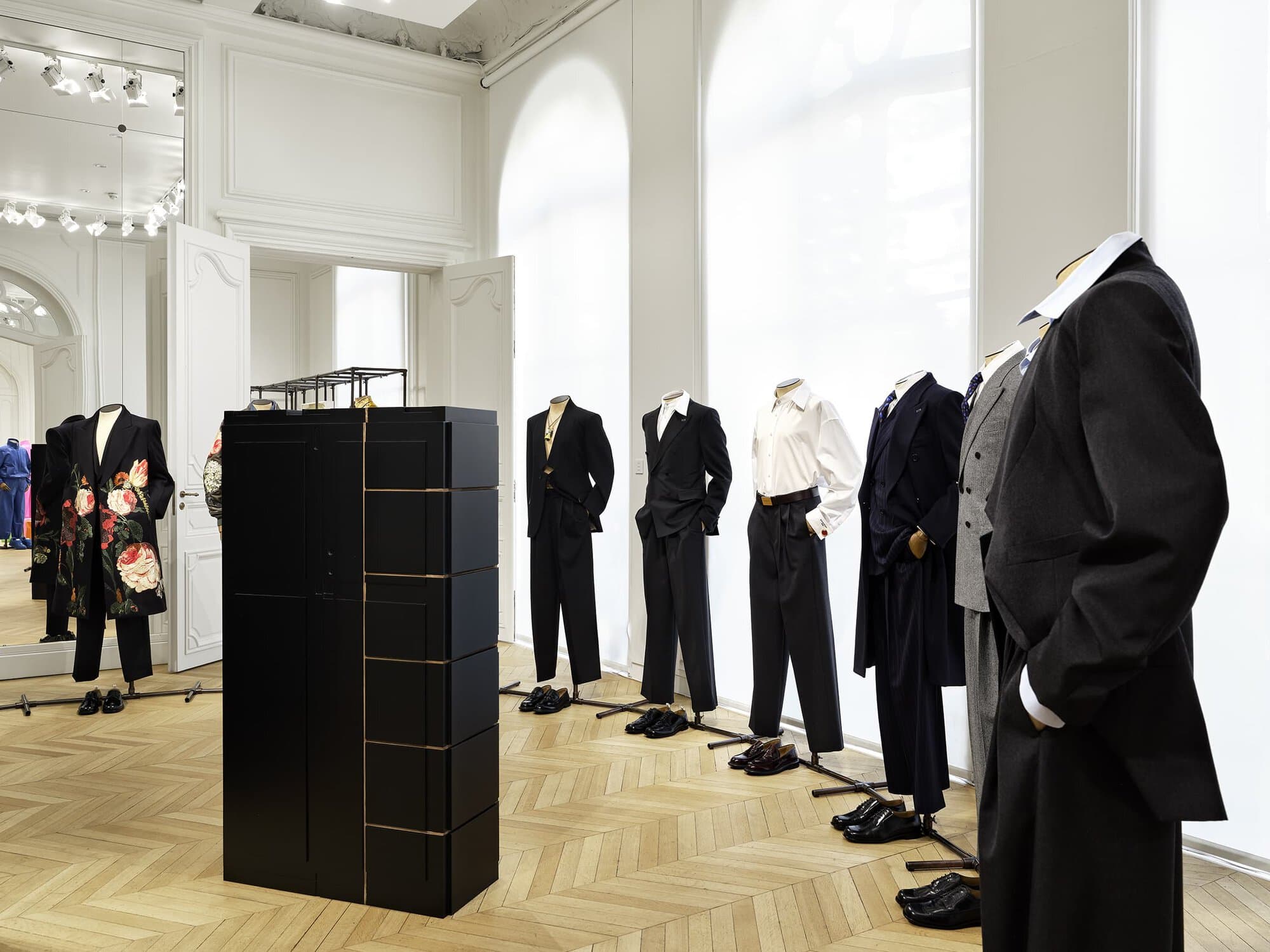
The opening looks feel familiar in the best possible sense. A navy pinstripe suit recalls the wardrobe of Burton’s father, whose tailoring left an early impression on her understanding of how clothing shapes identity. Throughout the presentation, personal memories surface alongside house codes and technical construction. Burton rarely separates the emotional from the practical. A suit is never simply a suit; it carries history, character, and the memory of the people who wore it before.
Nearby, a double-breasted grey suit speaks to the enduring language of traditional menswear. These pieces act as anchors, establishing the archetypes before Burton begins to pull them apart and rebuild them. Collars are sliced and repositioned. Construction lines become visible. A traditional jacket evolves into something looser, softer, and more contemporary without losing its authority.
One black evening look, developed from a deconstructed tuxedo, feels particularly emblematic of Burton’s approach. The shape remains tailored, but the formality has been relaxed. When artist Danny Fox wore the piece for the campaign without a shirt underneath, it revealed an unexpected sensuality.
“I wanted to create a silhouette that still felt constructed and proud,” Burton says, “but with a looseness to it.”
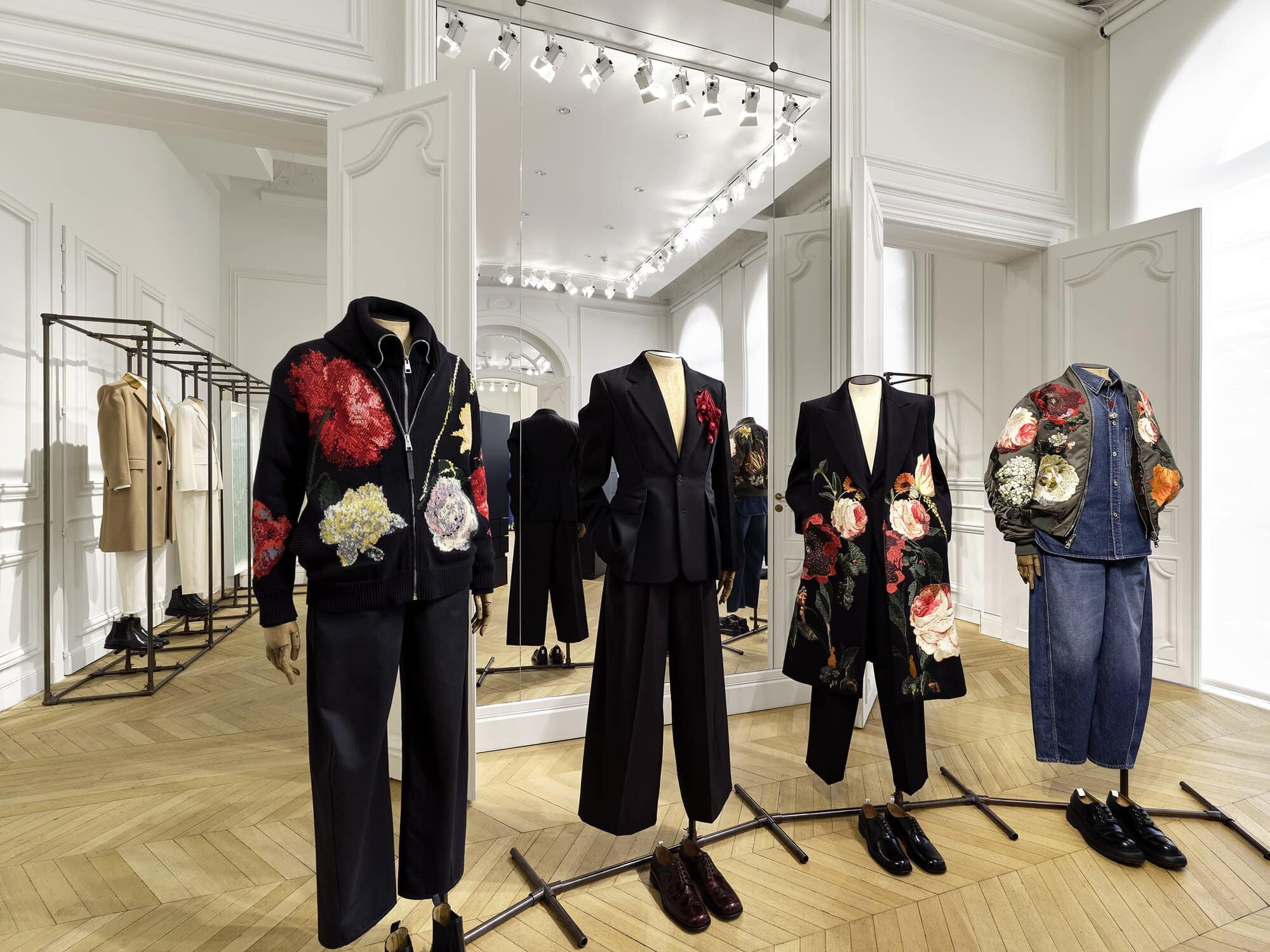
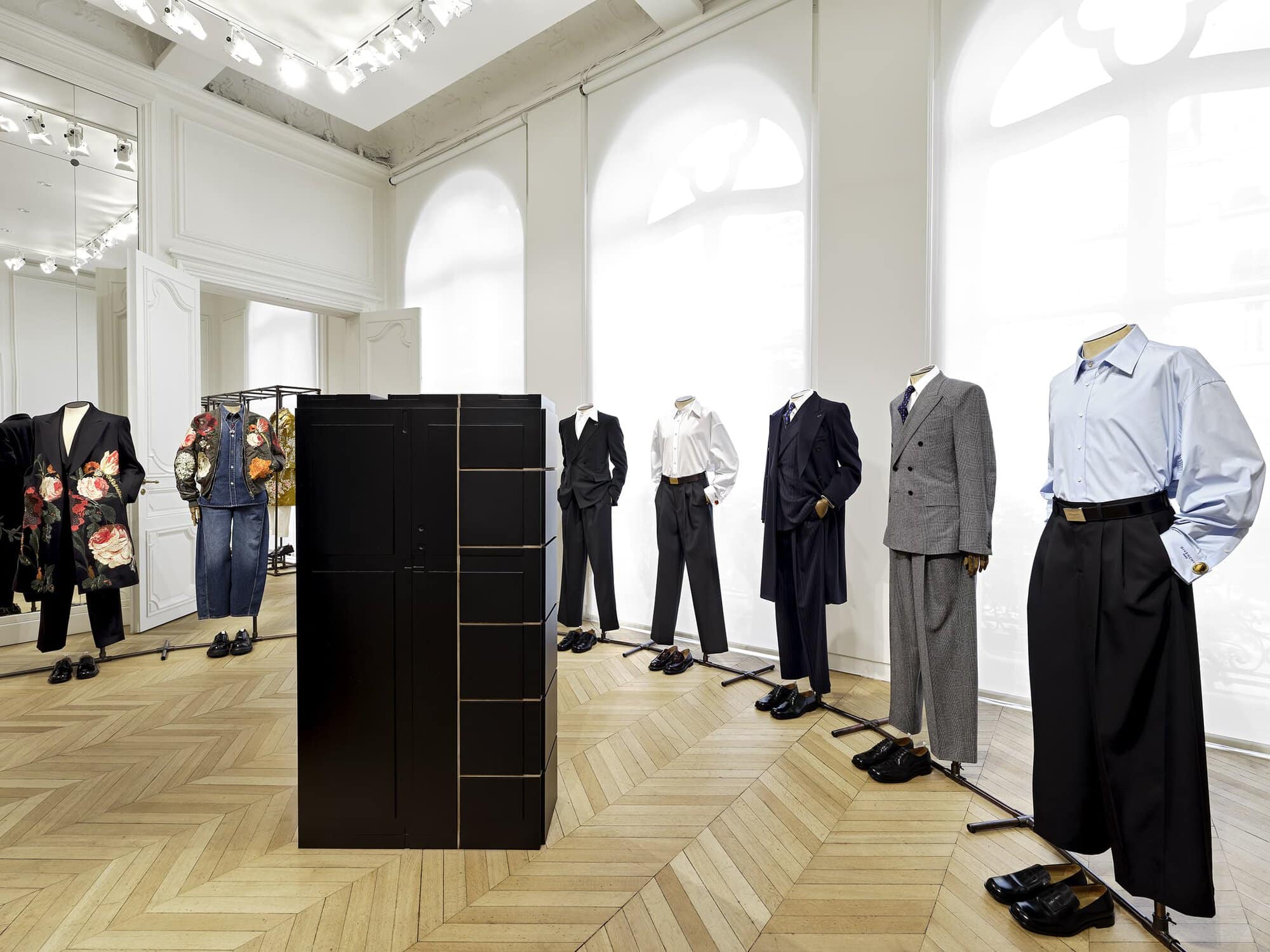
That tension between structure and ease runs throughout the collection. Burton’s tailoring is highly technical, informed by decades of experience and an early education in Savile Row craftsmanship. Yet the clothes never feel burdened by construction. Instead, they carry a lightness that allows the wearer to inhabit them naturally.
The same philosophy extends to the more casual pieces. A white shirt becomes a point of fascination. Bombers are embroidered with extraordinary floral motifs. A tracksuit is transformed into something precious through color and workmanship. Throughout the showroom, Burton repeatedly returns to the idea of taking familiar garments and viewing them differently.
“What is a man’s wardrobe today?” she asks. “What are the pieces he actually wears?”
The answer is not found in fantasy but in observation.
The approach reveals something fundamental about Burton’s relationship with menswear. She does not begin with an abstract idea of masculinity. She begins with people.
Throughout the conversation, she moves effortlessly between personal memories and creative collaborators. There is her father, whose pinstripe suits helped shape her earliest understanding of tailoring. There is her husband, whose instinctive sense of style keeps her attuned to how men actually dress rather than how fashion imagines they should dress. There are the artists, photographers, filmmakers, and musicians she admires—Don McCullin, Don Letts, Danny Fox, Jonathan Glazer, and Timothée Chalamet among them.
They are different generations, different personalities, and different expressions of masculinity. Yet Burton speaks about all of them with the same curiosity.
She is not searching for a single Givenchy man. She is observing individuals and the ways clothing becomes part of their lives.
Fashion, in her world, begins with conversation.
That belief was evident in a recent campaign photographed by Juergen Teller. Rather than casting people simply to wear the collection, Burton invited individuals she genuinely admired. When they arrived, she allowed them to engage with the clothes in their own way.
“They chose the pieces they loved,” she says. “It became almost like a bespoke couture way of dressing people.”
It is perhaps why the collection feels so personal despite its scale. The embroidered coats and bombers are rooted in memories of Whiteread’s studio, where Burton became fascinated by objects carrying traces of history and use. One floral coat was inspired by an antique silk screen discovered in Paris and repurposed through embroidery. Elsewhere, flowers bloom across satin bombers with a richness that recalls both couture craftsmanship and treasured heirlooms.
Looking closely at these pieces, one senses Burton’s fascination with objects that acquire meaning over time. She speaks of treasures, relics, and things passed down through generations. Even the most elaborate garments feel connected to lived experience rather than decoration for decoration’s sake.
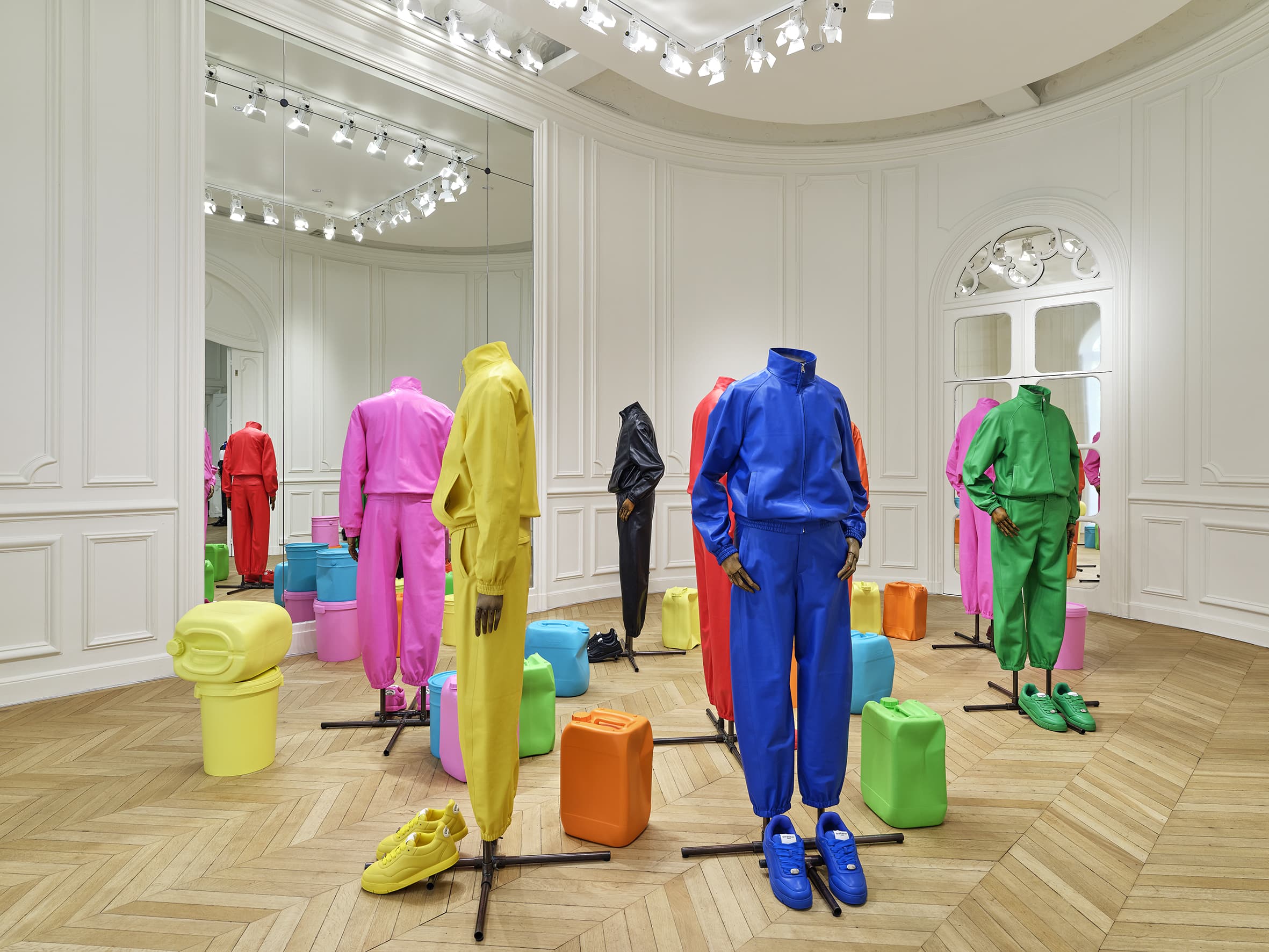
The bright leather tracksuits shown in vivid yellow, blue, red, green, and orange perhaps capture that spirit best. Burton describes them as an attempt to make something ordinary feel precious. Inspired in part by Whiteread’s ability to elevate everyday objects, they transform one of the most universal garments in a man’s wardrobe into something joyful and unexpected.
“It’s like yellow hope,” Burton says, pointing toward one vivid look.
The phrase lingers because it feels emblematic of her wider outlook.
So much of Burton’s work is grounded in optimism. Not naïve optimism, but a belief in people, in craft, and in the emotional power of clothing. Shortly after arriving at Givenchy, she physically removed the walls separating departments within the studio so that menswear and womenswear teams could work together.
“I knocked all the walls down,” she says. “Everyone talks to each other.”
The gesture feels symbolic of her broader approach. Ideas move freely. Categories become less important. Conversations become more important.
By the end of the presentation, what emerges is not a definition of the Givenchy man. Burton seems almost resistant to the idea that one exists.
A man might wear a beautifully cut pinstripe suit. He might prefer embroidered outerwear, denim, or a brightly colored tracksuit. He may be an artist, a filmmaker, a photographer, or someone with no connection to fashion at all.
For Burton, those differences are not obstacles to design. They are the reason for it.
That perspective may ultimately become her most important contribution to Givenchy.
Rather than chasing trends or reinventing masculinity for the sake of novelty, she is building a menswear proposition rooted in something far more enduring: humanity, craftsmanship, and individuality.
In doing so, she is helping define a new relevance for Givenchy—one that feels less about telling men who they should be and more about giving them the freedom to be themselves.
In an industry increasingly driven by categories, algorithms, and demographic targets, it is a surprisingly refreshing vision.
For Sarah Burton, menswear is not about defining the modern man.
It is about understanding the people who wear the clothes.