Open Source
Review of L/AB c/o Off-White Fall 2026 Ad Campaign by Photographer Luke Abby with models JT, Glaive, PZ, Vivian Jenna Wilson, Mazzy Joya, Julez Smith and Jay Guapõ
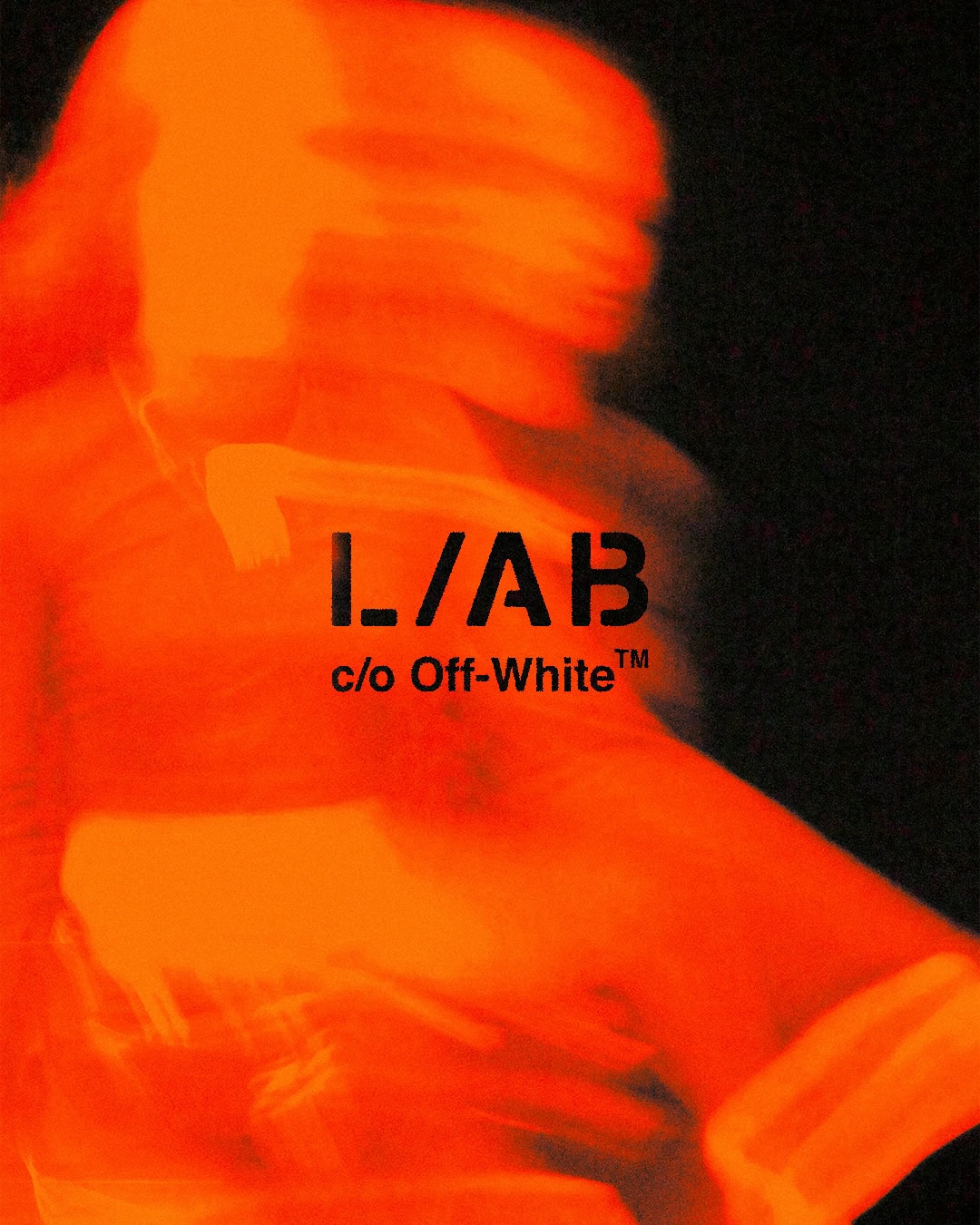
Off-White has always understood that culture becomes interesting when somebody gets their hands on it and changes the code. Its new extension, L/AB c/o Off-White, makes that instinct almost literal. Following its launch earlier this summer, the label introduces its first campaign with a cast spanning music, fashion and digital culture, photographed by Luke Abby and styled by Georgia Pendlebury. The premise is “Laboratory of Fun,” but the more interesting idea may be laboratory itself: this is less a finished brand proposition than an invitation to experiment with one.
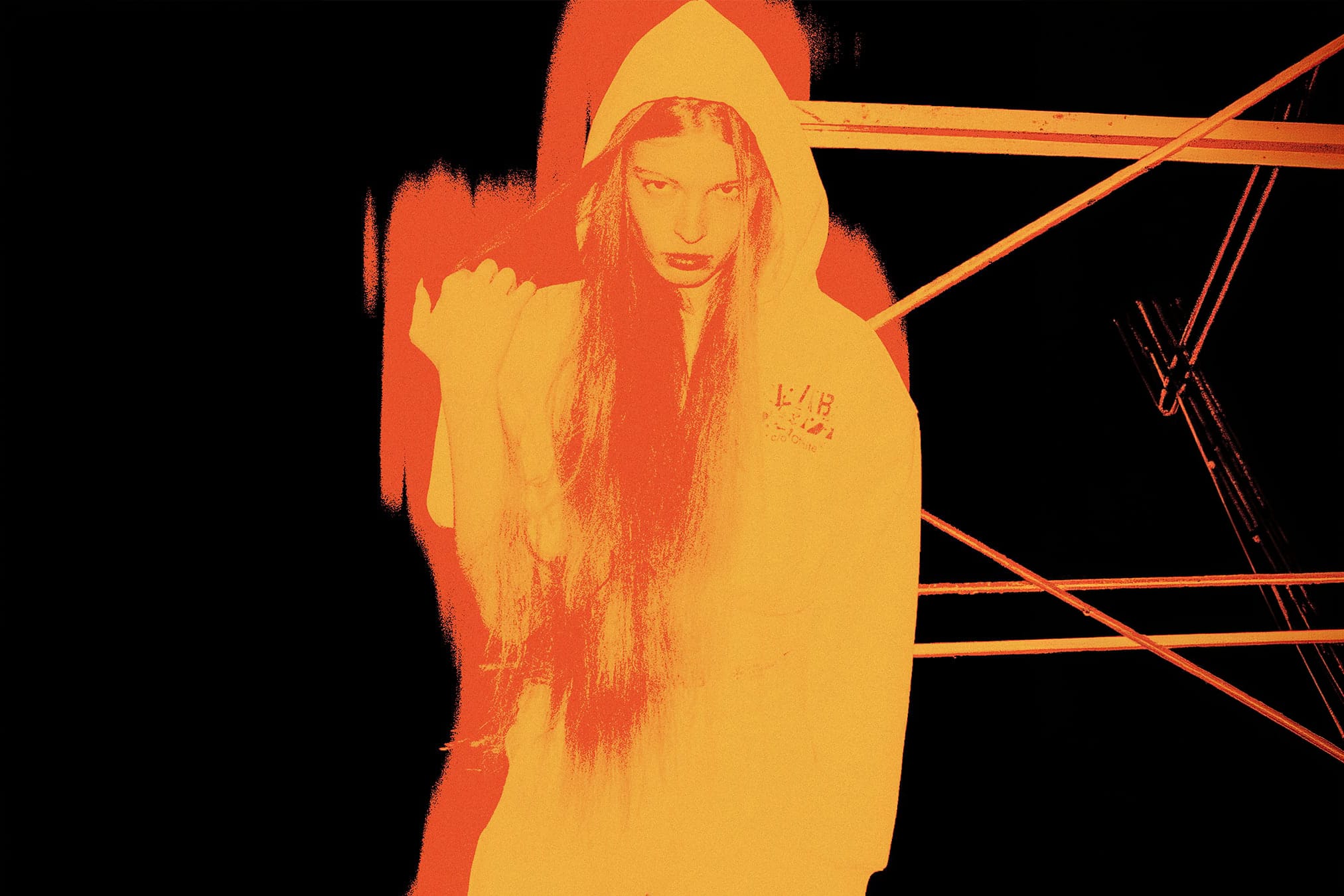
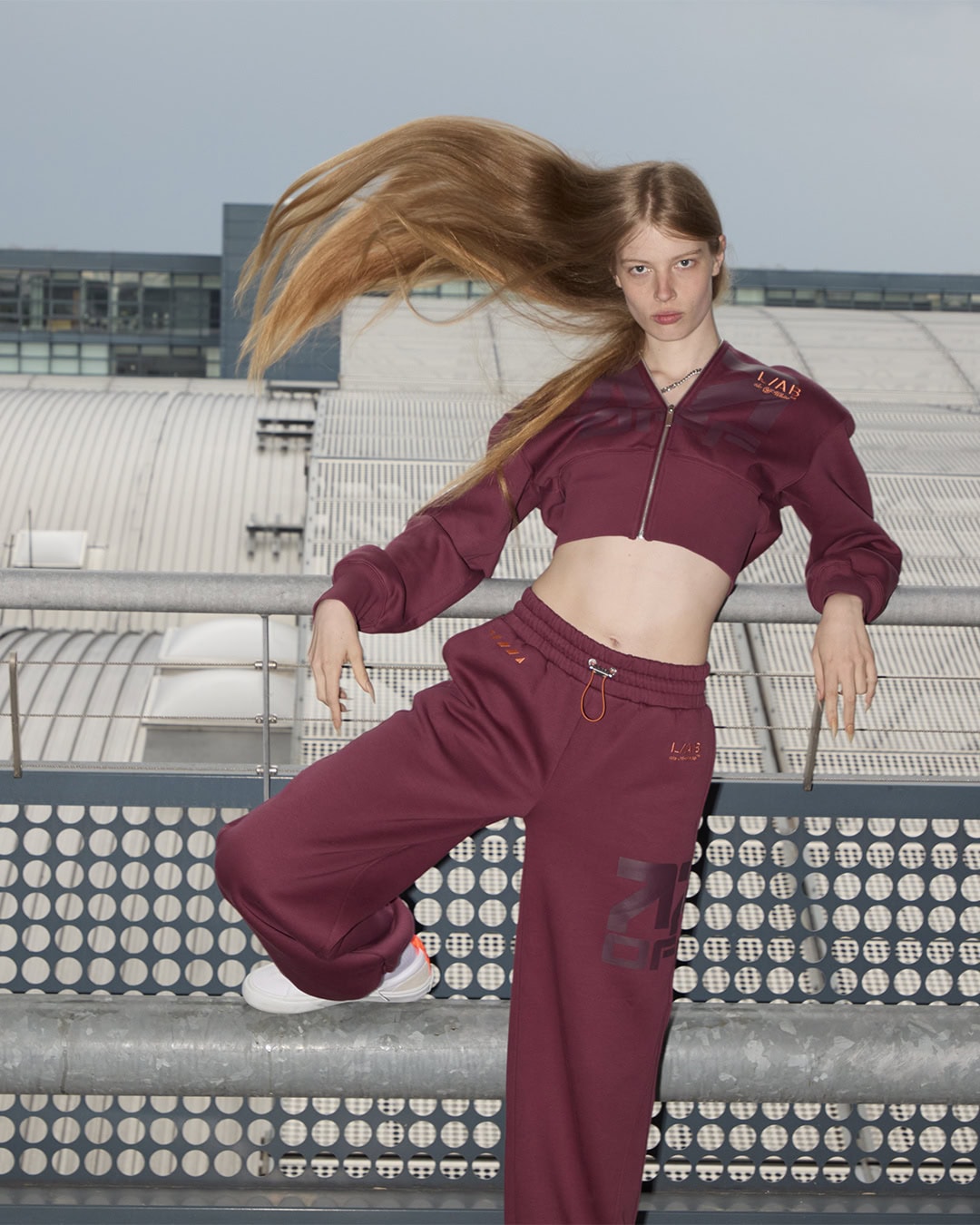
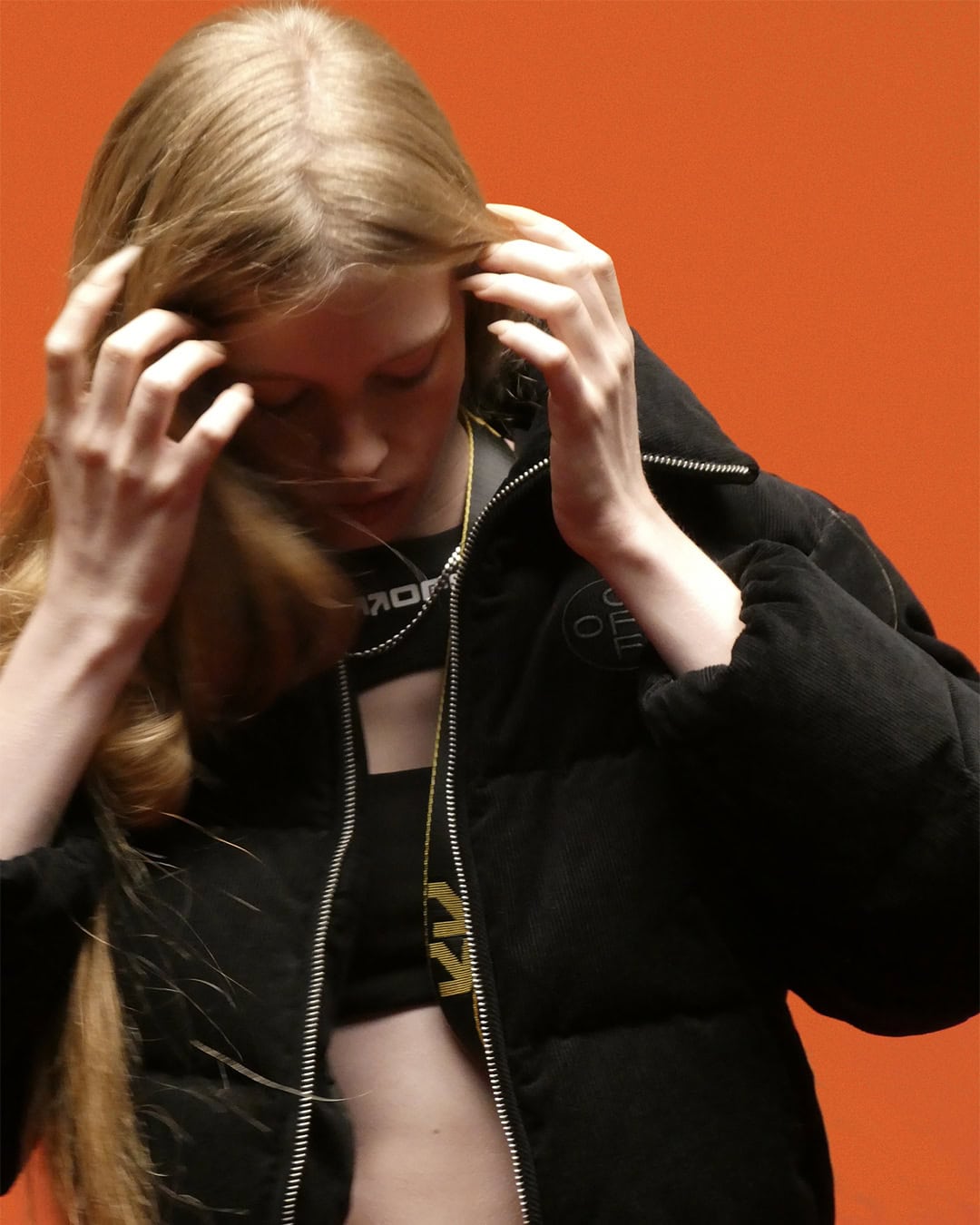
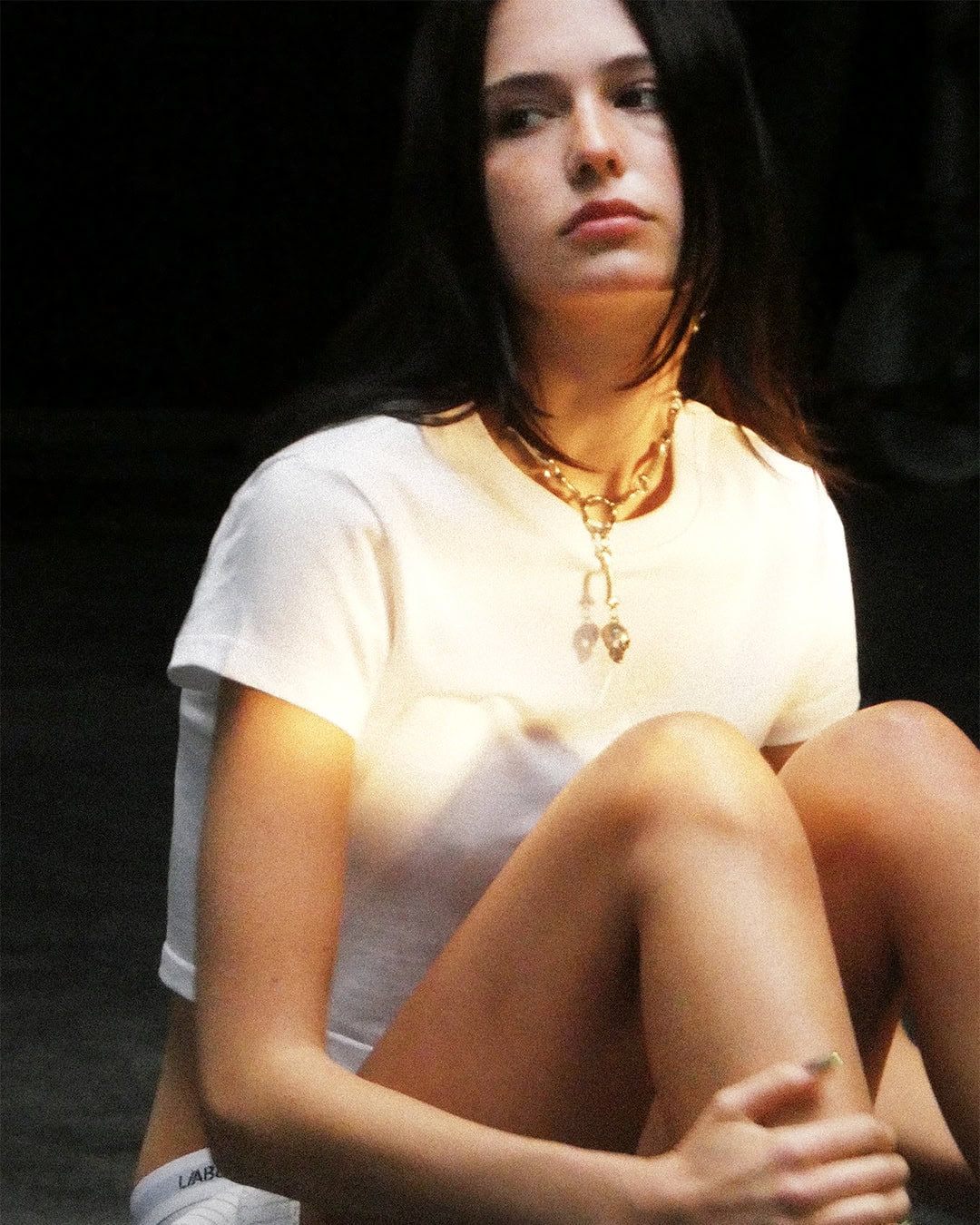
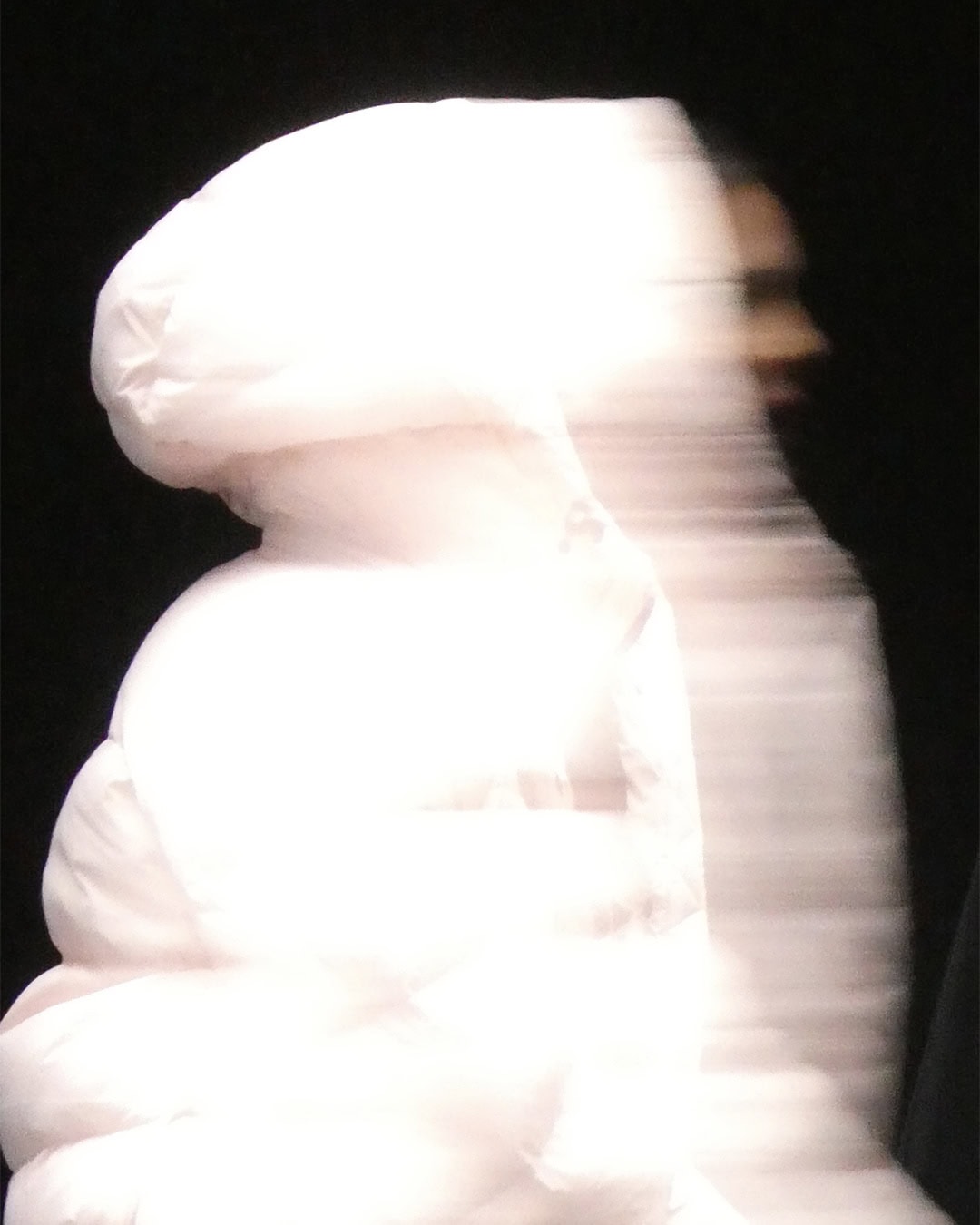
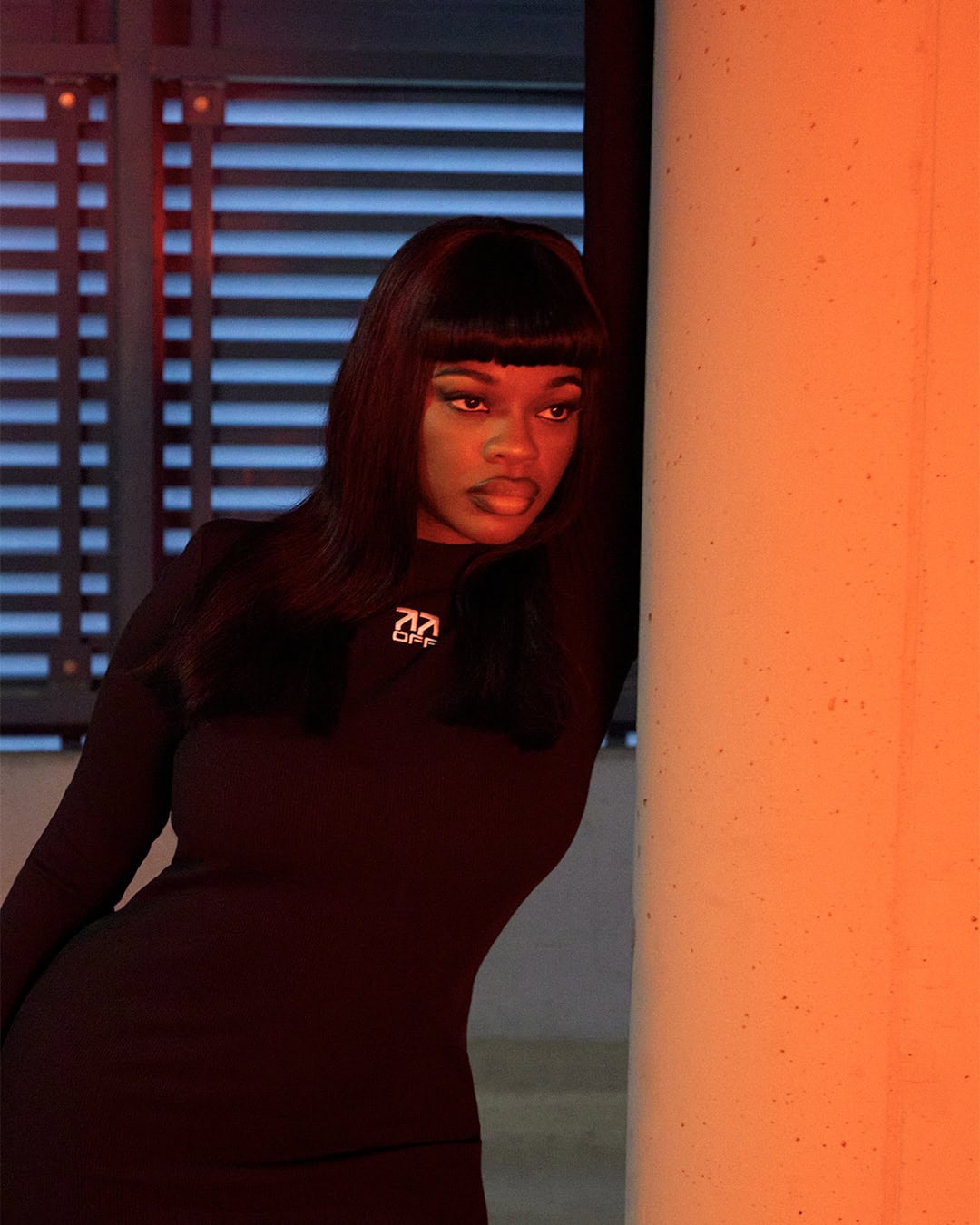
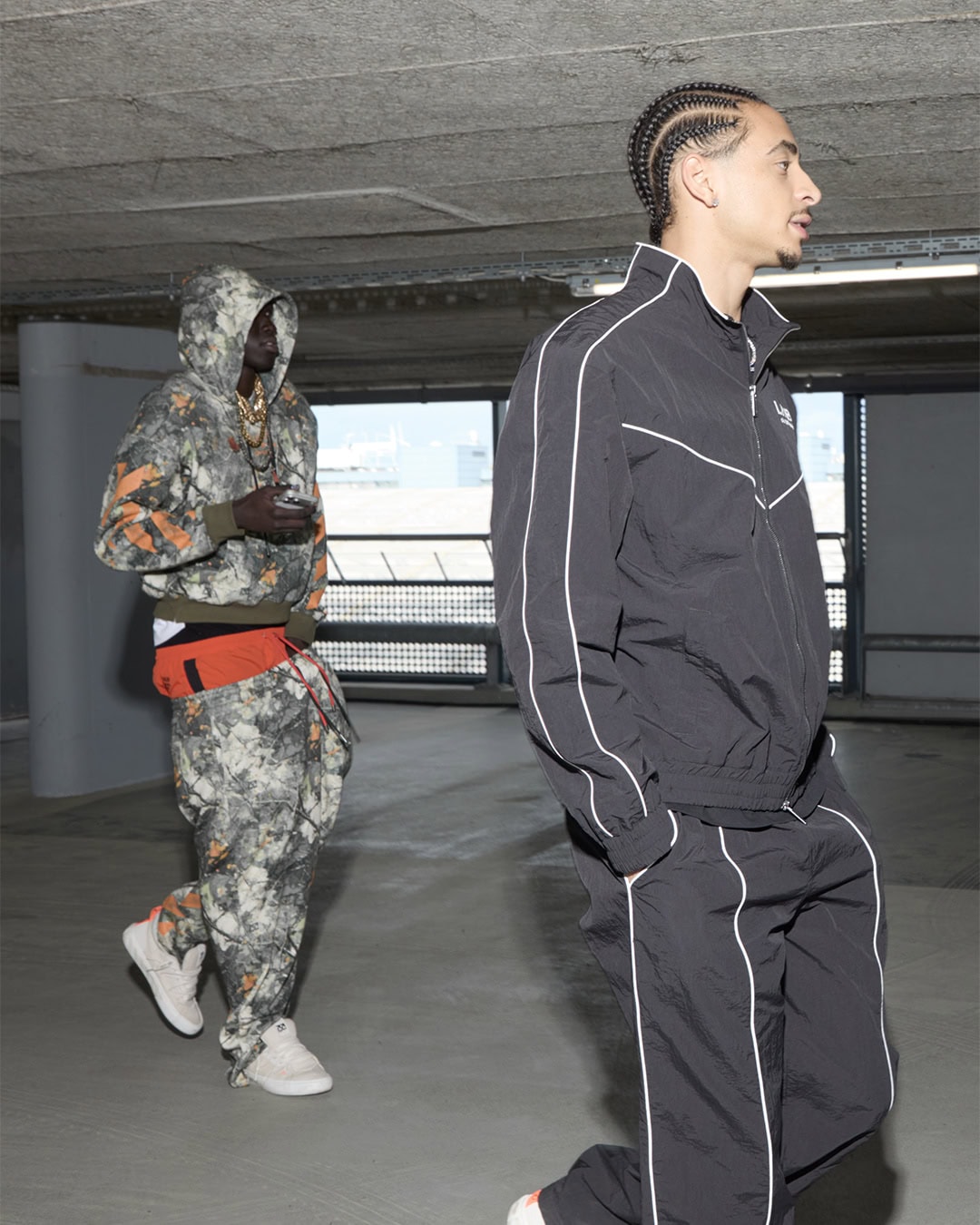
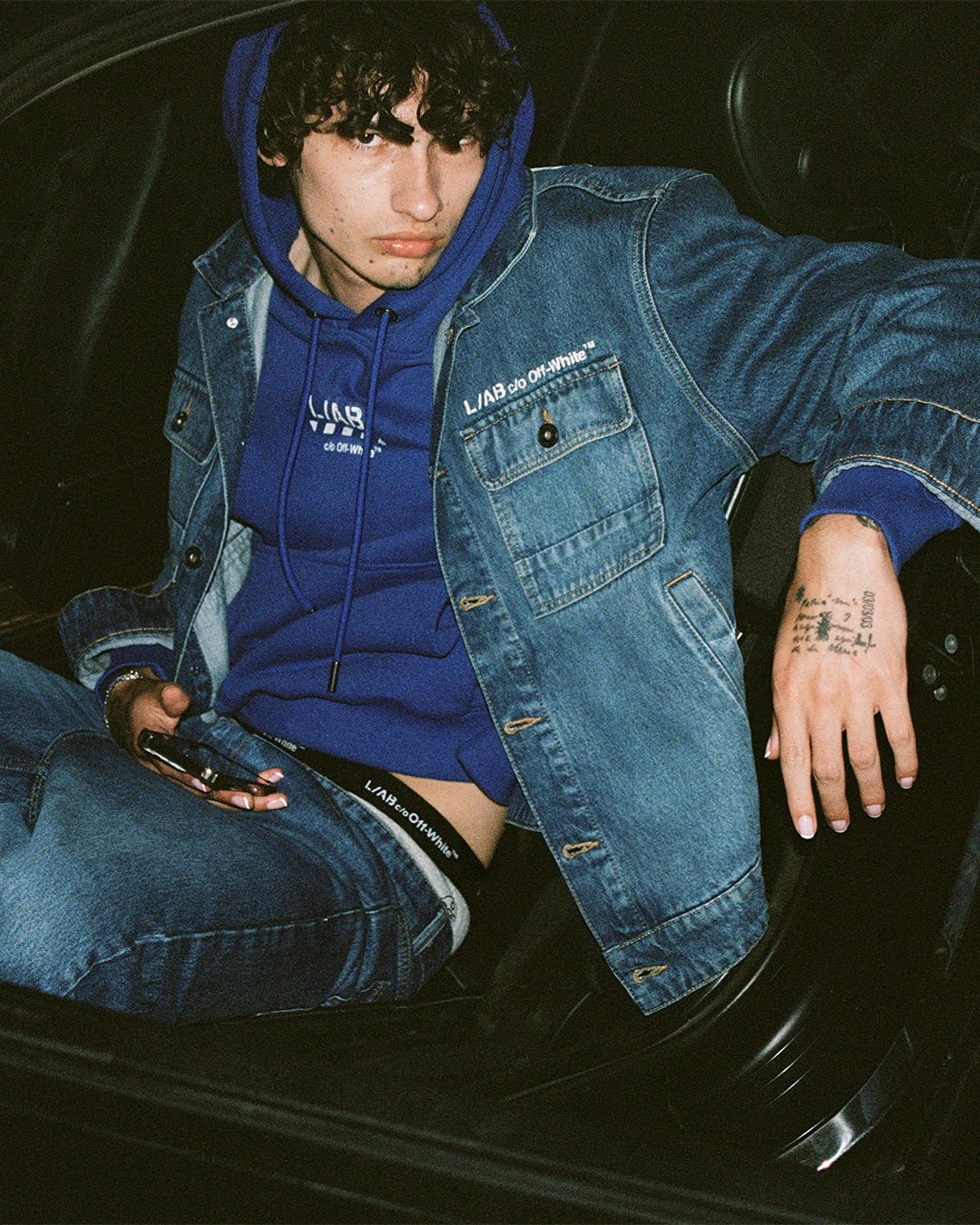
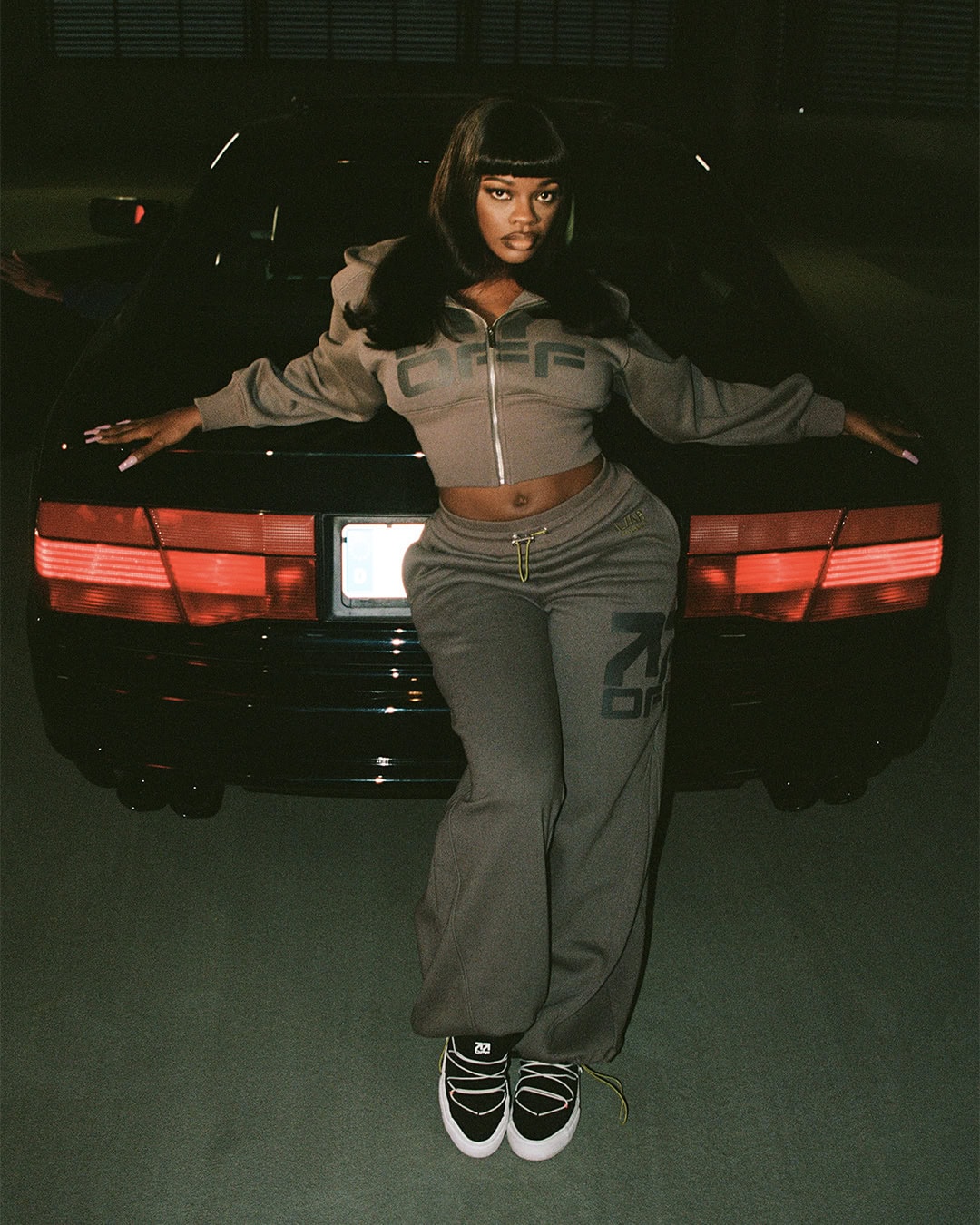
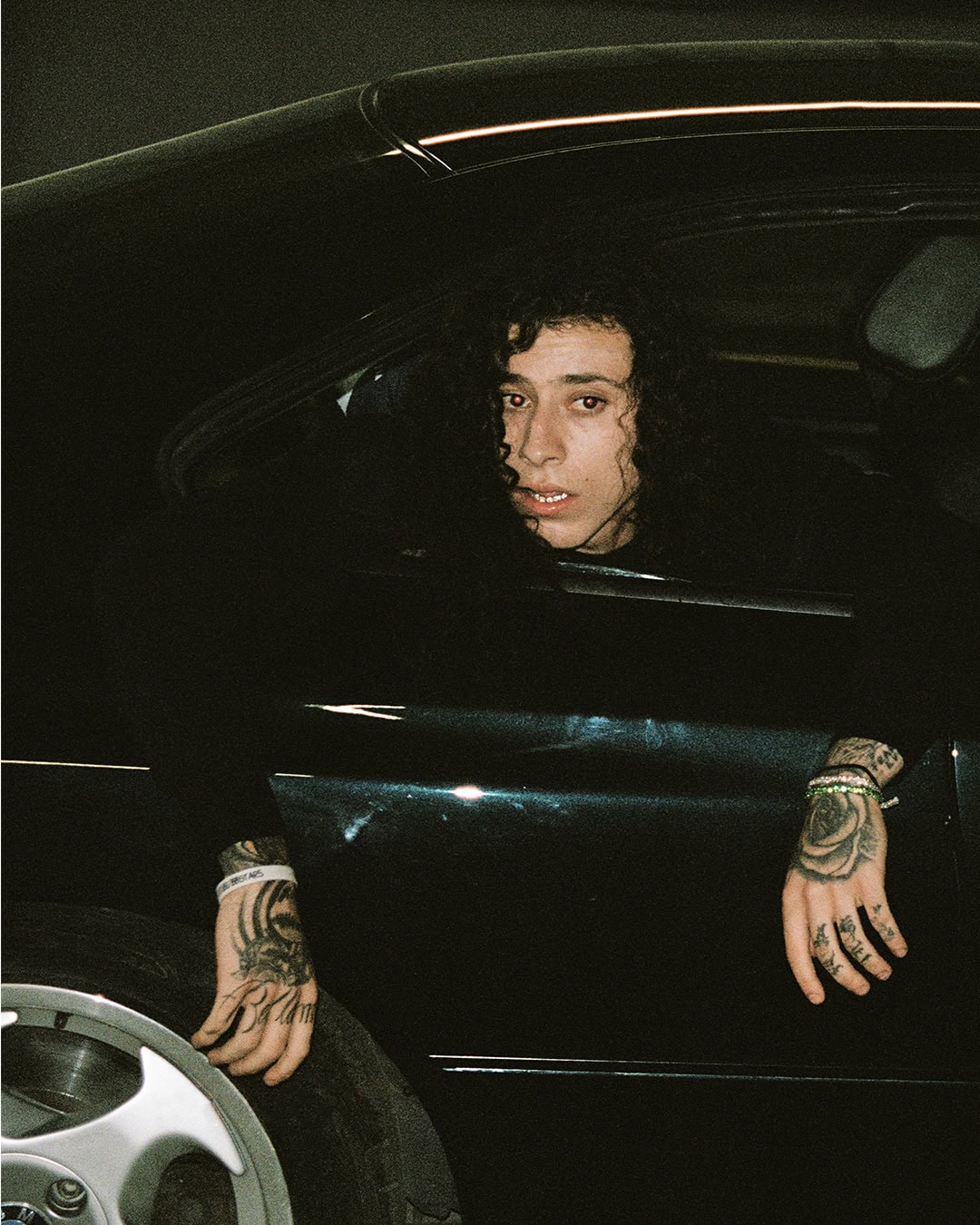
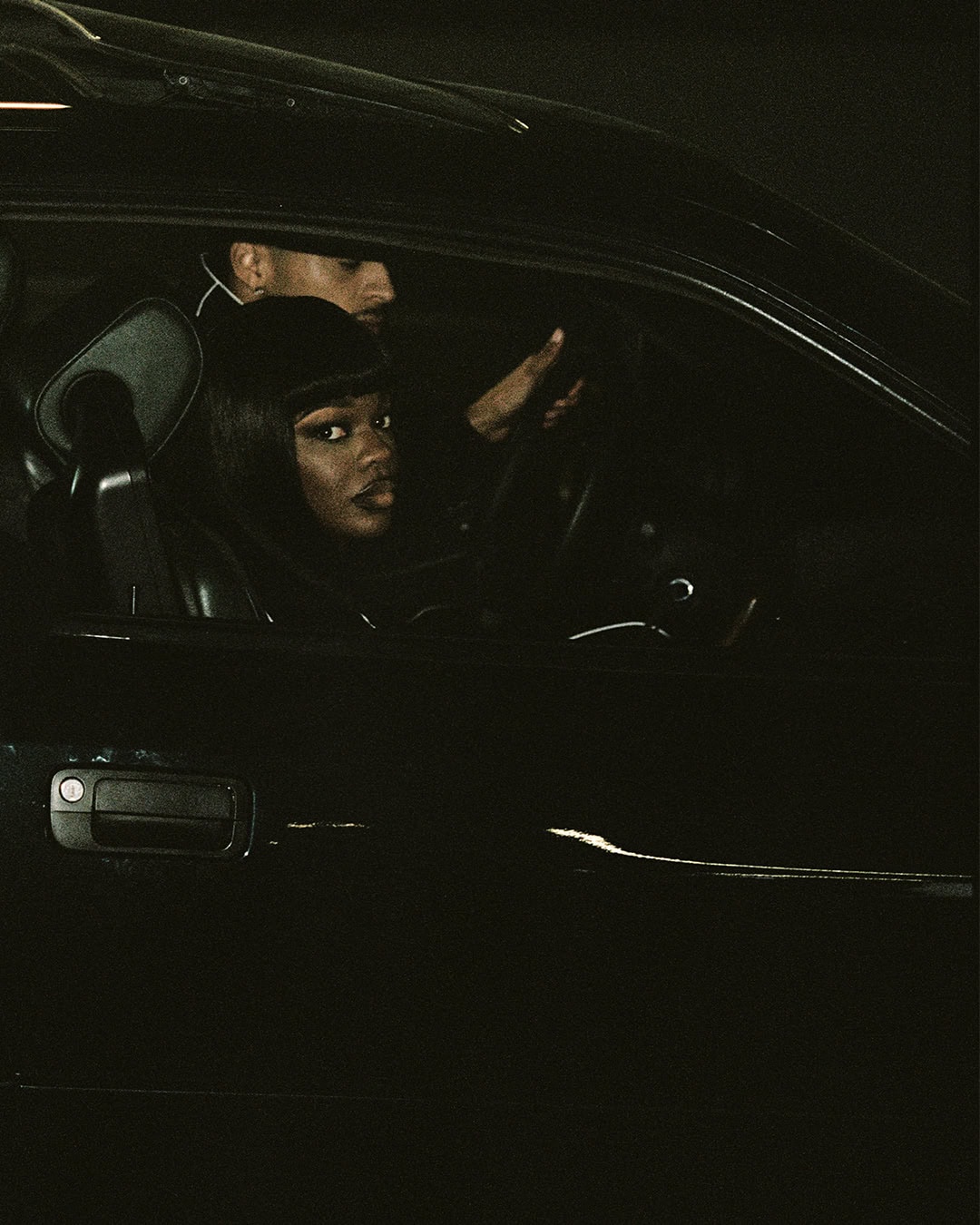
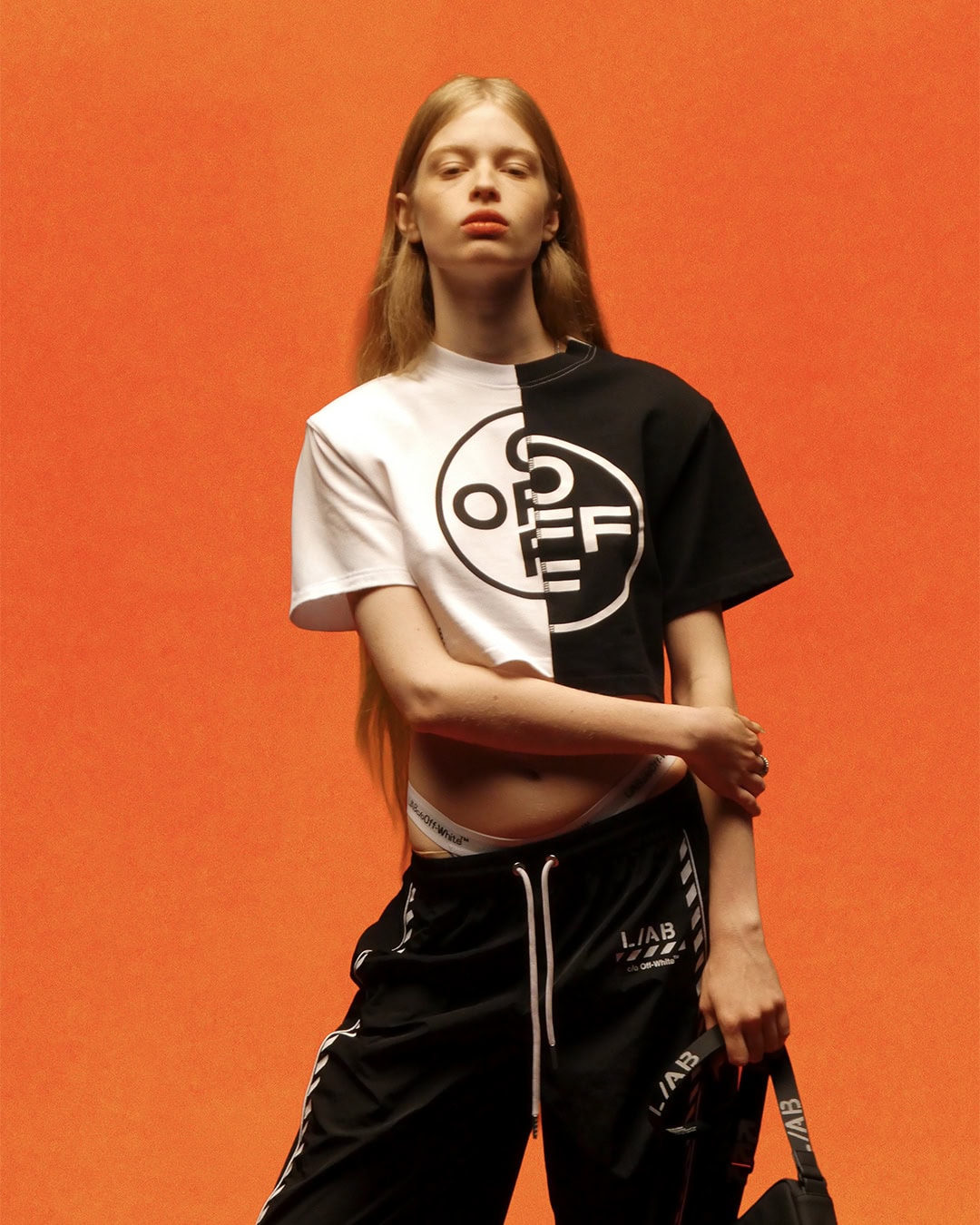
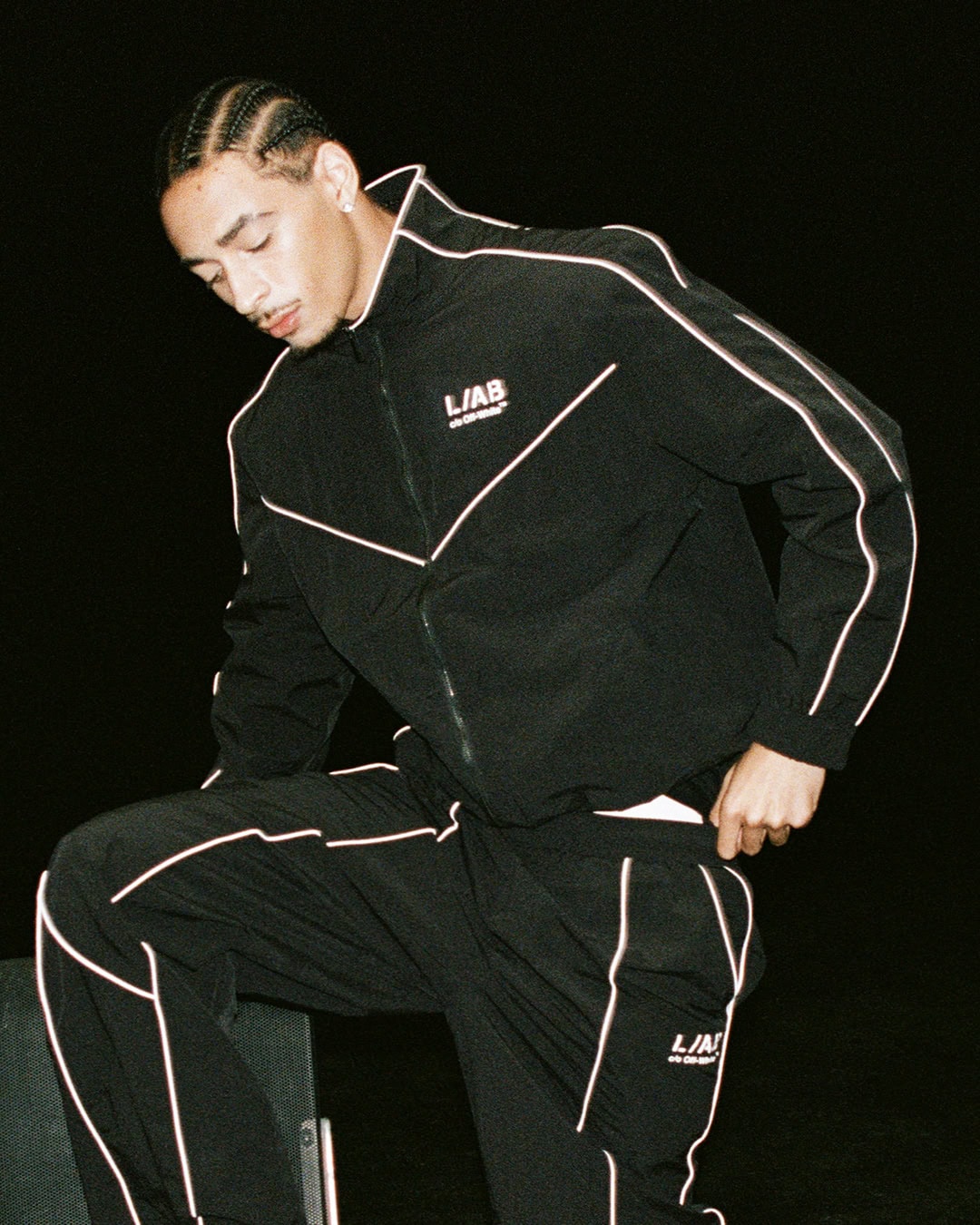
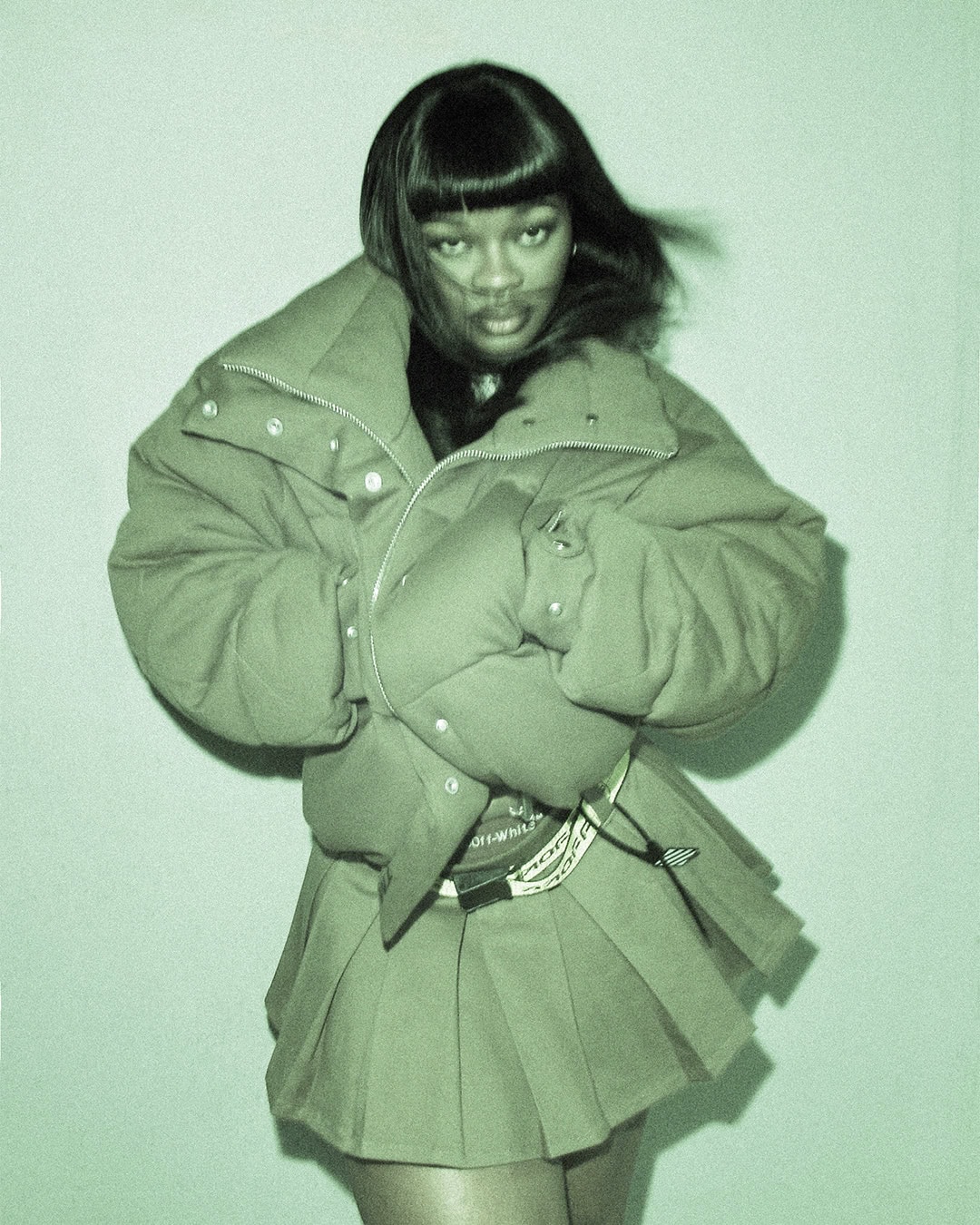
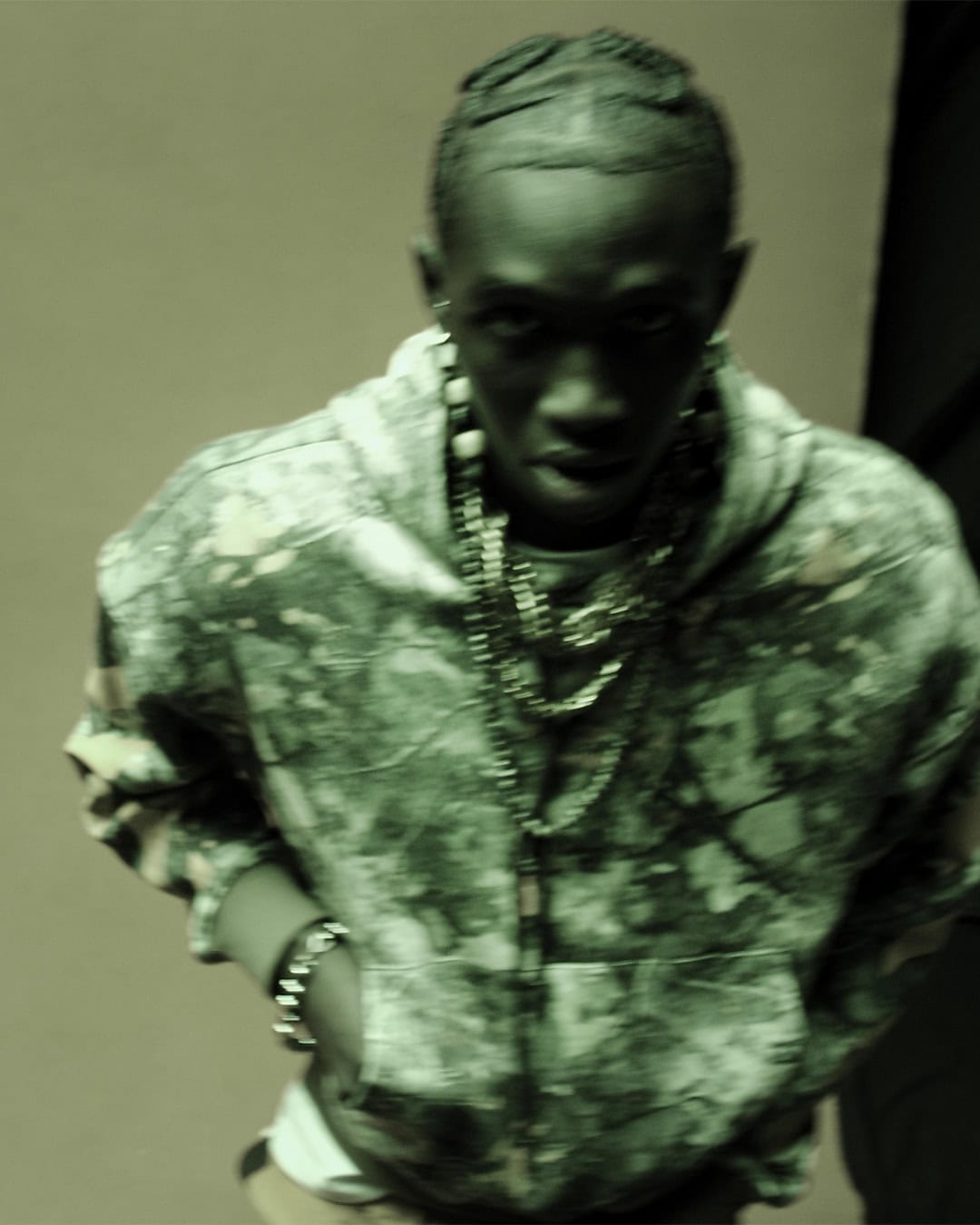
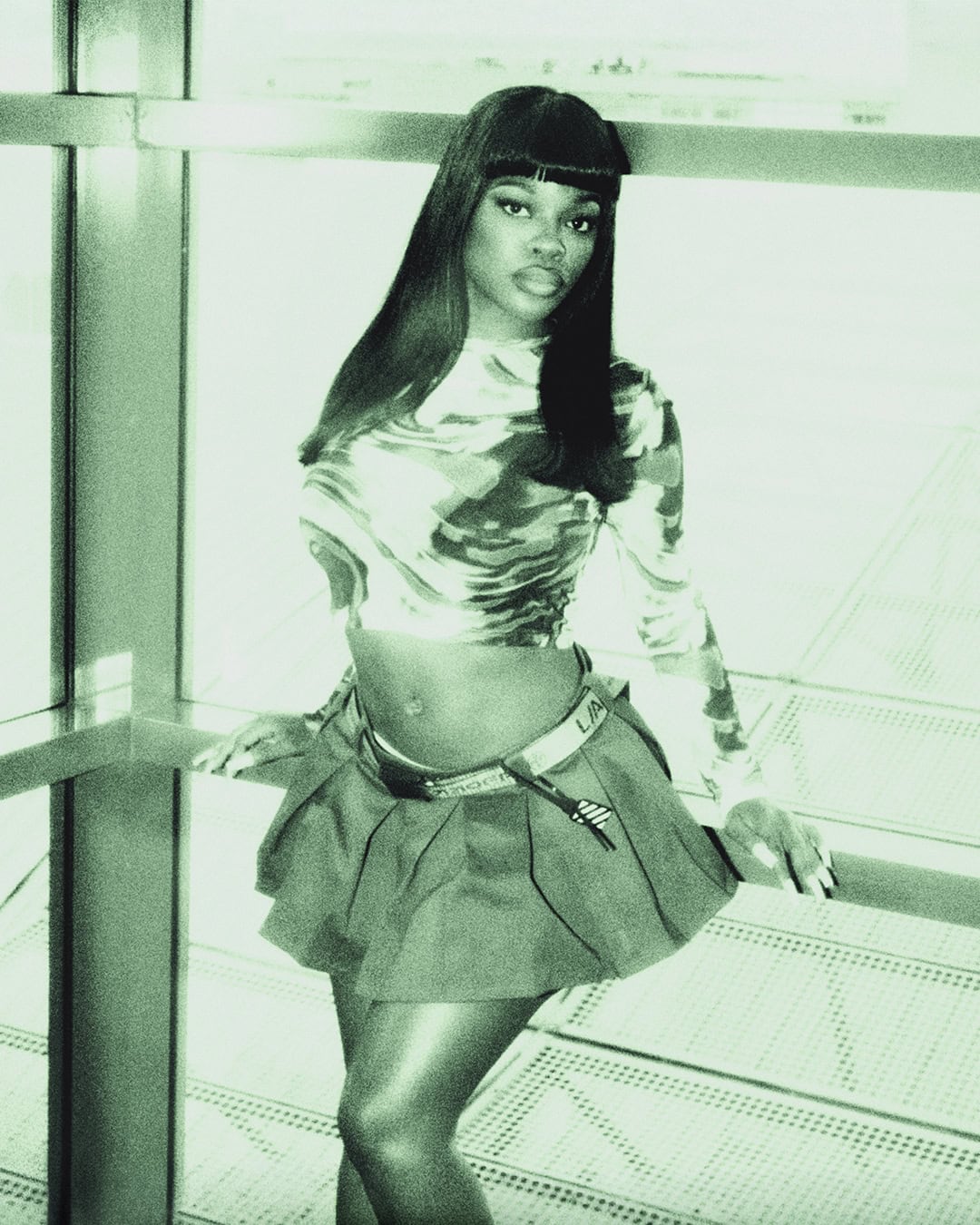
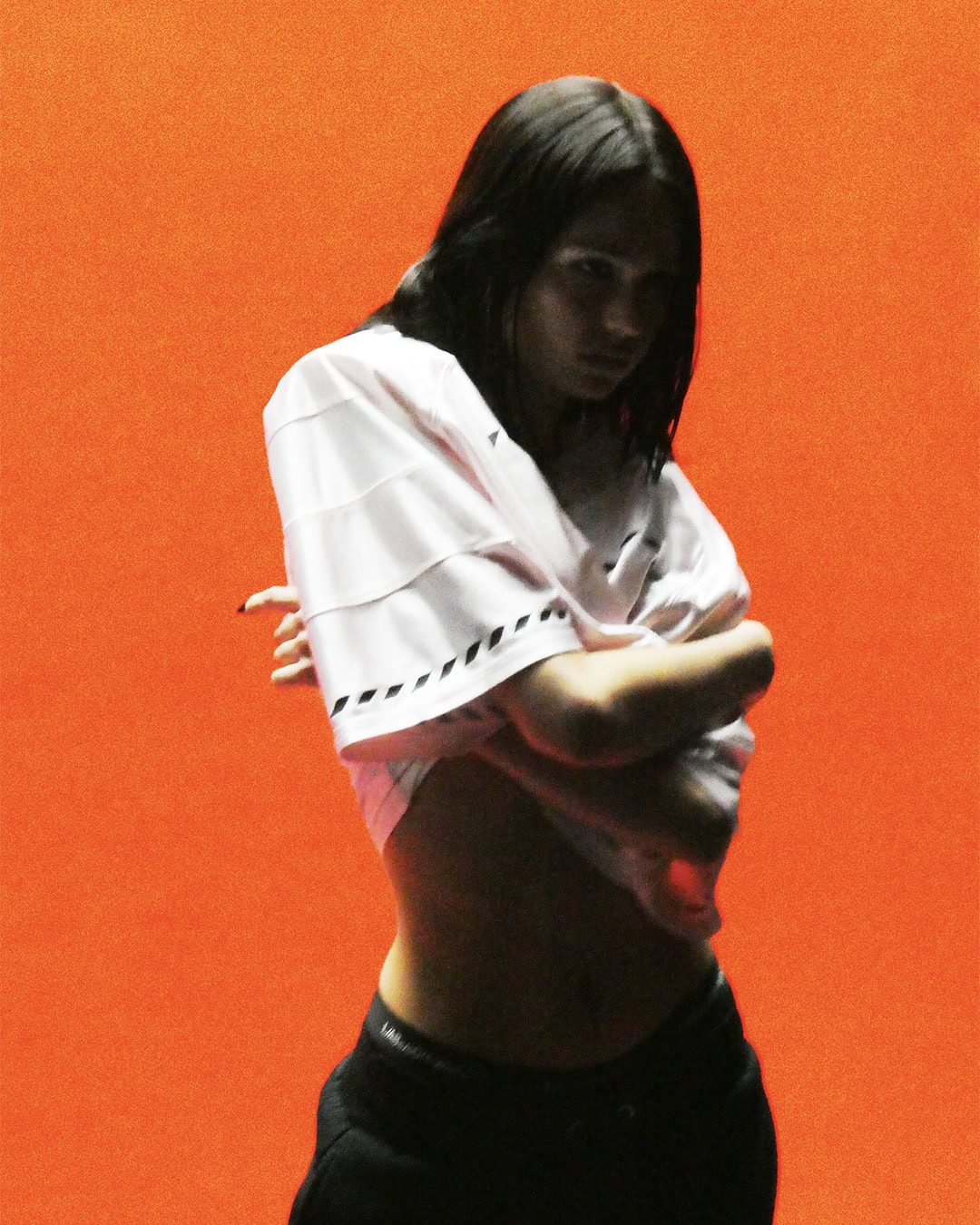
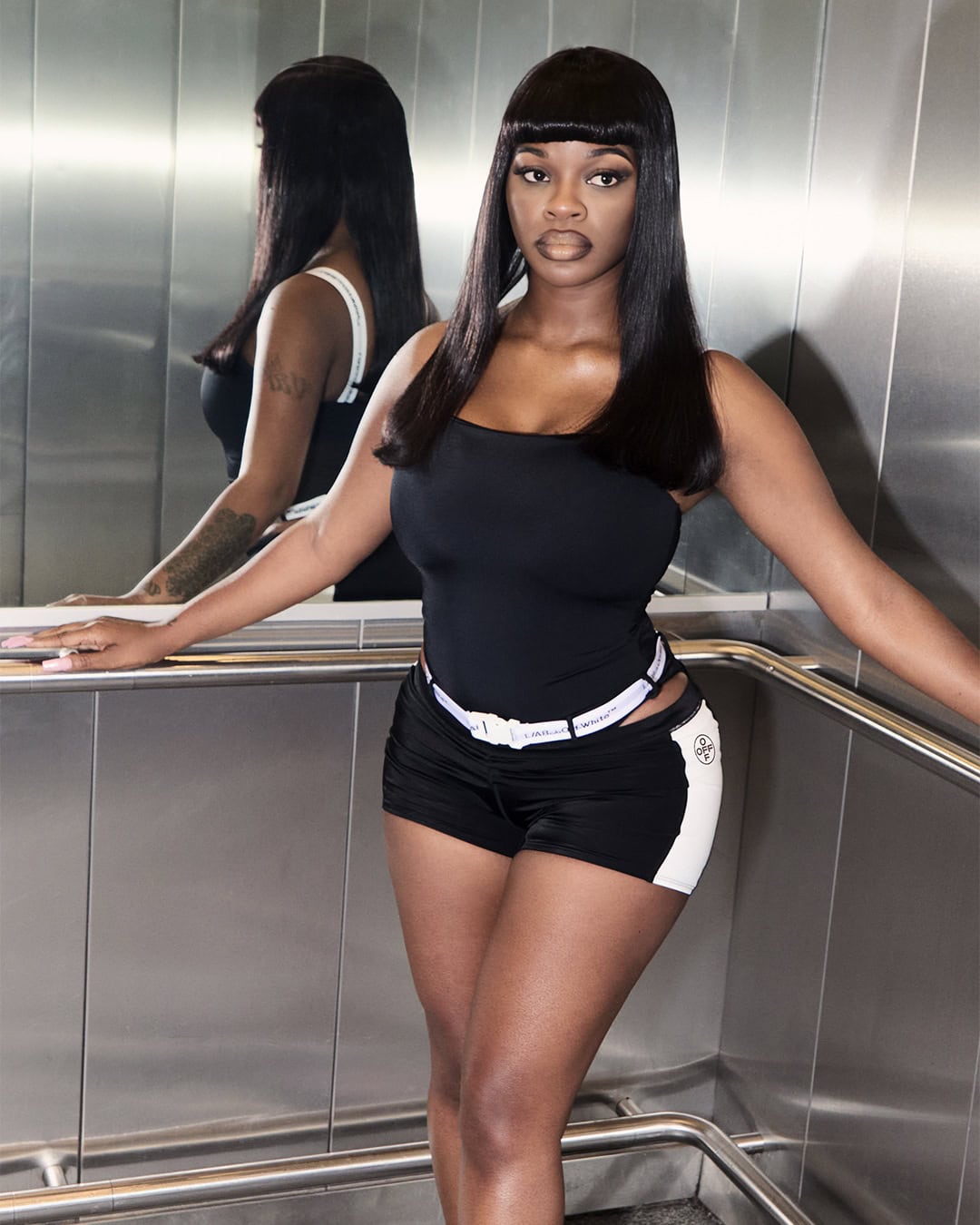
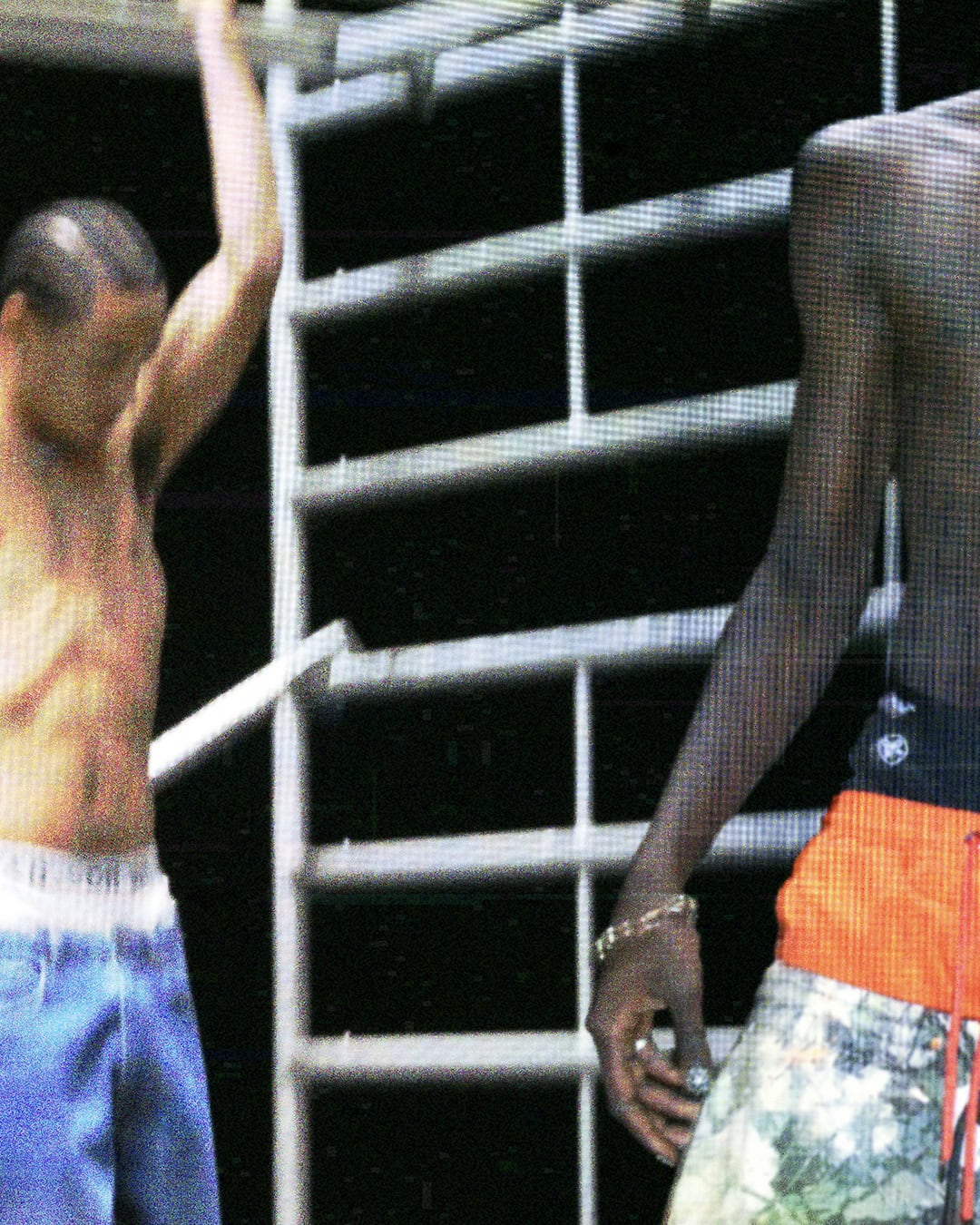
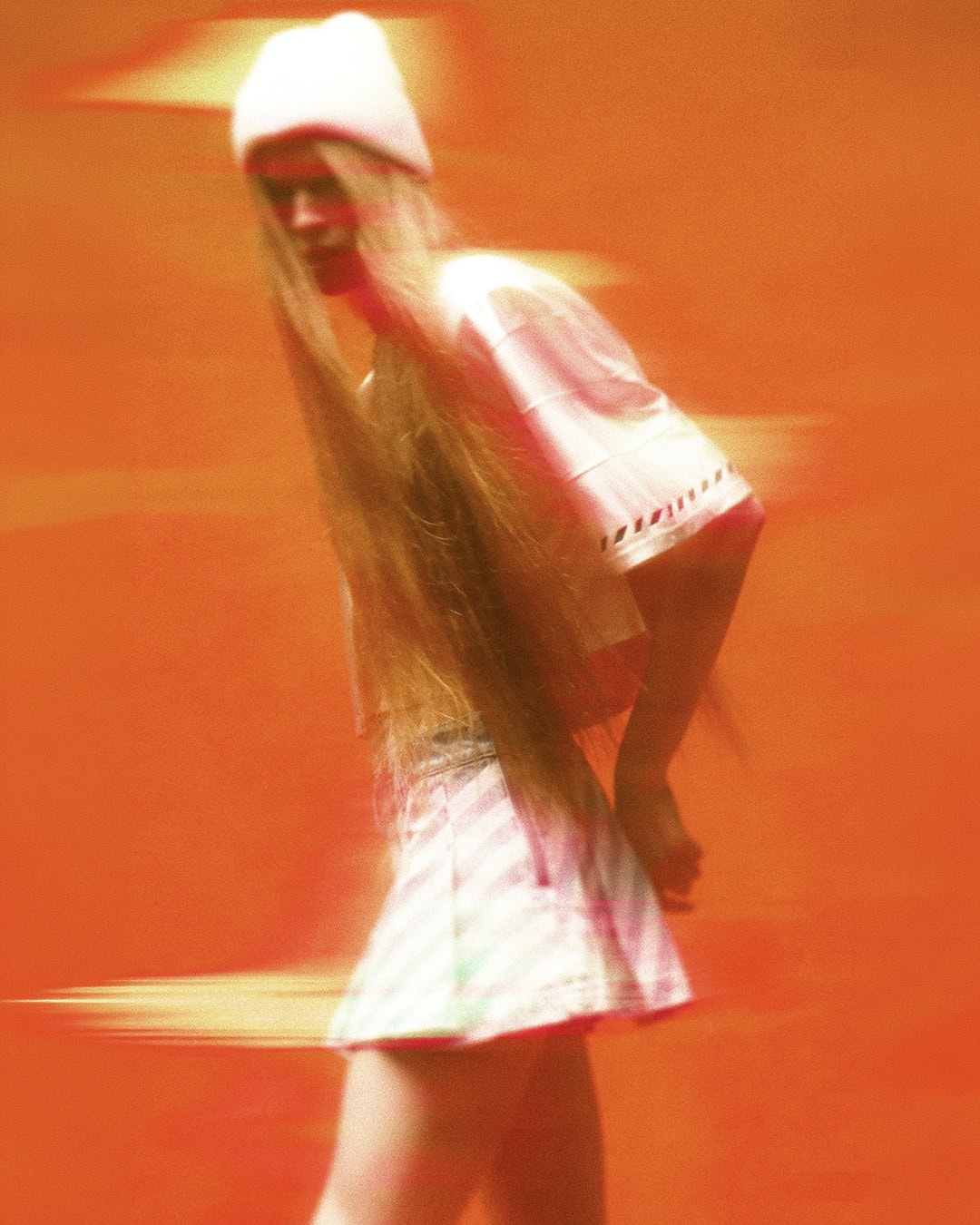
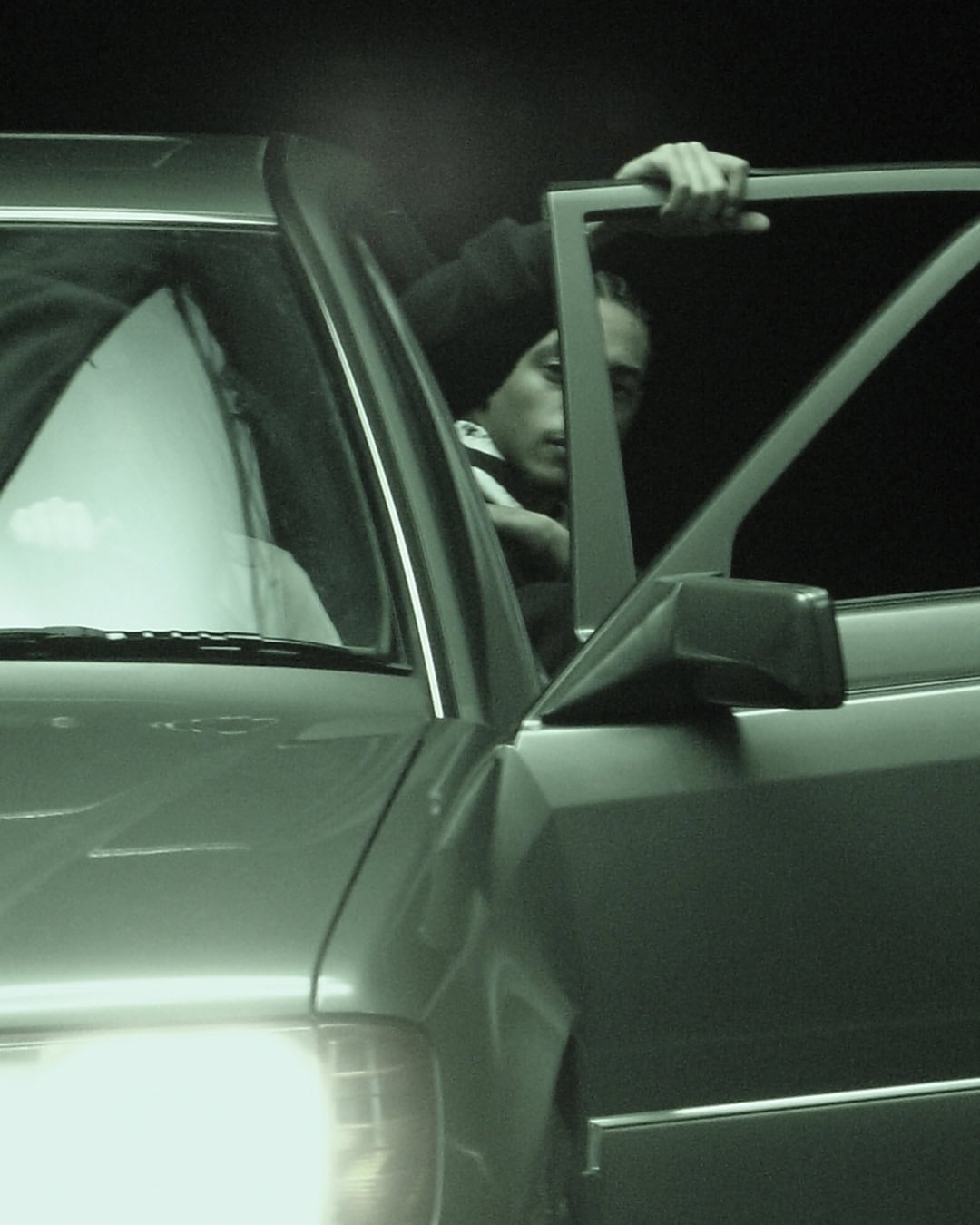
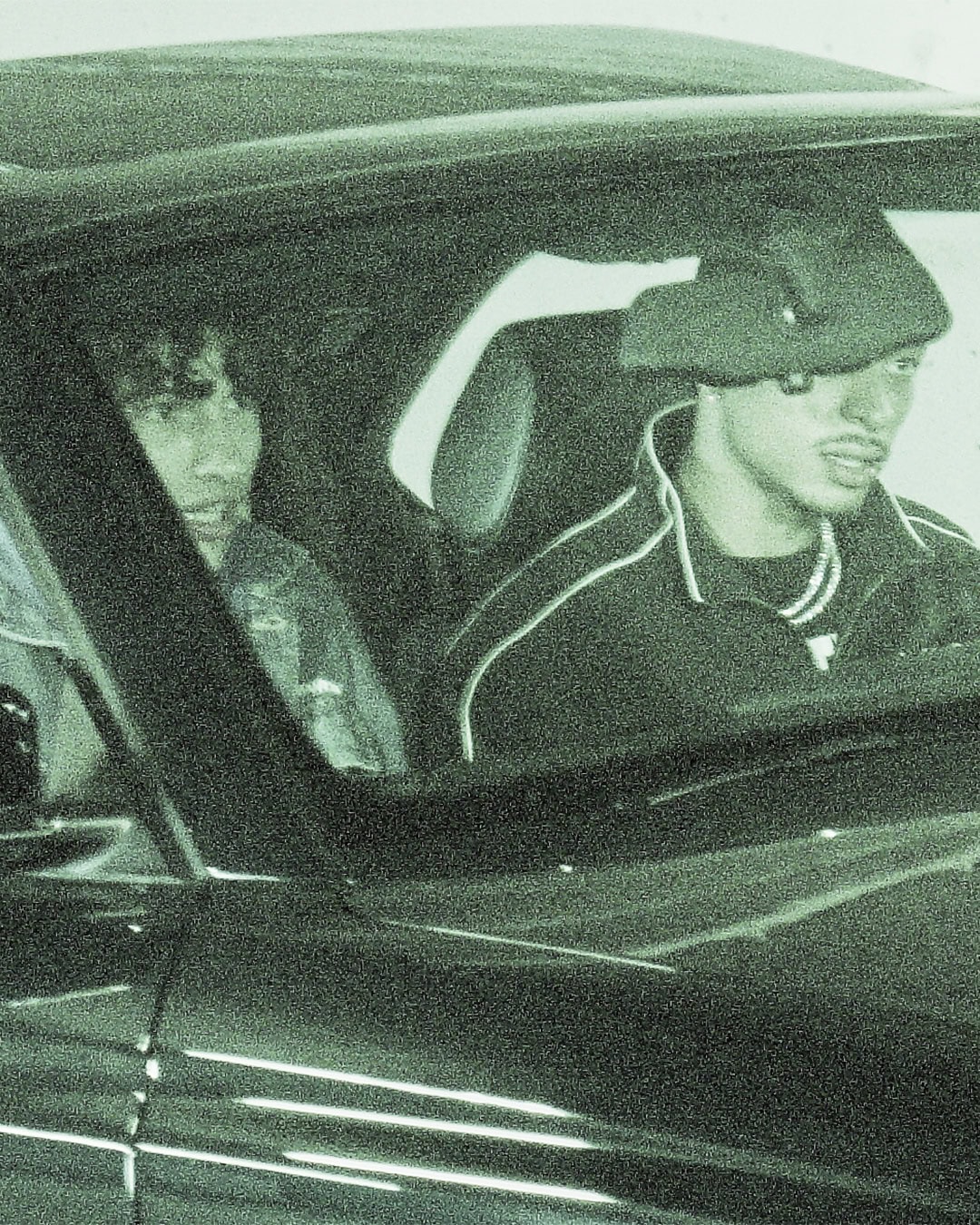
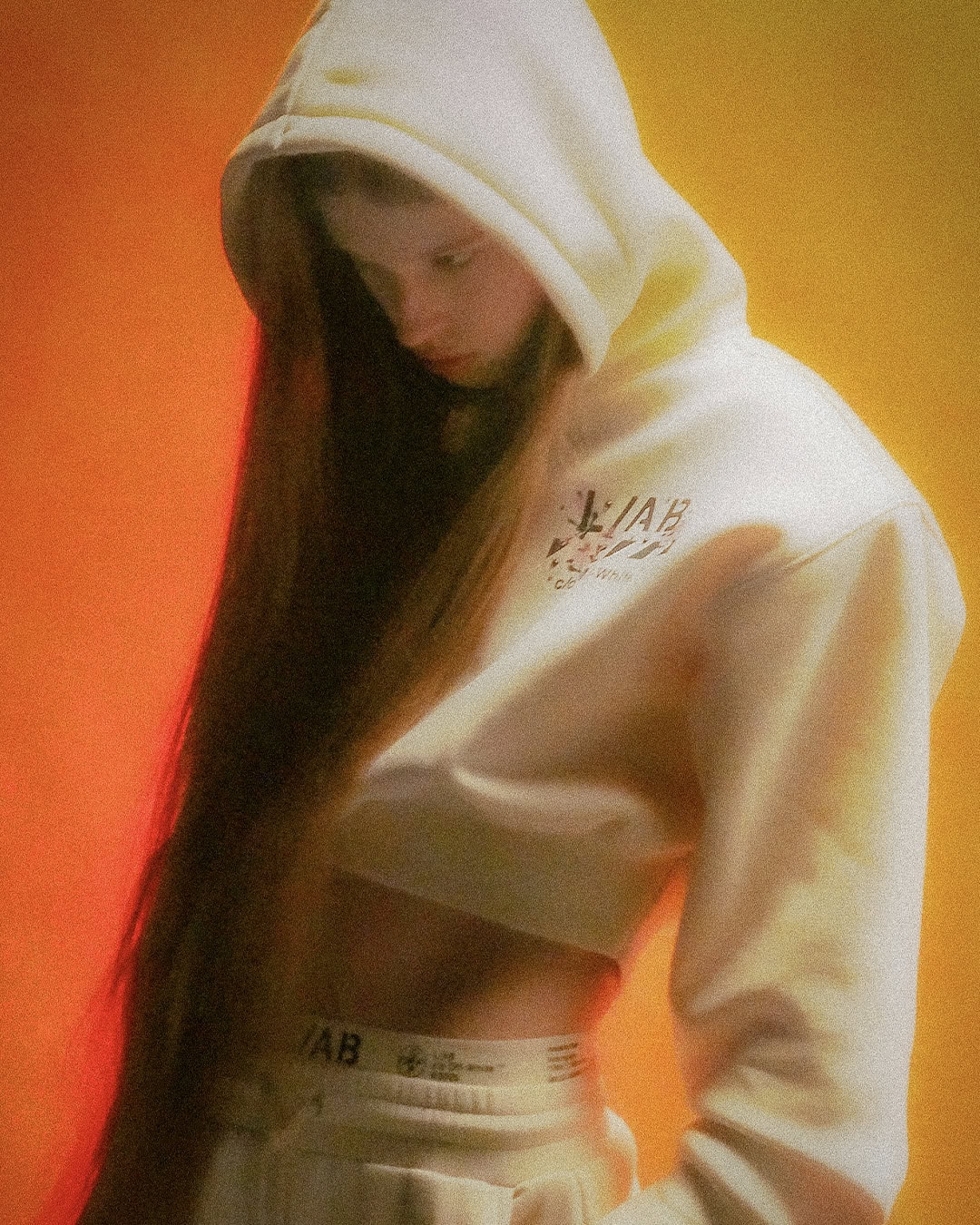
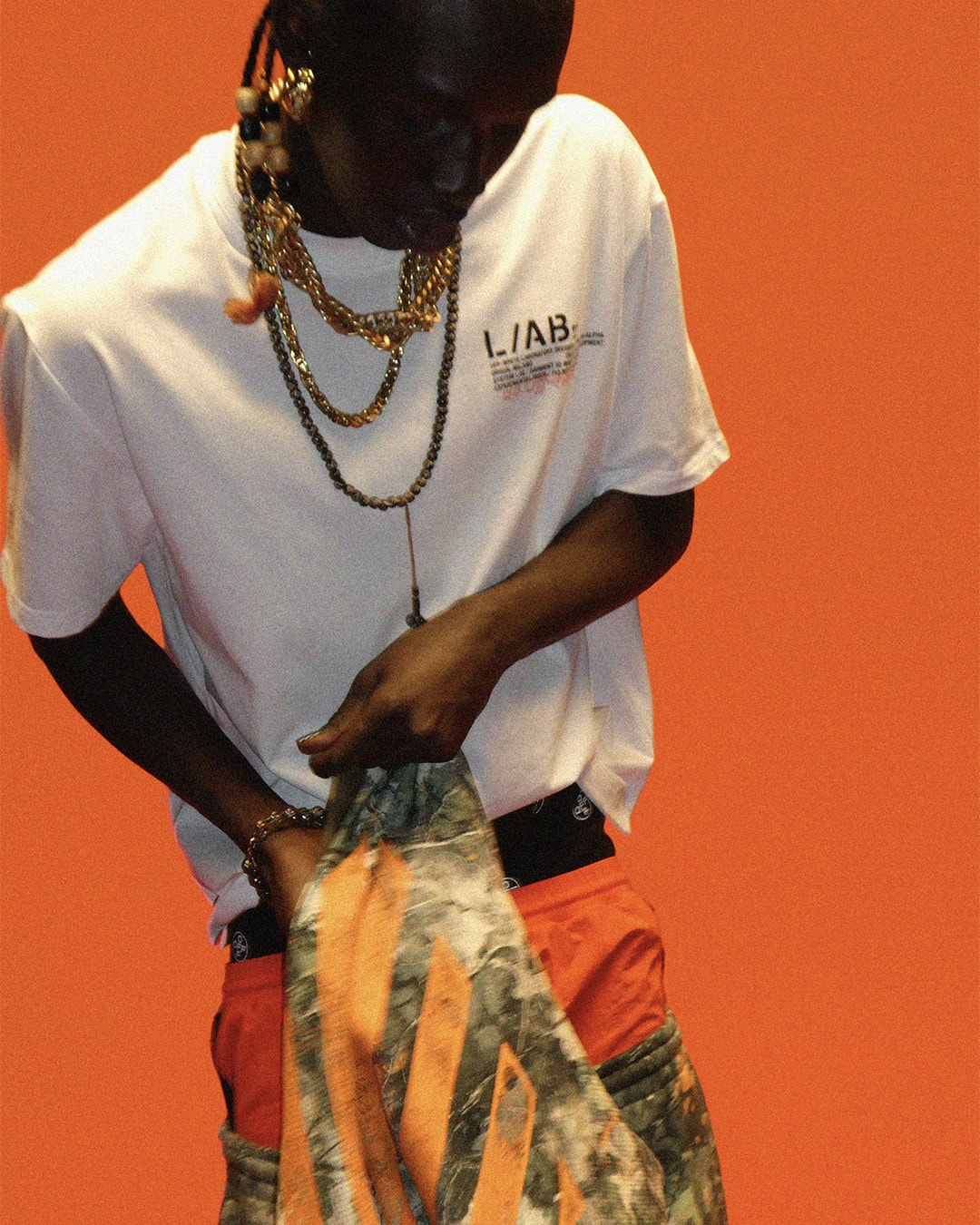
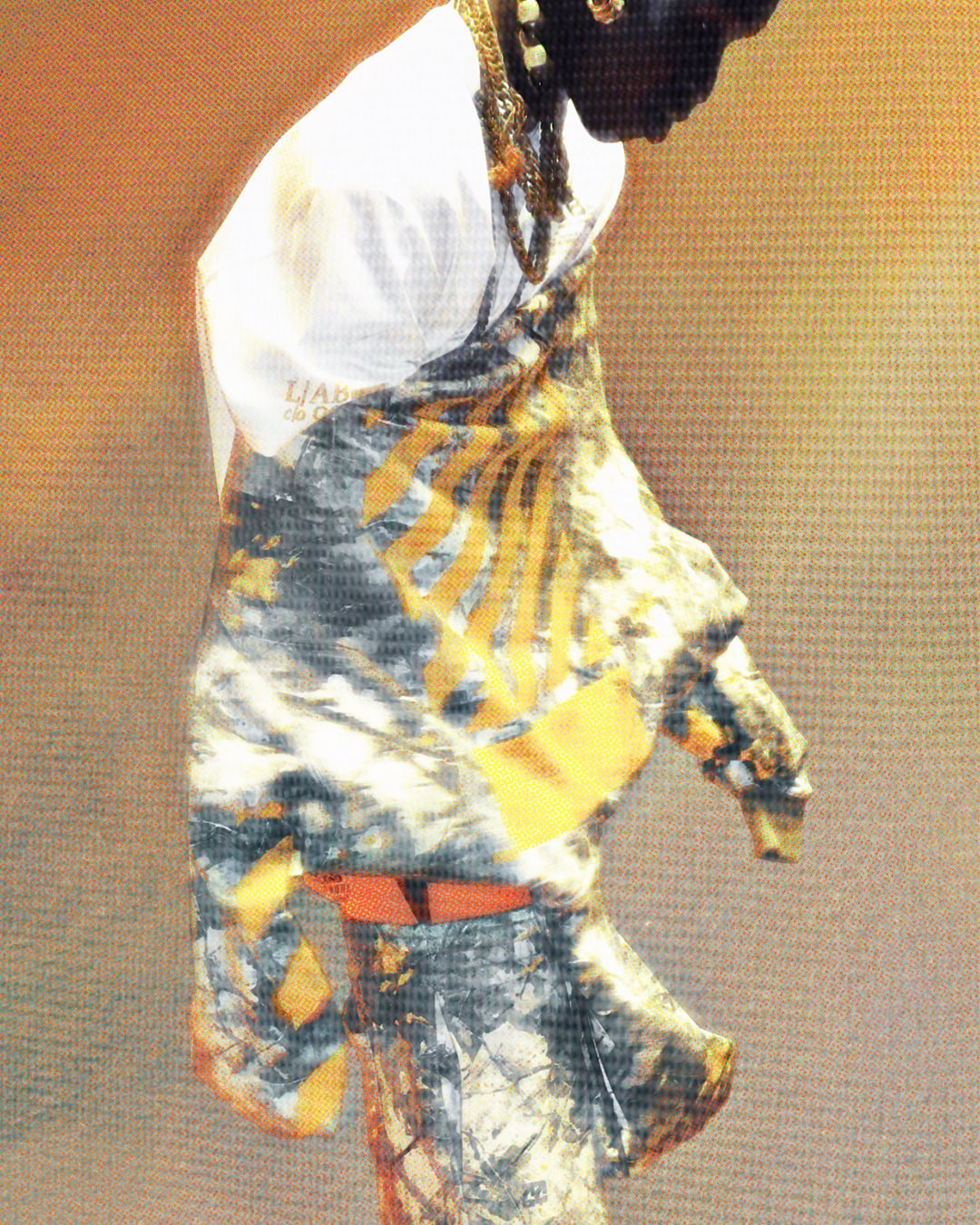
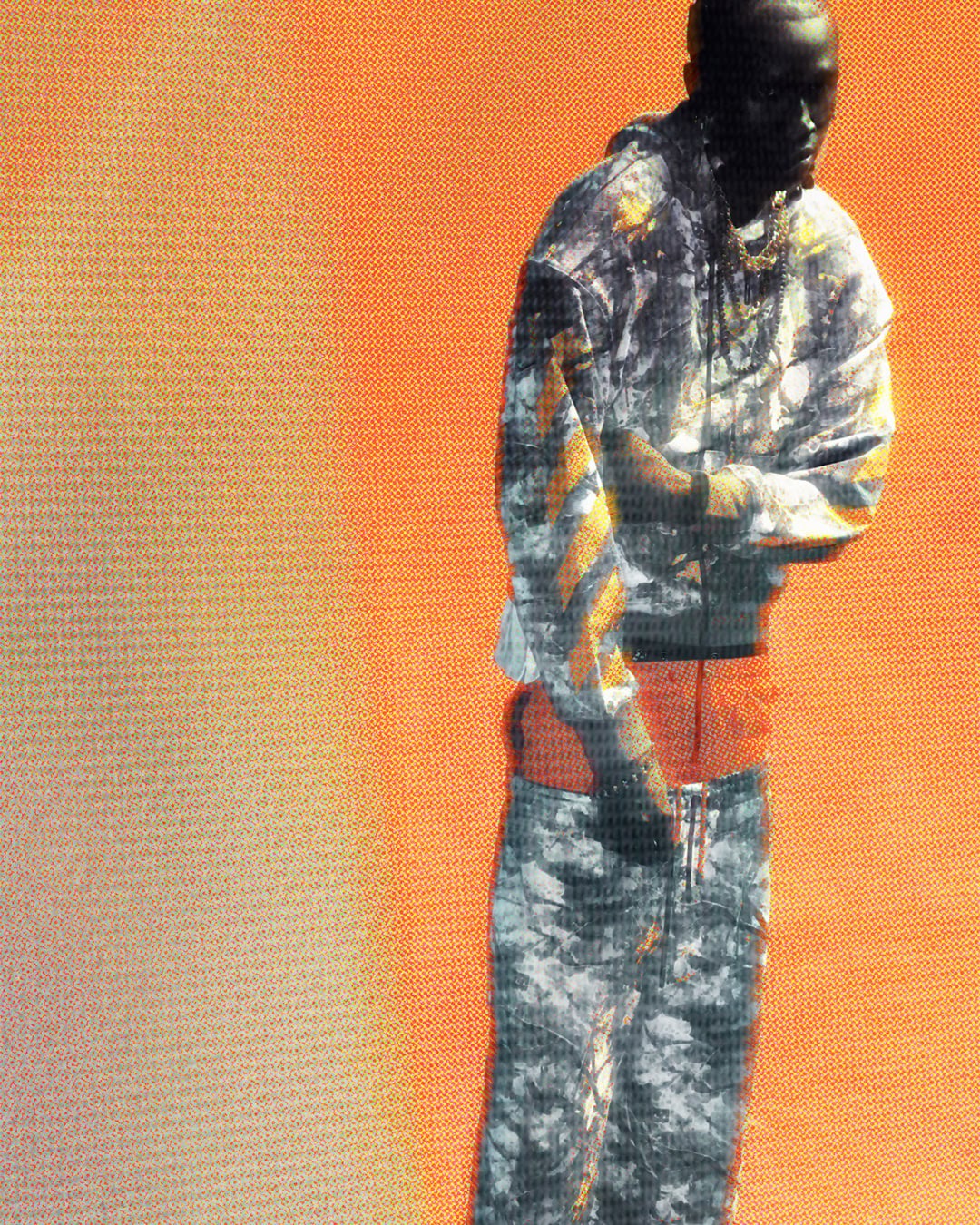
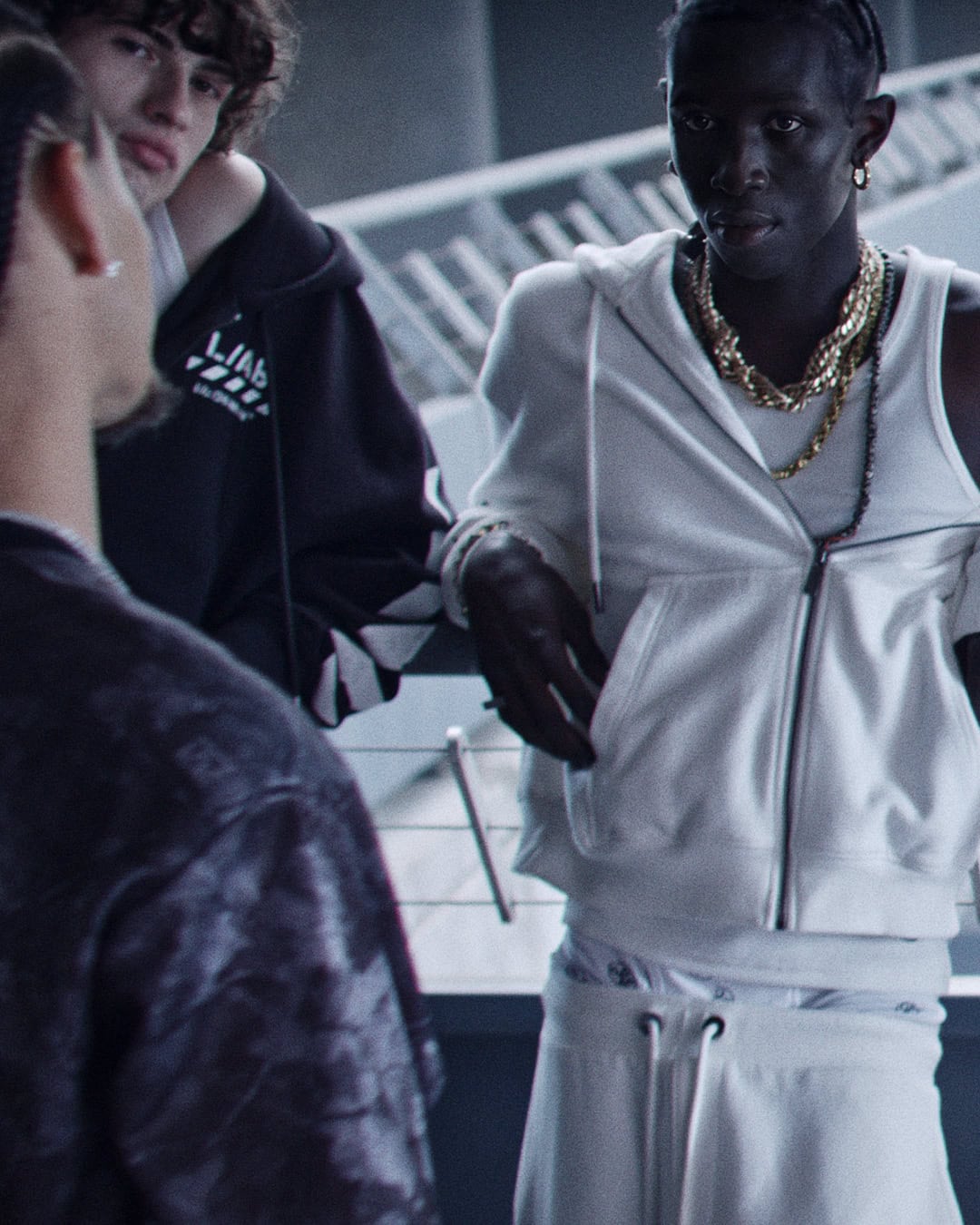
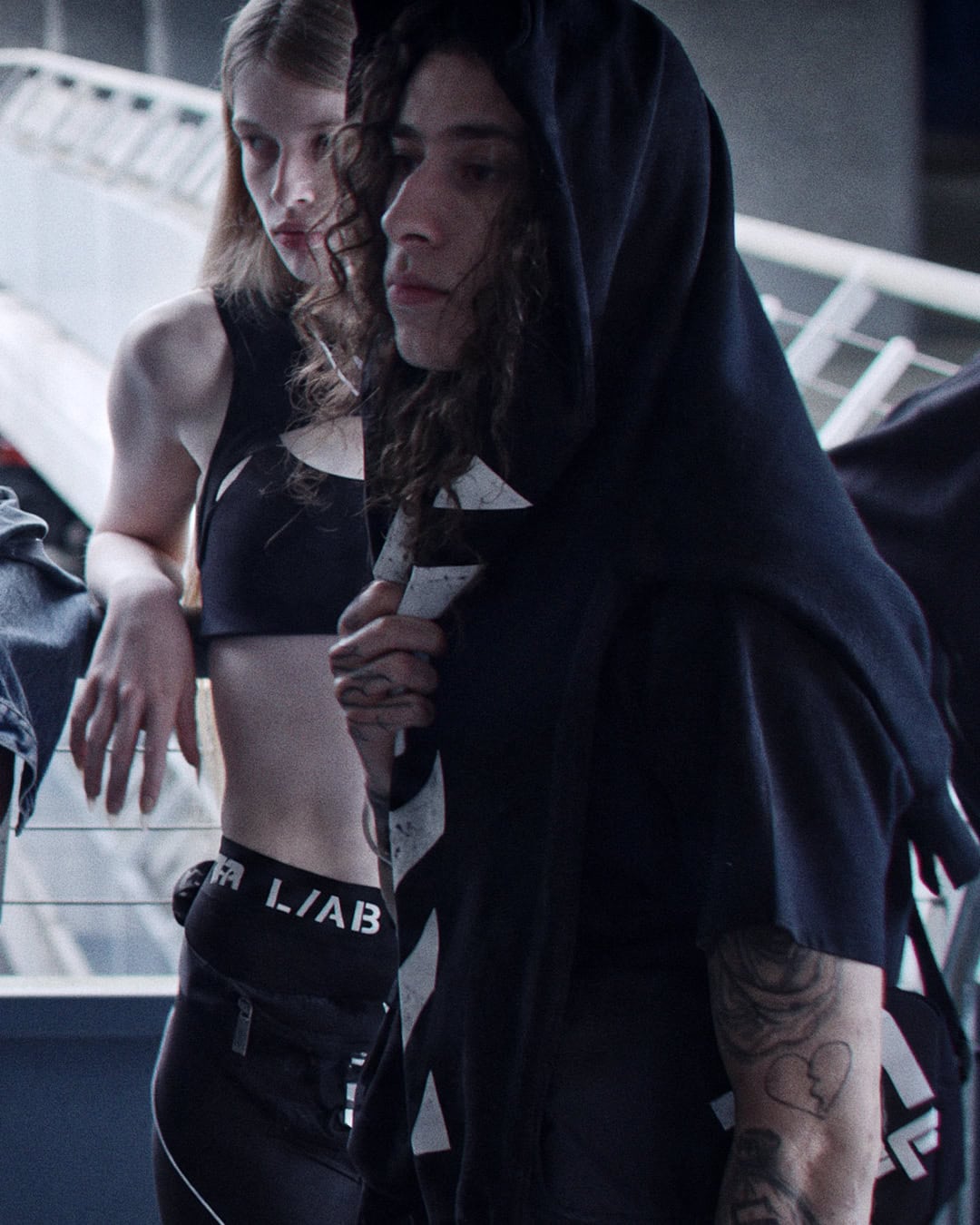
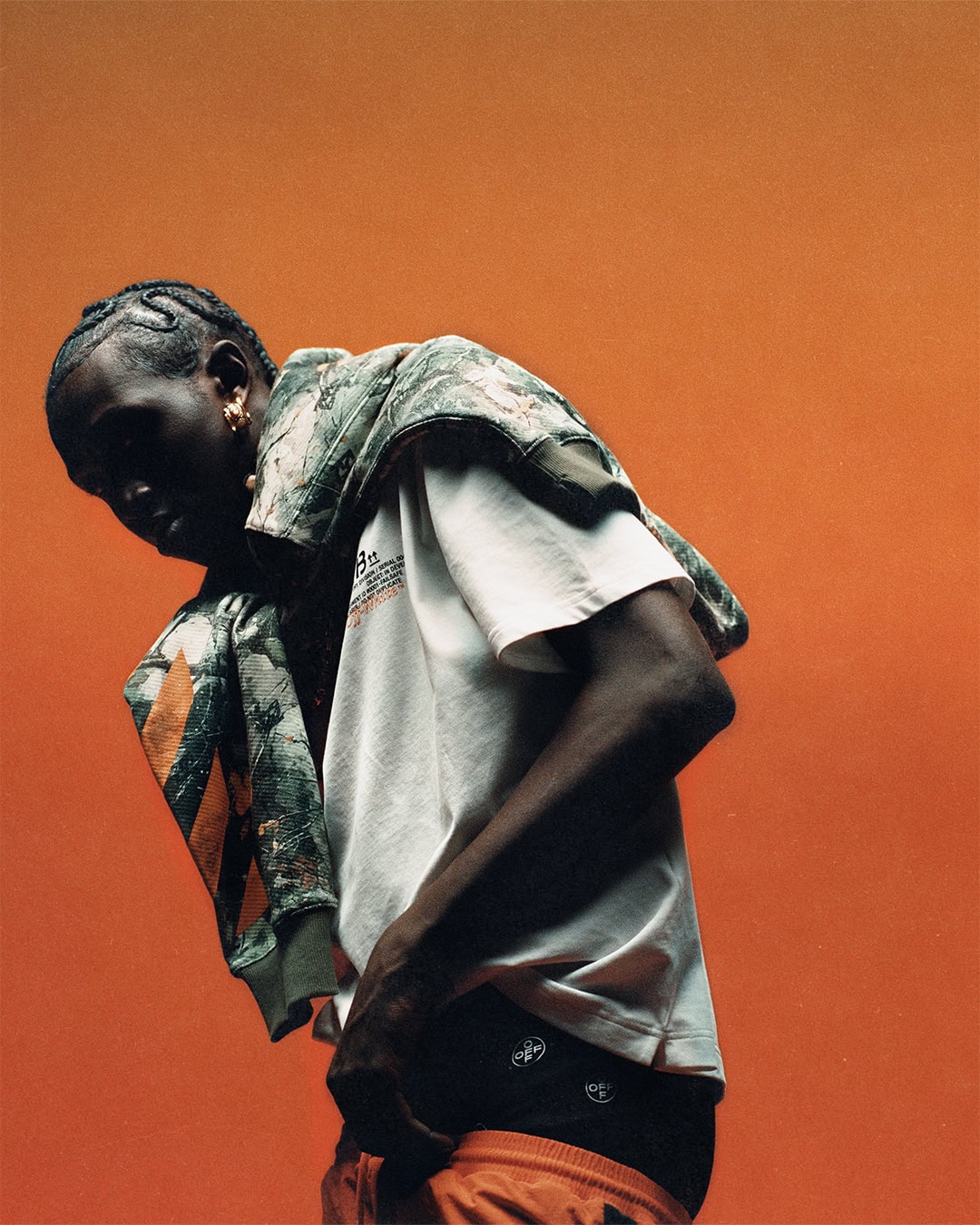
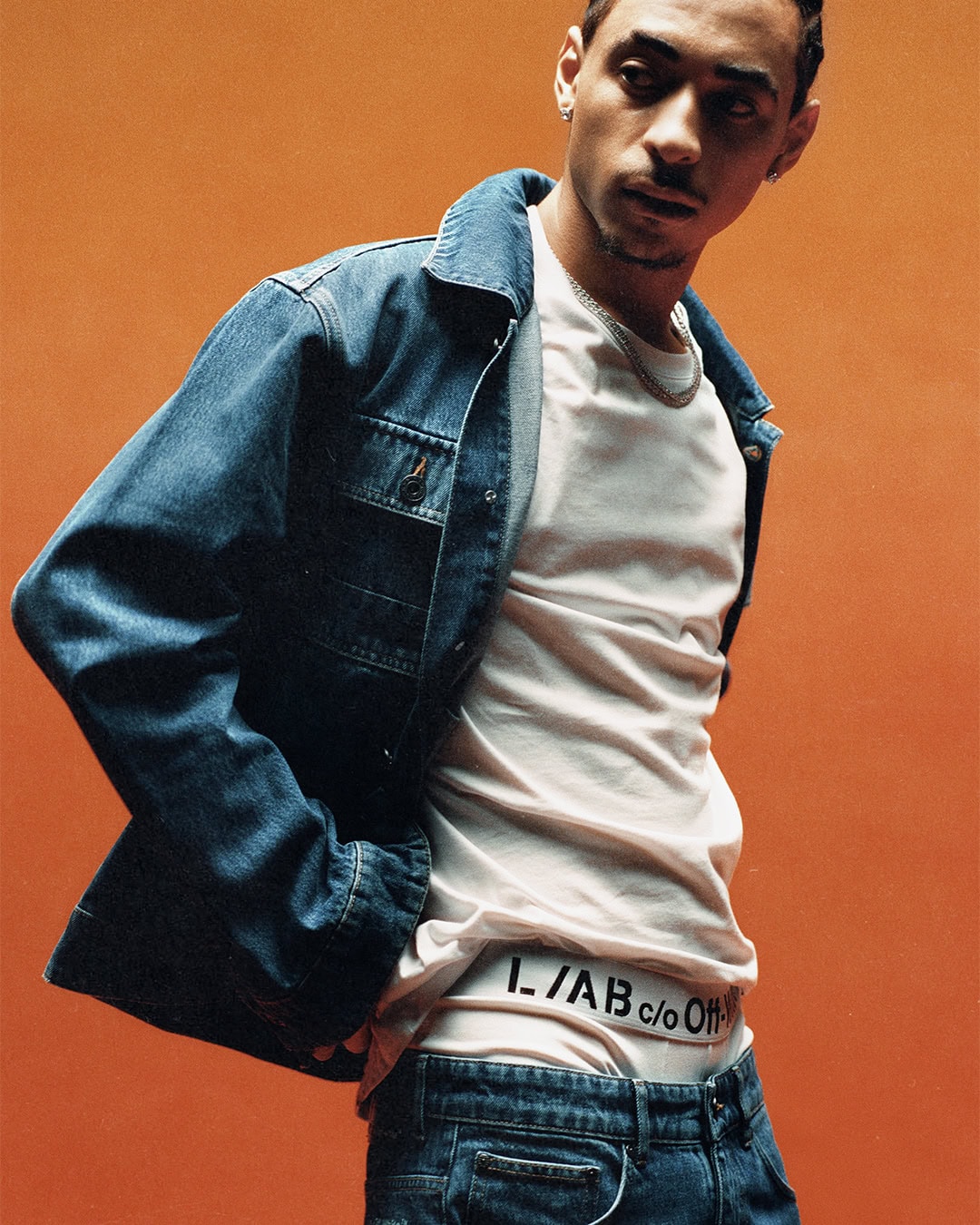
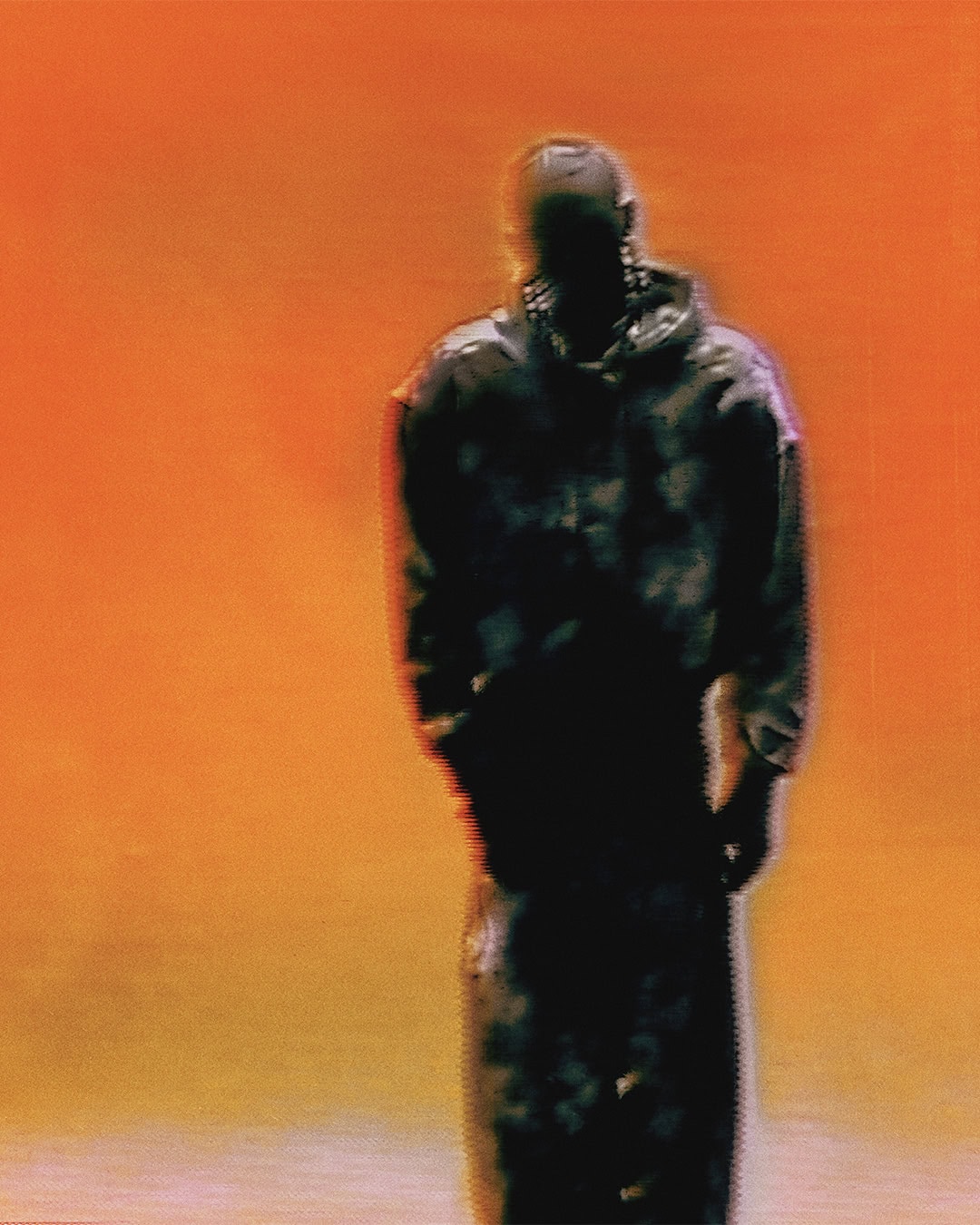
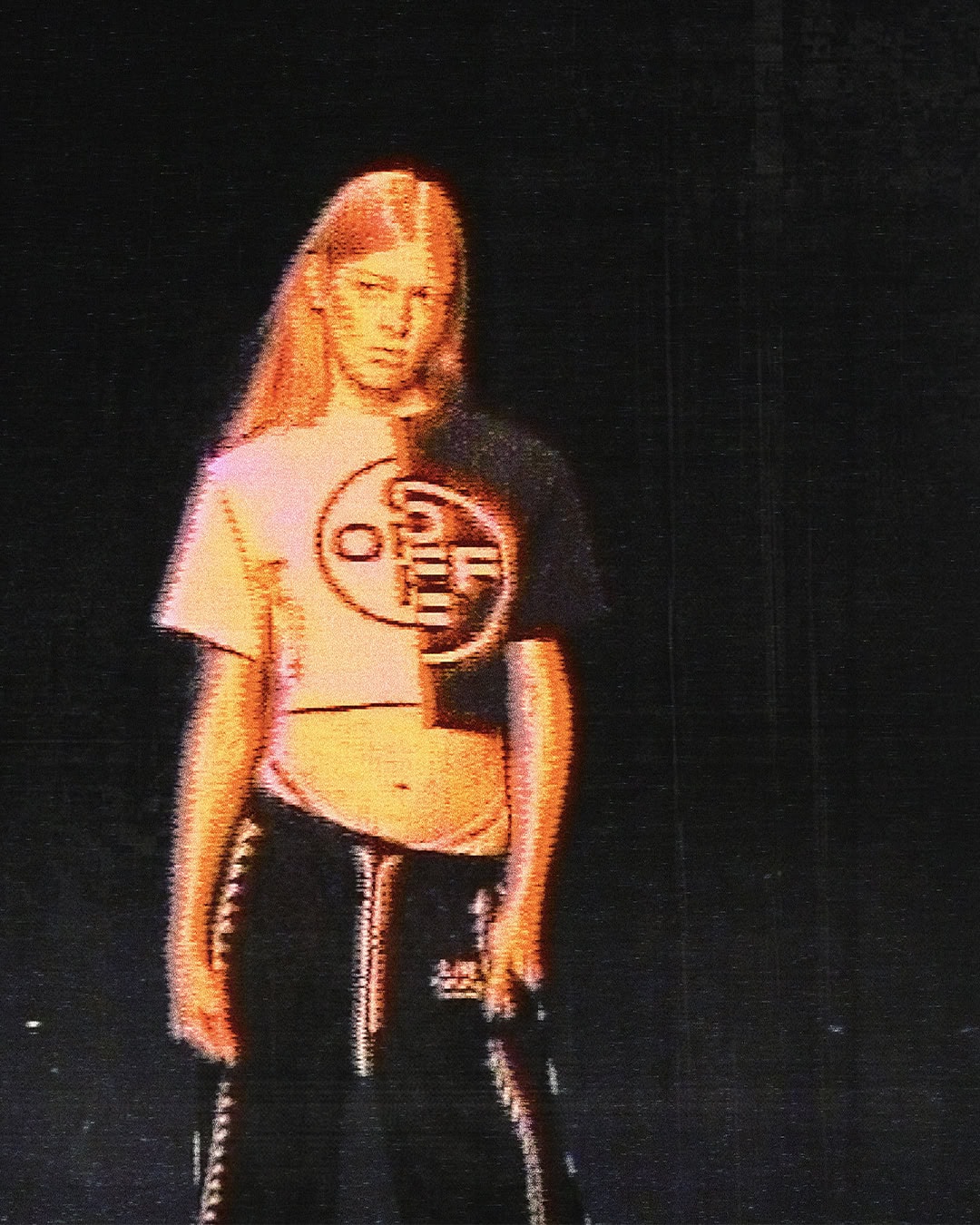
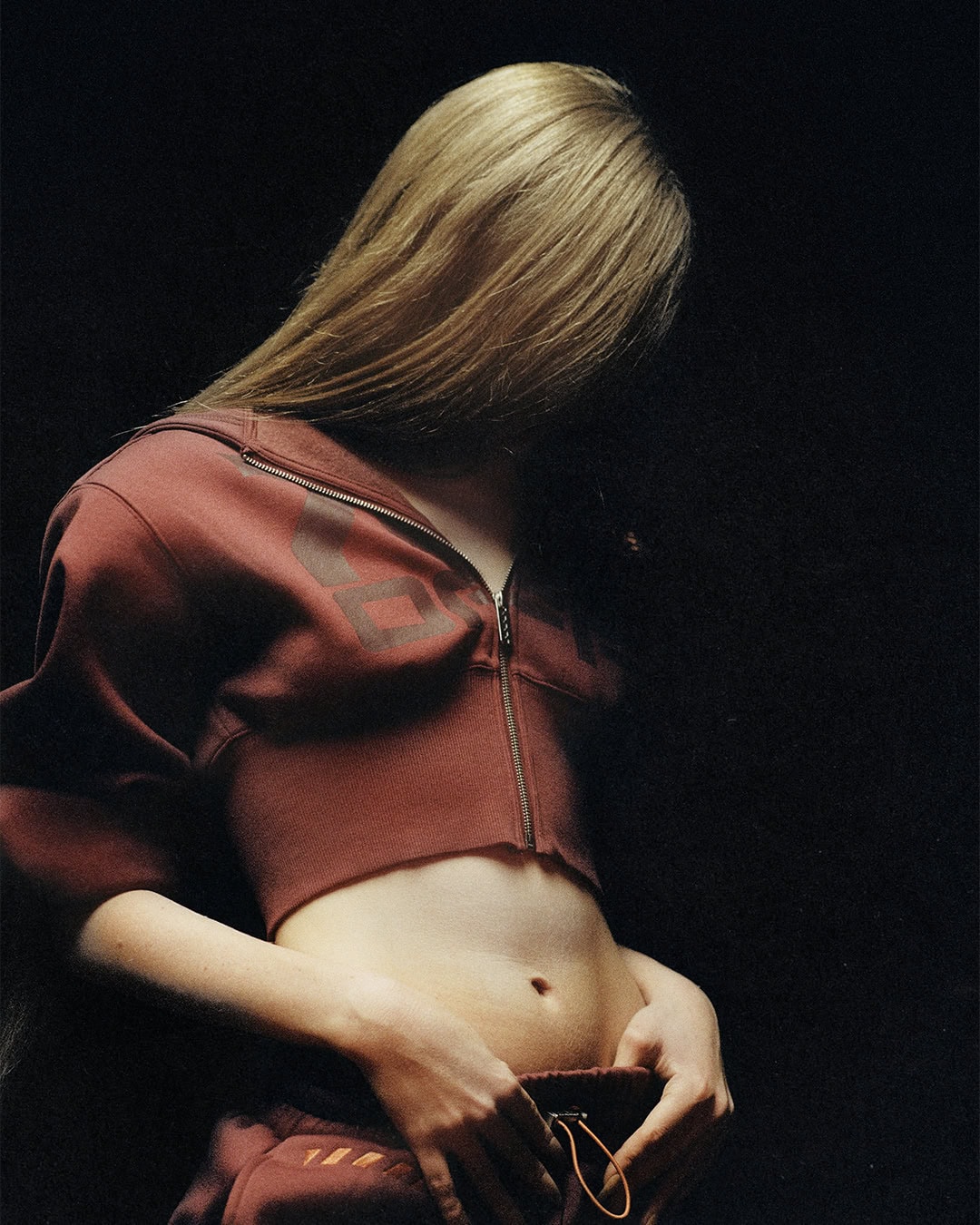
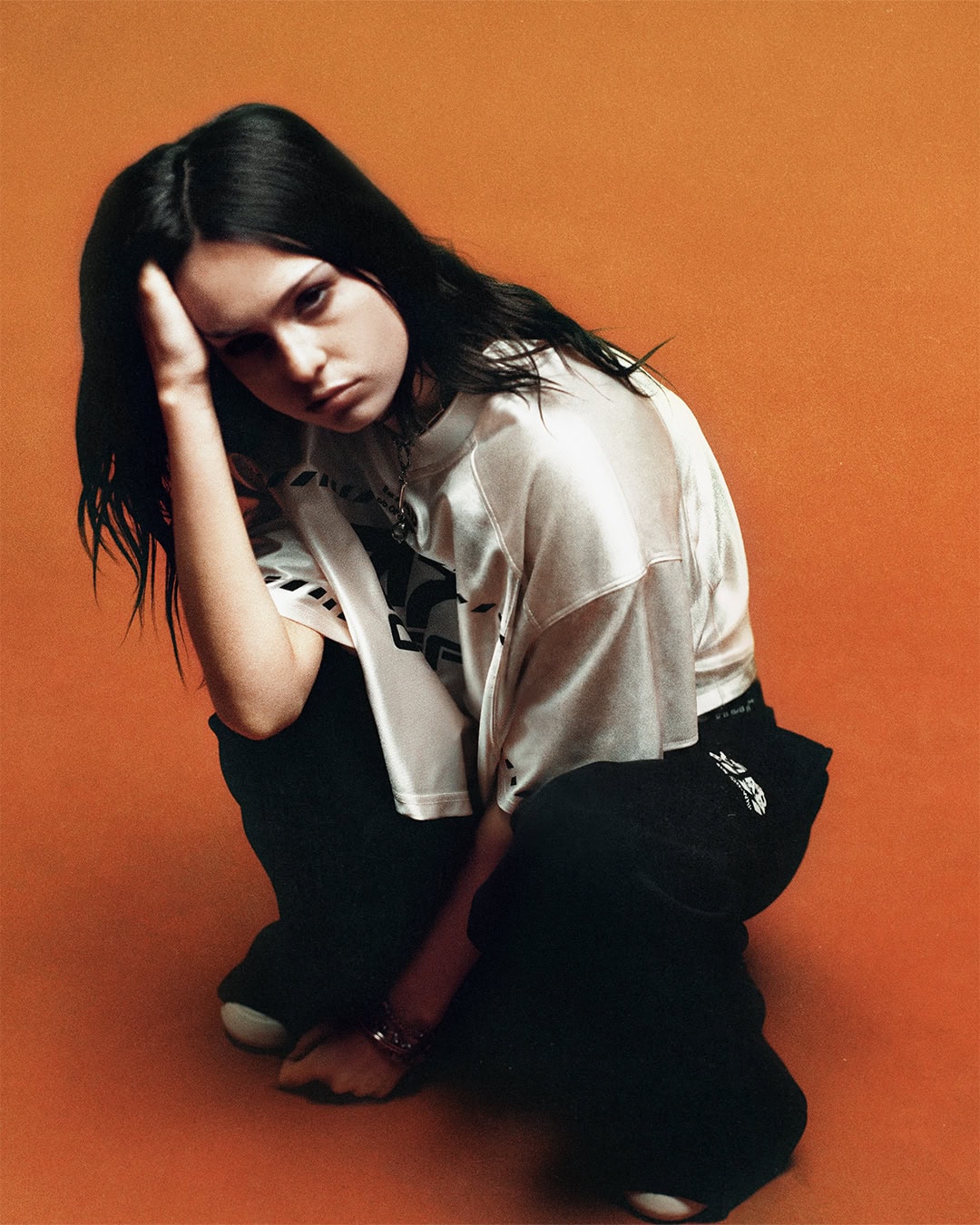
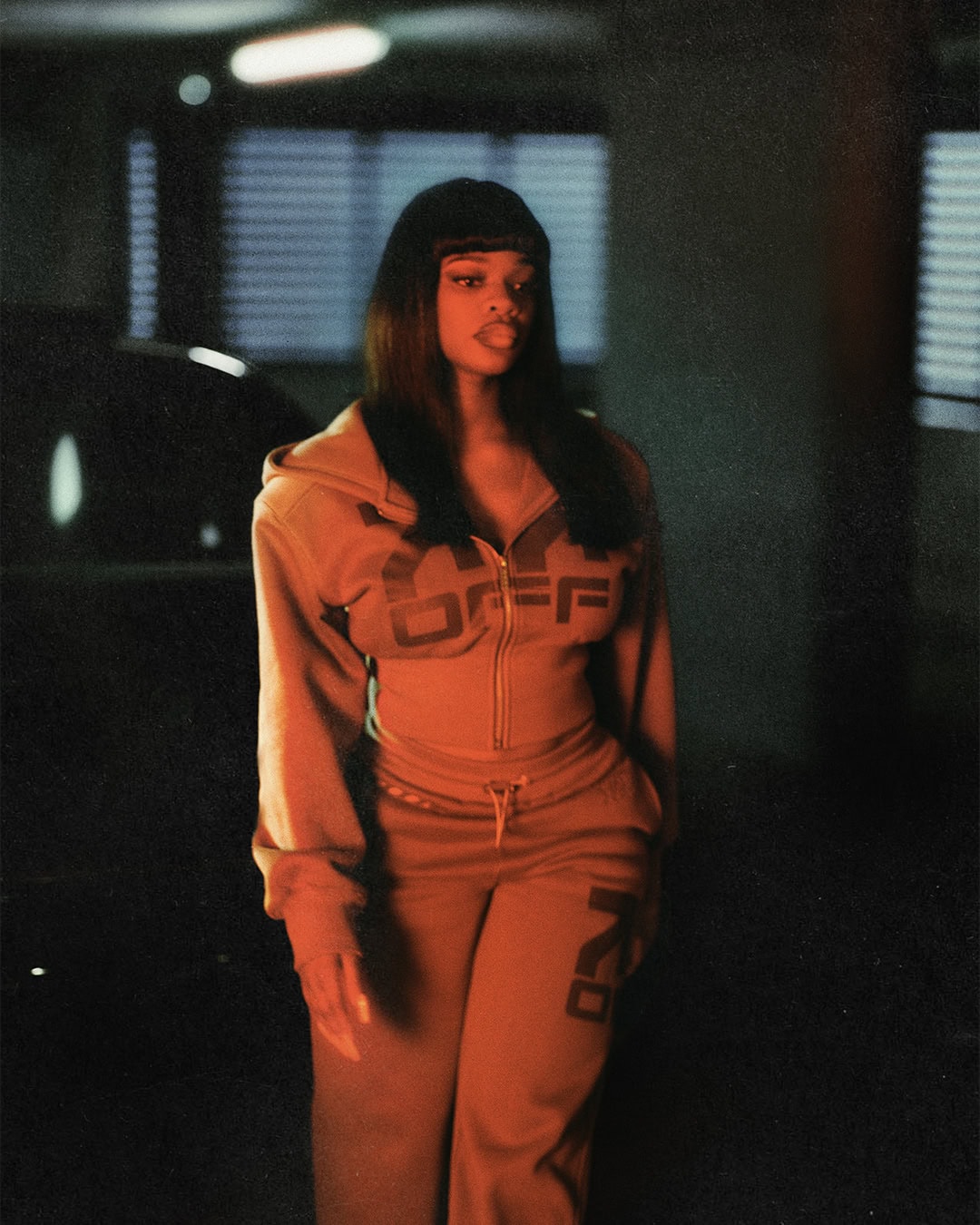
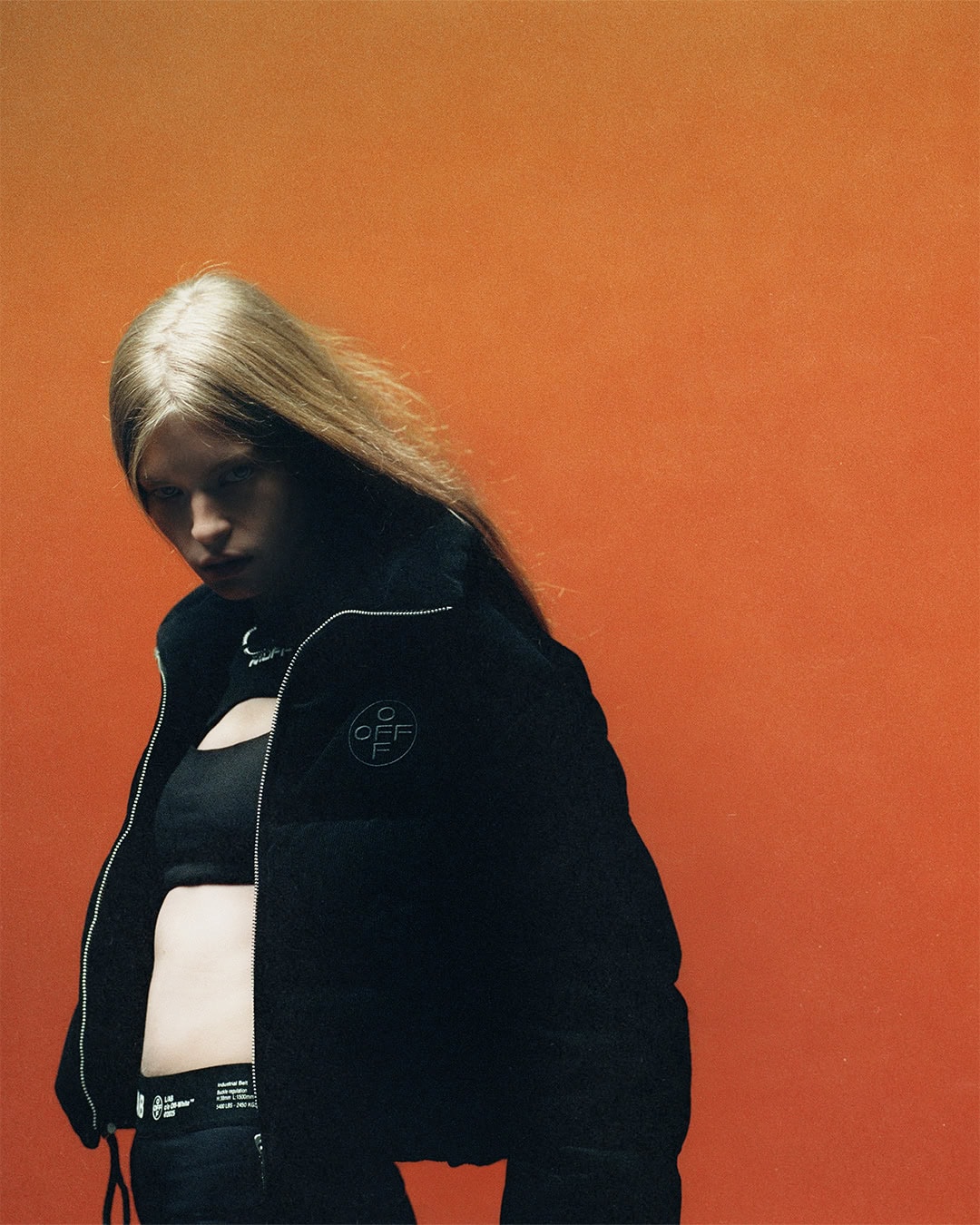
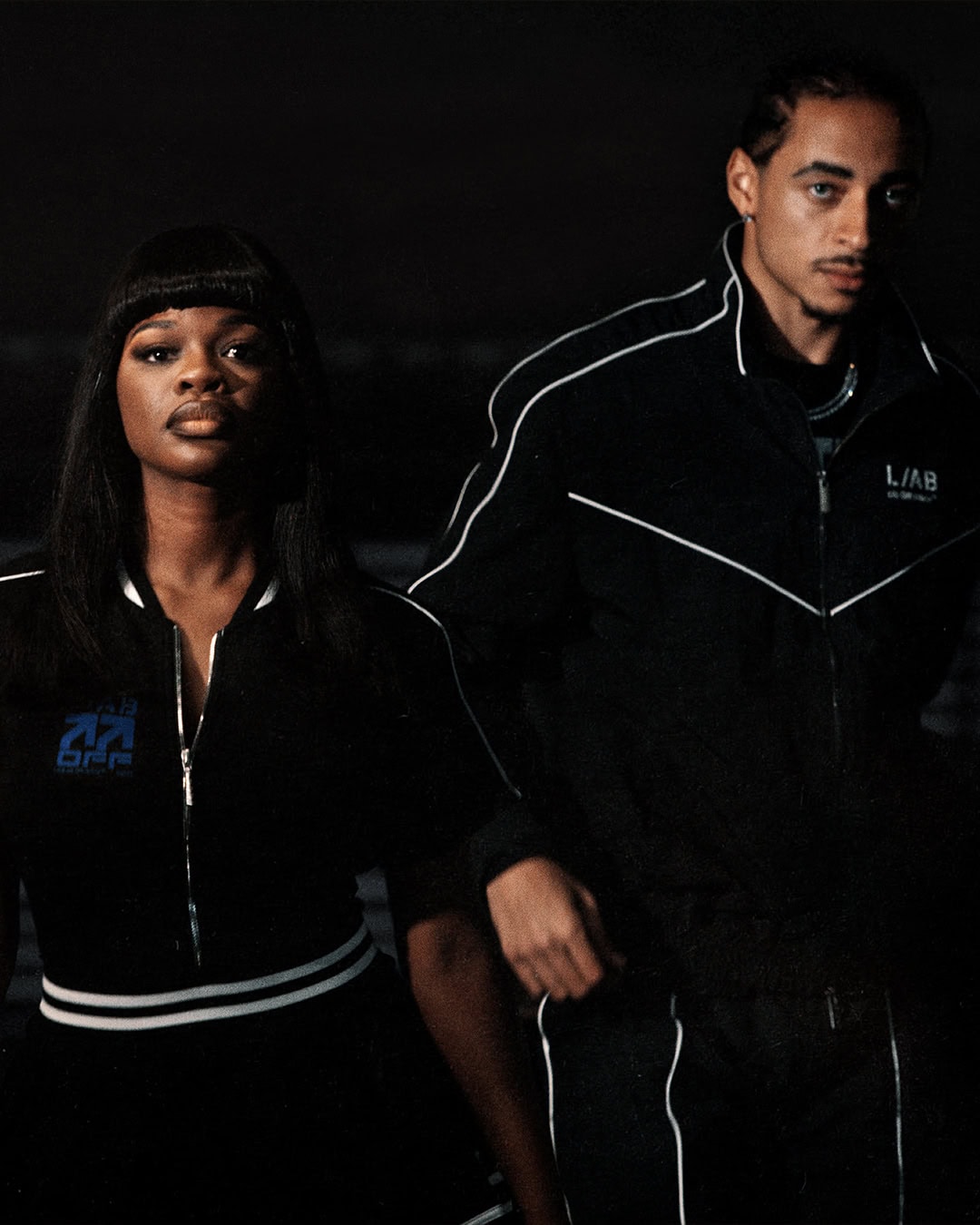
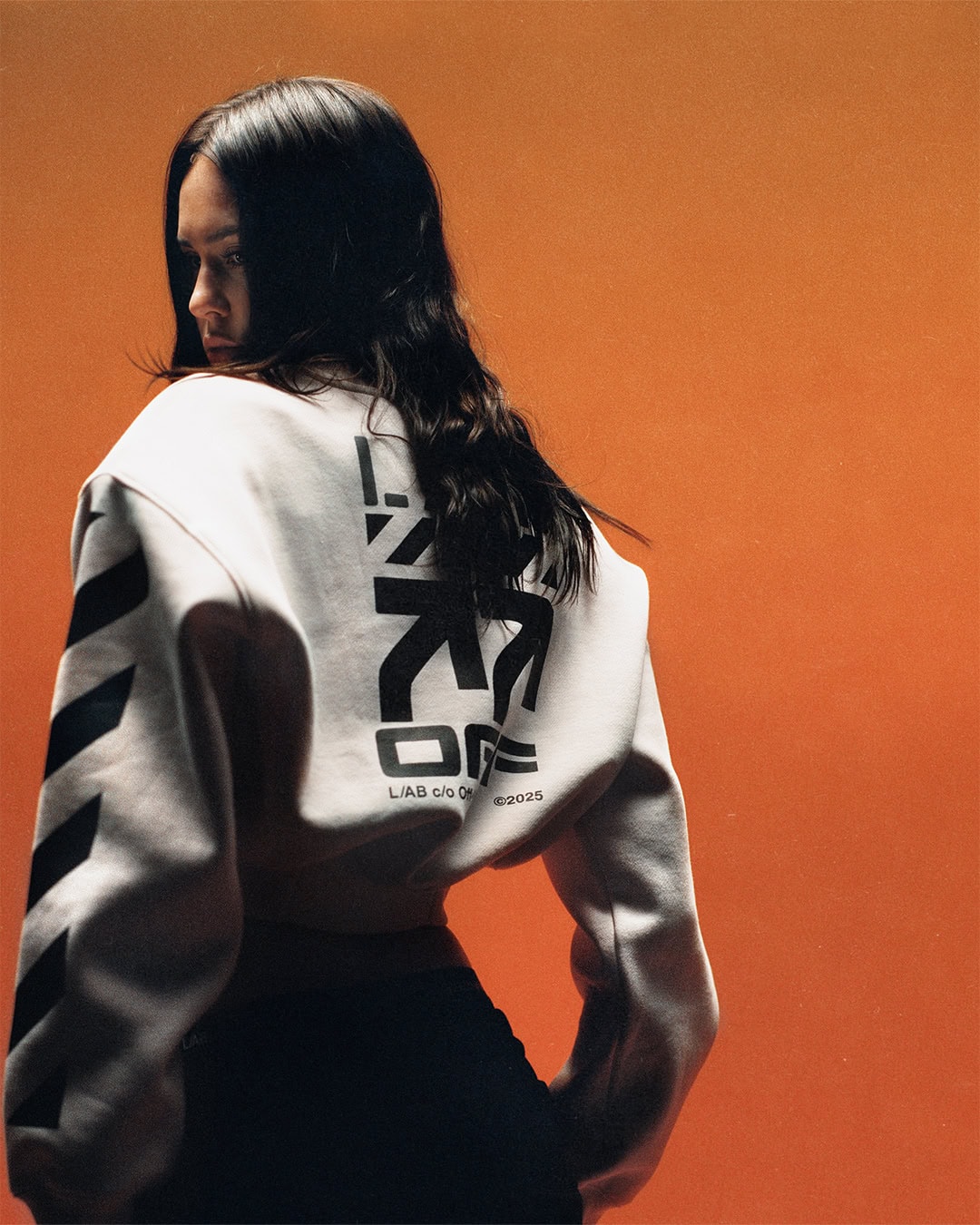
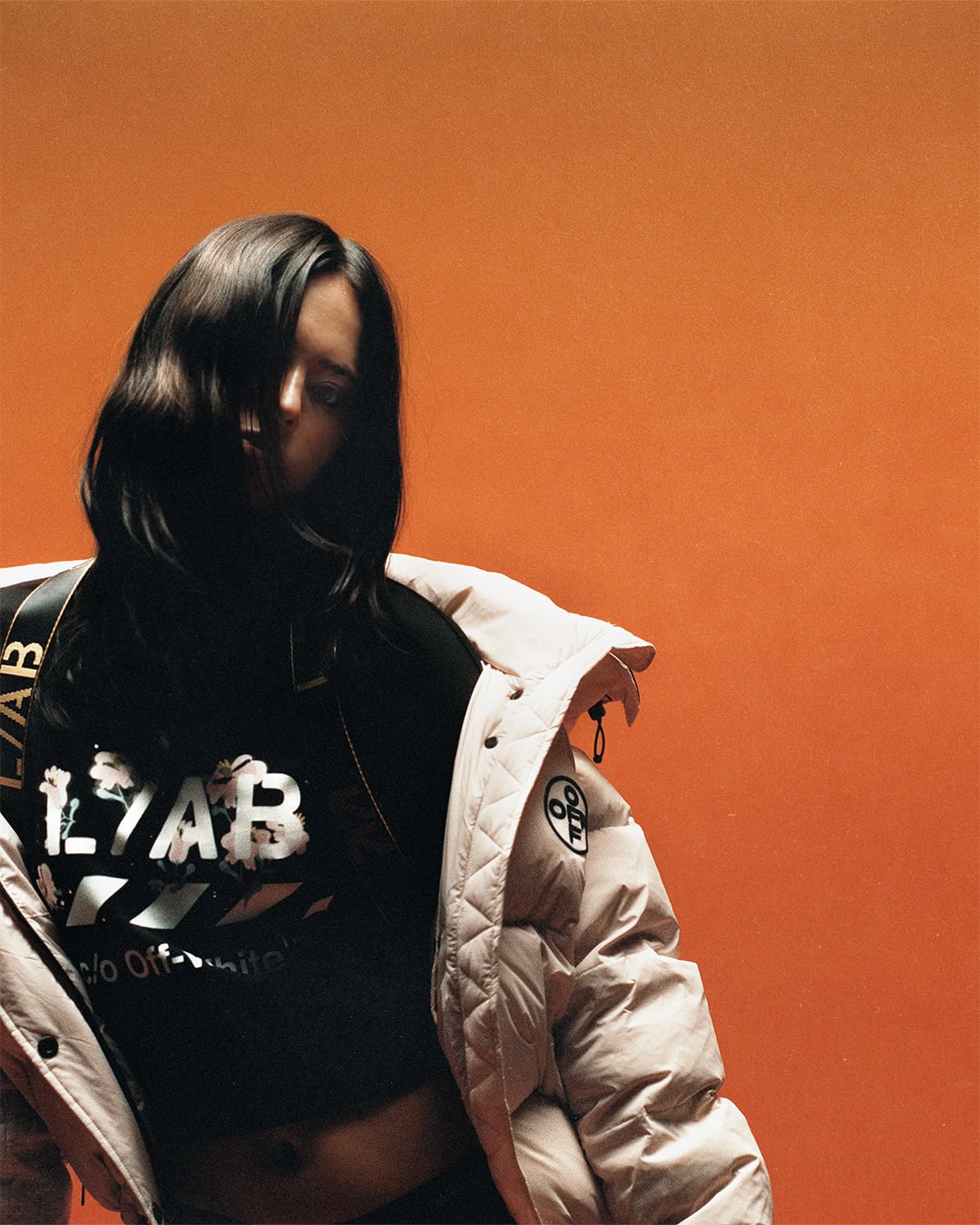
That unfinished quality runs straight through the photography. Shot in Berlin, the campaign moves deliberately between crisp direct-flash portraits, grainy snapshots, distorted movement, acidic orange and red exposures, murky green night vision and images that look as though they have been pulled from an old video monitor. Bodies blur, hair flies, faces disappear into overexposure and cars become both transportation and makeshift sets. There is something pleasingly pre-algorithmic about it all. At a moment when even supposed spontaneity can arrive suspiciously well lit, L/AB allows a little visual noise back into the room.
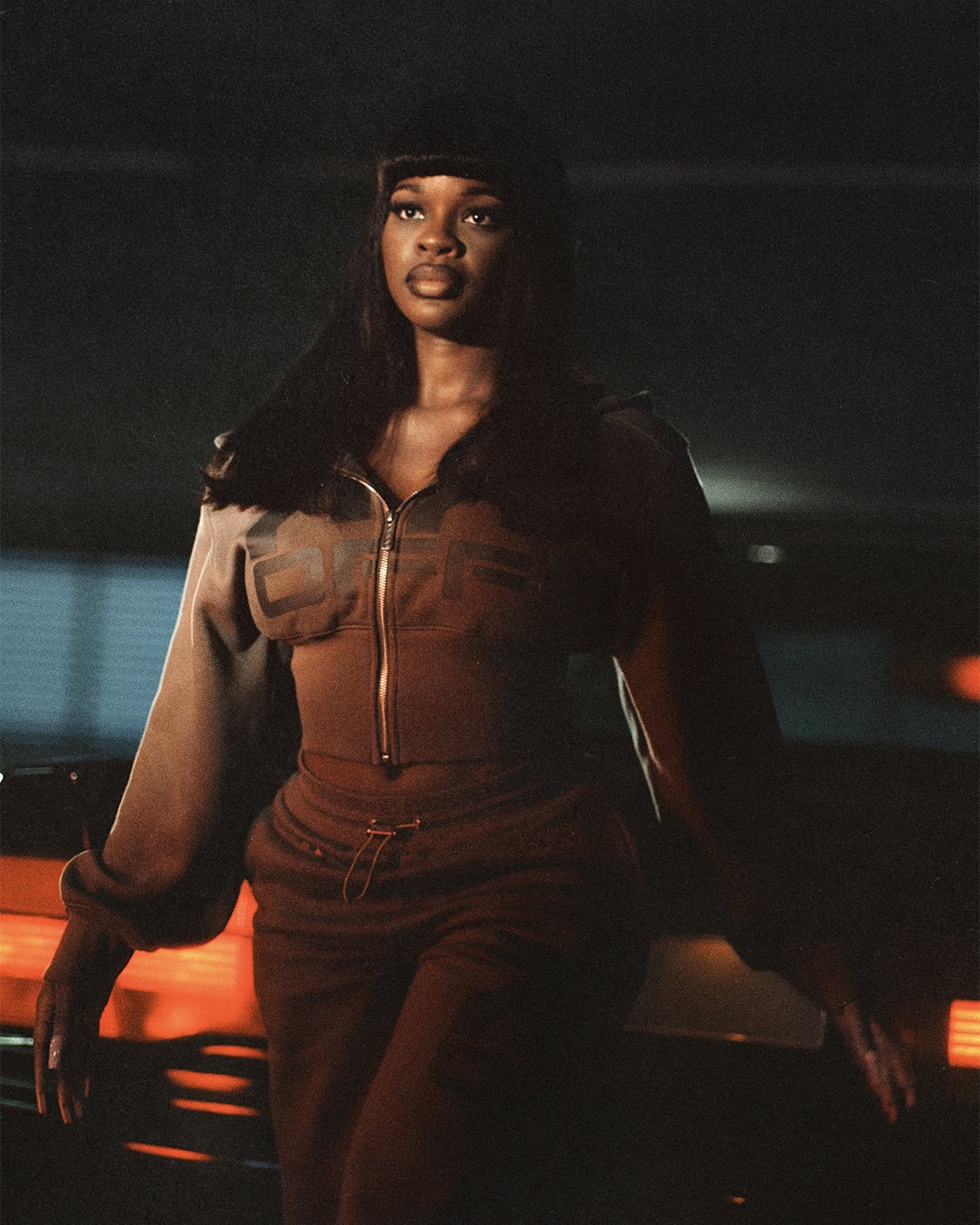
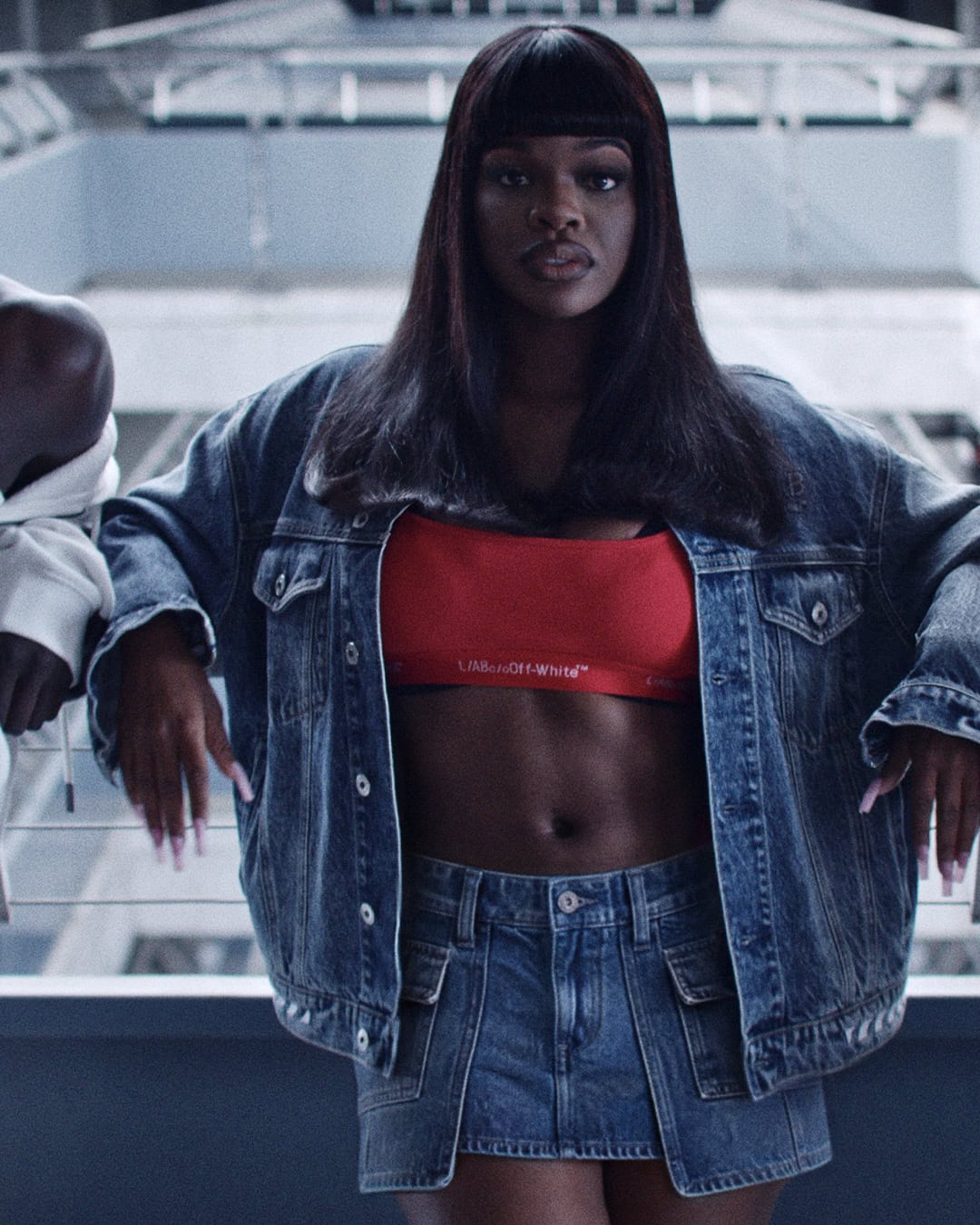
The casting is similarly eclectic. JT, Glaive, PZ, Vivian Jenna Wilson, Mazzy Joya, Julez Smith and Jay Guapõ are not assembled around a single profession or conventional definition of celebrity. That is precisely the point. They represent a contemporary creative ecosystem in which musician, model, content creator and cultural participant are increasingly porous identities. Rather than forcing everyone into one campaign personality, the imagery lets them remain slightly separate. One person leans against a car like a still from an underground music video; another occupies the sterile architecture of an elevator; others appear on industrial walkways or caught in flashes of movement. Community here is presented less as matching personalities than as sharing the same frequency.
The clothes wisely behave in much the same way. Hoodies, cropped tracksuits, denim, underwear, T-shirts and sneakers form what the brand calls a “uniform of the streets,” and uniform is useful only if it leaves room for the person wearing it. The pieces themselves are deliberately familiar. What gives them identity is the L/AB coding, the Off-White visual vocabulary and, more importantly, the people inhabiting them. In one image, a burgundy tracksuit becomes almost aerodynamic as hair whips sideways; elsewhere, a gray set posed against the glowing rear lights of a car suddenly acquires the swagger of a music-video archetype. The product is uncomplicated enough to be appropriated, which is arguably more convincing than attempting to manufacture rebellion through complicated clothes.
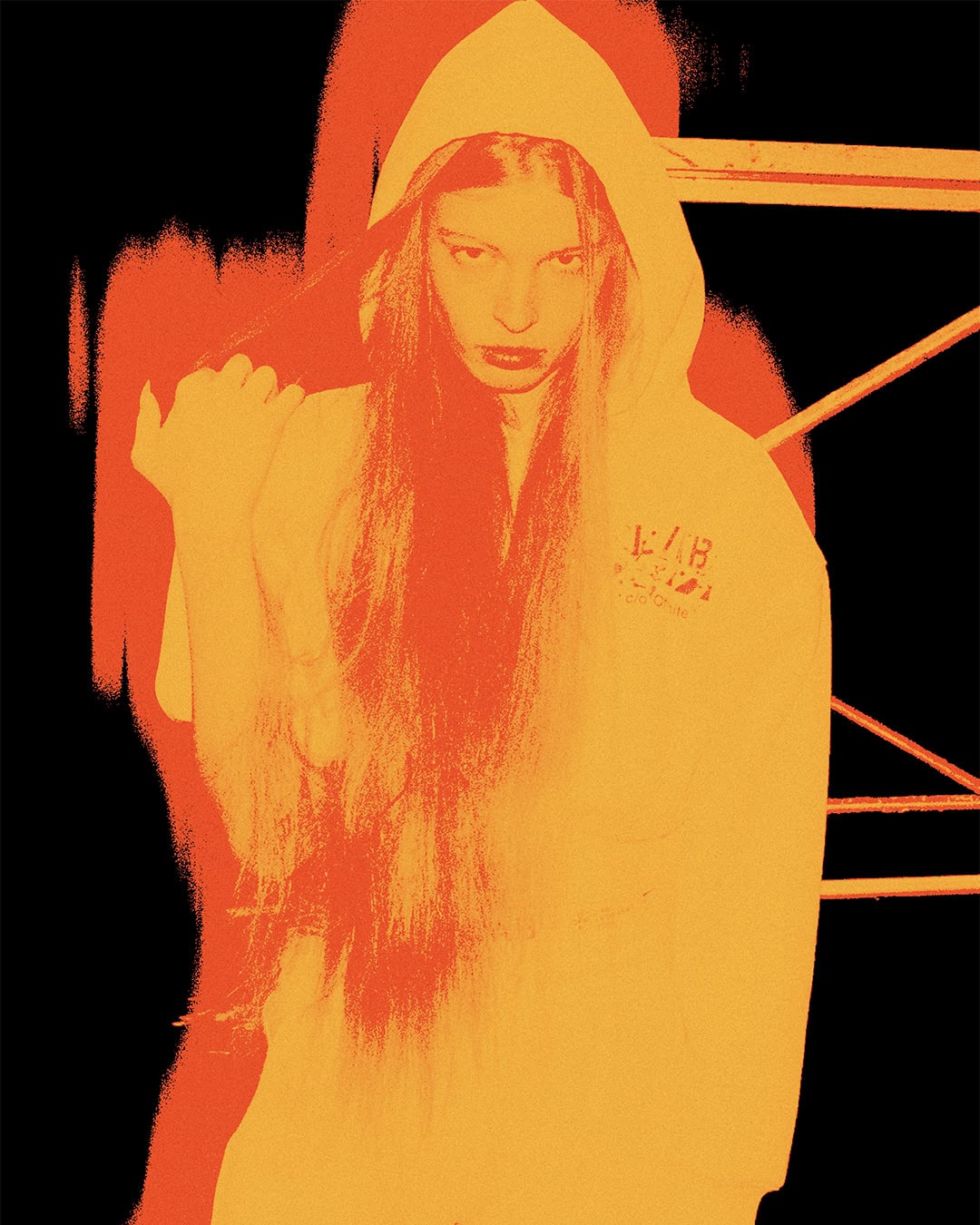
There is, inevitably, a tension in launching a youth-oriented “community” through a major fashion brand. Fashion has become extraordinarily fluent in the language of participation, experimentation and cultural exchange, sometimes to the point where those words begin to resemble their own kind of corporate uniform. L/AB avoids much of that trap because the campaign’s visual execution is messier than its manifesto. Luke Abby’s photographs don’t insist upon a single polished aesthetic, while the harsher treatments and motion effects occasionally make the clothes secondary to atmosphere. Commercially, that can be a weakness. Culturally, it may be the campaign’s strongest decision. A laboratory where every experiment produces the same beautiful result would not be much of a laboratory.
There is also an intriguing connection to Off-White’s larger inheritance. Virgil Abloh’s most enduring contribution was never simply quotation marks, diagonal stripes or industrial graphics; it was his understanding that fashion could operate as a platform through which design, music, art, architecture and youth culture continuously contaminated one another. L/AB feels strongest when it approaches that legacy as a methodology rather than an archive of recognizable symbols. The familiar codes remain visible, but the campaign suggests that the next useful chapter may come from giving those codes away and seeing what another generation does with them.
That makes this first campaign more promising as a beginning than it would be as a definitive statement. Its unevenness feels appropriate because L/AB is positioning itself as something still under construction. The challenge ahead will be ensuring that “open-ended” becomes a genuine mechanism for new creative voices rather than simply an aesthetic of openness. The campaign has already assembled the people, the visual language and the basic wardrobe; now the most compelling evolution would be to let that community alter the laboratory itself.
For the moment, L/AB leaves the door open and the instructions deliberately incomplete. Smart move. The most interesting laboratories rarely know the result before somebody starts messing with the formula.
Photographer | Luke Abby
Models | JT, Glaive, PZ, Vivian Jenna Wilson, Mazzy Joya, Julez Smith and Jay Guapõ
Stylist | Georgia Pendlebury
Hair | Ruby Howes
Makeup | Leana Ardeleanu