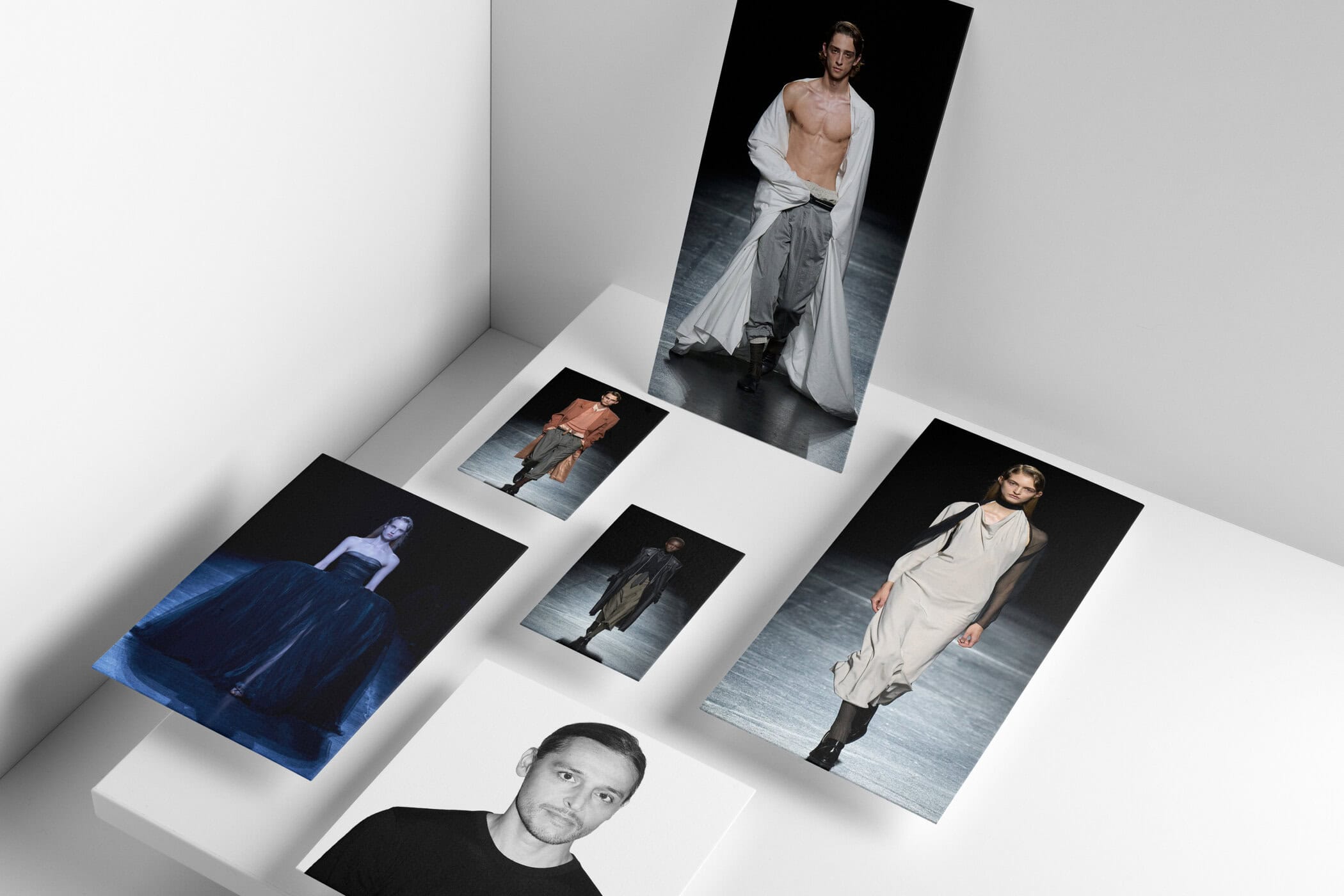
Backed By Tomorrowland Founders Michiel And Manu Beers, Olivier Theyskens Introduces Boloria As A House Rooted In Memory, Emotion, And A Distinctly Belgian Vision Of Elegance Rather Than The Pursuit Of Novelty
By Kenneth Richard
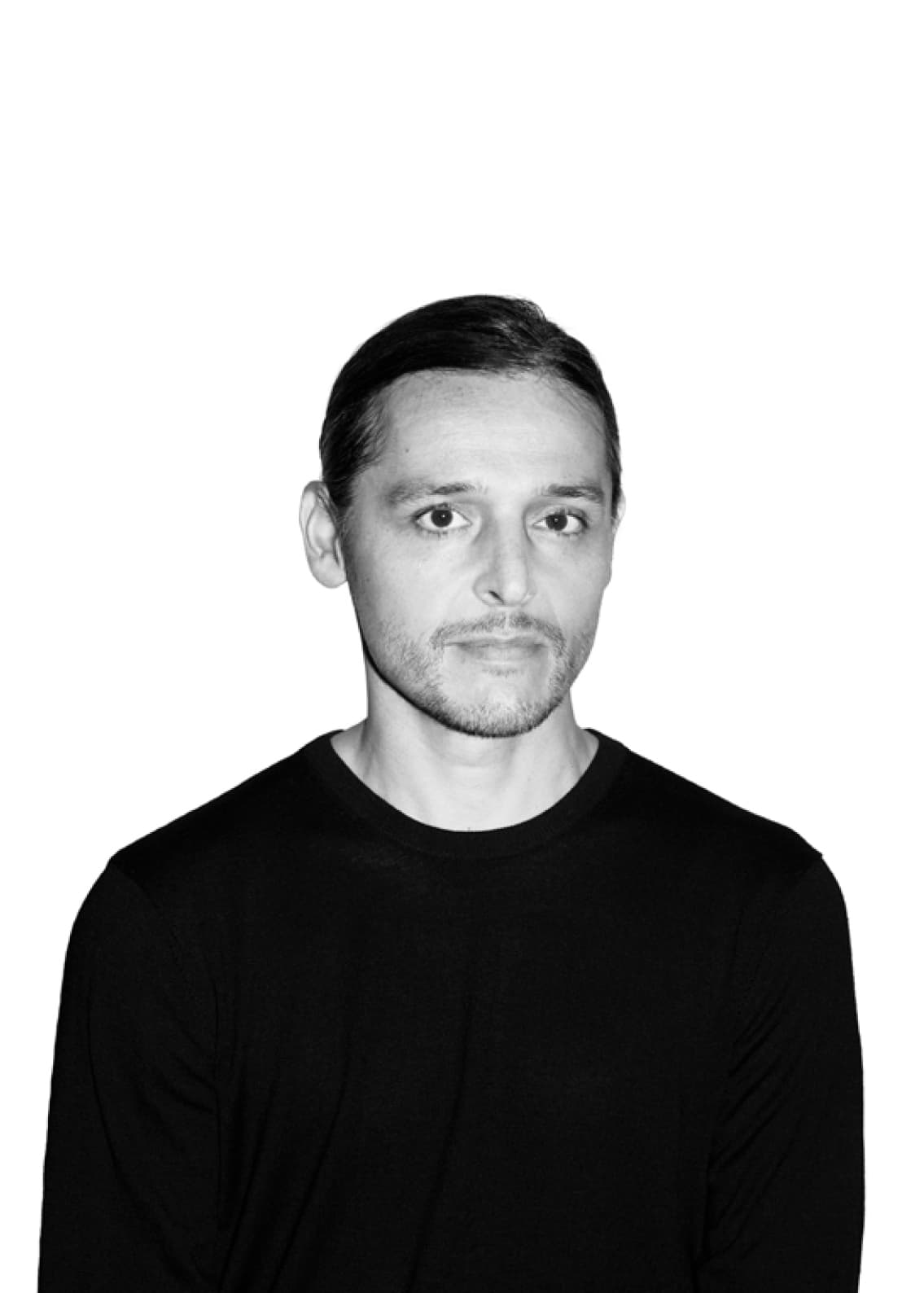
When most designers launch a new fashion house, they begin by announcing the future. Olivier Theyskens began by imagining a history.
Presented on the eve of Paris Haute Couture Week, Boloria marked one of the season’s most compelling debuts—not because it arrived with spectacle, but because it carried the quiet confidence of a house that felt as though it had always existed. The collection was conceived not as a first chapter, but as the continuation of a story already in motion.
That illusion was entirely intentional.
“I wanted to express that the brand has a past—more than one hundred years,” Theyskens explained after the show.
I wanted to create the feeling that what the house had done still existed in the present, like remnants. — Olivier Theyskens
It is a remarkably Olivier Theyskens way of thinking. Throughout his career—whether at Rochas, Nina Ricci, Theory or under his own label—he has never designed around trends. Instead, he has consistently explored memory, romance, melancholy and the emotional traces clothing leaves behind. Boloria simply gives those instincts a new home.
The project itself has equally unusual origins.
Boloria is backed by We Are One World, the Belgian entertainment and creative company founded by brothers Michiel and Manu Beers, best known globally as the creators of Tomorrowland. While Tomorrowland has grown into one of the world’s most influential cultural platforms, spanning festivals, hospitality, media and immersive experiences, Boloria represents a different kind of ambition: the creation of a lasting luxury house. Rather than attaching a famous name to a fashion business, the founders entrusted one of Belgium’s most respected designers with building an identity from the ground up.
That trust is evident throughout the collection.
There was no directive. They expected me to bring my knowledge and my intuition. The greatest gift is that I have complete trust. — Olivier Theyskens
For more than two years, he has helped shape not only the collection but the company itself—building the team, defining the workflow and establishing the culture of the house before revealing a single look. Boloria may be making its public debut, but it has been thoughtfully constructed long before its first runway.
Even its name carries the poetry of history.
Boloria is borrowed from a genus of butterflies first classified in 1899, a date that immediately captivated Theyskens.
“For me it’s a beautiful date,” he said. “It’s the Industrial Revolution. I almost imagine the brand beginning in that moment.”
That imagined heritage became the foundation for everything the audience experienced.
Long before the runway, Boloria introduced itself through an enigmatic photographic campaign created with longtime collaborator Willy Vanderperre. Shot in black and white, the images deliberately withheld explanation. They revealed fragments rather than answers, inviting audiences to feel the atmosphere before understanding the clothes.
I wanted people to enter a universe. Not to show a specific thing, but to show our spirit. — Olivier Theyskens
The runway extended that philosophy.
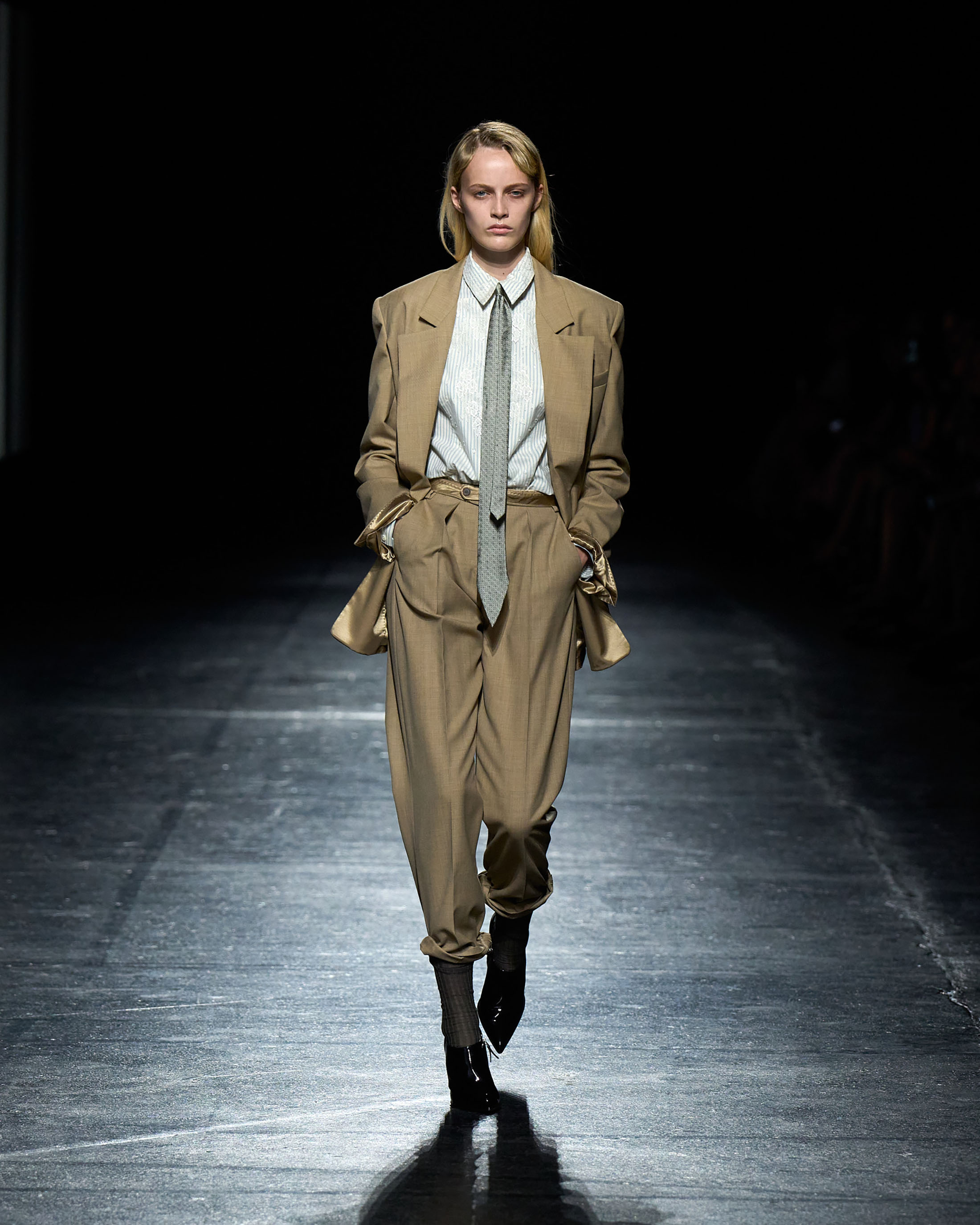
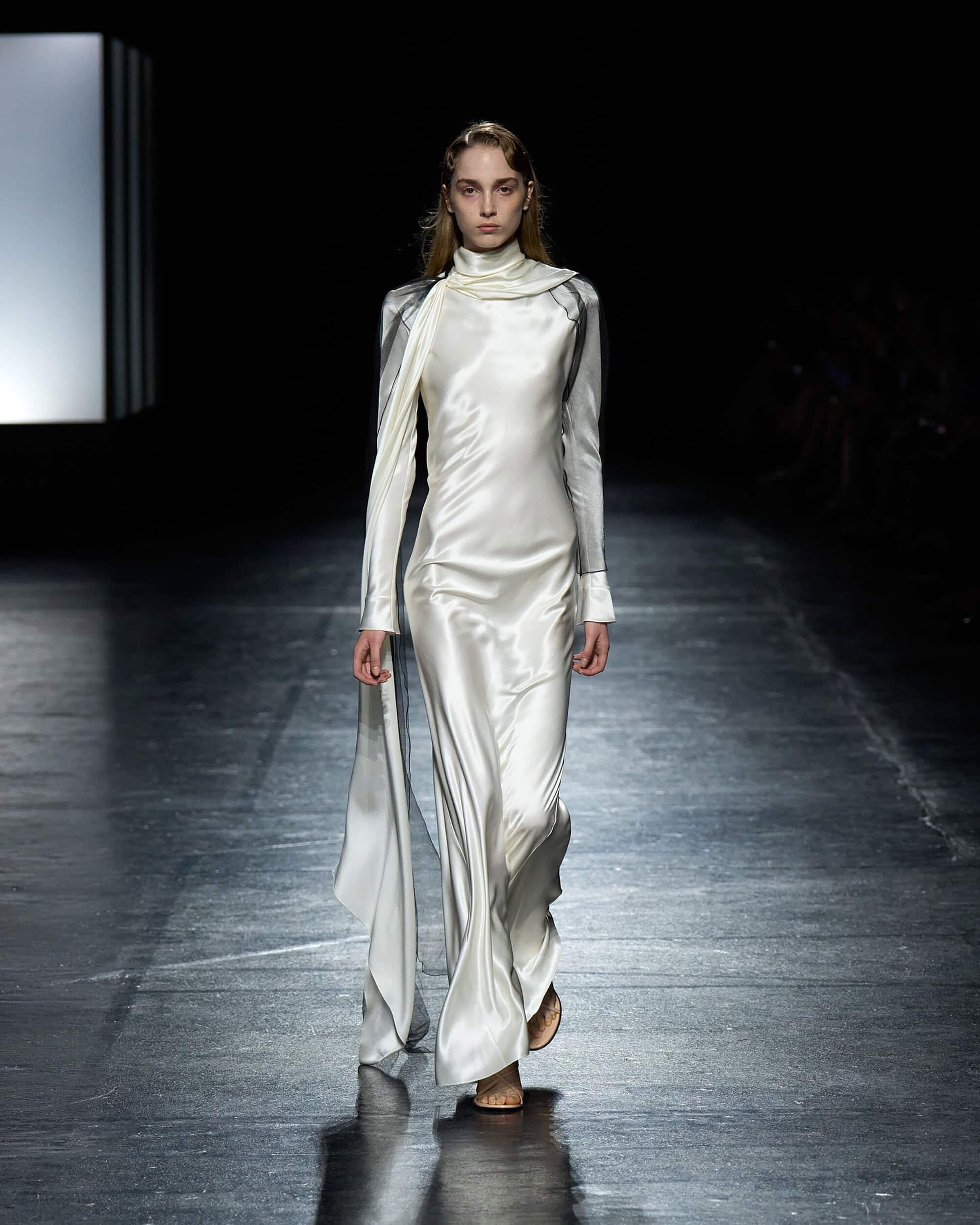
The collection opened almost like a dream. Monumental gowns and sculptural silhouettes suggested oceans, vastness and limitless space before gradually yielding to reality. Tailored coats, dresses and jackets appeared on figures who seemed ready to step outside into ordinary life, though precisely when that life existed remained impossible to place.
“They could be in the 1930s, the 1940s, the 1970s—or today,” Theyskens reflected. “You don’t really know.”
That ambiguity became the collection’s greatest achievement.
Rather than recreating vintage fashion, Boloria compressed decades into a single emotional language. Tailoring felt inherited rather than nostalgic. Fabrics appeared lived in rather than distressed. Construction suggested generations of quiet refinement, as though anonymous craftspeople had been evolving these garments for decades before anyone had heard the name Boloria.
“I like anonymous pieces in museums,” Theyskens said. “Clothes where you don’t know who made them, only that they belong somewhere.”
Belgium itself became the collection’s invisible protagonist.
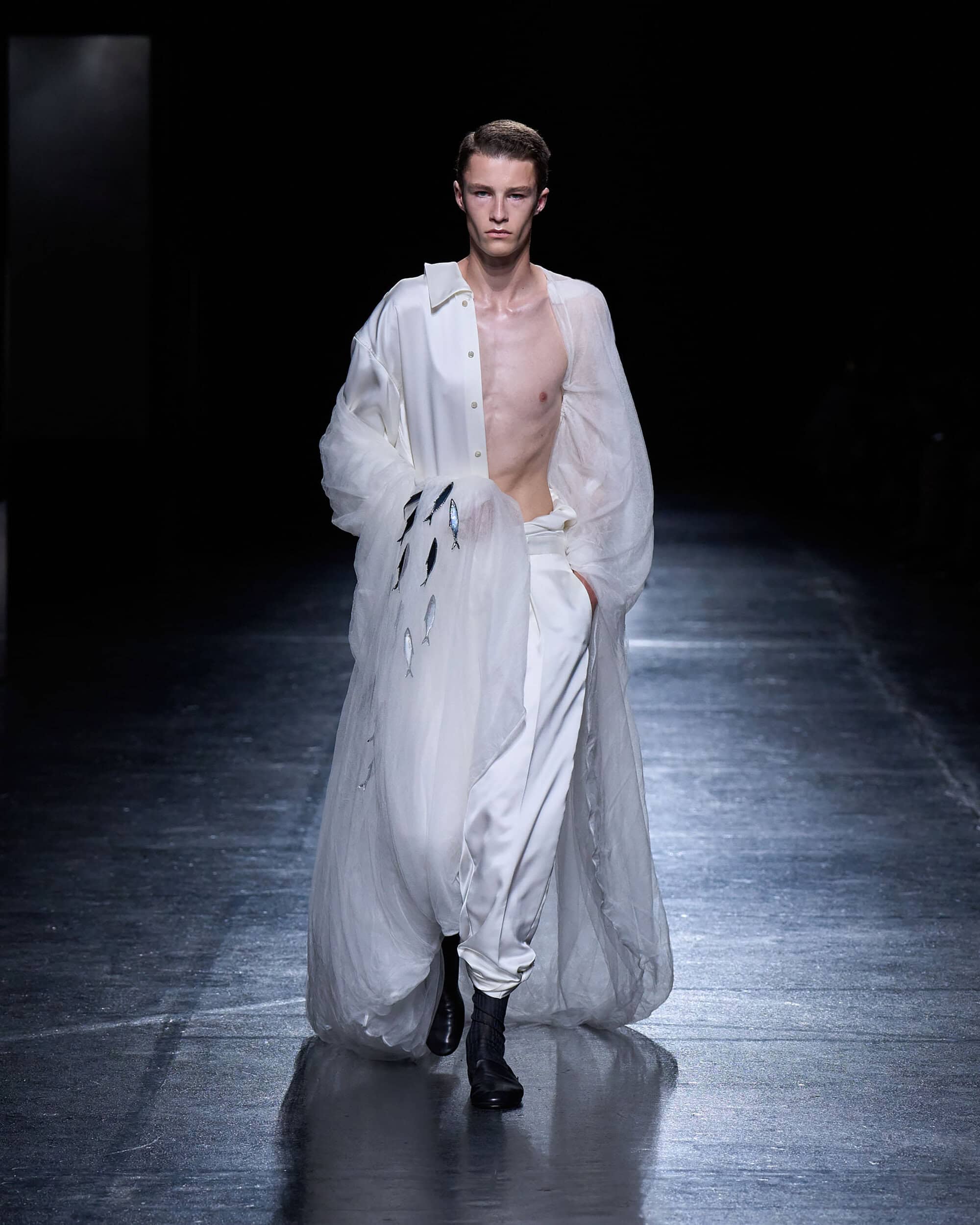
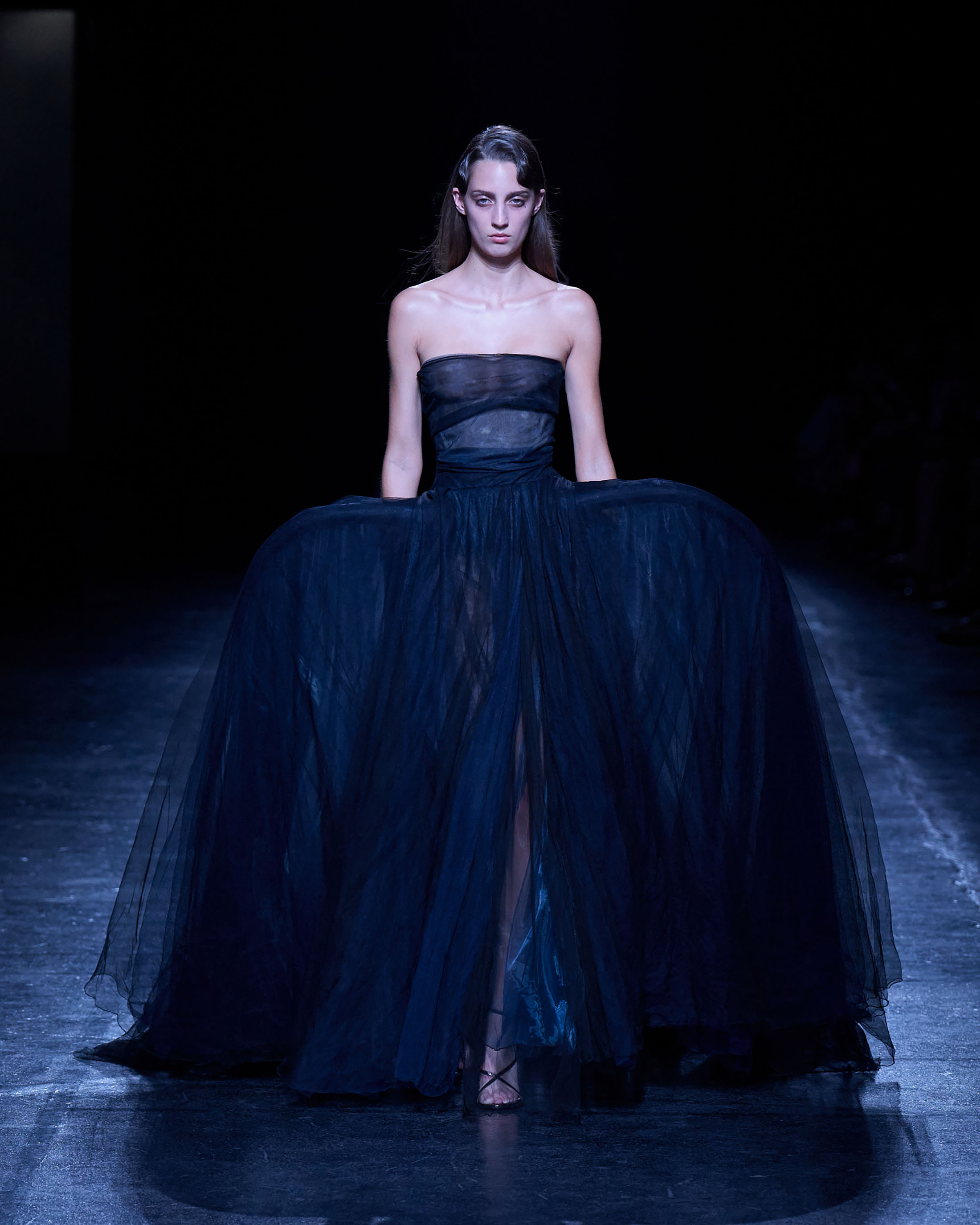
Theyskens spoke of memories of his grandparents, the Flemish countryside, Brussels, Belgian royalty and a distinctly Belgian bourgeois culture that differs from its French counterpart. These references never became costume. Instead, they quietly informed the collection’s proportions, restraint, palette and attitude.
There is an understated confidence that has long distinguished Belgian fashion—a belief that clothes can communicate through construction rather than spectacle. Boloria embraces that tradition while refusing to become an exercise in nostalgia. It feels historical without being historic, contemporary without chasing the contemporary.
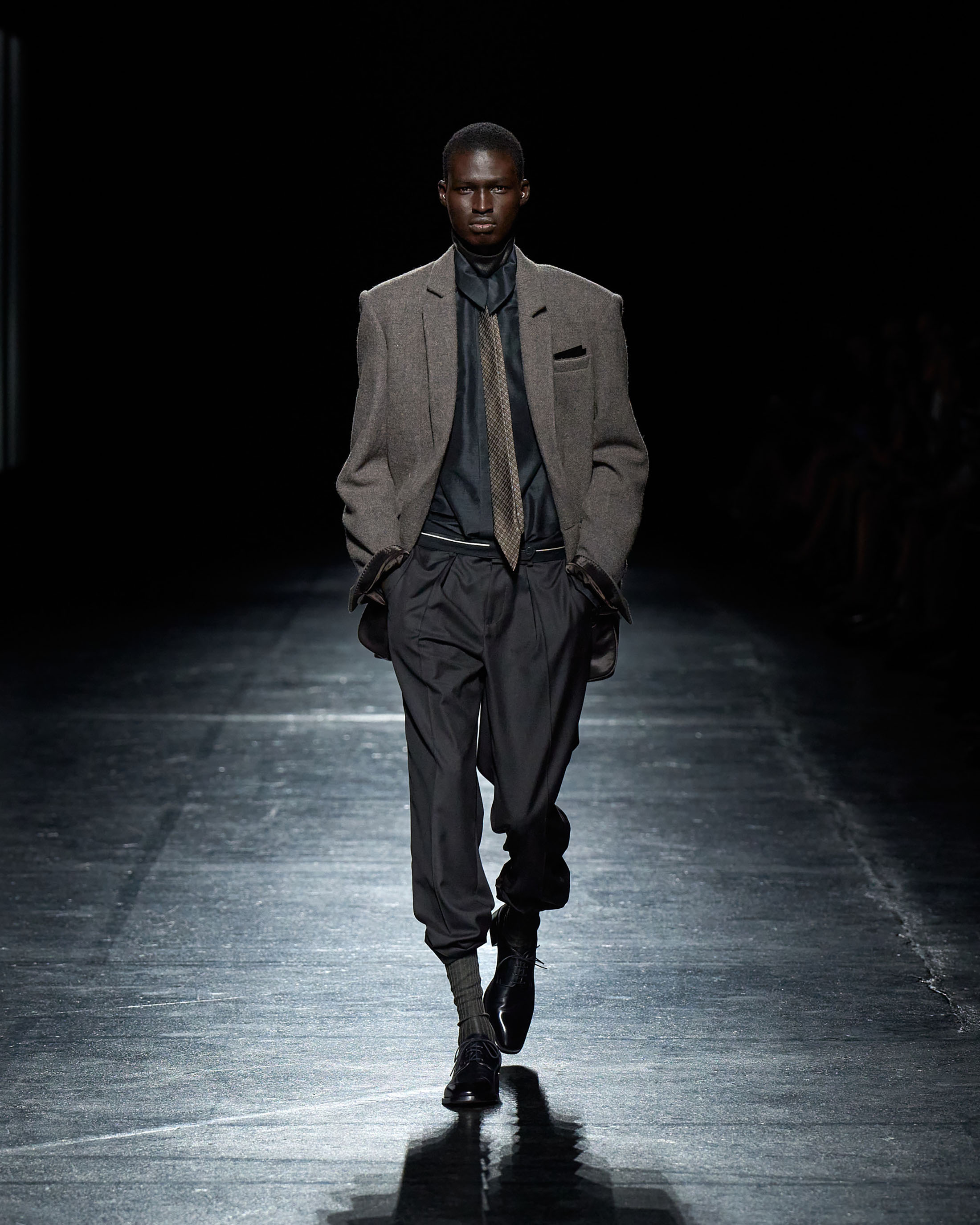
Even the set reinforced that emotional landscape. Display cabinets, muted skies and museum-like structures created the feeling of preserved memories rather than preserved objects. Nothing felt frozen in time. Instead, everything suggested that history remains alive through the emotions we continue to carry forward.
Theyskens is equally careful to distinguish Boloria from his own namesake label. His independent house continues separately with its own atelier, team and made-to-measure practice. Boloria has its own headquarters, its own team and, most importantly, its own identity.
“It’s natural to me,” he said. “Everything I do there belongs to that brand.”
Fashion has always been fascinated by what comes next. Olivier Theyskens seems more interested in what endures.
Boloria is not nostalgic, nor is it trapped in history. It simply understands that the strongest identities are rarely invented overnight. They are built slowly, shaped by memory, refined by craft and strengthened by conviction.
For a house showing its first collection, Boloria already possesses something many established brands spend decades trying to find: a sense of permanence.