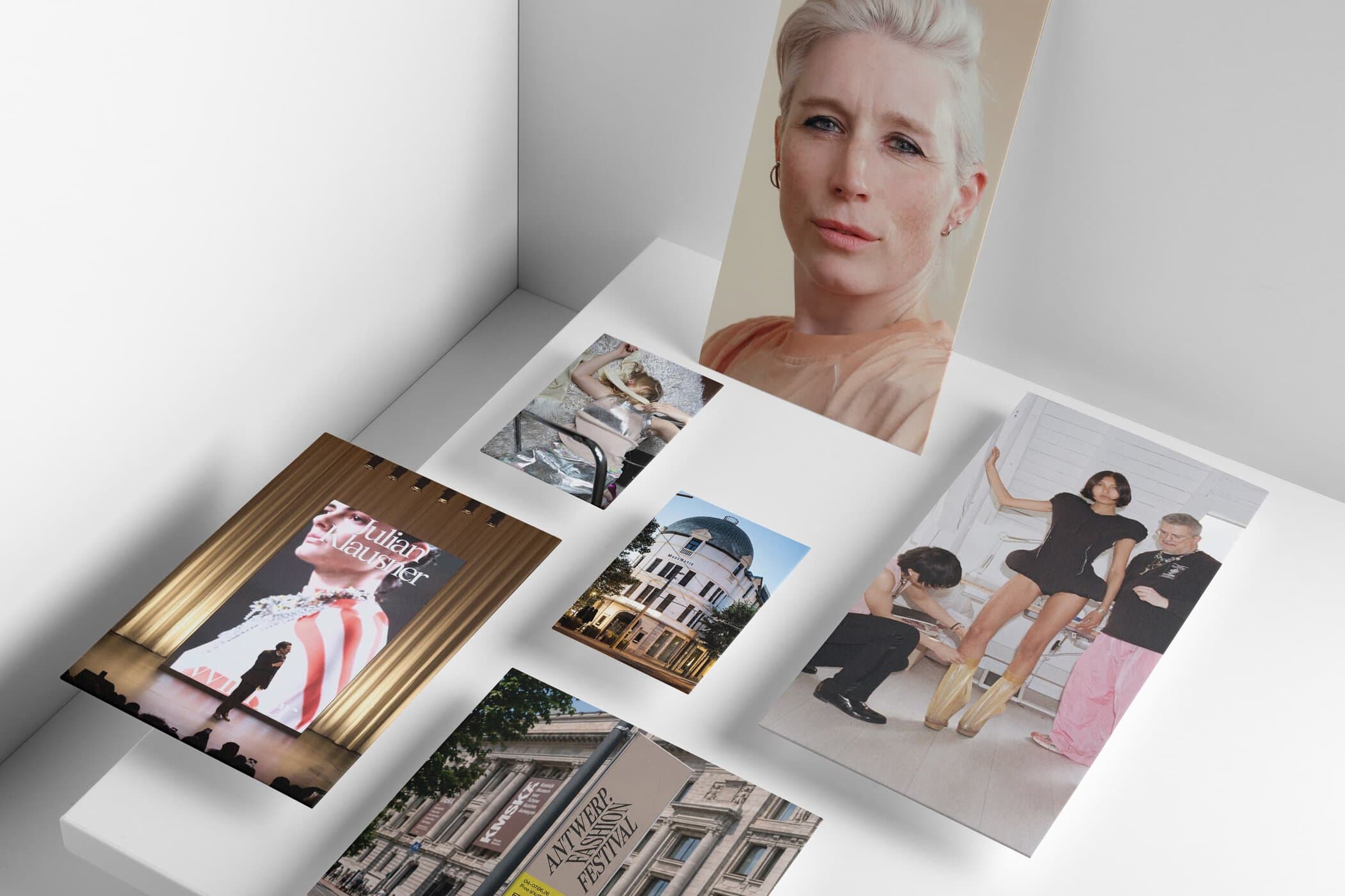
Led By Elke Timmerman’s Vision, Antwerp.Fashion.Festival Brings Talks, Shows, Installations, Presentations, Windows, Expos, And Events Together In A Citywide Celebration Of Fashion’s Past, Present, And Next Generation
By Kenneth Richard
Fashion has enough weeks. It has weeks for men, weeks for women, weeks for resort, weeks for couture, weeks for pre-collections, and weeks that somehow seem to begin before the last week has ended. What it has less of are true gatherings: cultural moments that bring designers, institutions, stores, students, editors, locals, and the simply curious into the same orbit.
Antwerp, being Antwerp, is not trying to solve that problem by adding another stop to the runway treadmill. It is doing something more interesting.
With the launch of Antwerp.Fashion.Festival, running June 4 to 7, the city is proposing a different model: not a fashion week, but a cultural happening. Across four days, Antwerp will bring together talks, shows, installations, presentations, windows, expos, and events across museums, galleries, stores, public spaces, and industry settings. It is a format that feels less like another calendar obligation and more like fashion’s answer to Salone del Mobile: a city activated by creativity, where the point is not only to see collections, but to move through a place, meet its makers, understand its ideas, and feel its creative temperature.
Only here, the object is not the chair. It is fashion.
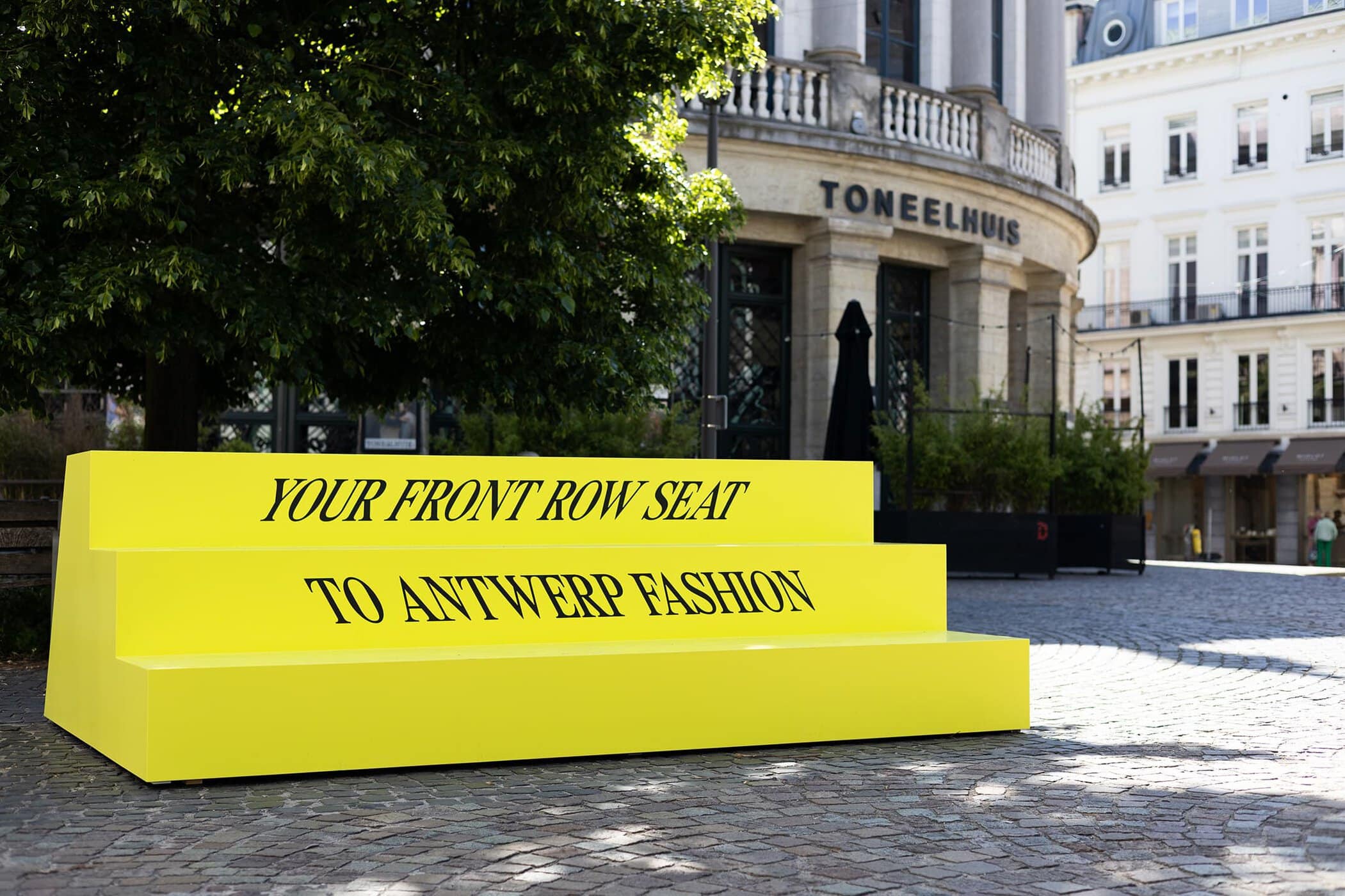
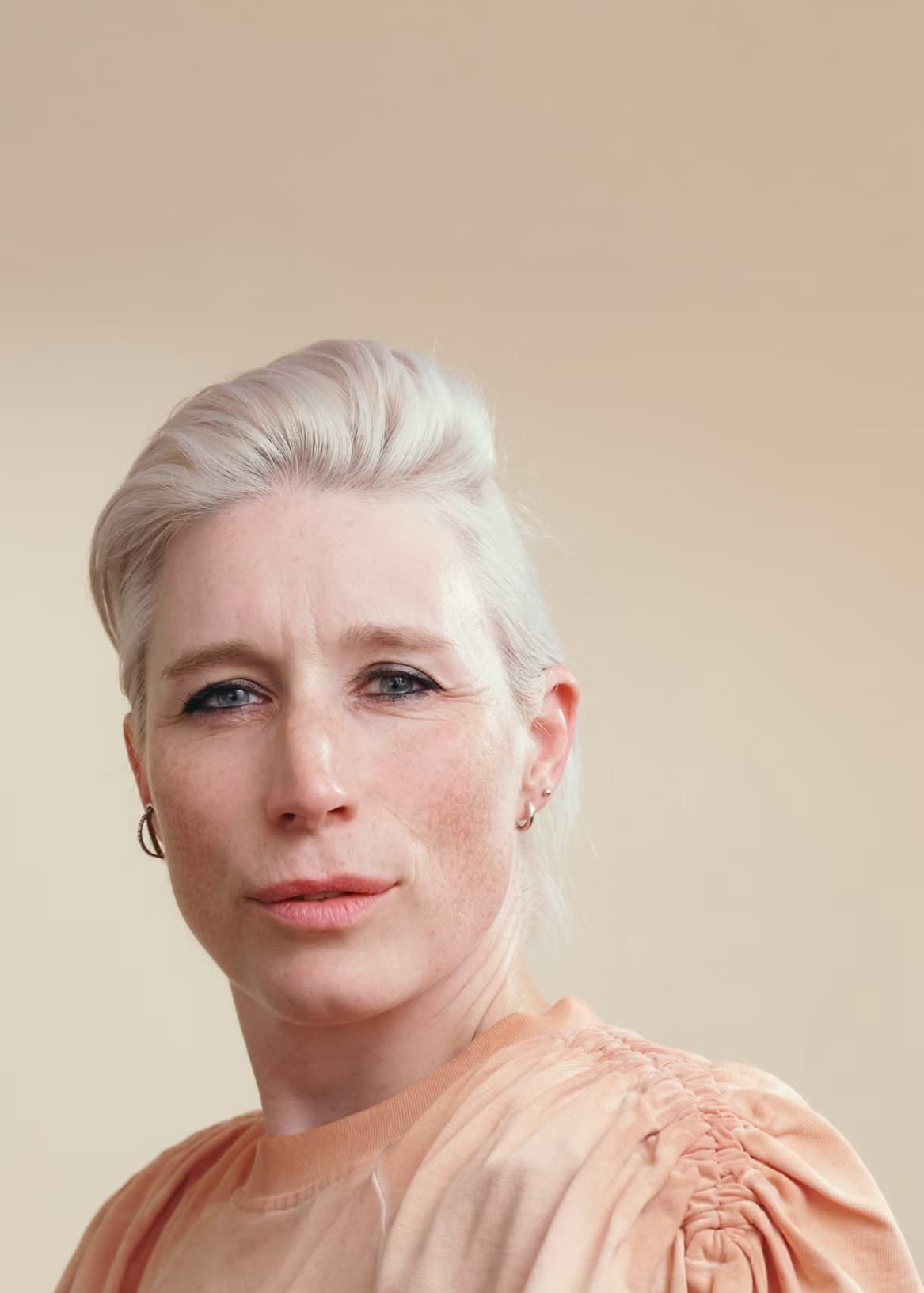
For Elke Timmerman, International Business Relations at Flanders District of Creativity, the festival began with a question that was both strategic and existential: what does Antwerp want to be as an international fashion city now?
“It started actually with the analysis of Antwerp as a fashion city,” Timmerman said. “How do we position Antwerp in the future as a fashion city, as an international fashion city? What do we have in capacity in Antwerp? And we have the Academy, which is very well known. You have the museum, the fashion museum as well, but we have like a lot of talents as well, but we don’t have kind of a momentum where to expose those talents and that creativity.”
Momentum is the word that matters. Antwerp has never lacked credibility. The Royal Academy of Fine Arts Antwerp remains one of fashion education’s most influential institutions. MoMu gives the city’s fashion history a serious museum presence.
The Antwerp Six gave the industry one of its great creative origin stories. But the Antwerp story is no longer simply six designers arriving on the international scene with a radical point of view. It is Antwerp Sixty, Antwerp Six Hundred: a living network of designers, graduates, creative directors, independents, retailers, craftspeople, institutions, and students whose influence keeps multiplying.
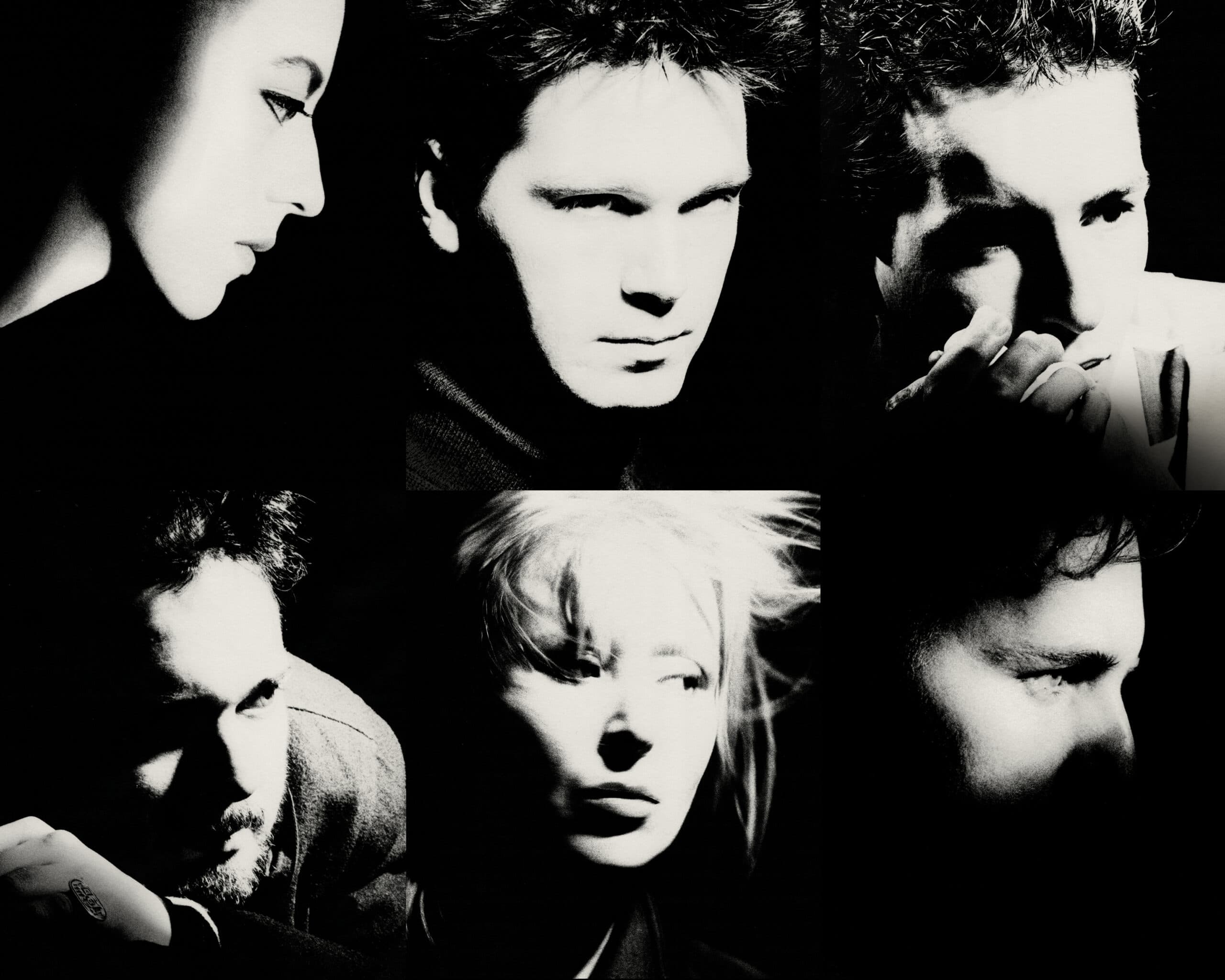
What Antwerp has needed is not proof of relevance, but a platform that makes that relevance visible in one coordinated, contemporary moment.
“There is no rule,” Timmerman said. “That was really the thing, like, okay, it’s not our objective to start a new fashion week.”
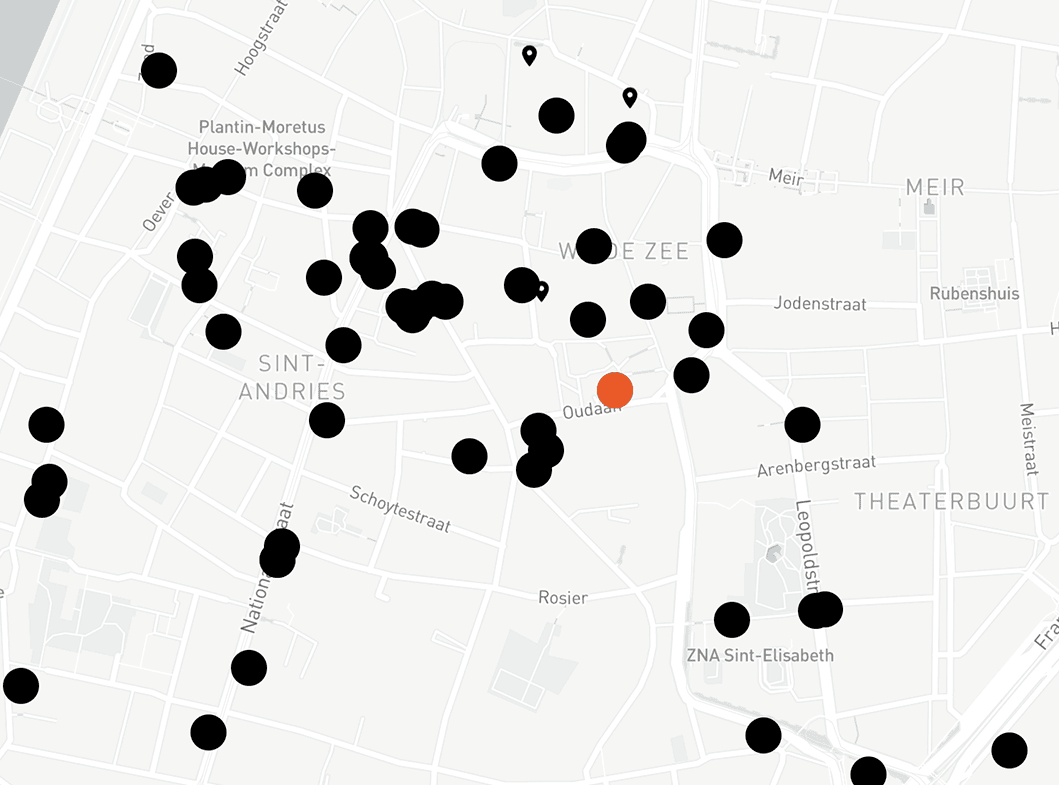
That refusal is the festival’s smartest move. The world does not need Antwerp to imitate Paris, Milan, London, or New York. Antwerp’s strength has always been its ability to operate slightly apart from the obvious center, turning distance into perspective and independence into authorship. If the classic fashion week is built around hierarchy, exclusivity, and a linear runway schedule, Antwerp.Fashion Festival is built more like a map. It invites movement. It invites discovery. It invites the industry in, but it also opens the doors.
Or, as Timmerman puts it with admirable Belgian economy: “We do it the Belgian way.”
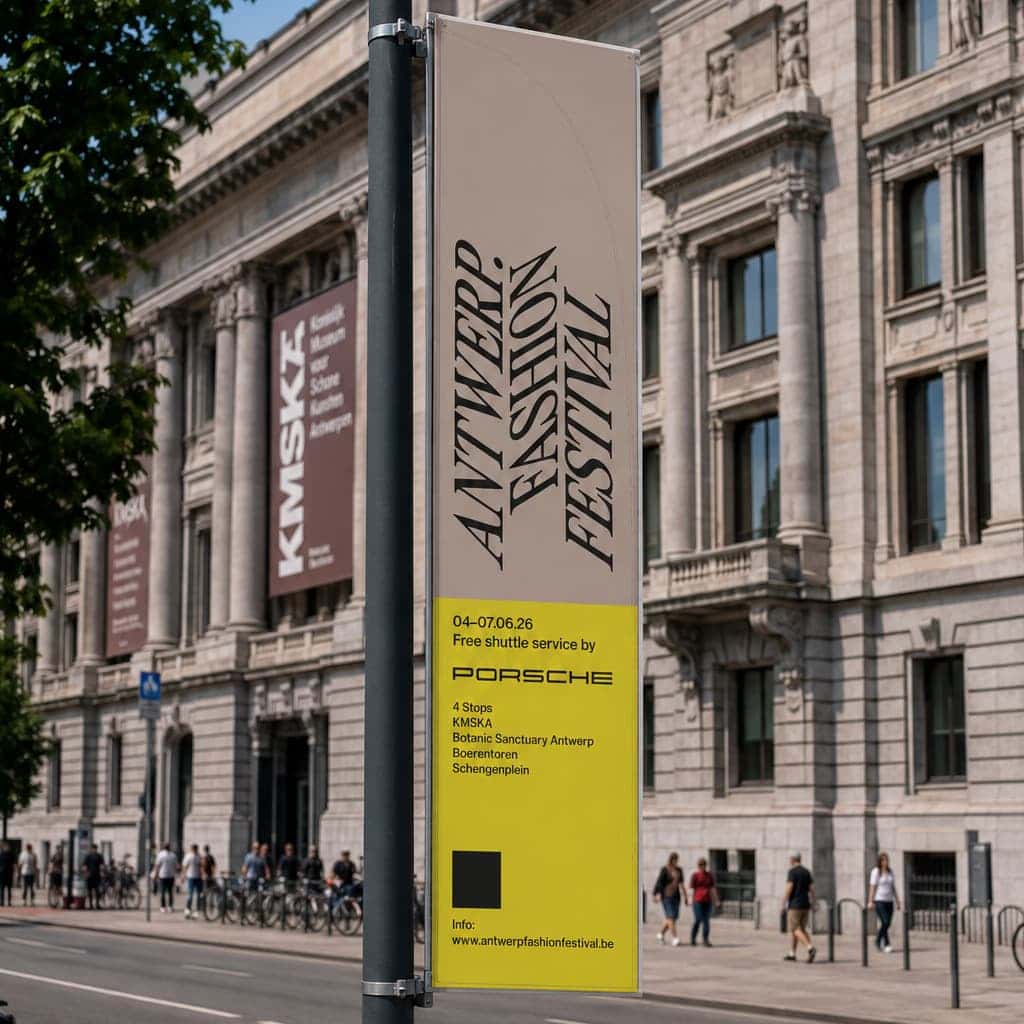
That may be the festival’s unofficial manifesto. The Belgian way, in this case, means no borrowed formula, no unnecessary bombast, and no attempt to out-spectacle the spectacle capitals. It means taking the ingredients Antwerp already has — education, experimentation, retail, museums, independent designers, cultural institutions, and an engaged city — and arranging them into something that feels both professional and public, serious and generous.
The programme is designed around that balance. Shows and presentations give designers a business-facing platform for press, buyers, and international guests. Talks and events create exchange. Installations, windows, expos, and public programmes extend the experience into the city, turning fashion from an invitation-only performance into a broader cultural language.
“The festival is kind of a gathering, I would say a multi-day event,” Timmerman said, “in which we want to offer a platform of visibility to creativity and talent in Antwerp.”
The word “gathering” is important because it softens, and improves, the premise. Fashion does not always need another velvet rope. It needs places where generations, disciplines, and audiences can actually meet. Antwerp.Fashion Festival understands visibility not only as who gets photographed, but who gets contextualized, who gets supported, who gets discovered, and who gets invited into the conversation.
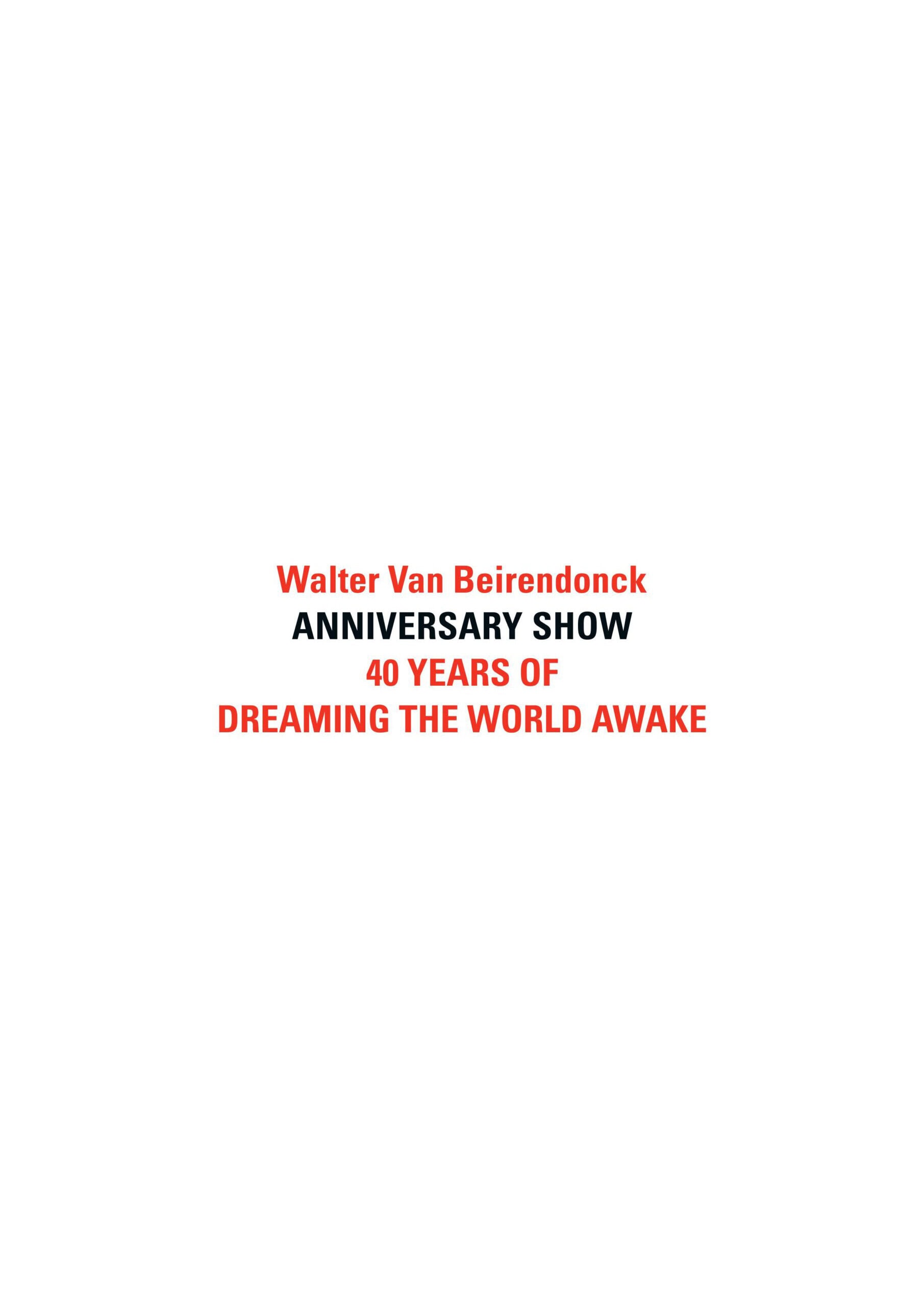
That conversation will have a powerful symbolic anchor in Walter Van Beirendonck, who will stage his 40th-anniversary show in Antwerp rather than Paris. For a designer so closely tied to the international menswear calendar, the decision gives the festival immediate weight. It is not just a homecoming; it is a statement about where fashion’s energy can gather. Van Beirendonck’s career has always made room for fantasy, provocation, activism, color, confrontation, and imagination. His presence in Antwerp places the city’s radical legacy at the center of the festival’s first edition.
But a cultural happening cannot live on legacy alone. Its power comes from placing history in motion.
That is where the younger generation becomes essential. Julie Kegels, among the Belgian designers increasingly watched by the industry, represents the kind of talent the festival is designed to support: emerging, specific, internationally legible, and rooted in a creative environment that has long made room for unusual voices. Her presence alongside established names gives the festival its most compelling rhythm. Antwerp is not only looking back at what it made possible. It is looking at what comes next.
Timmerman frames that ambition clearly.
The larger ambition is actually to create a new vibe in Belgium, and also to show the world that there’s another generation standing up.
– Elke Timmerman
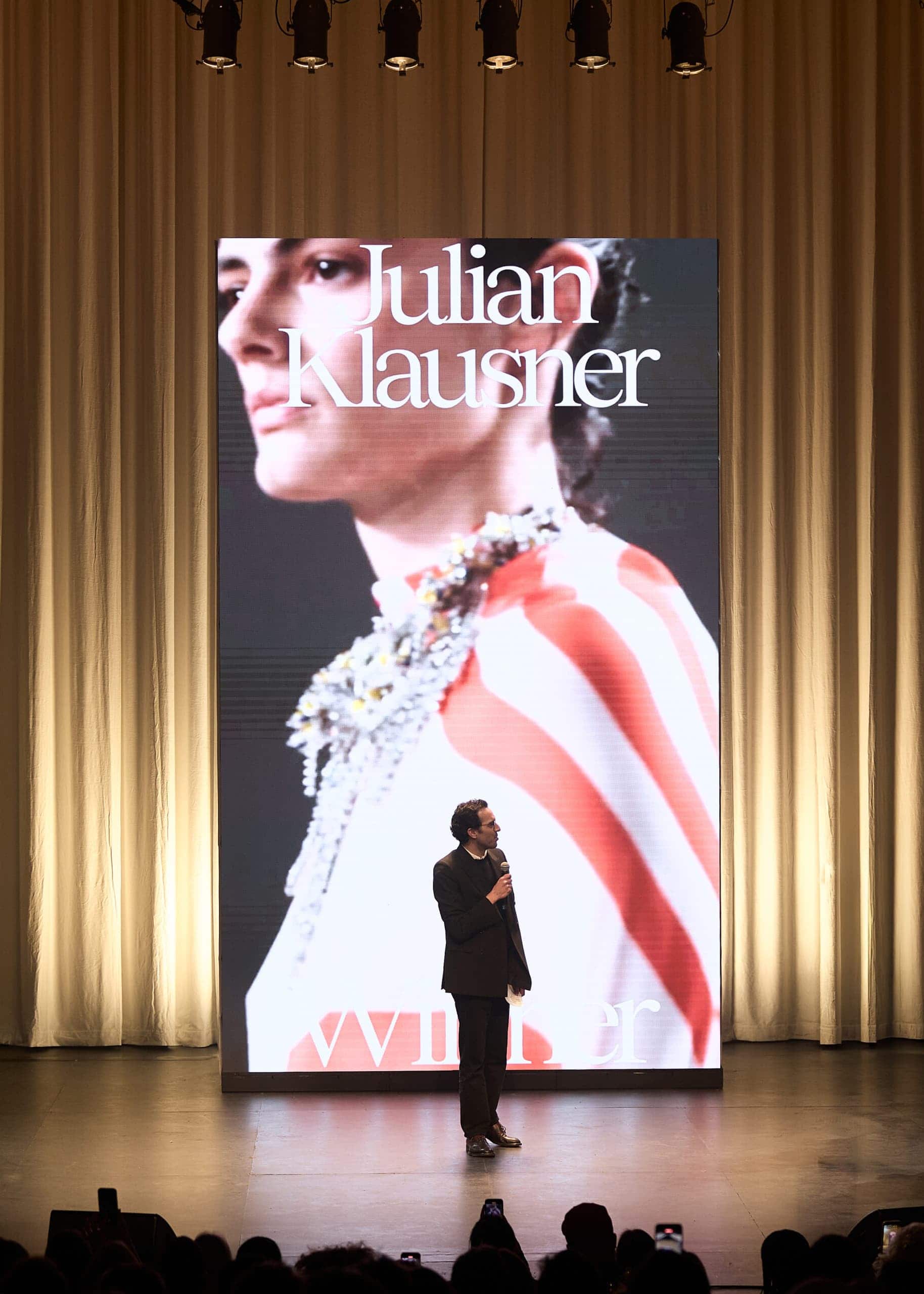
That phrase, another generation standing up, gives the festival its emotional charge. Fashion cities are often trapped by their own myths. Antwerp’s myth is unusually good, but the danger of any great story is that it can become a museum piece. Antwerp.Fashion Festival appears determined to avoid that. It places the Academy, MoMu, Walter, Julie, shops, galleries, windows, talks, and public programmes into the same civic rhythm, so the city’s past does not sit behind glass. It walks.
The result is perhaps the first true fashion festival of its kind: not a consumer shopping event, not a trade fair, not a fashion week with a friendlier name, but an integrated cultural format where business, creativity, education, heritage, and community meet.
It is a Salone-style proposition for fashion, and Antwerp may be one of the few cities compact enough, credible enough, and eccentric enough to make it work.
That compactness matters. Antwerp is not a sprawling capital trying to stage an empire. It is a city of proximity: between school and museum, boutique and gallery, designer and student, archive and experiment. The festival turns that proximity into structure. Instead of gathering everyone in one tent, it lets the city become the venue.
There is something timely in that. The global fashion system is crowded, expensive, and increasingly exhausting. Designers need visibility, but not every designer needs, or can afford, a conventional show on an overloaded calendar. Audiences want access, but access should mean more than watching someone else enter a room. Cities want cultural relevance, but relevance cannot be sustained by nostalgia alone.
Antwerp.Fashion Festival offers a different answer. It suggests that fashion’s future may not only lie in bigger shows, louder content, or more compressed calendars. It may also lie in smarter gatherings: formats that connect professional opportunity with public imagination, and that allow a city’s creative ecosystem to be seen as an ecosystem.
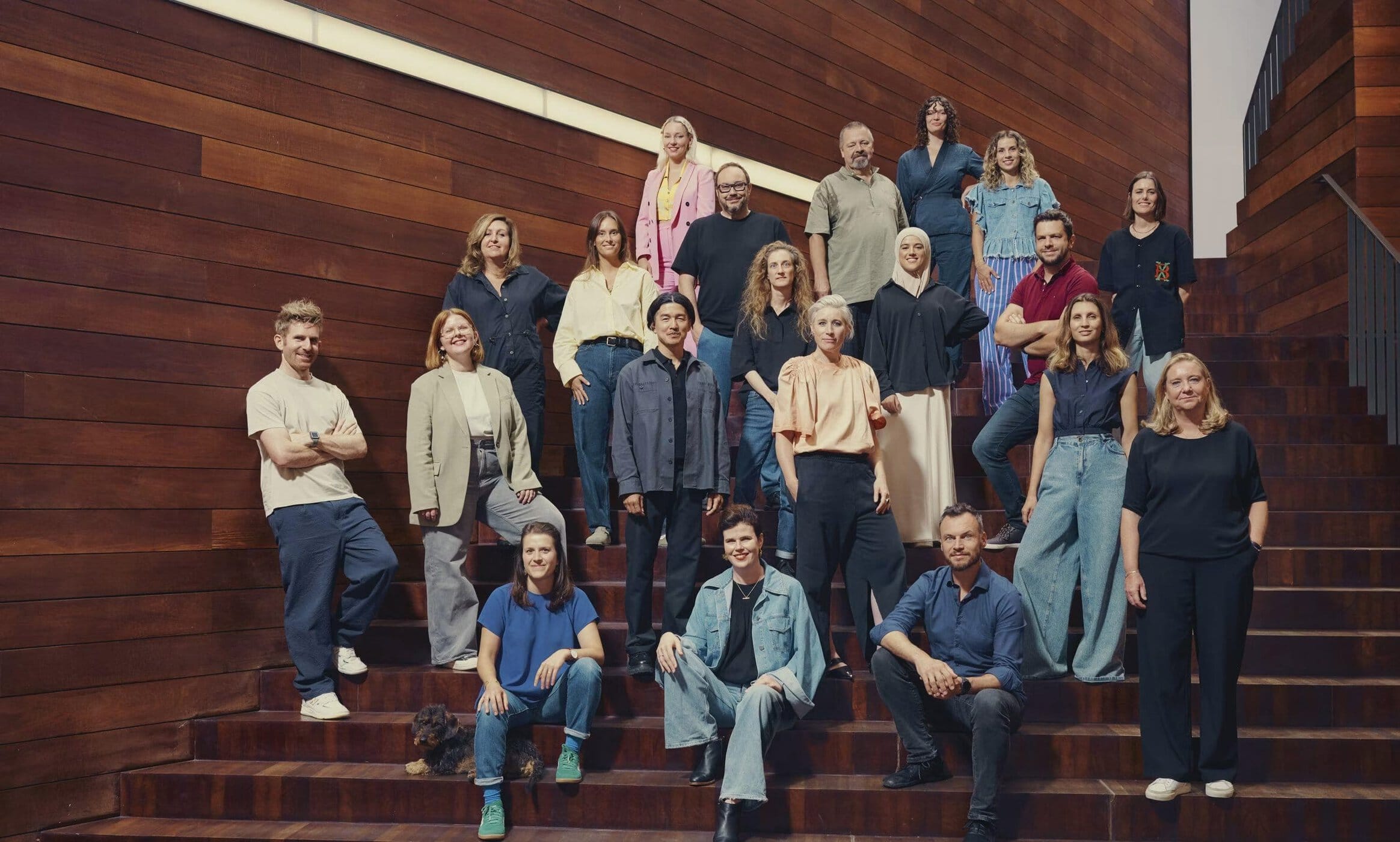
For Flanders District of Creativity, the City of Antwerp, and the festival’s wider network of partners, the first edition is therefore more than a launch. It is a declaration of method. Antwerp is not asking to be placed on the fashion map. It is redrawing the map around itself for a few days and inviting people to walk through it.
Walter Van Beirendonck gives the festival its historic voltage. Julie Kegels and her peers give it its forward motion. Elke Timmerman gives it its organizing intelligence. And Antwerp gives it the thing no marketing strategy can invent: a real fashion culture with enough depth, wit, and independence to try something new.
Fashion may not need another fashion week. But it does need more places where the industry can gather with purpose, where the public can be invited without the work being diluted, and where a city can activate its creative identity without turning it into a cliché.
Antwerp is launching exactly that.
The Belgian way, naturally.