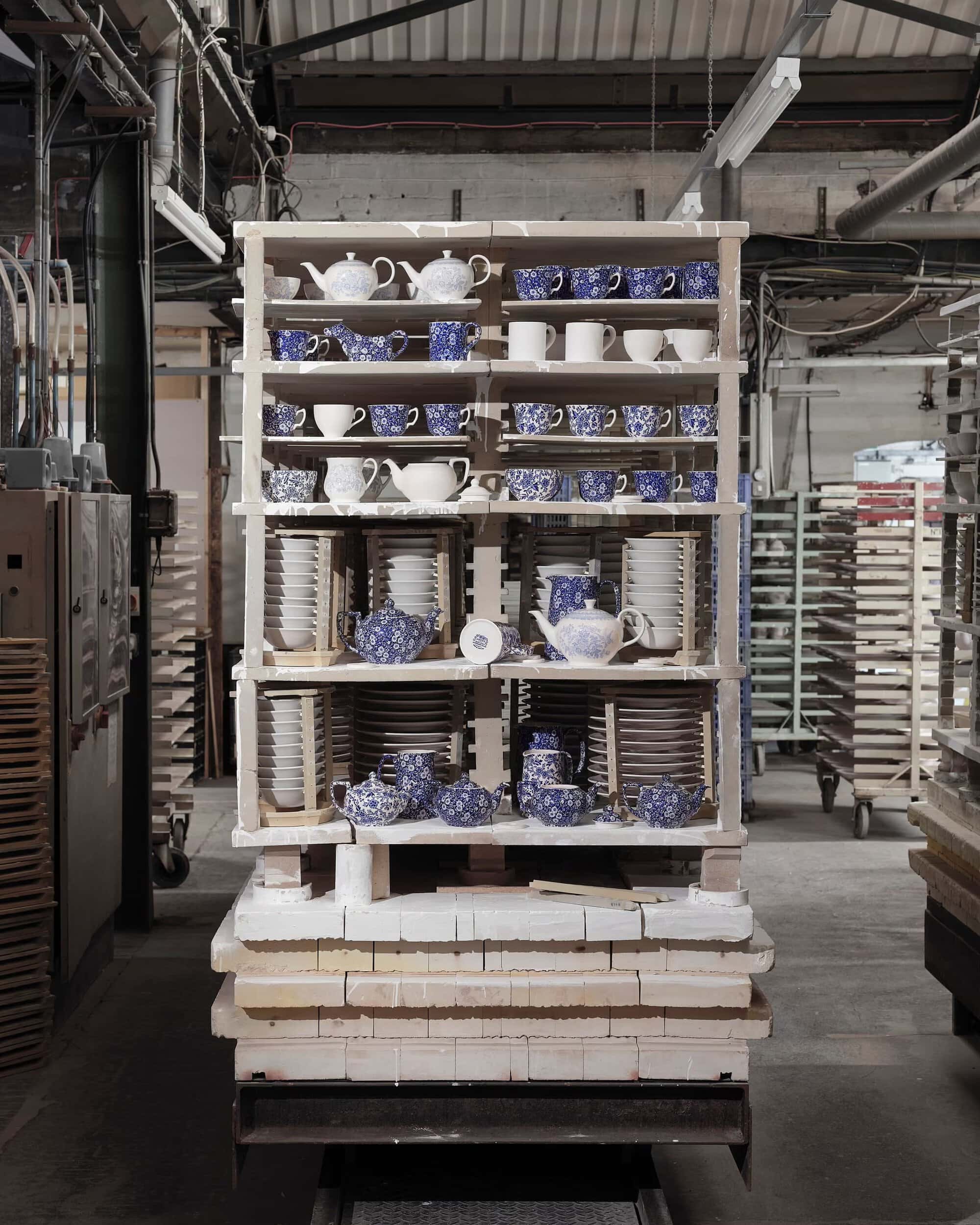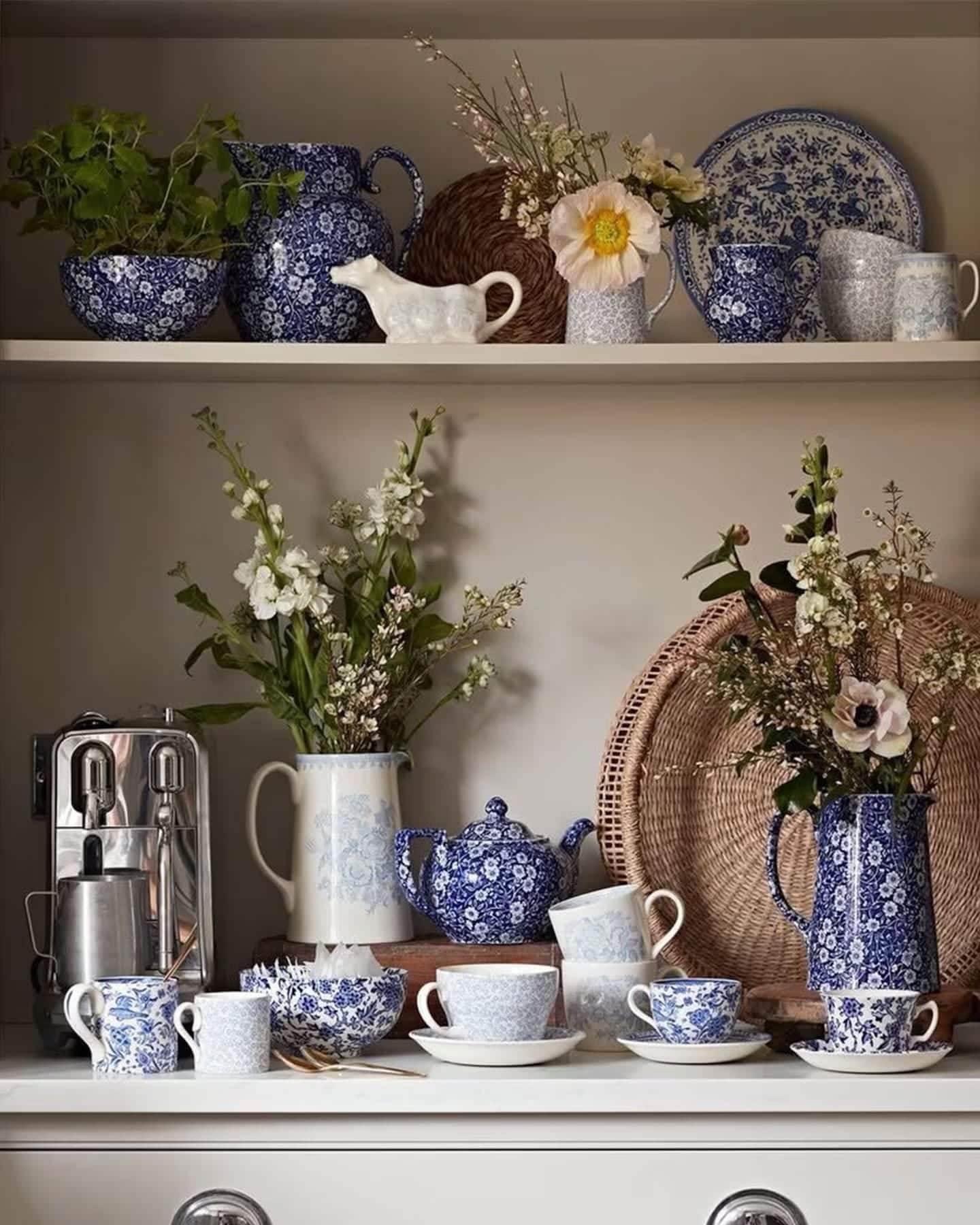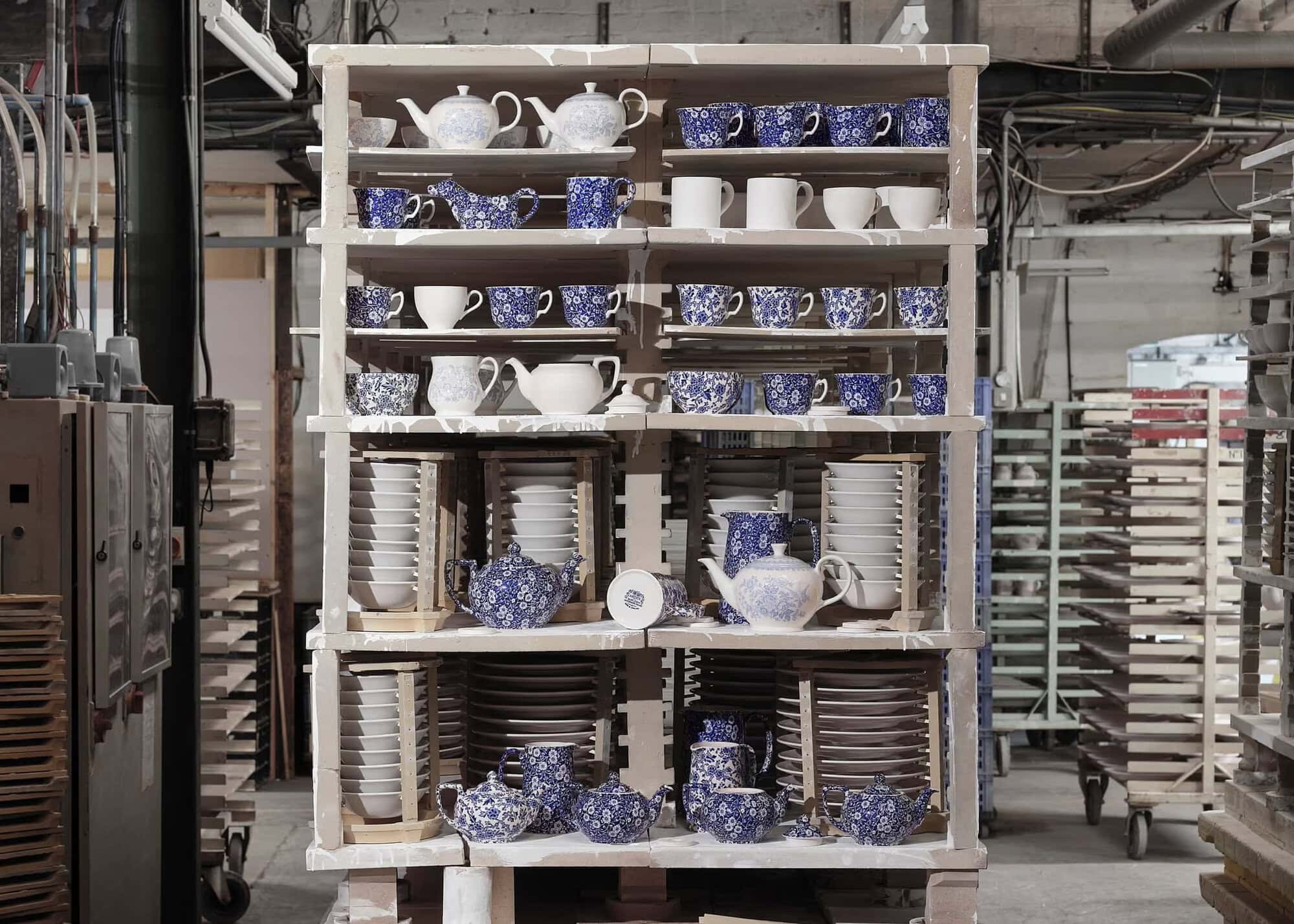
The former Burberry chief executive and chief creative officer leads a group of investors in rescuing the 175-year-old British ceramics house from administration
Christopher Bailey has returned to the business of British heritage. The former chief executive and chief creative officer of Burberry, alongside a small group of investors, acquired Burleigh Pottery, the ceramics house that has operated from its Middleport site in Stoke-on-Trent since 1889. Burleigh’s future had been uncertain since its parent company, Denby Pottery, entered administration on March 31, 2026, citing rising energy and employment costs.
Founded in 1851, Burleigh is regarded as the oldest continuously operating Victorian pottery in England, and is the last heritage pottery company in the world to still apply the tissue-transfer printing method entirely by hand, a highly specialized technique requiring years of training in which intricate pigmented patterns are transferred onto raw clay. The house has built an international reputation through collaborations with Ralph Lauren, Soho House, and Daylesford. Financial terms of the deal were not disclosed, though 62 jobs were saved and transferred to the new ownership.
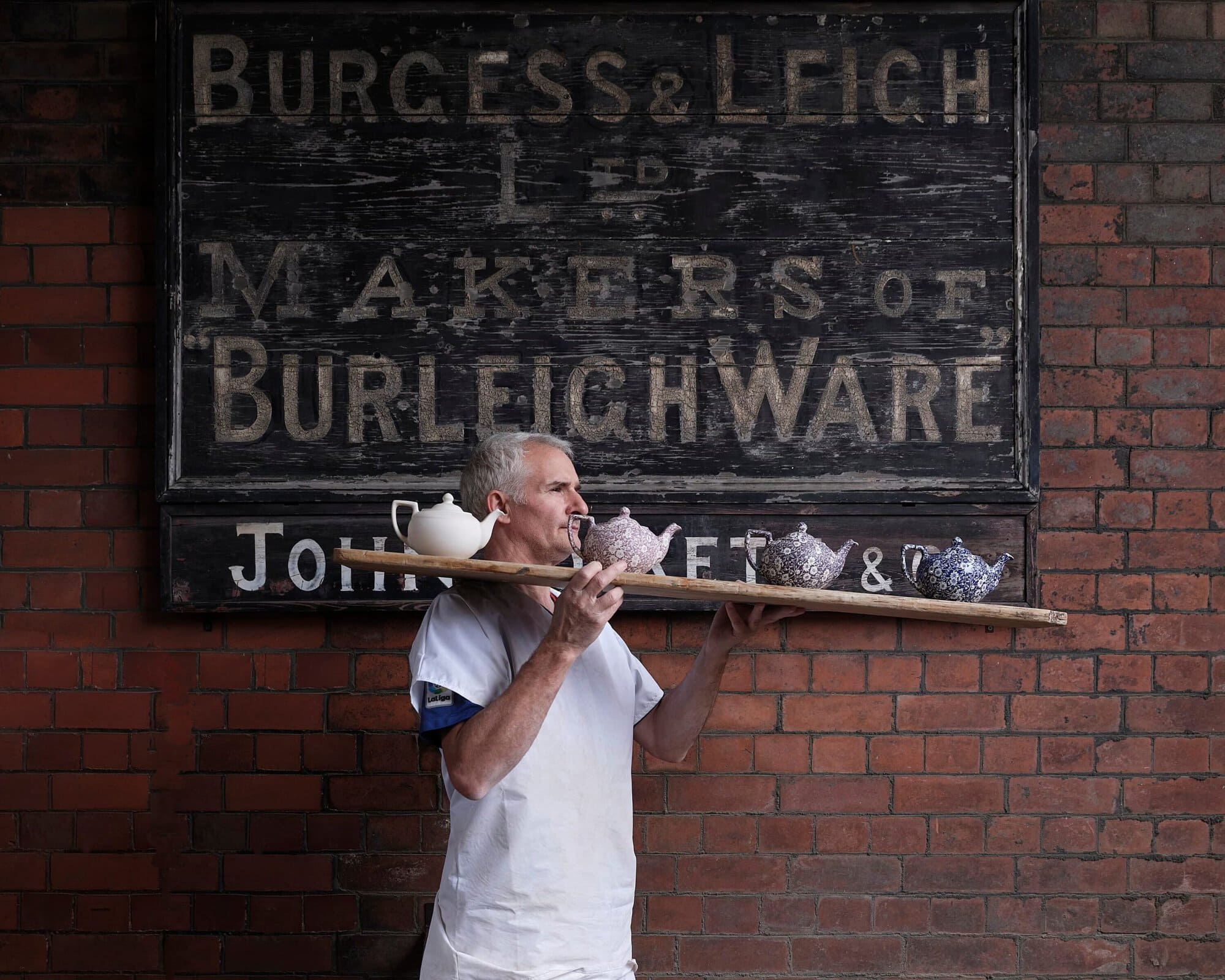
Bailey, who spent nearly 17 years at Burberry before departing in 2018, was widely credited with repositioning the house as a global luxury brand and a digital pioneer, integrating technology-led marketing while reinterpreting its English heritage codes. In a statement, he described Burleigh as having an extraordinary history and said he was committed to protecting and building on the craftsmanship and character that define the business. He is expected to take a hands-on role, overseeing day-to-day operations and shaping long-term strategy.
The acquisition comes as luxury groups increasingly identify the home category as a future growth area, with ceramic craft in particular drawing renewed attention for its alignment with the values of provenance, handwork, and longevity. For Bailey, Burleigh represents a different kind of proposition than a brand extension: a rescue of a craft tradition that few institutions are equipped to sustain. Whether the appeal of its hand-printed patterns can be amplified for a new generation without compromising what makes the pottery singular will be the defining challenge of his tenure.