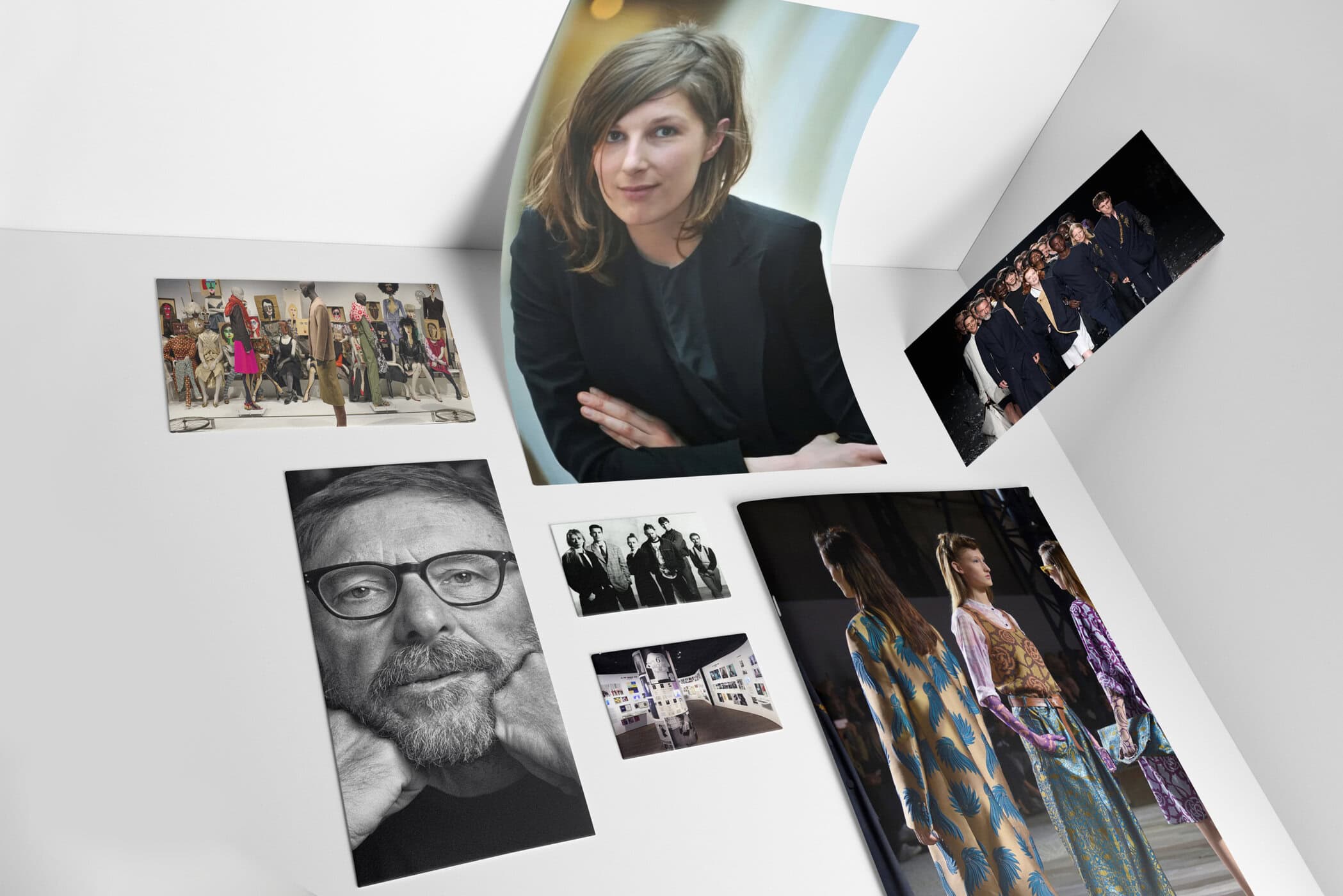
At Antwerp.Fashion Festival, The MOMU Director And The Antwerp Six Champion Reflect On Talent, Independence, And Why Fashion Needs A New System For Creative Designers To Survive
By Kenneth Richard
At Antwerp.Fashion Festival, the question hanging over the city was not simply how Antwerp became one of fashion’s most unlikely centers of gravity. It was whether the conditions that made that story possible can ever be built again.
For Kaat Debo, Director and Chief Curator of ModeMuseum Antwerpen, and Geert Bruloot, the retailer, curator, and impresario who helped carry the Antwerp Six to London and into fashion history, the answer begins with talent. Not nostalgia, not branding, not myth, and certainly not the machinery of the contemporary luxury industry. Talent is the top of the pyramid, as Debo sees it, and everything else — museum, heritage, education, industry, city, platform — exists to support it.
That idea is built into the architecture of MoMu itself. The museum co-houses with the fashion department of the Royal Academy of Fine Arts Antwerp, placing students at the top of the building, above the museum and its collections. For Debo, that arrangement is more than a convenience. It is a model of how fashion culture should work.
“I think that’s quite unique in museum co-housing with school and also with classes to bring together the different elements of fashion, fashion as heritage and culture and fashion as a brief industry to bring it together,” Debo said. “But conceptually the top of the pyramid on the top floor is talent, and they’re supported by the museum, the heritage, and the industry, and I think we should never forget that without talent we’re nothing.”
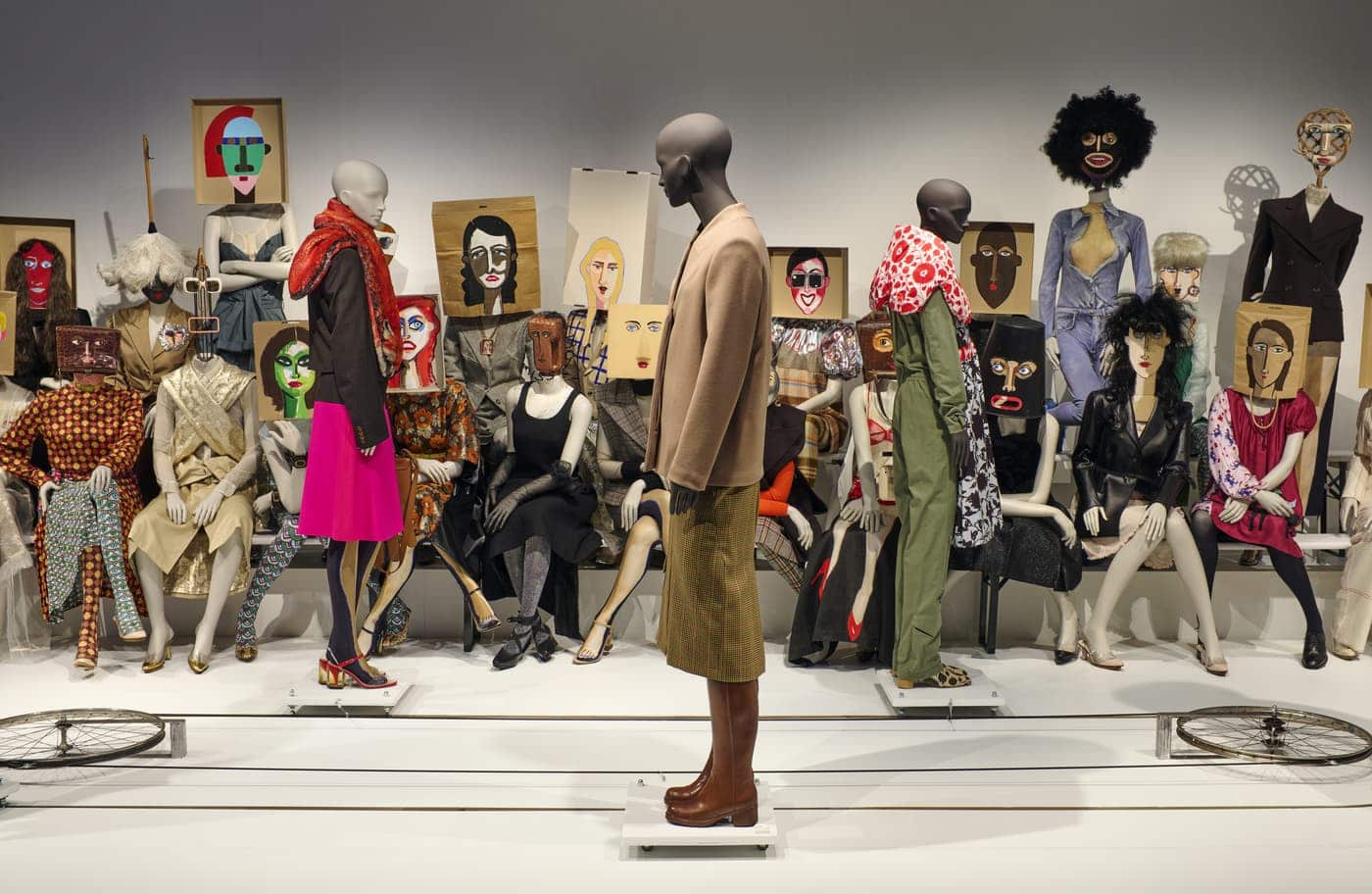
It is a deceptively simple statement, but in the current climate it sounds almost radical. Fashion has become exceptionally good at turning heritage into content, logos into financial instruments, and creative directors into global attention engines. It has become less good at creating the patient, messy, connective tissue that allows independent designers to become more than a season’s discovery. Debo and Bruloot know this because they have spent years studying, staging, and re-reading the Antwerp Six story, including through the current MoMu exhibition and accompanying book. They also know that the lesson of that story has often been misunderstood.
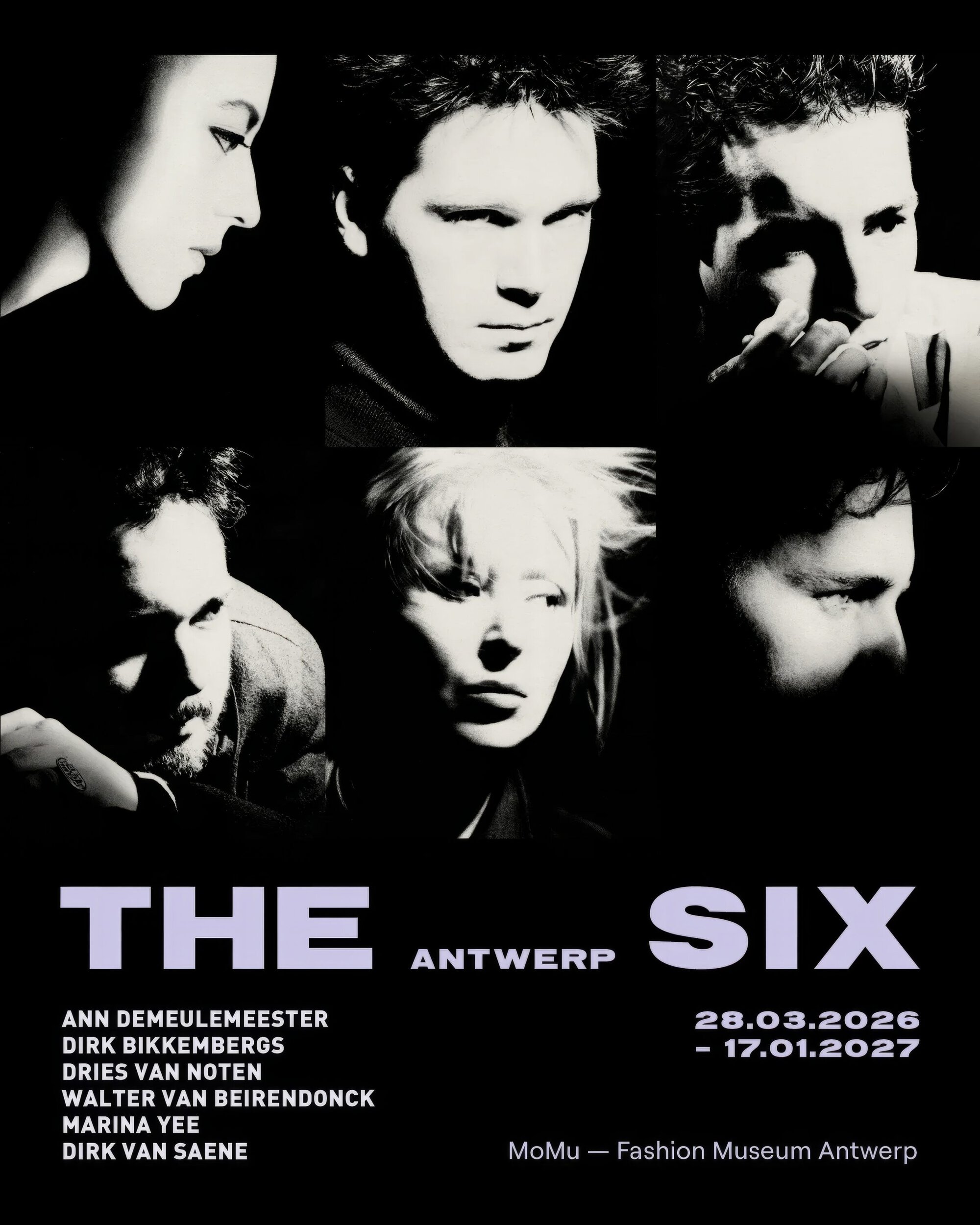
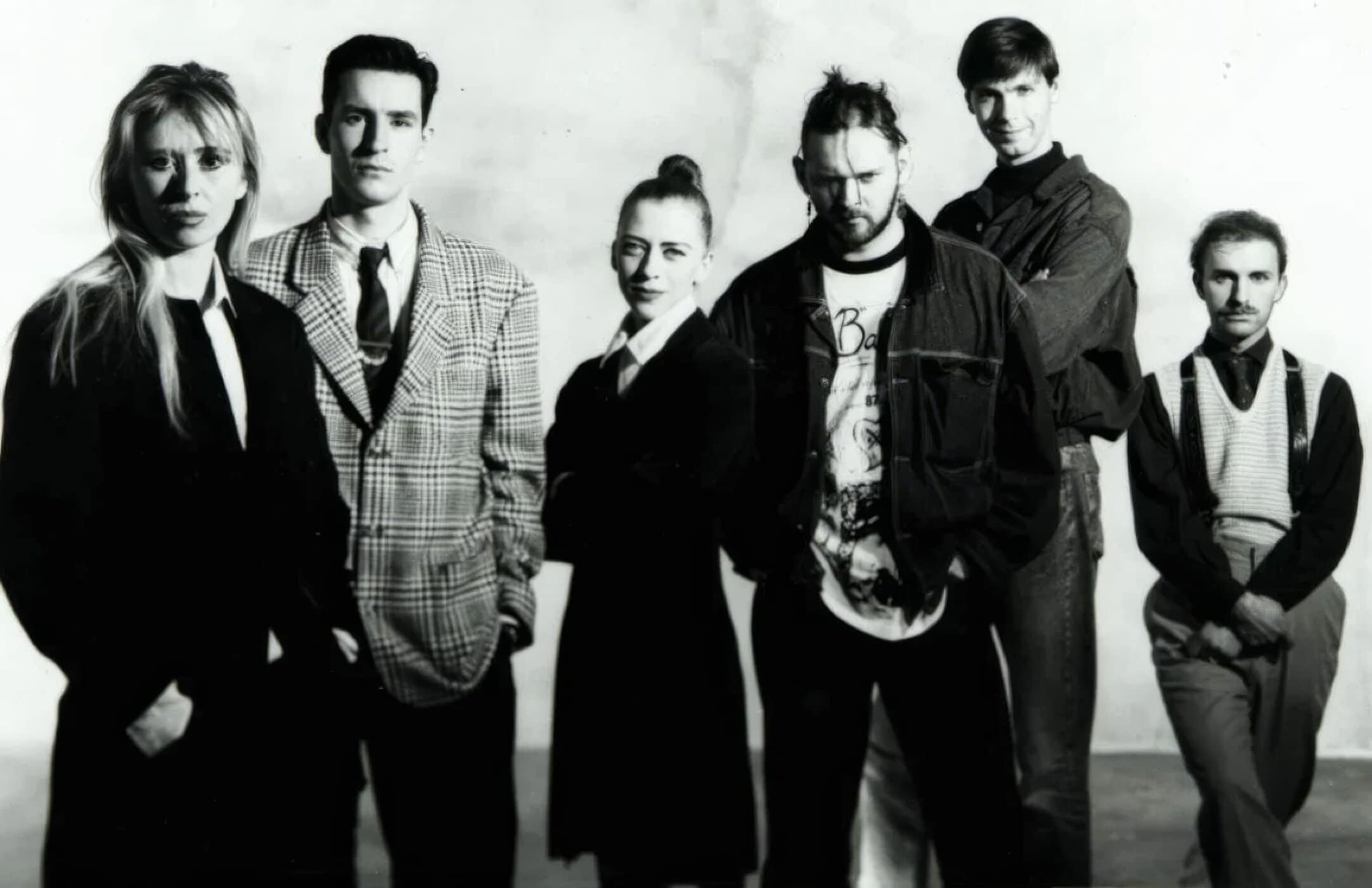
The Antwerp Six were never a perfectly planned movement. They were not a marketing concept designed in a boardroom, nor a group identity authored by the designers themselves. The name was practical, given and amplified by buyers and press because the story needed a shorthand. Six Belgian designers with difficult names, coming out of a country not previously considered a fashion capital, made for a powerful narrative. But as Bruloot is quick to point out, the myth has hardened over time into something smoother than the lived reality.
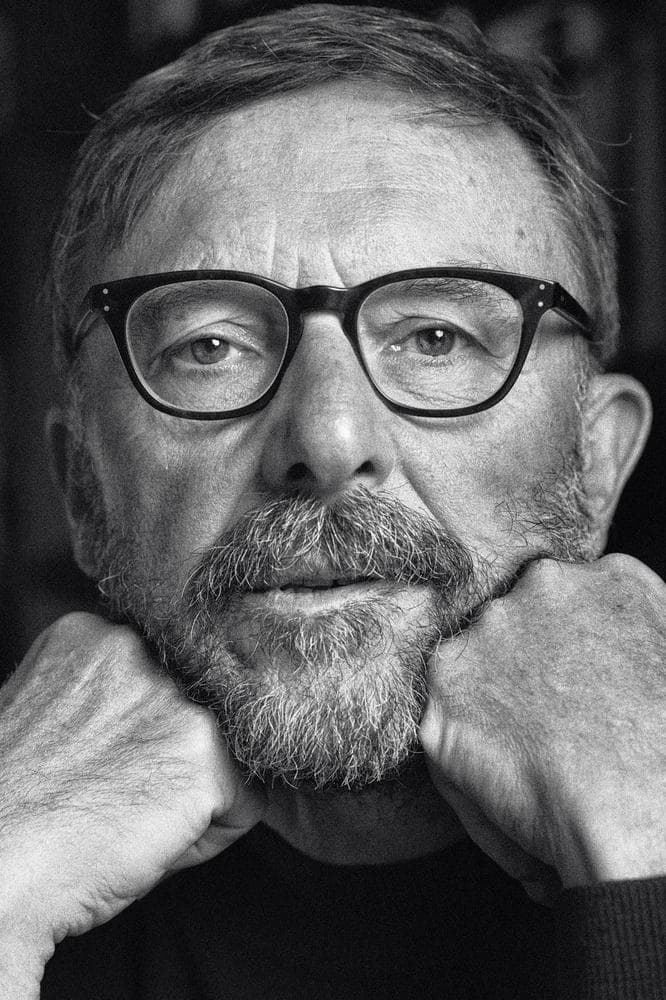
“When you see the exhibition now, it seems it looks as if everything was easy and everything was normal, and the Belgian government was there, and all this. No, no, no, no. I was there. It was not,” Bruloot said. “They forced themselves to do it their own way, and we didn’t know how to do it. We didn’t have a plan. There was no marketing. It was just a coincidence of facts.”
When you see the exhibition now, it seems it looks as if everything was easy and everything was normal, and the Belgian government was there, and all this. No, no, no, no. I was there. It was not. They forced themselves to do it their own way, and we didn’t know how to do it. We didn’t have a plan. There was no marketing. It was just a coincidence of facts.
– Geert Bruloot
Those facts mattered. There was exceptional talent in Antwerp. There was a kind of fashion “no man’s land” in Belgium, which gave the story freshness and gave the designers a certain freedom from inherited luxury codes. There were independent multi-brand stores around the world hungry for something new after the Japanese wave. There was press willing to be surprised. There were buyers with taste, authority, and the ability to create desire. There was also a smaller, less consolidated industry in which independent designers could still find oxygen.
The Antwerp Six, Bruloot said, worked as a group because it gave them impact. Once the impact had been made, they went their separate ways. “This Antwerp Six never wanted to be a group,” he said. “It was a coincidence. That’s amazing, because it was practical.” After several years in London, where their presence became disruptive enough that they were no longer welcome within the official system, the designers moved toward Paris and began building their individual paths.
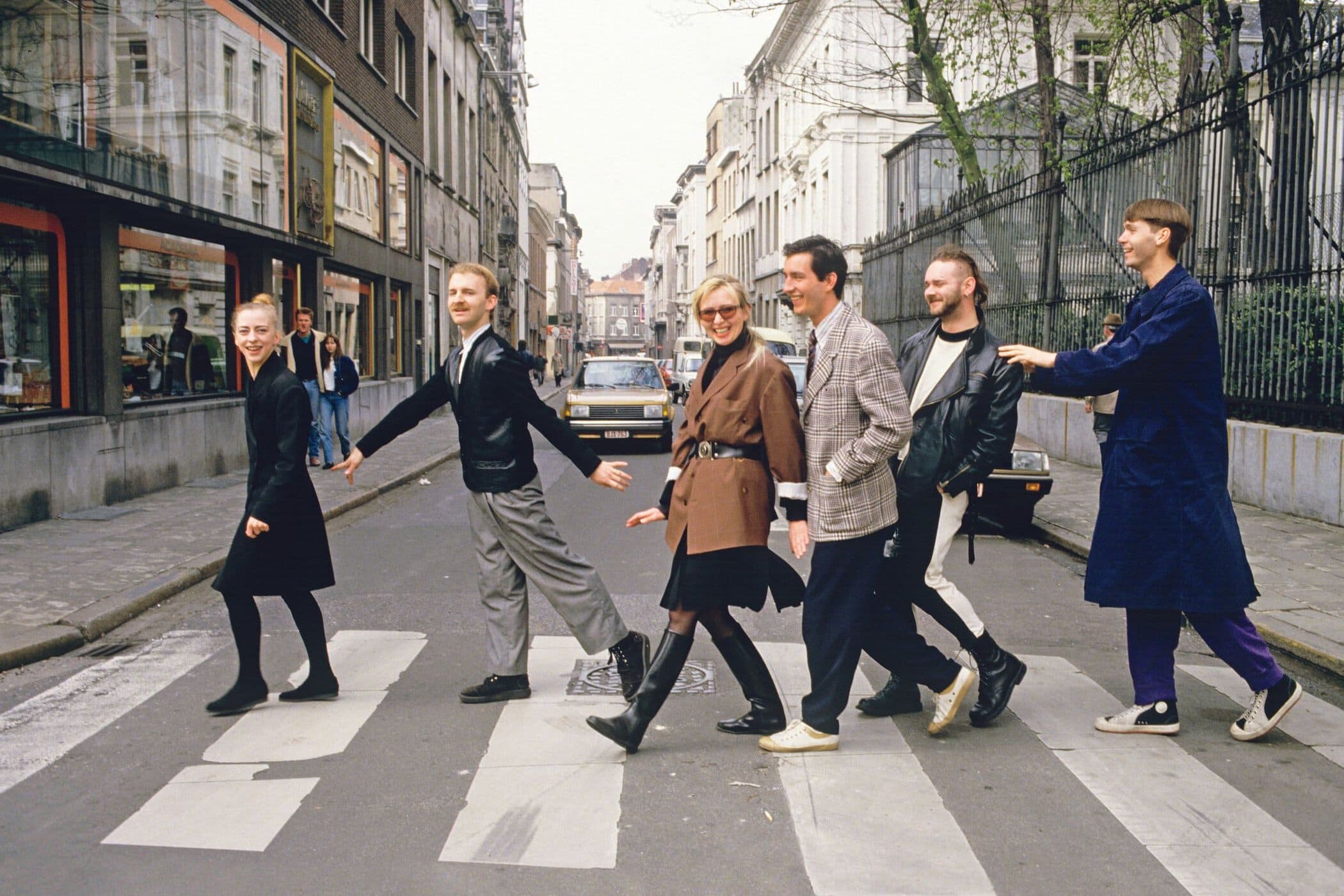
The myth remained. “The most fantastic thing of this story is that the story became a myth, the Antwerp Six, and no one of us fed it,” Bruloot said. “It just lived on its own.”
For Debo, the question now is not how to preserve that myth, but how to use it as a tool for the present. Antwerp, she argues, can position itself as a laboratory for fashion and talent, precisely because the old systems are no longer working as they once did. Young independent designers need platforms, but they also need new forms of support that respond to the conditions they actually face.
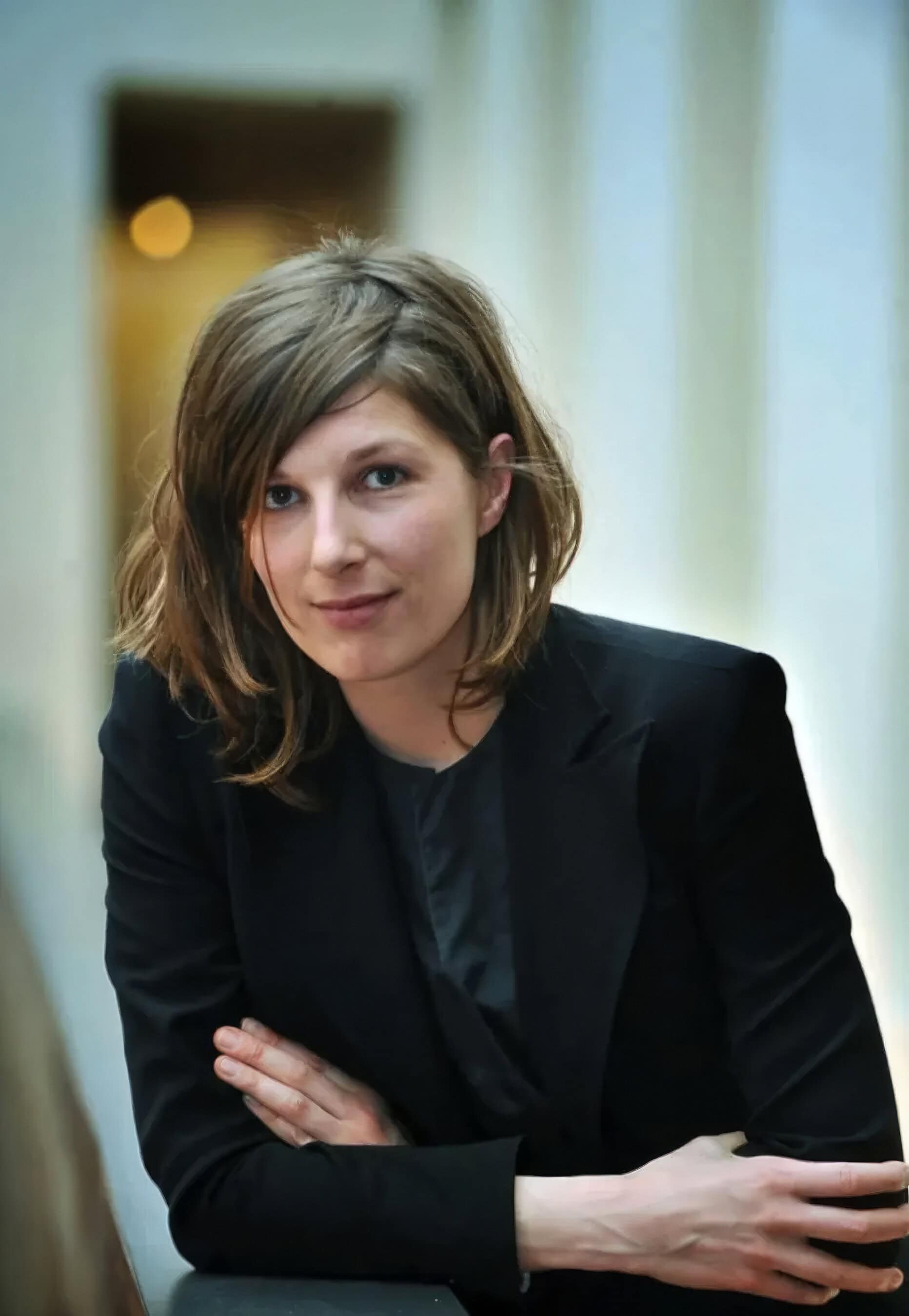
We want to position Antwerp as a laboratory for fashion and talent. Because I think we will in the future have to experiment a lot with what talent needs. I think talent needs a platform, because it’s very hard, I think in current fashion weeks to get the attention of buyers, of press.
– Kaat Debo
Her concern is not abstract. Looking back at the generation that followed the Antwerp Six in the 1990s, Debo sees a warning. Antwerp produced a remarkably strong group of designers, beginning with Raf Simons in the mid-1990s, but many did not survive as independent businesses after 10, 15, or 20 years. Their timing was different. The industry had accelerated. The space to learn, make mistakes, work commercially, and build gradually had narrowed.
The original Antwerp Six graduated into a slower decade. Refine their language, and build companies without immediately being consumed by a global image economy. By the 1990s, that runway had already shortened. Today, it can feel almost nonexistent.
Bruloot frames the challenge even more sharply. “I think it’s a necessity today to make a split between the fashion industry and the creative part of fashion,” he said. For him, the contemporary fashion system is too dominated by major houses and conglomerates to offer natural conditions for independent creativity. The big brands control production, communication, advertising, distribution, and attention. Independent designers are expected to compete within that same field, but without comparable resources.
His proposed answer is not merely more support within the existing structure, but the creation of a different circuit entirely. “I think we should create a platform, maybe not in Paris, maybe not in London, or maybe not, and maybe in the suburbs for the new creative independent fashion designers,” he said. The geography is less important than the principle. Creative designers need a place where creativity, rather than corporate scale, is the reason for gathering.
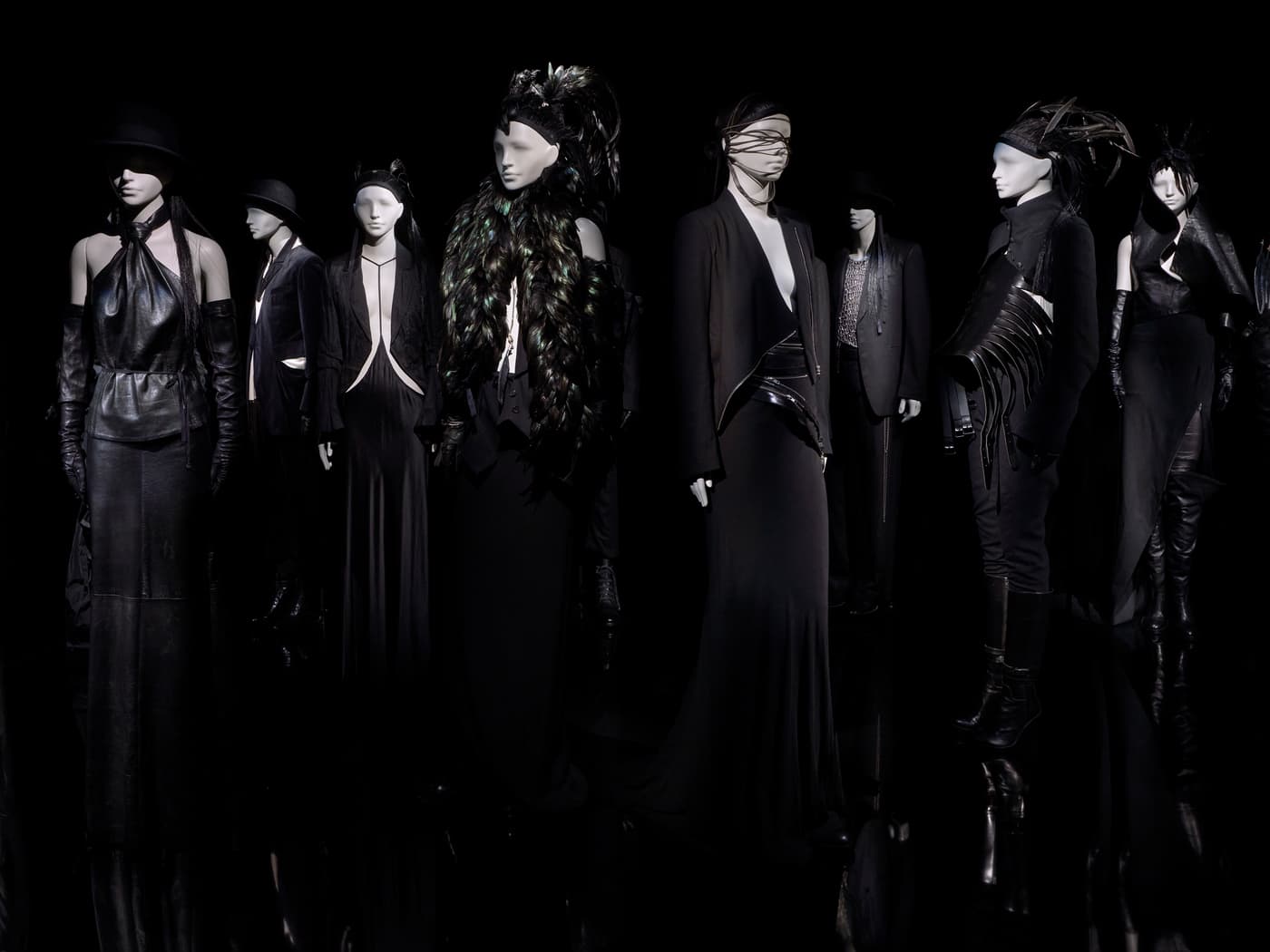
That argument echoed throughout Antwerp.Fashion Festival, where several designers and industry figures spoke about the imbalance between independent brands and major luxury houses. Bruloot sees the problem through the long lens of retail. In the era when the Antwerp Six broke through, multi-brand stores were not simply points of sale. They were cultural engines. Barneys New York, Charivari, Browns, Susan, Ultimo, and other stores created a route through which new designers could be discovered, explained, bought, worn, and covered by press. Buyers were not just placing orders. They were building worlds.
“Our first customer was Barneys New York,” Bruloot recalled. “Every designer’s wet dream back in time to be presented there. We were there. We had the sales from New York, which means the American press covered us because we were represented in the United States.”
That system created a chain reaction. A store bought the work, the press saw the work, customers discovered the work, and the designer gained credibility. Today, much of that independent retail infrastructure has disappeared or been absorbed into a far more consolidated luxury environment. Department stores still exist, but their most visible floors often look like branded luxury corridors, with major houses occupying the most powerful real estate. Smaller labels may be pushed upward, away from the ground floor and away from discovery.
Bruloot is clear-eyed about the loss because he lived the alternative. As a retailer, he understood the store as a place of encounter and education, where customers came not only to find what they already wanted, but to be surprised by what they did not yet know they wanted. The best retailers edited on behalf of their clients. They knew their communities, their wardrobes, their appetites, and their thresholds for risk. The sale was personal, cultural, and often emotional.
He remembers stores as pilgrimage sites. Customers and fashion people went to see what had been found. They trusted the eye behind the edit. That trust allowed independent designers to enter the conversation. It also allowed clothes to be understood as more than images passing through a feed.
This is where Bruloot’s critique of the present becomes most pointed. Fashion, he suggests, has lost emotion. He describes the difference between earlier shows, where audiences physically responded to beauty, surprise, and invention, and today’s shows, where phones rise almost instantly to mediate the experience. At a recent show, he noticed a girl beside him filming with two phones.
“Emotion. Where’s the emotion?” he asked. “Where is that fashion now? Is that the product? And be seen on the social media, is that what we are doing it for? I don’t think so.”
The question is not merely sentimental. If fashion becomes only image and brand signal, it loses the space in which emerging designers can create attachment. For Bruloot, the issue is connected to consumption itself. He is not interested in logo worship at one end or disposable copying at the other. What he wants back is the desire for fewer, better, more authentic things — pieces with enough meaning that people keep them.
He points to his own Margiela jacket, 30 years old, still worn even if it no longer closes. “I won’t throw it away,” he said. “I can’t close it anymore, but I still wear it. I mean, that’s what we need again.”
Debo’s perspective brings the conversation back to geography and possibility. The Antwerp Six story, she said, is also about the balance between center and periphery. Innovation does not always come from the center. Sometimes it comes from the edges, from places not overly burdened by their own official histories. Antwerp, two hours from Paris but never Paris, became powerful precisely because it was outside the expected center.
“I think that today there are a lot of opportunities for the periphery to bring change and to bring innovation,” Debo said. “So I think it’s quite a difficult time, but also an exciting time.”
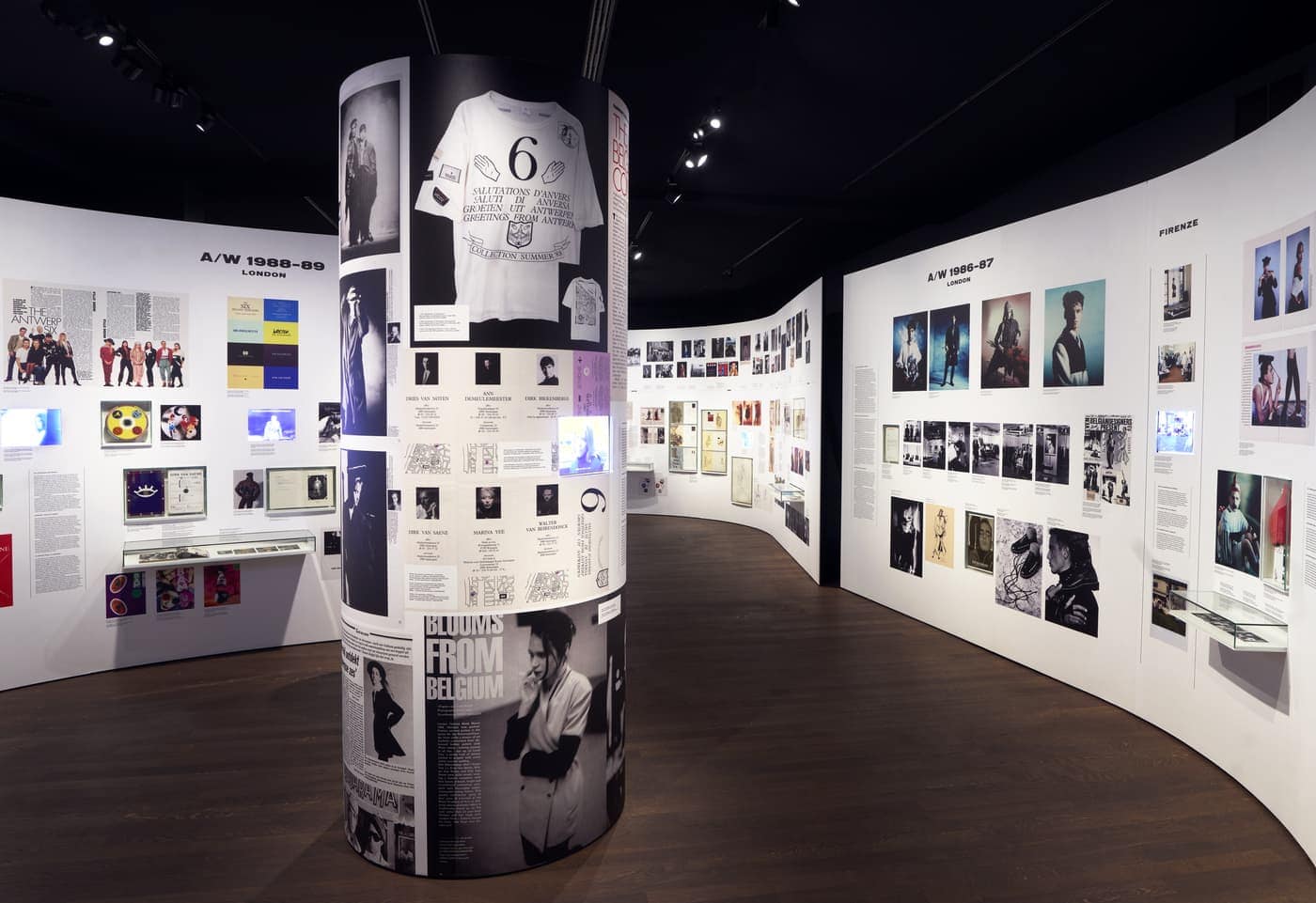
That excitement depends on openness. Bruloot points to young people experimenting with ecological production, alternative ways of making and presenting fashion, and new ideas about how clothing might function socially. Not all of these experiments will succeed. That is not the point. Fashion needs room for research, for failure, for the not-yet-proven. It needs people willing to ask what society needs from dress now, rather than only what the market can immediately scale.
Here, MoMu’s role becomes especially important. Bruloot praises the museum for consistently placing fashion in social context, asking why certain clothes matter, why they happen when they do, and what they reveal about the way people live. That kind of curatorial work can help shift the conversation away from fashion as spectacle and back toward fashion as culture.
The question, then, is what the industry can actually do for designers like Julie Kegels and others in the next Antwerp generation. Bruloot does not expect salvation from the conglomerates. “I don’t expect a lot from the industry on that point,” he said. “Because if they cannot use her in their system, they will not be attracted by her.”
It is a blunt assessment, but perhaps an honest one. The big groups are not built to incubate fragile originality for its own sake. They tend to scale what is already established, or absorb creativity when it can serve a larger machine. Bruloot is not arguing that major houses are irrelevant, nor that the industry will never make exciting appointments. He points to moments when creative designers are given real power and fashion becomes interesting again. But for emerging independent talent, he believes the more urgent need is a new ecosystem: new retailers, new platforms, new forms of discovery, and a public willing to be attracted to creativity again.
“We need a new fashion system to support all new kinds of creativity, which can be interesting for the public,” he said.
That public matters. Retail can only function if people still want to discover. Media can only help if it does more than chase the biggest brands. Museums can only support talent if they continue to connect heritage to future practice. Cities can only become laboratories if they make room for experimentation rather than simply celebrating past success. The lesson of Antwerp is not that a group of designers once became famous. It is that talent becomes powerful when enough different parts of a culture recognize it, support it, and give it a route into the world.
For Debo, this is why the museum keeps posing questions rather than pretending to have a single answer. The future of independent fashion cannot be solved by one institution, one exhibition, one retailer, or one article. It will require dialogue, experiments, and perhaps an acceptance that the next system will not look like the old one.
Still, the old one offers clues. It worked because it created contact: between designers and retailers, between stores and customers, between press and product, between education and industry, between the local and the international. It worked because people cared enough to explain what was new. It worked because the clothes had places to go and people waiting to encounter them. It worked because the designers were allowed, in Bruloot’s words, to do it their own way.
(Image credit: Photography by Karel Fonteyne. Courtesy MoMu, Antwerp)
At Antwerp.Fashion Festival, that idea felt less like history than instruction. The Antwerp Six exhibition and book may look back 40 years, but Debo and Bruloot are using the story to ask what fashion owes the next generation now. The answer begins with talent, but it cannot end there. Talent needs platforms. It needs distribution. It needs retailers with conviction, media with curiosity, institutions with memory, cities with courage, and audiences willing to feel something again.
Without that, the myth remains only a myth. With it, Antwerp’s greatest lesson may still be ahead.