The Industry Is Still Building
Why the conversations at Kering, Burberry, LVMH, and Richemont left me more optimistic than the headlines suggest
Over the past few weeks, I’ve found myself moving between very different conversations. From Cannes with the Kering team for Women In Motion to annual meetings, earnings presentations, and discussions with CEOs, Chairmen, and leadership teams across luxury, I’ve had a front-row seat to how many of the industry’s leaders are thinking about the future. While these moments may seem unrelated, I came away from each of them with the same impression. The industry remains remarkably committed to building, and what struck me most wasn’t the numbers themselves, but the language.
A year ago, many conversations in luxury felt defensive. Executives were navigating slowing demand, shifting consumer behavior, geopolitical uncertainty, and a market searching for its footing. The focus was often on explaining the present.
Today, the tone feels different. Not optimistic in a naive way, and certainly not disconnected from reality, but there is a noticeable shift toward the future.
During our conversation, Luca de Meo spoke about rebuilding momentum at Gucci through a renewed focus on what makes the house culturally relevant. “Above all, we’ve returned to the essence of the house, to what makes it immediately recognisable and culturally pertinent,” he said.
At Burberry, Joshua Schulman described the past year as an “inflection” point in the company’s transformation.
Even across companies facing different challenges and opportunities, I found myself hearing a similar theme. Less discussion about reacting to the market. More discussion about shaping what comes next.
The challenges remain. Rising costs, uneven consumer demand, geopolitical tensions, and broader economic uncertainty continue to shape the landscape. Bernard Arnault recently reminded shareholders that the outcome of current global events could have significant consequences for business conditions in the months ahead. None of that has disappeared.
Yet what I find most encouraging isn’t the investment in stores or infrastructure. It’s the investment in people.
Spending time with leadership teams, you begin to notice a pattern. The organizations gaining momentum today are rarely the ones looking backward. They are the ones willing to question established ways of working, invite new perspectives into the room, and create space for collaboration.
The strongest leaders I’ve met understand that legacy alone is not a strategy. Heritage matters, but it must remain connected to the present. They surround themselves with talented people, encourage fresh thinking, and recognize that innovation often comes from unexpected places.
By contrast, organizations that become overly protective of tradition, be it process or perception of the players and the landscape, can find themselves failing at preserving relevance rather than creating it.
That idea extends well beyond balance sheets.
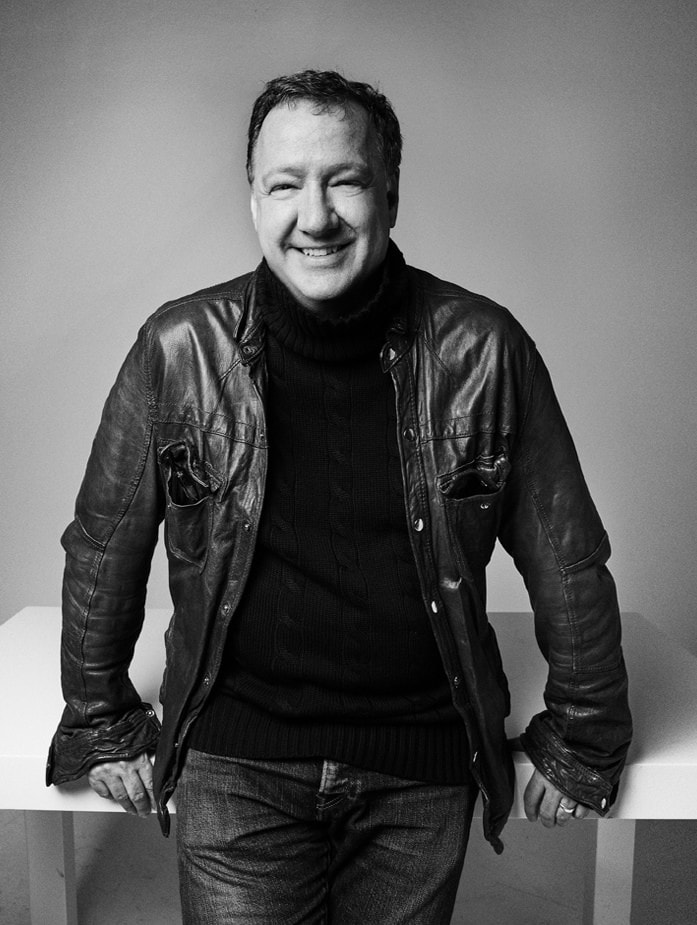
Later this week, I’ll be traveling to Antwerp for the inaugural Antwerp.Fashion Festival. I’ll share more once I’m there, but what interests me most is the thinking behind it. At a time when many industries are focused on efficiency and optimization, Antwerp is investing in creativity, emerging talent, education, and community. It is creating a platform for the next generation while celebrating the culture that made the city influential in the first place.
There is something encouraging in that. Whether speaking with executives discussing growth strategies or creative leaders thinking about the future of fashion, I keep coming back to the same observation.
The industry is still building.
And for all the uncertainty that surrounds us, that feels like a very good place to start.
Best regards,
Kenneth
