The project highlights the role of time, craftsmanship, and textile innovation within the brand’s heritage and expanding home category
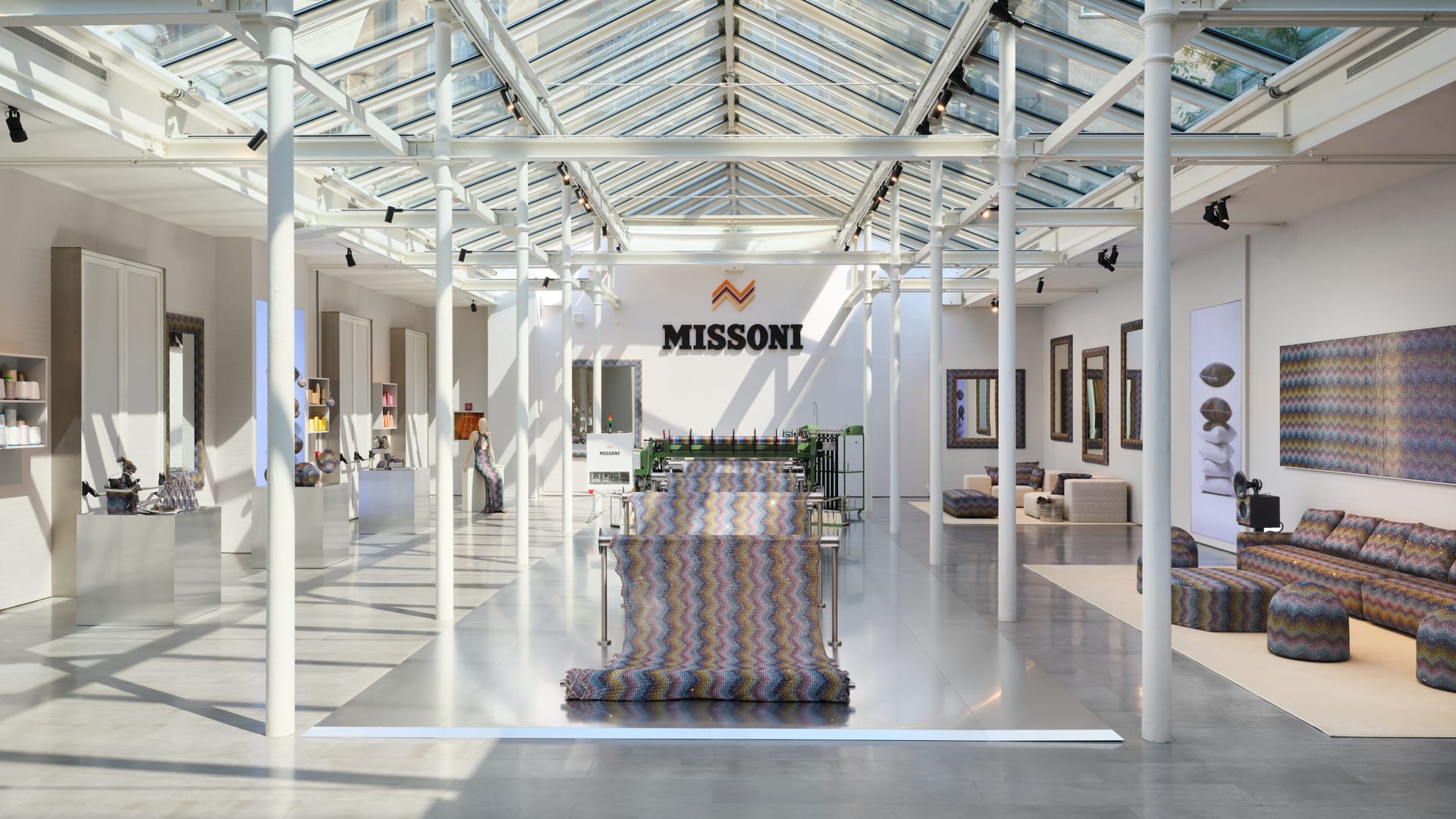
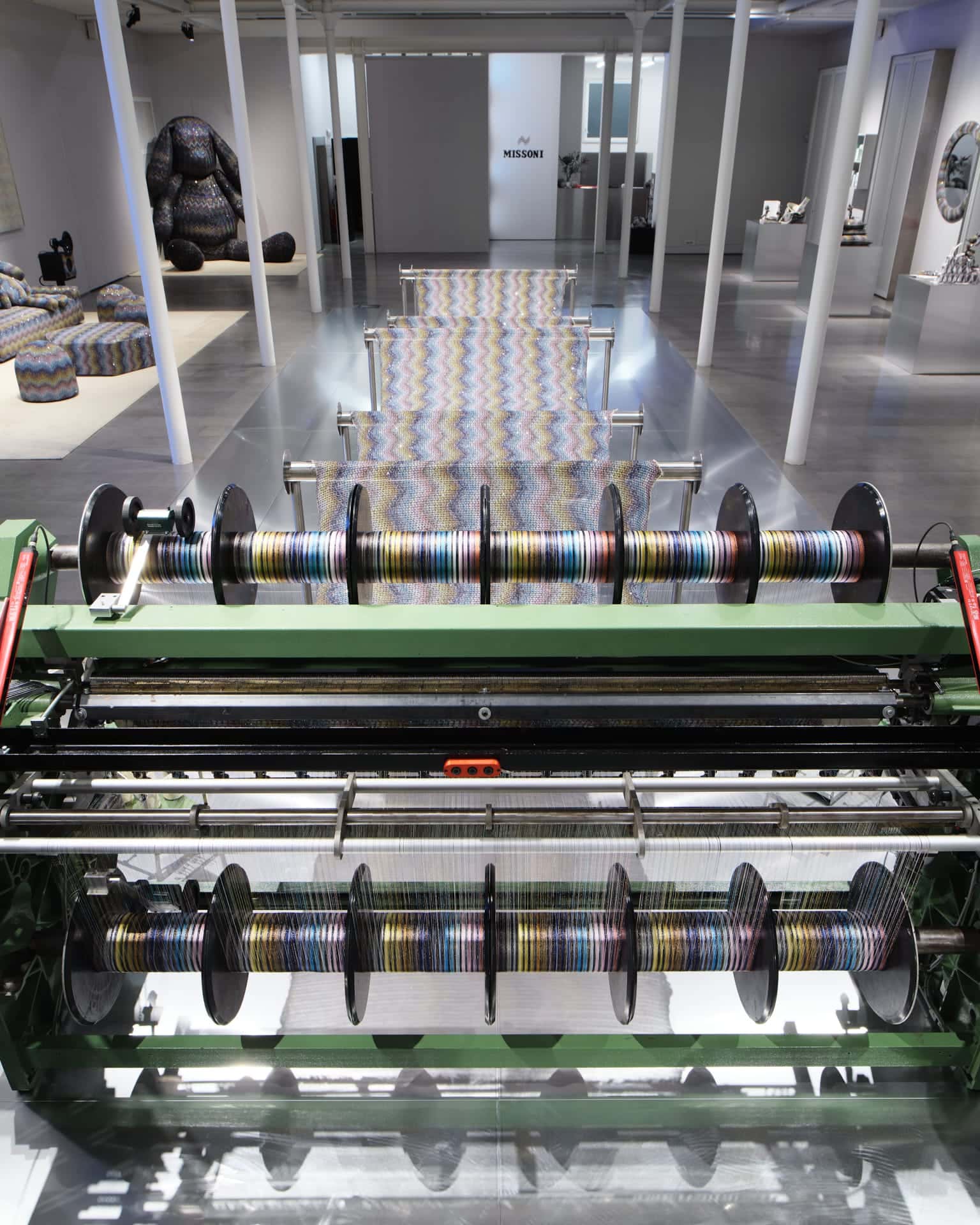
Missoni presented a dedicated installation centered on its Caperdoni machine during Milan Design Week, introducing an immersive project that explored the relationship between time, material, and textile innovation. The installation focused on one of the brand’s longstanding production tools, used exclusively by Missoni to create complex, multicolored fabrics.
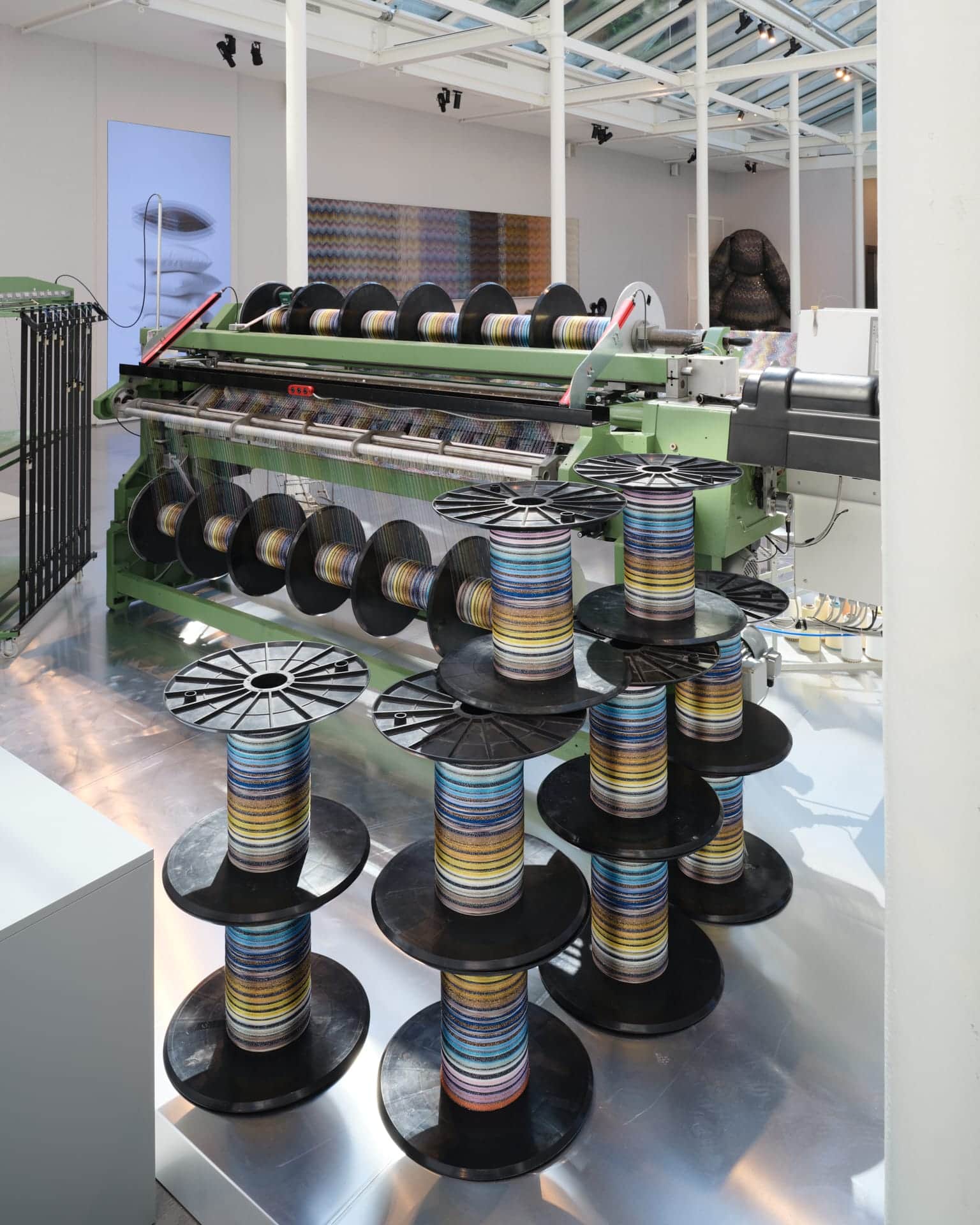
At the core of the presentation was the Caperdoni machine itself, which transforms hand-assembled bobbins composed of mixed-color yarns into richly textured textile surfaces. The process operates at a measured pace, producing approximately one meter of fabric per hour, underscoring a production model that emphasizes time, precision, and material quality. Artisan intervention remains integral throughout, with manual adjustments guiding the behavior and alignment of threads during weaving.
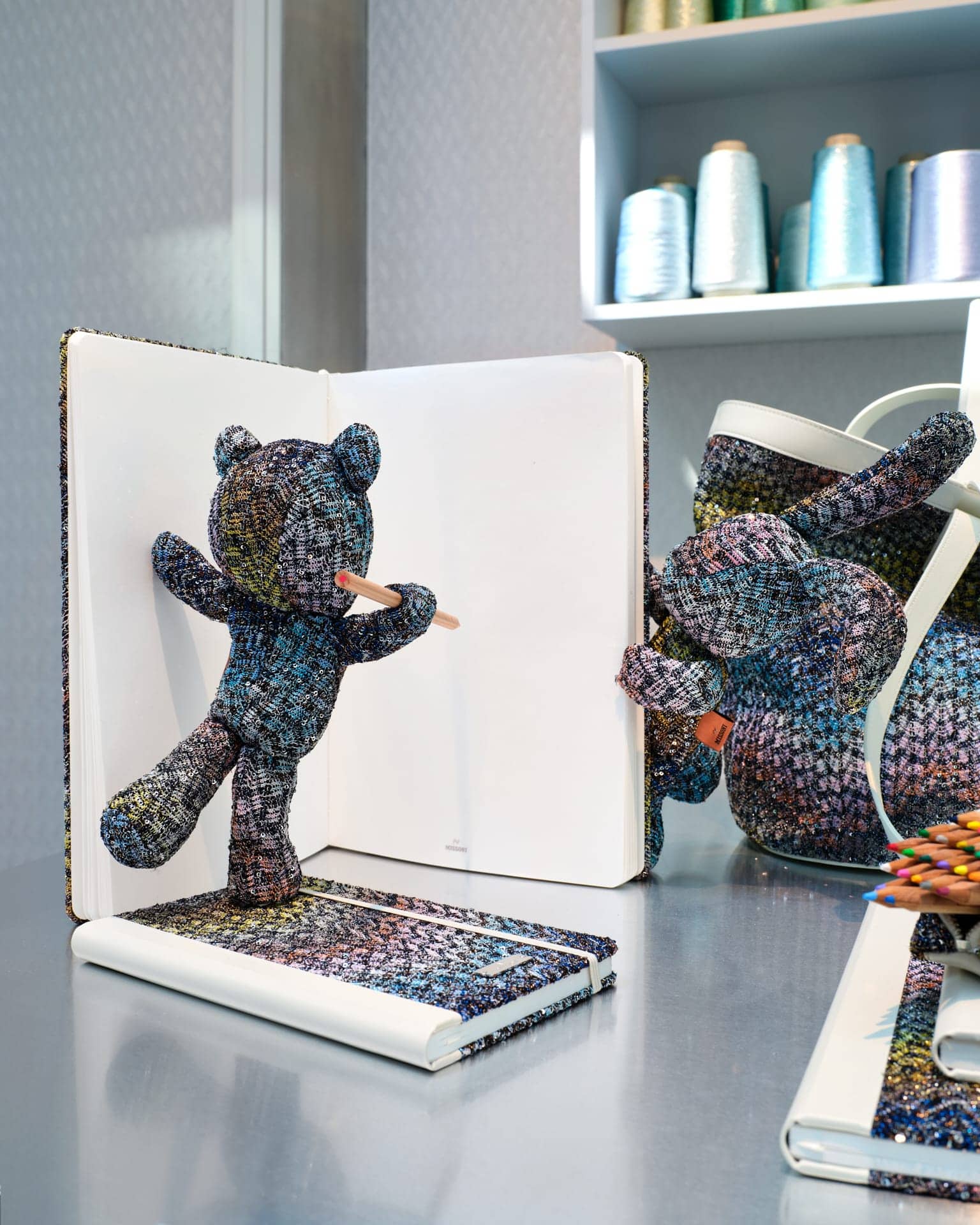
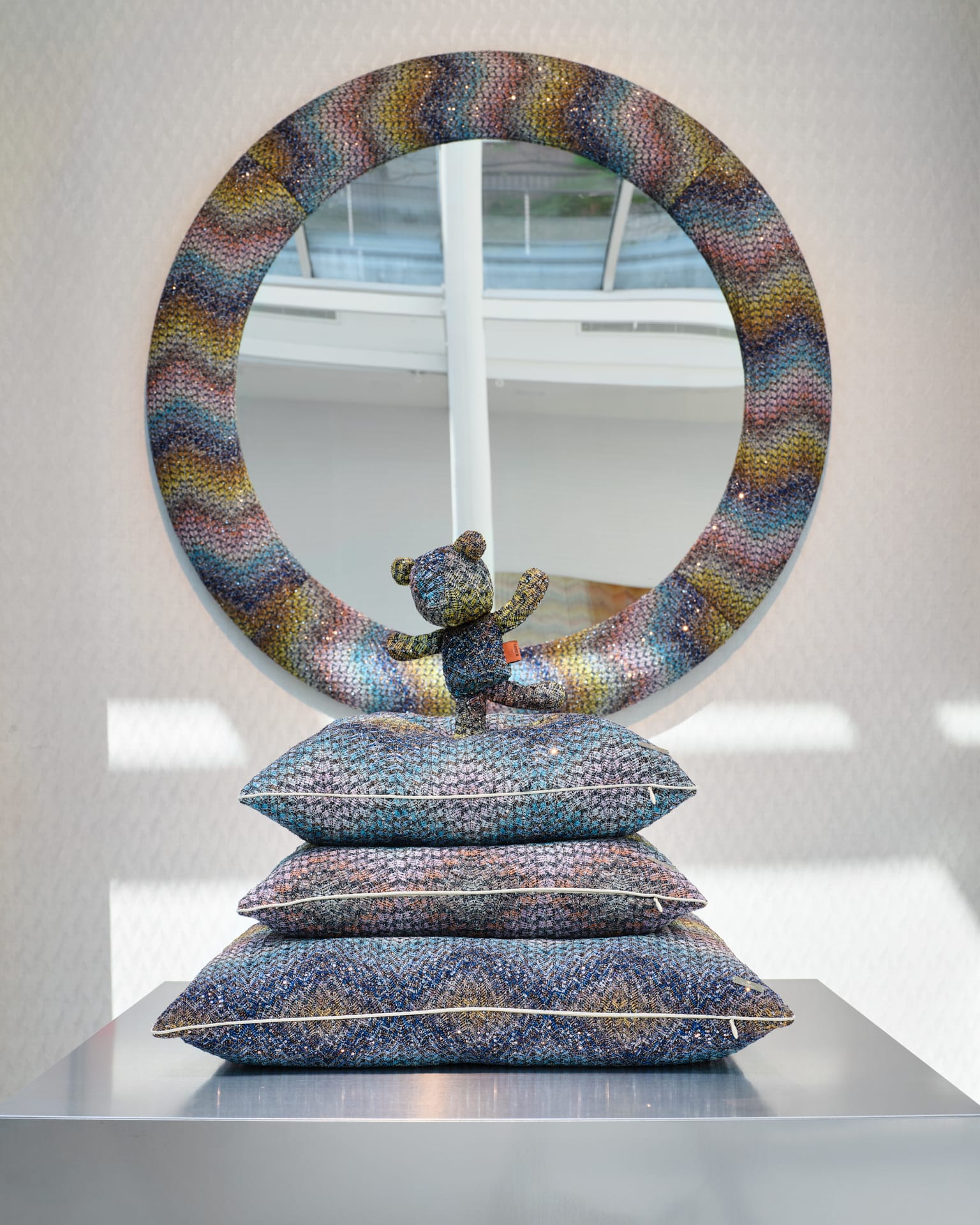
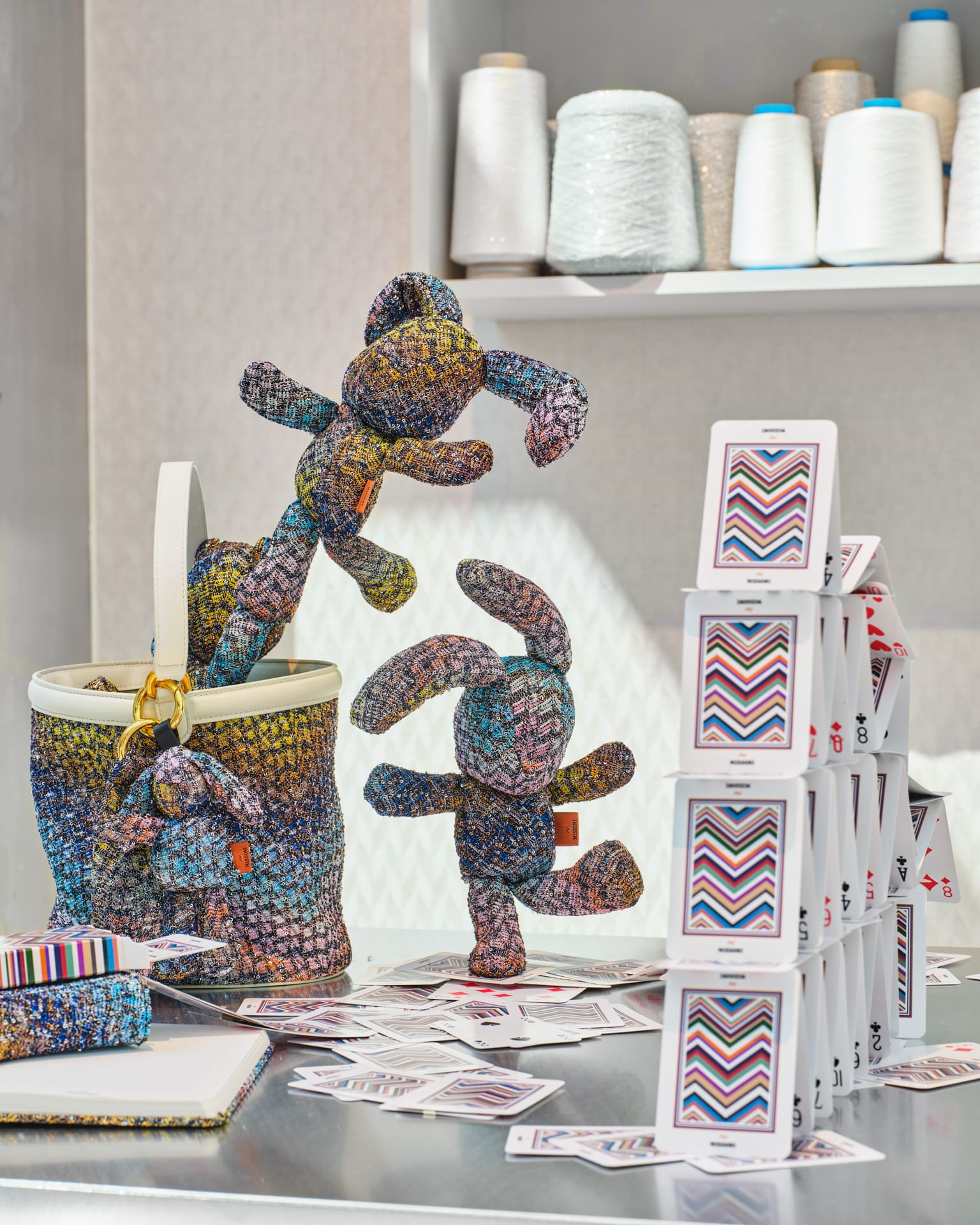
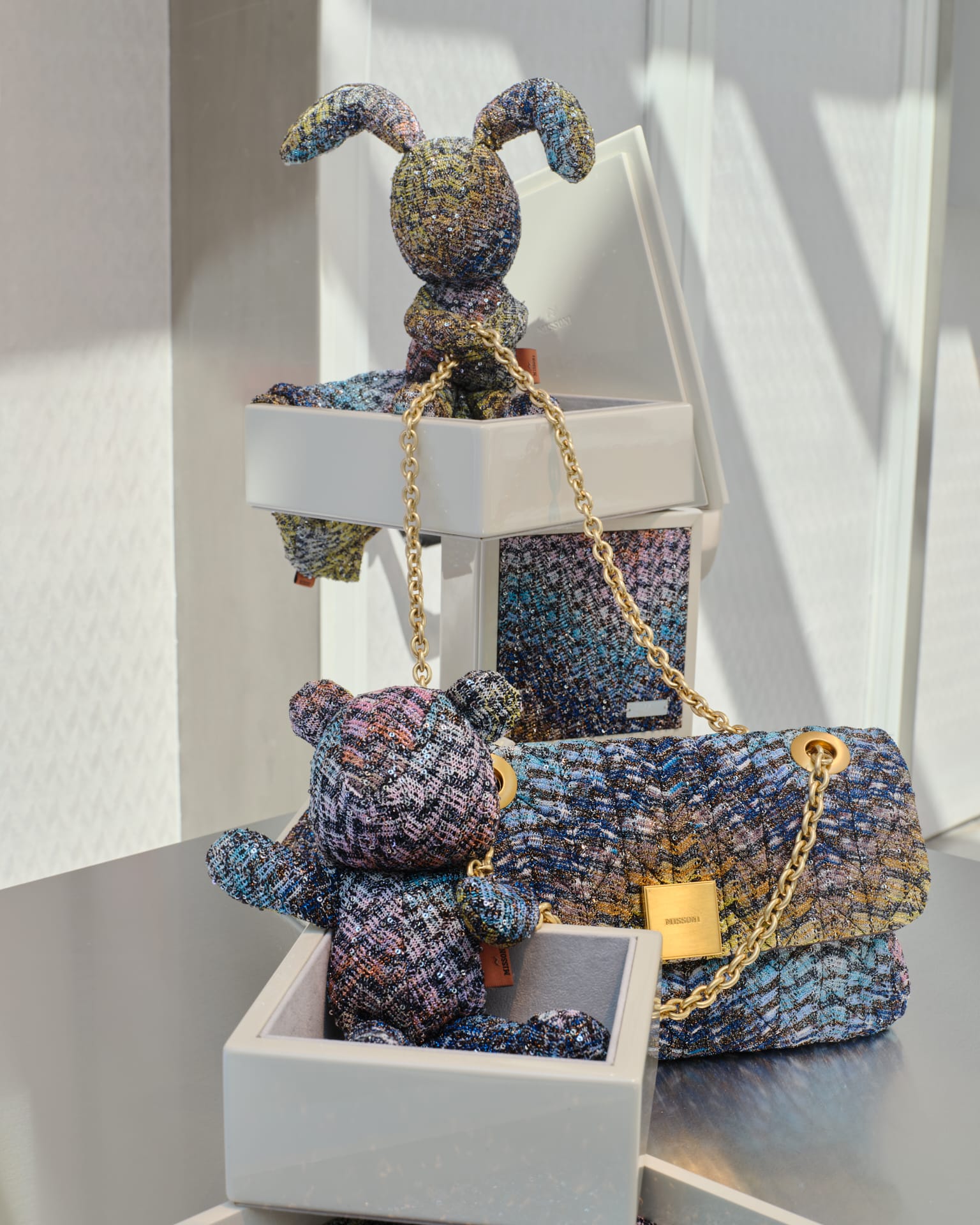
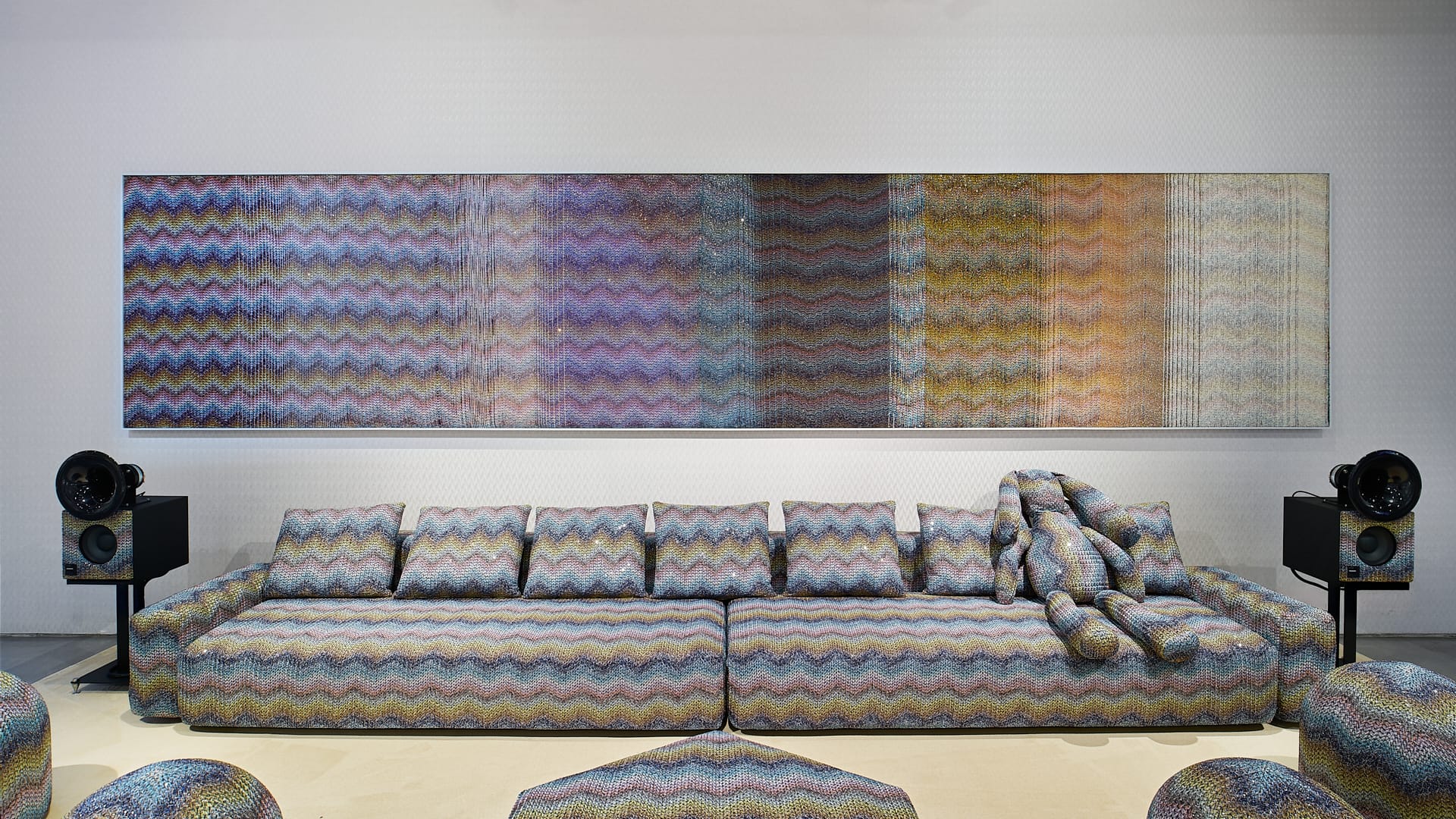
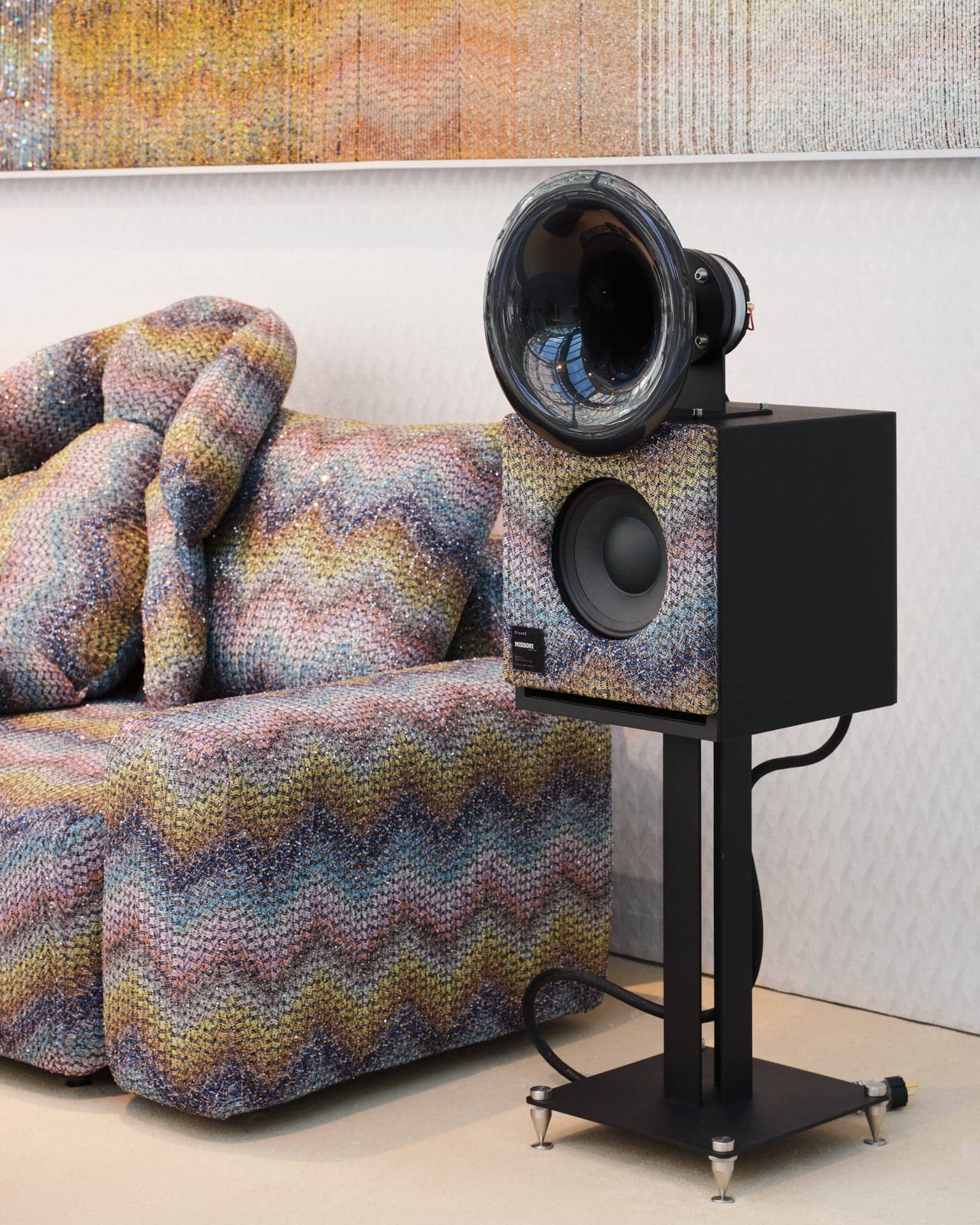
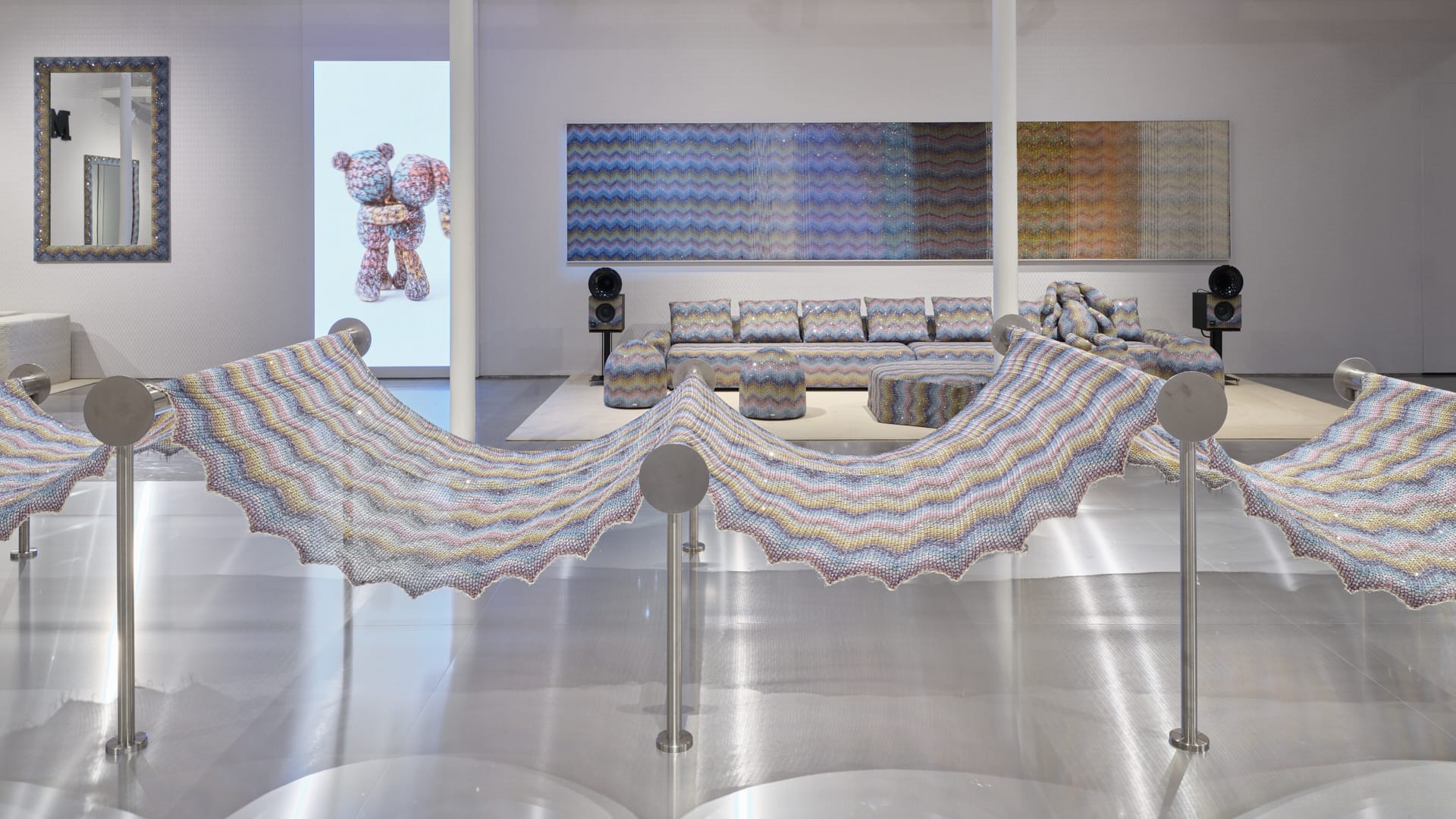
The installation also marked the introduction of Caperdoni fabric into Missoni’s home category. Previously applied across knitwear and eveningwear, including designs incorporating lurex and sequins, the technique has been adapted for interior use. The resulting collection included poufs, throws, cushions, and accessories, extending the fabric’s application while maintaining its structural and chromatic identity.
By foregrounding the Caperdoni process, the project positioned textile development as central to Missoni’s creative direction, linking its established expertise in knitwear to broader applications across fashion and interiors. The installation highlighted the brand’s continued focus on material innovation within a framework that balances heritage techniques with new product categories.