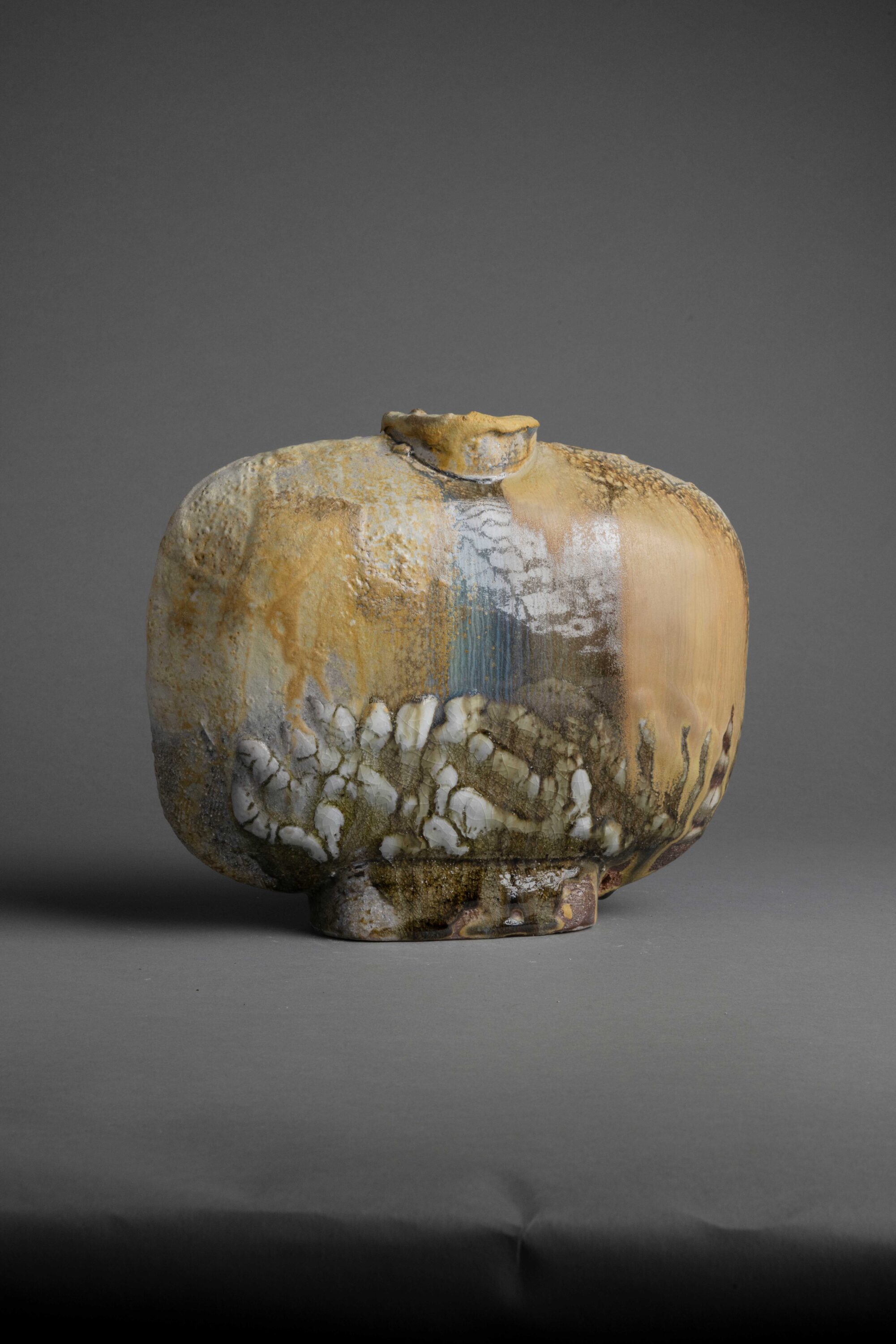
The installation merges Japanese pottery traditions with contemporary design
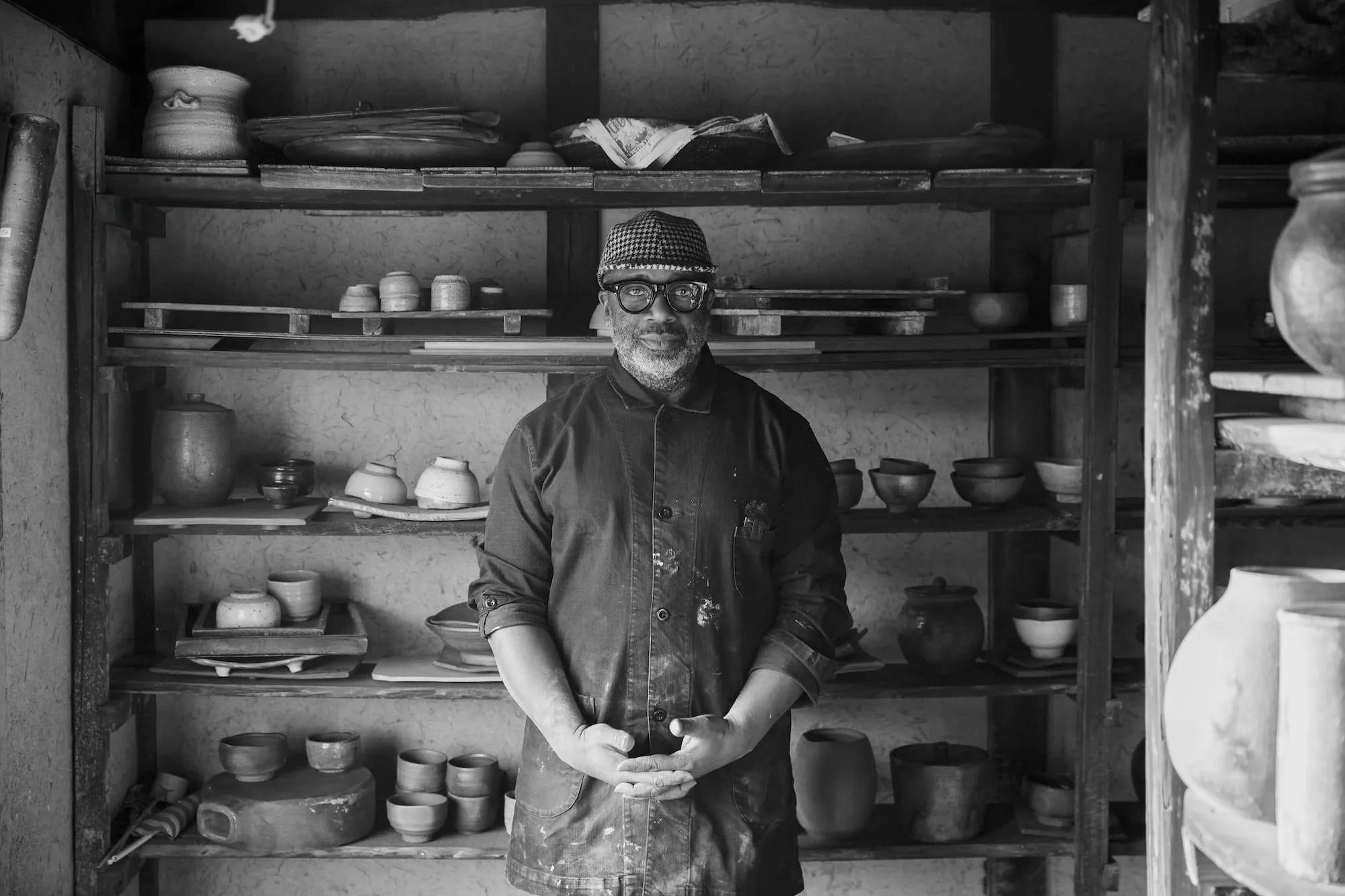
Prada is expanding its design dialogue into the domestic sphere with a new exhibition curated by longtime collaborator Theaster Gates, bringing Japanese ceramic traditions into conversation with contemporary art, retail, and spatial design.
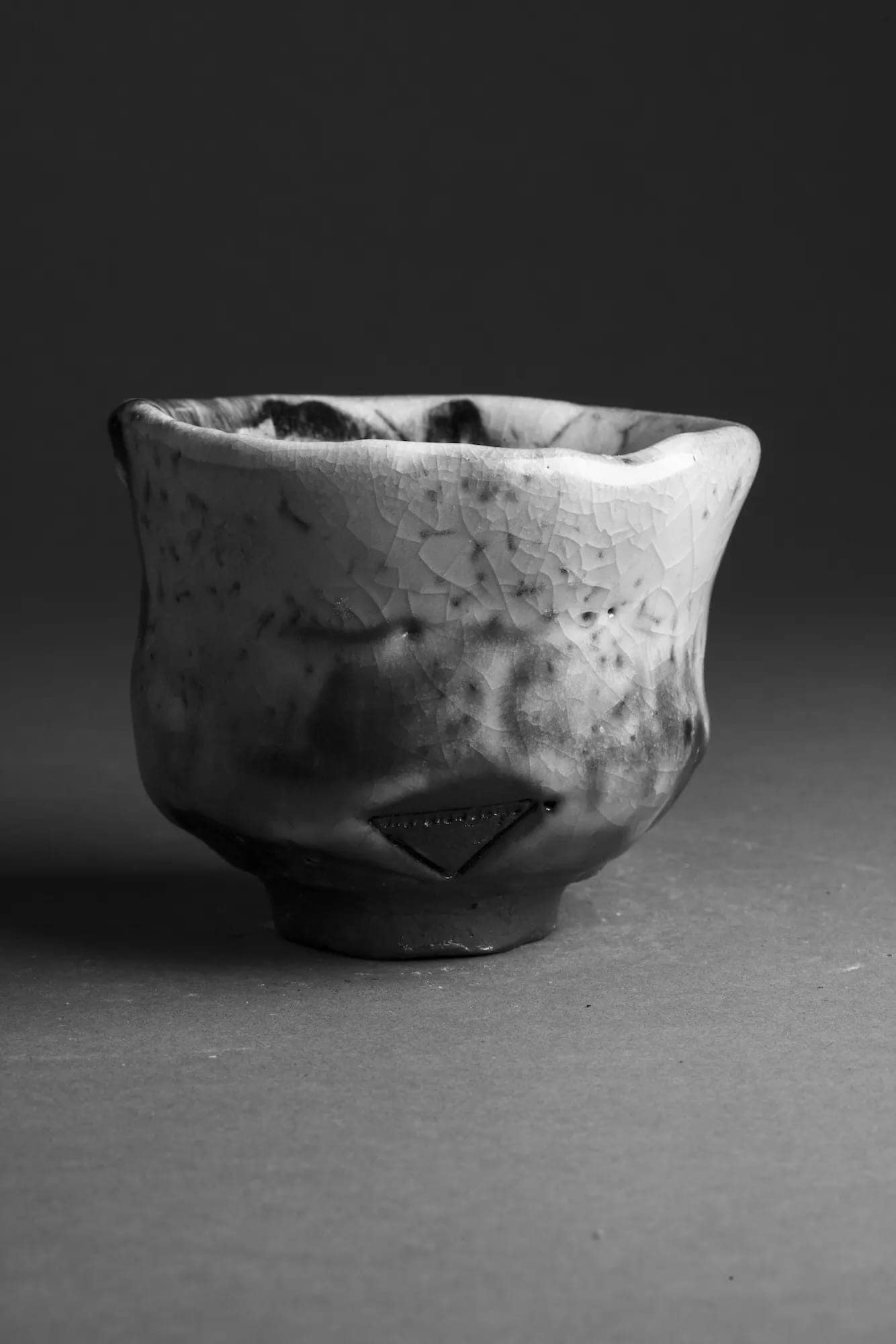
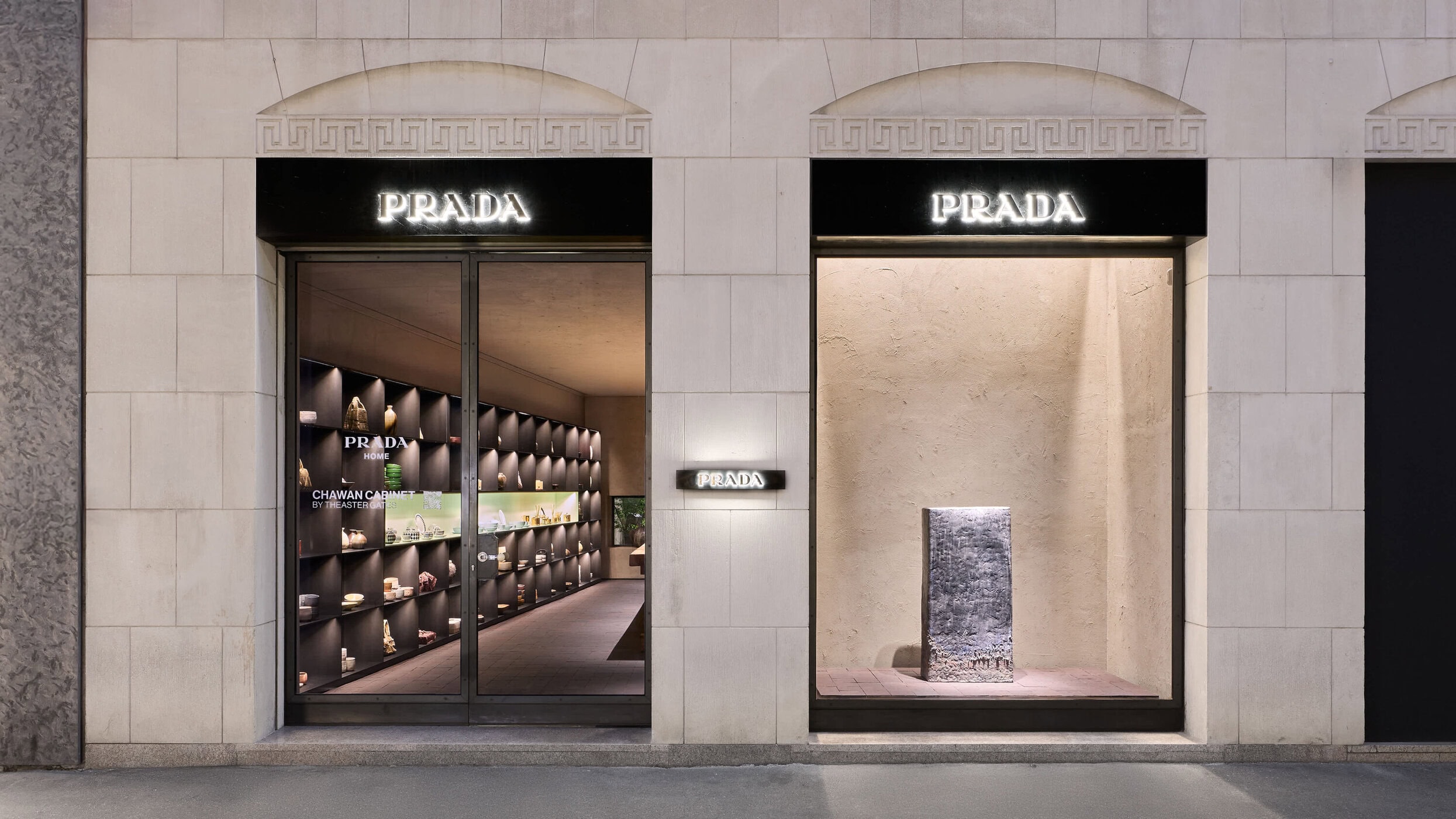
Unveiled ahead of Milan Design Week, Chawan Cabinet is staged within a newly opened retail space on Via Montenapoleone, marking a shift in how the brand activates its physical environments. The exhibition unfolds as a reimagined Japanese domestic setting, where ceramics, objects, and sound converge to create an immersive, contemplative experience.
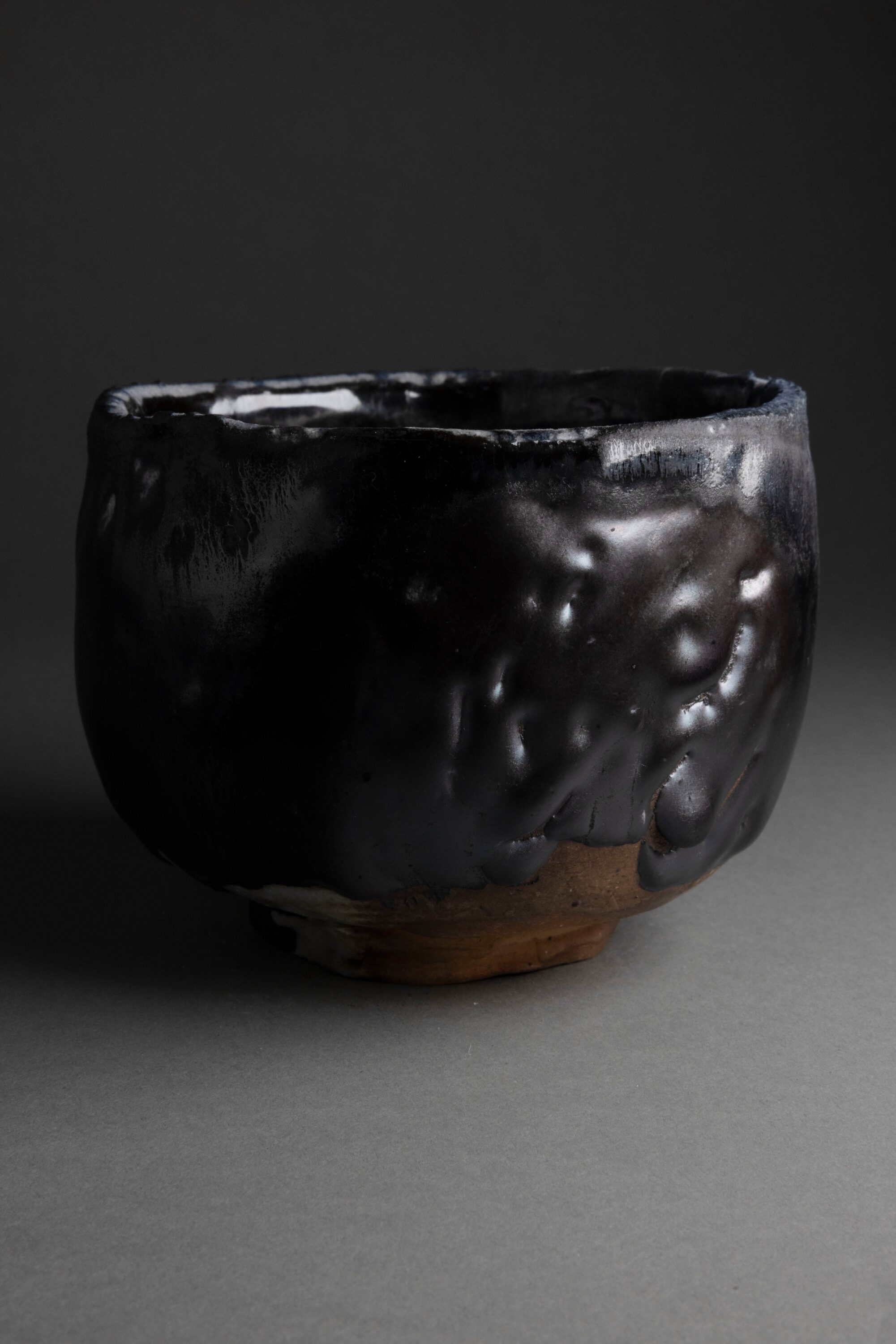
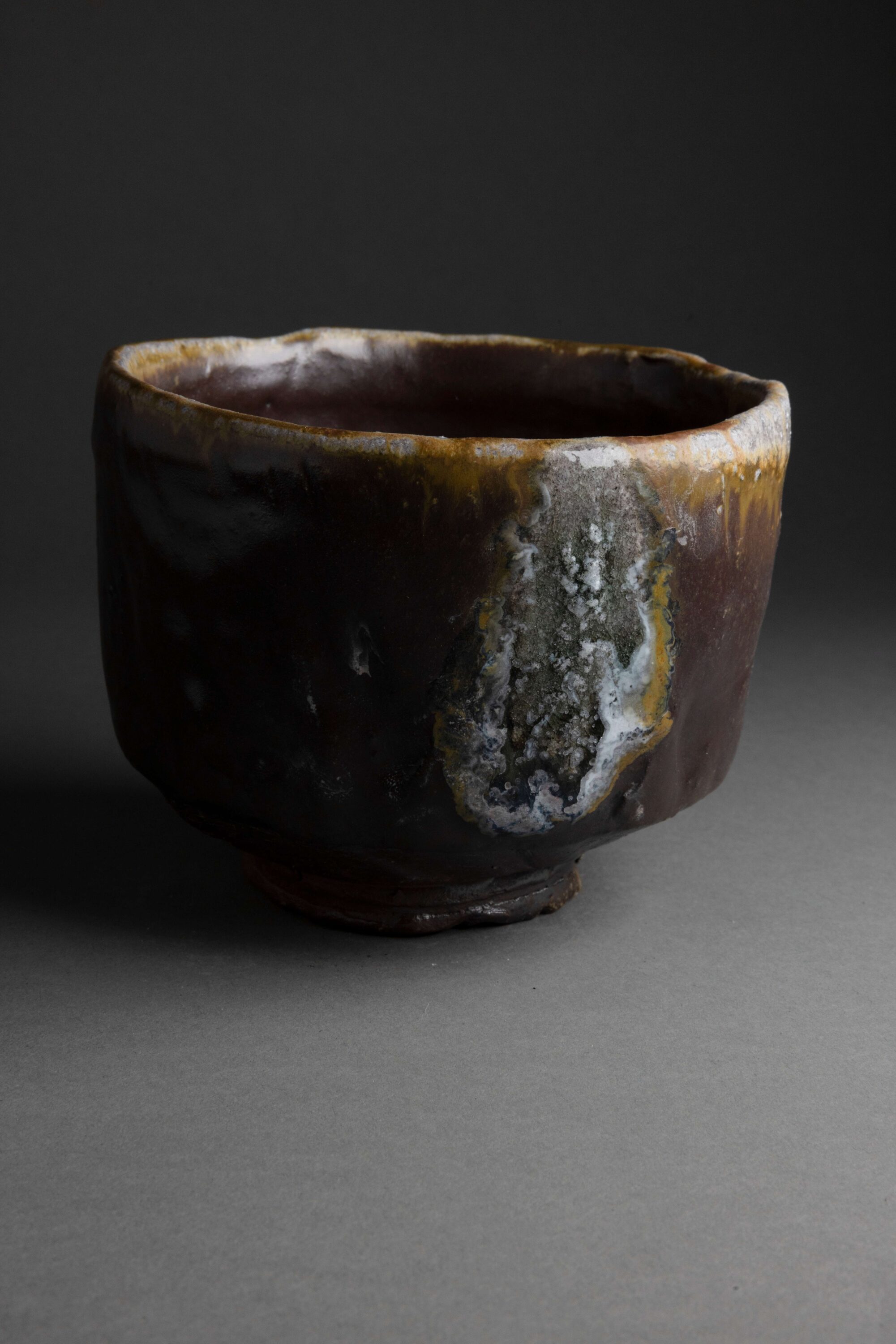
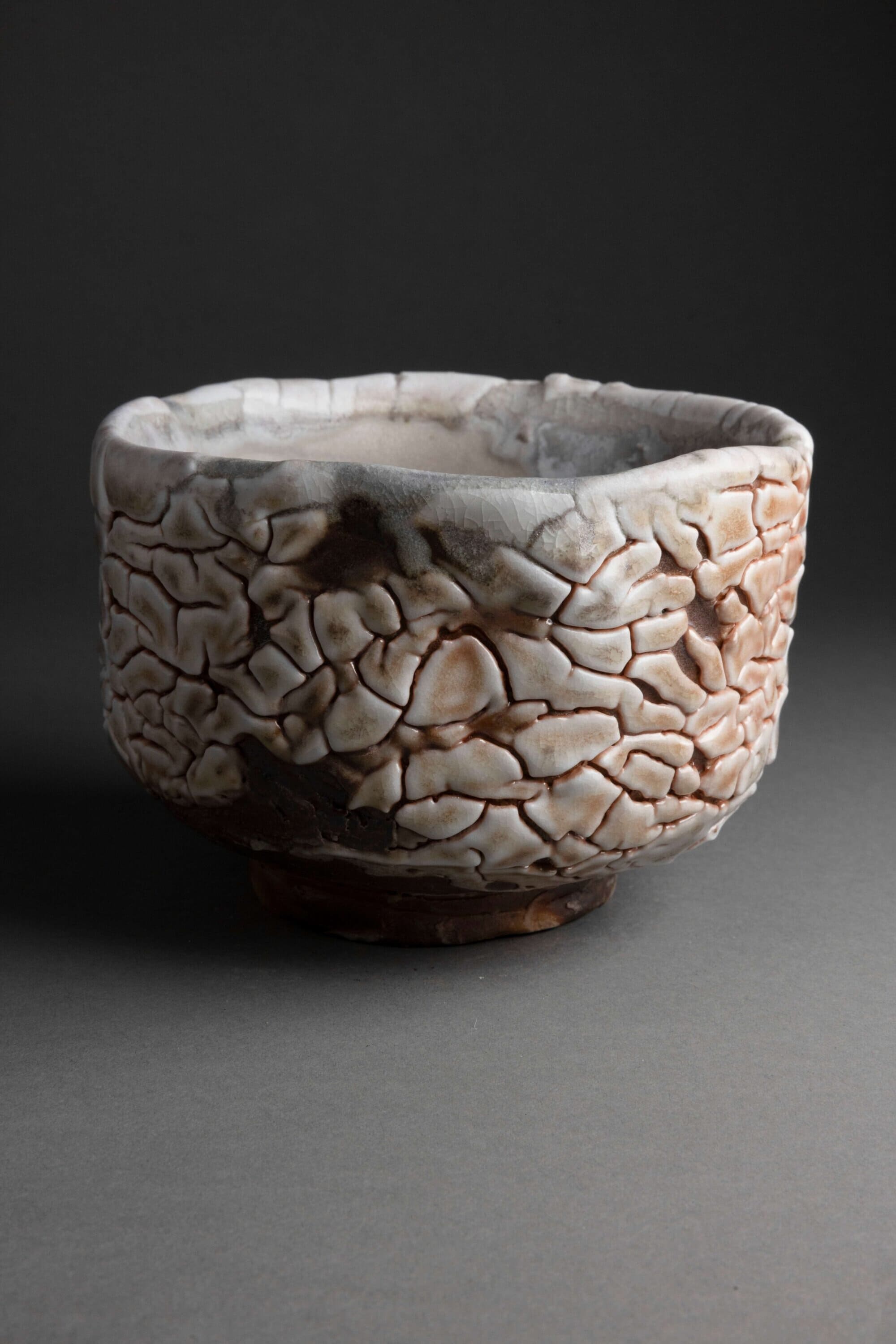
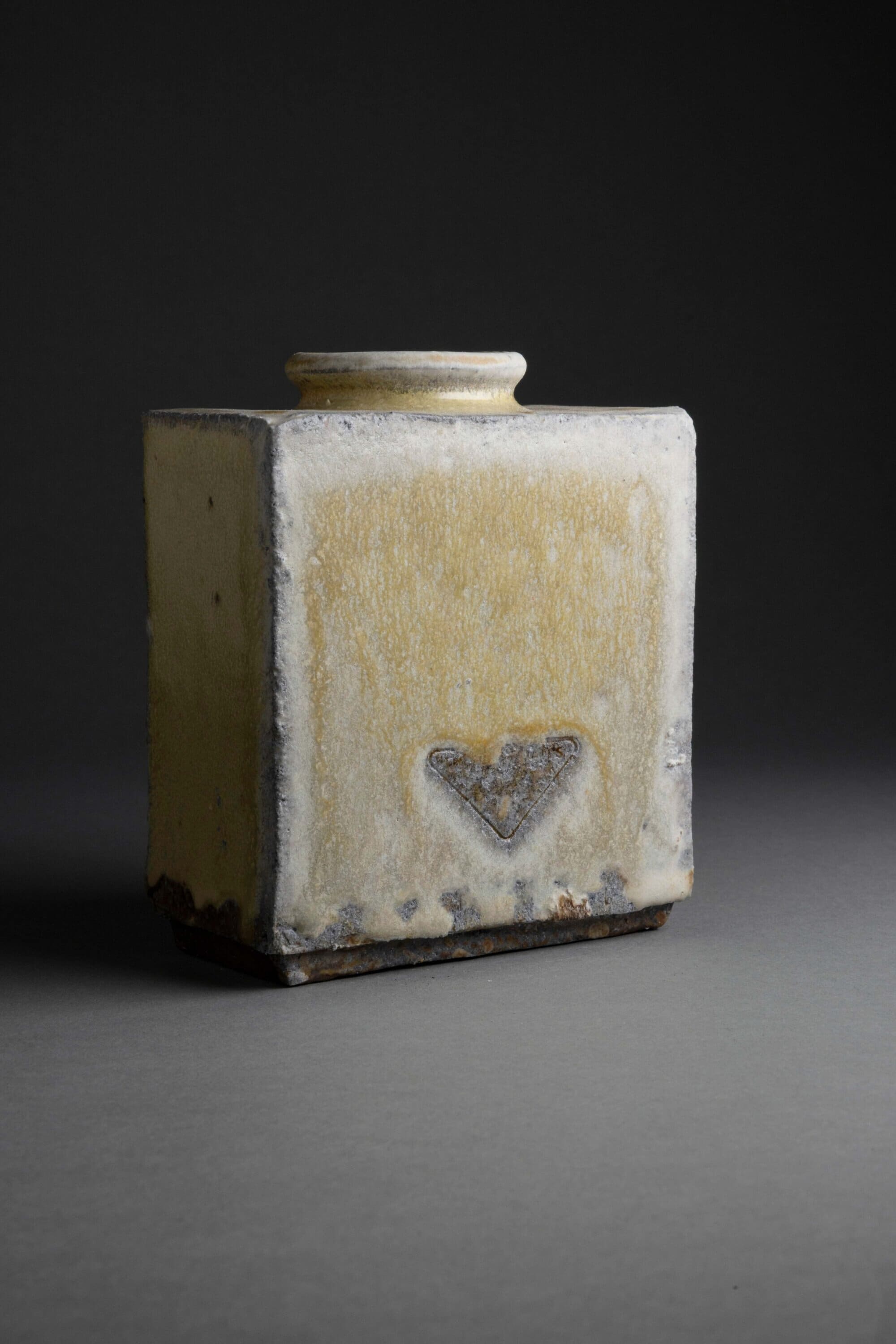
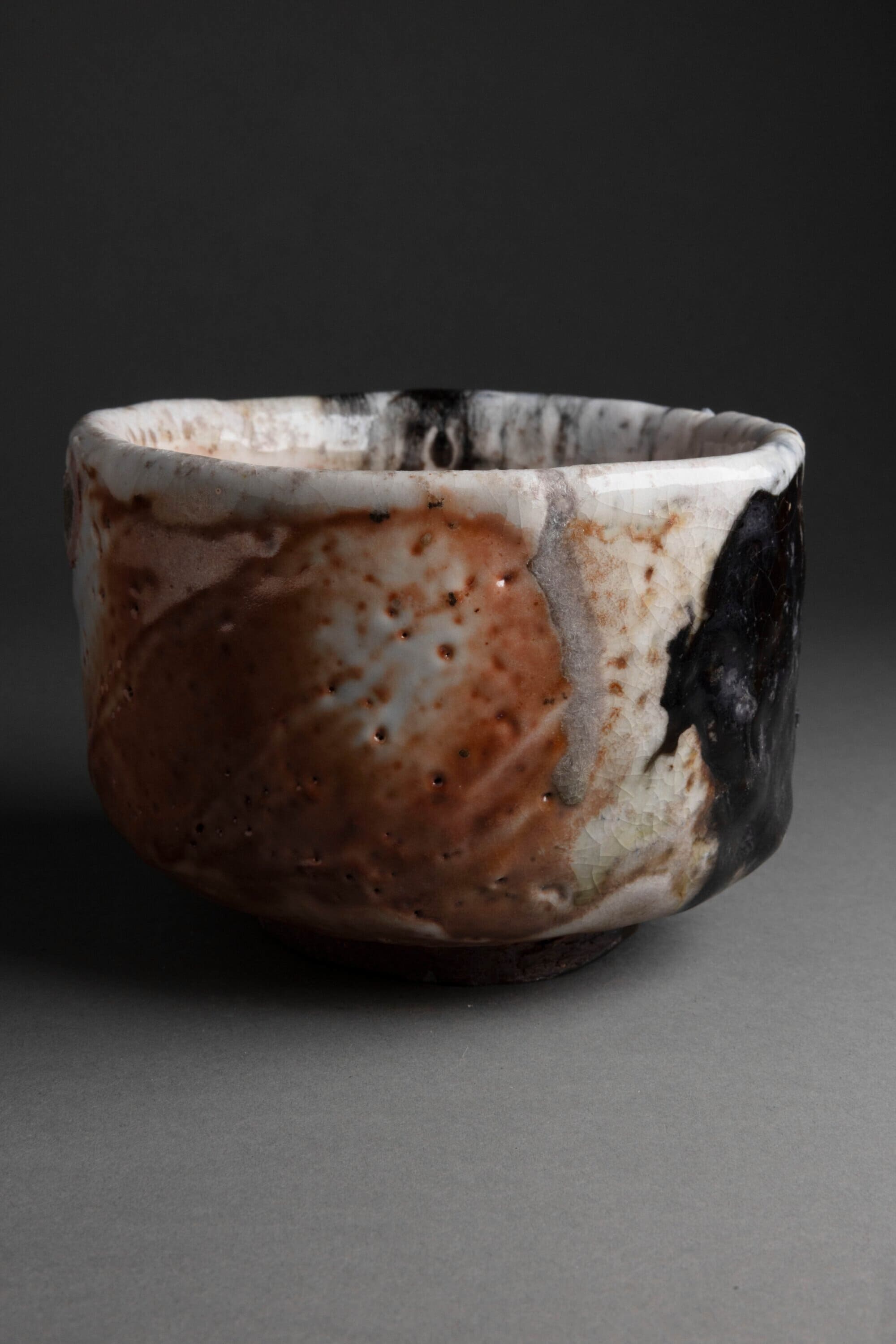
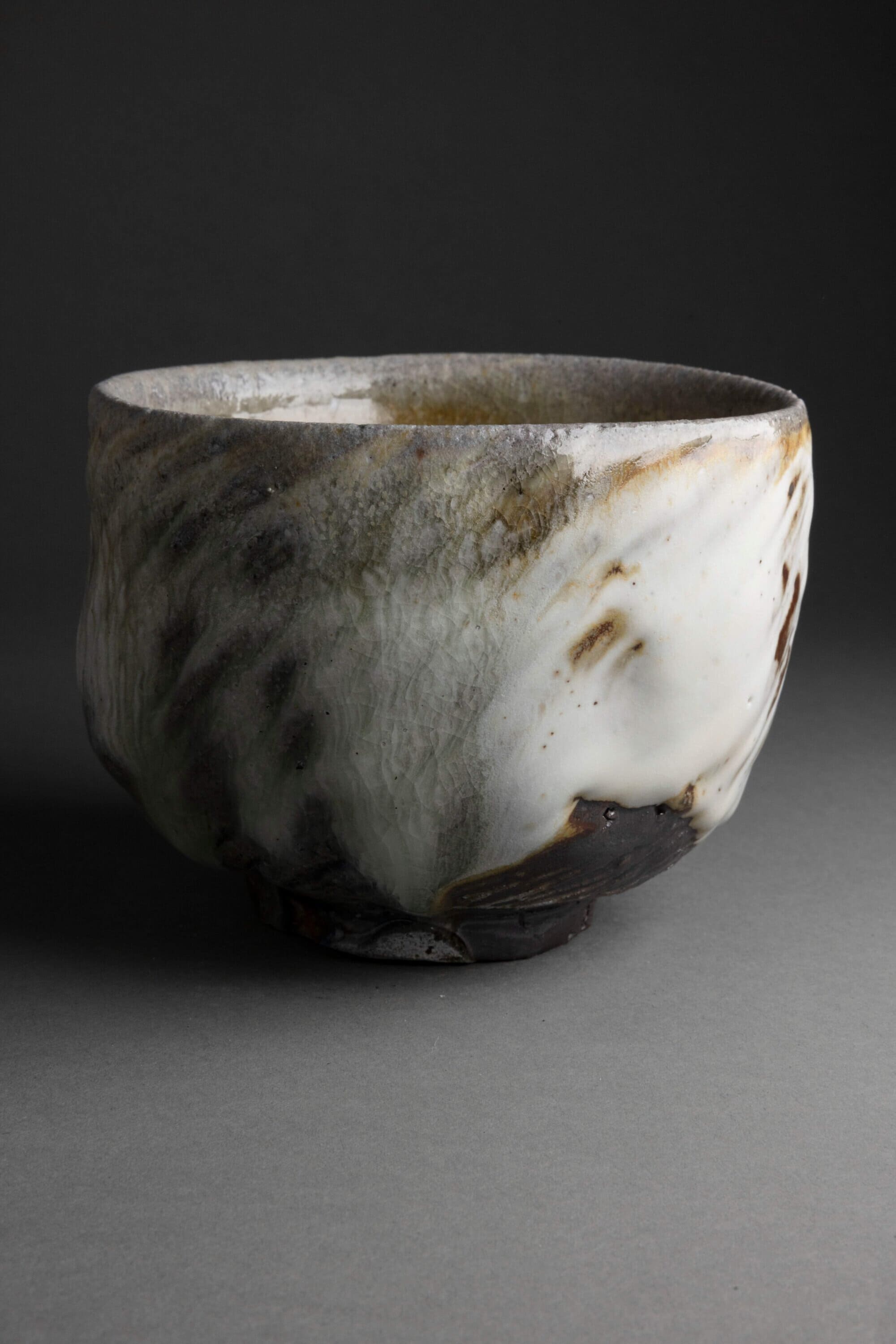
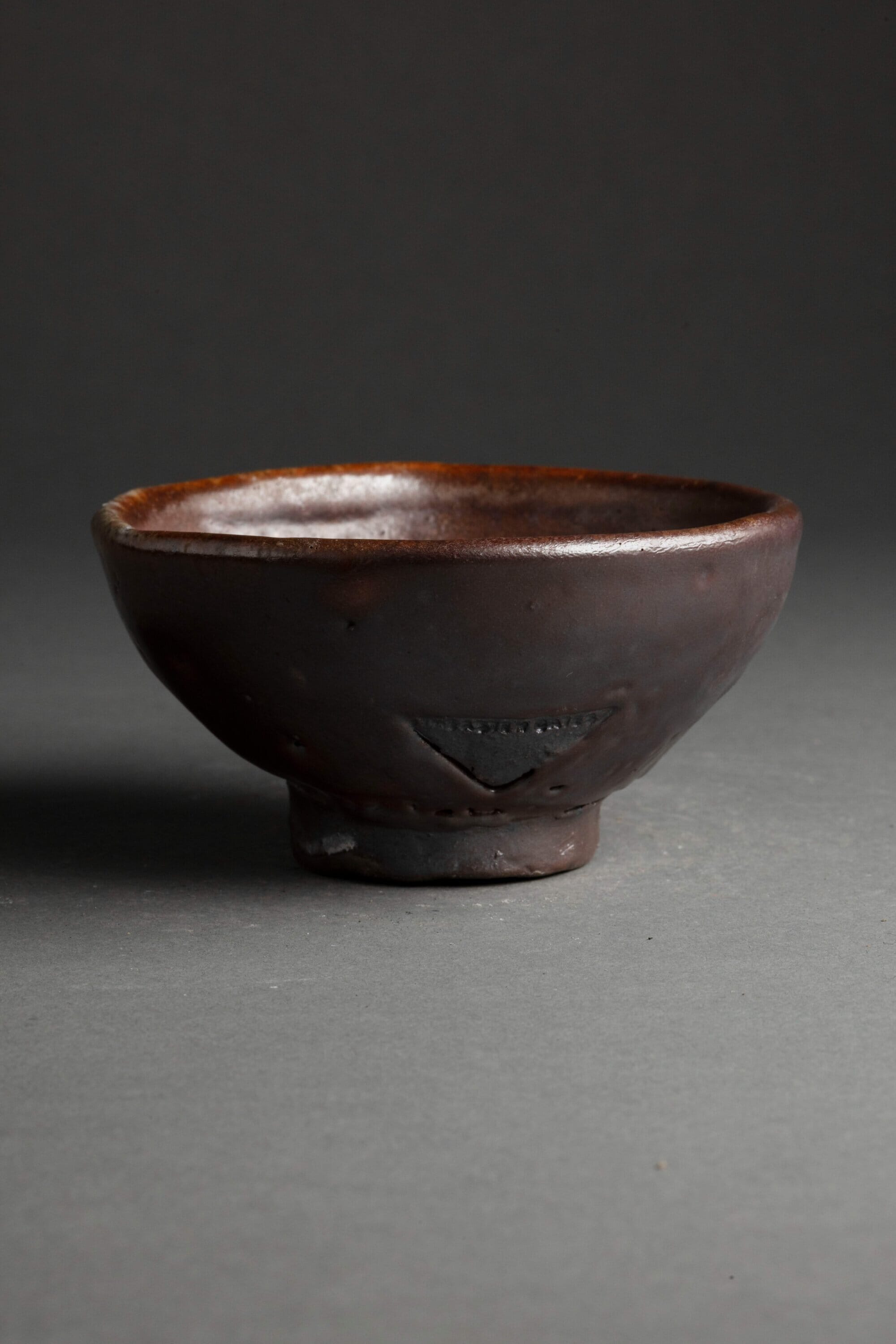
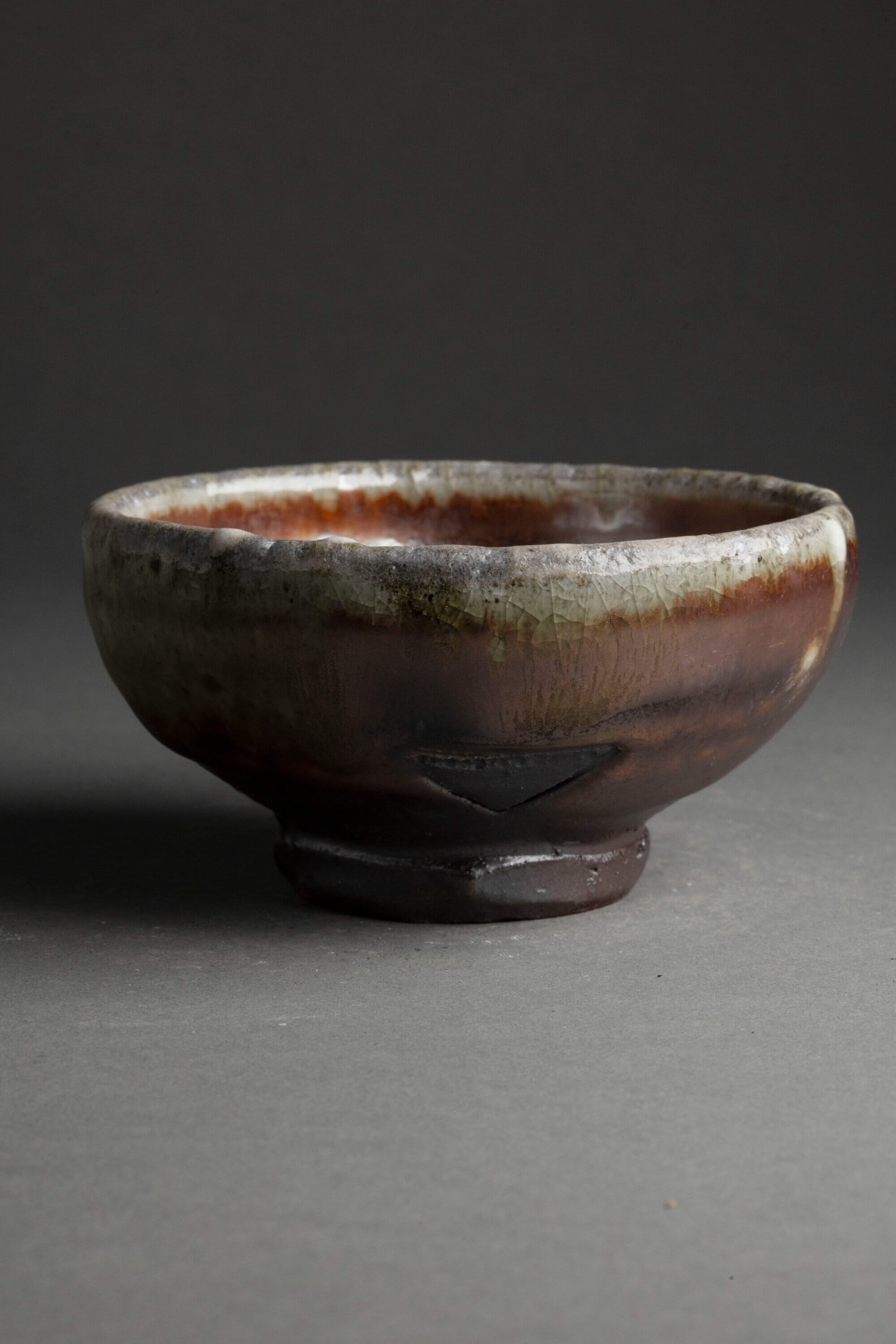
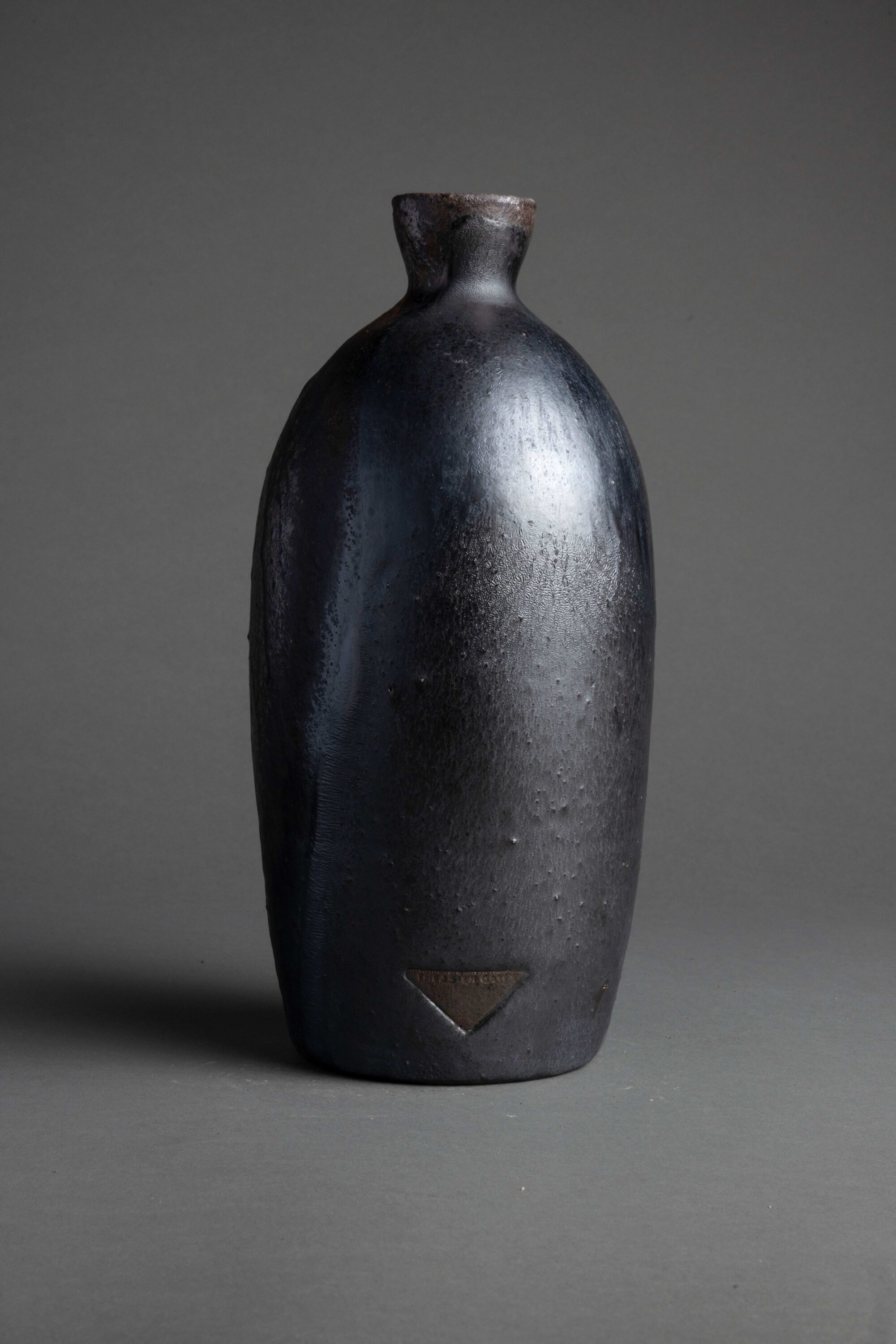
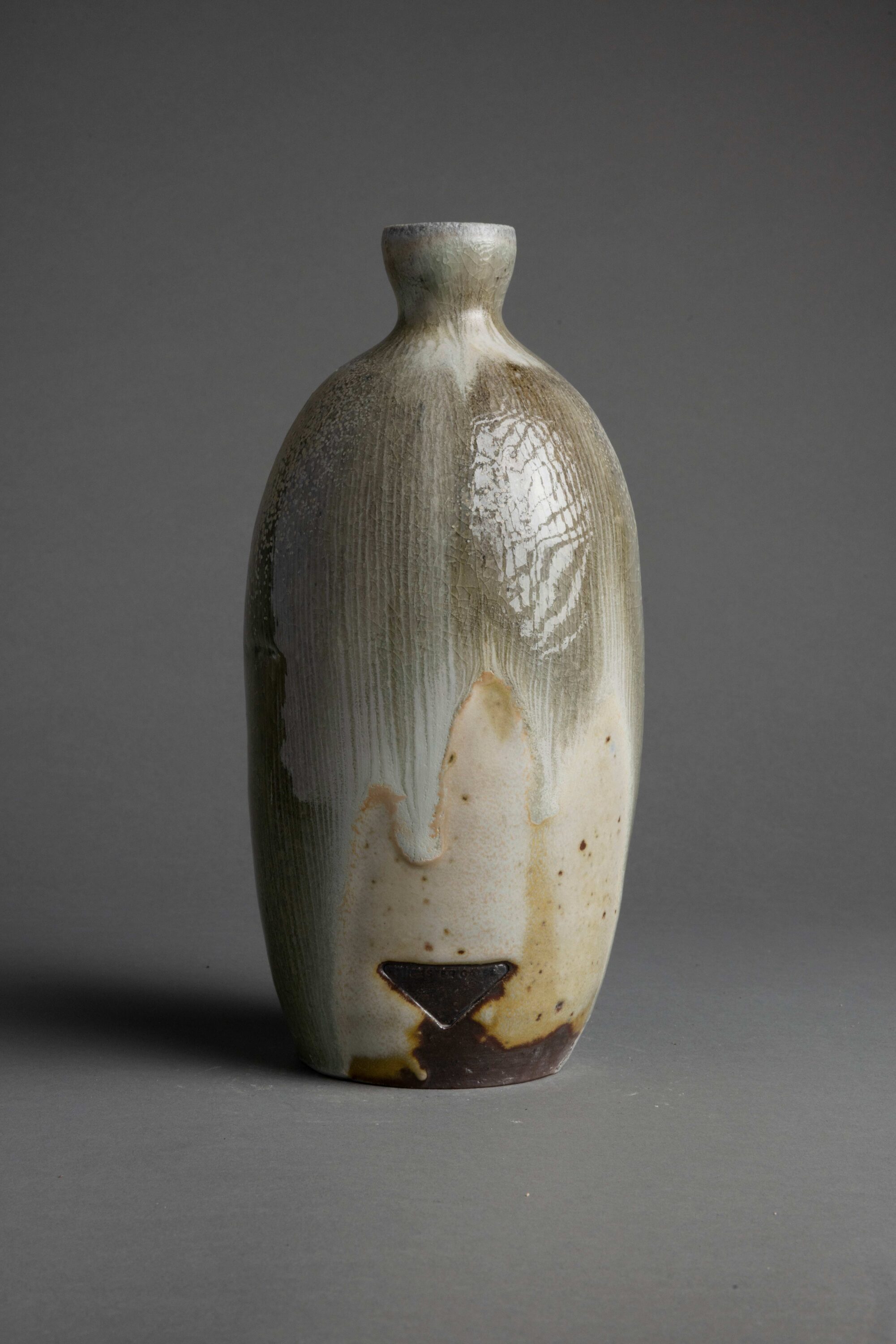
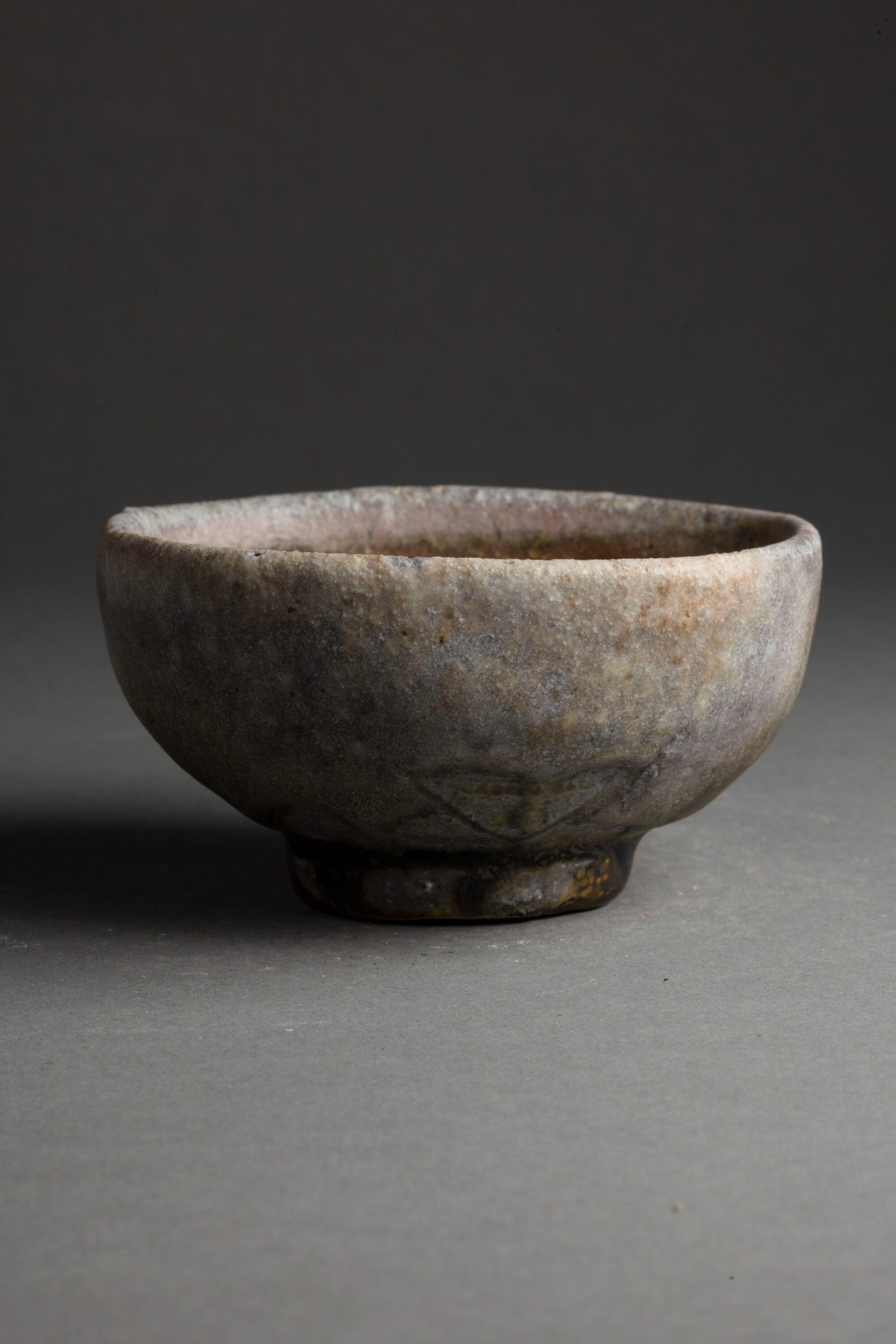
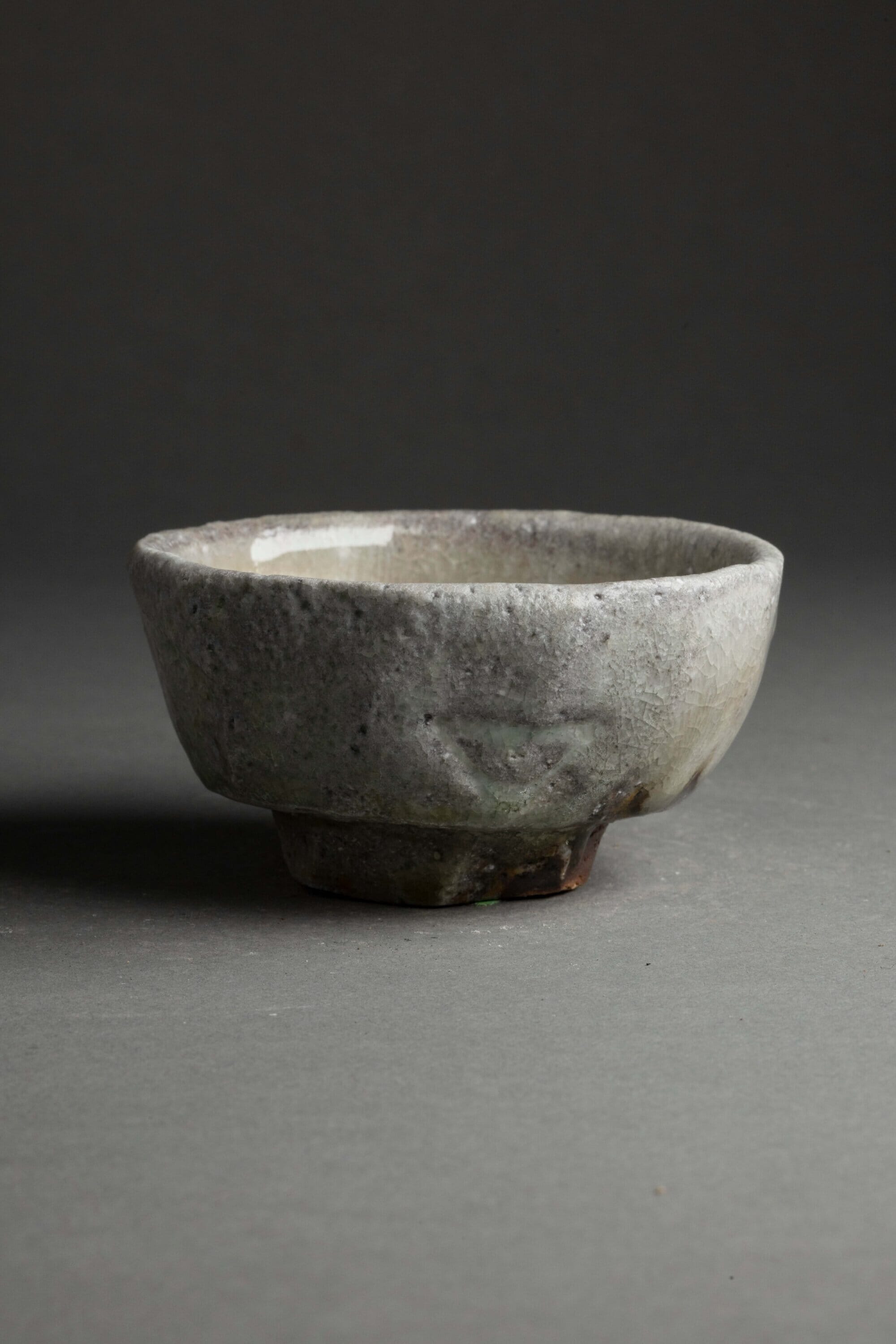
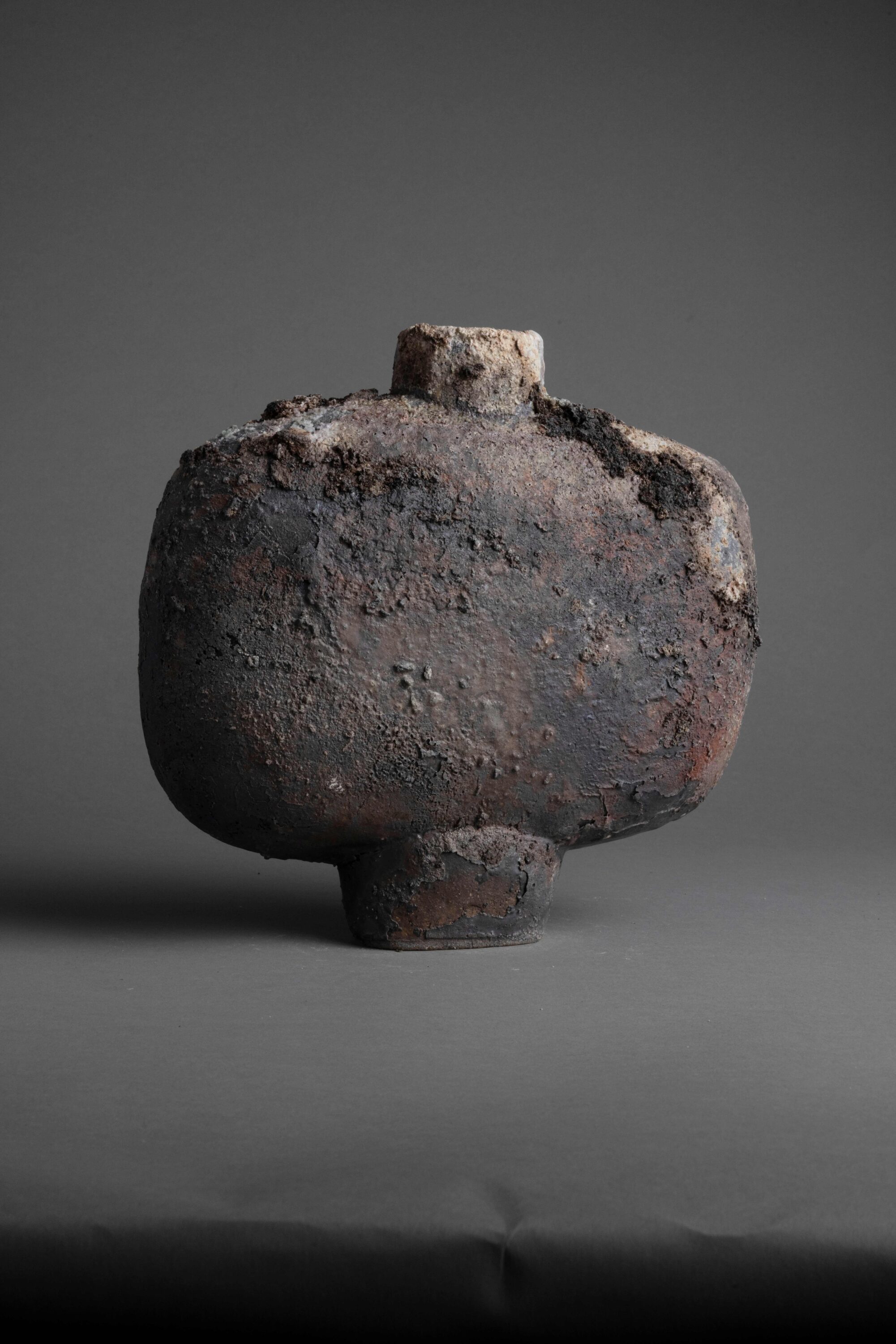
At the core of the project is the Japanese ceramic tradition, with works spanning chawan tea bowls, yumoni teacups, guinomi sake cups, and tokkuri bottles. These are presented alongside pieces crafted by Gates’ studio and Japanese artisans including Taira Kuroki, Yuichi Hirano, Koichi Ohara, and Shion Tabata. Prada’s own homeware objects are interspersed throughout, reinforcing the brand’s ongoing push into lifestyle and design-led categories.
Gates frames the project as a return to materiality and human connection, emphasizing the social and emotional dimensions embedded in everyday objects. “Pots are about people,” he said, positioning the exhibition as both an artistic and relational exercise rooted in craft, collaboration, and shared experience.
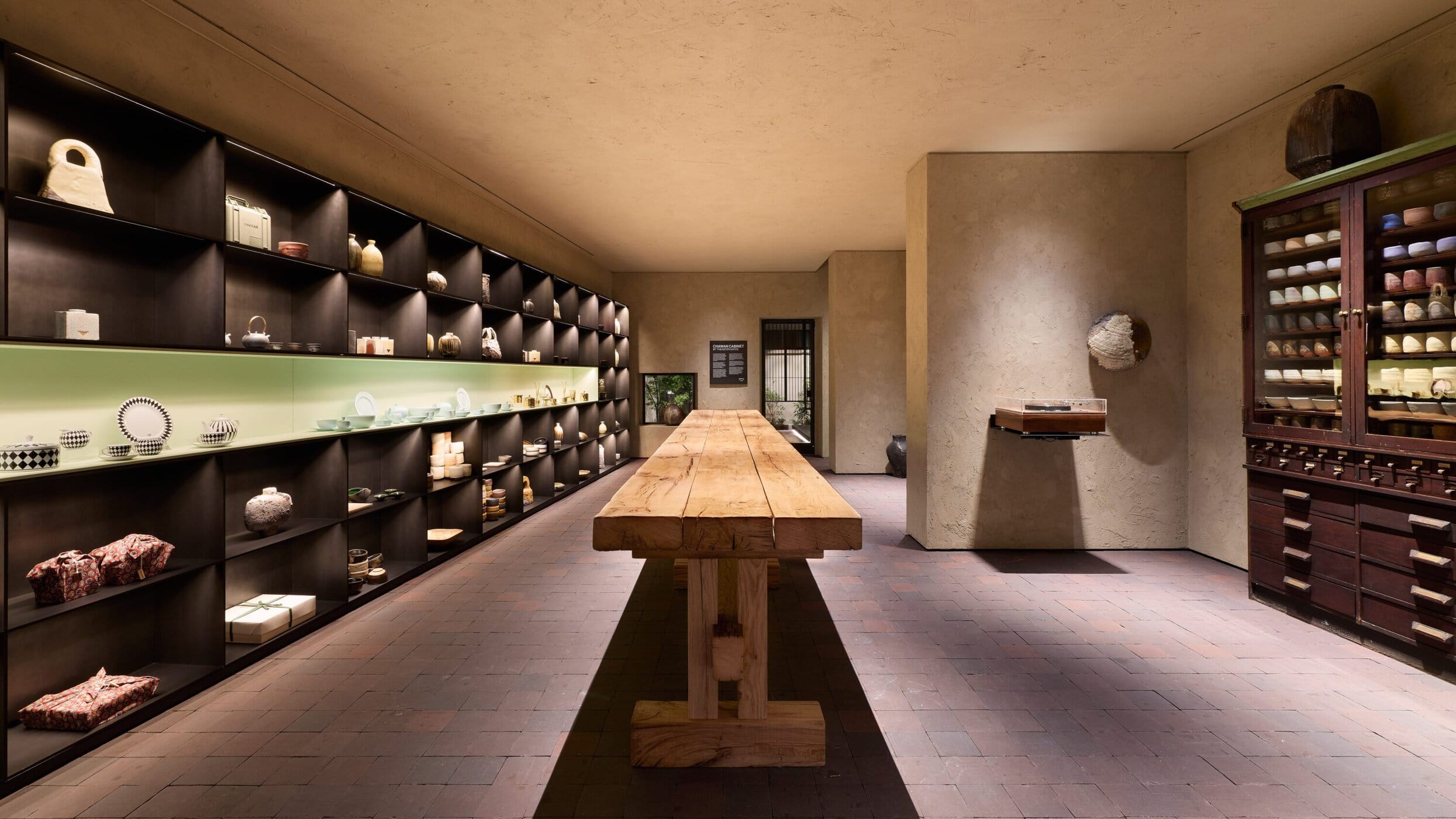
The scenography reflects this ethos. Ceramic floor tiles developed with Tokoname-based Mizuno Seitoen Lab anchor the space, while earthy plaster walls and upcycled wood furnishings create a tactile environment. A central table remains intentionally empty, while modular shelving displays ceramics in loosely arranged groupings, juxtaposed with more formal presentations of Prada Home pieces.
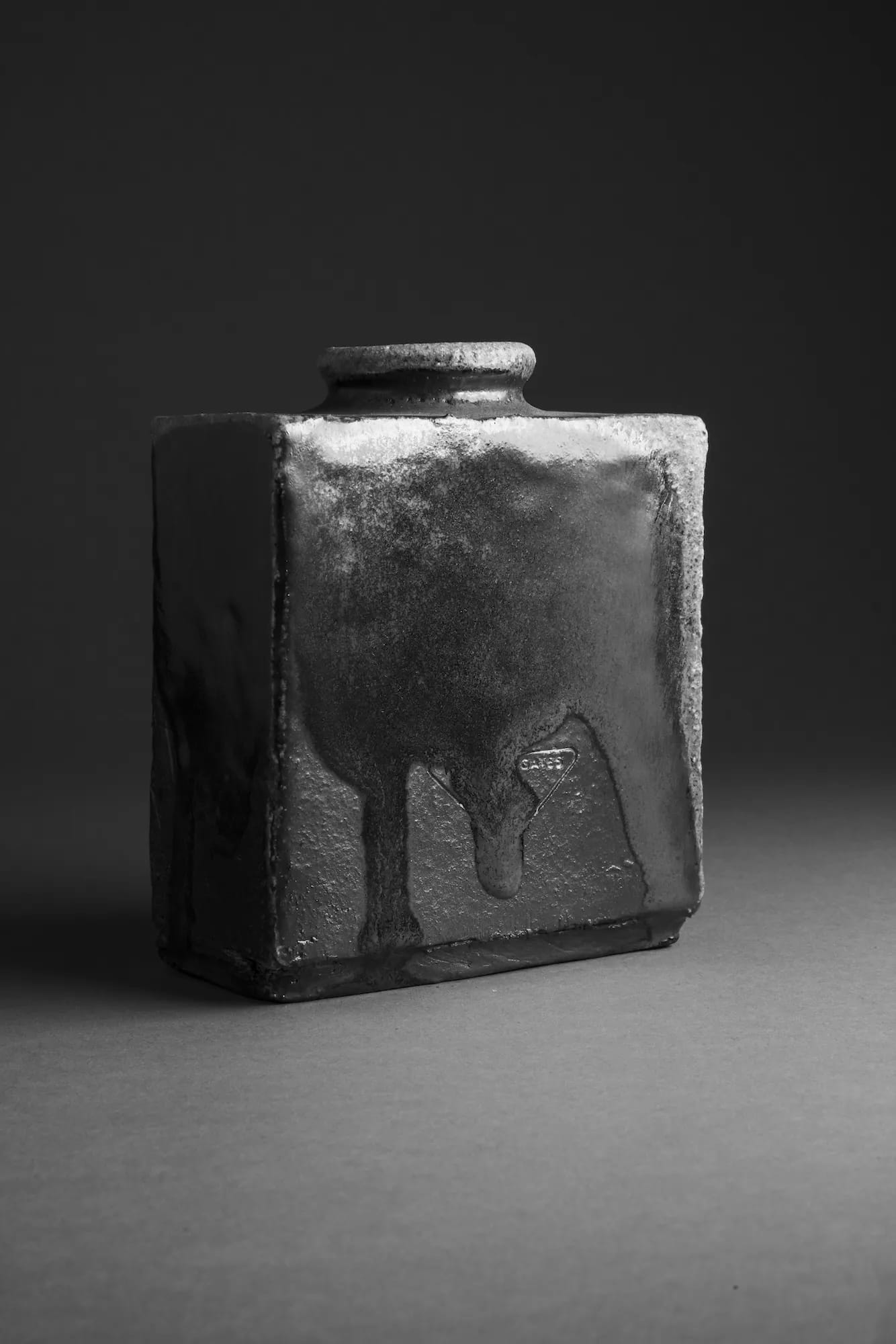
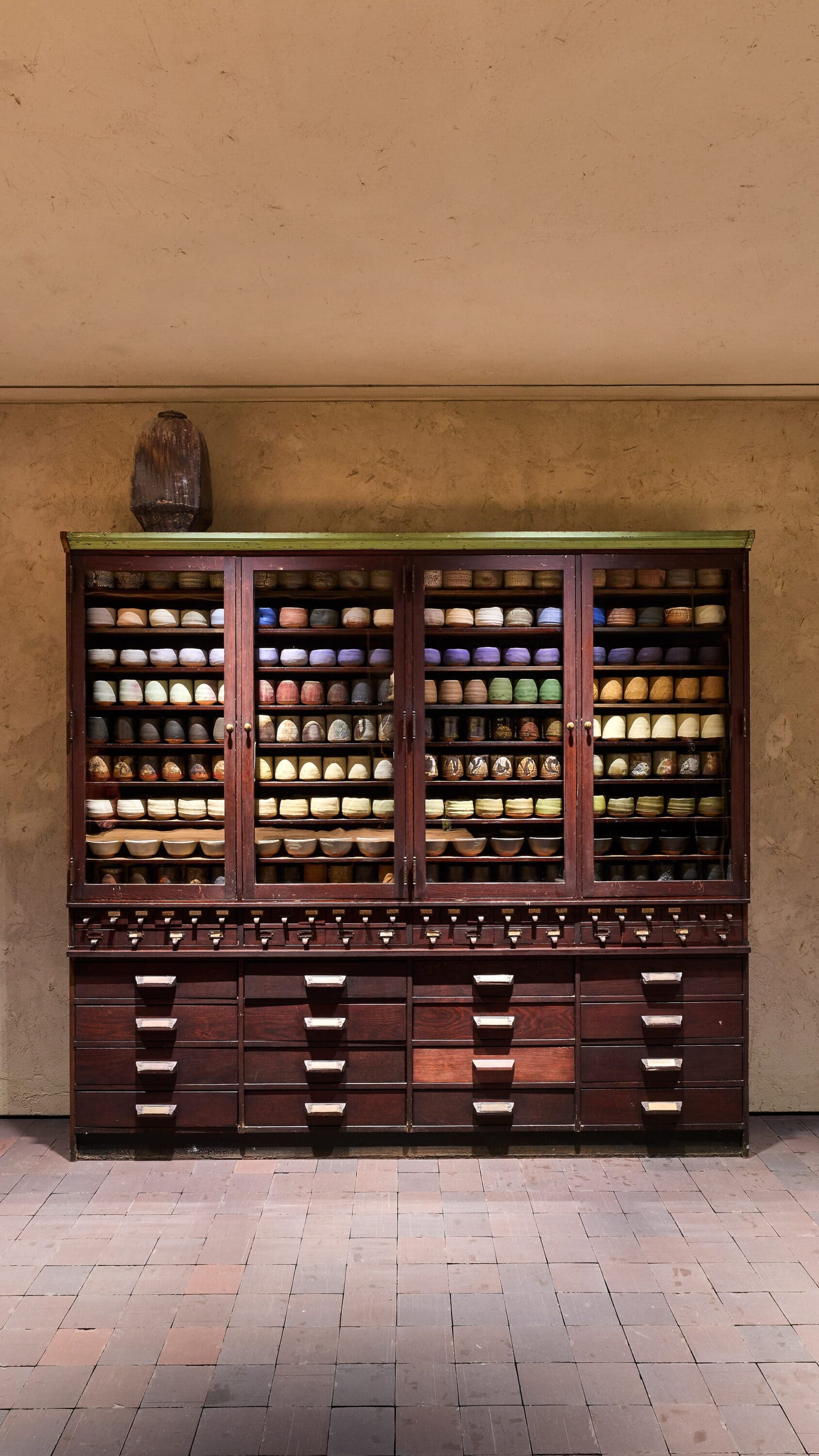
A cabinet from Gates’ personal collection anchors the installation, featuring selections from his “1,000 tea bowl” project, previously unseen. Throughout the space, vintage turntables play a curated soundscape, adding an auditory layer to the visual narrative.
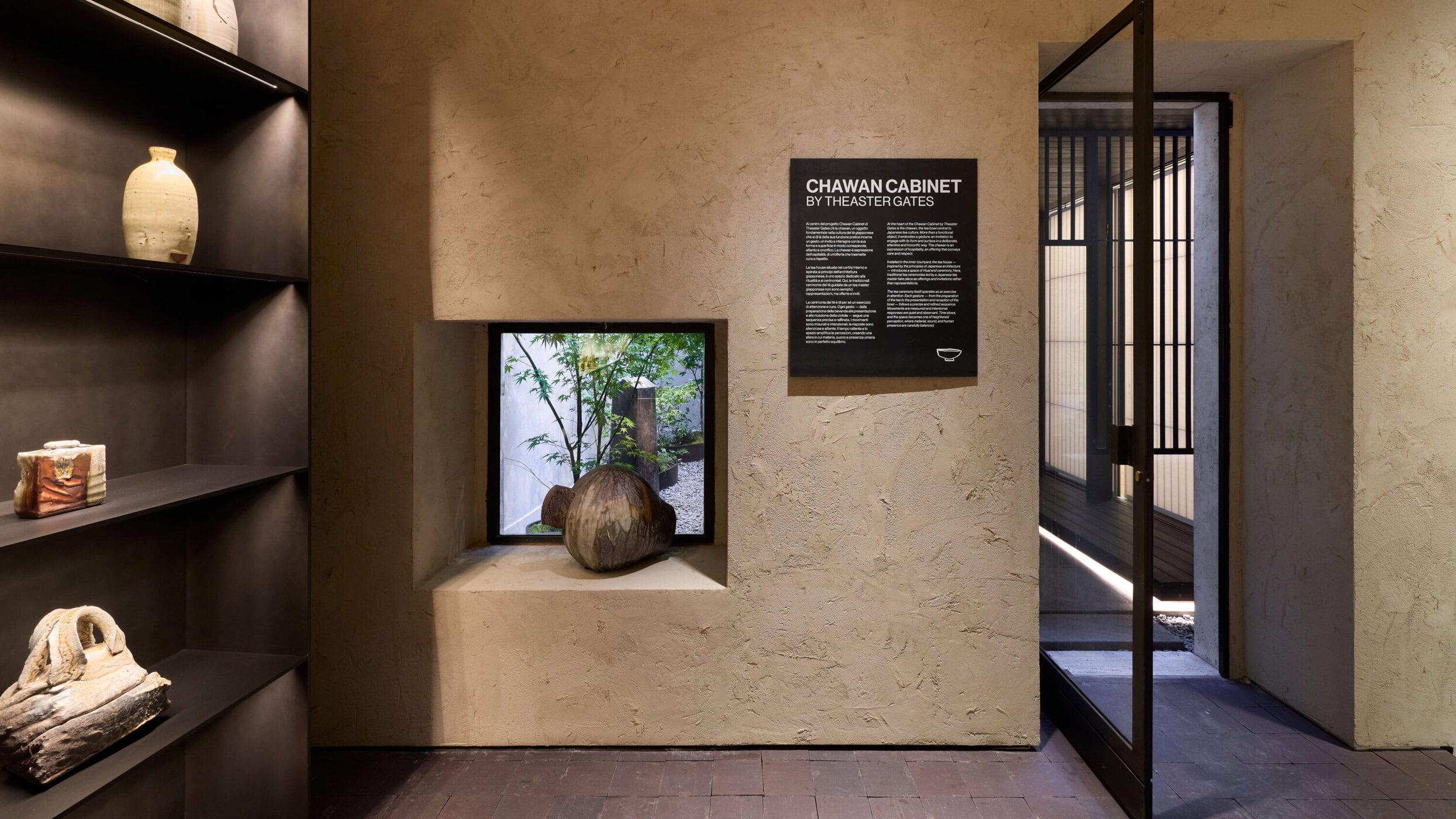
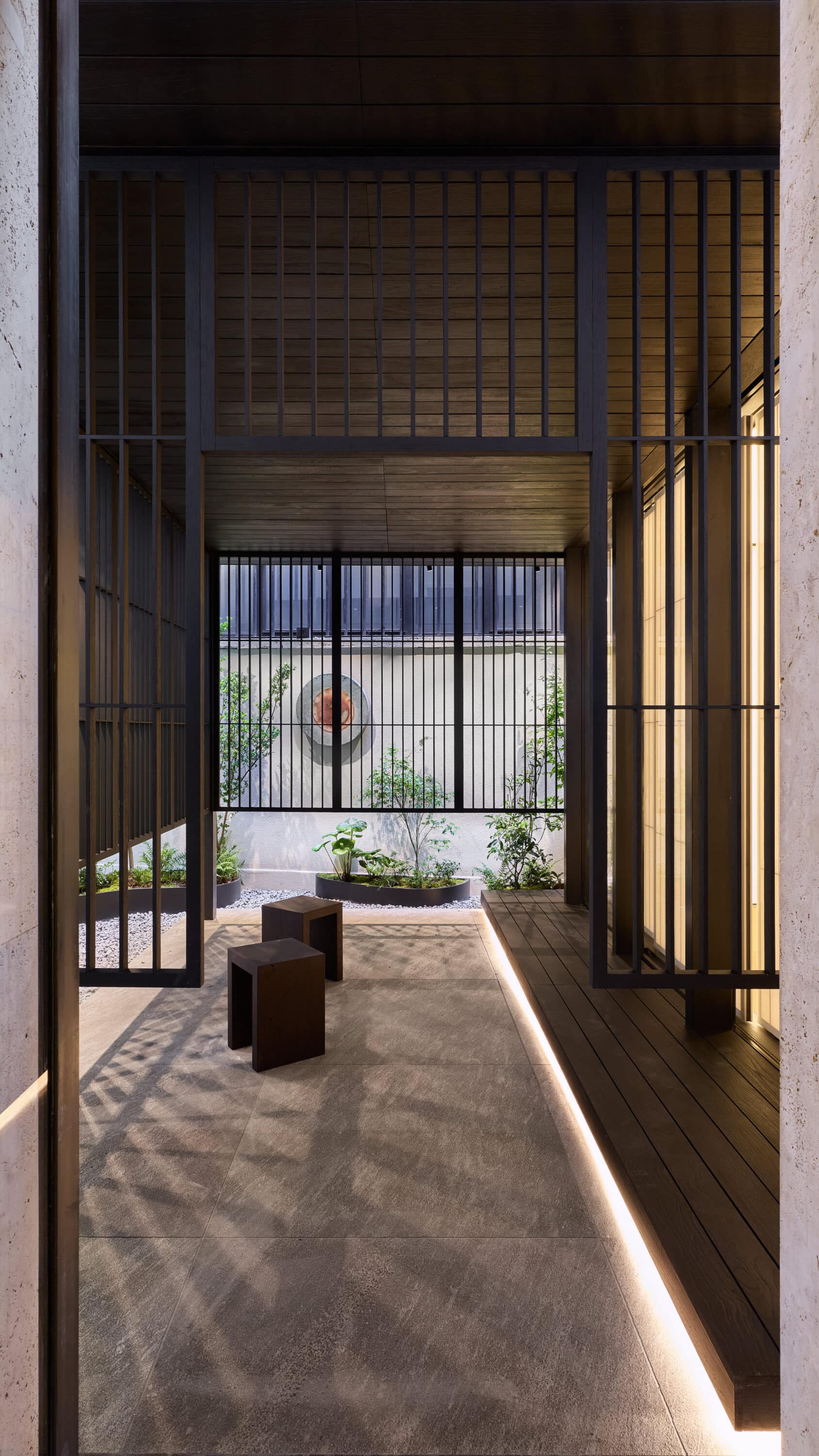
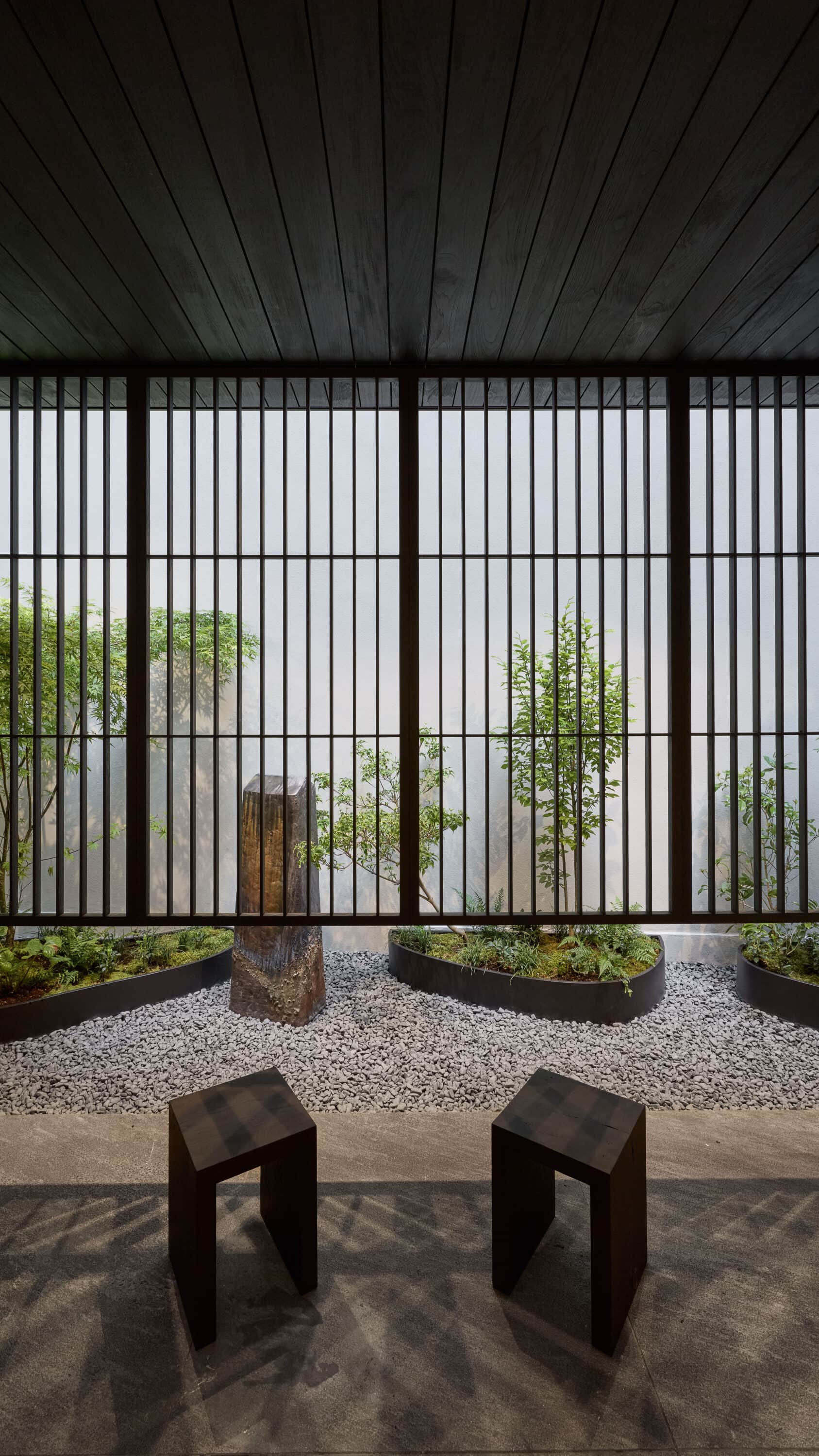
The exhibition extends into the building’s courtyard, where a traditional Japanese tea house has been constructed with tatami modules and plaster walls. Invite-only tea ceremonies led by Japanese masters further activate the space, transforming the installation into a living cultural exchange rather than a static display.
Chawan Cabinet continues Prada’s longstanding engagement with interdisciplinary practices, bridging Italian design, Japanese craftsmanship, and Gates’ conceptual and socially driven artistic approach. It also builds on the artist’s deeper relationship with the brand, from Prada Mode events to his role within the group’s cultural initiatives.
Timed to coincide with Milan Design Week, the exhibition reinforces Prada’s positioning at the intersection of fashion, art, and intellectual inquiry, extending its influence beyond product into experience, environment, and cultural discourse.