By Angela Baidoo
The Spring 2027 menswear collections were defined by a desire to get away – not simply through travel, but through clothing that offered freedom.
Across the runways of Florence, Milan, and Paris, designers responded to an increasingly complex financial and environmental global landscape by proposing wardrobes that felt lighter in every sense: softer tailoring, breathable natural and technical fabrics, playful embellishment and silhouettes designed to move effortlessly between work and adventure. The result was a season that felt grounded in the pursuit of a more relaxed, utopian way of living.
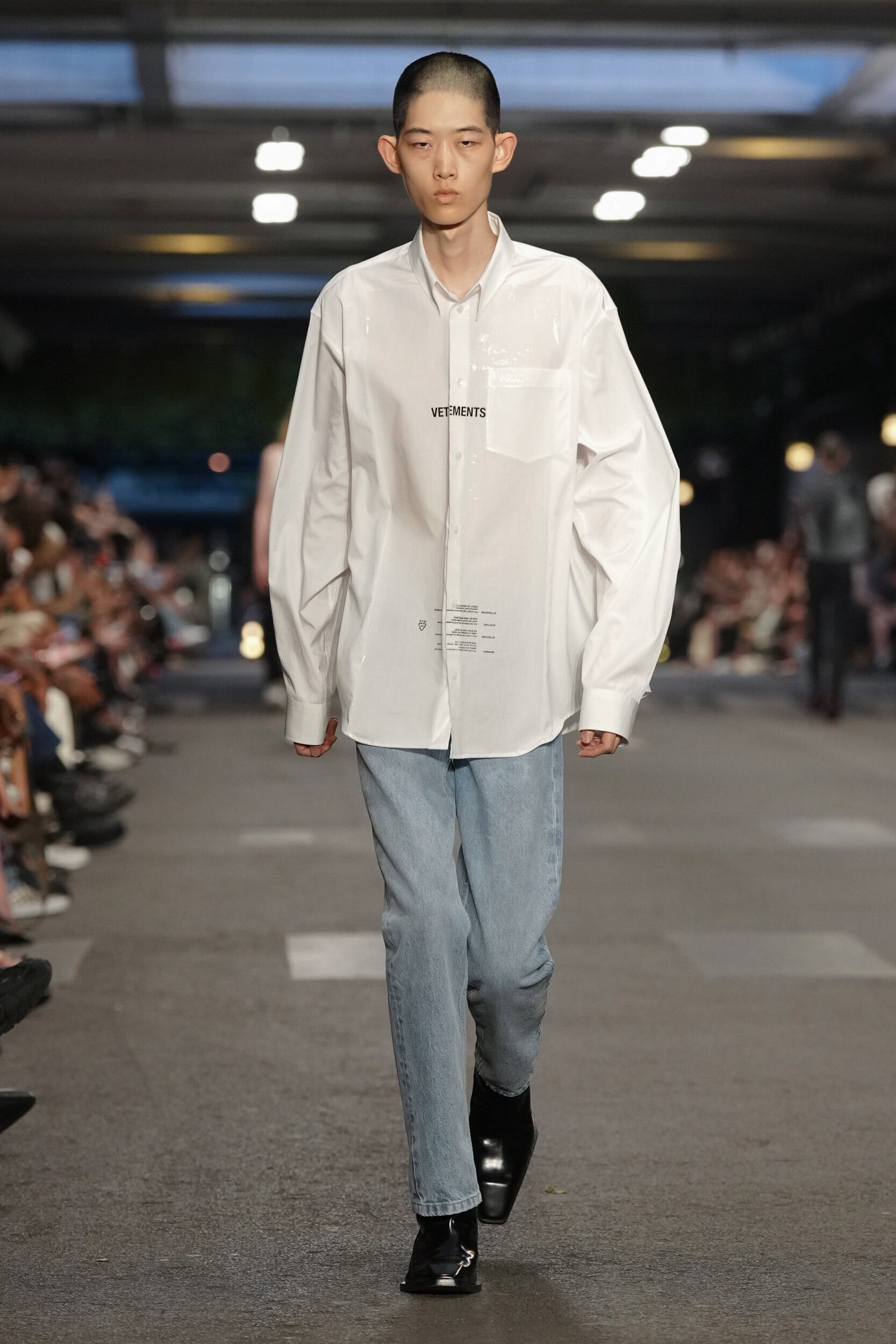
Underpinning the season was an emerging redefinition of modern masculinity, one that showed encouraging signs of a rejection of toxicity and an embrace of individuality. Technical sportswear merged with tailoring, decorative trims reimagined traditional dress codes, and accessories reflected a growing appetite for mobility and versatility. Whether through the rise of transparent layering, travel-ready wardrobes or the return of more svelte proportions, Spring 2027 signalled a shift towards clothing designed for men that that will resonate both emotionally and functionally as these become the new markers of everyday luxury.
1. It’s the Destination: The New Nomads
This season there was an inherent desire to escape into a temporary state of utopia, even it remains elusive in reality. As optimism shifted the mood, designers found themselves inclined to tap into the spirit of travel to provide a moment of serenity.
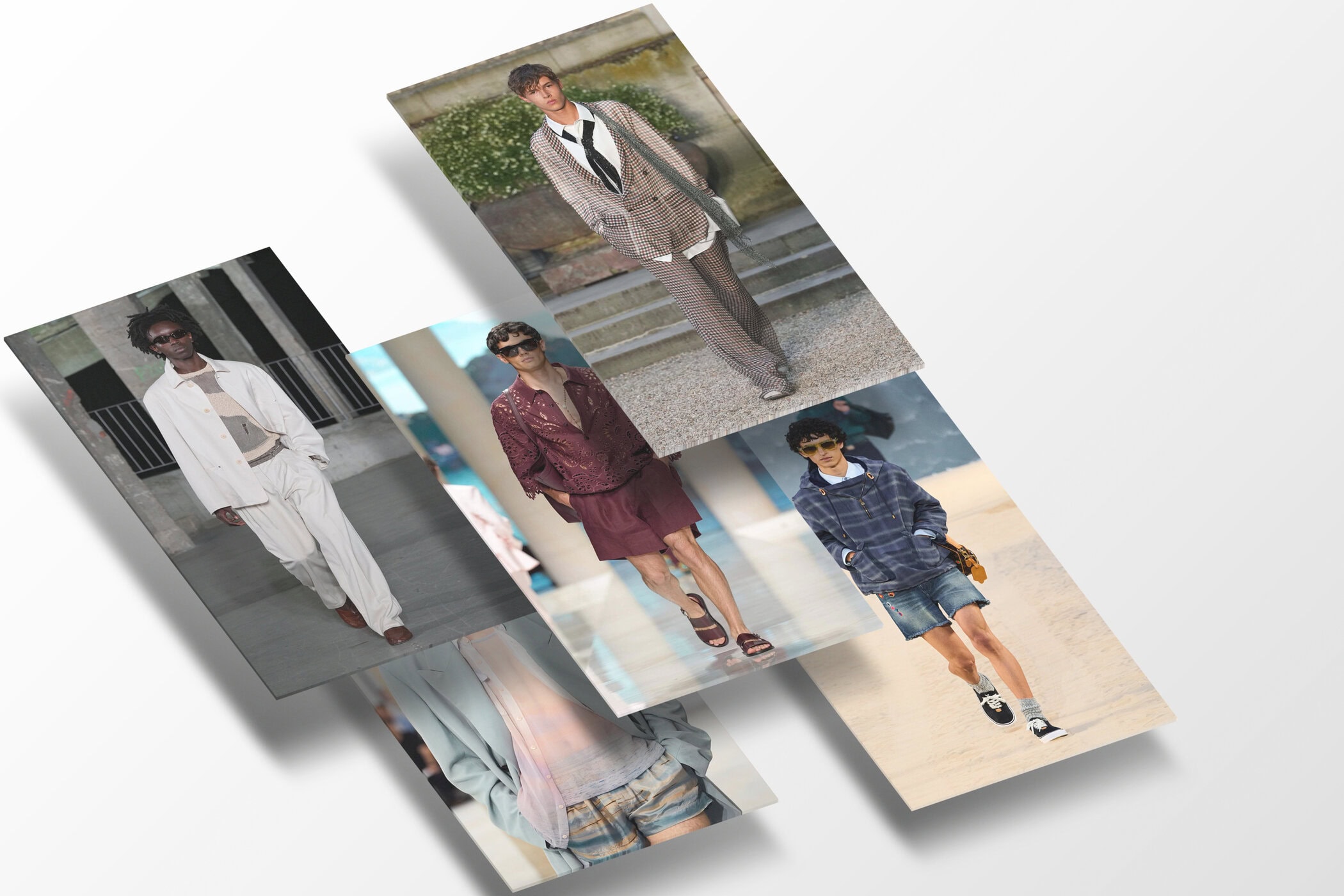
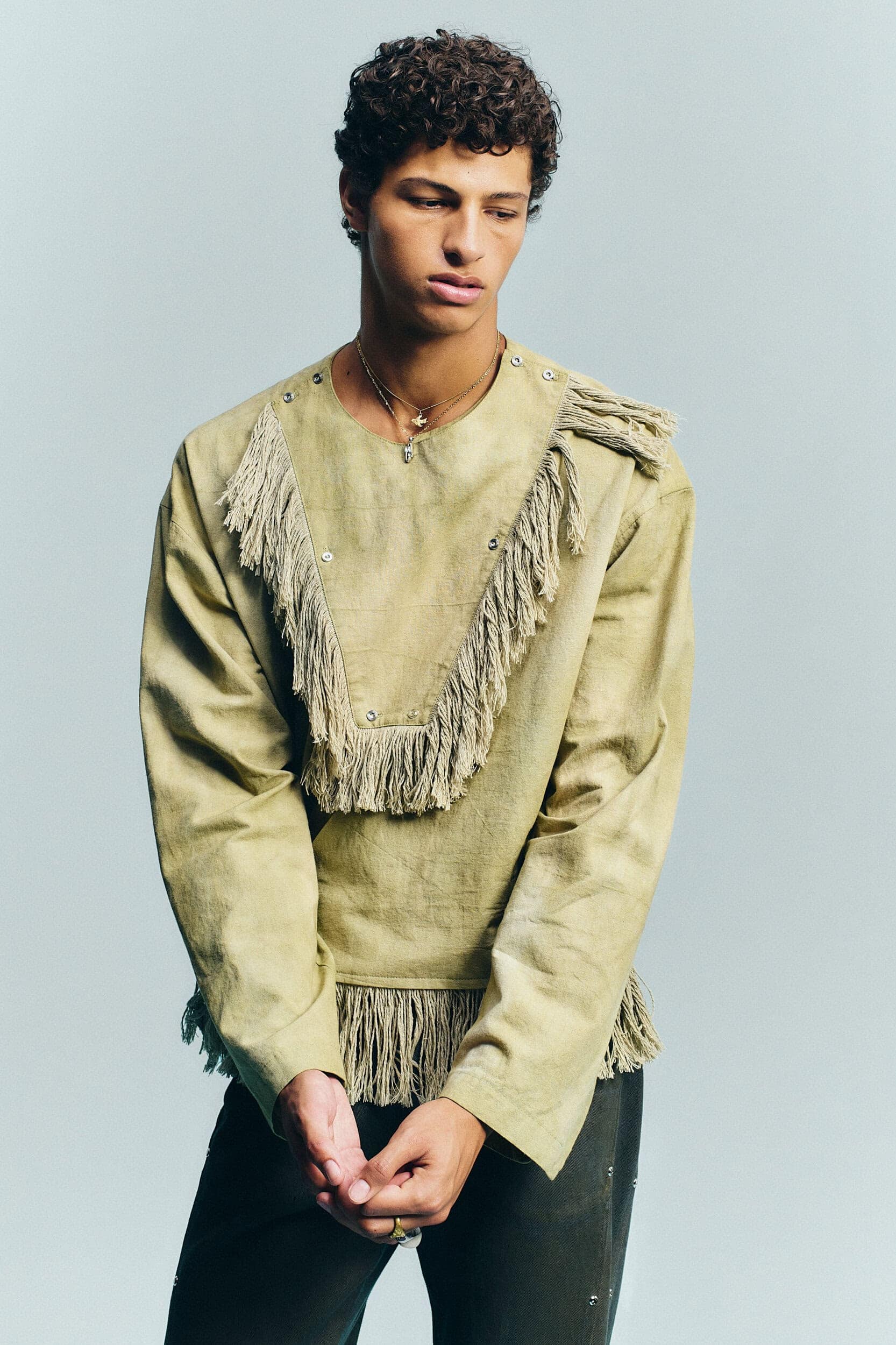
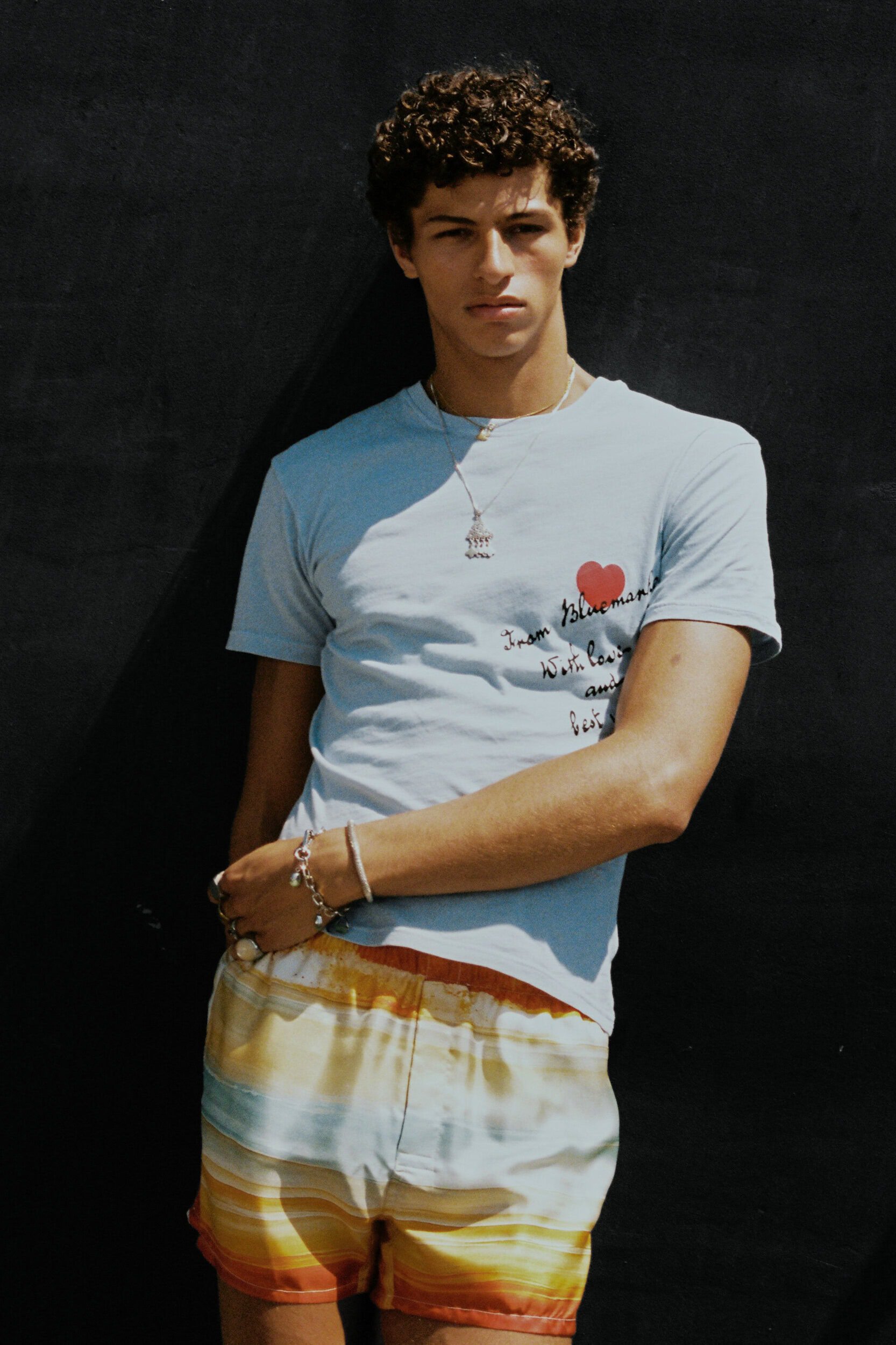
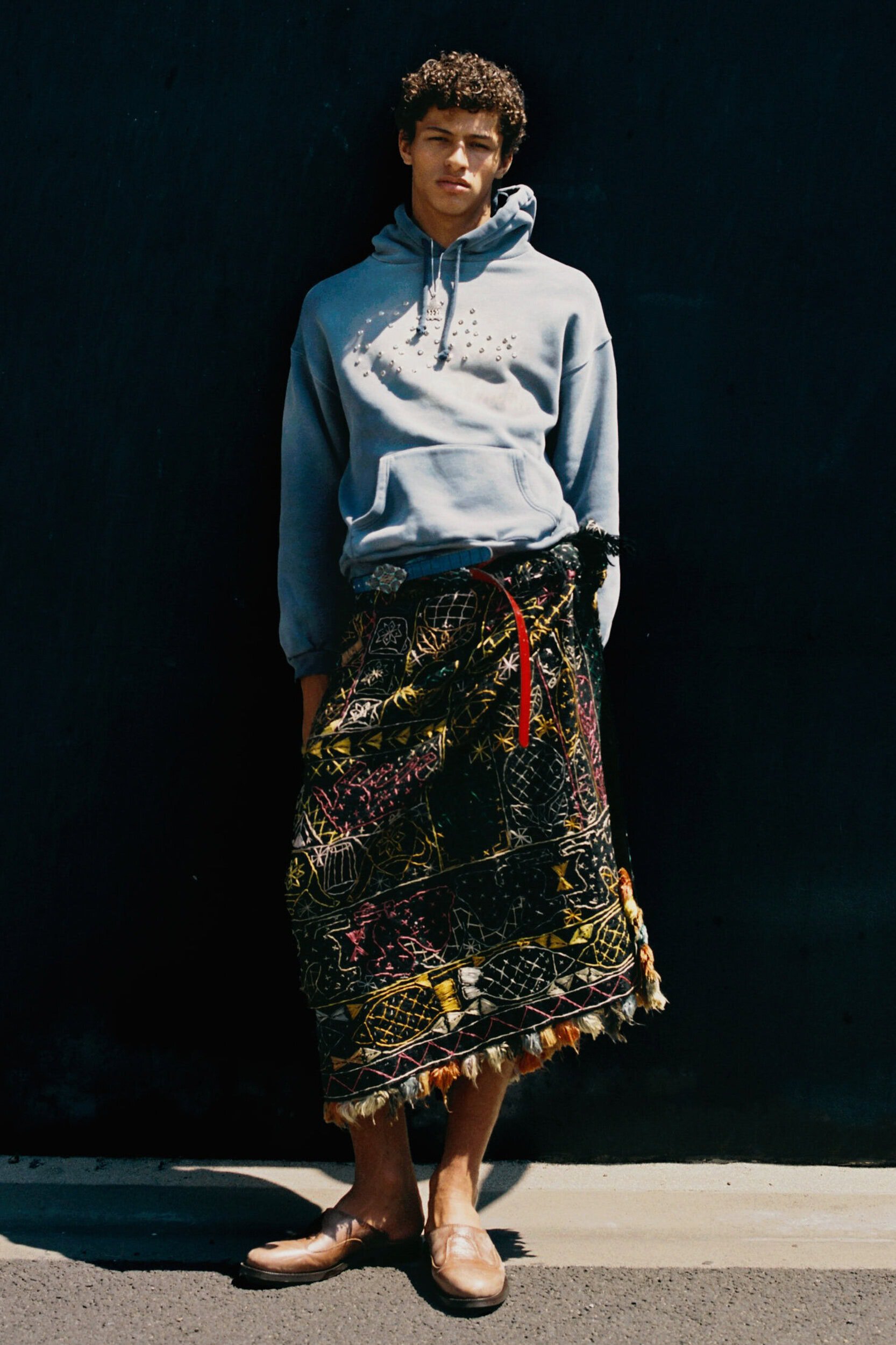
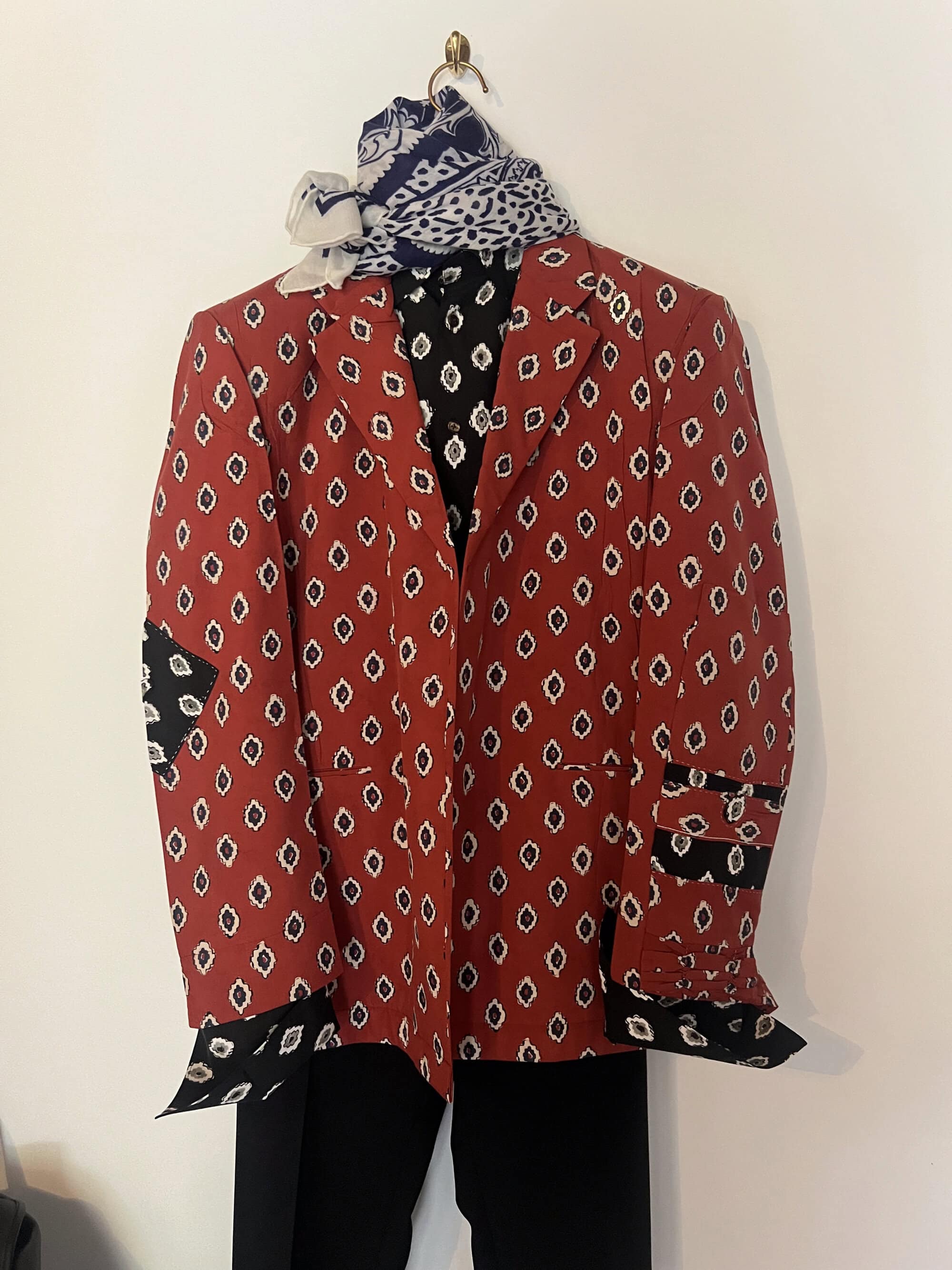
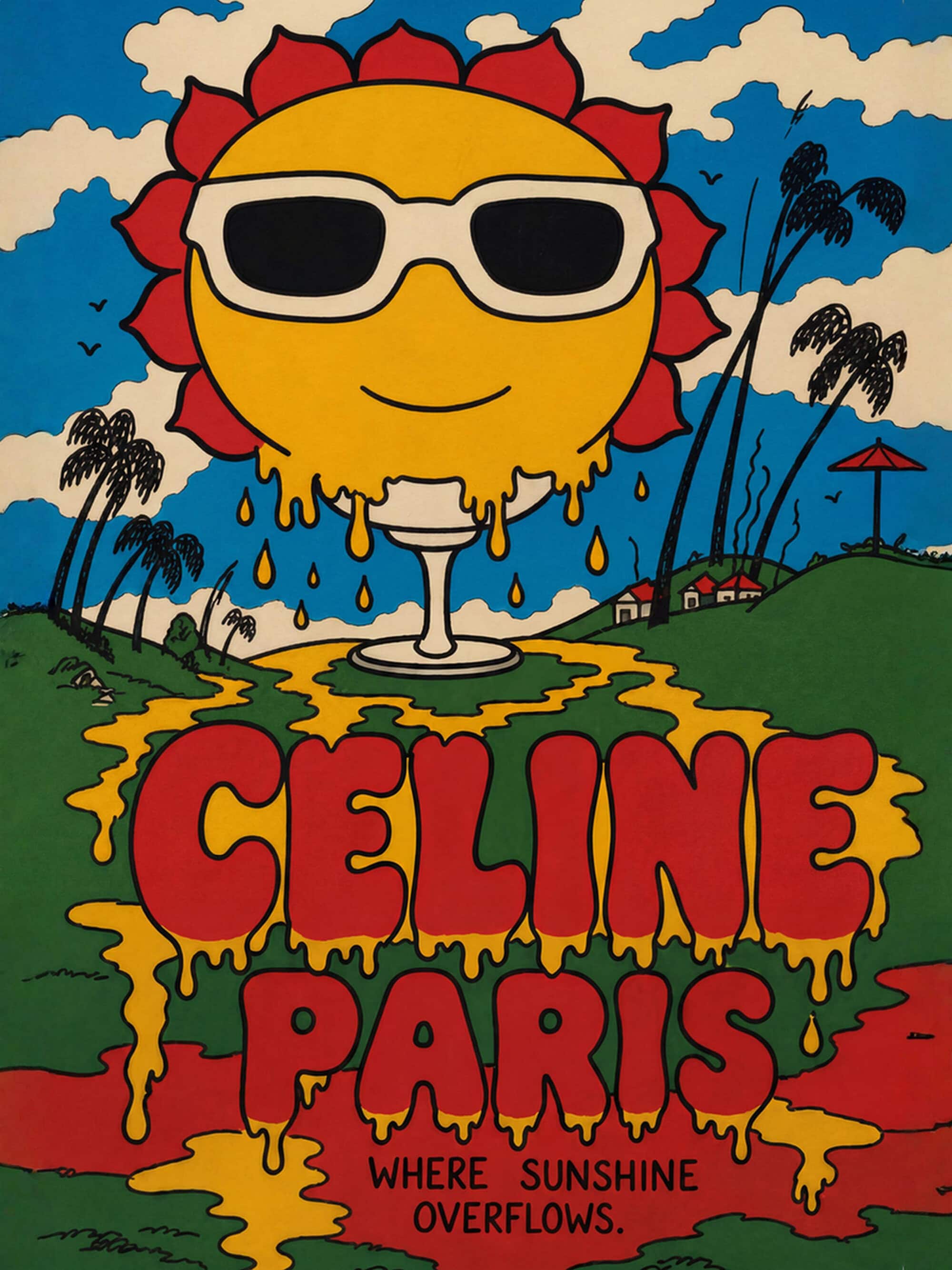
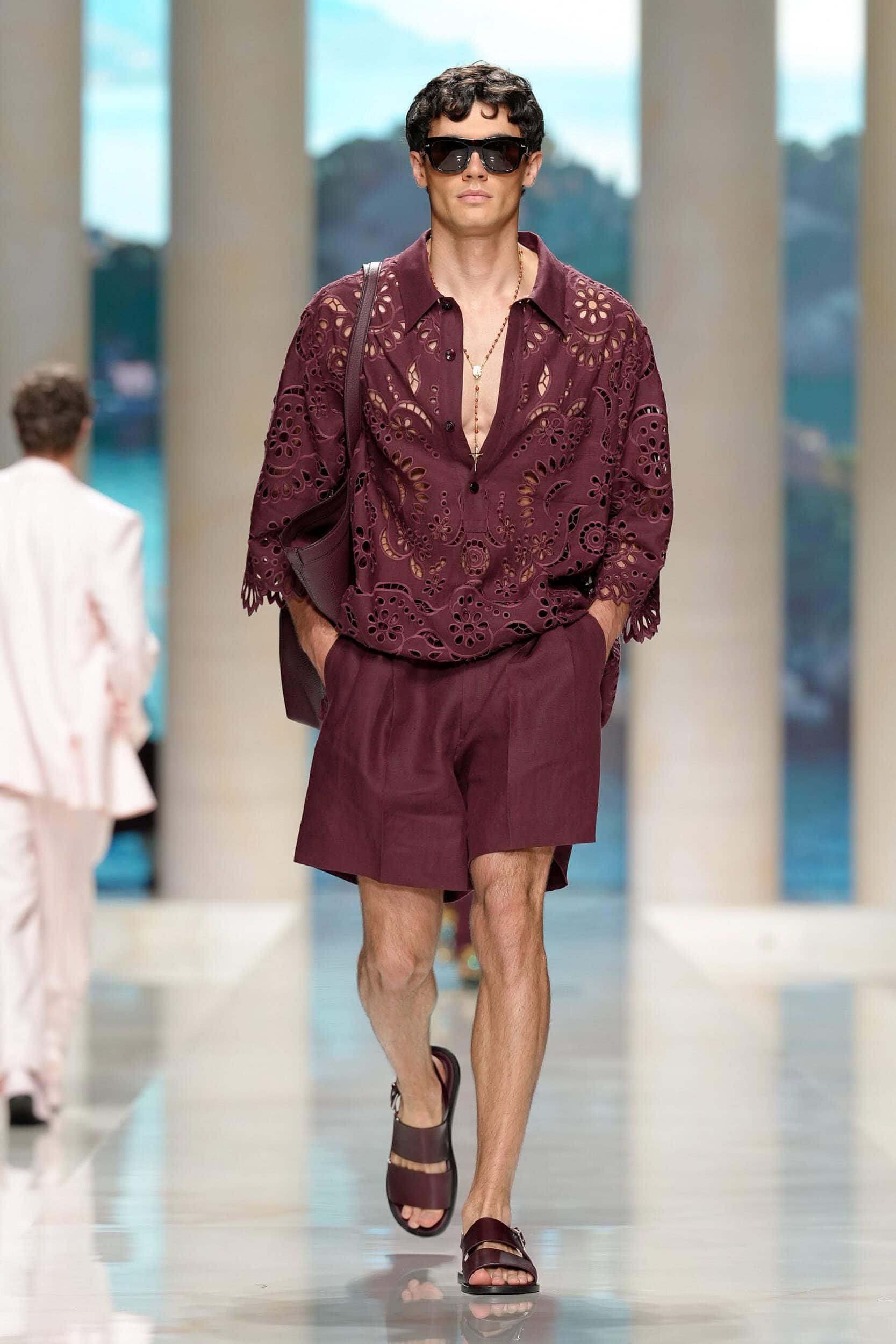
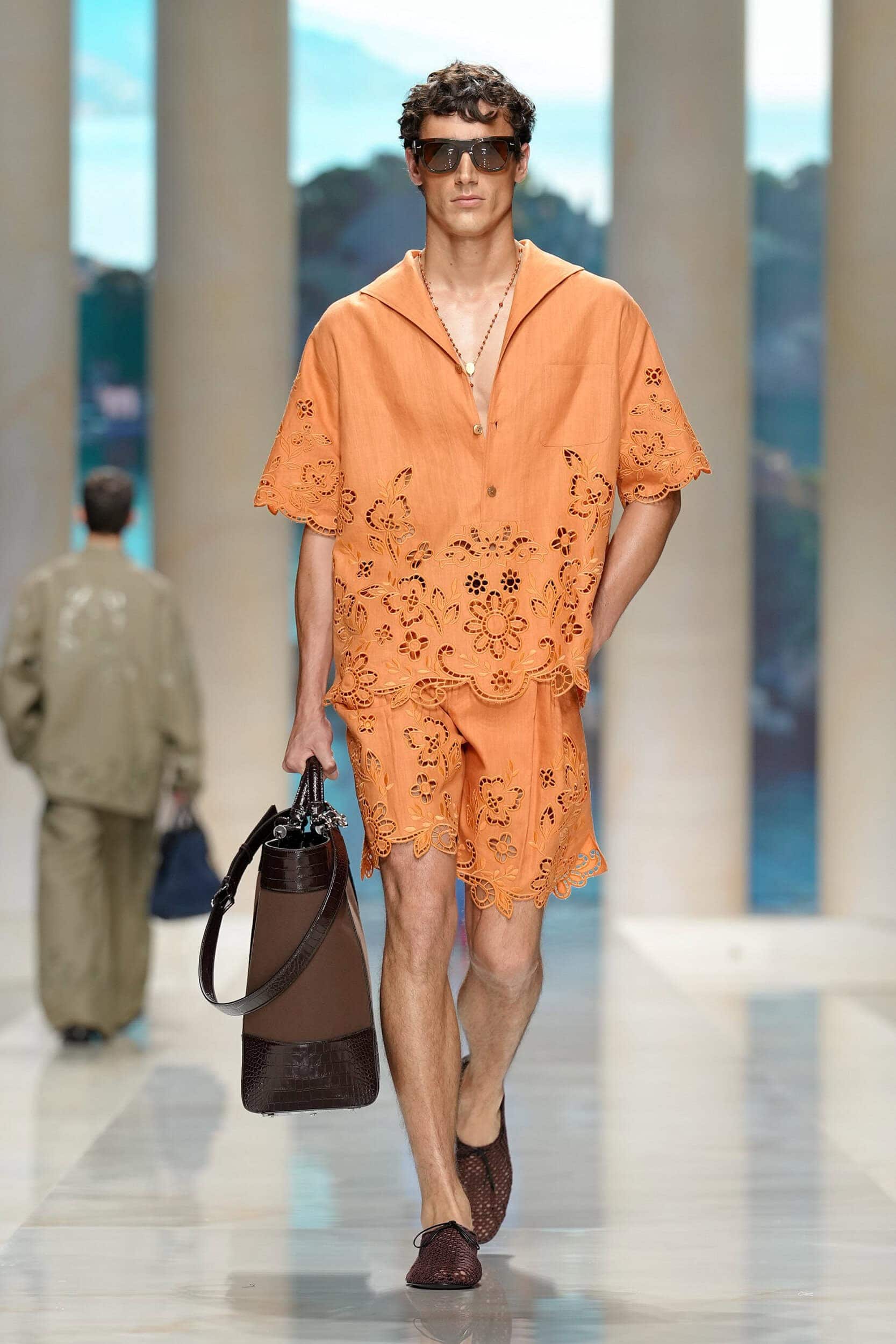
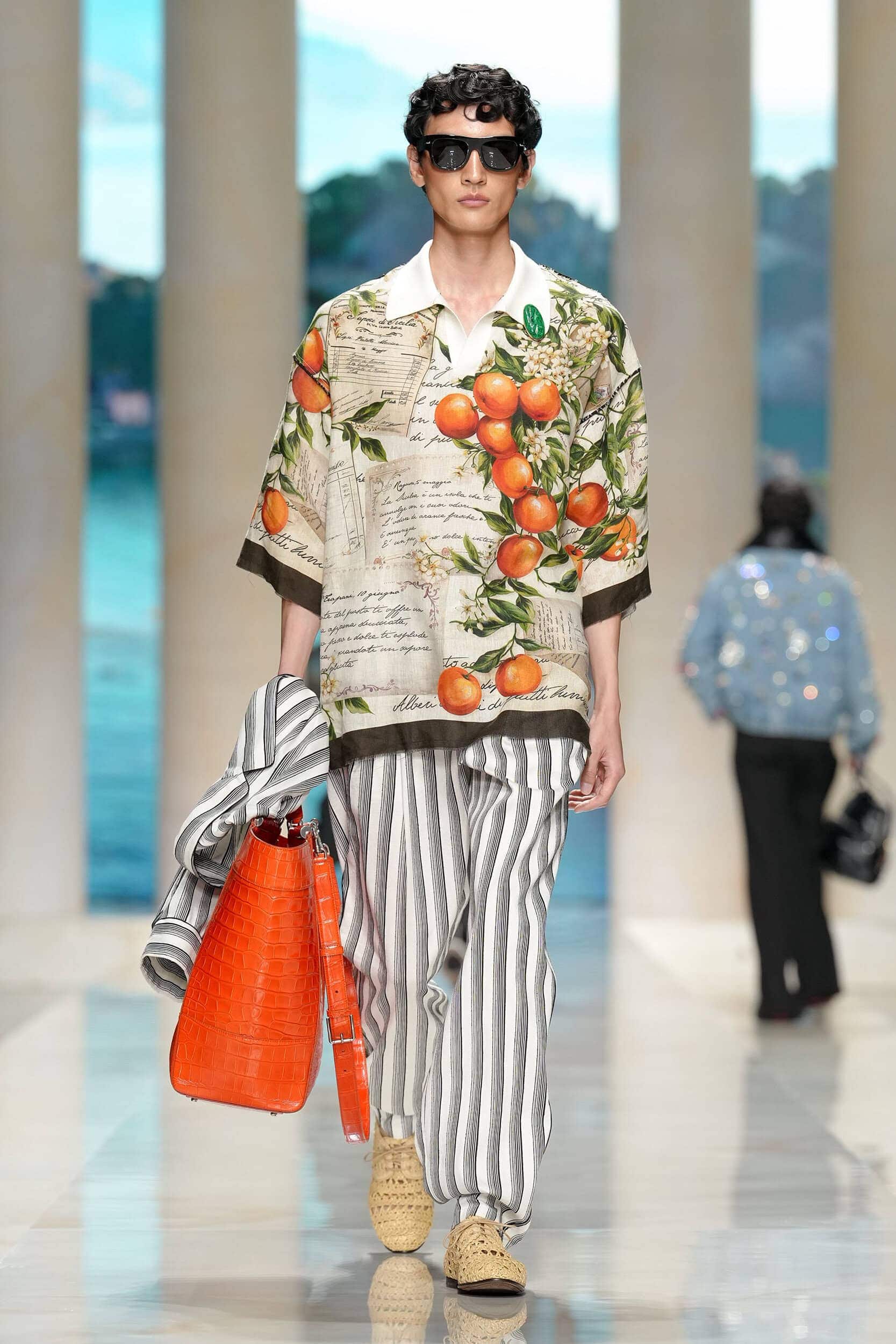
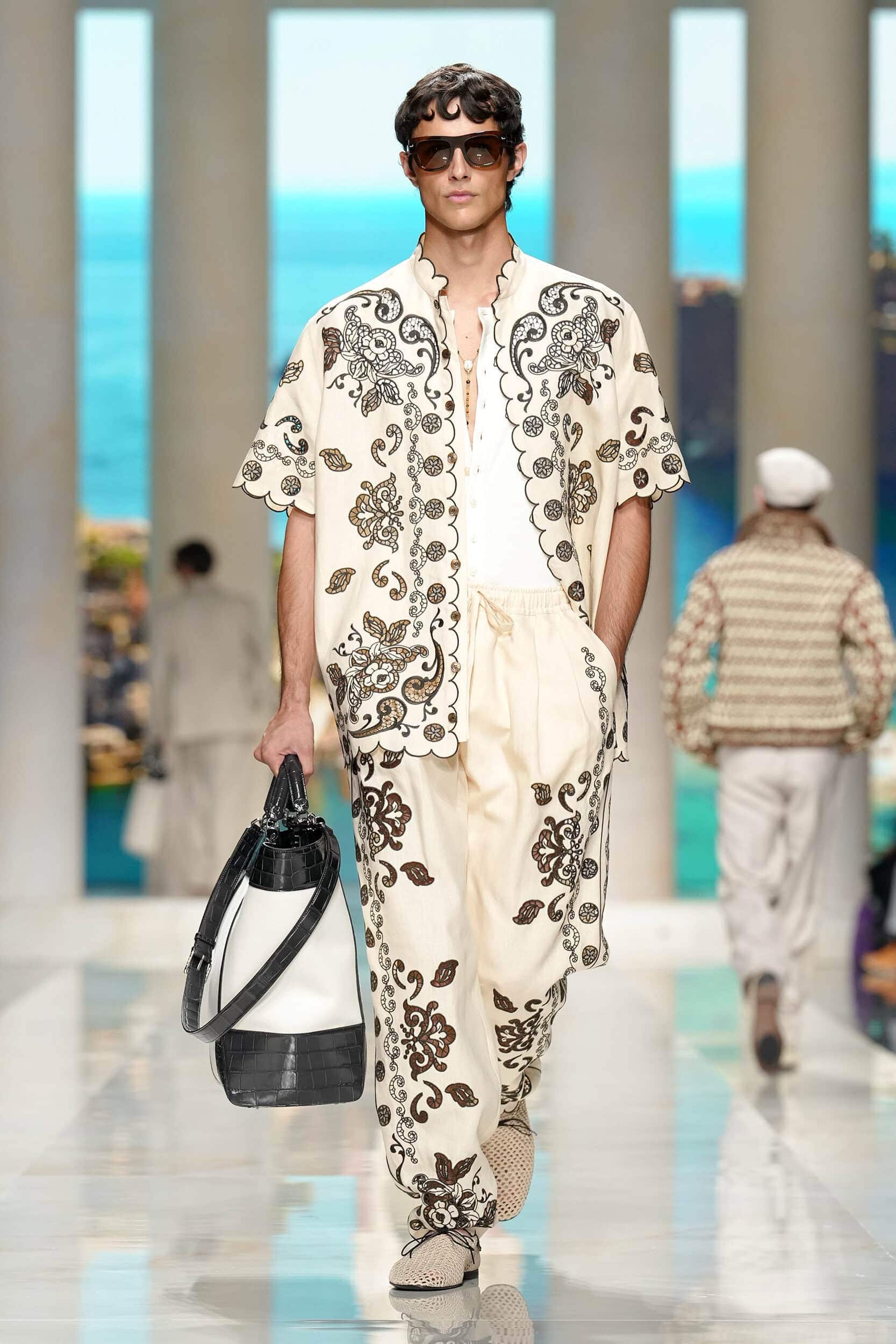
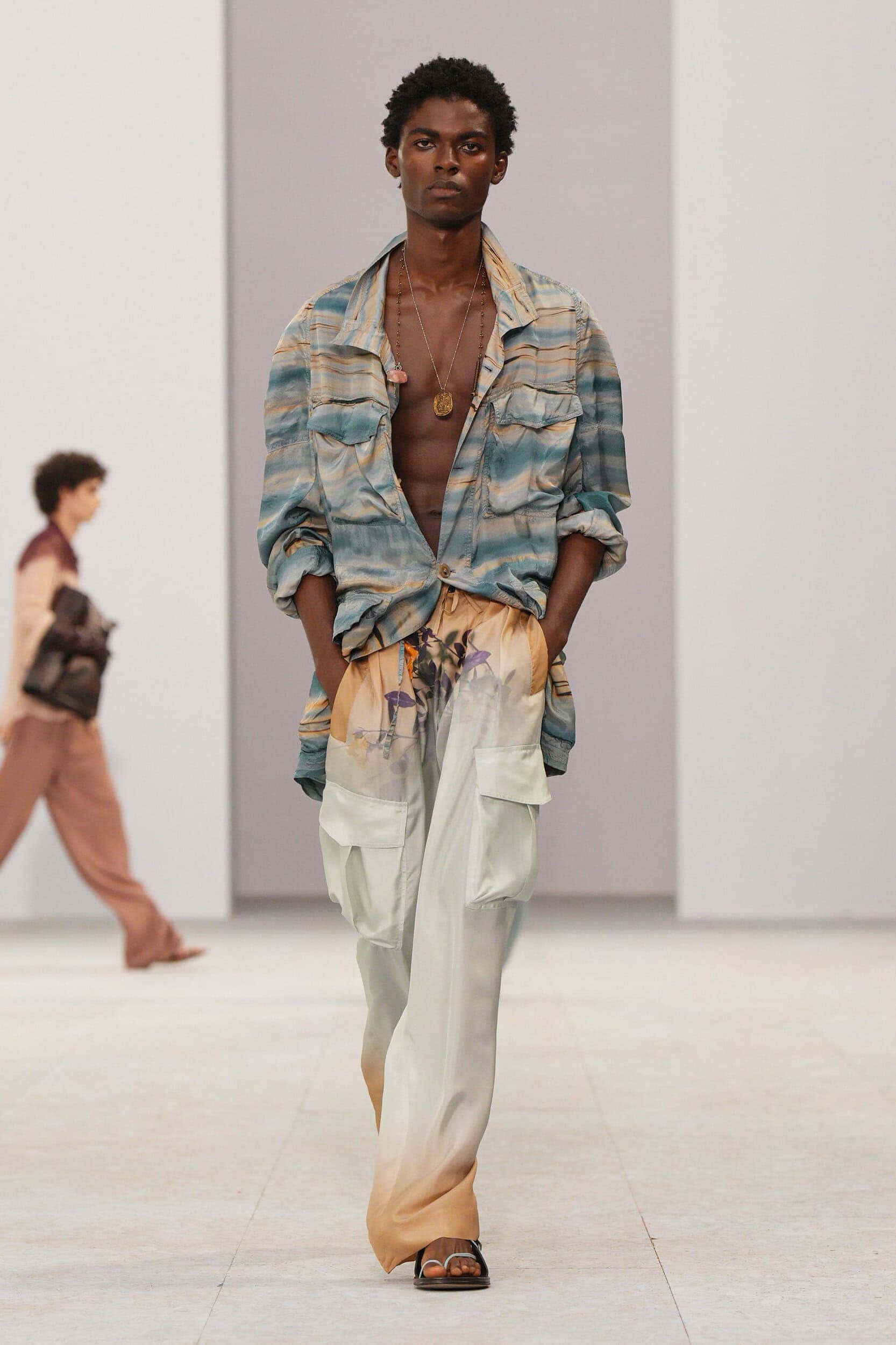
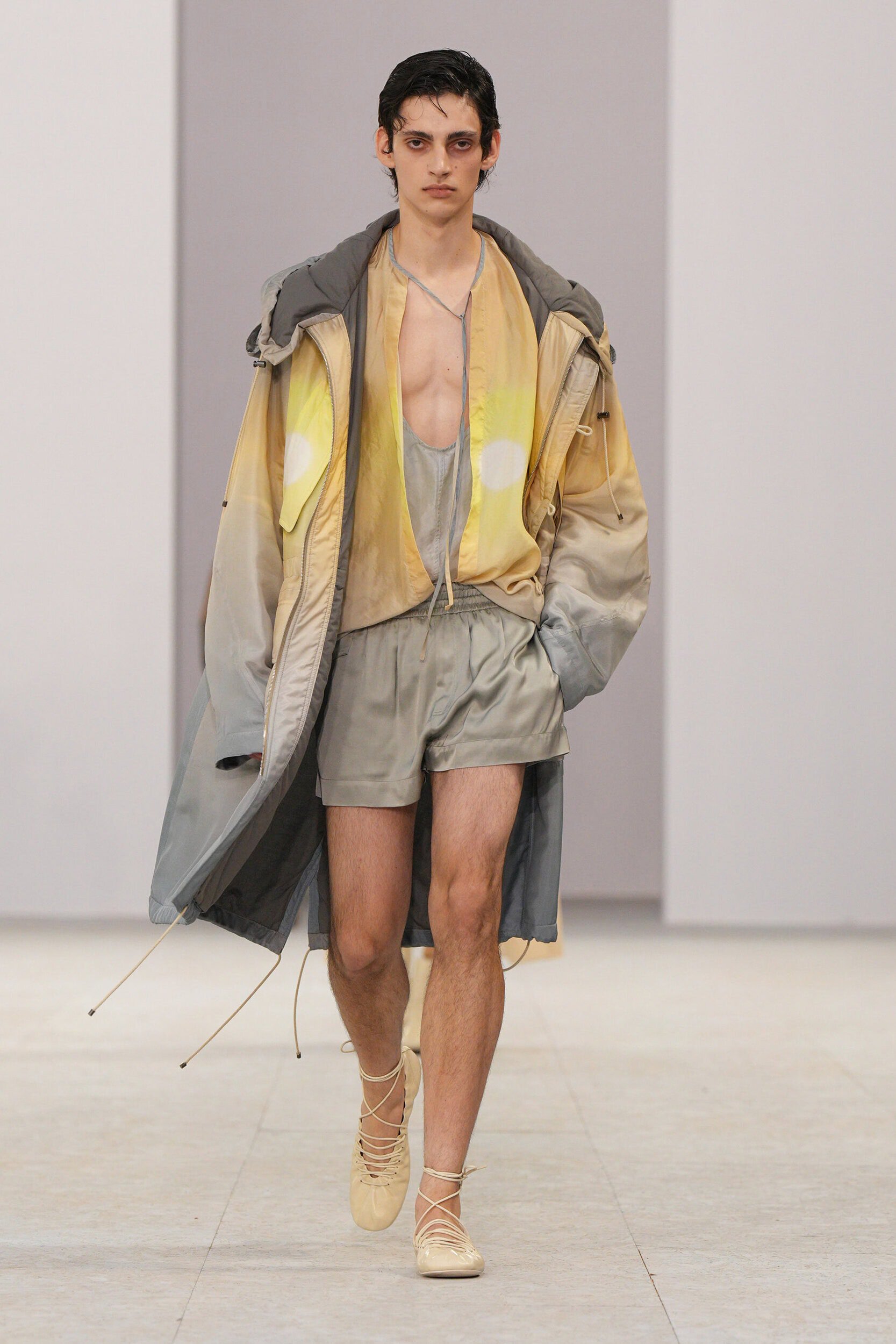
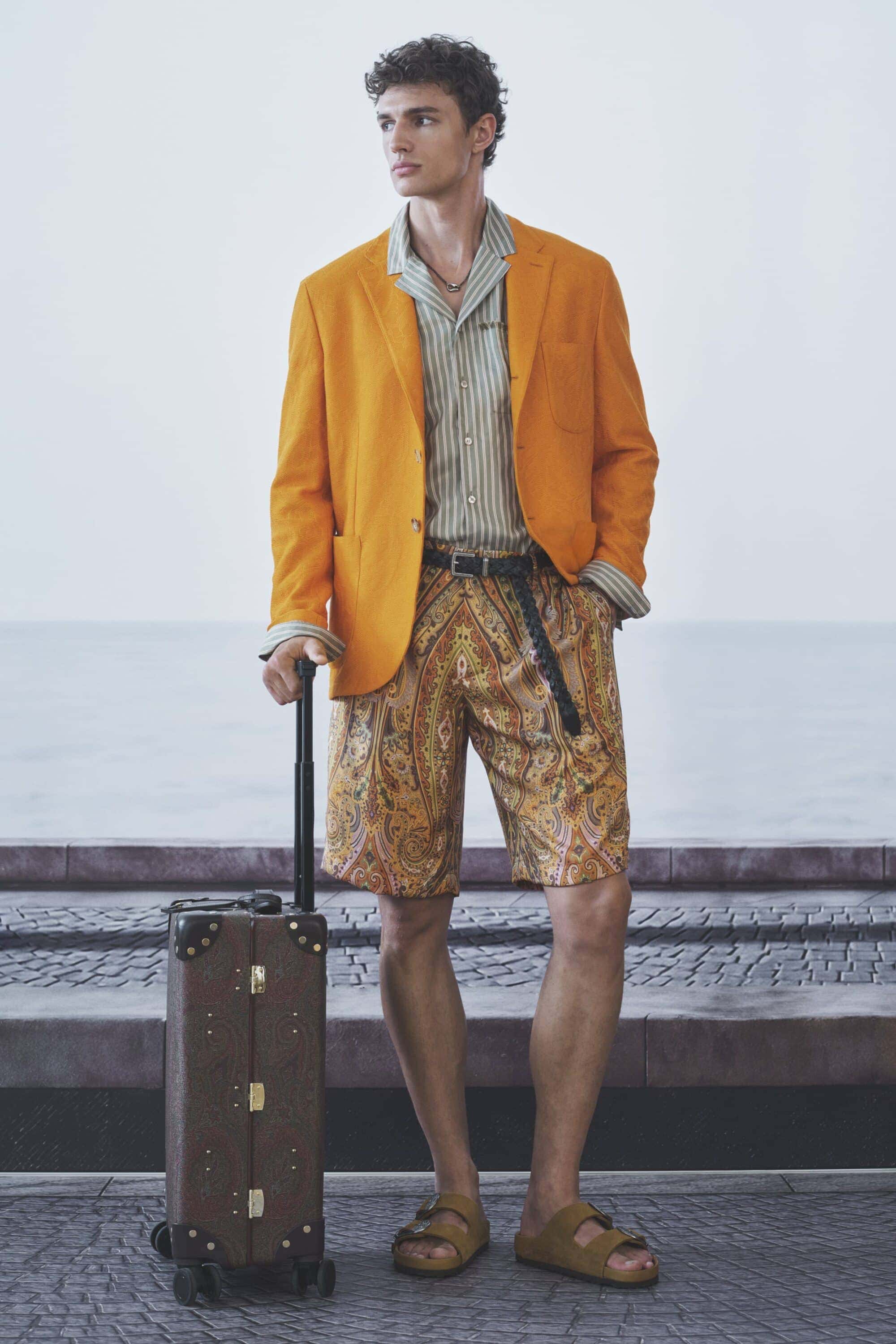
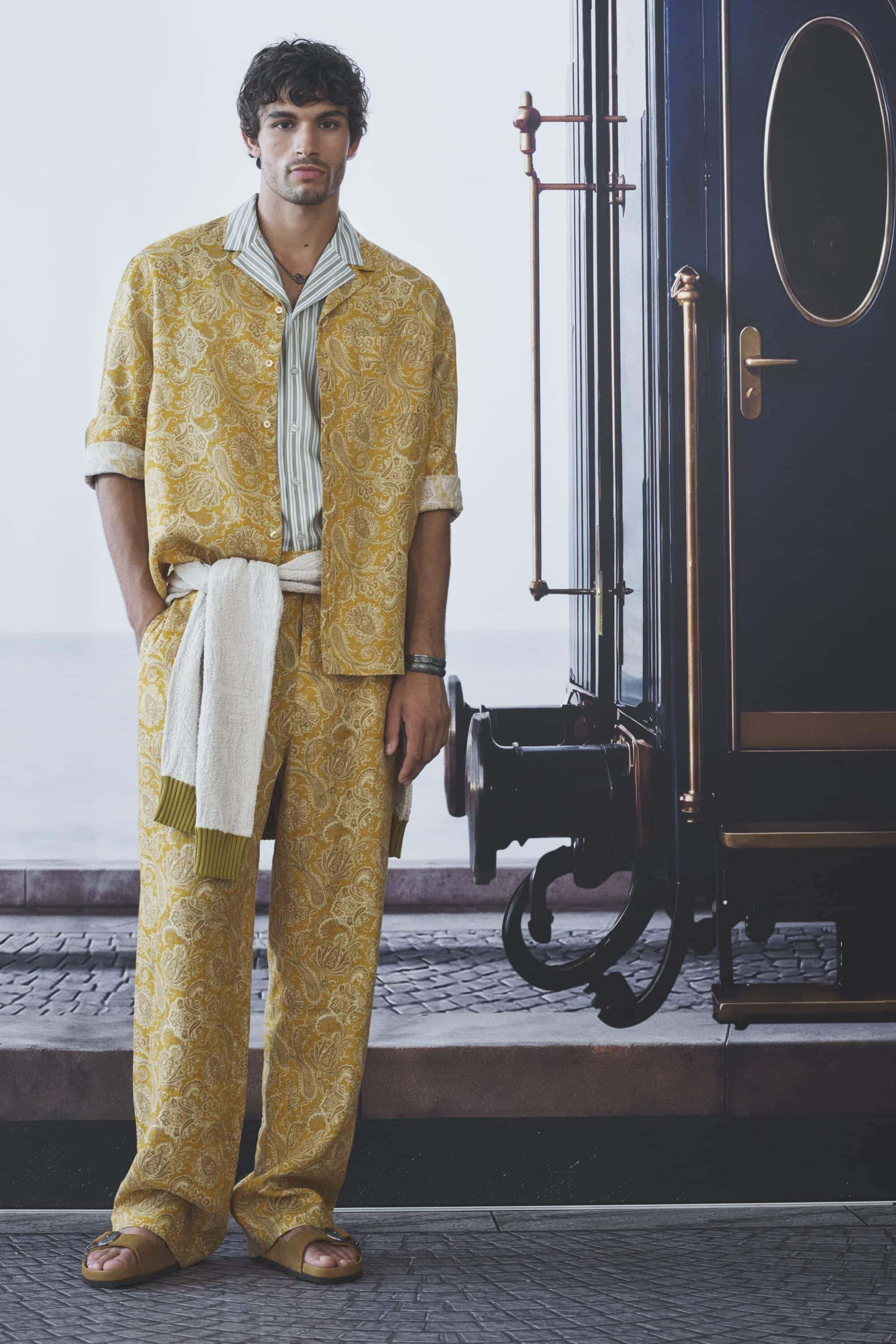
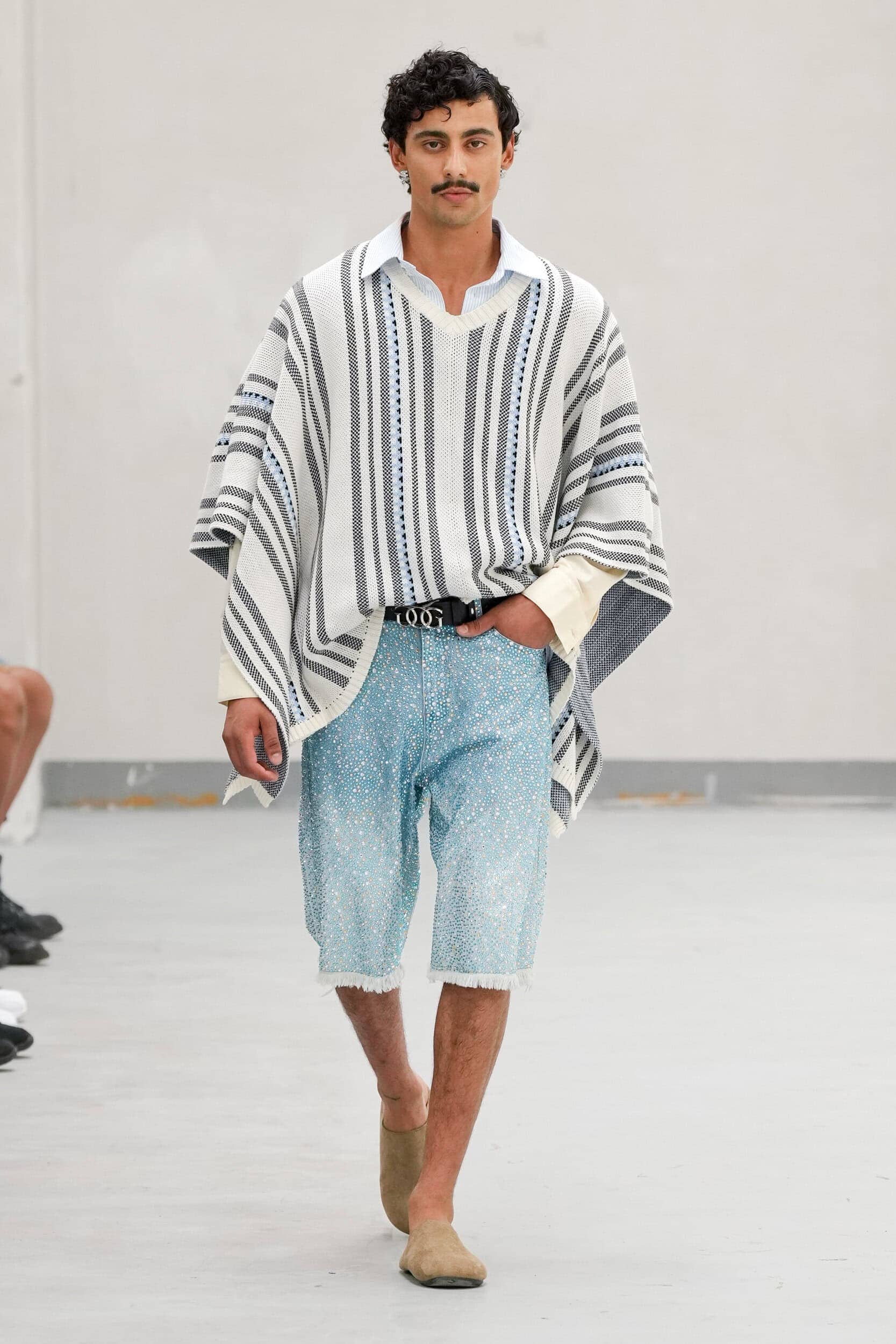
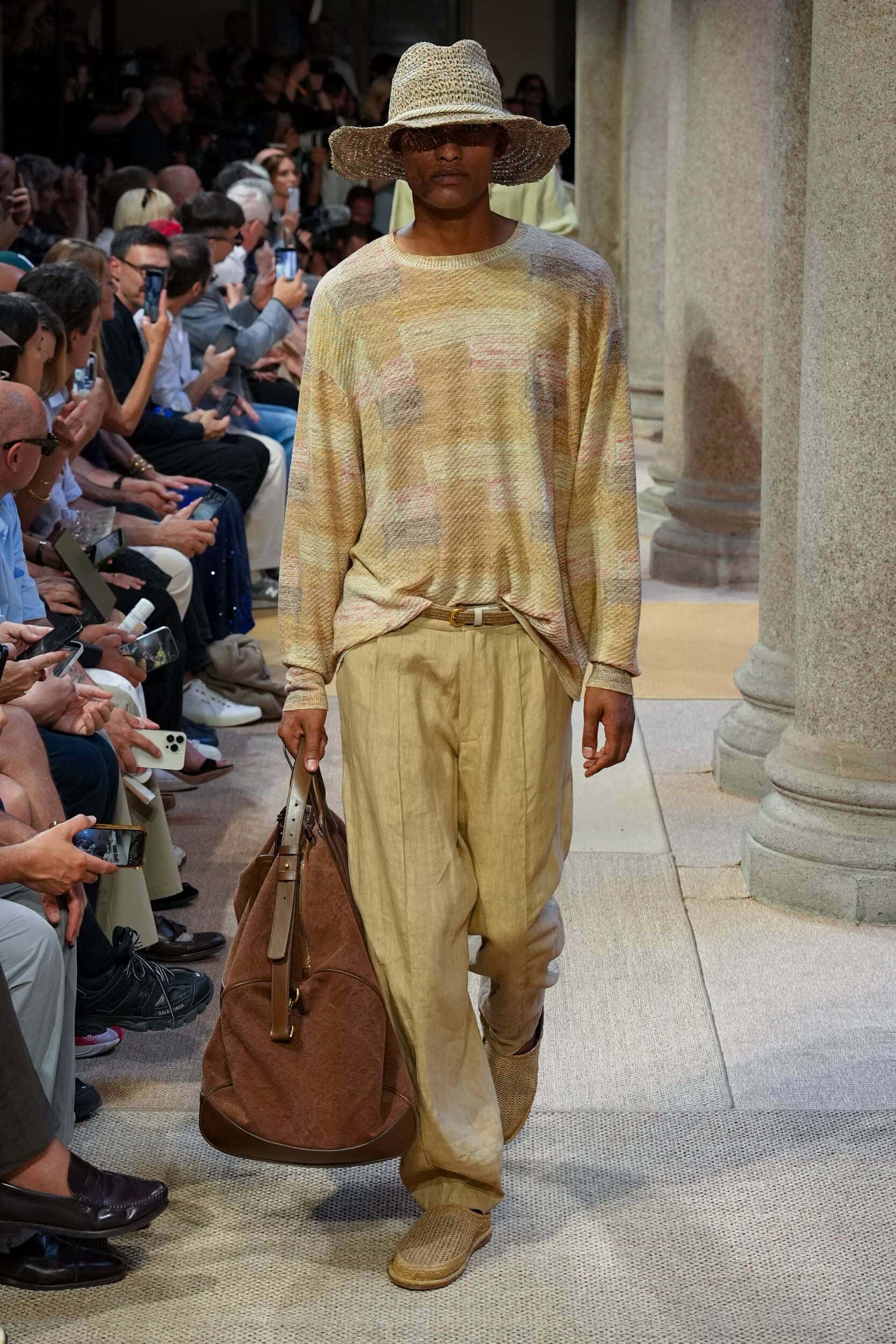
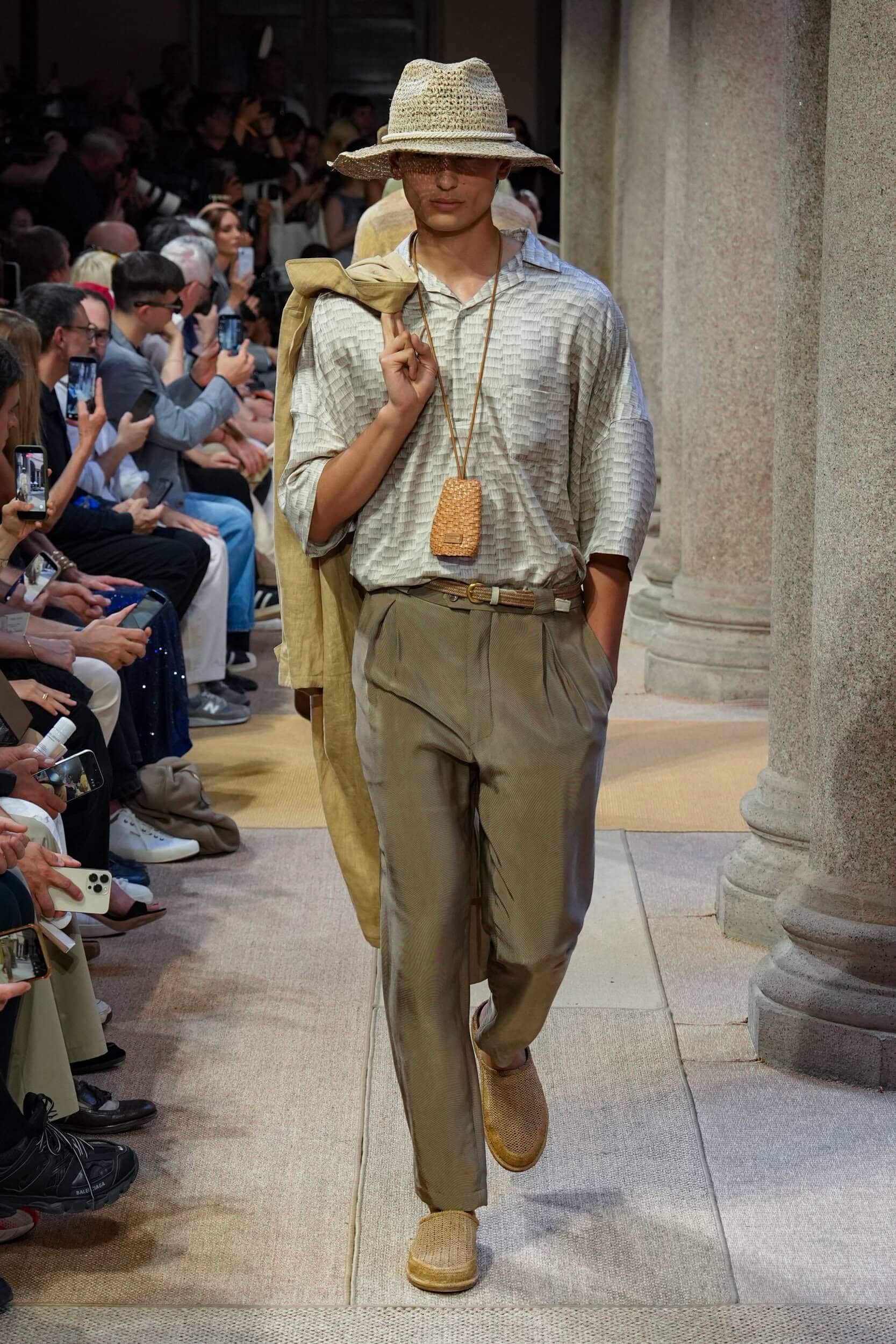
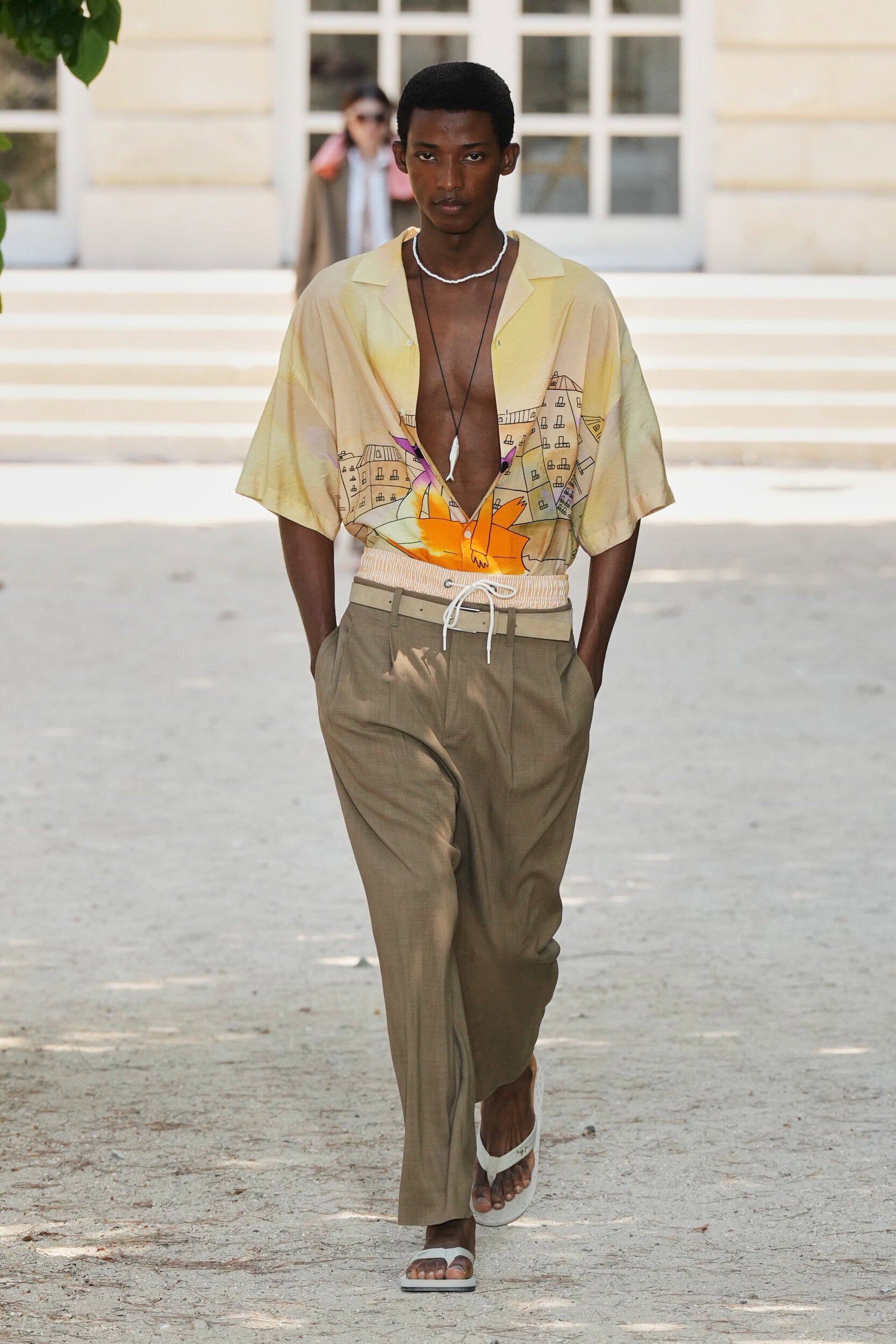
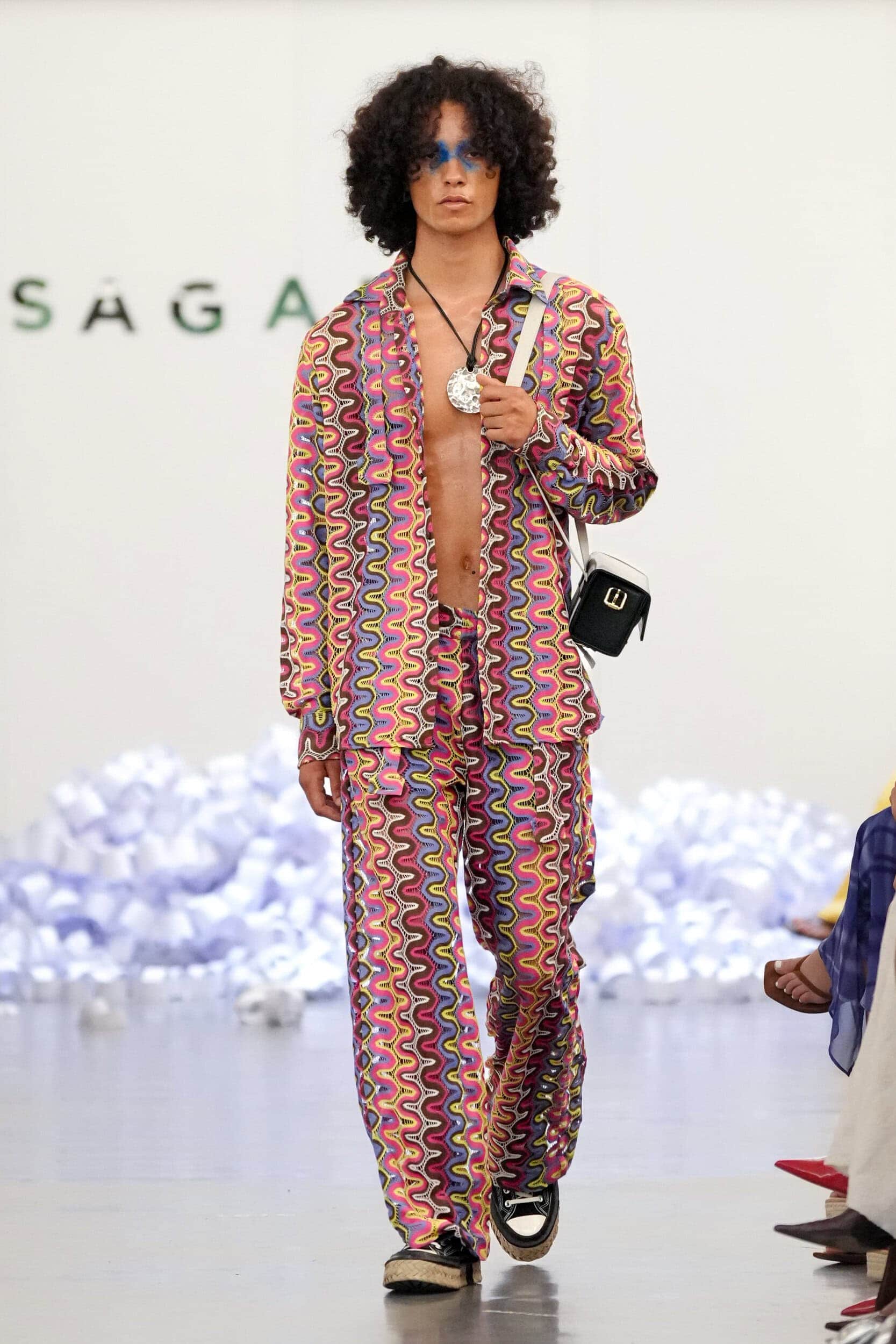
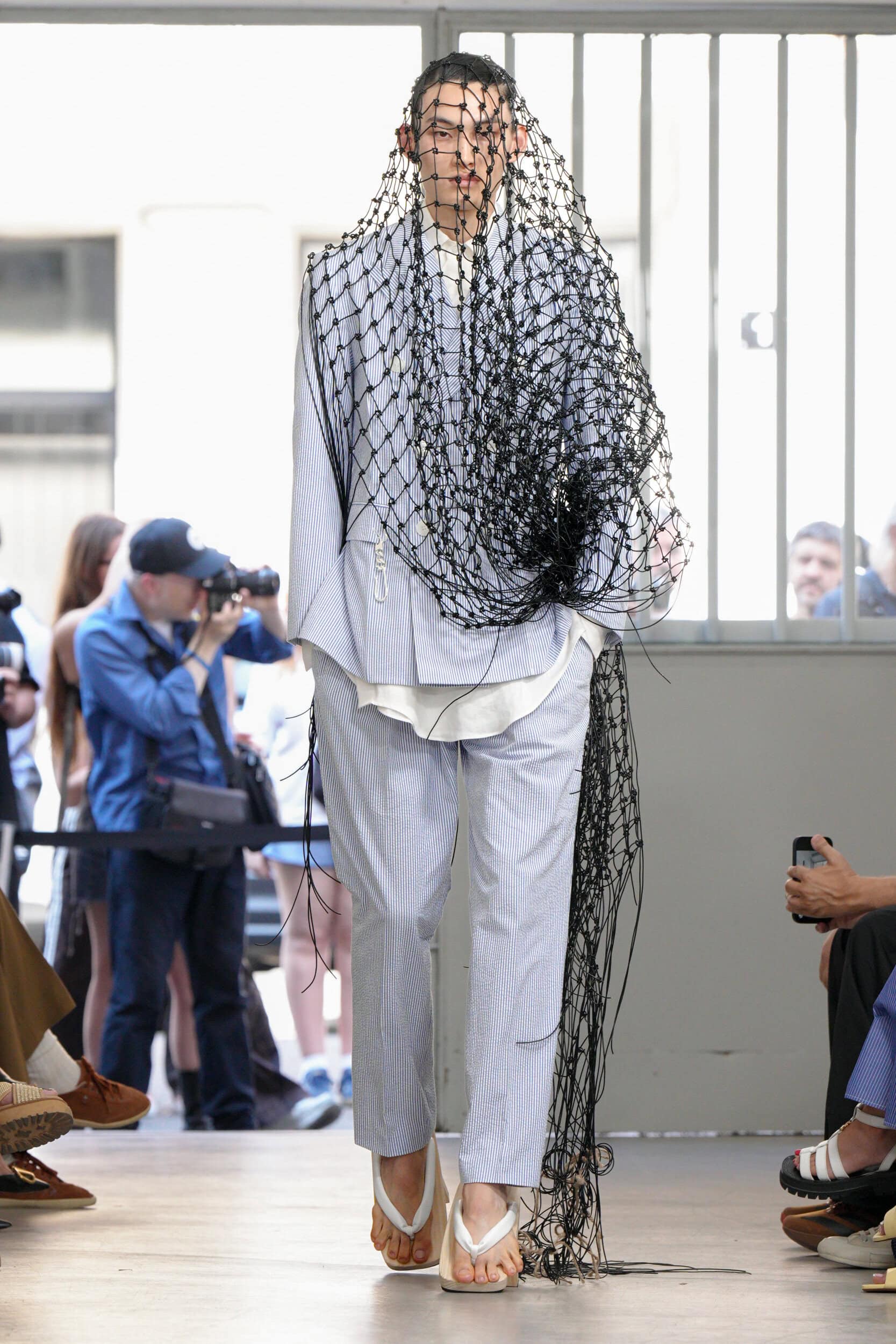
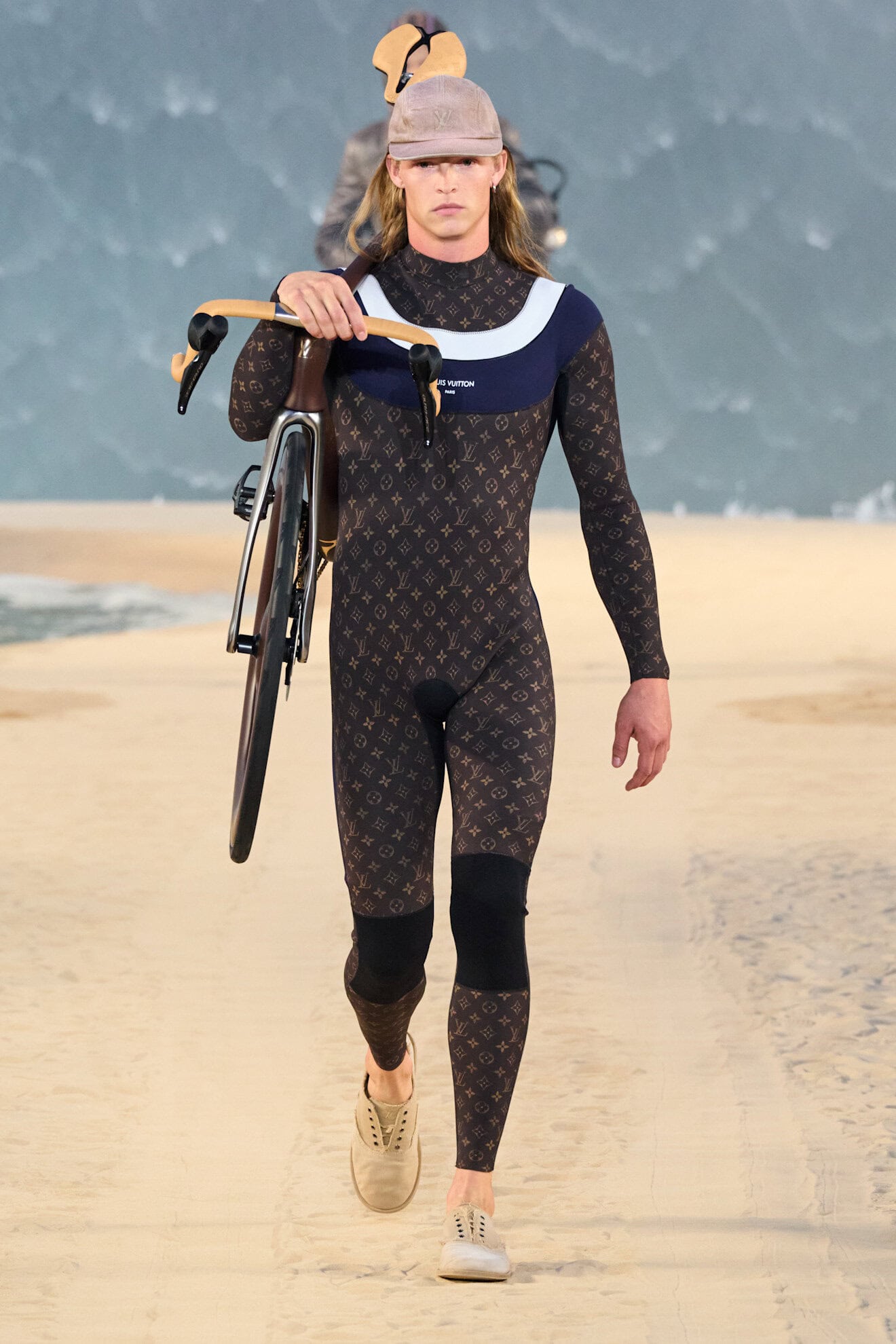
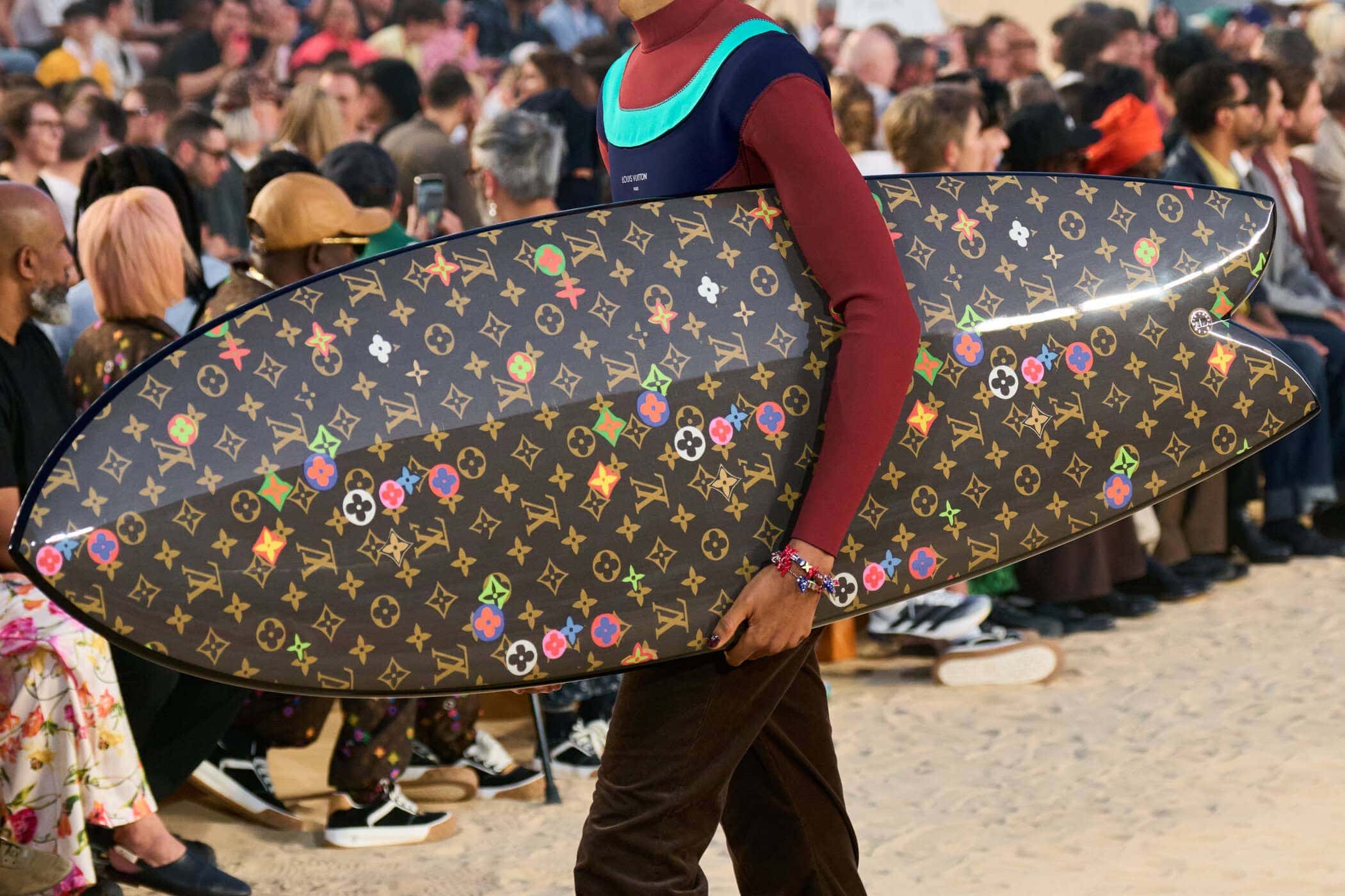
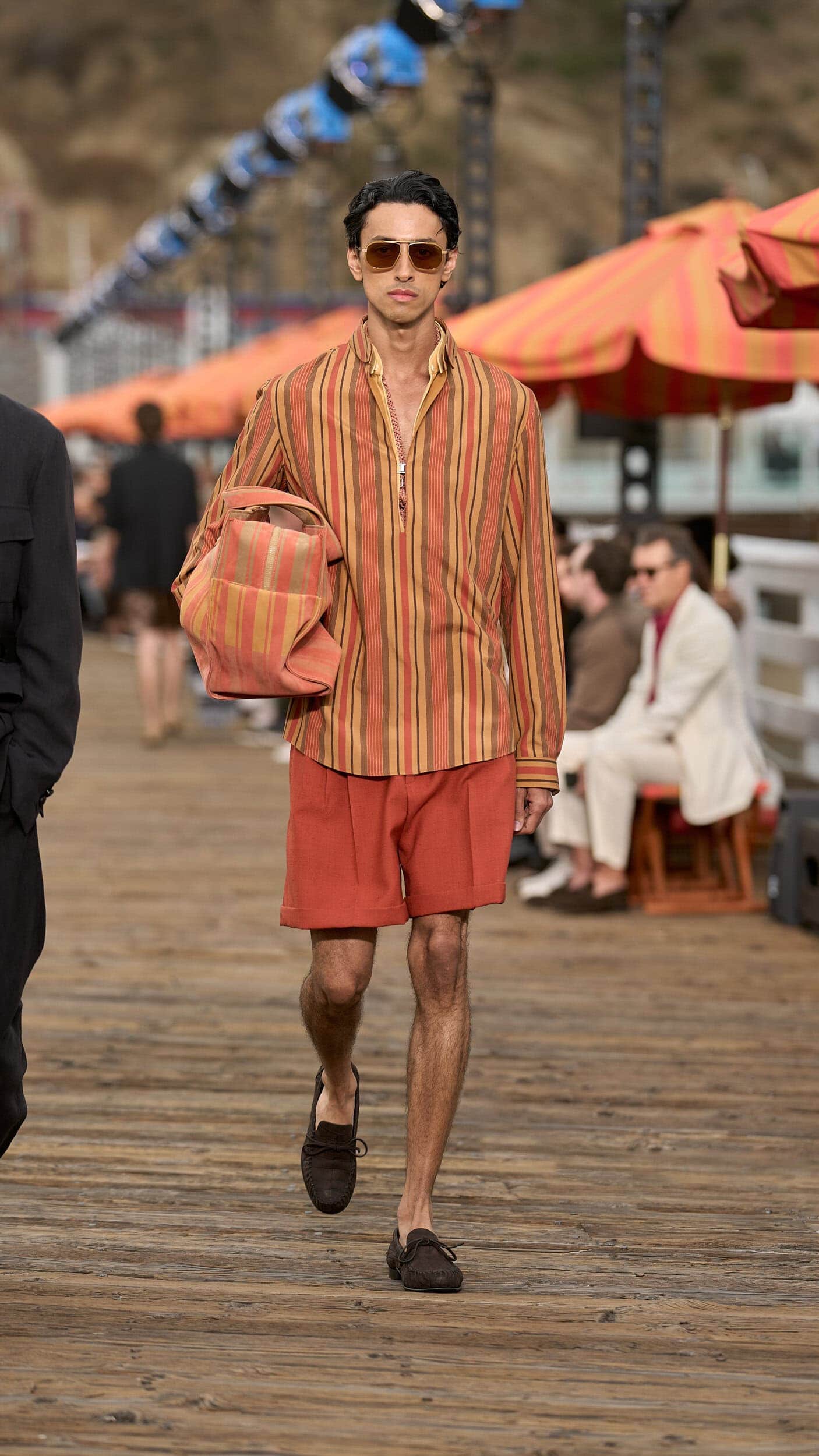
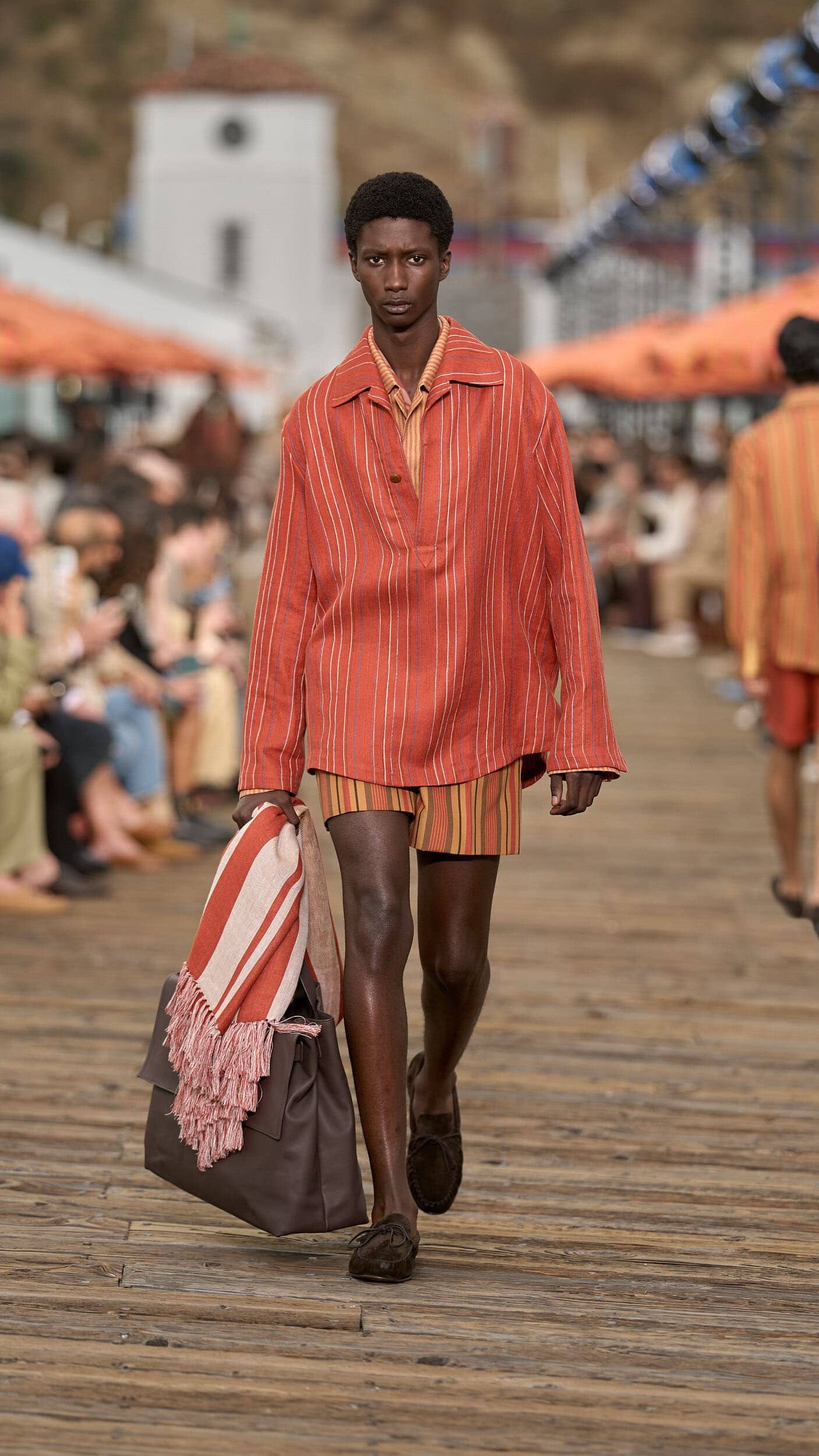
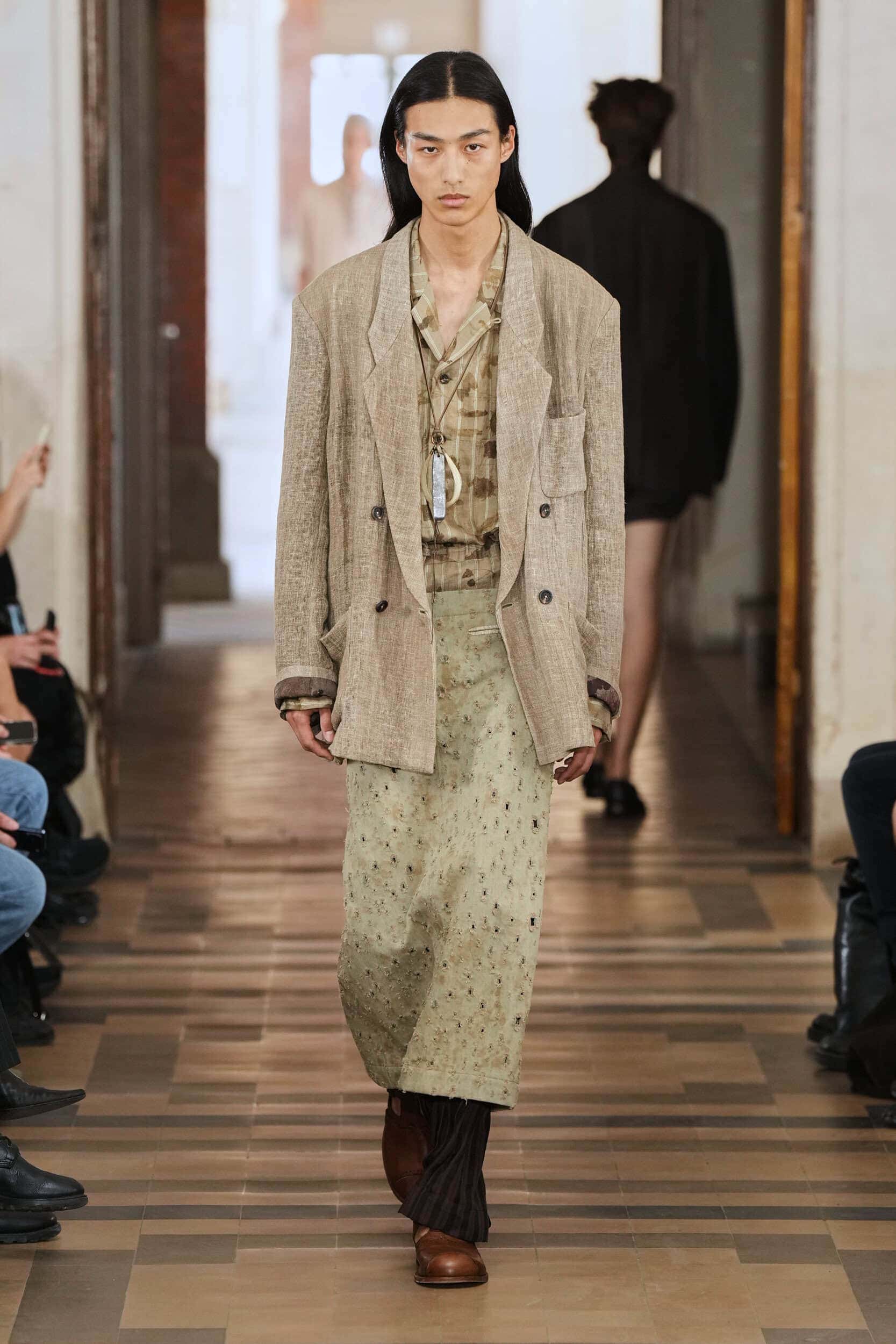
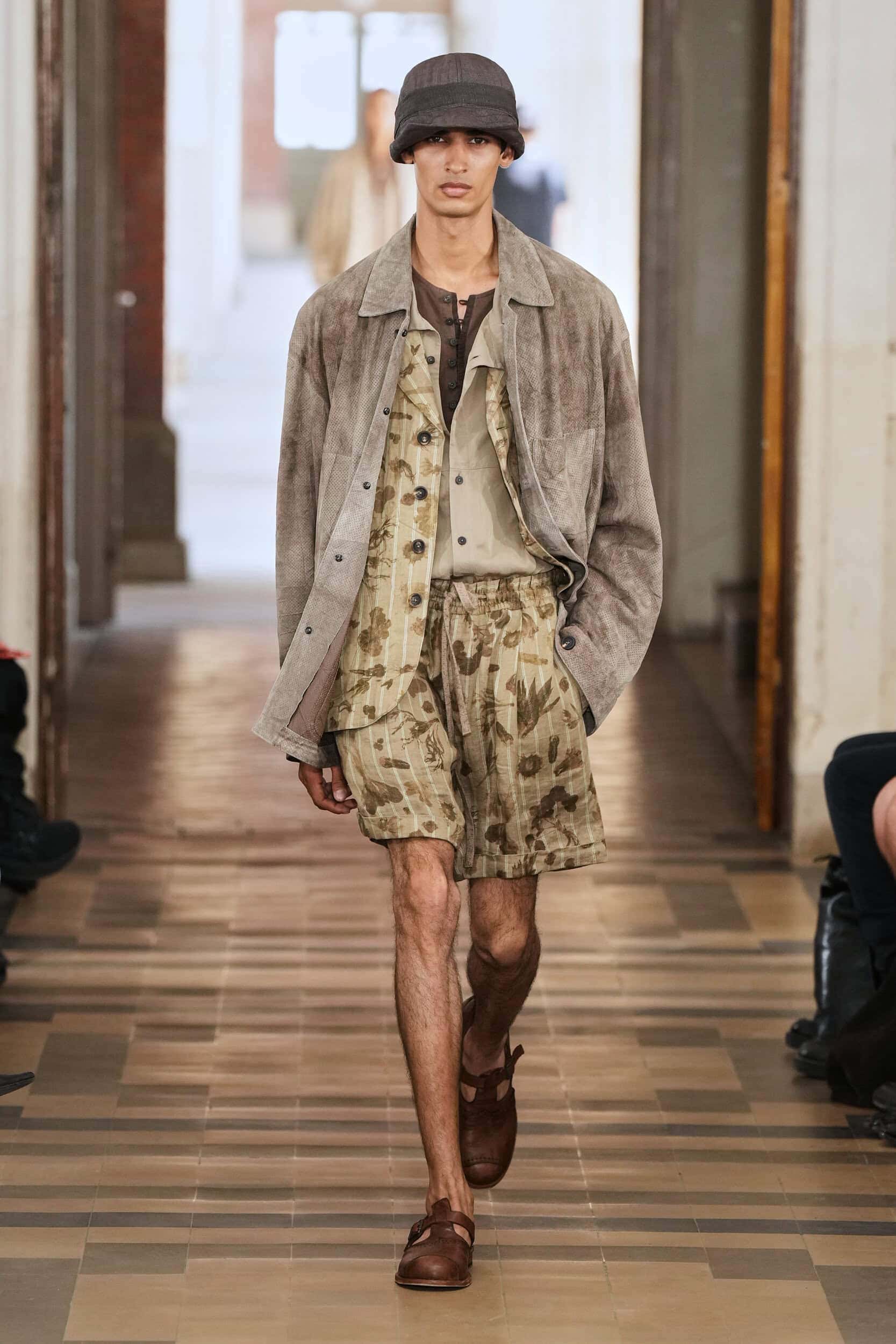
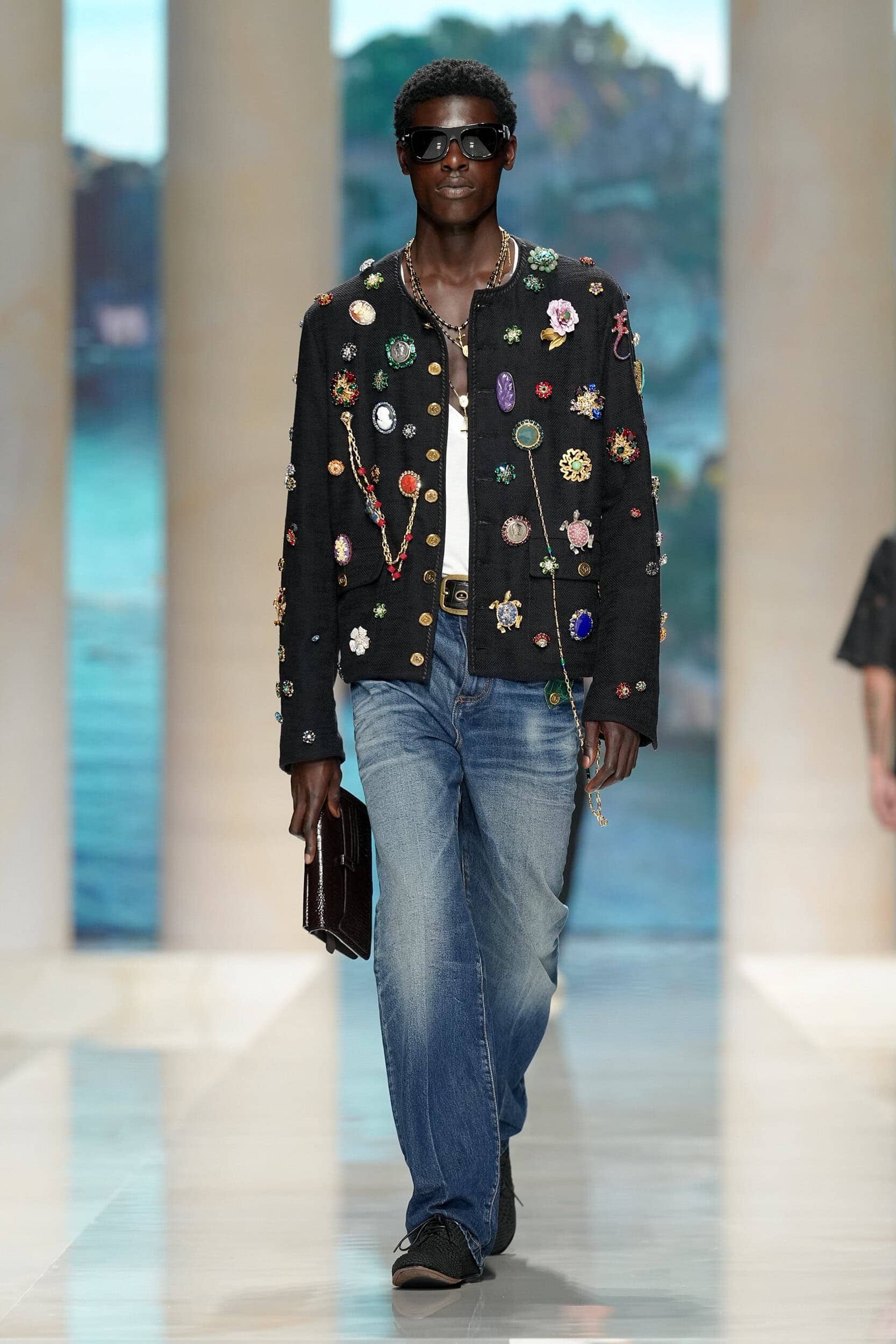
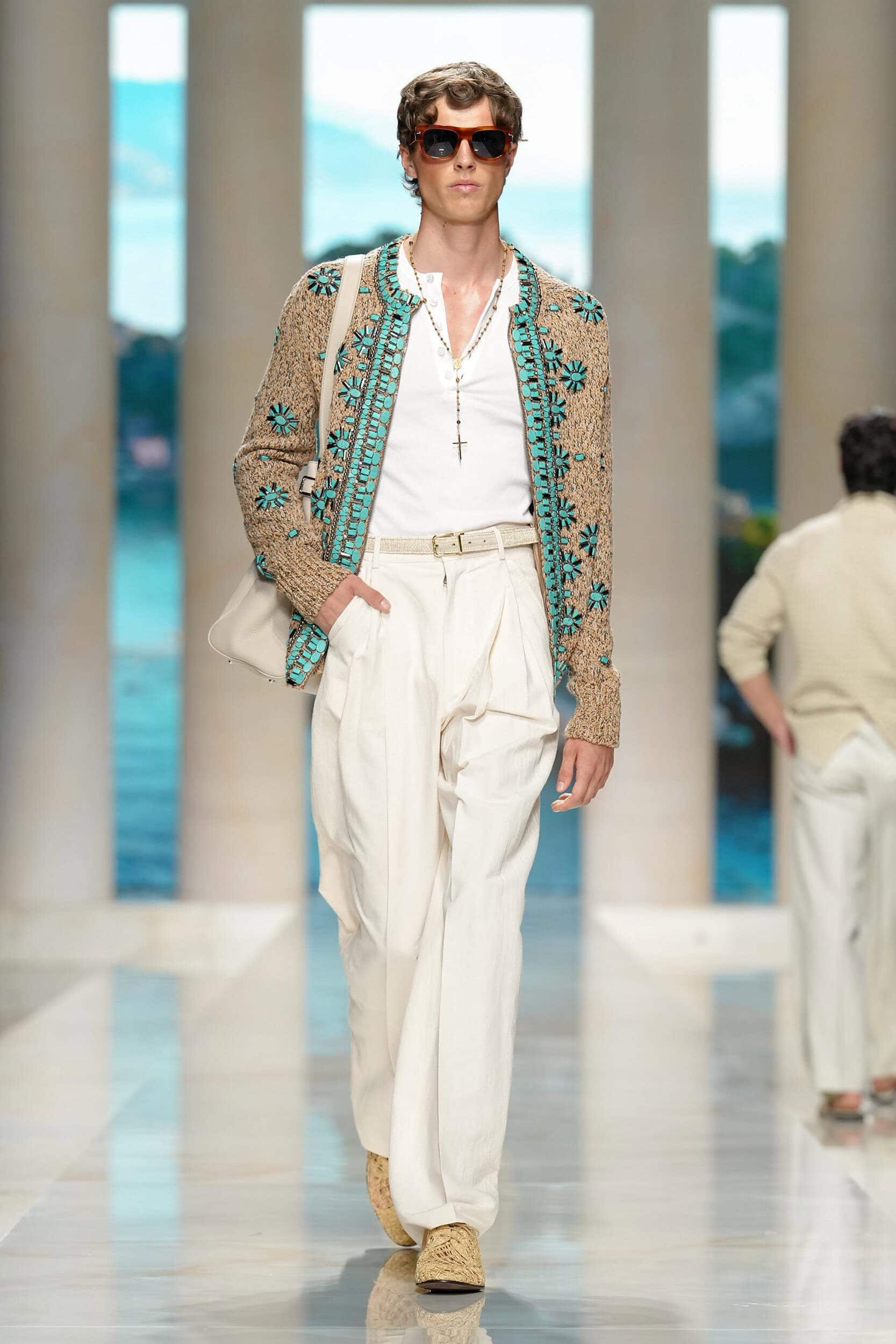
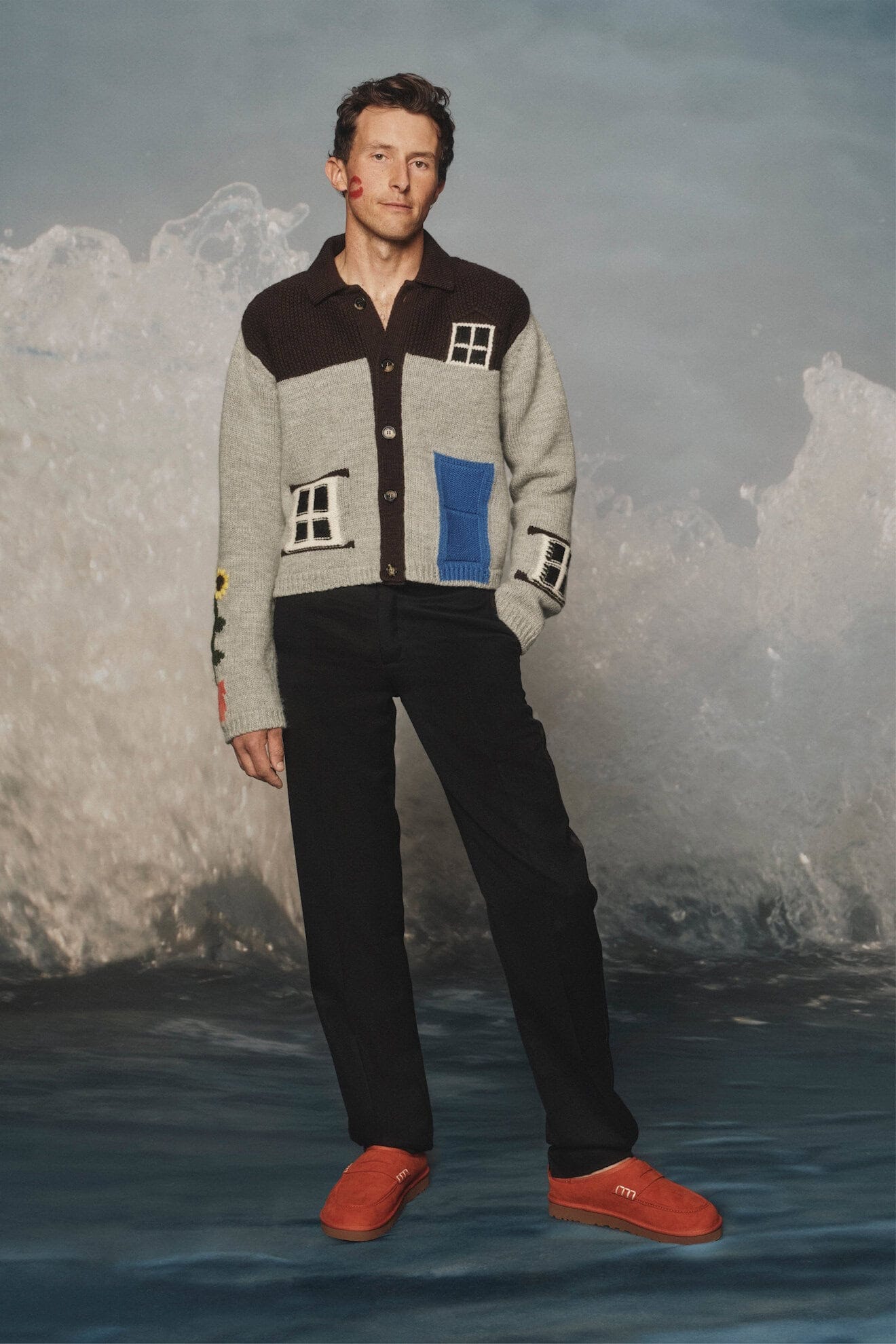
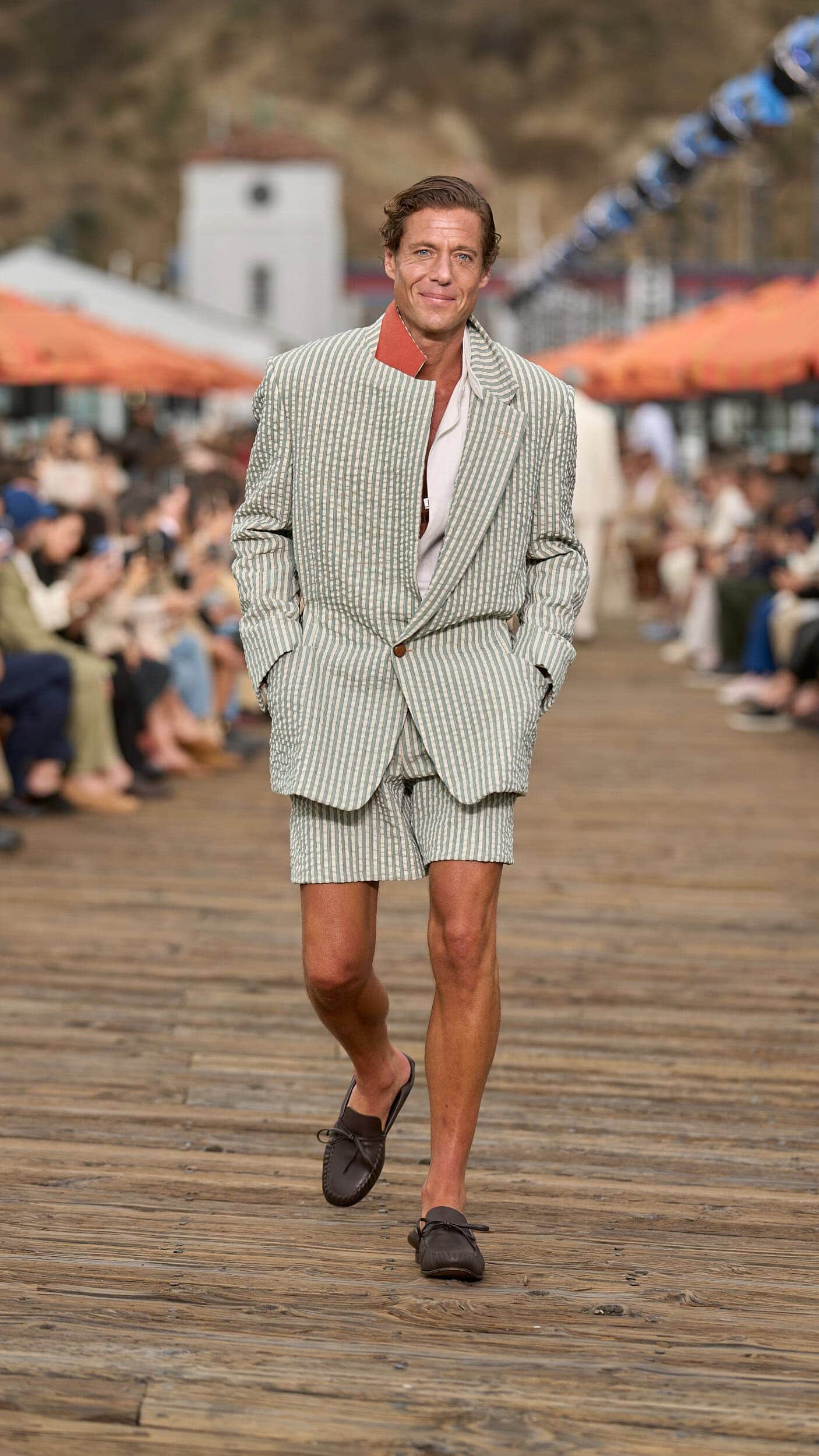
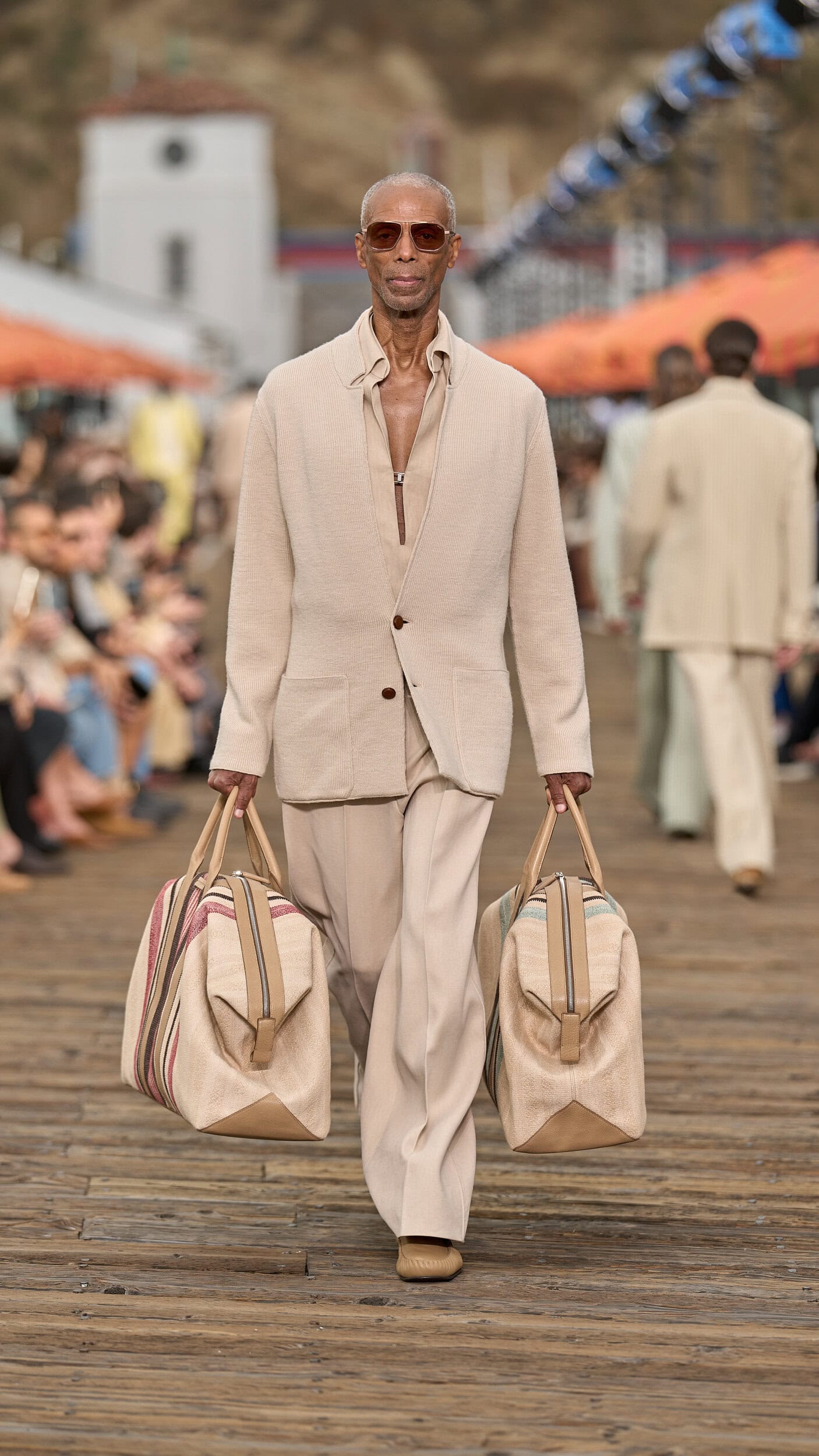
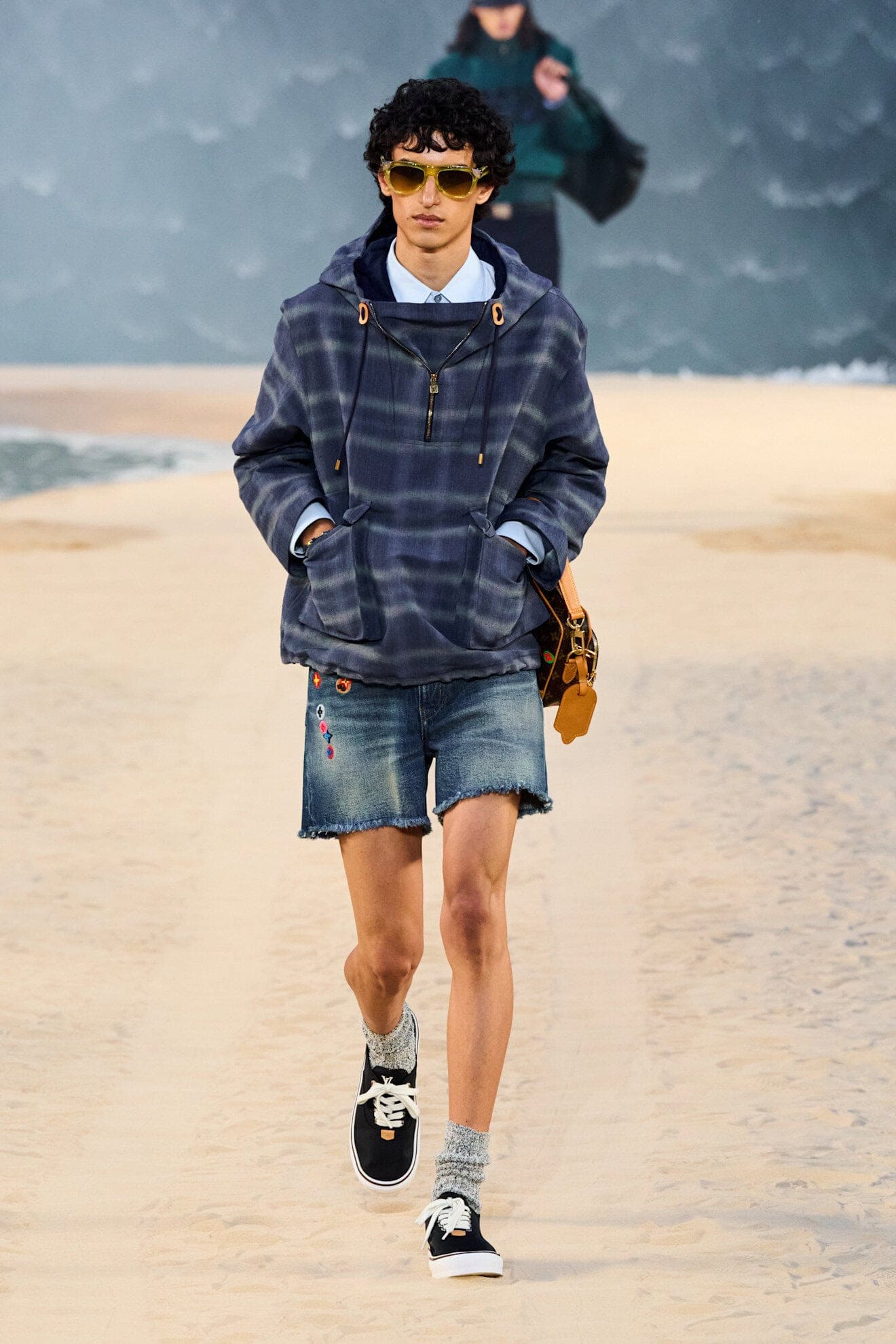
The cooling waves of the ocean became more than a metaphor at Louis Vuitton as creative director Pharrell Williams mined from his adolescence in and around the surf culture of Virginia Beach, while Zegna took to the shores of Malibu Beach on the Pacific coast, and at Garcias, a Paris runway debut celebrated “the people who grew up between cultures, borders and dreams.” The pull of new horizons played a major role in the creative output of several other brands for spring 2027, with oversized bags that were carry-on ready featuring heavily Dolce and Gabbana kept it close to their beloved Sicilian roots, Wooyoungmi projected a ‘lightness of being’ and sought to convey how different global cultures communicated a sense of elation through clothes. At Celine, the connecting thread woven through a collection born of amplifying the individual was a sense of disparate influences coming together harmoniously – from South Asian patchwork fabrics to tie-dye and headwraps. And Ziggy Chen and Giorgio Armani built new narratives for summer tailoring that appeared ready-to-roll into a case for transportation beachside.
Reconnecting with the world through the art of adventure aligns with a time where consumers have felt disconnected and so are seeking wonderment and emotional connection out in the real world, and for spring 2027 designers delivered.

2. Full Transparency
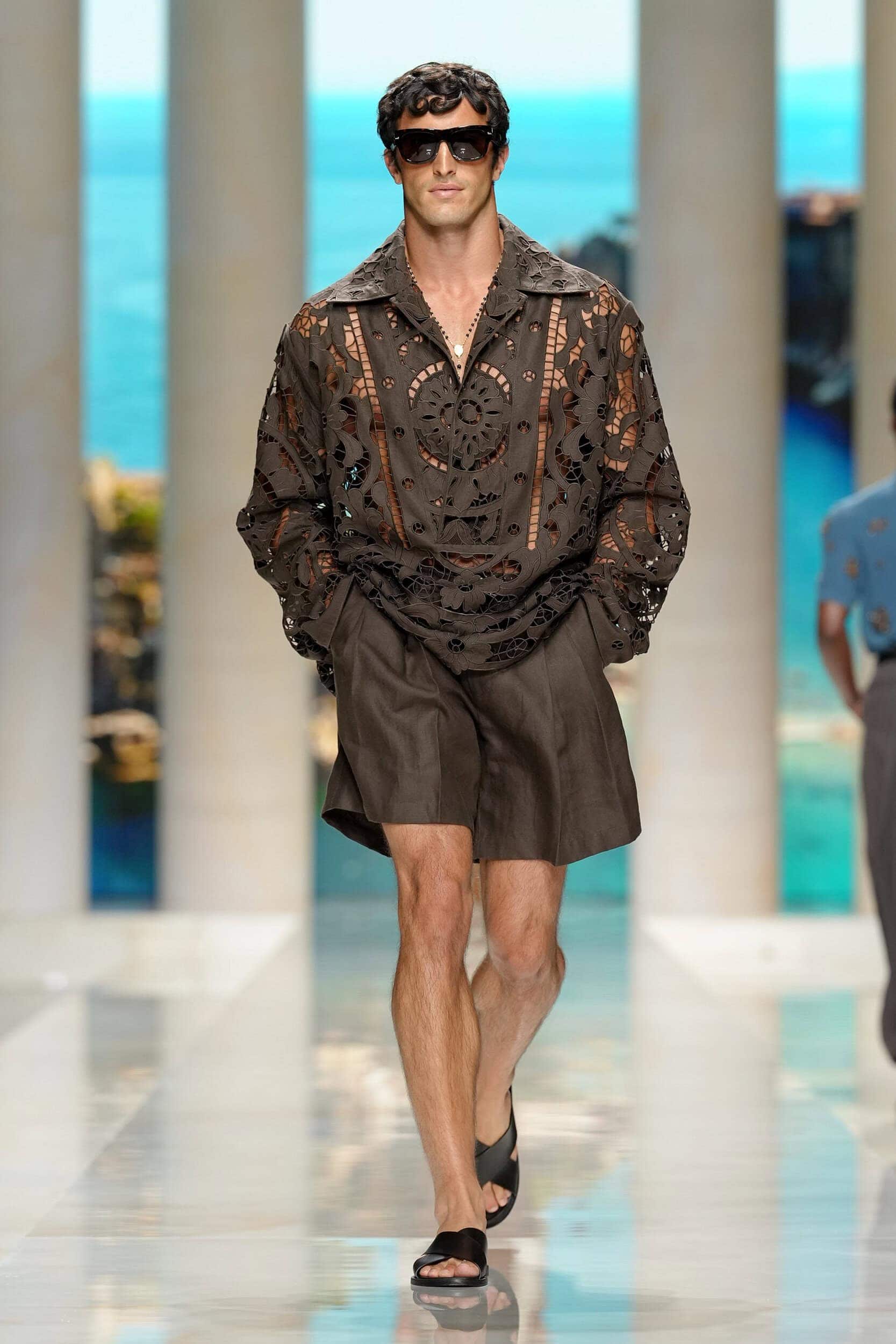
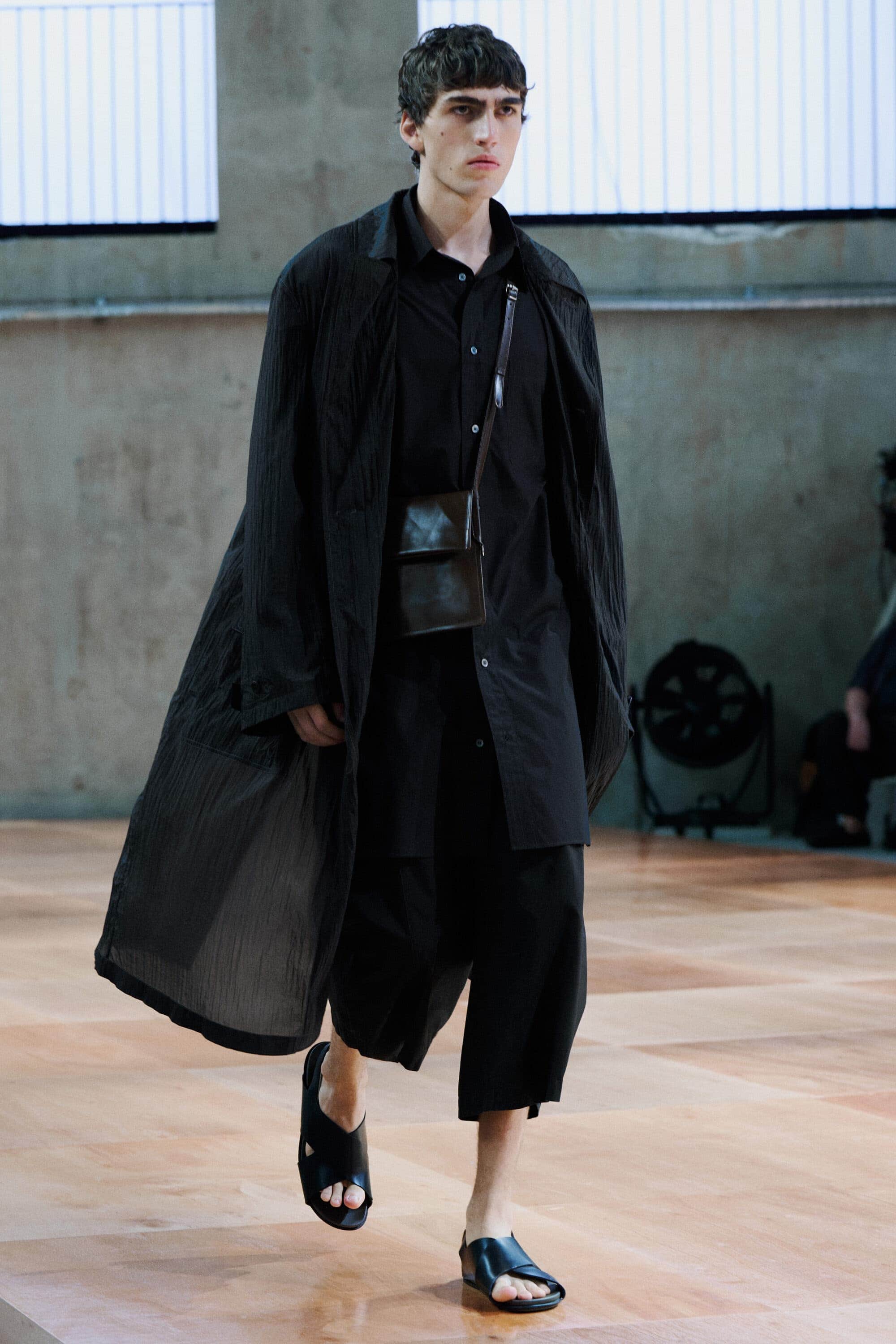
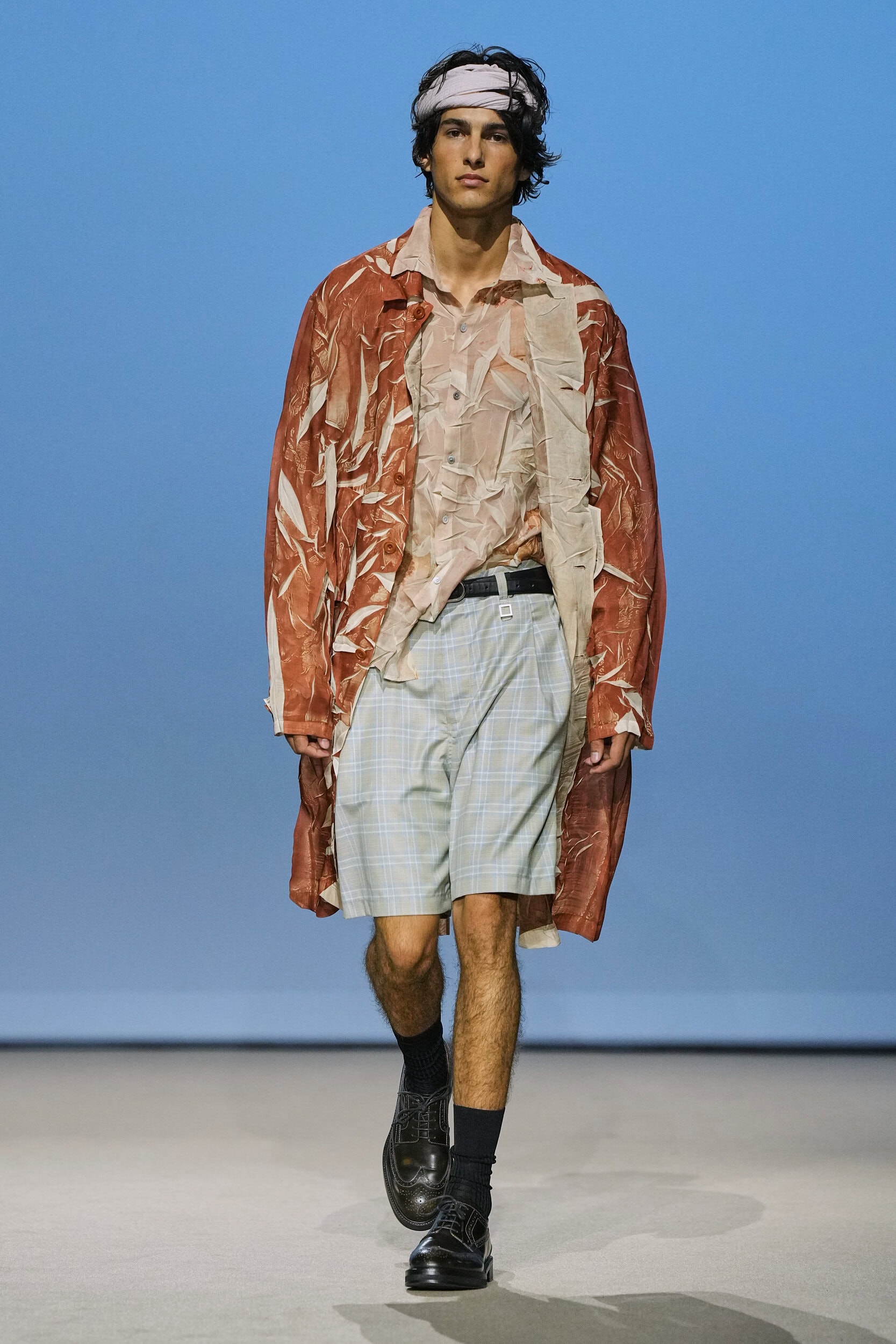
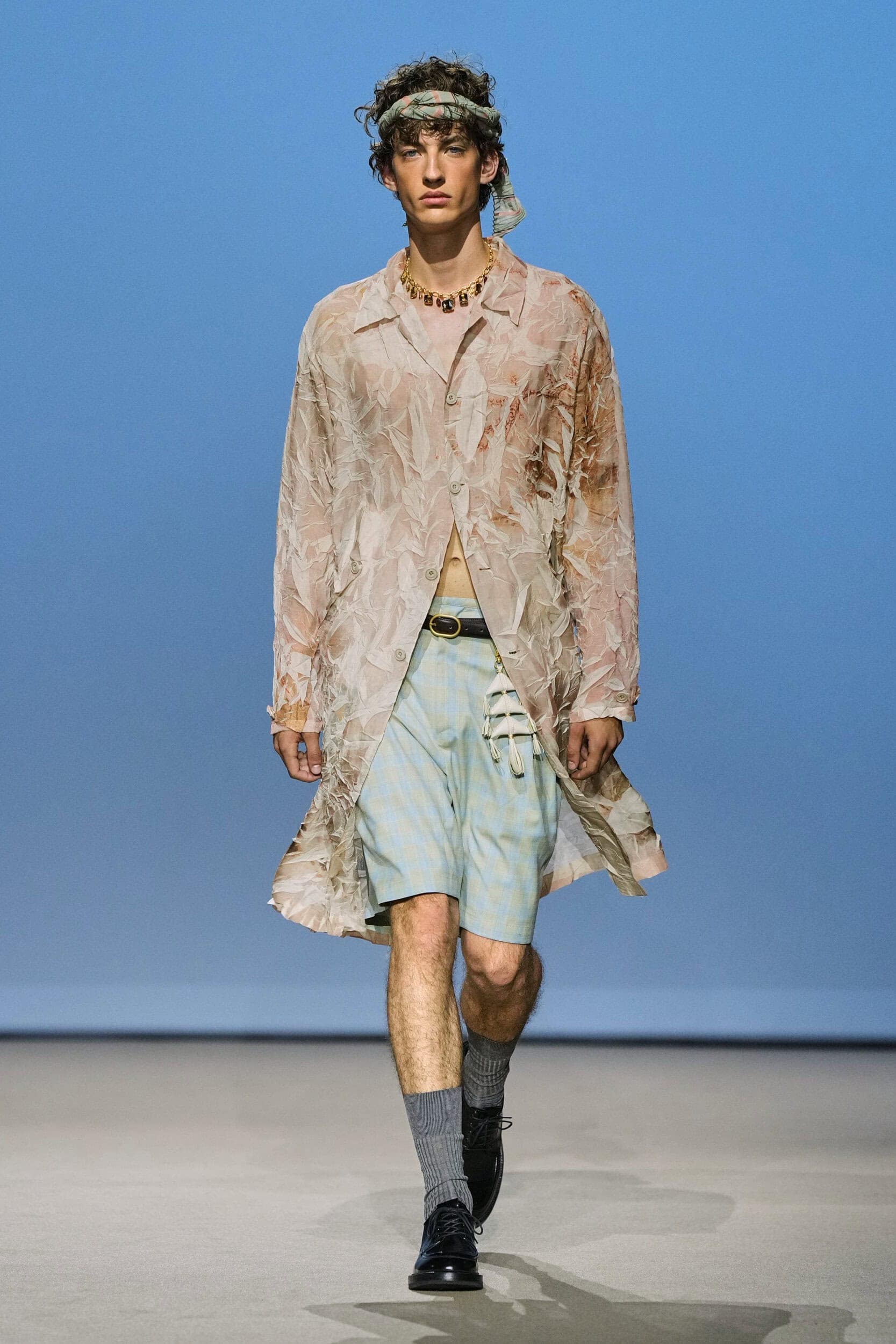
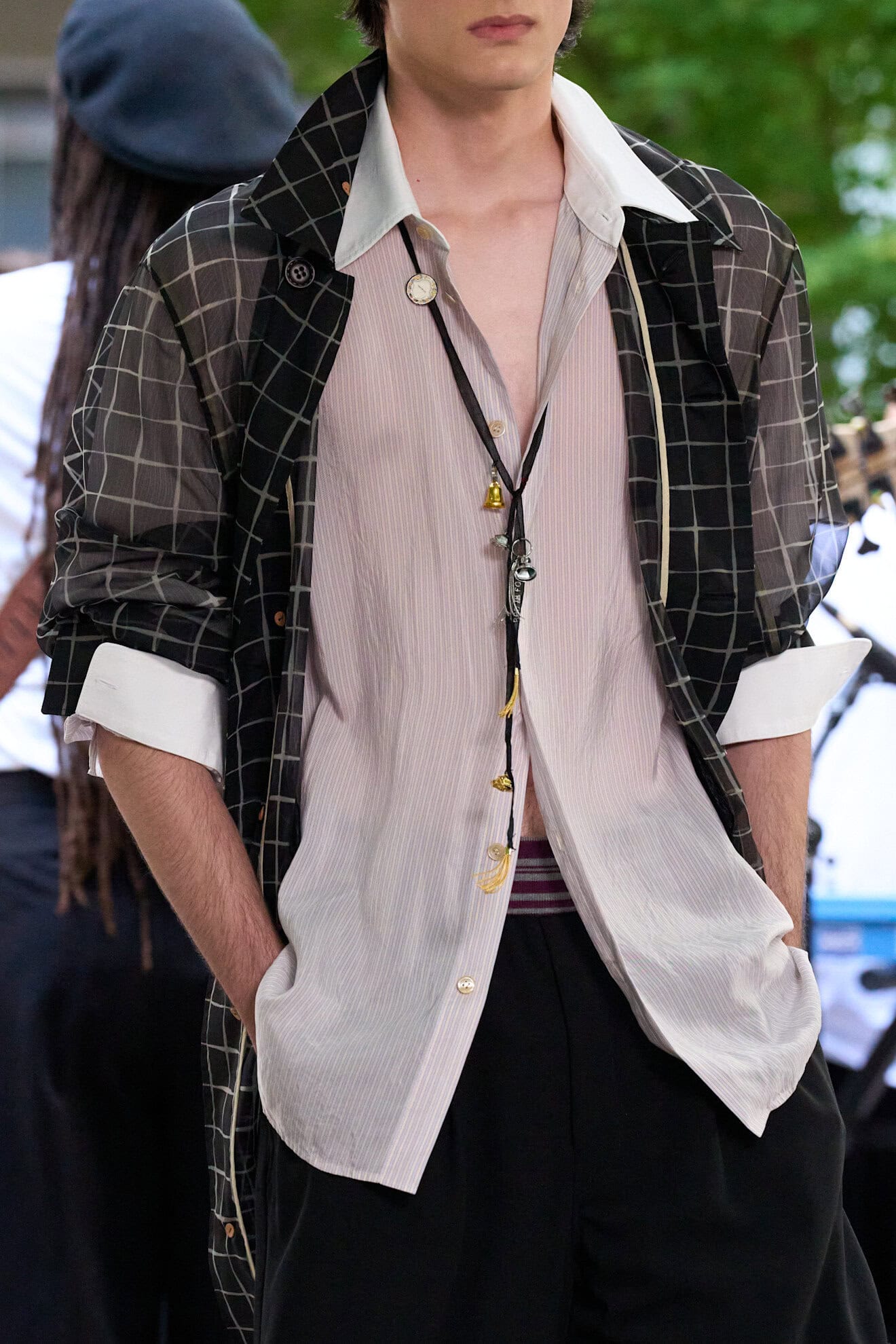
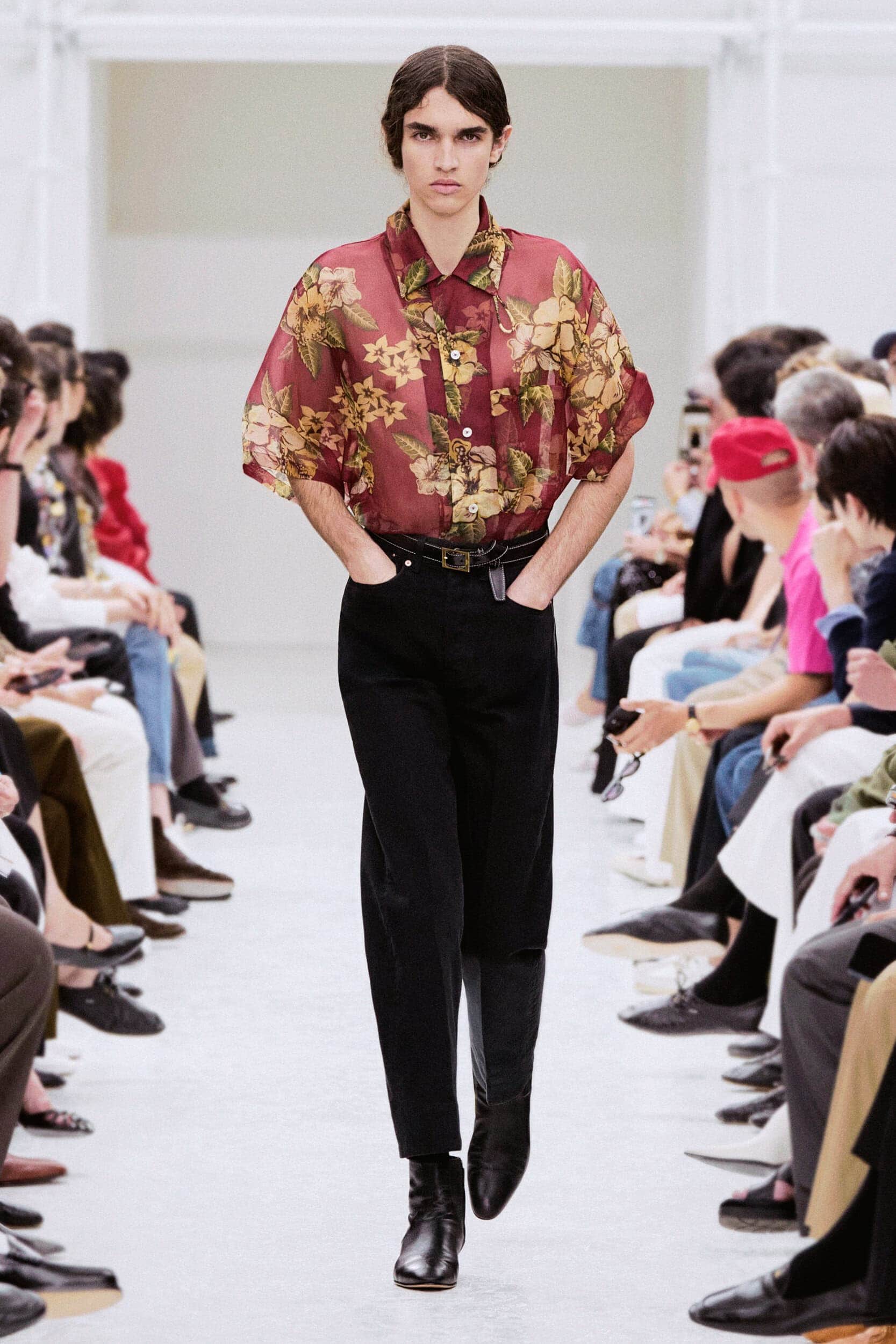
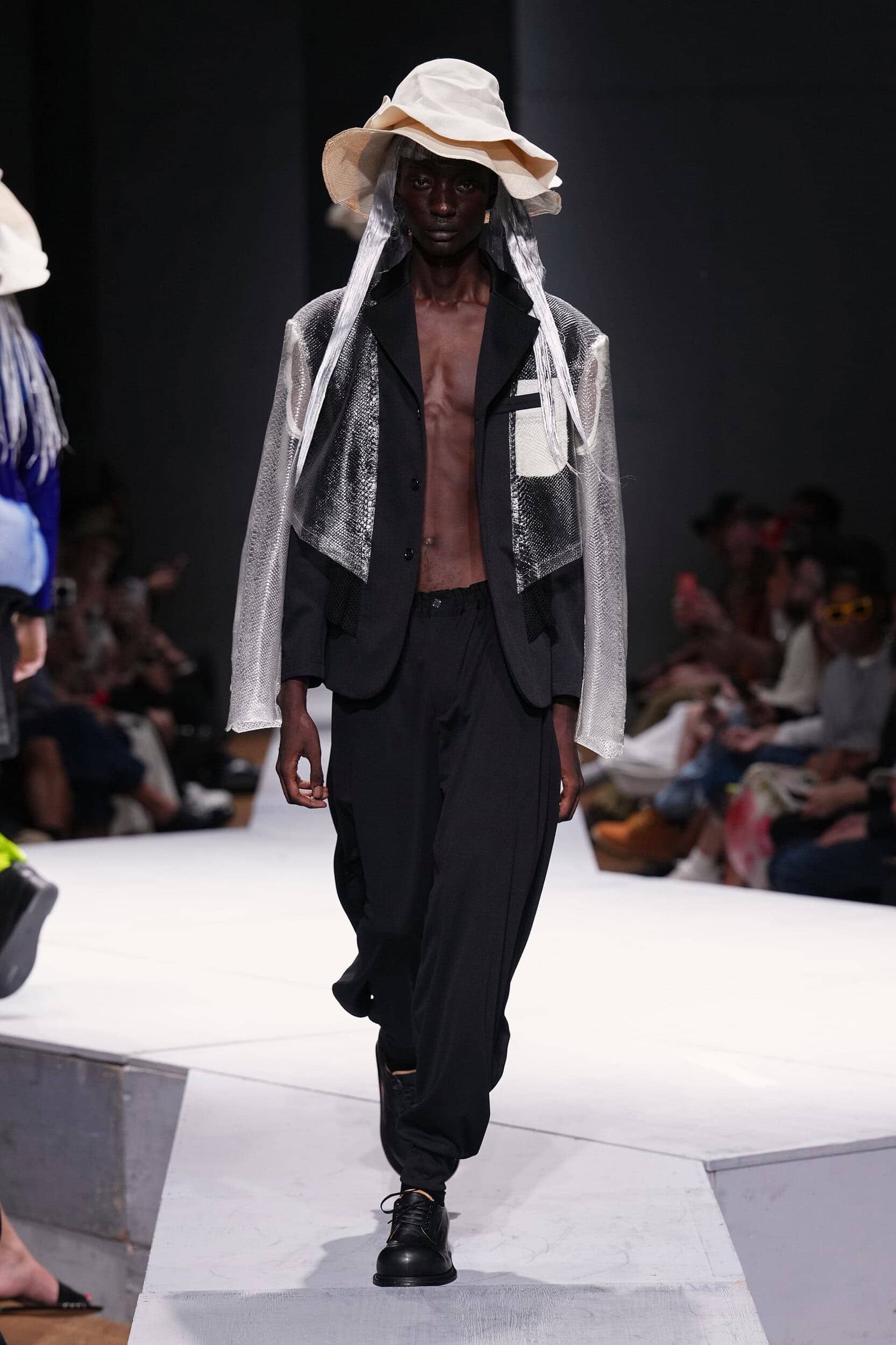
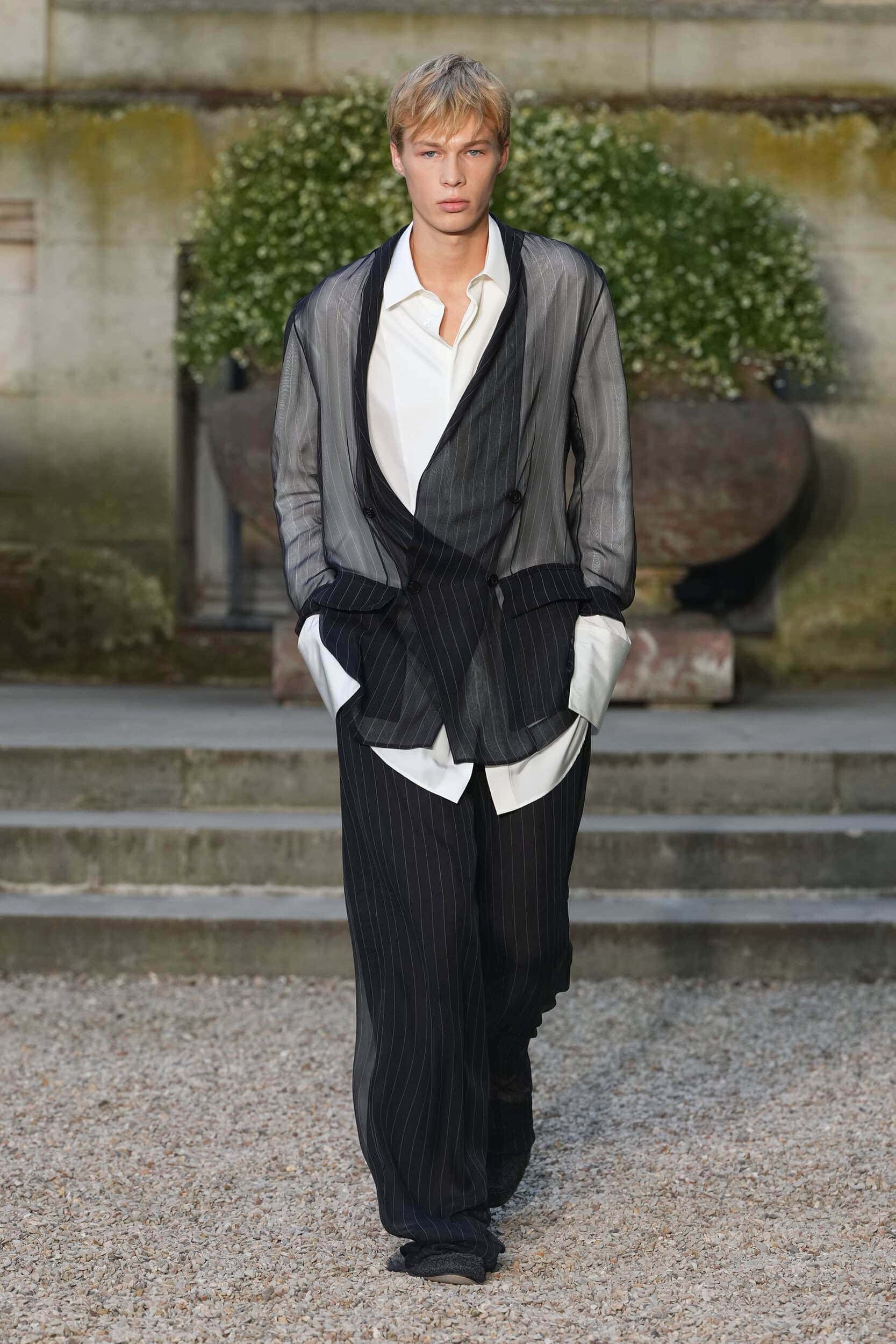
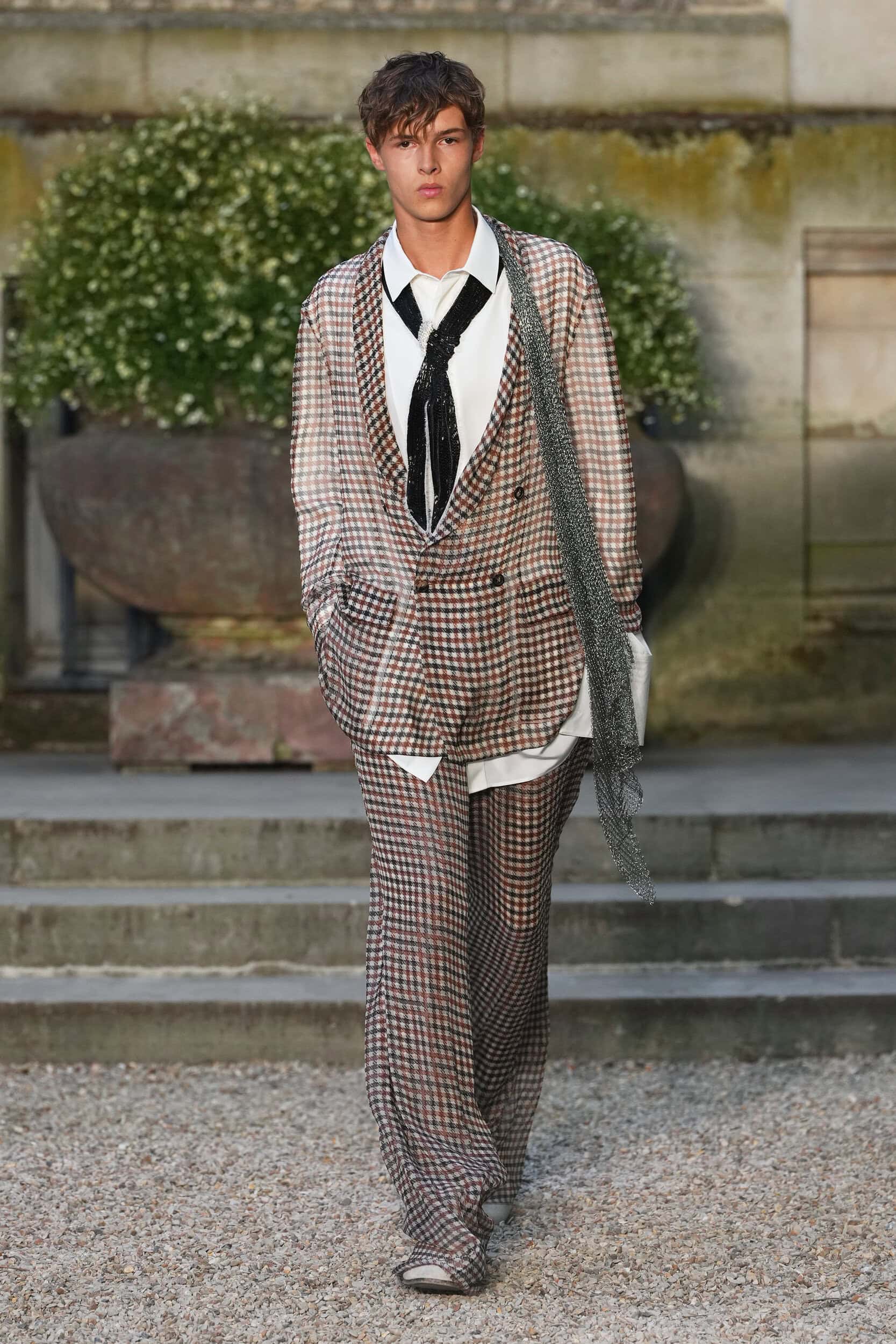
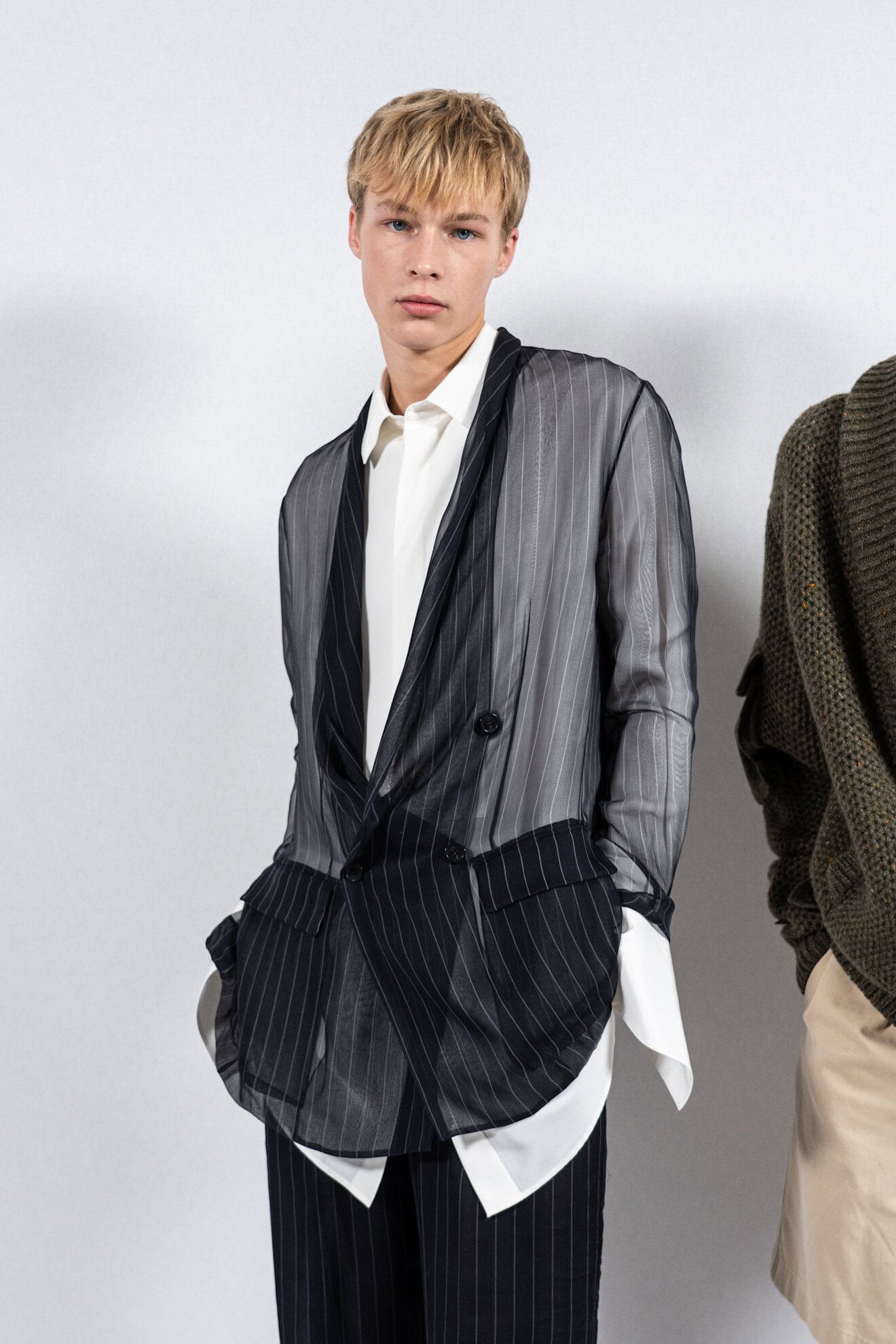
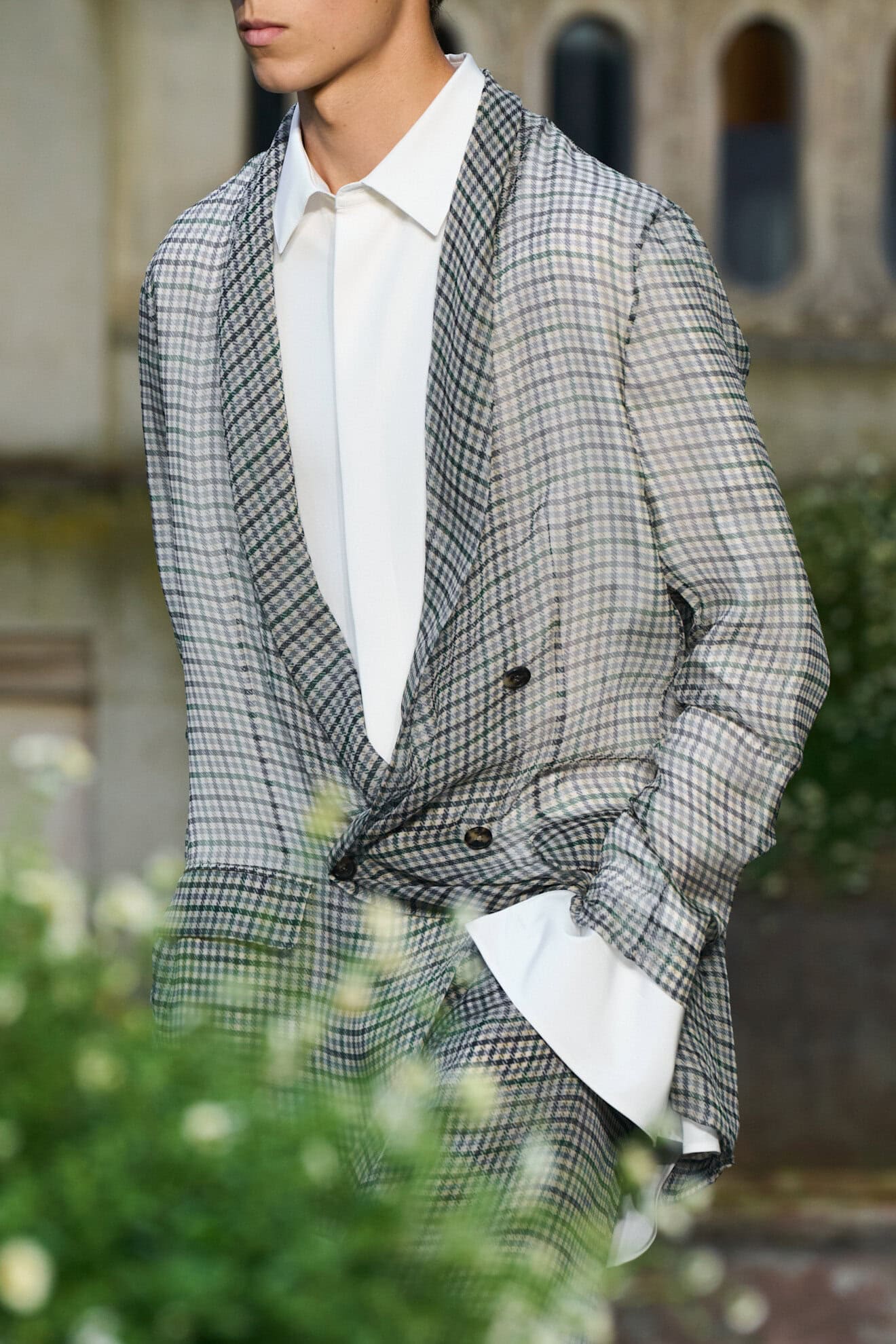
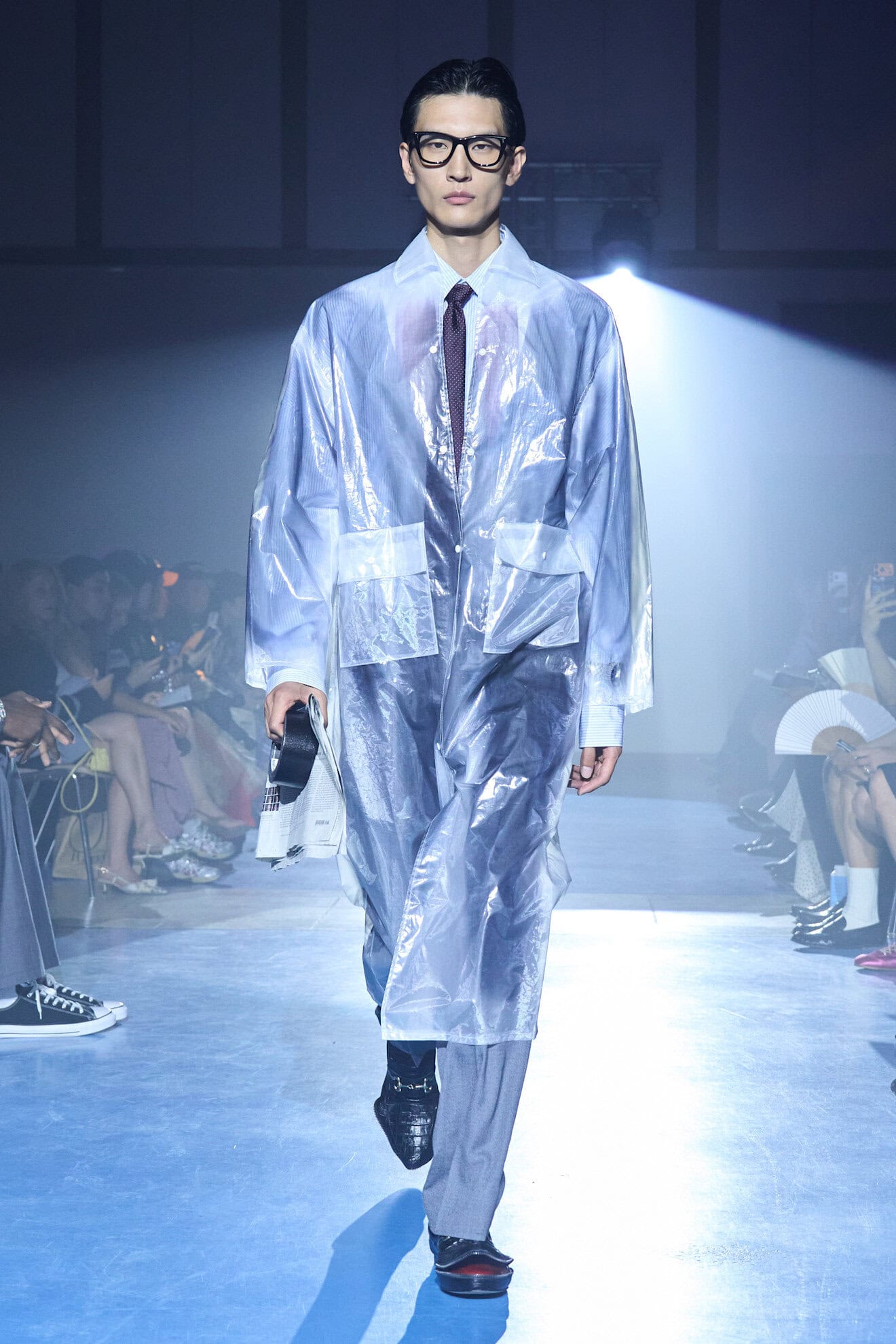
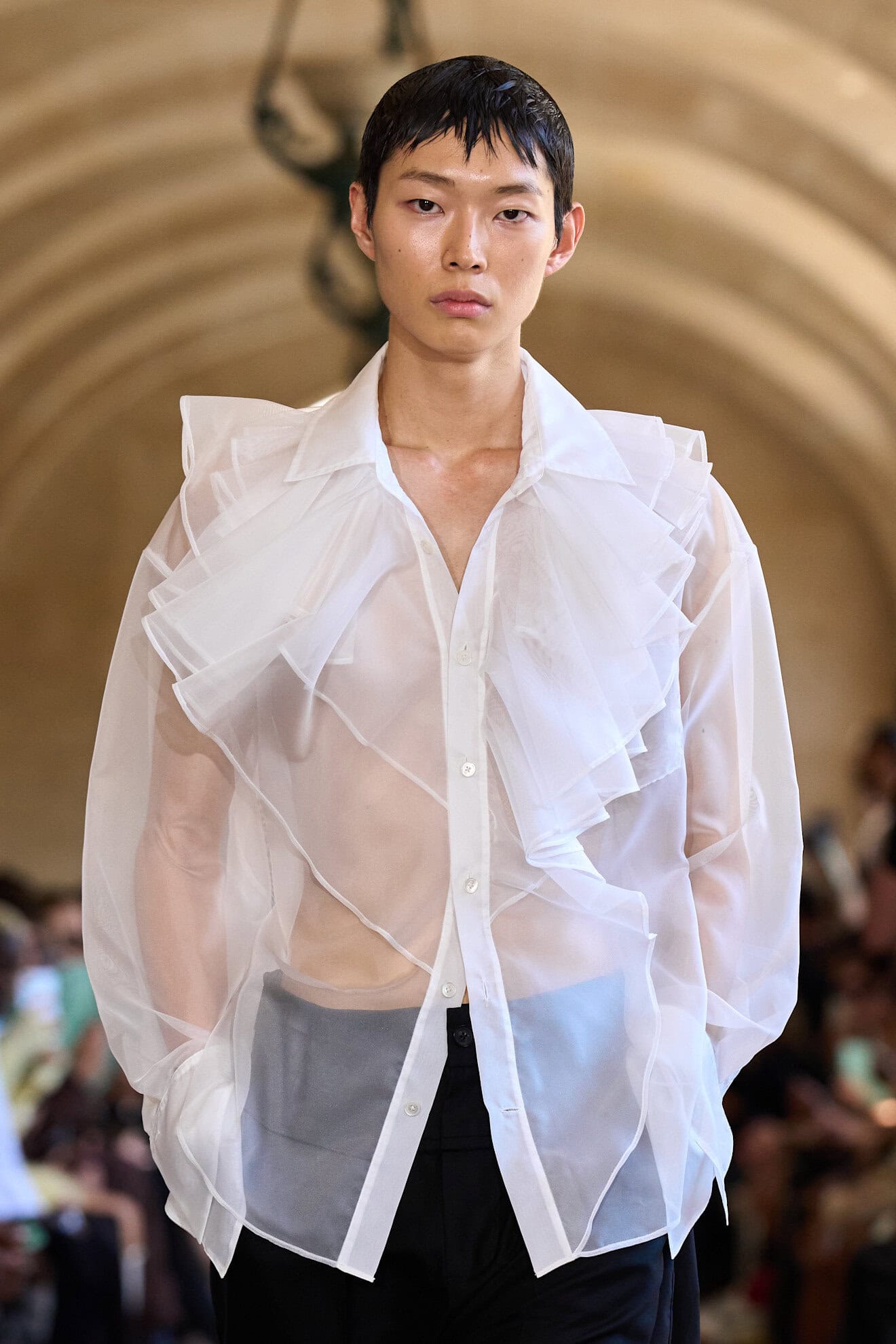
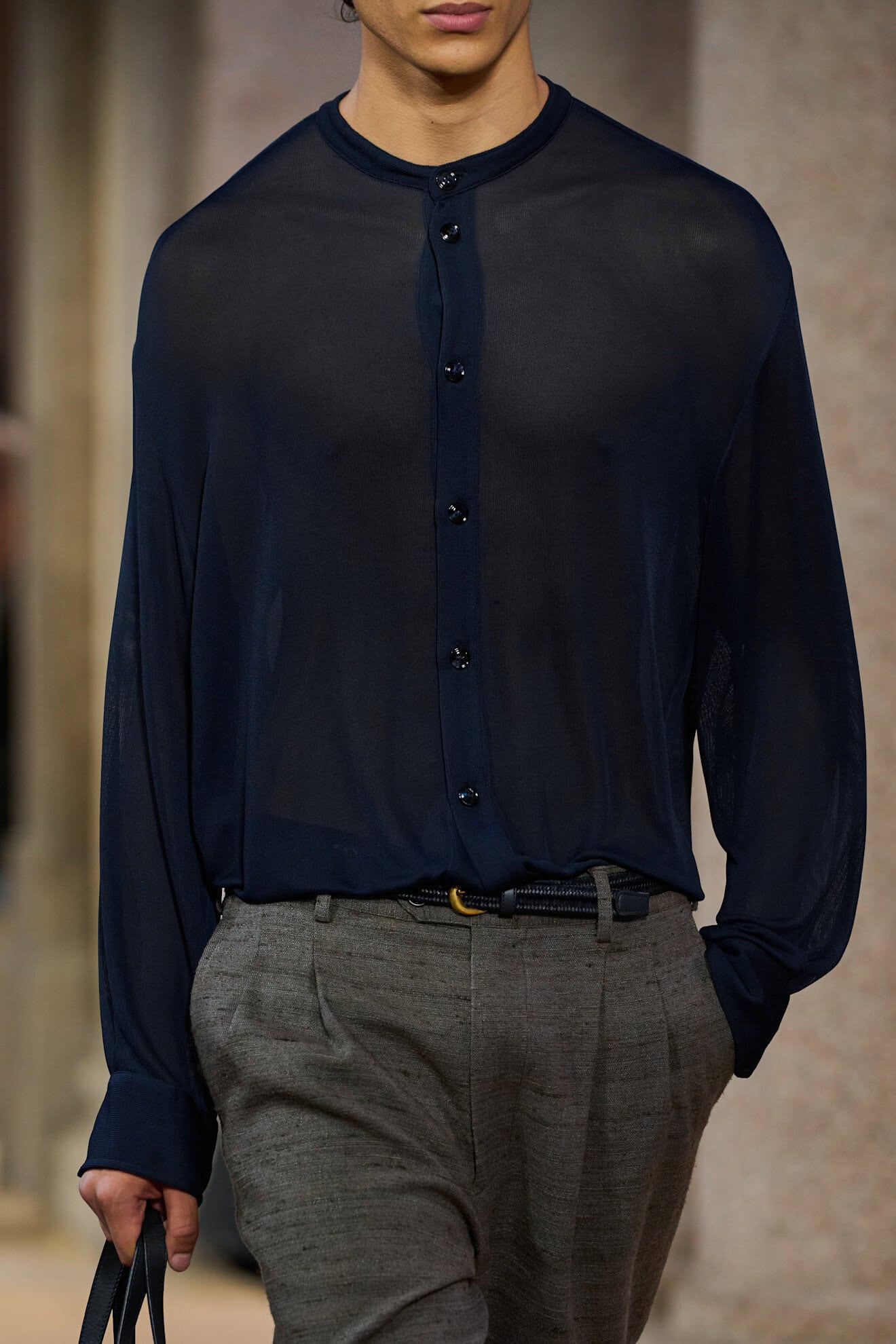
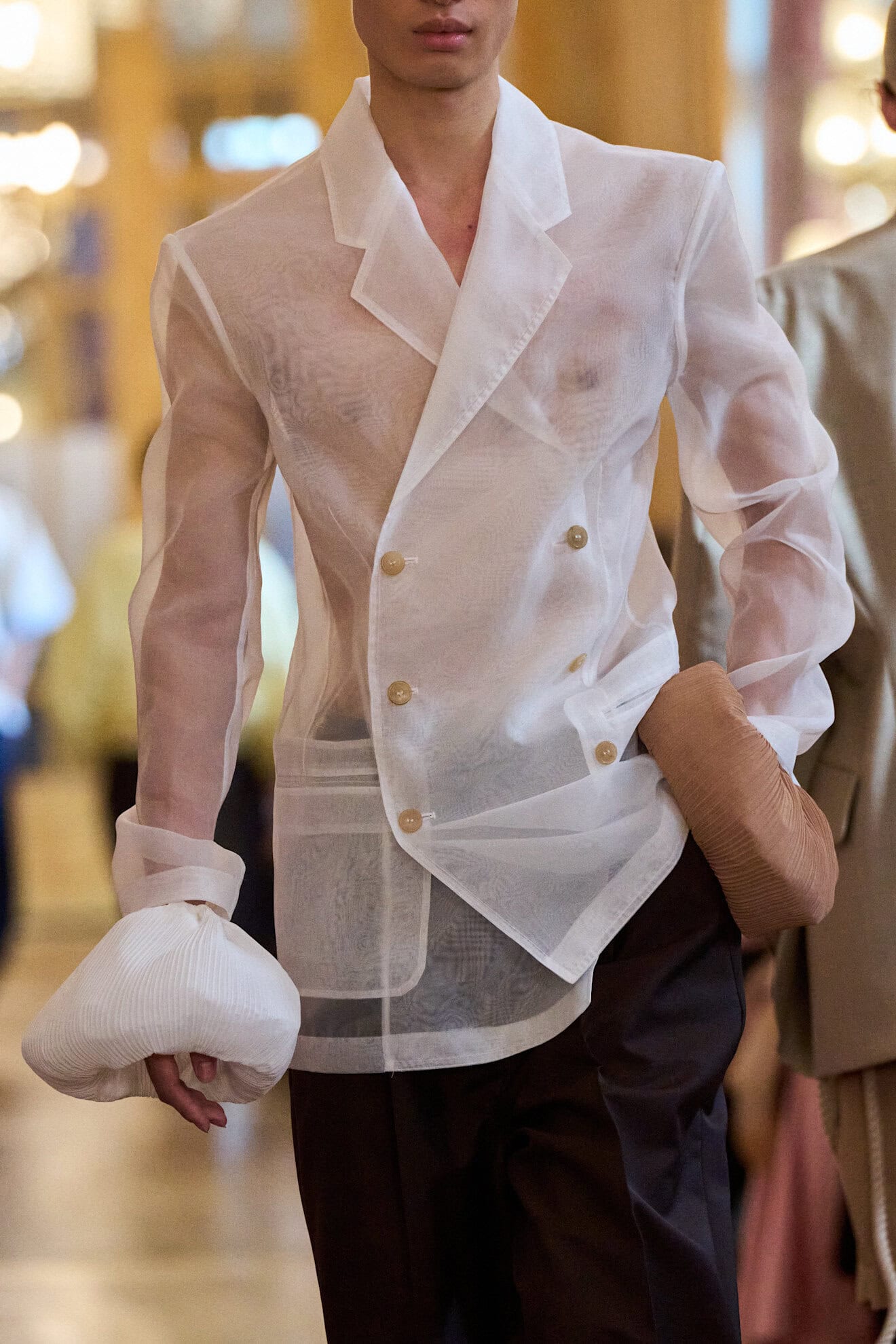
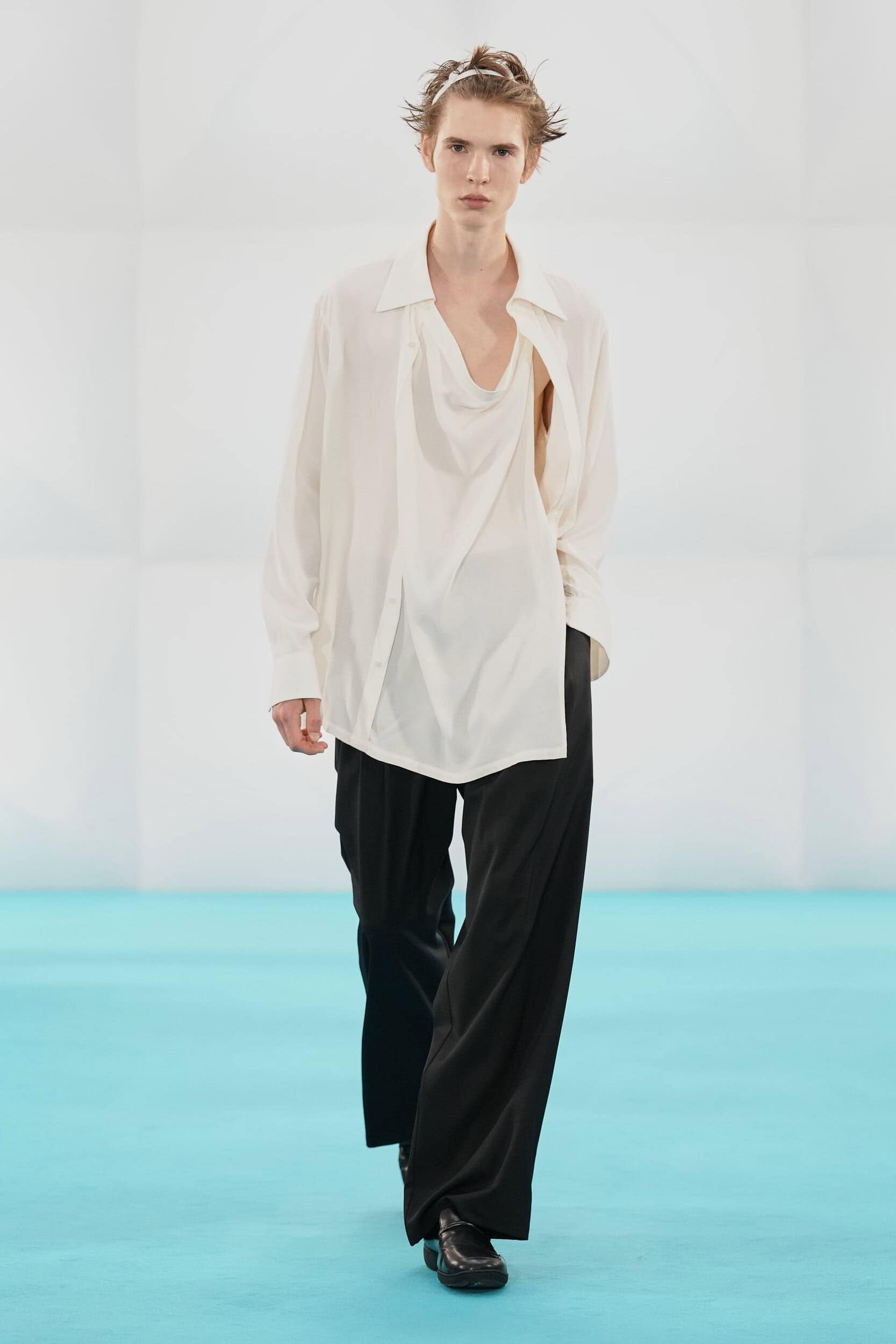
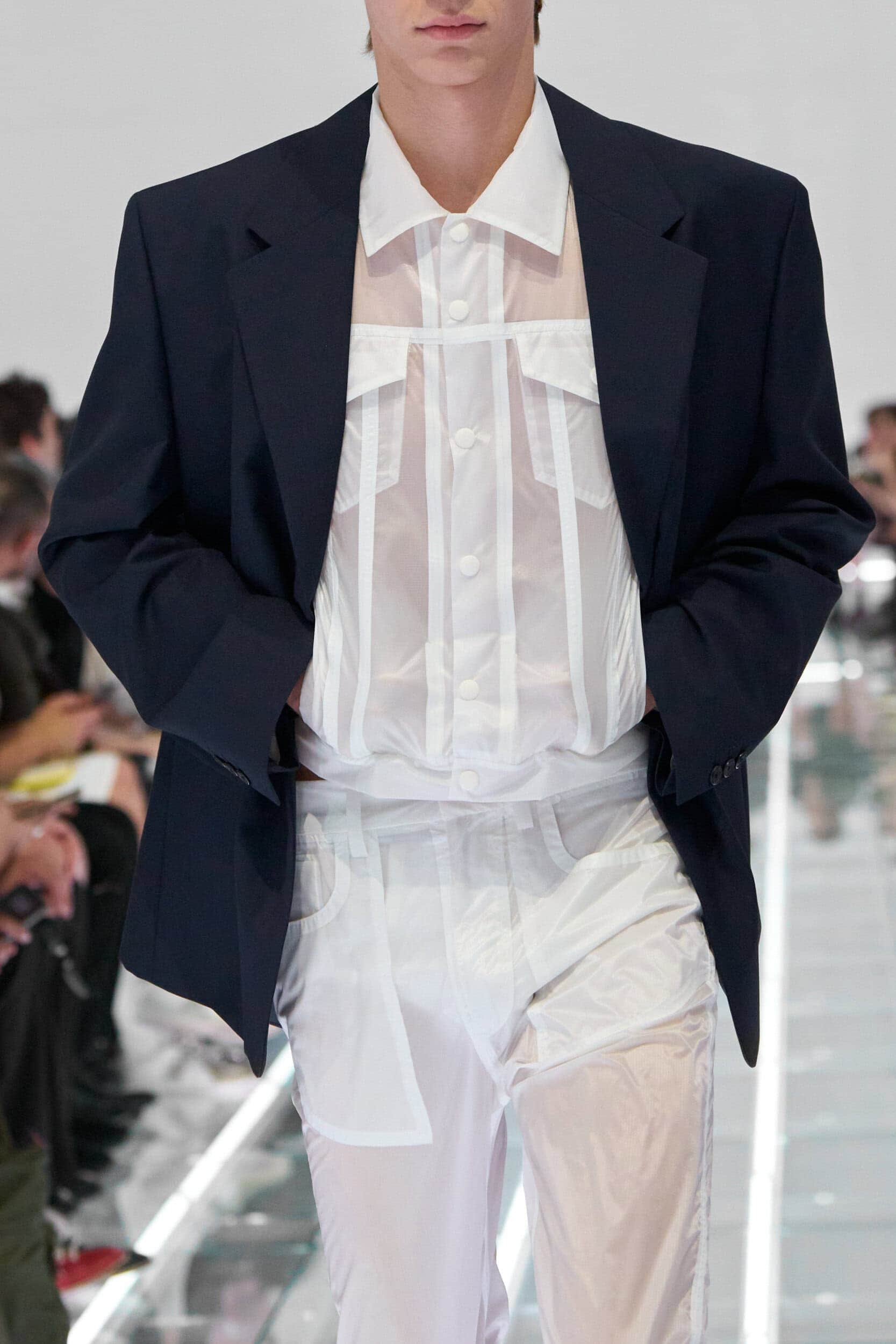
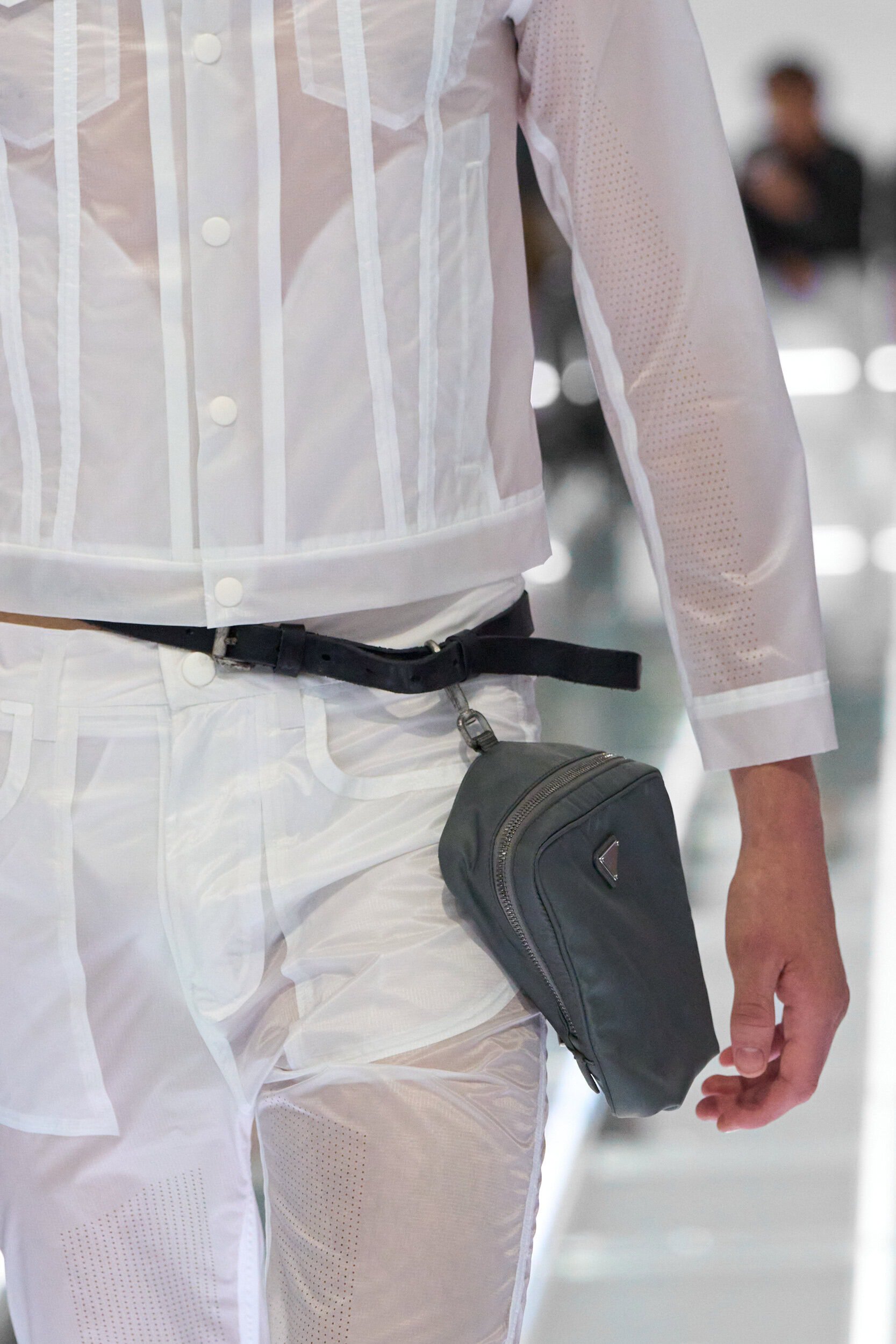
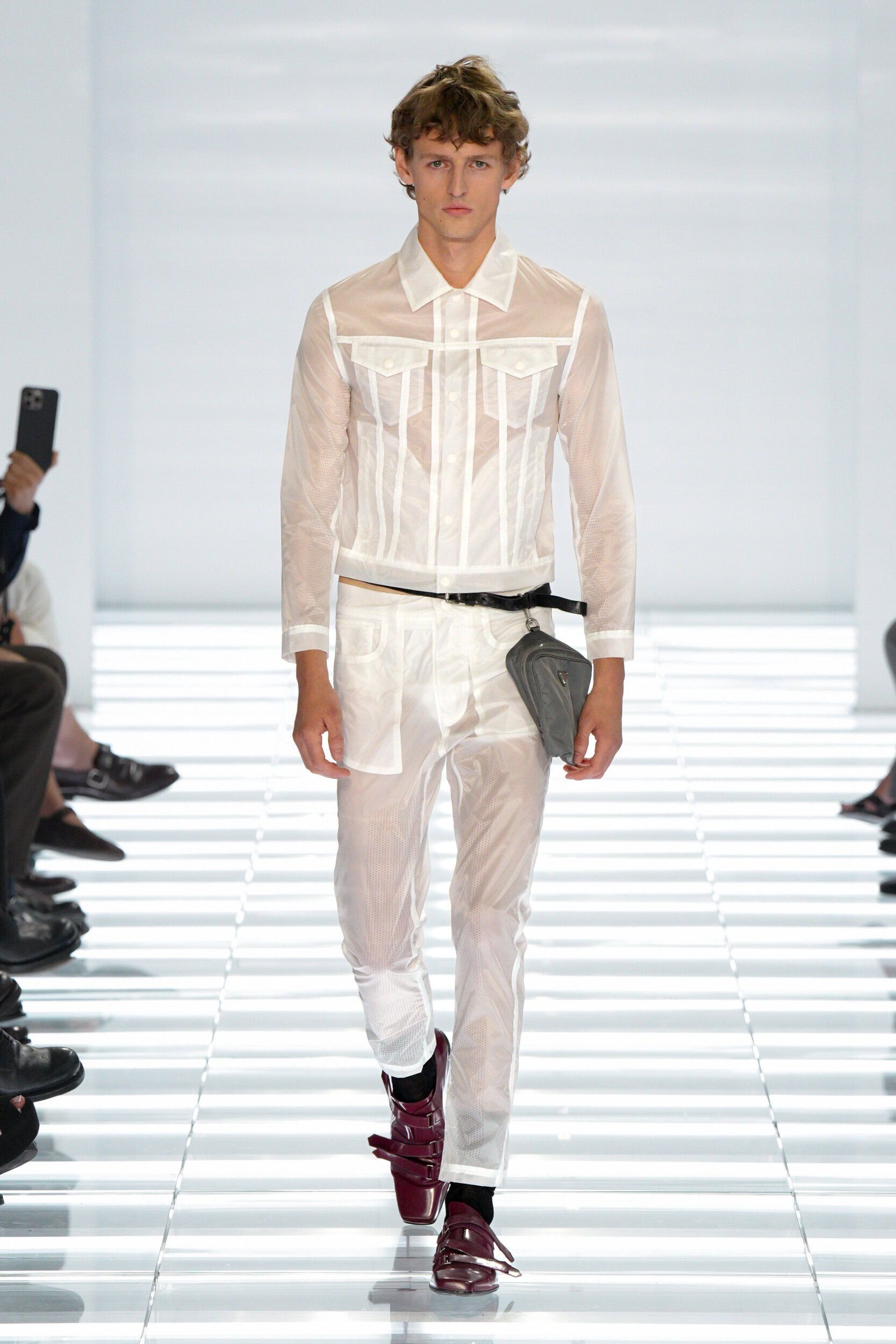
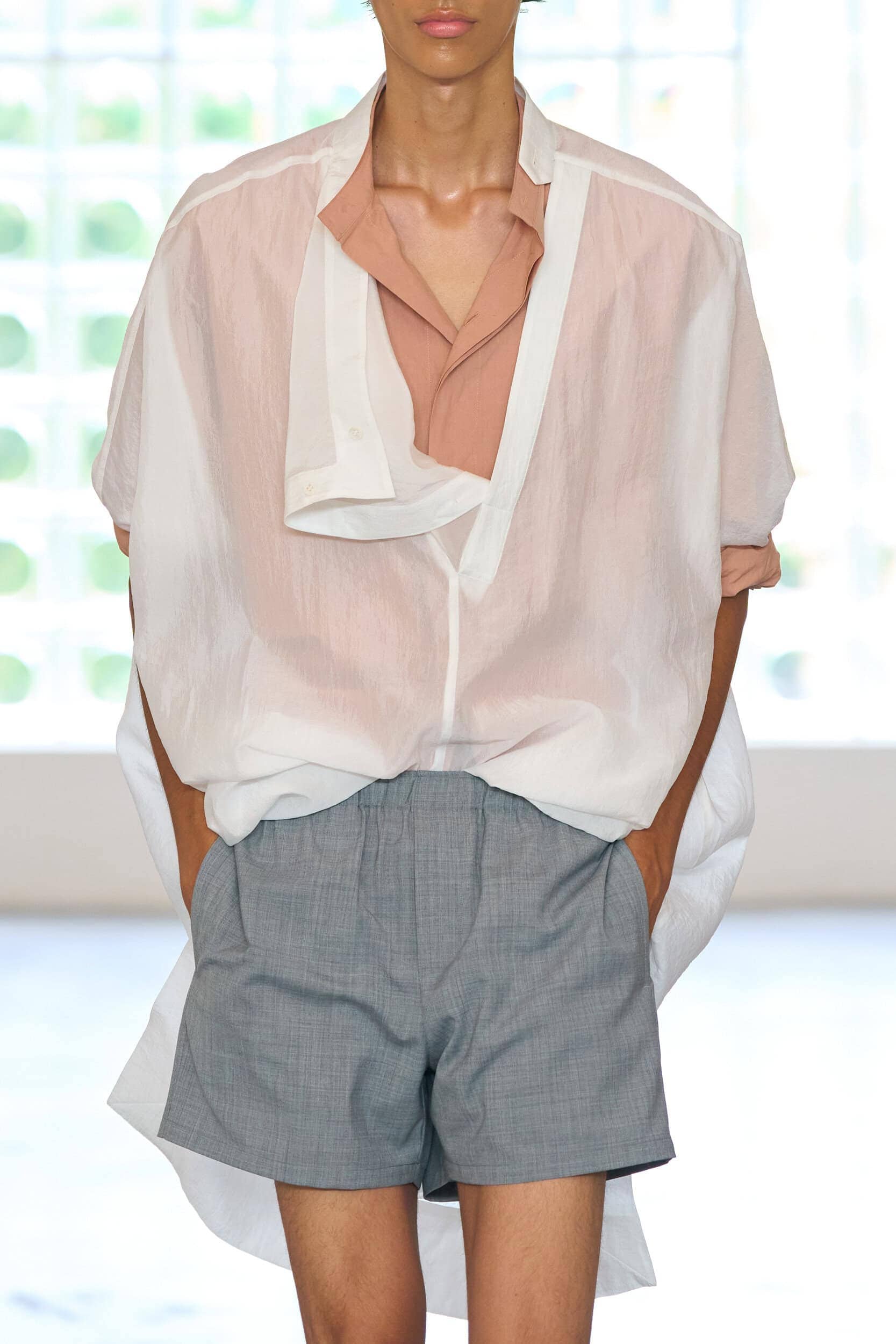
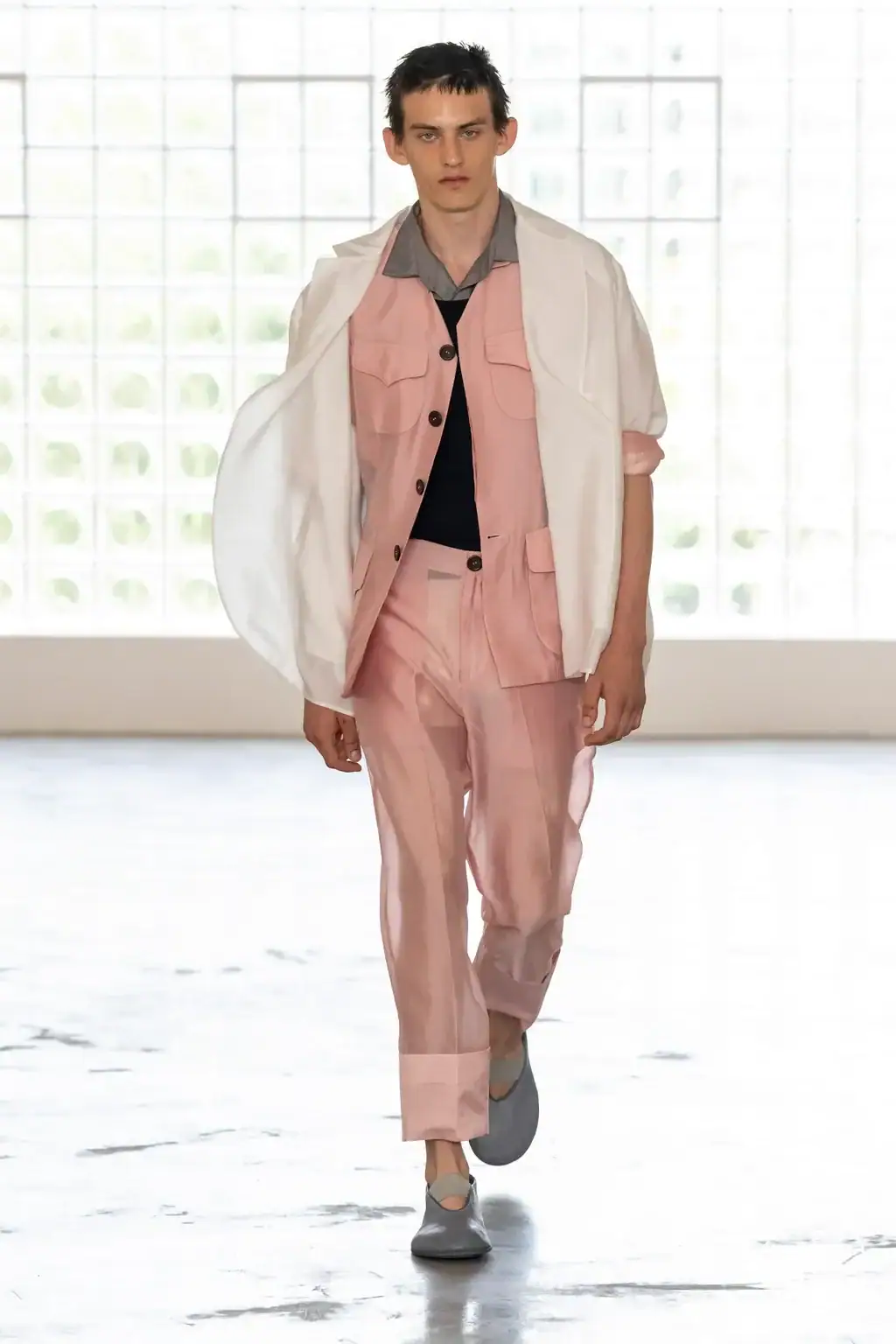
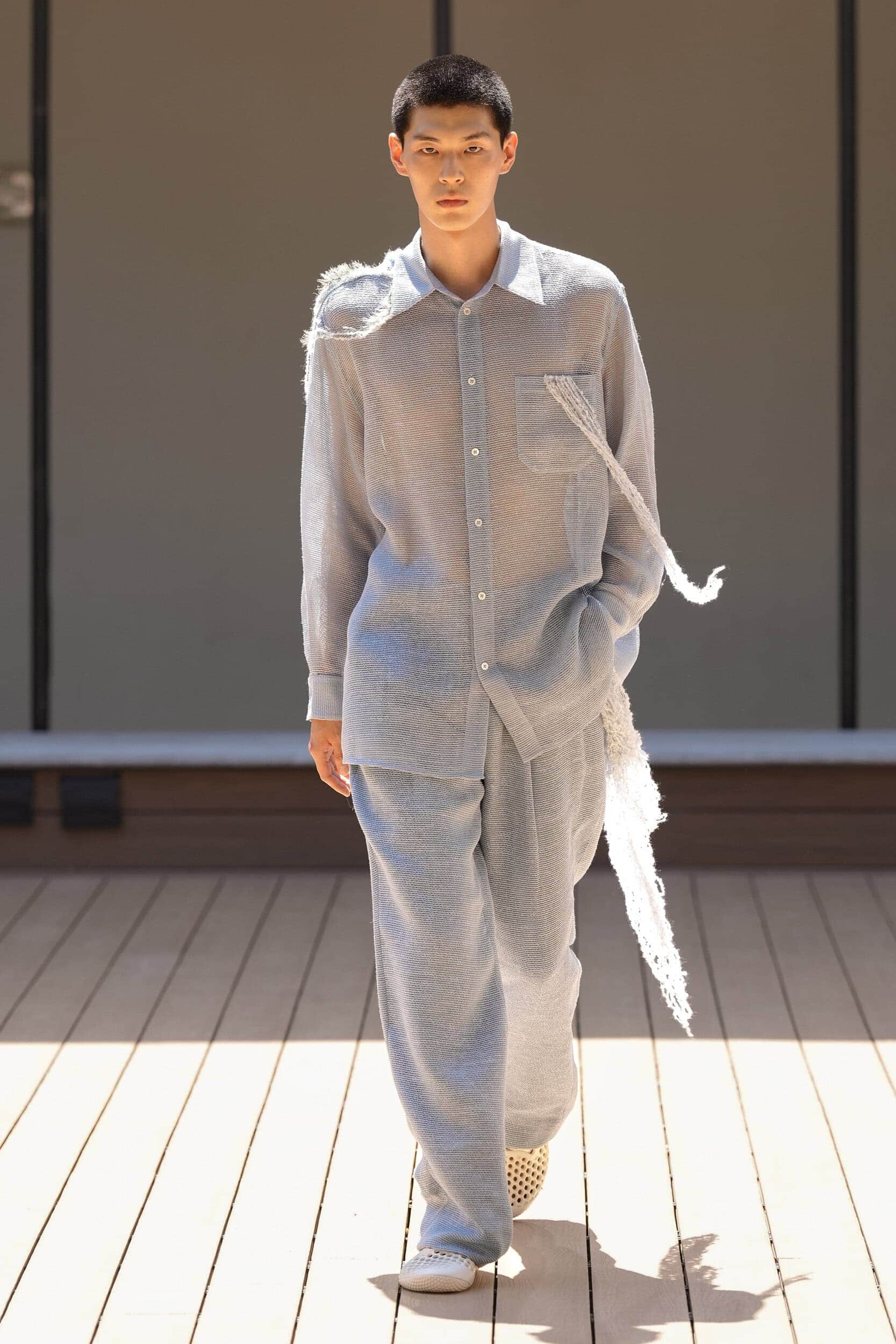
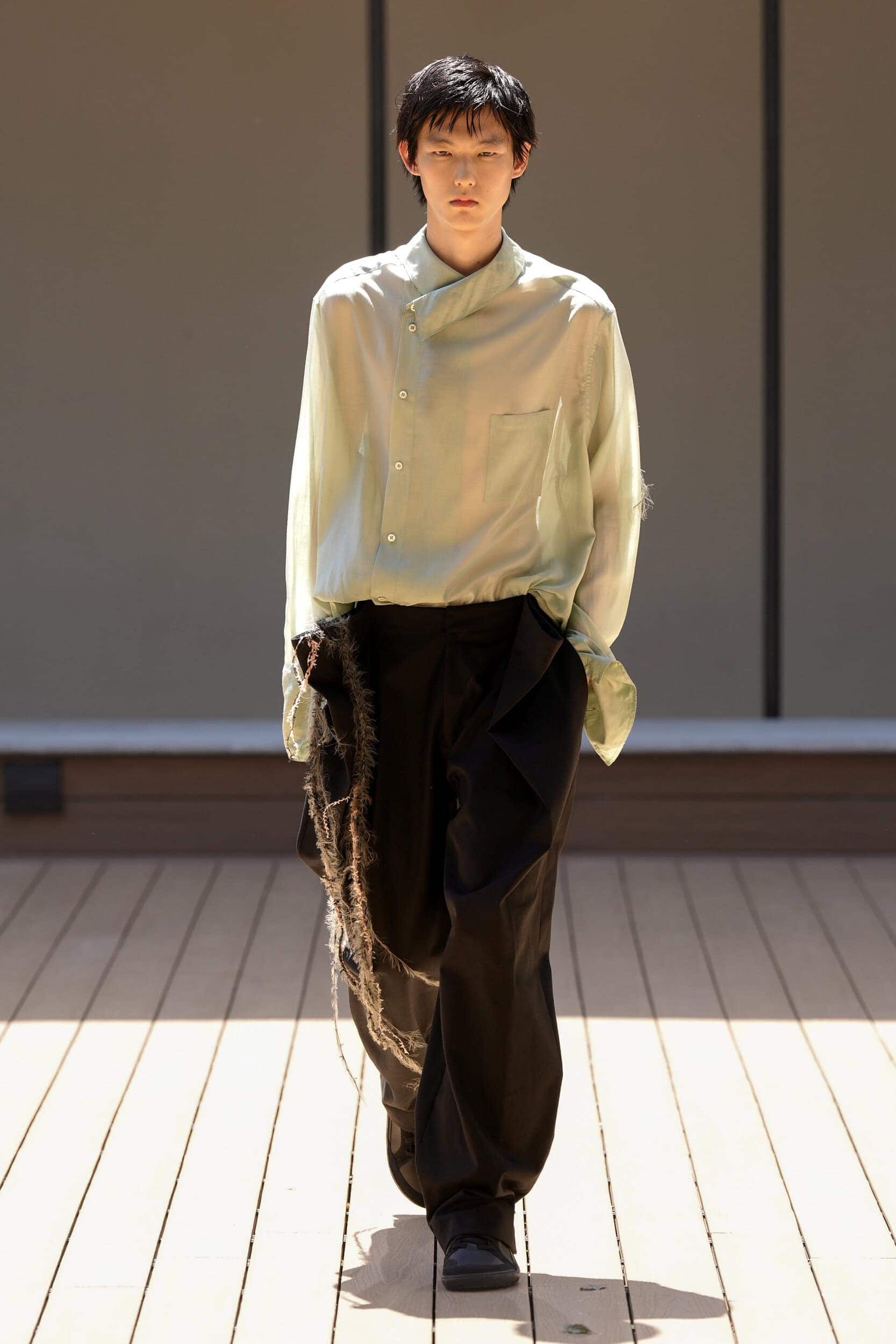
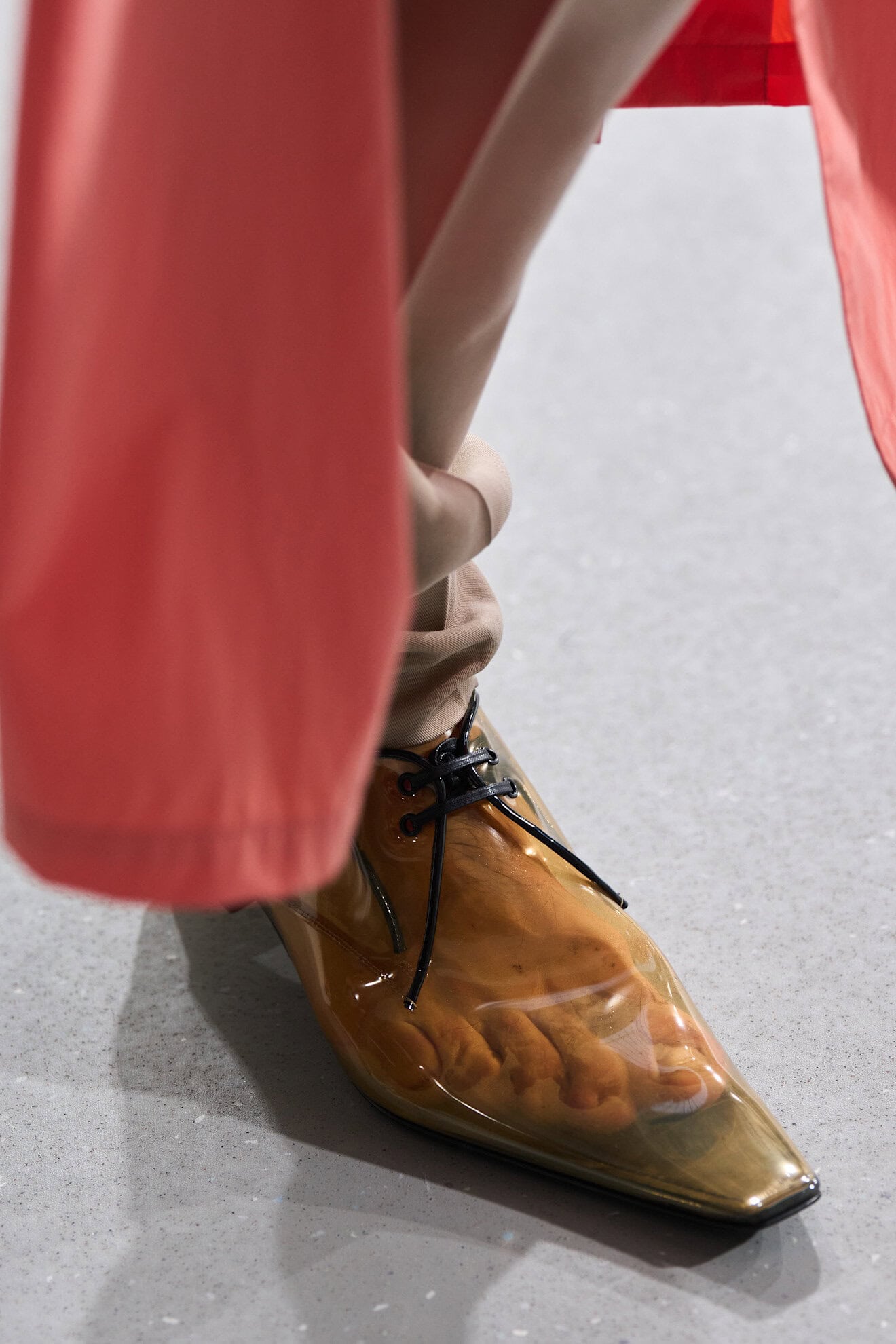
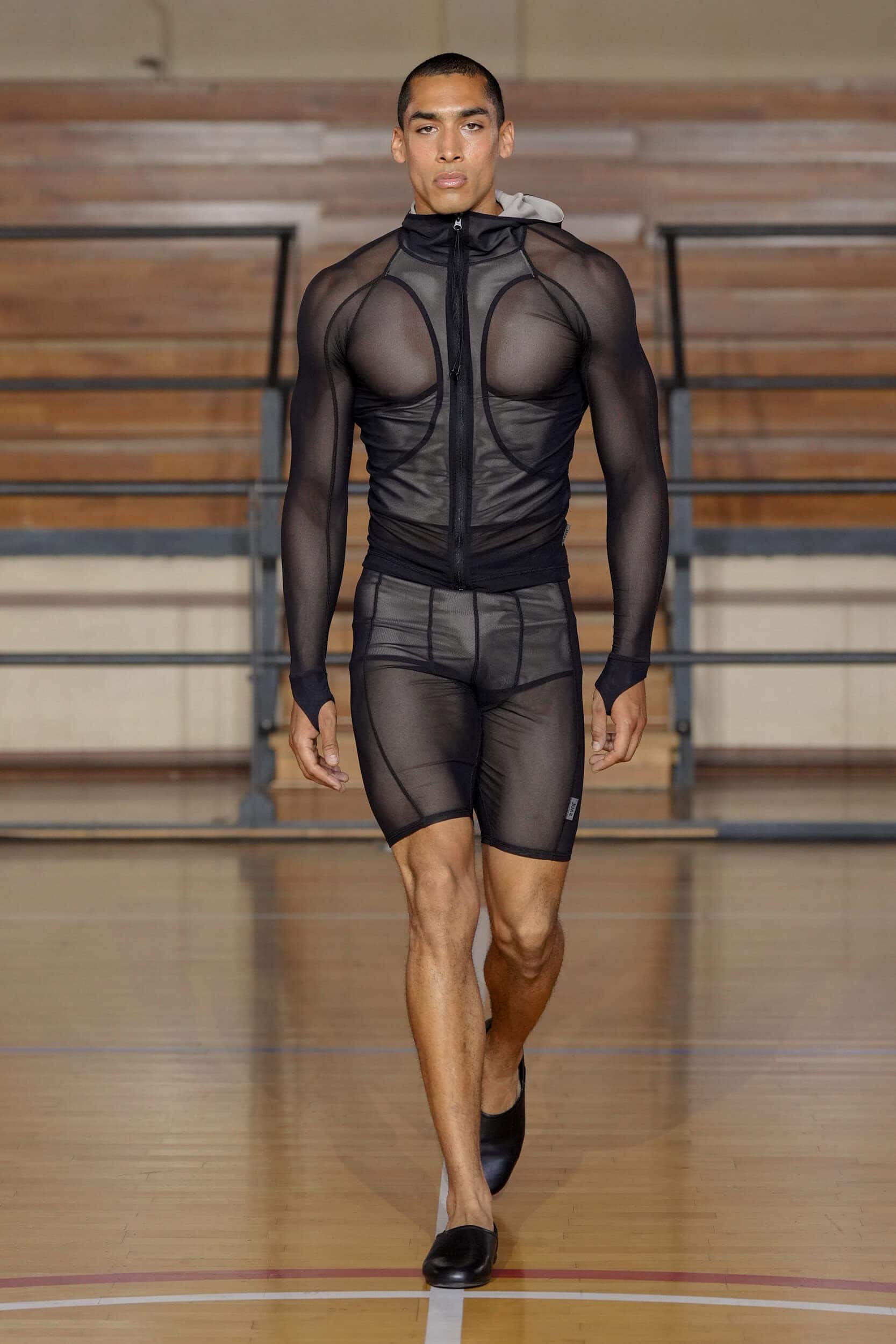
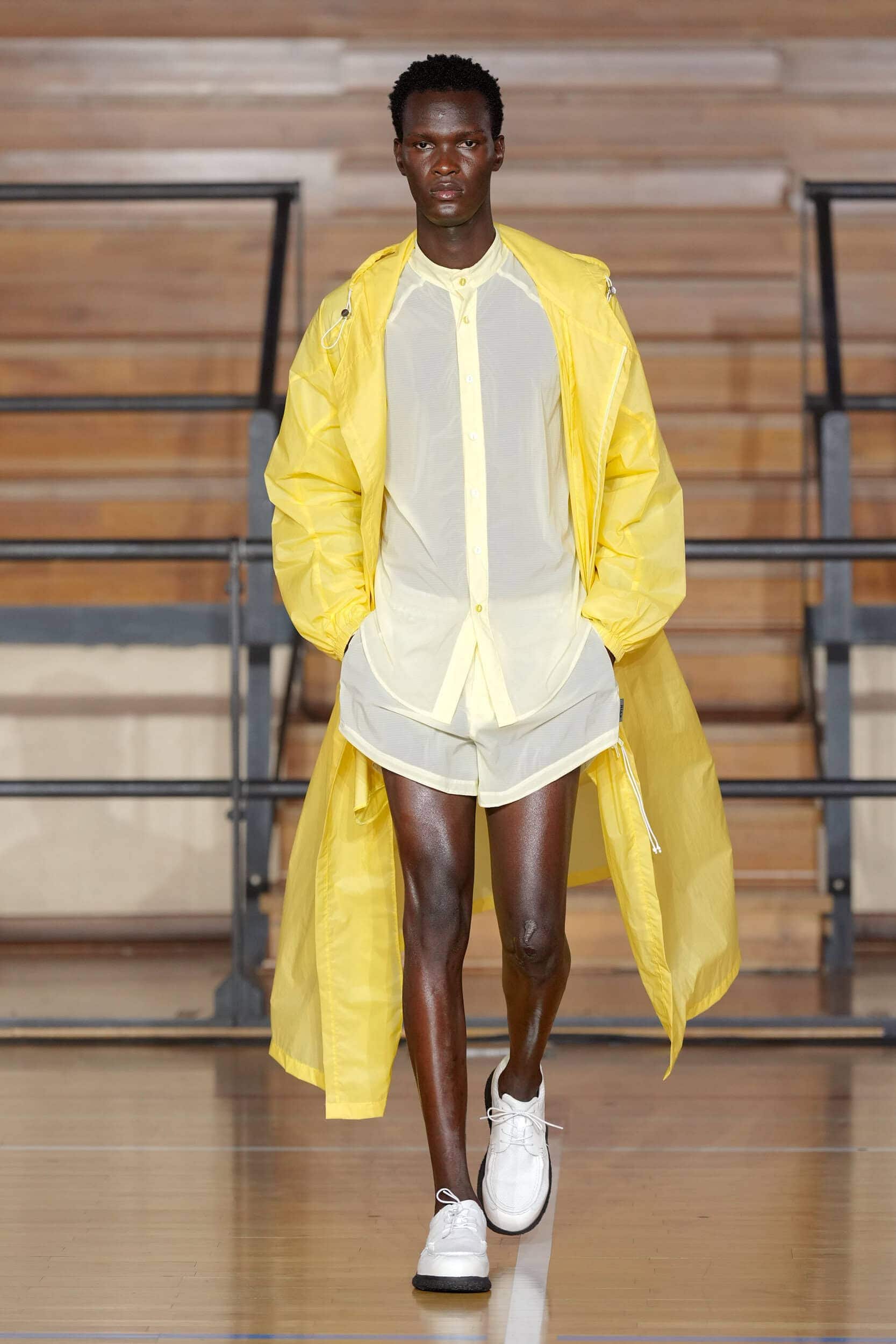
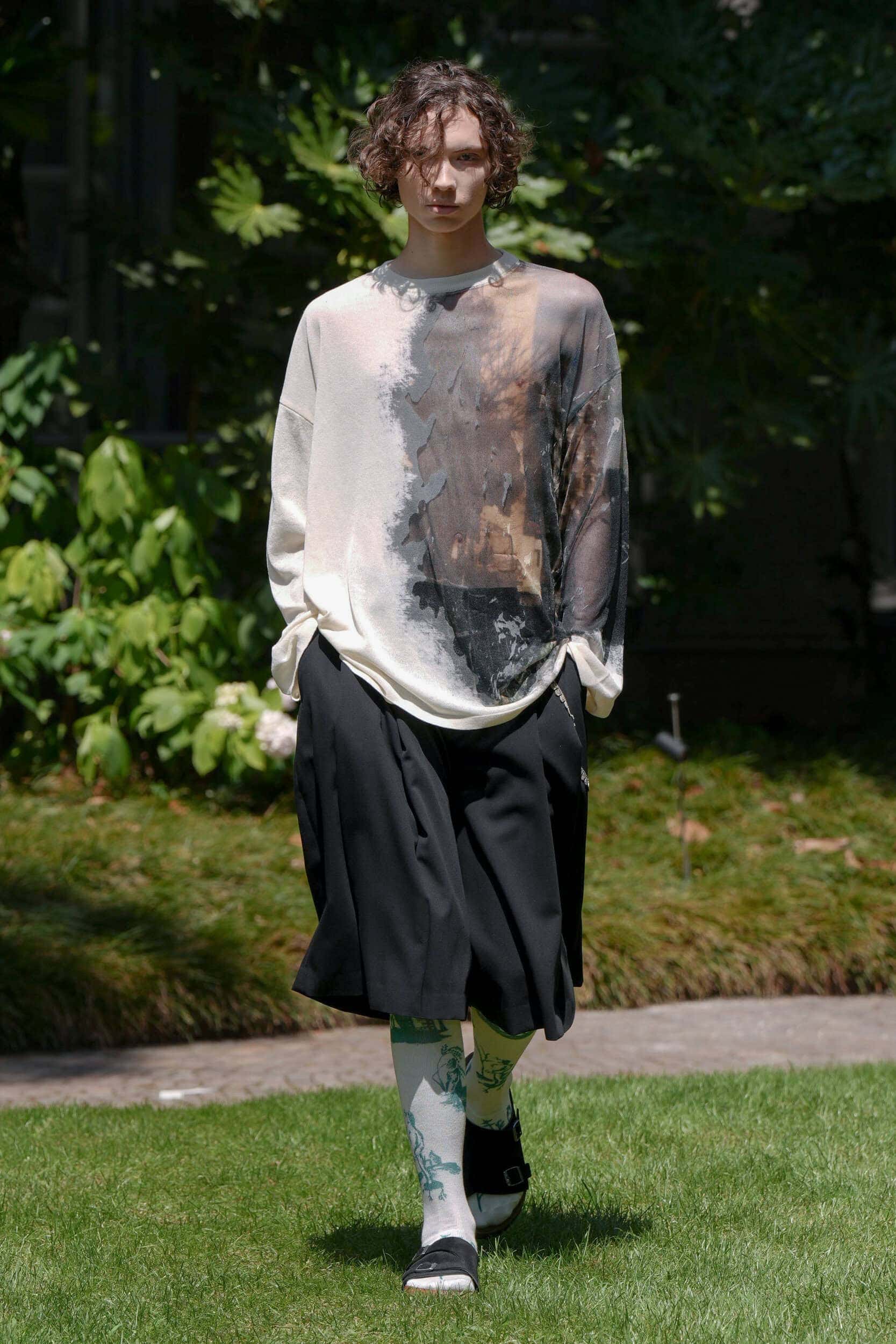
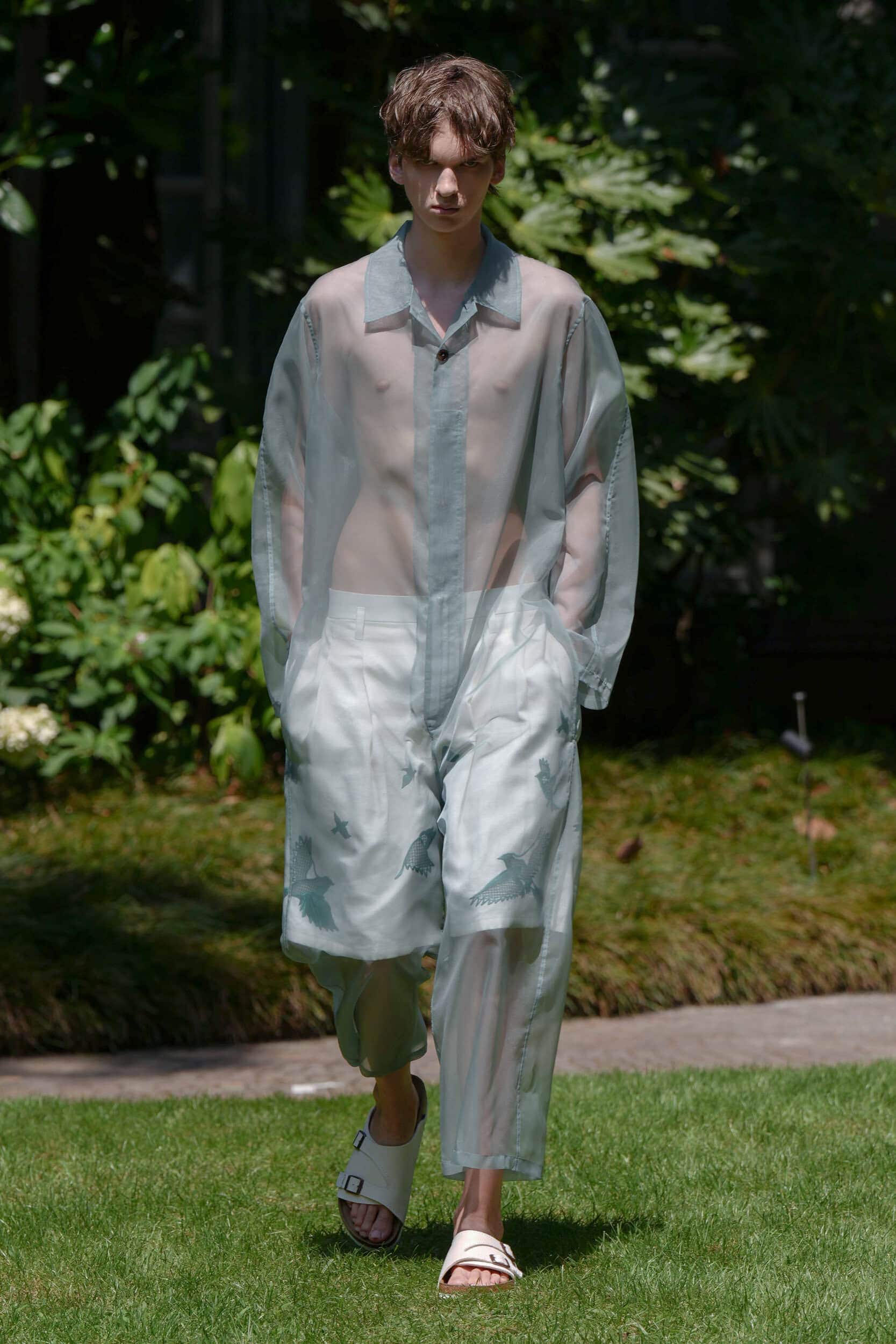
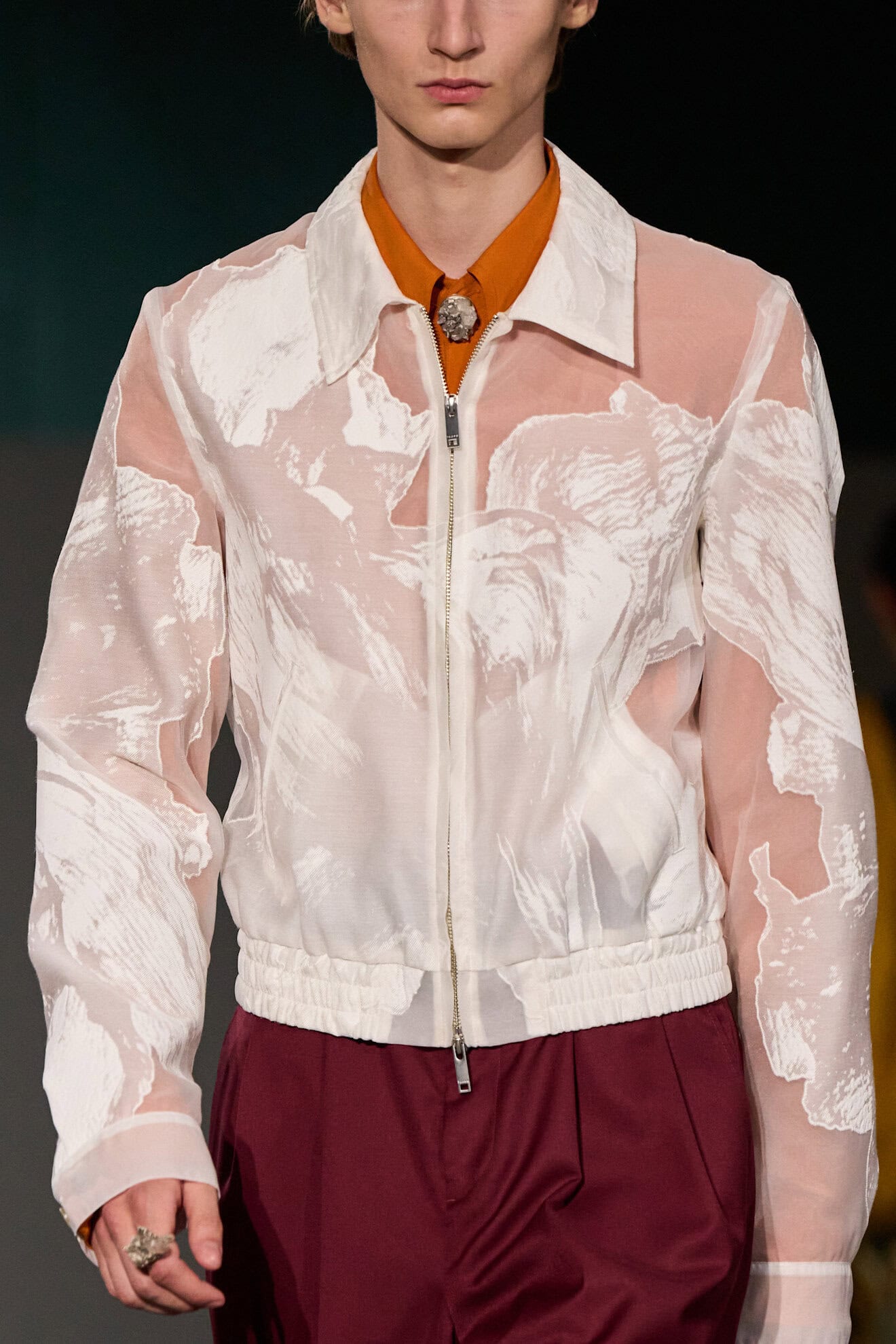
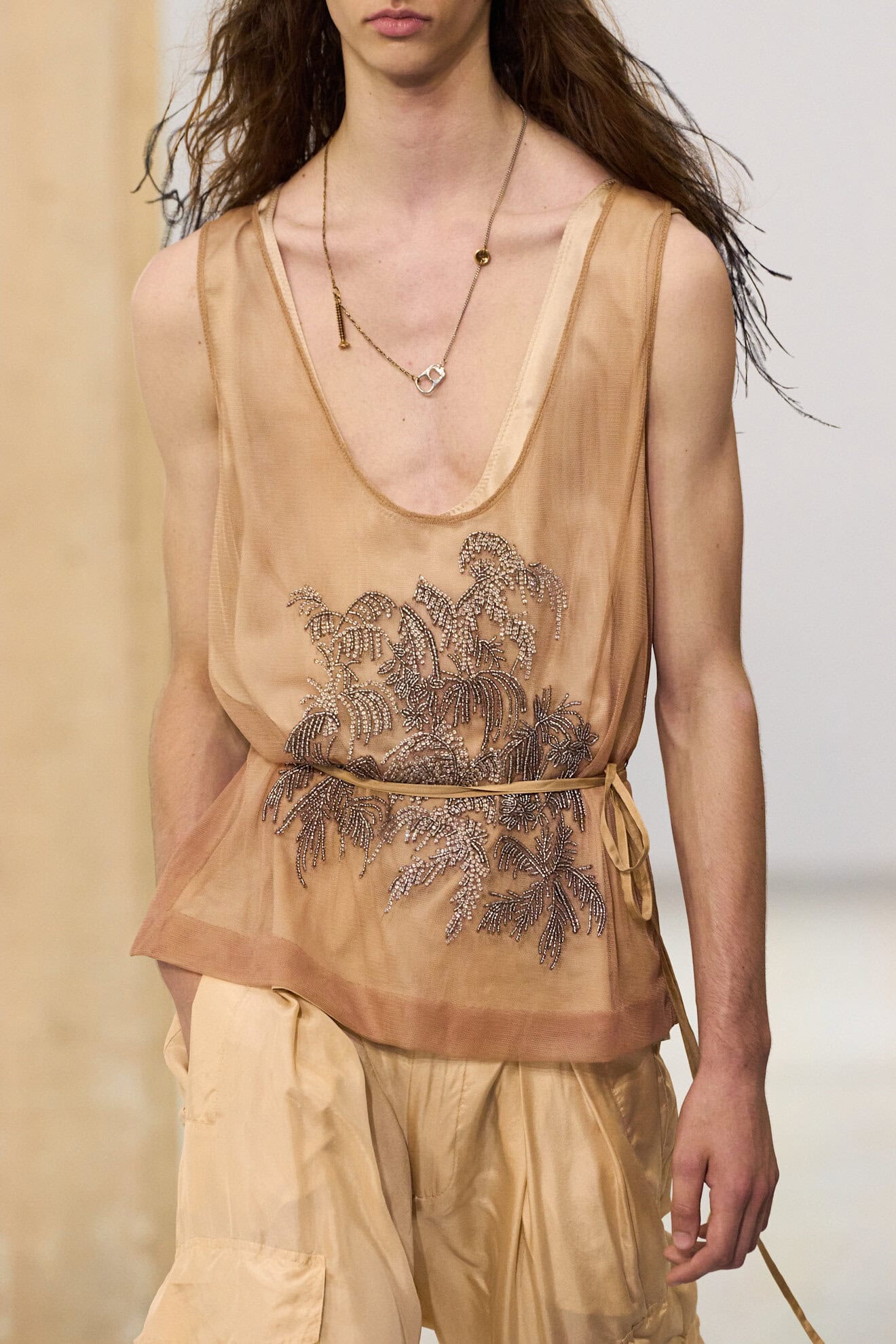
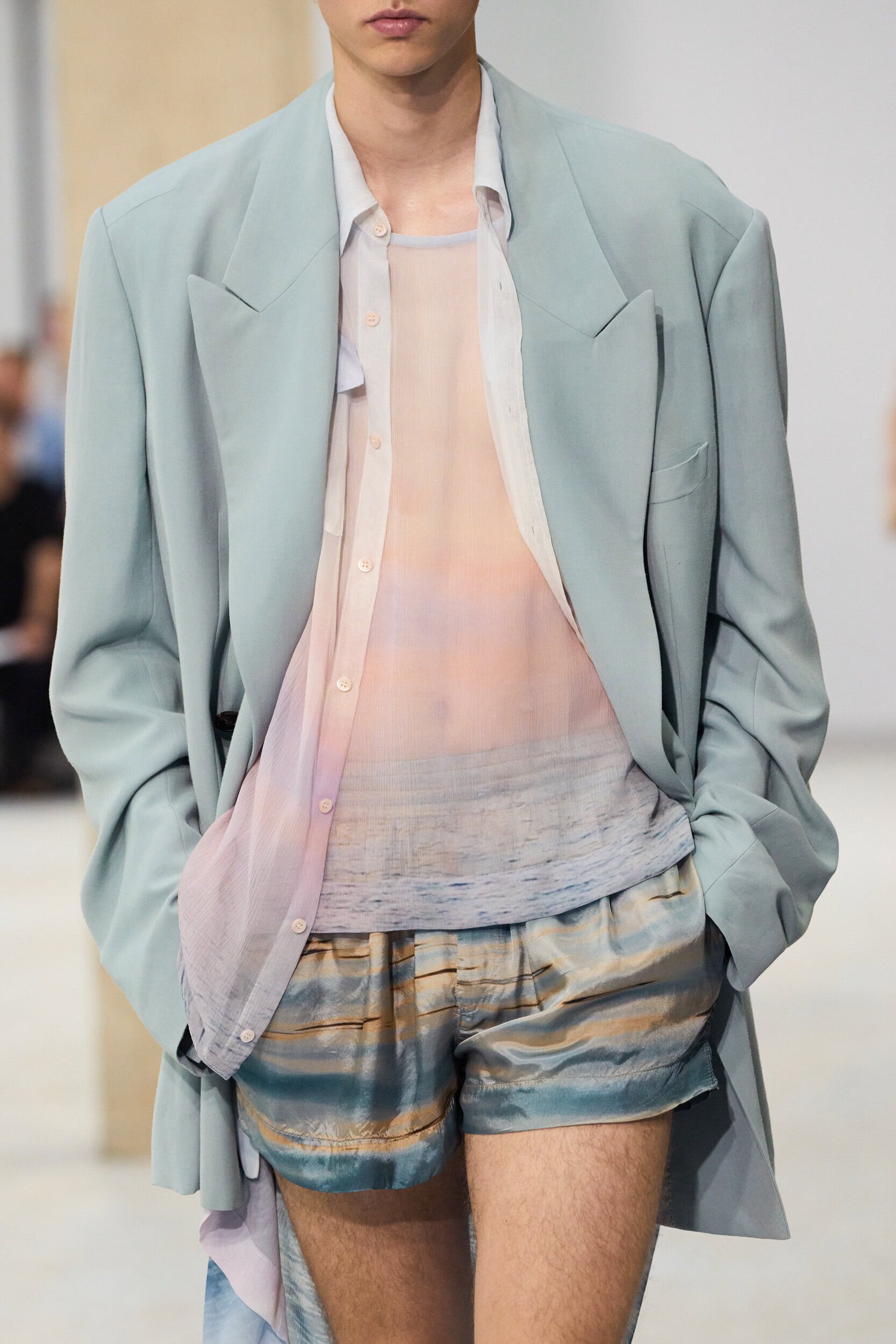
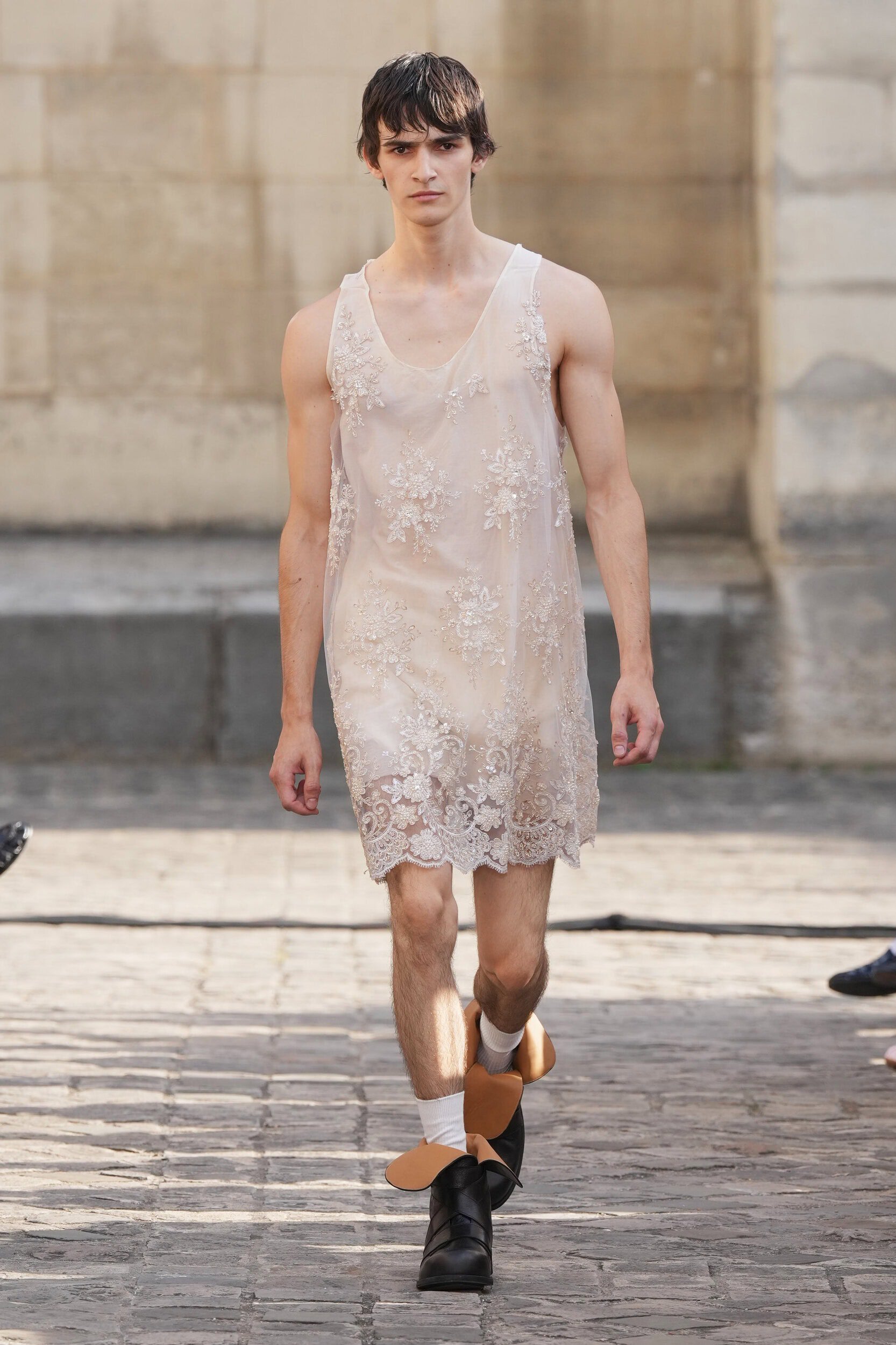
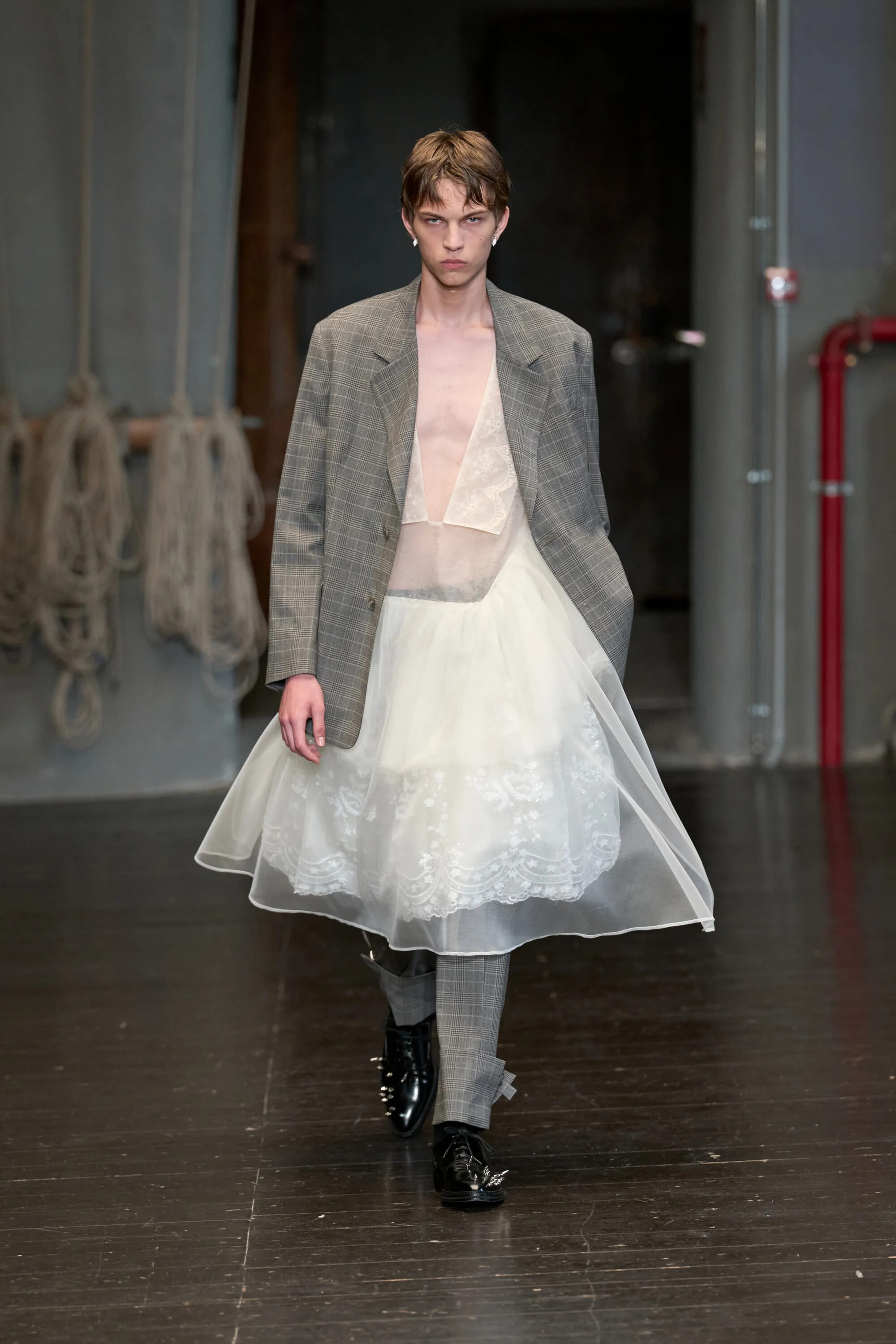
Summer will be a time when men lighten up and learn to layer their sheers. Transparency will no longer be taboo, but will become a necessity in the one-hundred-degree summers that have become the norm, and designers made it effortless for men to opt into the trend. Technical nylons, chiffons, silks, and organza’s were harnessed to develop aerated clothing that will seamlessly work for all. Jonathan Anderson’s Dior presented pyjama-style plaid and pinstripe sinuous suiting, while nylon and PVC looked back to the future-facing collections of the 1990s at Prada and Doublet, and while Saint Laurents transparent lace-ups divided opinion, the house has always been known to be ahead of its time, so expect to see variations on the theme come 2027.
3. Whimsy Boy Summerd Comeback
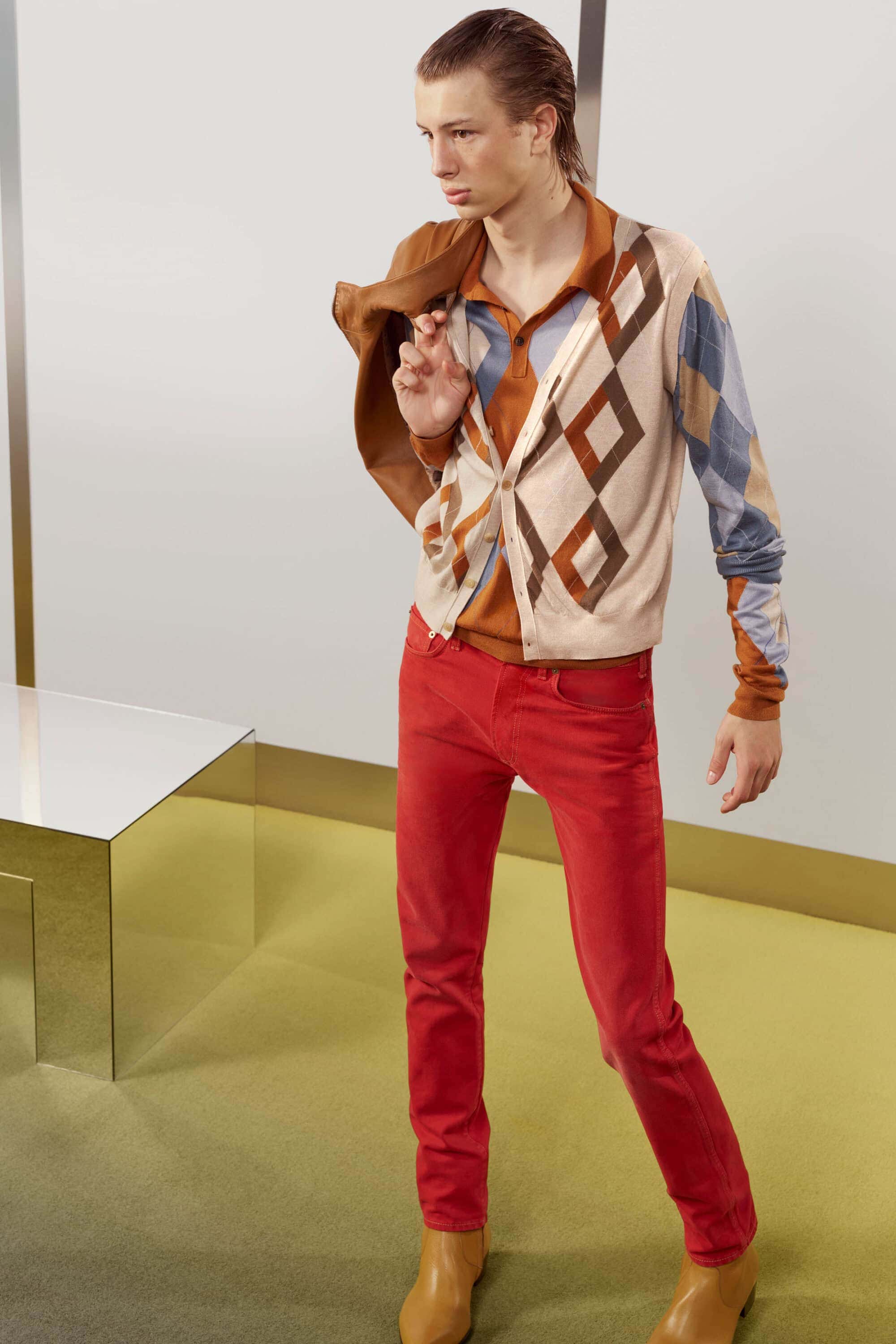
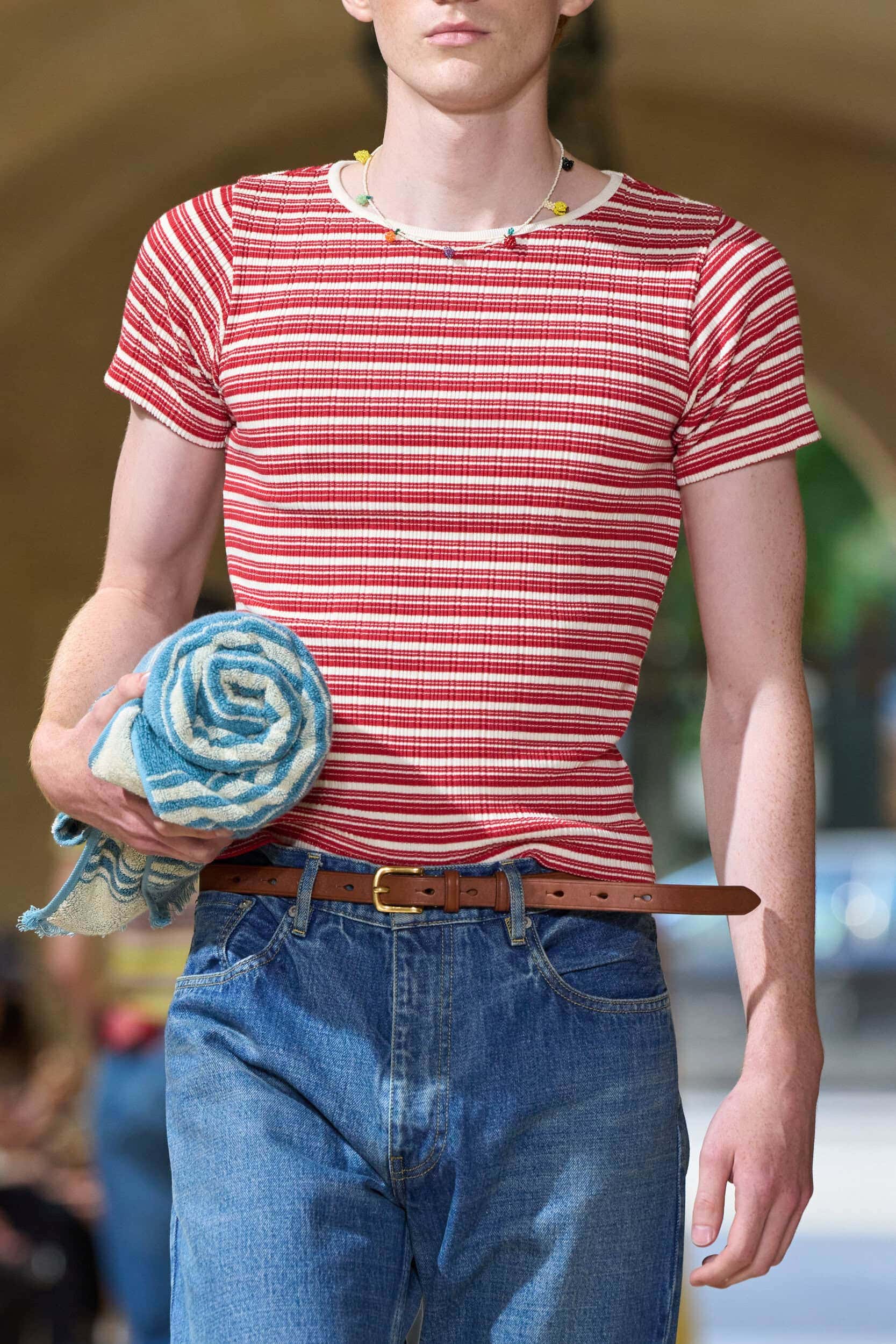
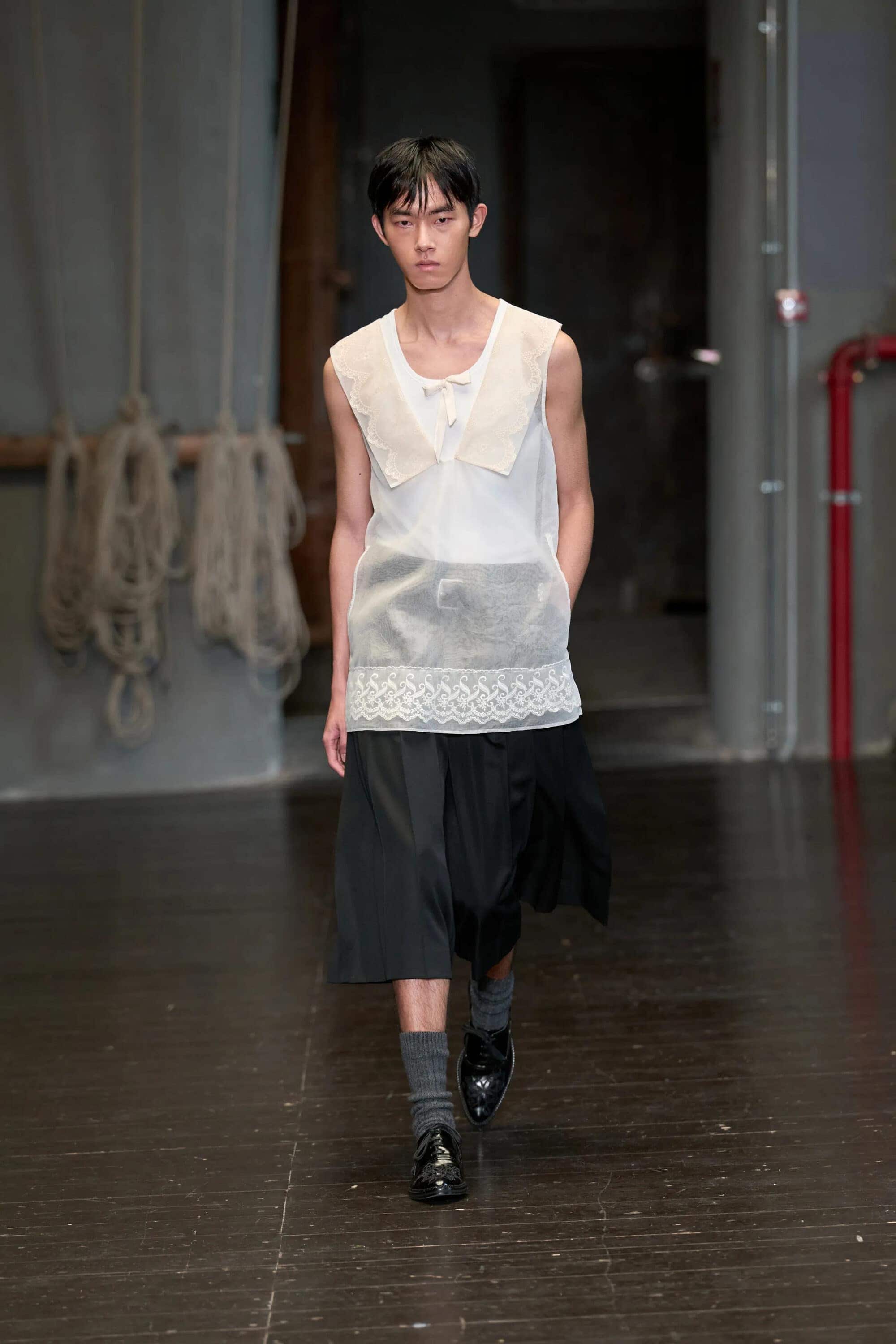
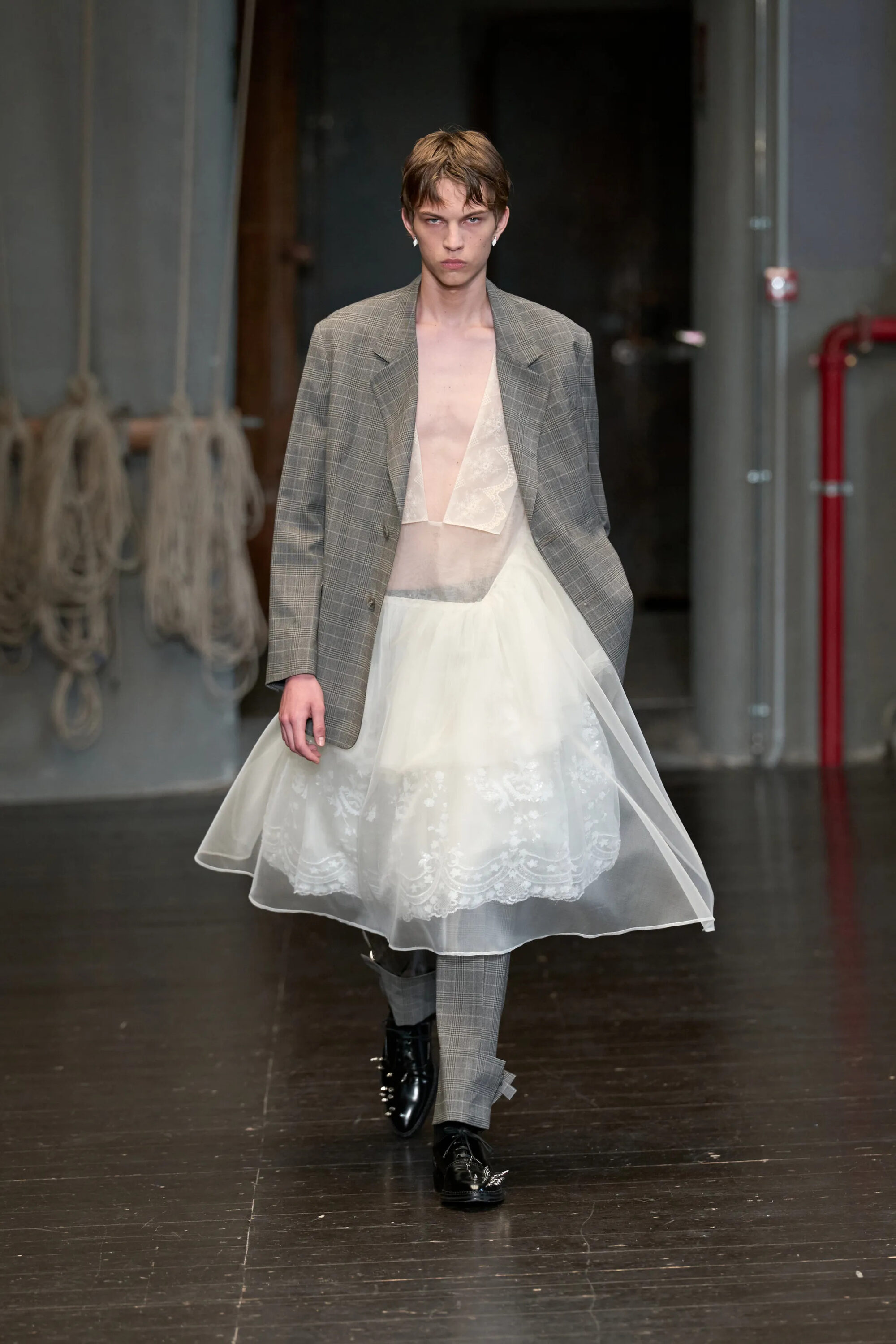
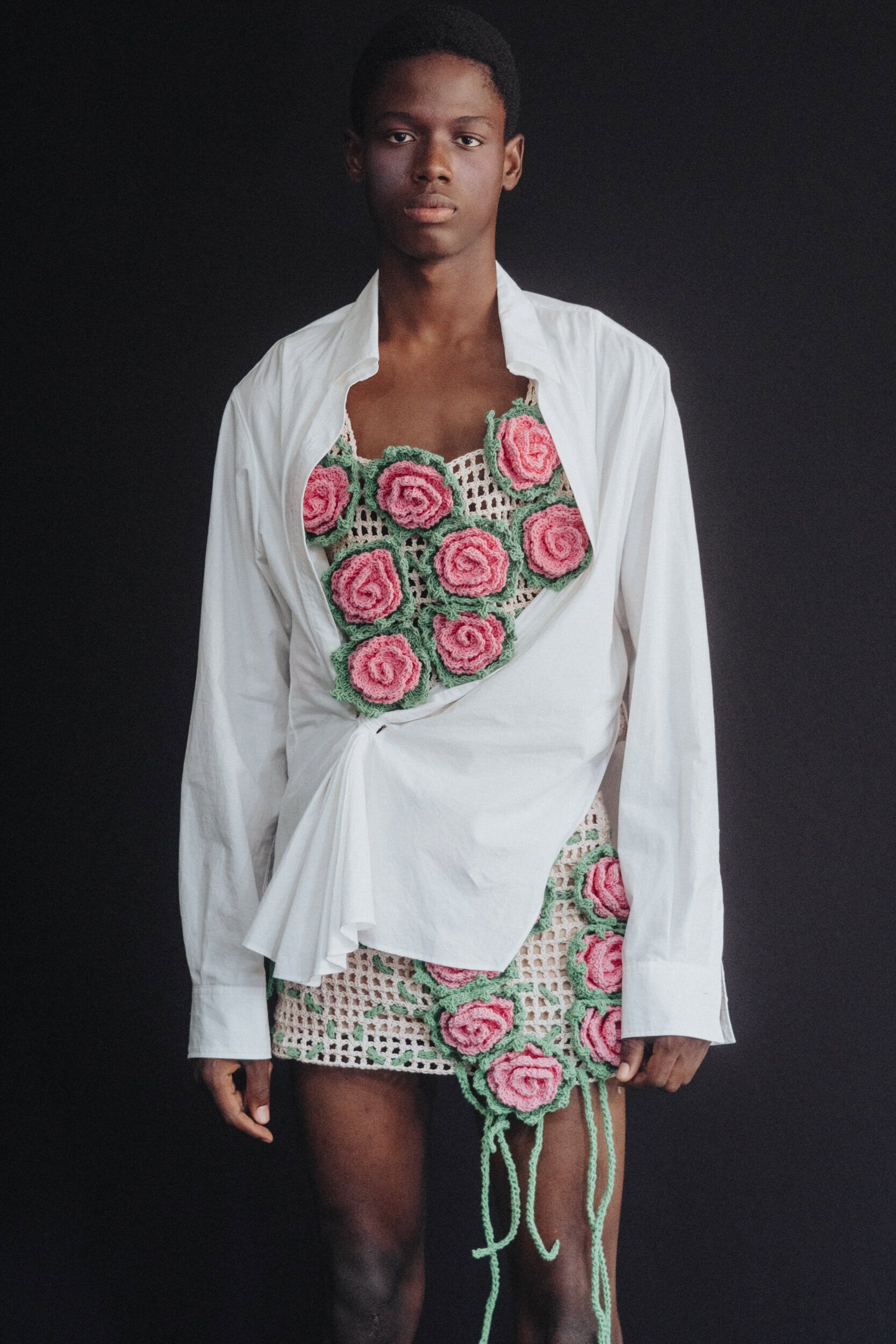
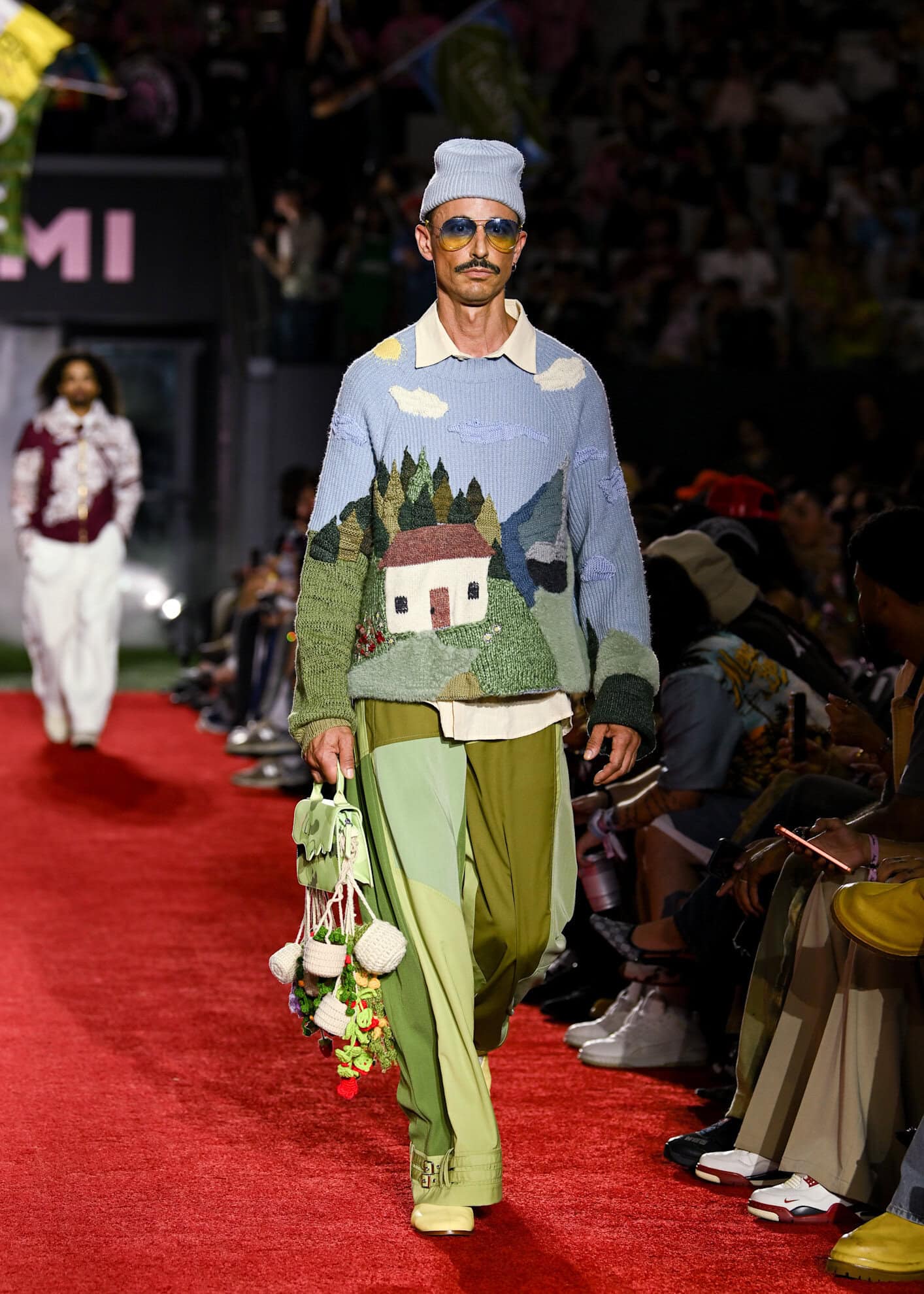
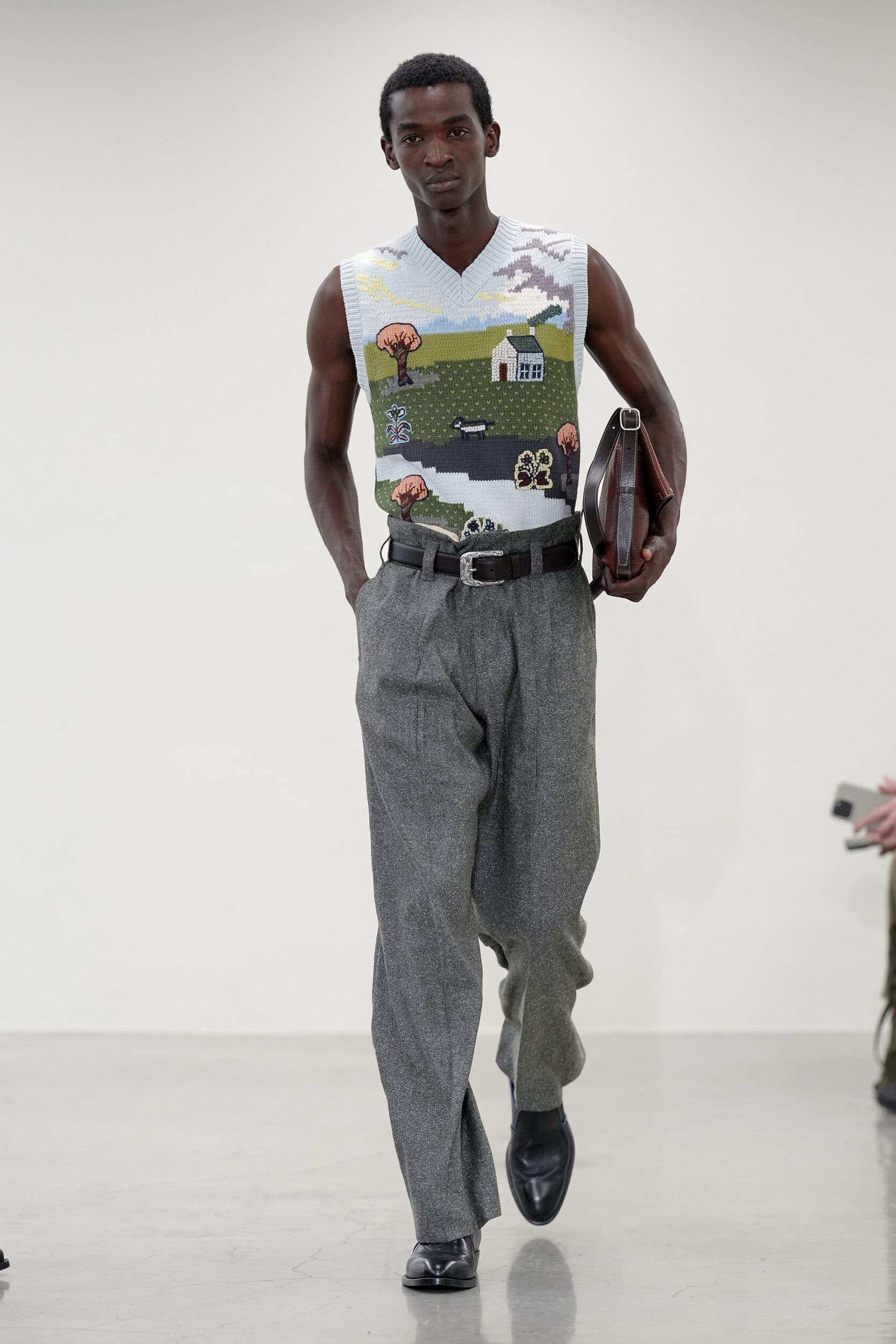
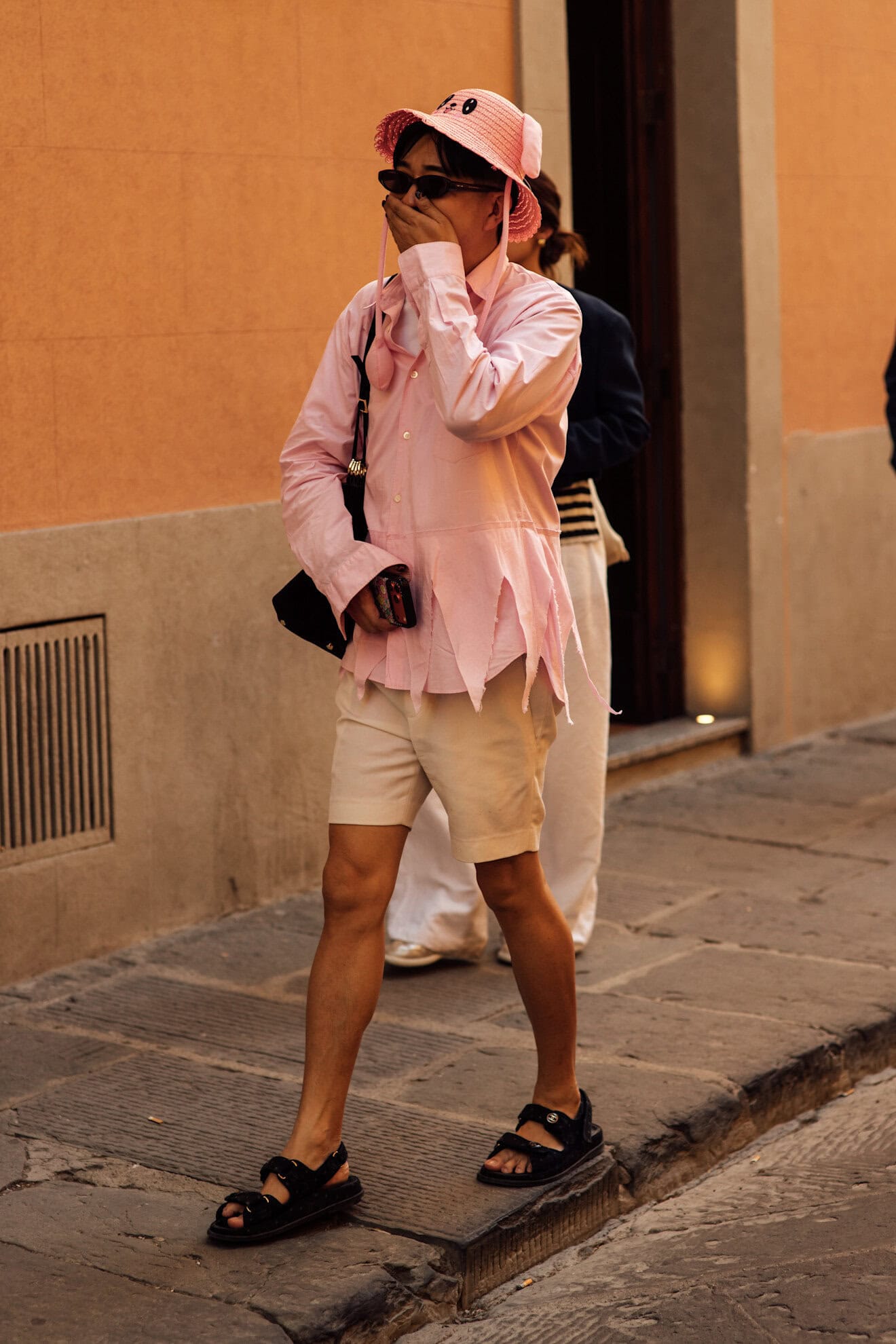
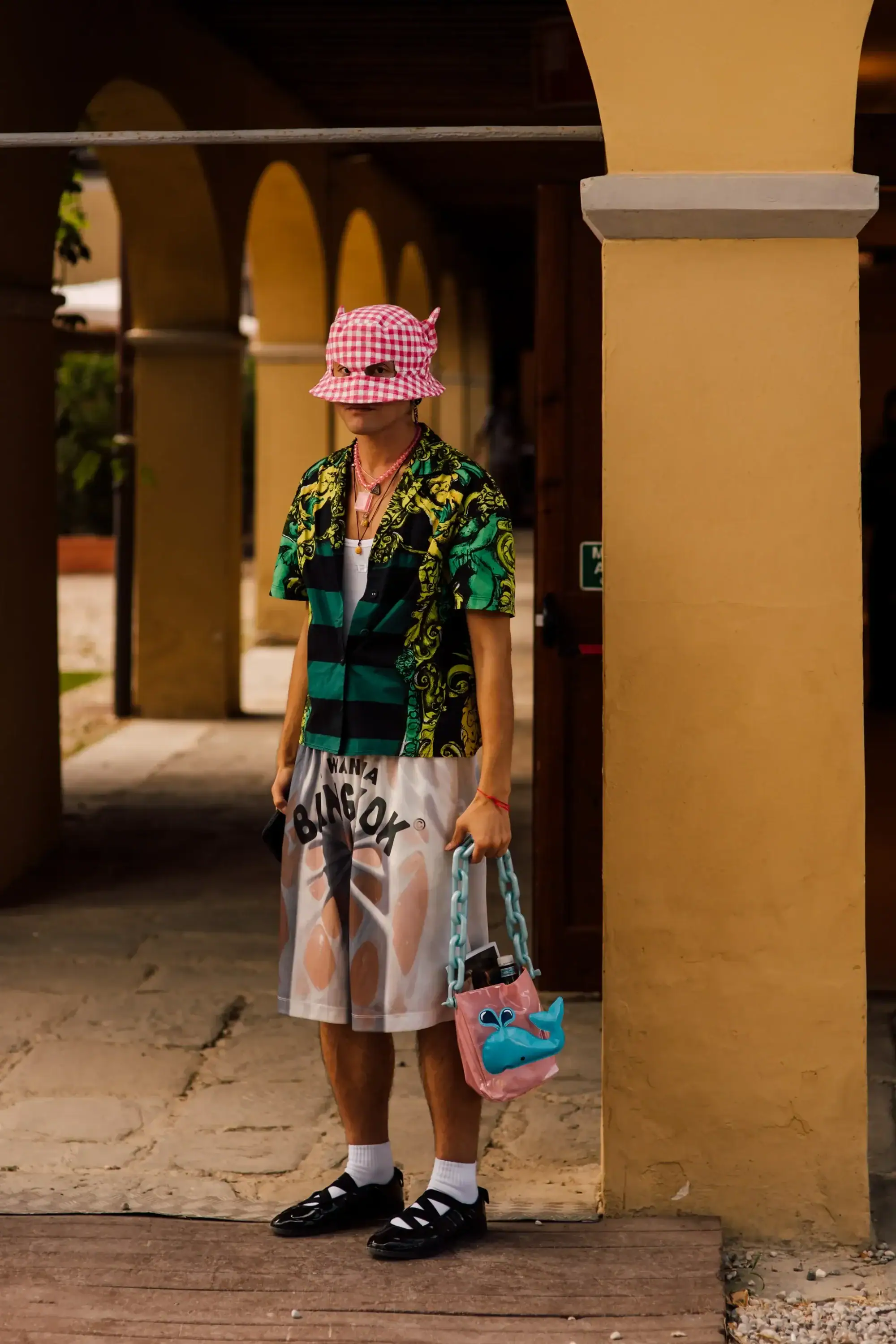
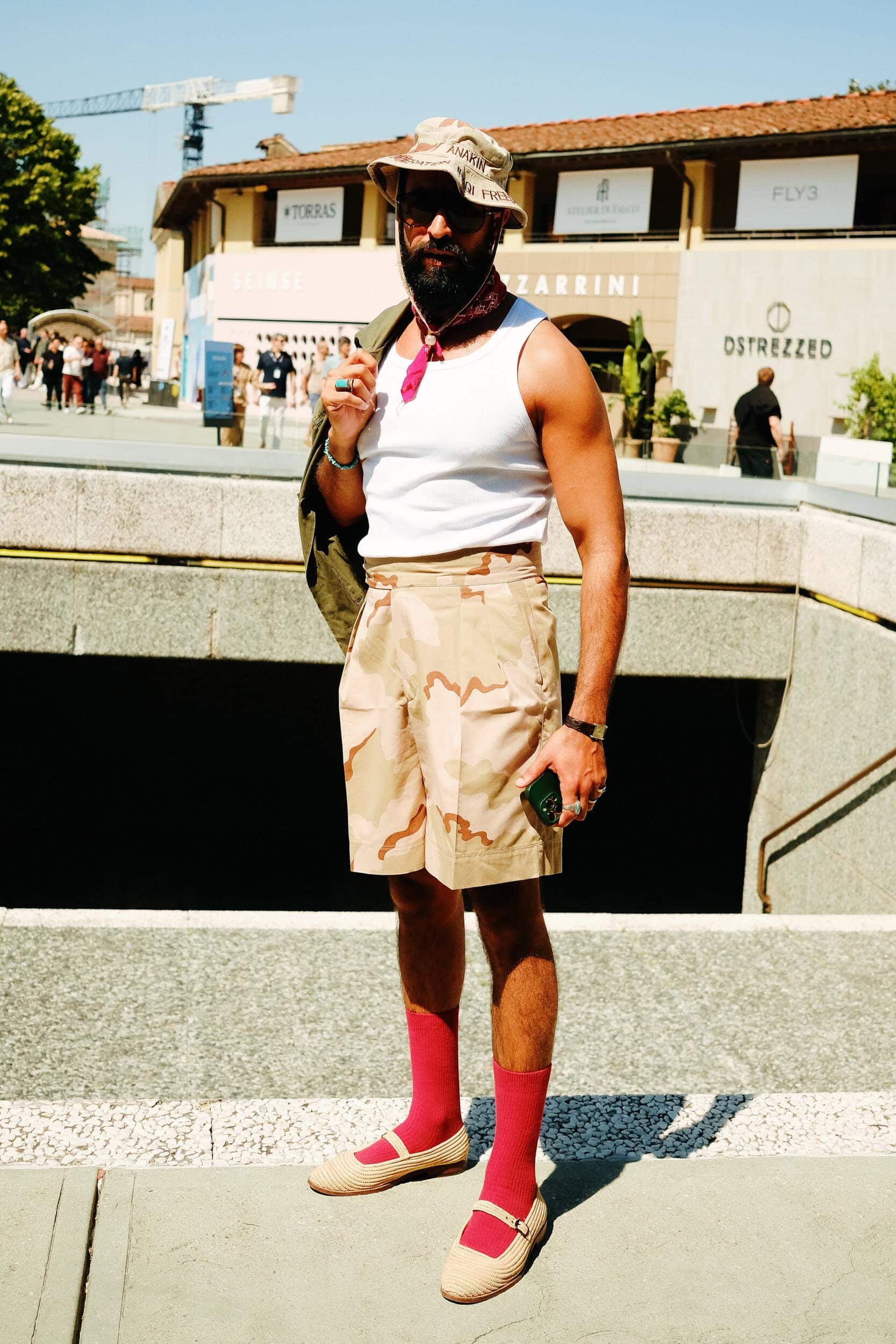
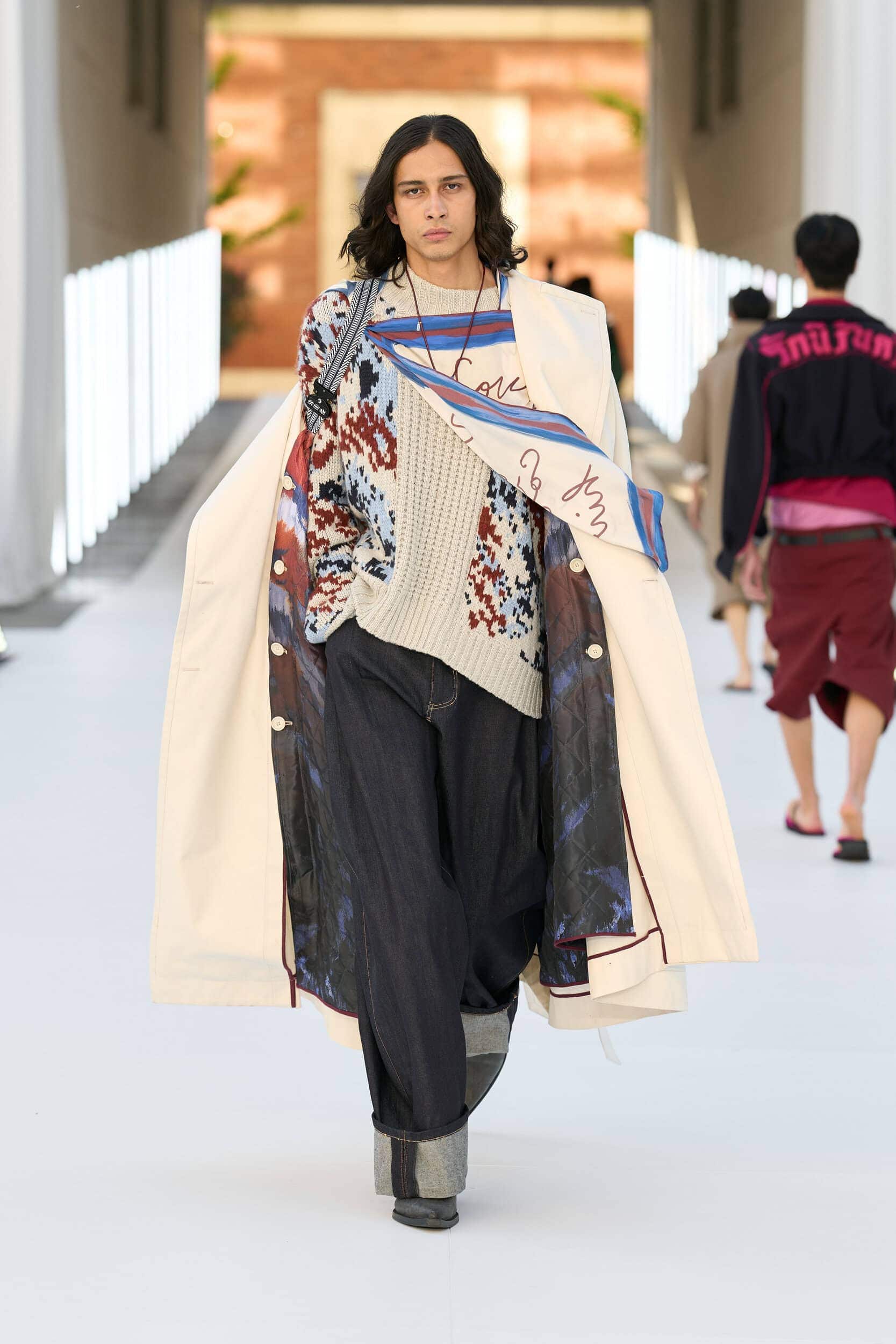
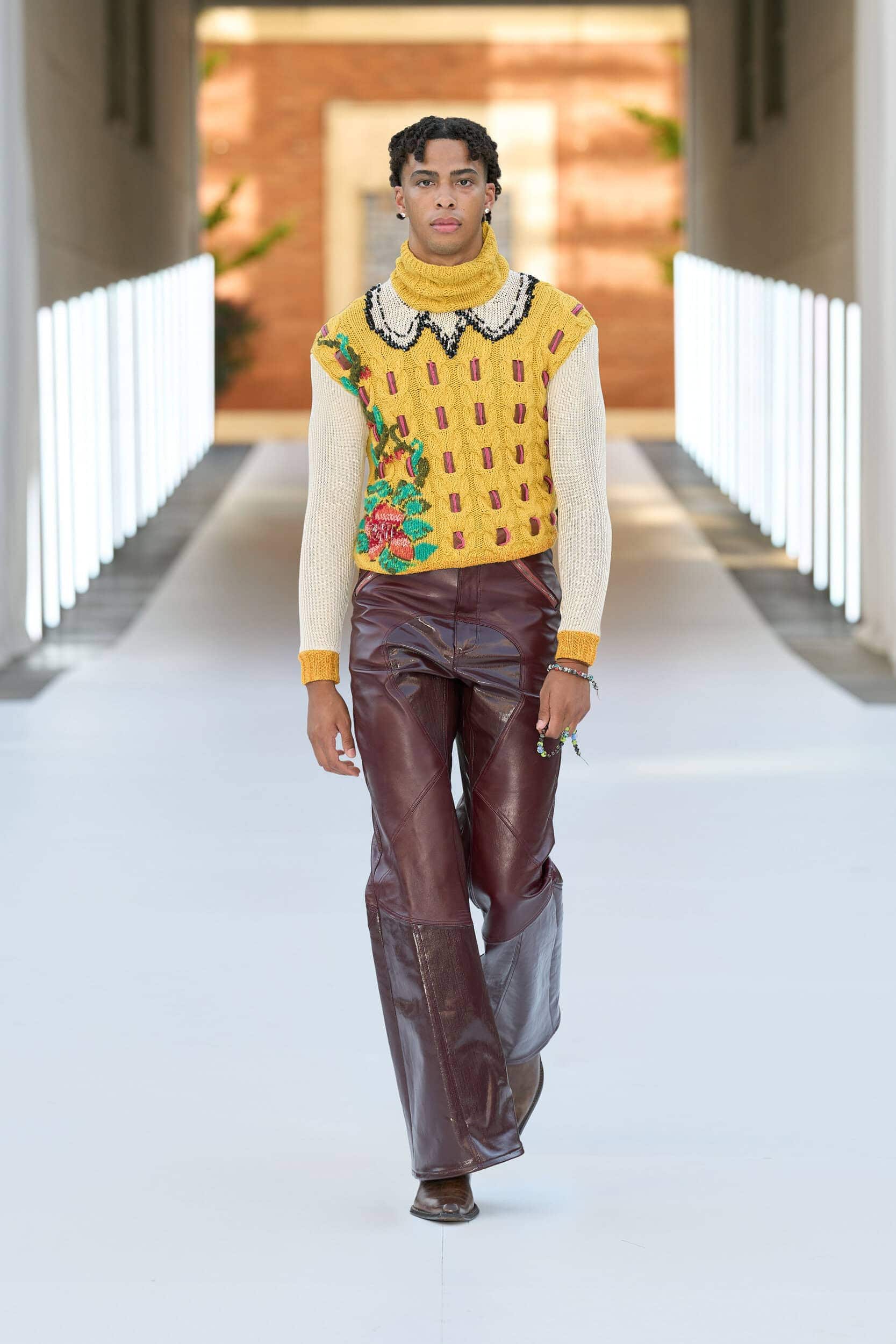
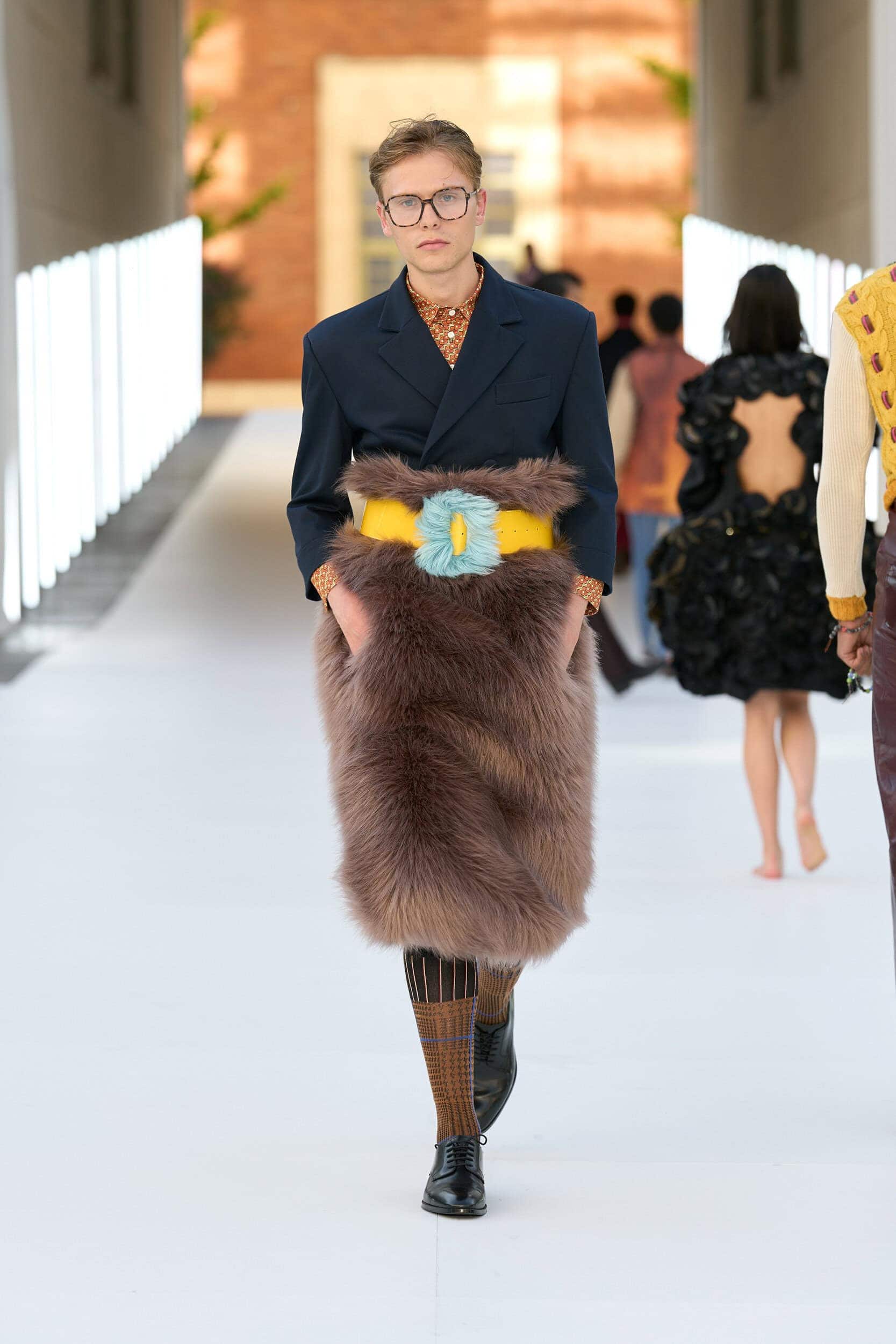
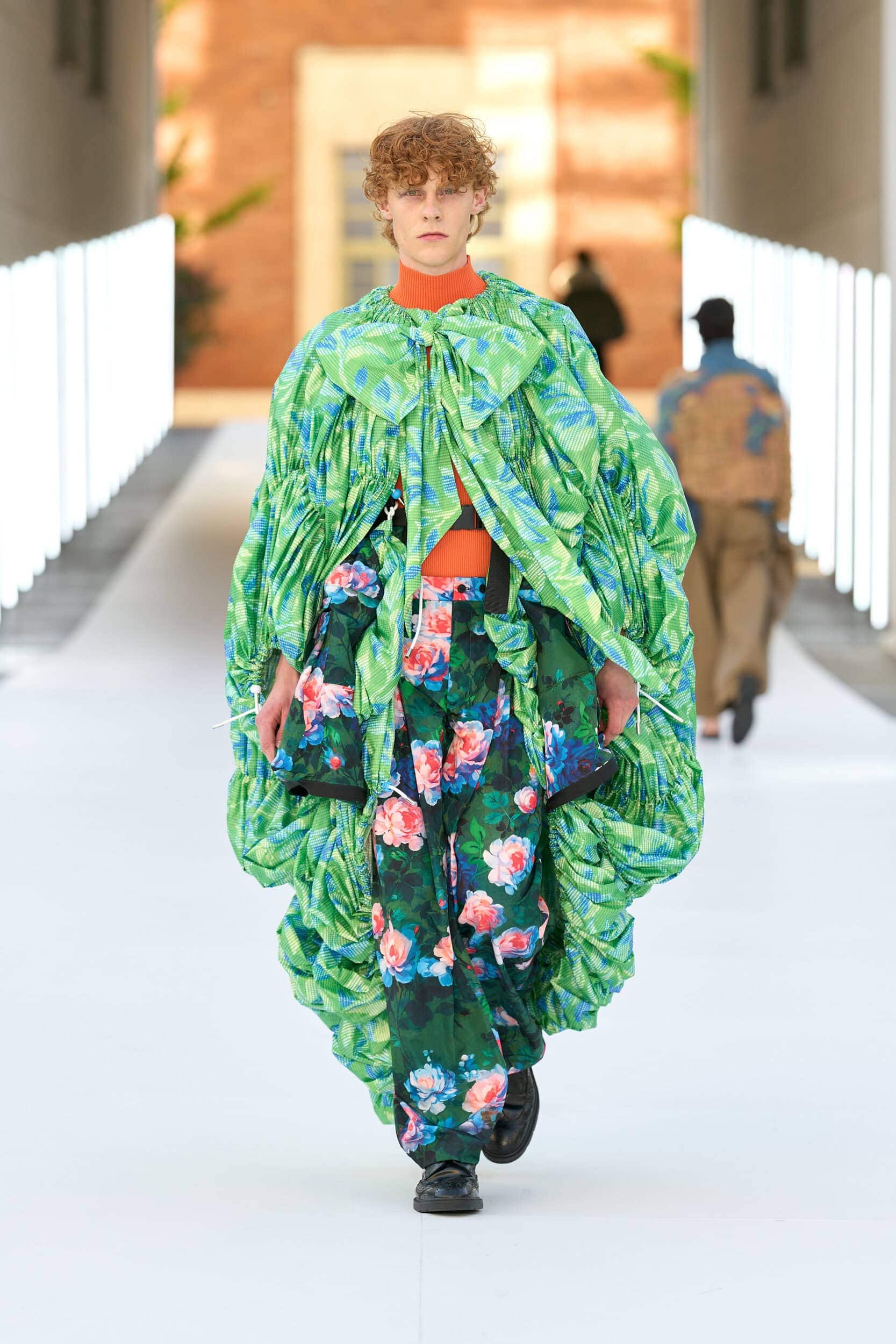
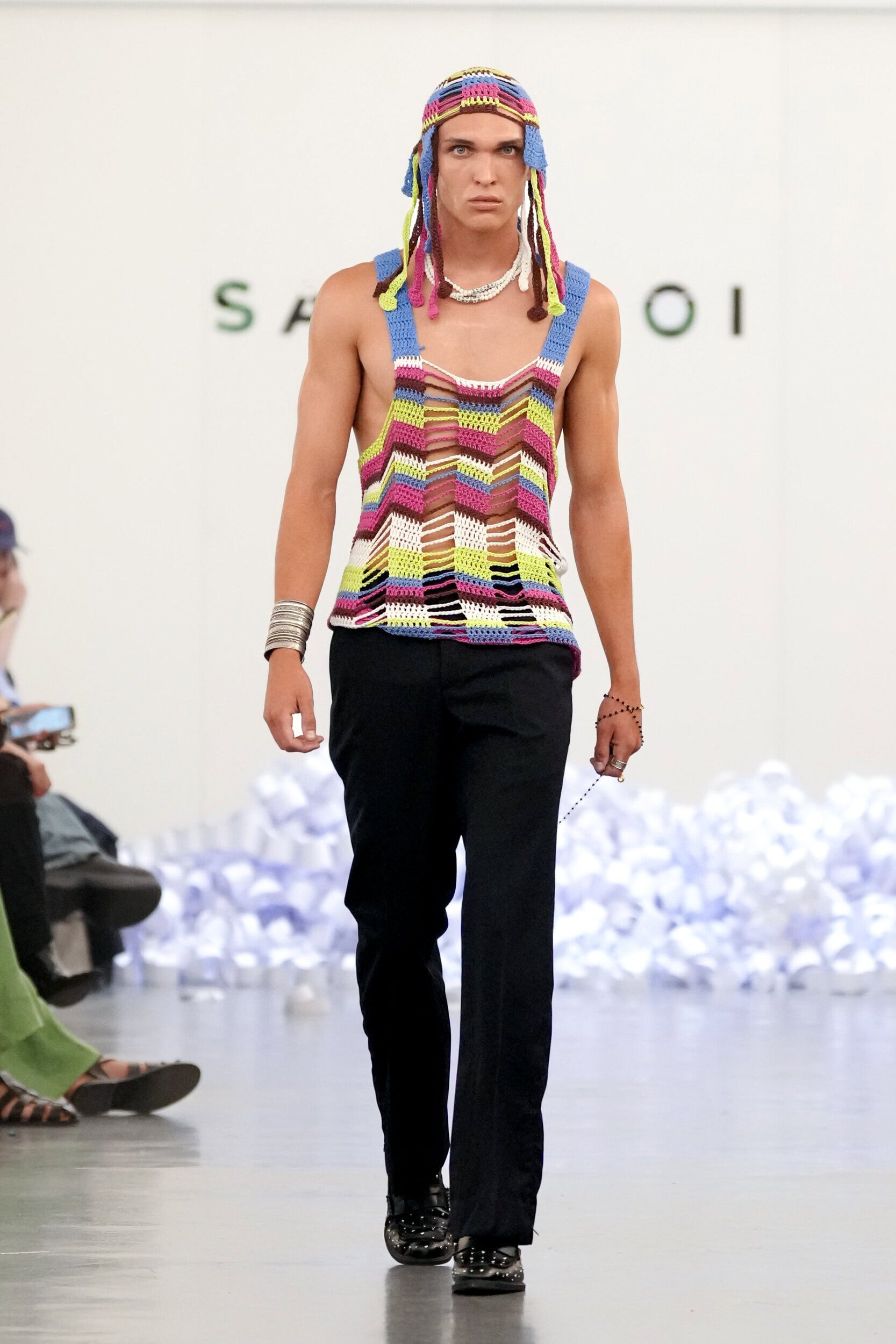
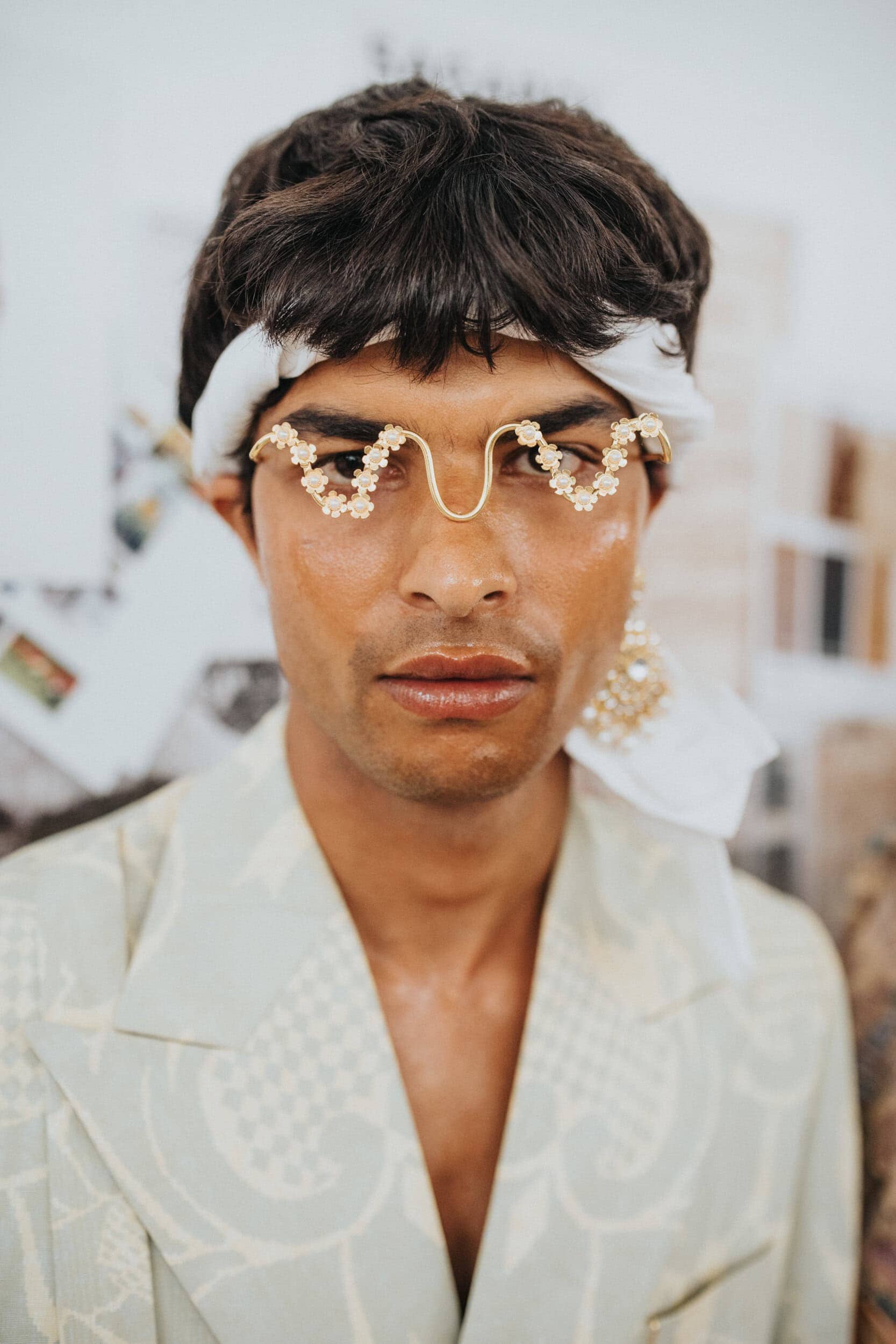
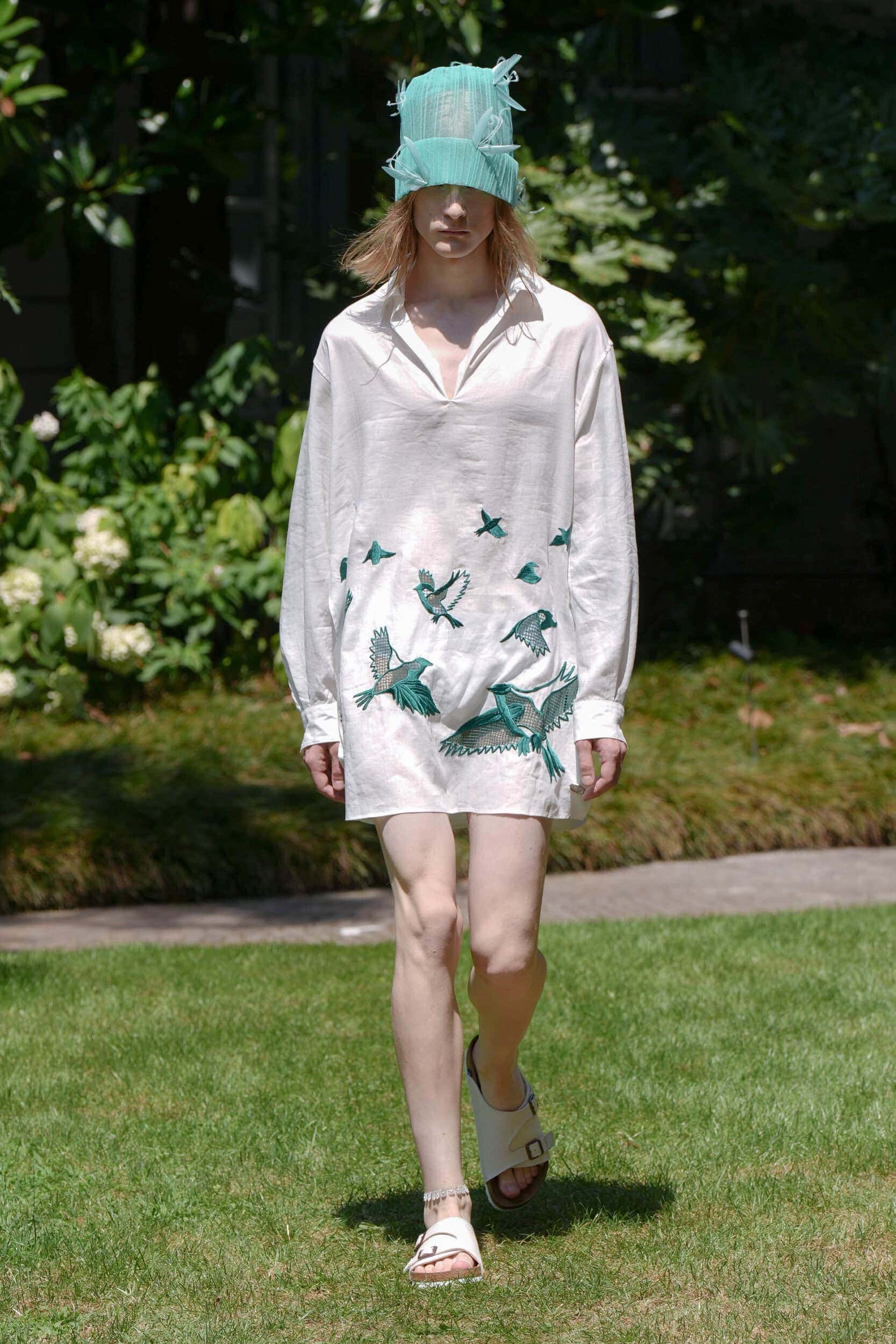
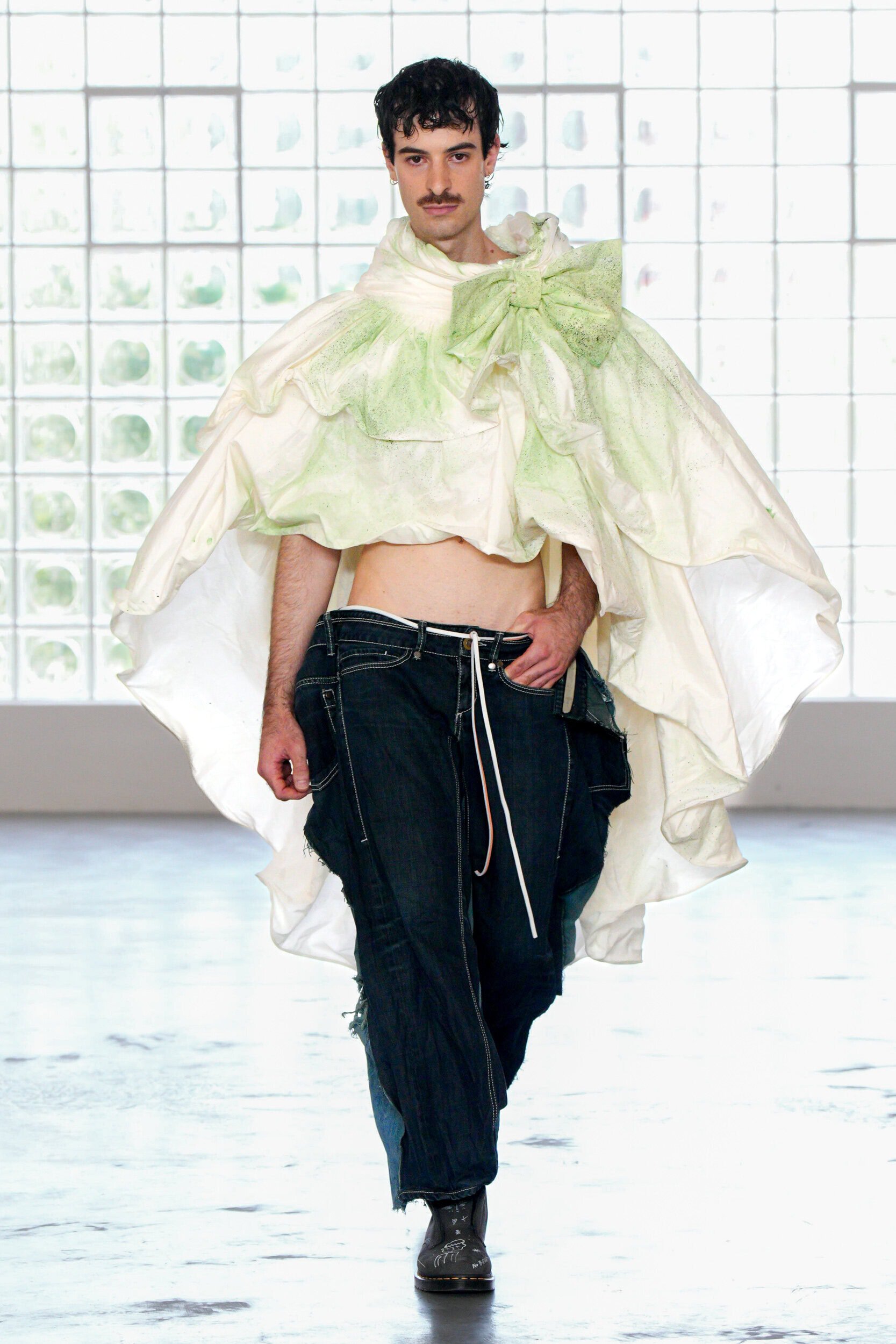
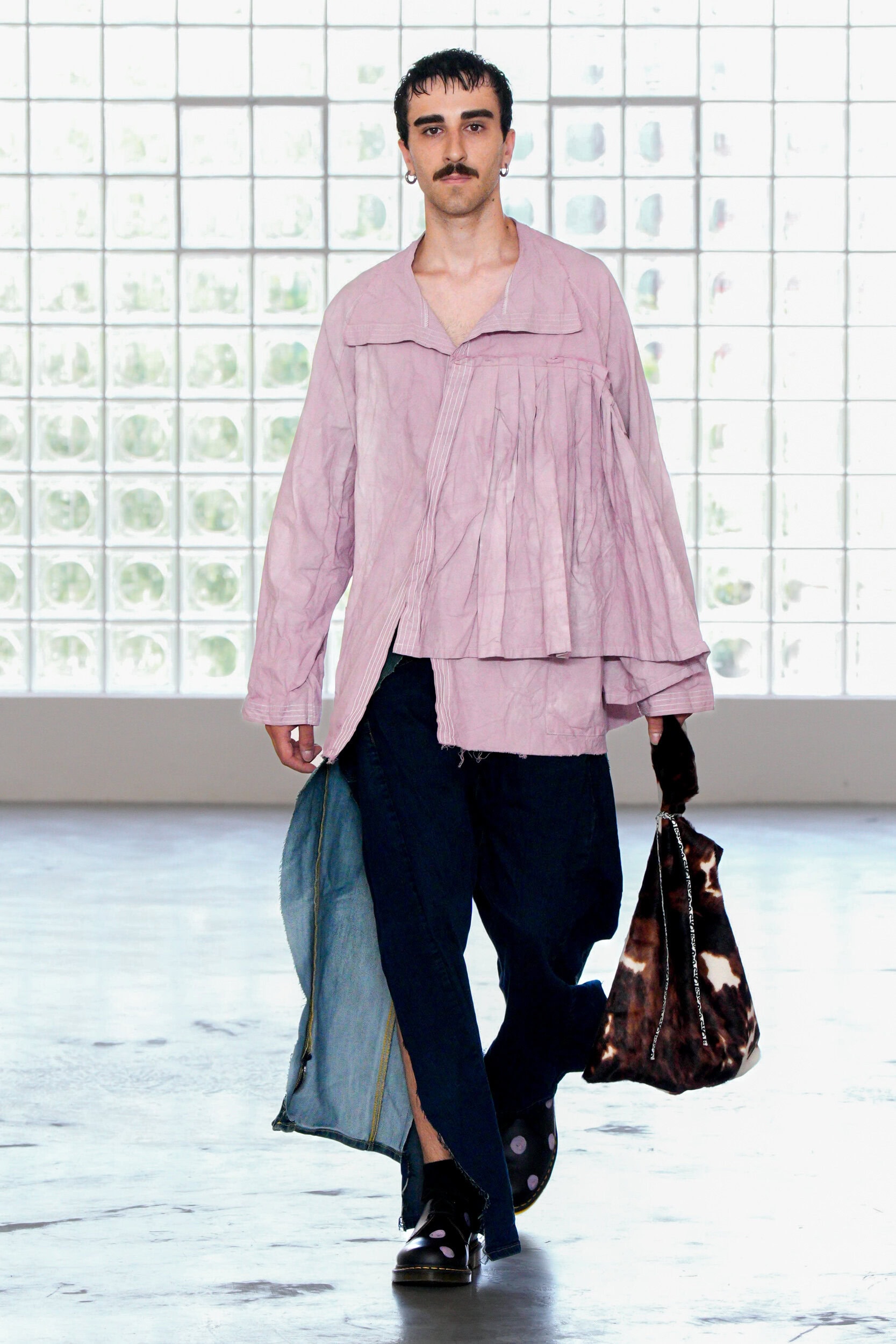
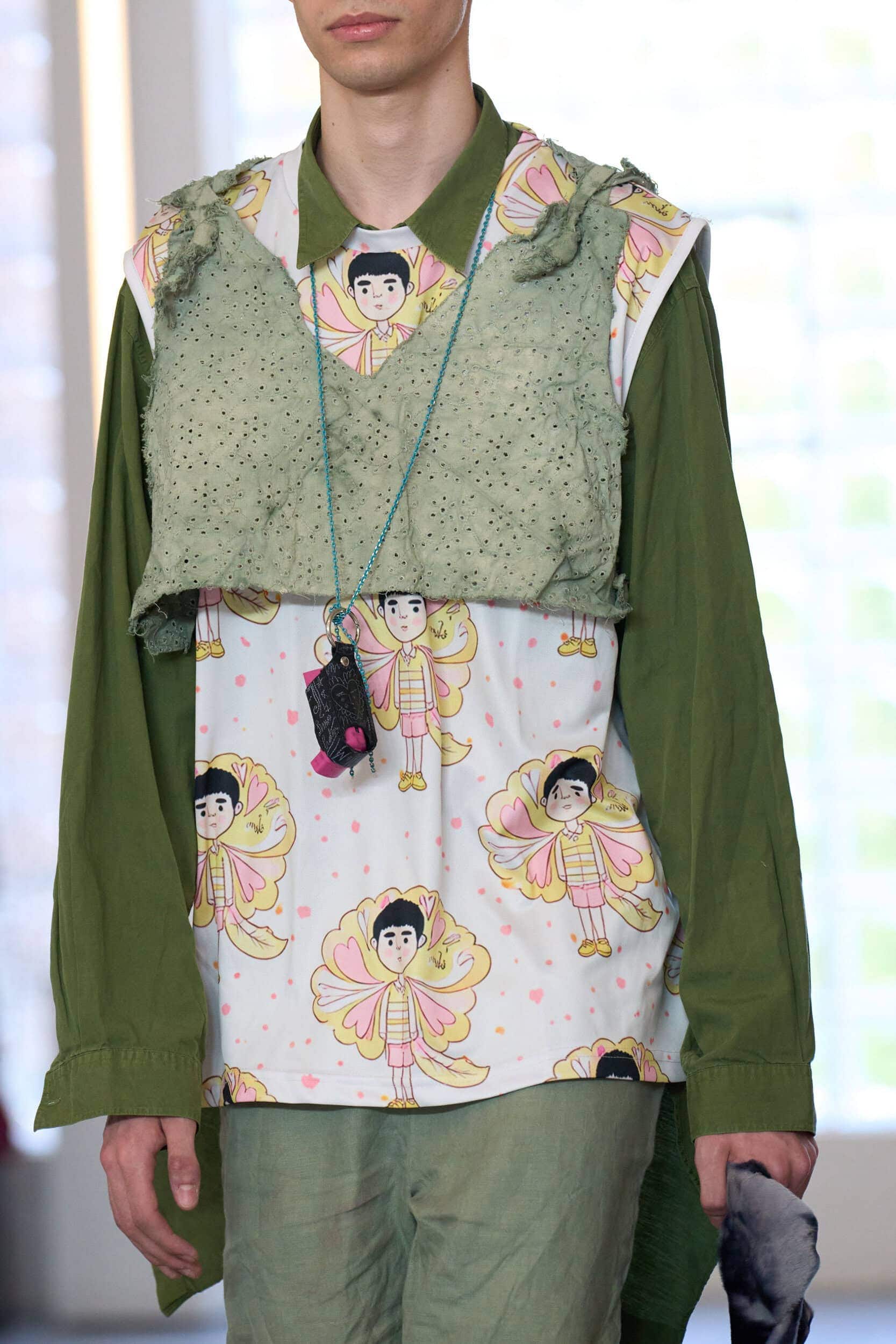
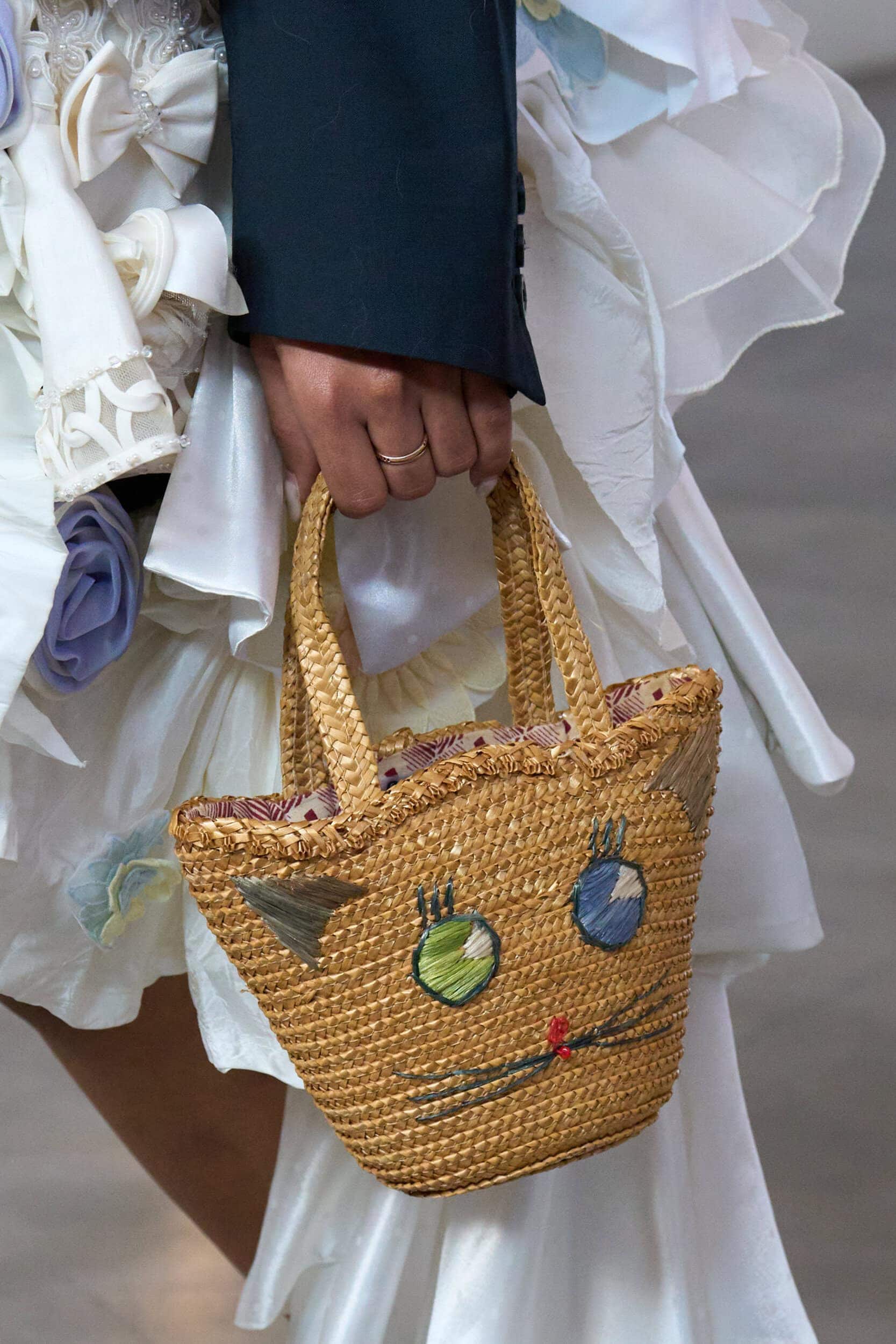
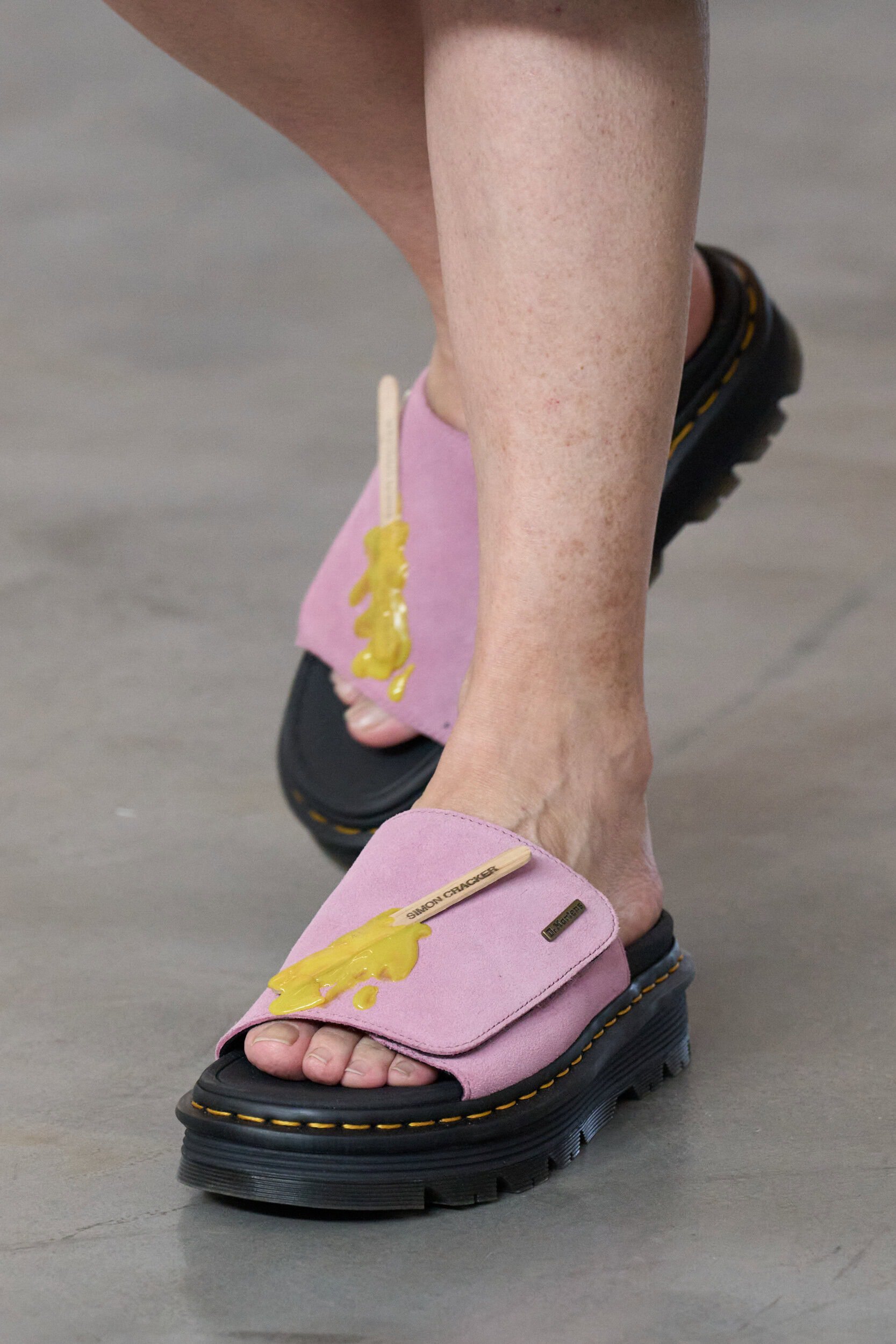
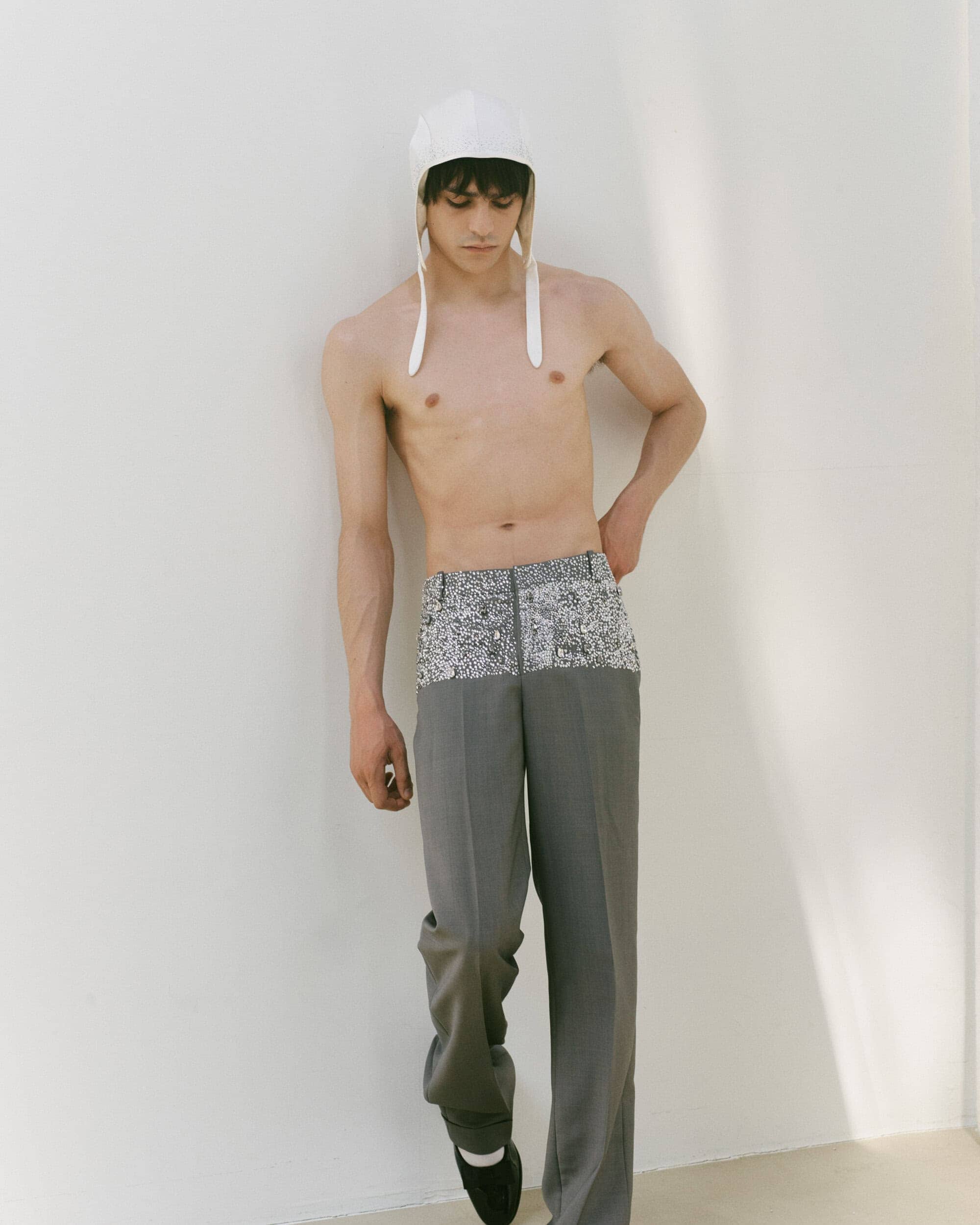
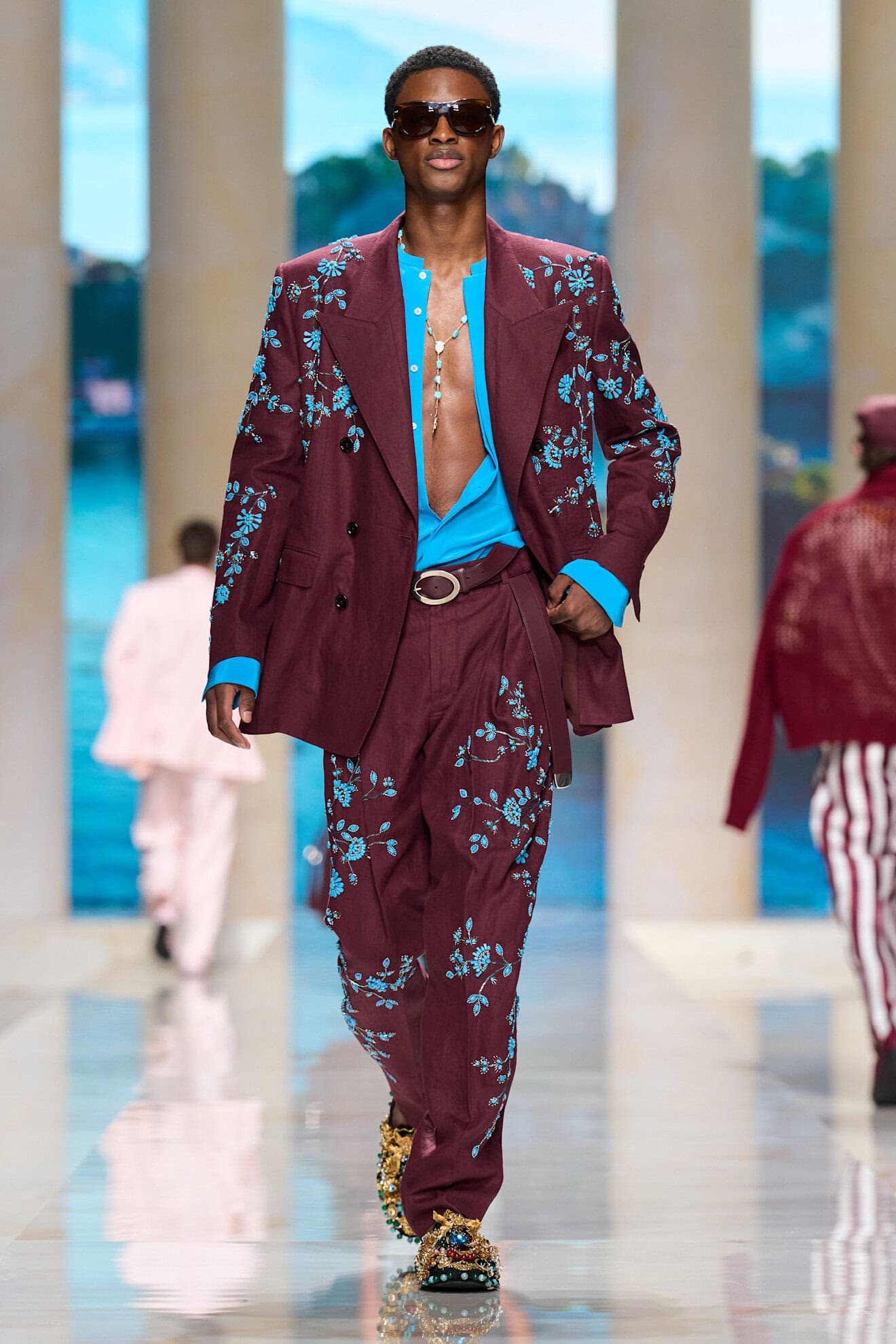
In a slow, yet growing movement to reject toxic masculinity and its negative influences, the wonderful world of whimsy has steadily been gaining a foothold as an alternative way of life. From conversational knitwear to school-boy sandals, decadent embellishment and floral flourishes.
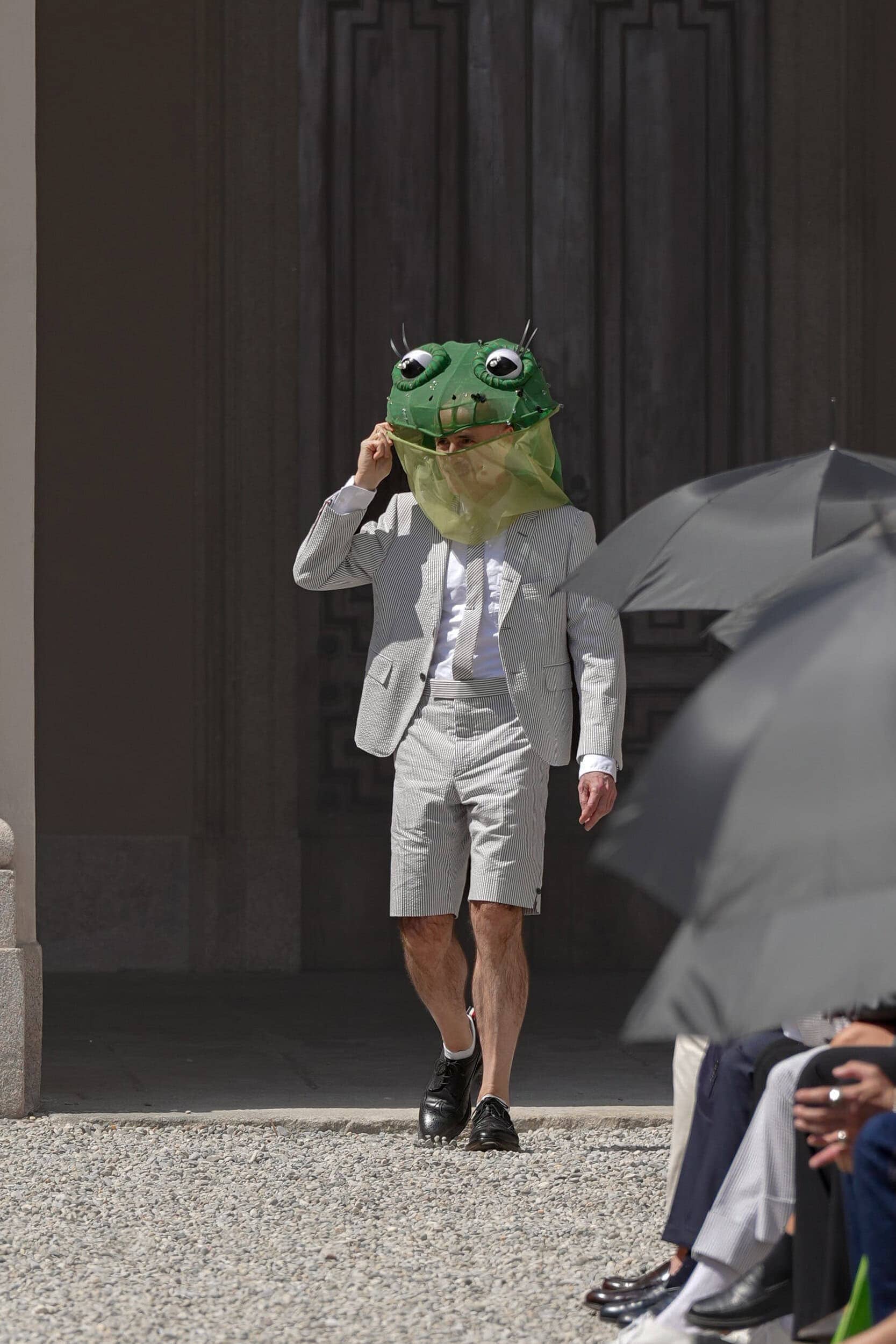
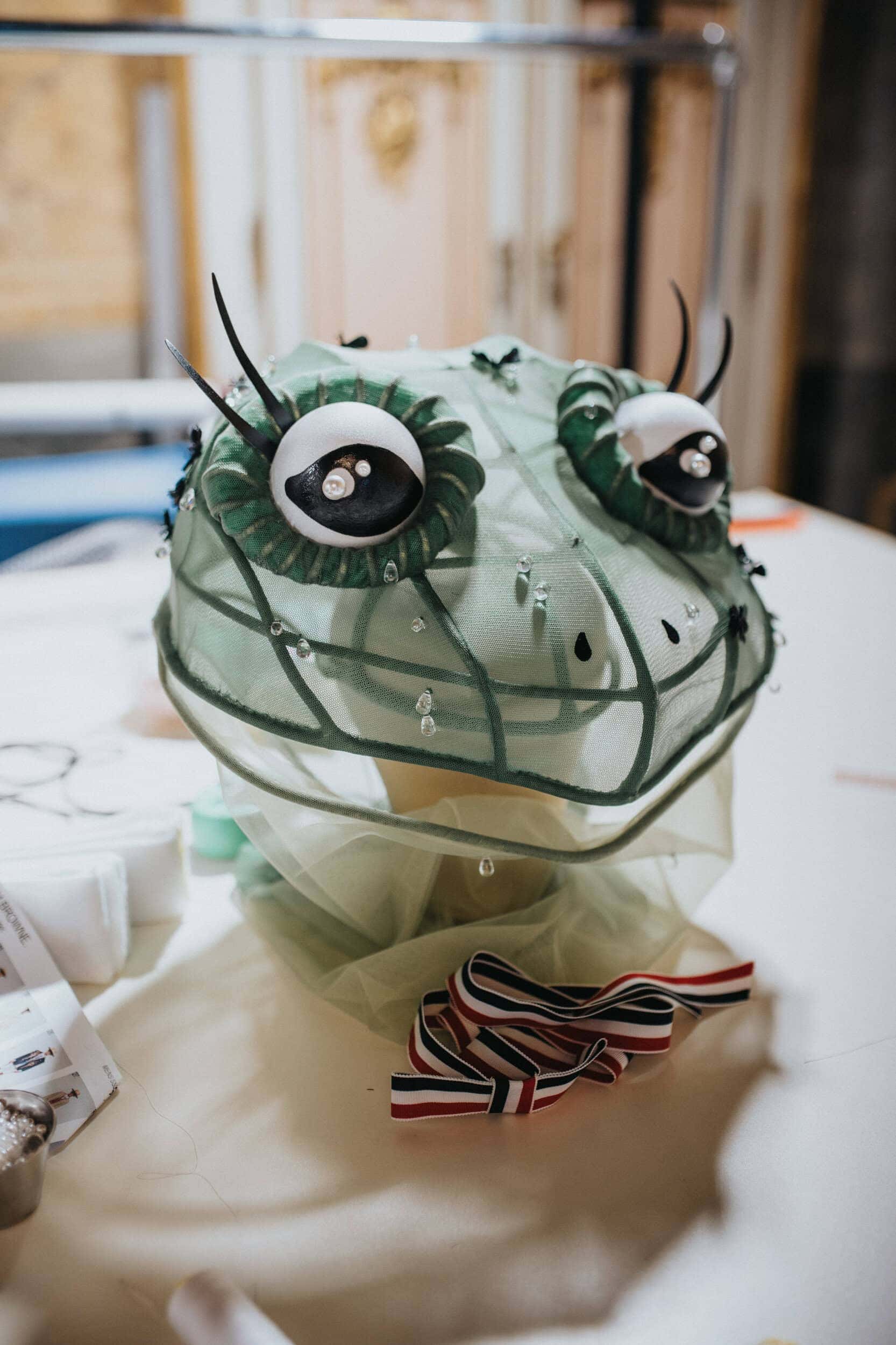
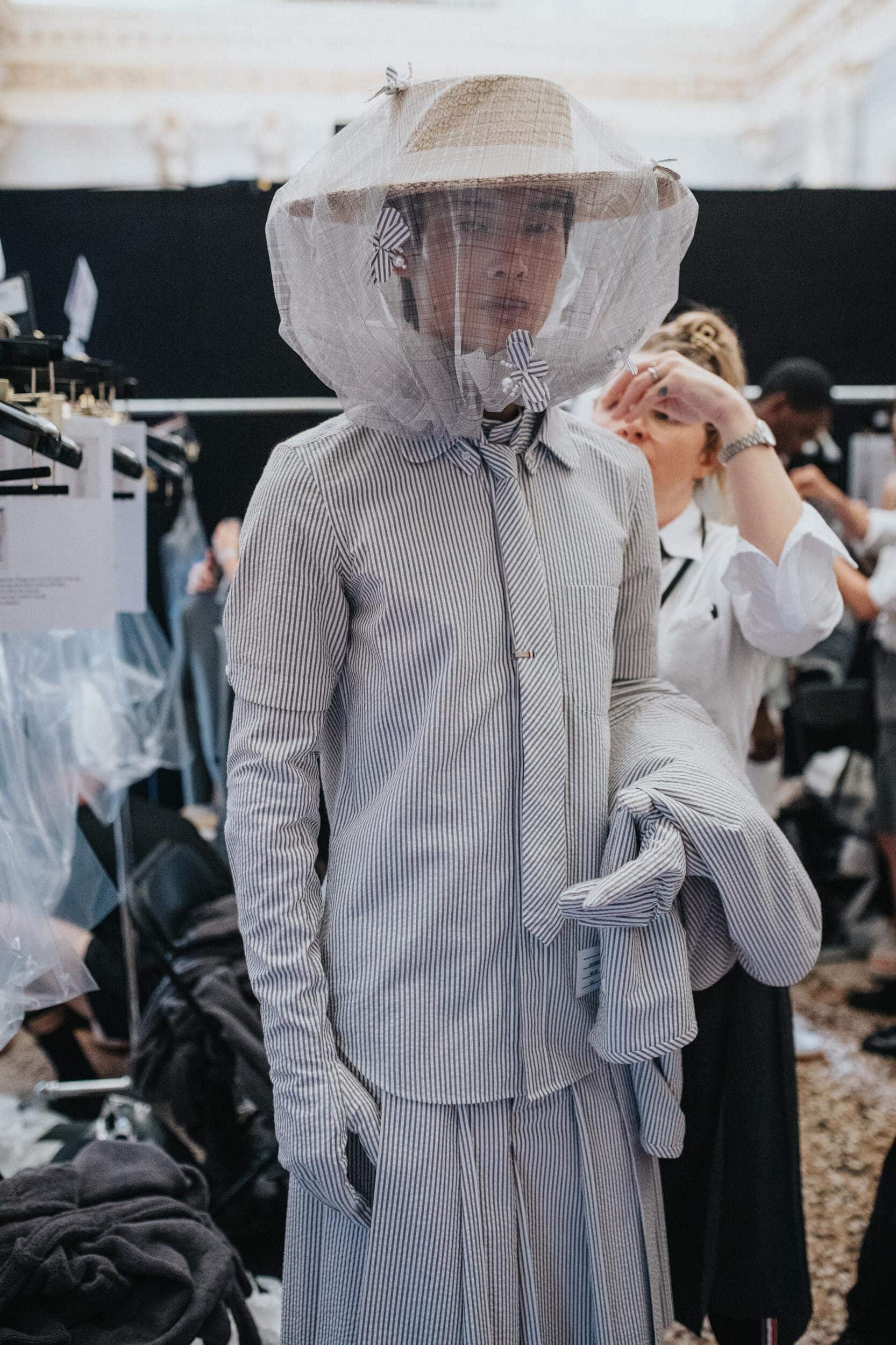
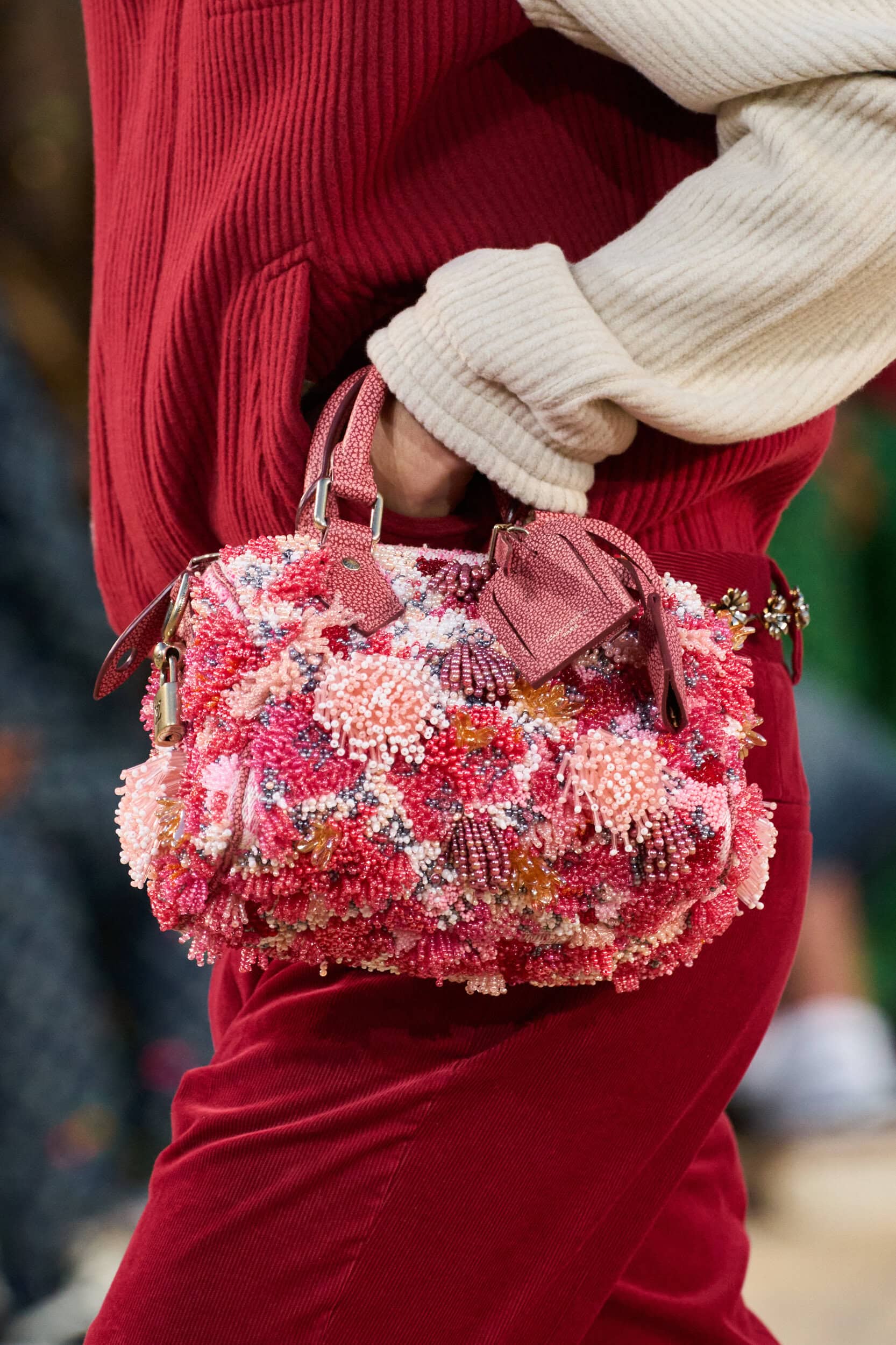
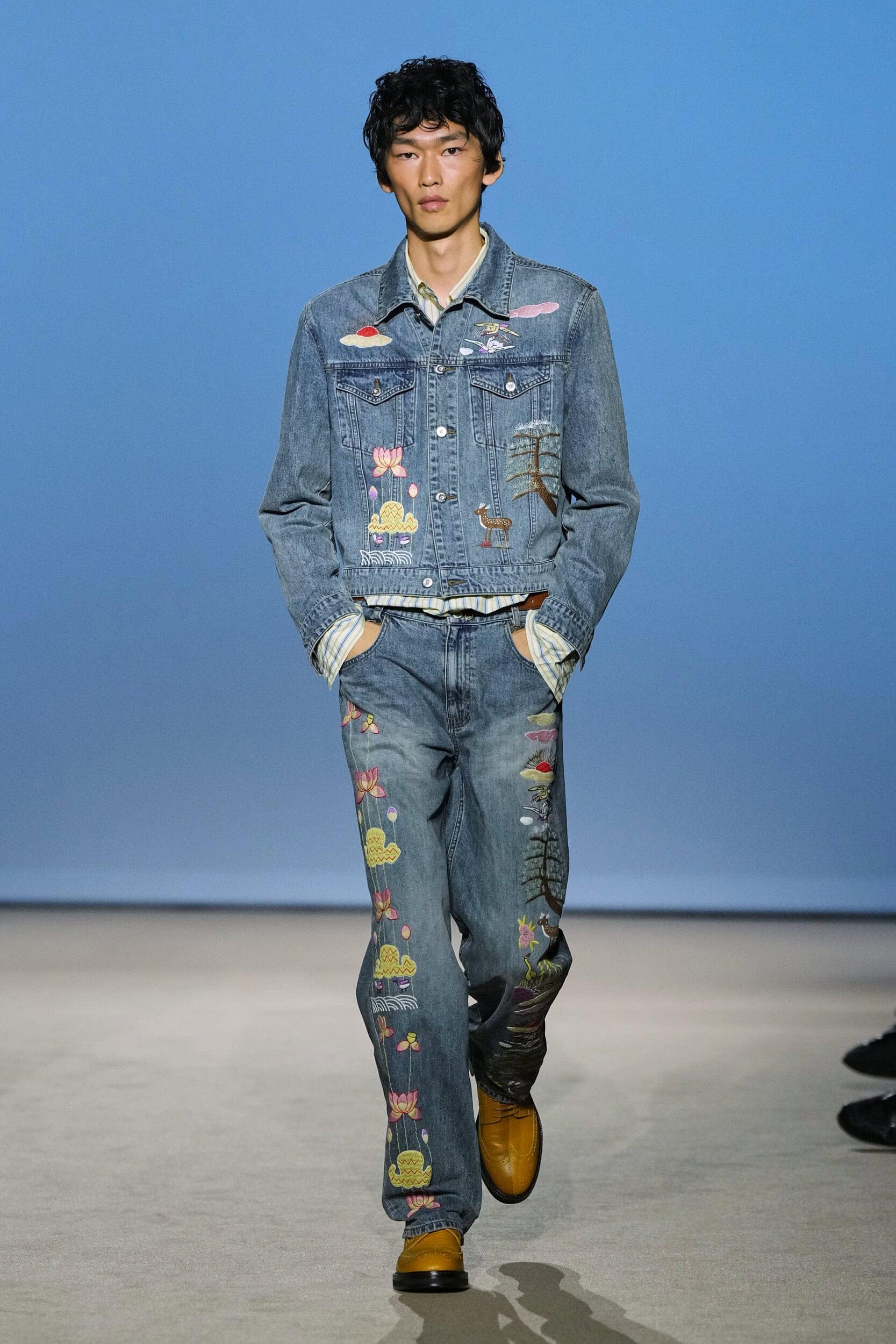
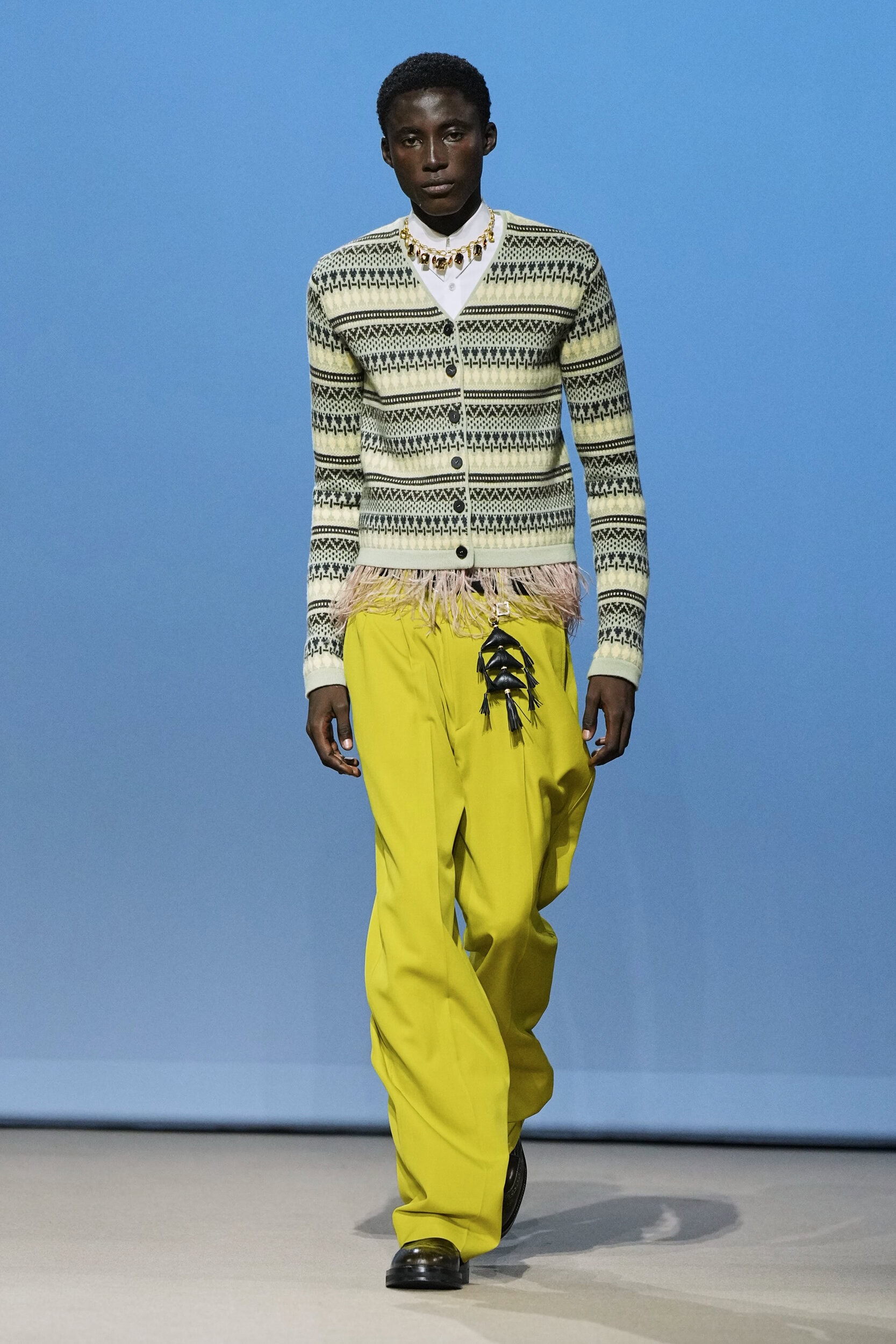
Kicking off during Pitti Uomo and Simone Rocha’s menswear debut, what constitutes what men should wear was seen through a softer lens. Joyful dressing and celebrating small moments of whimsy were seen at Thom Browne with his watering can bags, dragonfly motifs and a finale frog hat reminiscent of Mr. Toad from childhood favourite ‘The Wind in the Willows.’ Far from a full return to maximalism, this was about granting permission to adopt flashes of flamboyancy or full-on fun with colour or decorative features – from paint box brights to crochet roses, and beaded bag charms.
4. And Relax: Travel-ready Tailoring
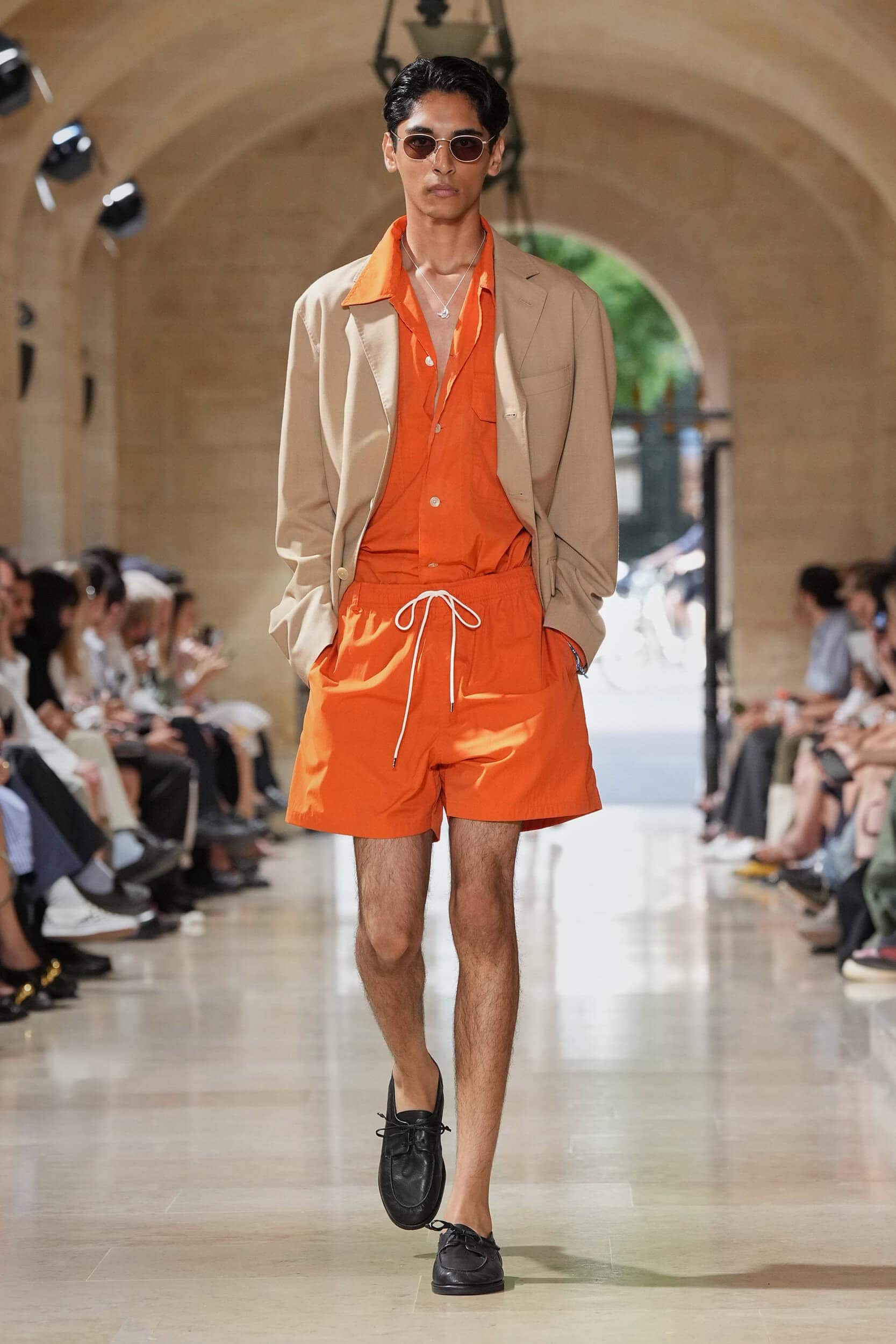
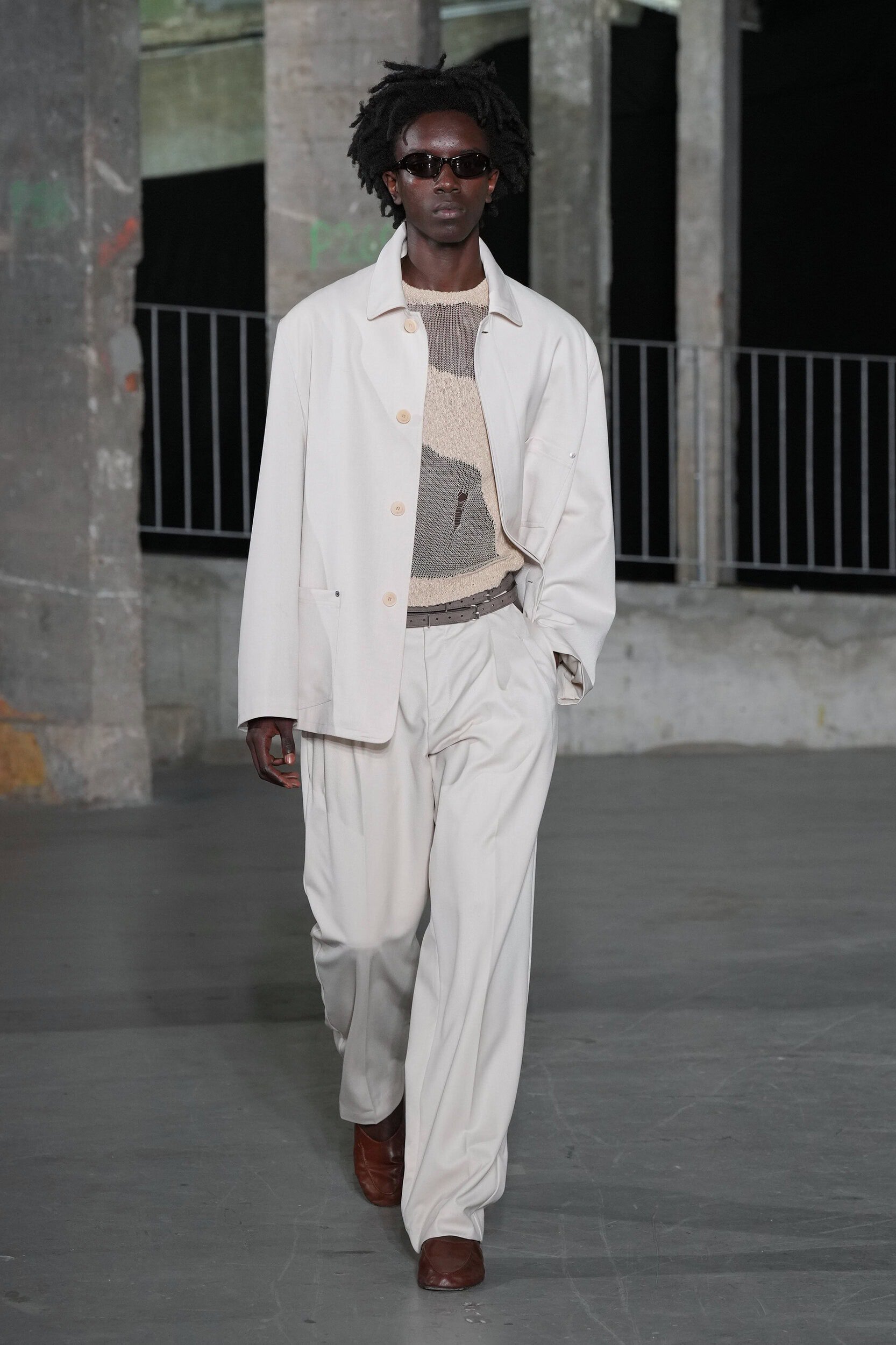
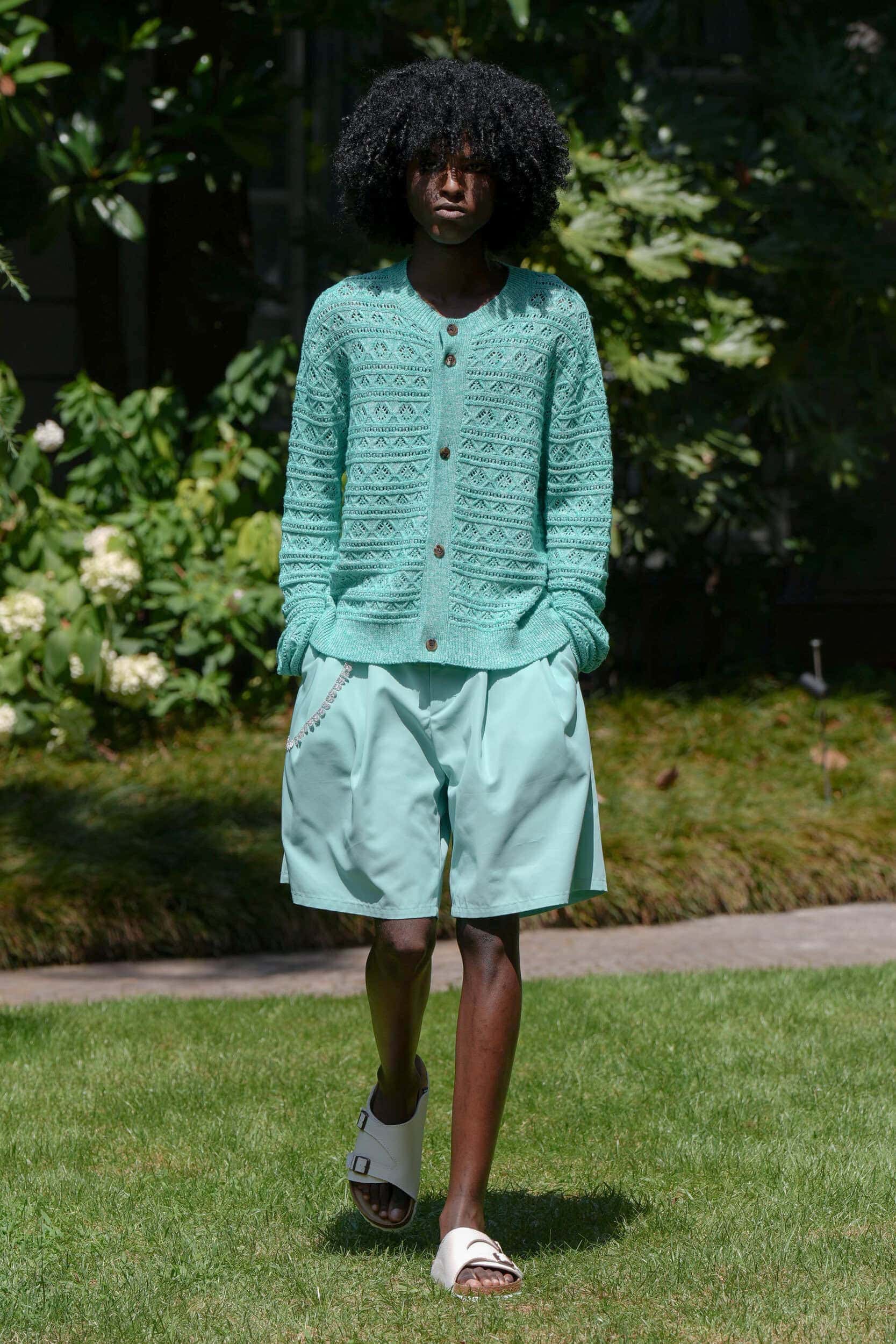
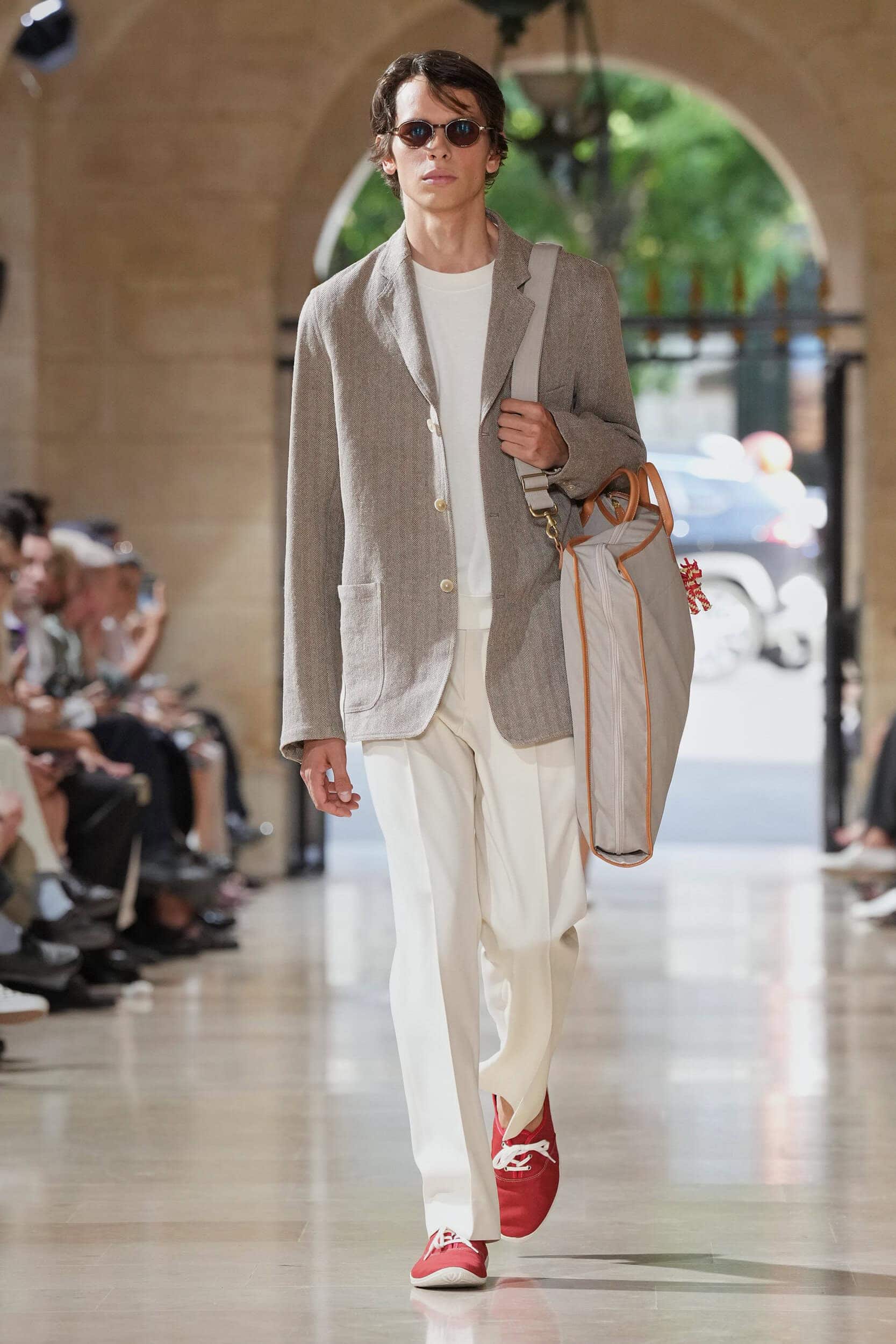
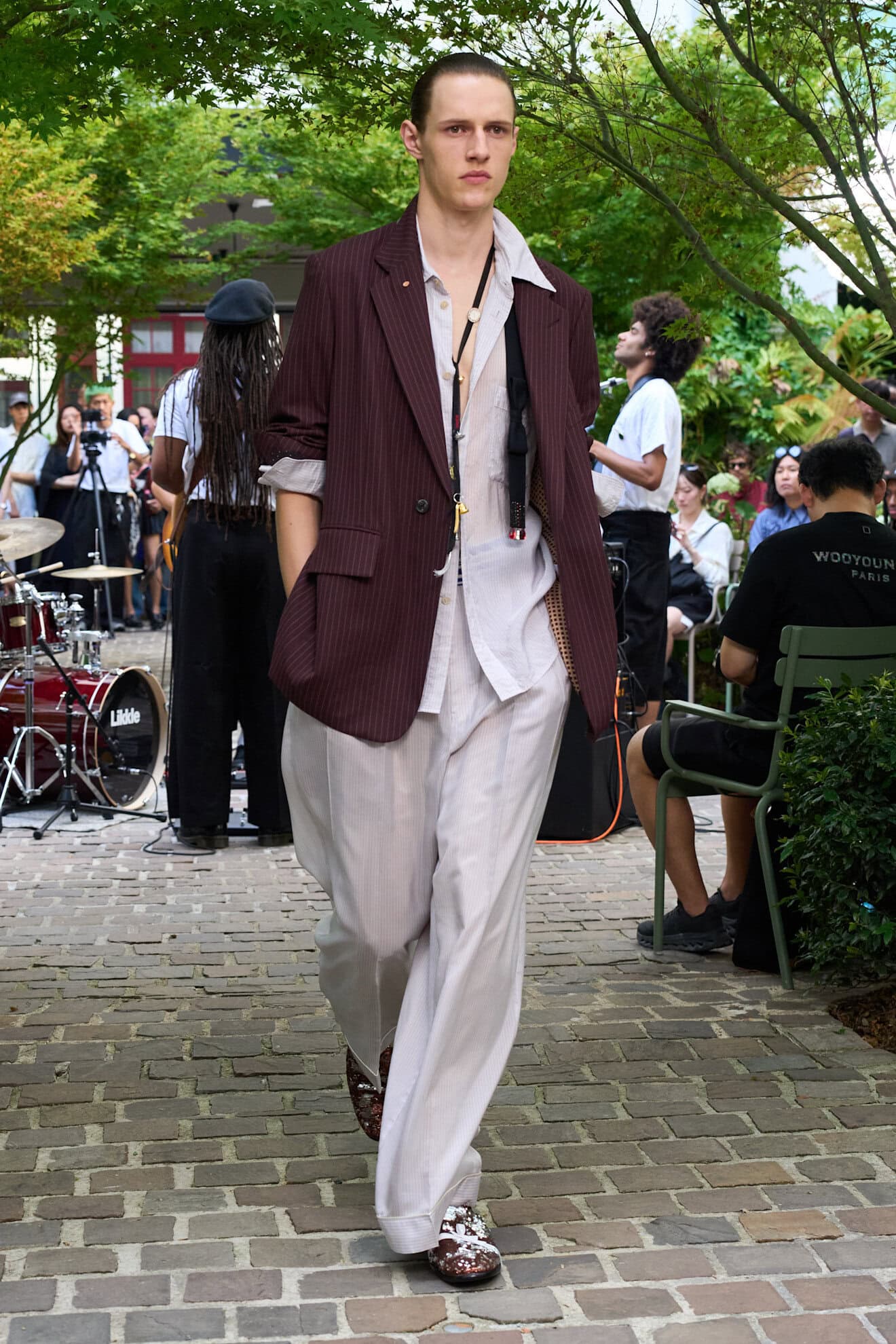
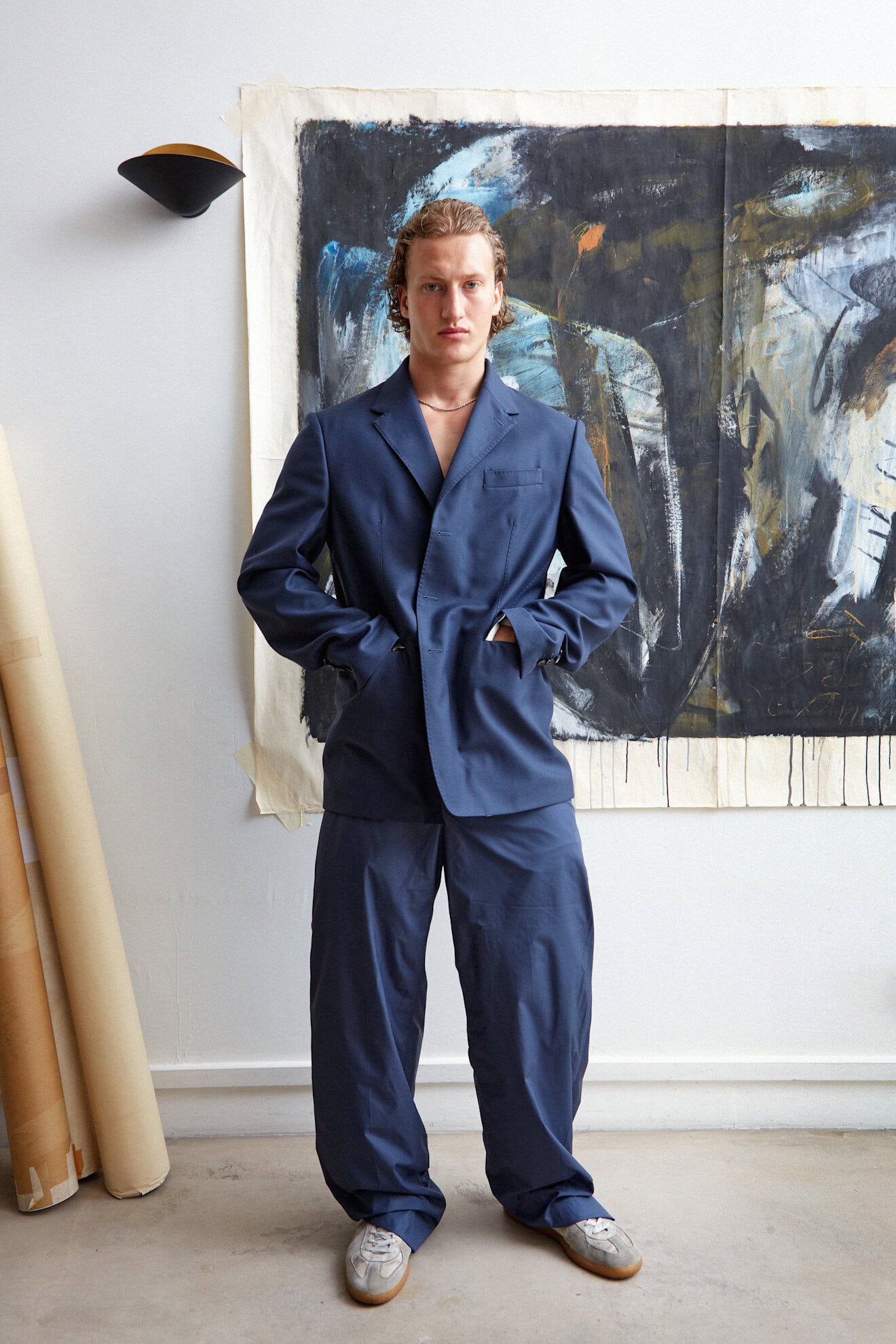
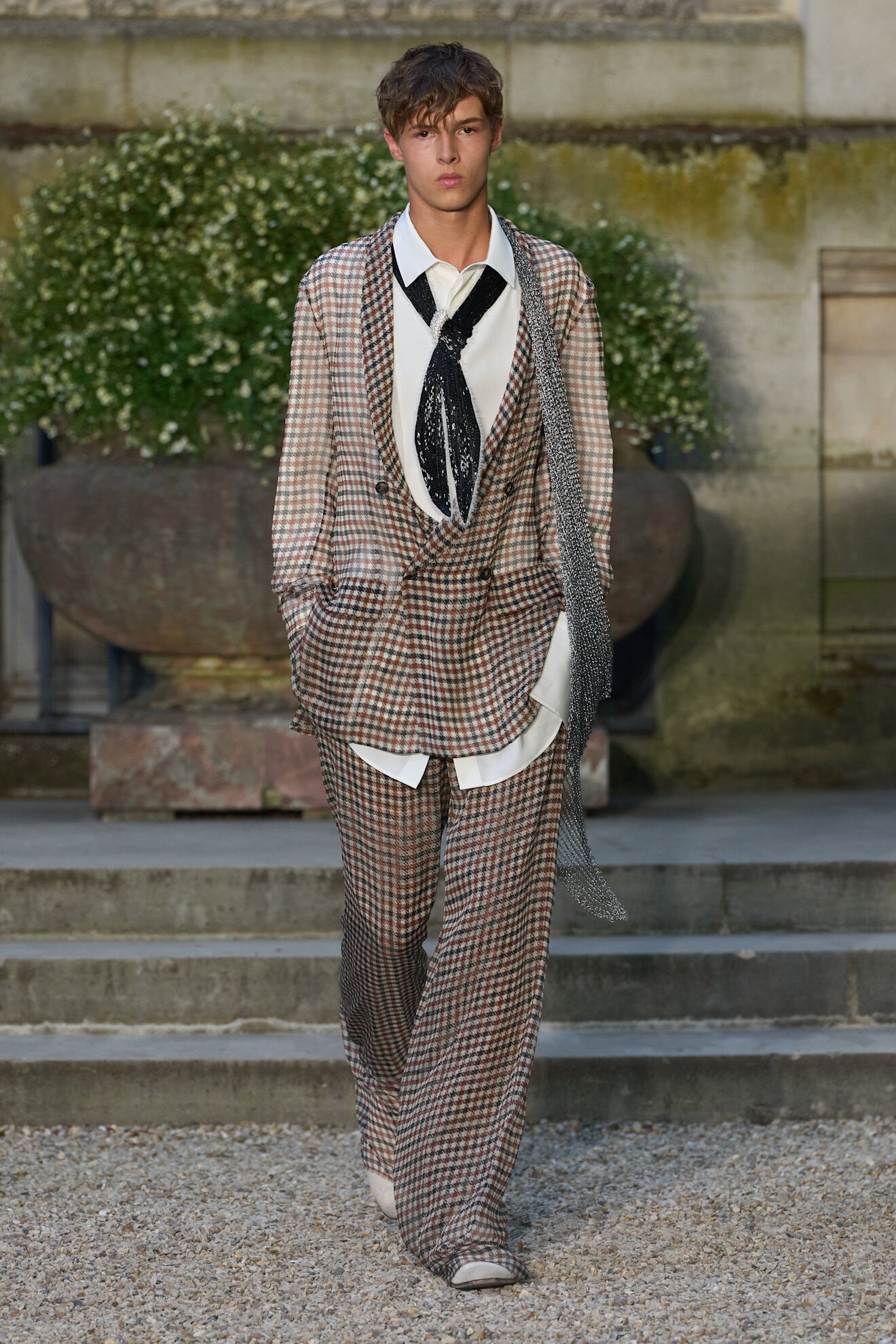
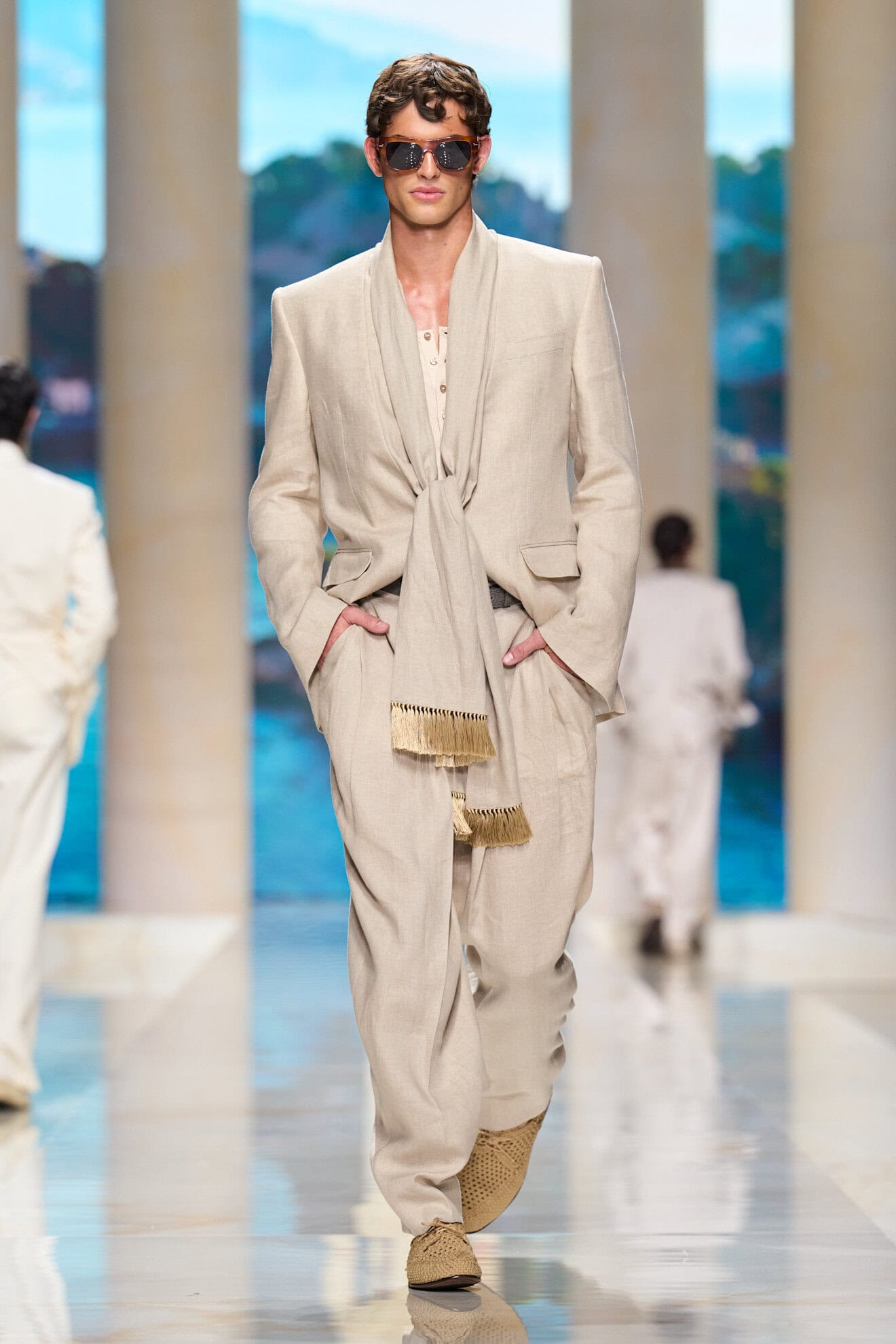
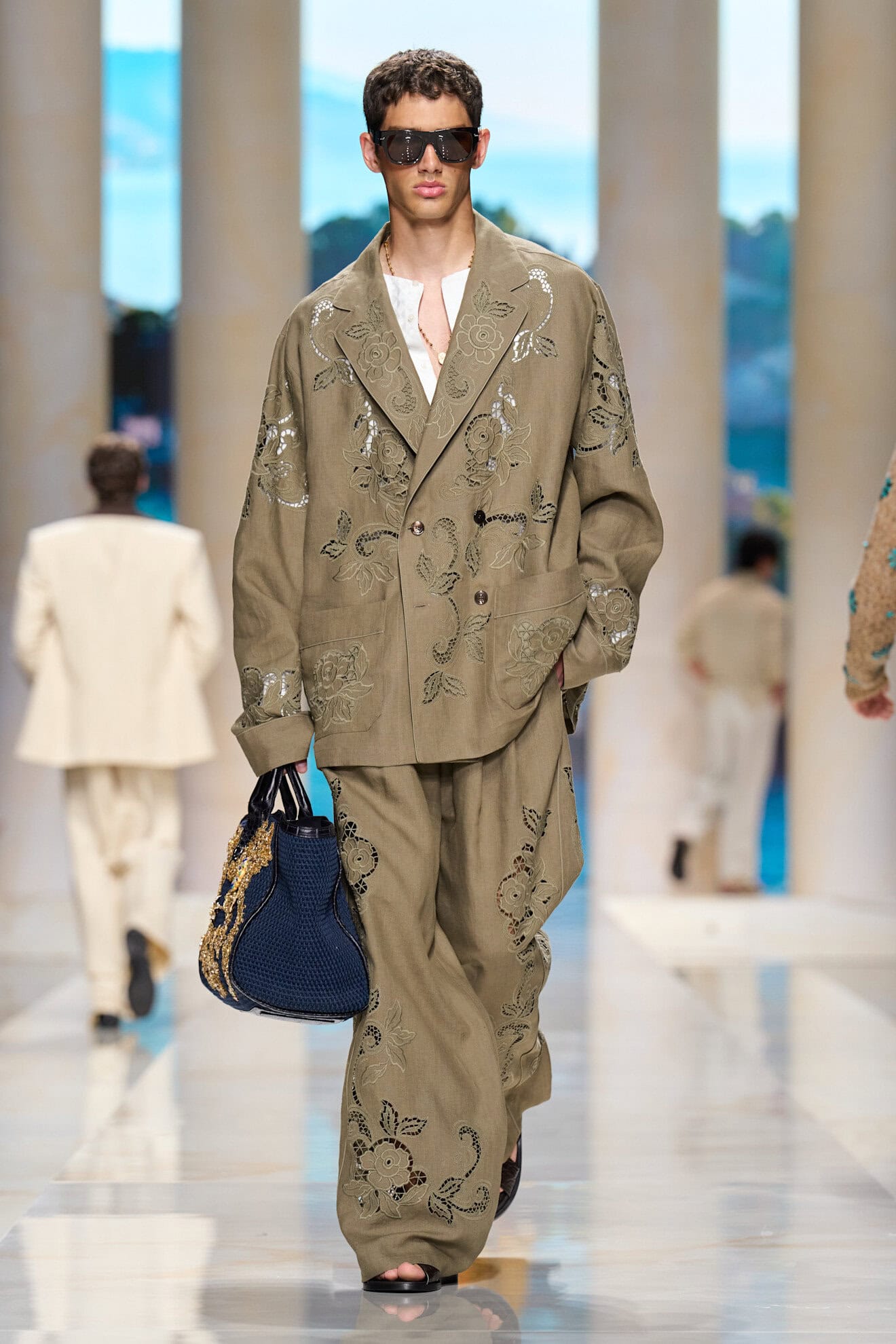
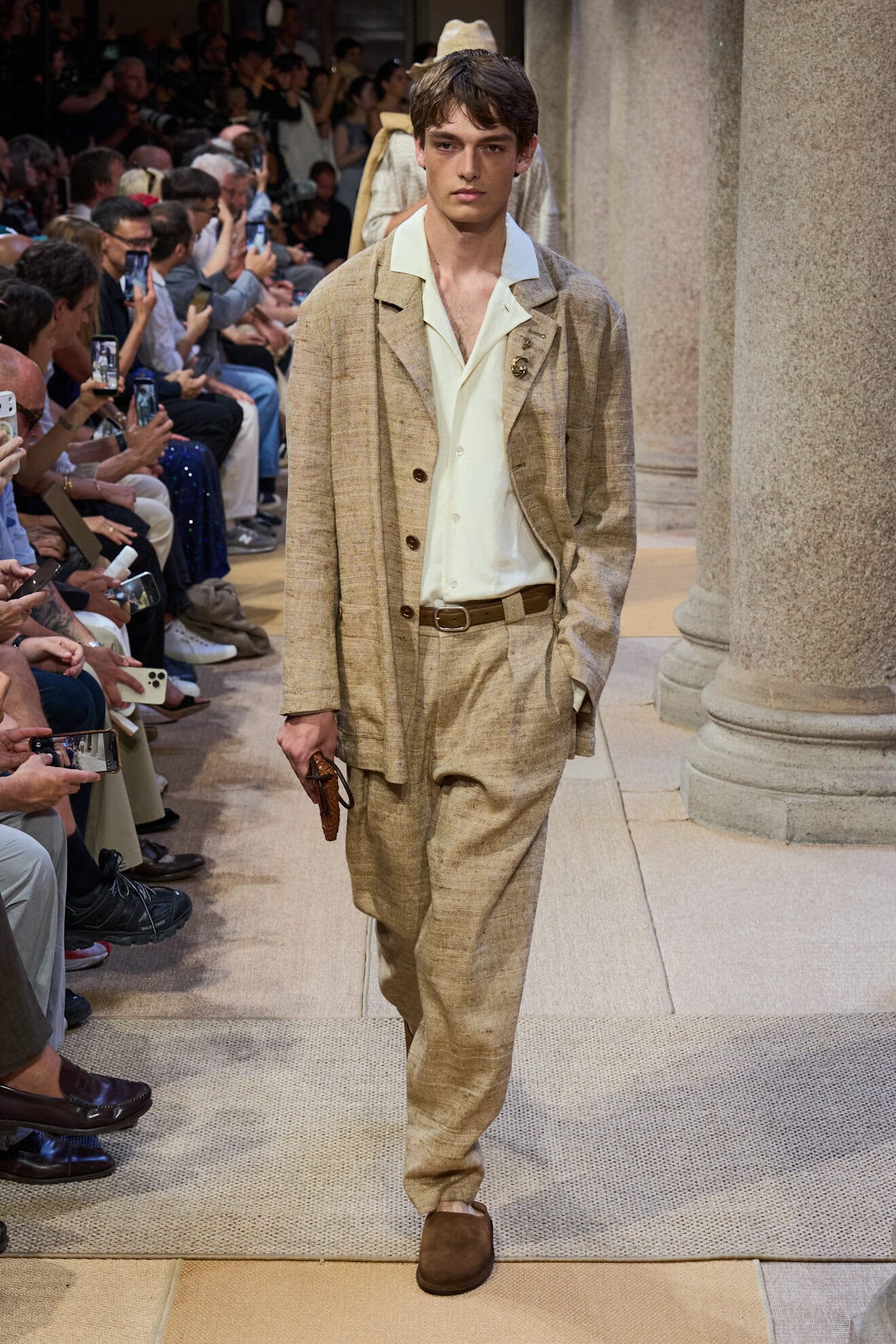
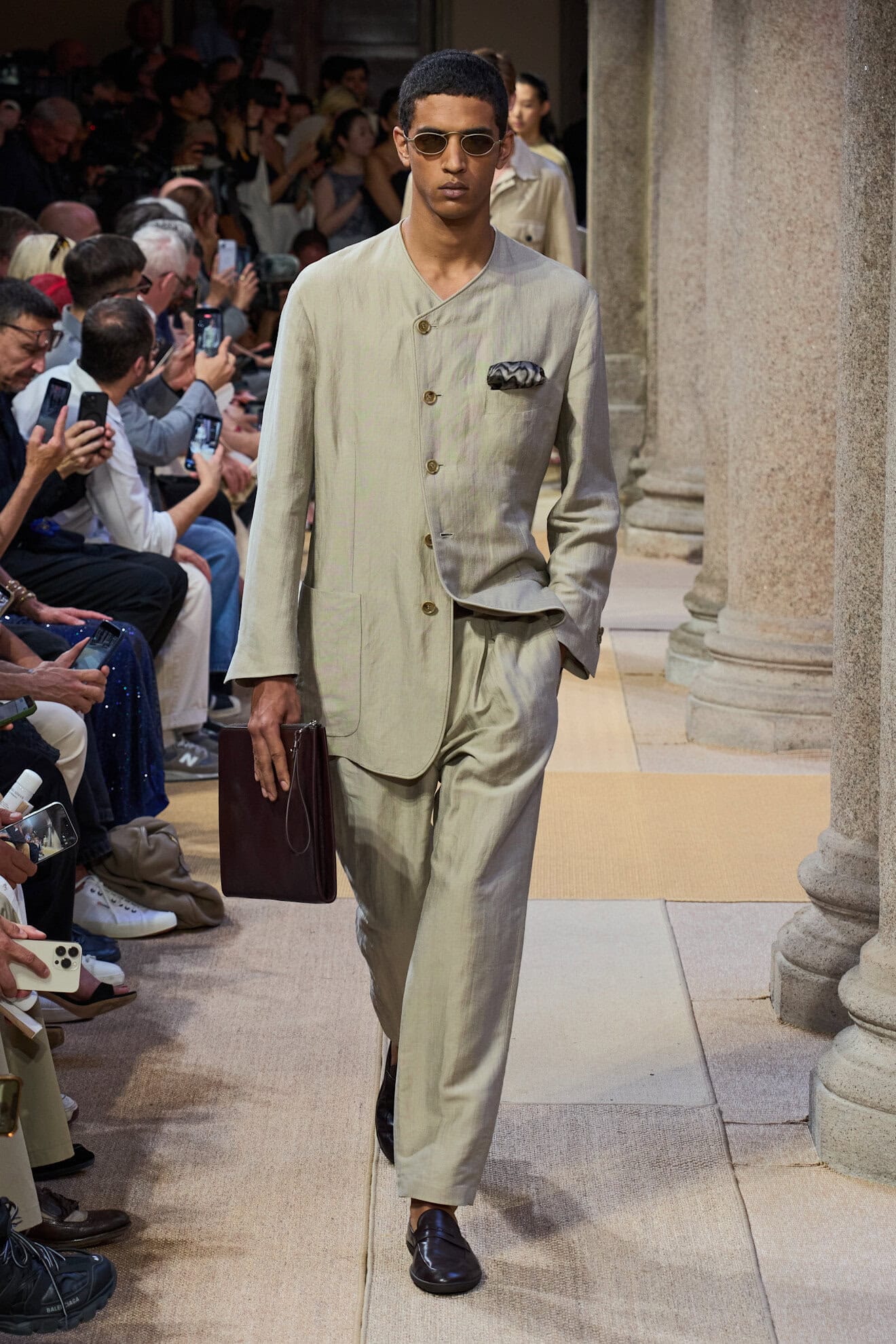
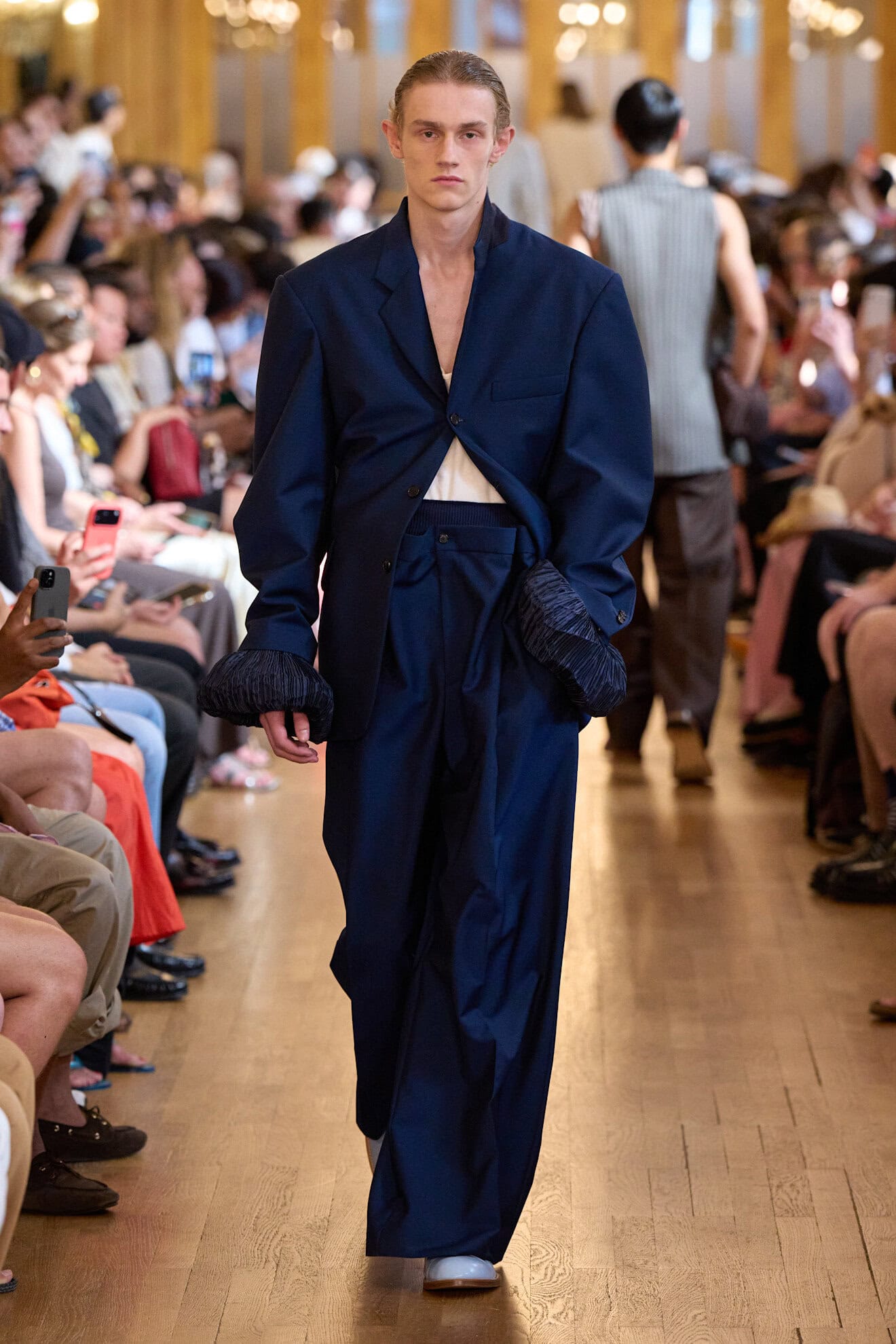
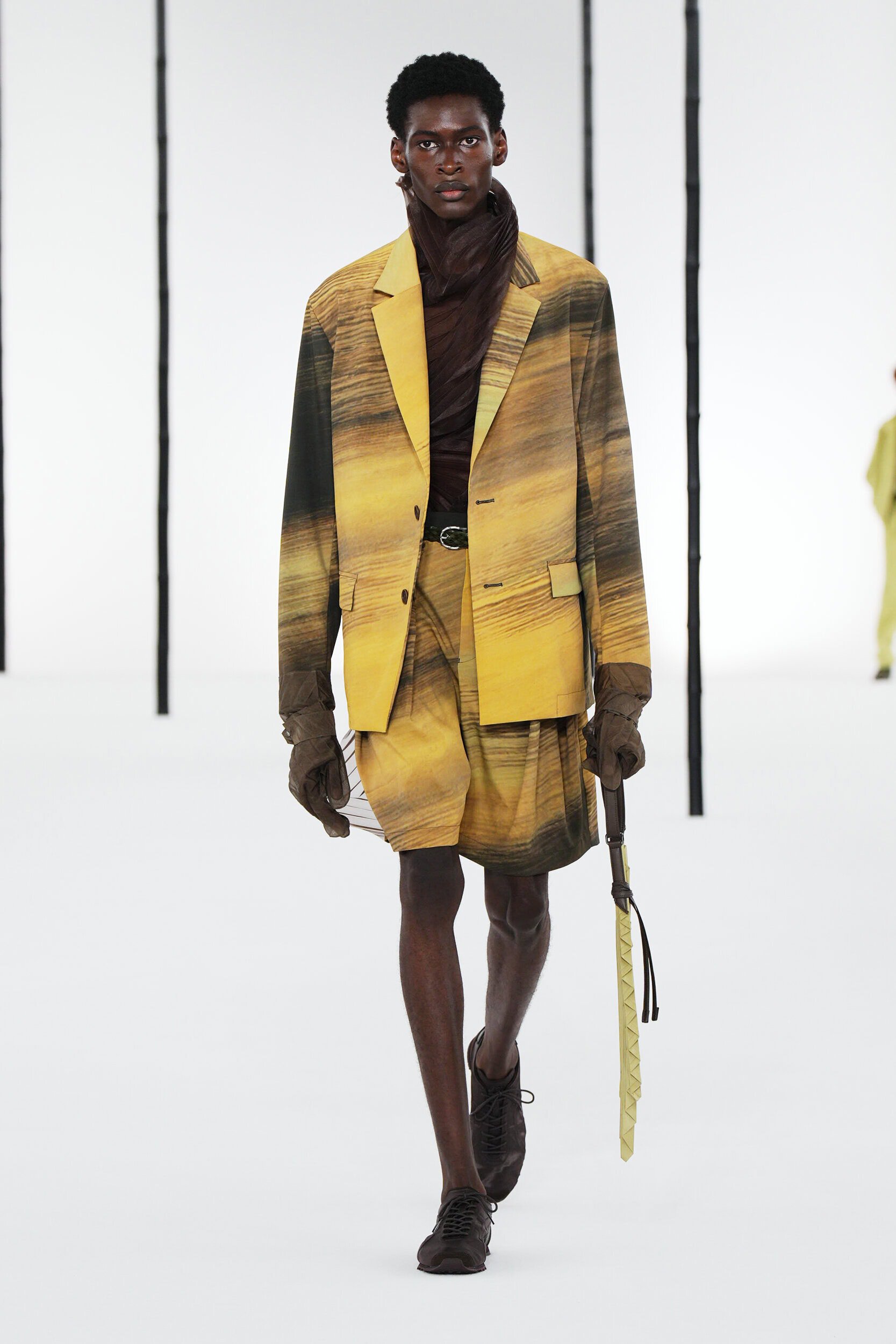
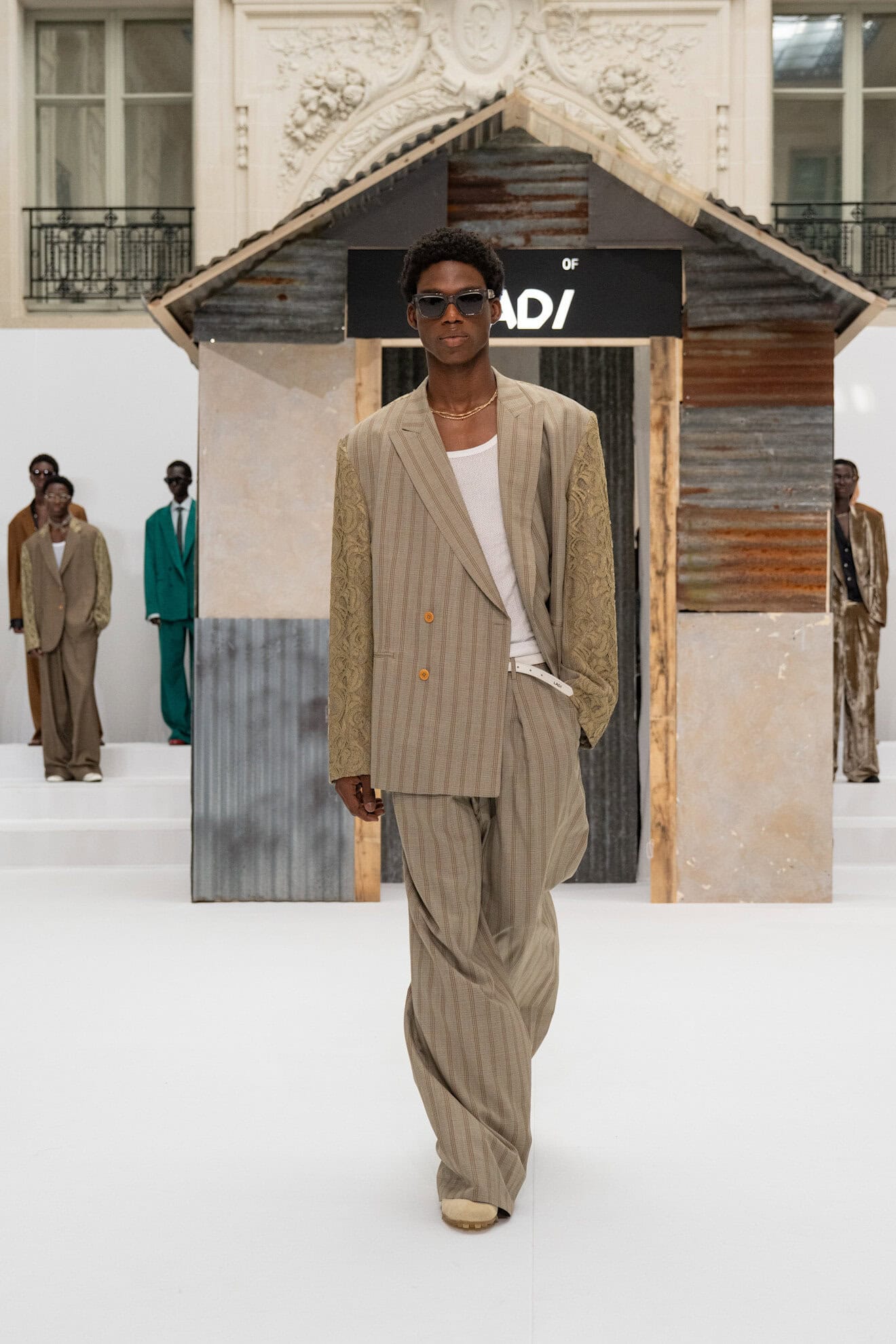
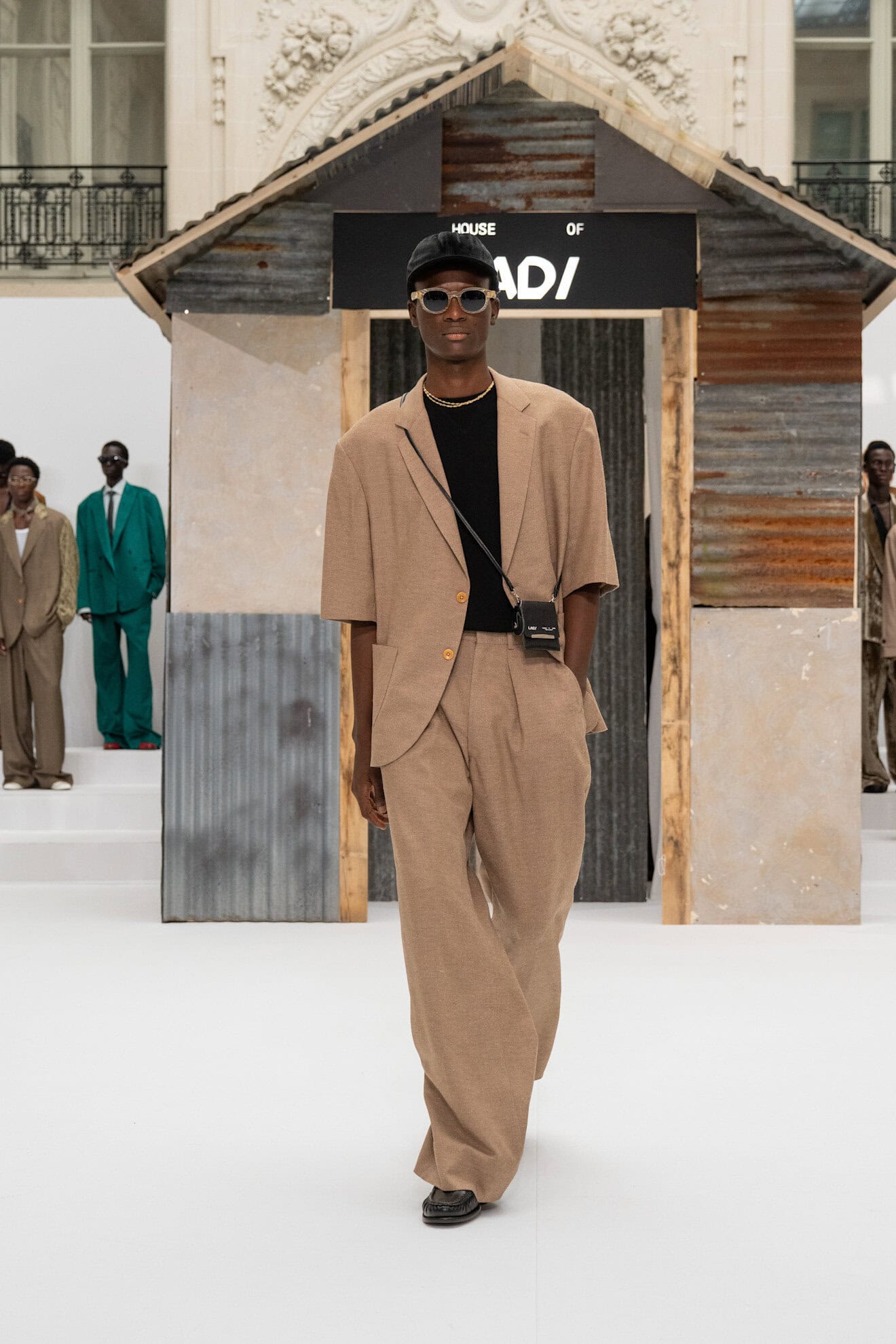
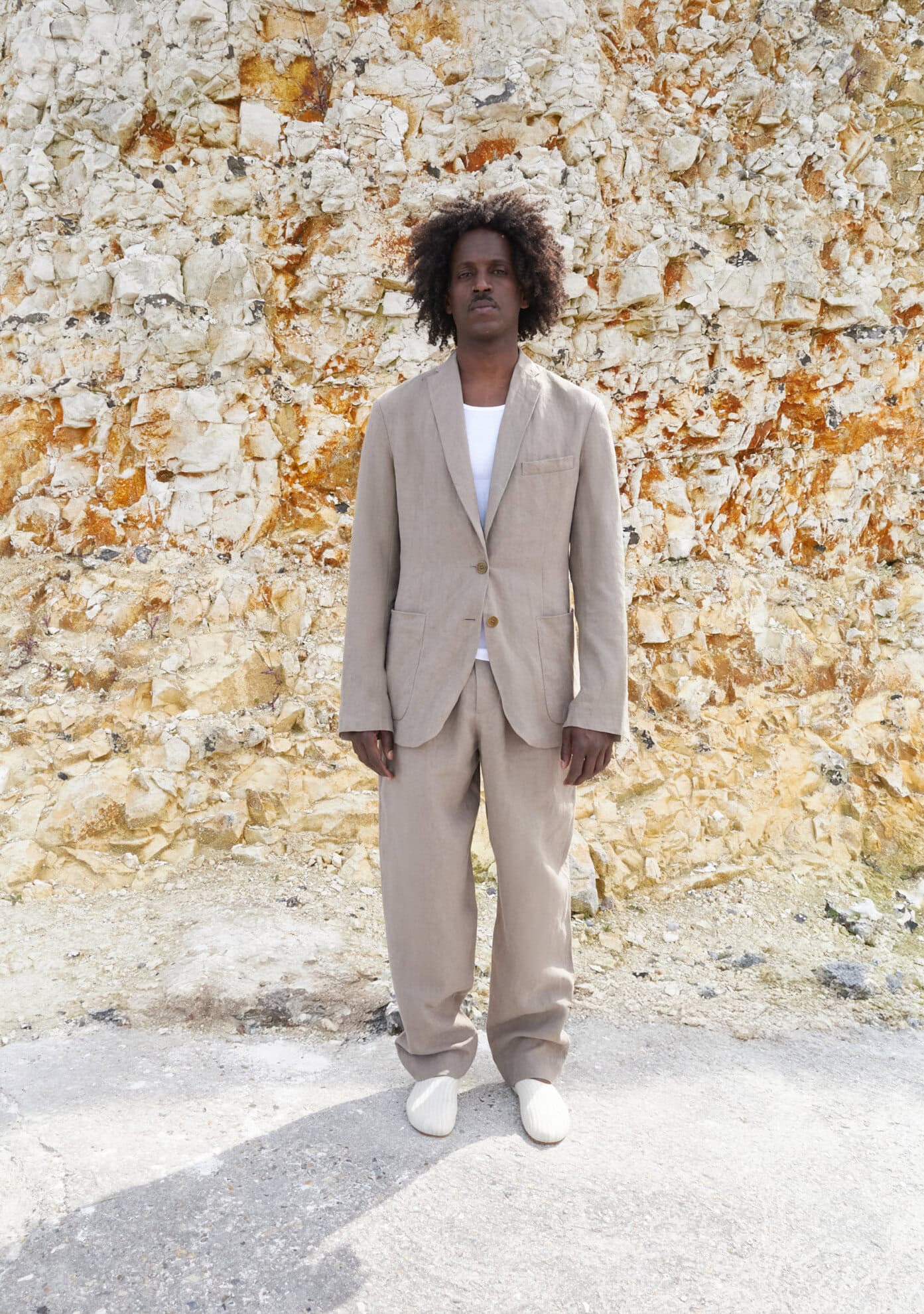
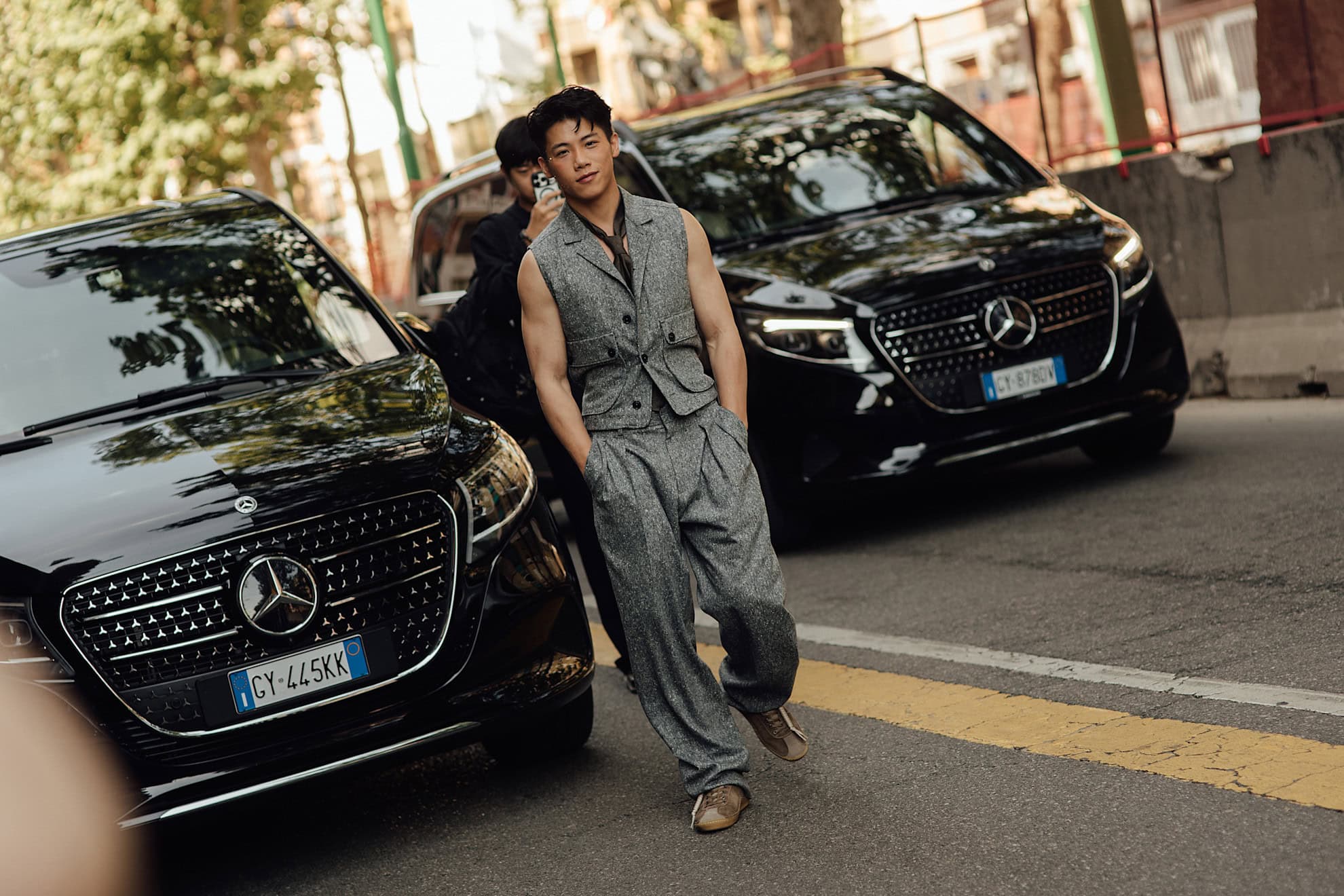
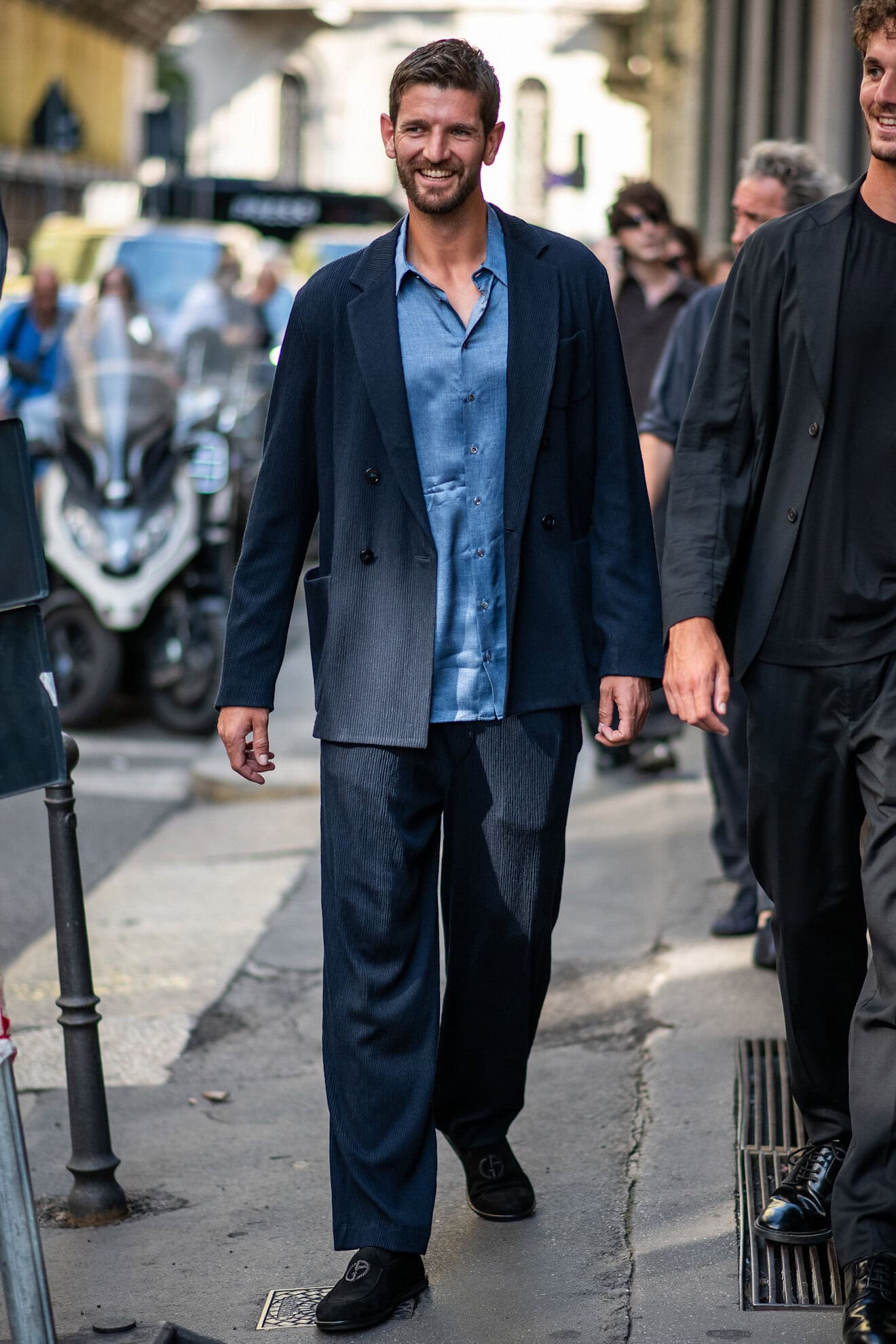
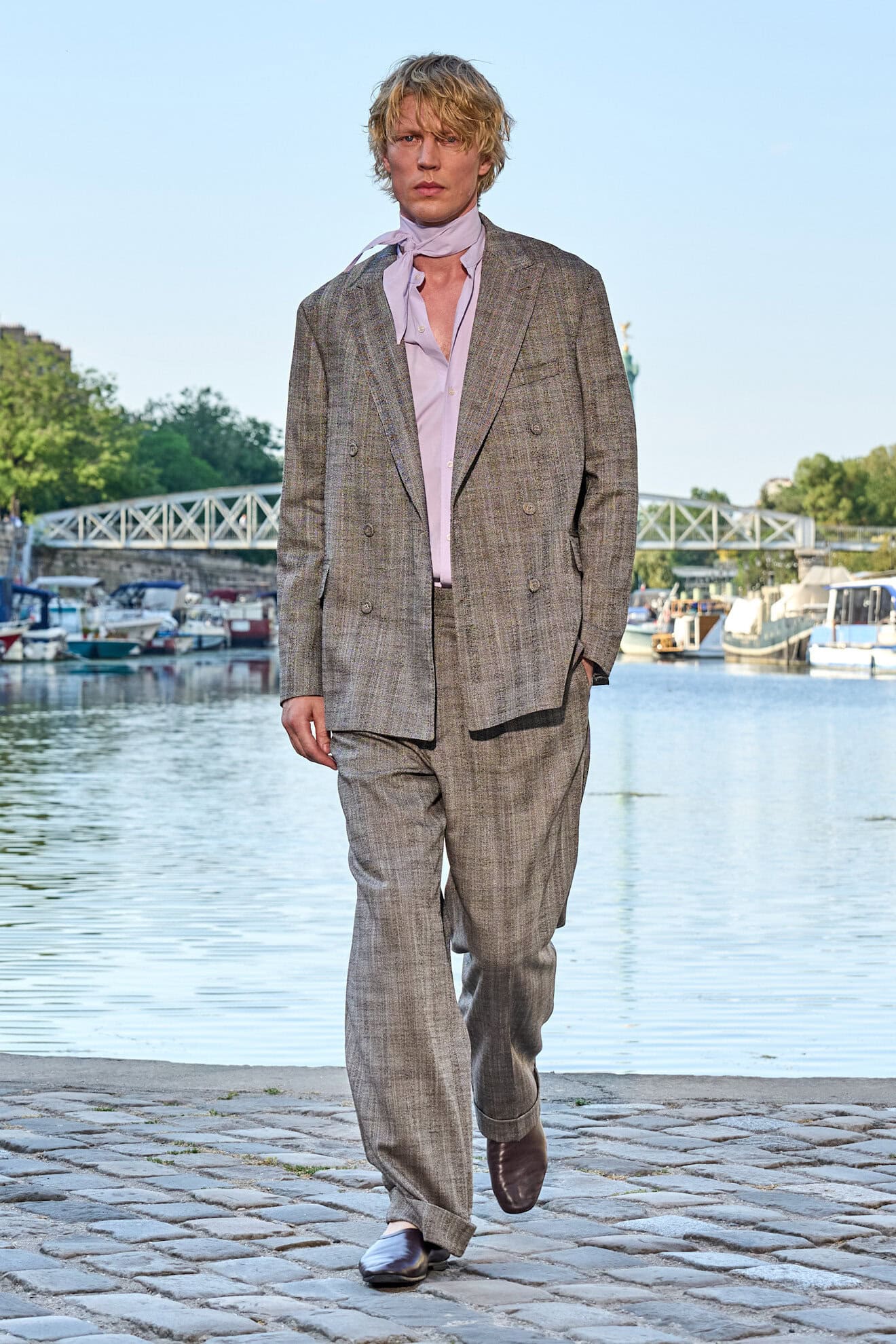
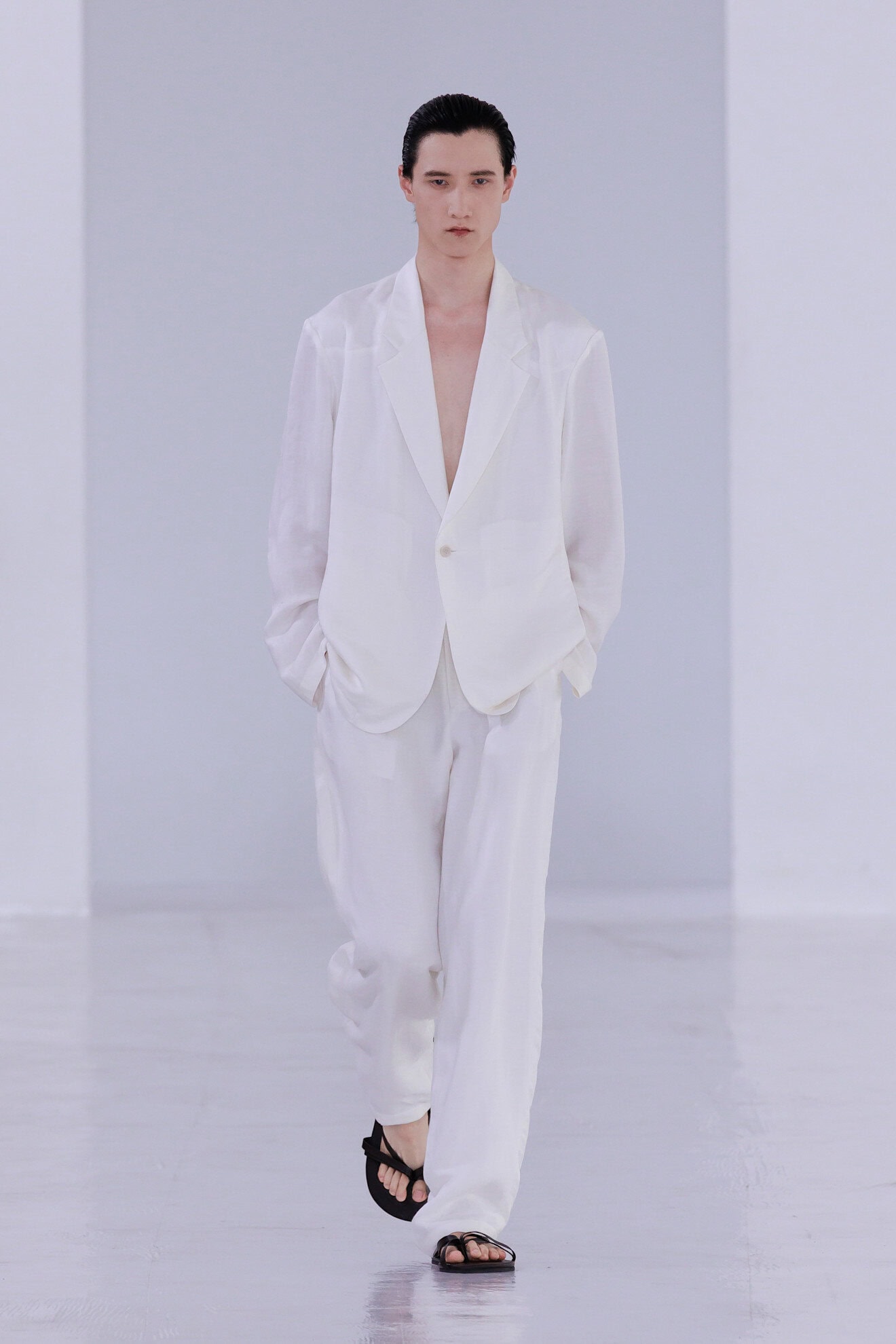
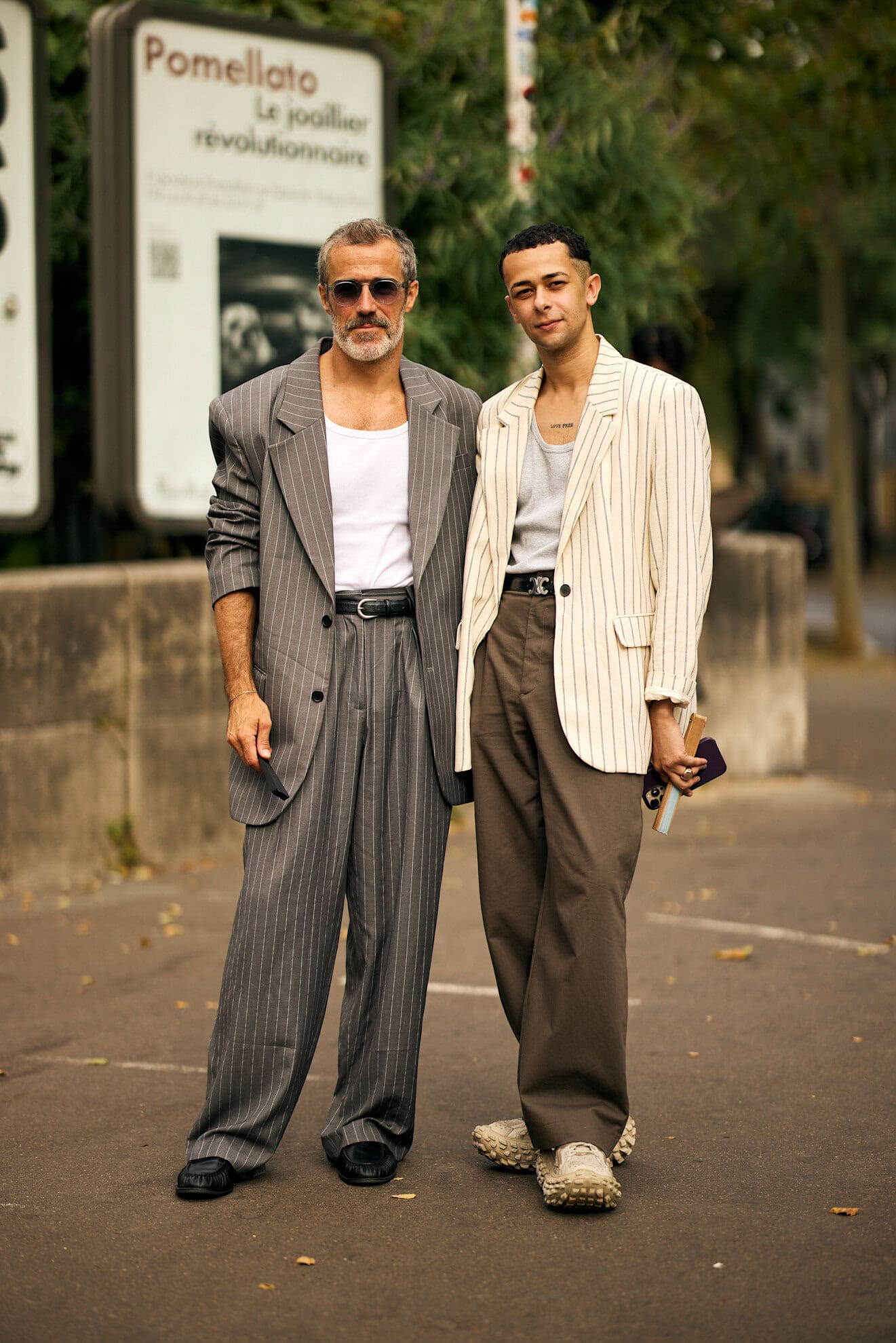
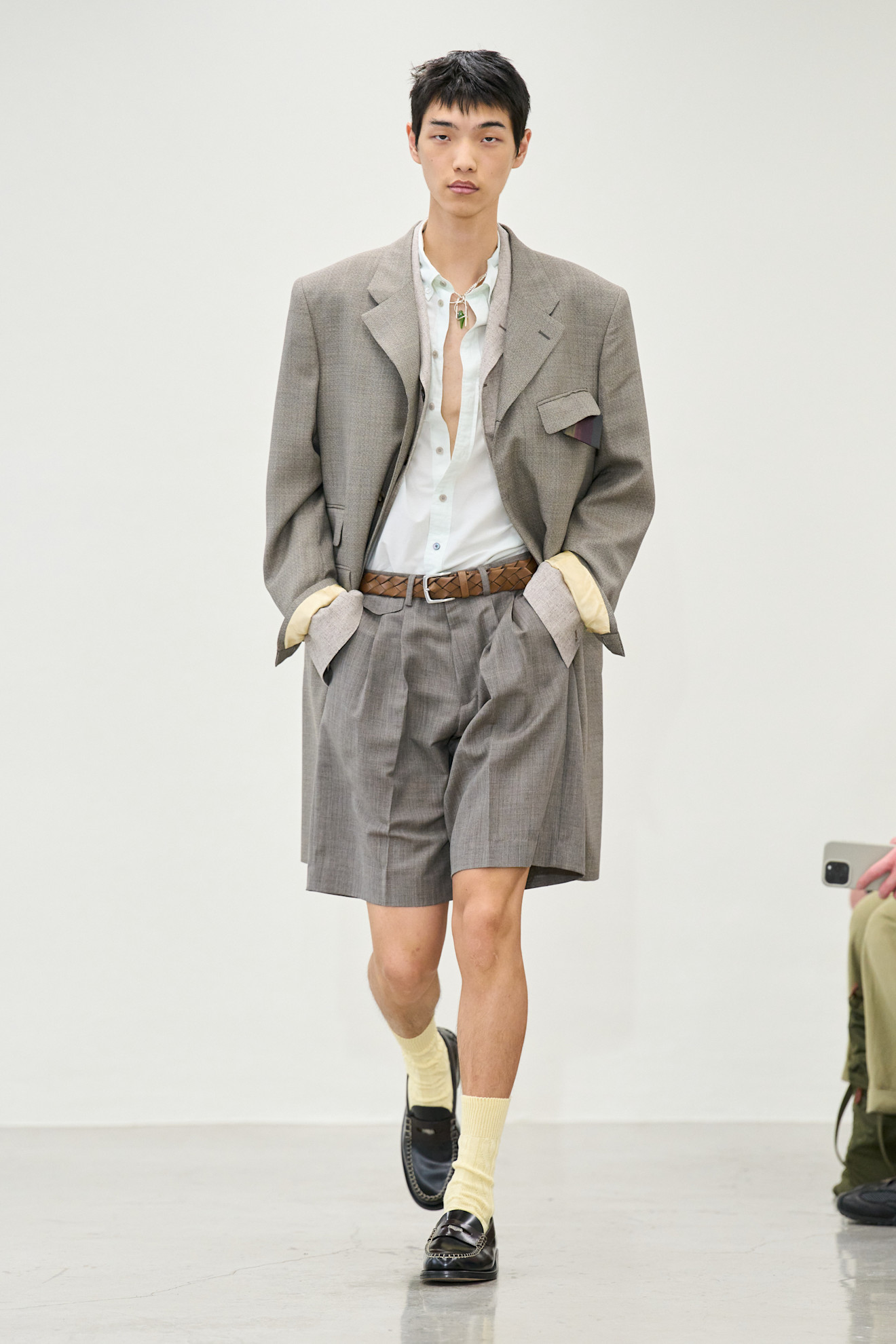
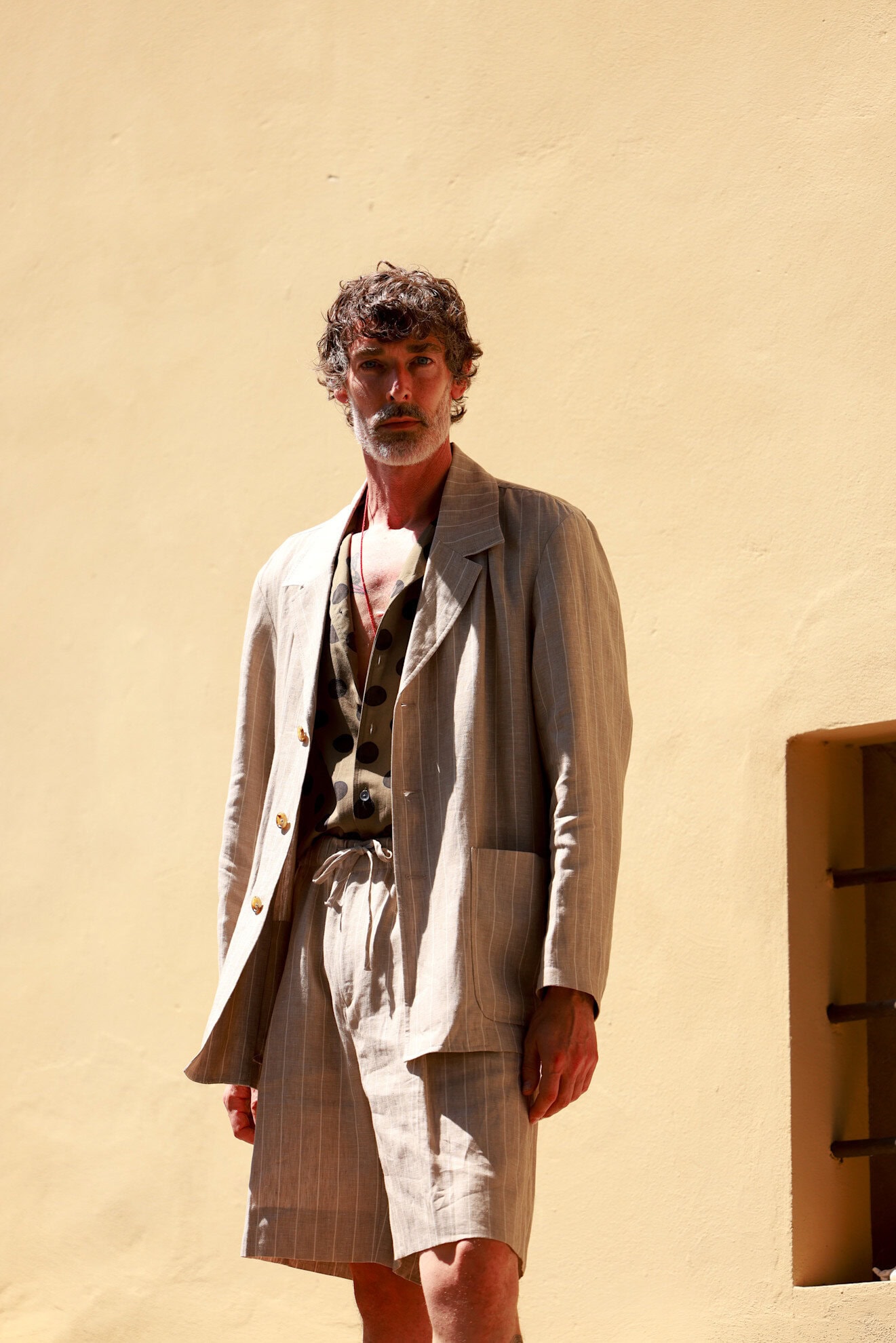
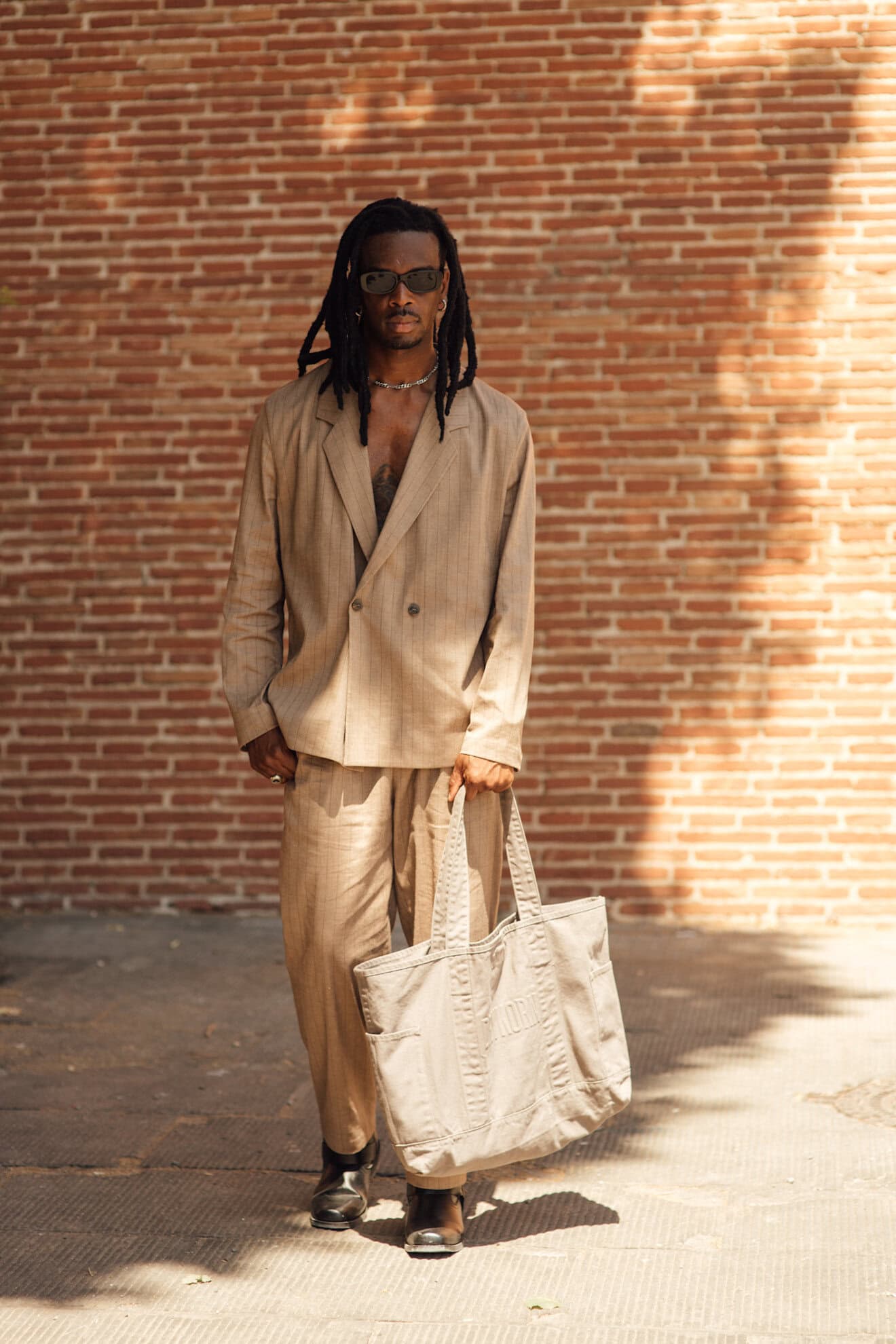
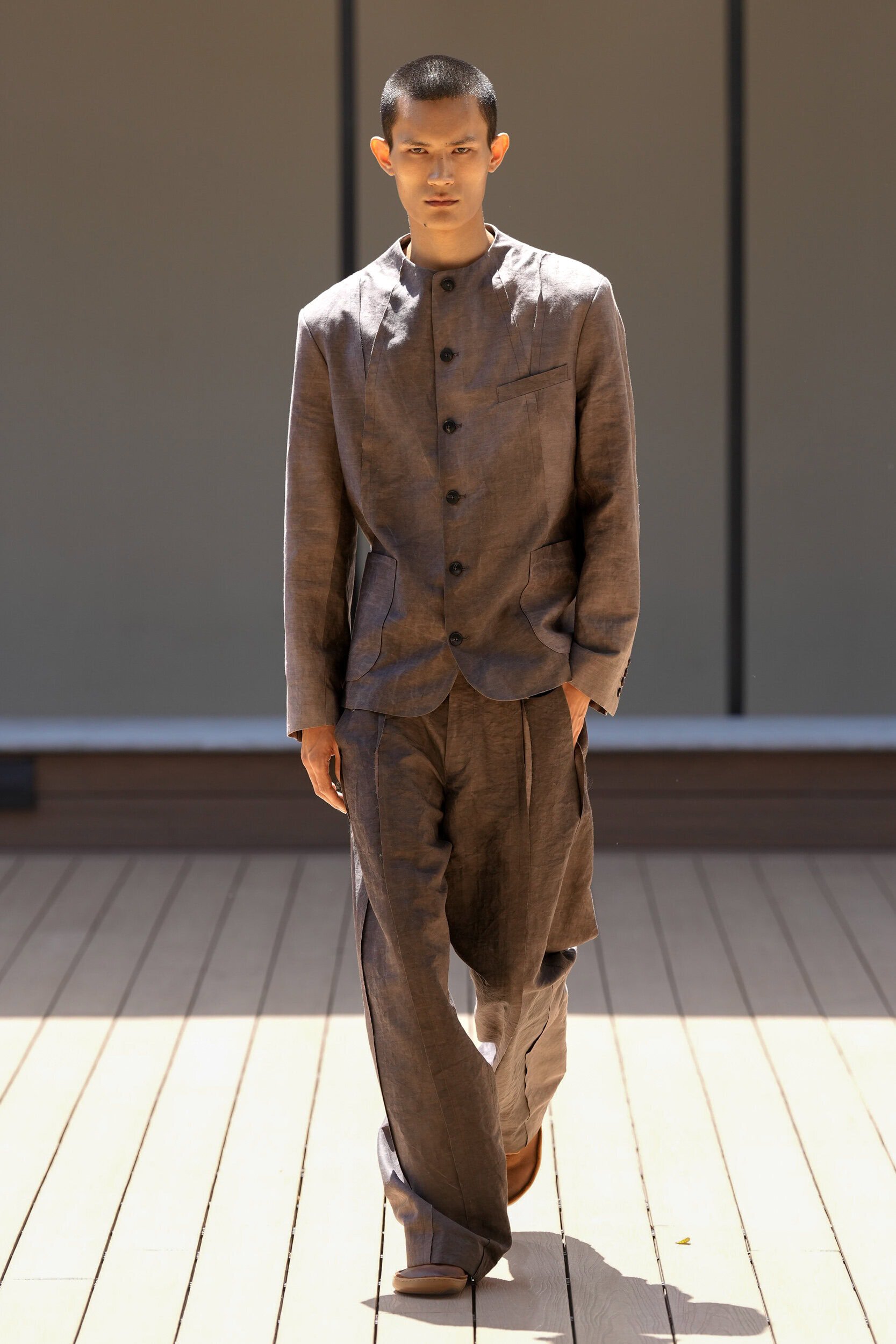
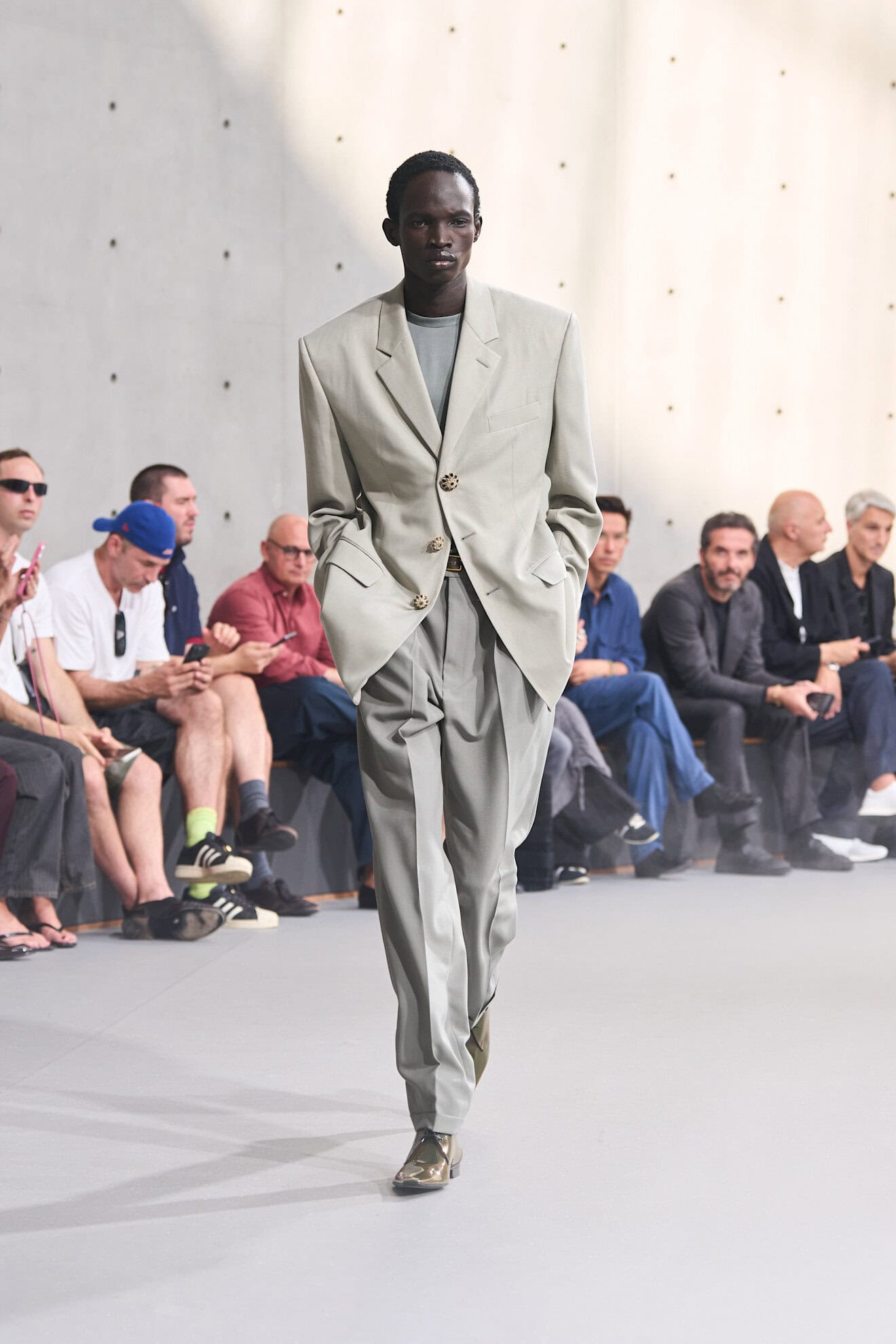
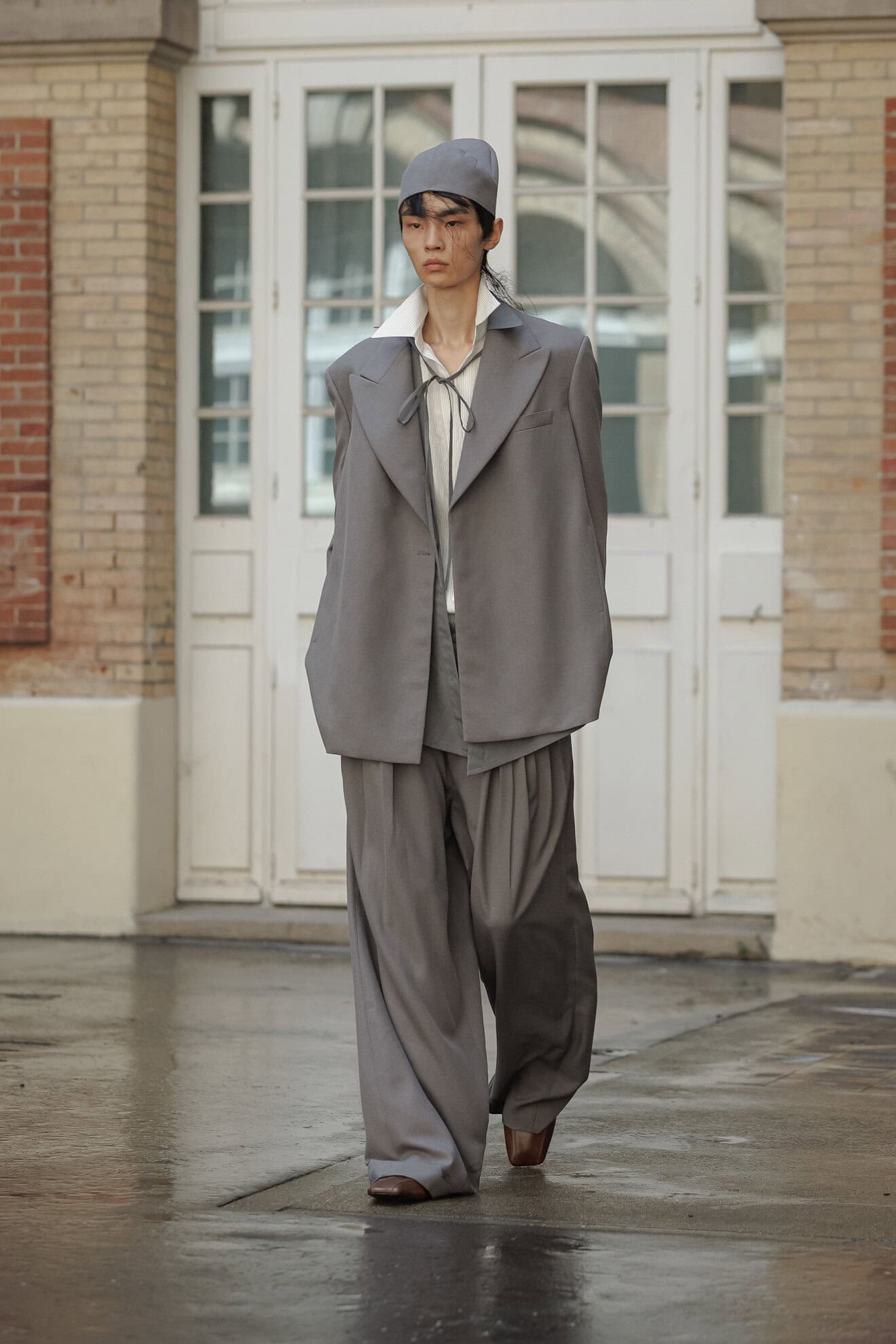
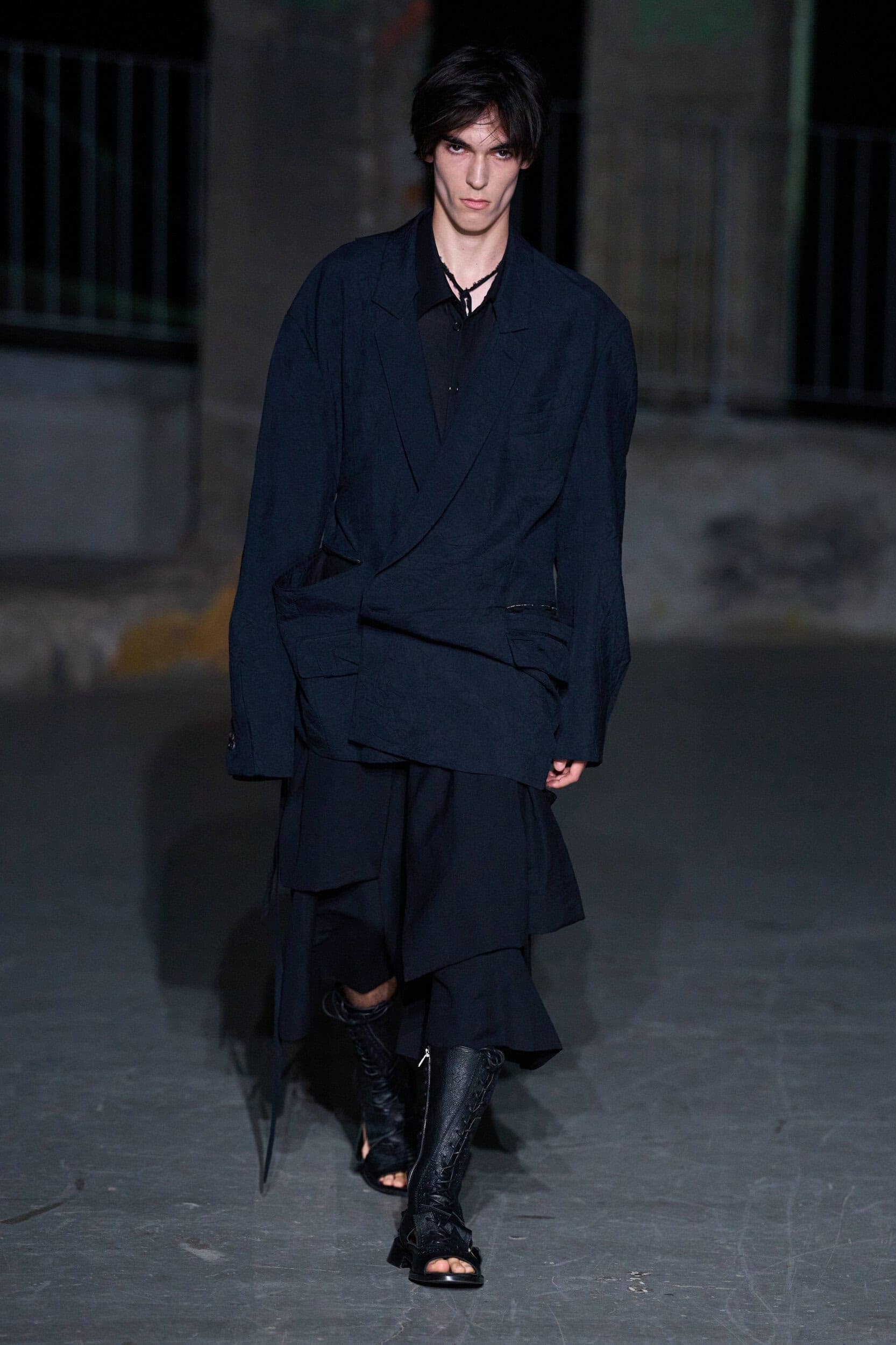
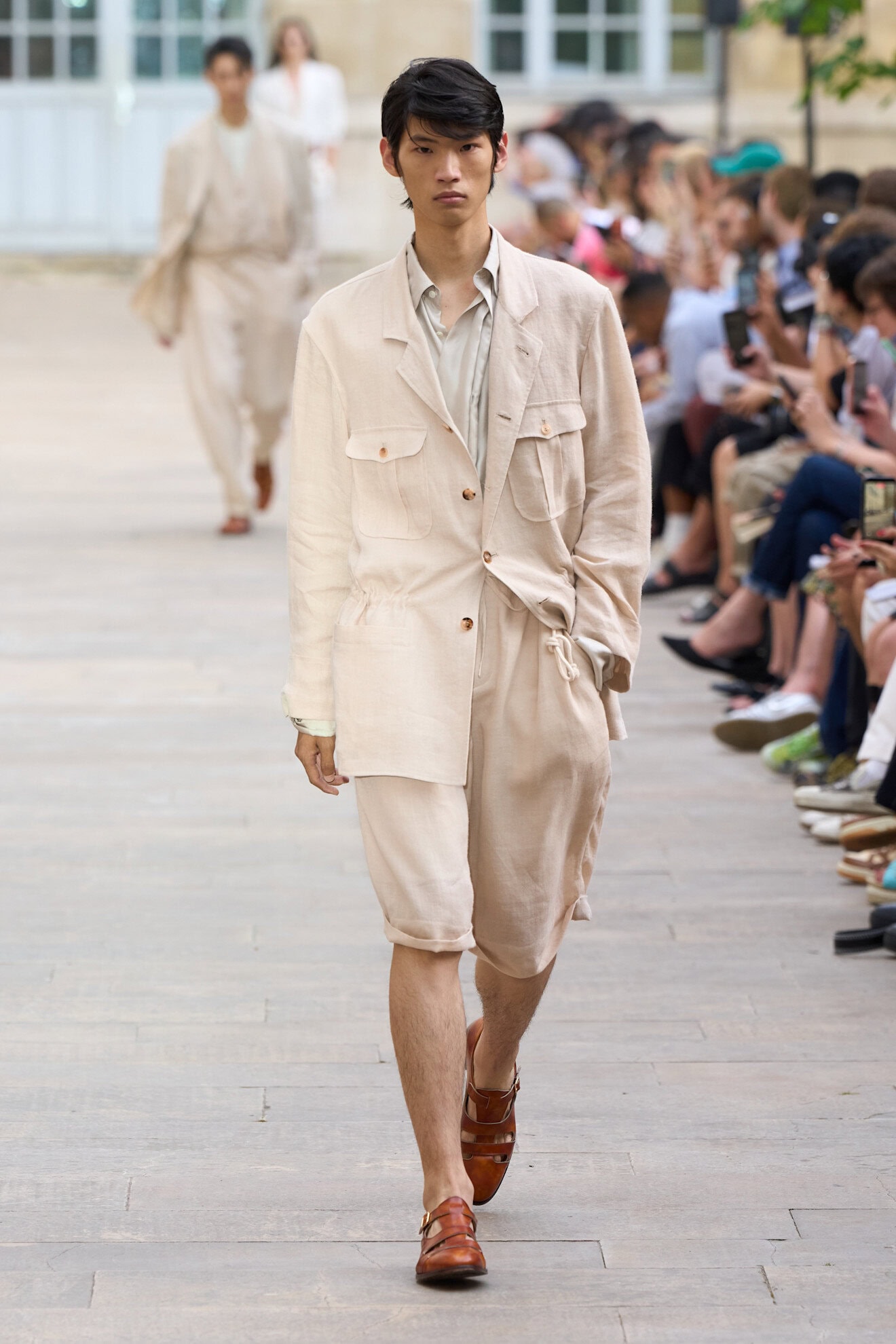
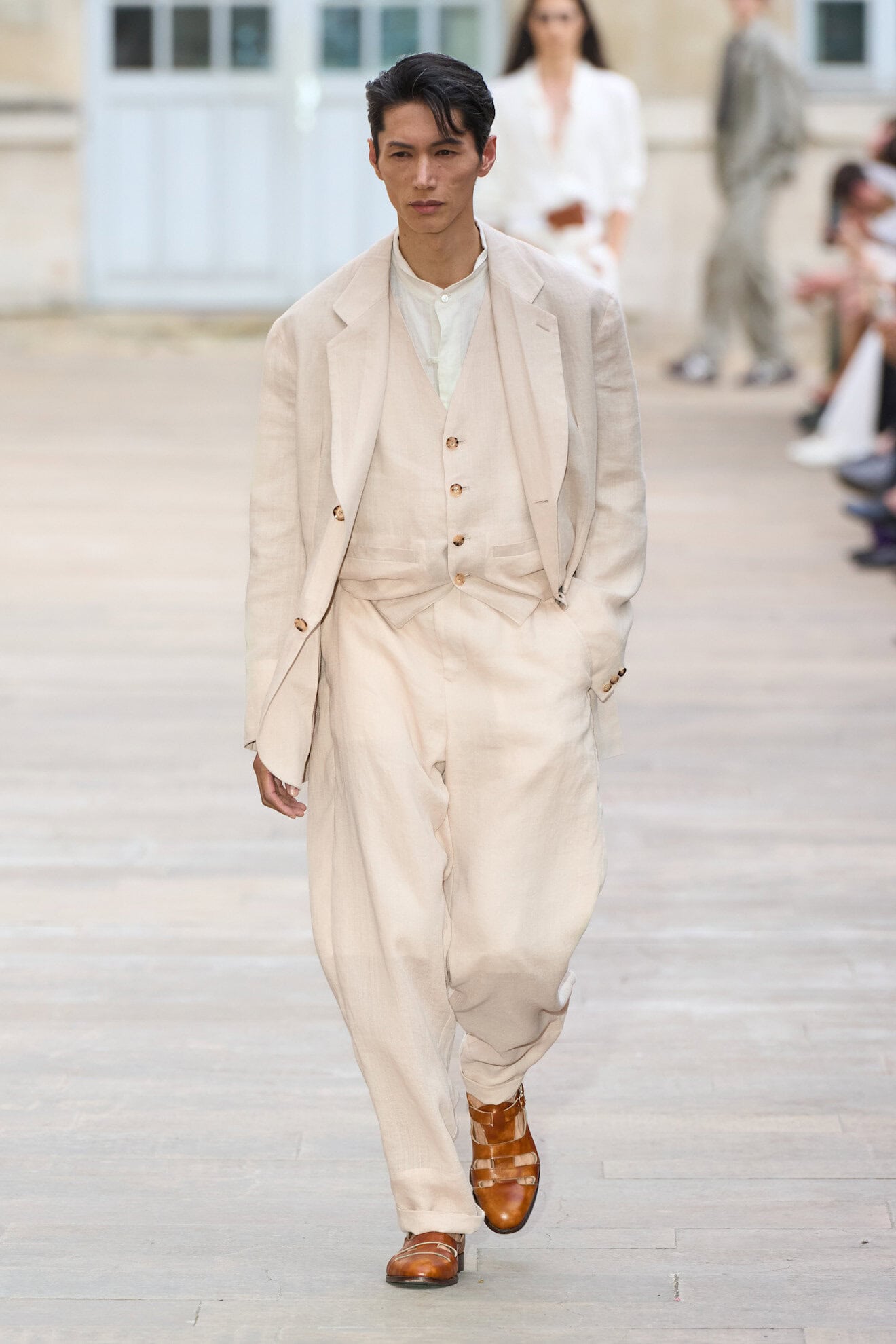
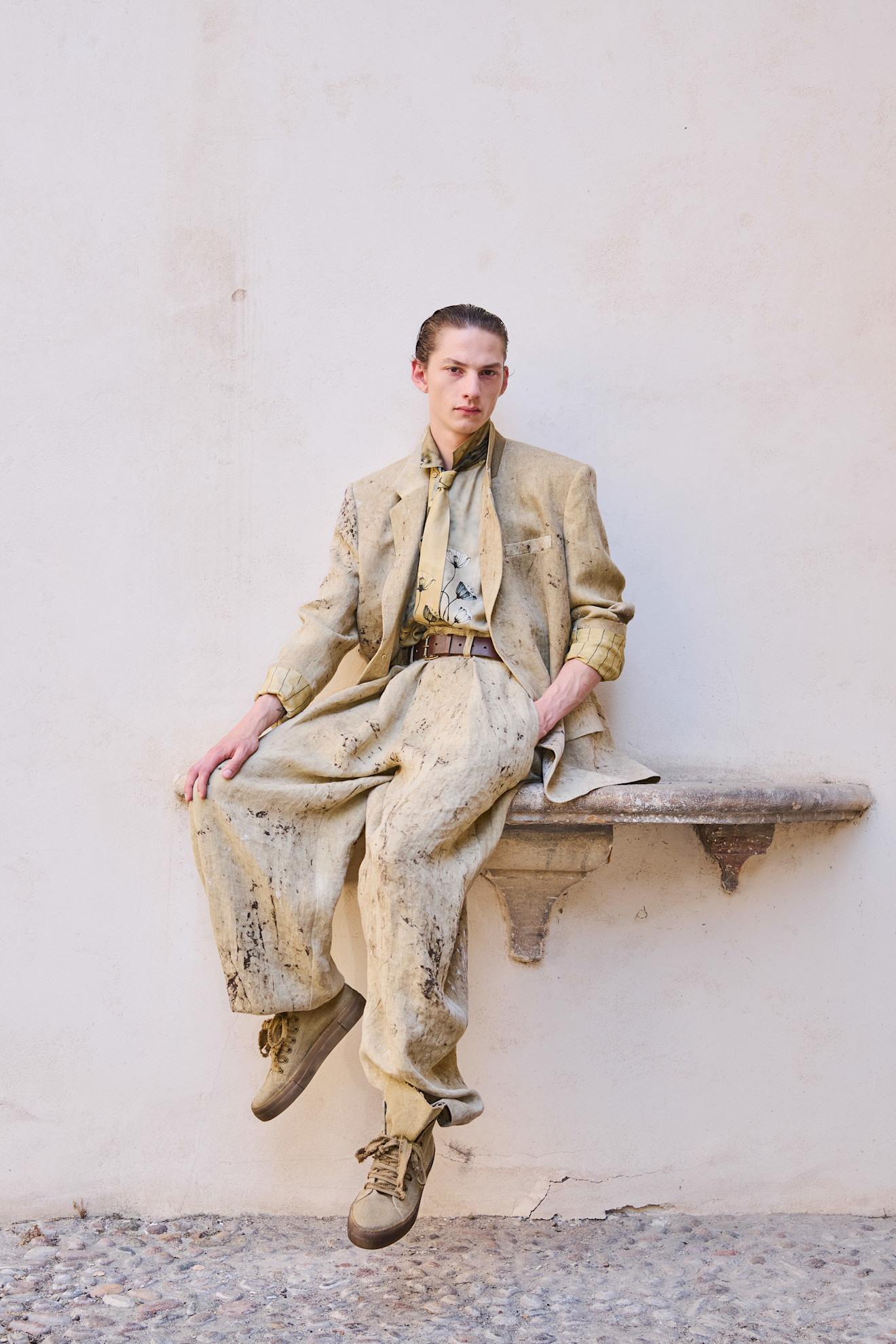
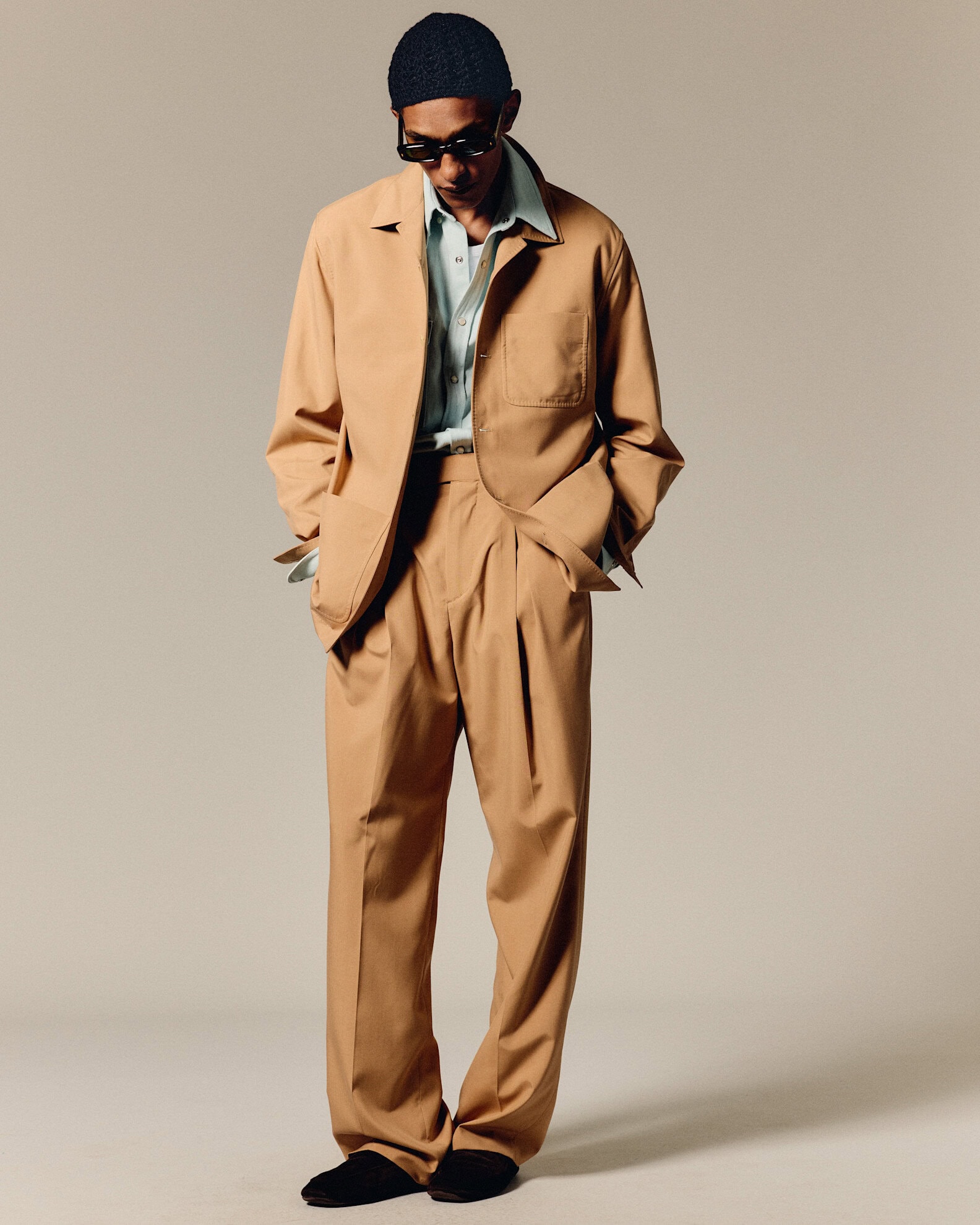
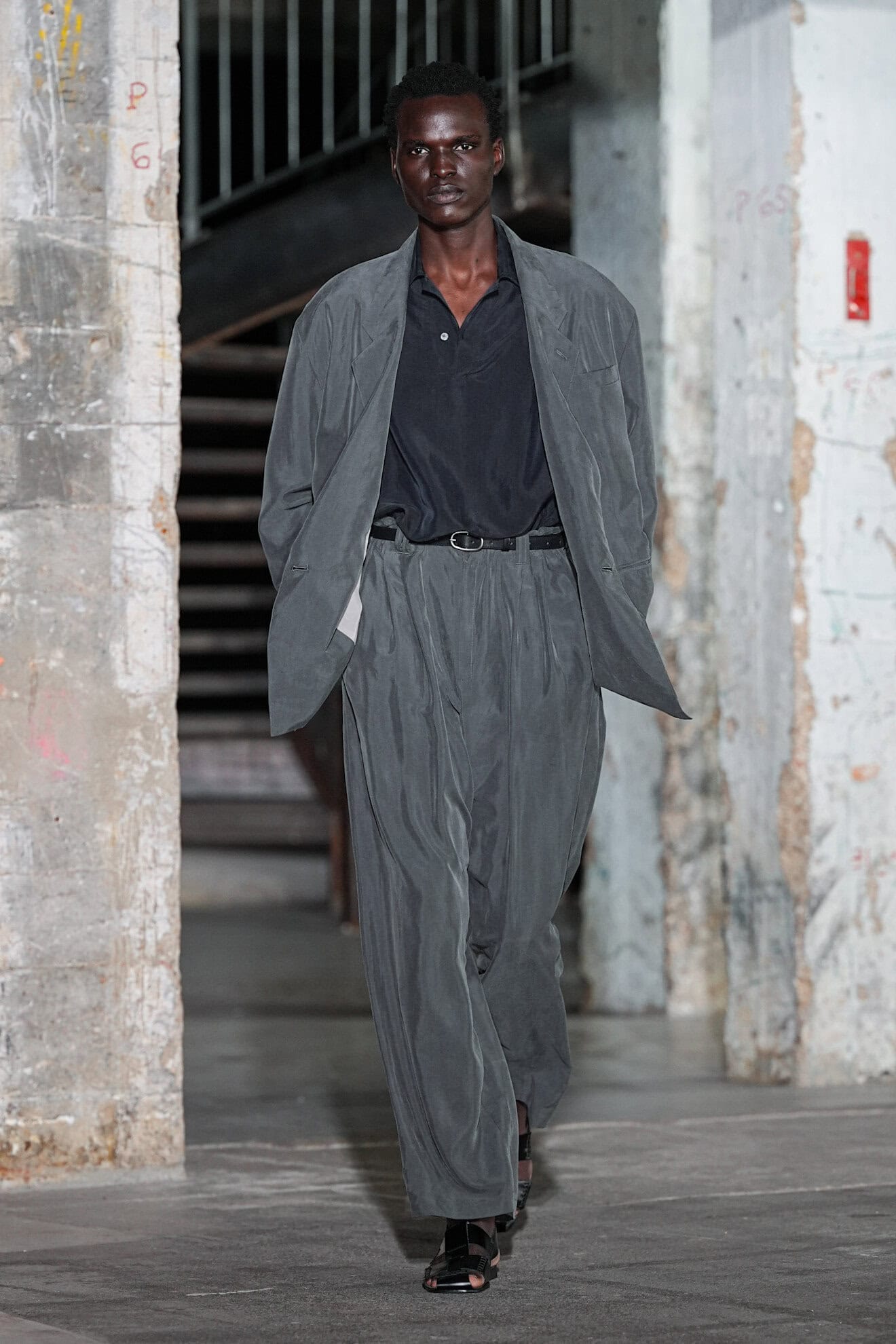
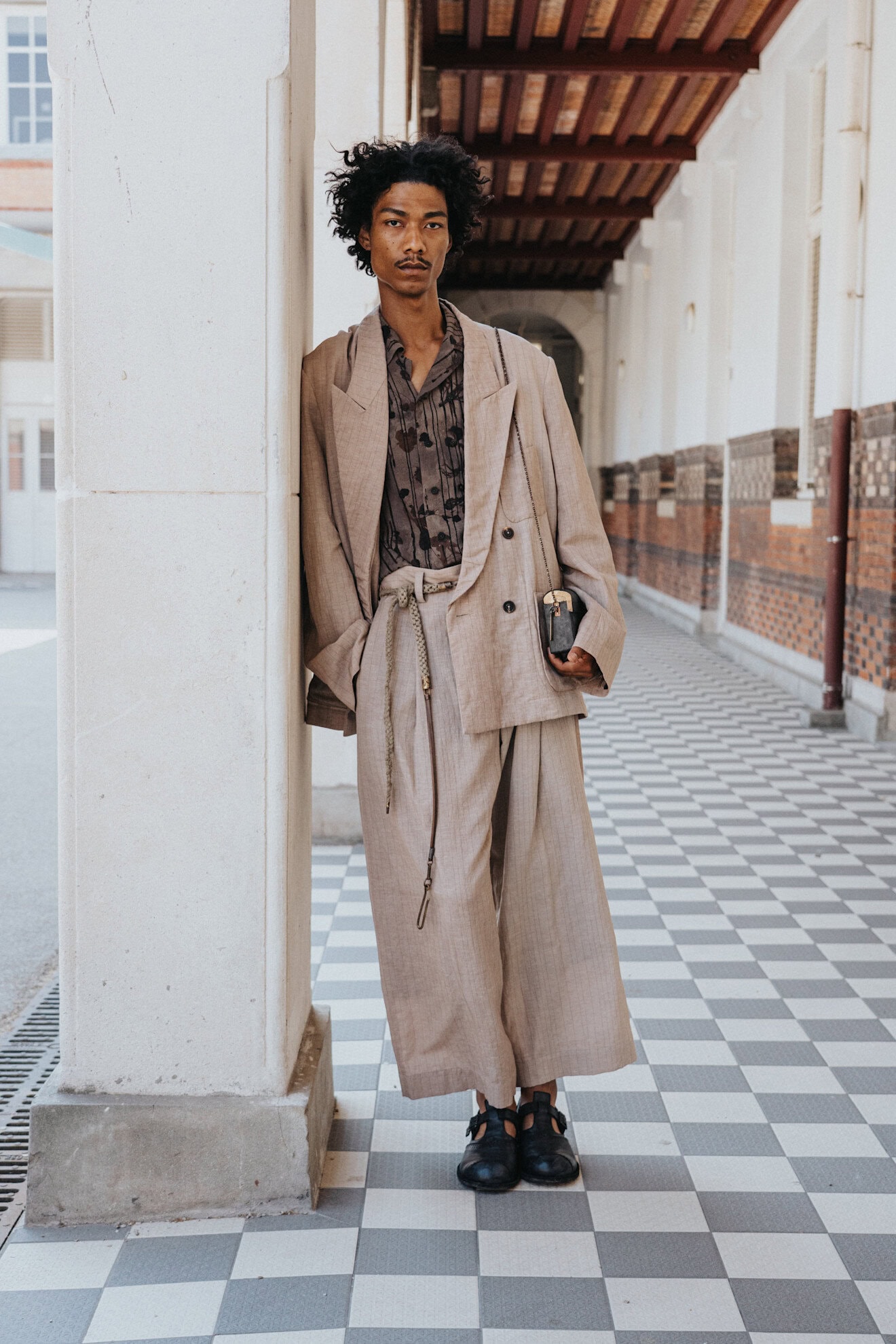
The effects of Giorgio Armani’s 50th anniversary last year are still rippling across the men’s tailoring landscape. His vision to remove the rigidity from the two-piece resulted in a generation of men, Italian-and-beyond, to develop a newfound love for workwear that offered drape, rather than strict definition.
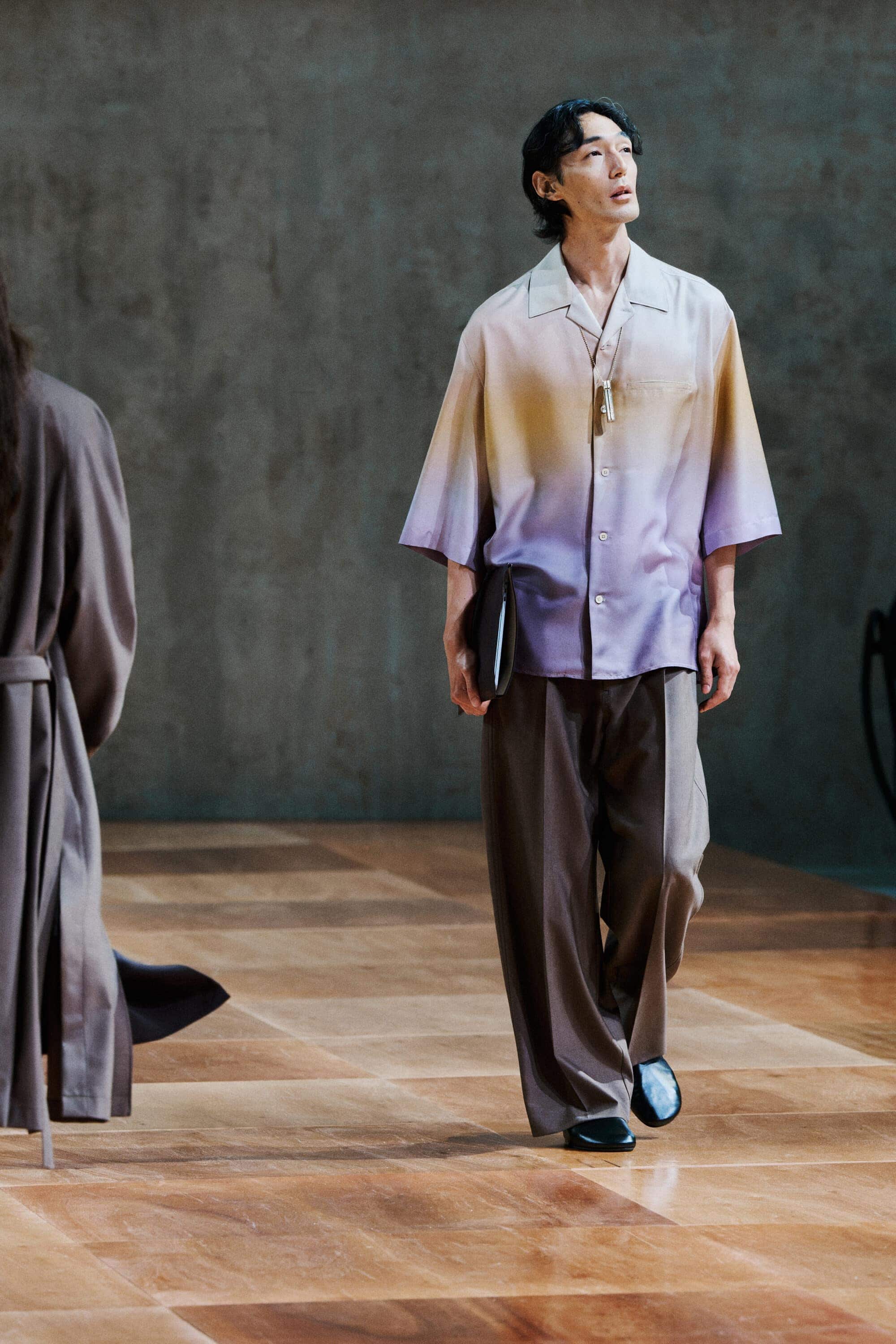
This game-changing reframing was seen once again as a softness took hold and presented suiting as if it could easily adapt to any climate or fold-away for travel-ready ease. LVMH Prize winner Soshiotsuki, heavily influenced by Japanese businessmen’s love of Italian tailoring in the 1980s gave a glimpse into the future of the category with modern blazers, voluminous pants, and deconstructed accessories that carried Armani’s legacy forward. And although thin was in, as a re-emerging silhouette at Saint Laurent, Anthony Vacarello seduced by letting loose with his covetable new tailored layers.
5. The Mini (Short) Series
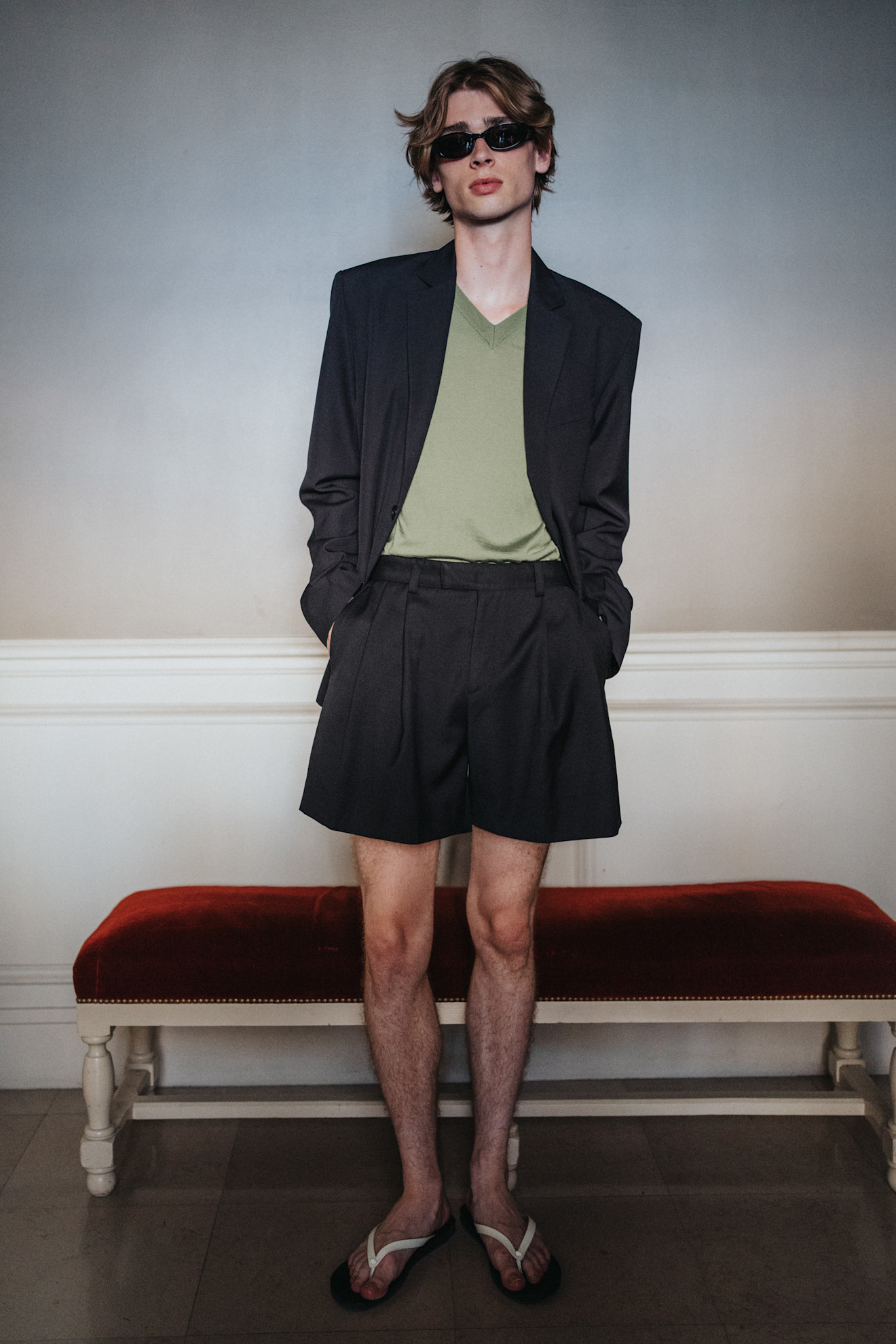
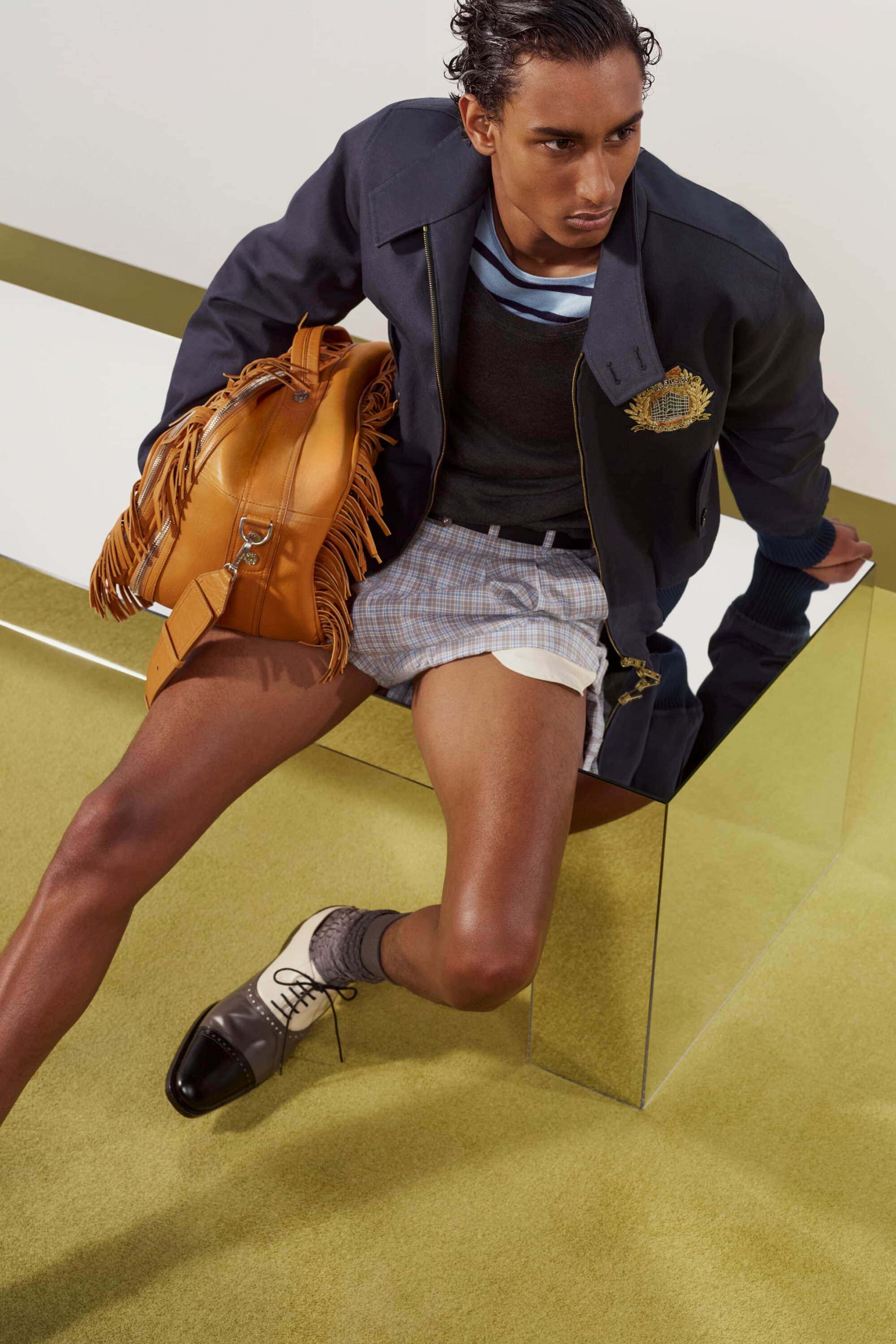
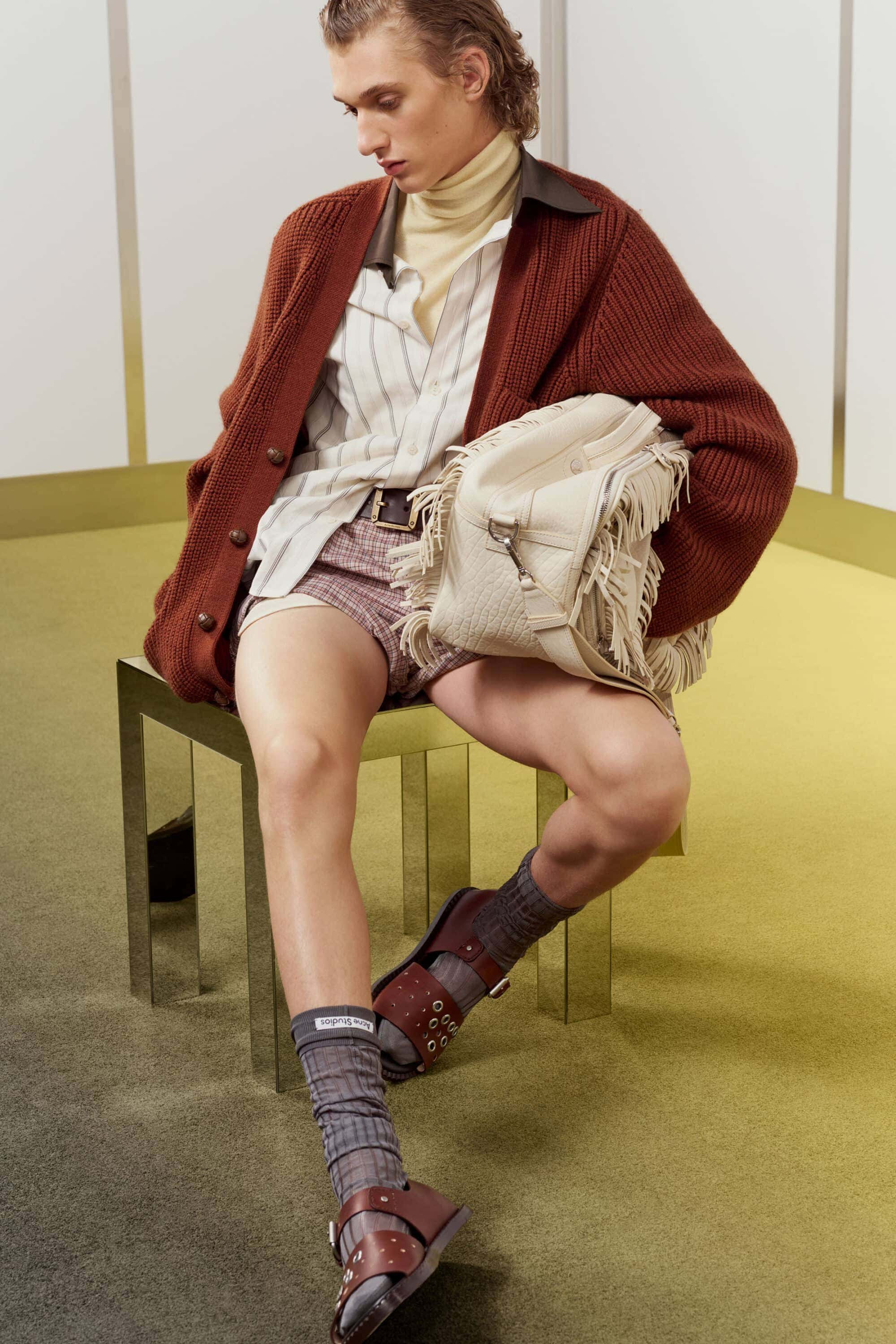
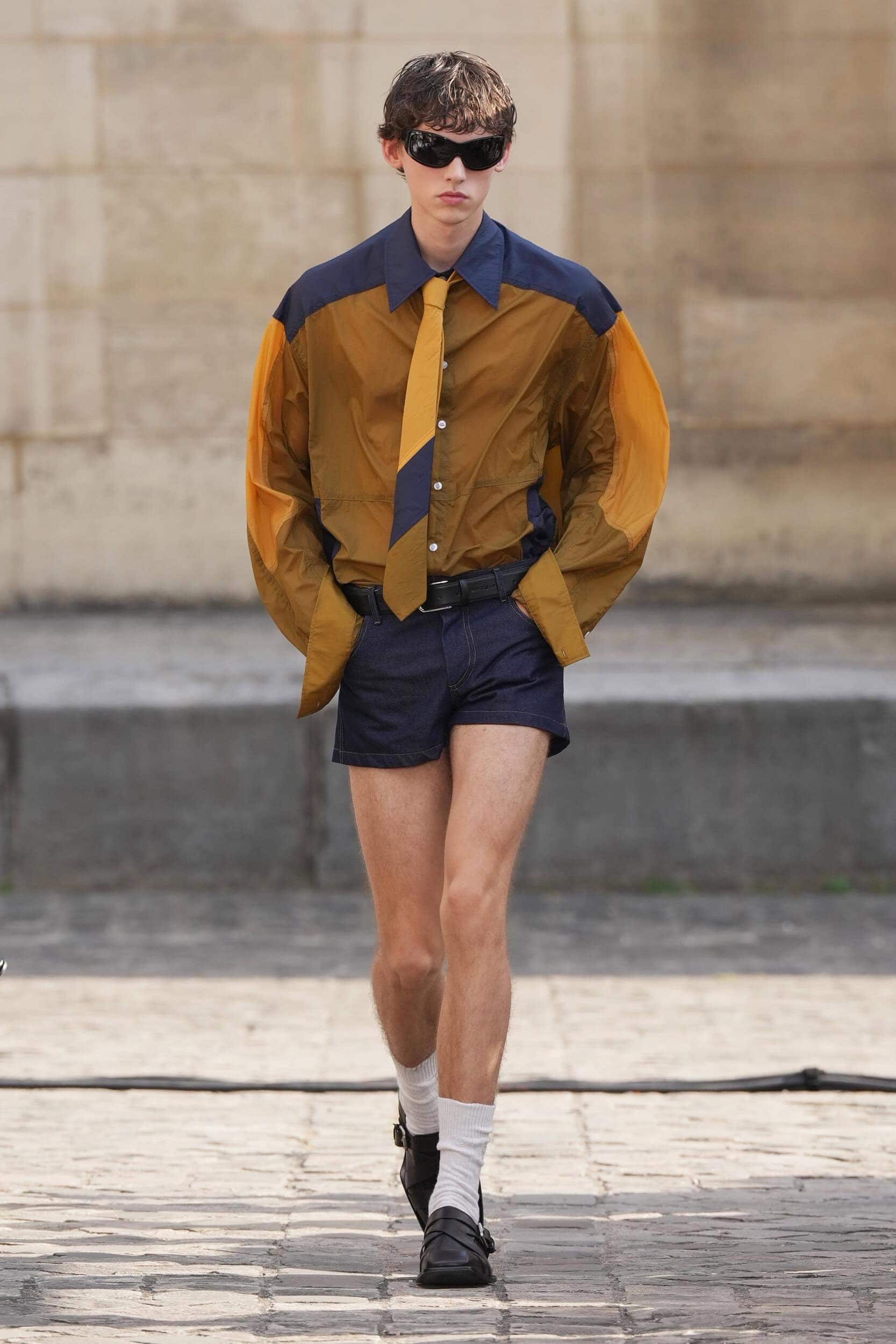
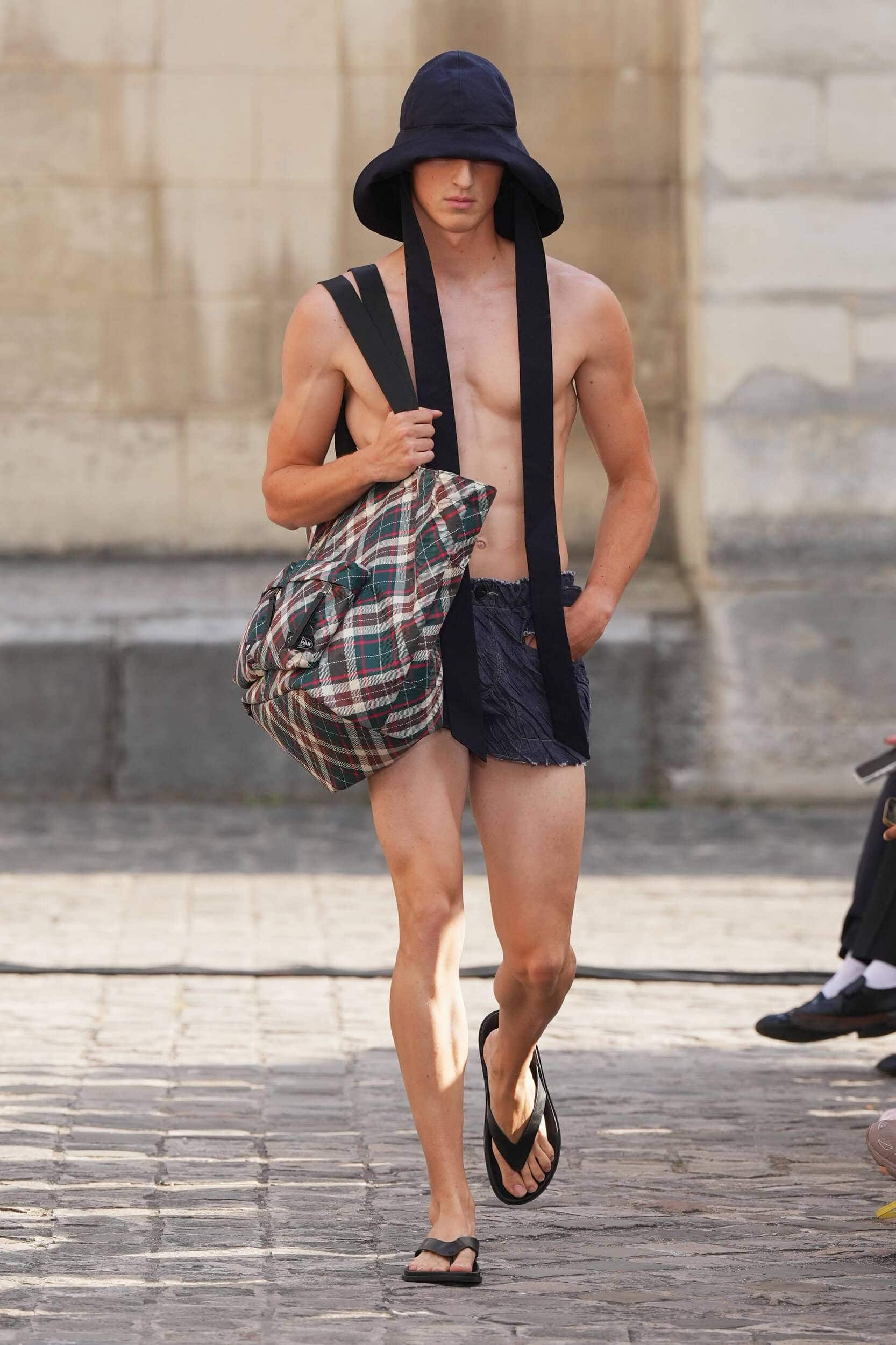
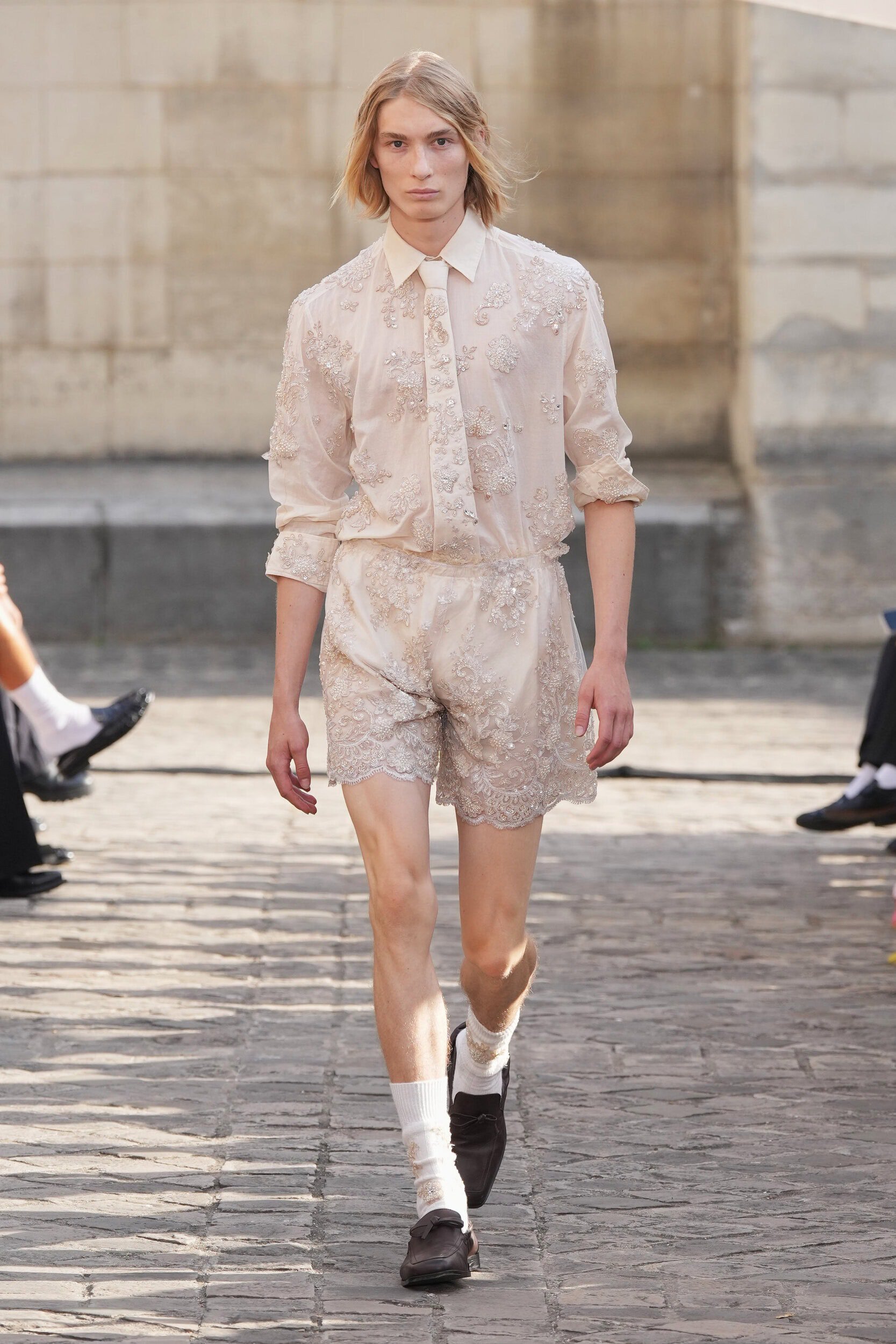
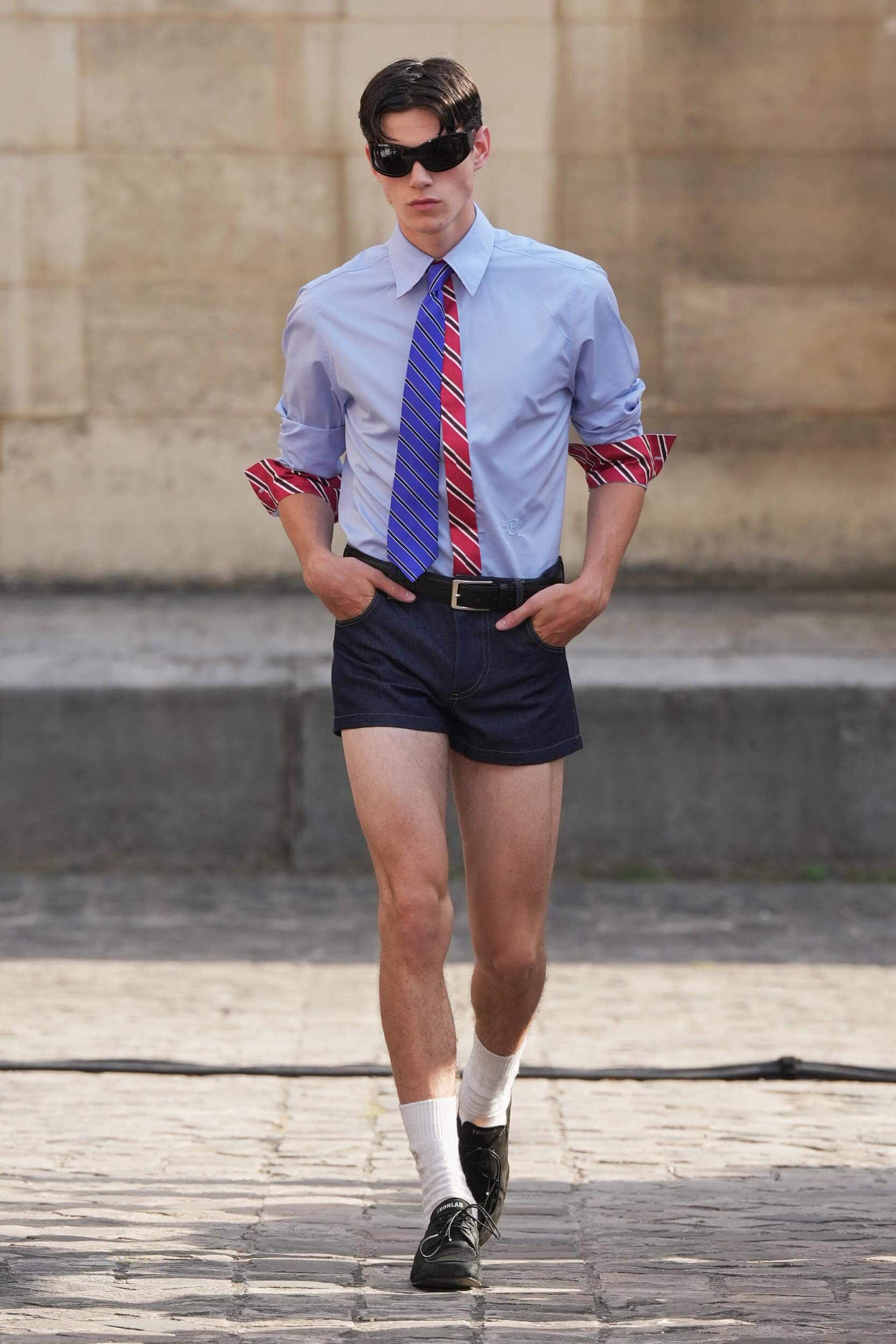
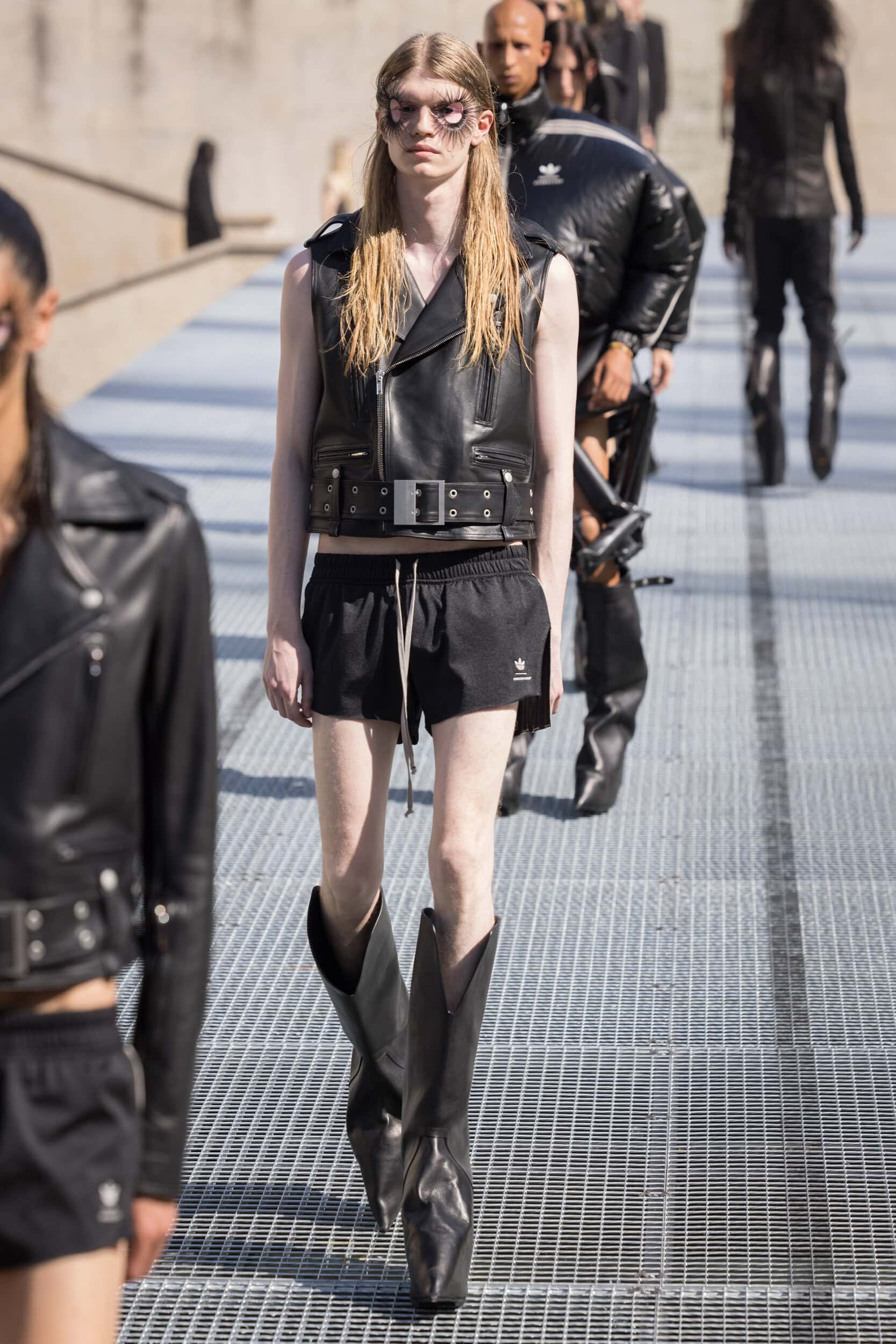
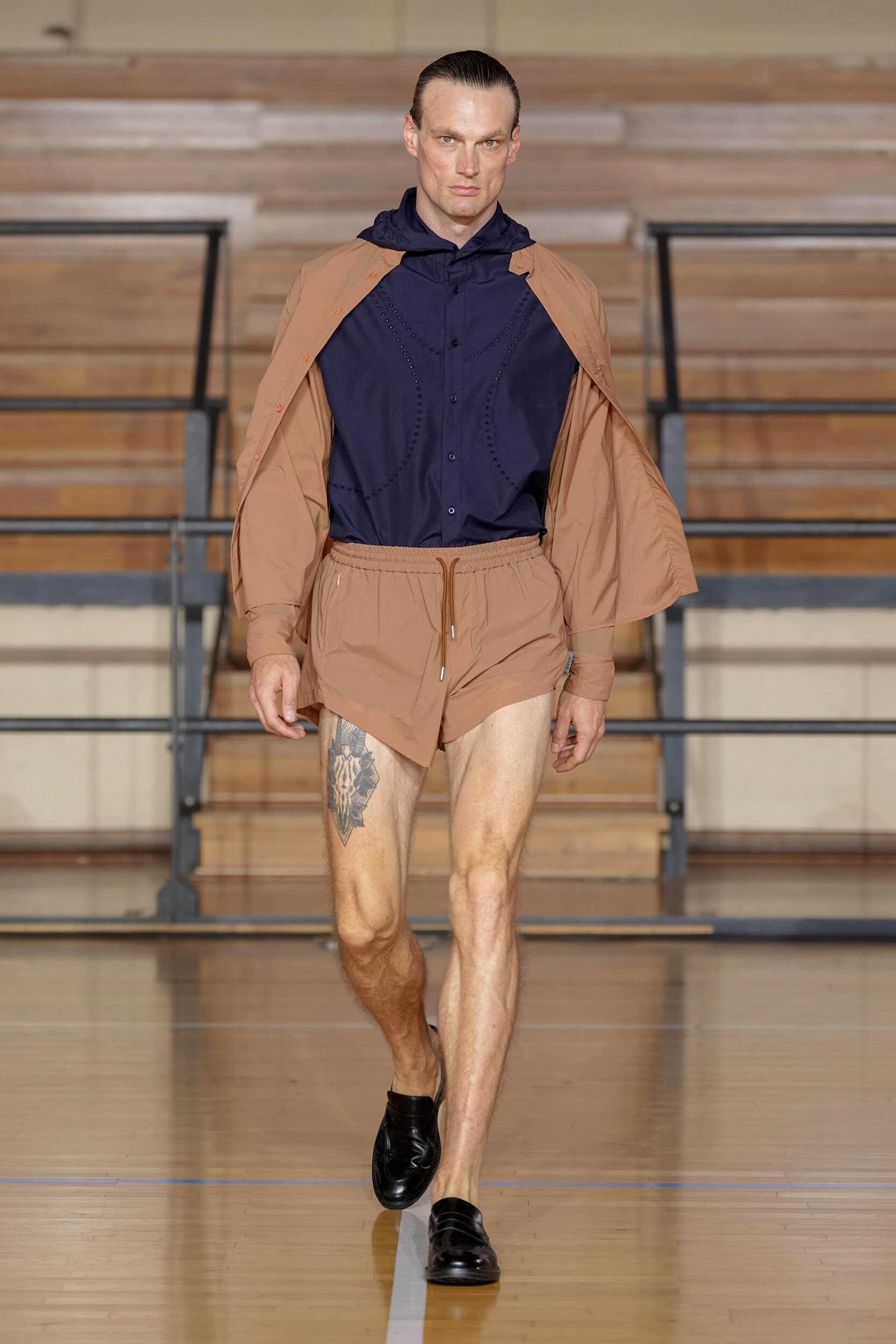
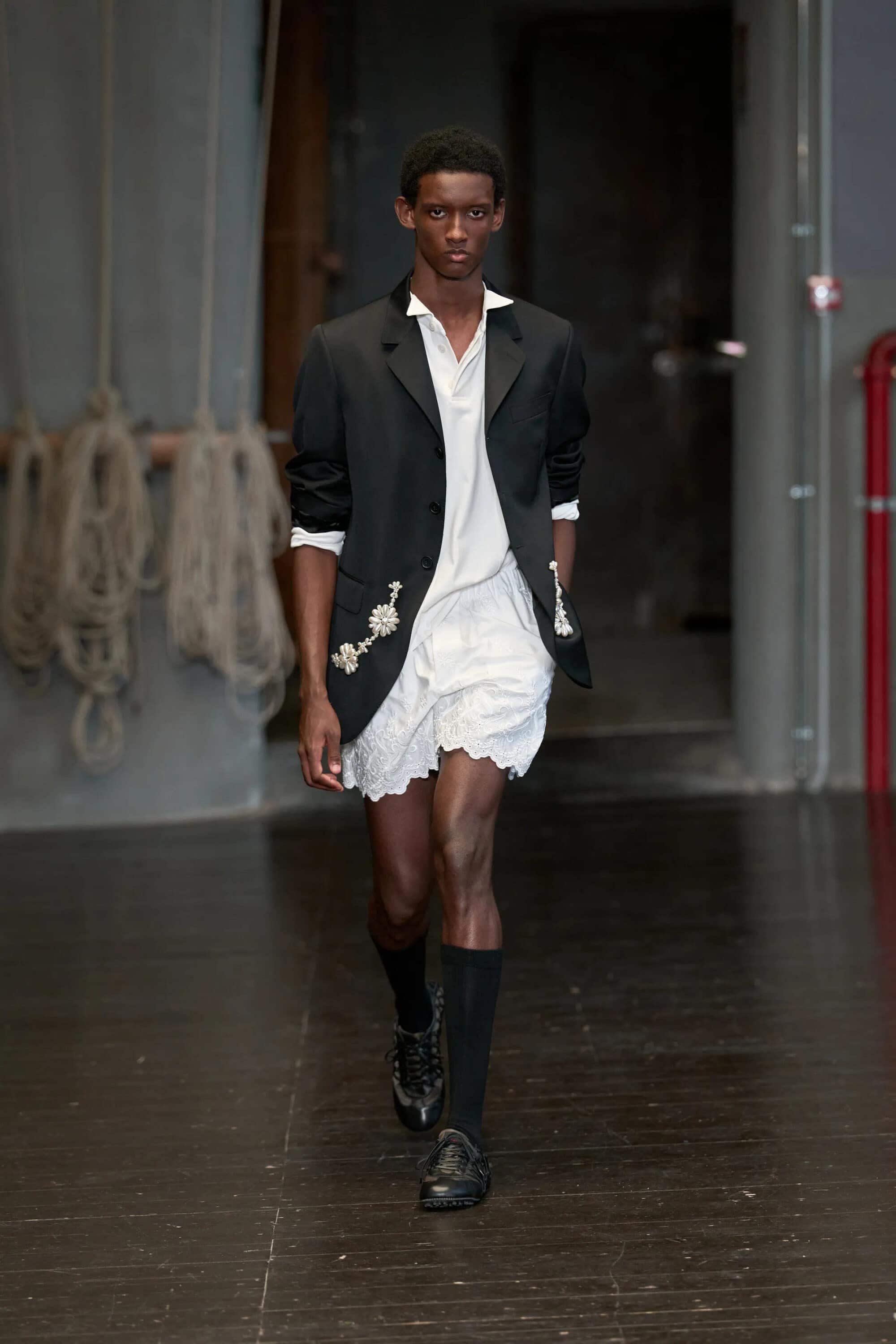
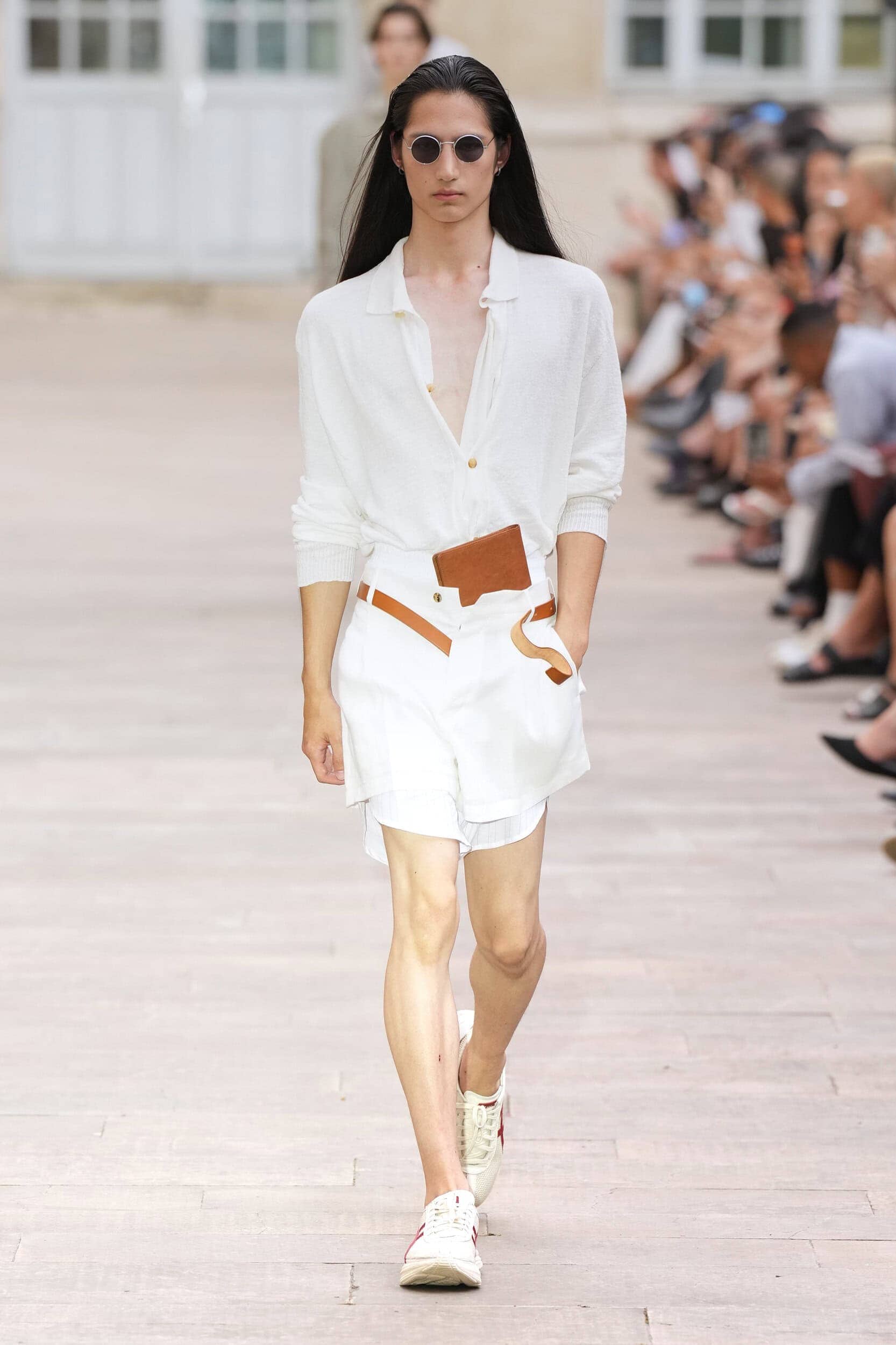
This June’s fashion week season was beset with heatwaves across Milan and Paris, disrupting schedules and testing the resolve of those in attendance. The challenge of a rapidly heating climate and how it will affect how luxury consumers shop for their summer wardrobes was taken on and channelled through rapidly rising hemlines.
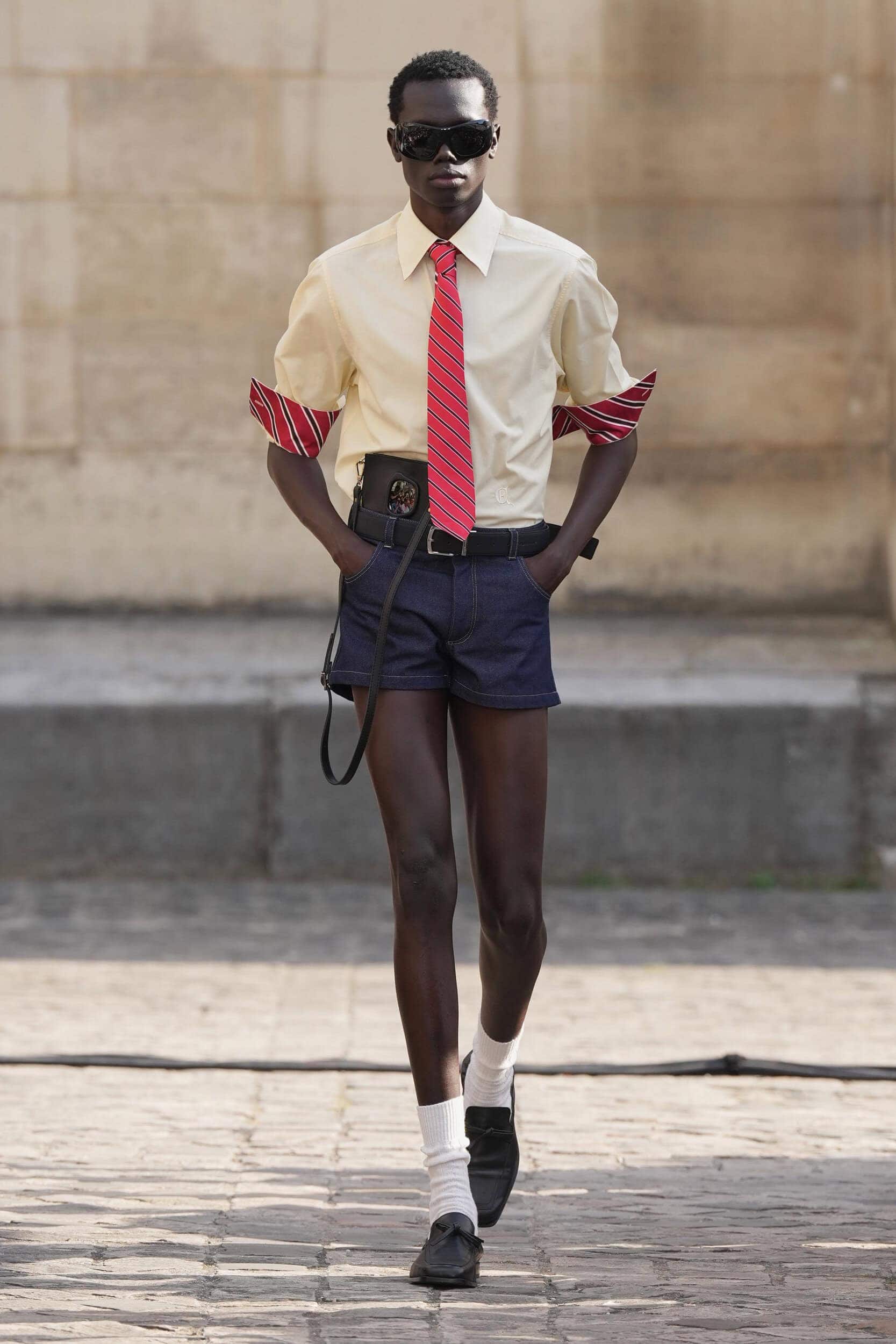
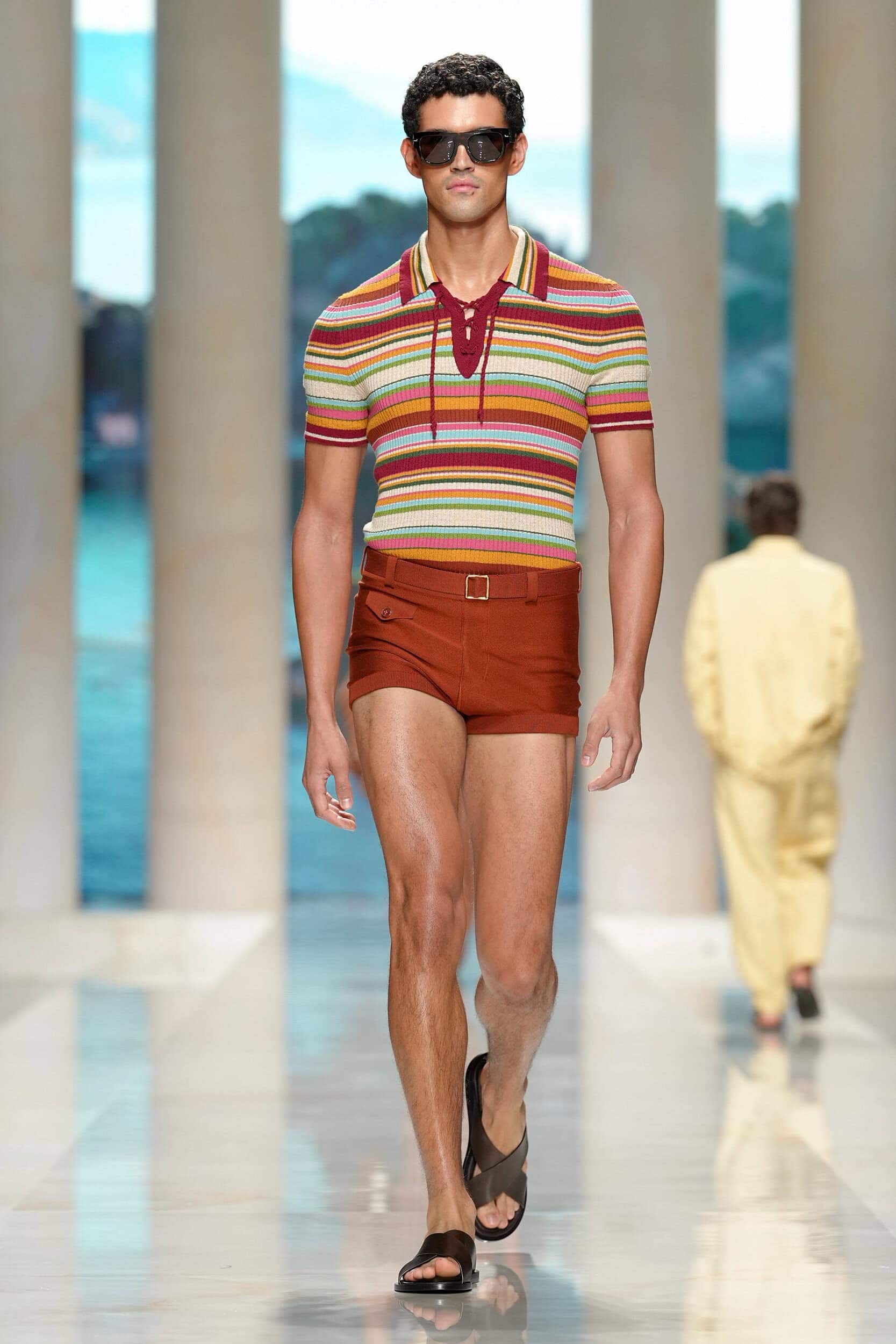
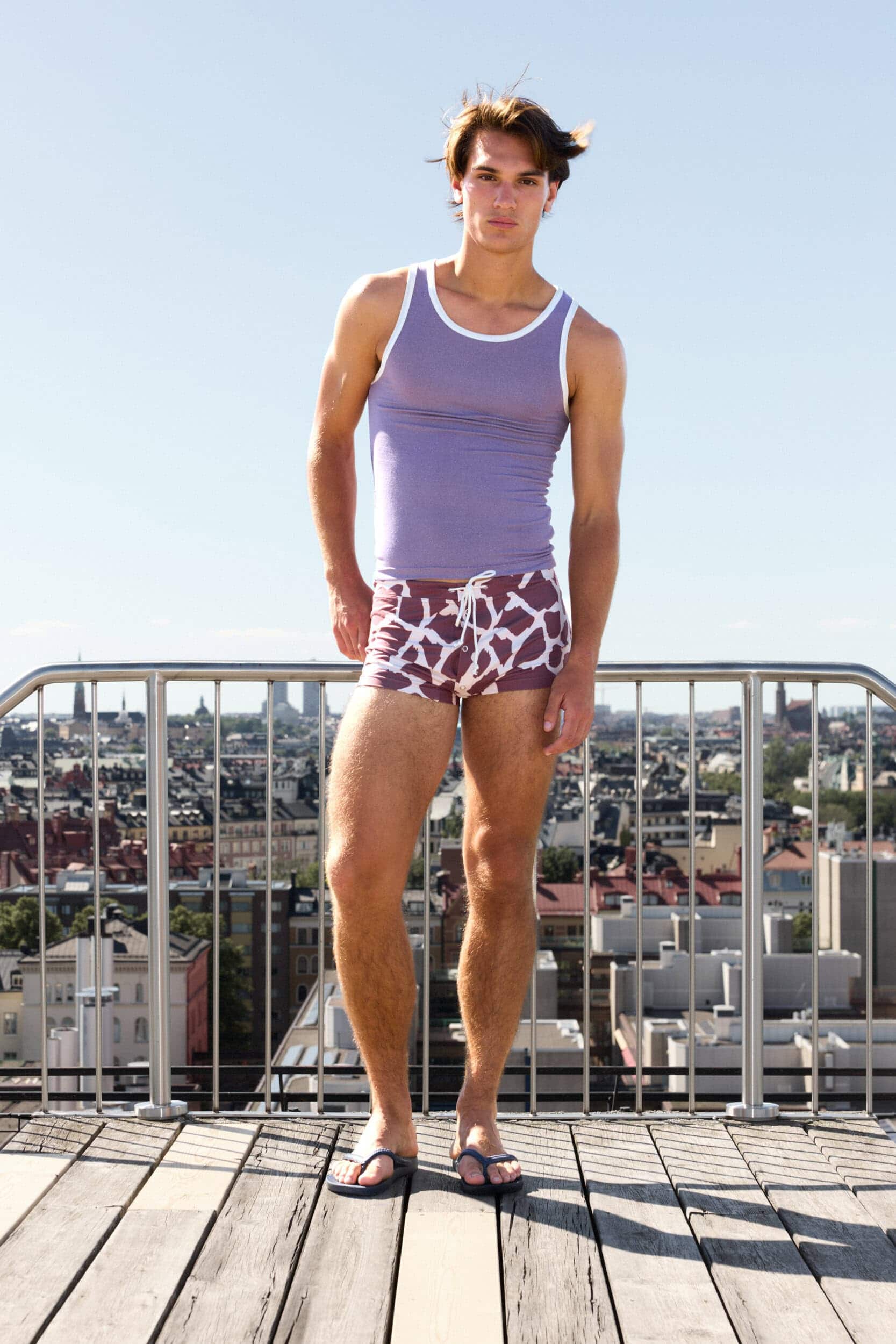
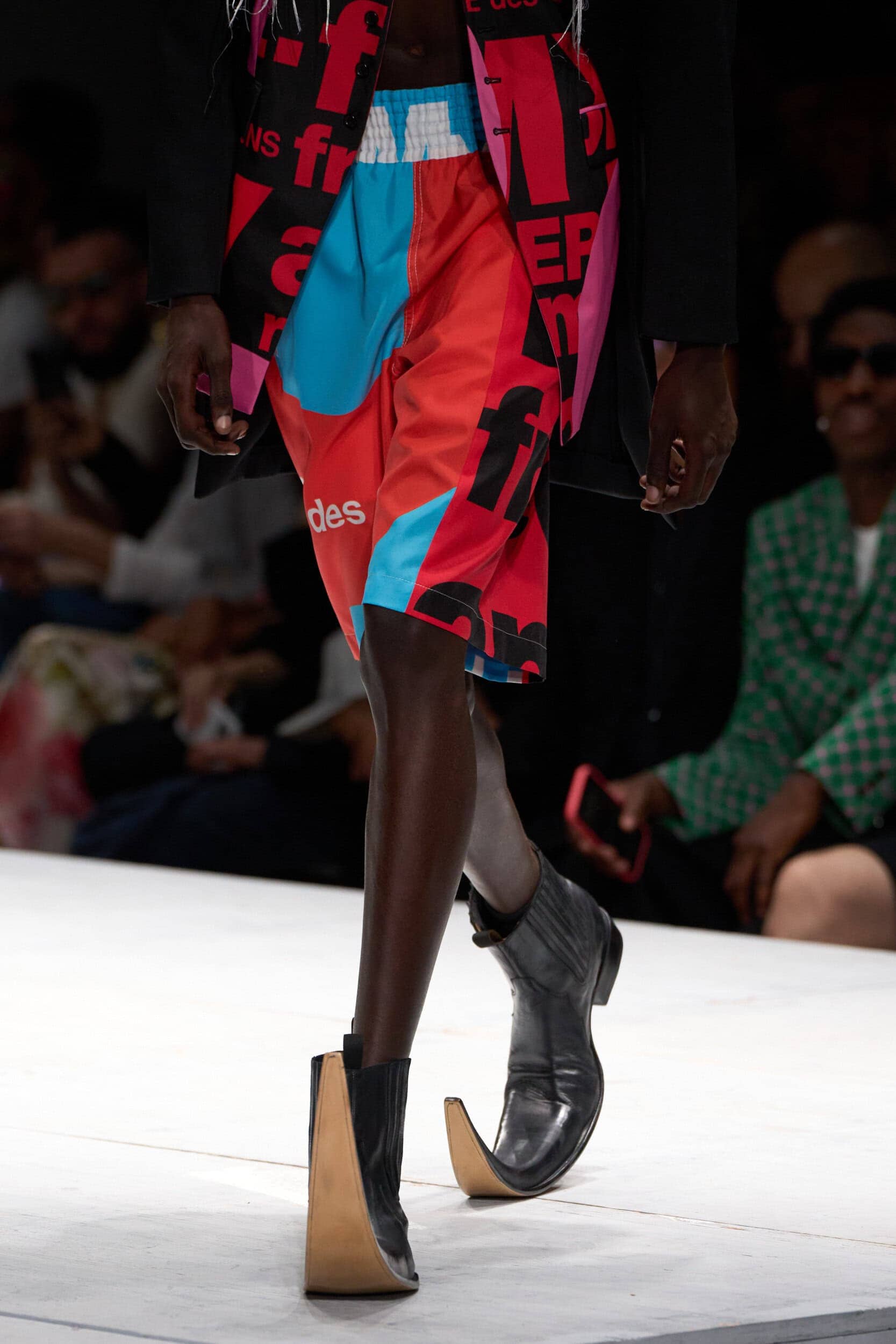
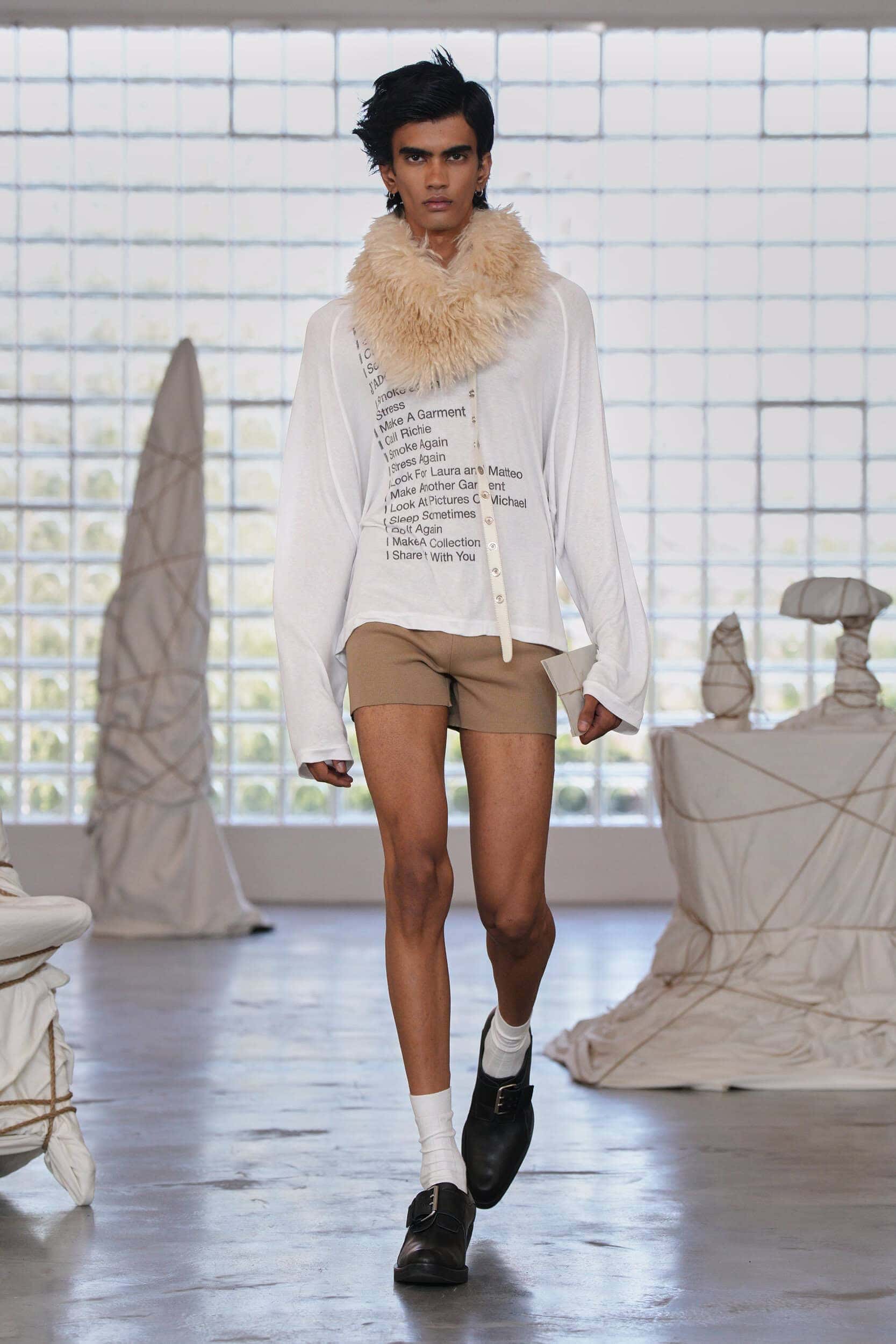
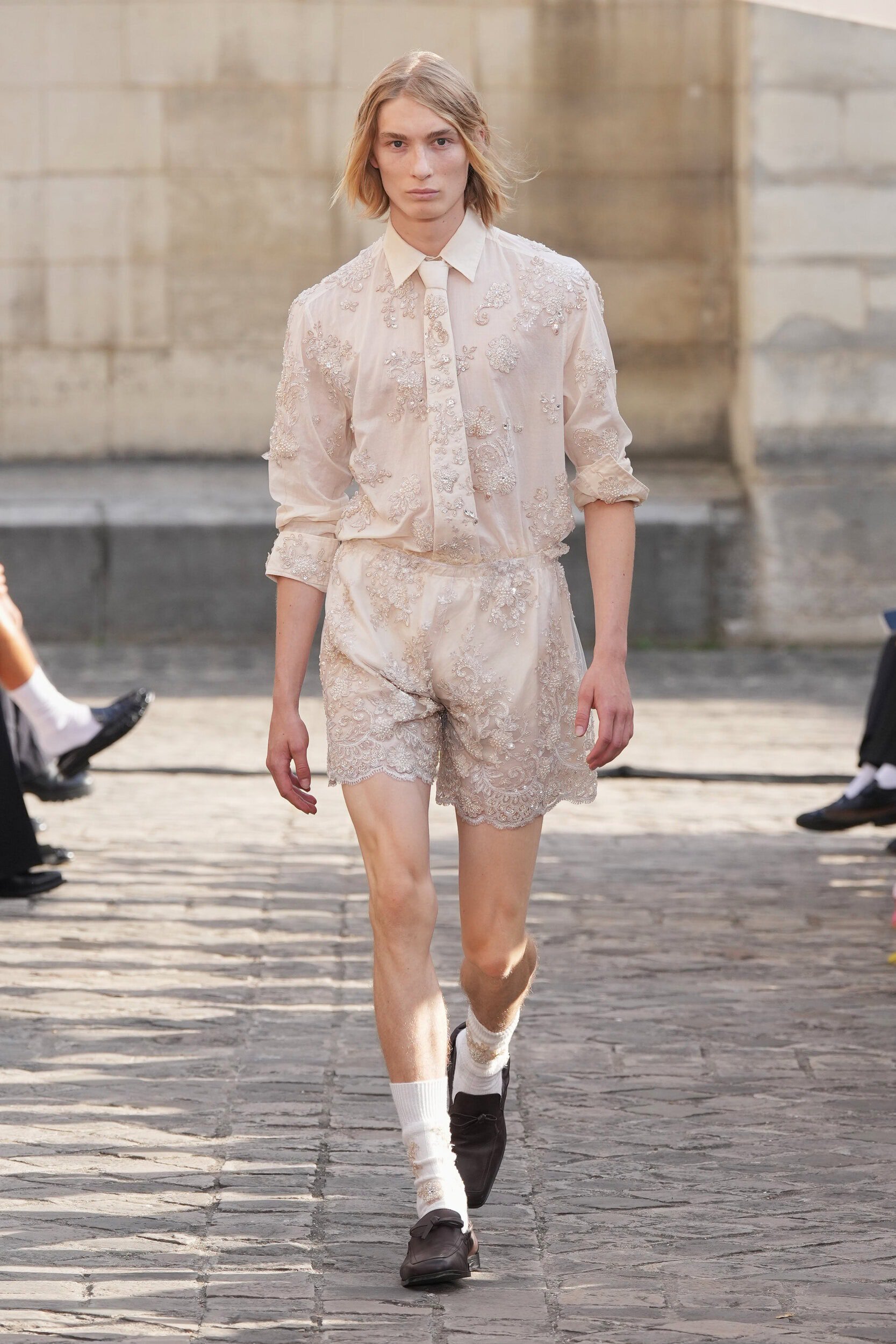
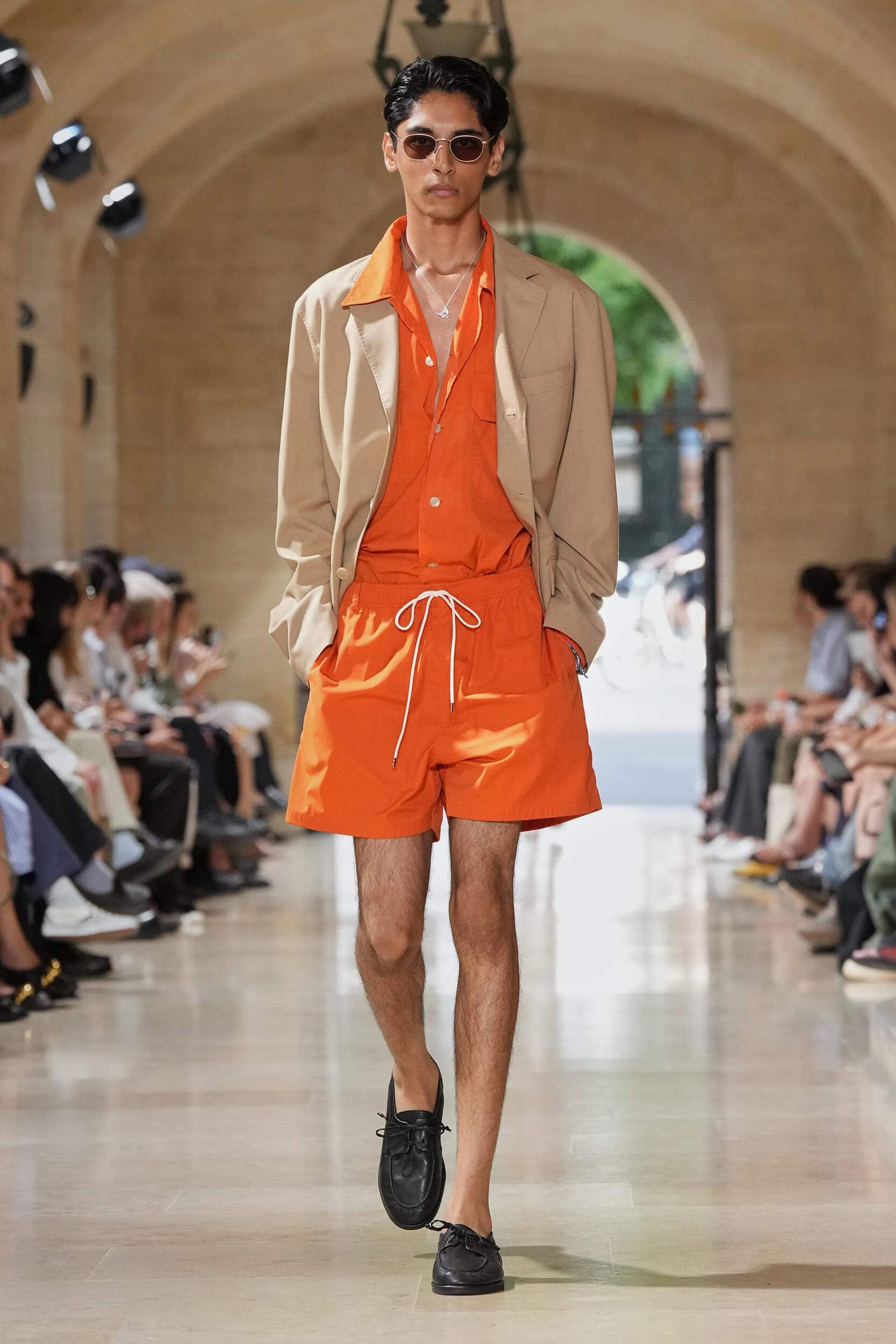
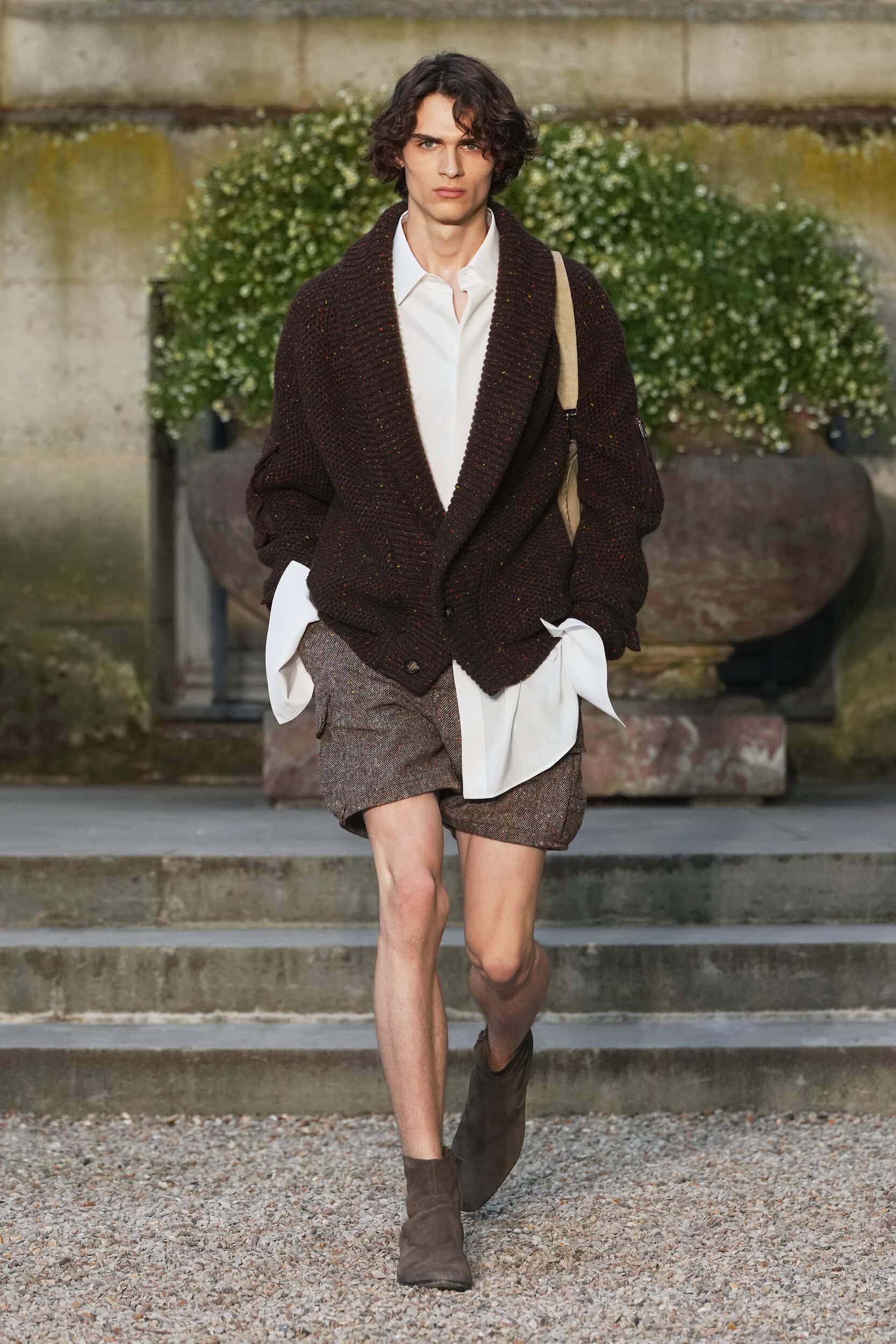
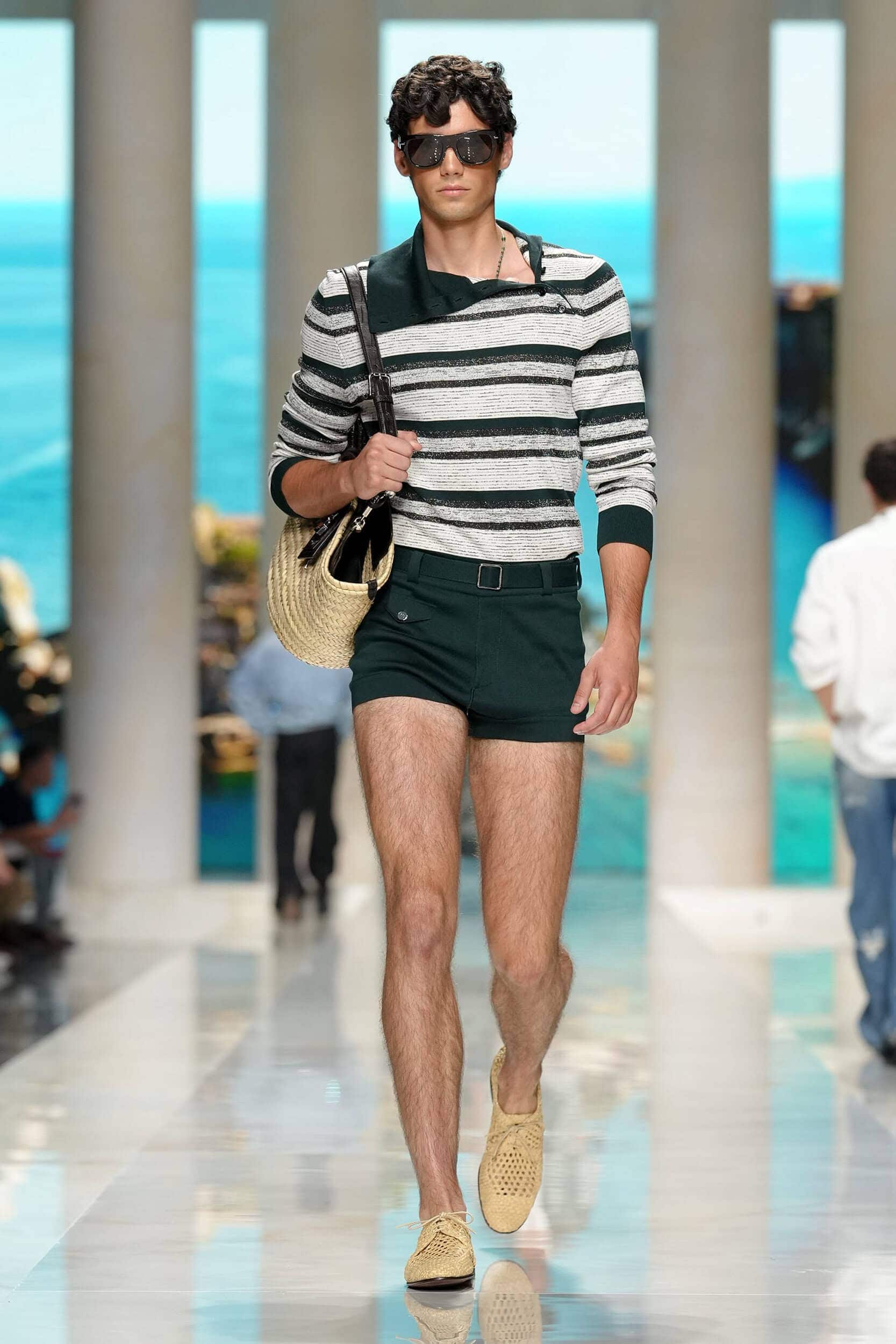
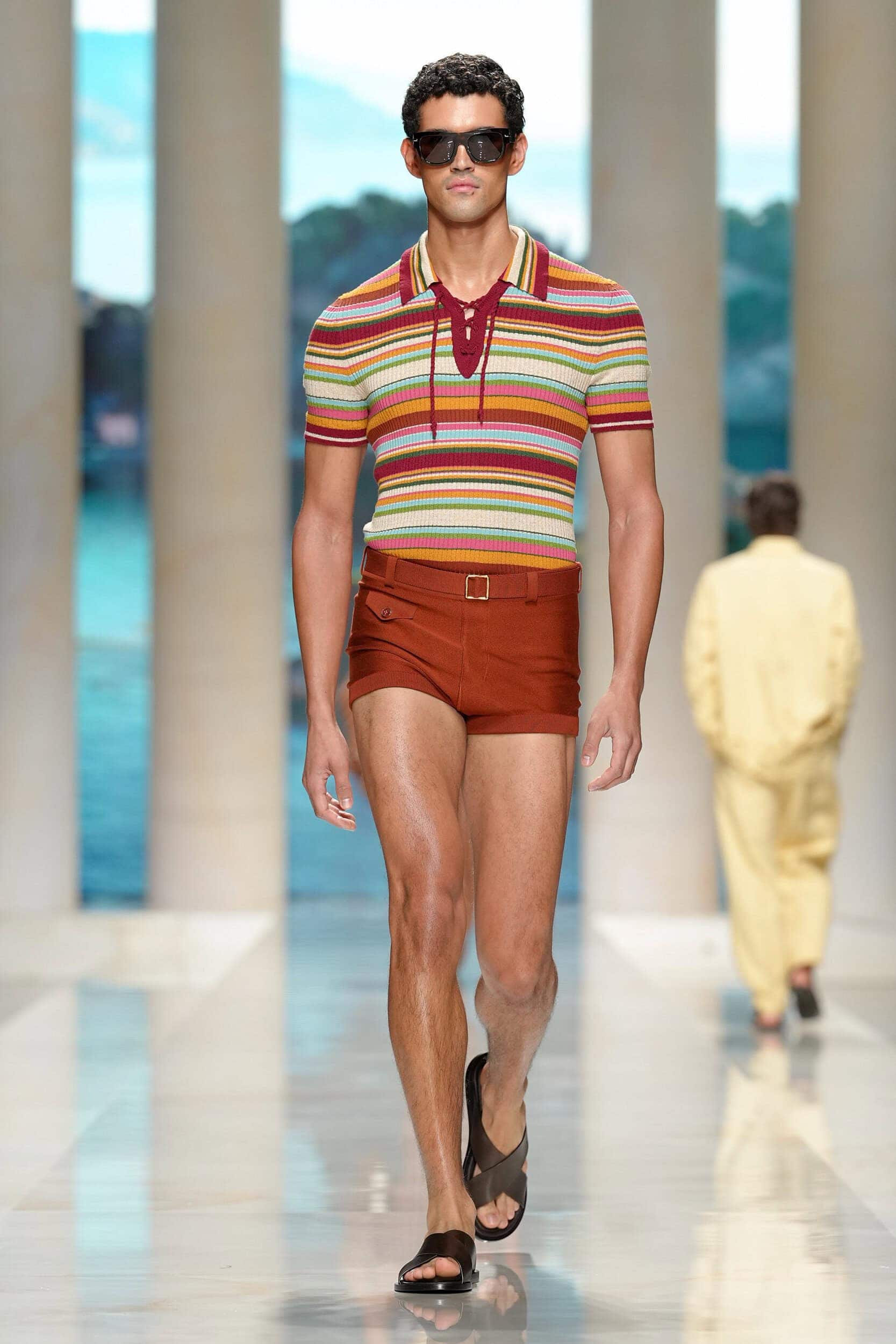
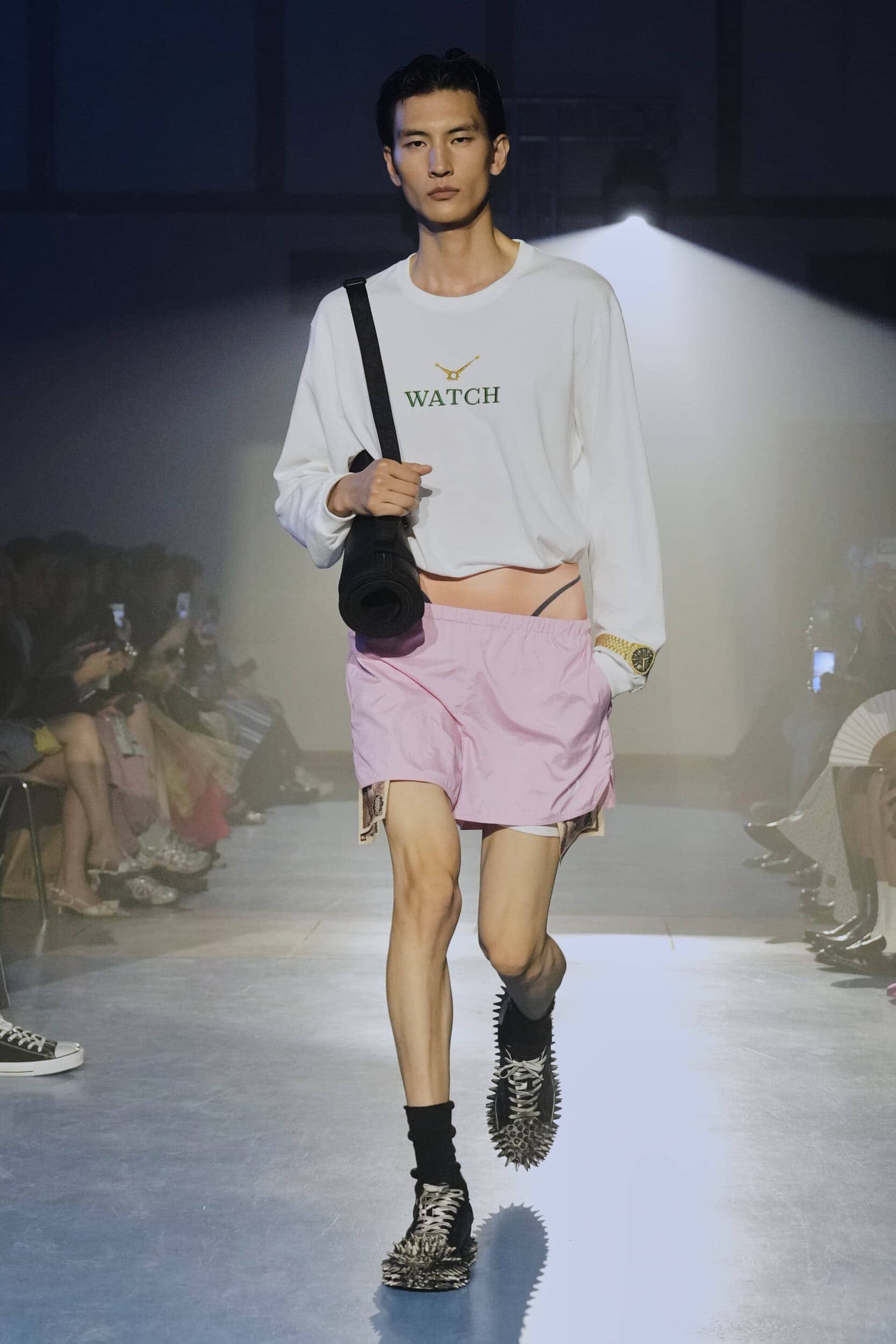
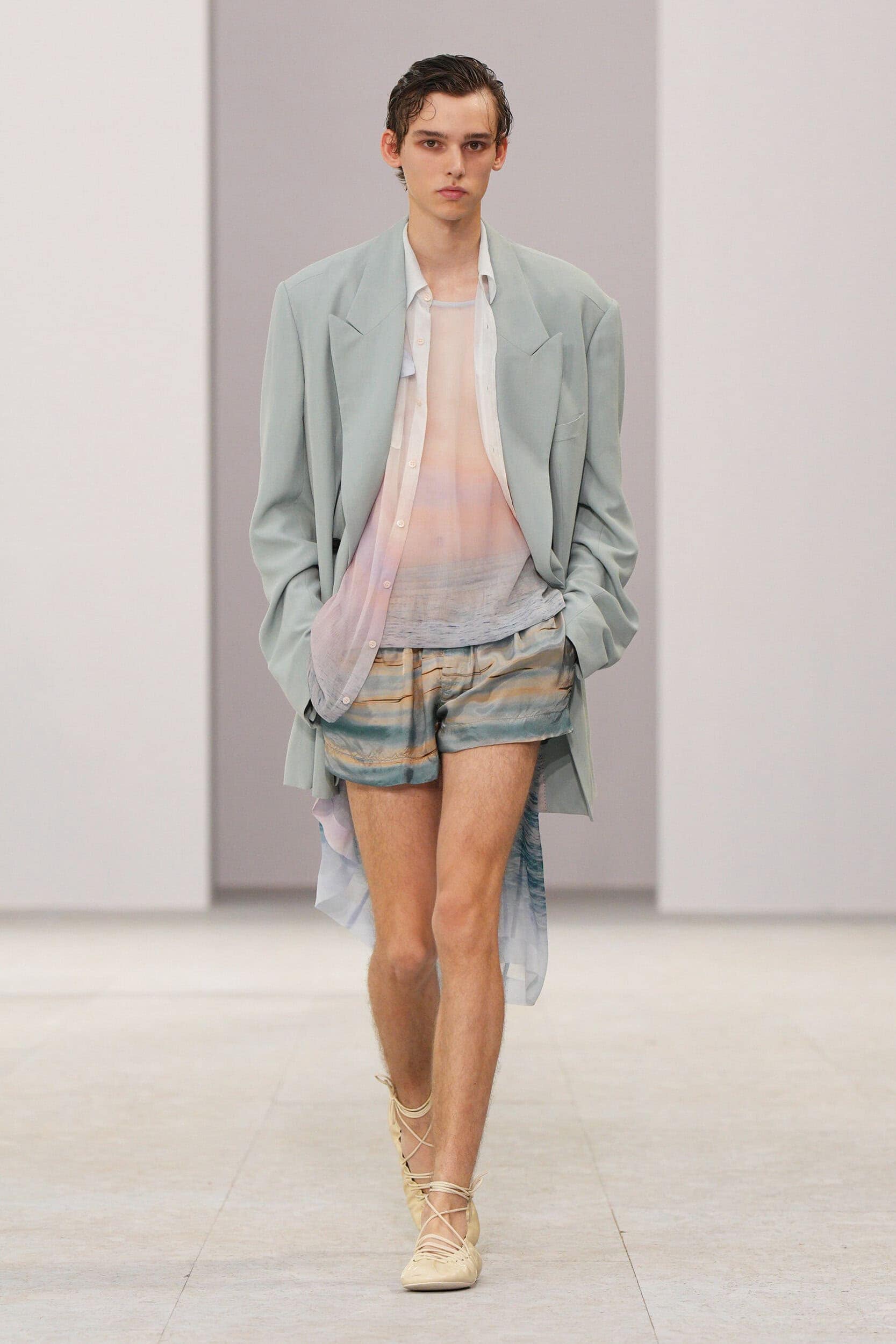
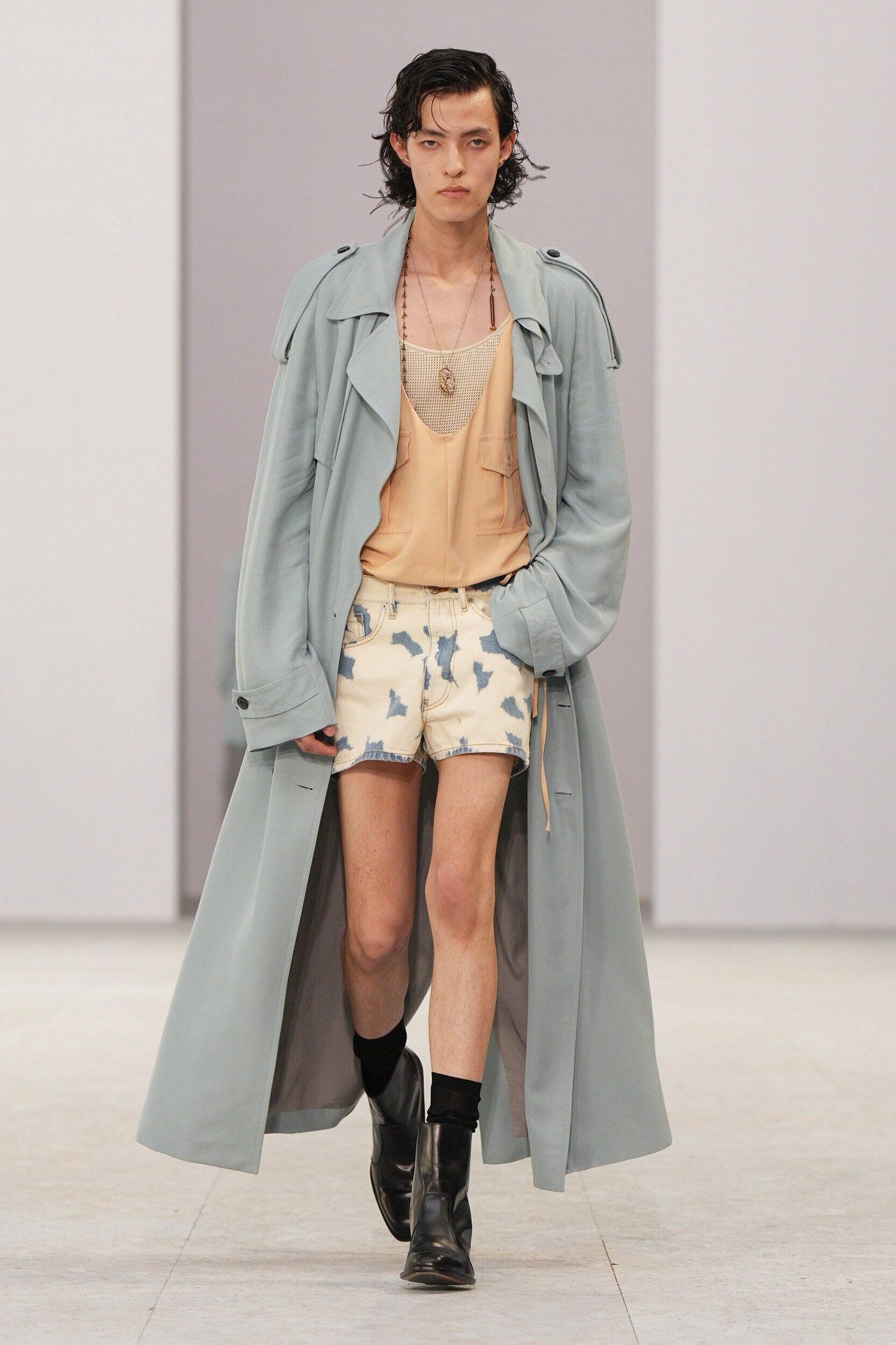
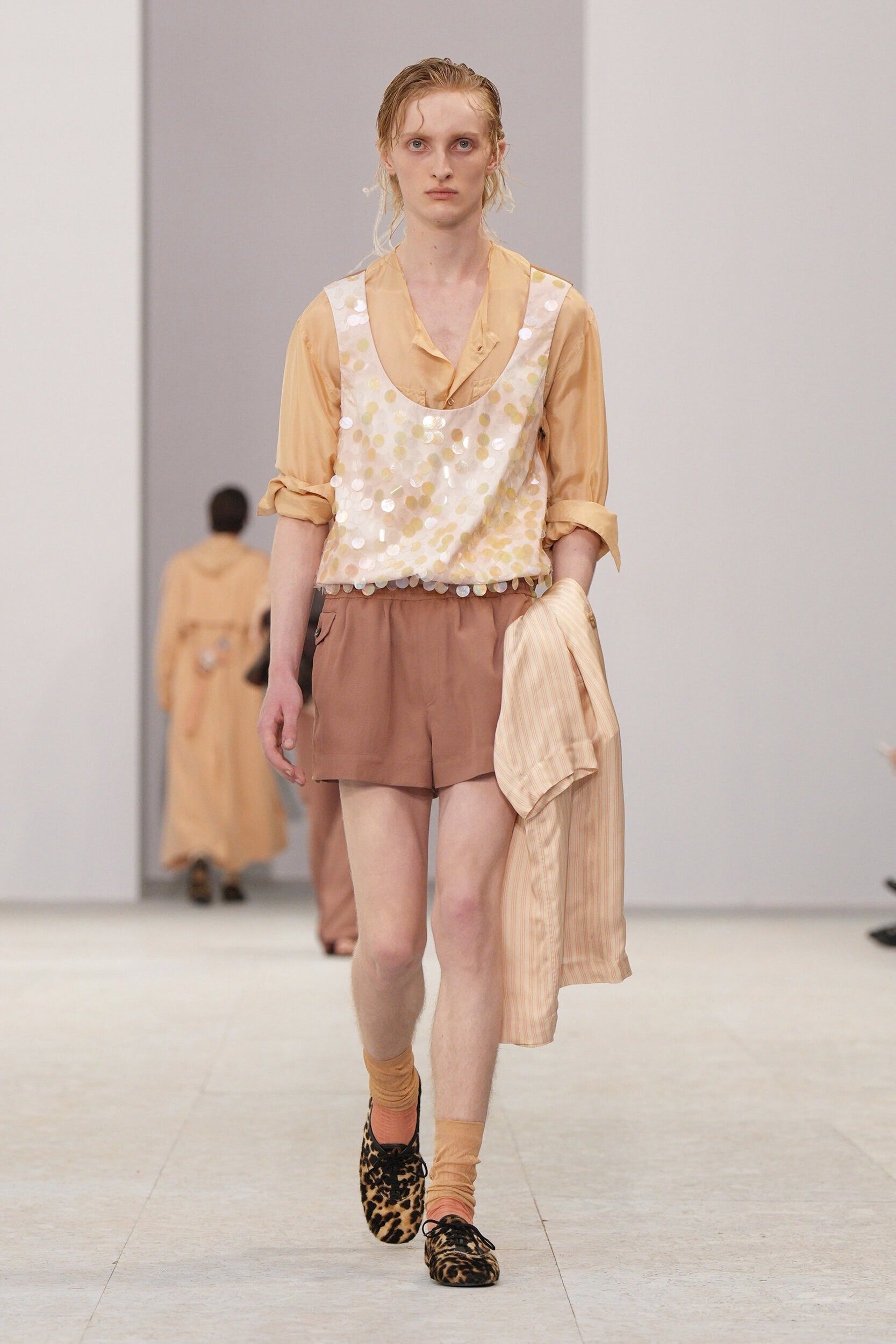
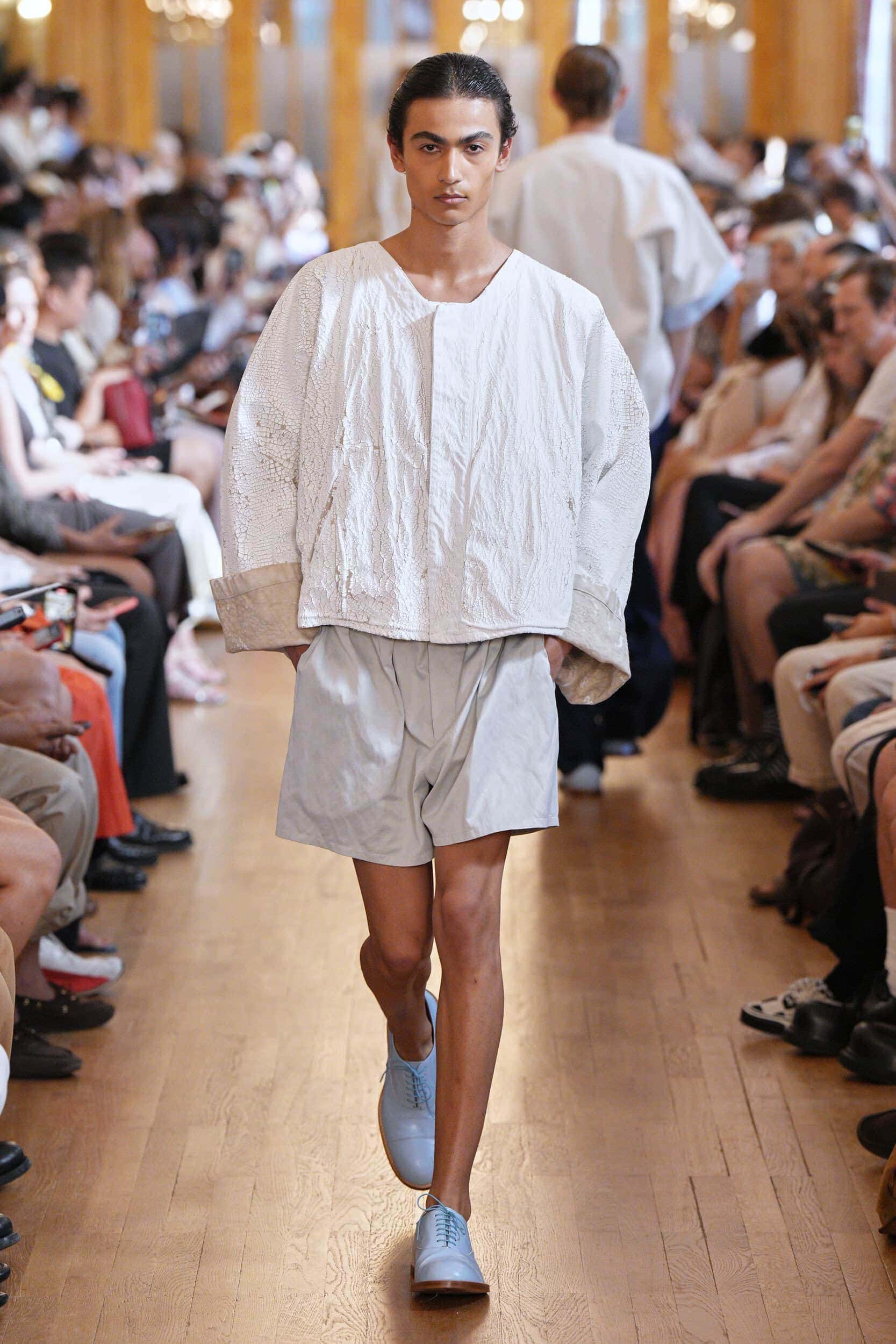
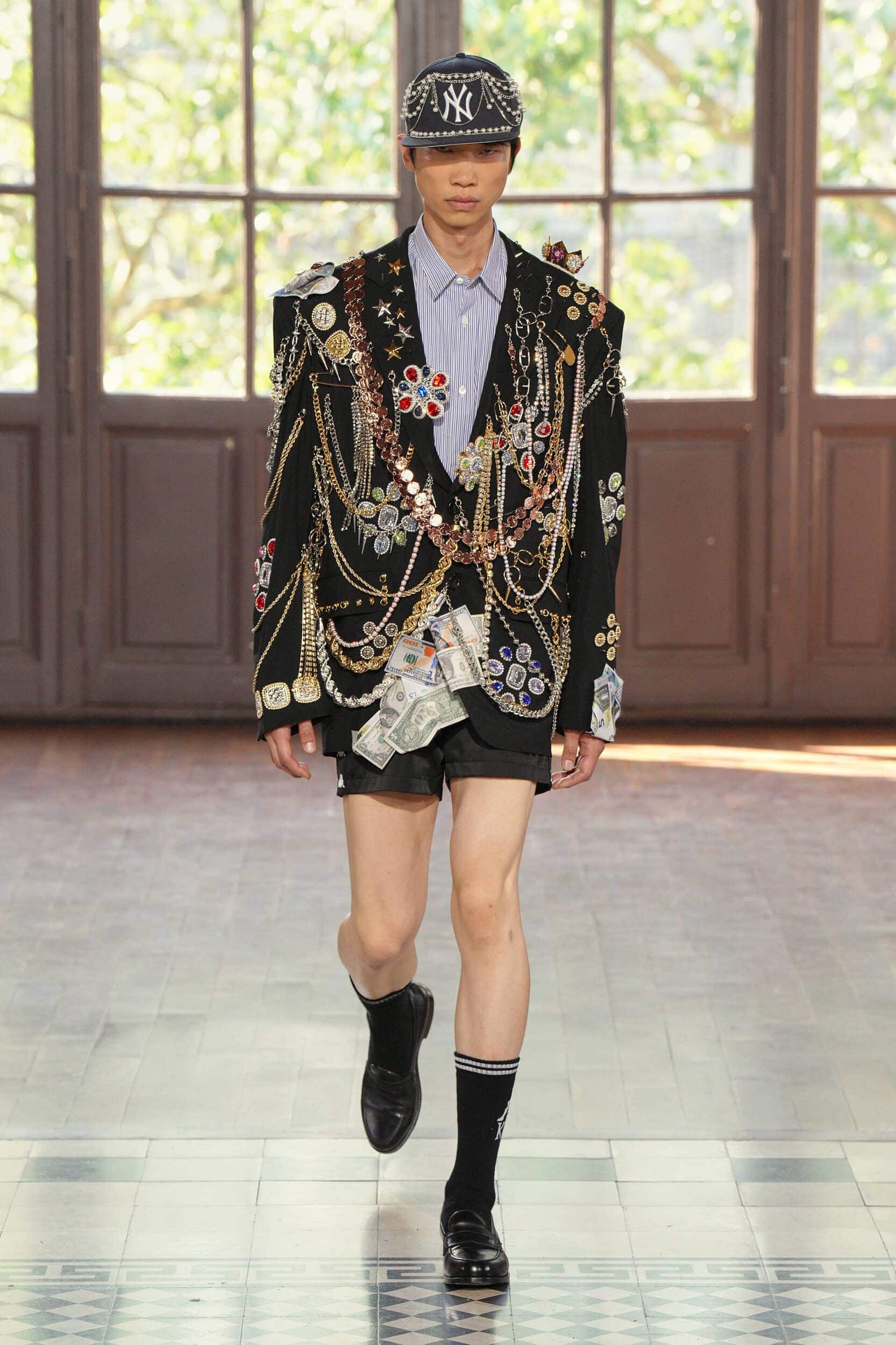
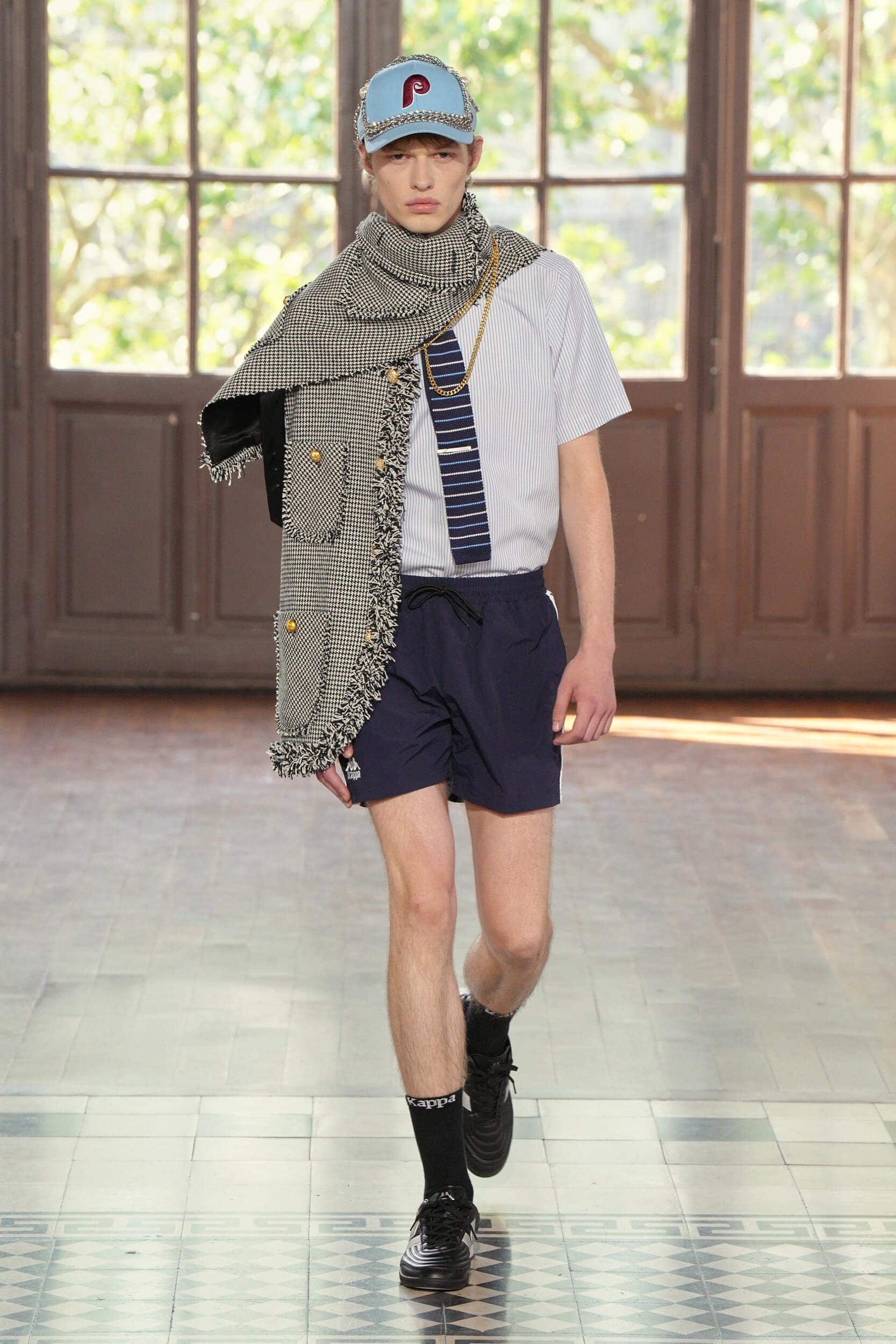
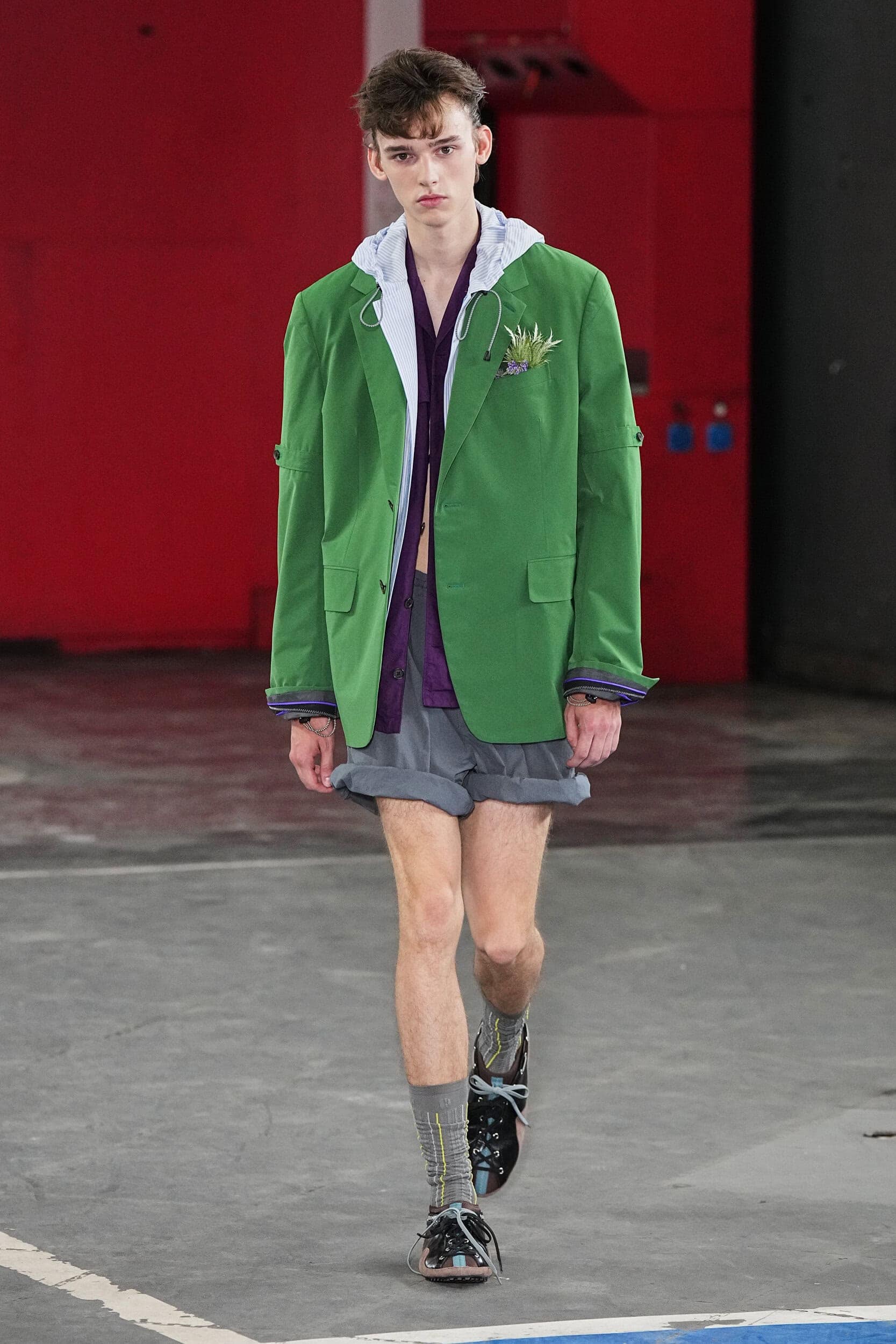
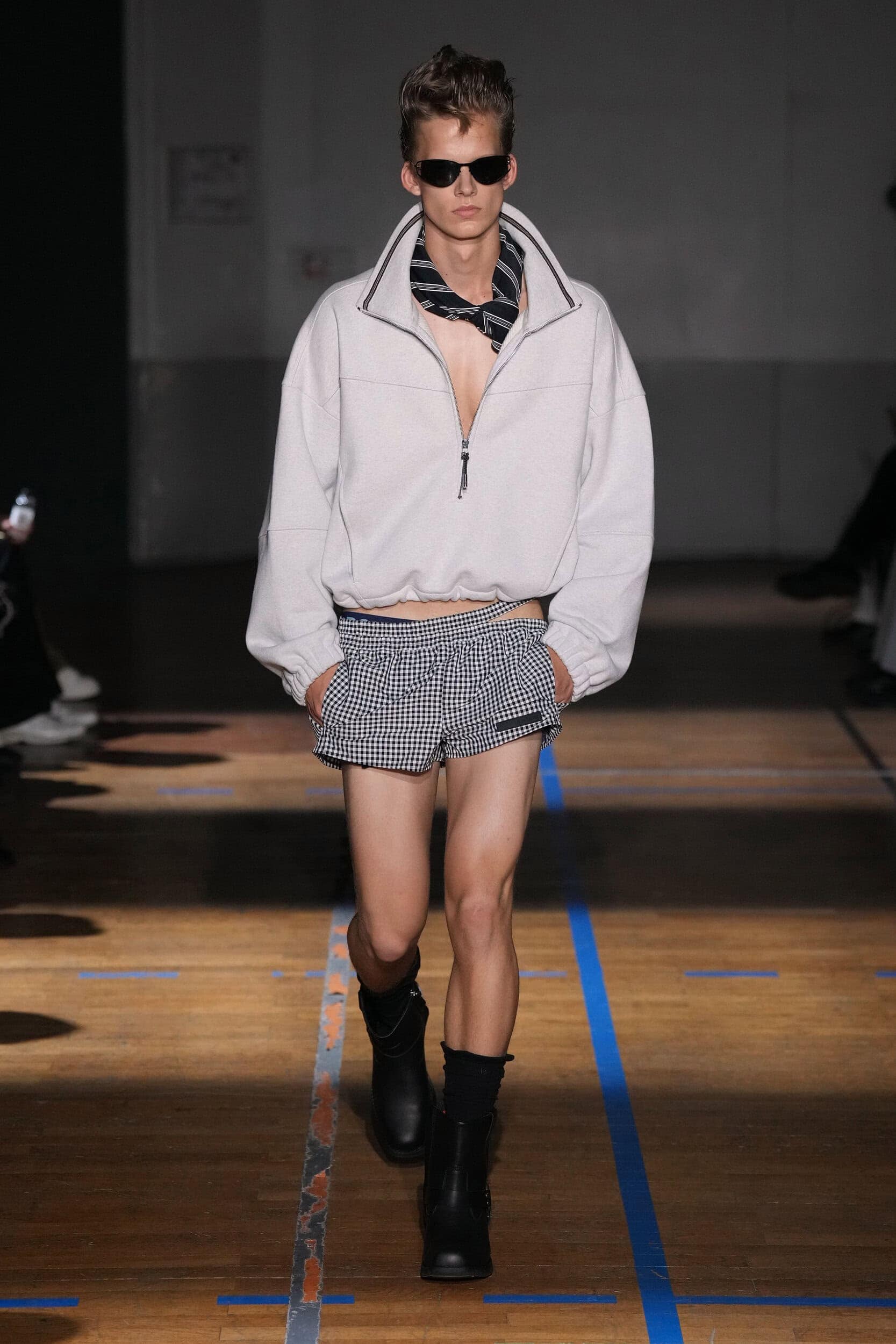
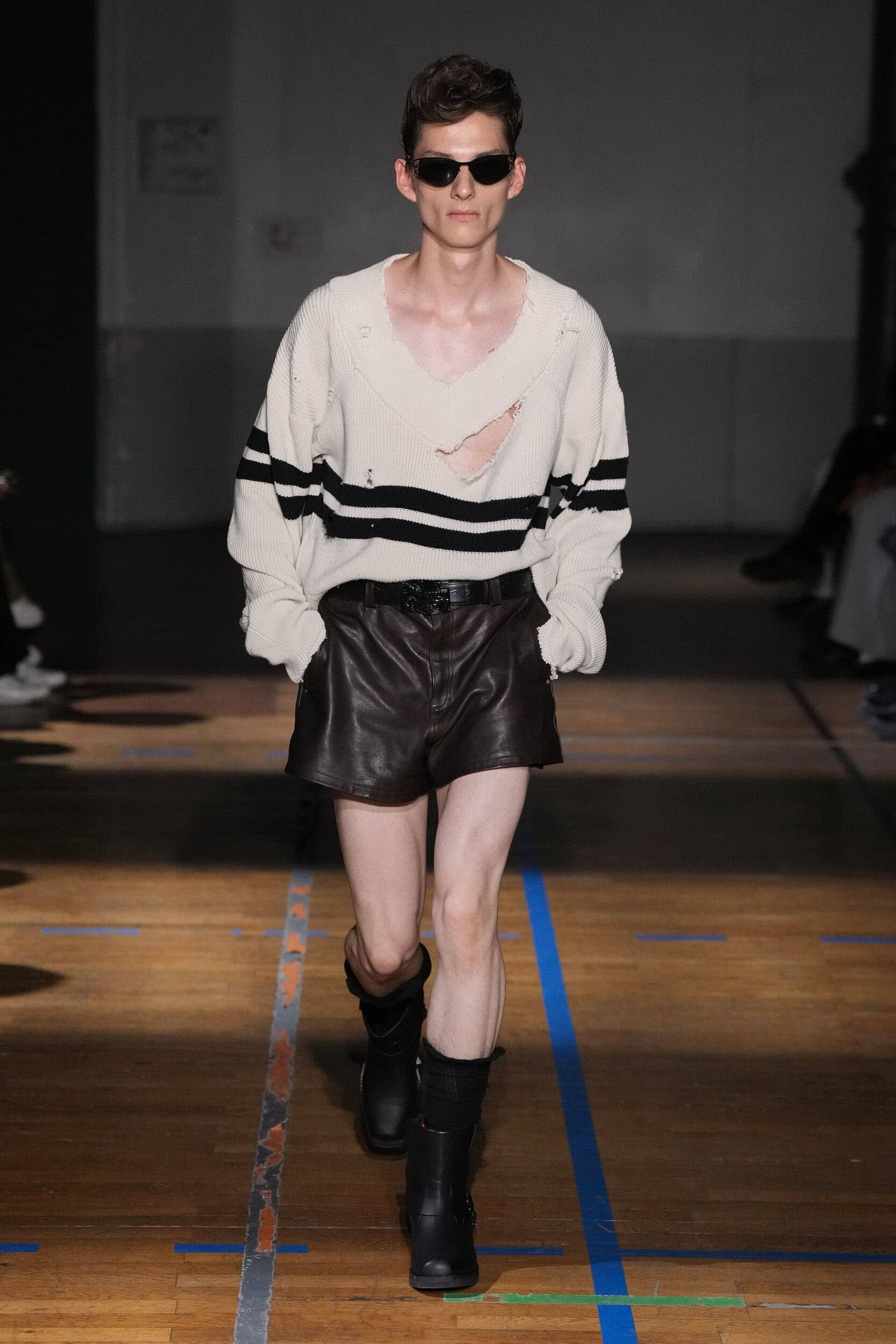
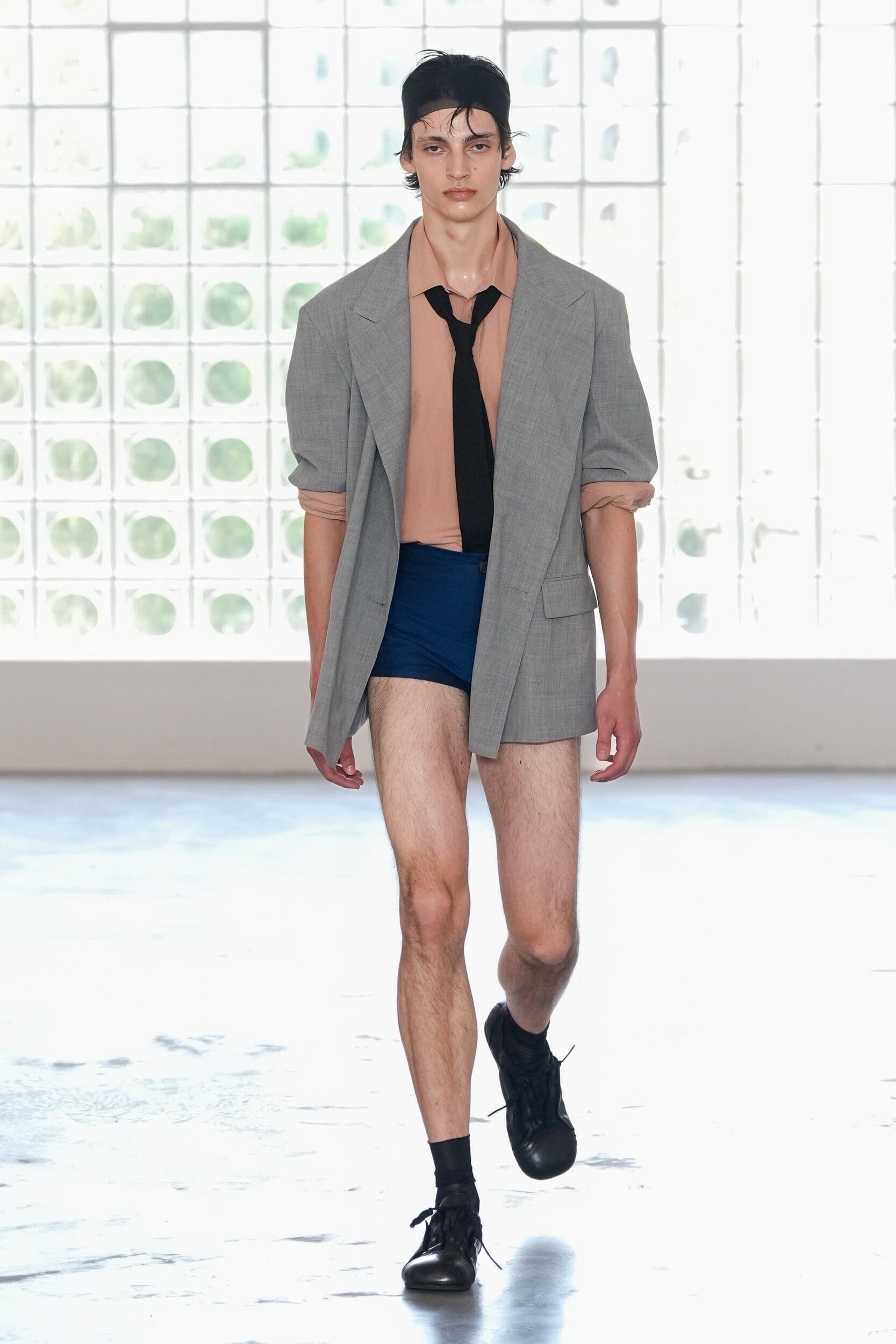
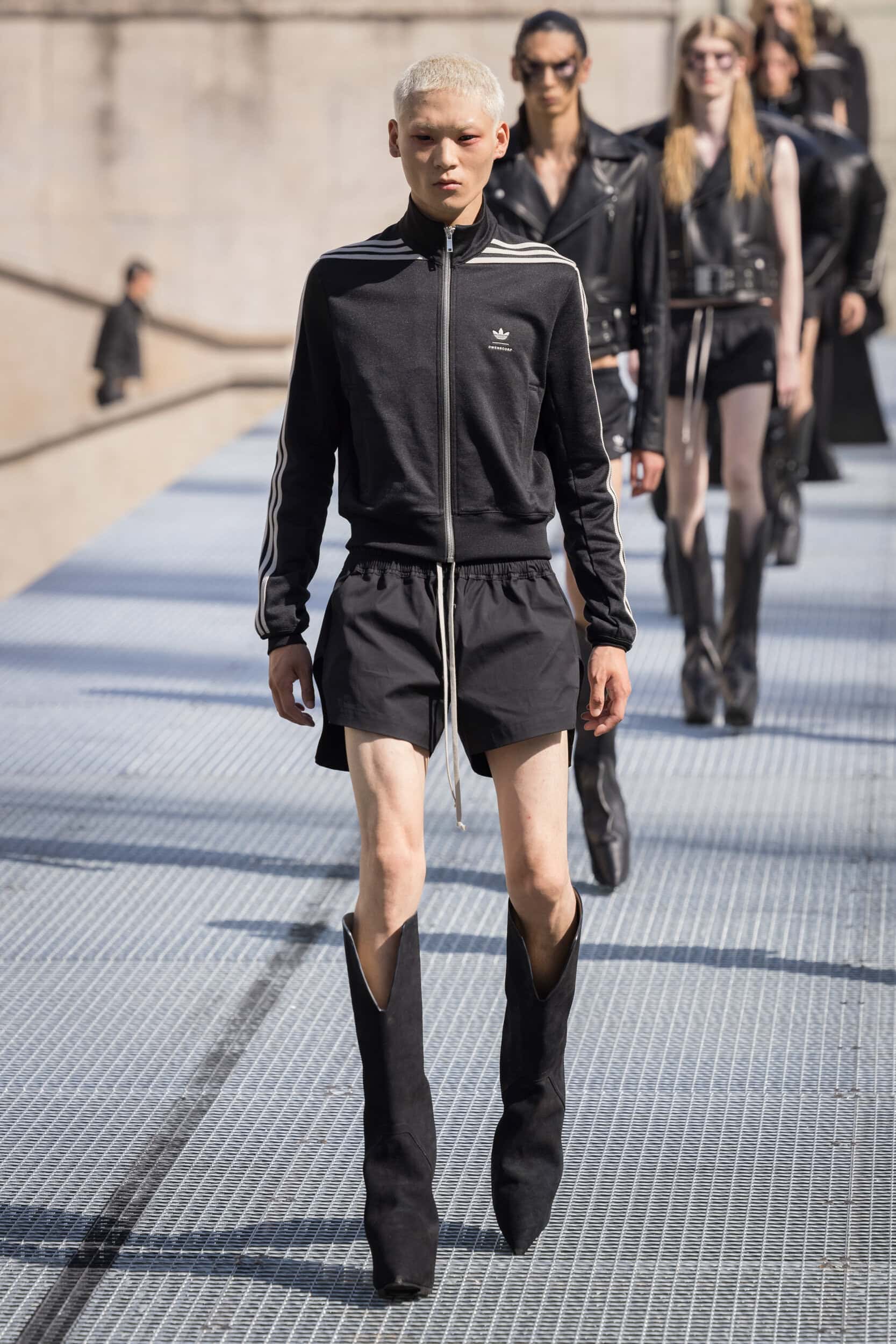
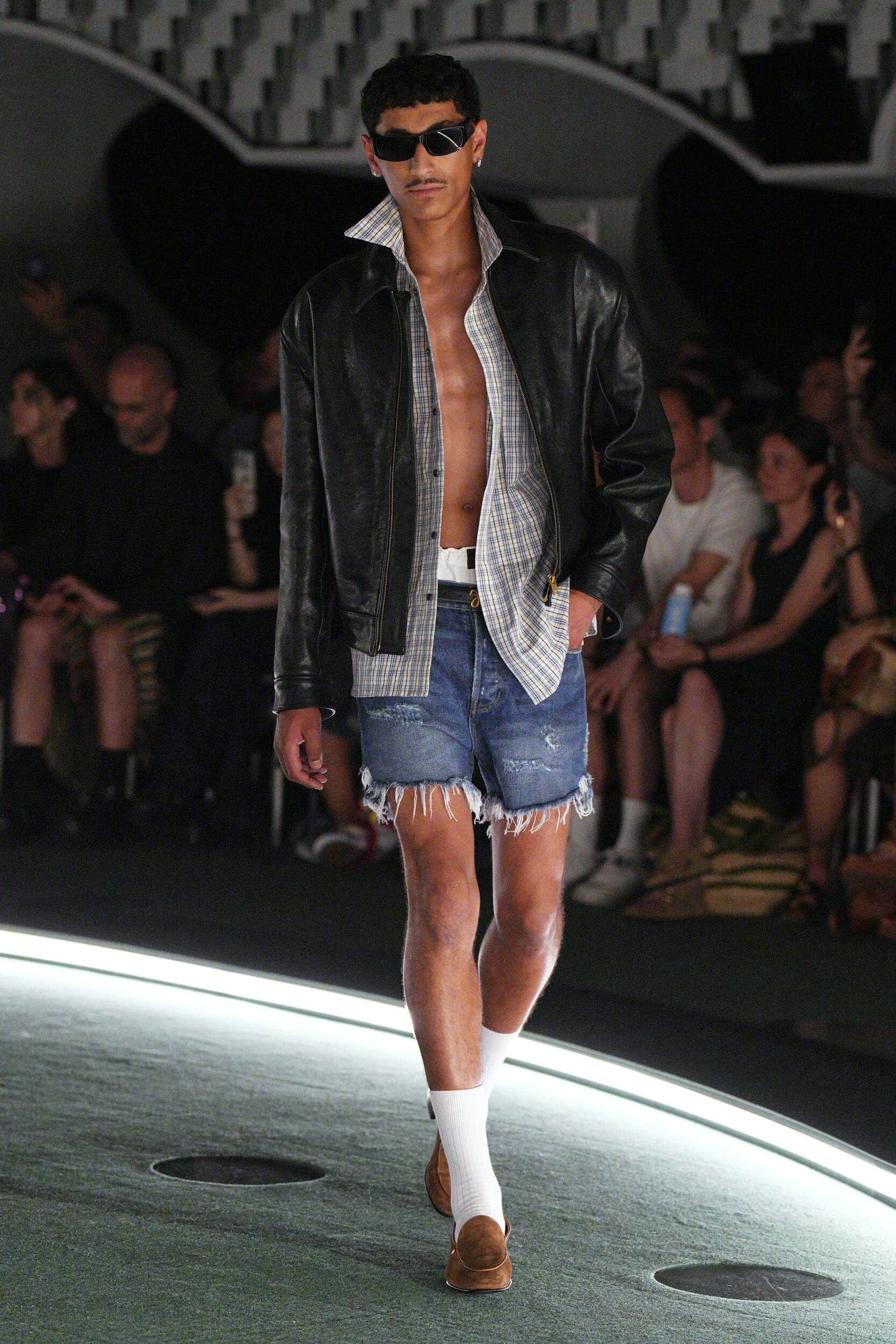
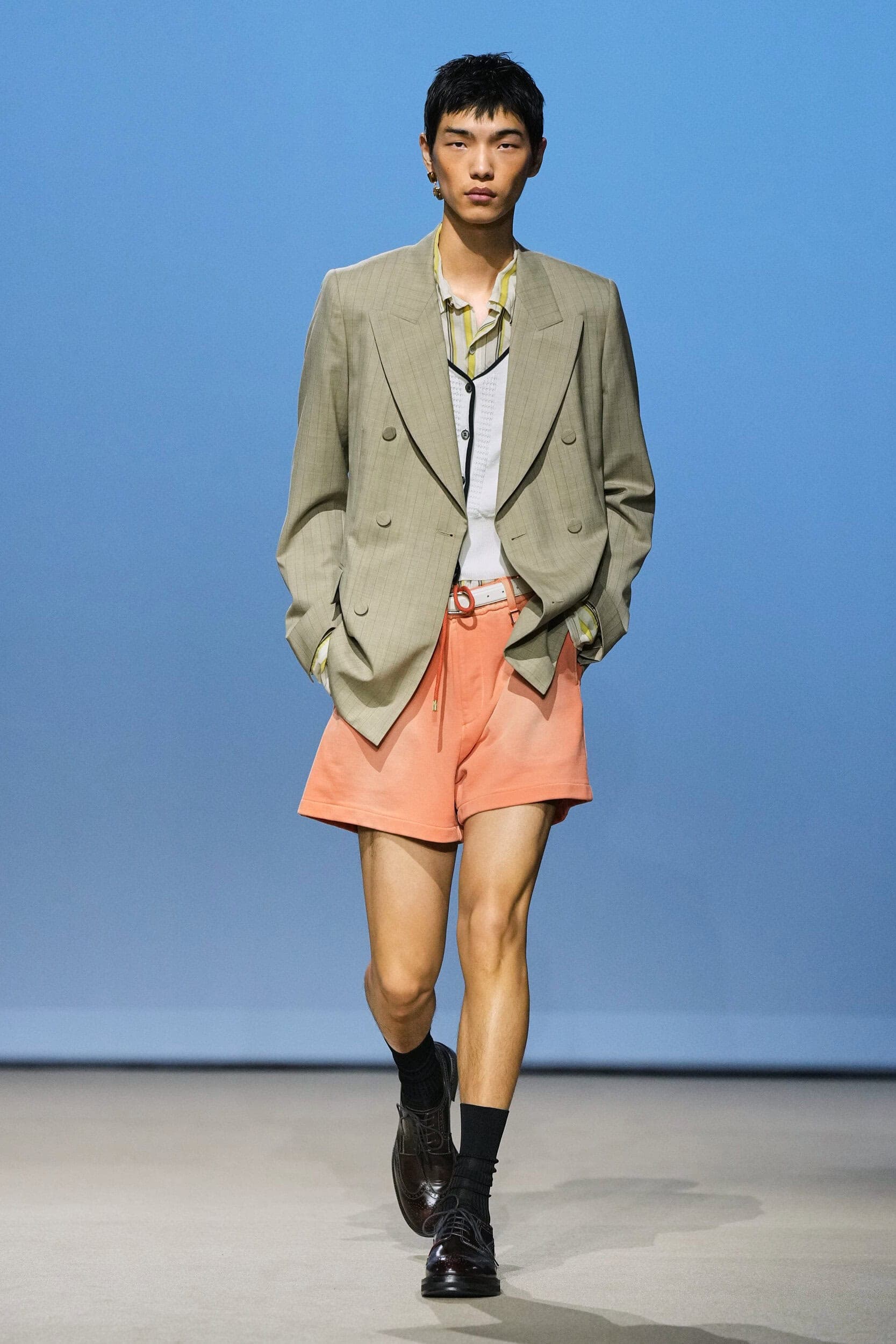
Short shorts were one on the many climate-coded solutions presented for next summer. Underwear as outerwear was a no-brainer as this styling hack has been a ubiquitous part of the menswear landscape for several seasons, and it came in soft pinks, gingham checks, and delicate lace. Swimming trunks in spandex and retro knits will be perfect for a walk from beach club to bar, but there was no holding back as inches were hacked off tie-dyed denim at Dries Van Noten and brown leather at LGN. And Egonlab, via applying a creased surface-effect to their cut-offs, created one of the strongest cases for short shorts this season.
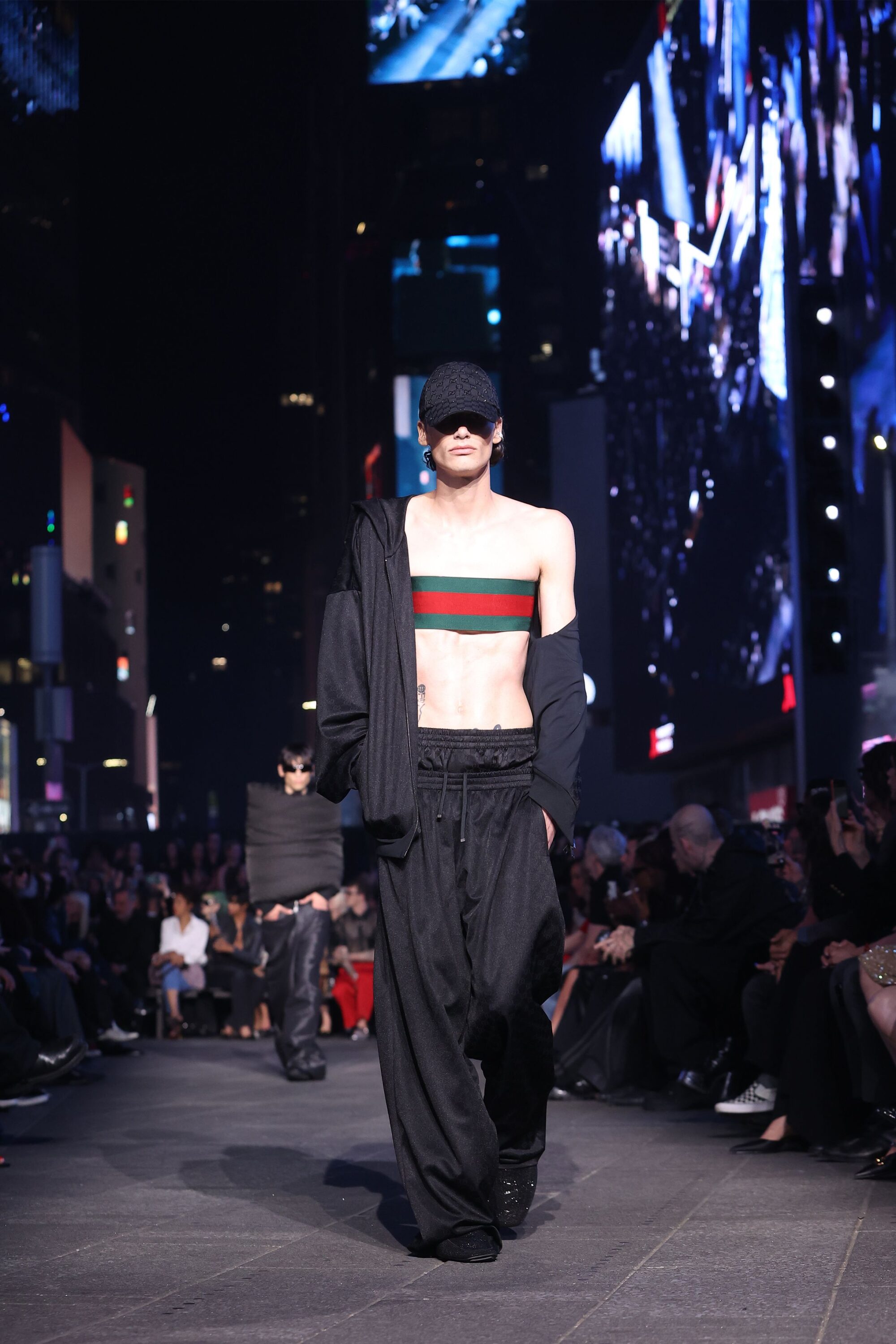
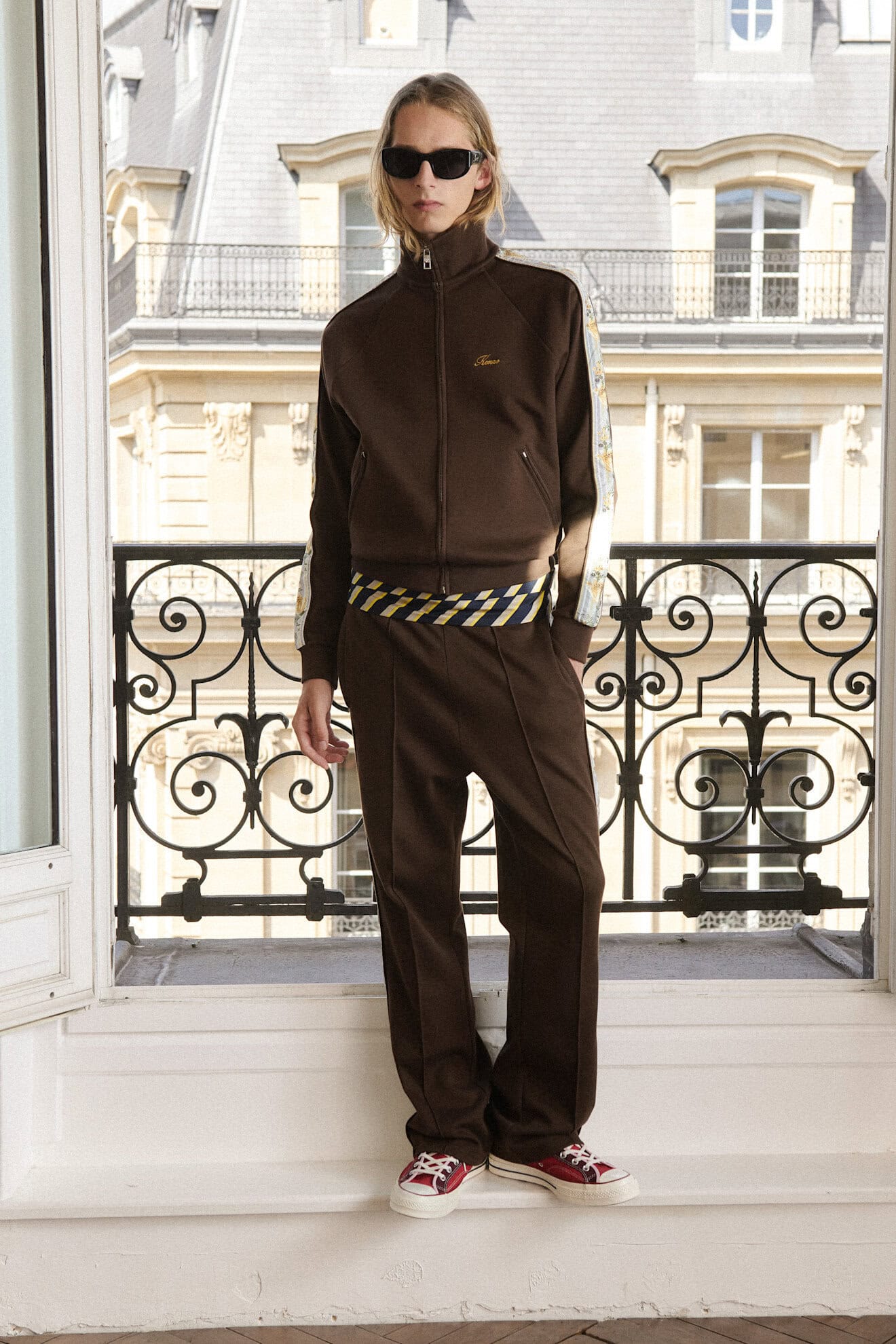
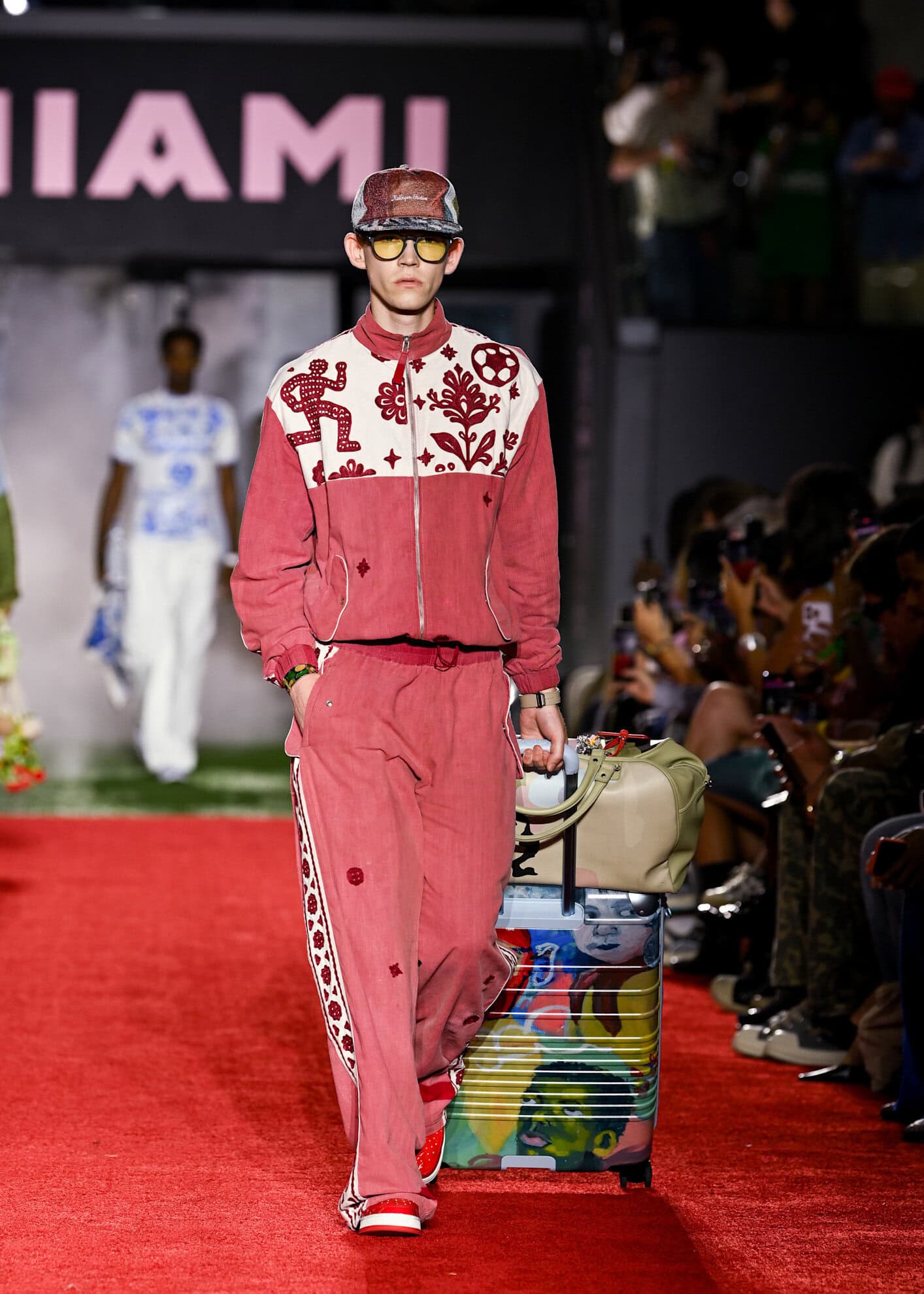
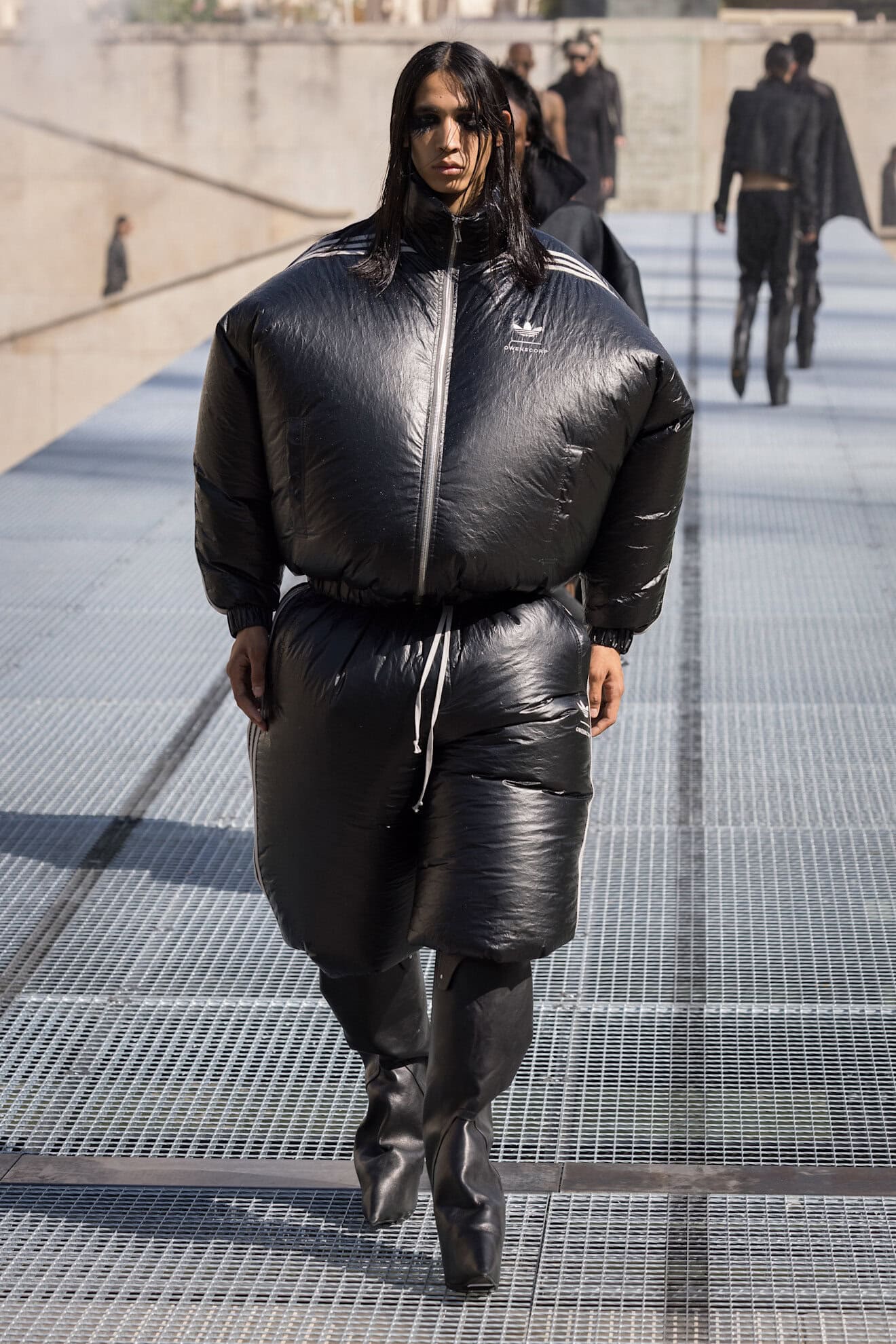
6. Track Stars
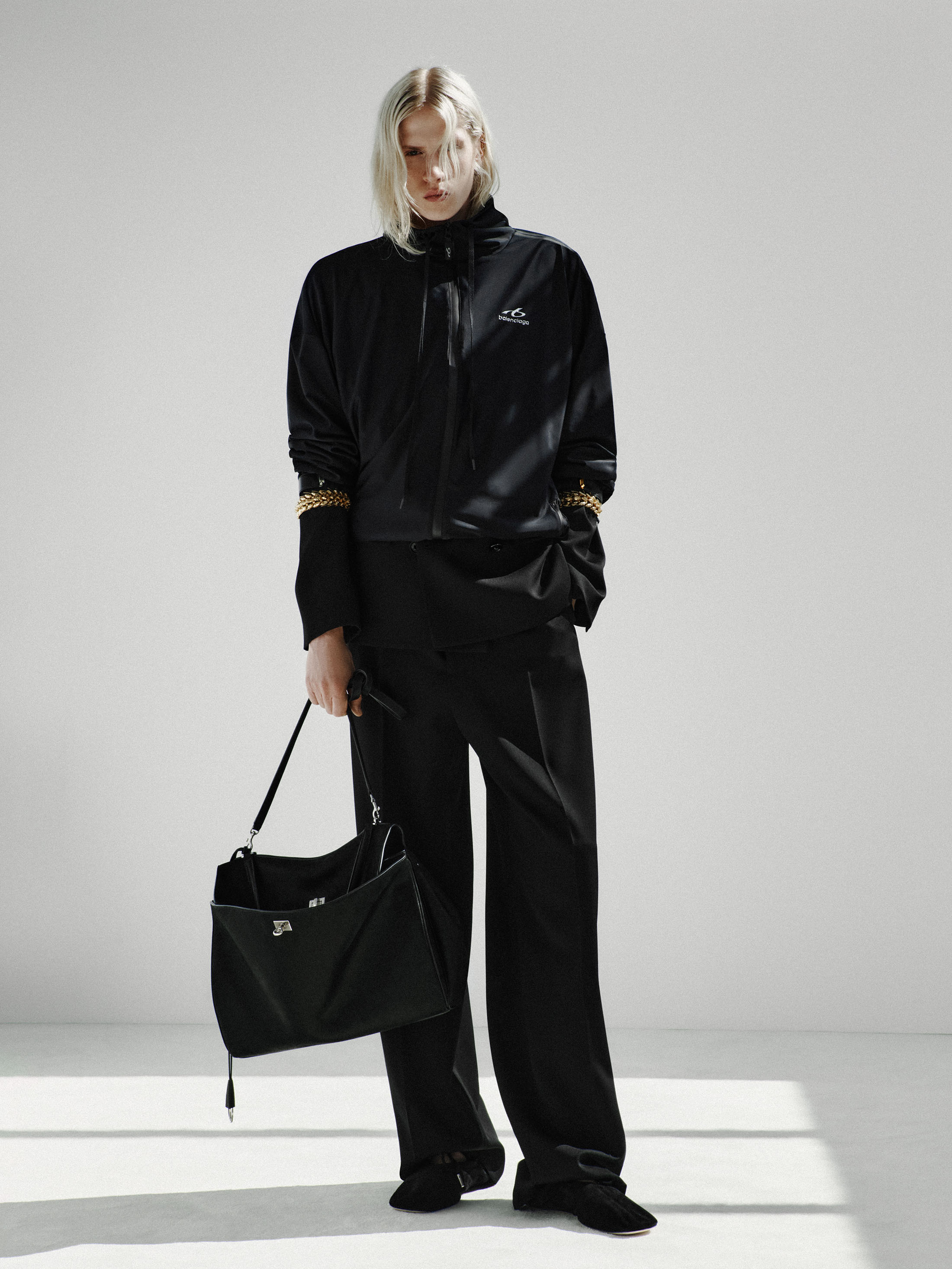
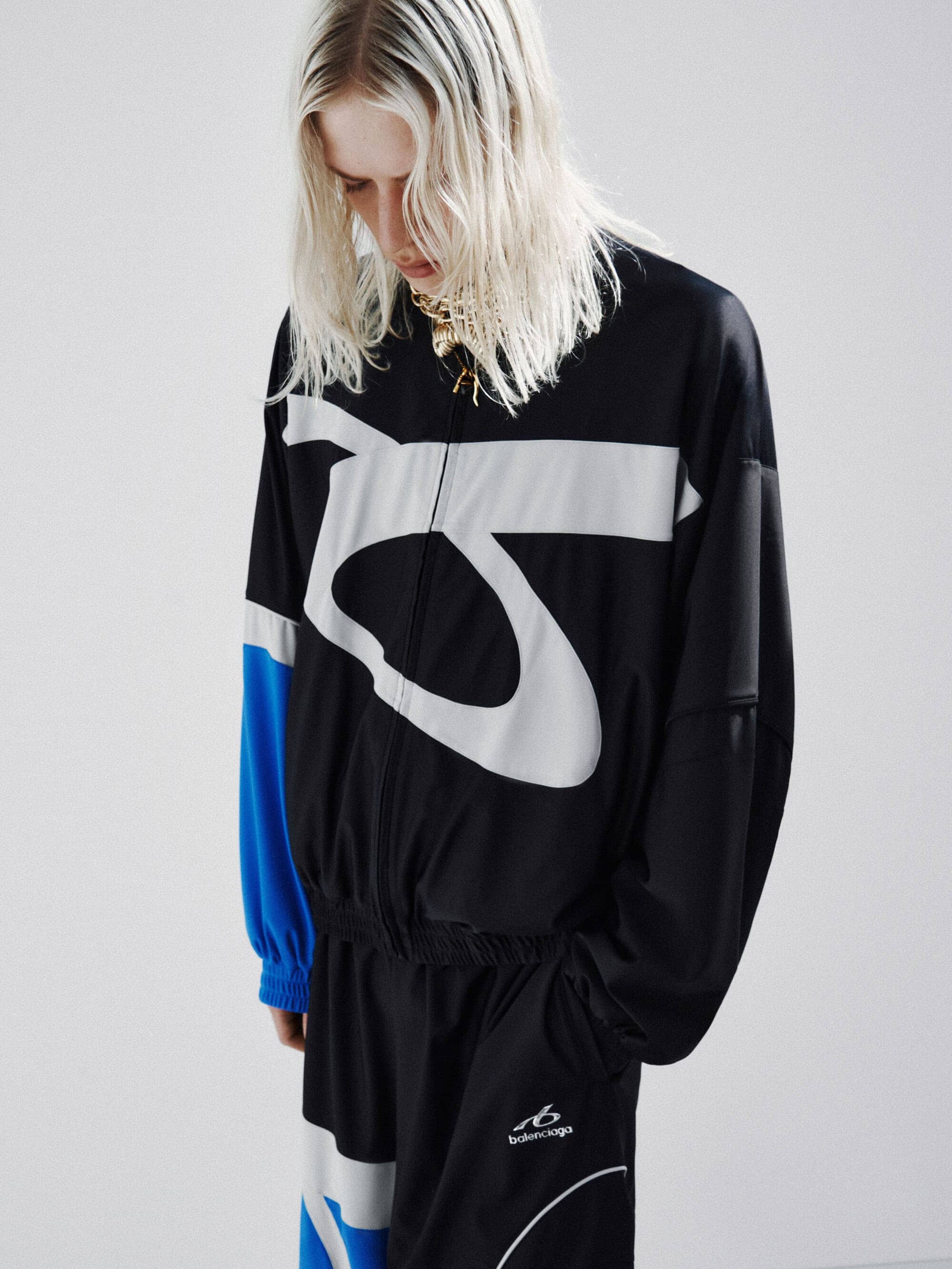
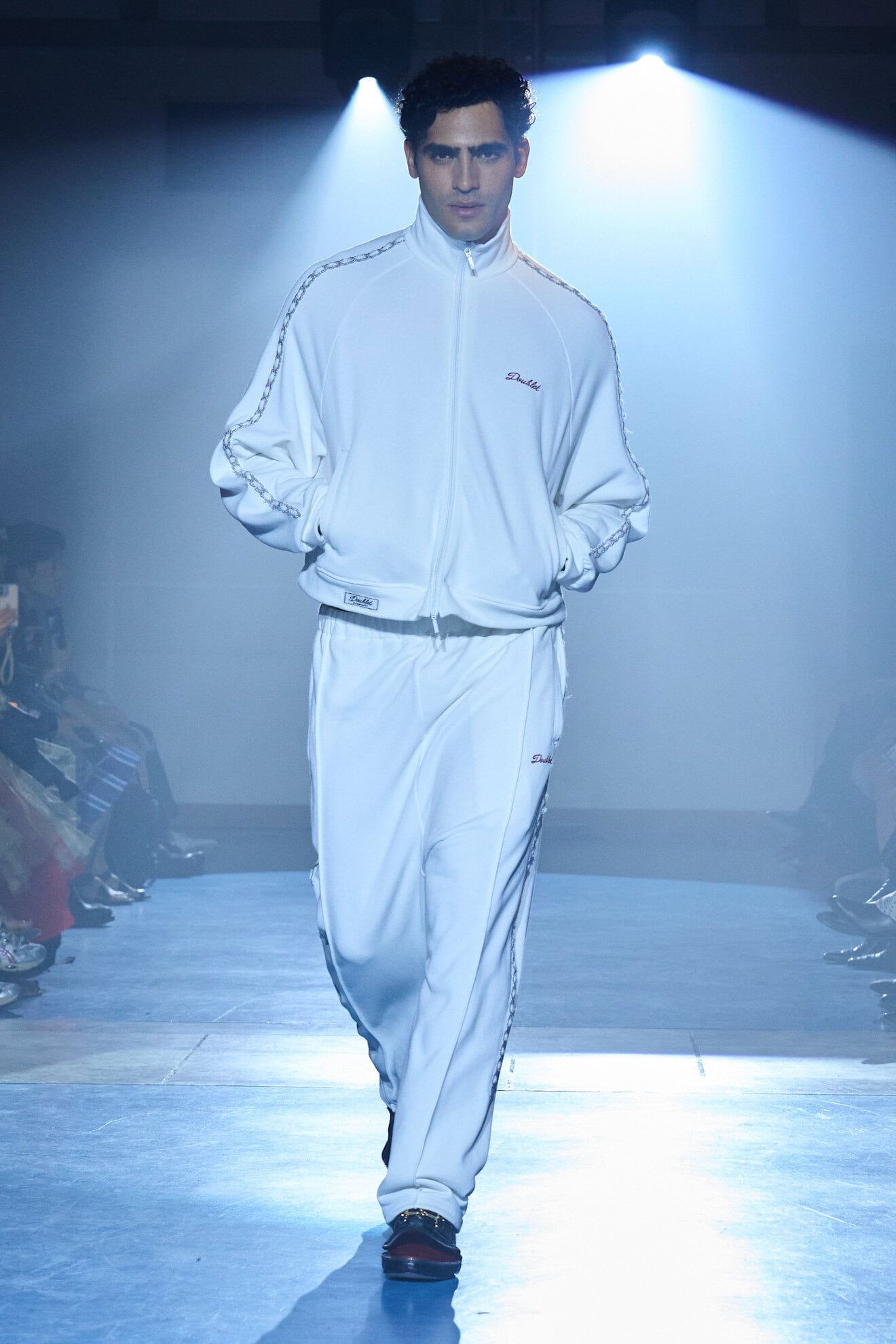
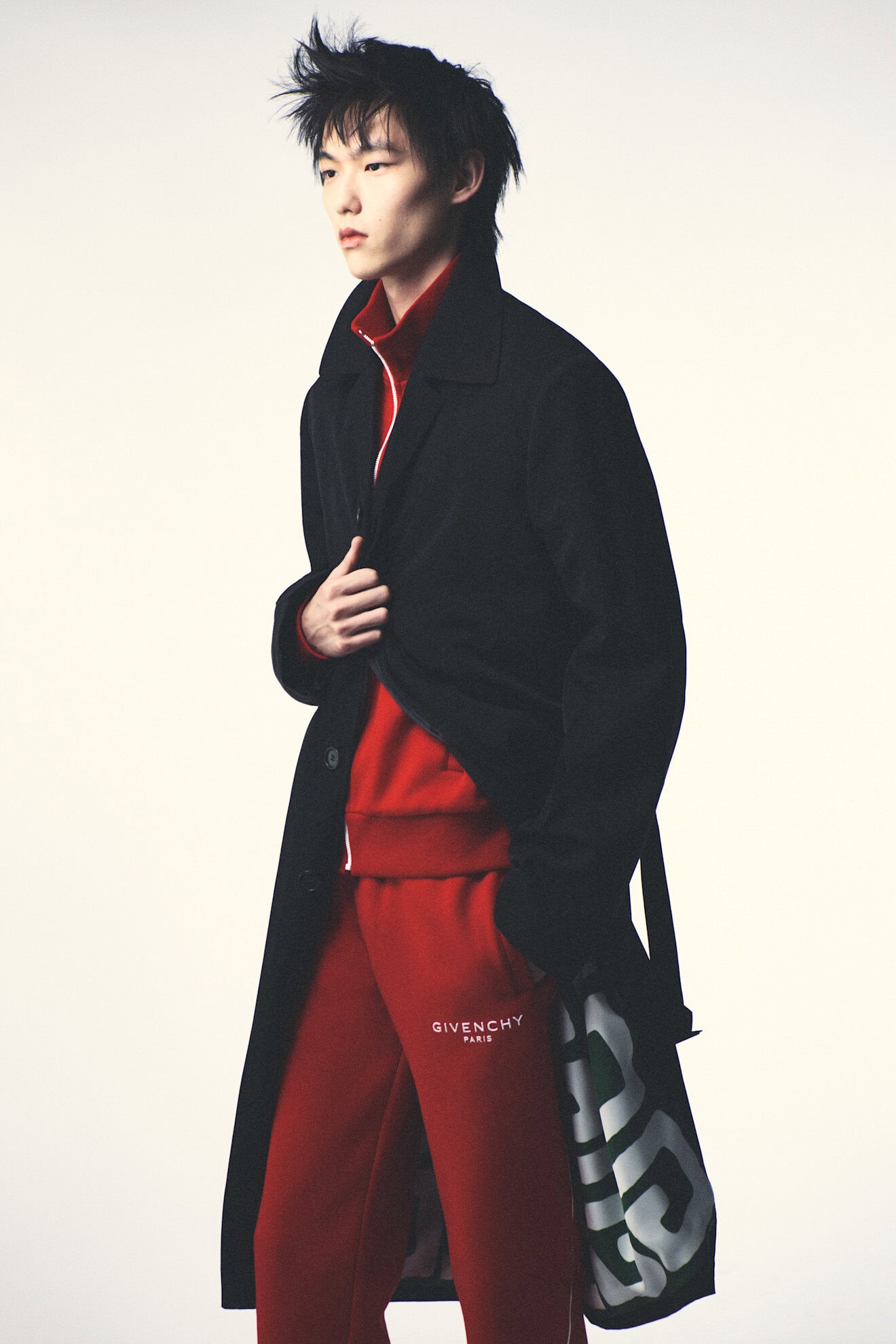
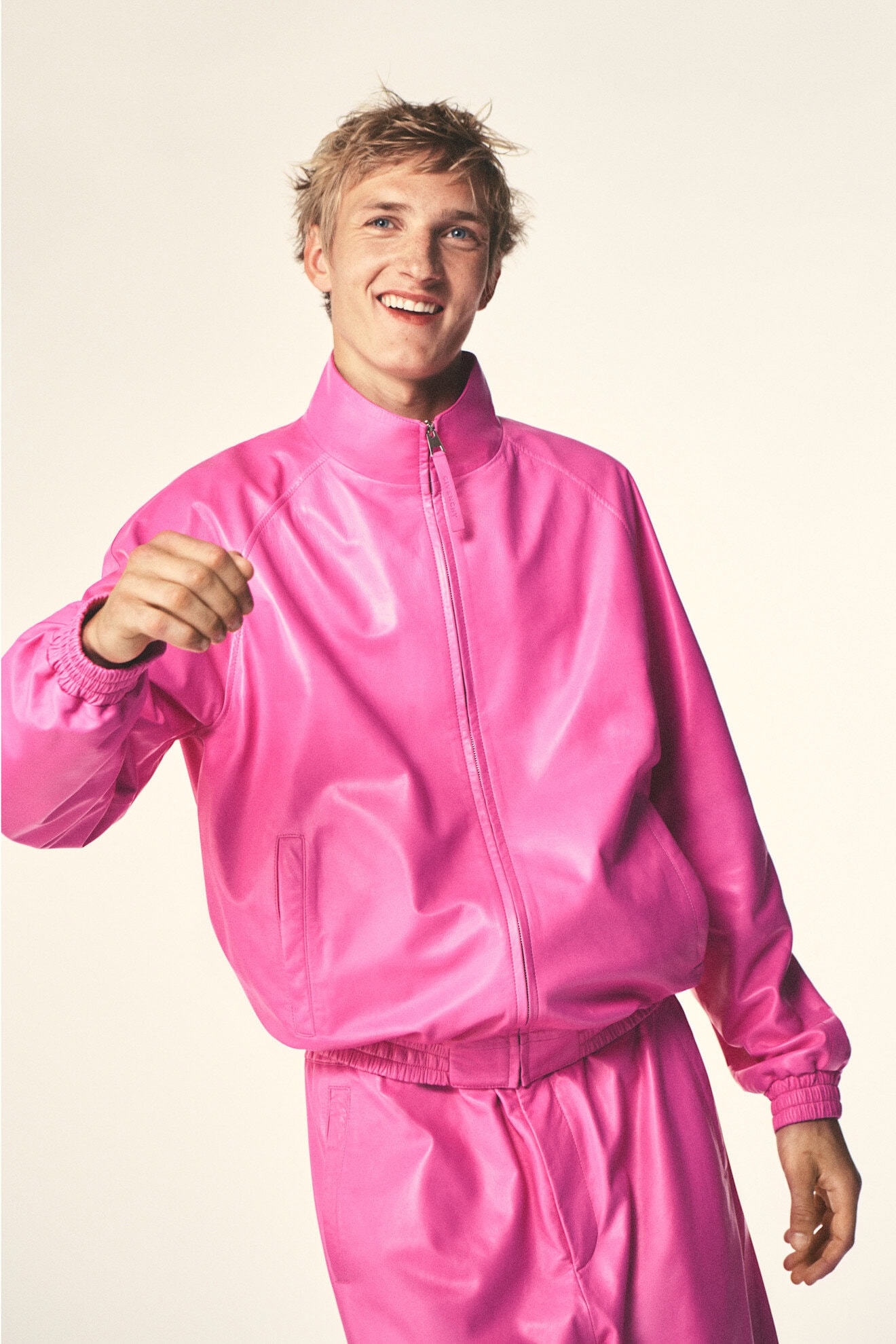
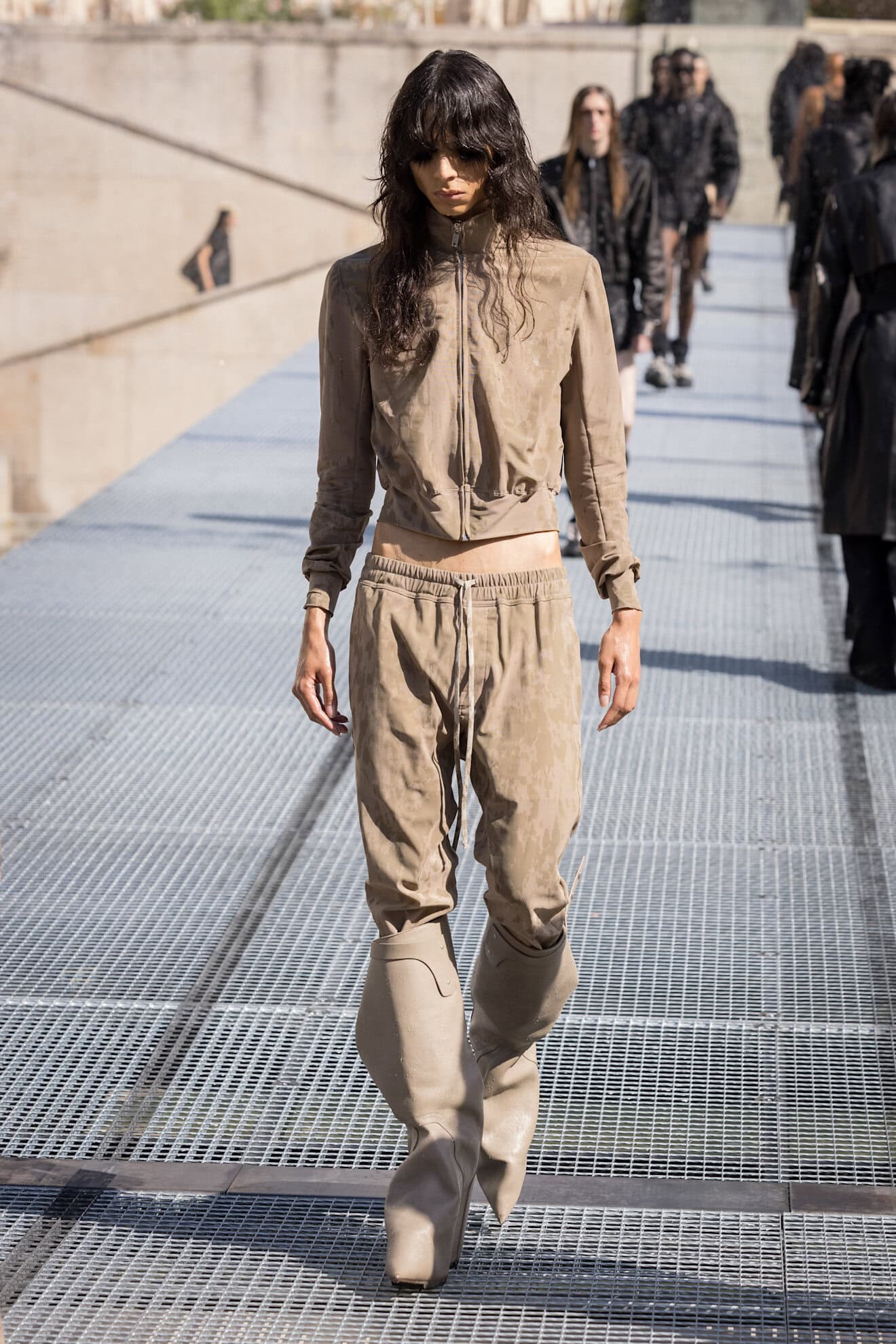
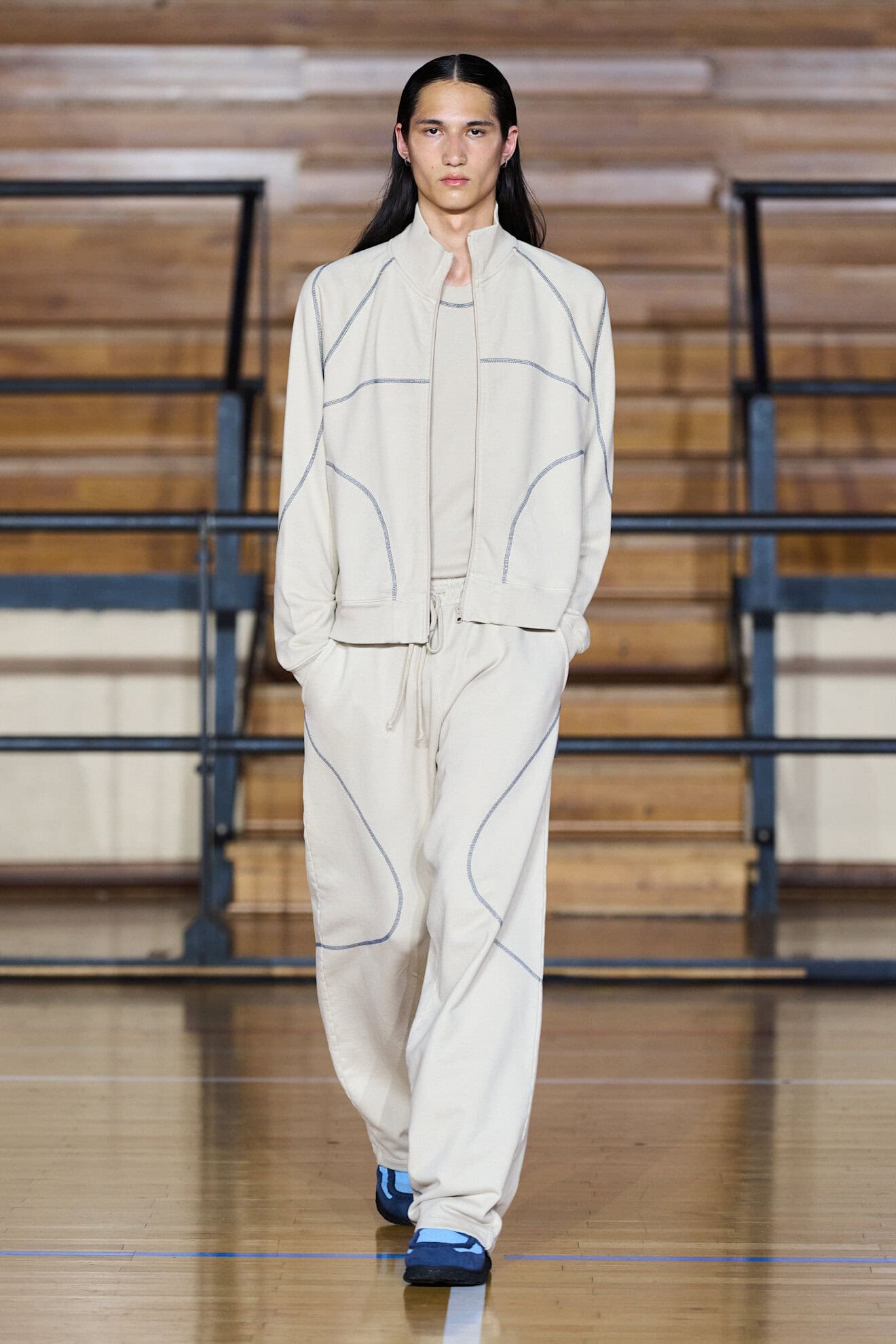
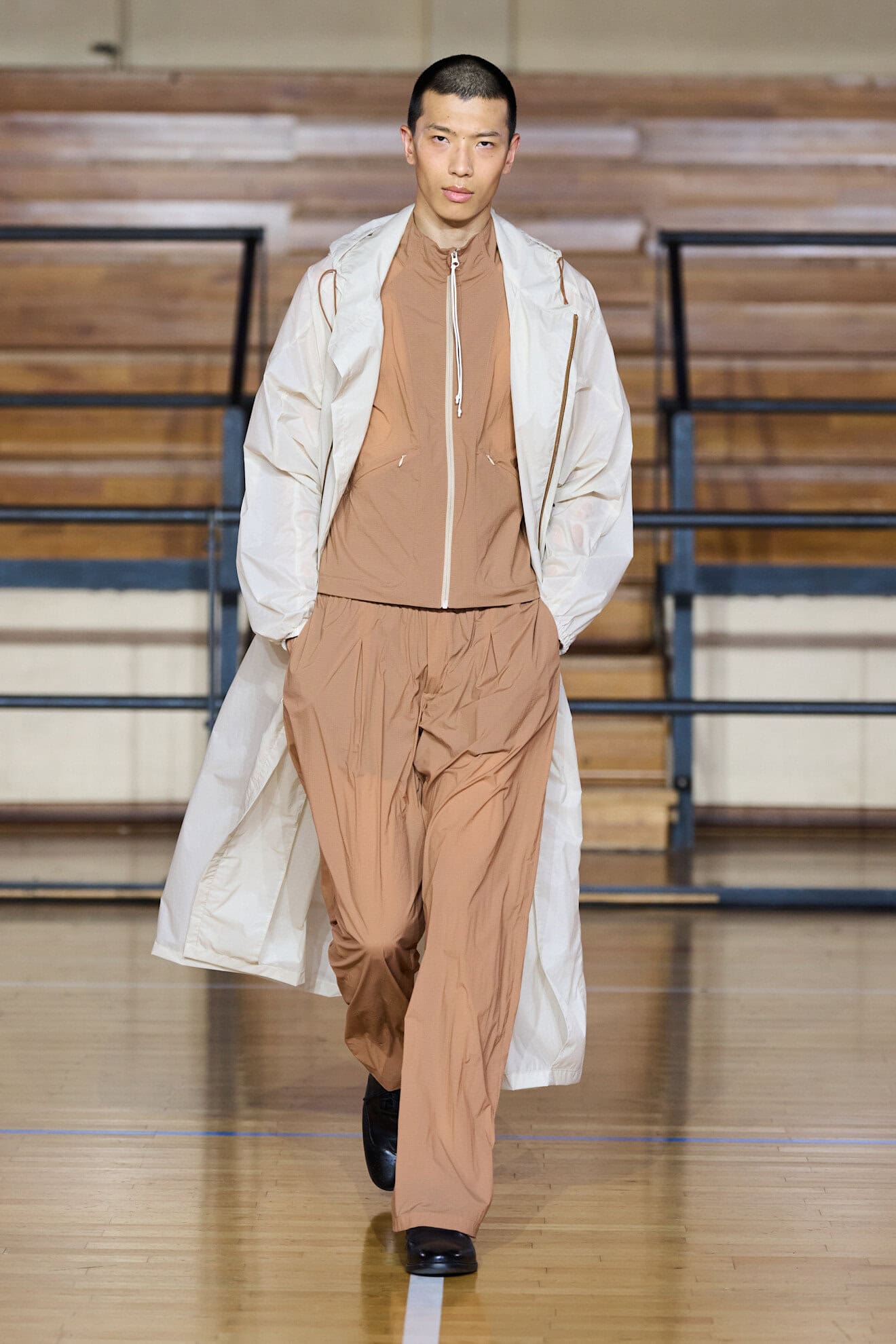
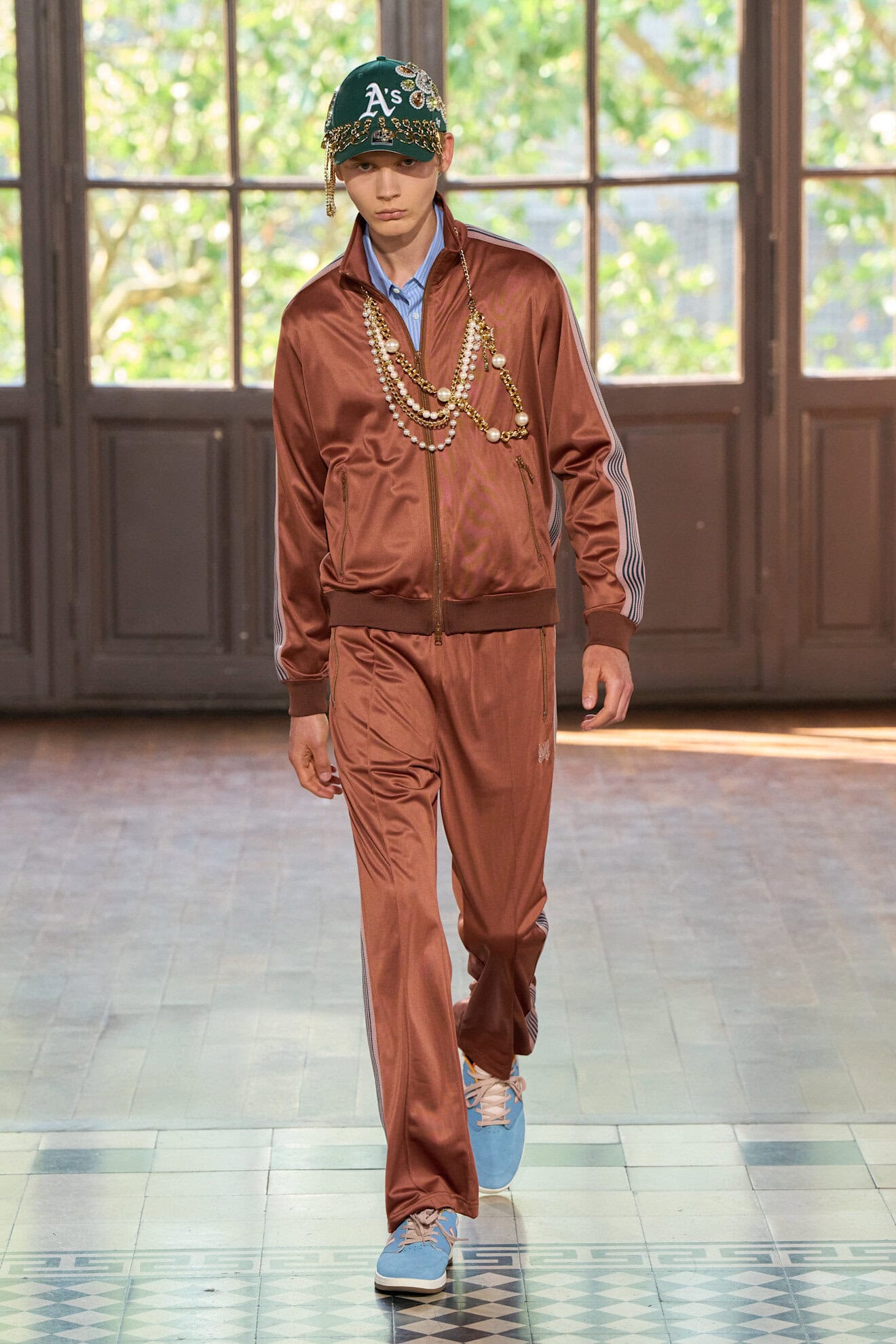
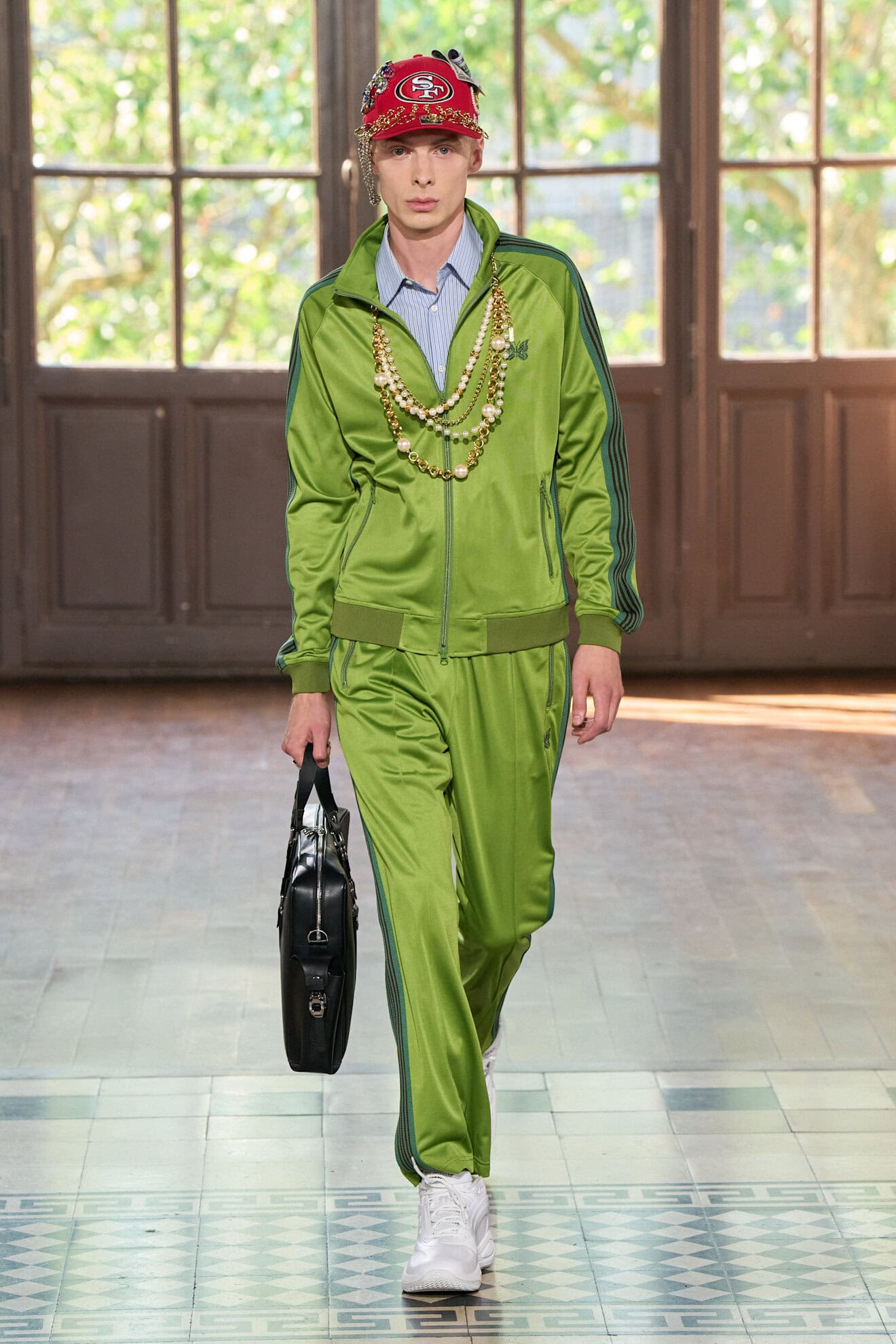
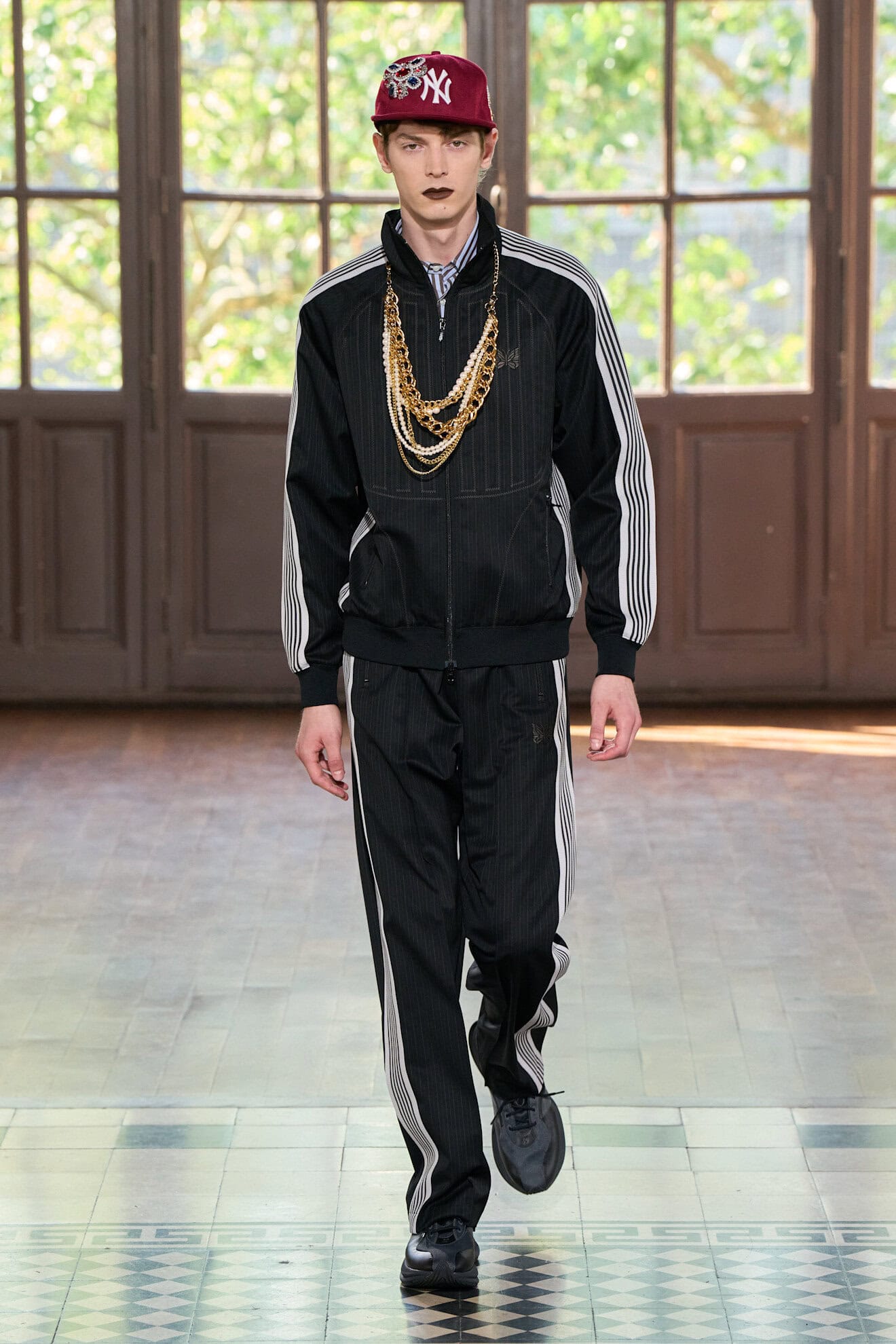
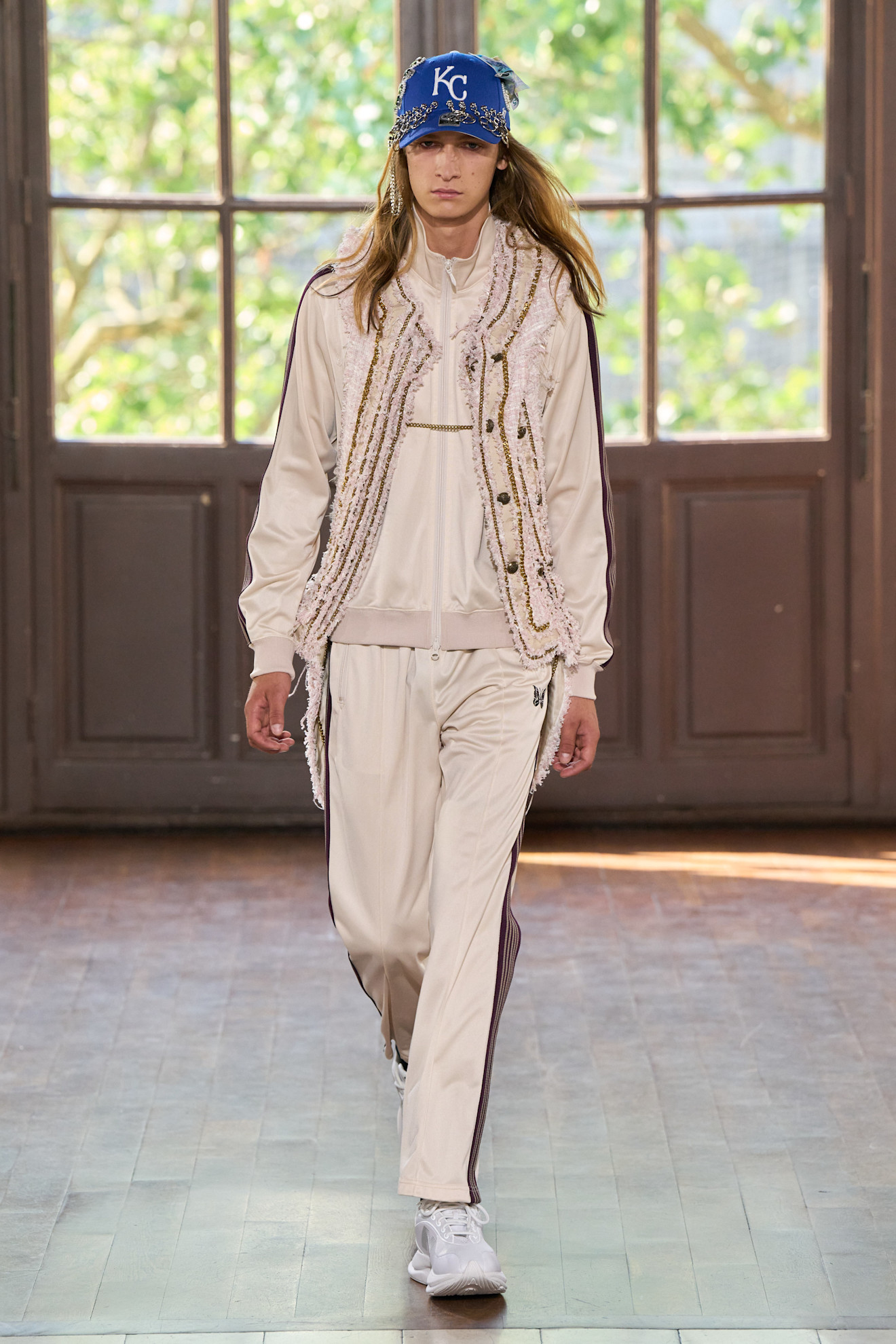
Following on from a successful Winter Olympics in Milan (and the ski resort of Cortina d’Ampezzo), combined with the current wave of World Cup fever gripping the USA, Canada, and Mexico, this year’s summer of sport was never more clearly reflected than on the runway. Forget athleisure, the technical tracksuit fit for the most professional of athletes gained prominence as a suitable alternative to the casual uniform of denim jeans and T-shirt.
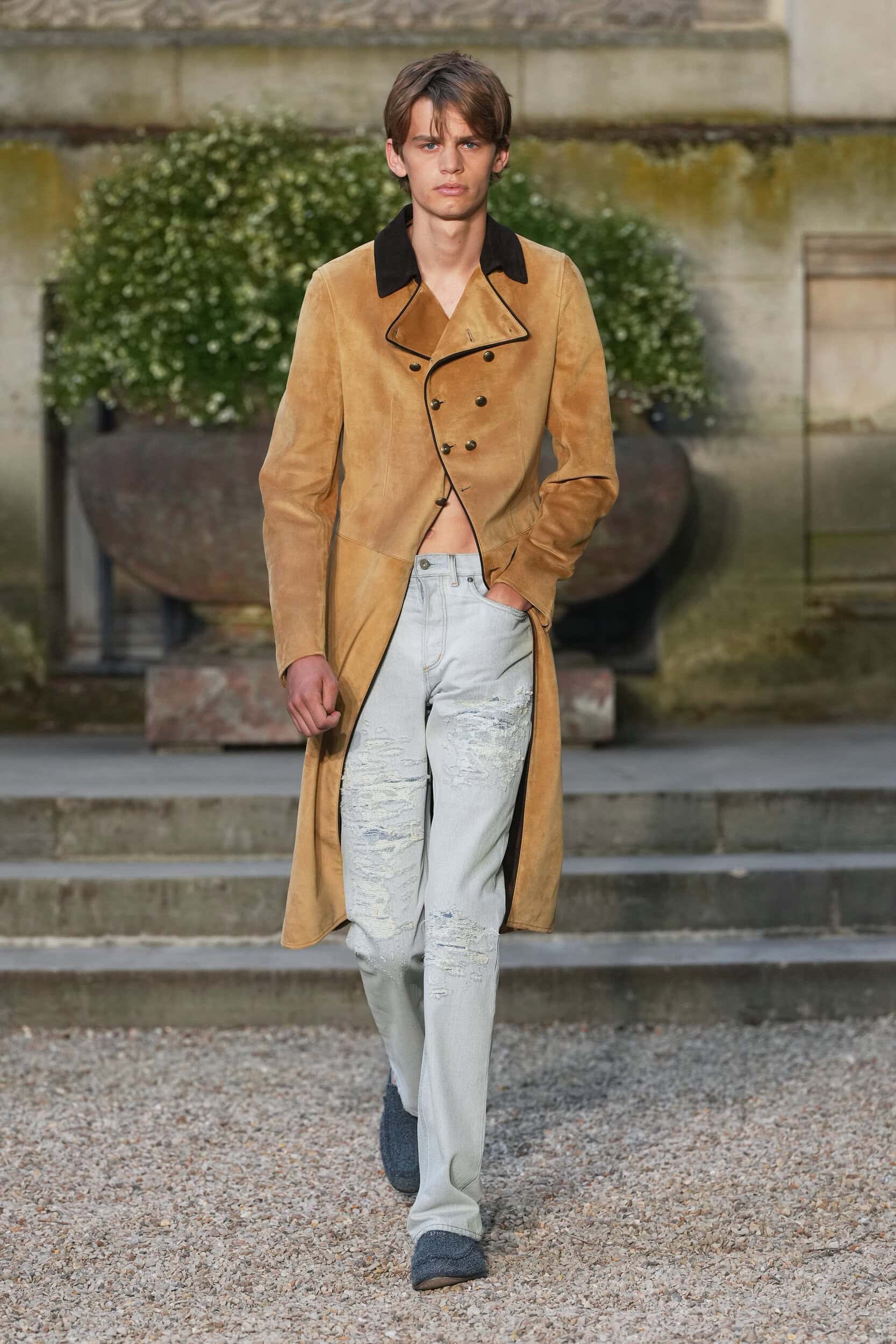
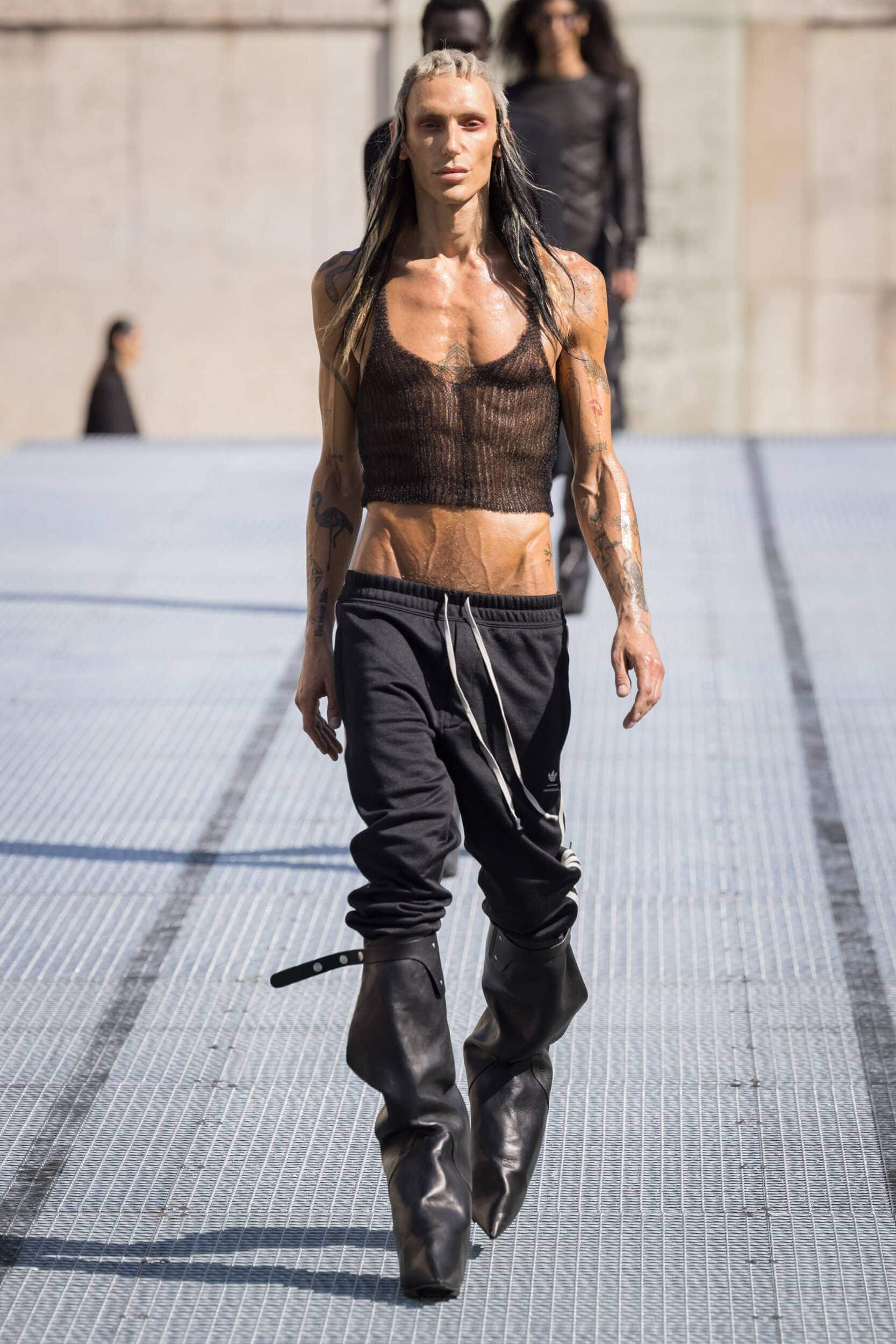
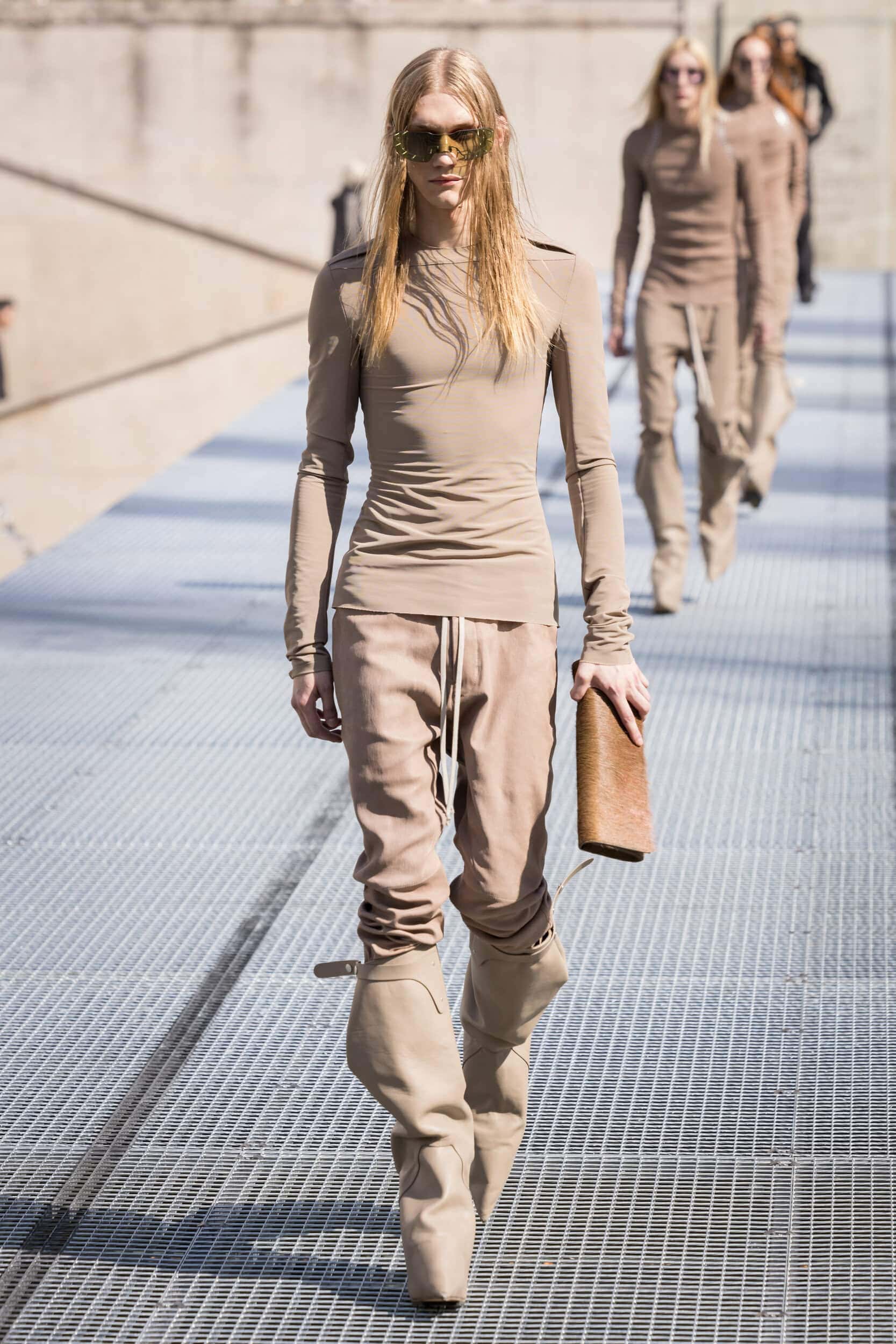
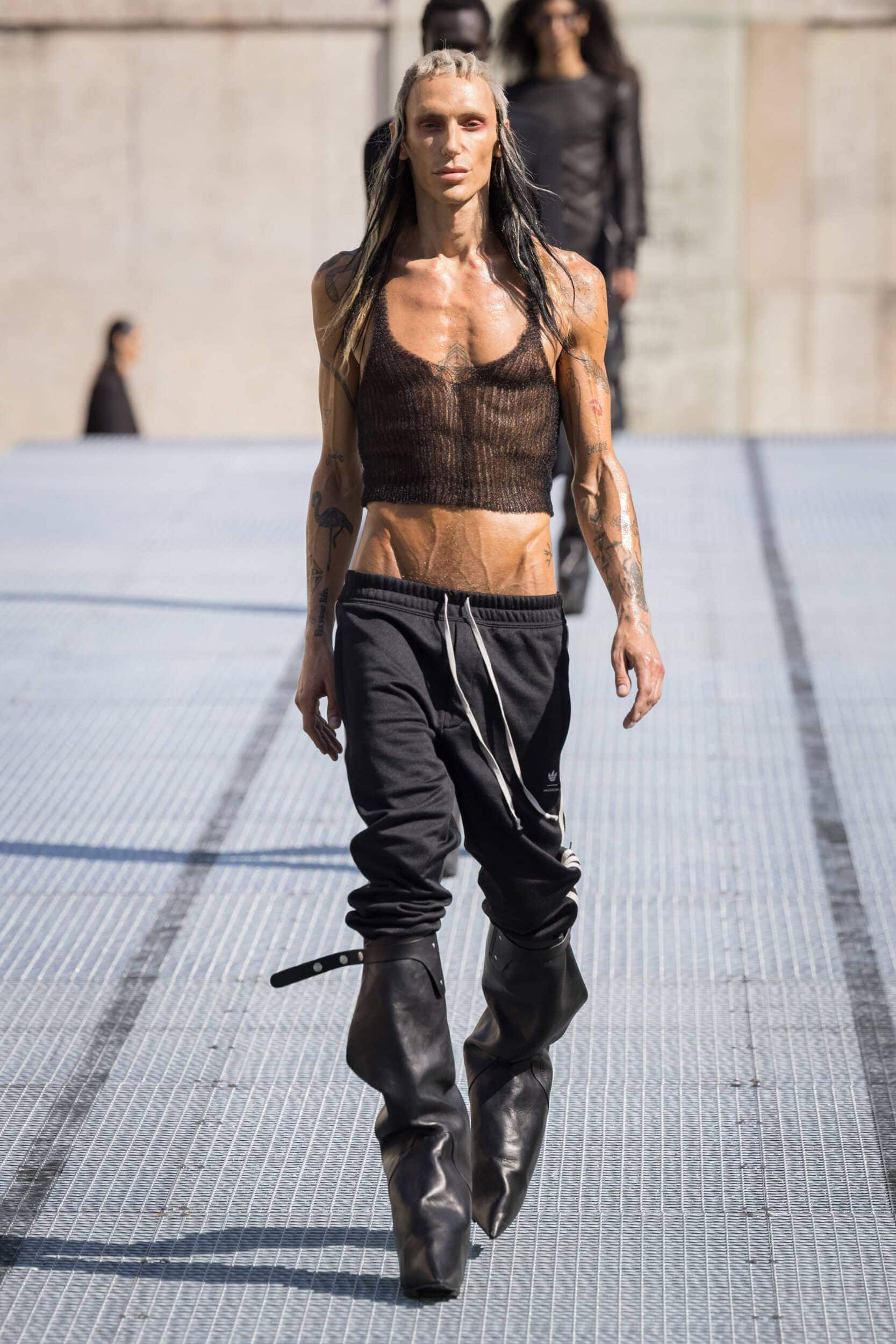
Junya Watanabe’s ‘Bling, bling, bling’ collection welcomed the return of a 1990s sportswear staple with a Kappa collaboration, at Givenchy Sarah Burtons first full menswear debut platformed a triptych of male archetypes, one inspired by the joys of being a sports-obsessed teen in a primary-bright leather tracksuit, and Rick Owens collaboration with Adidas saw his sets come in suede and nylon that were innovatively air-conditioned from within.
7. Excess Baggage
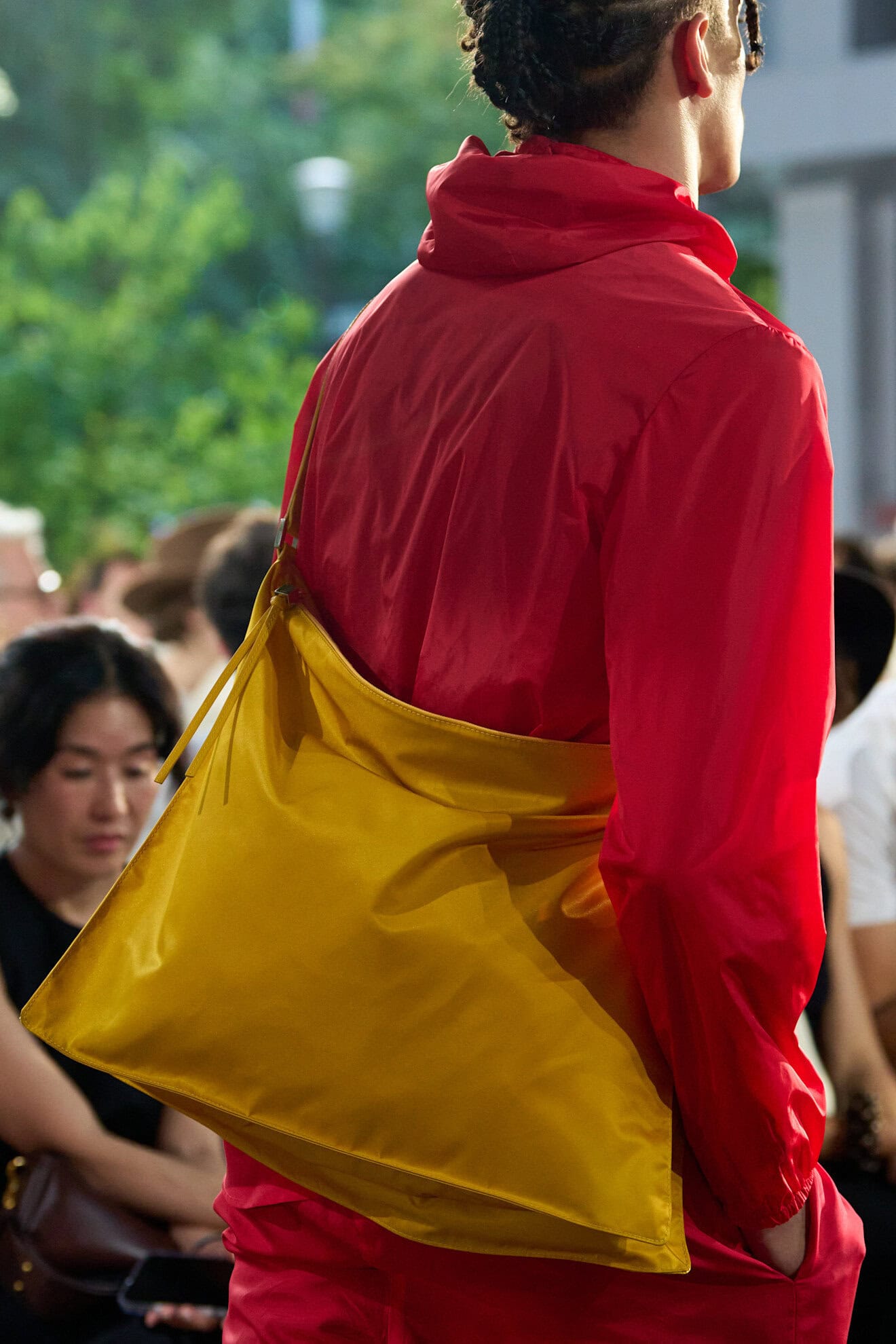
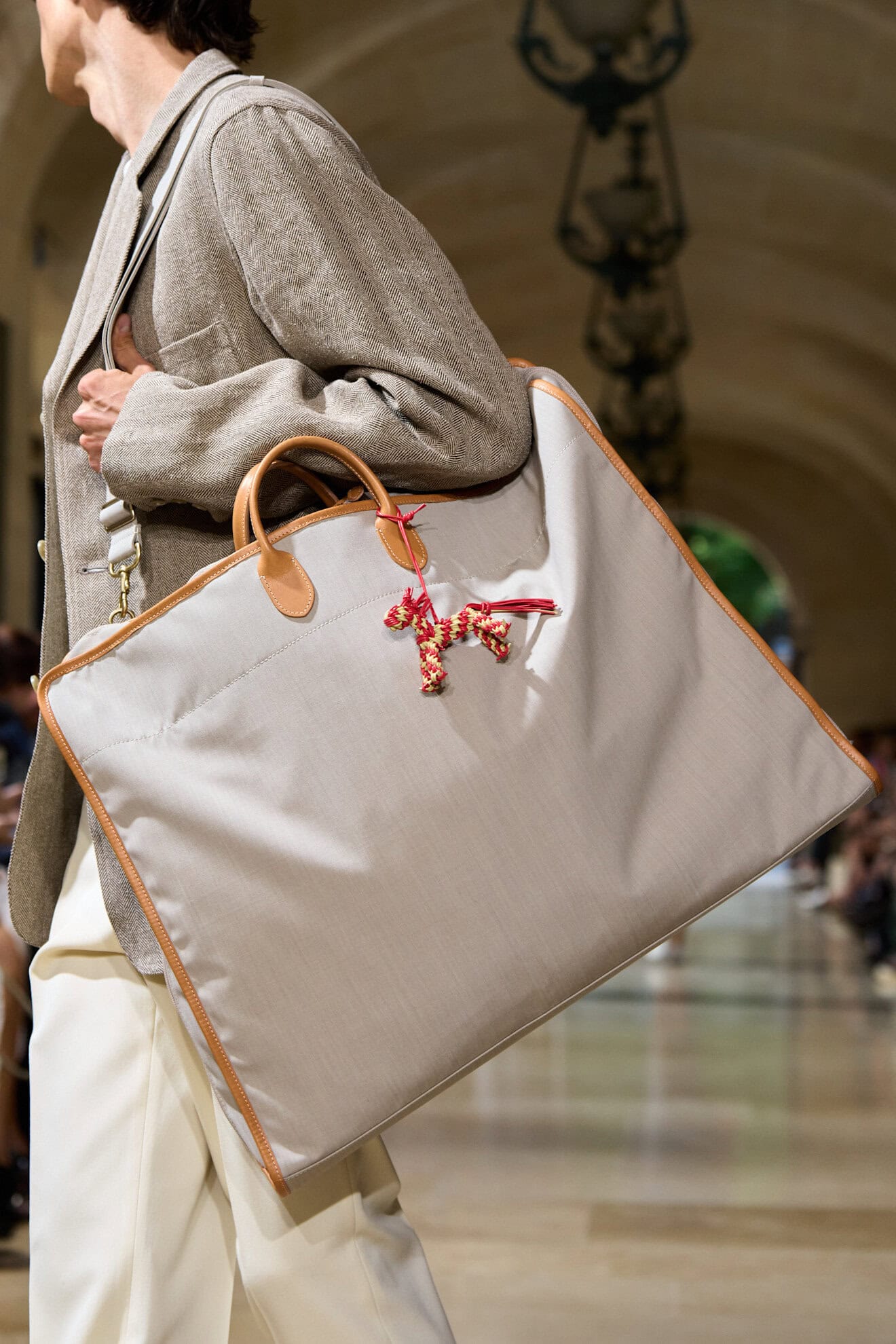
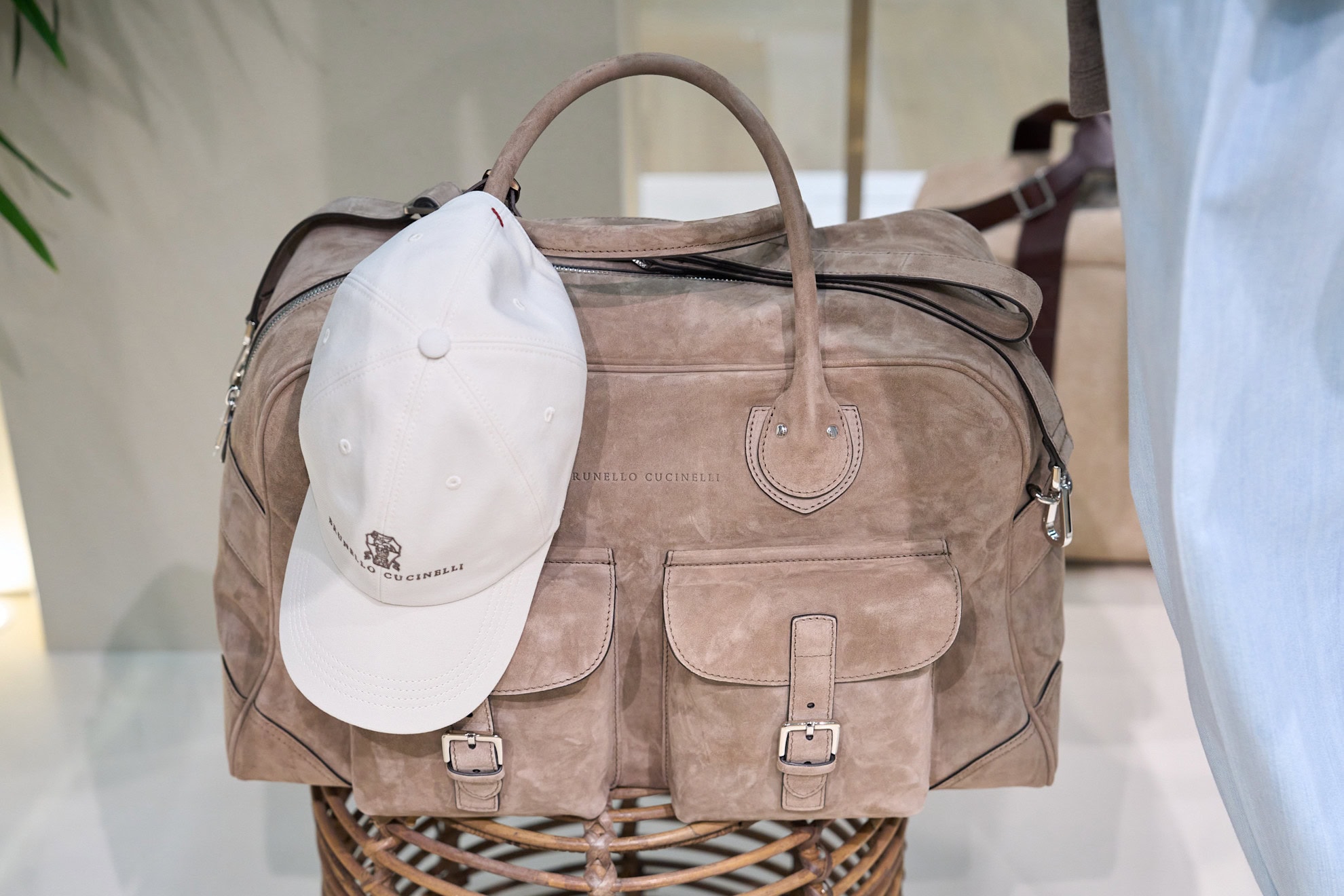
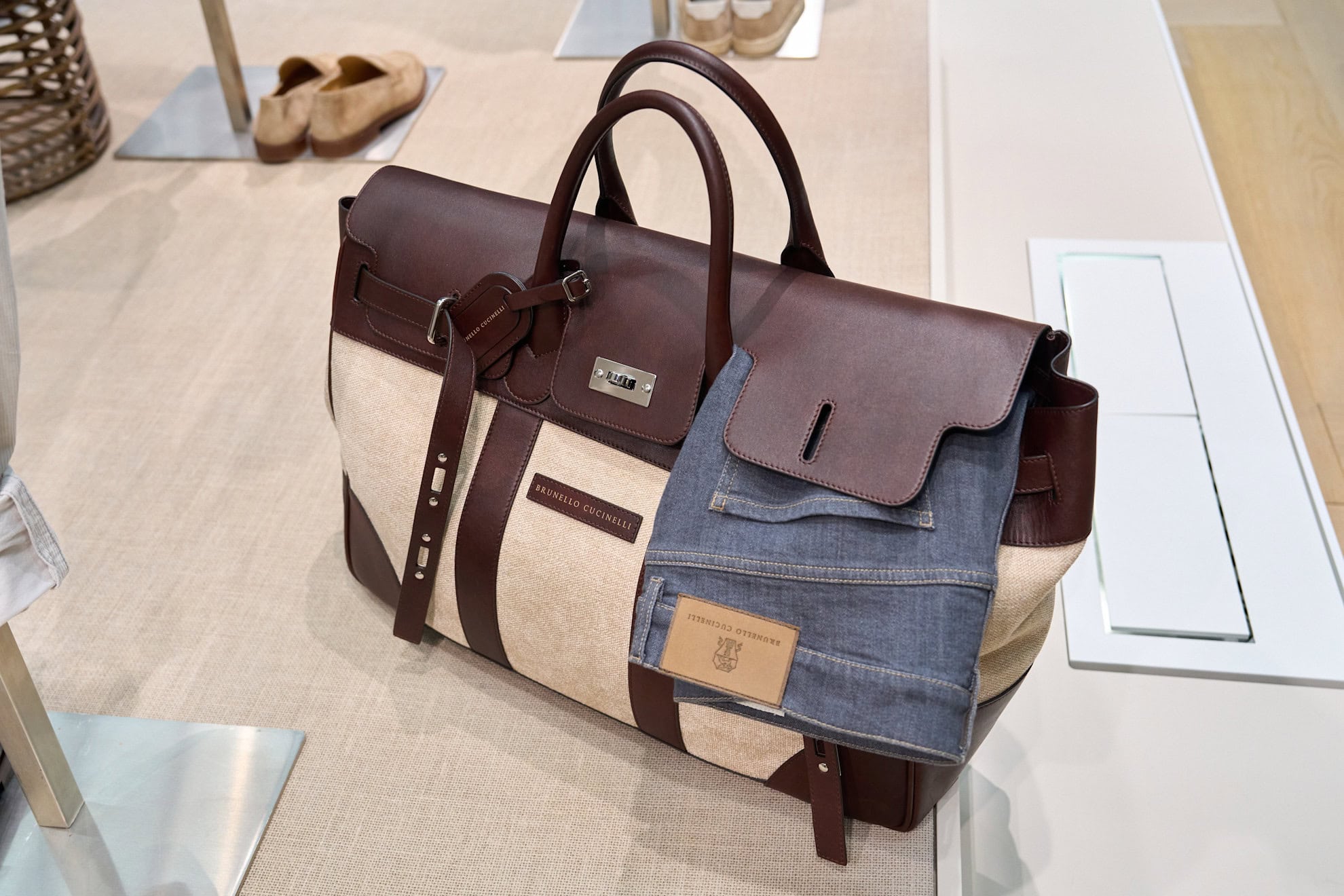
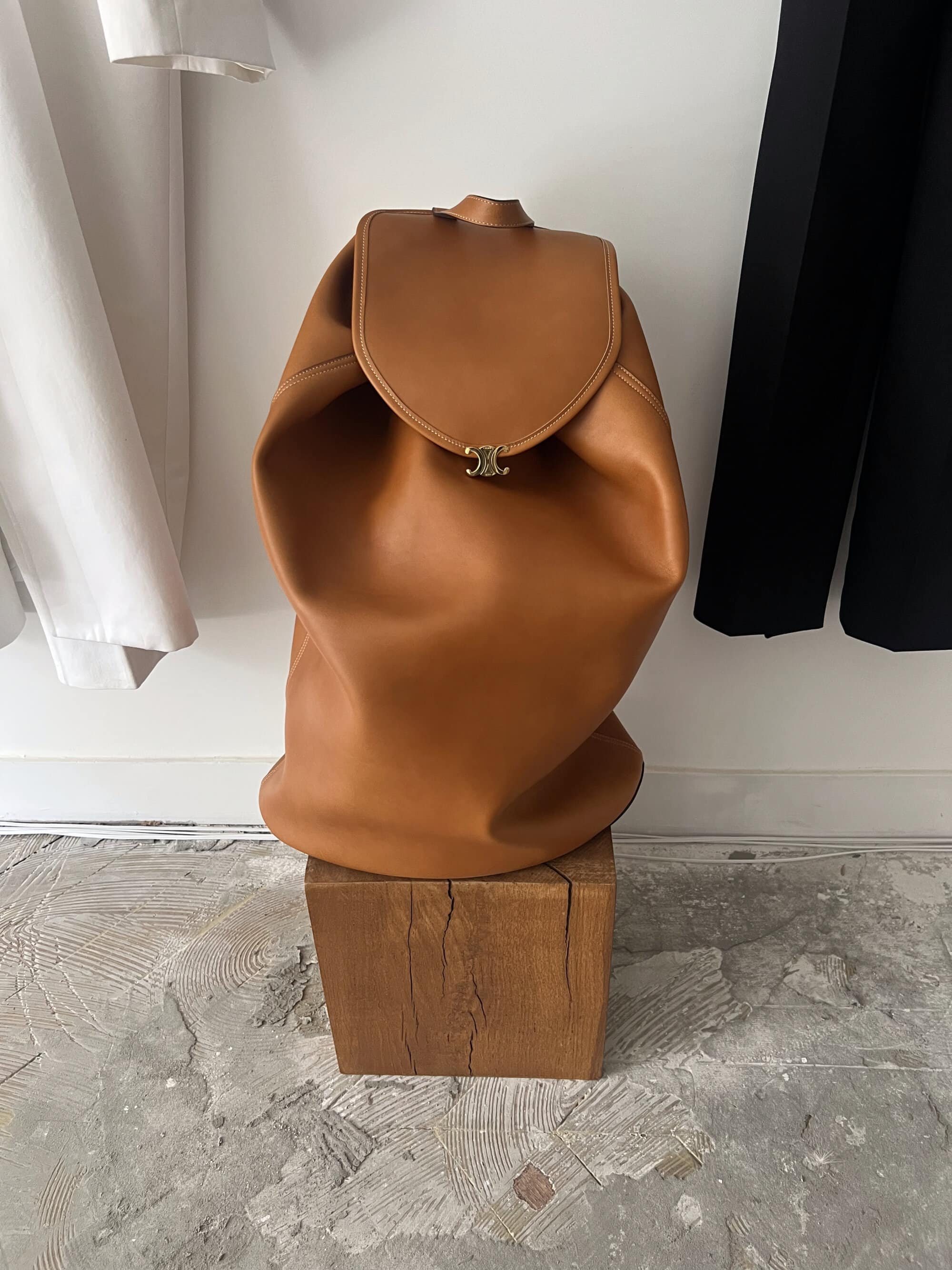
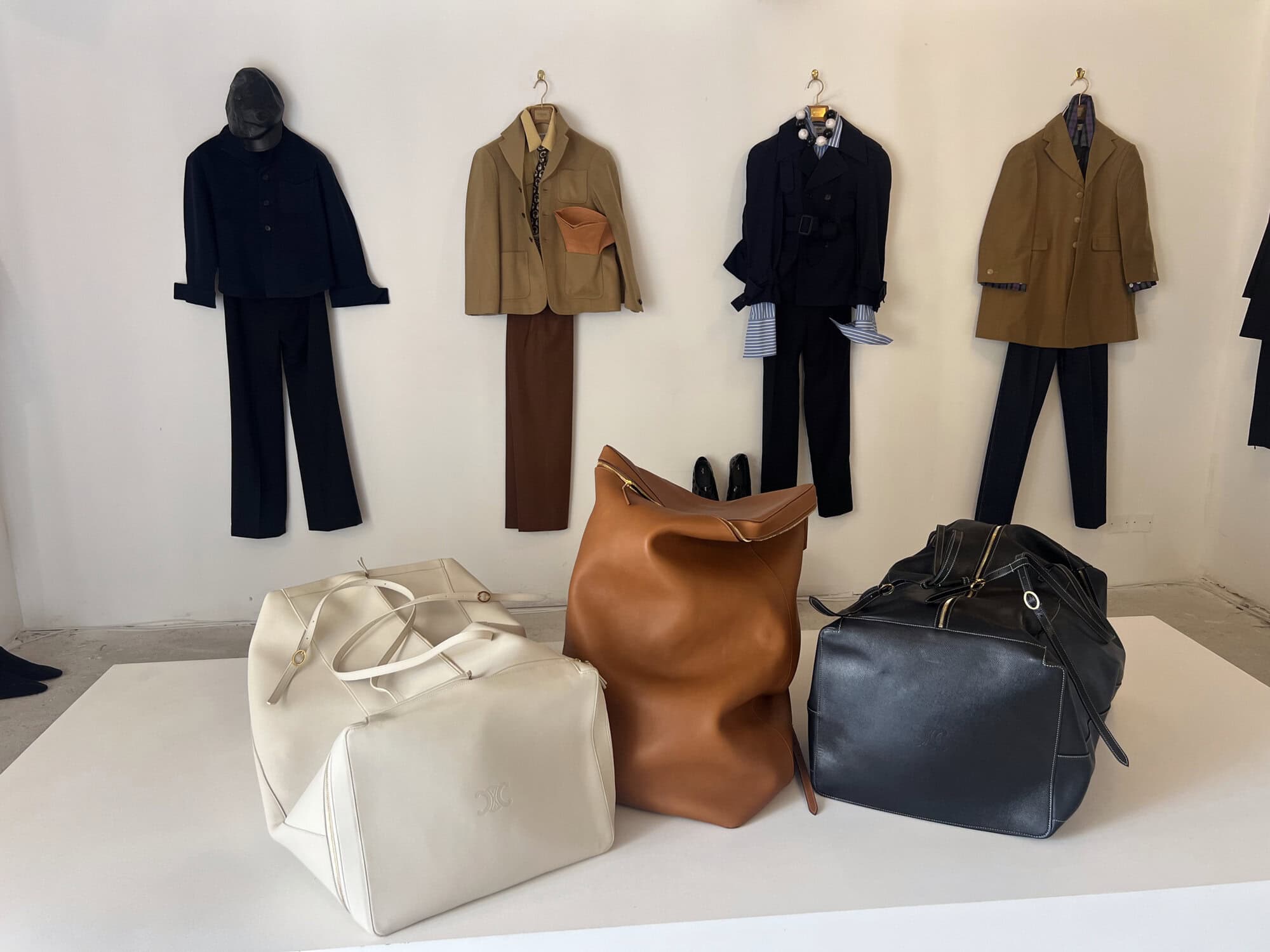
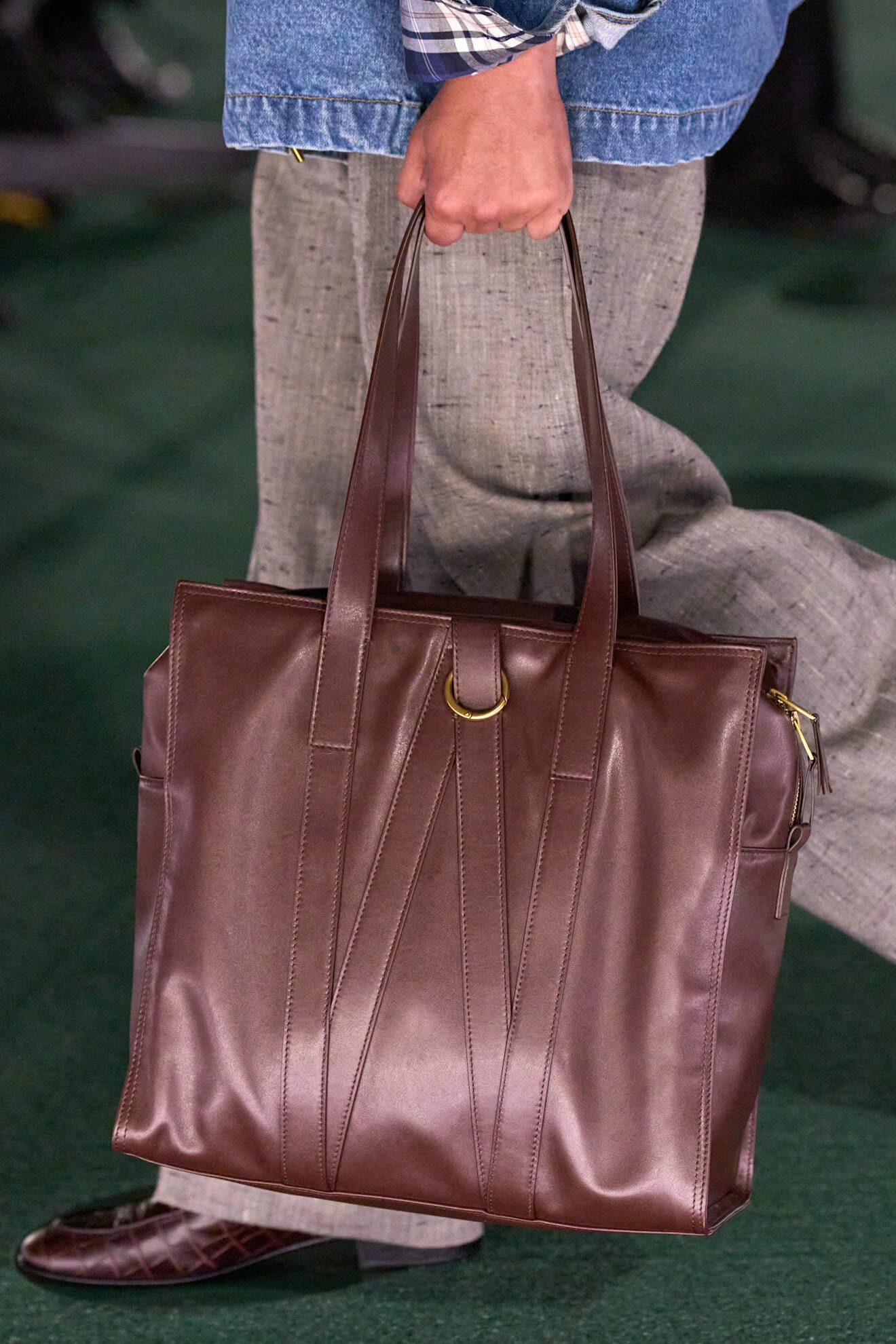
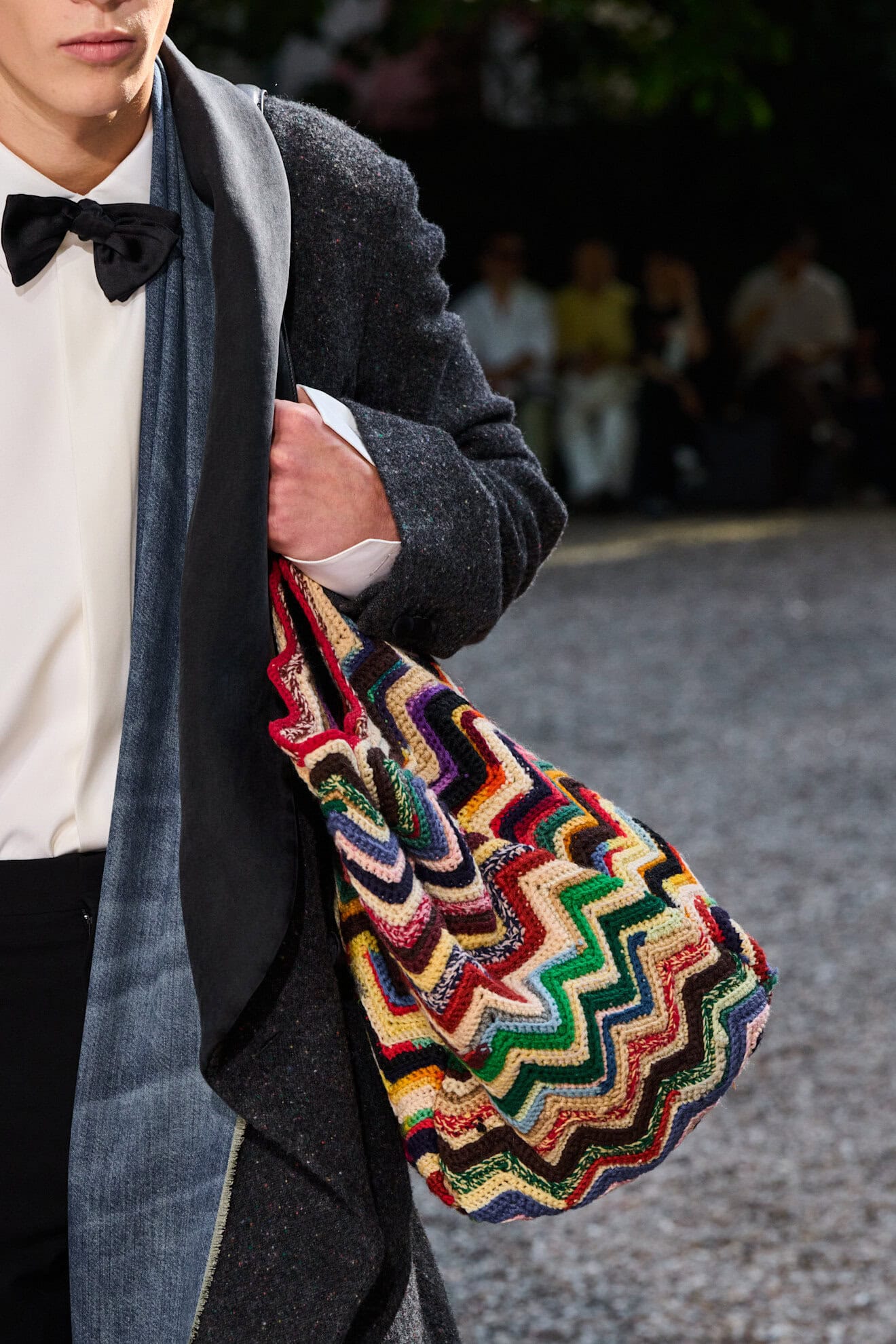
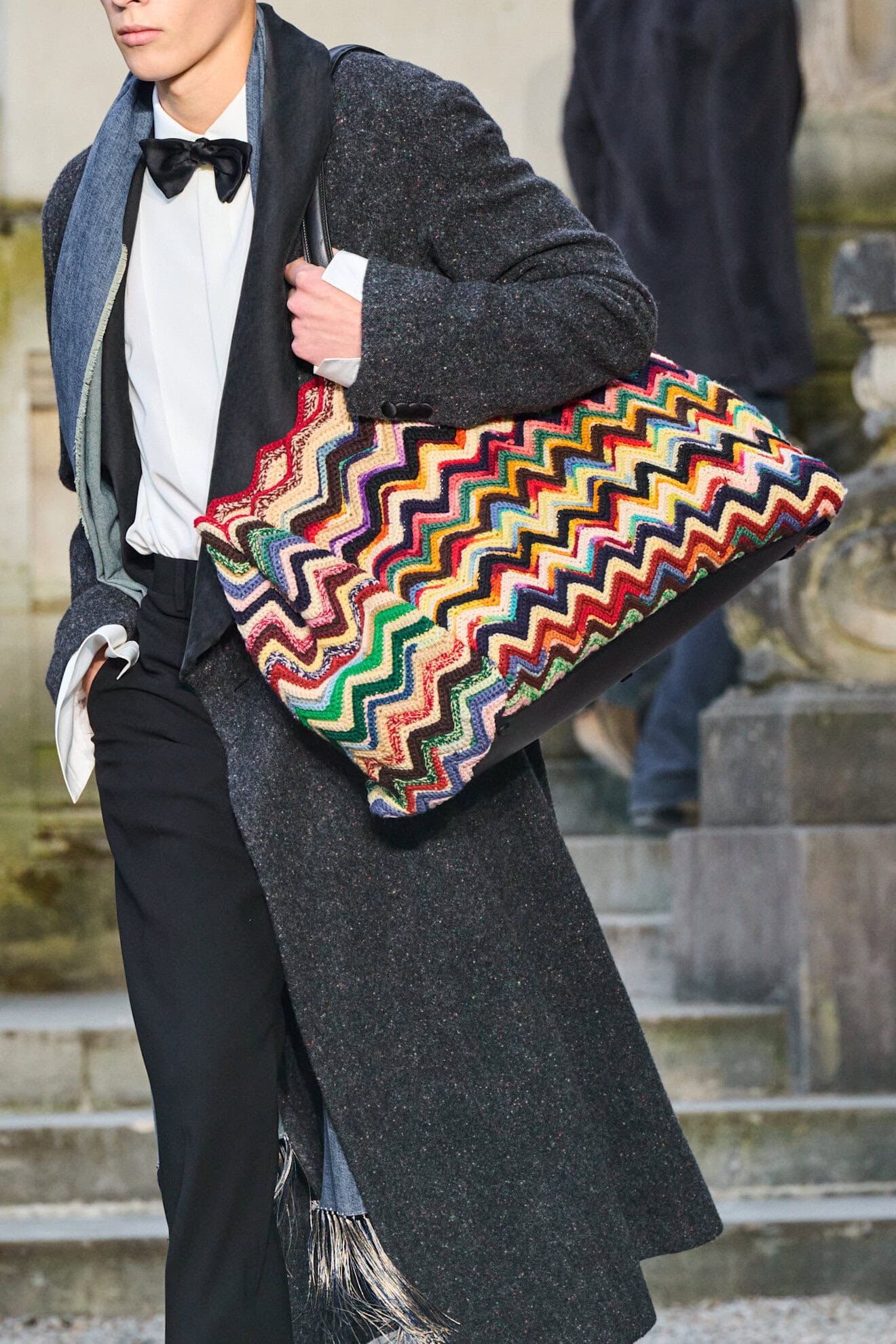
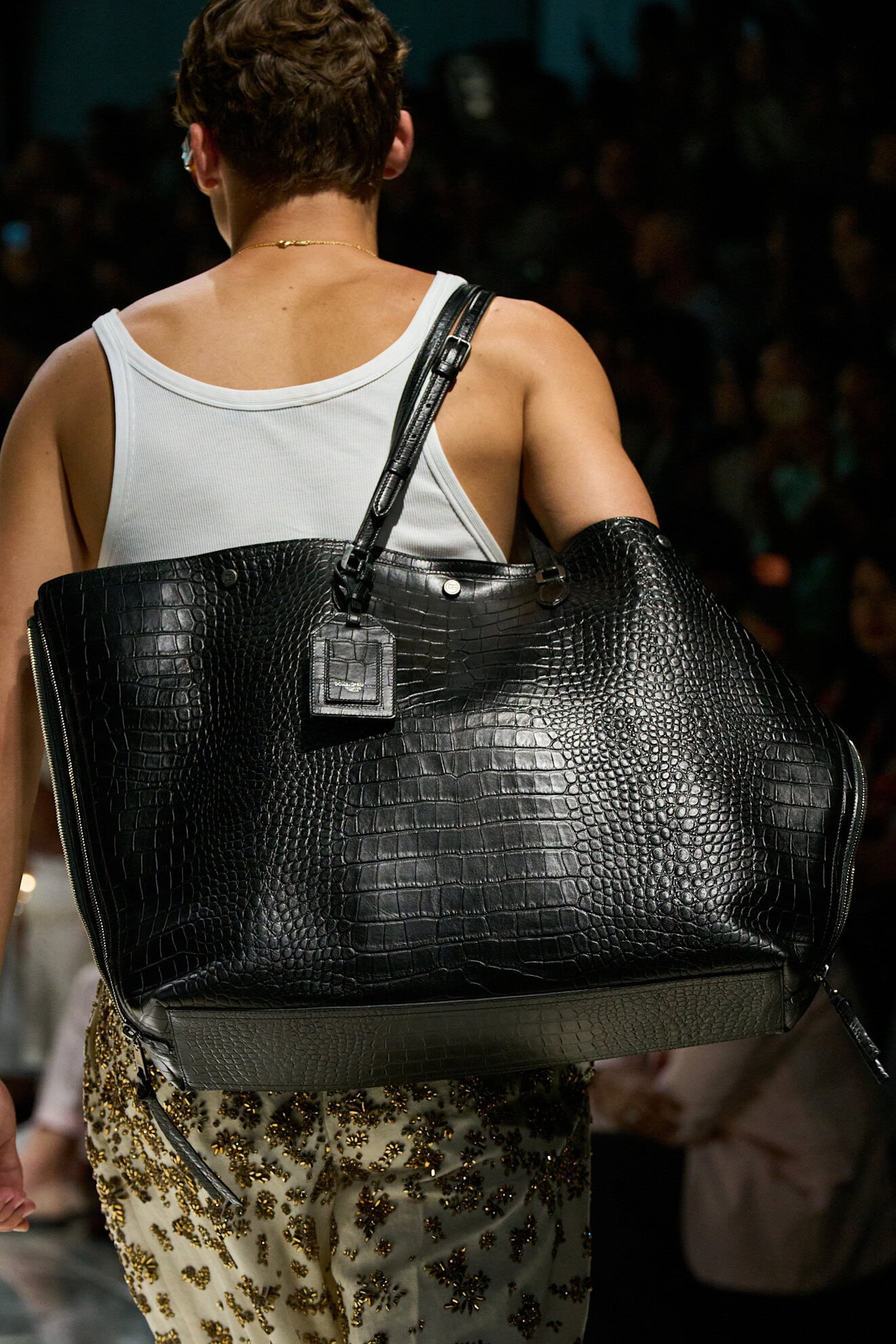
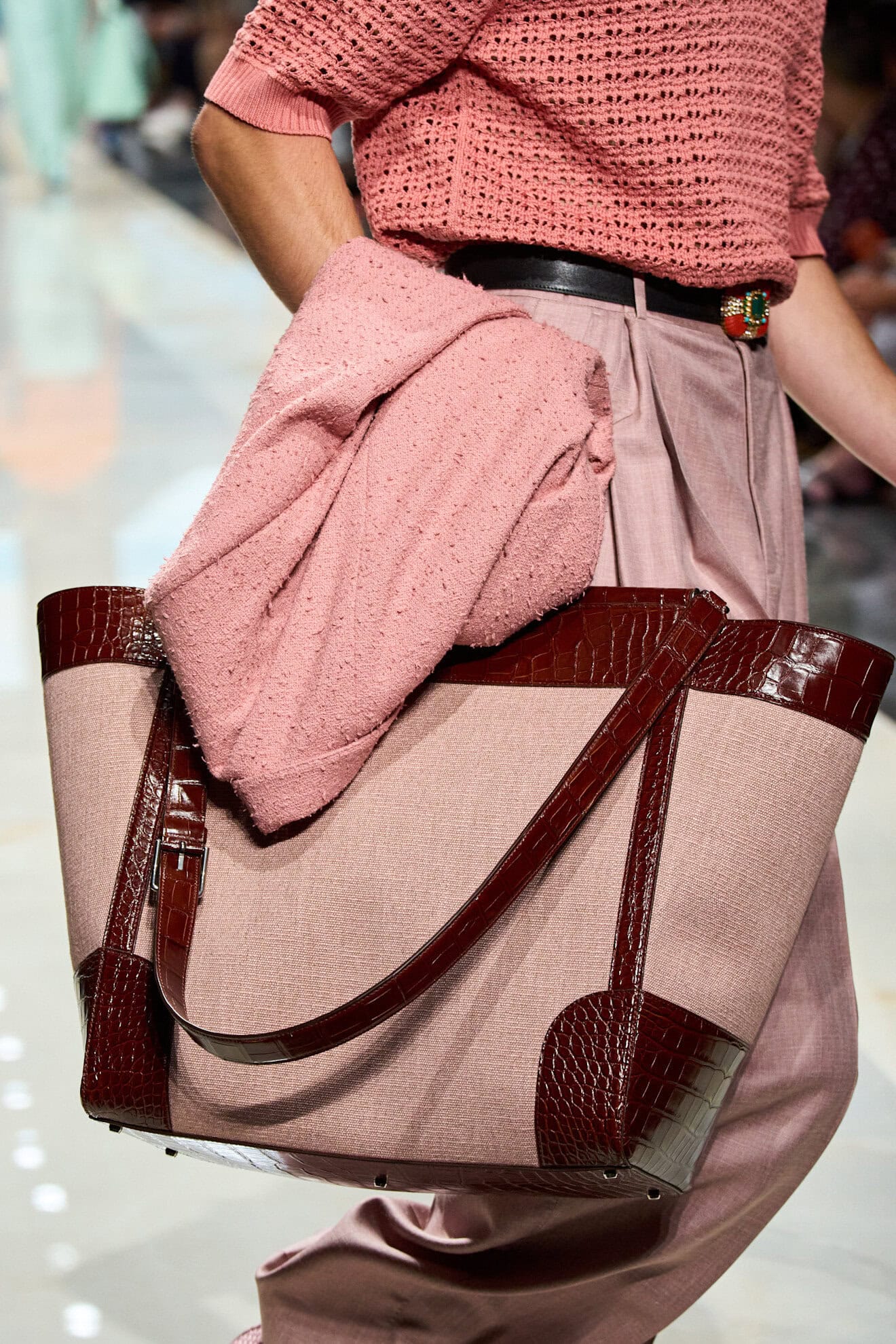
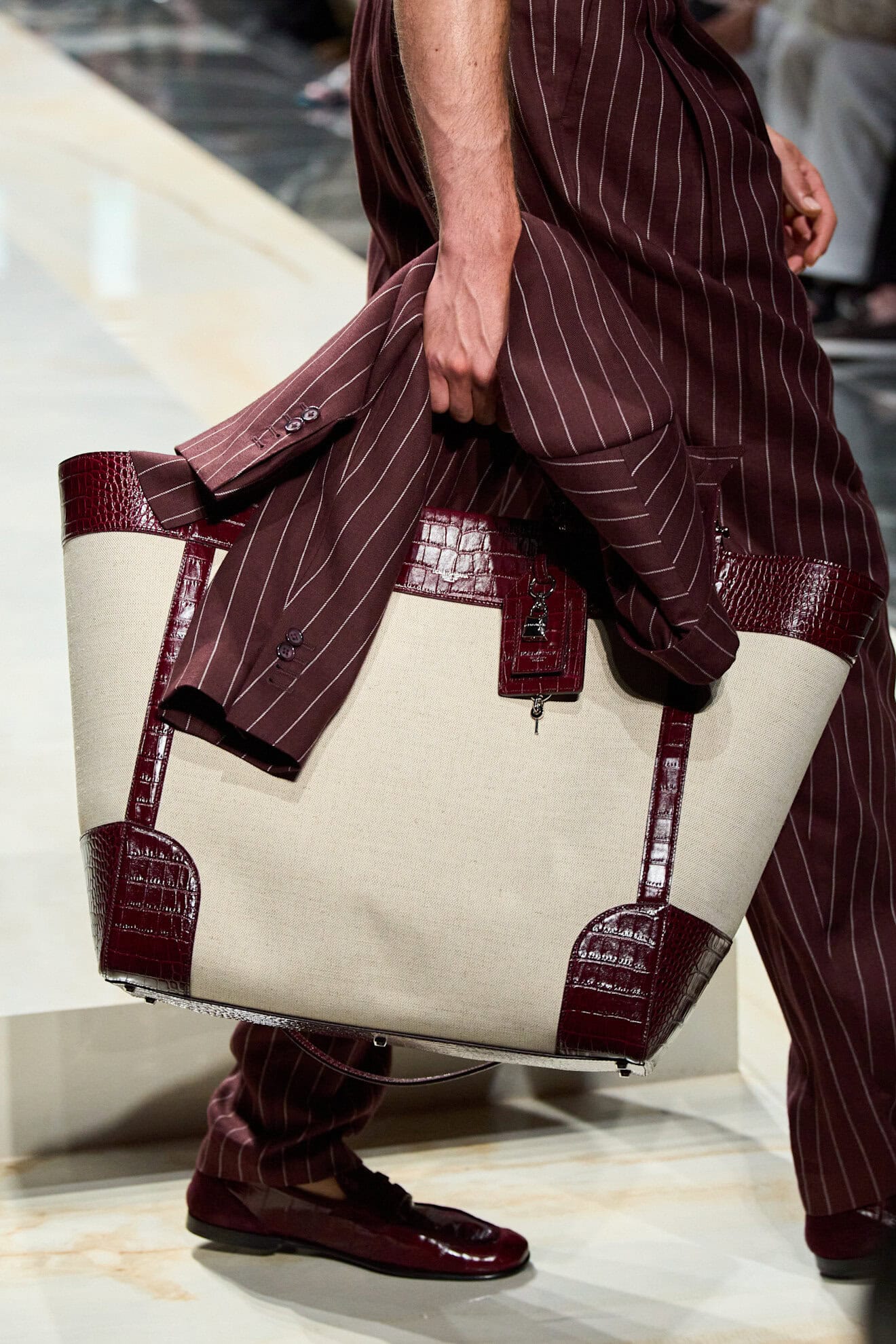
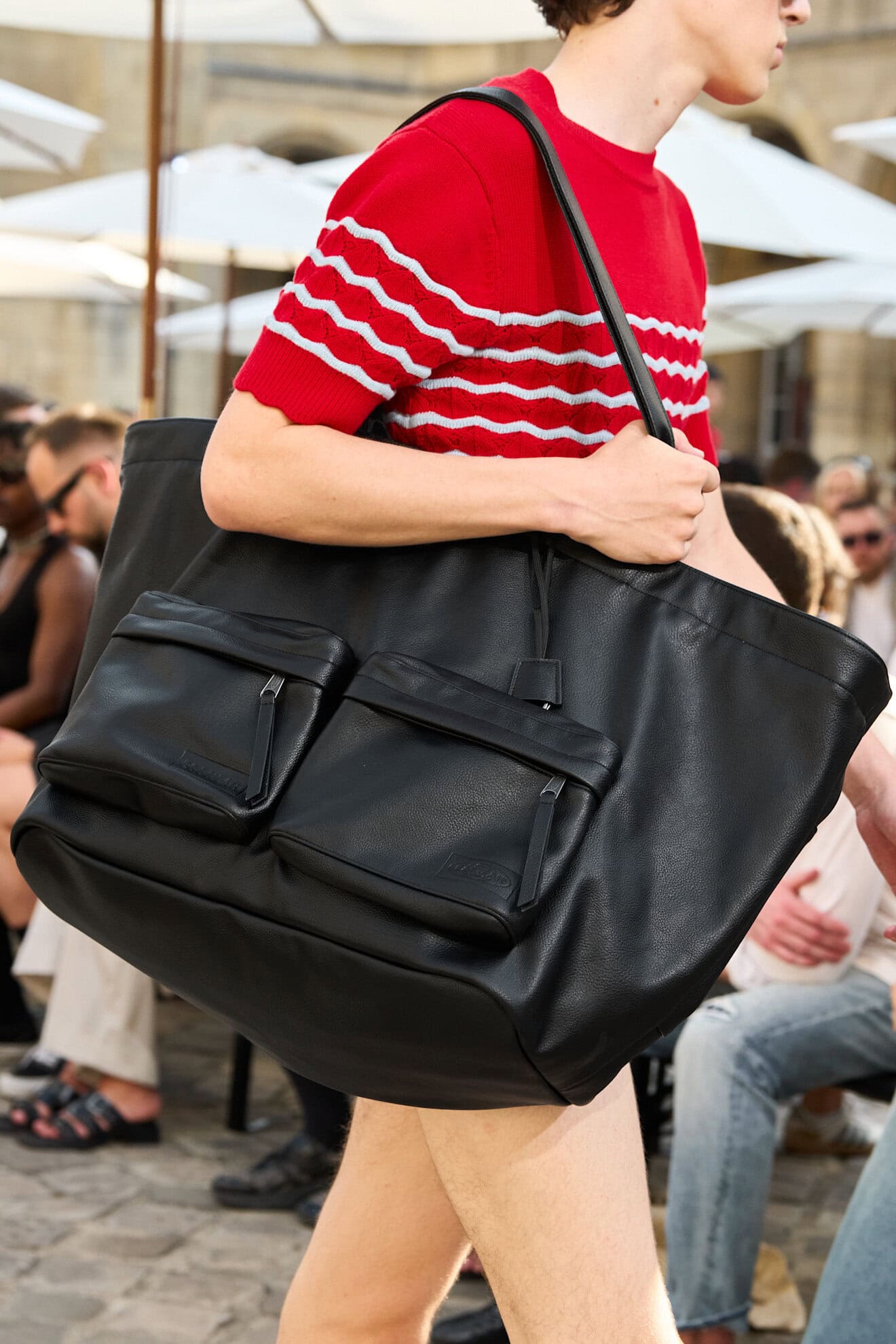
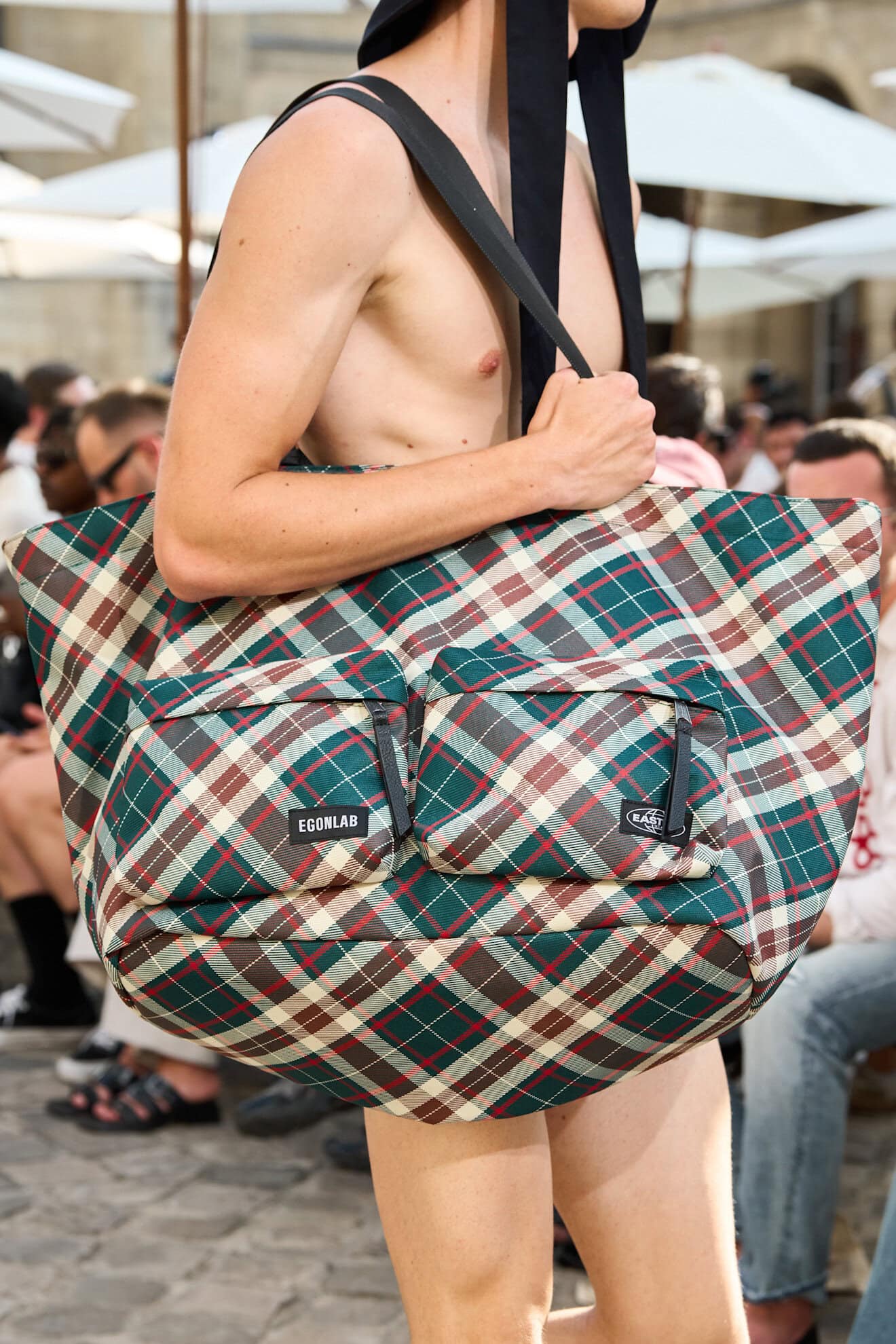
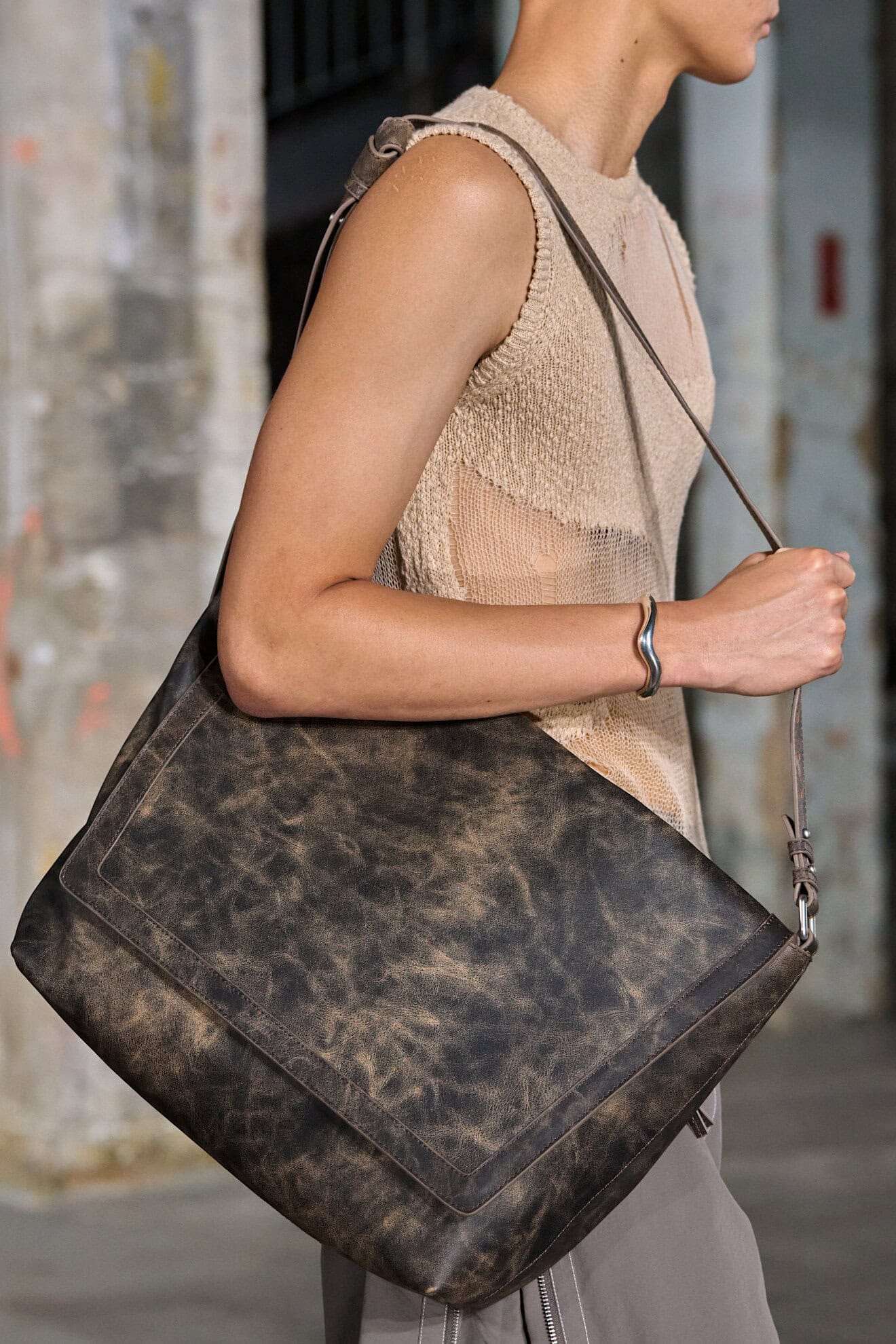
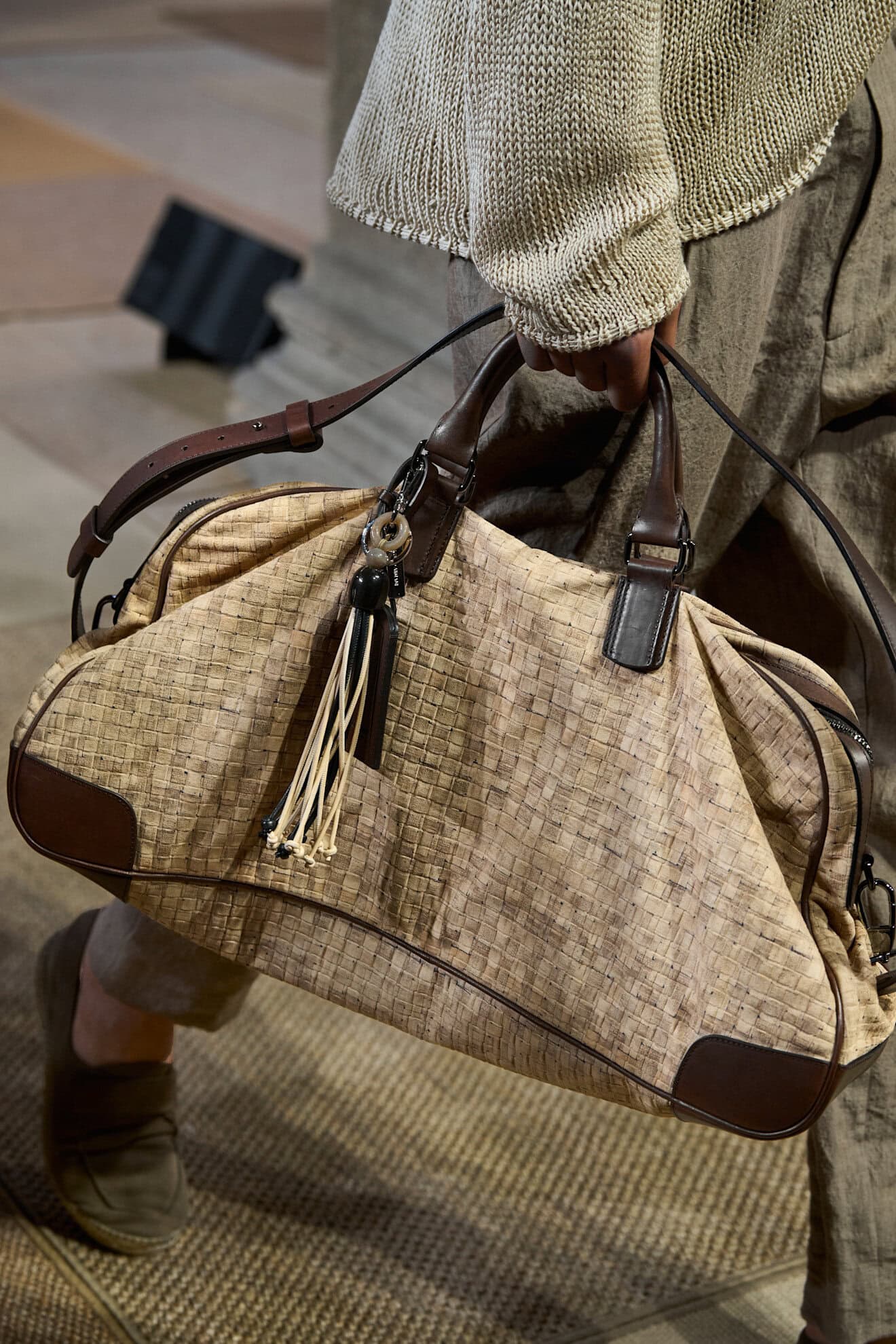
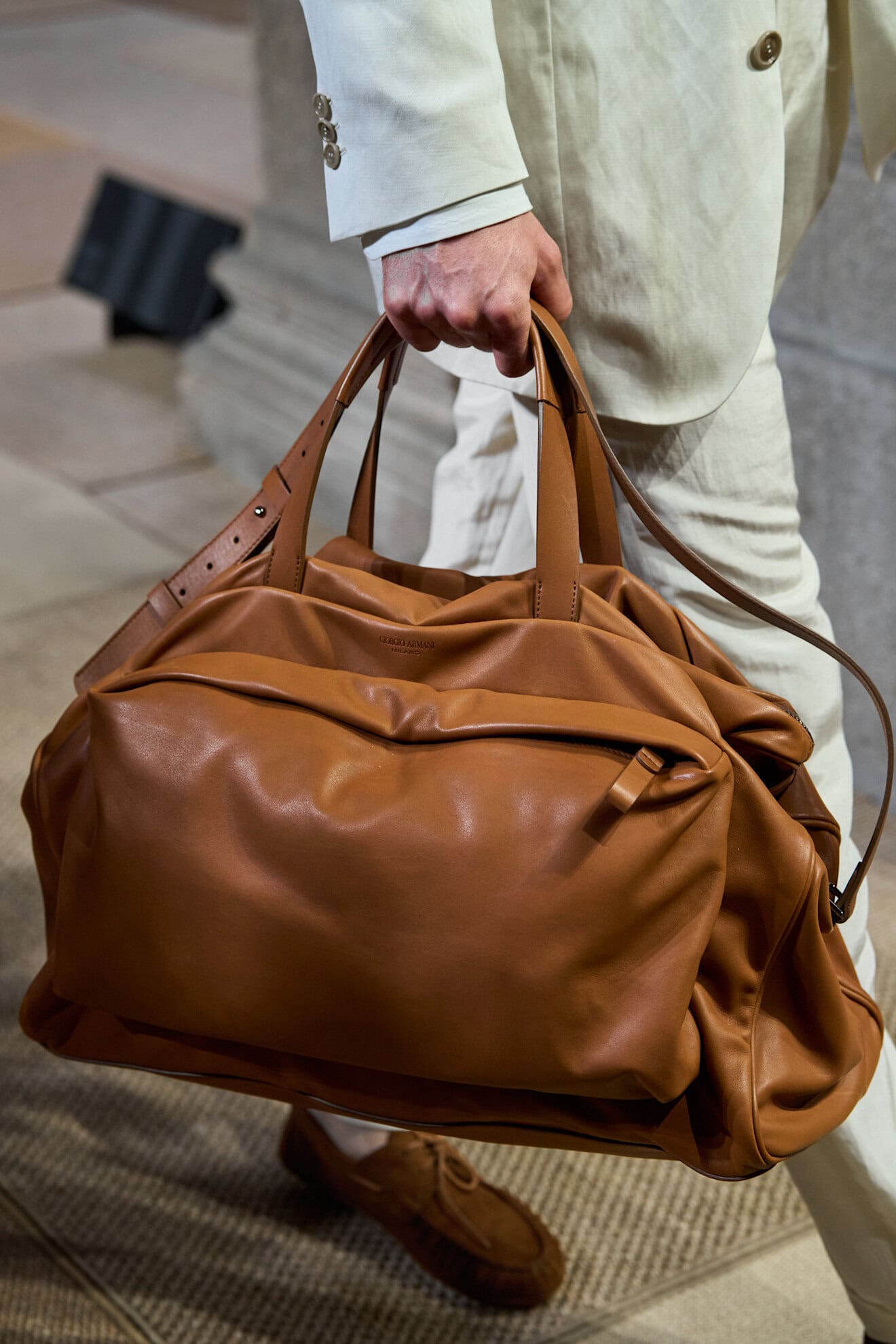
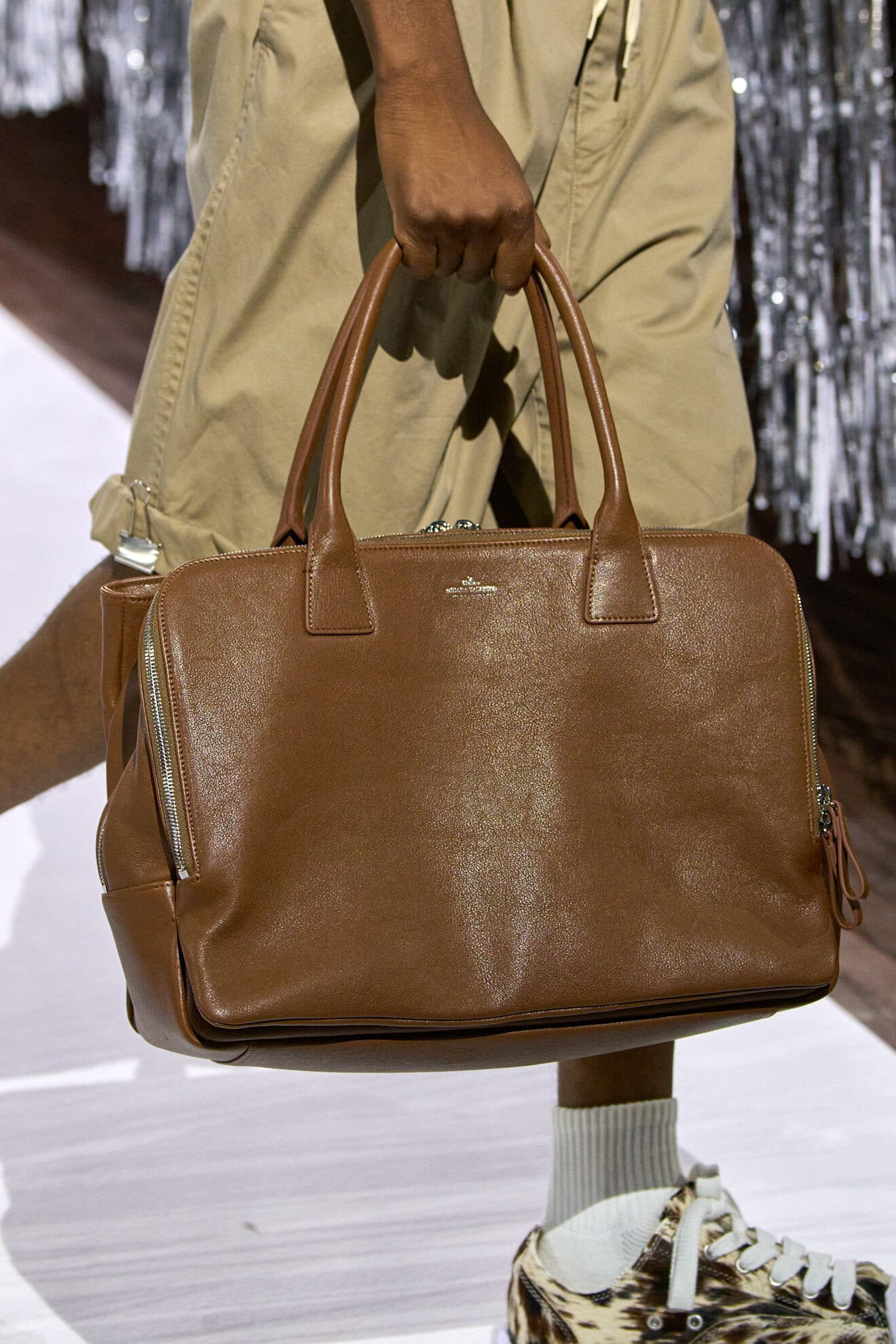
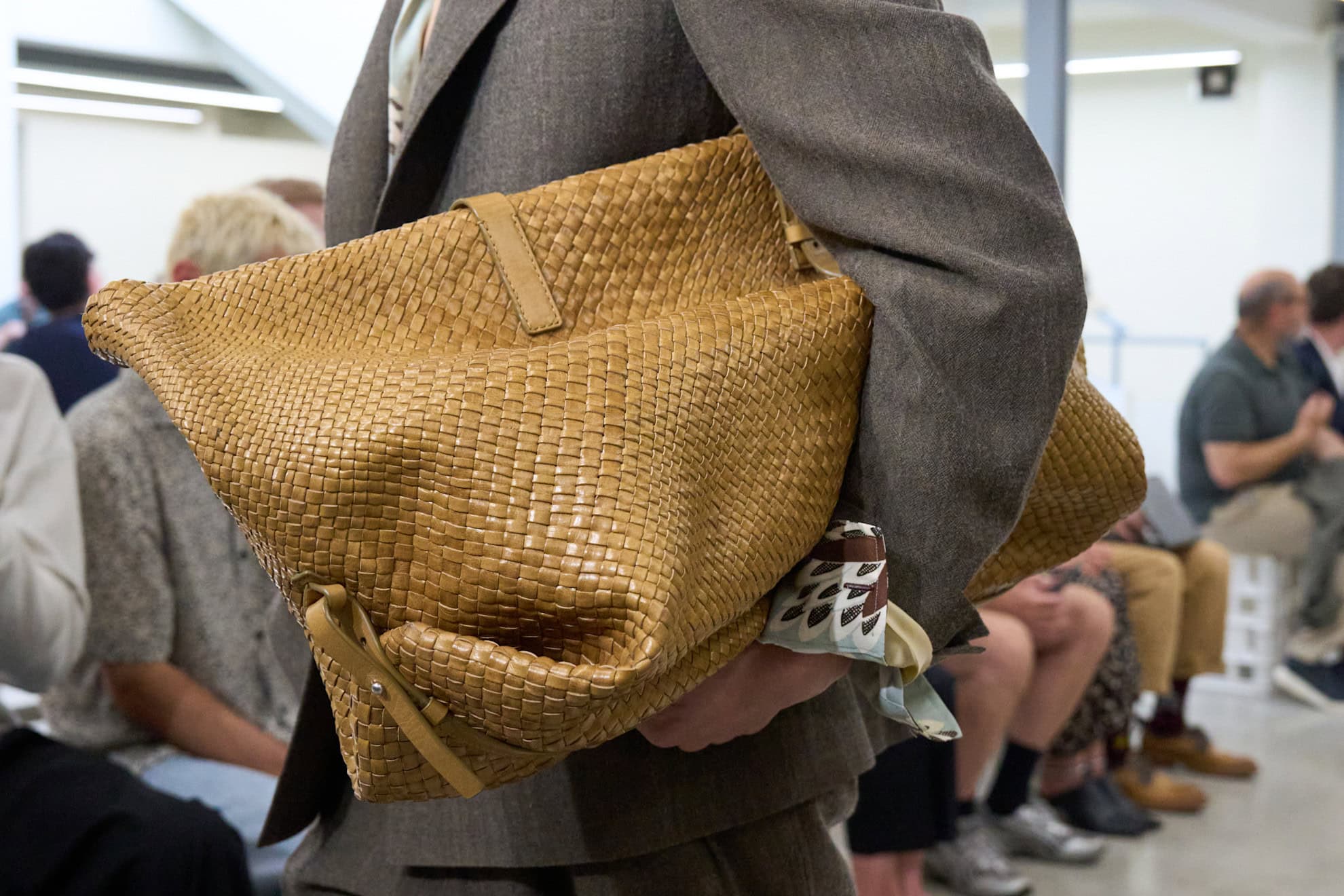
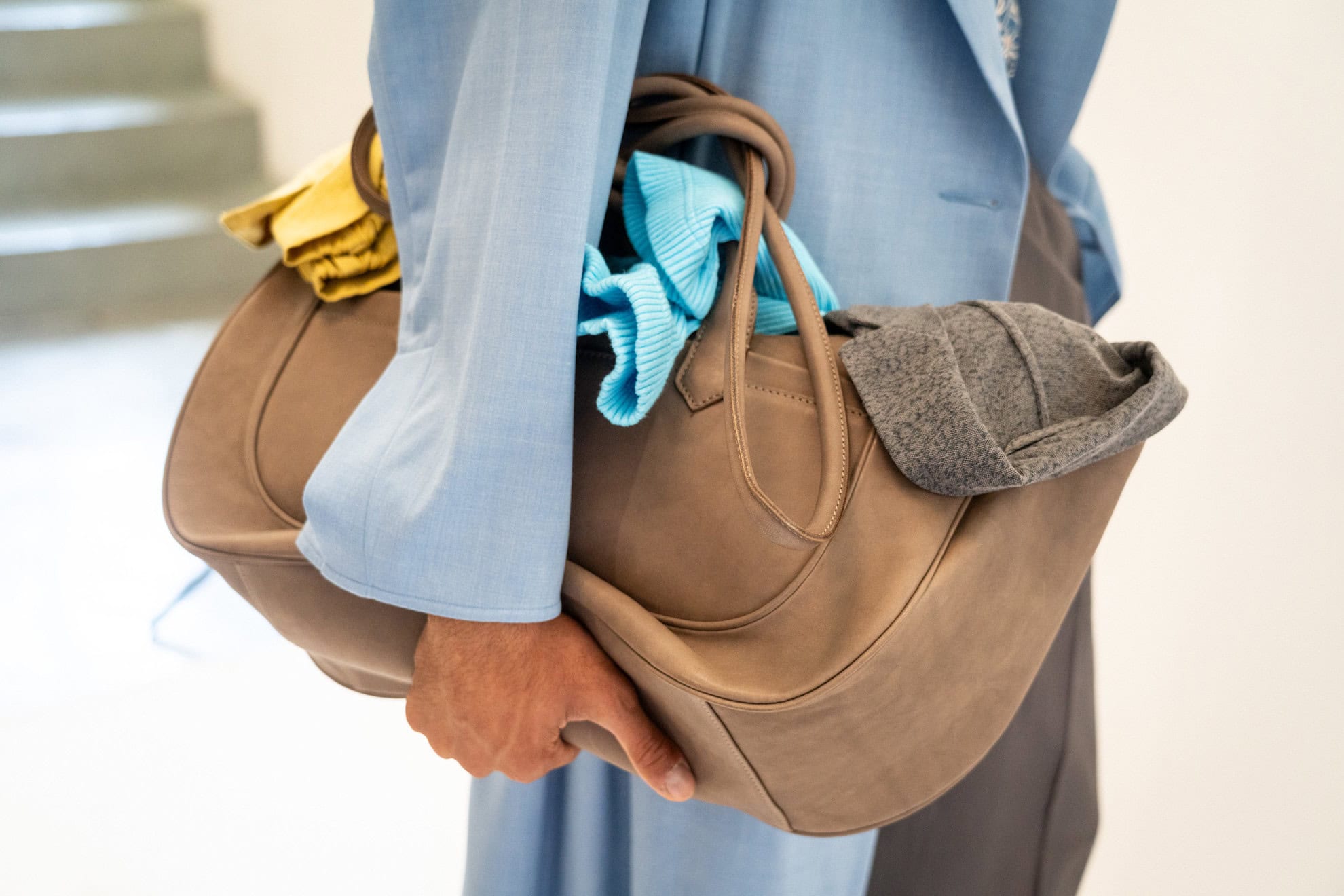
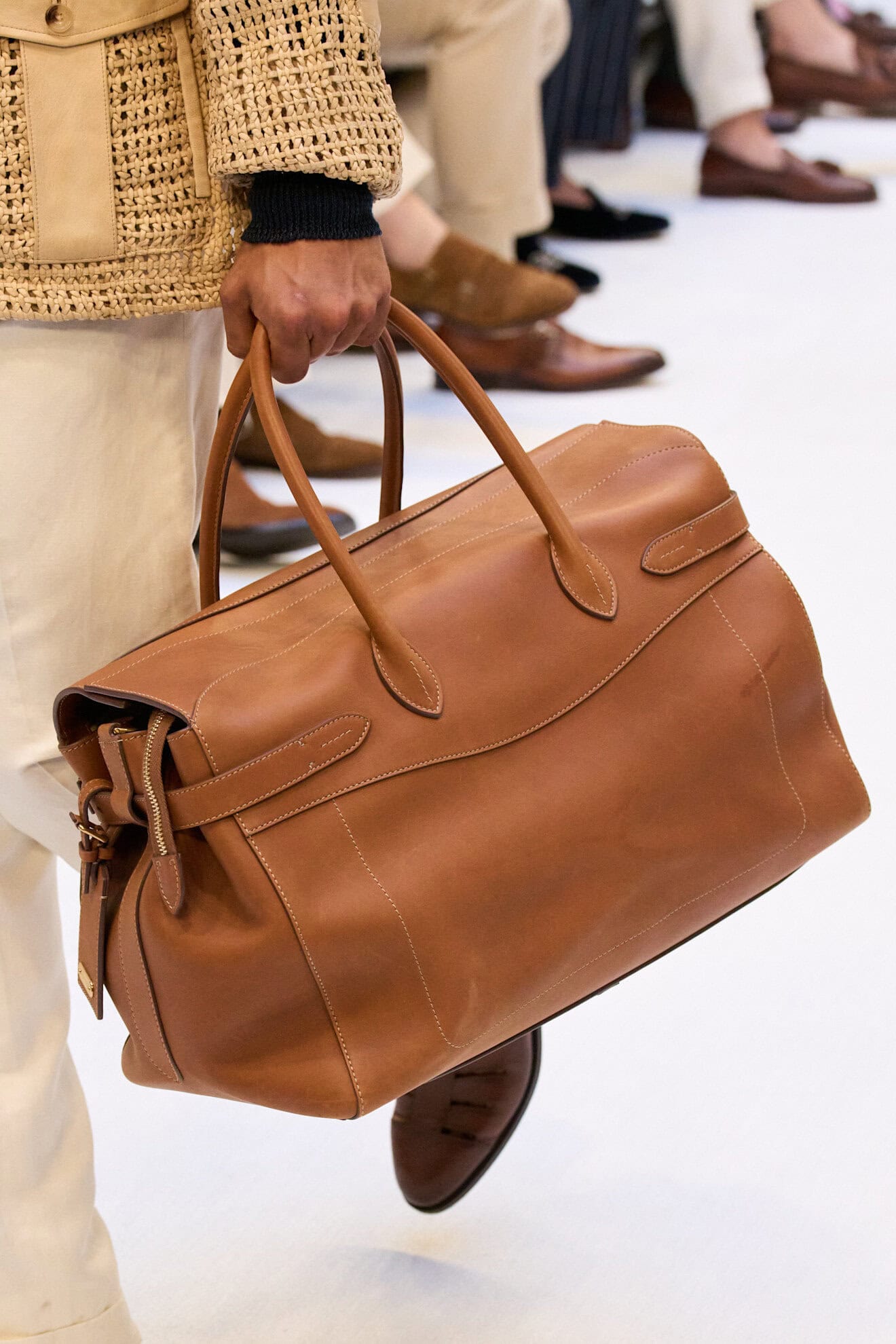
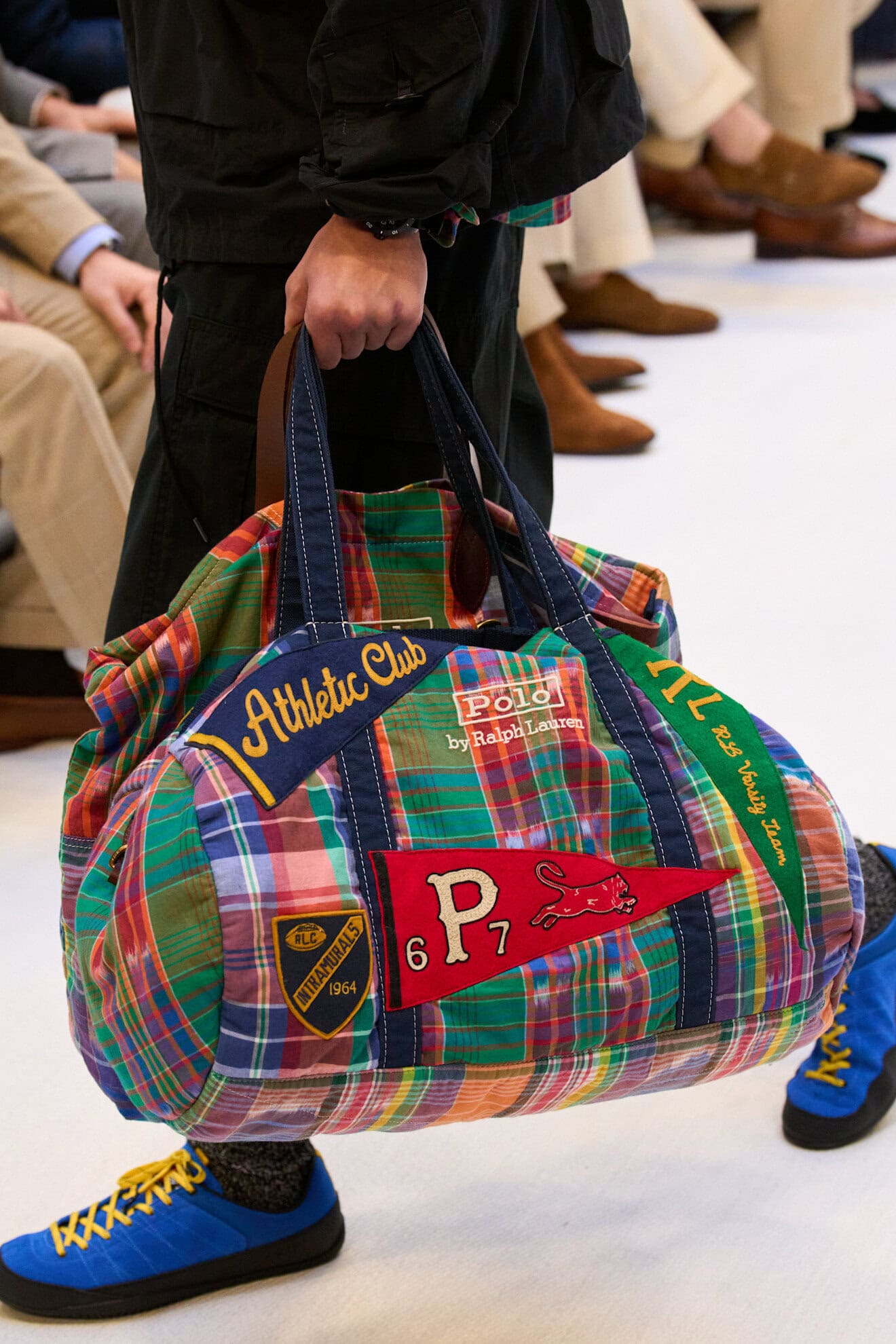
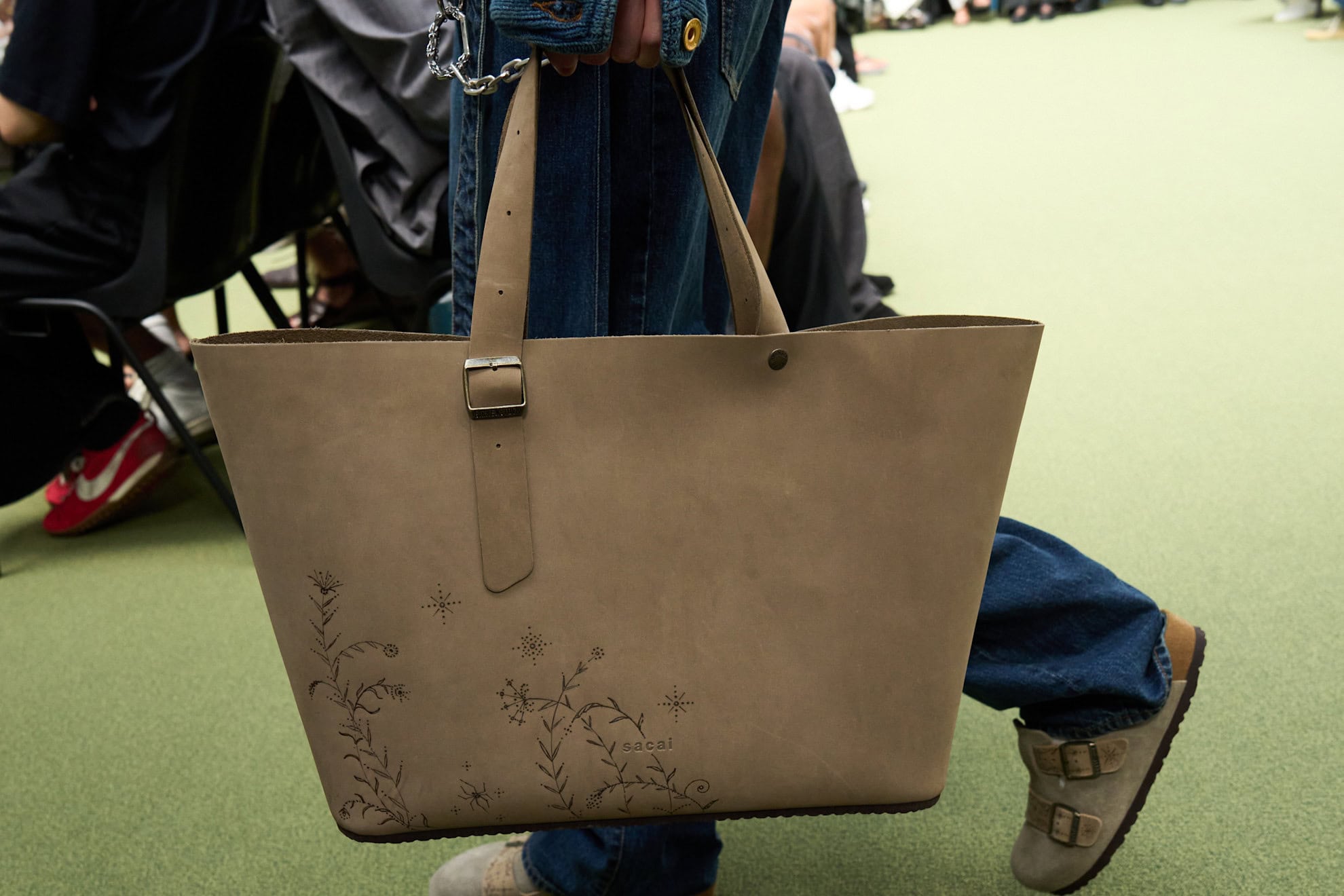
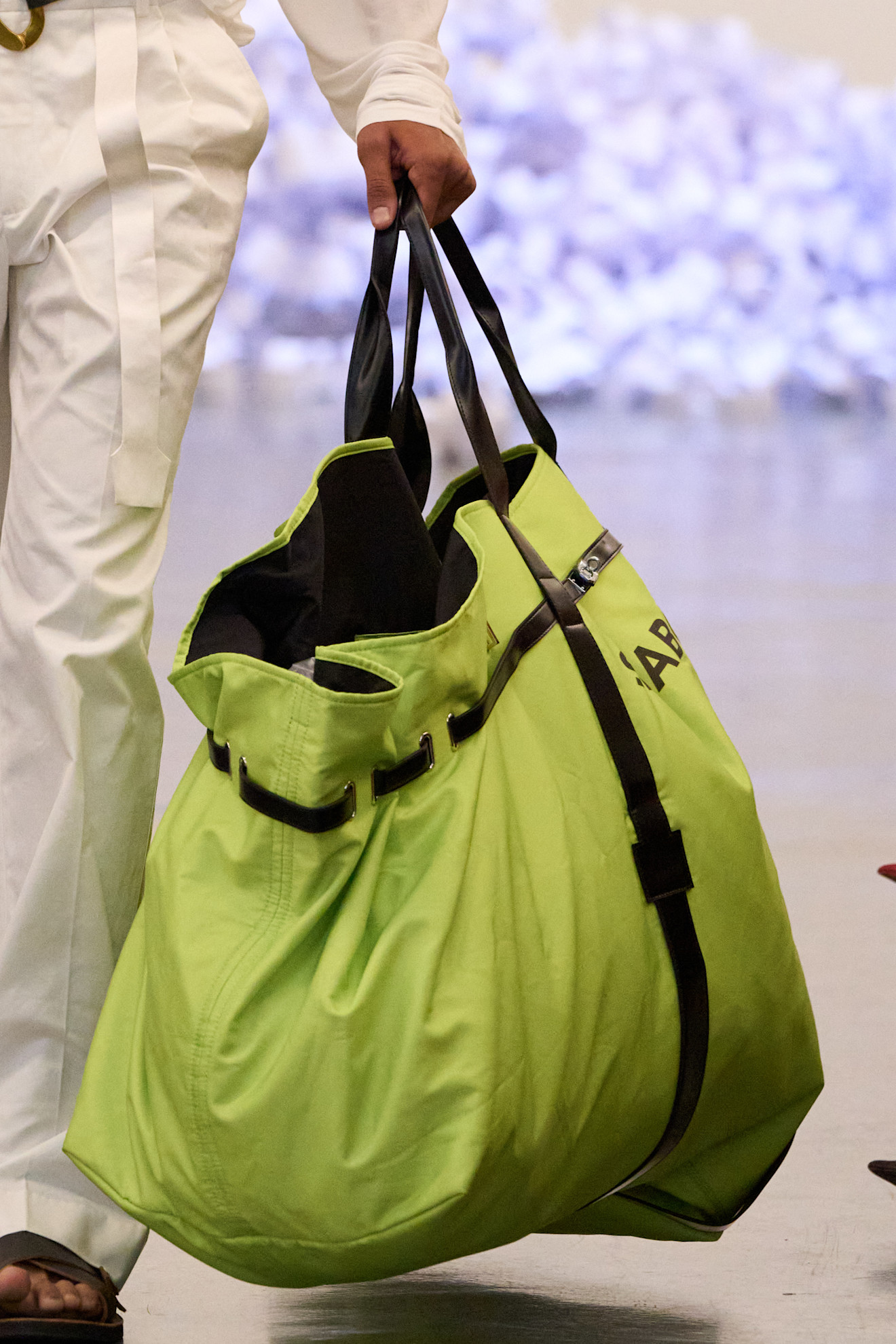
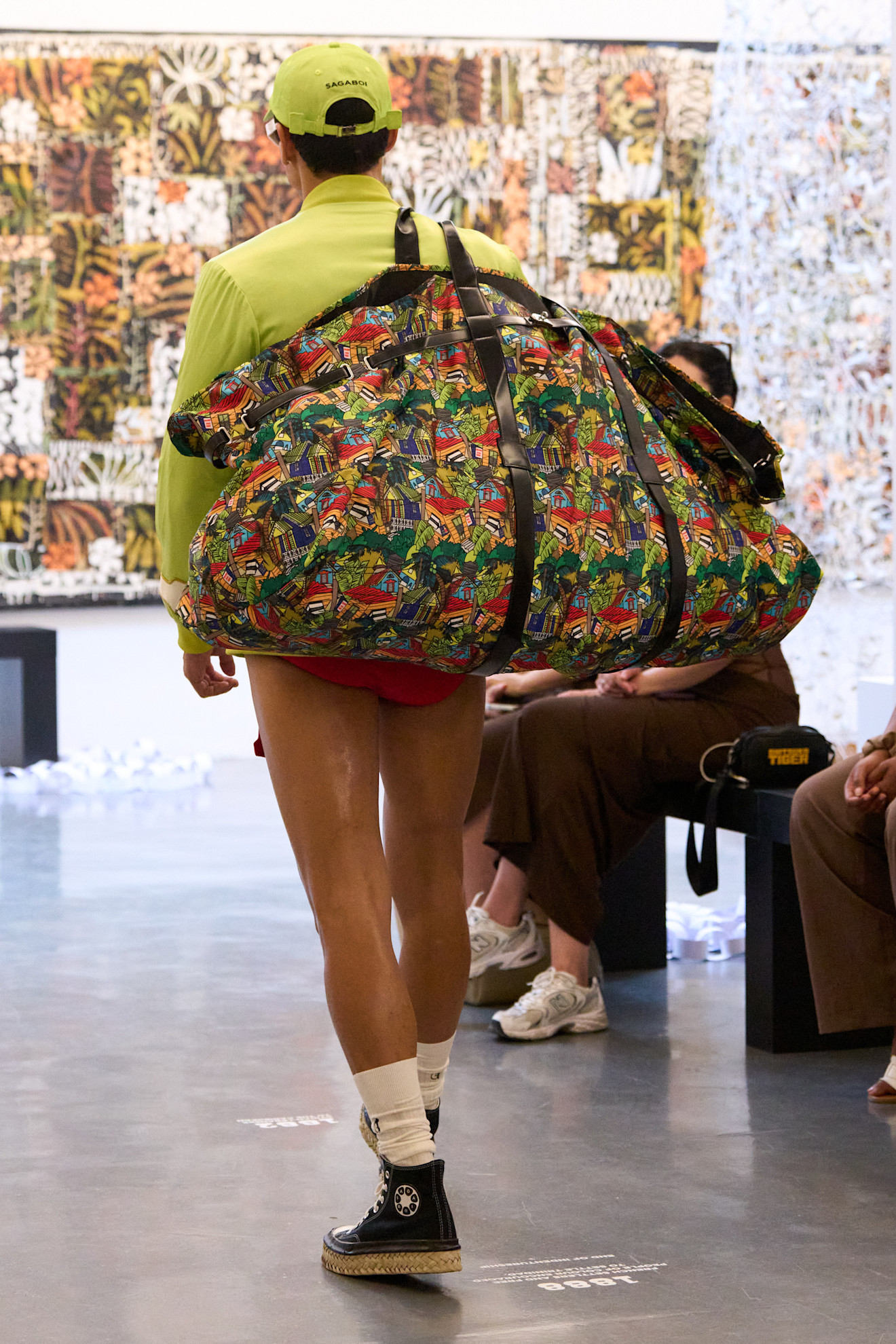
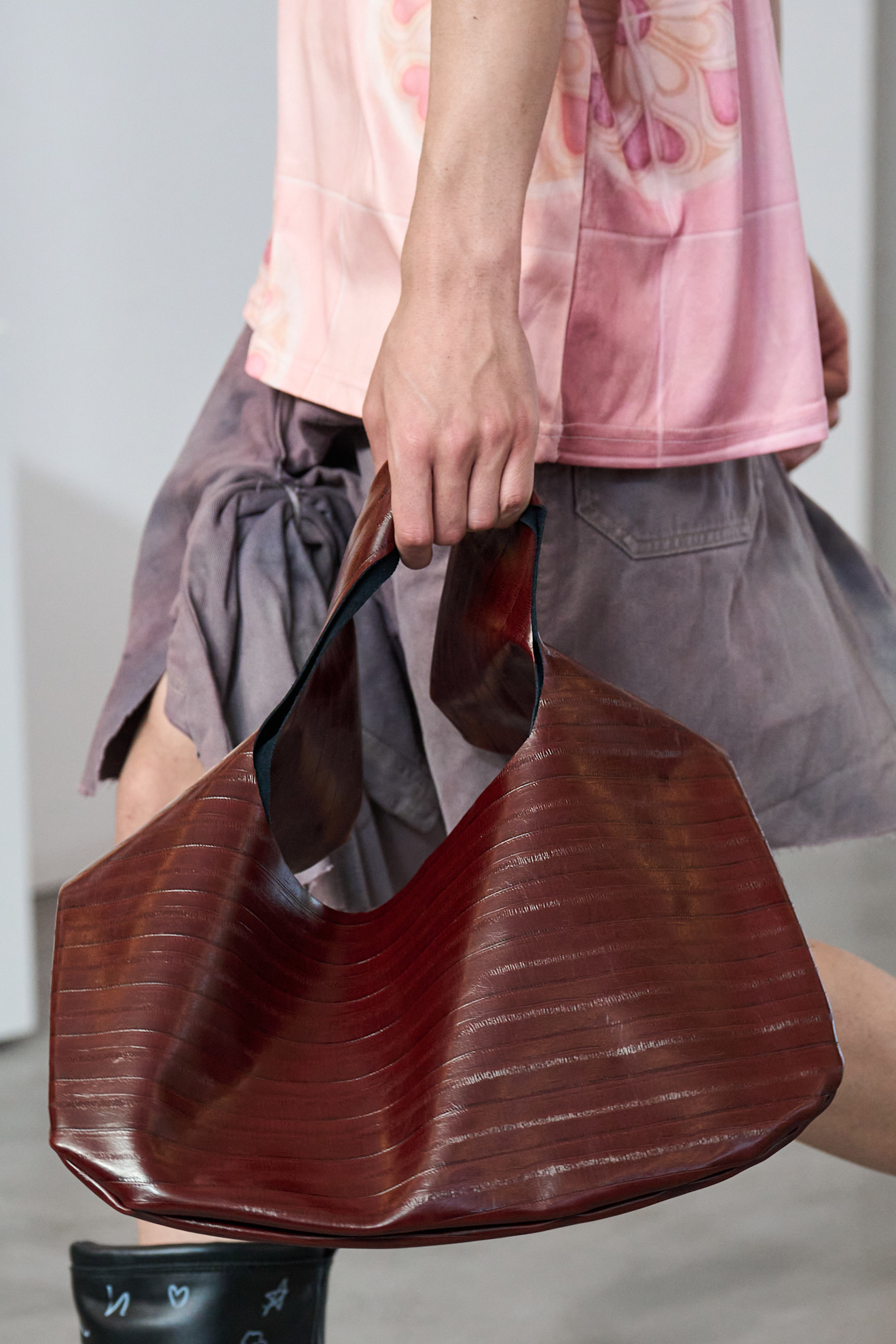
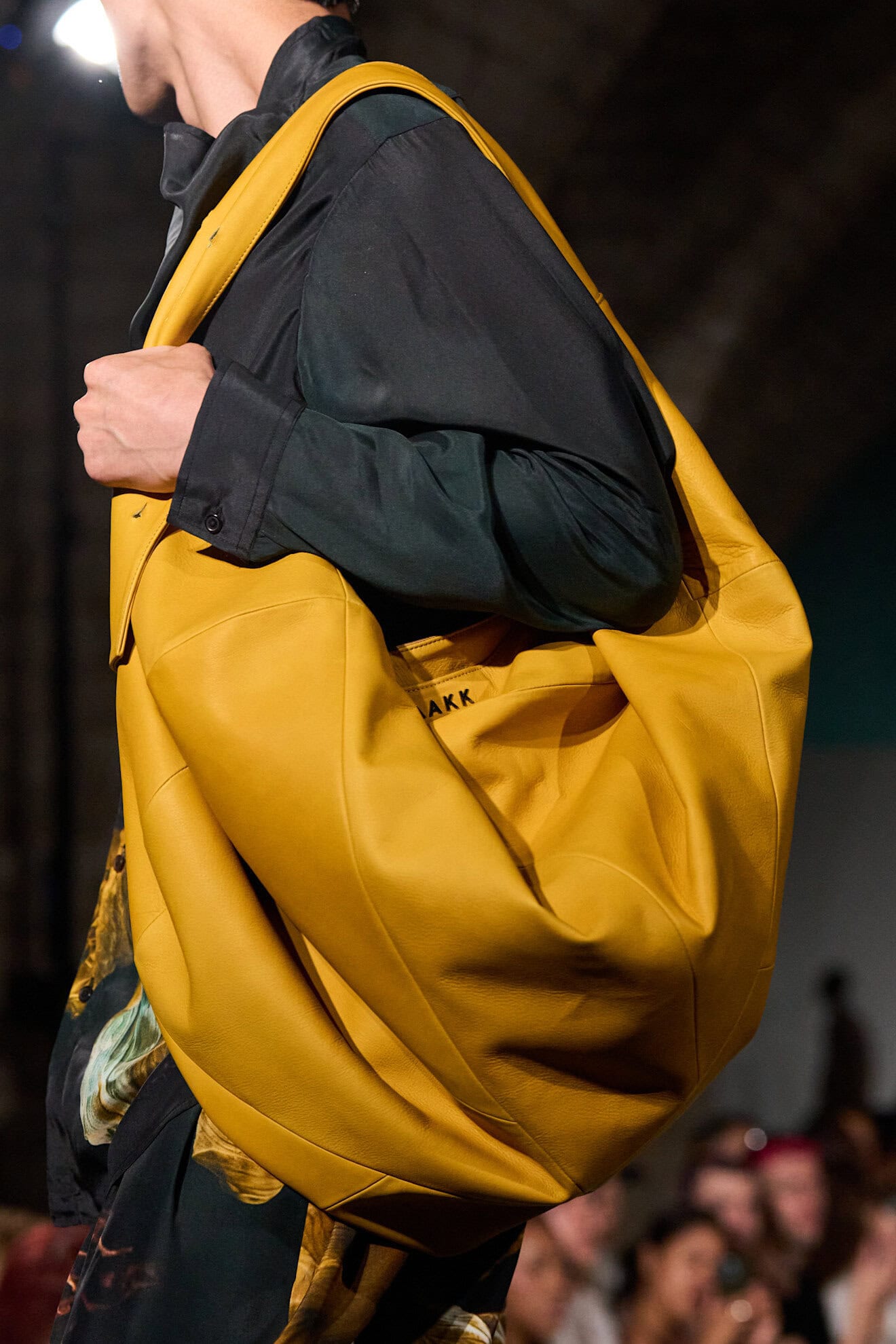
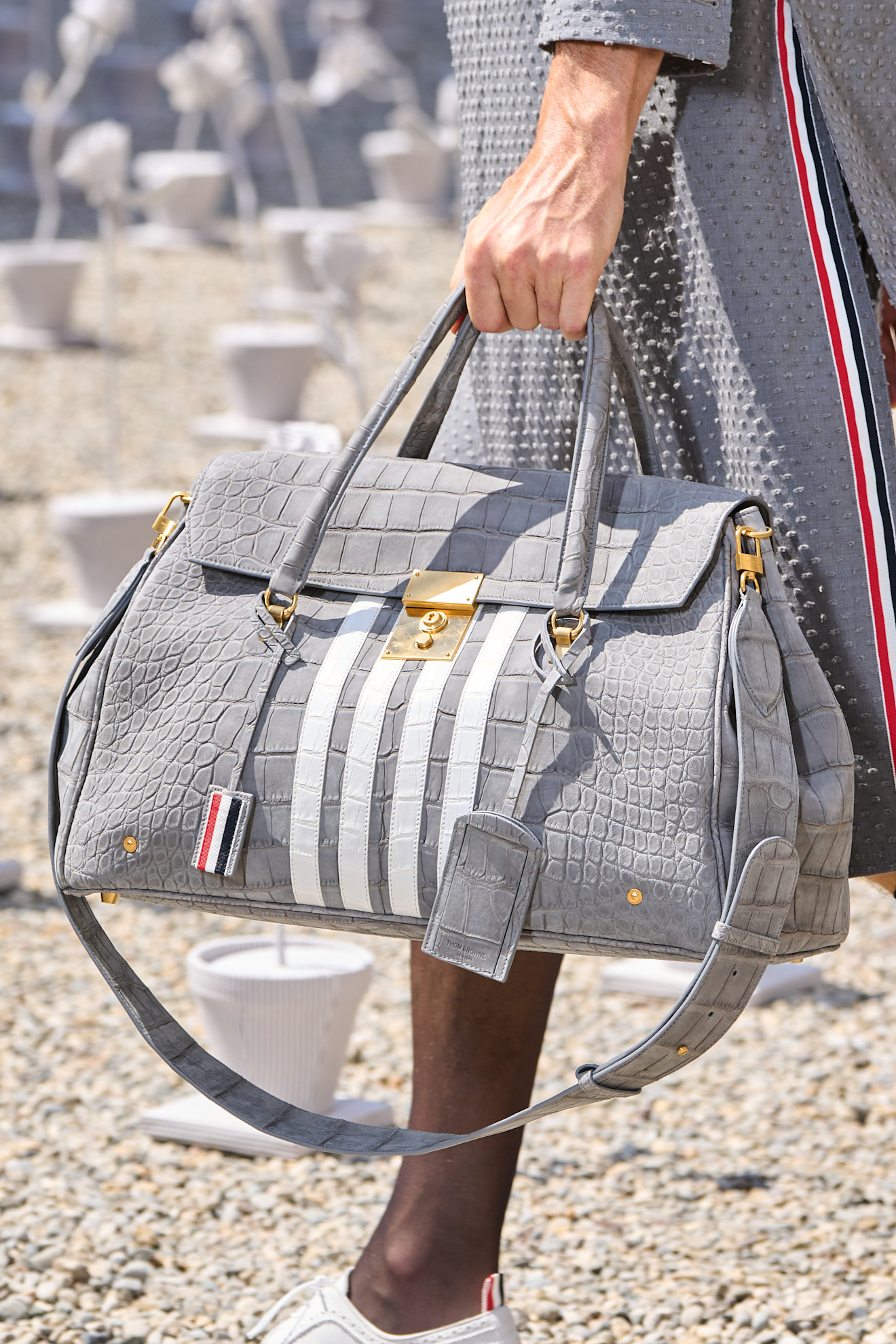
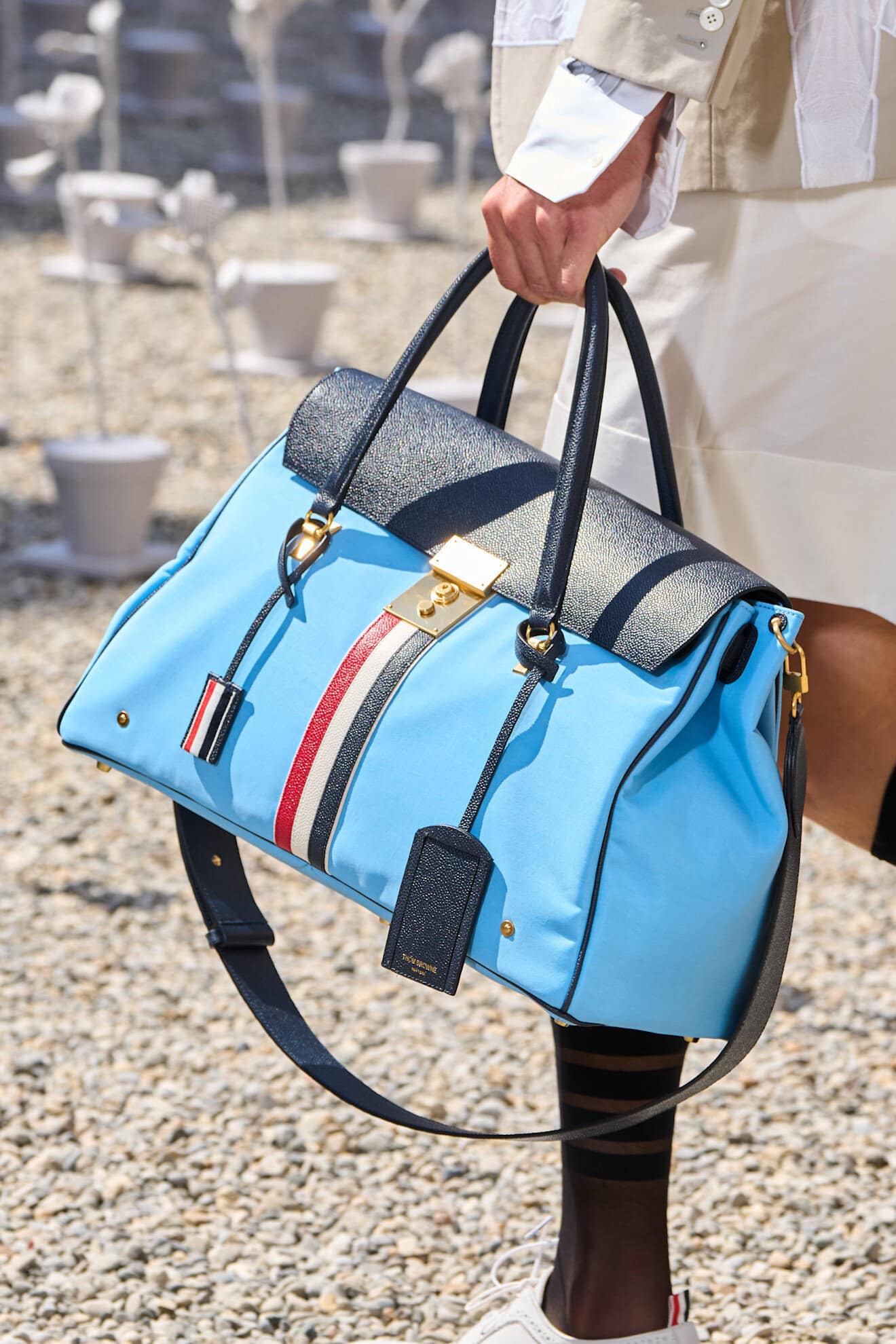
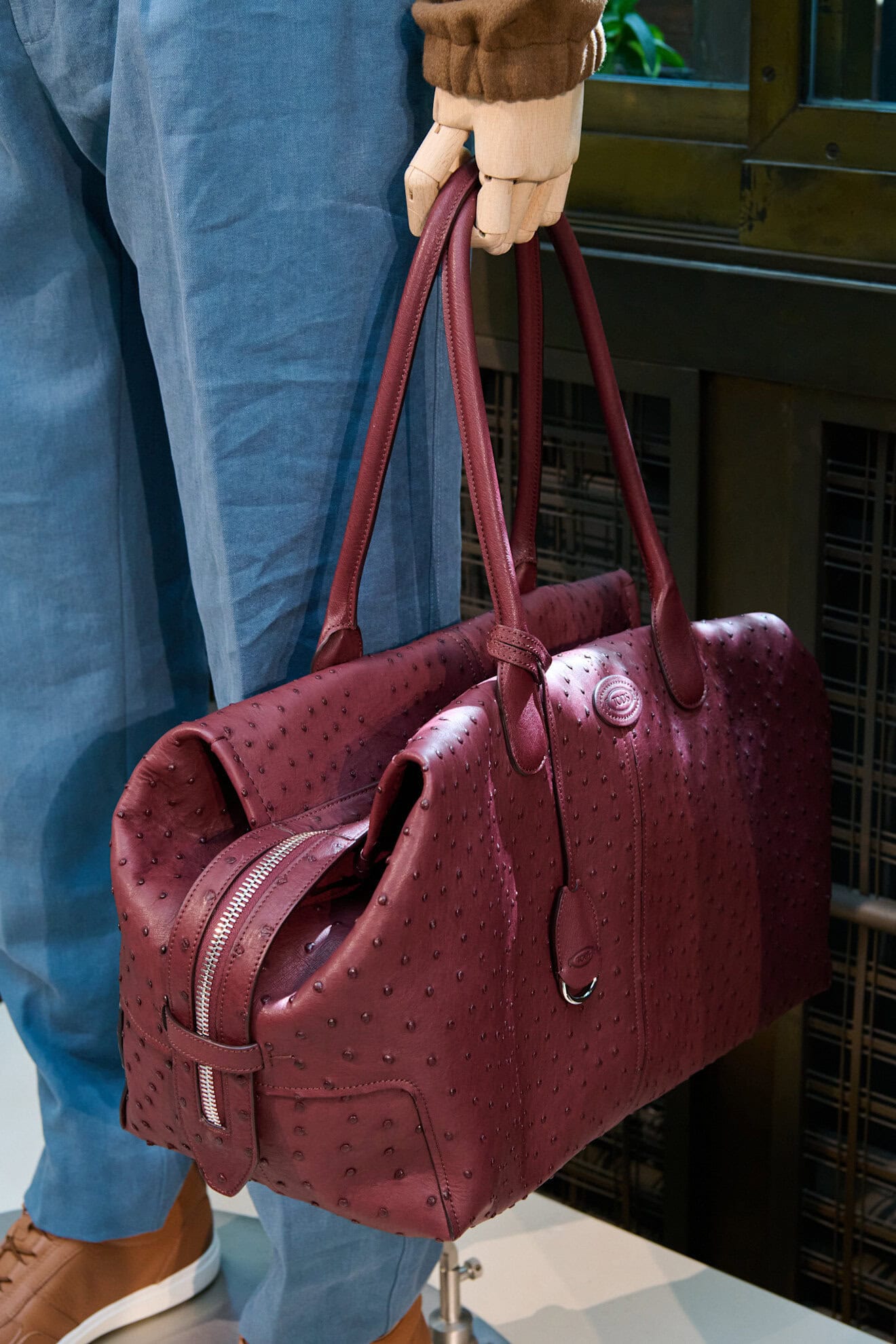
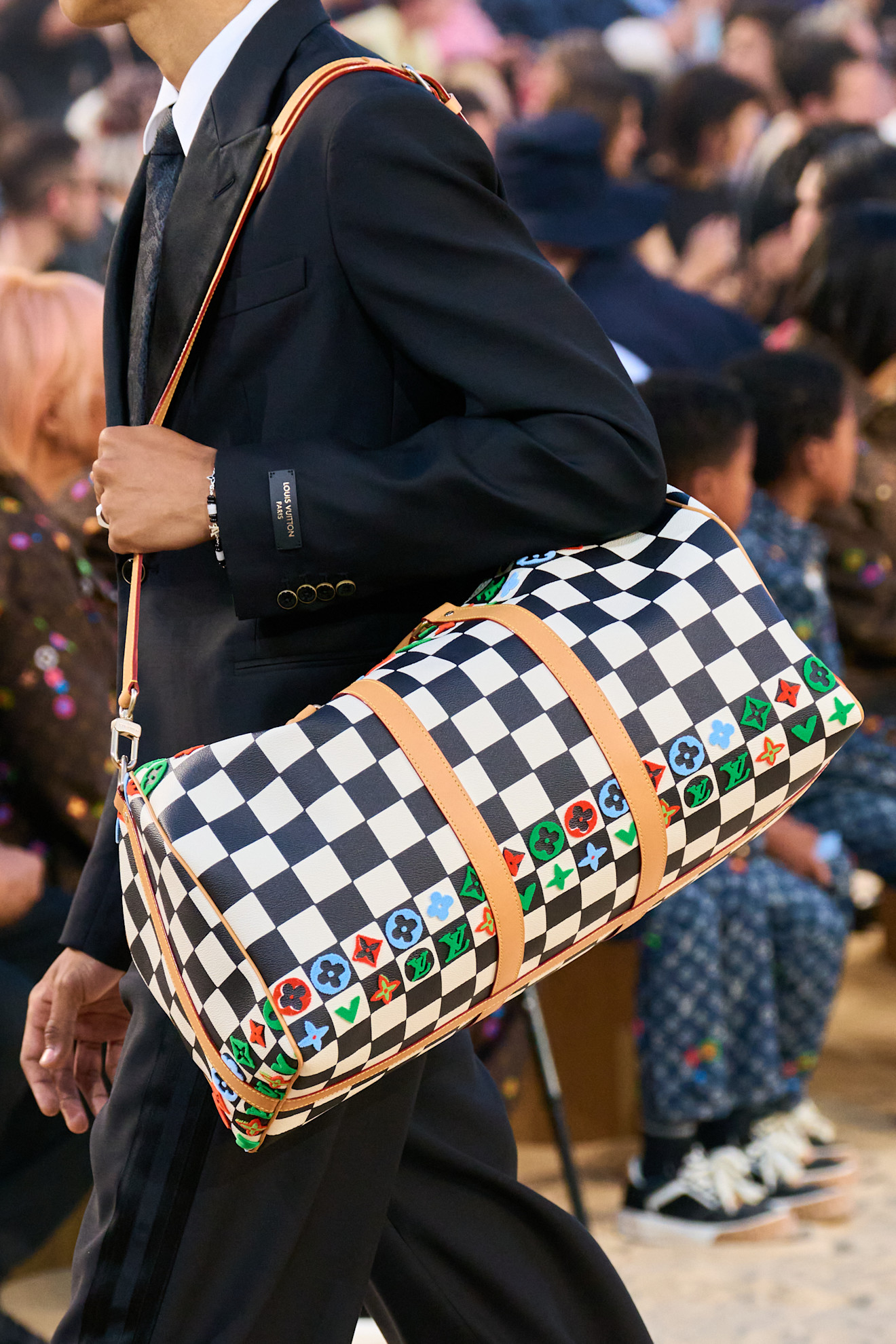
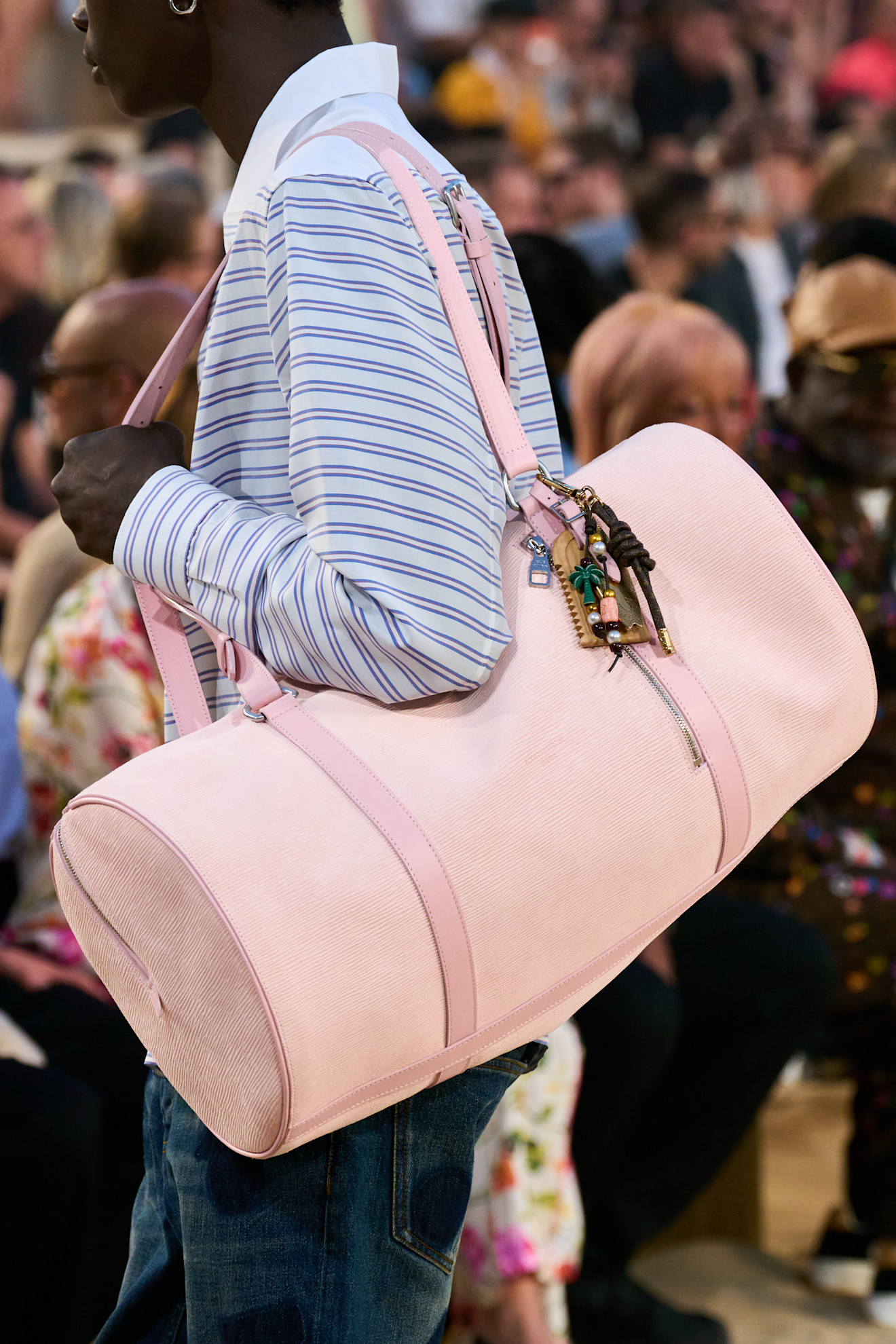
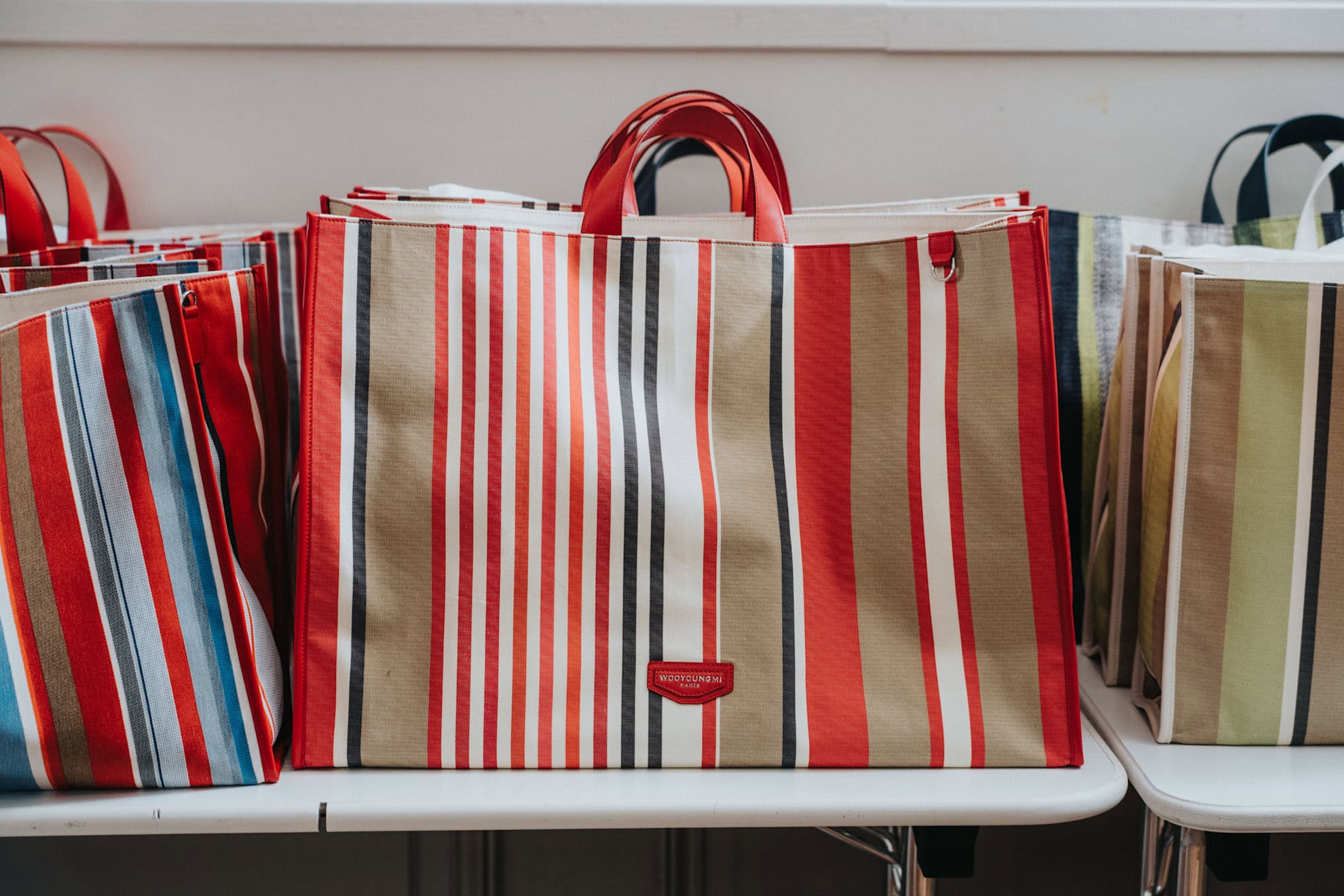
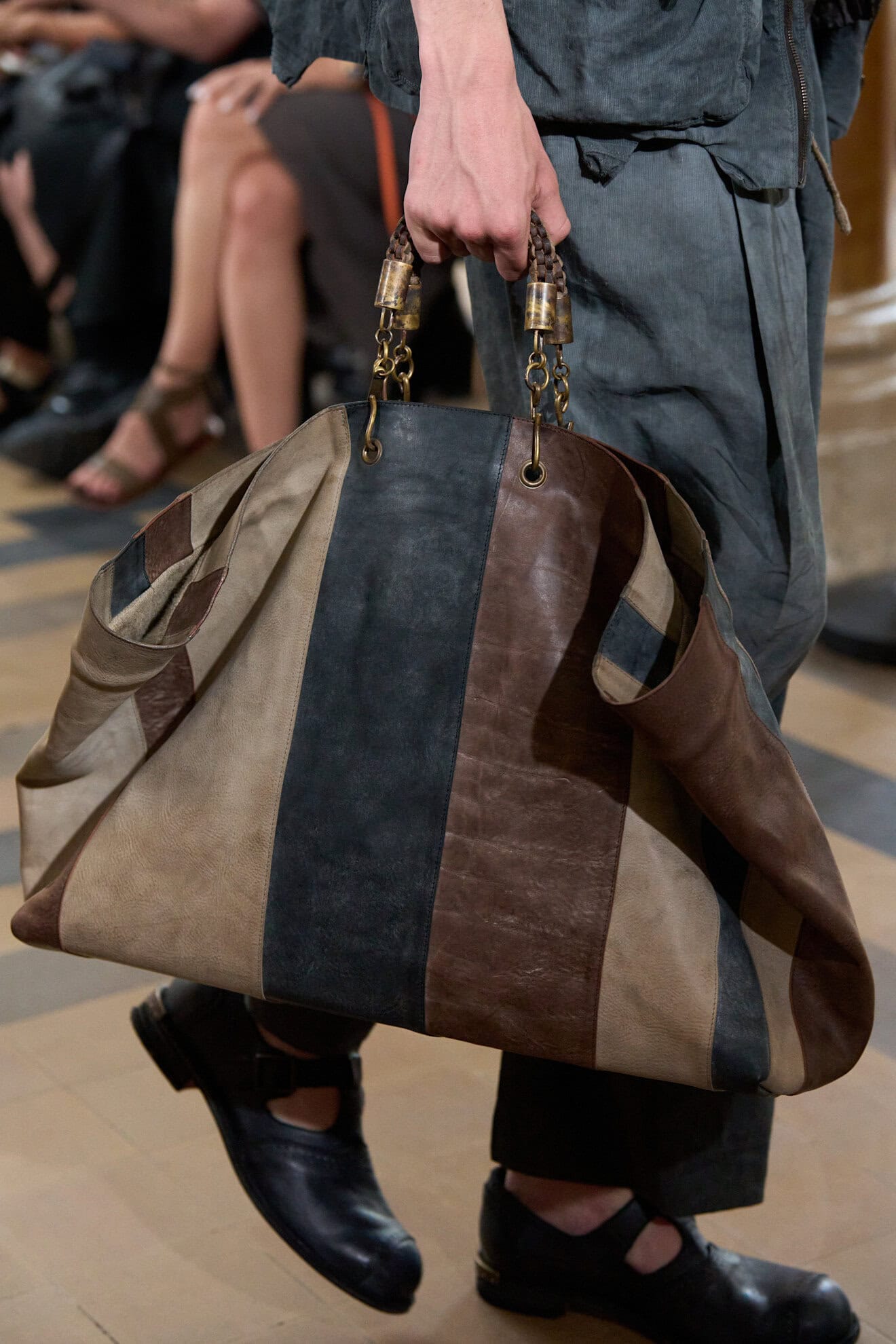
The nomadic spirit of travel was a strong theme that was woven throughout the collections. From lightweight packable layering to sunset shades, the reality of summers that start earlier, feel hotter and last longer called for a focus on chasing the sun. The oversized bags at the shows were made for departing at a moment’s notice and designed for the everyday eccentric, the business-minded entrepreneur, or the gap-year wanderer.
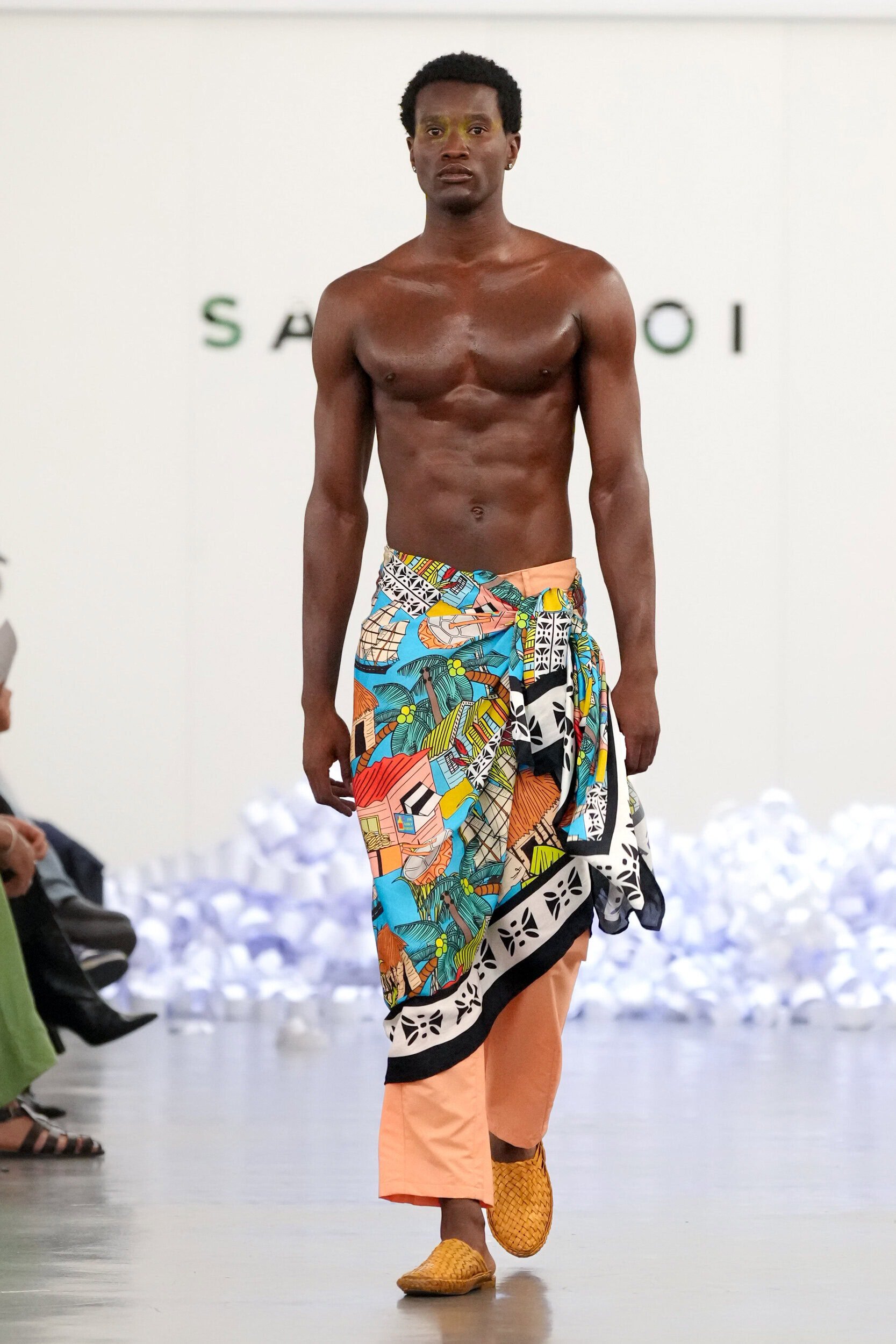
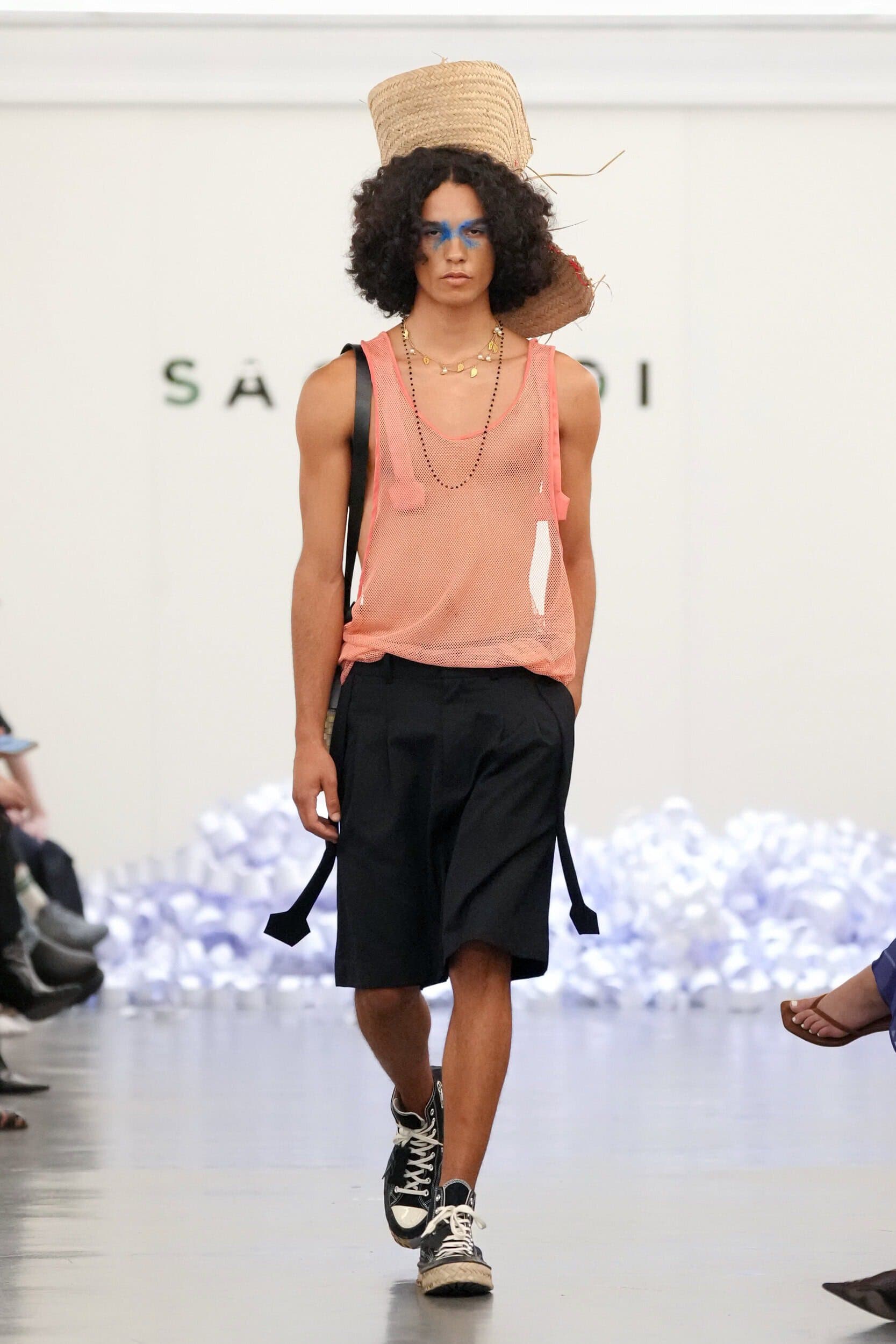
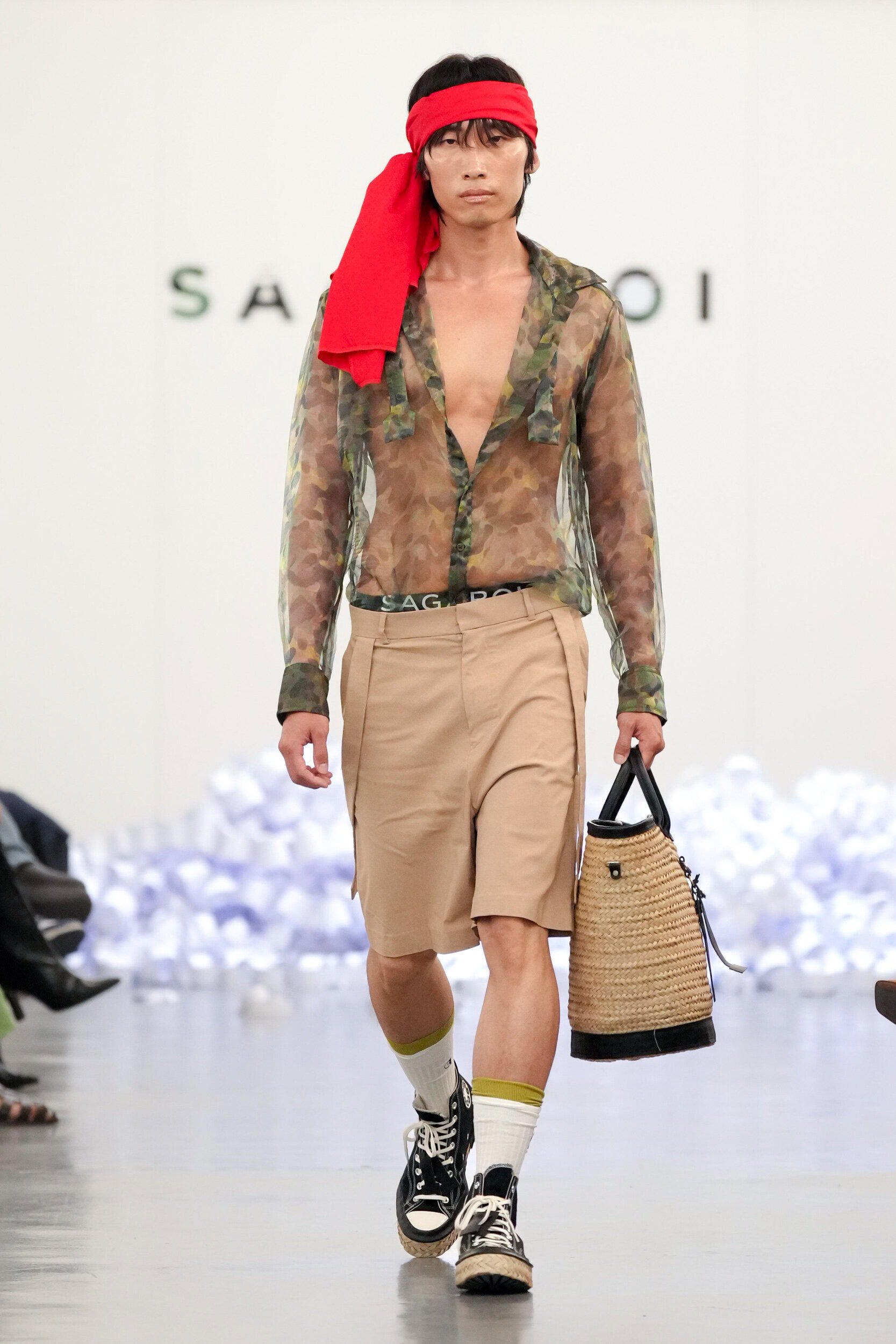
Totes were repurposed in plaids and woven leathers, weekender bags rendered in exotic skins, and stripes tapped into the beachside vibes of coastal living. For those considering extended sabbaticals designers offered the ultimate in capacious utility; see Sagaboi’s supersized belted tote in printed canvas and Celine’s boxy leather bags that were big (and tall) enough to smuggle back a years-worth of souvenirs for reference.
8. Lounge about Town
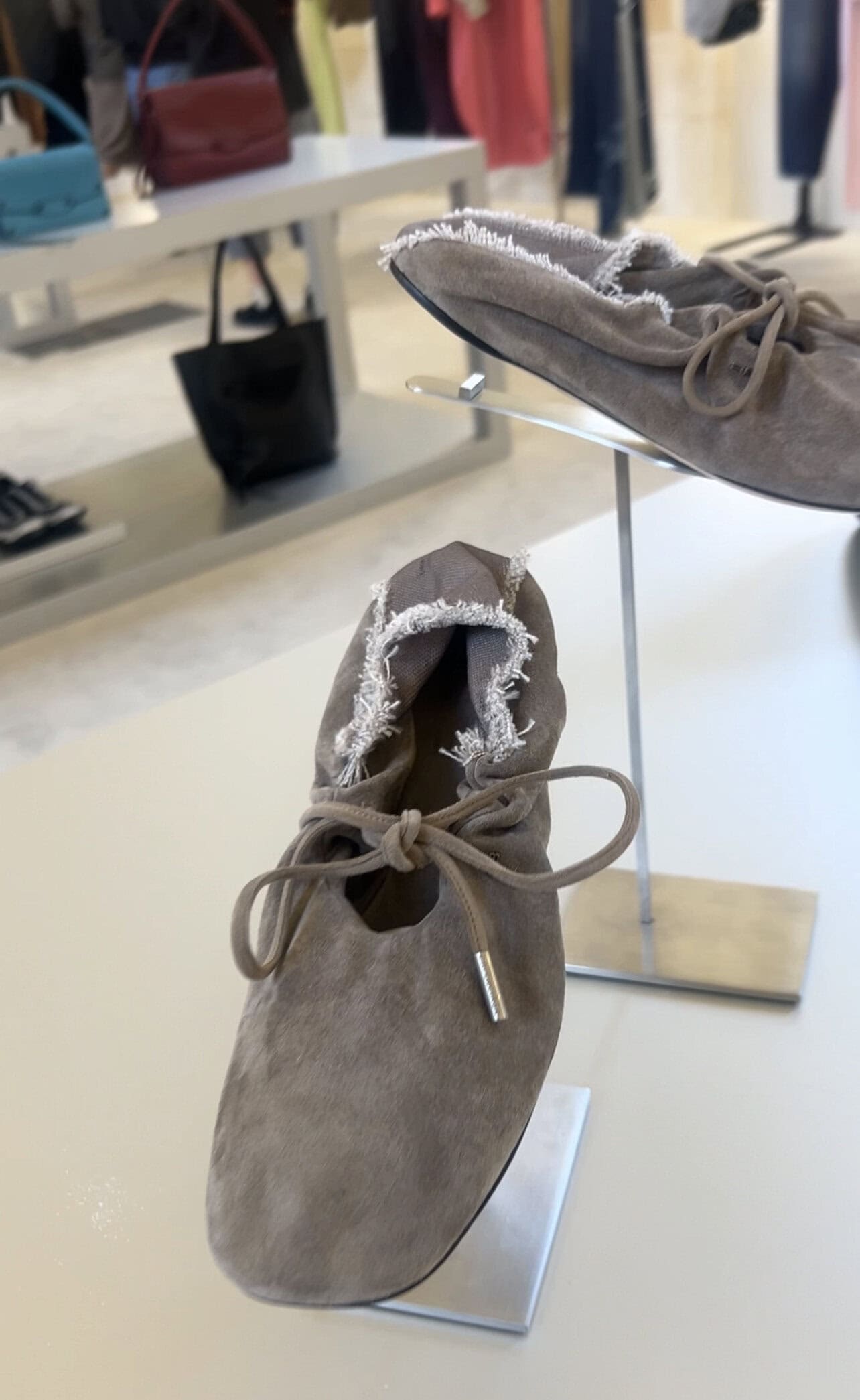
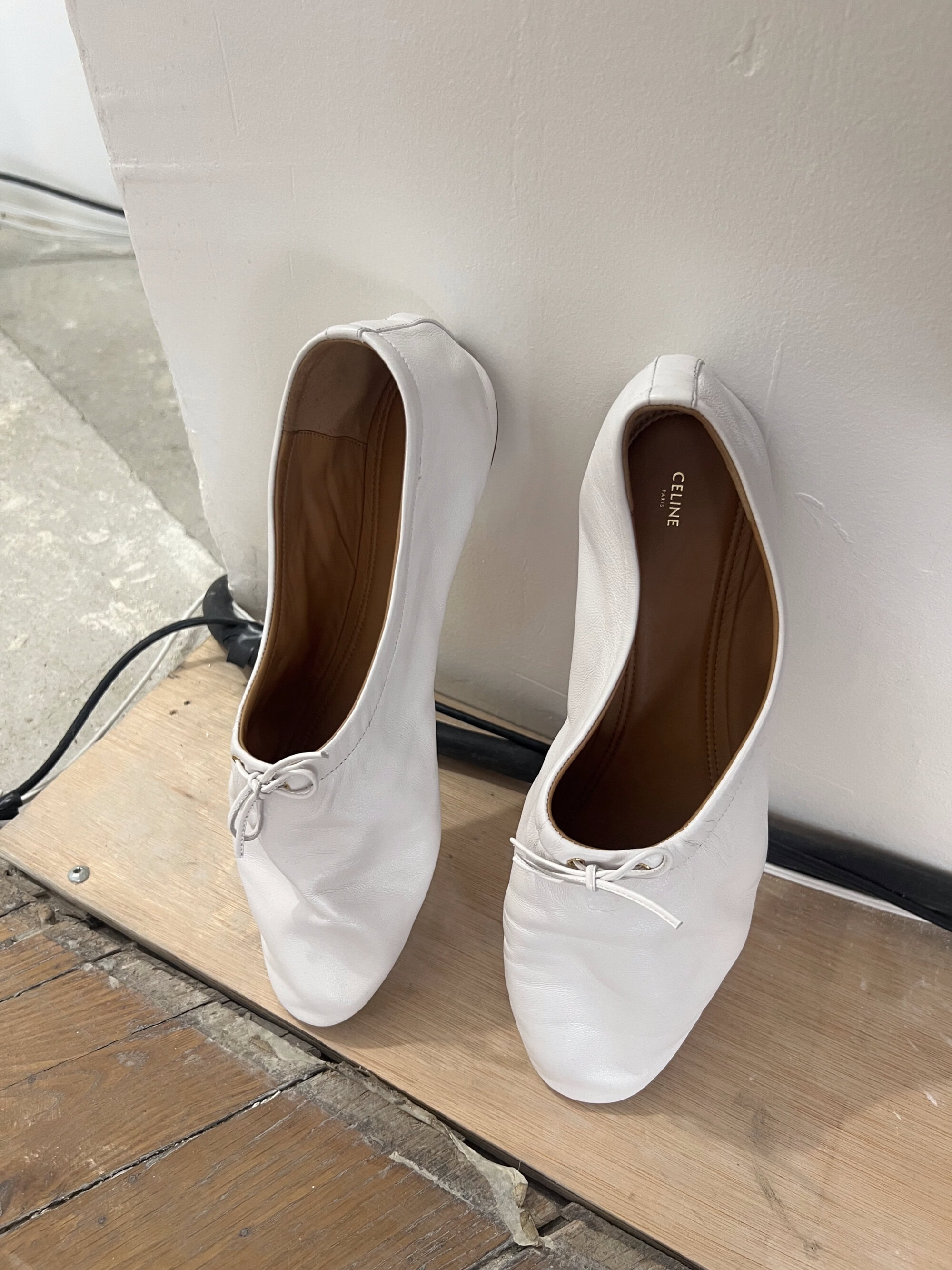
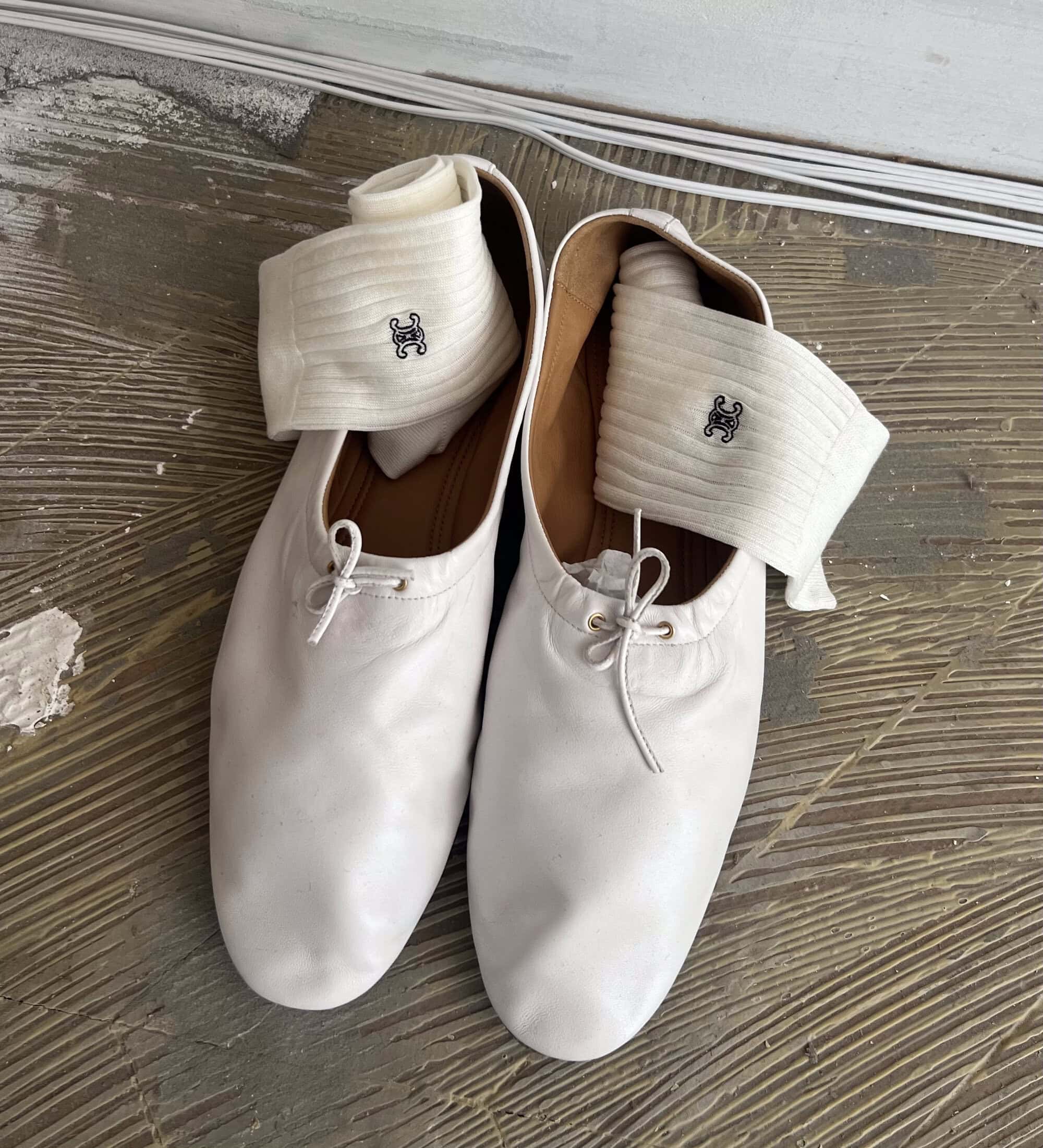
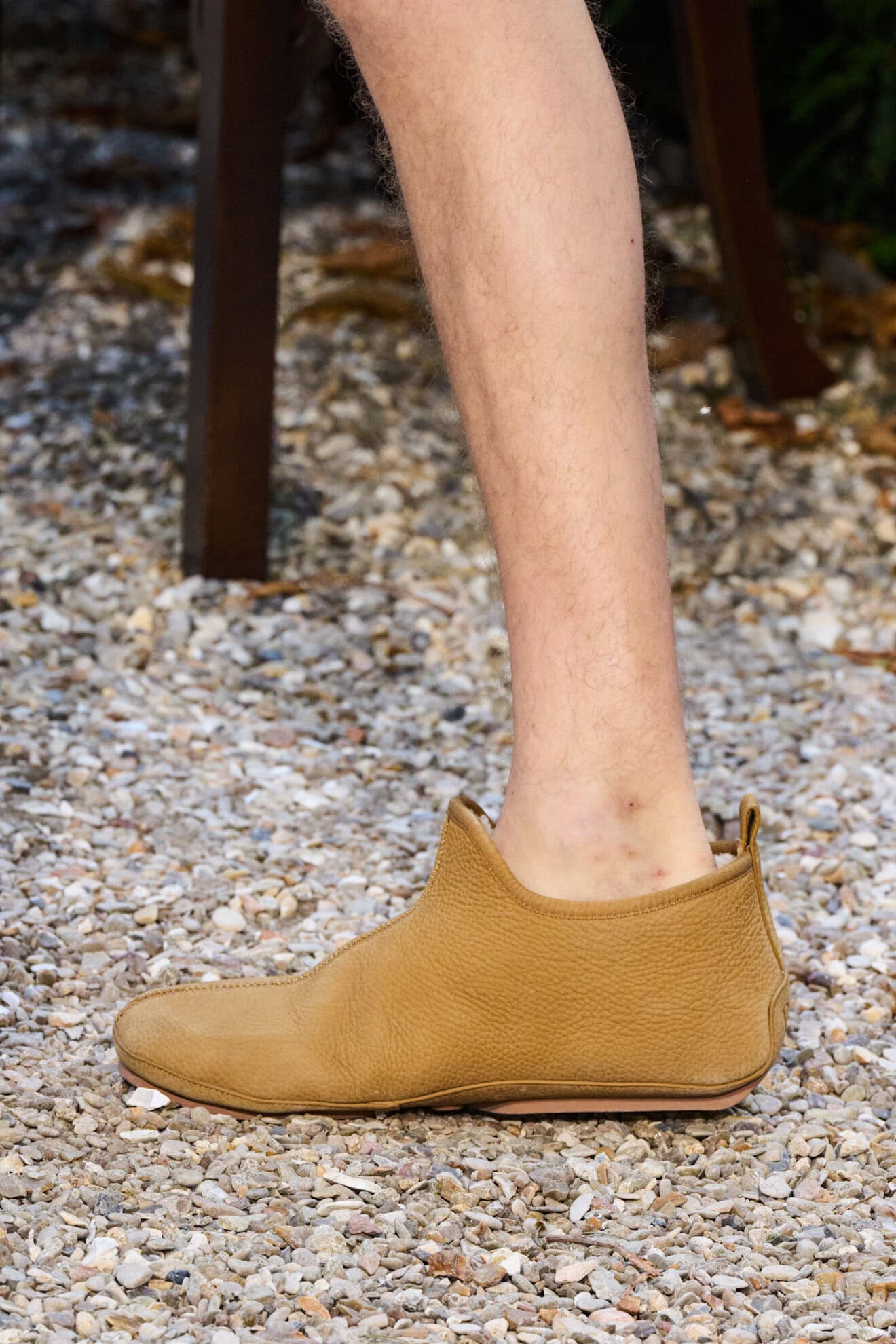
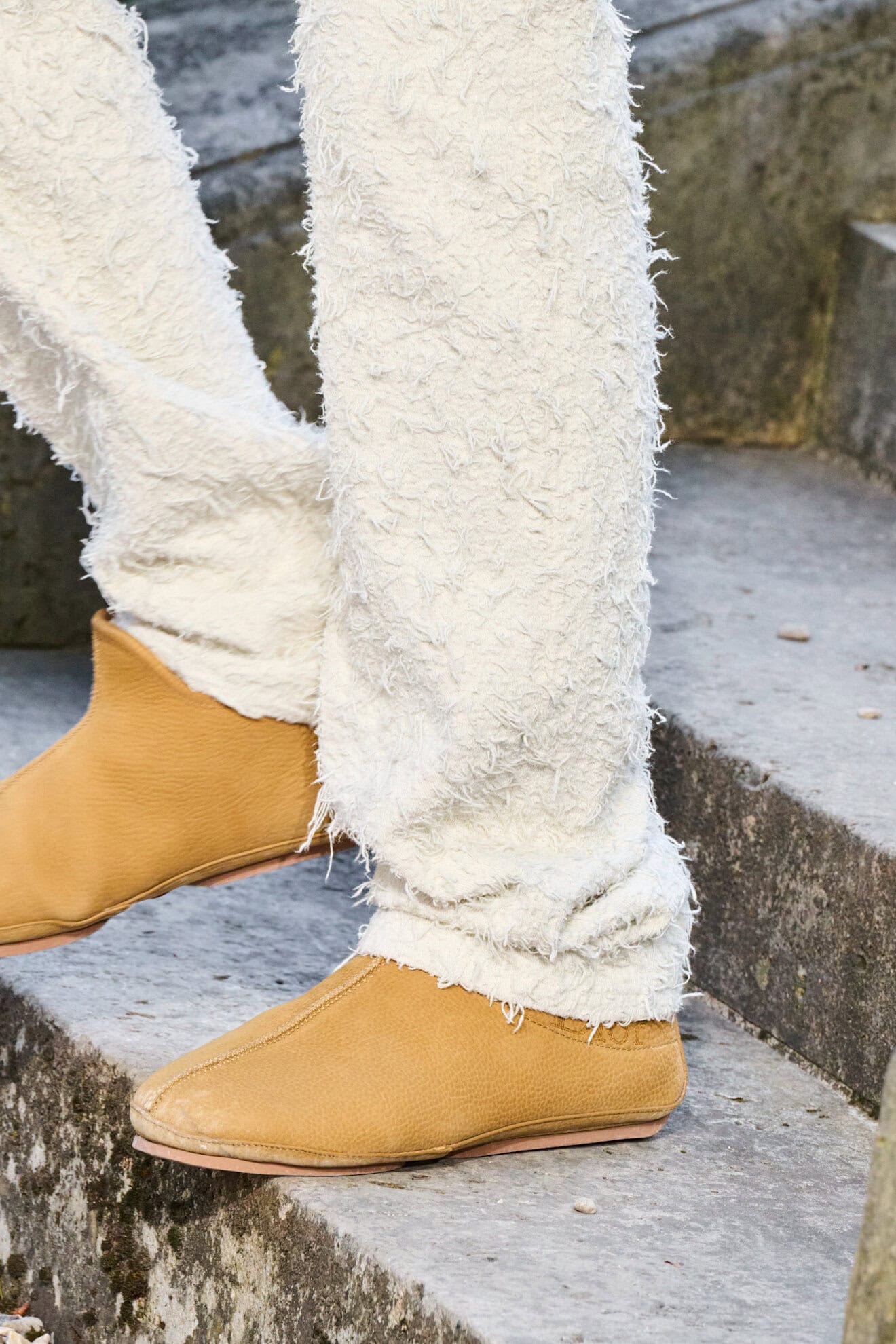
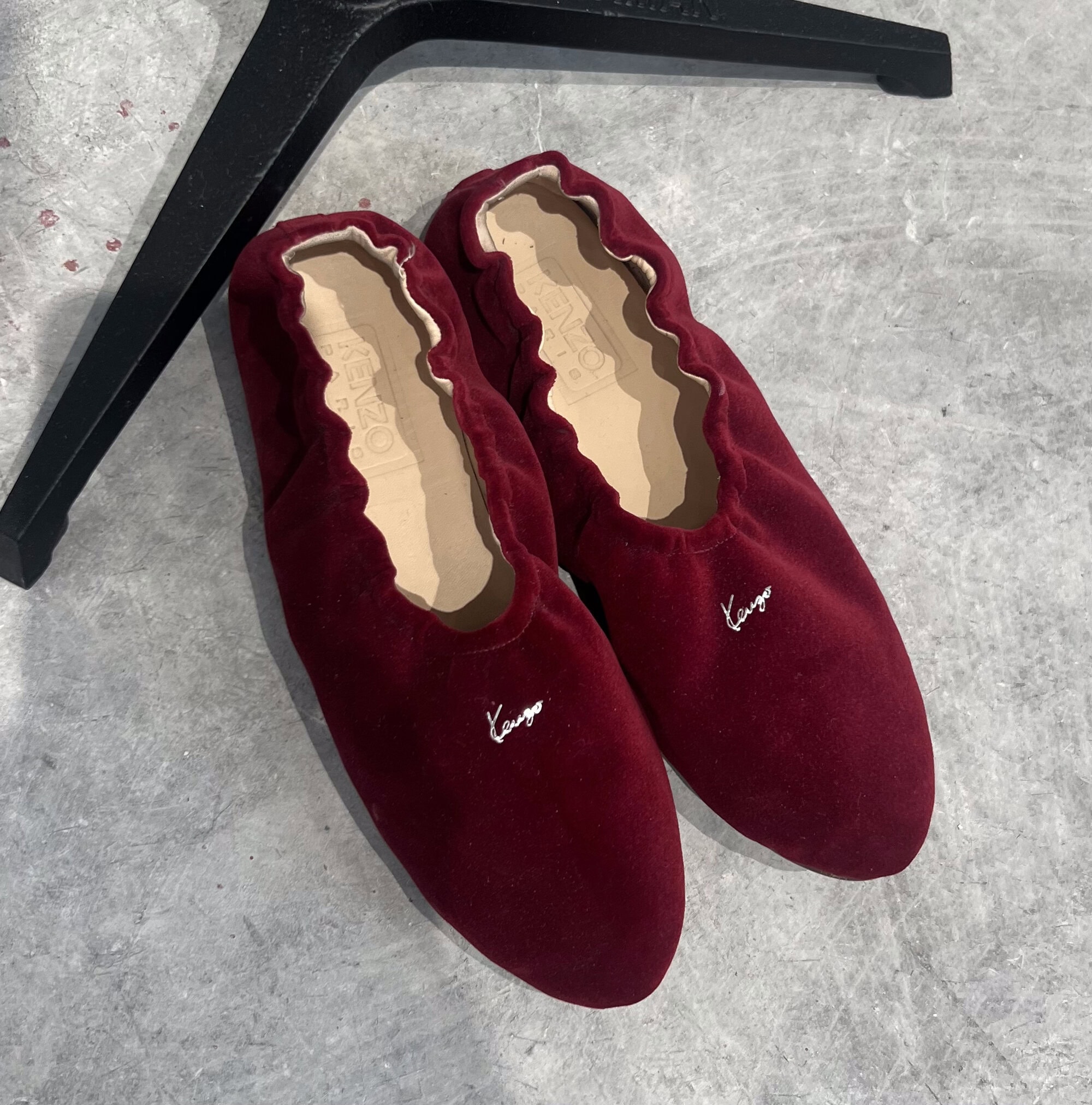
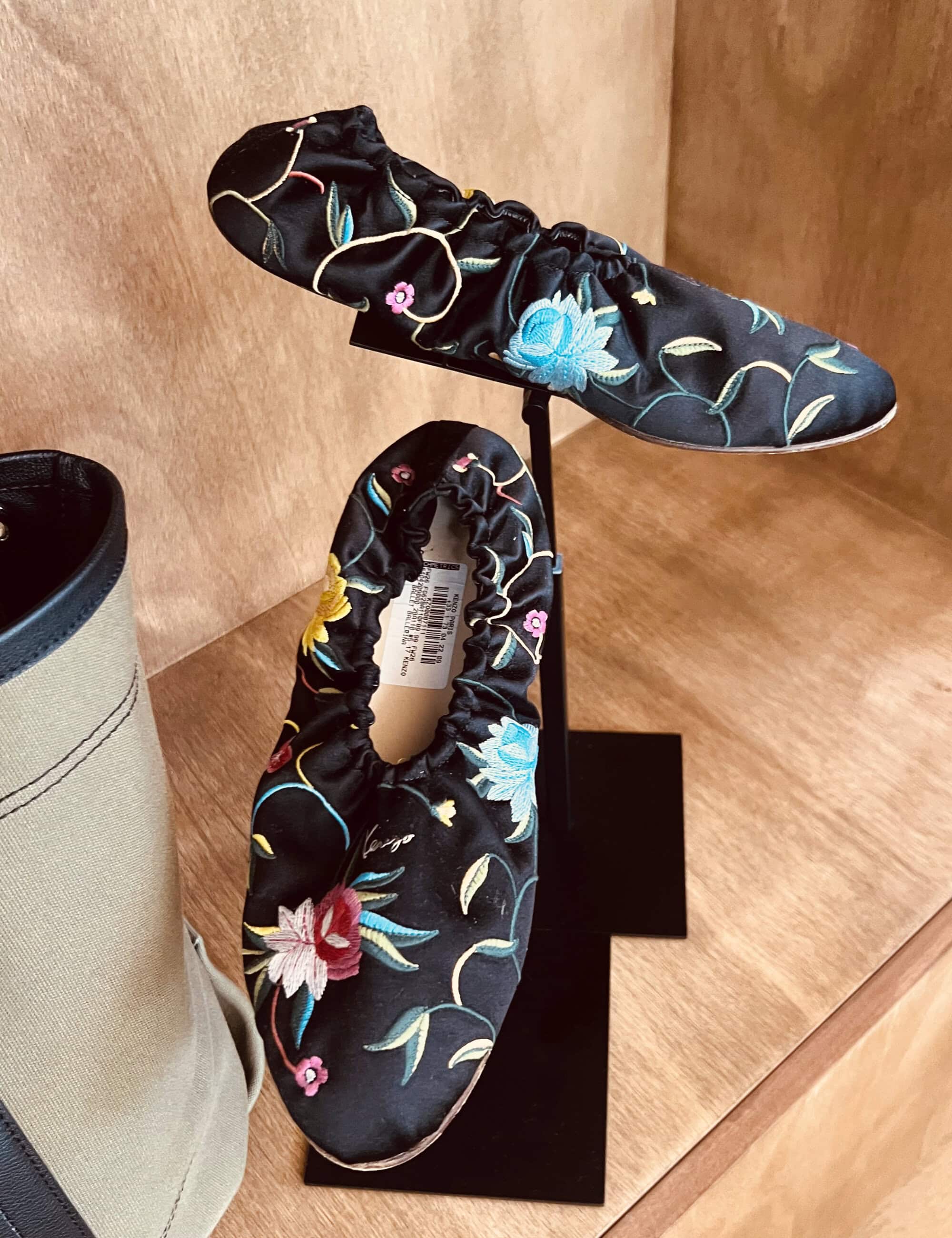
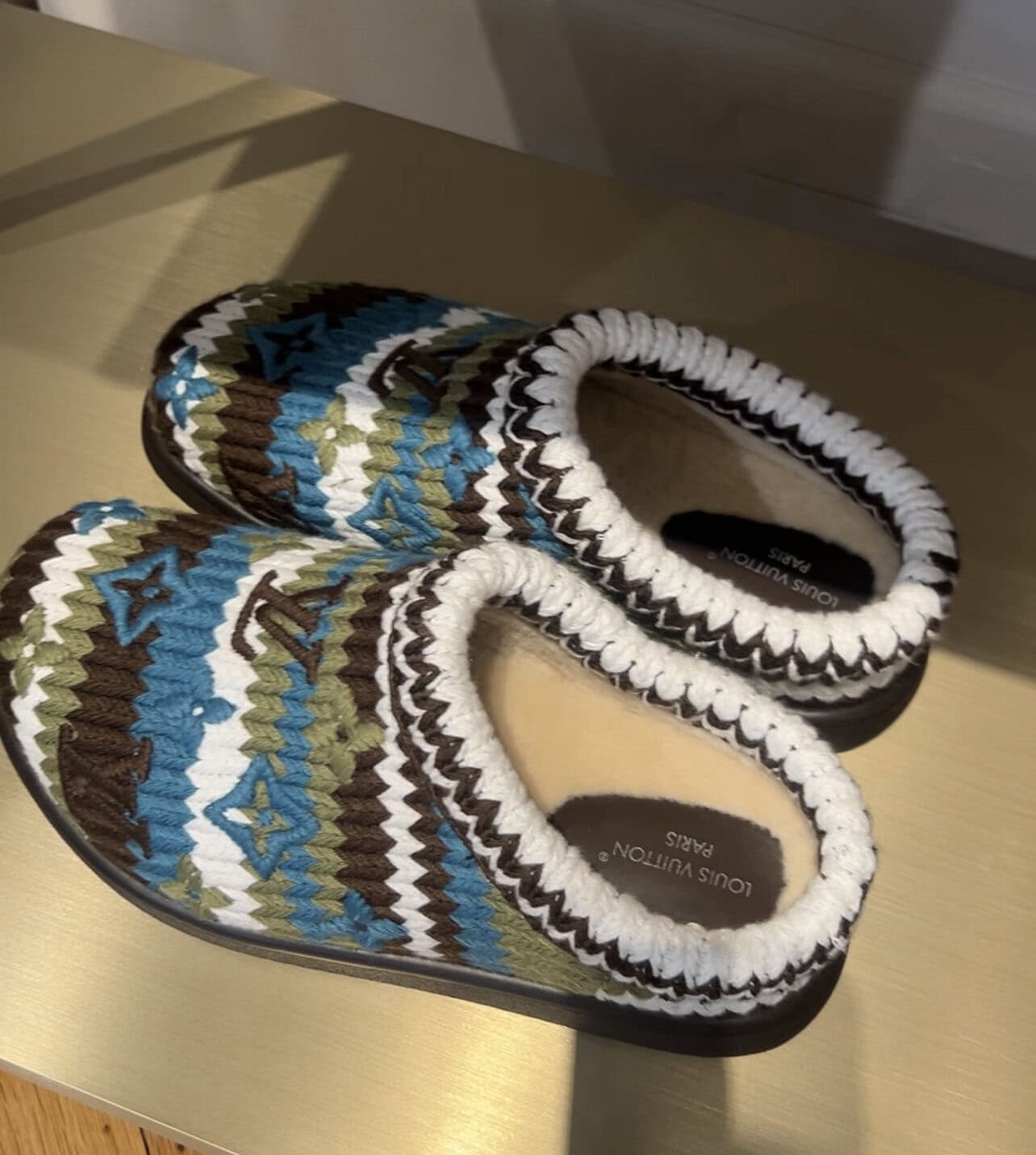
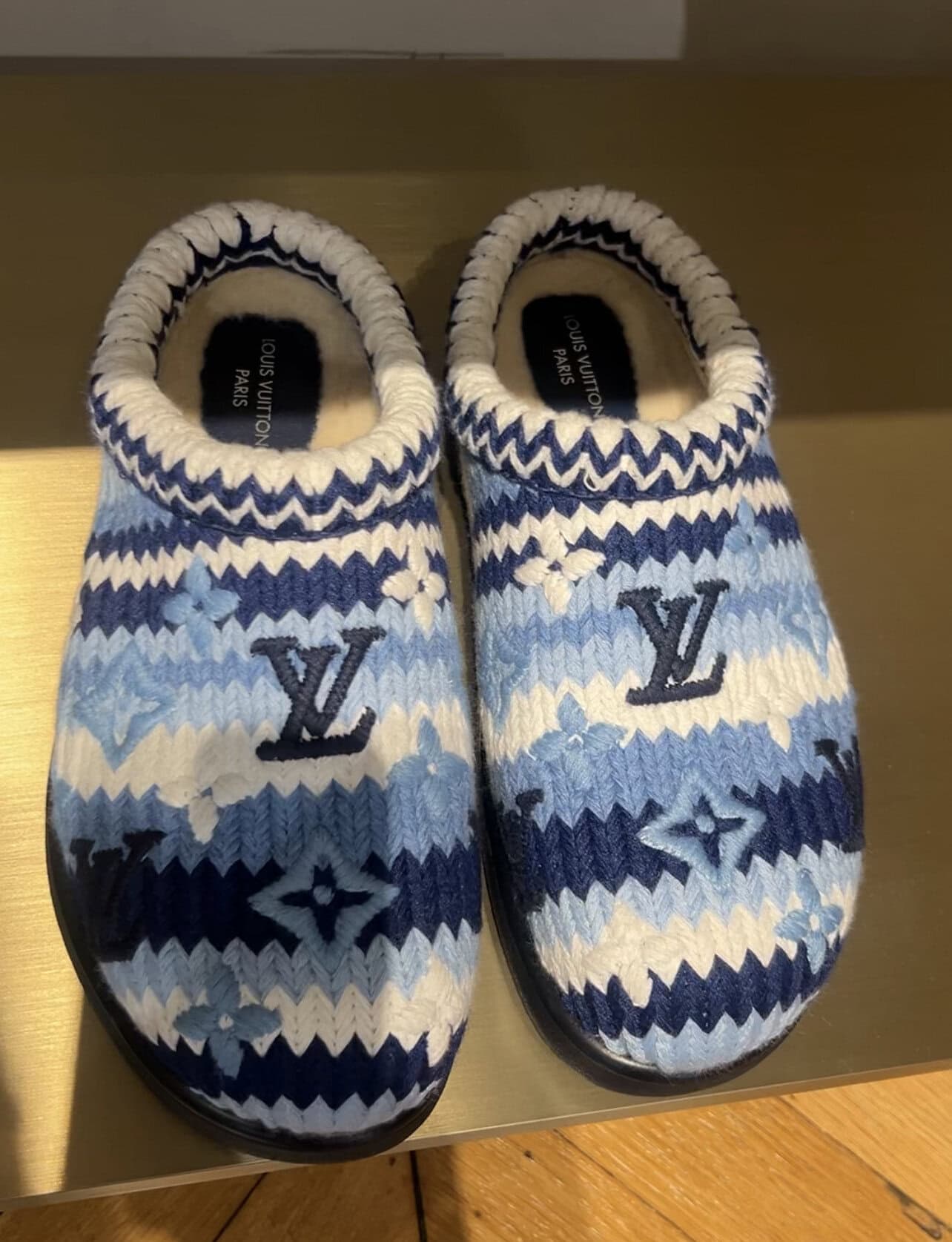
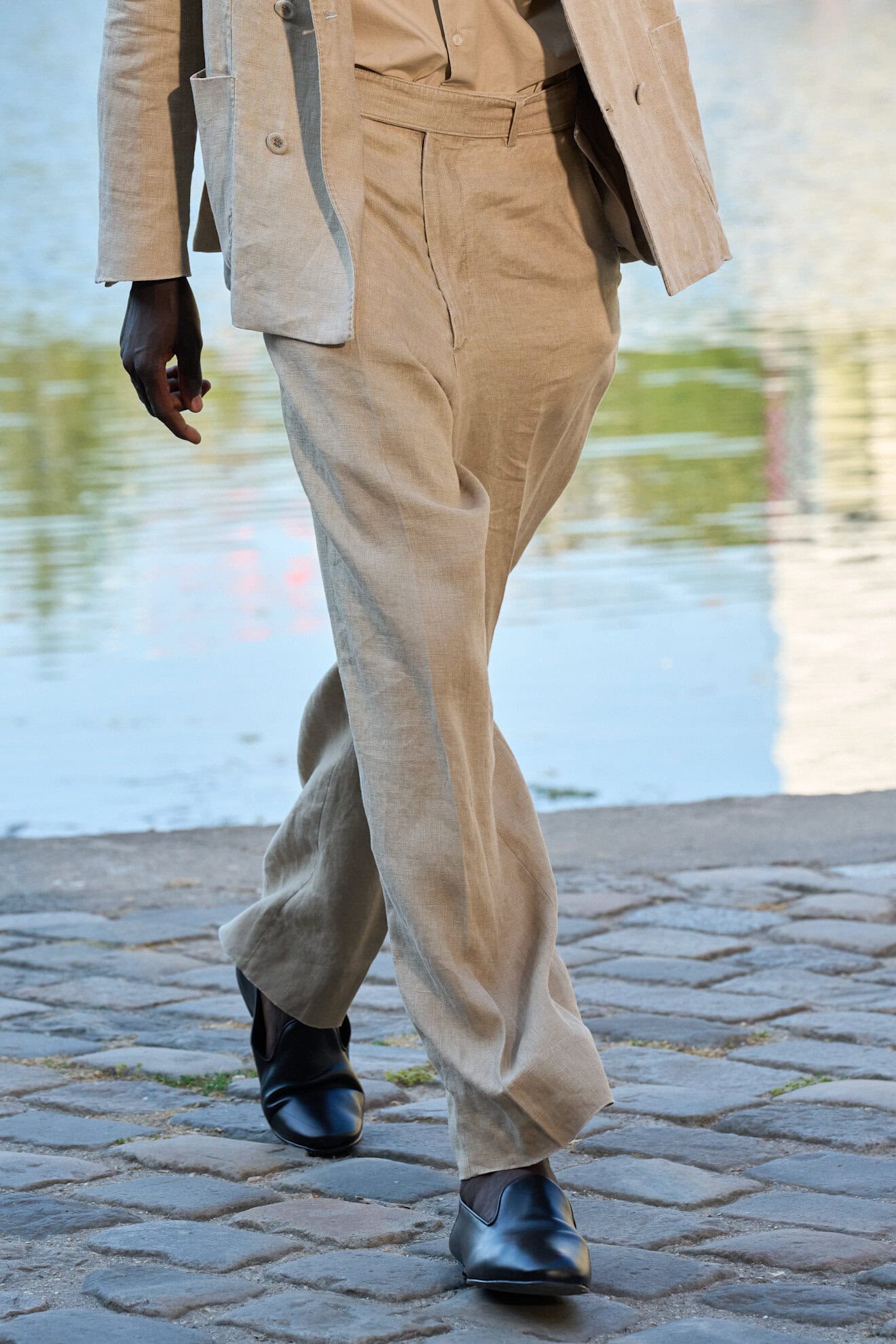
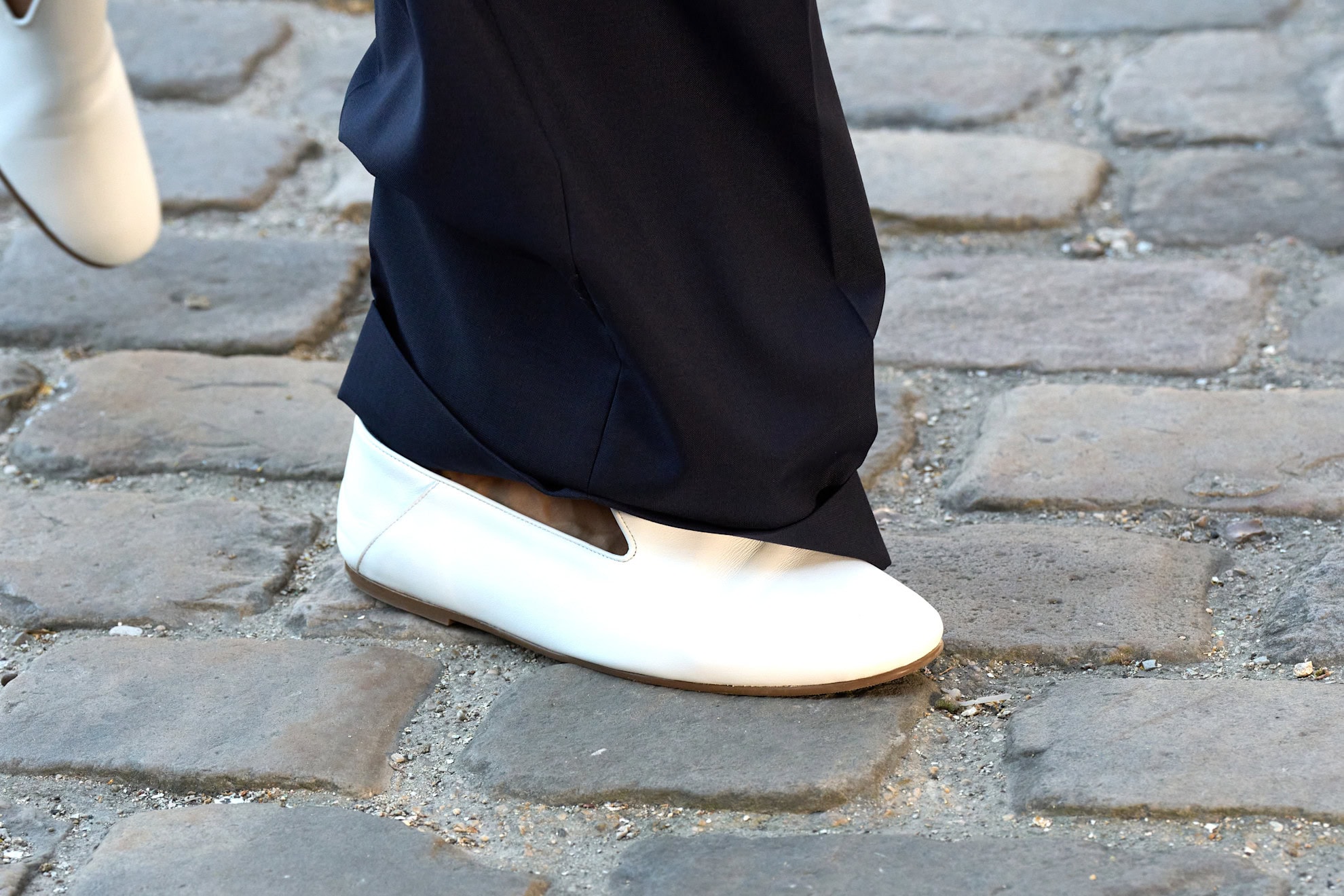
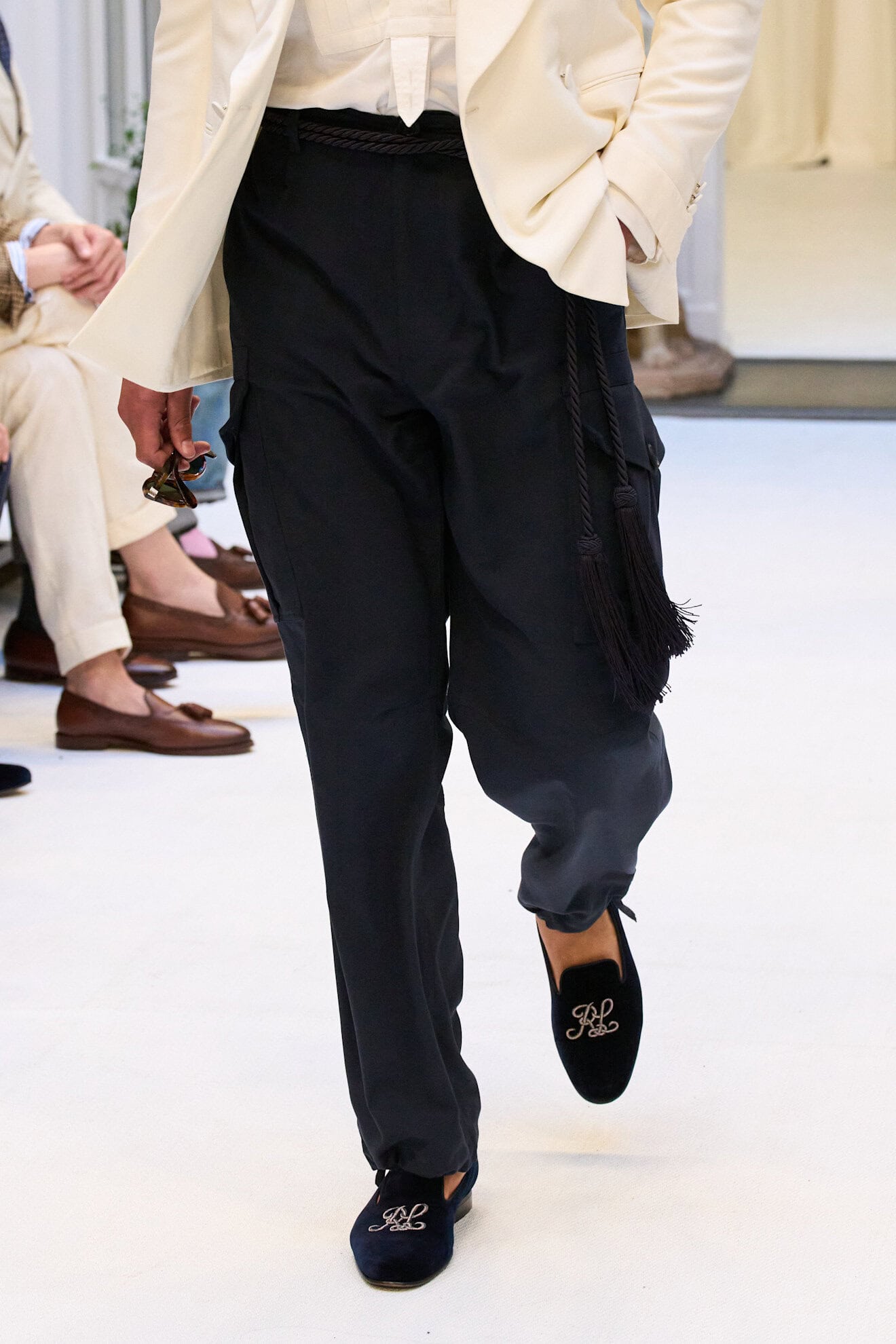
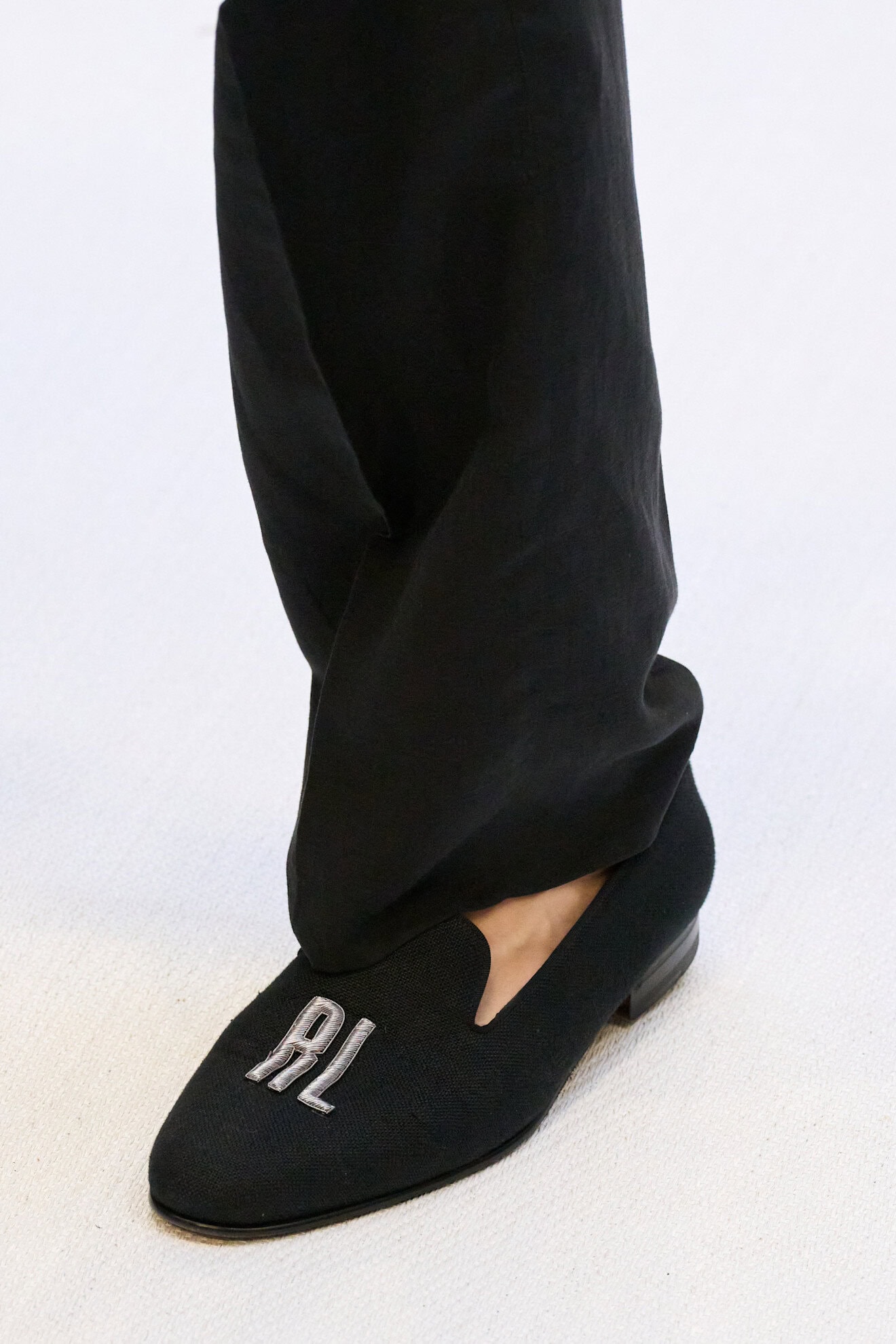
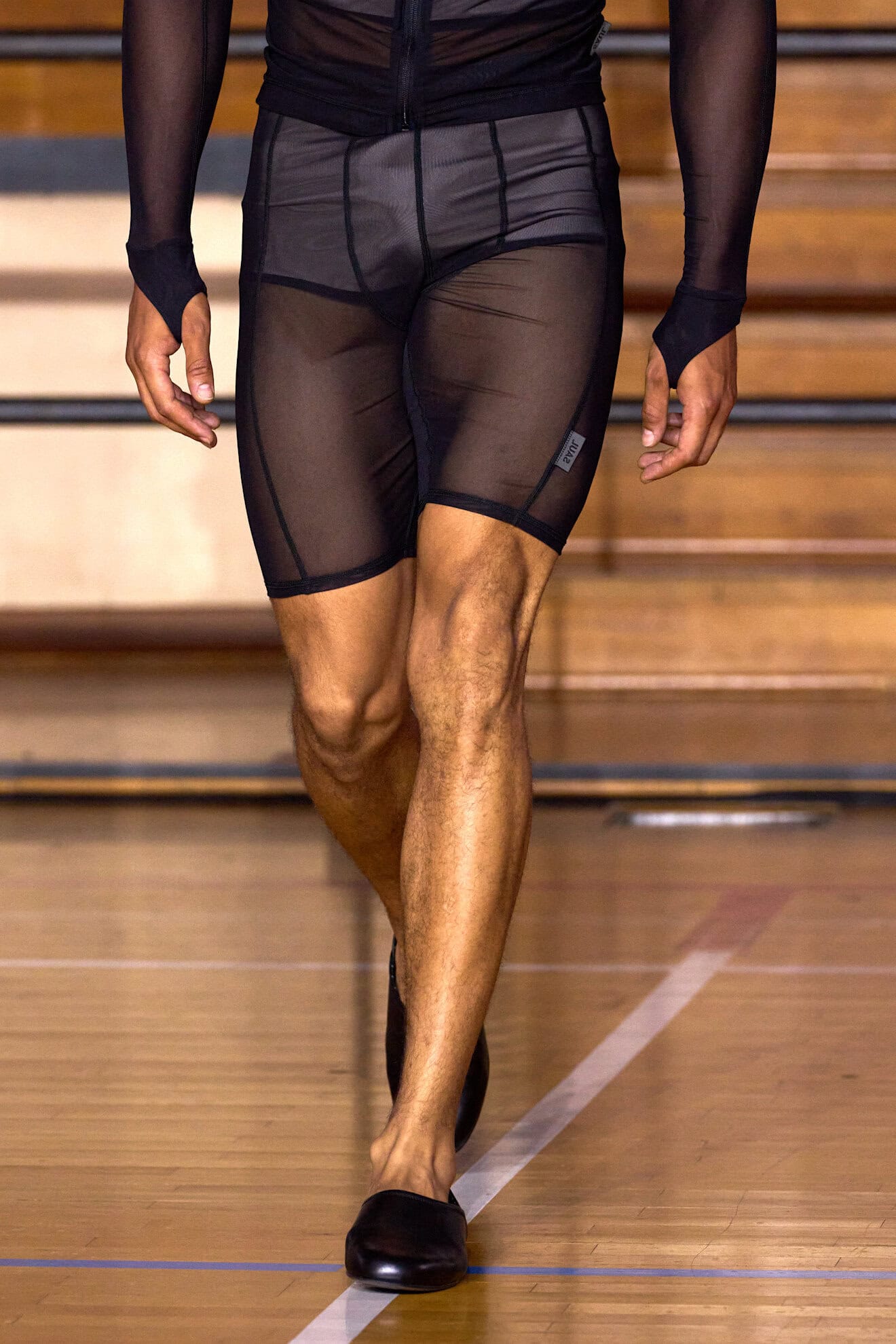
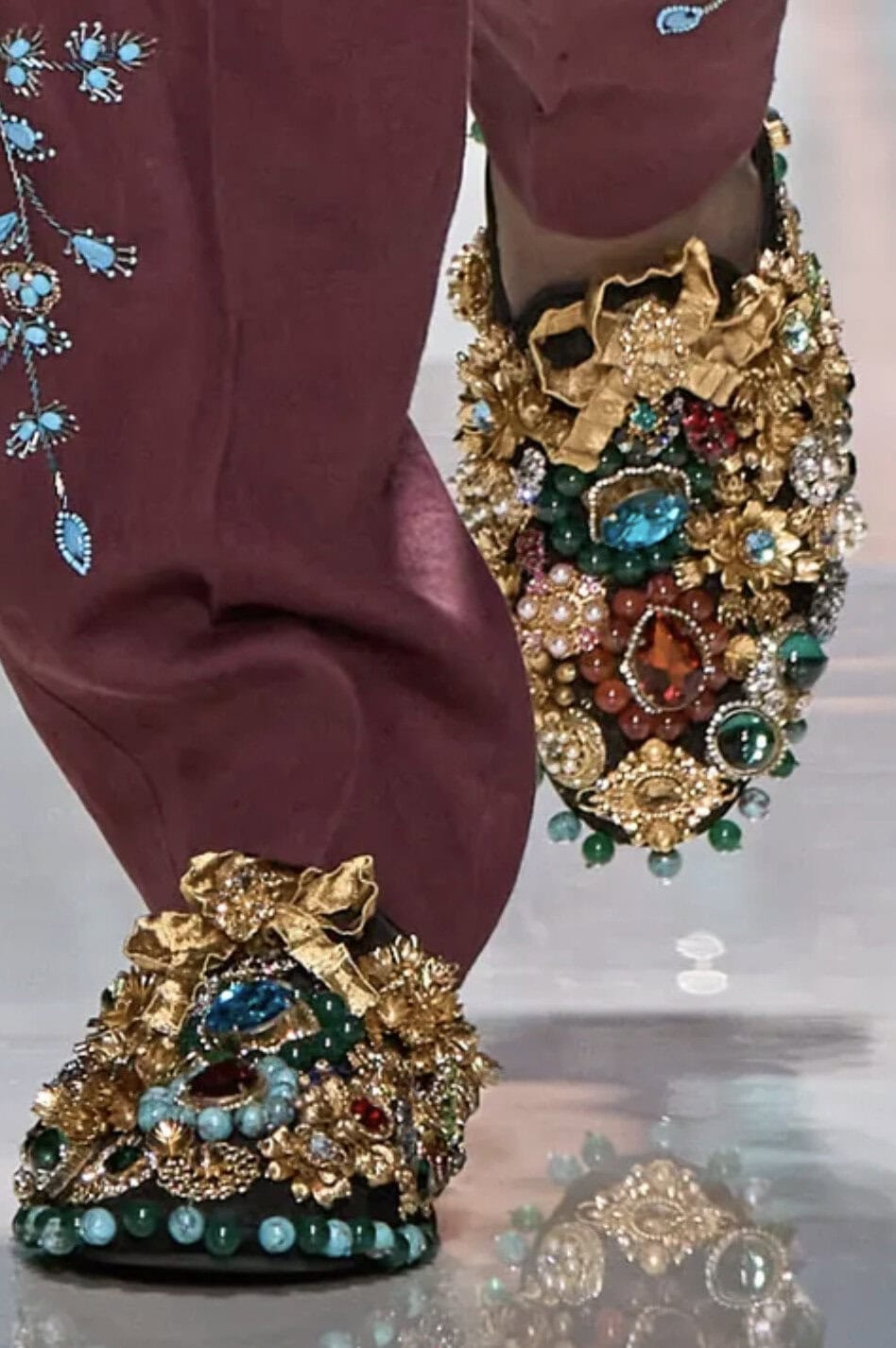
Comfort became a non-negotiable in men’s footwear when the sneaker became a dominant force in the market. Then came sleeker, more malleable silhouettes in satin, suede and leather. The next iteration of the statement shoe is one more suited to the bedroom i.e. the slipper. On the runway there were updates of the elegant velvet slipper with embroidered monogram from Ralph Lauren, a sheepskin-lined clog at Louis Vuitton and fold-away ballet styles in soft goatskin from Celine.
9. Finding the Middle Ground
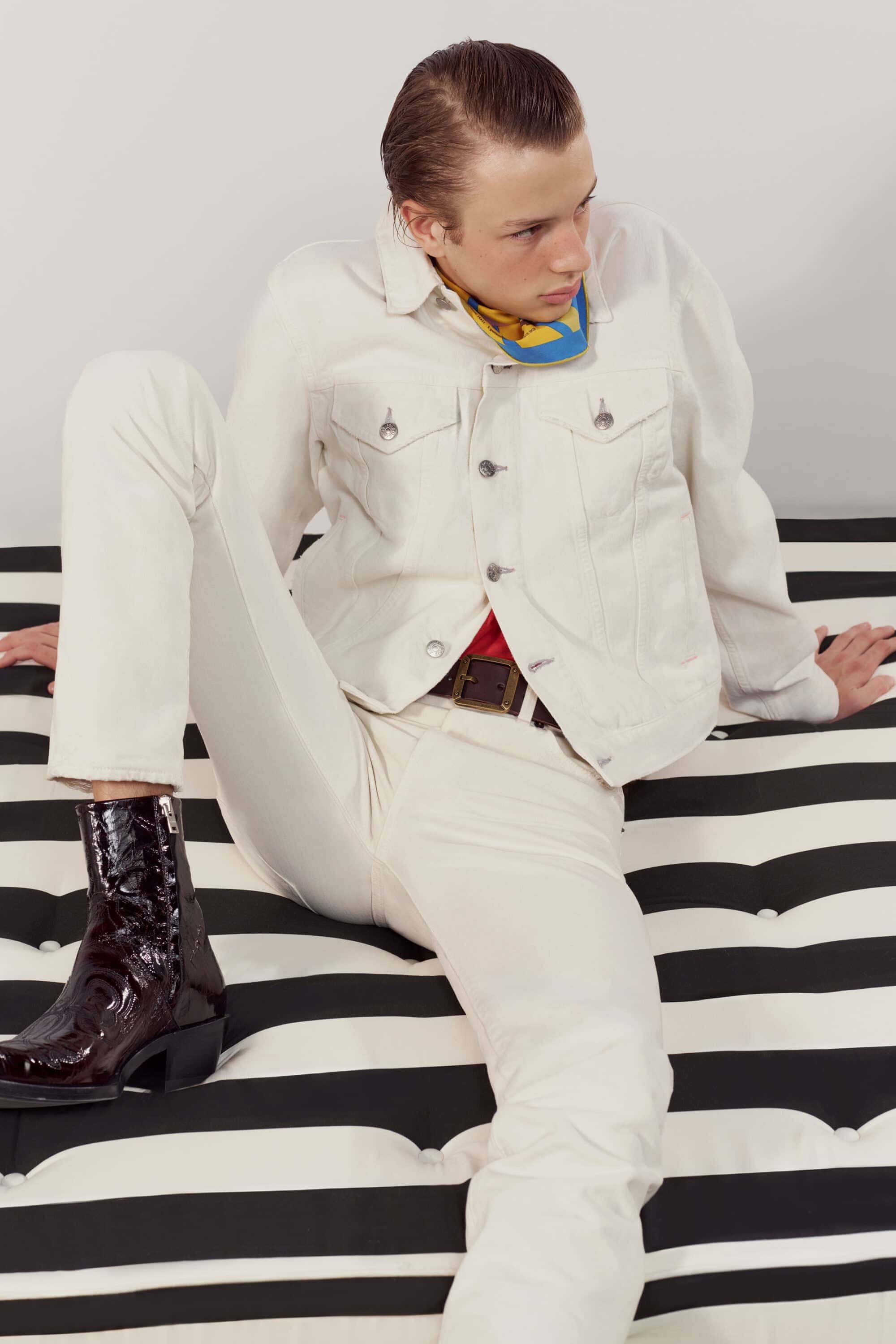
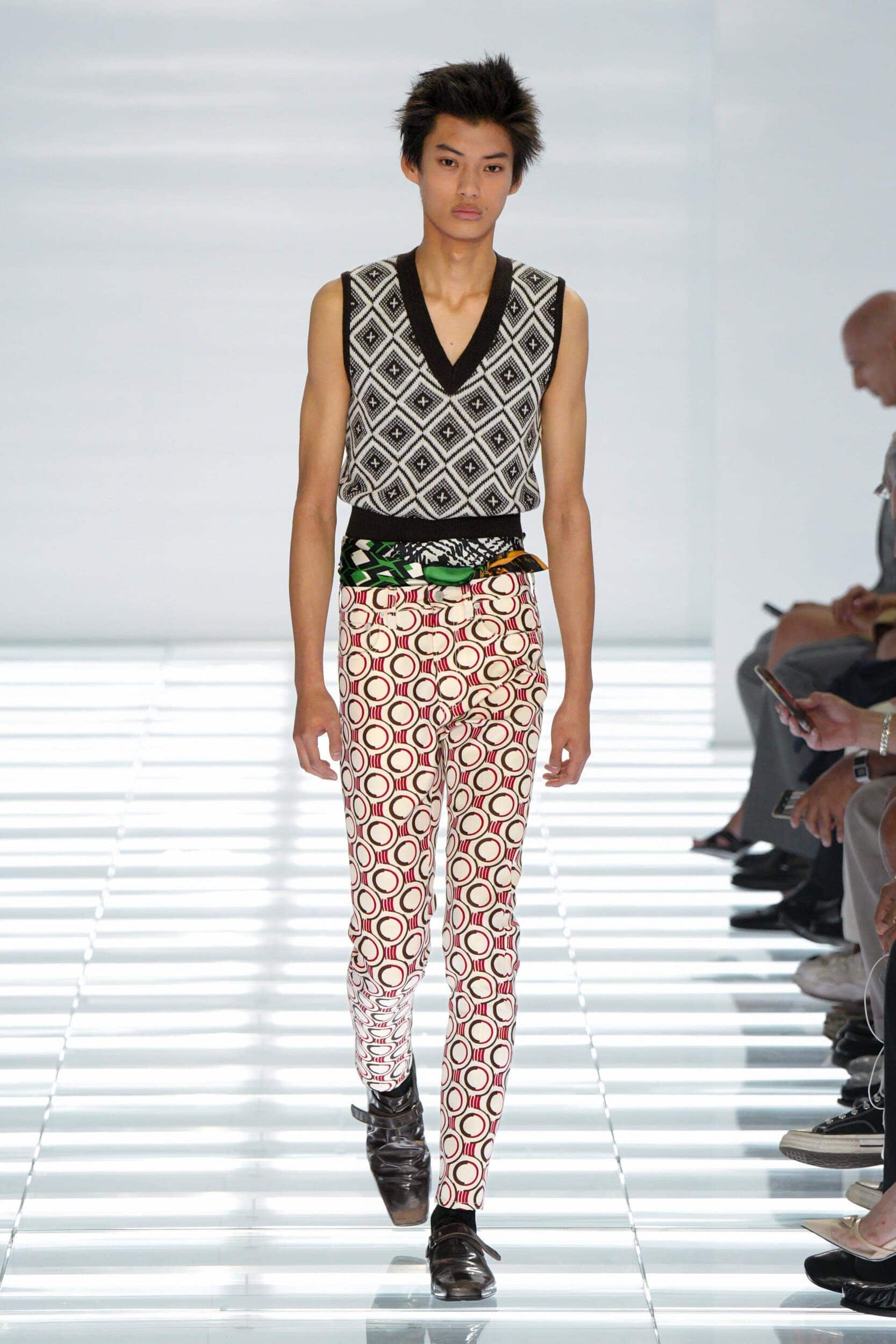
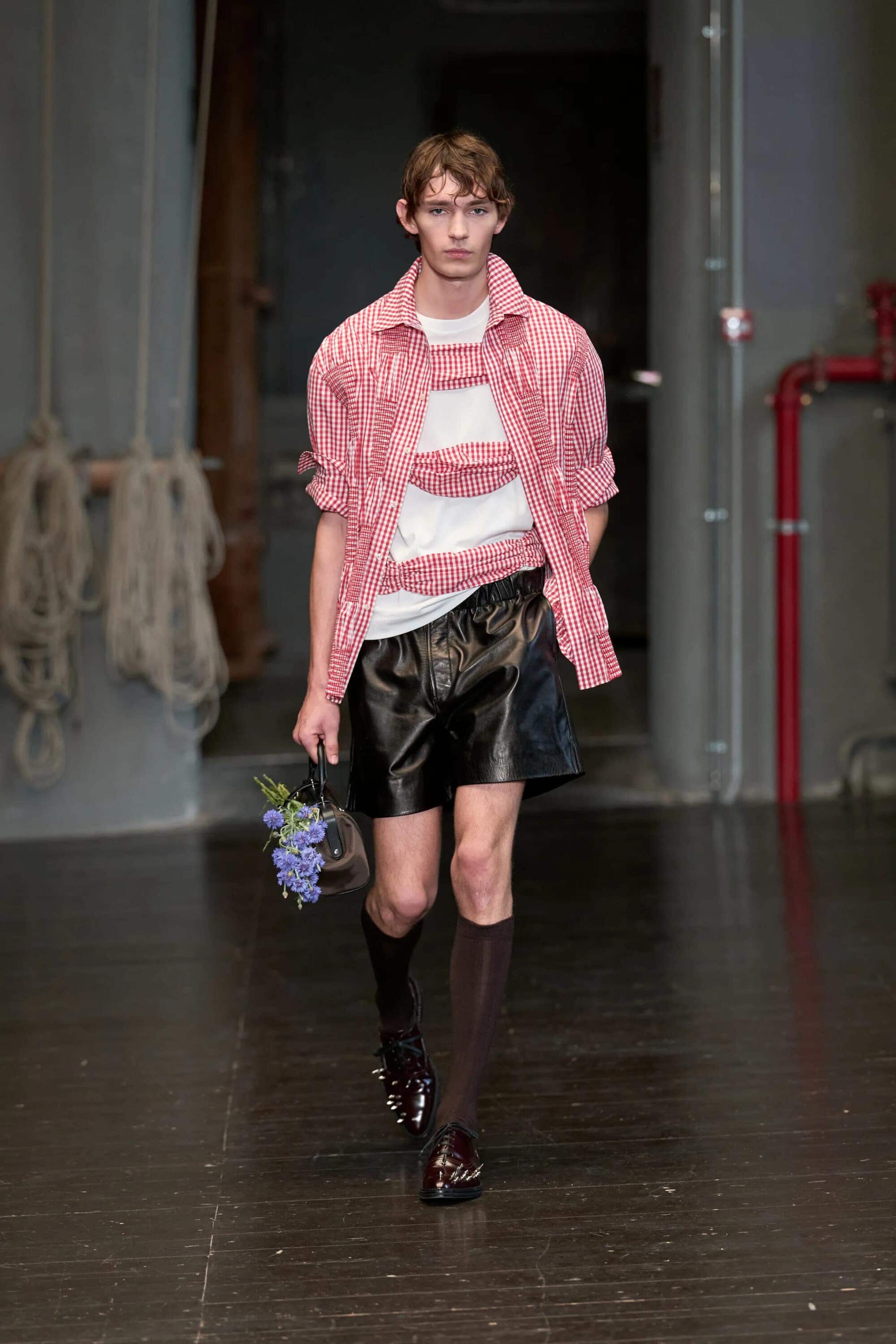
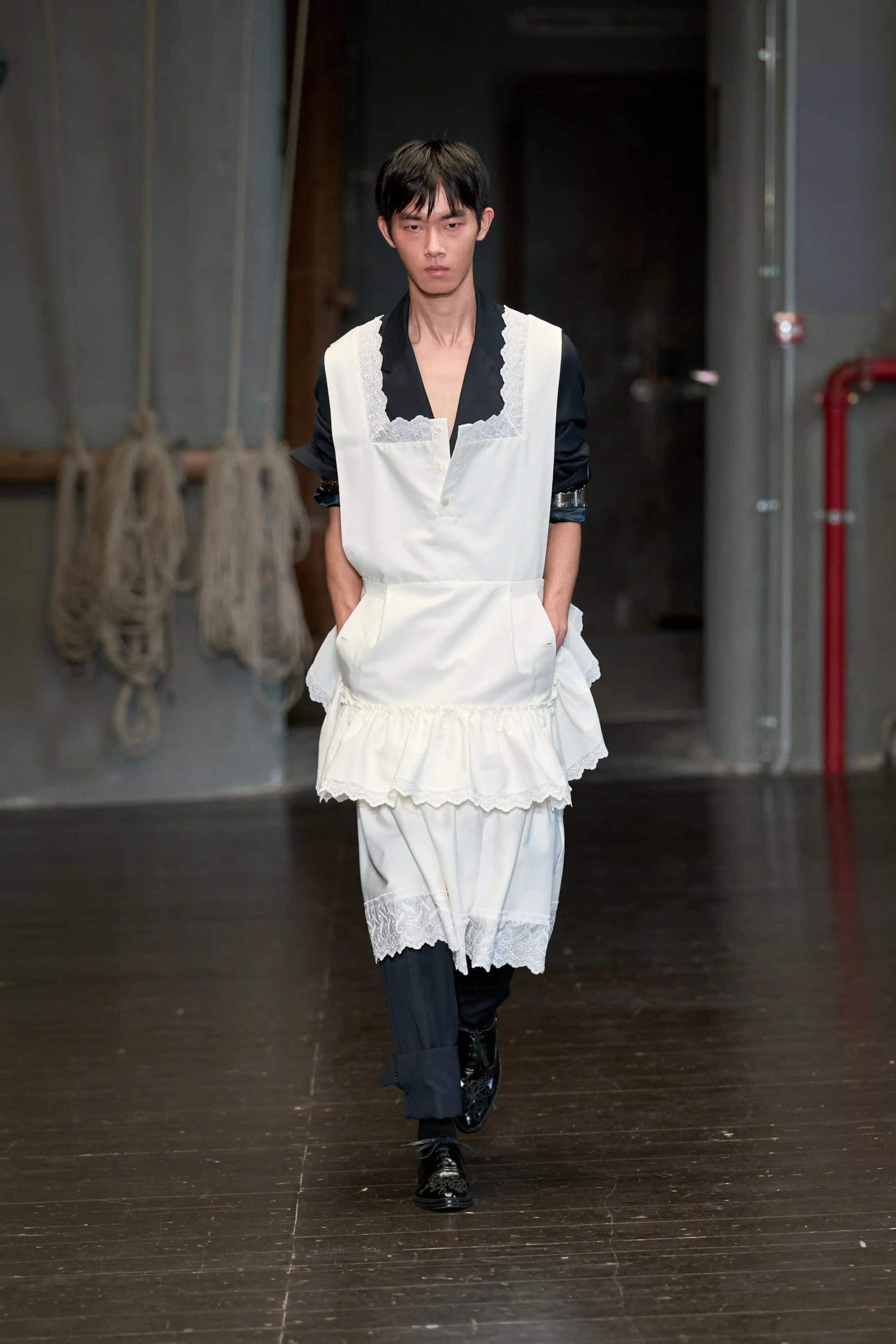
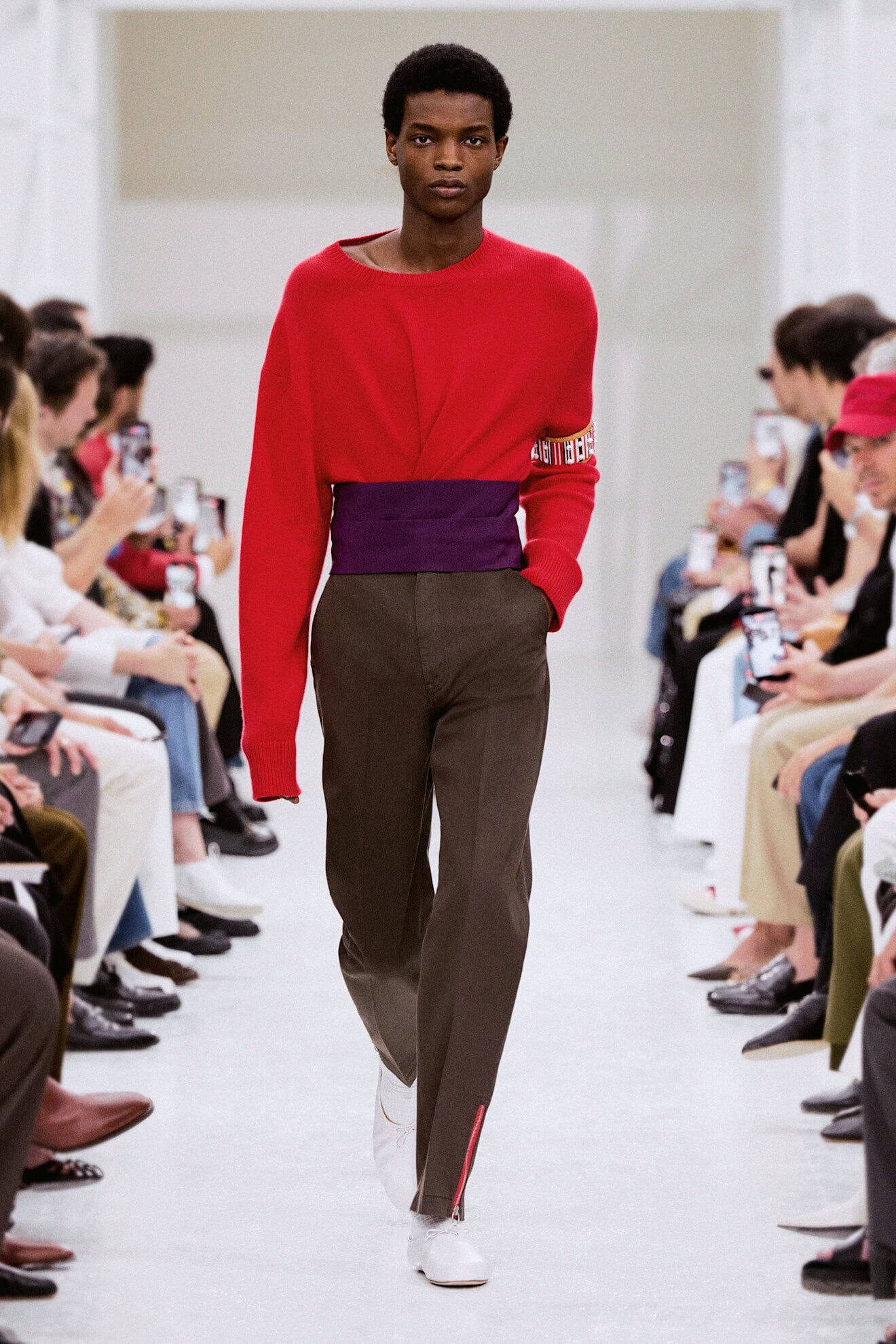
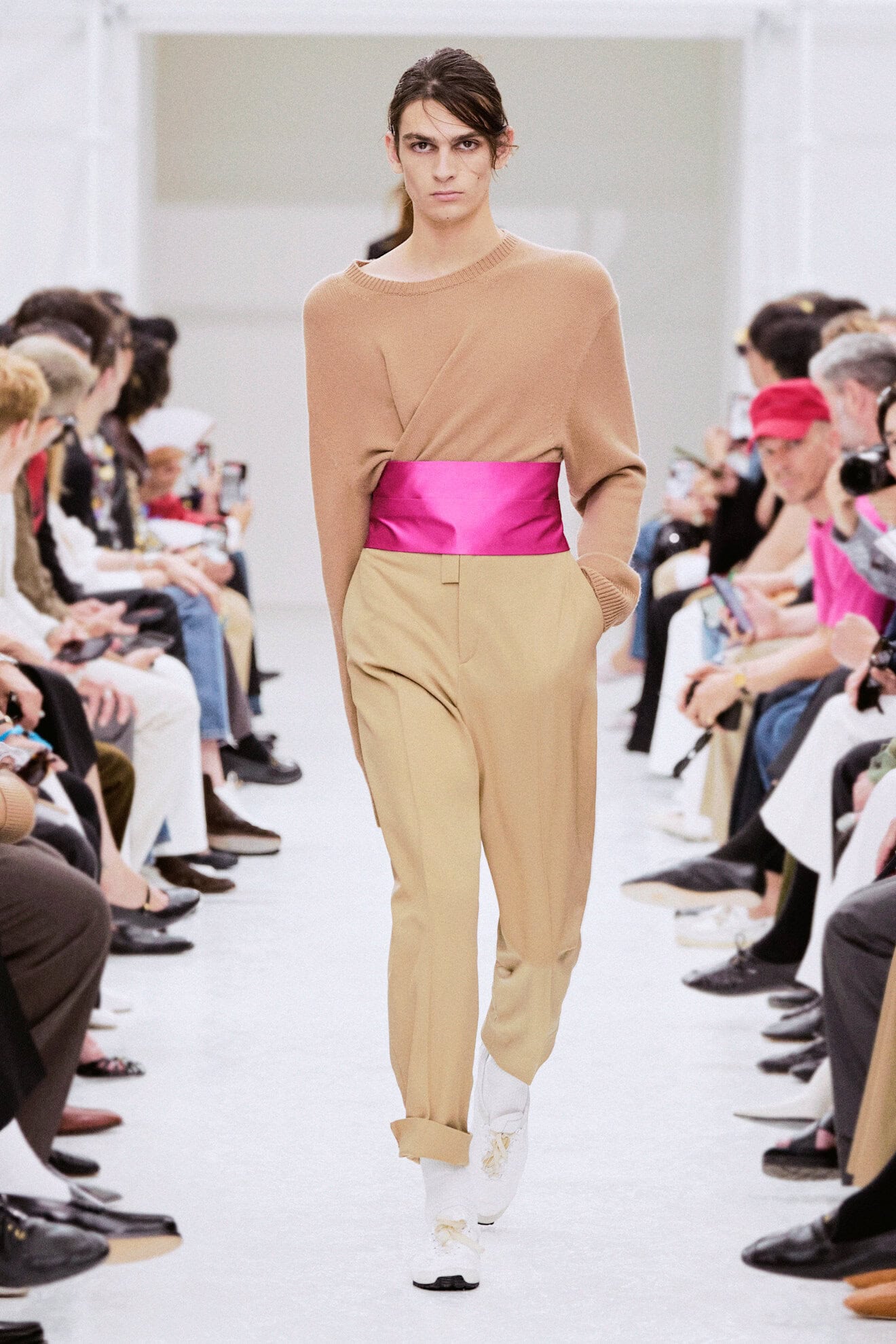
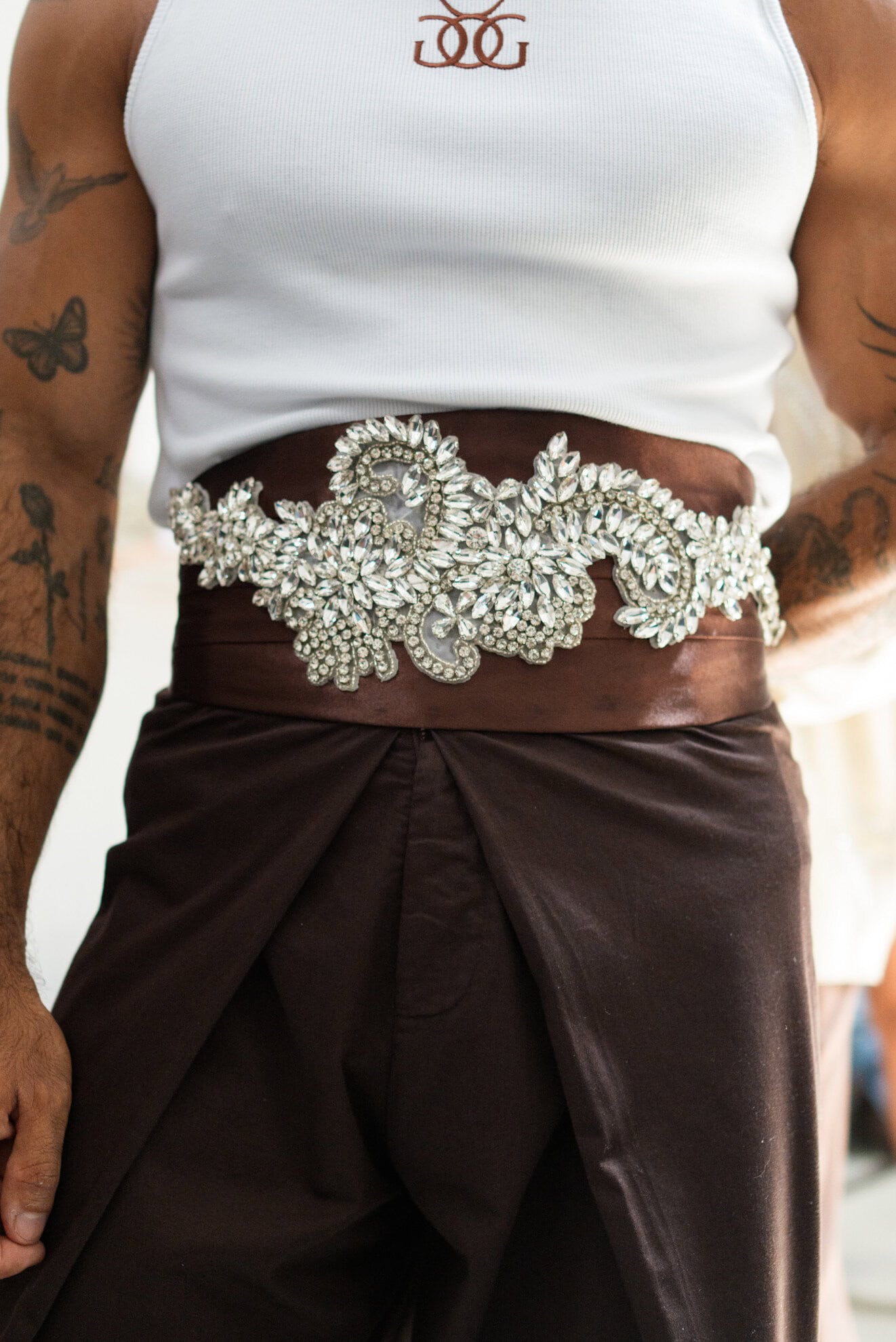
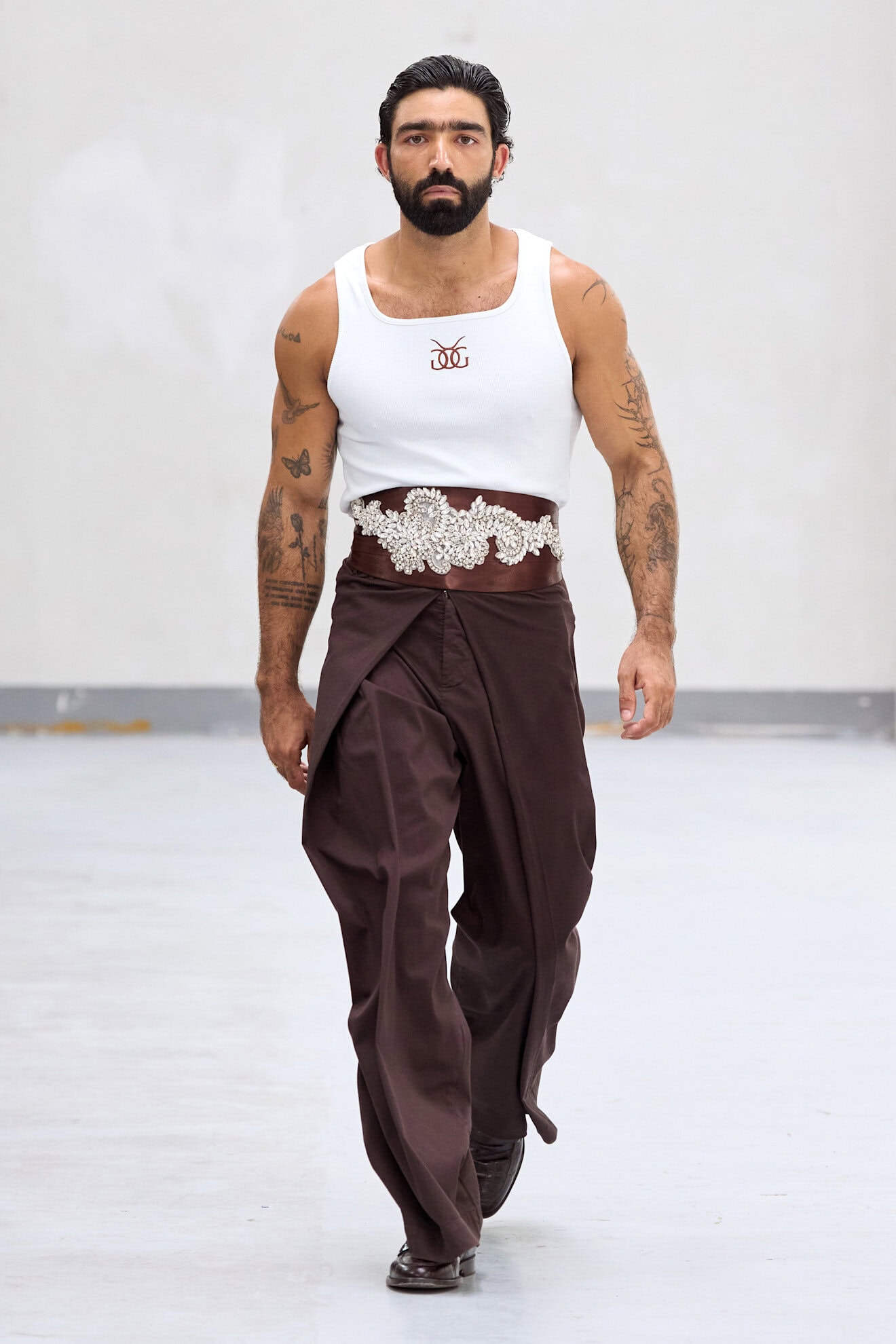
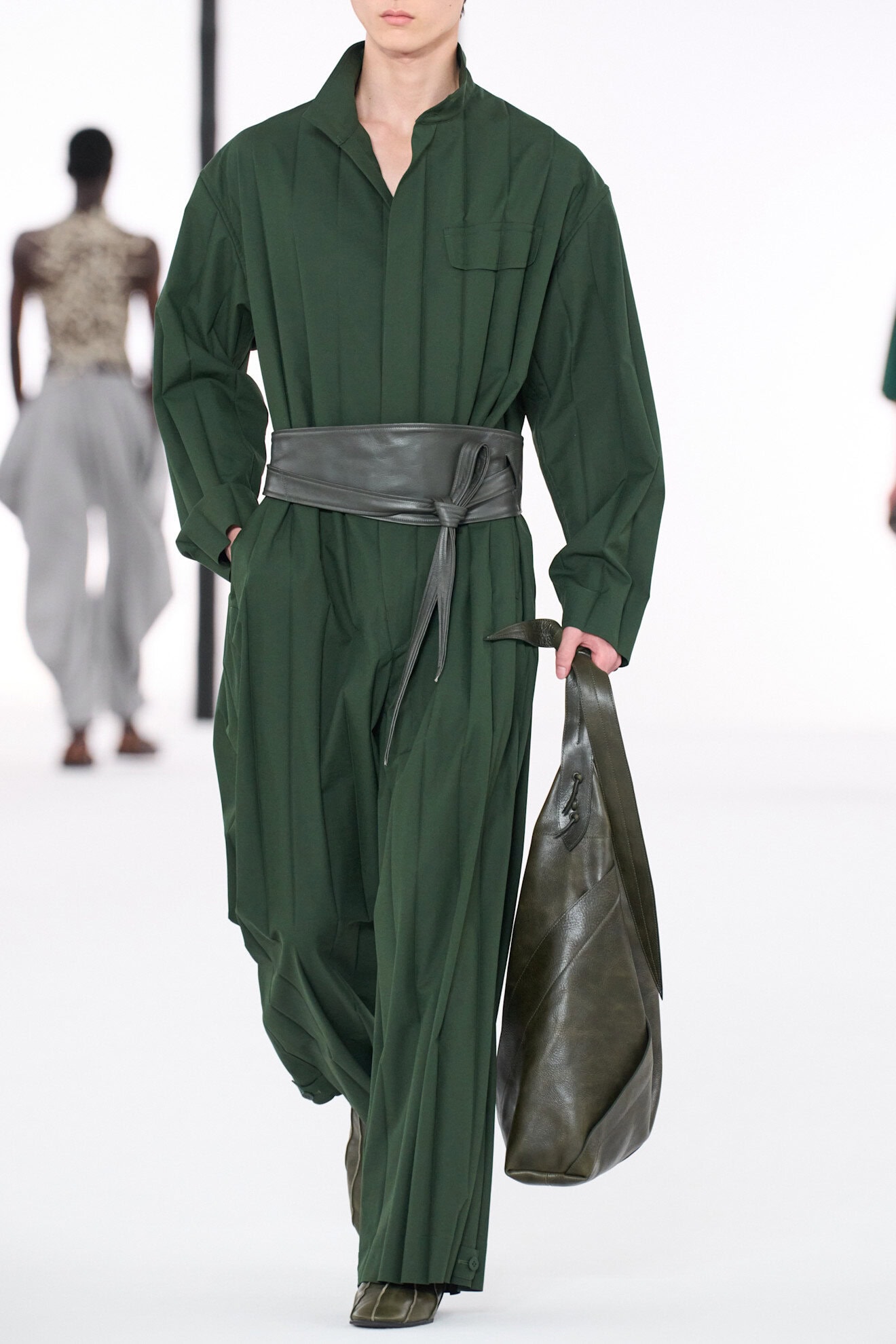
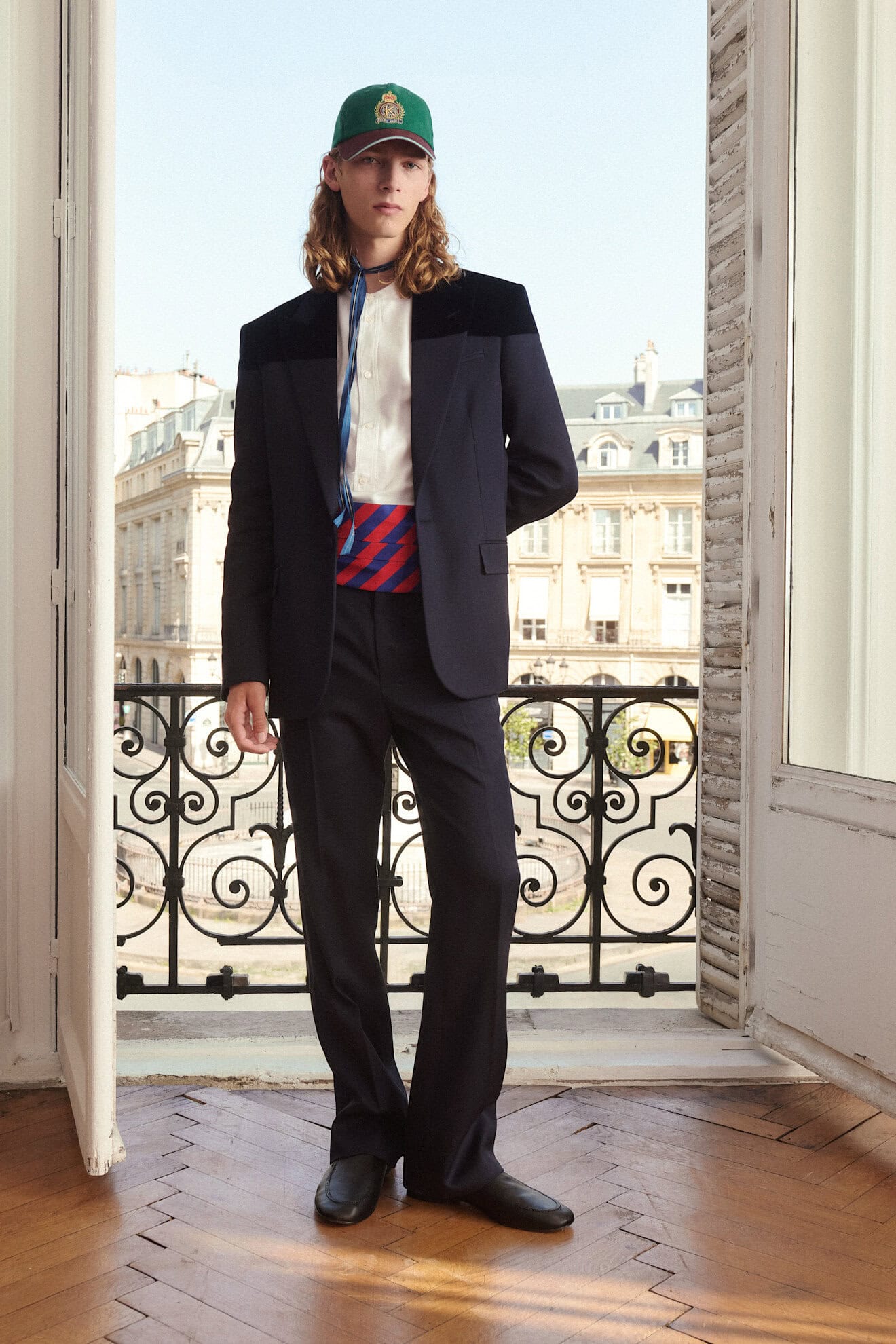
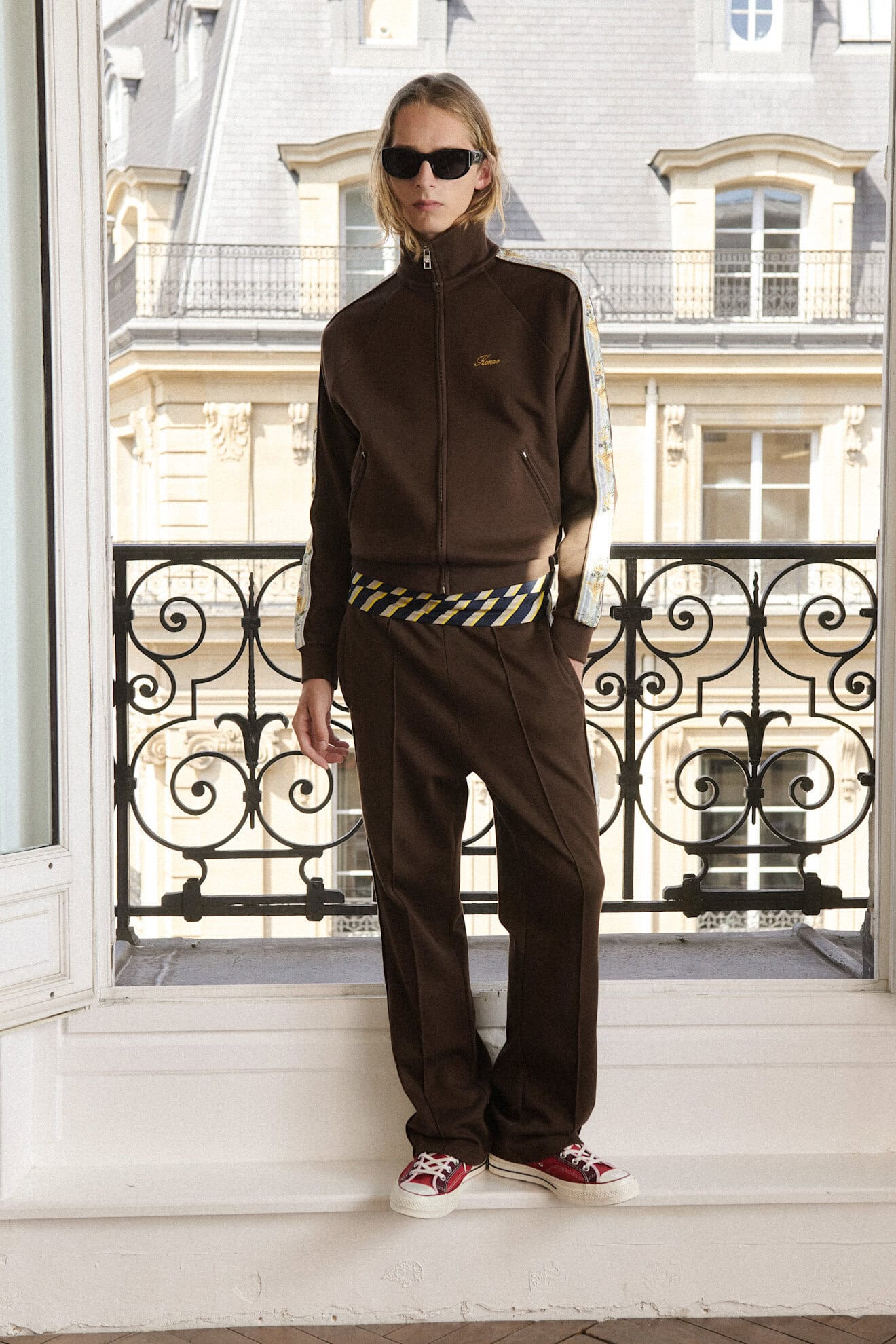
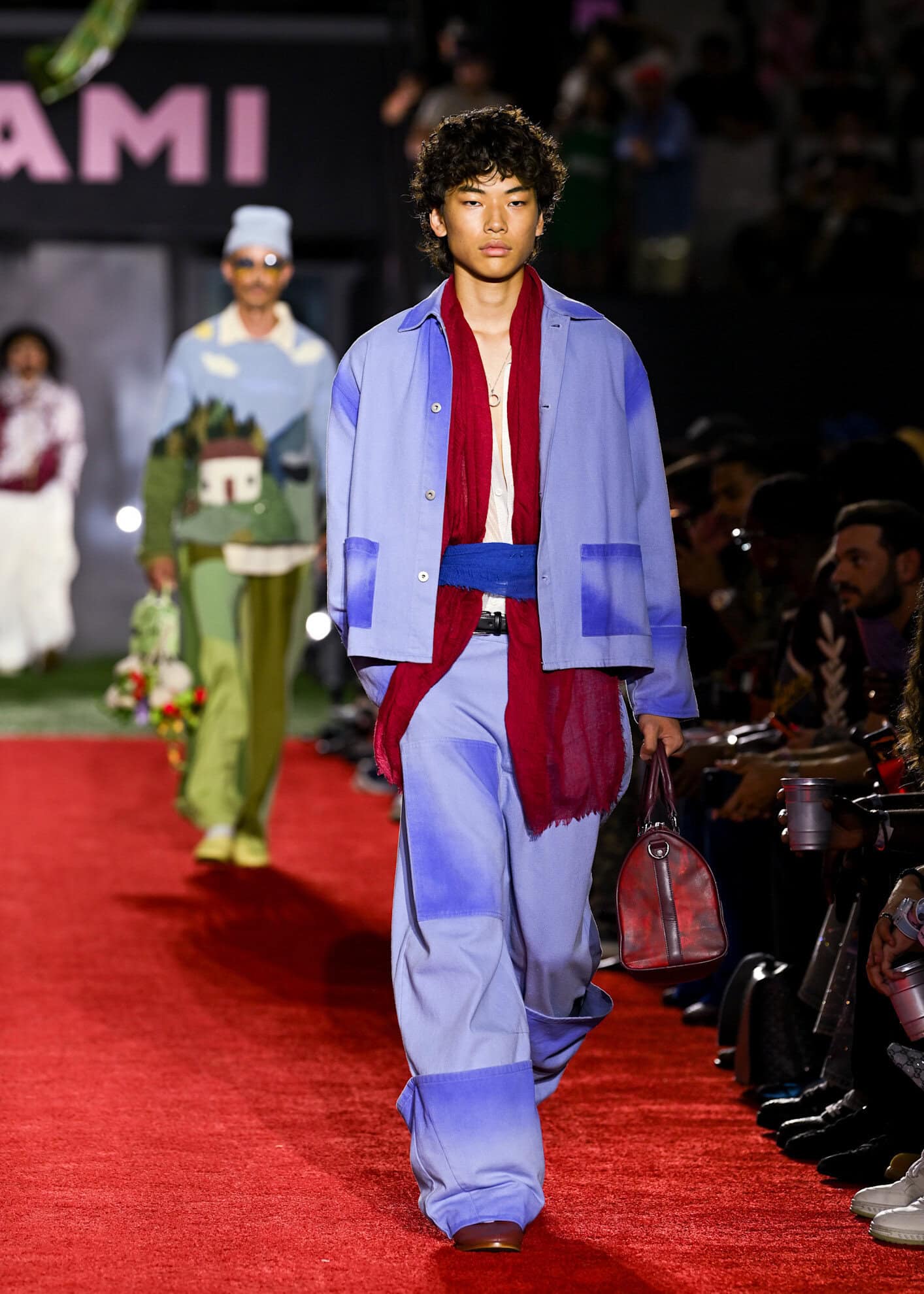
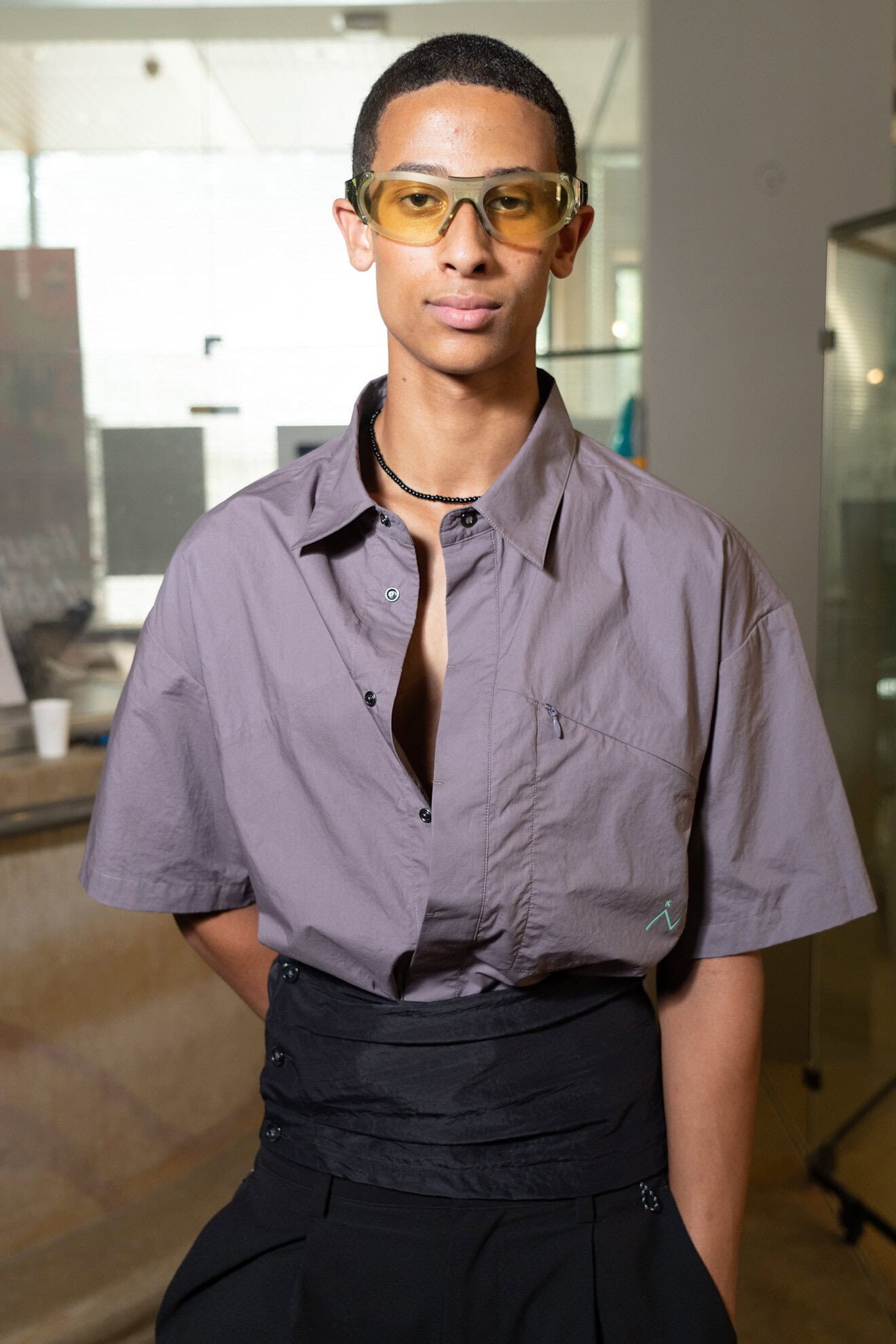
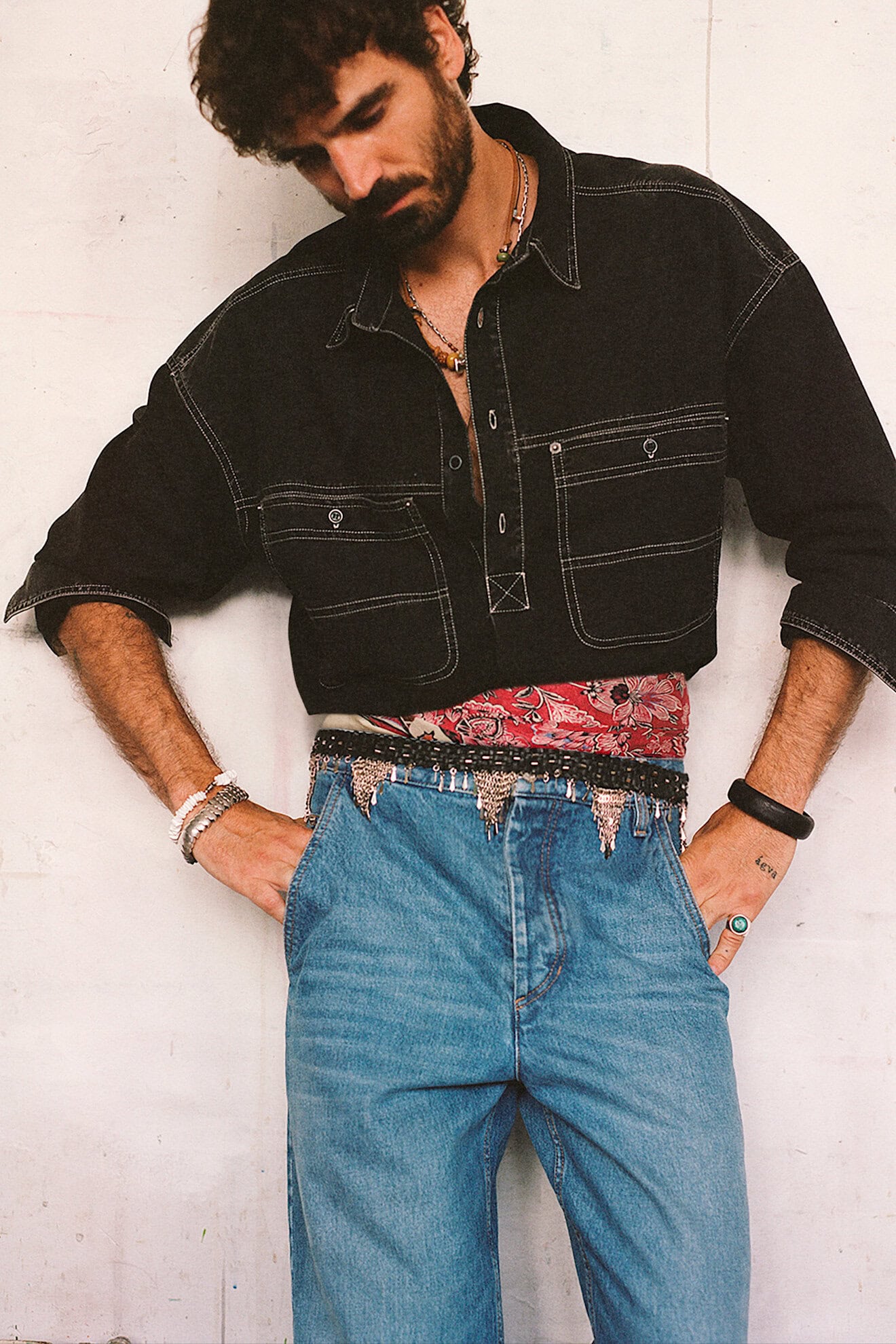
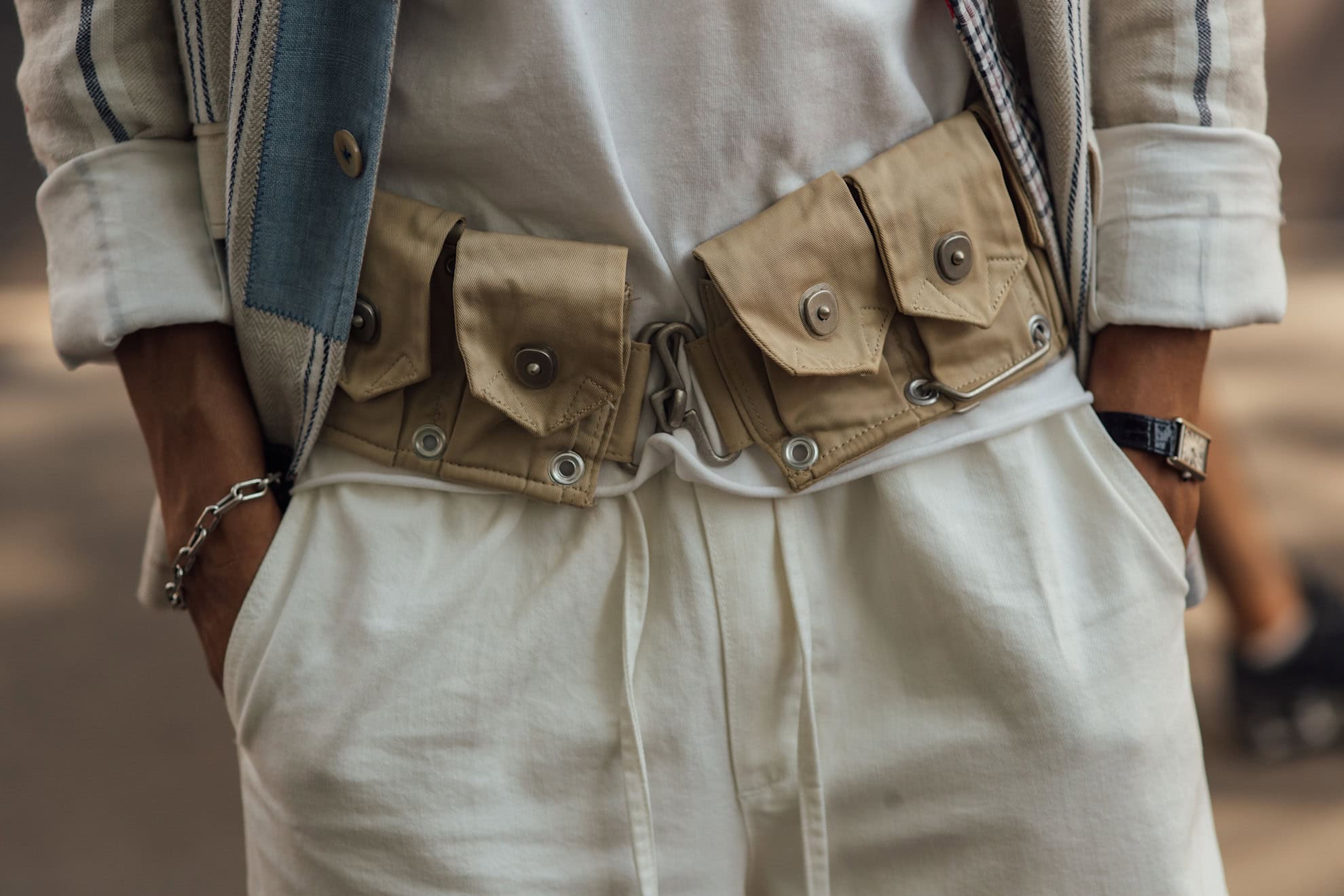
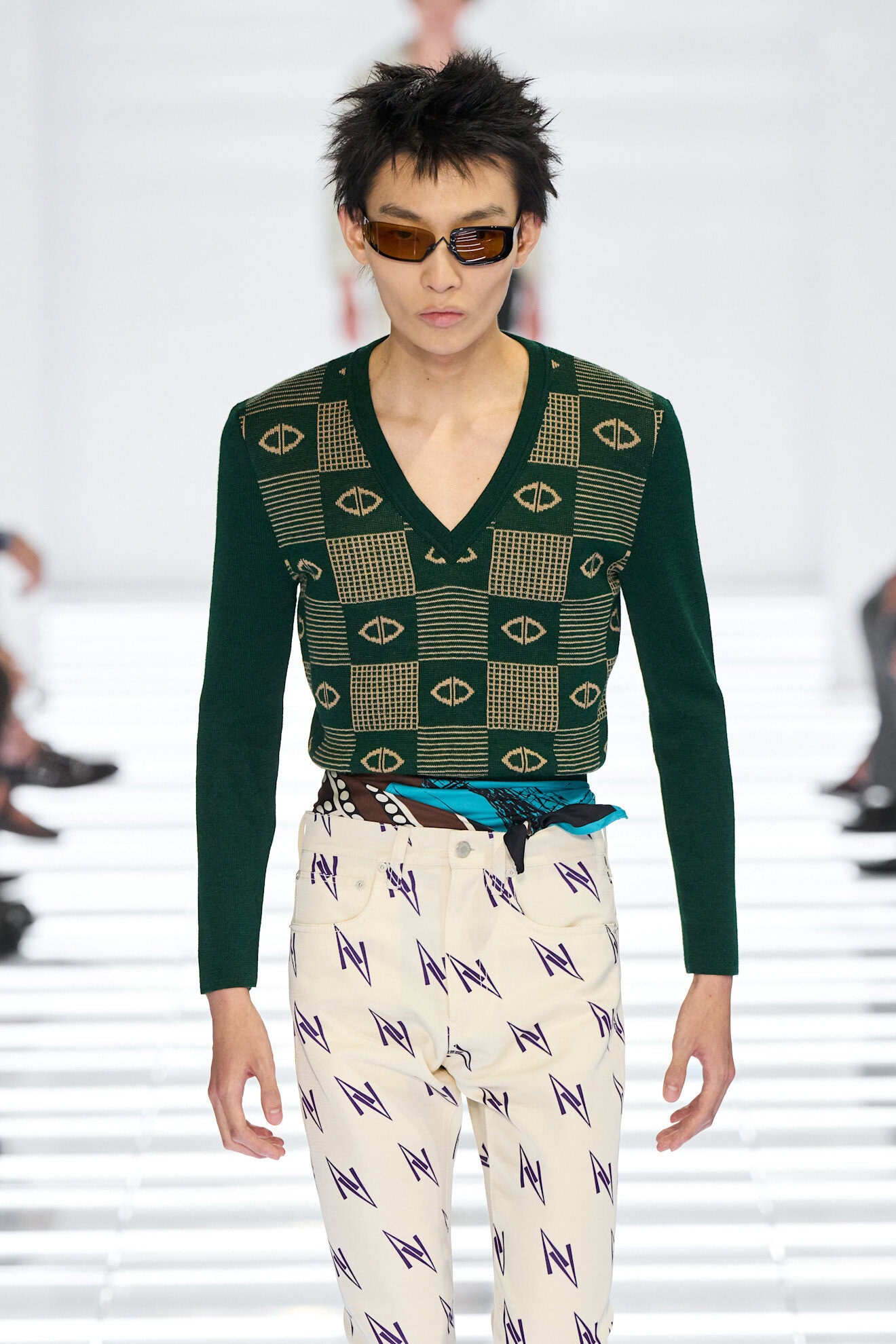
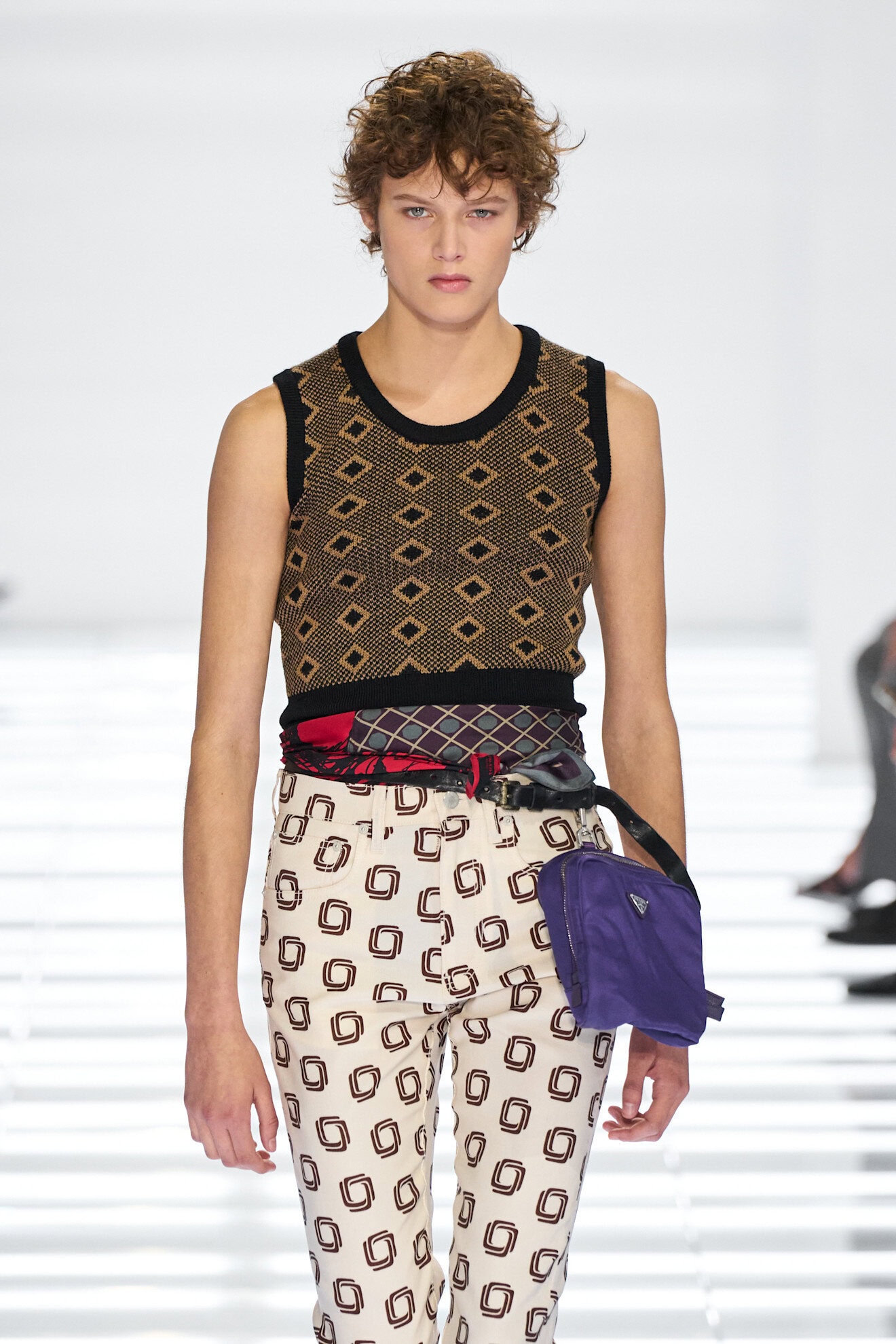
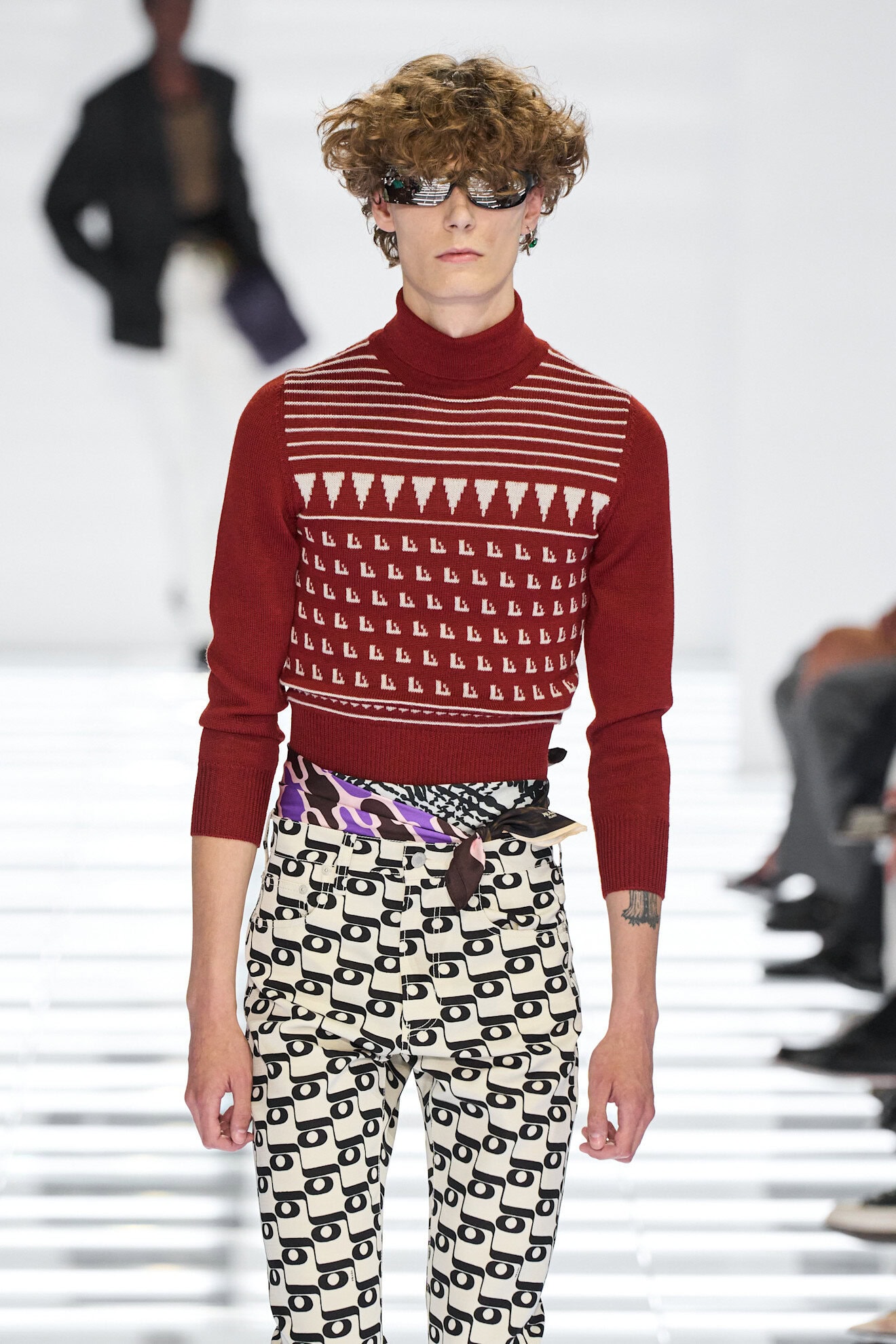
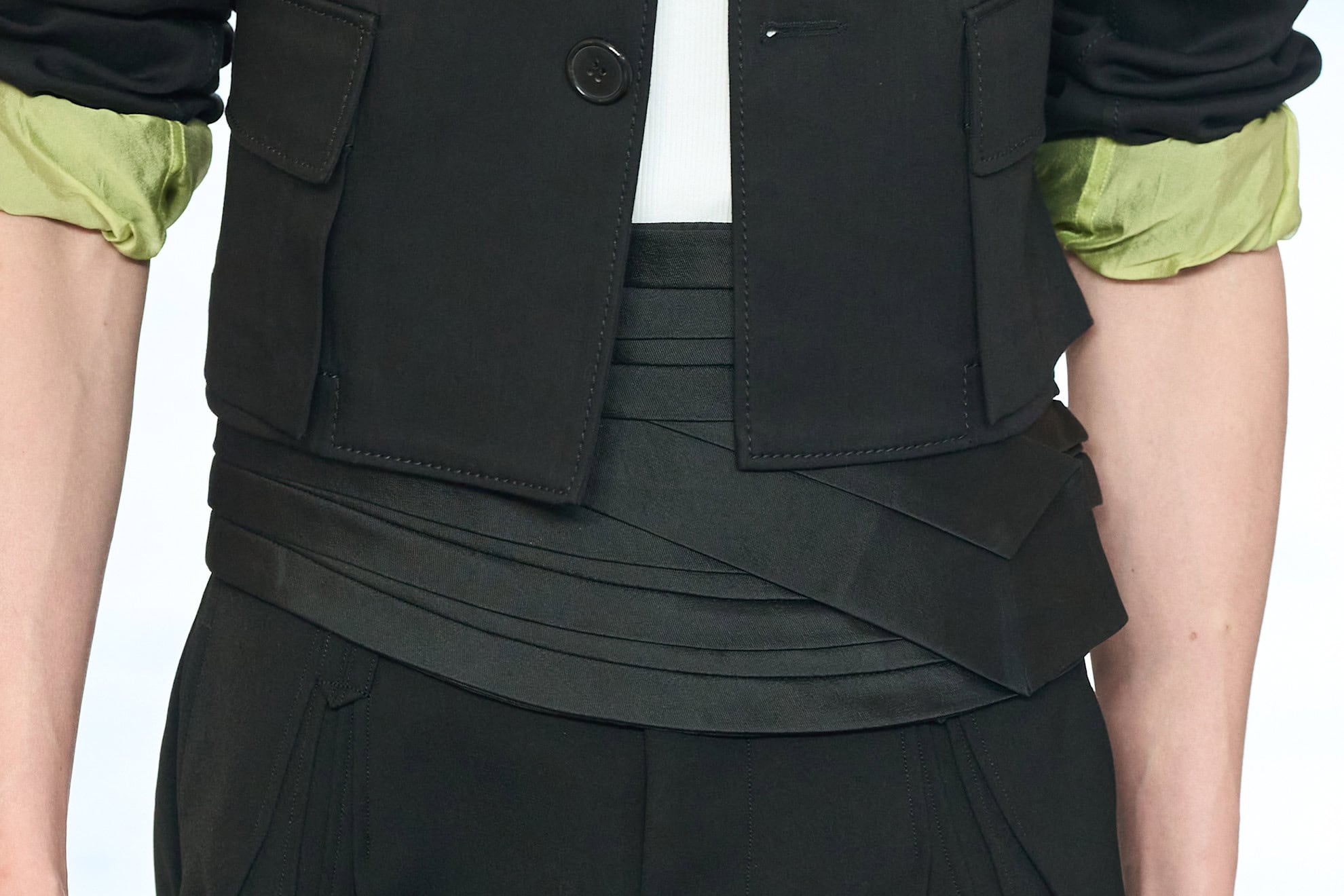
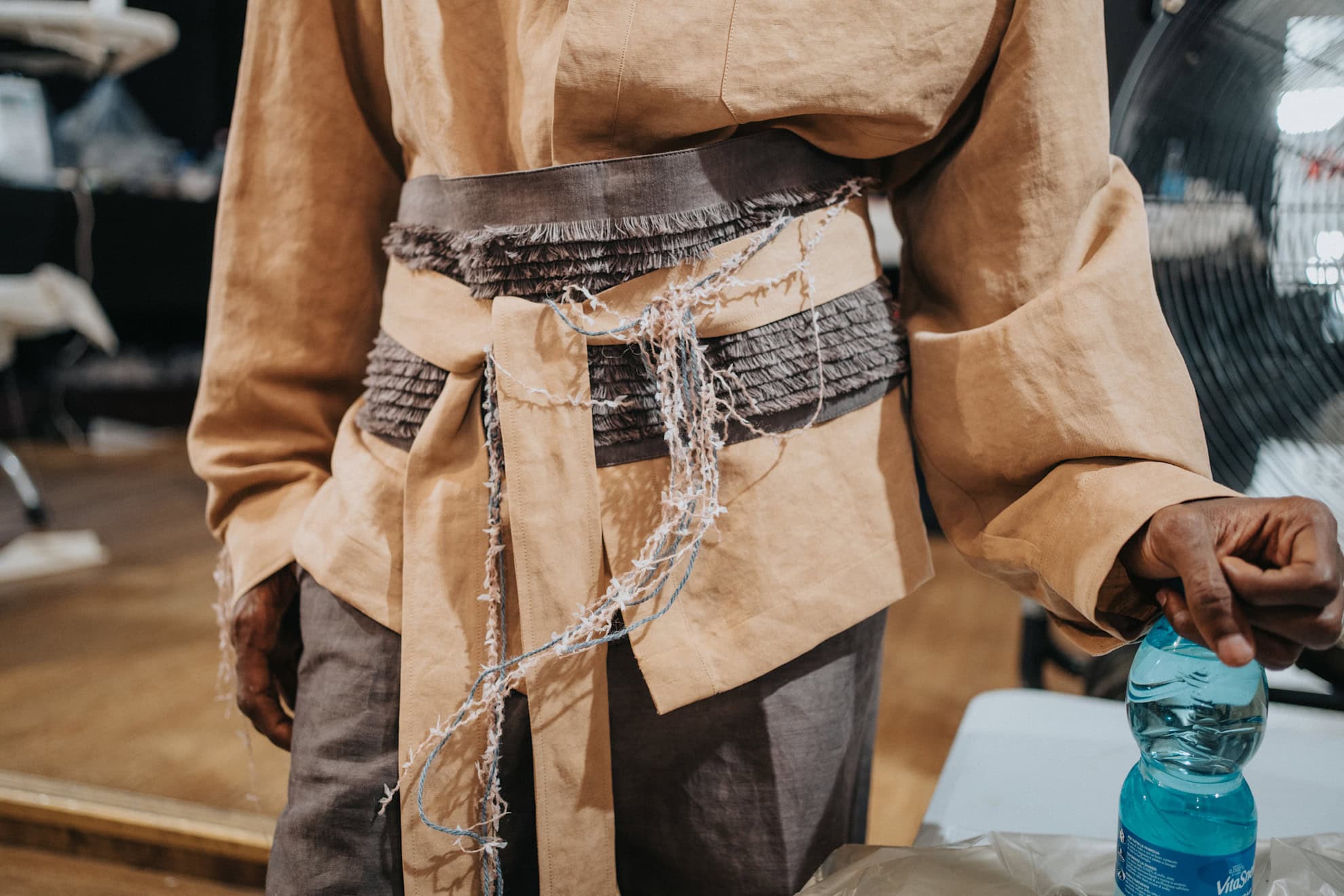
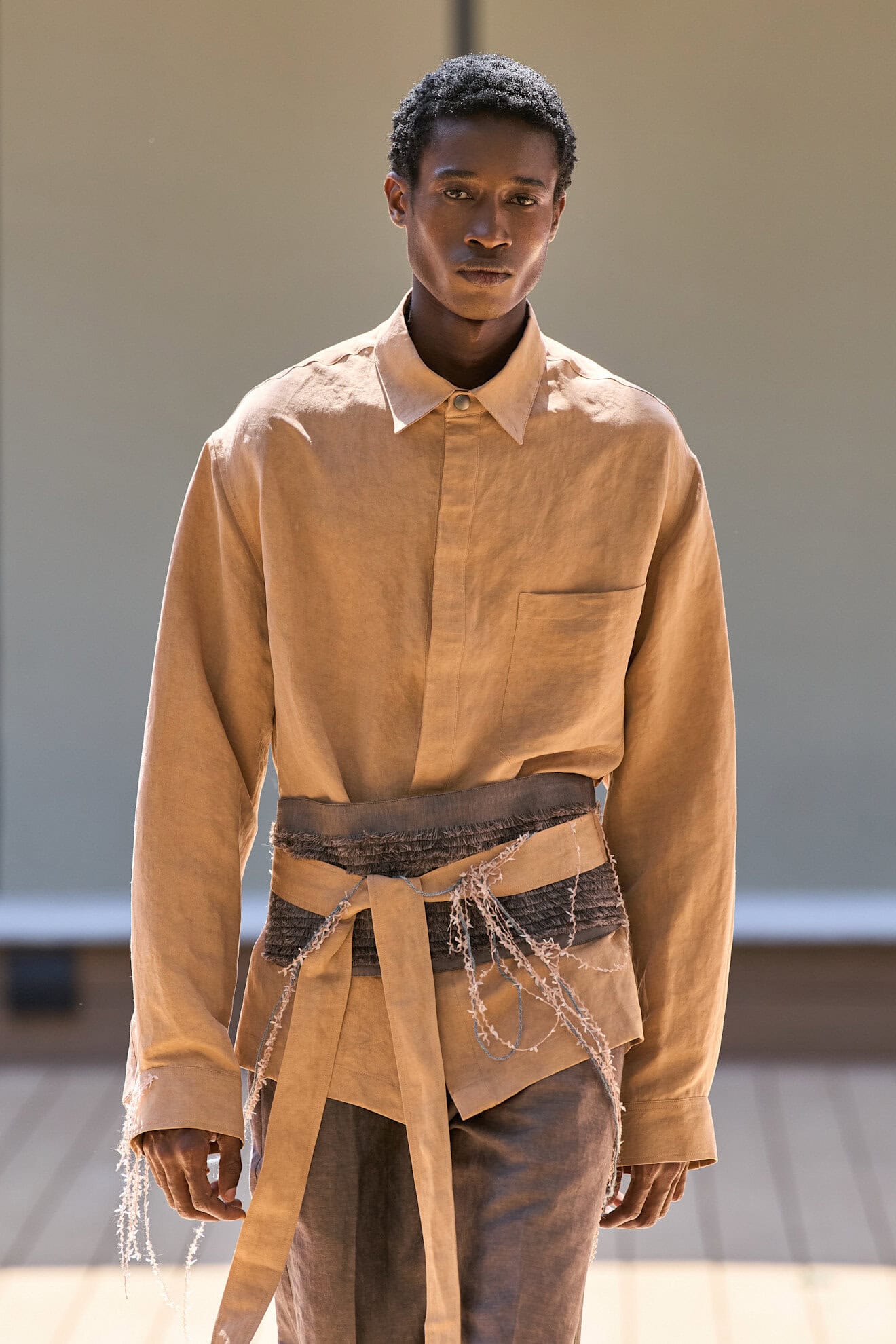
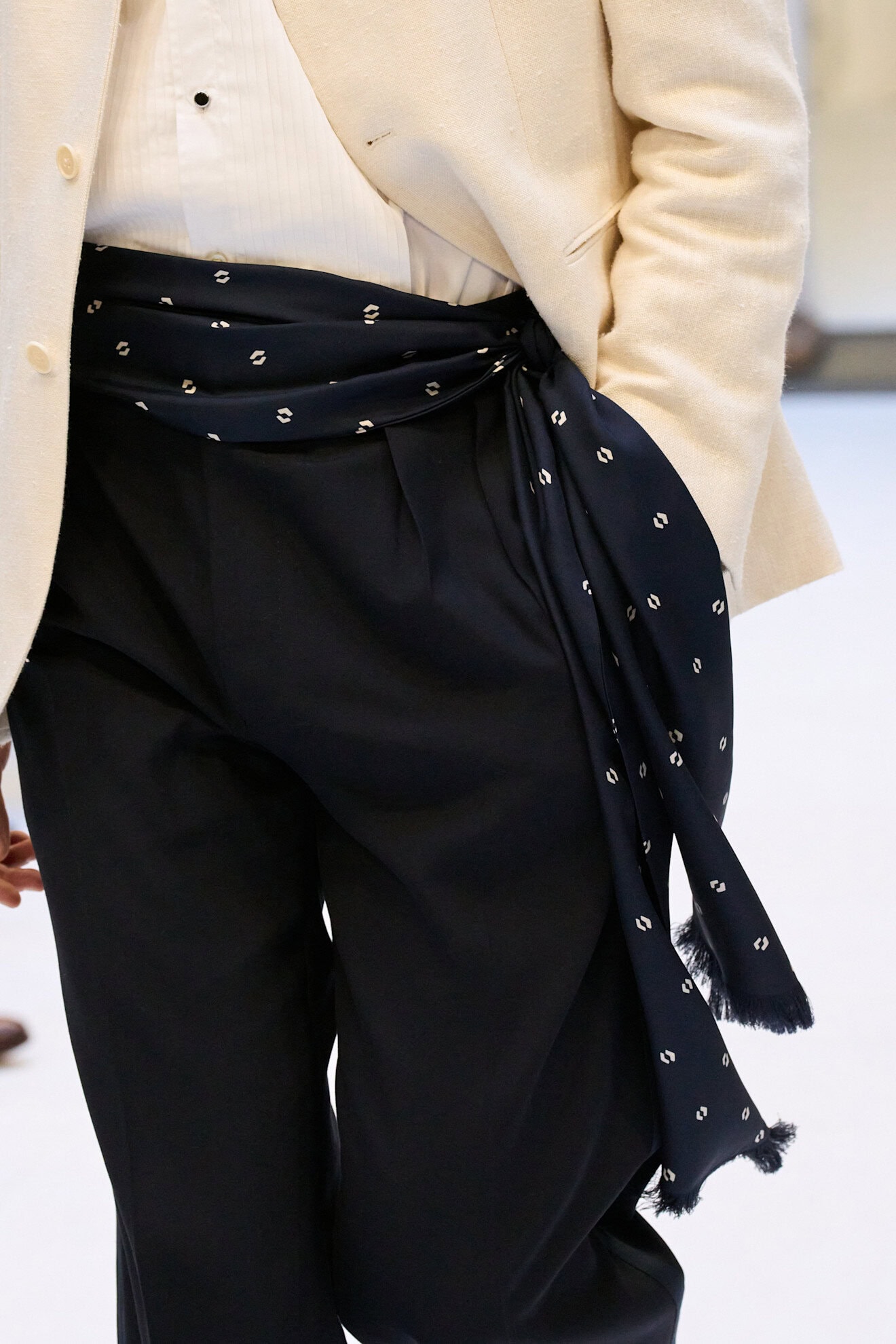
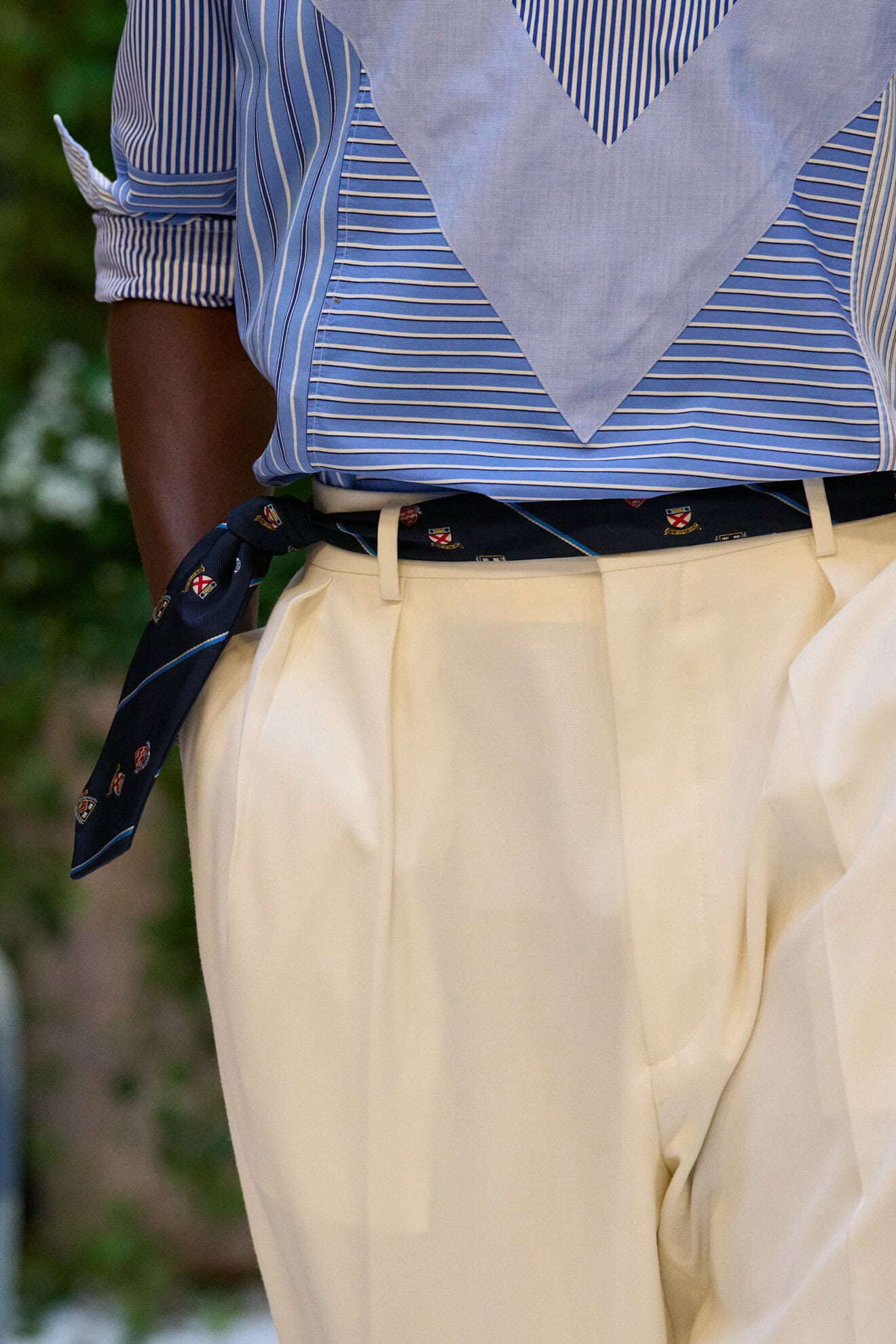
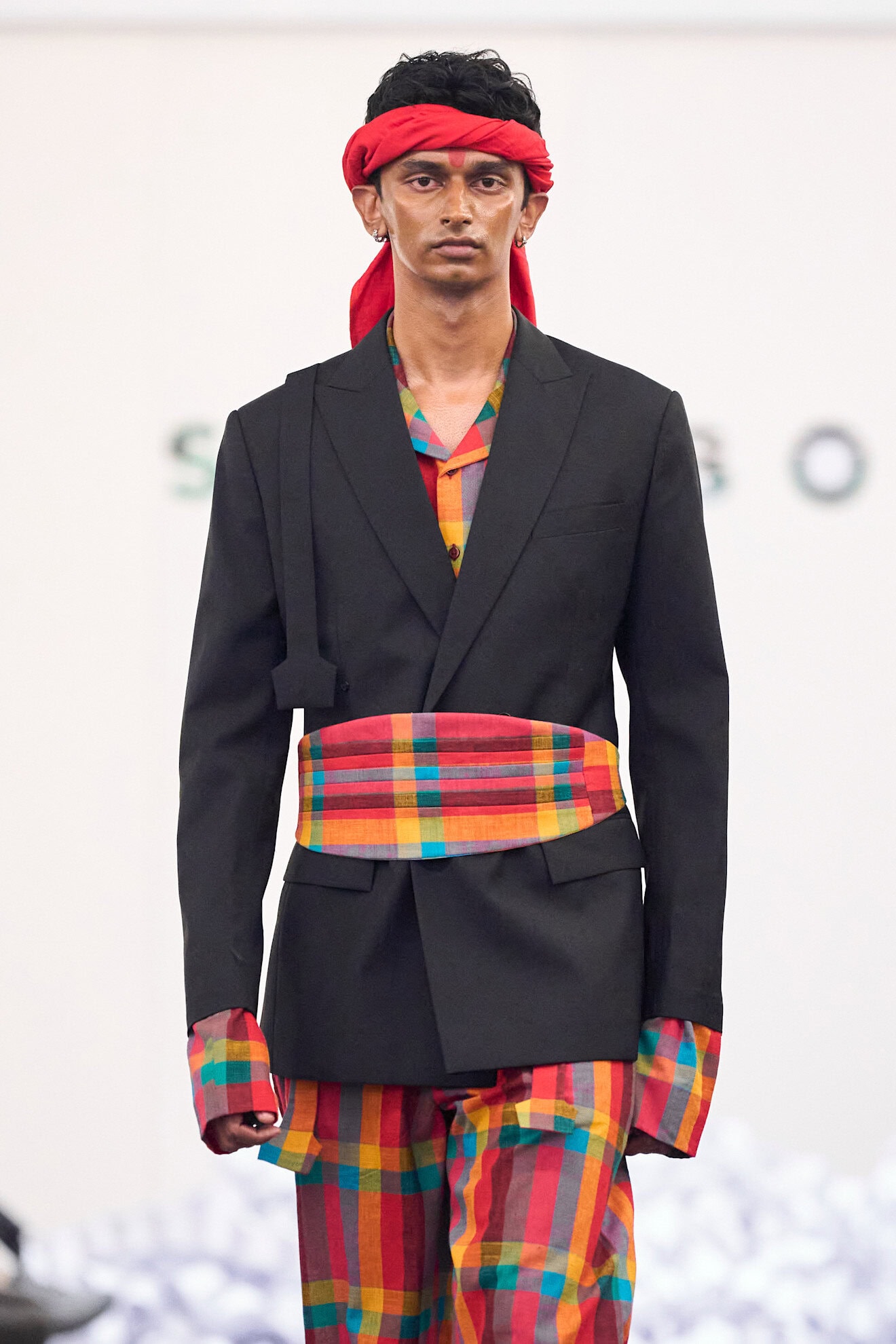
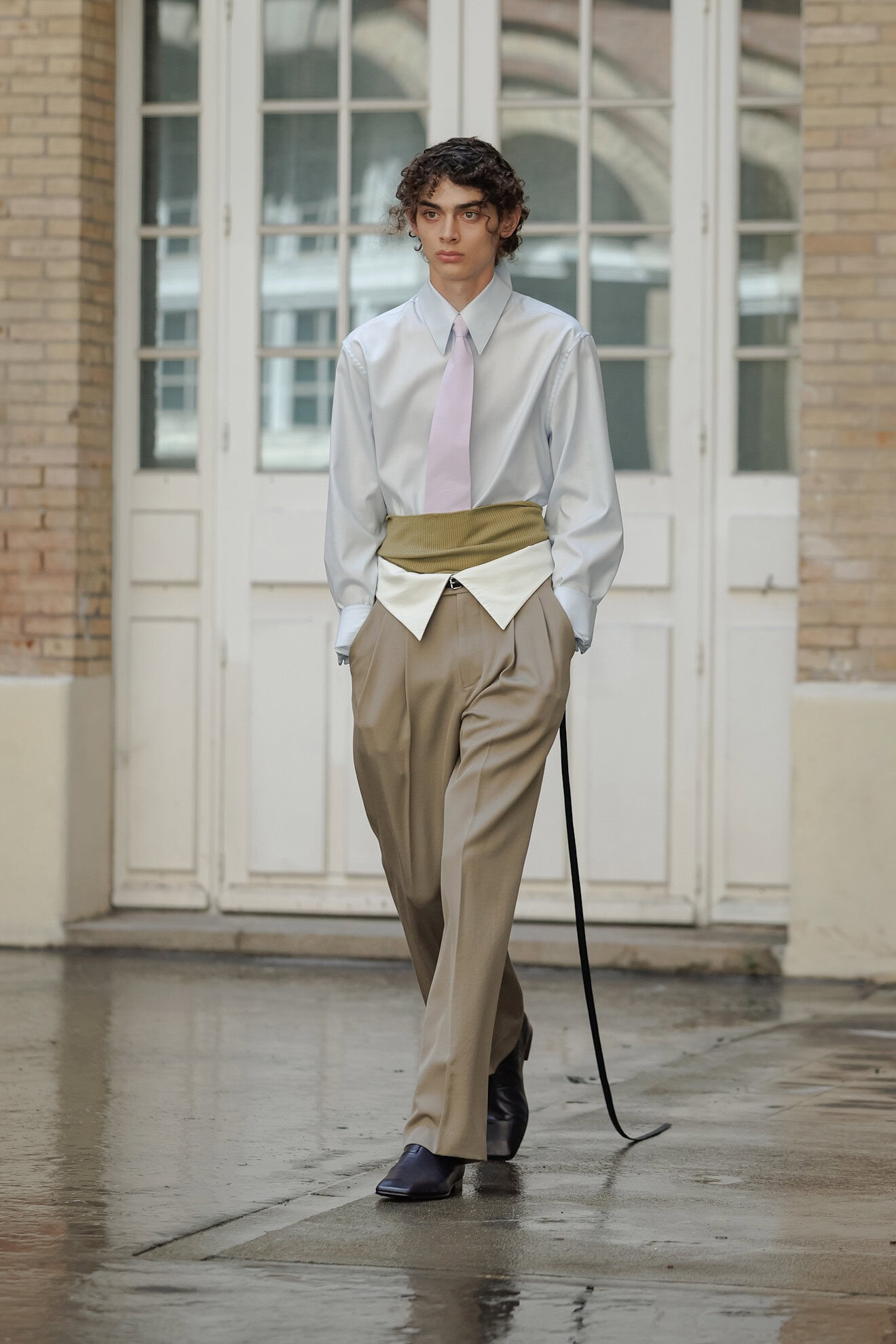
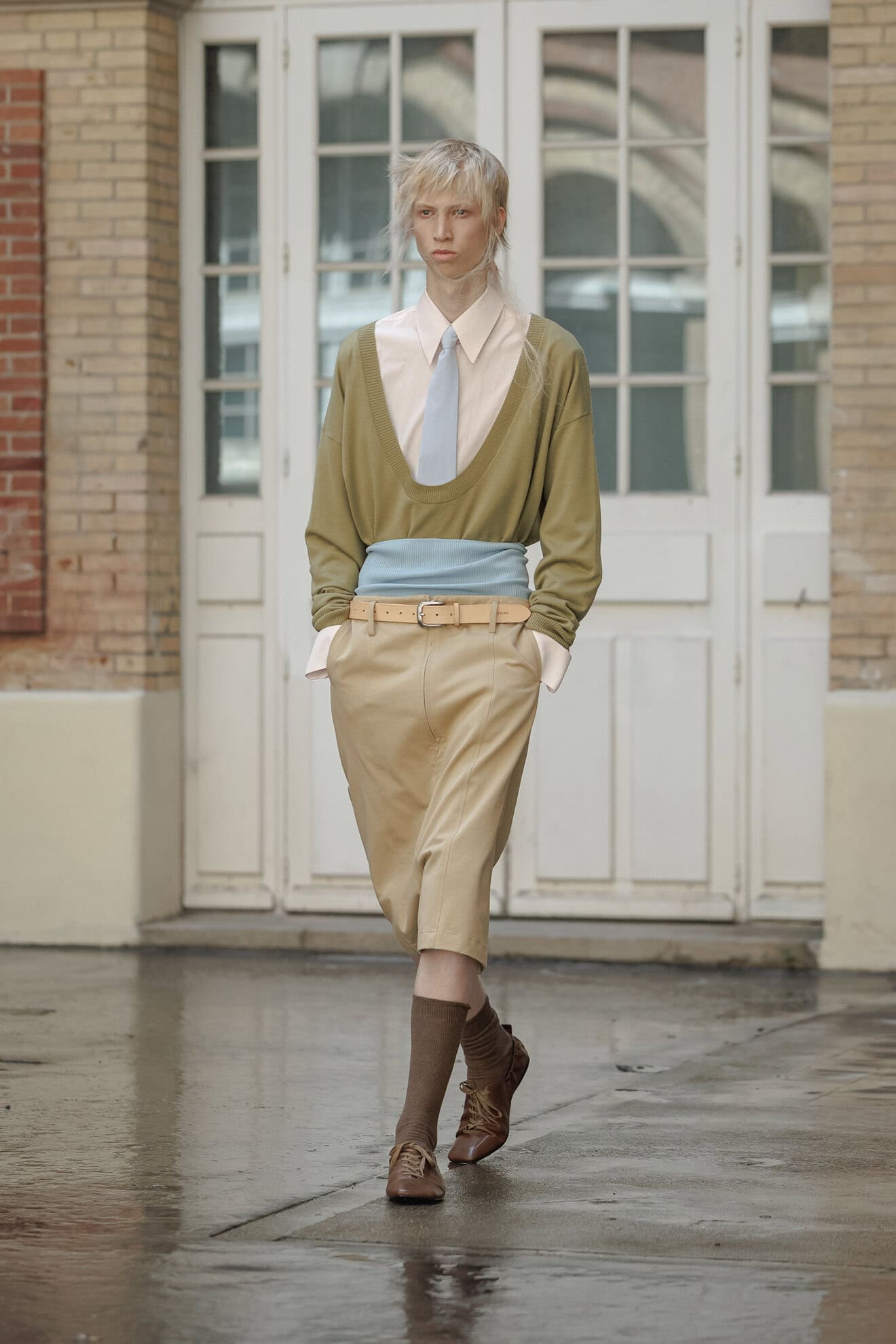
As the formalities and rules around dressing for the occasion have significantly blurred for men over the last two decades, accessories and garments closely associated with events such as weddings and proms are being co-opted for everyday use. Enter the most surprising accessory of the spring 2027 season – the cummerbund. Used most creatively by Michael Rider in his Celine collection that featured a cast of characters celebrating individuality at its core. Silk scarves in multiple patterns, school ties and ribbed knits will also put the emphasis on the middle next season.
10. One-to-Watch – Shrink to Fit
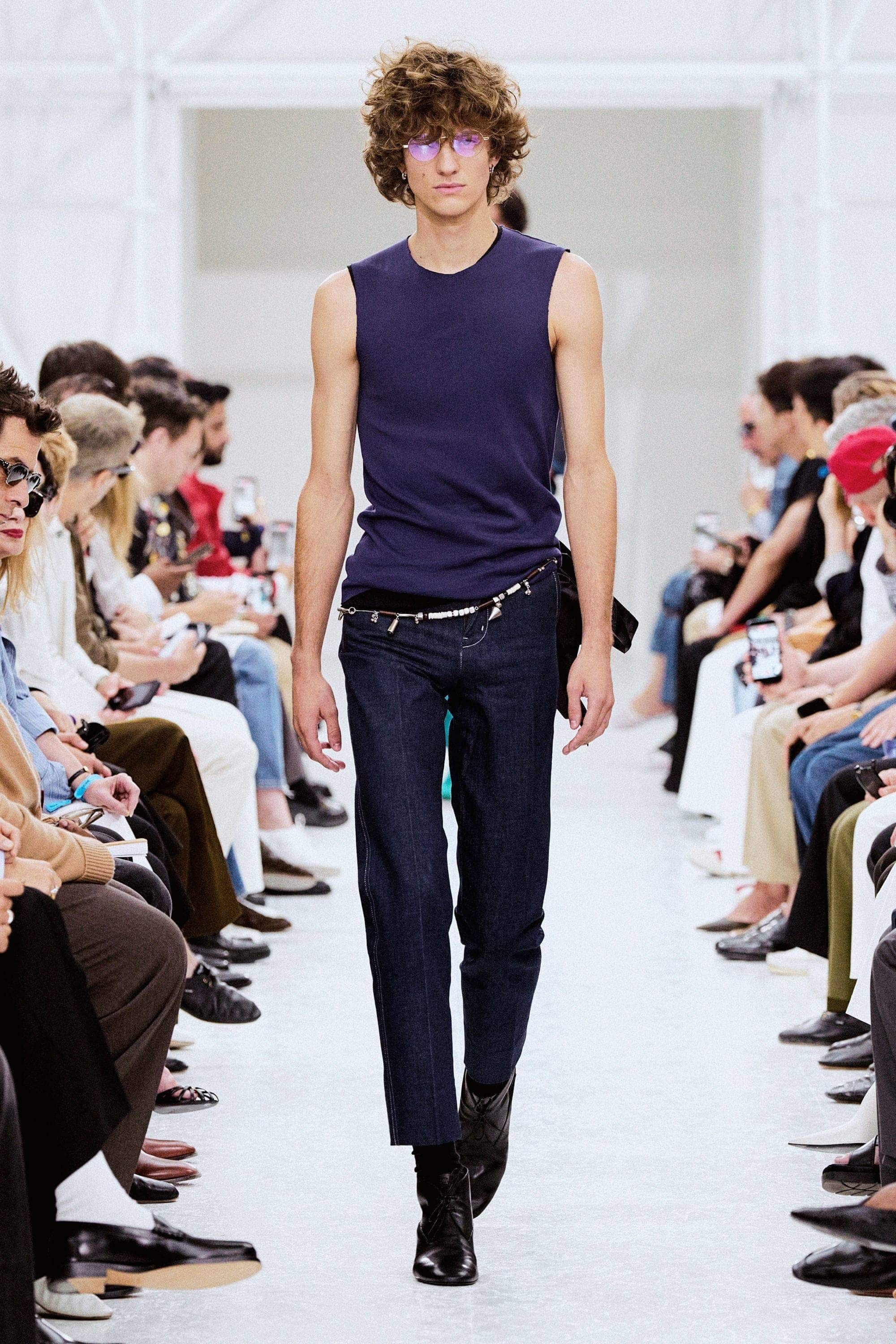
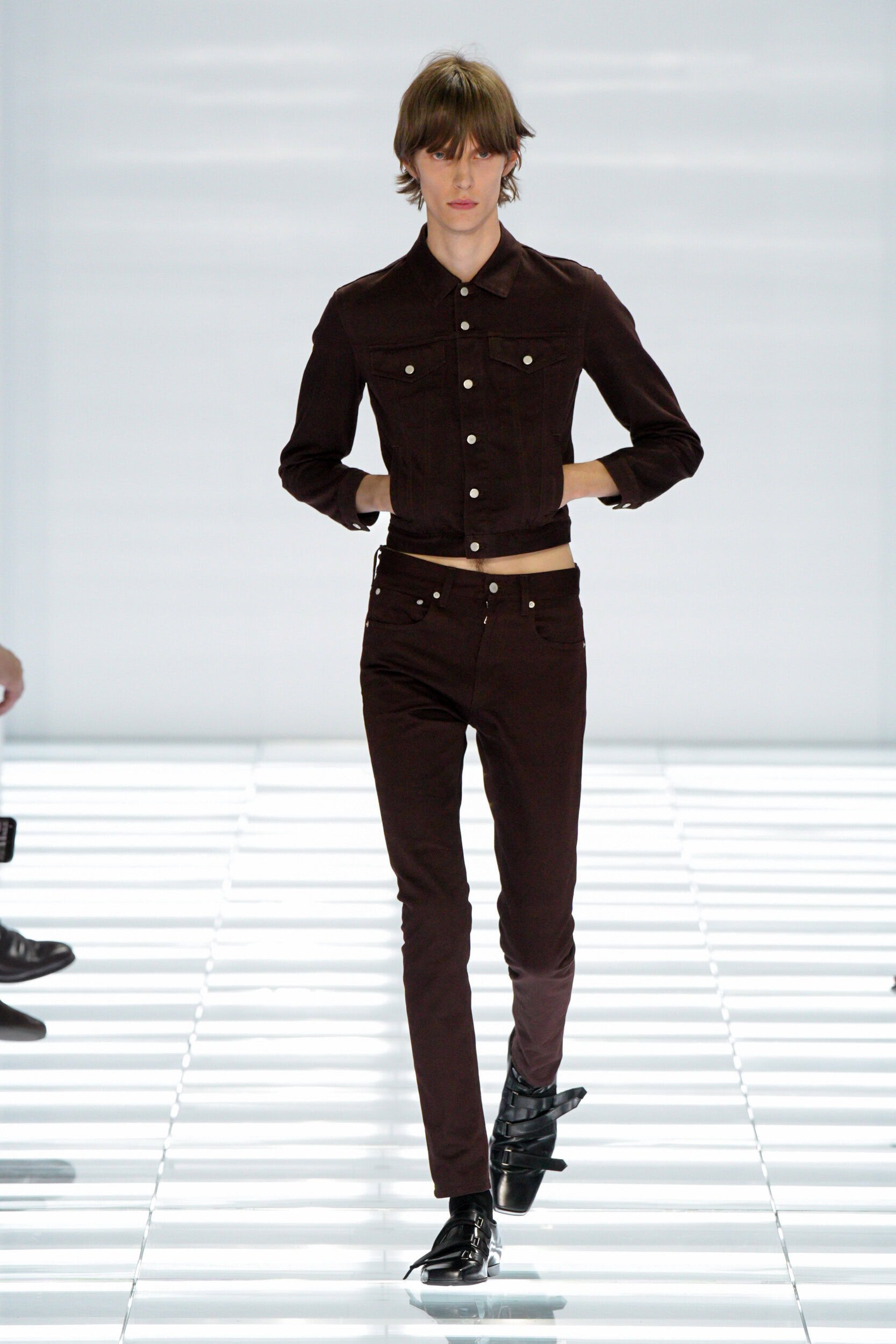
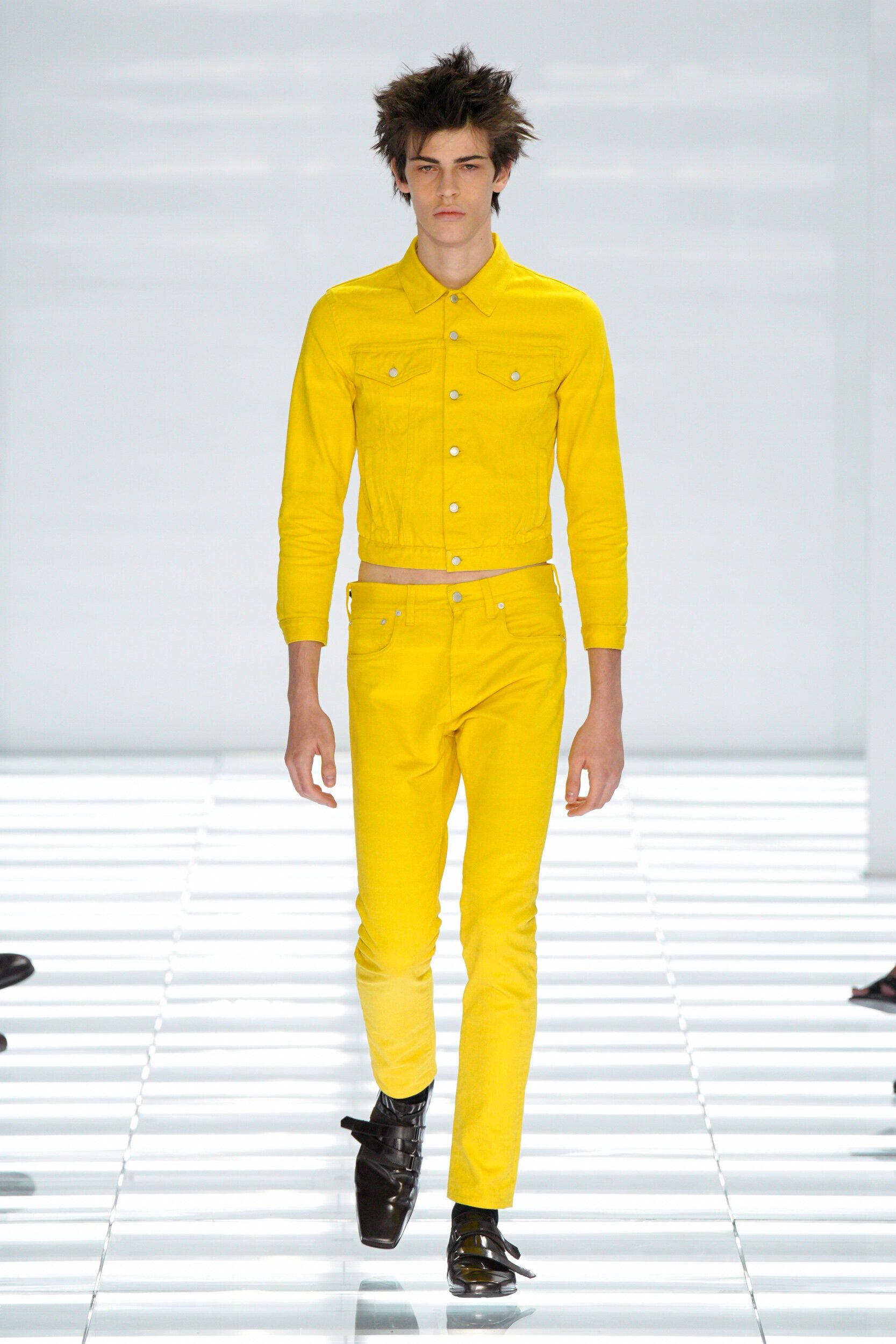
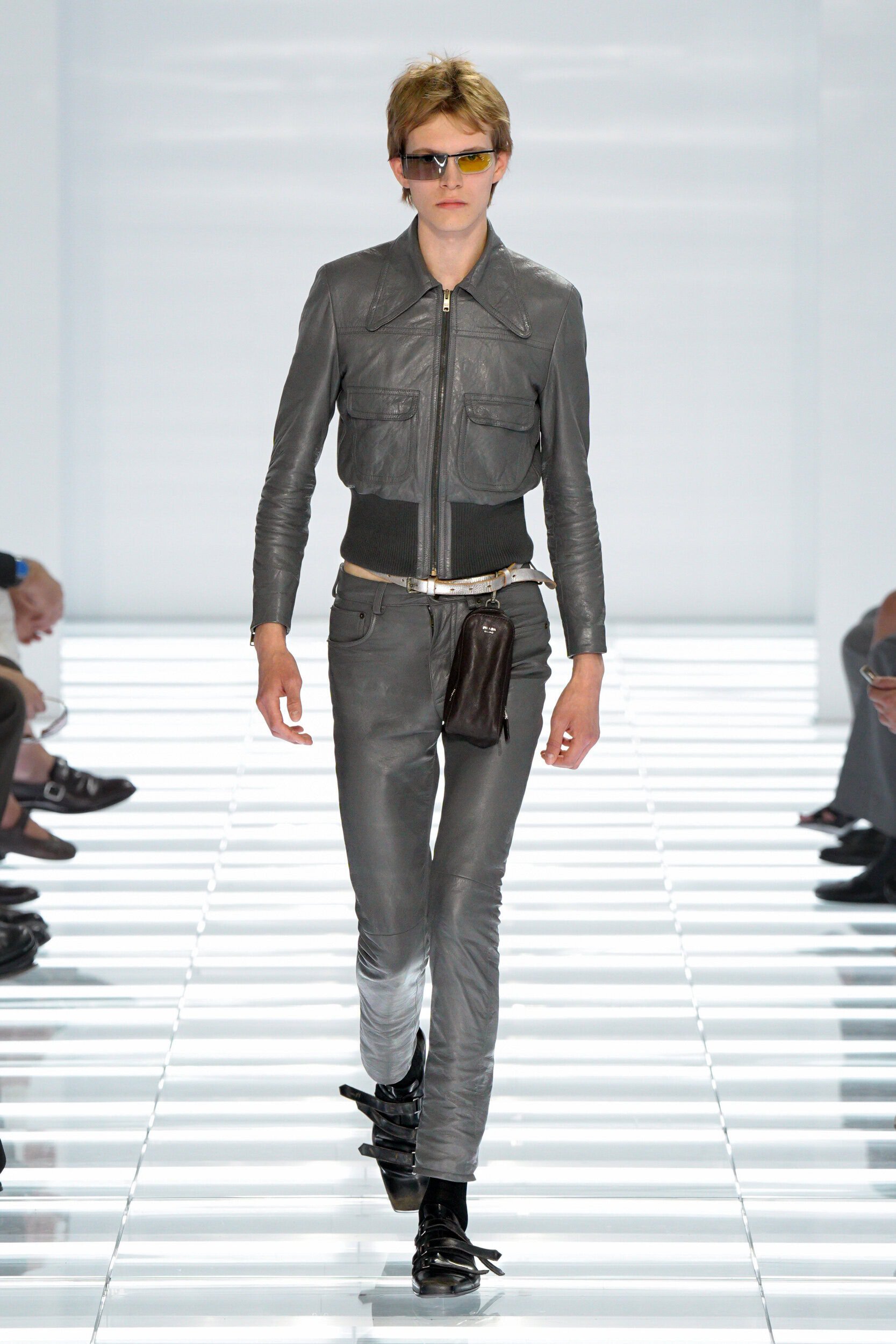
Fashion is nothing if not cyclical, and where there were once green shoots of progress towards body diversity on the runway, as the luxury fashion industry found itself facing into financial headwinds and uncertainty – that could extend into 2027 – there has been a slow reversal back to the status quo body type. As brands seek certainty in the tried-and-tested to shore up sales, the skinny fit silhouette is making a comeback. Seen in less than a dozen (yet, not insignificant big names – Prada, Celine, Rick Owens) brands the message for next spring is clear, thin will be in and the strive for representation will once again drop down the list of priorities for brands navigating ongoing market volatility.