The South Coast Plaza boutique continues the jeweler’s retail transformation while reinforcing the architect’s enduring influence on luxury design
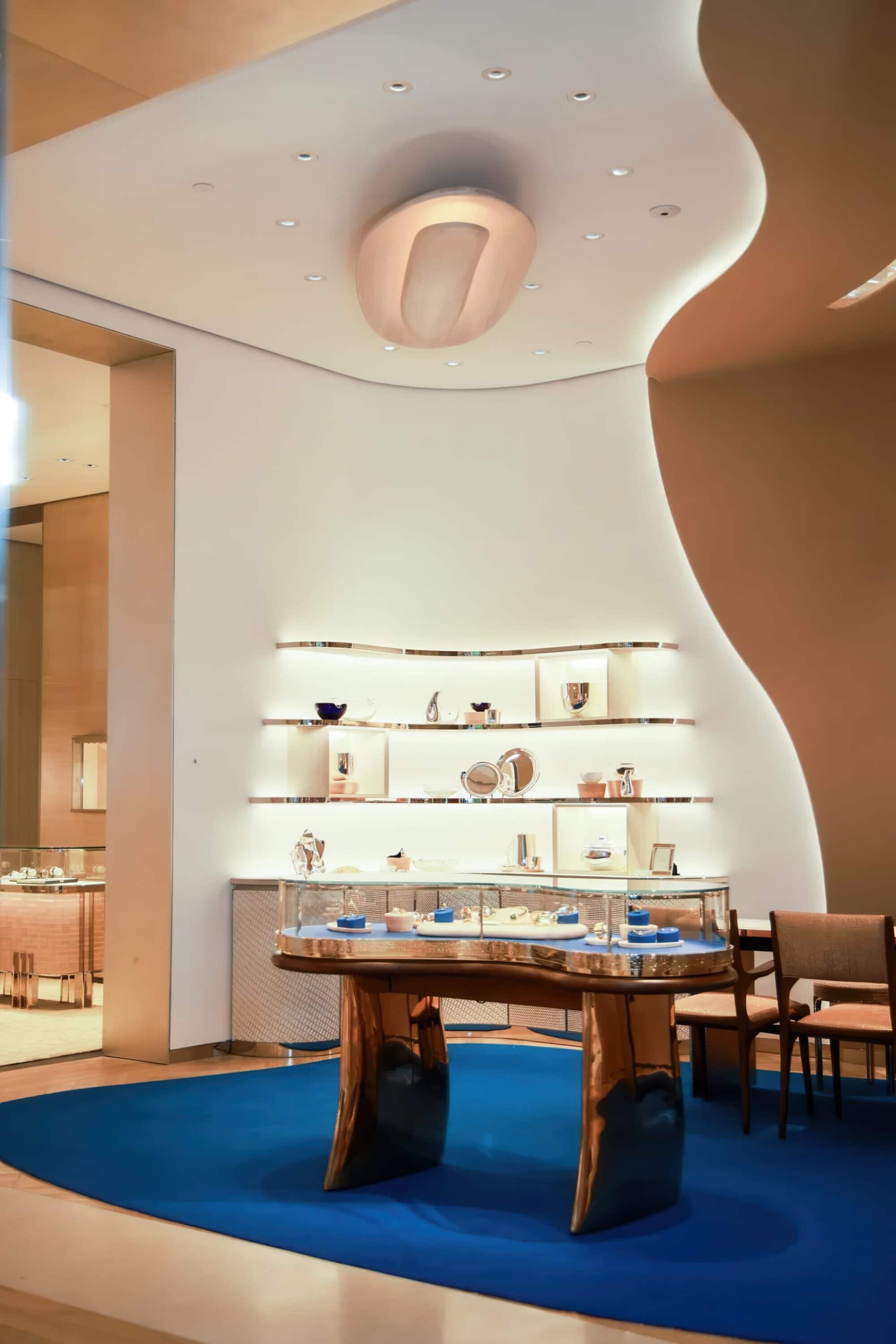
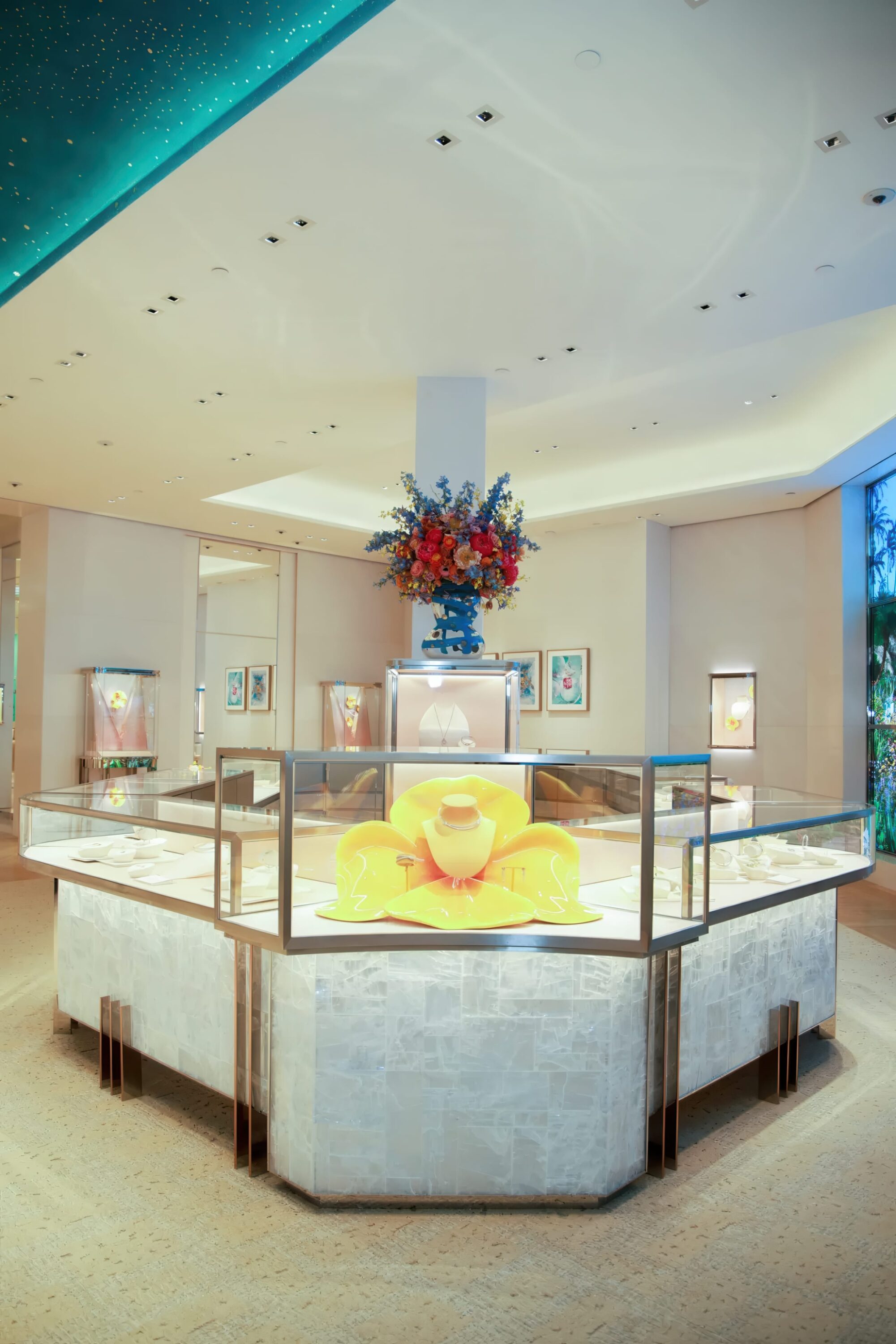
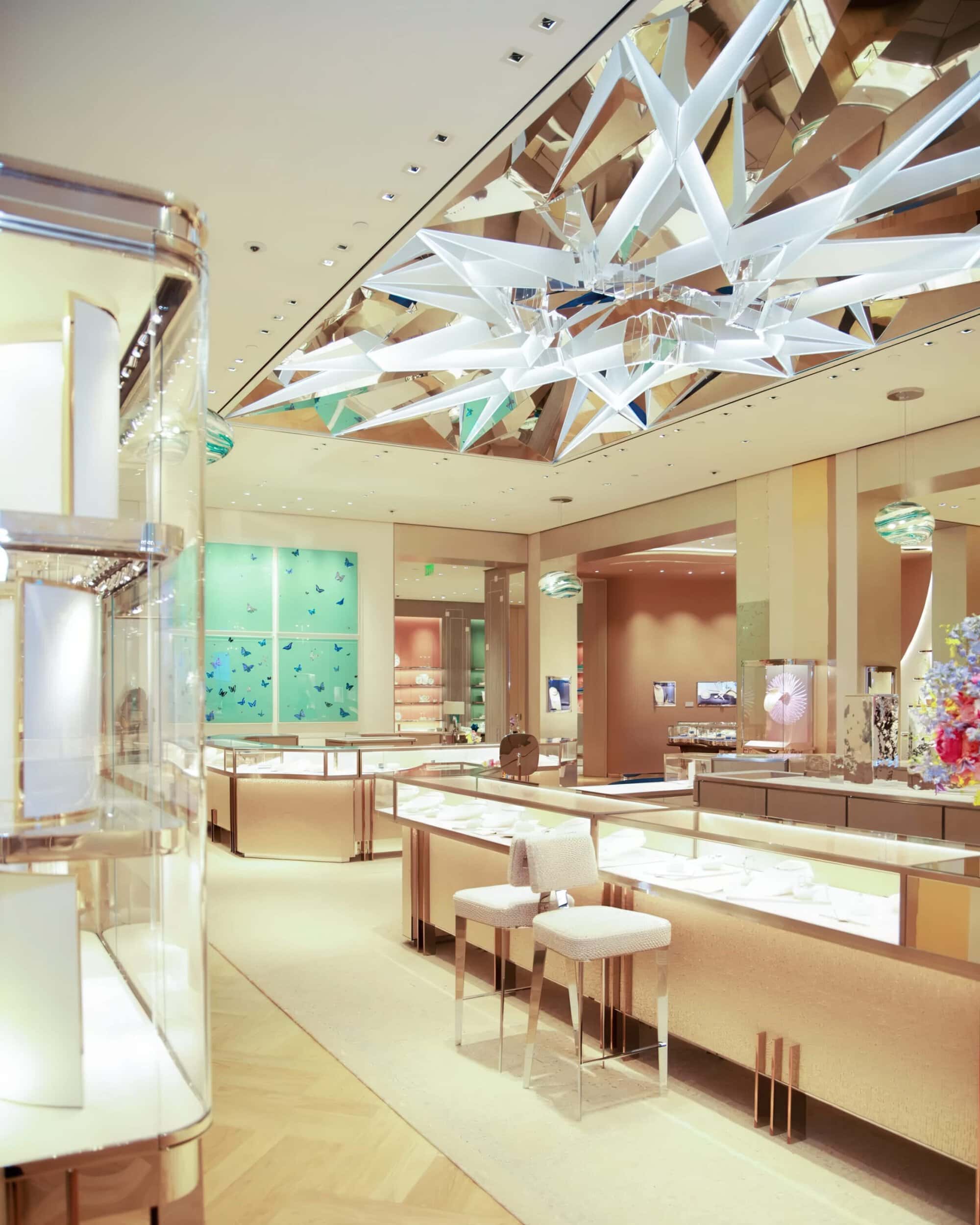
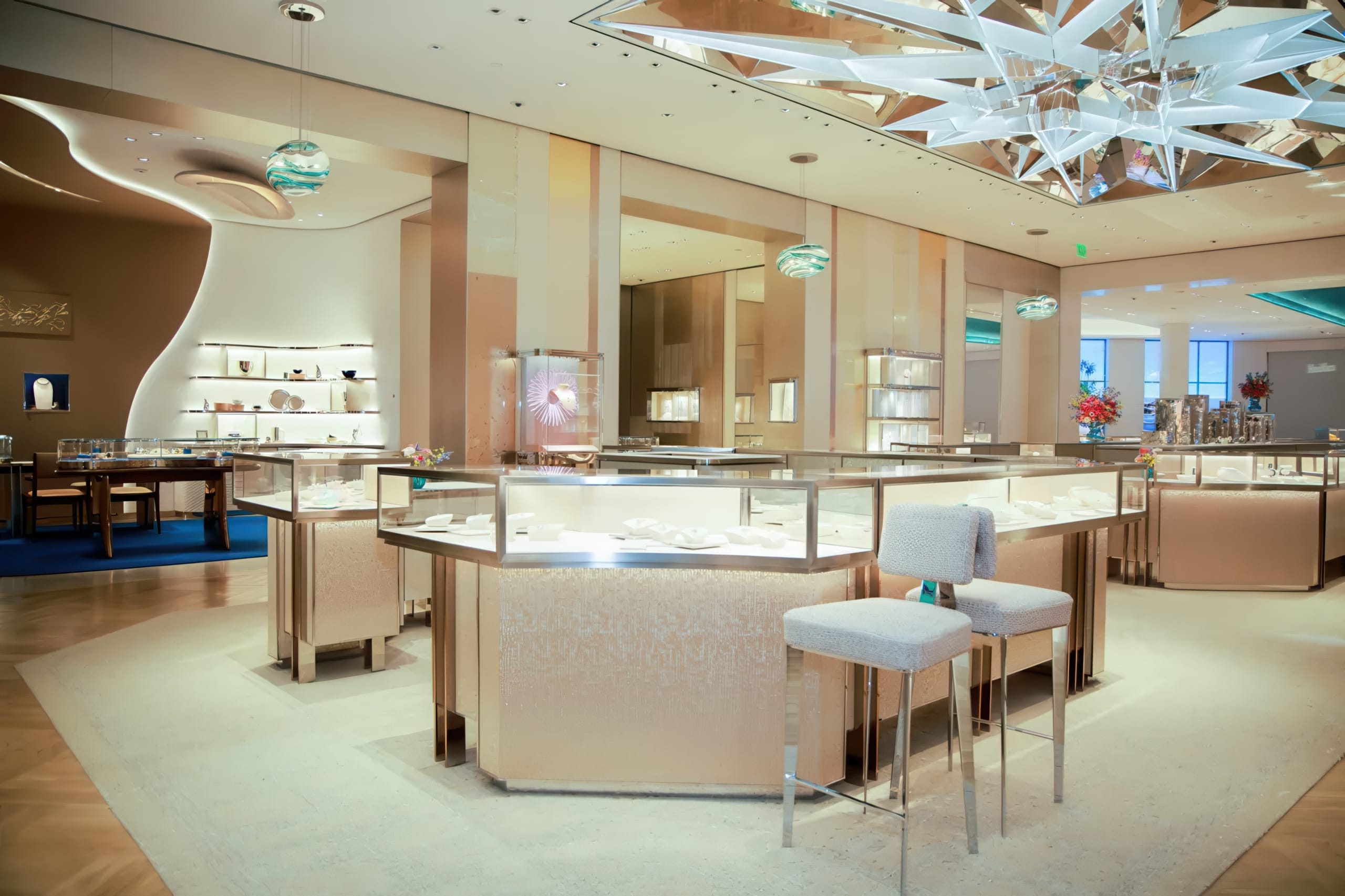
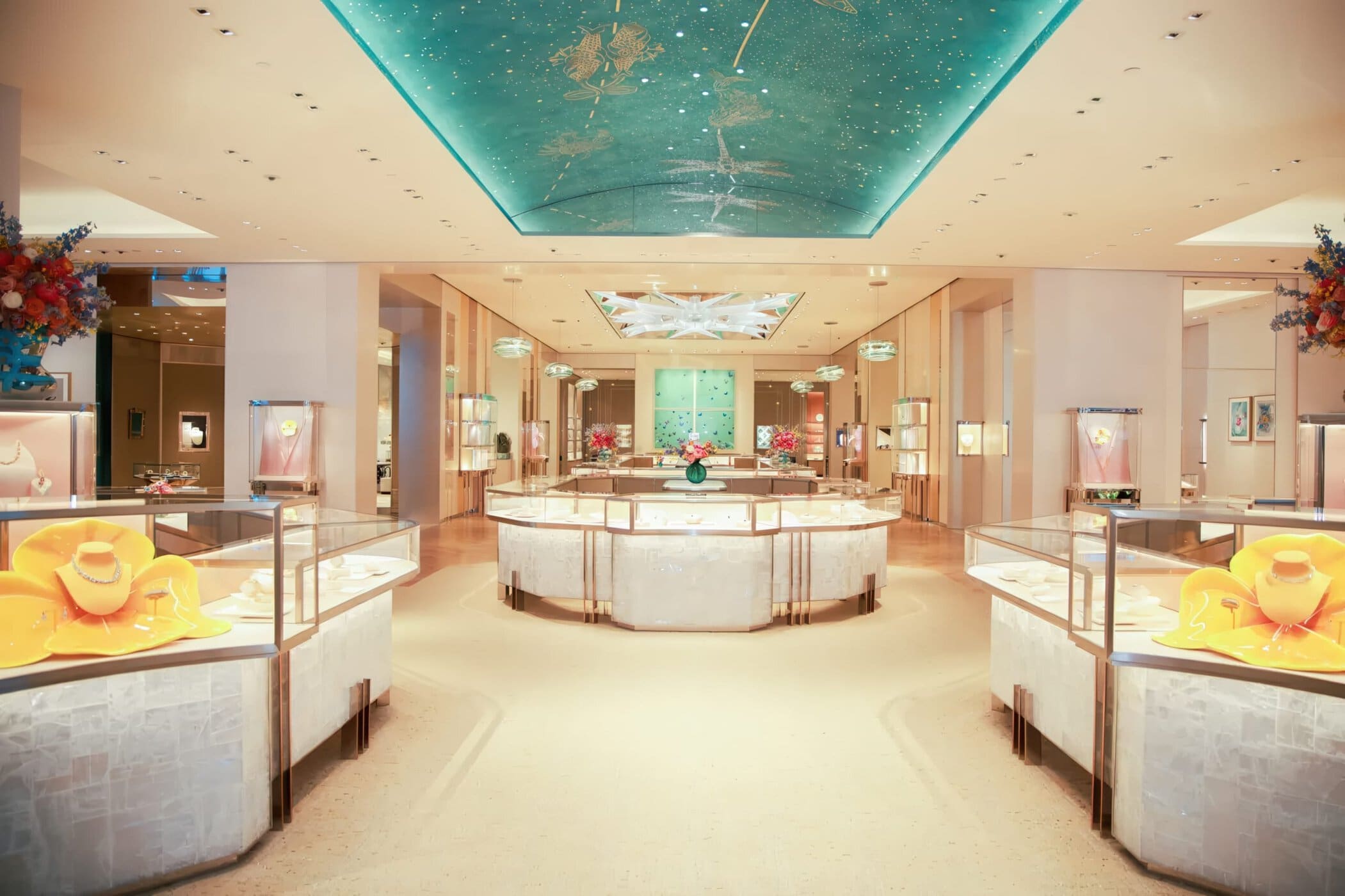
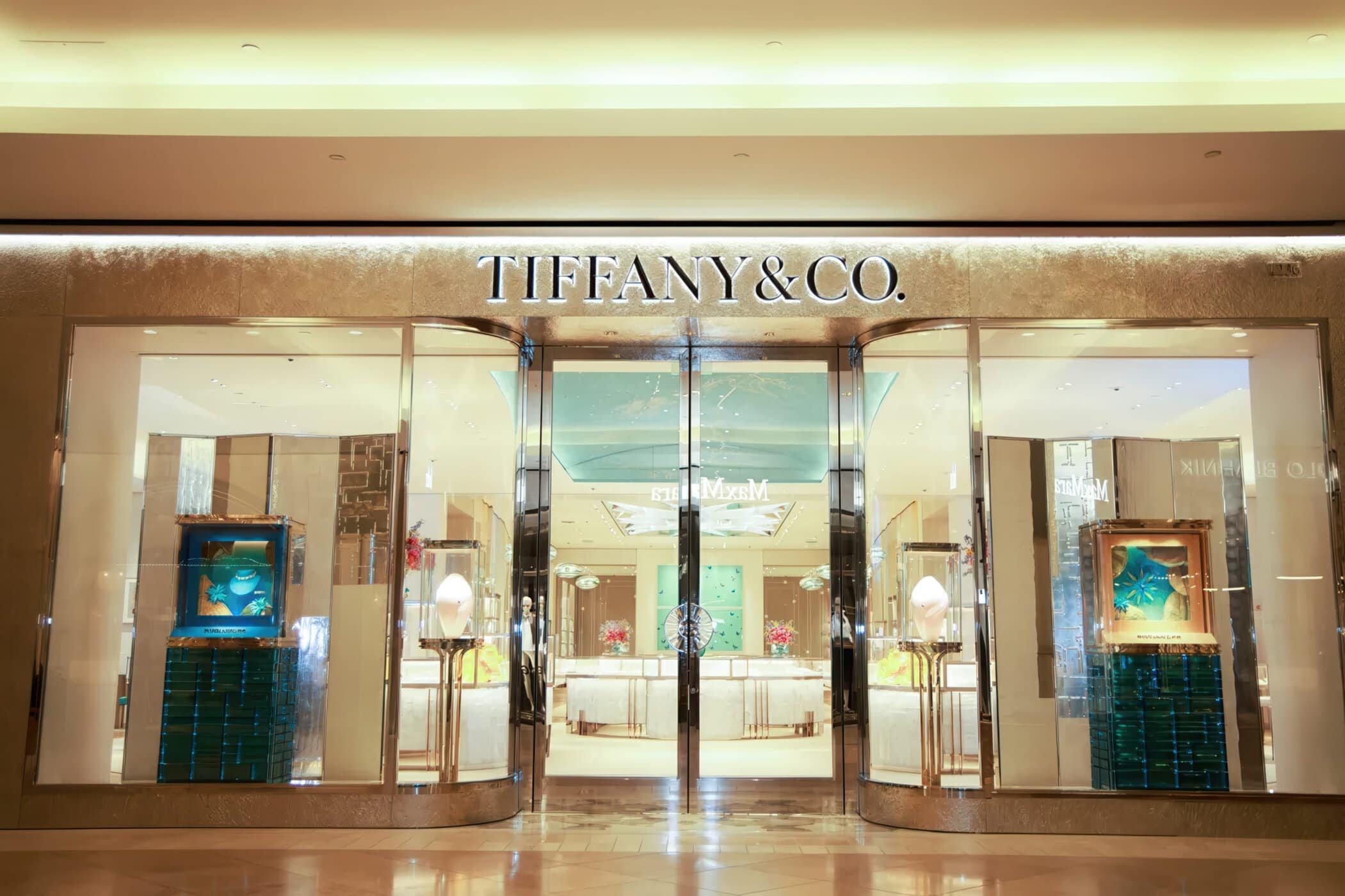
Tiffany & Co. has unveiled its new flagship at South Coast Plaza in Costa Mesa, California, marking another milestone in the jeweler’s ongoing retail evolution under LVMH. Designed by renowned architect Peter Marino, the new boutique brings together contemporary architecture, museum-quality art, and Tiffany’s craftsmanship, reinforcing the house’s strategy of transforming its stores into immersive luxury destinations rather than traditional points of sale.
The opening builds on Tiffany’s broader investment in flagship retail following the debut of The Landmark on New York’s Fifth Avenue in 2023. While the South Coast Plaza location serves one of the United States’ most important luxury shopping destinations, it also reflects a consistent design philosophy: creating spaces that express the brand’s identity through architecture, art, and hospitality as much as through jewelry.
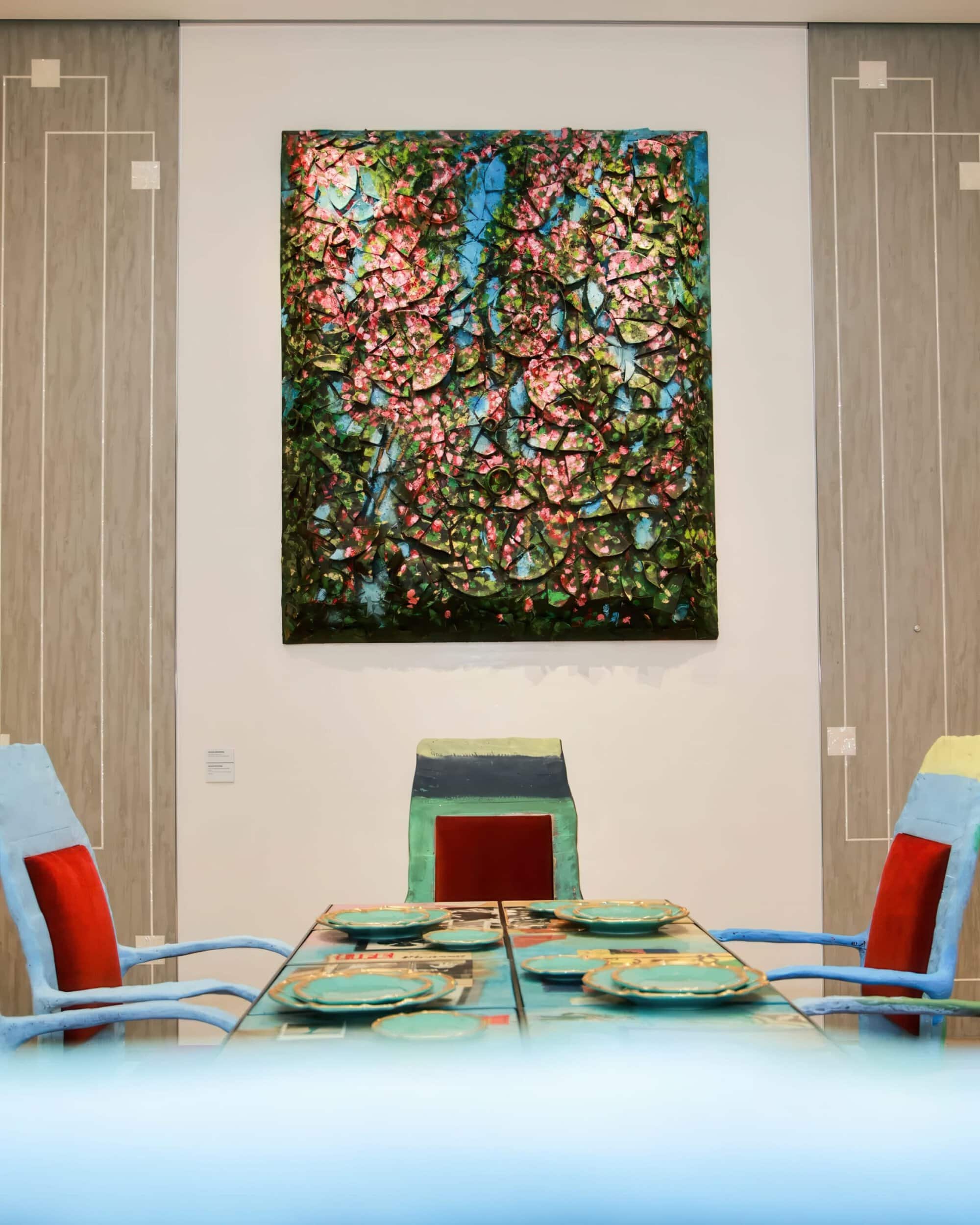
Peter Marino’s involvement is particularly significant. Over the past four decades, the New York-based architect has become one of the defining figures in luxury retail design, collaborating with many of the world’s leading fashion and jewelry houses. His portfolio includes landmark projects for Louis Vuitton, Dior, Chanel, Bulgari, Fendi, Graff, and numerous Tiffany & Co. boutiques worldwide. Rather than approaching stores as commercial environments, Marino has consistently treated them as architectural expressions of a brand’s heritage, commissioning works from contemporary artists and artisans while integrating bespoke materials, sculpture, and craftsmanship into each project.
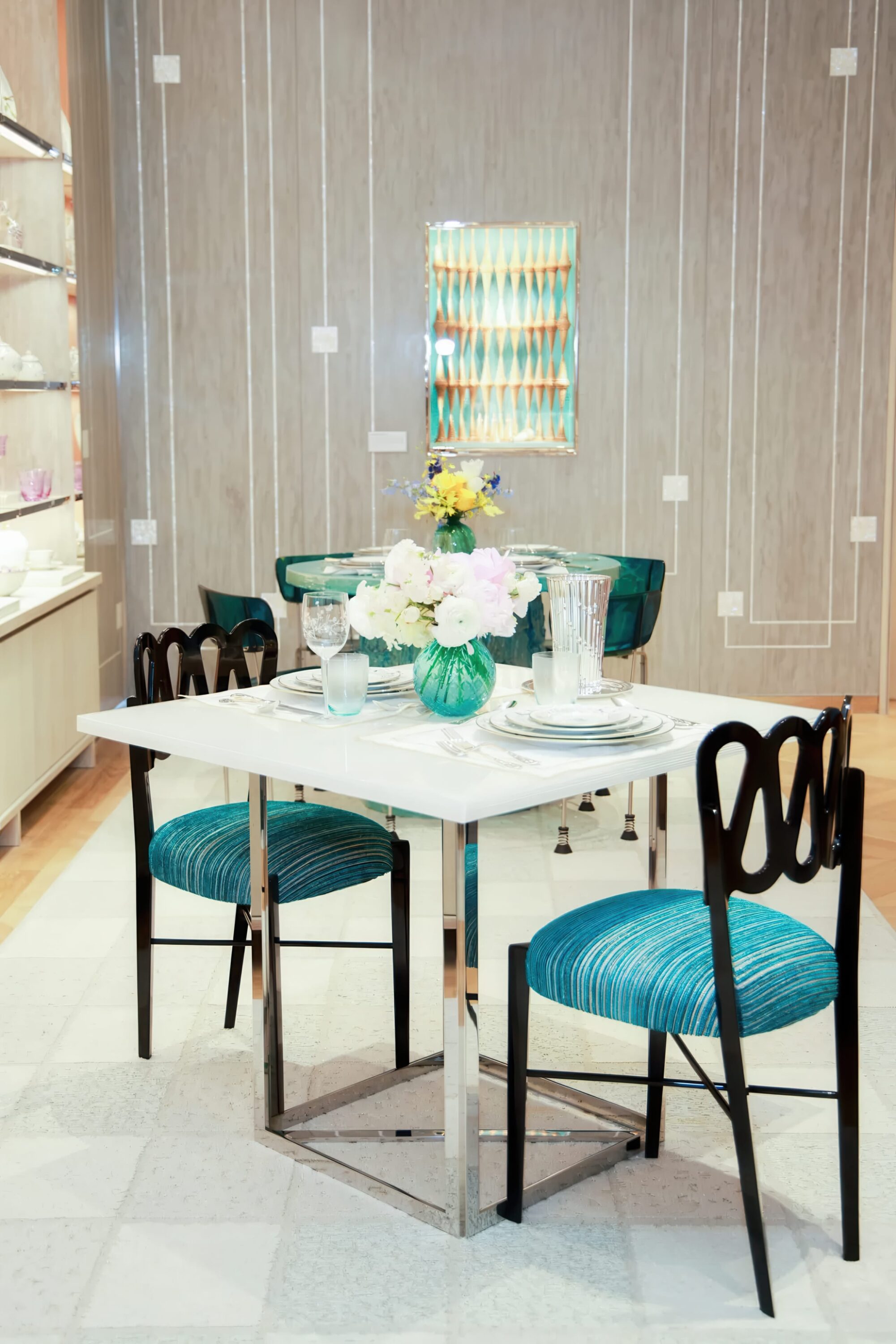
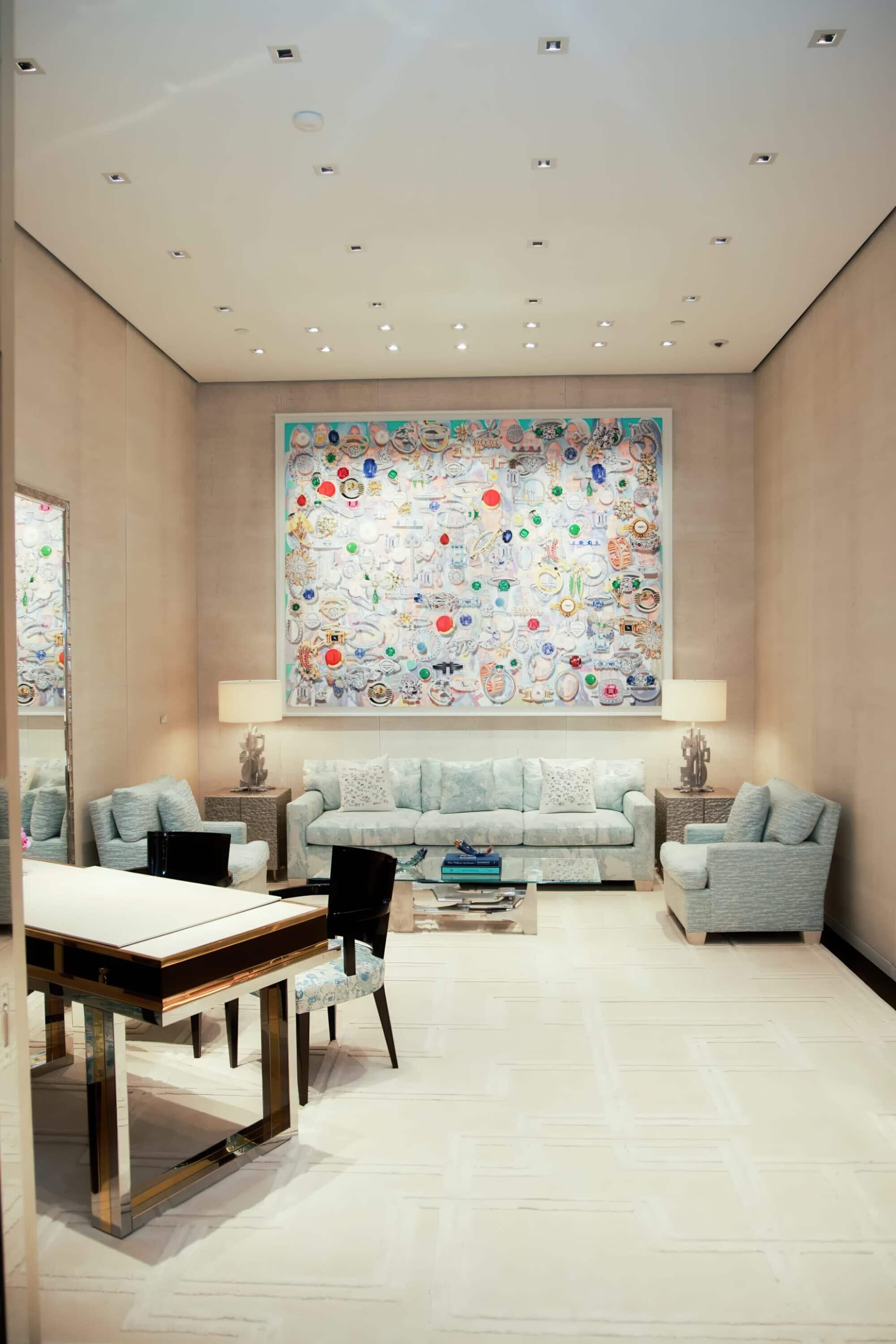
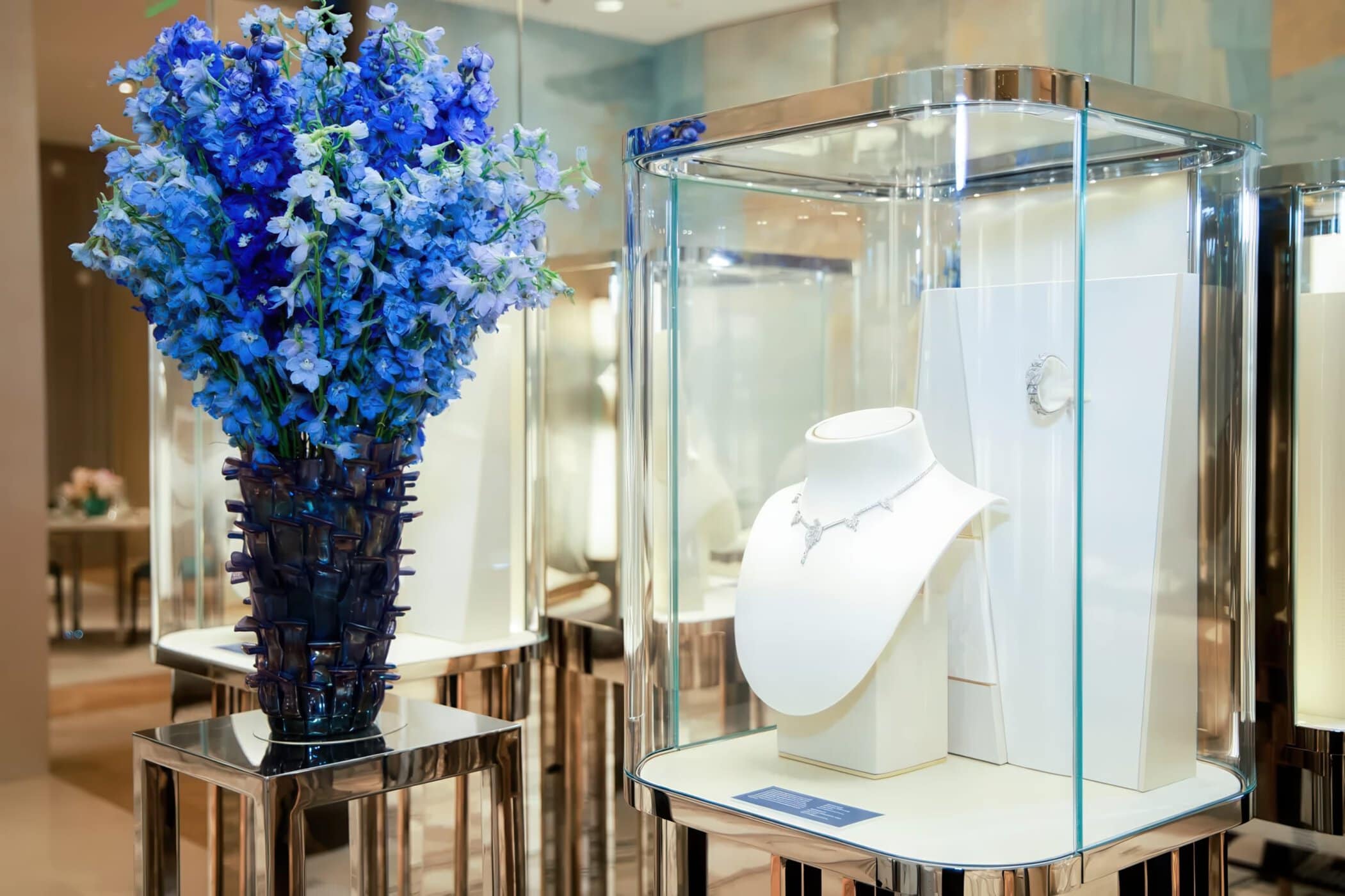
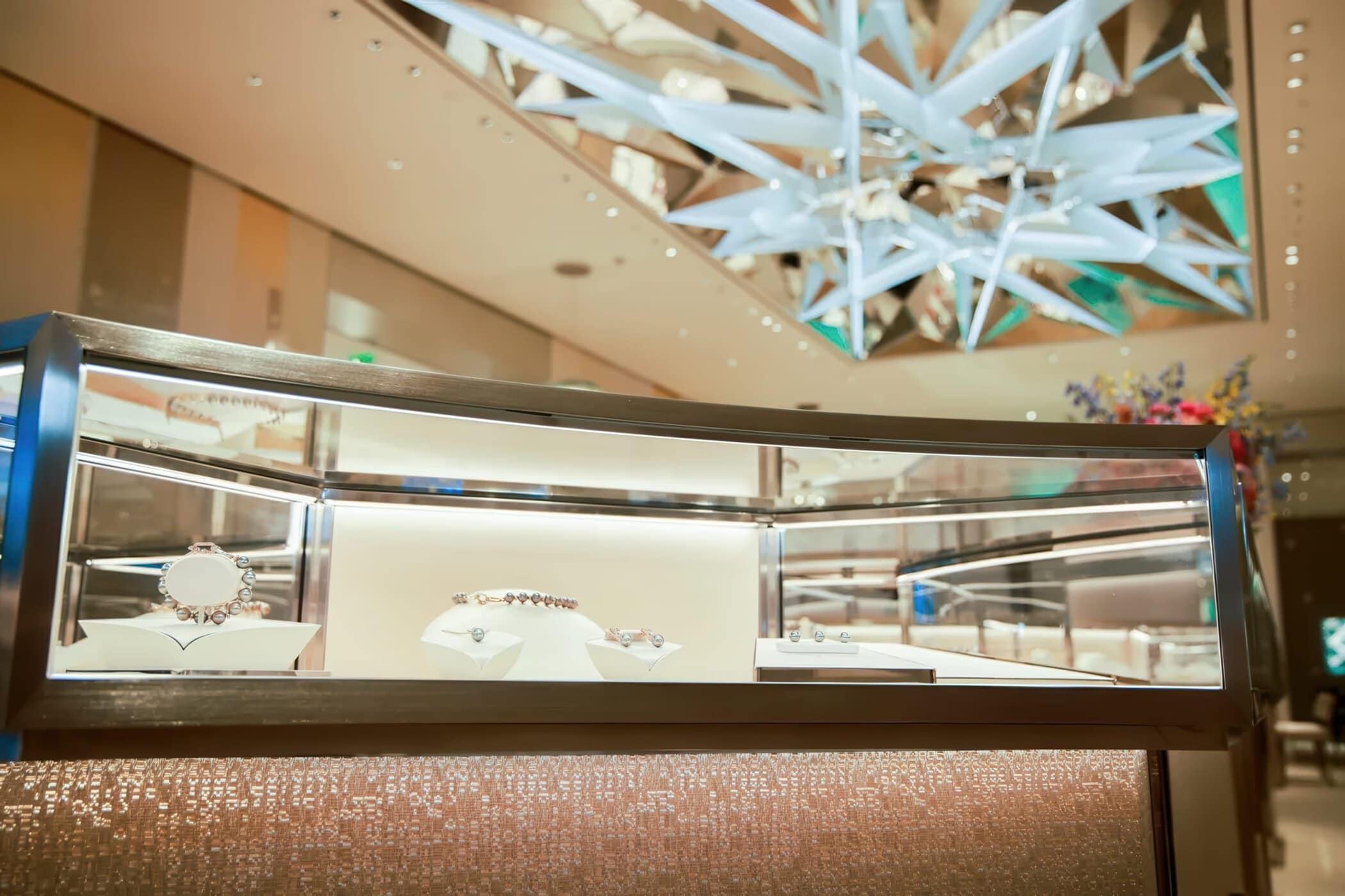
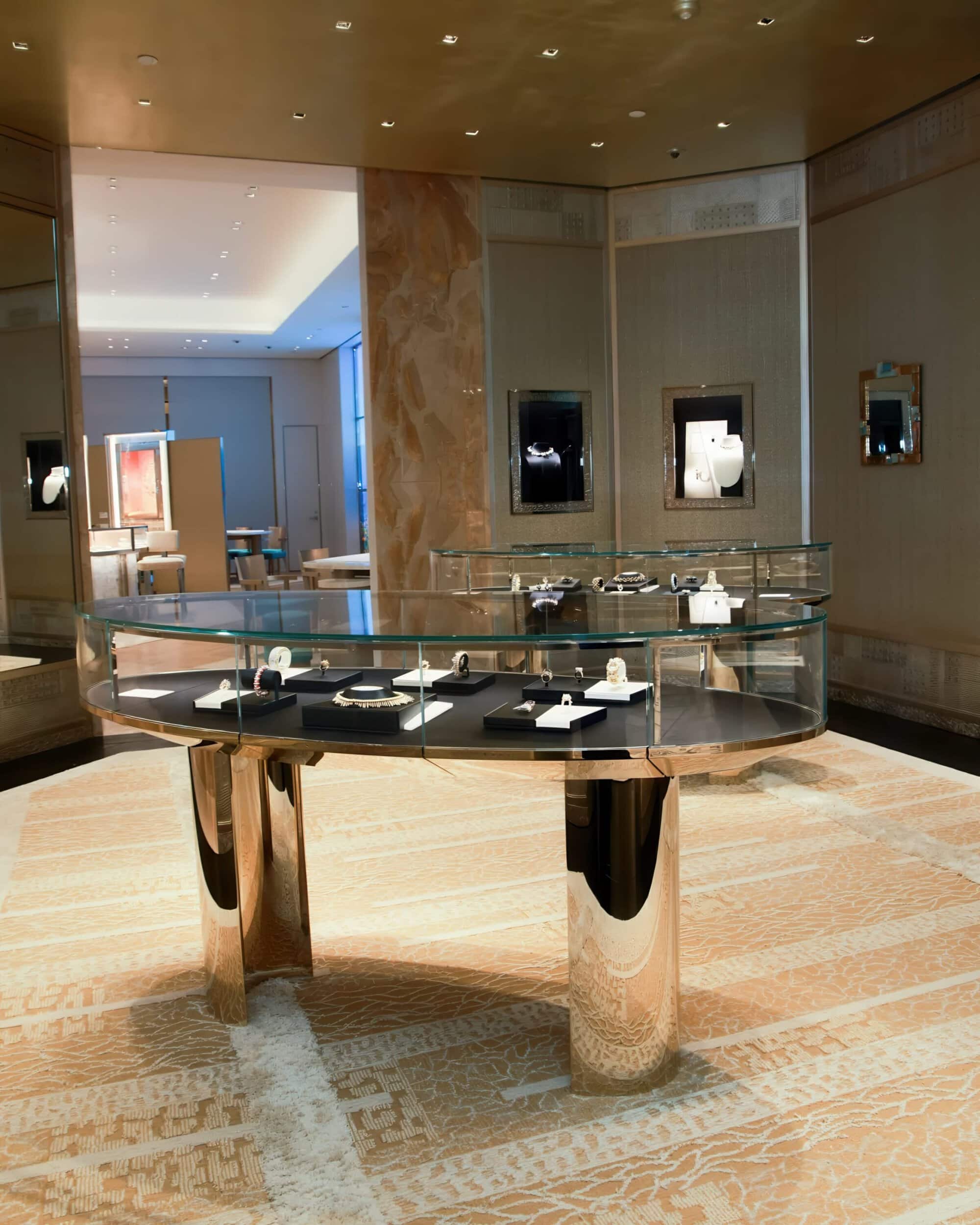
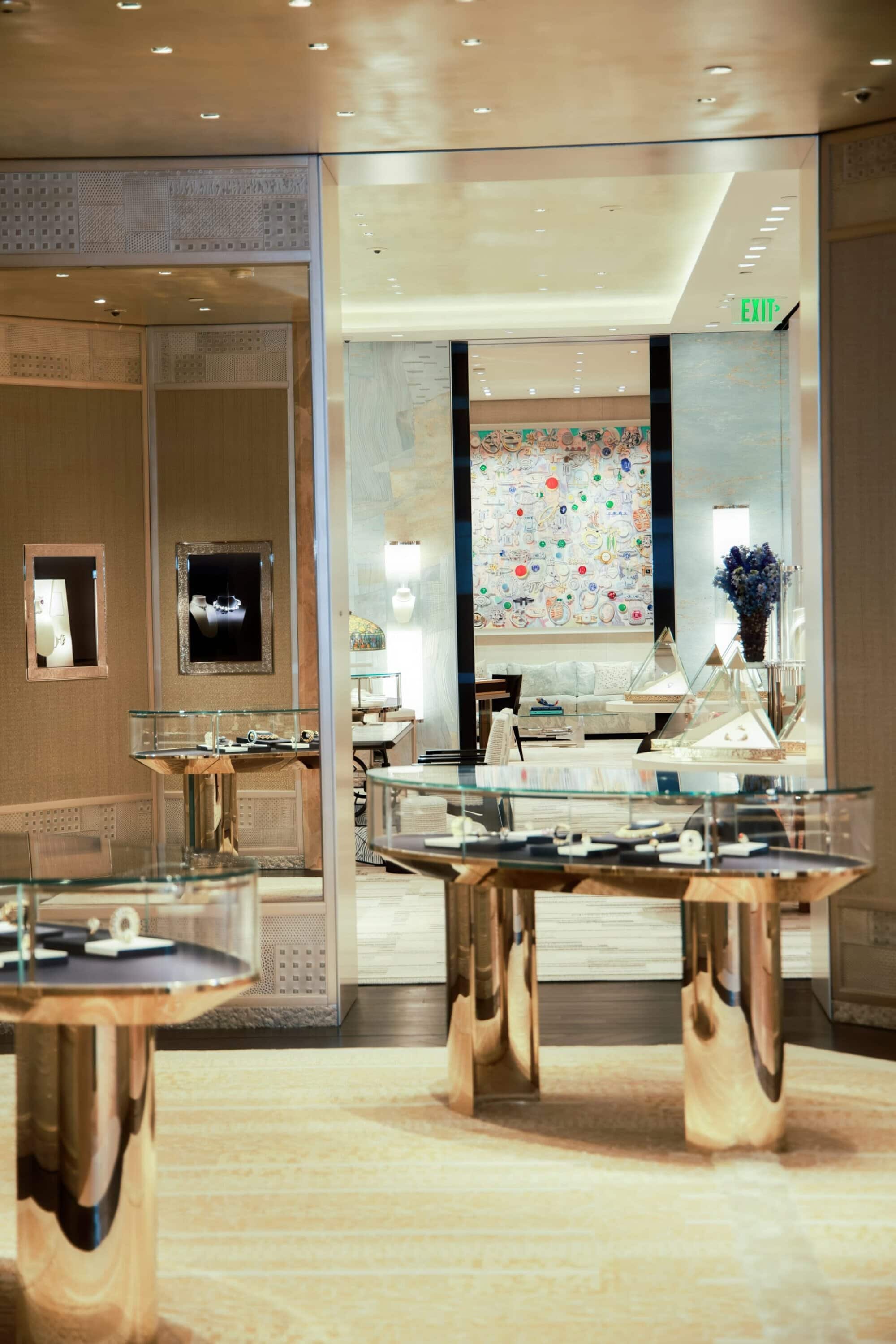
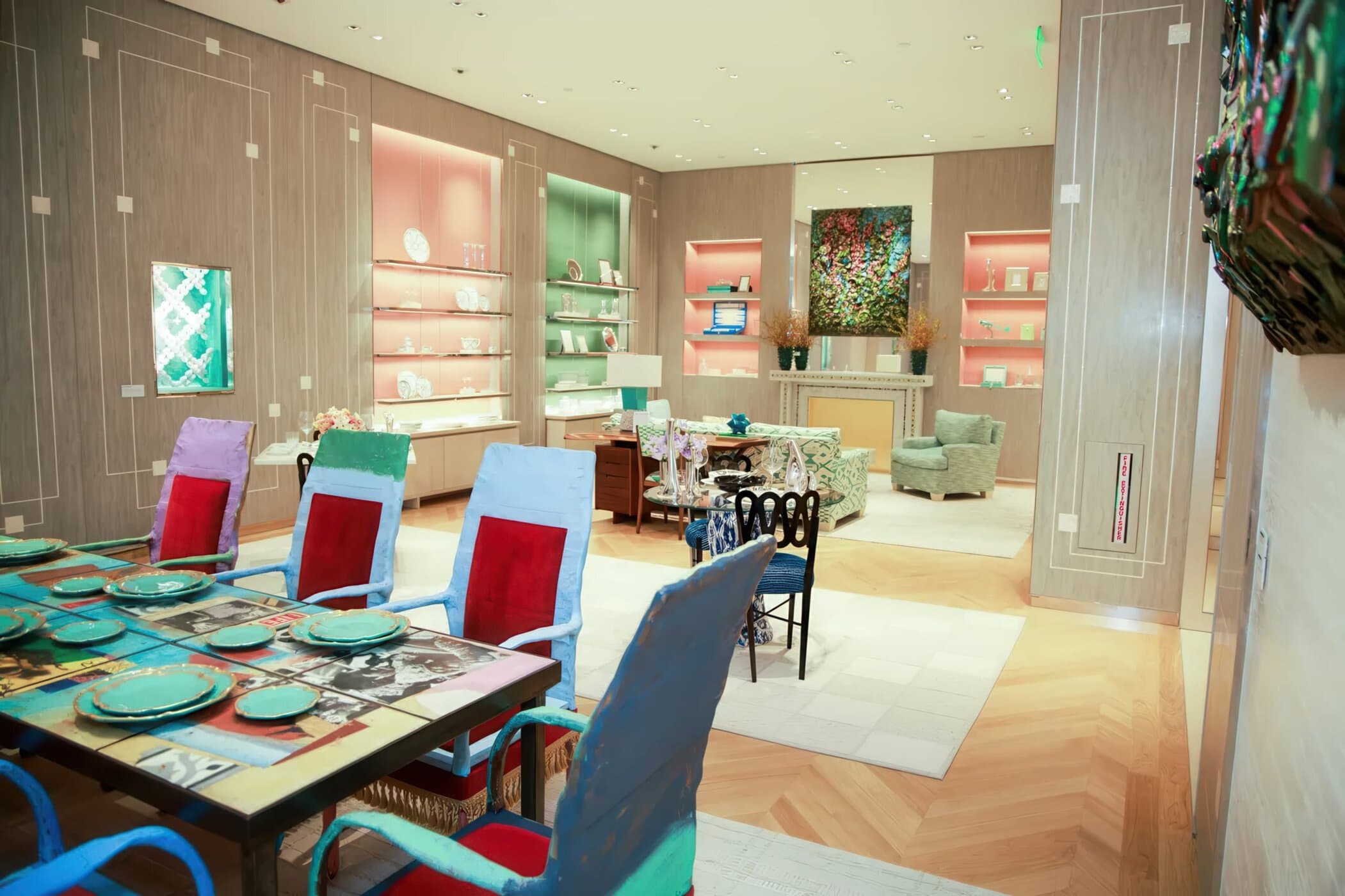
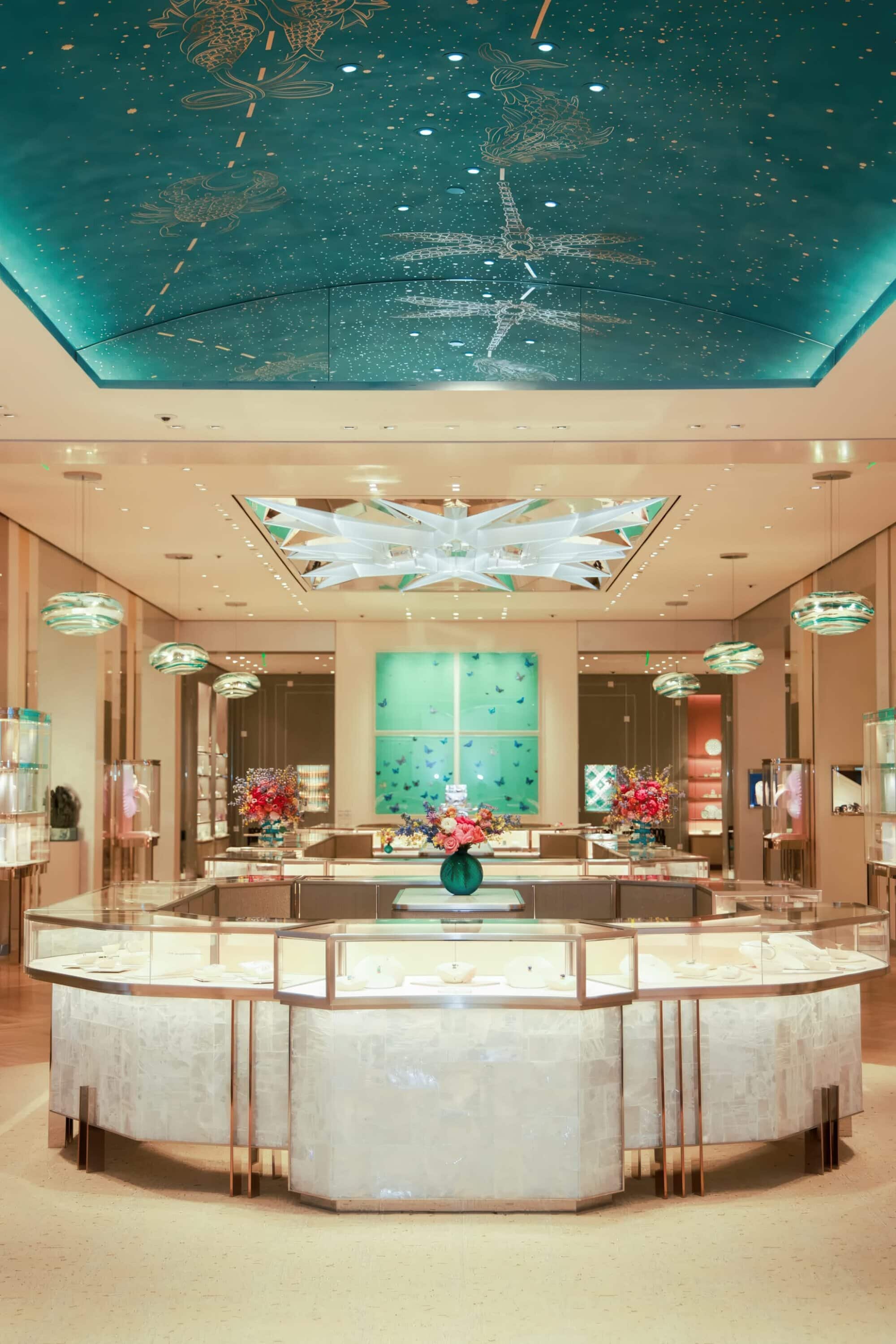
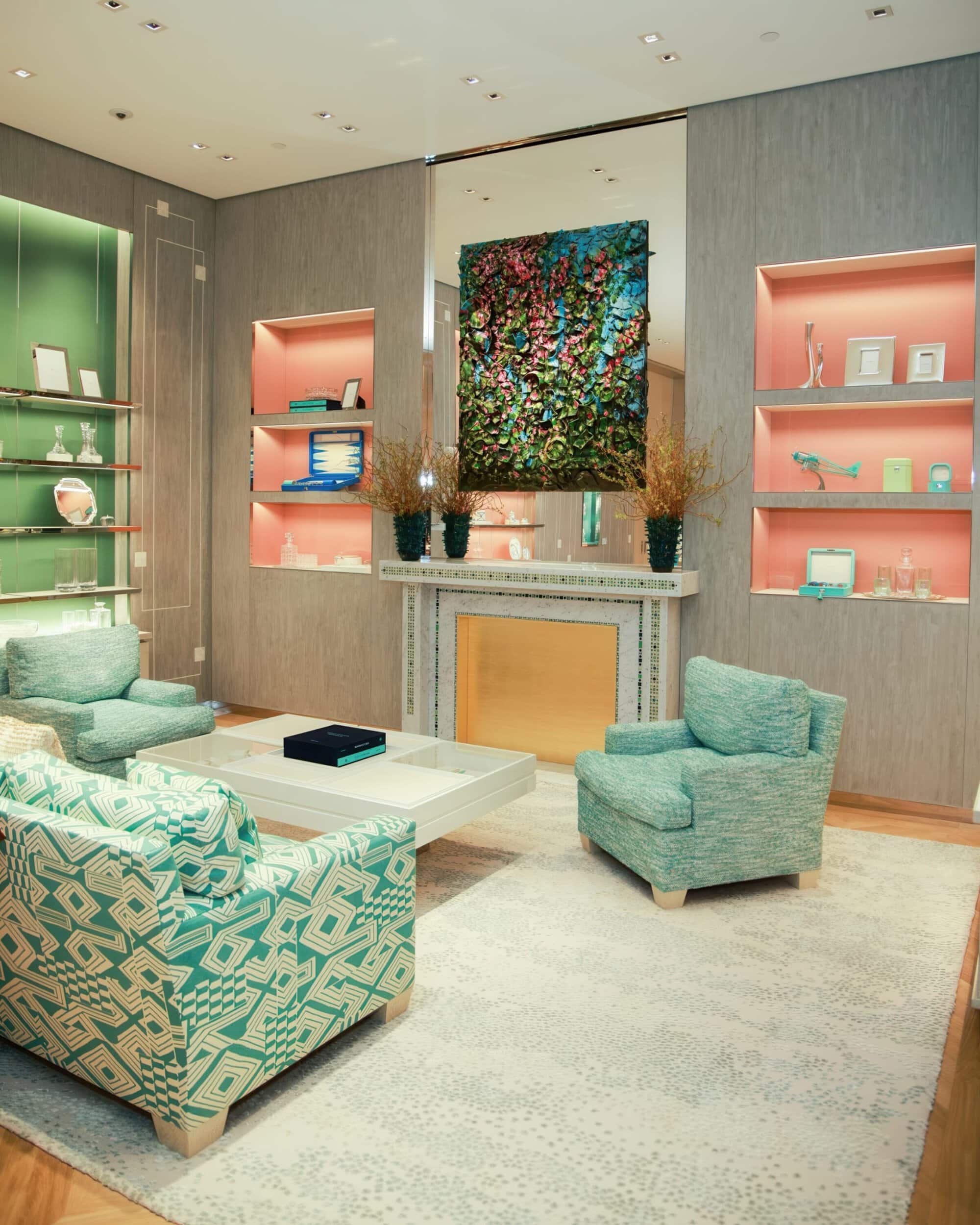
That philosophy is evident throughout the South Coast Plaza flagship. The boutique combines Tiffany’s signature design language with a carefully curated collection of contemporary artworks, custom furnishings, and refined materials that elevate the customer journey. Dedicated salons for high jewelry, private client spaces, and residential-inspired interiors encourage visitors to spend time within the environment, reflecting the growing importance of hospitality and personalized service in luxury retail.
For Tiffany, architecture has become an increasingly important component of its brand strategy. Since joining LVMH, the jeweler has invested heavily in reimagining its physical spaces, using flagship stores to communicate a more elevated vision of the house while strengthening relationships with both existing and new clients. Rather than relying solely on product presentation, these boutiques are designed to immerse visitors in Tiffany’s universe, where design, craftsmanship, and culture intersect.
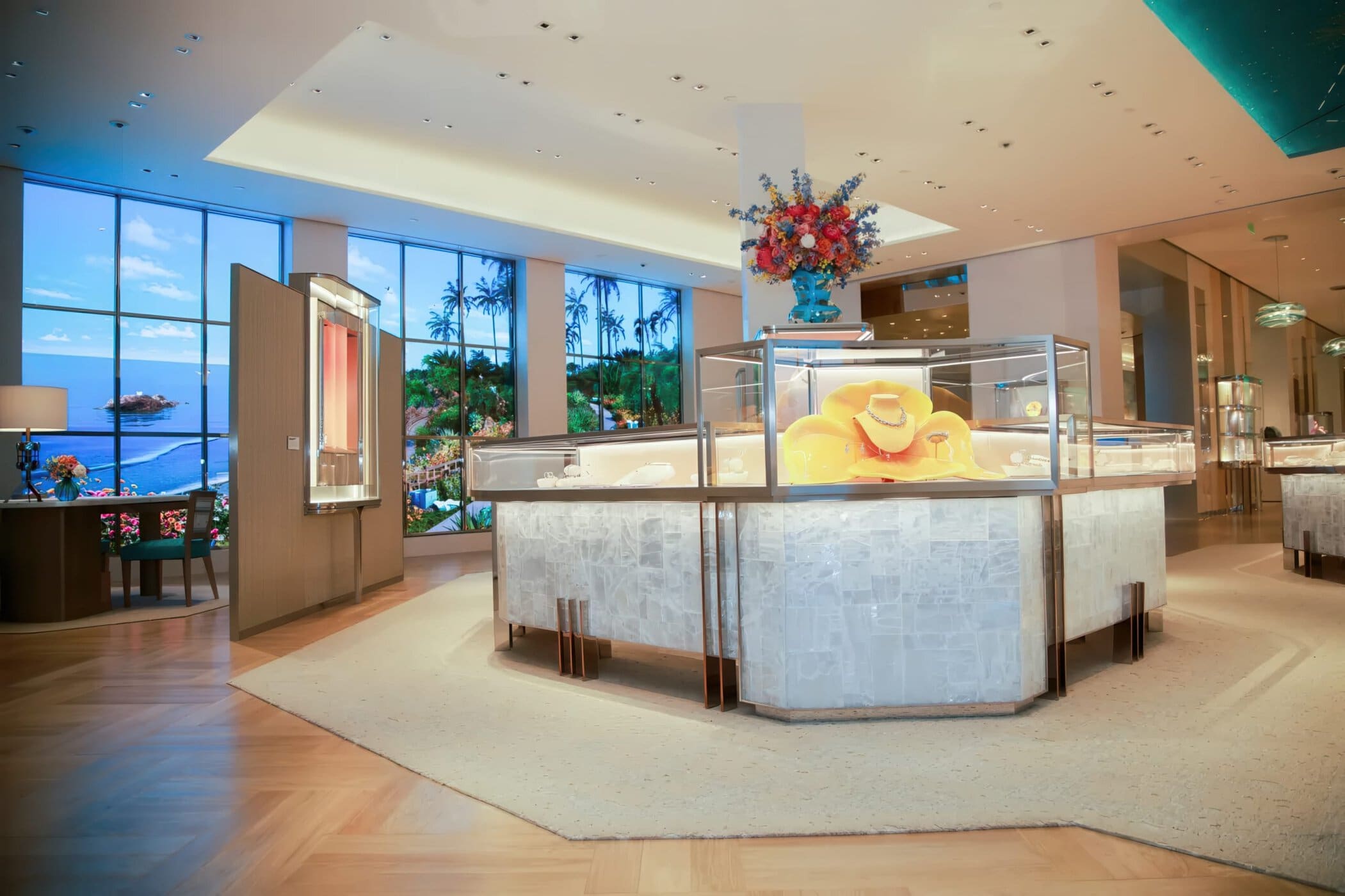
The South Coast Plaza opening also underscores Peter Marino’s continuing influence on the luxury industry. Few architects have shaped the visual identity of modern luxury as extensively as Marino, whose projects have helped define how consumers experience some of the world’s most prestigious brands. His work has consistently blurred the boundaries between retail, architecture, and cultural institutions, transforming boutiques into destinations that reflect a house’s values long before a purchase is made.
As luxury brands continue investing in physical retail despite the growth of digital commerce, Tiffany’s latest flagship demonstrates the enduring value of thoughtfully designed spaces. More than a new boutique, the South Coast Plaza opening reinforces the idea that architecture remains one of luxury’s most powerful storytelling tools—and that Peter Marino continues to be one of its most influential authors.