The Antwerp museum brings together all six designers for the first authorized exhibition tracing their shared origins and distinct paths in fashion history
The Museum of Fashion (MoMu) in Antwerp is commemorating 40 years since the group of Belgian fashion designers known as the Antwerp Six first gained global recognition. The exhibition, which opens to the public this Saturday and runs until January 17, 2027, brings together the work and history of Marina Yee, Dries Van Noten, Ann Demeulemeester, Walter Van Beirendonck, Dirk Bikkembergs, and Dirk Van Saene, all graduates of Antwerp’s Royal Academy of Fine Arts.
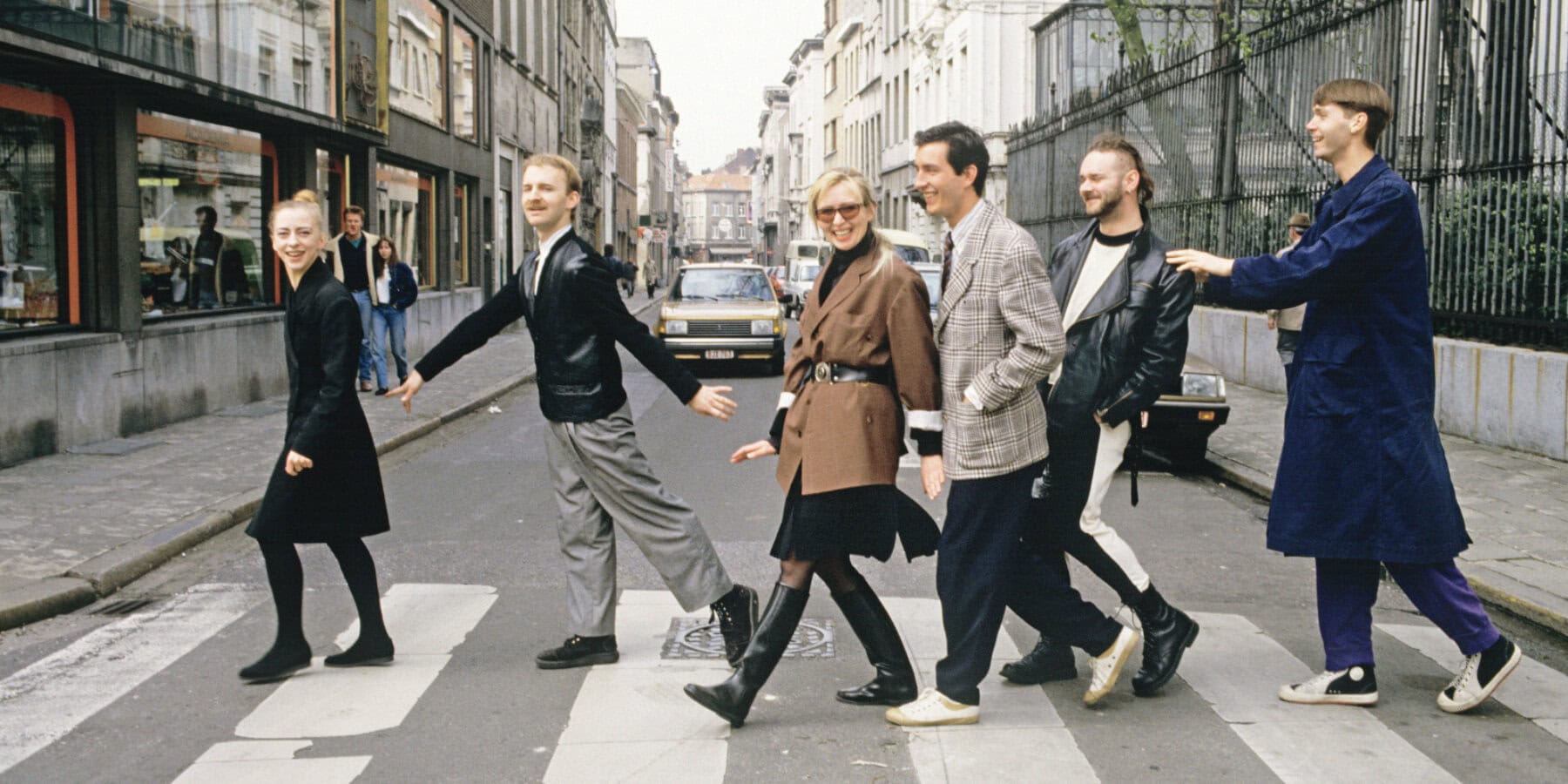
The show returns to Antwerp in the 1970s, when Dirk Bikkembergs, Ann Demeulemeester, Walter Van Beirendonck, Dries Van Noten, Dirk Van Saene, and Marina Yee were still students, and places their emergence within a wider moment of upheaval in fashion. Parisian haute couture still dominated the international system, but it was being challenged from multiple directions at once: punk was arriving from London through Vivienne Westwood and Malcolm McLaren, the New Romantic movement was taking shape in clubs like The Blitz, Yohji Yamamoto and Rei Kawakubo were unsettling Paris from 1981 onward, and Italian designers including Versace and Armani were redefining menswear. The Antwerp students moved through these cities, absorbing what they saw at shows, in clubs, and in record stores, then brought those influences back to a city with its own experimental art scene and nightlife culture that kept the Royal Academy circle in close contact even as their work developed in increasingly distinct directions.
MoMu’s framing also gives weight to the economic conditions that shaped the group’s rise. By the early 1980s, Belgium’s clothing and textile industry was under pressure, prompting a five-year Textile Plan that supported young designers through initiatives including the Golden Spindle competition and the national campaign Mode, dit is Belgisch — Fashion, this is Belgian. The exhibition traces how that intersection of public policy, industry strategy, and individual talent helped create the conditions for a breakthrough that would alter the course of Belgian fashion.
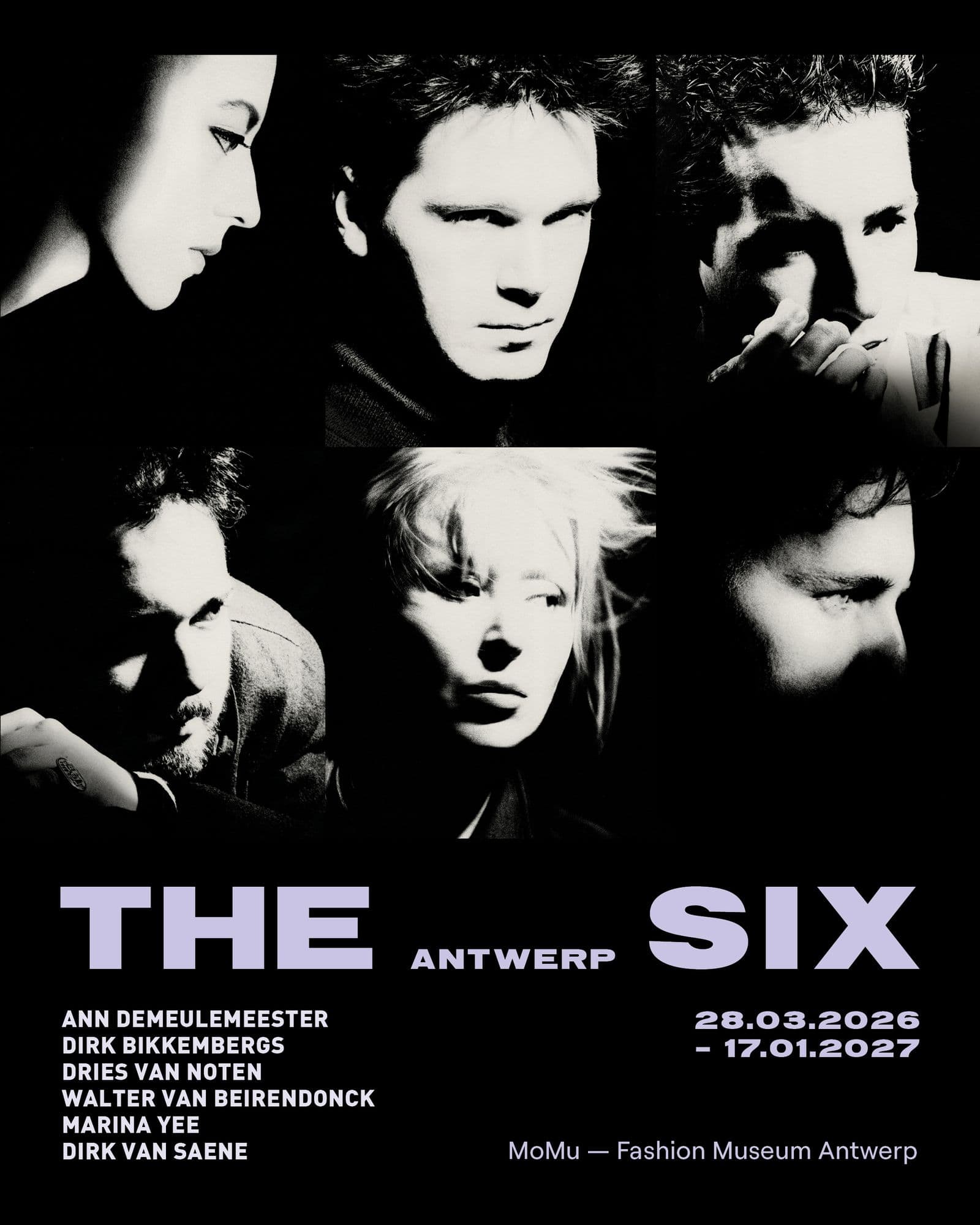
Each of the six arrived at fashion with a different vocabulary. Dries Van Noten built his world through fabric, print, and cultural layering, drawing from textile traditions and translating them into clothes that remained both richly composed and wearable. His Antwerp-based house, which he led independently until his retirement in 2024, stood as one of the last major fashion labels to remain outside a luxury conglomerate. Ann Demeulemeester developed a language of black, asymmetry, and tension, creating clothes that held strength and fragility in the same gesture. Walter Van Beirendonck used color, scale, and provocation to explore identity, desire, and politics through the body. Dirk Bikkembergs grounded his work in sport, architecture, and a hard-edged masculinity, helping establish sportswear as a serious design language rather than a purely commercial category. Dirk Van Saene pursued a more private but no less influential path, defined by construction, precision, and quiet invention, while Marina Yee brought deconstruction and reuse into her practice long before sustainability became a dominant framework in fashion.
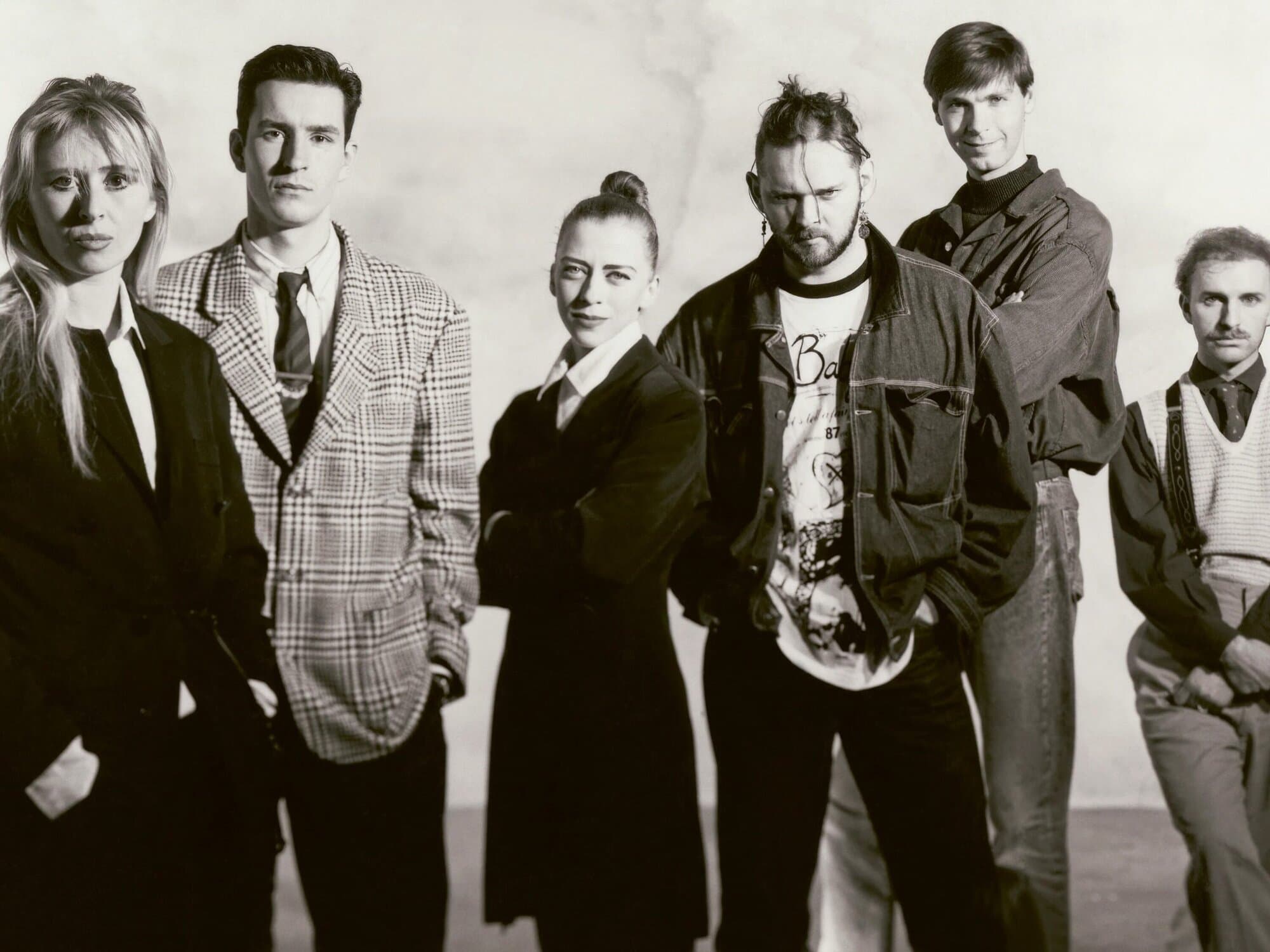
What MoMu argues through the exhibition, and through what it describes as a striking scenography, is that the Antwerp Six became more than a convenient grouping or a moment in Belgian fashion. They became a cultural reference point. In bringing their histories together again, the museum gives physical form to a shared legacy that reshaped the way fashion could be made, shown, and understood, while also allowing each designer’s singular vision to stand on its own.