The ASA rulings, the sixth in seven months targeting fashion brands, signal a tightening of the evidentiary standard for sustainability claims in advertising
The UK Advertising Standards Authority banned Google ads from Adidas, Uniqlo, and Calvin Klein on June 24, finding that all three used the term “recycled” in ways they could not substantiate. The rulings follow bans on Nike, Lacoste, and Superdry issued late last year on similar grounds, bringing the total to six fashion brands penalized in seven months.
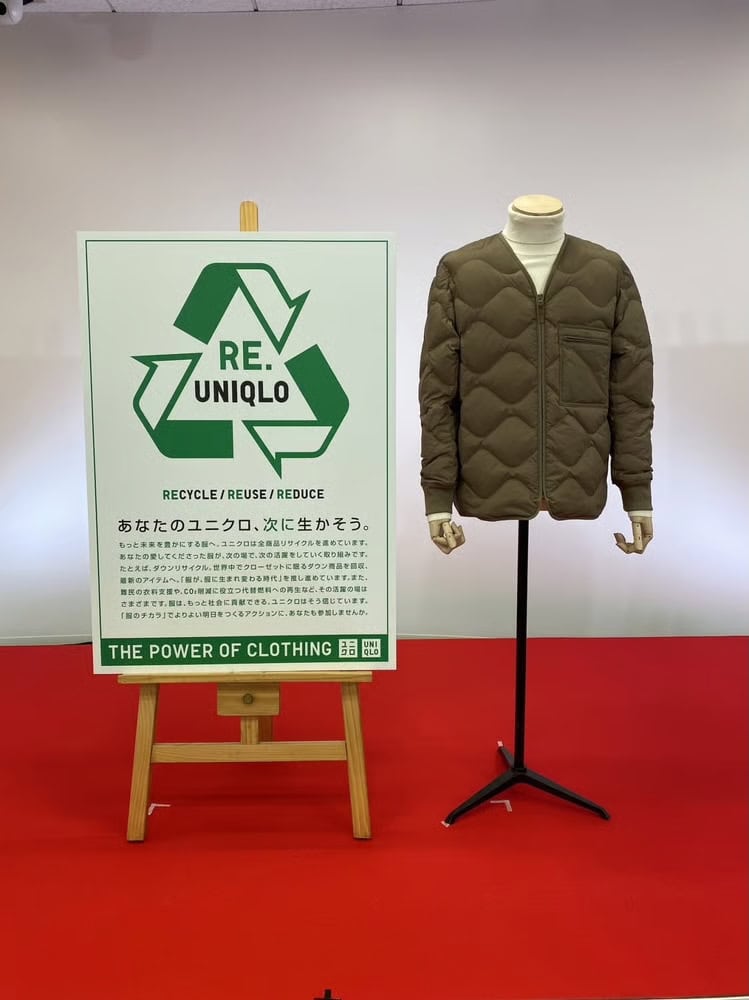
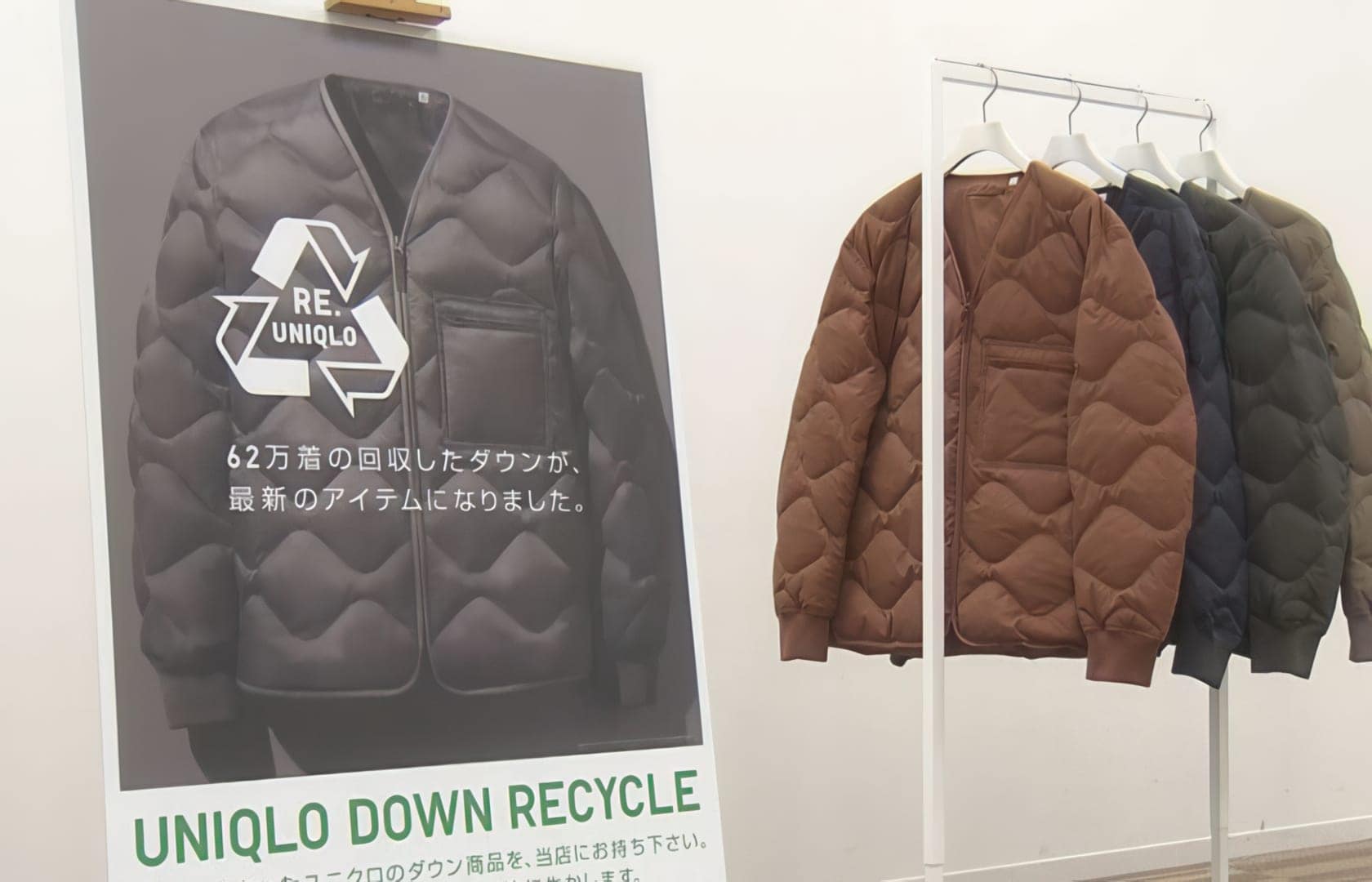
Each case turned on the same issue: without further qualification, the word “recycled” led consumers to reasonably expect products were made entirely from recycled materials, an impression none of the three brands could support with evidence. Adidas admitted it does not operate a standalone recycled running shoe range, acknowledging instead that certain products incorporate recycled materials. Calvin Klein’s ad described a “responsibly sourced” women’s tops collection as “recycled, organic and more,” which the ASA found implied full recycled composition across the range. The Uniqlo ruling was the most granular: while the main body fabric of its fleece jackets was made from recycled polyester, the ASA found that non-recycled zippers and labels were sufficient to invalidate the claim outright.
All three ads were identified through the ASA’s AI-powered Active Ad Monitoring System, which proactively scans digital advertising for potential breaches rather than waiting for consumer complaints, a shift in enforcement approach with significant implications for how fashion brands manage sustainability language at scale. Miles Lockwood, the ASA’s director of complaints, stated that absolute terms require the basis of claims to be clearly explained and supported by evidence.
The rulings arrive as the EU moves toward stricter mandatory disclosure requirements under the Green Claims Directive, putting brands that have relied on broad sustainability language under increasing pressure from multiple regulatory directions simultaneously.