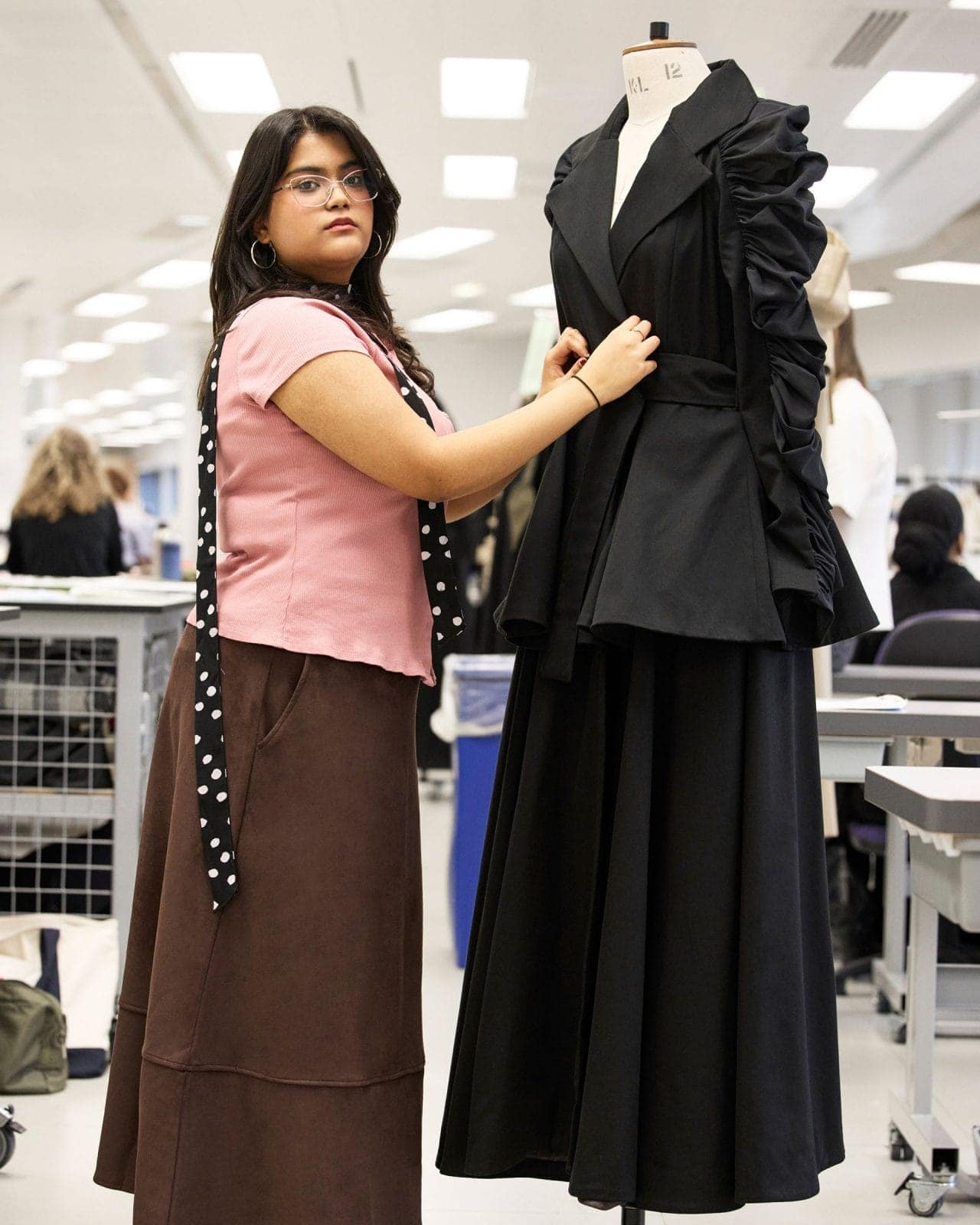
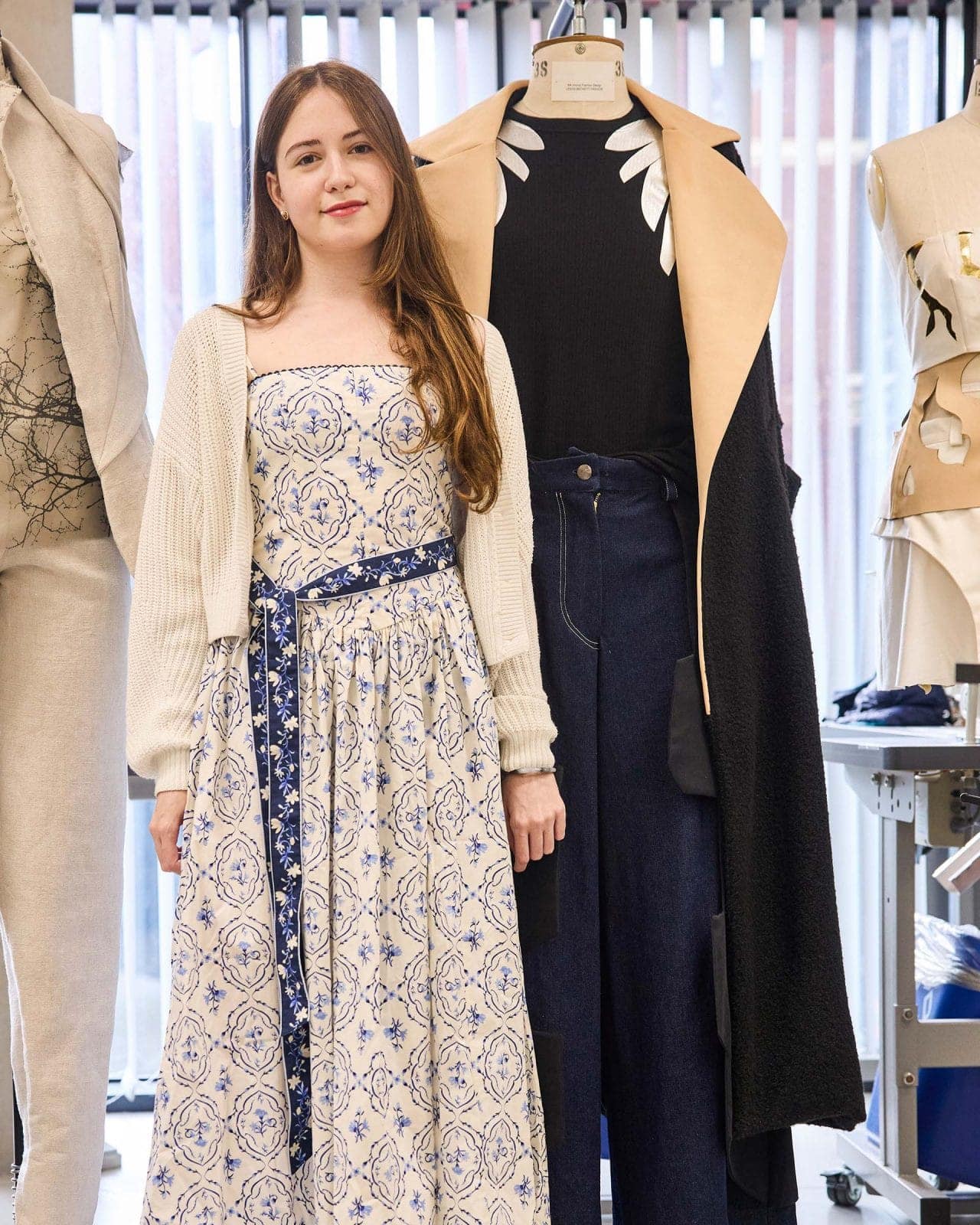
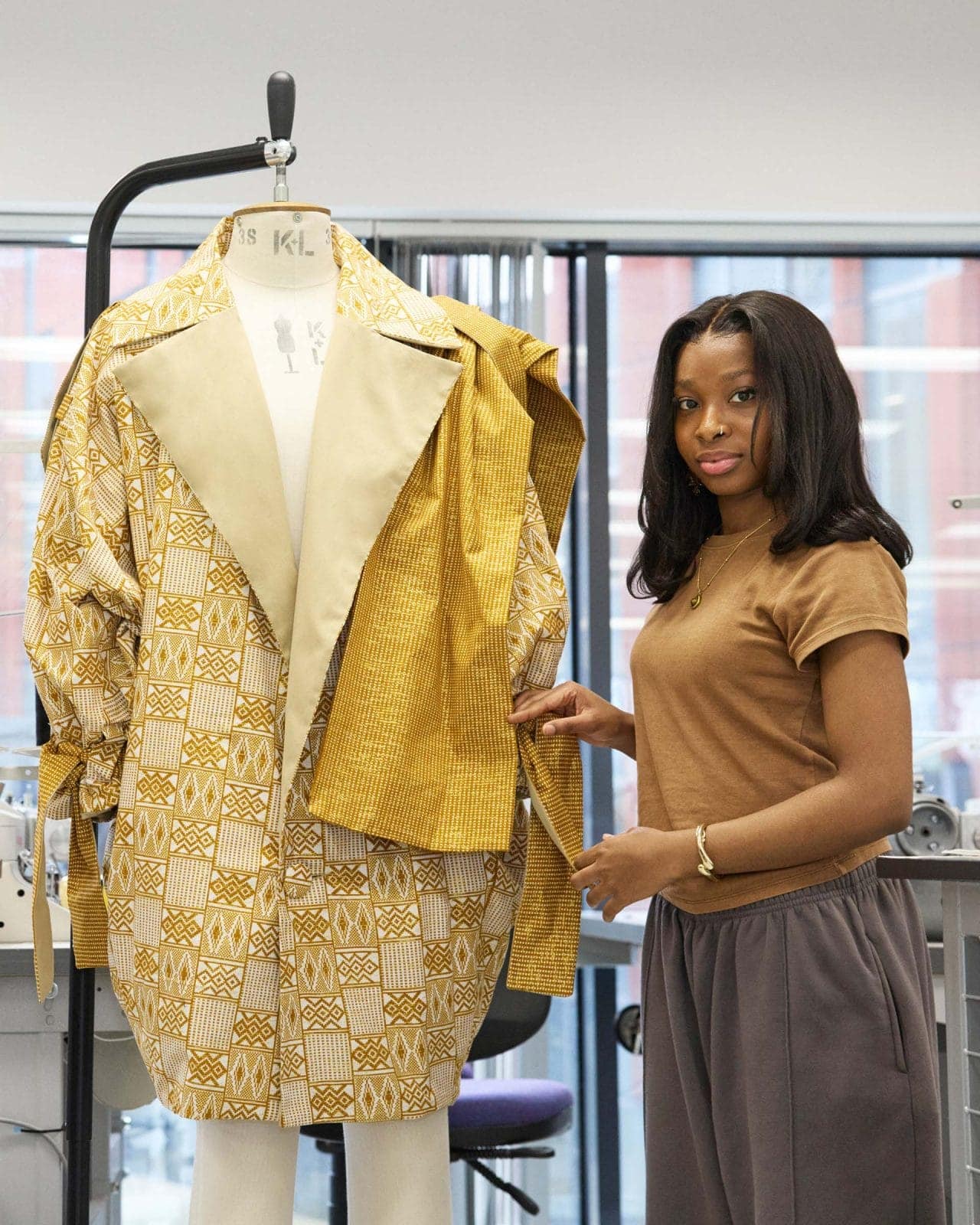
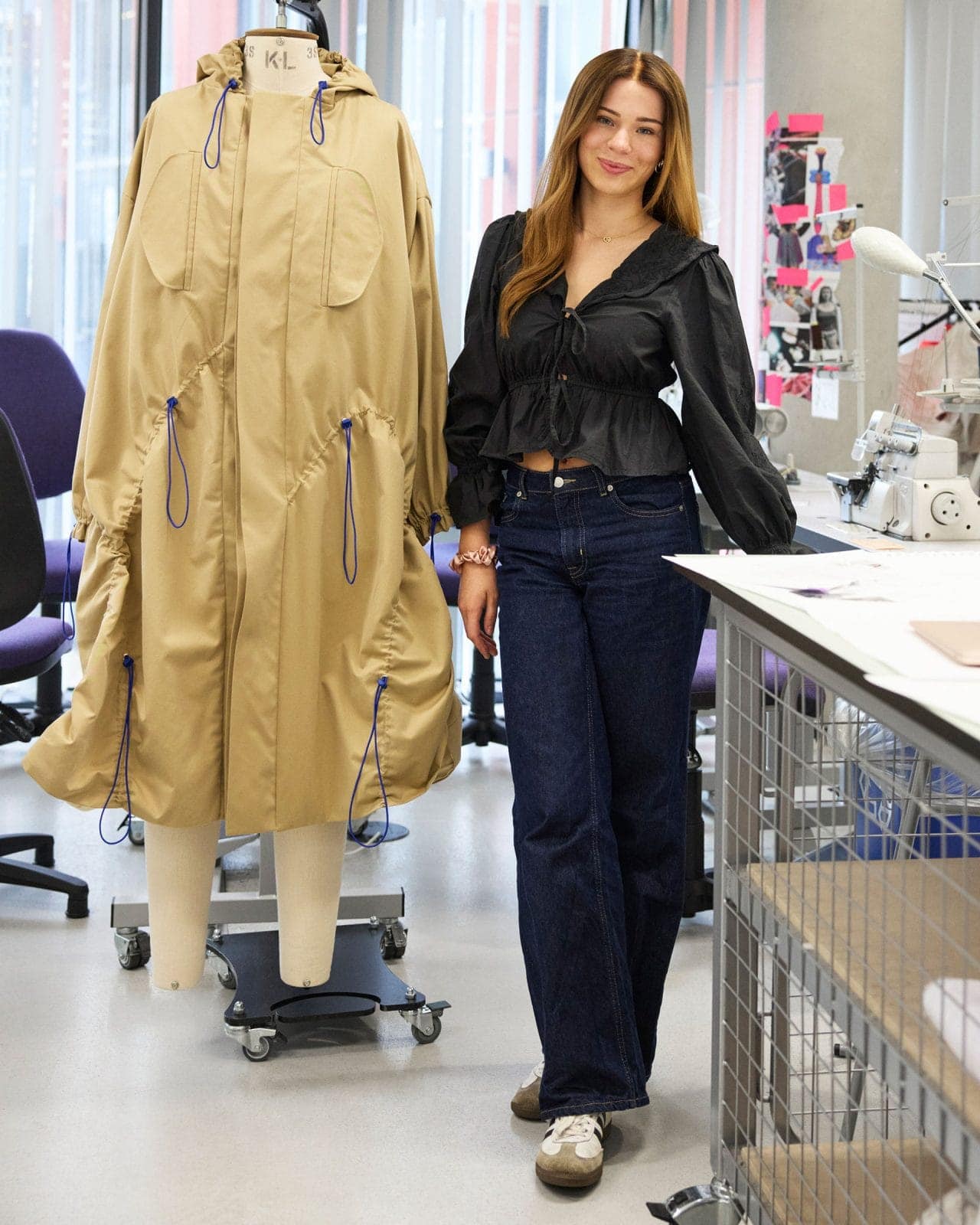
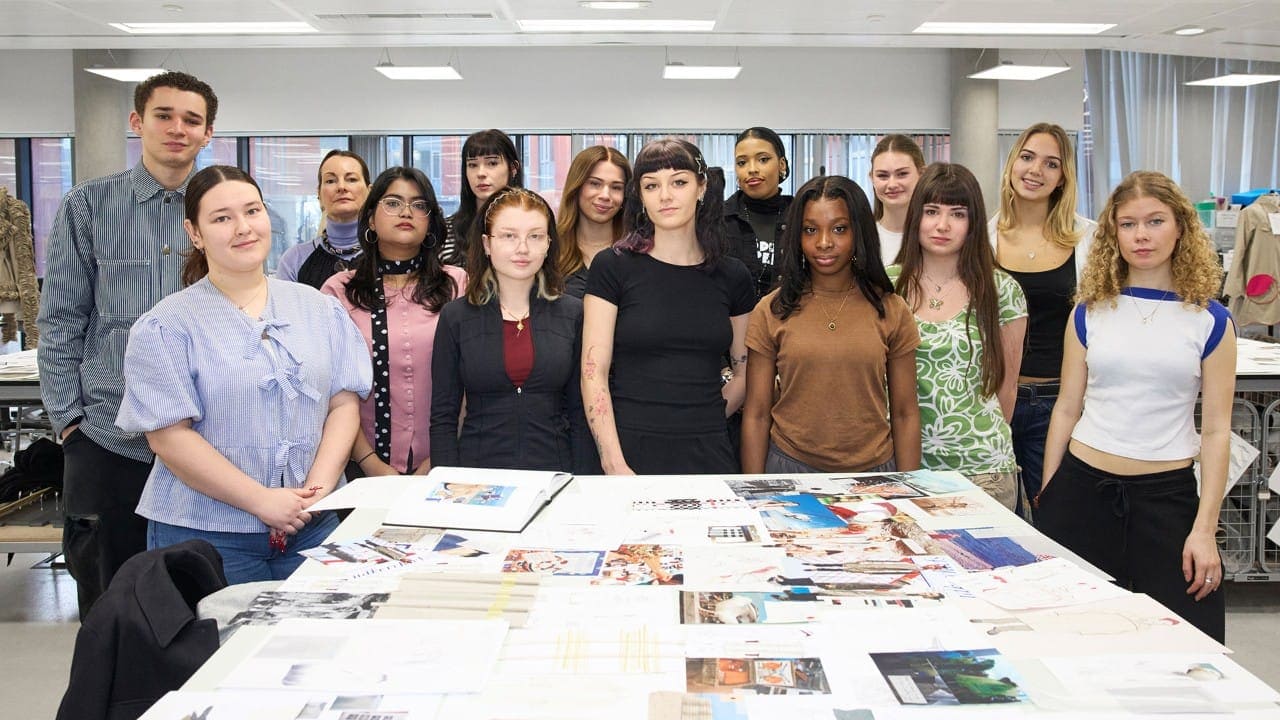
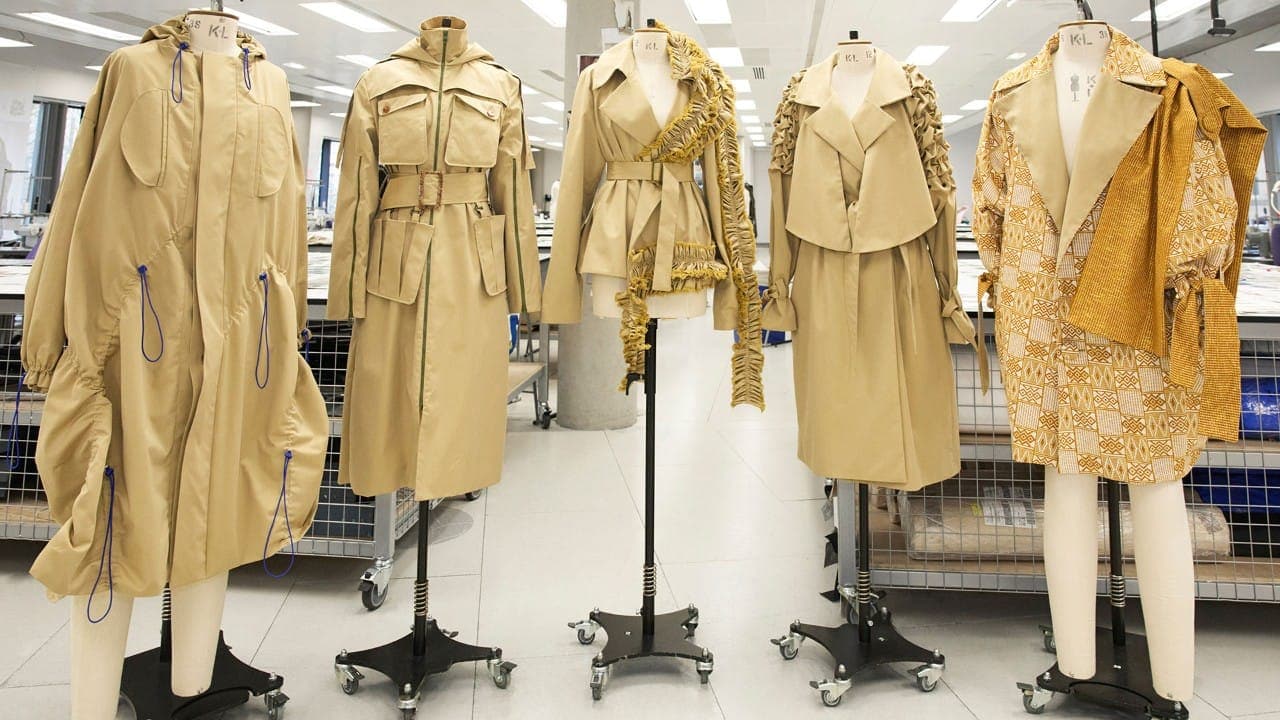
Burberry’s latest collaboration with Leeds Beckett University reflects how fashion education is evolving, preparing the next generation of designers to build circularity into the creative process from the very beginning
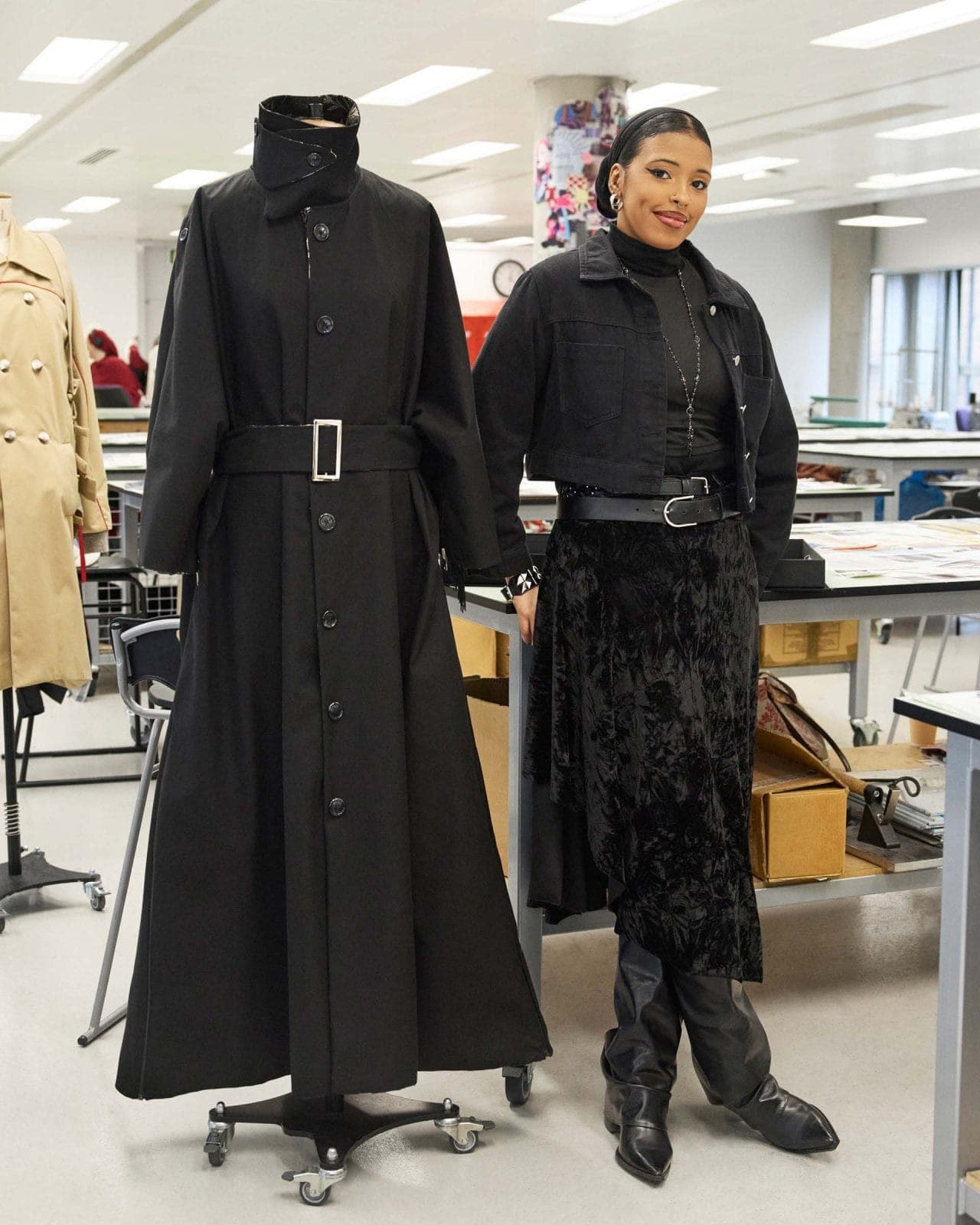
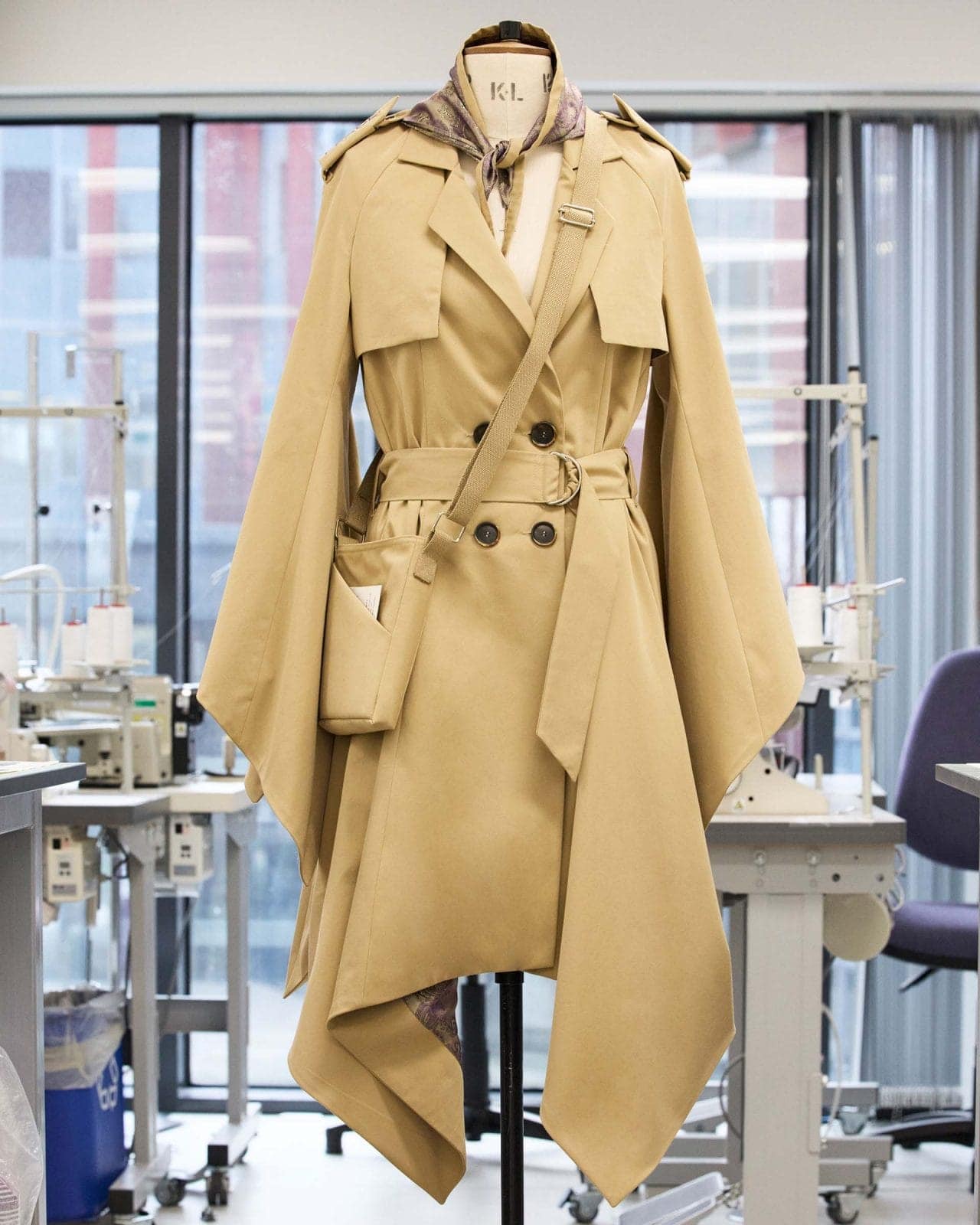
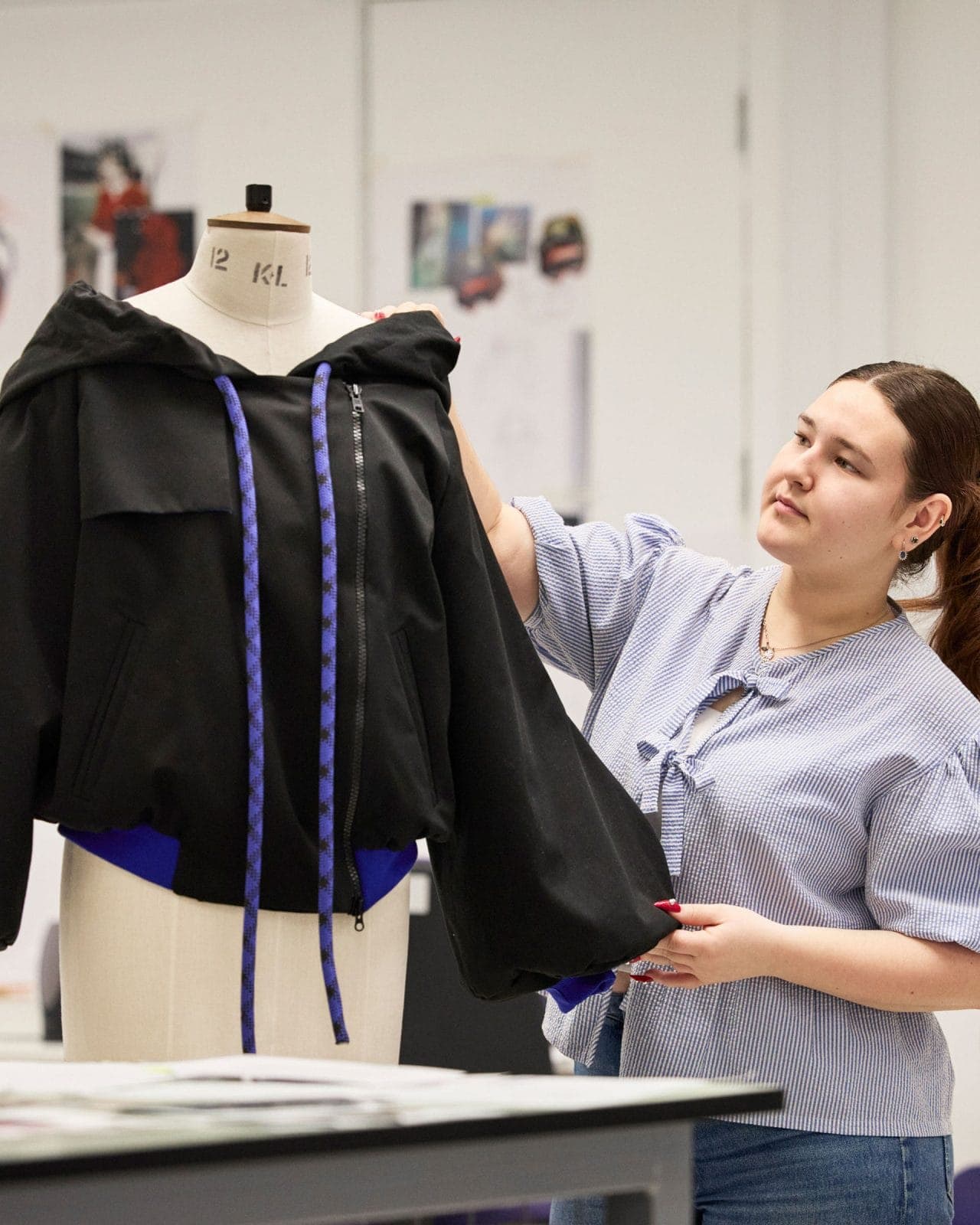
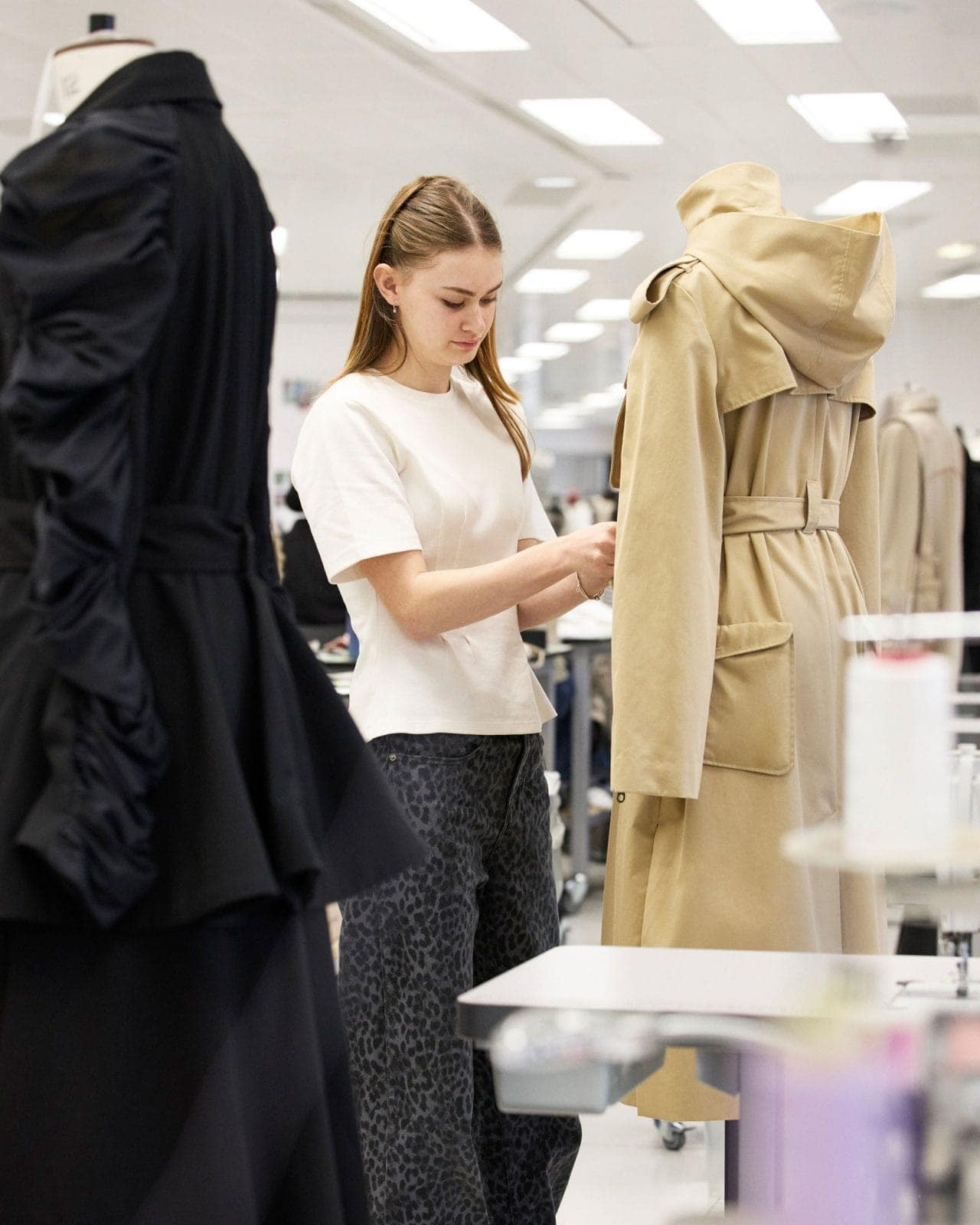
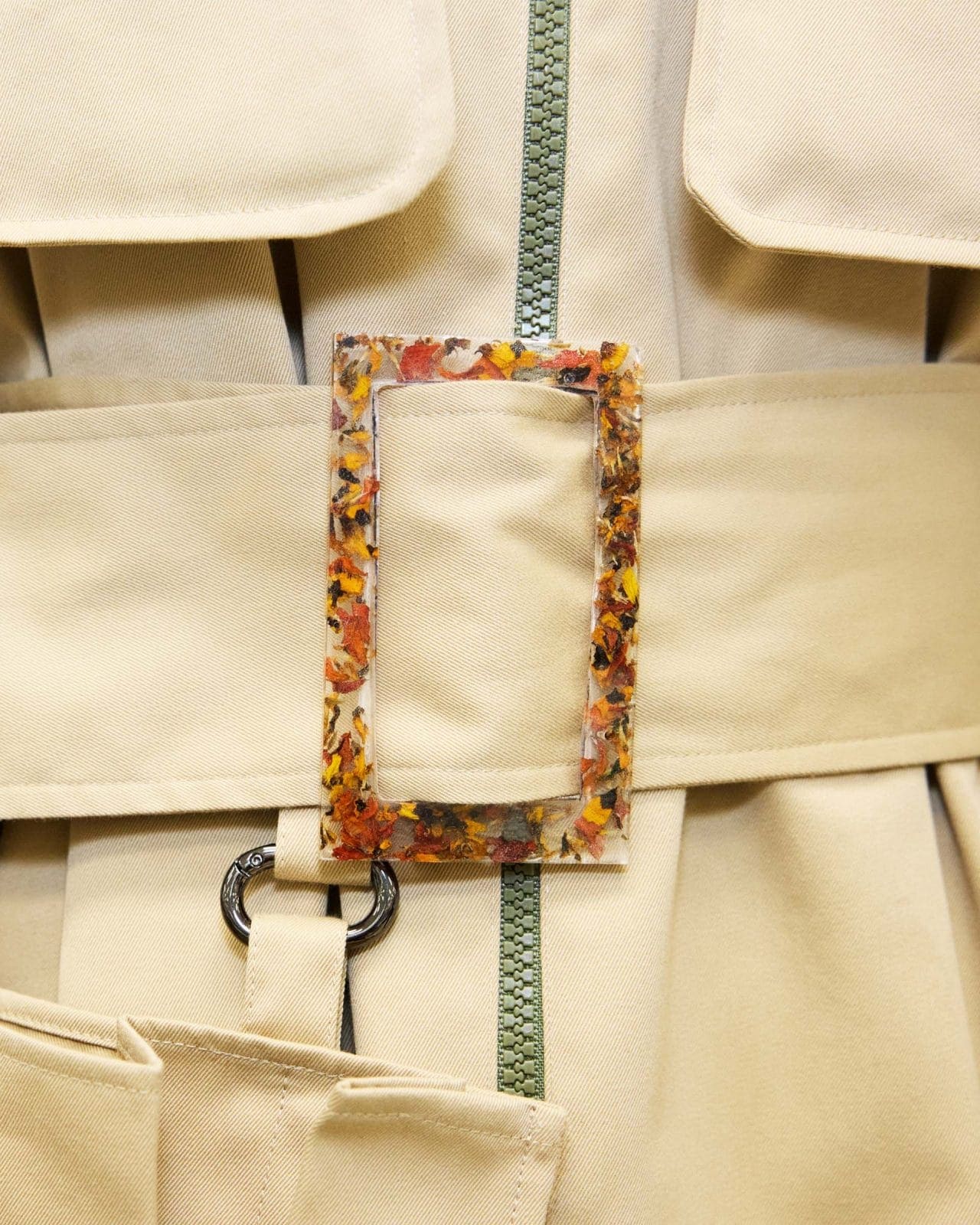
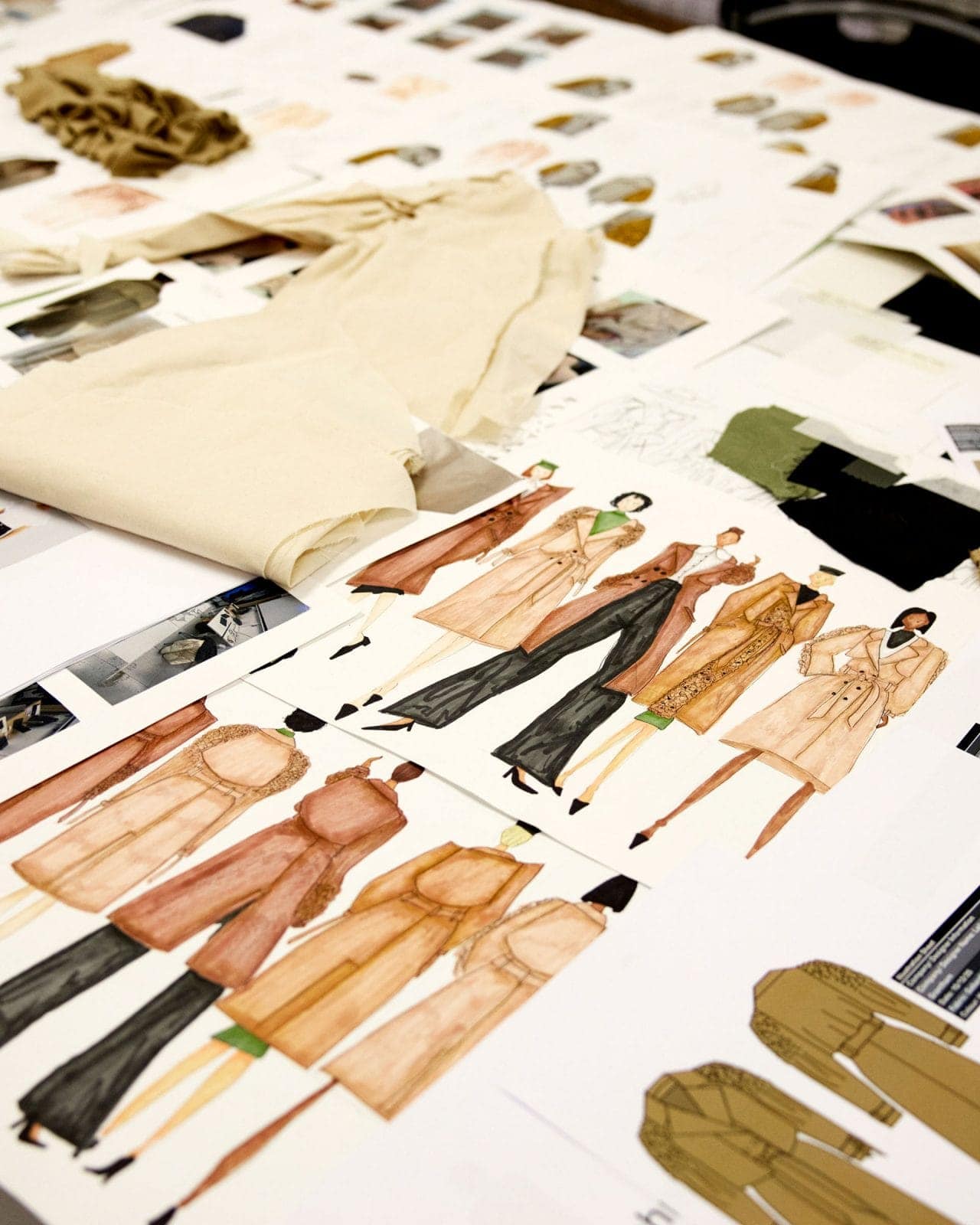
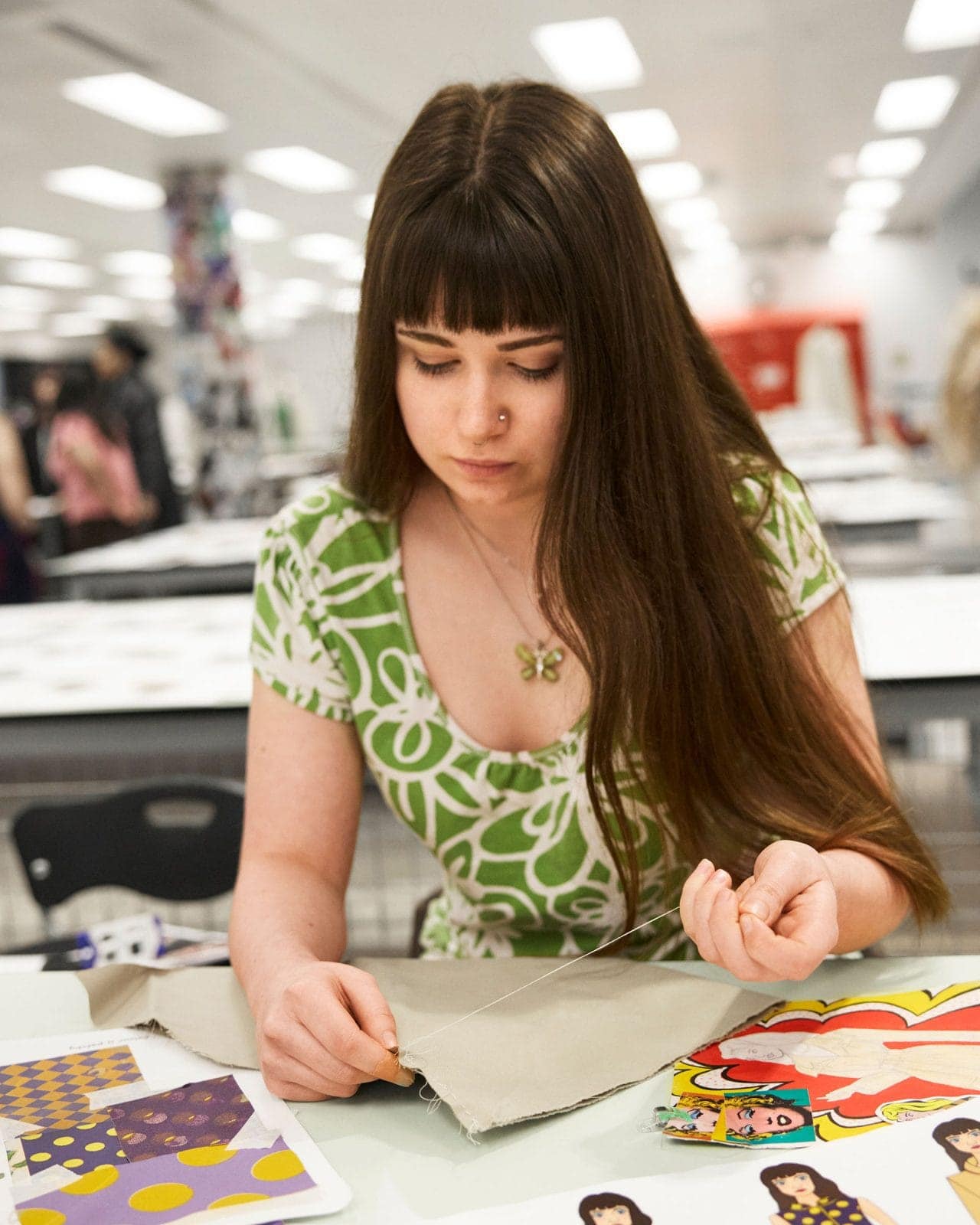
Burberry has partnered with Leeds Beckett University on a new initiative that challenges fashion students to rework surplus gabardine into original designs, offering them direct access to one of the house’s most recognizable materials while introducing them to the realities of circular design. More than a sustainability exercise, the collaboration reflects a broader shift in how luxury brands are helping shape the skills that will define the industry’s next generation of creative talent.

The initiative comes at a time when circularity is becoming an increasingly important part of fashion education. While design schools have traditionally emphasized craftsmanship, silhouette, and innovation, today’s students are also expected to understand material lifecycles, resource efficiency, and responsible production. As regulatory frameworks tighten and consumer expectations evolve, designing with existing materials is becoming as valuable a skill as designing from scratch.
Burberry’s decision to provide students with surplus gabardine is particularly significant. As one of the house’s most iconic materials, the fabric carries decades of heritage and craftsmanship, challenging participants not only to minimize waste but also to reinterpret an established luxury code through a contemporary lens. In doing so, students gain experience working within the creative constraints that increasingly define luxury fashion, where innovation is often measured by how effectively existing resources can be transformed into something new.
The collaboration also reflects a growing trend across the industry: luxury brands are engaging with emerging designers earlier in their careers through educational partnerships, mentorship programs, and innovation initiatives. These programs create opportunities to share technical expertise while exposing students to the challenges shaping fashion today, from responsible sourcing to circular production models. Rather than treating sustainability as a separate discipline, they integrate it directly into the design process.
What makes Burberry’s initiative noteworthy is that it demonstrates how the future of circular fashion begins long before a product reaches consumers. It starts in classrooms, workshops, and design studios, where the next generation is learning to view creativity and resourcefulness as complementary rather than competing ideas. As luxury continues its transition toward more circular business models, partnerships like this suggest that the industry’s greatest investment may not be in new materials, but in the designers who will define how they are used.