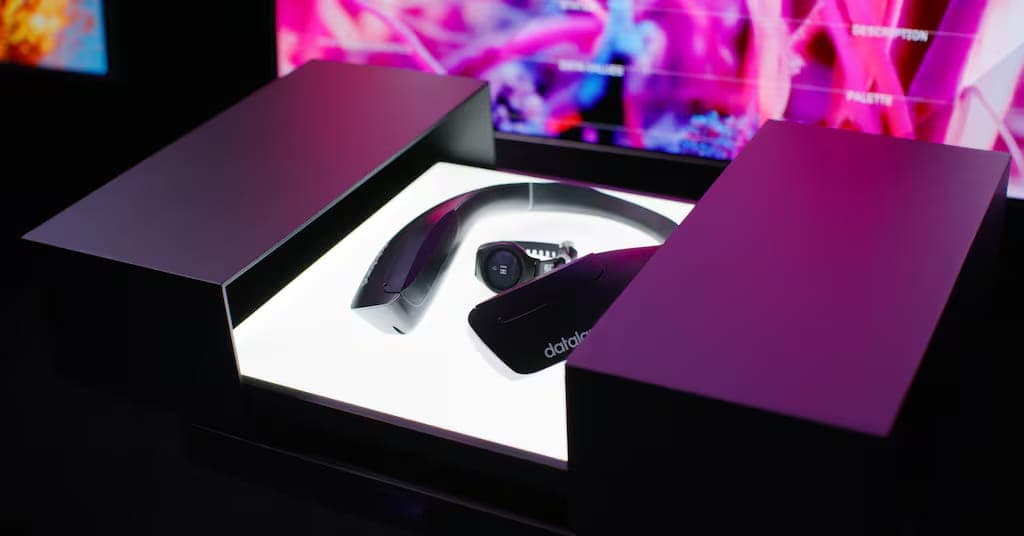
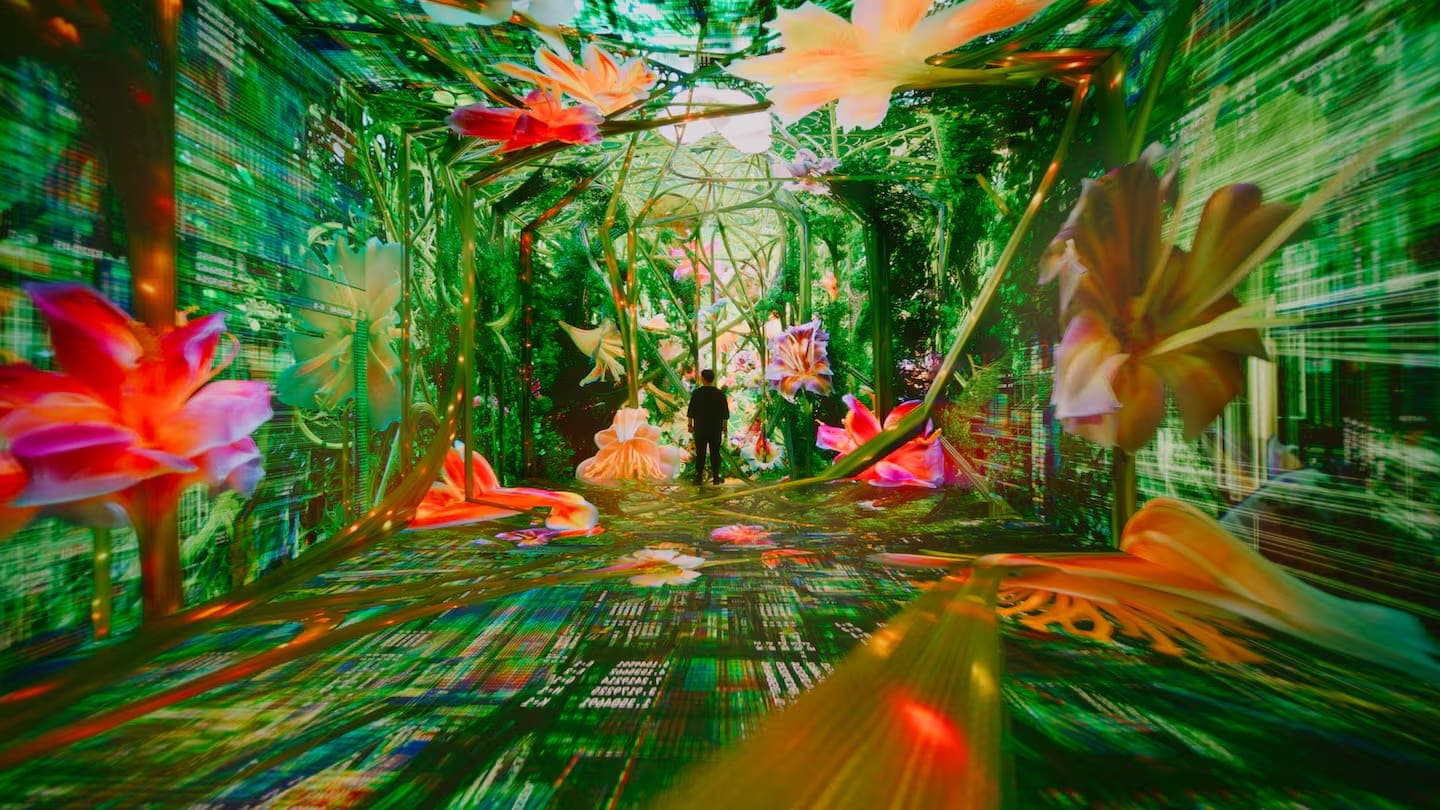
Through its partnership with DATALAND, the beauty giant explores scent not as a product, but as a cultural medium capable of shaping how audiences experience art, technology, and space
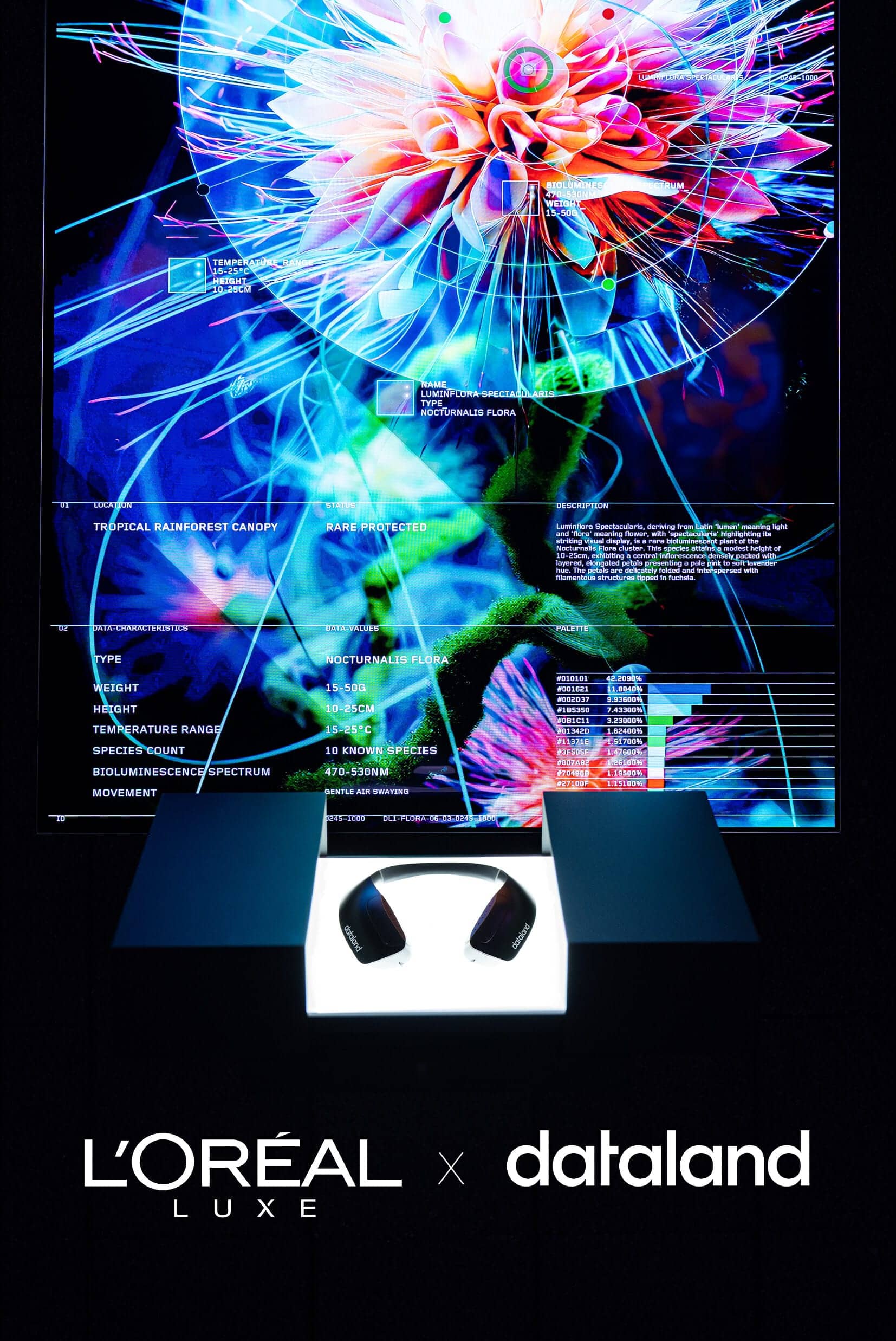
L’Oréal Luxe’s partnership with DATALAND, the world’s first museum dedicated to AI-generated art, marks a significant expansion of how beauty companies are thinking about fragrance. Rather than launching a new scent or promoting an existing brand, the company has developed twelve responsive olfactory experiences for Machine Dreams: Rainforest, the inaugural exhibition at the Los Angeles institution founded by Refik Anadol and Efsun Erkılıç. The fragrances are not designed to be purchased, collected, or worn. Instead, they function as part of the artwork itself, responding to visitors and digital environments in real time.
At first glance, the partnership appears to sit at the intersection of beauty and technology. Yet the more interesting story is how it repositions fragrance within culture. Perfume has traditionally existed as a personal object, experienced on the body and closely tied to identity, memory, and self-expression. DATALAND asks visitors to encounter scent differently. Here, fragrance becomes environmental rather than personal, functioning less as a product and more as a medium capable of shaping the emotional experience of a space.
To create the installation, L’Oréal Luxe’s fragrance teams worked alongside Refik Anadol Studio, developing twelve scents inspired by rainforest ecosystems and informed by the studio’s Large Nature Model. Delivered through wearable diffuser technology, the fragrances shift in response to the artworks and the presence of each visitor, creating what the company describes as “living scents.” Among the most notable examples is Synthetic Essence, a scent designed to interpret digital code itself—a provocative exercise in translating something inherently odorless into an emotional sensory experience.
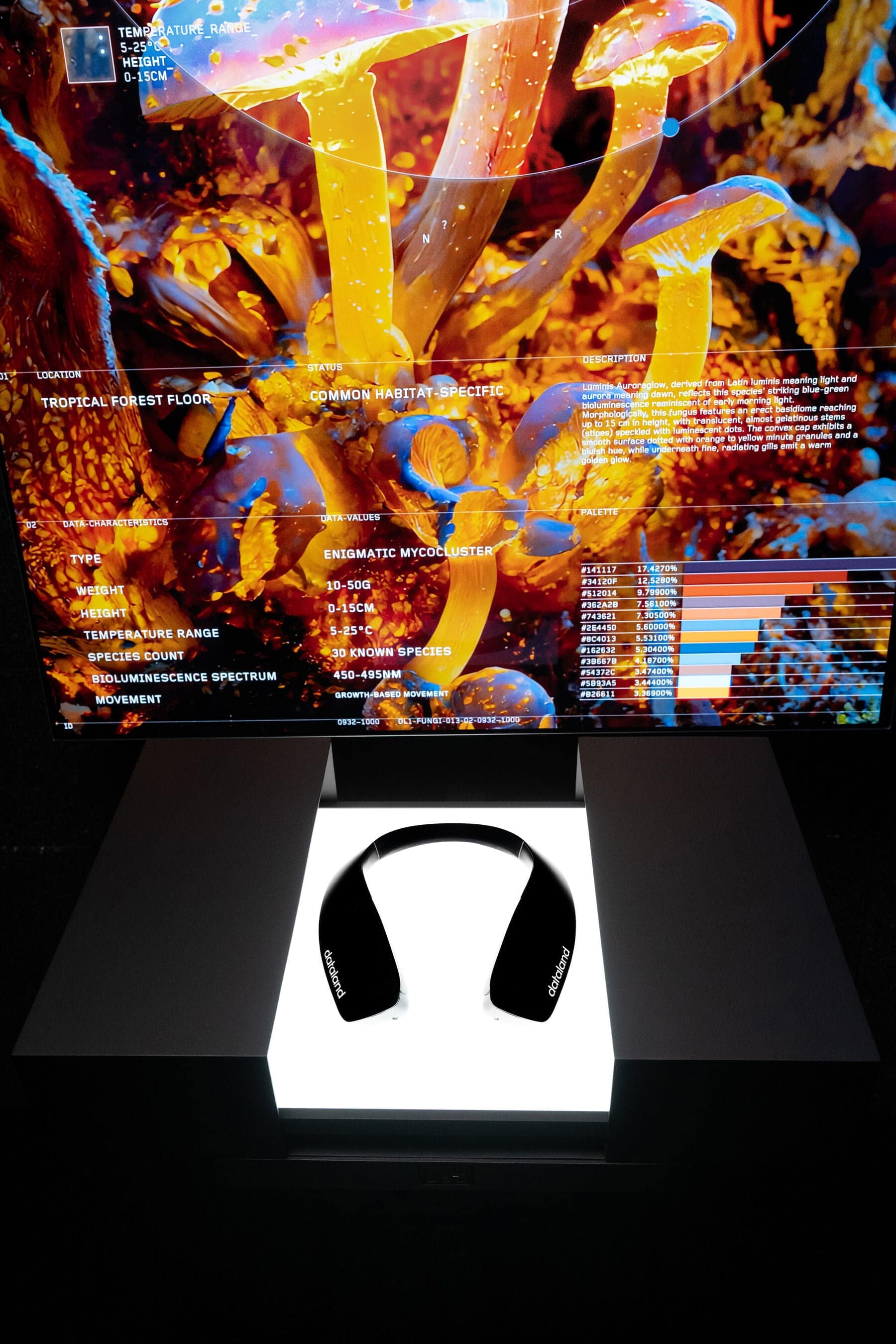
The project also reflects a broader evolution in how luxury beauty brands engage with culture. For decades, fragrance marketing has relied on storytelling, celebrity ambassadors, and aspirational imagery. DATALAND represents a different proposition. Rather than using culture to support a product launch, L’Oréal places fragrance directly within a cultural institution. The company is not asking visitors to discover a new perfume. It is asking them to consider scent as a form of artistic expression in its own right.
That distinction feels particularly relevant as beauty companies increasingly compete for cultural relevance beyond traditional retail environments. Luxury consumers are spending more time engaging with experiences than advertisements, and brands are responding by investing in exhibitions, hospitality, entertainment, and immersive environments. By becoming DATALAND’s founding olfactory partner, L’Oréal Luxe positions fragrance within a conversation that extends beyond beauty and into technology, art, and sensory design.
Perhaps the most compelling aspect of the partnership is that the fragrances themselves are not products. They cannot be purchased, worn, or added to a collection. Their value exists entirely within the experience. In an industry historically built around ownership, this represents a notable shift. The scents become temporary, participatory, and inseparable from the environment around them.
Ultimately, DATALAND is less a story about artificial intelligence than it is about the future of fragrance. The project suggests that scent may be evolving beyond its traditional role as a luxury product and into something closer to a cultural medium—one capable of shaping how audiences experience art, technology, and physical space. If beauty has long borrowed credibility from culture, L’Oréal Luxe is making the case that fragrance can become part of culture itself.