The Fashion Council Germany CEO Reflects On Berlin’s Reset, The City’s Creative Dna, And Why The Next Phase Is About Building Sustainable Fashion Businesses
By Kenneth Richard
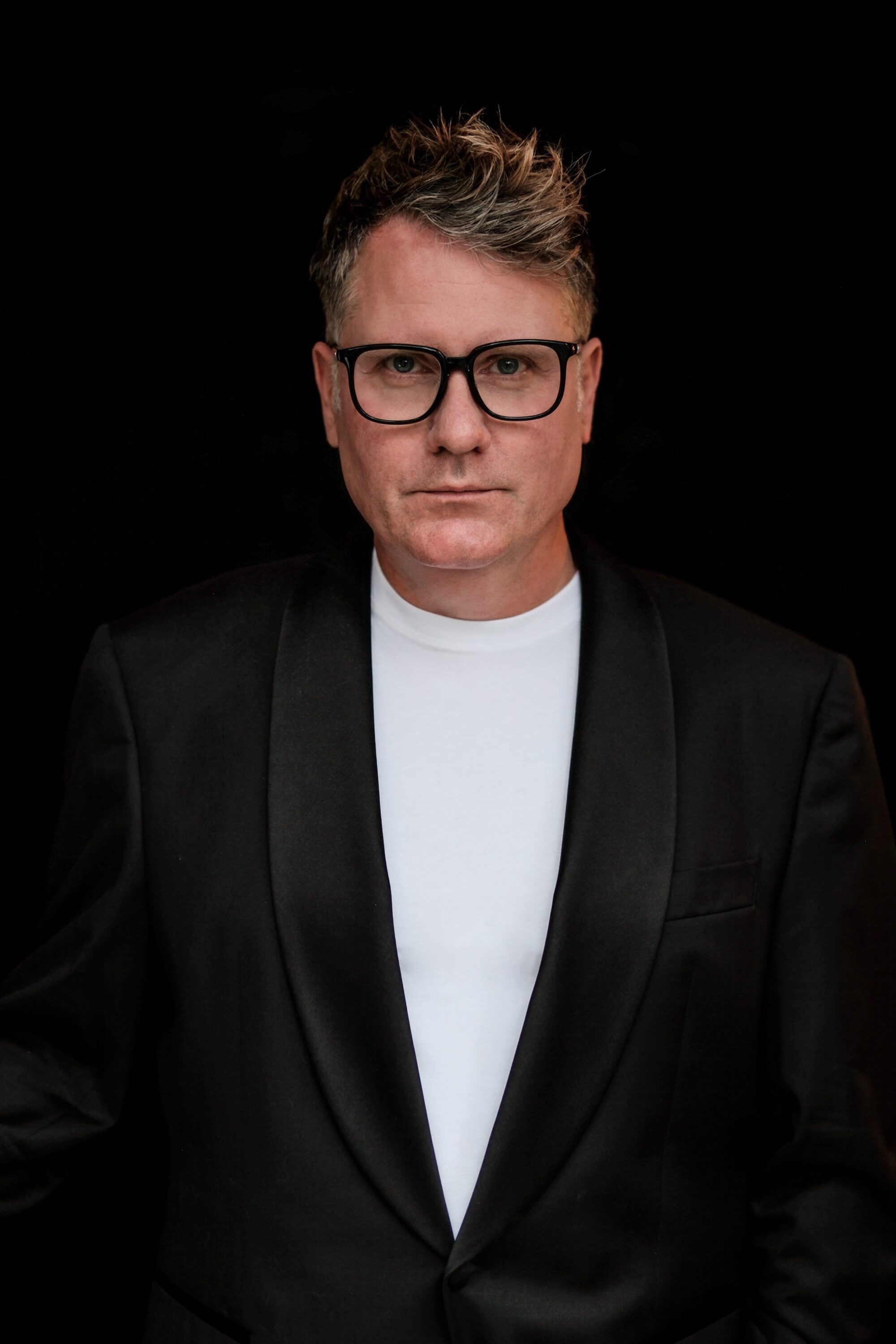
Few people have witnessed Berlin Fashion Week’s evolution as closely as Scott Lipinski.
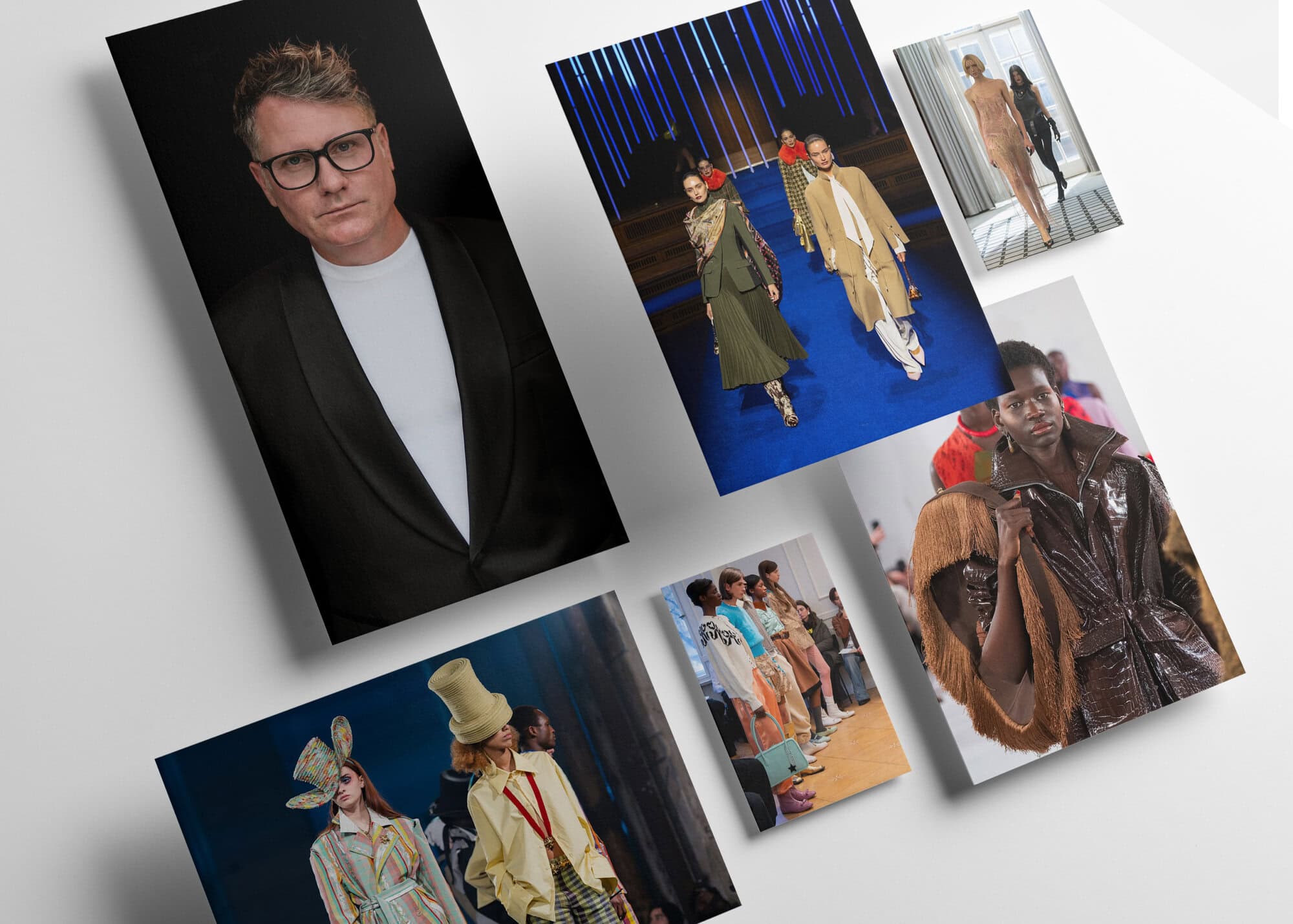
Long before becoming Chief Executive Officer of Fashion Council Germany in 2017, Lipinski experienced the industry from multiple angles. After beginning his career at Accenture, he moved into leadership roles at German fashion companies including Wunderkind, Michalsky, and lala Berlin, developing a perspective that spans both the creative and commercial sides of the business. Today, he stands among the key figures shaping Berlin Fashion Week’s modern identity.
As international editors, buyers, and brands increasingly turn their attention toward the German capital, Lipinski believes the city’s growing momentum stems from a decision that sounds deceptively simple: Berlin stopped trying to become somewhere else.
“Berlin is listening to Berlin for the first time and showing Berlin’s DNA,” he tells The Impression ahead of the Spring 2027 season.
For Lipinski, who has spent more than two decades watching Berlin Fashion Week evolve through multiple eras, the current moment feels markedly different from those that came before.
The first Berlin Fashion Week was held in 2007, arriving with optimism and international attention. Major sponsors invested in the city, global brands participated, and Berlin appeared poised to establish itself alongside Europe’s leading fashion capitals. Yet as the event matured, Lipinski believes it struggled to define what it truly represented.
“There were so many good ingredients in Berlin,” he recalls. “But we weren’t really showcasing the talents that we had.”
The city possessed emerging designers, creative energy, and a distinct cultural perspective. What it lacked was a platform that reflected those strengths consistently.
The turning point arrived in 2022 when Mercedes-Benz stepped away from its long-running sponsorship role. While many viewed the move as a setback, Fashion Council Germany saw something else entirely.
“We said, no, it’s just now a white piece of paper,” Lipinski recalls. “We have the chance now to really push that reset button.”
“Berlin is listening to Berlin for the first time and showing Berlin’s DNA.”
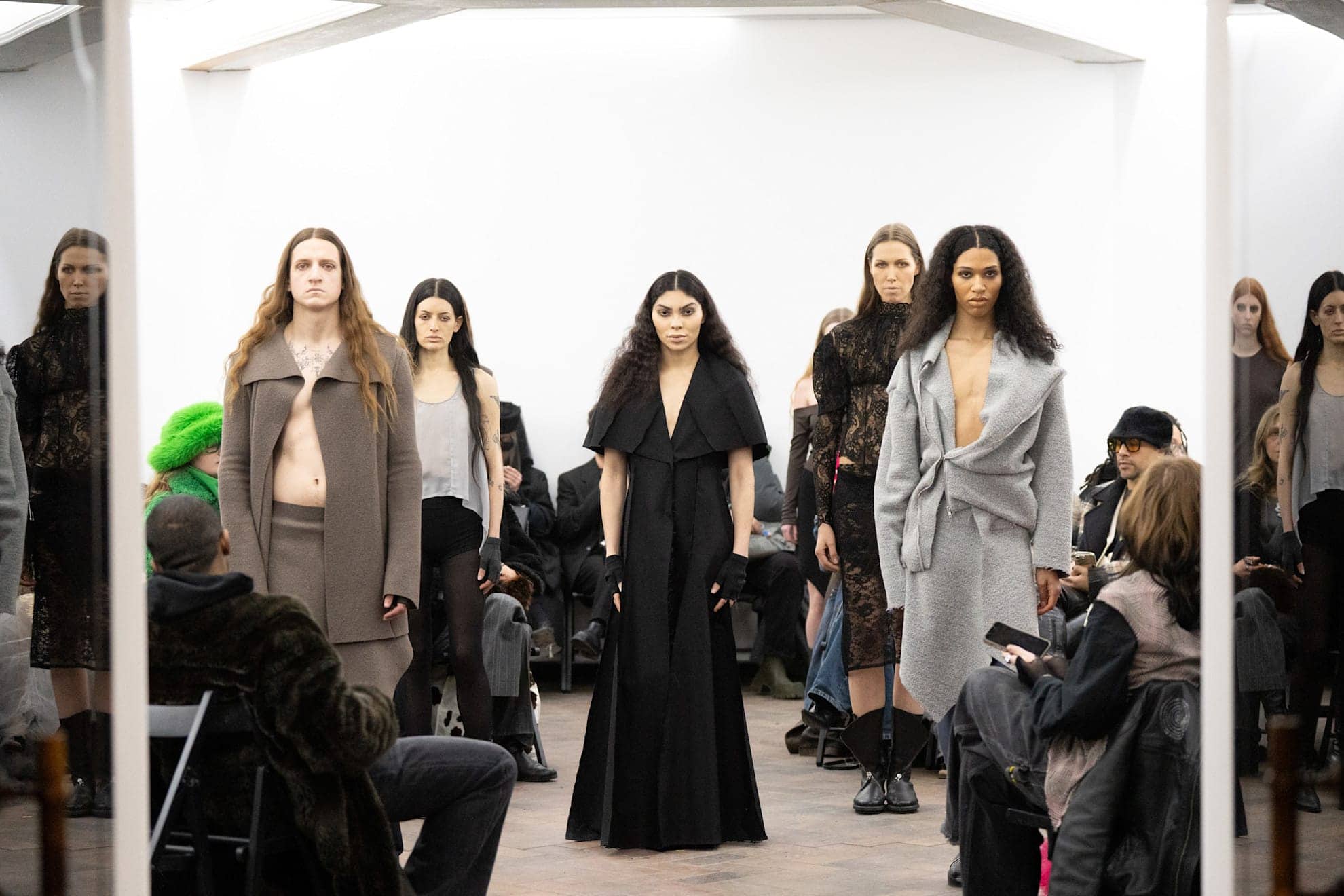
That blank page became the starting point for a three-year strategy designed to redefine Berlin Fashion Week from the ground up.
Rather than pursuing the scale of Paris, the luxury heritage of Milan, or the established prestige of London, Fashion Council Germany focused on the qualities already embedded within Berlin itself.
Freedom became the foundation.
Not freedom as a marketing slogan, but as a reflection of the city’s history, artistic culture, and social openness. Diversity, inclusivity, experimentation, and individuality became central to the conversation. Designers approached those ideas from different perspectives, but together they helped create a more coherent vision of what Berlin Fashion Week could represent.
“Why should we be like Milan? Why should we be like Paris? Why should we be like London?” Lipinski asks. “Paris is true to their DNA, Milan is true to their DNA, London is true to their DNA.”
For Berlin, authenticity meant embracing its own identity rather than measuring itself against someone else’s.
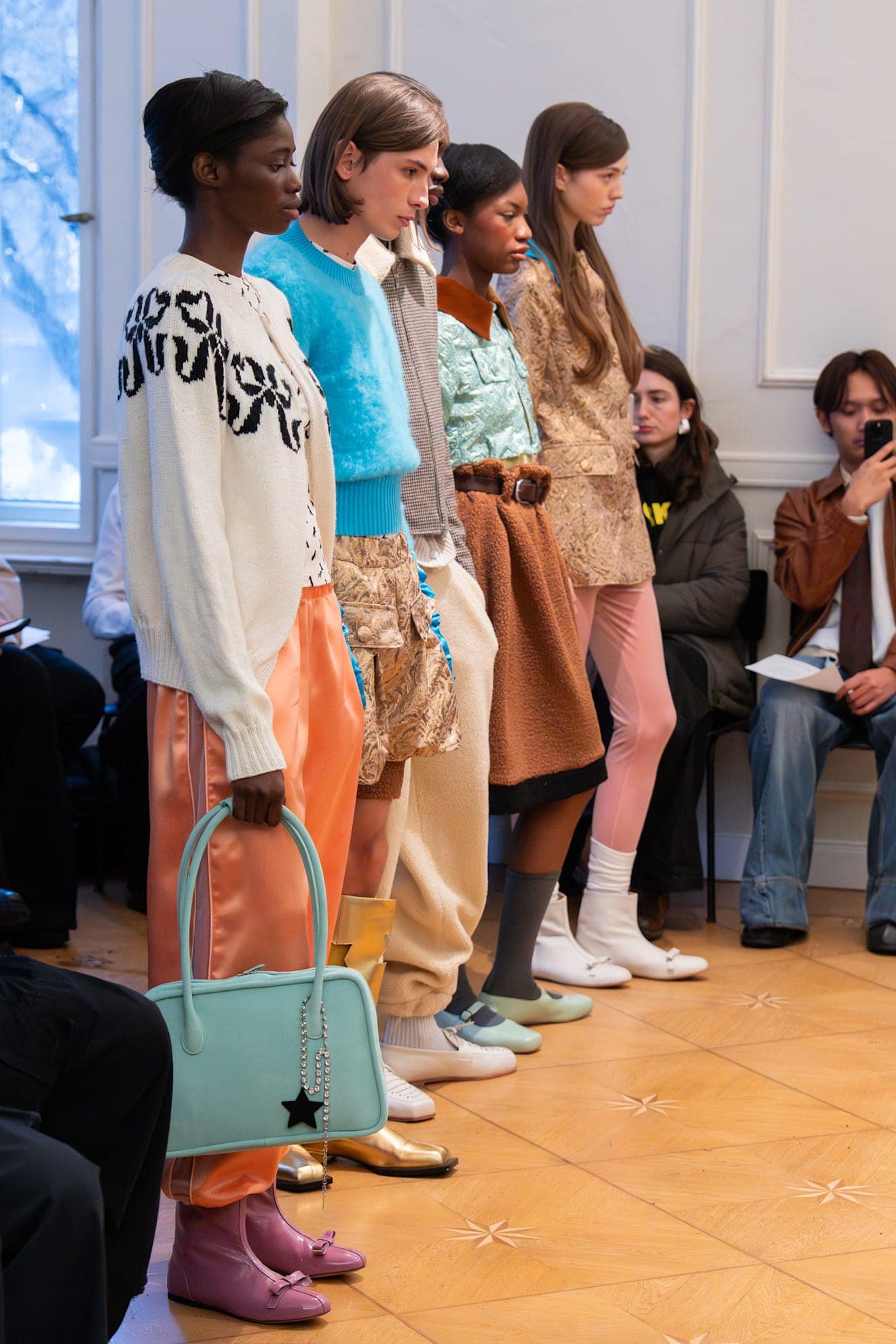
That identity extends well beyond fashion.
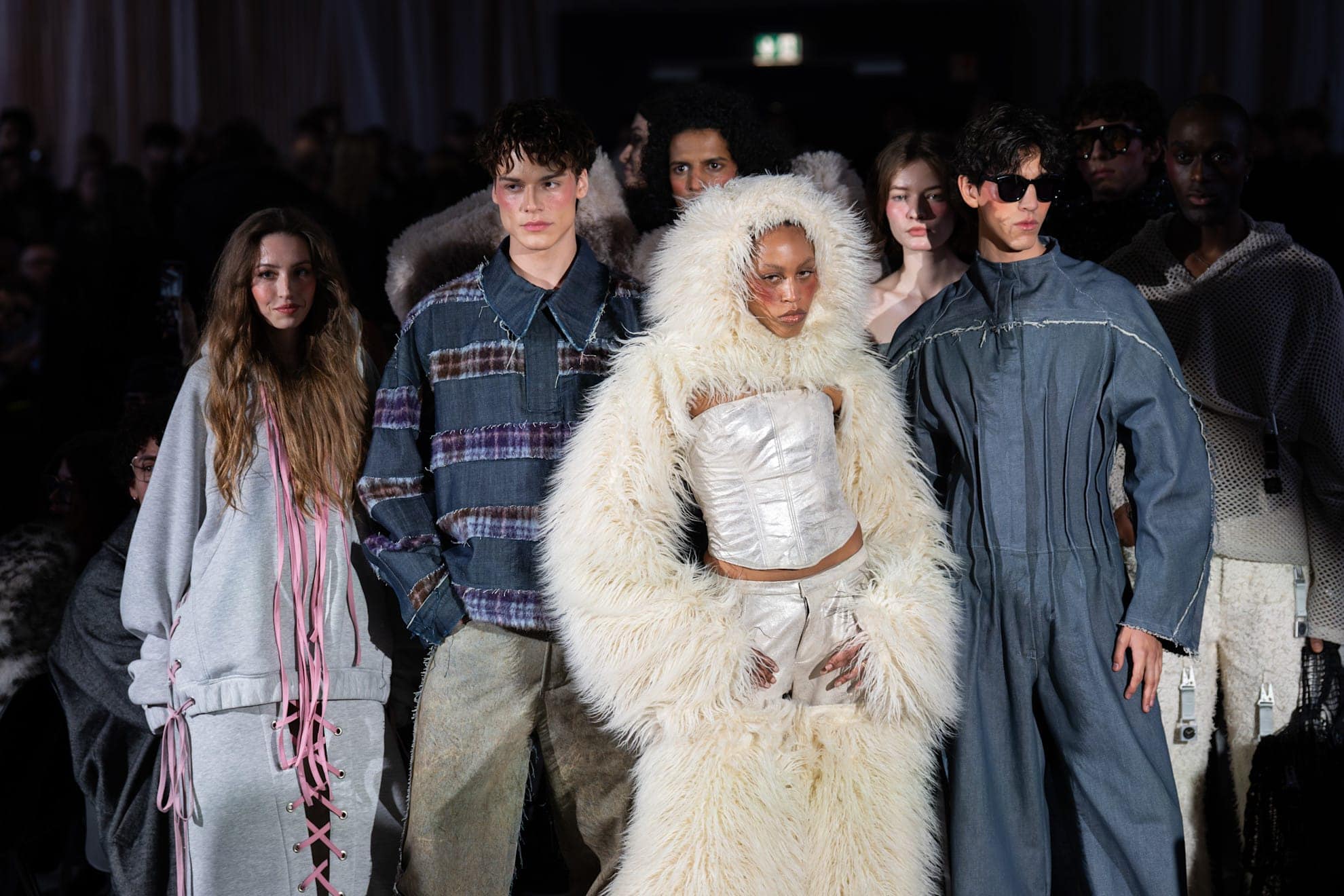
Berlin’s museums, galleries, industrial buildings, former airports, cultural institutions, clubs, and historic spaces have become integral parts of the fashion week experience. Shows unfold across venues that mirror the city’s broader creative landscape, creating a dialogue between fashion and the arts that feels uniquely Berlin.
At the same time, Fashion Council Germany began building something less visible but equally important: infrastructure.
“Fashion week is nothing else but a stage,” Lipinski says.
Behind that stage sits an increasingly sophisticated support system for emerging talent.
Designer grants help fund runway presentations. Curated initiatives such as Berlin Contemporary provide opportunities for young brands to showcase their work. International juries composed of editors, buyers, retailers, and industry experts help identify designers whose work reflects Berlin’s evolving identity.
Importantly, the organization’s approach avoids imposing a single aesthetic.
The goal is not to create a uniform Berlin look. Instead, the focus is on identifying designers who embody the city’s spirit of creative freedom while bringing their own perspectives to the conversation.
The result is a lineup that is increasingly international.
While many participating designers are based in Germany, their backgrounds span continents and cultures. This season’s calendar includes talent connected to Europe, Asia, North America, and Africa, reinforcing Berlin’s position as a global creative hub rather than a purely national fashion platform.
“Why should we be like Milan? Why should we be like Paris? Why should we be like London?”
A crucial factor in that transformation has been government support.
Lipinski credits both the Berlin Senate and, more recently, federal institutions for recognizing fashion as both a cultural and economic asset. Public investment has helped fund grants, industry programs, and designer initiatives while opening access to some of the city’s most compelling venues.
That partnership has allowed Berlin Fashion Week to invest in long-term development rather than focusing solely on short-term visibility.
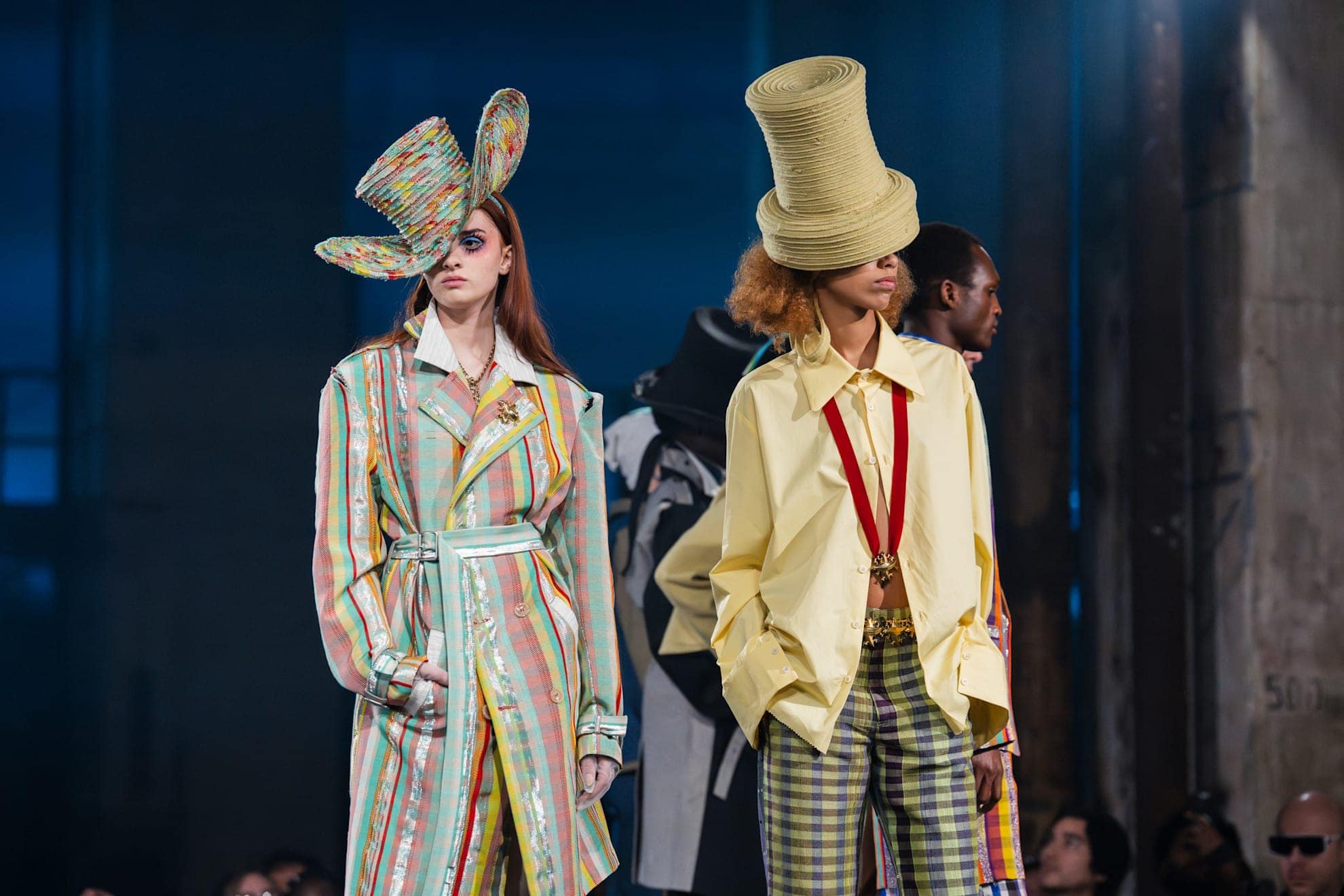
Three years into the reset, Lipinski believes many of the initial objectives have been achieved.
International awareness has increased. Editors and buyers are paying attention. Conversations about Berlin Fashion Week now center on its strengths rather than its shortcomings.
But the next phase may prove even more important.
“The second phase which is now the phase that we’re entering right now is help them become commercially more successful,” Lipinski says.
For many emerging designers, creative recognition is only the beginning. Building a sustainable business requires mastering production, pricing, distribution, wholesale relationships, and financial planning—areas that often fall outside a designer’s expertise.
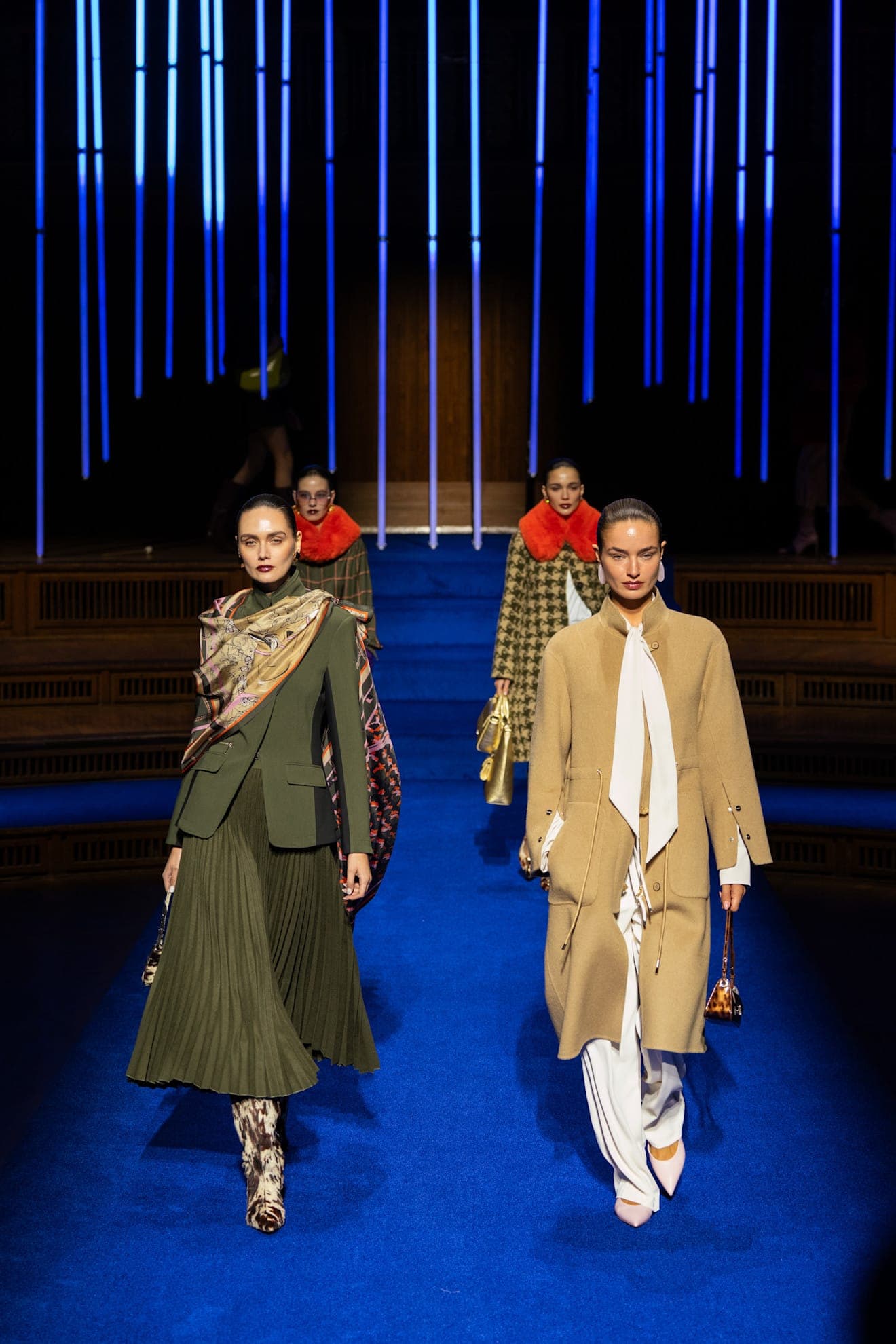
Fashion Council Germany is increasingly directing its efforts toward those challenges.
Upcoming initiatives include educational workshops, mentoring programs, and international market introductions. Plans are underway to establish a showroom presence in Paris, placing German talent closer to key buyers and commercial partners during one of the industry’s most important selling periods.
The organization has also expanded its international efforts through programs in markets such as Japan and South Korea, where Lipinski says retailers have shown significant interest in emerging German designers.
The objective is not permanent dependence on grants or public funding. The objective is sustainability.
Helping designers build businesses capable of standing on their own.
“The second phase which is now the phase that we’re entering right now is help them become commercially more successful.”
Beyond Berlin Fashion Week itself, Lipinski’s work increasingly extends into a broader European conversation. As a co-founder of the European Fashion Alliance, he has advocated for stronger collaboration across the continent’s fashion ecosystem while continuing to champion greater recognition of fashion as both a cultural and economic force within Germany.
That perspective—creative and commercial, local and international—continues to shape his vision for Berlin’s future.
For Lipinski, however, the most rewarding part of the job remains deeply personal.
Success is not always measured by revenue or wholesale orders. Sometimes it appears through a designer’s confidence, a stronger collection, or the realization of an idea that once existed only on paper.
As Berlin Fashion Week prepares for another season, those individual journeys remain at the center of its mission.
“It’s really seeing that everything you work on during the seasons—the right programs, the right mentoring—comes to life during Berlin Fashion Week,” he says. “That’s something very fulfilling.”
After years spent searching for its identity, Berlin Fashion Week appears to have found one not by looking outward, but by embracing the creative freedom that has long defined the city itself.