Opening June 10, the exhibition features nearly 150 creations spanning Christian Dior and his successors
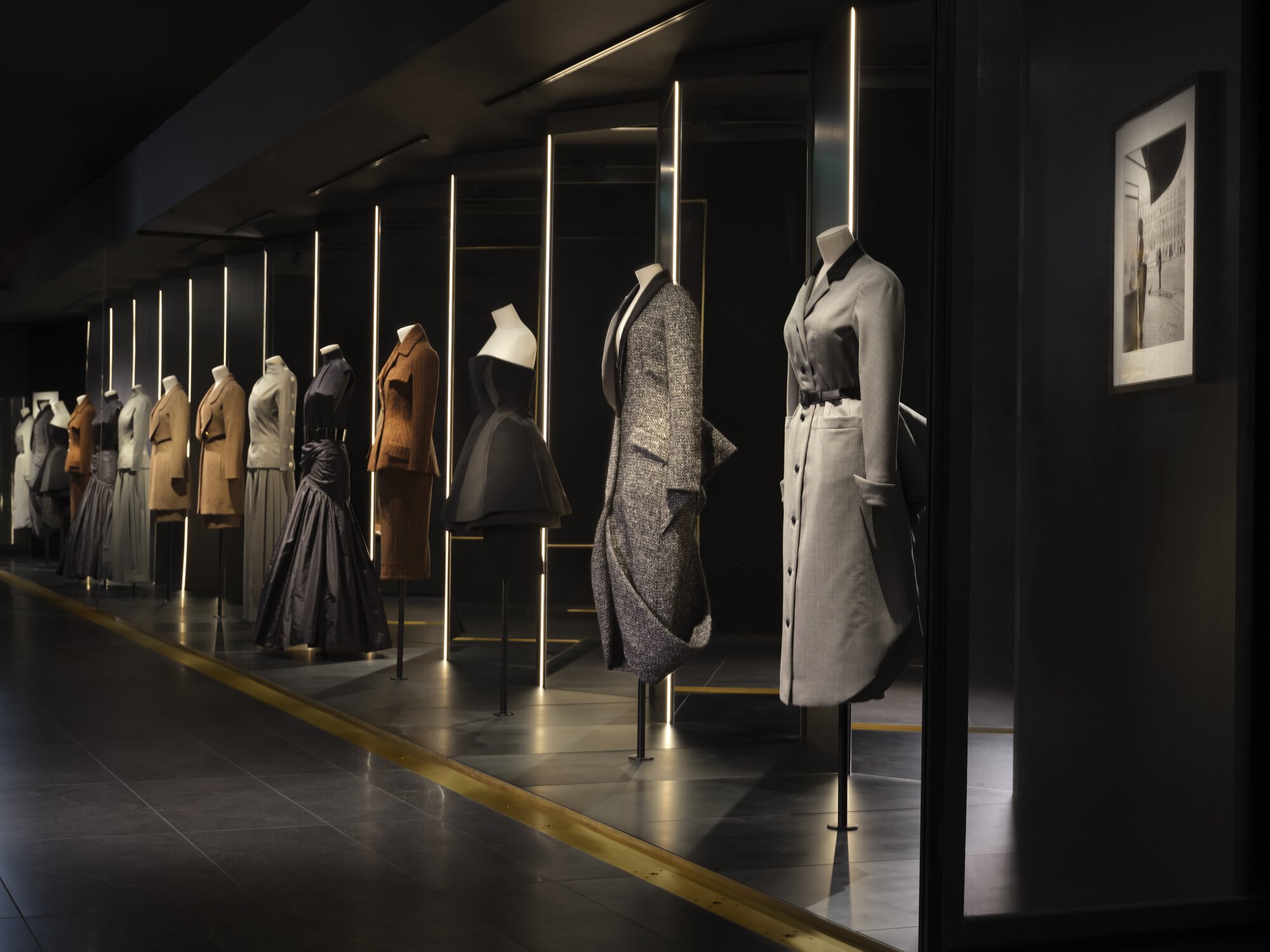
La Galerie Dior has unveiled a new exhibition retracing the creative history of the House from its founder, Christian Dior, to current Creative Director Jonathan Anderson. Opening on June 10, 2026, the renewed presentation offers visitors an expansive look at nearly eight decades of fashion history through the lens of one of luxury’s most influential maisons.
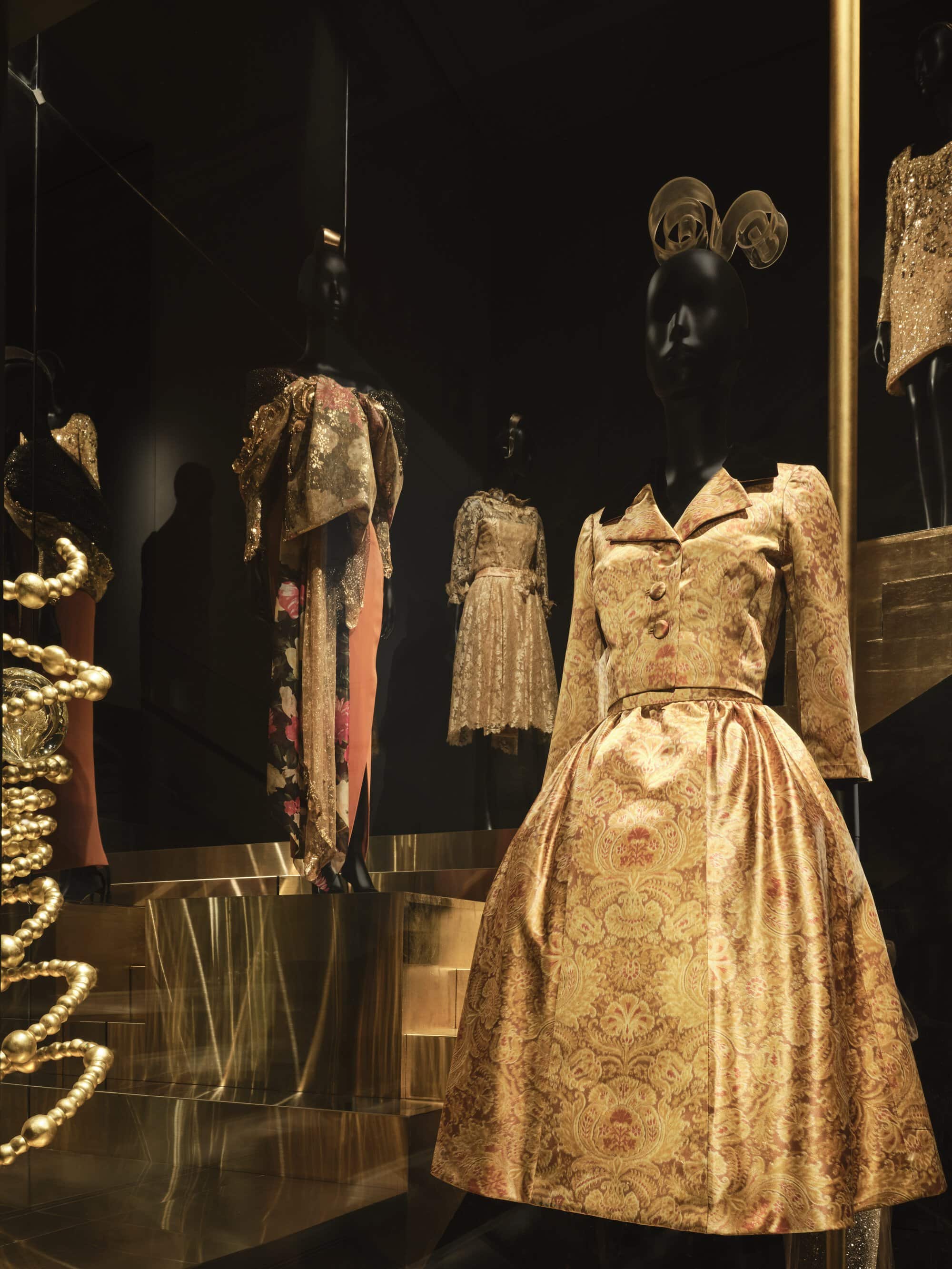
Located adjacent to Dior’s historic home at 30 Montaigne in Paris, La Galerie Dior remains the first exhibition space dedicated to telling the story of a fashion house within the very setting where much of that history unfolded. The new retrospective features nearly 150 creations alongside original sketches, archival documents, photographs, and other materials preserved by Dior Héritage.
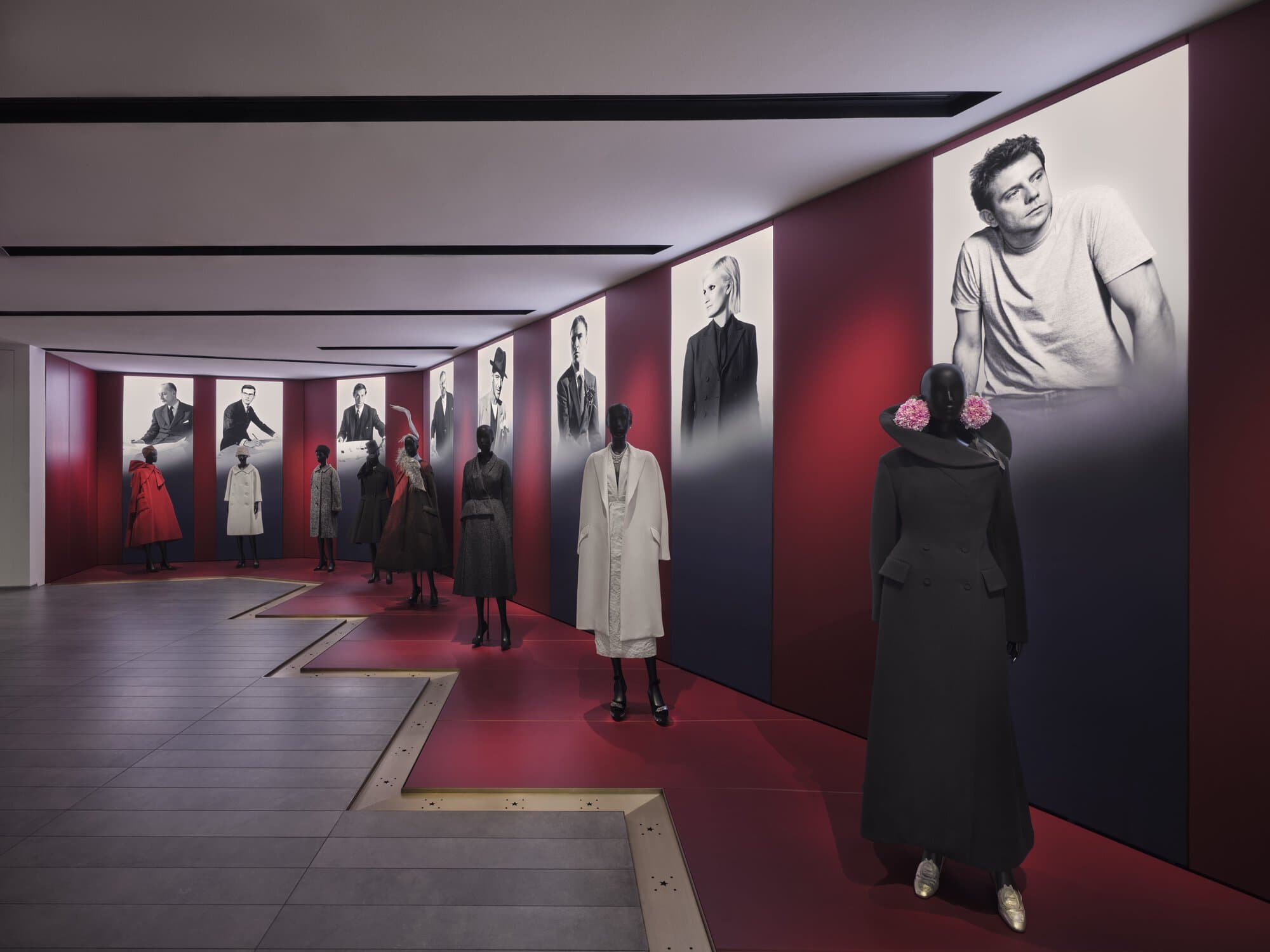
The exhibition traces the succession of creative directors who have shaped the House since its founding in 1947, including Yves Saint Laurent, Marc Bohan, Gianfranco Ferré, John Galliano, Raf Simons, Maria Grazia Chiuri, and Jonathan Anderson. Appointed in 2025 as Creative Director of Dior’s women’s, men’s, and haute couture collections, Anderson’s work is presented in dialogue with those who came before him, highlighting both continuity and reinterpretation within the Dior aesthetic.
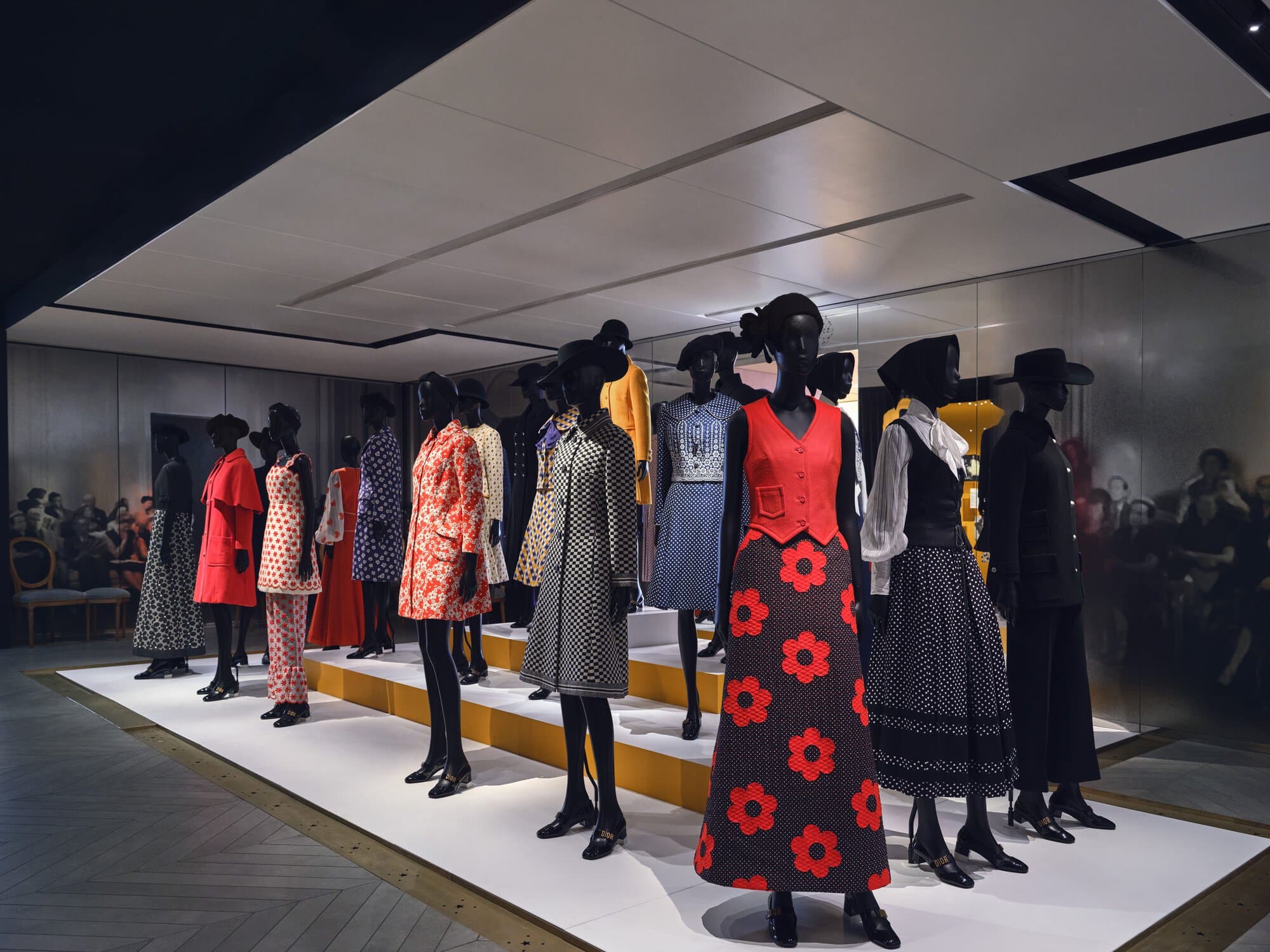
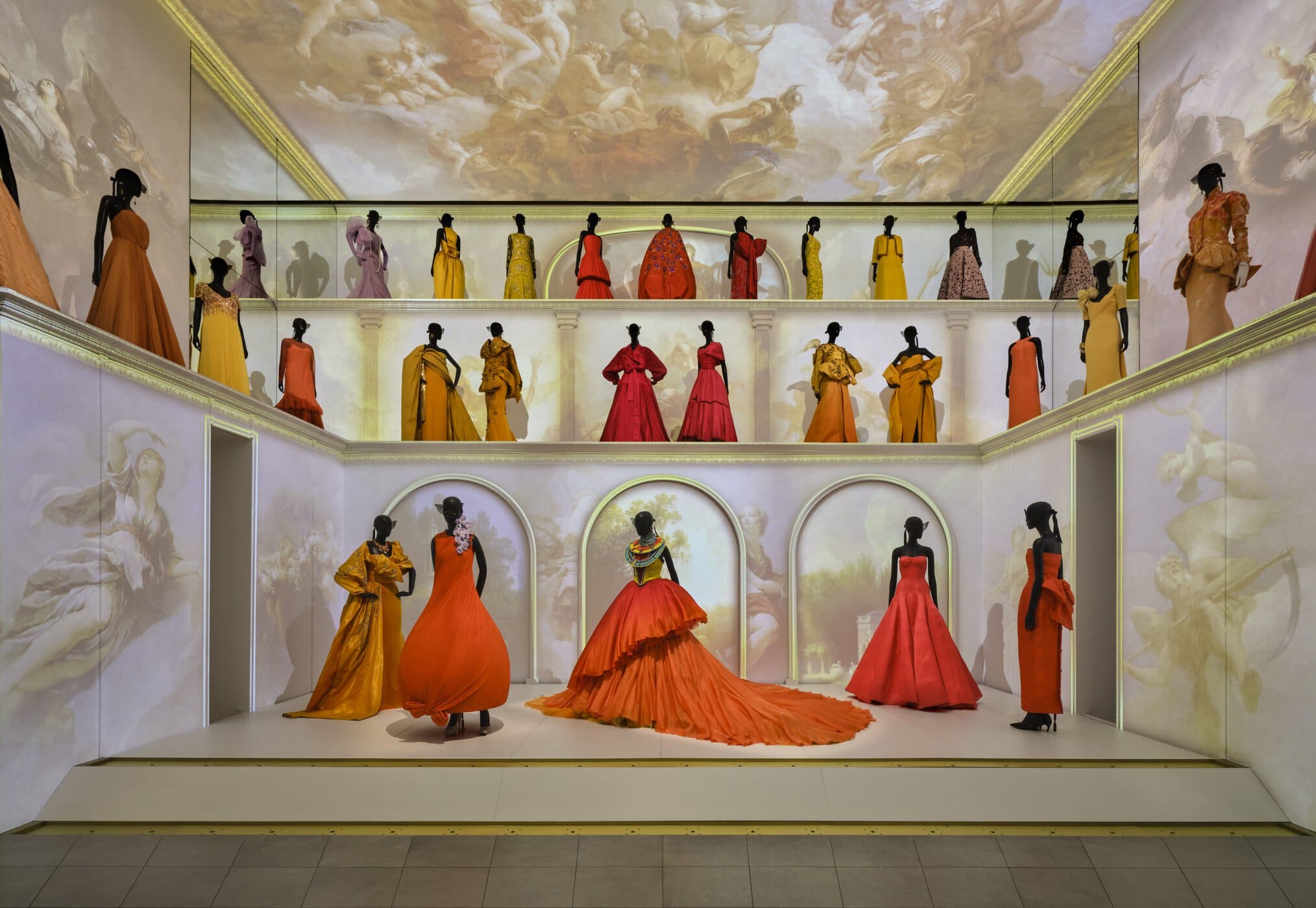
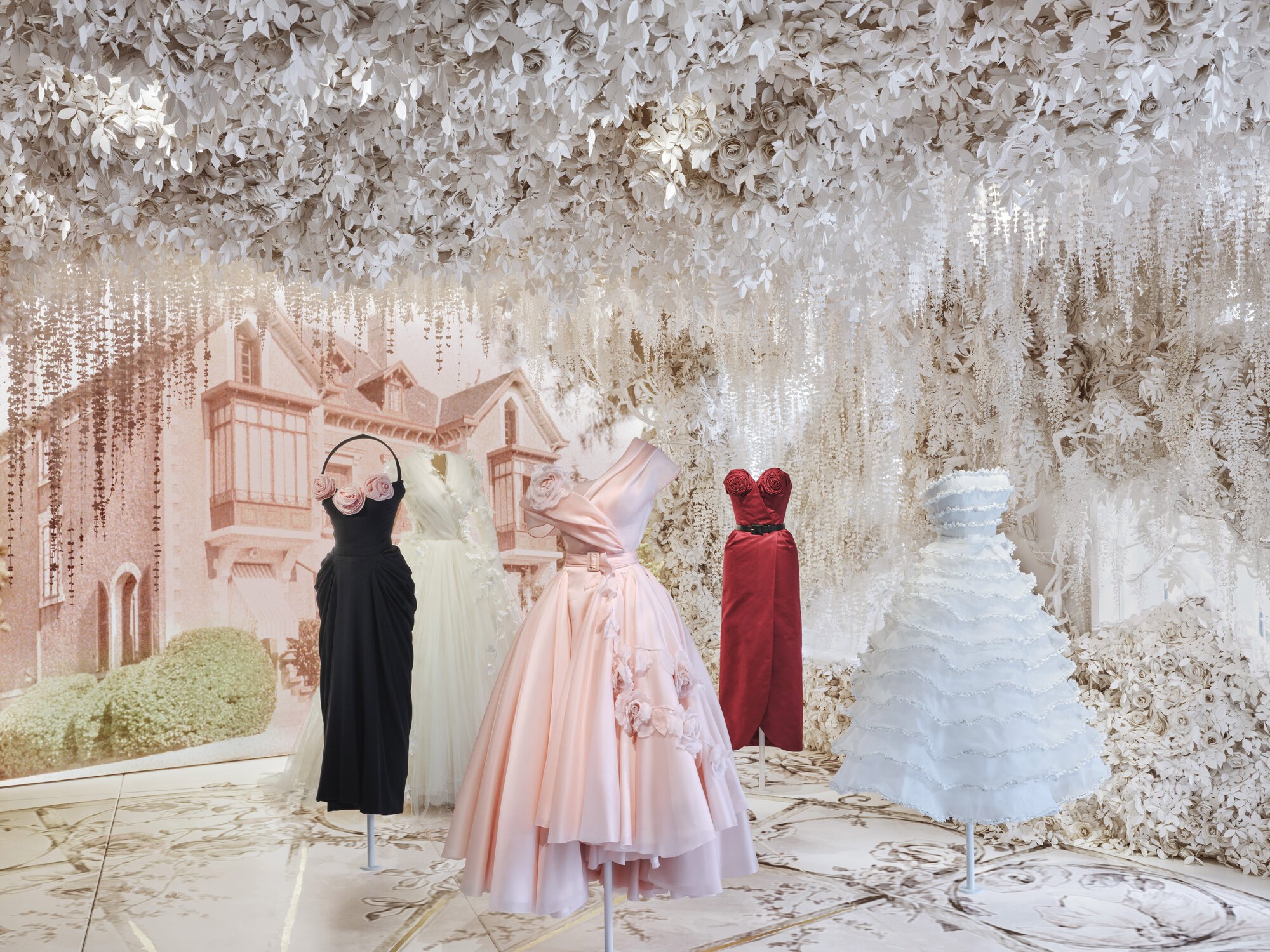
Spread across thirteen themed rooms, the exhibition explores many of the defining elements of the House. Visitors are guided through subjects ranging from the influence of gardens and the glamour of grand balls to the enduring appeal of the little black dress. Another section revisits Diorling, the ready-to-wear line launched in London in 1968 by Christian Dior London Artistic Director Jorn Landberg, which reflected the youthful energy and changing social landscape of the Swinging Sixties.
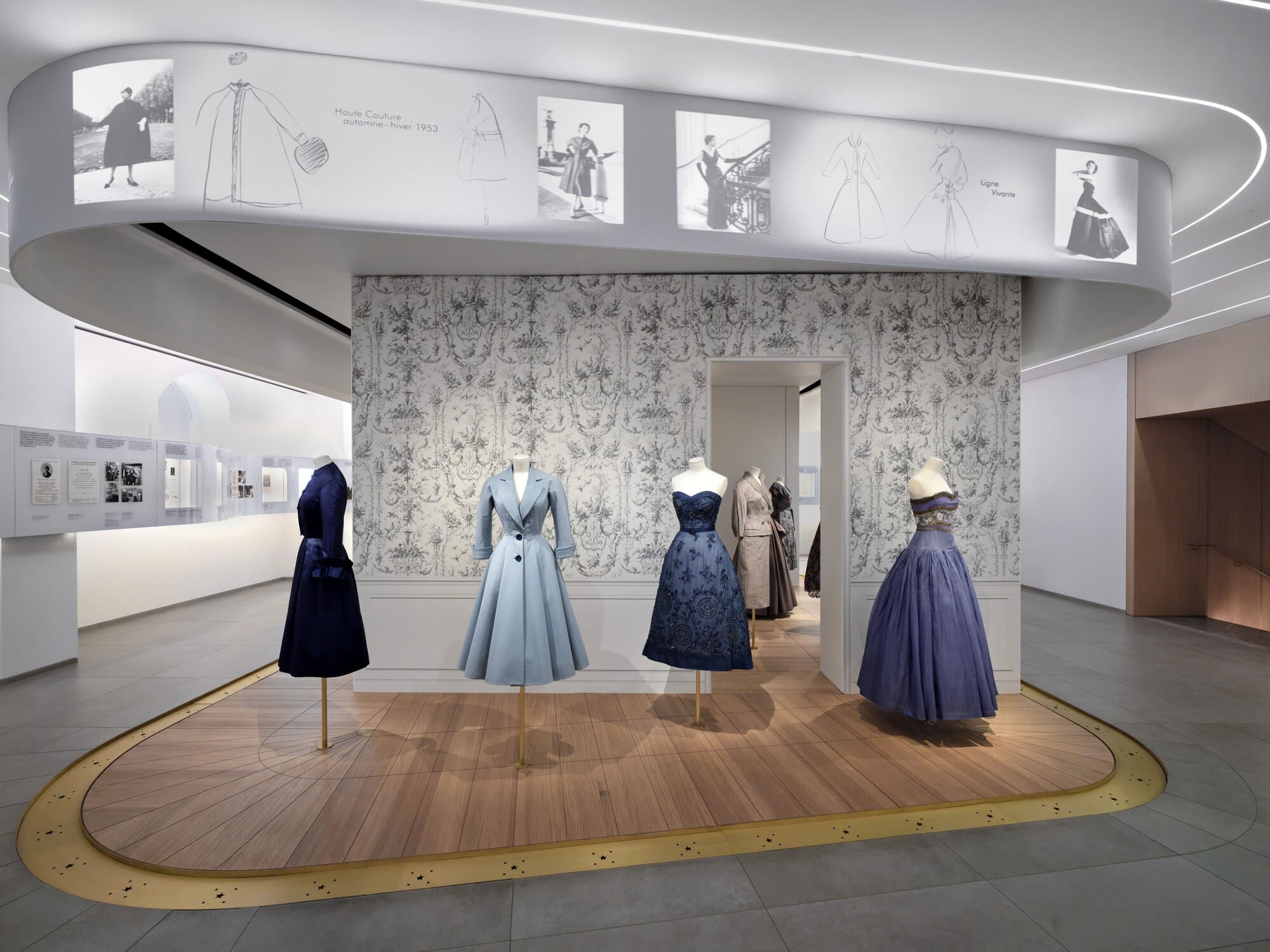
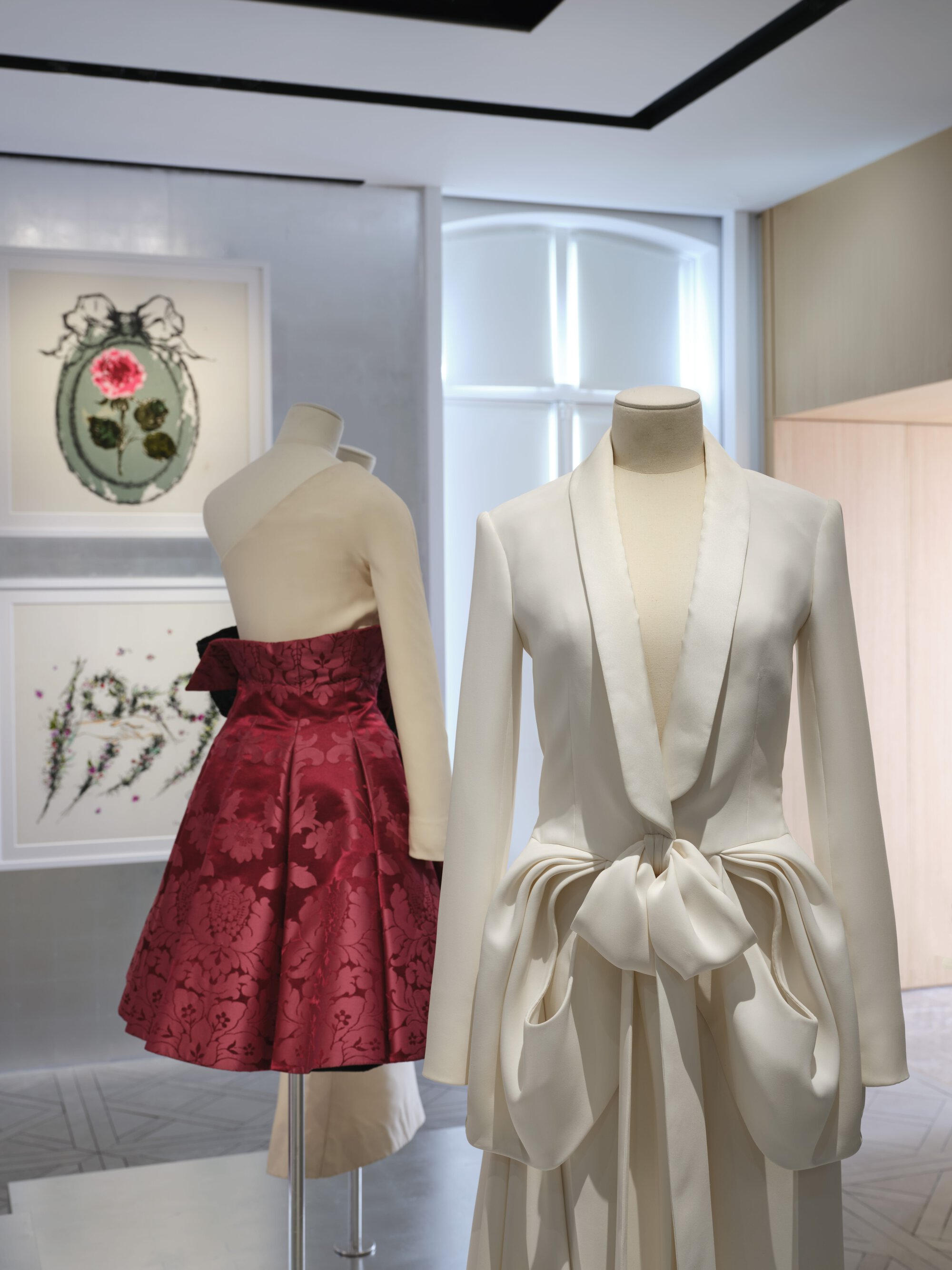
A significant portion of the exhibition is devoted to the craftsmanship behind haute couture. Displays examine the creation of the Dior silhouette, the development of toiles before final fabric selection, and the technical construction methods that transform garments into architectural forms. The presentation also explores the decorative elements that have become synonymous with Dior, including the recurring motif of the bow, which evolved under successive creative directors into a symbol of refinement and elegance.
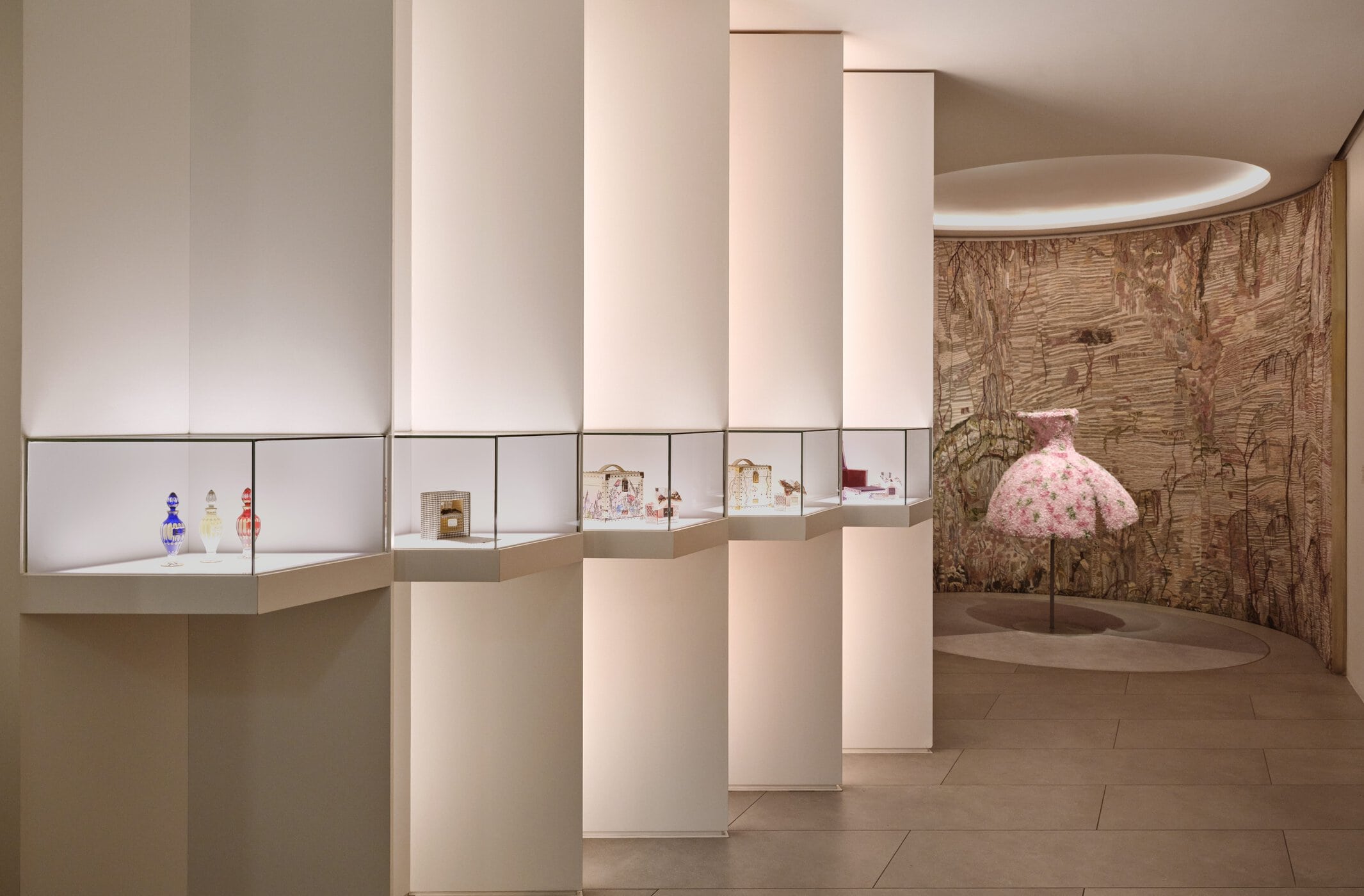
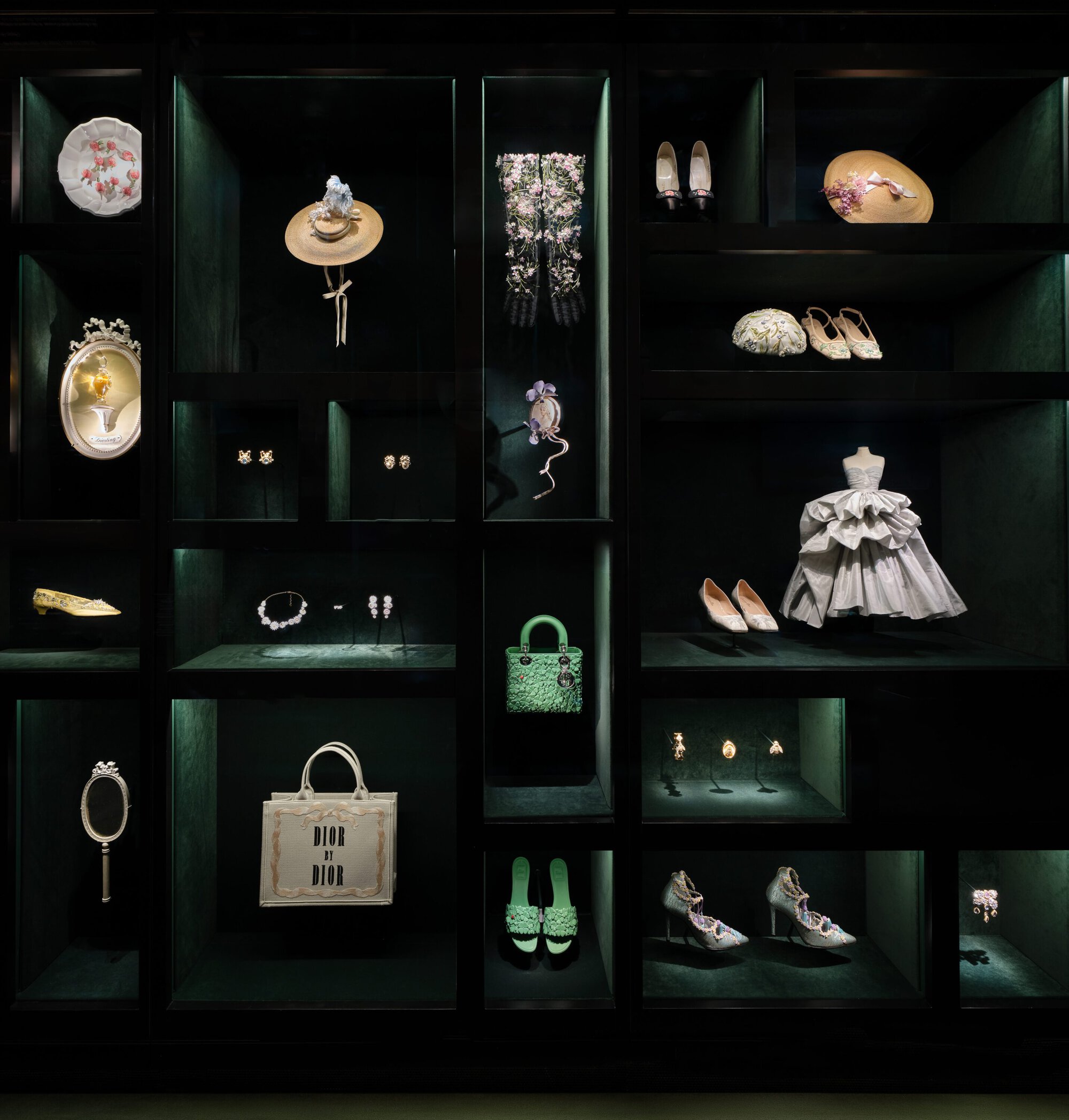
Accessories are given equal attention throughout the exhibition. Hats, handbags, gloves, shoes, and fragrances illustrate how Dior’s vision extended beyond clothing to create a complete wardrobe that accompanied women throughout the day and into the evening.
The exhibition also serves as a reminder of the historical significance of 30 Montaigne, where Dior’s haute couture collections have been designed since the debut of the New Look in 1947. That first collection reshaped postwar fashion and established many of the codes that continue to influence the House today.
Attracting more than 400,000 visitors annually, La Galerie Dior has become a major destination for fashion enthusiasts and cultural tourists alike. Through its latest reinstallation, the institution continues its mission of preserving and reinterpreting the House’s legacy while introducing new generations to the designers, craftsmanship, and creative vision that have defined Dior for nearly eighty years.